Modern Panoramic Sightseeing Passenger Elevator Suppliers and Manufacturers
Source Modern Panoramic Sightseeing Passenger Elevator options from 23 verified suppliers in China. Compare specifications like AC driving types, speeds up to 2.00m/s, and certifications including ISO 9001 and CE. Review lead times and MOQs to find the right fit.
Updated
Suppliers List

- Verified by BV
- Trading Company,Manufacturer/Factory
- China Jiangsu
- Lead time23 days
- Avg. response≤ 10h
Main productsPassenger Elevator, Escalator, Freight Elevator, Bed Lift, Home Lift, Car Lift, Observation Lift
Main marketsSouth America,Eastern Europe,Mid East,North America,Southeast Asia,Eastern Asia,Oceania,Western Europe,Africa


Factory Direct Sales of High-Quality Panoramic Elevator Sightseeing Elevator
$8000.00 - $15000.00
MOQ: 1 SET

- Verified by TüVRheinland
- Trading Company
- Lead time30 days
- Avg. response≤ 5h
Main productsElevators, Elevator Parts
Main marketsSouth America(24%), Central America(12%), Southeast Asia(10%)

Vertra Elevator (Suzhou) Co., Ltd.
- Verified by SGS
- Combined
- China Jiangsu
- Lead time45 days
- Avg. response≤ 5h
Main productsHome Lift, Villa Elevator, Passenger Elevator, Elevator Components
Main marketsDomestic
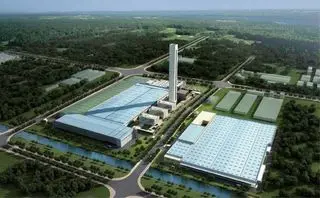
Suzhou Dazen Electromechanical Technology Co., Ltd.
- Trading Company
- Jiangsu, China
- Lead time0 days
- Avg. response≤ 3h
Main productsAutomatic Elevator,Automatic Escalator,Elevator And Escalator Parts
Main marketsMid East(35.00%), Western Europe(25.00%), South America(15.00%), Southeast Asia(15.00%), Africa(10.00%)

ASIA FUJI ELEVATOR (LINYI) CO., LTD.
- Verified by BV
- Combined
- China Shandong
- Lead time30 days
- Avg. response≤ 4h
Main productsElevator, Home Elevator, Home Lift, Passenger Elevator, Passenger Lift, Villa Elevator, Villa Lift, Cargo Elevator, Freight Elevator, Sight Elevator
Main marketsDomestic


Panoramic Sightseeing External Commercial Vertical Passenger Elevator
$9000.00 - $12000.00
MOQ: 1 Sets

Semi-Circle Panoramic Residential Sightseeing Passenger Observation
$8000.00 - $10000.00
MOQ: 1 Pieces

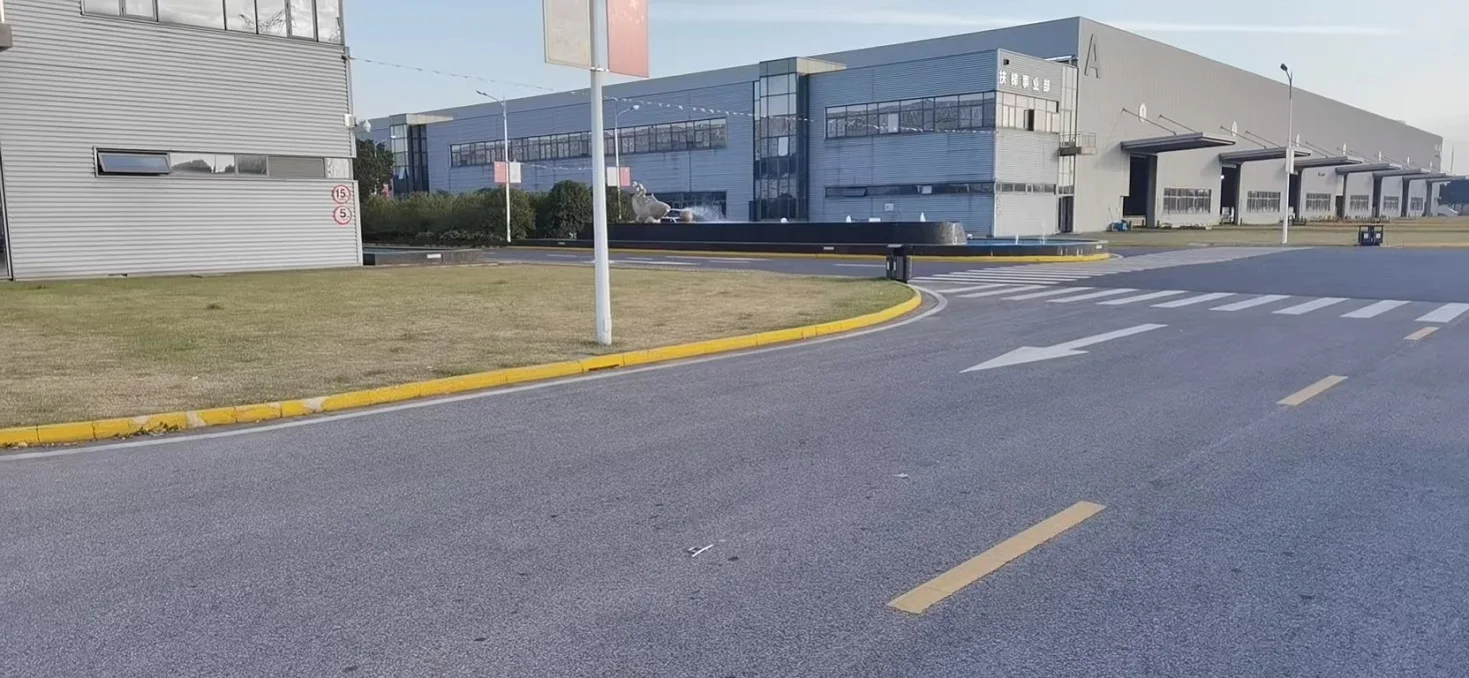
SHANGHAI FUJI ELEVATOR CO., LIMITED
- Trading Company
- Hong Kong S.A.R.
- Lead time10 days
- Avg. response≤ 4h
Main productselevator,escalator,home lift,elevator parts,escalator parts
Main marketsNorthern Europe(20.00%), Domestic Market(10.00%), Eastern Asia(10.00%), South Asia(10.00%), Mid East(10.00%), Southeast Asia(10.00%), Eastern Europe(10.00%), South America(10.00%), North America(5.00%), Africa(5.00%)
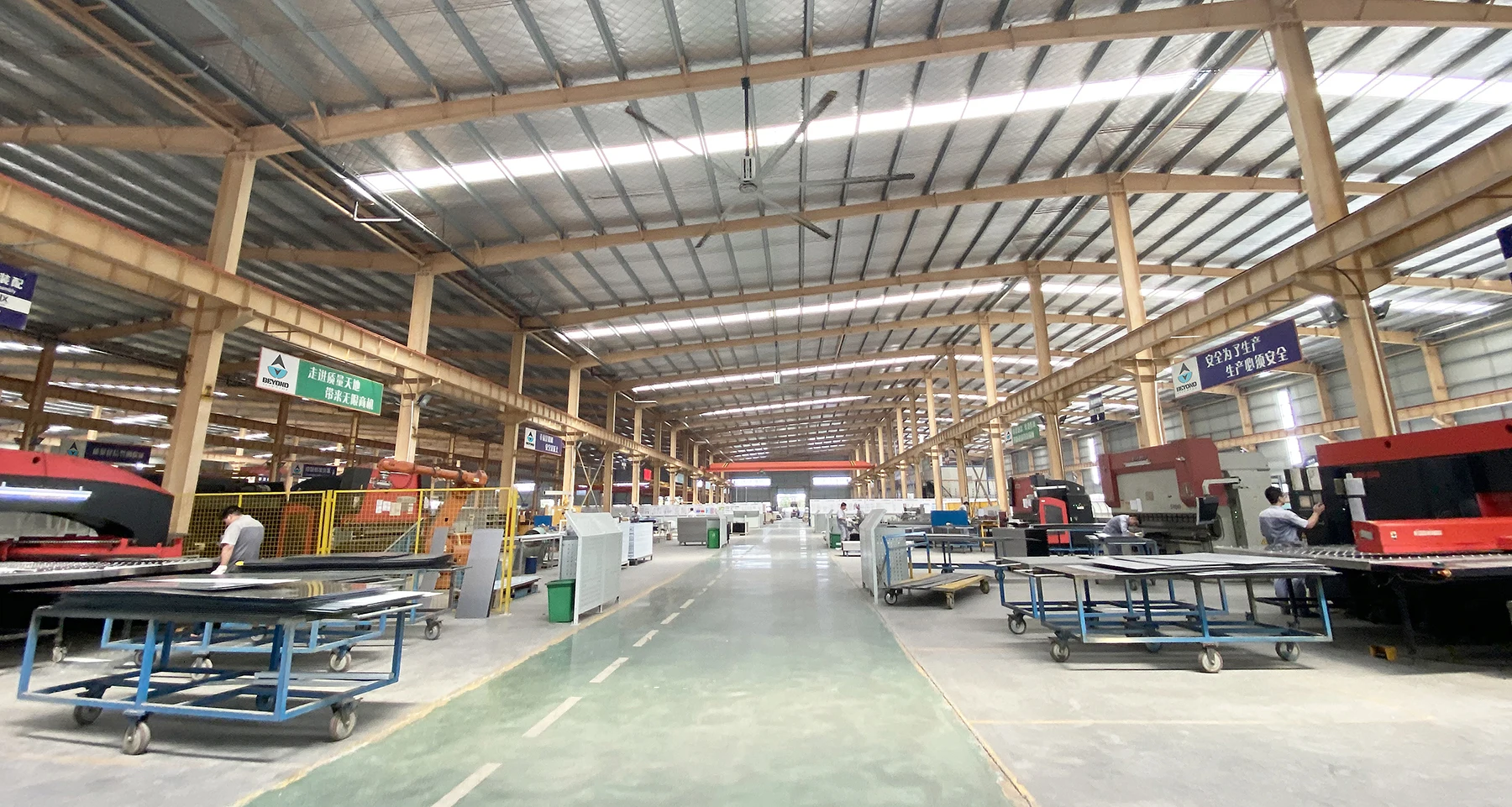
Henan Beyond Elevator Co., Ltd.
- Trading Company
- Henan, China
- Lead time20 days
- Avg. response≤ 4h
Main productselevator,elevator parts,elevator traction machine,escalator,moving walk
Main marketsSouth America(40.00%), Southeast Asia(20.00%), South Asia(10.00%), Central America(10.00%), Oceania(5.00%), Eastern Asia(5.00%), Mid East(5.00%), North America(5.00%)
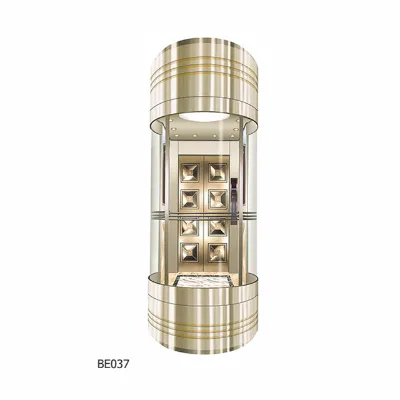
Classic Design Panoramic Sightseeing Lifts Commercial Elevator for Hotel/Passenger Lift
$12449.353
MOQ: 1 Minimum
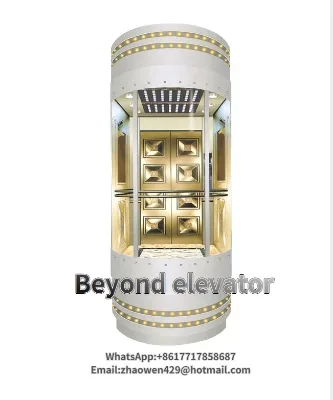
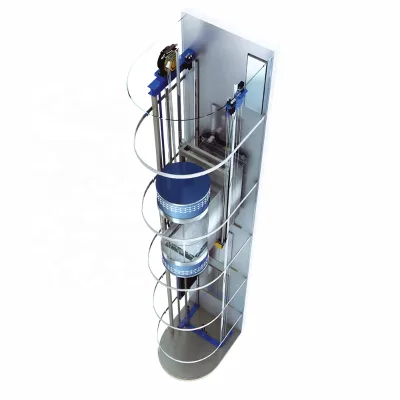
Sightseeing Passenger Elevator Commercial Hotels Indoor Sightseeing Passenger Elevator
$10317.3136
MOQ: 1 Minimum

Shengxun Elevator (Zhejiang) Co., Ltd.
- Verified by TUVRHEINLAND
- Combined
- China Zhejiang
- Lead time30 days
- Avg. response≤ 11h
Main productsPassenger Lift, Home Lift, Freight Lift, Car Lift, Observation Lift, Hospital Lift, Dumbwaiter, Escalator, Side Walking, Elevator Parts
Main marketsAfrica,Southeast Asia/ Mideast


Stainless Steel Latest Design Passenger Panoramic Sightseeing Elevator Lift
$10000.00 - $14000.00
MOQ: 1 Sets


Large Capacity 60% Energy-Saving Passenger Panoramic Sightseeing Elevator
$10000.00 - $14000.00
MOQ: 1 Sets

Suzhou Dazen Electromechanical Technology Co., Ltd.
- Verified by SGS
- Trading Company,Manufacturer/Factory
- China Jiangsu
- Lead time23 days
- Avg. response≤ 6h
Main productsPassenger Elevator, Home Elevator, Cargo Elevator, Hospital Elevator, Glass Elevator, Escalator, Elevator Components, Escalator Components
Main marketsSouth America,Mid East,Southeast Asia,Eastern Asia,Western Europe,Africa


Hot Sale Passenger Lift Elevator Panoramic with Local Installation Team and Factory Price
$12999.00 - $19999.00
MOQ: 1 Pieces


Xi 'an Aojin Building Equipment Engineering Co., Ltd.
- Trading Company
- Shaanxi, China
- Lead time25 days
- Avg. response≤ 4h
Main productsPASSENGER ELEVATOR,VILLA ELEVATOR,FREIGHT ELEVATOR,PANORAMIC ELEVATORELEVATOR,ELEVATOR PARTS
Main marketsMid East(39.00%), Southeast Asia(16.00%), Africa(8.00%), South America(8.00%), Eastern Europe(8.00%), Oceania(6.00%), Eastern Asia(4.00%), South Asia(3.00%), Southern Europe(2.00%), Northern Europe(2.00%), Domestic Market(1.00%), Central America(1.00%), Western Europe(1.00%), North America(1.00%)
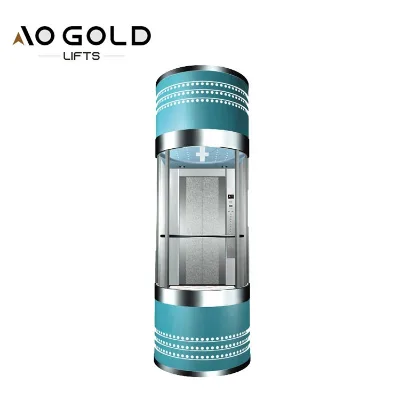
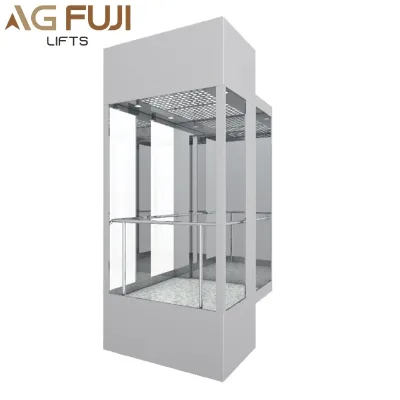
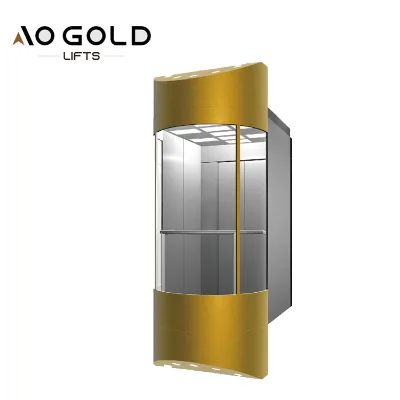
Luxury Design 800kg-1000kgs 4 Persons Sightseeing Semicircle Panoramic Elevator for Villa Home
$10352.9184
MOQ: 2 Minimum
$2000.00 - $3000.00
MOQ: 1 Minimum
$7142.2451 - $8162.7116
MOQ: 1 Minimum
Hot Sale Passenger Elevator Commercial External Passenger Elevator External Passenger Elevator
$9700.00 - $12000.00
MOQ: 1 units

Fujithrough (Guangdong) Elevator Group Co., Ltd.
- Verified by SGS
- Combined
- China Guangdong
- Lead time15 days
- Avg. response≤ 1h
Main productsPassenger Elevator, Escalator, Home Lift, Home Elevator, Panoramic Elevator, Medical Elevator, Freight Elevator, High Speed Passenger Elevator, Elevator, Elevator Lift
Main marketsDomestic

Modern Panoramic Passenger Elevator Lift for Sightseeing Stylish Urban Spaces
$7000.00 - $12850.00
MOQ: 1 unit


Desenk Elevator (China) Elevator Co., Ltd.
- Manufacturer
- China Zhejiang
- Lead time0 days
- Avg. response≤ 24h
Main productsPassenger Elevator, Elevator, Passenger Lift, Escalator, Freight Elevator, Moving Walk, Goods Elevator, Home Lift, Home Elevator, Car Lift

Glass Elevator Panoramic Elevator Passenger Elevator with Good Elevator Price Sightseeing Elevator
$8200.00 - $16000.00
MOQ: 1 unit

China Factory Passenger Elevator Panoramic Elevator Sightseeing Elevator with Glass Elevator Cabin
$9800.00 - $20000.00
MOQ: 1 Set

Square Elevator Professional 1000kg Sightseeing Elevator Panoramic Glass Passenger Elevator
$9800.00 - $20000.00
MOQ: 1 Set

Beautiful Sightseeing Elevator Glass Passenger Elevator Panoramic Elevator for Office Buildings
$9800.00 - $20000.00
MOQ: 1 Set

Good View Glass Passenger Elevator Panoramic Elevator Sightseeing Elevator for High Building
$9800.00 - $20000.00
MOQ: 1 unit

Outside Passenger Elevator Observational Elevator Panoramic Glass Elevator From China Supplier
$9800.00 - $20000.00
MOQ: 1 Set

HUZHOU FUJI ELEVATOR CO., LTD.
- Verified by SGS
- Combined
- China Zhejiang
- Lead time30 days
- Avg. response≤ 1h
Main productsPassenger Elevator, Home Elevator, FUJI Elevator, Villa Elevator, Sightseeing Elevator, Passenger Lift, Escalator, Goods Elevator, Car Elevator, House Elevator
Main marketsSouth America,Africa,Southeast Asia/ Mideast,Domestic,Europe,North America


Passenger Elevator Sightseeing with Professional Service and Best Price
$8000.00 - $23000.00
MOQ: 1 unit


Low Cost Hot Sale Hotel Building Passenger Home Panoramic Sightseeing Elevator Price
Negotiable
MOQ: 1 Sets

- Verified by SGS
- Trading Company,Manufacturer/Factory
- China Guangdong
- Lead time23 days
- Avg. response≤ 1h
Main productsElevator, Escalator, Passenger Elevator, Home Elevator, Hospital Elevator, Panoramic Elevator, Escalator & Moving Walkway, Freight Elevator
Main marketsSouth America,Mid East,North America,Southeast Asia,Eastern Asia,Africa

Sightseeing Lift Commercial Vertical Good View Safety Passenger Panoramic Elevator
$9990.00 - $12900.00
MOQ: 1 Sets


Hot-Selling Sightseeing Lift 1050kg Office Building Passenger Panoramic Elevator
$9990.00 - $12900.00
MOQ: 1 Sets

Commercial Observation Passenger Lift Glass Sightseeing Elevator with Good Safety
$9990.00 - $12900.00
MOQ: 1 Sets
Shanghai Zanfeng Technology Co., Ltd.
- Verified by Intertek
- Trading Company
- Lead time0 days
- Avg. response≤ 5h
Main productsElevator Spare Parts, Elevator Button, Elevators, COP LOP HPI, Elevator Traction Machine
Main marketsSouth America(20%), Eastern Europe(20%), Southeast Asia(15%)

Shanghai Sunny Elevator Co., Ltd.
- Verified by TUVRHEINLAND
- Trading Company
- China Shanghai
- Lead time15 days
- Avg. response≤ 15h
Main productsElevator Parts, Passenger Elevator, Escalator, Home Elevator, Elevator Push Button, Cop&Lop, Lift, Special Elevator, Freight Elevator, Sightseeing Elevator
Main marketsSouth America,Africa,Southeast Asia/ Mideast,Europe


4 Sides Opening of Sightseeing Passenger Elevator / Panoramic Elevator Lift
$7000.00 - $12000.00
MOQ: 1 Pieces
Shandong Guangyihengda International Trade Co., Ltd.
- Verified by Intertek
- Manufacturer, Trading Company
- Lead time30 days
- Avg. response≤ 2h
Main productsVilla Elevator, Passenger Elevator, Cargo Lifts, Vegetables Lifts
Main marketsAfrica(30%), Southeast Asia(30%), Mid East(25%)
Shandong Dingyun Machinery Equipment Co., Ltd.
- Trading Company
- Shandong, China
- Lead time0 days
- Avg. response≤ 1h
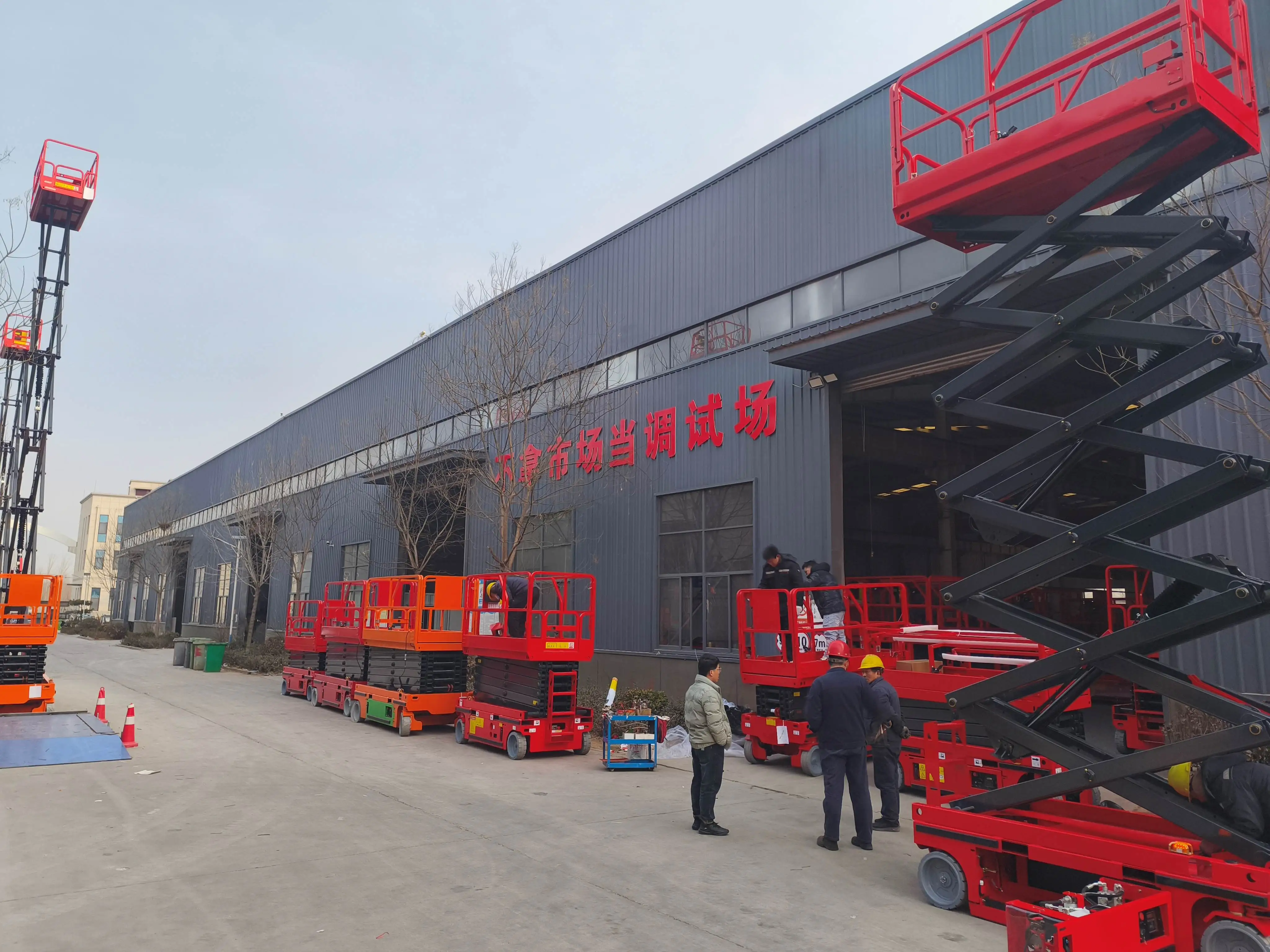
Main productsMobile Scissor Type Aerial Work Platform,Self-propelled Scissor Type Aerial Work Platform,Fixed Scissor Type Lifting Platform,Curved Arm Aerial Work Platform,Boarding Bridge
Main marketsEastern Europe(30.00%), Africa(20.00%), North America(20.00%), South America(20.00%), Western Europe(10.00%)
$1500.00 - $2000.00
MOQ: 1 sets
Suzhou Esnow Elevator Equipment Co., Ltd.
- Trading Company
- Jiangsu, China
- Lead time15 days
- Avg. response≤ 6h
Main productsElevator,Escalator,Elevator parts,Elevator cabin,Elevator door
Main marketsMid East(30.00%), Southeast Asia(20.00%), South America(20.00%), Africa(10.00%), South Asia(10.00%), Eastern Asia(10.00%)
Jinan Beigong Kechuang Co., Ltd.
- Verified by Intertek
- Manufacturer, Trading Company
- Lead time20 days
- Avg. response≤ 3h
Main productsScissor Lift, Boom Lift, Home Elevator, Cargo Lift, Mast Lift
Main marketsNorth America(30%), Eastern Europe(30%), Southeast Asia(30%)

Huzhou STAR Elevator Co., Ltd.
- Trading Company
- China Zhejiang
- Lead time30 days
- Avg. response≤ 5h
Main productsElevator, Lift, Escalator, Passenger Elevator, Home Lift, Moving Sidewalk, Sightseeing Elevator, Freight Elevator, Parking System, Elevator Parts
Main marketsSouth America,Africa,Southeast Asia/ Mideast,Europe

Professional Design Luxury Panoramic Sightseeing Elevator Lift Passenger Elevator with Safe Speed
$8000.00 - $12000.00
MOQ: 1 Pieces


- Verified by Intertek
- Trading Company
- Lead time30 days
- Avg. response≤ 2h
Main productsHome Elevator
Main marketsEastern Europe(30%), Domestic Market(20%), North America(10%)
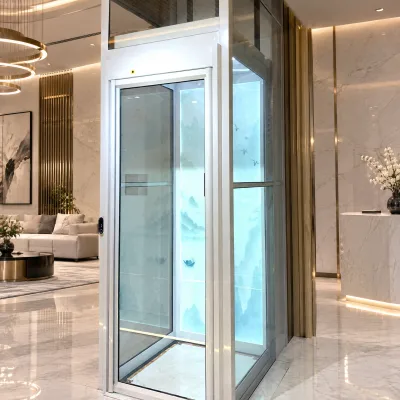
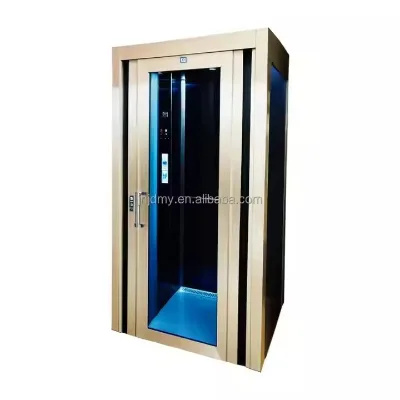
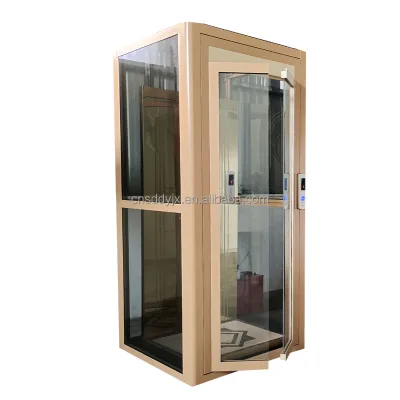
Wide Sightseeing Passenger Elevator Home Elevator with Glass Cabin
$3800.00 - $4500.00
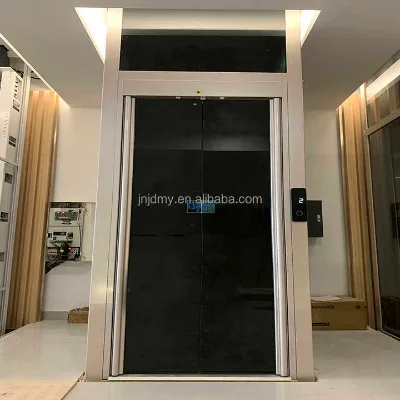
CE Certificated Safe and Smooth Passenger Elevator for Sale WIth Size 1m*1m
$4000.00 - $5000.00
MOQ: 1 sets
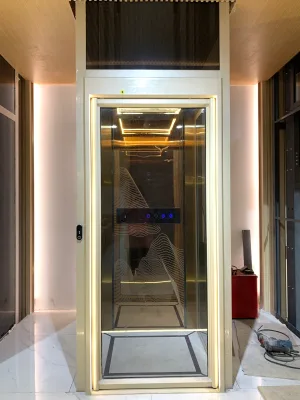
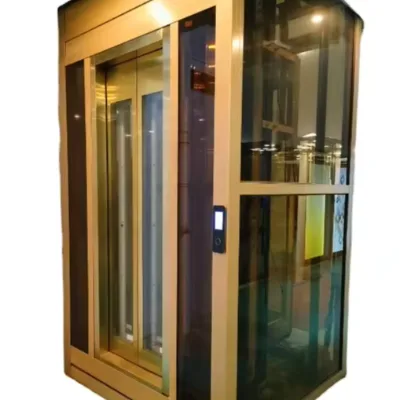
Factory Hot Sale Unique Design Commercial Passenger Lift Commercial Elevator Lift
$2056.3717 - $4112.7434
MOQ: 1 sets
Zhejiang Aoma Elevator Co., Ltd.
- Trading Company
- Zhejiang, China
- Lead time0 days
- Avg. response≤ 5h
Main productsPassenger Elevtor, Escalator, Moving Walk, Home Elevator, Sightseeing Elevator
Main marketsAfrica(20.00%), Mid East(20.00%), Eastern Asia(15.00%), Southeast Asia(15.00%), South Asia(10.00%), South America(10.00%), Eastern Europe(10.00%), North America(0.00%), Oceania(0.00%), Western Europe(0.00%), Southern Europe(0.00%), Central America(0.00%), Northern Europe(0.00%), Domestic Market(0.00%)
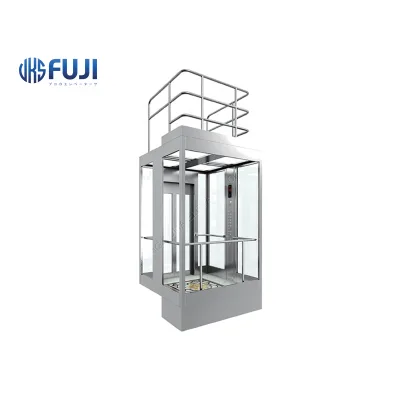
Top Class Commercial Building Passenger Lift Sightseeing Glass Elevator with Cheap Price
$7500.00 - $12500.00
MOQ: 1 Minimum
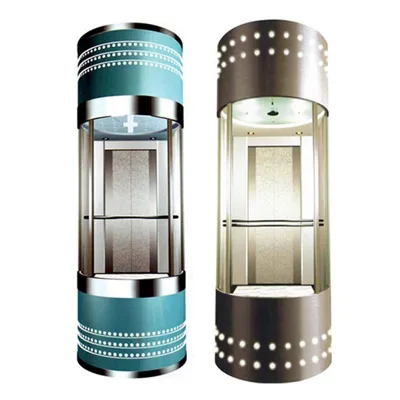
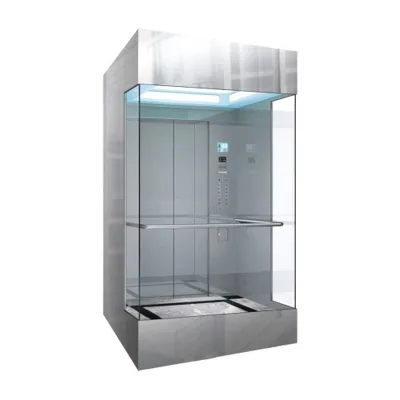
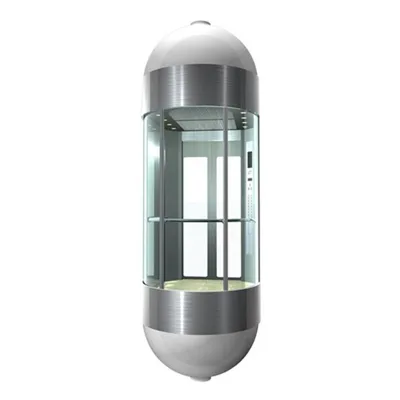


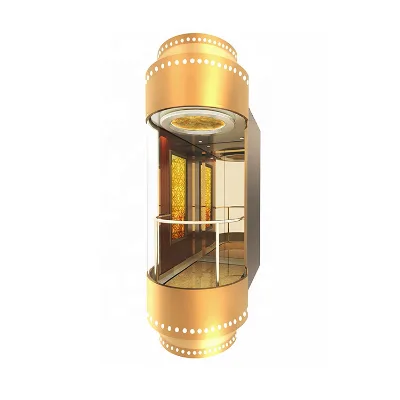
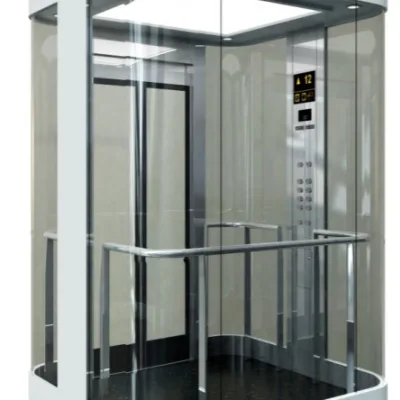
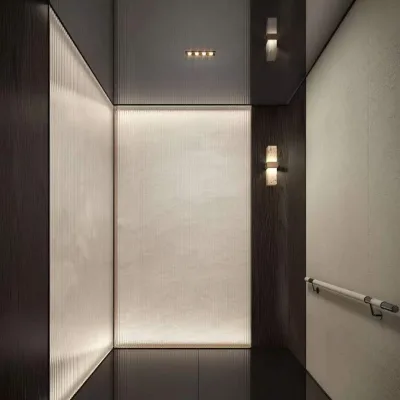
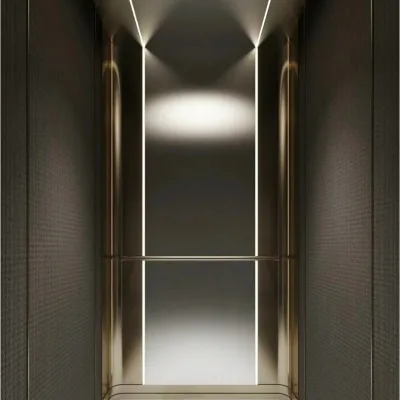
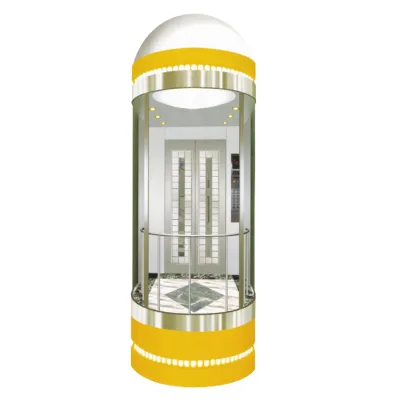
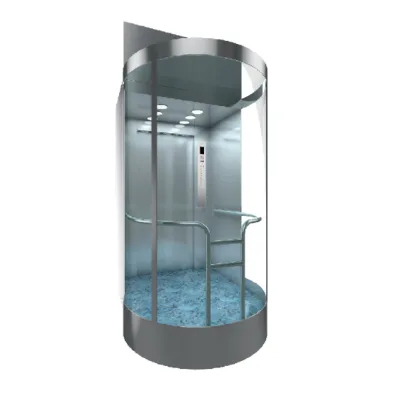
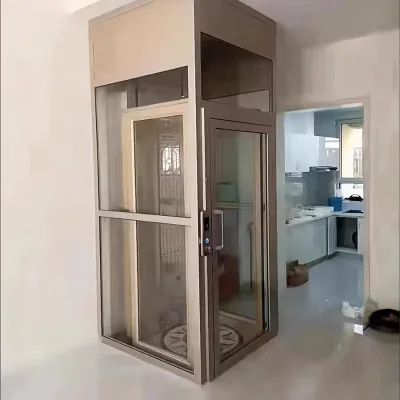
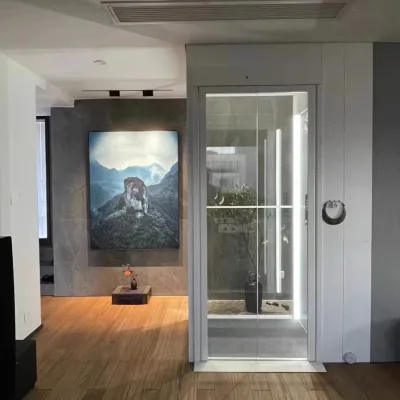
Comprehensive Sourcing Guide
Modern Panoramic Sightseeing Passenger Elevator Supplier Concentration and Factory Types
Buyers searching for modern panoramic sightseeing passenger elevators on B2B platforms will encounter a mix of supplier types: trading companies, manufacturers/factories, and hybrids that list both roles. In observed supplier data for this category, listings include companies classified as "Trading Company, Manufacturer/Factory," meaning the same profile can combine in-house production with outsourced components. This matters because a trading company may offer broader product ranges and faster communication, while a direct factory may control cabin fabrication, glass treatment, and assembly quality. Ask each candidate to state explicitly which stages—shaft components, glass cabin, control system, installation supervision—they perform themselves rather than resell.
On location, verified results in this category show suppliers based in Jiangsu, China, with one panoramic elevator product listing an origin of Suzhou. Jiangsu is therefore a plausible cluster to prioritize when filtering by location, since suppliers there list products such as sightseeing panoramic passenger elevators, glass panoramic lifts, and observation elevators as their main products. For regions not confirmed in your search results, do not assume a cluster exists; instead, test concentration by running the same keyword search and noting how many verified suppliers share a listed province. A practical method is to sort results by location and check whether the main-products field matches elevators and elevator parts, since suppliers whose catalogs center on this product family are more likely to maintain technical depth than generalist exporters listing elevators among many unrelated goods.
How to Verify Modern Panoramic Sightseeing Passenger Elevator Suppliers
Verification should start with the platform-displayed credentials. In this category, observed results show two distinct verification types: one supplier verified by BV (Bureau Veritas) and another by TÜV Rheinland. These are third-party inspections of the company profile, not product certifications, so read them accordingly. One observed supplier also displays system certifications including ISO 9001, EN 81, CE, and EAC. EN 81 is directly relevant to elevator safety, so if your market requires it, ask the supplier to confirm which parts of the standard their panoramic models comply with and request the certificate for the specific model, not just a company-level license.
Beyond badges, verify capability claims against the listing content itself. Observed listings state supplier response times of roughly 10 hours and 5 hours respectively, and lead times of 23 and 30 days; treat these as displayed data points to confirm in writing, not guarantees. Check whether the supplier's product attributes are specific—observed listings include concrete details such as VVVF driving systems, collective selective or group control modes, and safety laminated glass—because vague listings suggest catalog reselling. Ask each supplier to identify which listed products are built in their own facility and which come from partner factories, then request evidence such as production photos, a factory audit report, or an acceptance-test certificate matching the model number you intend to order. Finally, confirm the legal entity name on the certificate matches the exporting entity on the invoice.
What to Compare Across Modern Panoramic Sightseeing Passenger Elevator Suppliers
Build a comparison table using the dimensions that actually appear on supplier profiles. In observed data, useful labels include company type (trading company versus manufacturer/factory), verification body (BV or TÜV Rheinland in the examples seen), system certifications (ISO 9001, EN 81, CE, EAC for one supplier), response time, lead time, location, and main products. Response time is a meaningful early signal: one observed supplier responds in about 5 hours versus 10 hours for another, and for a product involving site measurements and custom glass cabins, slow communication tends to compound through engineering and shipping. Lead times in the observed results are 23 and 30 days, but confirm these apply to your configuration—panoramic cabins with custom shapes typically require production after drawing approval.
Compare technical depth as well. Observed product listings differ in meaningful ways: speeds of 1.00–2.00 m/s, capacities ranging above 1000 kg in one listing and 500–1000 kg in another, machine-room and machine-roomless variants, center-opening doors, single or 360-degree circular shapes, and stainless steel or hairline stainless steel finishes. Power supply specifications (3-phase 380V, 50Hz; 1-phase 220V, 50Hz lighting in one listing) should be checked against your site. Price ranges displayed—roughly 5,000 to 20,000 USD across observed listings—vary with capacity and configuration, so request itemized quotes for identical specifications. Do not assume every supplier displays every attribute; absent fields should prompt a question, not an assumption.
Common Modern Panoramic Sightseeing Passenger Elevator Sourcing Risks
The most common risk is treating a trading company as a factory. Observed profiles mix roles, and a supplier classified as a trading company may still produce acceptable quality, but you lose direct visibility into cabin fabrication and glass lamination—processes where panoramic elevators differ most from standard passenger units. If your project requires 360-degree circular shapes or curved safety laminated glass, ask specifically who bends and tempers the glass and what happens if a panel arrives damaged, since replacement curved panels usually cannot be sourced locally. A second risk is specification drift: observed listings show capacities from 500–1000 kg to above 1000 kg and both with and without machine-room types, so a quote "similar to the listing" may differ structurally from what you inspected.
Communication-of-standards risk is also significant. One observed supplier shows EN 81 among its system certifications, but a company-level certificate does not prove each panoramic model is tested to it. Require a model-specific conformity document before paying a deposit. Payment protection is another area: observed listings show payment terms as T/T, which typically offers no escrow-style protection, so structure payments against milestones such as drawing approval, factory inspection, and pre-shipment test. Finally, verify installation scope—observed listings mention onsite installation and onsite training as after-sale services, but whether those are included, charged separately, or unavailable in your country must be confirmed in the contract, not assumed from the listing text.
Modern Panoramic Sightseeing Passenger Elevator Regional Sourcing and Logistics
In verified search results for this category, the confirmed sourcing location is Jiangsu, China, with a Suzhou origin noted on a panoramic elevator product listing. This gives buyers a concrete anchor: filter candidates by Jiangsu-based profiles whose main products include passenger elevators, escalators, and observation lifts, since such concentration tends to shorten the sub-supplier chain for glass, steel profiles, and control components. If your search shows no verified suppliers in a particular region, do not assume one exists there; instead rerun the search, sort by location, and count how many suppliers with matching main products appear before treating any area as a cluster.
Logistically, these products ship as heavy, fragile cargo. Observed listings specify wooden case packing, wood package, or standard export packaging, and one lists sea delivery as the transportation method with a single package size of 200×150×100 cm for one component. Before contracting, confirm with the supplier how curved glass panels are crated, whether wooden packaging complies with your country's ISPM-15 heat-treatment requirements, and whether shipping is quoted on FOB, CIF, or DAP terms. Ask who is responsible for port clearance and onward transport, because an elevator shaft assembly that cannot be offloaded at your site creates costly delays. Given observed lead times of 23–30 days for production, add realistic ocean transit and customs time to your project schedule rather than treating the supplier's lead time as the delivery date.
Modern Panoramic Sightseeing Passenger Elevator Commercial Terms and Order Planning
Plan the order around the displayed minimums and timelines, then negotiate the gaps. Observed listings show a minimum order quantity of 1 unit, which is typical for this category since projects rarely need multiples, but confirm whether a MOQ of 1 applies to fully customized configurations or only standard models. Displayed price ranges in this category span roughly 5,000 to 20,000 USD depending on model, capacity, and finish, but panoramic elevators are engineered-to-order, so treat listing prices as orientation points and require an itemized quotation covering cabin, glass, control system, documentation, and packing. Payment terms observed include T/T; if you cannot use a trade-service escrow arrangement, split payments so a meaningful balance remains unpaid until after pre-shipment inspection.
Lock the engineering cycle into the schedule. Observed lead times of 23 and 30 days should be re-confirmed for your shaft dimensions, speed requirement (1.00–2.00 m/s appears in listings), and custom finishes such as marble flooring or acrylic lighting mentioned in observed product data. Require drawing approval in writing before production starts, since changes after glass fabrication are expensive. Clarify after-sale scope: one observed listing includes a 1-year guarantee and services such as online technical support, onsite installation, onsite training, and onsite inspection—confirm which of these apply to your destination country and at what cost. Finally, request the full documentation set—conformity certificates, packing list, and test records—agreed before deposit, so customs clearance and site acceptance are not blocked by missing paperwork.
FAQs
What is the price range for panoramic elevators?
Prices typically range from $5,000 to $20,000 per unit depending on specifications. Costs vary based on capacity, speed, and customization options. Buyers should request detailed quotes to confirm final pricing for their specific project requirements and installation needs.
What is the minimum order quantity?
The minimum order quantity is generally one unit. This allows buyers to purchase single elevators for residential or small commercial projects. Suppliers accommodate individual orders without requiring bulk purchases, making it accessible for diverse building types.
How long does delivery take?
Lead times typically range from 23 to 30 days after order confirmation. This duration covers manufacturing, quality checks, and preparation for shipment. Buyers should account for additional transit time when planning installation schedules for their specific locations.
What certifications are available?
Suppliers offer ISO 9001, EN 81, CE, and EAC certifications. These standards ensure compliance with international safety and quality regulations. Buyers should verify specific certification documents for their target market to ensure regulatory approval and safe operation.
What is the response time?
Supplier response times are reported as 5 to 10 hours. This indicates a prompt communication process for inquiries and quotations. Buyers can expect timely updates regarding product availability, pricing, and technical specifications during the sourcing phase.
What drive types are used?
Options include AC elevators and VVVF driving systems. Some models feature geared or gearless traction machines. These drive types affect speed, energy efficiency, and noise levels, allowing buyers to select the best fit for their building's performance requirements.