Gym Center Seated Row Machine Suppliers and Manufacturers
Source 28 verified suppliers for Gym Center Seated Row Machine units. Compare ISO9001:2015 certifications, China Shandong origins, and 23-30 day lead times. Review MOQs and pricing to identify suitable partners for your facility; review the available evidence before requesting comparable quotations from suitable candidates.
Updated
Suppliers List

Shandong Tianzhan Fitness Equipment Co., Ltd.
- Verified by BV
- Combined
- China Shandong
- Lead time30 days
- Avg. response≤ 9h
Main productsGym Equipment, Fitness Equipment, Strength Machines, Exercise Bike, Body Building Machines, Commercial Fitness Equipment, Motorized Treadmill, Fitness Equipment Gym Machine, Free Weight Accessories, Treadmill
Main marketsSouth America,Southeast Asia/ Mideast,East Asia(Japan/ South Korea),Europe,Australia,North America


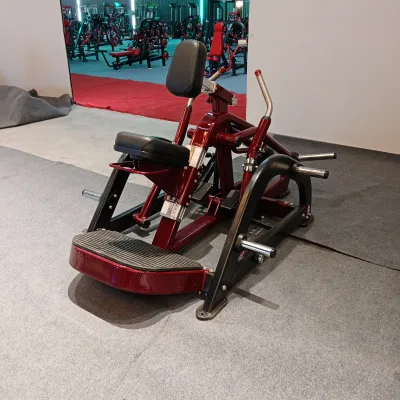
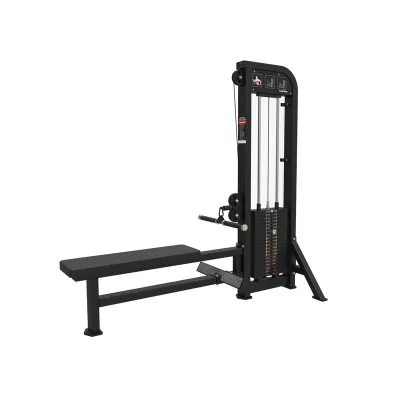
Body Building Low Row Gym Equipment Back Exercise Machine Seated Low Row/Rowing Machine
$600.00 - $630.00
MOQ: 5 Pieces

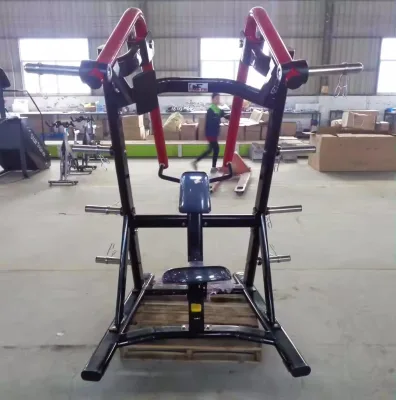
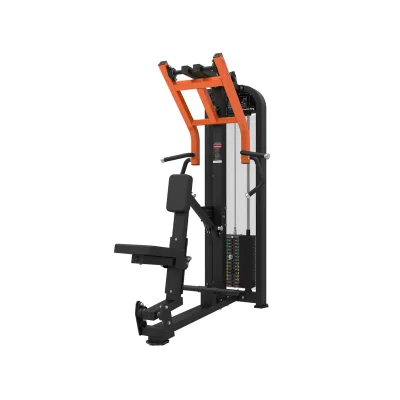
Fitness Gym Fitness Vertical Row Strength Training Fitness Seated Row Machine Vertical Row
$137.00 - $428.00
MOQ: 1 Pieces

DEZHOU HENGQING FITNESS EQUIPMENT CO., LTD.
- Combined
- China Shandong
- Lead time23 days
- Avg. response≤ 7h
Main productsGym Equipment, Fitness Equipment, Strength Equipment, Cardio Equipment
Main marketsSouth America,Southeast Asia/ Mideast,Europe


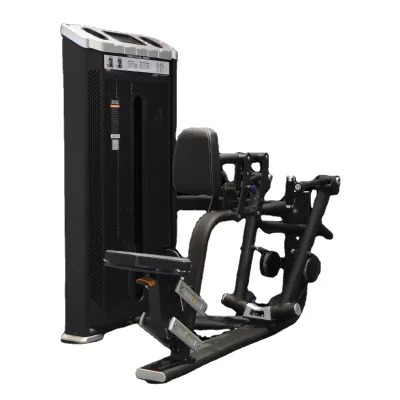
Commercial Fitness Sport Machines Gym Equipment Strength Seated Row Machine
$490.00 - $550.00
MOQ: 1 Sets


Shandong Baodelong Fitness Co., Ltd.
- Verified by BV
- Combined
- China Shandong
- Lead time23 days
- Avg. response≤ 7h
Main productsGym Equipment, Fitness Equipment, Fitness Machine, Gym Machine, Treadmill, Spinning Bike, Exercise Bike, Chest Press Machine, Leg Press Machine, Multi Functional Machine
Main marketsSouth America,Africa,Southeast Asia/ Mideast,East Asia(Japan/ South Korea),Domestic,Europe,Australia,North America
Qingdao Long Glory International Trading Co., Ltd.
- Verified by TüVRheinland
- Manufacturer, Trading Company
- Lead time15 days
- Avg. response≤ 2h
Main productsGym Fitness Equipment, Pin Load Selection Machines, Plate Loaded Machines, Mutli Function Station, Pilates Reformers
Main marketsNorth America(30%), Mid East(20%), Western Europe(20%)

Qingdao Juyuan Fitness Technology Co., Ltd.
- Verified by TUVRHEINLAND
- Combined
- China Shandong
- Lead time30 days
- Avg. response≤ 12h
Main productsCommercial Fitness Equipment, Stair Climber, Strength Equipment
Main marketsEurope,North America

Targeted Training Commercial Gym Machine Fitness Equipment Seated Row Gym Equipment
$930.00 - $1080.00
MOQ: 1 Sets


Light Commercial Fitness Machine Strength Equipment Back Training Seated Row
$930.00 - $1080.00
MOQ: 1 Sets


Commercial Gym Machine Indoor Fitness Machine Seated Row with Best Price
$930.00 - $1080.00
MOQ: 1 Sets
Shandong Brightway Fitness Equipment Co., Ltd.
- Verified by SGS Group
- Manufacturer, Trading Company
- Lead time28 days
- Avg. response≤ 3h
Main productsFitness Equipment, Gym Equipment, Commercial Treadmill
Main marketsDomestic Market(25%), Mid East(15%), Southeast Asia(10%)

Qingdao Guwow Fitness Equipment Co., Ltd.
- Verified by BV
- Trading Company
- China Shandong
- Lead time23 days
- Avg. response≤ 6h
Main productsFitness Equipment, Gym Equipment, Exercise Equipment, Treadmill, Stair Master, Strength Equipment, Accessories
Main marketsAfrica,Others(foreignTradeCapacity.exportBusinessCapacityMarketOther)

Ningjin Baoxuan Fitness Technology Co., Ltd.
- Verified by SGS
- Trading Company
- China Shandong
- Lead time0 days
- Avg. response≤ 4h
Main productsCurved Treadmill, Stair Climber, Electric Treadmill, Air Bike, Rowing Machine, Ski Machine, Magnetic Bike, Sports Equipment, Gym Equipment, Home Equipment
Dingzhou Hairui Sporting Goods Co., Ltd.
- Manufacturer
- Hebei, China
- Lead time25 days
- Avg. response≤ 4h
Main productsgym equipment,sport goods,gym accessories,Martial arts equipment,Training and fitness equipment
Main marketsMid East(10.00%), Domestic Market(10.00%), Oceania(10.00%), Eastern Europe(10.00%), Southern Europe(10.00%), Northern Europe(10.00%), South Asia(10.00%), Western Europe(10.00%), Africa(5.00%), Southeast Asia(5.00%), North America(5.00%), South America(3.00%), Eastern Asia(2.00%)
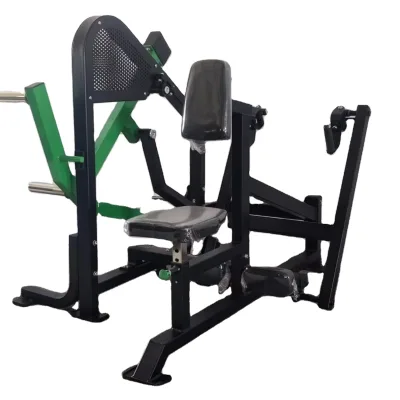
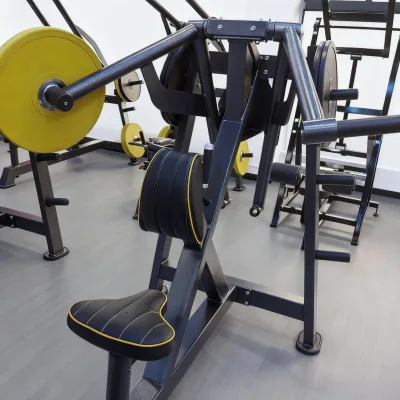
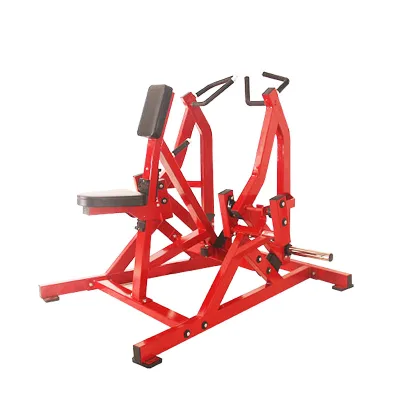
Back Exercise Fitness Gym Equipment Iso-lateral Seated Low Row Machine
$482.8953 - $502.3912
MOQ: 1 pieces
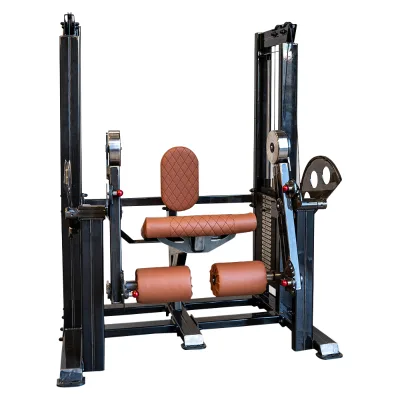
Shandong Land Fitness Tech Co., Ltd.
- Verified by TüVRheinland
- Manufacturer, Trading Company
- Lead time20 days
- Avg. response≤ 3h
Main productsCardio Machine, Strength Training, Track And Field Equipment, Vending Machine, Strength Equipment
Main marketsDomestic Market(30%), North America(10%), Eastern Asia(7%)
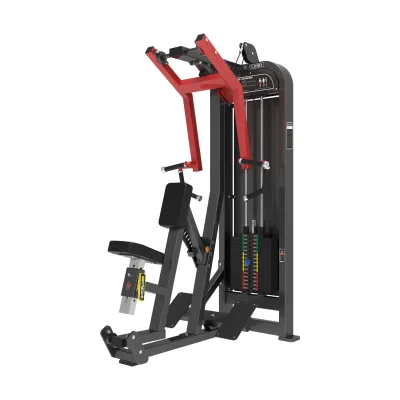
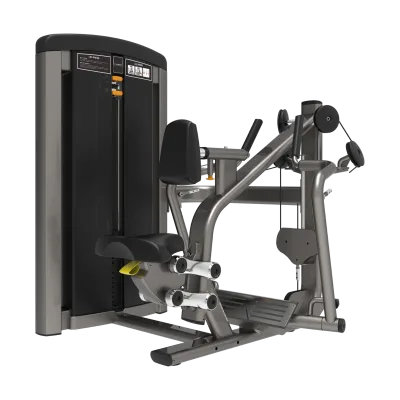
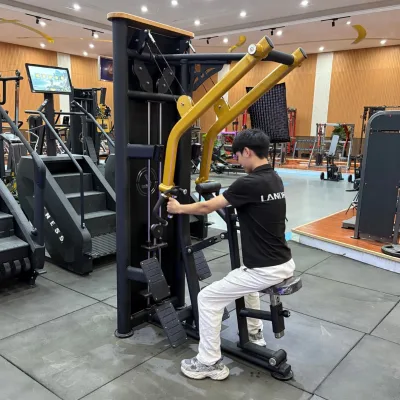
Good Popular Selling Body Building Fitness Gym Equipment Devices Seated Mid Row Machine
$650.00 - $660.00
MOQ: 1 sets
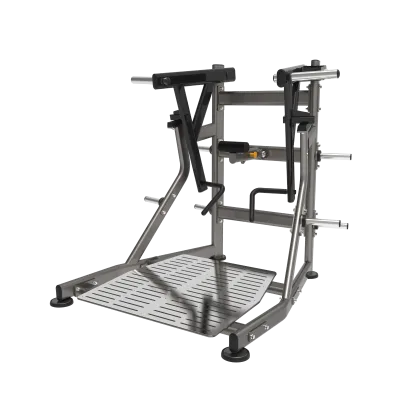
$585.00 - $595.00
MOQ: 1 sets

Qingdao Sirer Technology Co., Ltd.
- Verified by SGS
- Trading Company
- China Shandong
- Lead time30 days
- Avg. response≤ 6h
Main productsFitness Equipment, Treadmill, Stregth Machine, Cardio Fitness, Commercial Gym Equipment, Gym Equipment, Gym Machine, Shoulder Press, Fitness Machine, Hammer Fitness Machine
Main marketsSouth America,Southeast Asia/ Mideast,North America

Factory Price Back Definition Commercial Fitness Center Seated Row Machine
$707.00 - $775.00
MOQ: 1 pieces


Back Strength Training Ergonomic Seat Commercial Gym Seated Row Machine
$707.00 - $775.00
MOQ: 1 pieces


$940.00 - $990.00
MOQ: 1 pieces
Dezhou Maibo Fitness Equipment Co., Ltd.
- Verified by SGS Group
- Manufacturer, Trading Company
- Lead time10 days
- Avg. response≤ 2h
Main productsTreadmill, Stair Master, SkiErg, RowErg, Strength Machine
Main marketsSouth America(40%), North America(30%), Southeast Asia(20%)
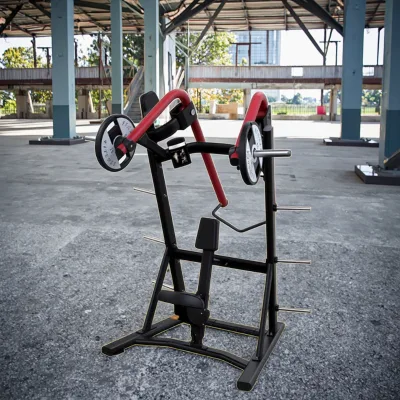
Commercial Seated Low Row Machine Mid Back Rhomboid Muscle Training Gym Fitness Equipment
$215.00 - $439.00
MOQ: 1
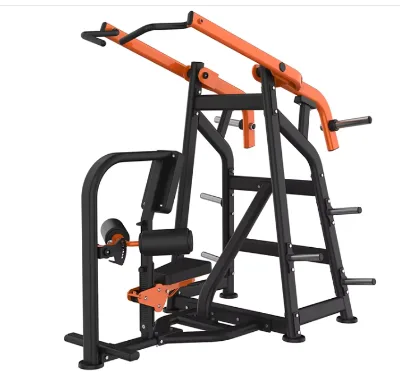
MB Wholesale Gym Equipment Machine Front Seated High Row Machine for Sale
$564.1984 - $697.3125
MOQ: 1 pieces
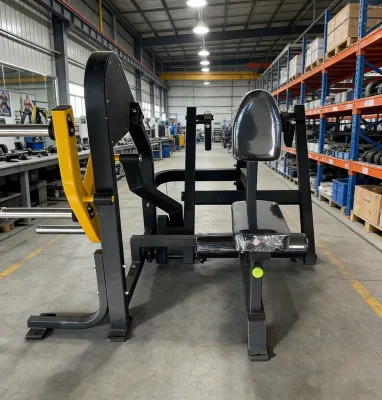
Dezhou Bodi Fitness Equipment Co., Ltd.
- Verified by TüVRheinland
- Manufacturer, Trading Company
- Lead time20 days
- Avg. response≤ 6h
Main productsFitness Equipment, Treadmill, Exercise Bike, Dumbbell, Fitness Accessories
Main marketsDomestic Market(50%), Western Europe(20%), North America(10%)
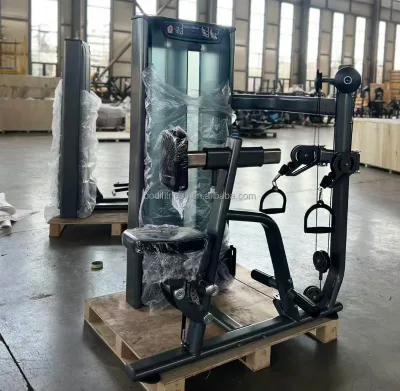
$562.0218 - $611.0711
MOQ: 1 pieces
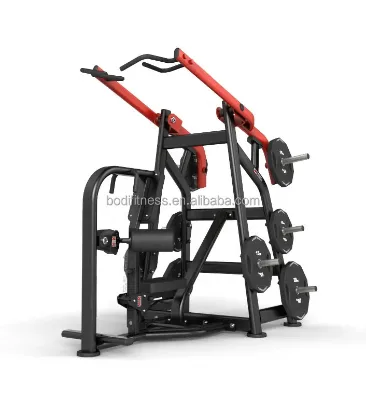
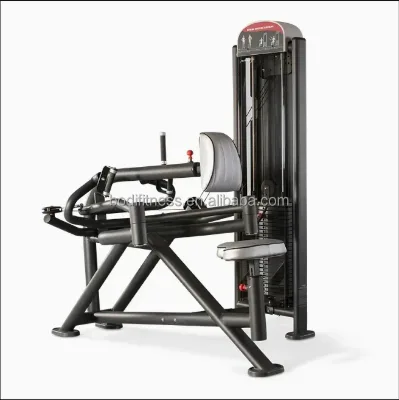
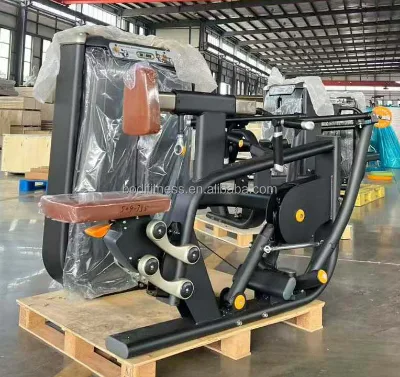
Popular Selling Indoor Exercise Training Machine Factory Seated MID Row
$837.9246 - $909.4543
MOQ: 1 pieces
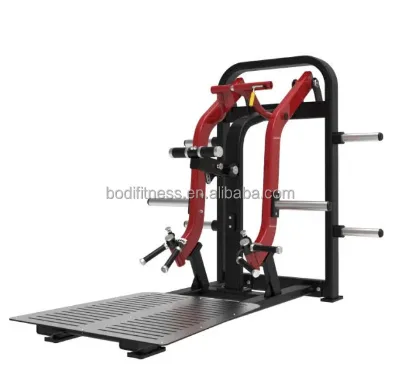
Seated Iso Low Row Machine Gym Equipment Plate Loaded Gym Equipment Seated Iso Low Row
$550.00 - $589.00
MOQ: 1
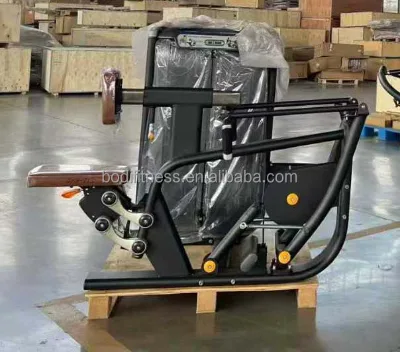
$839.642 - $911.3183
MOQ: 1 pieces

Shanghai Emprise Health Technology Co., Ltd
- Verified by TUVRHEINLAND
- Manufacturer/Factory
- China Shanghai
- Lead time45 days
- Avg. response≤ 3h
Main productsFitness Equipment, Gym Equipment, Sport Equipment, Commercial Gym Equipment, Commercial Treadmill, Commercial Elliptical Bike
Main marketsEastern Europe,Mid East,North America,Southeast Asia,Eastern Asia,Oceania,Western Europe

Standing Low Row Machine Fitness Equipment Gym Equipment Home Fitness Sport Seated Row Machine
$640.00 - $660.00
MOQ: 5 Pieces

Back Workout Machines Seated Low Row Machine Hot Selling Gym Equipment Fitness Machine
Negotiable
MOQ: 5 Pieces


Anhui Craftsmanship E-Commerce Co., Ltd.
- Trading Company
- Anhui, China
- Lead time30 days
- Avg. response≤ 2h
Main productsSquat Racks,Training Chairs and Storage Racks,Barbell Bars,Dumbbells,Weight Plate
Main marketsNorth America(70.00%), Northern Europe(5.00%), Western Europe(5.00%), Mid East(5.00%), Africa(5.00%), Eastern Europe(5.00%), South America(5.00%)
Hebei Chahang Fitness Equipment Co., Ltd.
- Verified by TüVRheinland
- Manufacturer, Trading Company
- Hebei, China
- Lead time15 days
- Avg. response≤ 3h
Main productsDumbbells, Barbells, Kettlebells, Weight Plates, Barbell Bars
Main marketsDomestic Market(58%), North America(20%), Southeast Asia(5%)
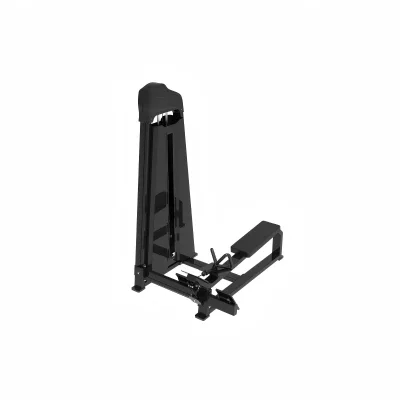
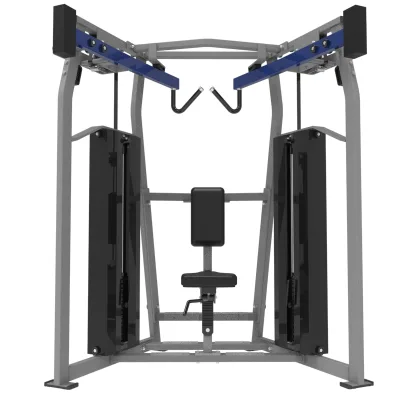
Commercial Iso Lateral High Row Machine Dual Weight Stack Seated Back Training Gym Equipment
$850.00 - $990.00
MOQ: 2
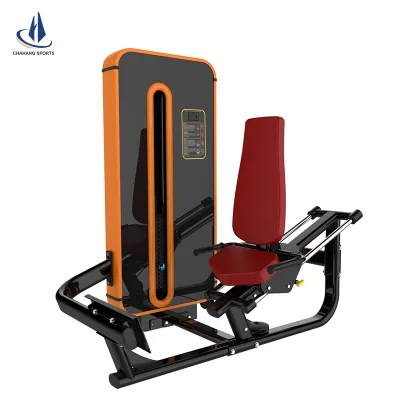
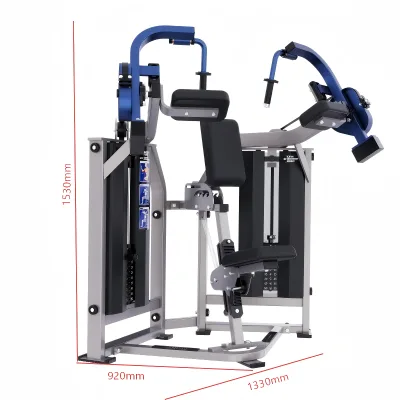
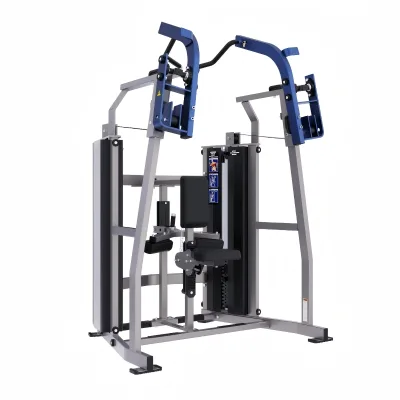
High Quality MTS Seated High Row Machine Heavy Gauge Steel Gym Back Training Fitness Equipment
$800.00 - $1200.00
MOQ: 2

Dezhou Runlangde Fitness Equipment Co., Ltd.
- Verified by SGS
- Trading Company
- China Shandong
- Lead time30 days
- Avg. response≤ 4h
Main productsClub Equipment, Fitness Equipment, Gym Equipment, Hammer Strength Machine, Body Building Equipment, Indoor Exercise Machine, Cardio Machines, Dumbbell & Plates, Treadmill, Pin Loaded Machine
Main marketsSouth America,Southeast Asia/ Mideast,Europe,North America
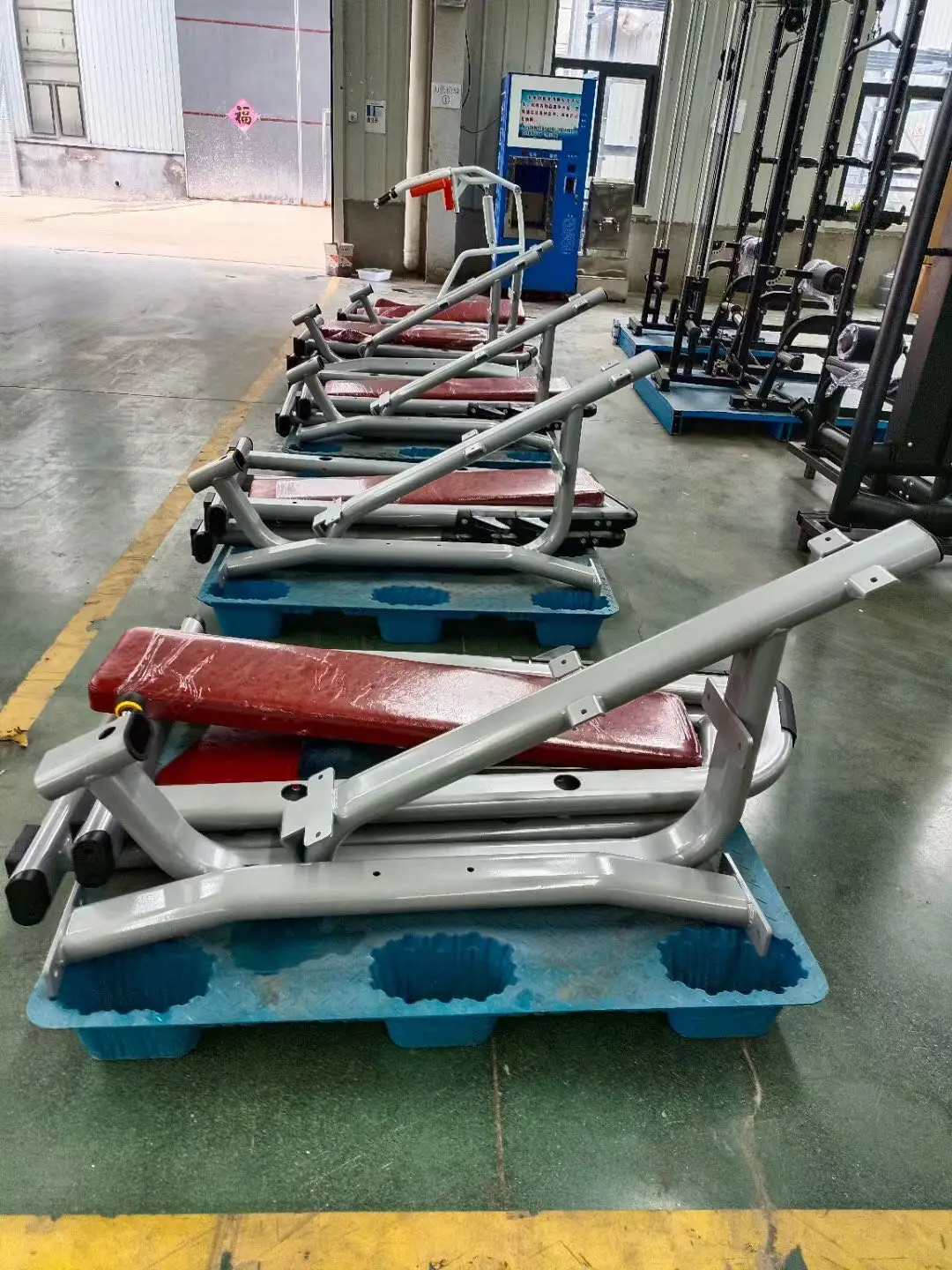
Dezhou JM Import & Export Co.,Ltd.
- Manufacturer, Trading Company
- Shandong, China
- Lead time3 days
- Avg. response≤ 3h
Main productstreadmills,strength machines,gym fitness equipment,gym fitness racks,water rower machine
Main marketsOceania(10.00%), Southern Europe(10.00%), Western Europe(10.00%), Eastern Europe(10.00%), Mid East(10.00%), North America(10.00%), Domestic Market(5.00%), South Asia(5.00%), Africa(5.00%), Northern Europe(5.00%), Central America(5.00%), Southeast Asia(5.00%), Eastern Asia(5.00%), South America(5.00%)
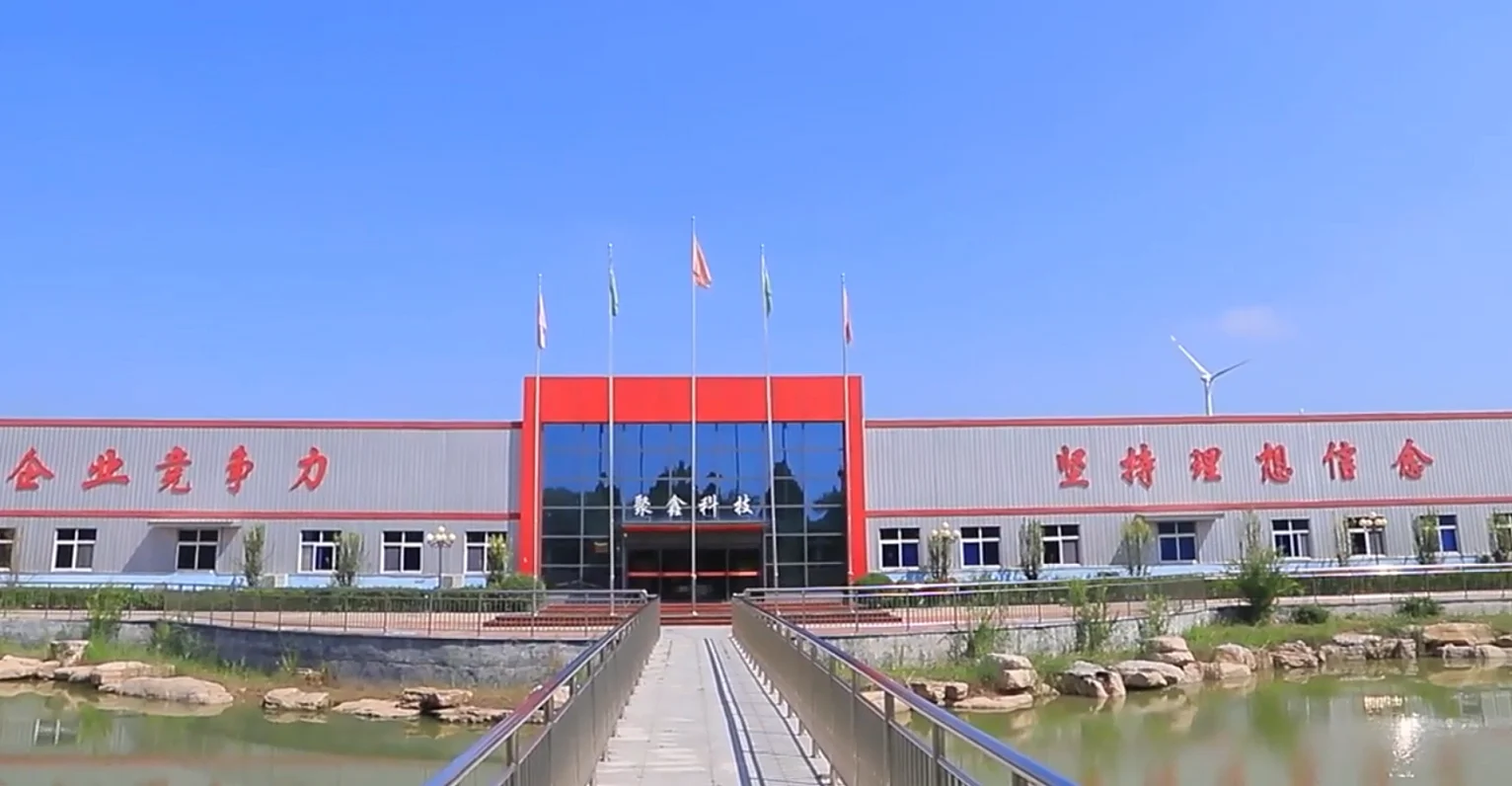
Follomotion Fitness Equipment Co., ltd.
- Manufacturer, Trading Company
- Shandong, China
- Lead time30 days
- Avg. response≤ 3h
Main productsPadel court,Paddle court,Tennis court,fitness equiment
Main marketsNorth America(50.00%), South America(20.00%), Eastern Asia(10.00%), Southeast Asia(10.00%)

Shanghai Define Health Tech Co., Ltd.
- Verified by BV
- Trading Company,Manufacturer/Factory
- China Shanghai
- Lead time23 days
- Avg. response≤ 2h
Main productsFitness Equipment, Hammer Strength, Body-Building Machine, Fitness Accessories, Commercial Motorized Treadmill, Gym Machine, Hankang Fitness, Lifefitness Equipment, Hummer Strength, Protraining Equipment
Main marketsSouth America,Eastern Europe,Mid East,Southeast Asia,Eastern Asia,Oceania,Western Europe,Africa


New fitness machine,gym equipment,fitness equipment,Seated Row (PT-409)
$459.00 - $489.00
MOQ: 1 Pieces
Qingdao Long Glory Technology Co., Ltd.
- Verified by TüVRheinland
- Manufacturer, Trading Company
- Lead time30 days
- Avg. response≤ 2h
Main productsPin Load Selection Machines, Mutli Function Station, Benches & Racks, Plate Loaded Machines, Treadmills
Main marketsSouth America(15%), Oceania(15%), North America(10%)

Dezhou Canxu Import & Export Co., Ltd.
- Verified by BV
- Trading Company,Manufacturer/Factory
- China Shandong
- Lead time15 days
- Avg. response≤ 5h
Main productsFitness Equipment, Cardio Machines, Plate Load Machine, Plate Loaded Machine, Fitness Accessories
Main marketsSouth America,Eastern Europe,Mid East,North America,Southeast Asia,Eastern Asia,Oceania,Western Europe,Africa

Integrated Gym Trainer Fitness Equipment Power Training ISO-Lateral Seated Low Row Machine
$465.00 - $495.00
MOQ: 1 Pieces

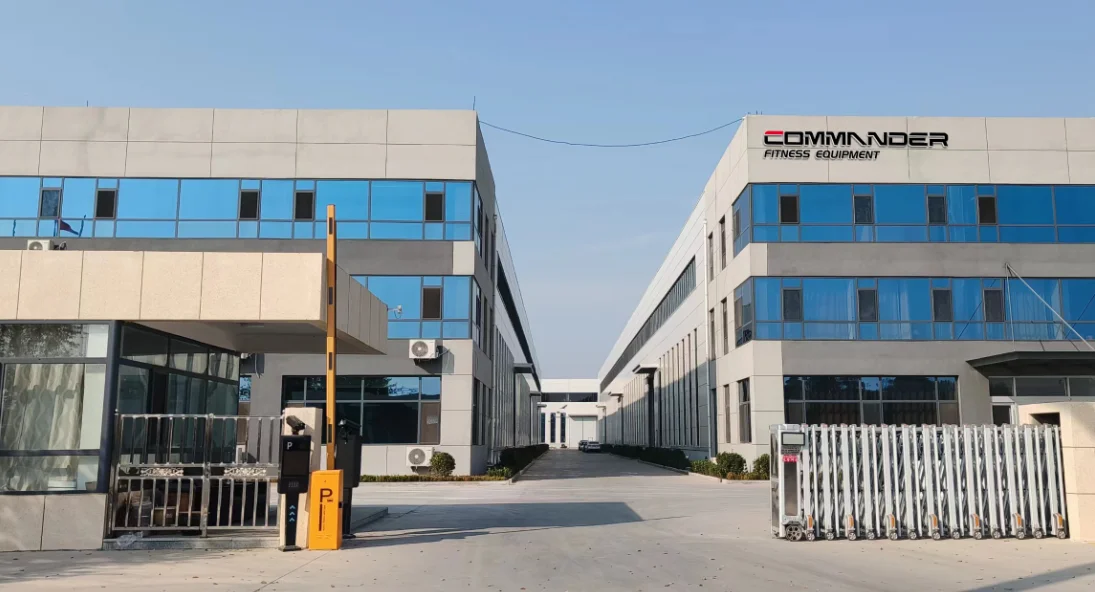
Shandong Commander Fitness Equipment Co., Ltd
- Manufacturer, Trading Company
- Shandong, China
- Lead time15 days
- Avg. response≤ 2h
Main productsFitness equipment,Gym equipment,Power strength,Plate loaded machine,Gym accessory
Main marketsMid East(15.00%), Central America(10.00%), Southeast Asia(10.00%), North America(10.00%), South America(10.00%), Domestic Market(5.00%), South Asia(5.00%), Southern Europe(5.00%), Northern Europe(5.00%), Africa(5.00%), Western Europe(5.00%), Eastern Asia(5.00%), Eastern Europe(5.00%), Oceania(5.00%)
- Trading Company
- Zhejiang, China
- Lead time0 days
- Avg. response≤ 6h
Main productsFitness Equipment,Weight Lifting,Yoga Products,Fitness Accessories,Outdoor Sports
Main marketsNorth America(60.00%), Western Europe(10.00%), Southern Europe(5.00%), Oceania(5.00%), Northern Europe(5.00%), Southeast Asia(5.00%), Eastern Europe(5.00%), South Asia(1.00%), Mid East(1.00%), Africa(1.00%), South America(1.00%), Eastern Asia(1.00%)
Ningjin Huanyu Fitness Co., Ltd.
- Manufacturer, Trading Company
- Shandong, China
- Lead time30 days
- Avg. response≤ 2h
Main productsExercise bike,Fitness equipment,gym equipment,OEM Gym equipment,multi smith machine
Main marketsDomestic Market(30.00%), South America(15.00%), Southeast Asia(8.00%), South Asia(8.00%), North America(7.00%), Eastern Asia(6.00%), Western Europe(6.00%), Africa(5.00%), Eastern Europe(5.00%), Central America(4.00%), Northern Europe(3.00%), Mid East(3.00%)
Dezhou Aoshengjia Fitness Equipment Co., Ltd.
- Manufacturer, Trading Company
- Lead time旺季: "1 - 1":25,"> 1":"To be negotiated", 淡季: "1 - 1":25,"> 1":"To be negotiated"
- Avg. response≤ 2h
Main productsFitness Equipment, Strength Training, Free Weights, Cardio Training, Gym Accessory

Dezhou Eagle Fitness Equipment Co., Ltd.
- Verified by SGS
- Trading Company
- China Shandong
- Lead time15 days
- Avg. response≤ 6h
Main productsFitness Equipment, Gym Equipment, Commercial Treadmill, Spinning Bike, Air Bike Rowing Machine, Hammer Strength, Hydraulic Circuit Training Equipment, Pilates Equipment, Crossfit Equipment, Fitness Accessory
Main marketsAfrica,Europe,Australia

Commercial Gym Machine Indoor Fitness Machine Seated Row with Best Price
$640.00 - $680.00
MOQ: 1 Pieces

Gym Equipment, Strength Machine, Fitness Machine, Dual Motion, Lat Pulldown/Seated Row
$550.00 - $650.00
MOQ: 1 Pieces

Dezhou Strongway Fitness Equipment Co., Ltd.
- Verified by TUVRHEINLAND
- Combined
- China Shandong
- Lead time15 days
- Avg. response≤ 5h
Main productsFitness Equipment, Gym Equipment, Treadmill, Dumbbell, Spin Bike, Plates
Main marketsSouth America,Africa,Southeast Asia/ Mideast,Europe,Australia,North America


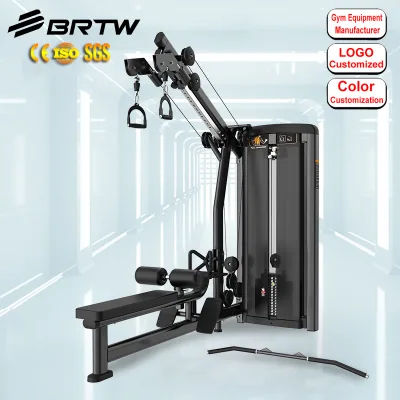


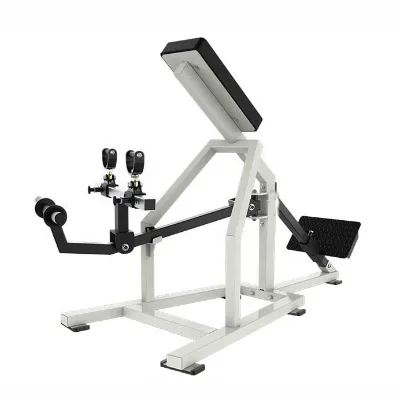
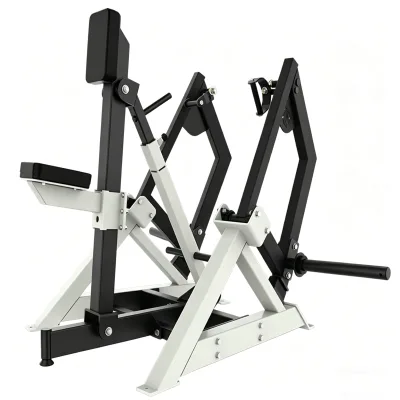


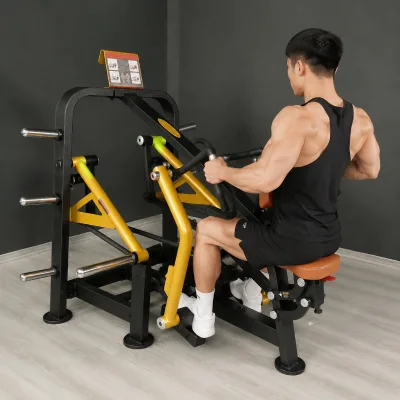
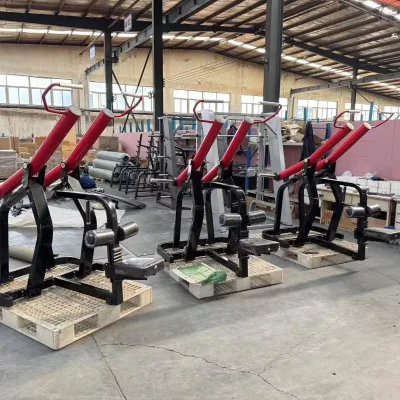
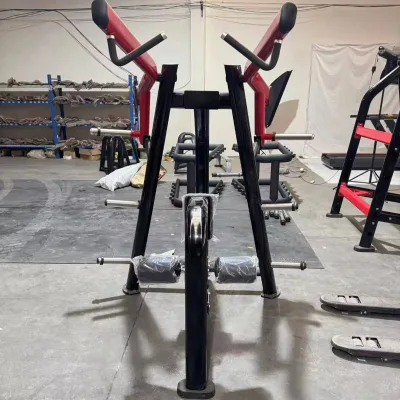


Comprehensive Sourcing Guide
Gym Center Seated Row Machine Supplier Concentration and Factory Types
When you search for a Gym Center Seated Row Machine, the supplier results show a clear pattern worth understanding before you shortlist anyone. A large share of the listed companies concentrate in China, with location data pointing to Shandong province, and one product listing further traces its origin to Dezhou within that province. This kind of clustering is common in fitness equipment because strength machines share steel fabrication, welding, powder coating and upholstery suppliers, so factories benefit from sitting near component ecosystems. Buyers who cannot yet confirm a cluster from listing data should map factory addresses, port of loading entries and shipping origins across multiple supplier profiles; repeated city or province names across independent listings are a stronger signal than any single claim on a company page.
The factory types in these results are also mixed. Several profiles describe themselves as combined companies rather than pure manufacturers or pure trading firms, and their capability labels include ODM, OEM and own-brand production. Product lines overlap heavily with broader catalogues covering treadmills, exercise bikes, strength machines, free weight accessories and commercial fitness equipment, meaning seated row machines are often one SKU inside a full gym fit-out offer. That matters for buyers: a combined supplier with wide catalogue coverage may suit a multi-station order, while a buyer sourcing a single model should still confirm who actually welds and assembles the frame, and whether the named machine brand belongs to the factory or to a partner.
How to Verify Gym Center Seated Row Machine Suppliers
Verification starts with the credentials that are actually displayed, then moves to what you must confirm independently. In the current results, some supplier profiles carry third-party verification badges such as BV, and system certifications listed include ISO9001:2015 and ISO14001:2015 quality and environmental management certificates. At product level, several seated row listings state CE and ISO or RoHS certification on the machine attributes. None of these should be accepted at face value: ask each supplier for the certificate numbers, the issuing body and the scope, and check that a quality management certificate covers the manufacturing site, not just a sales office. For CE marking on strength equipment, request the applicable declaration and the test basis behind it.
Beyond documents, verify the physical operation behind the listing. Results show product origins such as Shandong Dezhou and ports of loading such as Tianjin, so confirm that the factory address, the manufacturing location and the departure port are consistent with a real production site. Use video calls to walk the welding and assembly lines, request references from other gym or distributor buyers, and confirm design capability claims such as ODM and OEM by asking for evidence of past custom projects. Response behavior is another verification signal: profiles in these results display average response times of roughly six to nine hours, and a supplier who cannot maintain that responsiveness during pre-sale inquiry is unlikely to improve after a deposit is paid. Log every claim you receive so later discrepancies are easy to document.
What to Compare Across Gym Center Seated Row Machine Suppliers
Build a comparison sheet using the attributes suppliers actually display, without assuming every profile shows every field. Useful dimensions in this category include lead time, minimum order quantity, response time, verification status, system certifications, location, company type and main products. The current results illustrate the spread: stated lead times range from about 23 to 30 days, and one product page specifies delivery within 25 days after receiving a deposit. Response times on the profiles span roughly six to nine hours. Location data places suppliers in Shandong, China. Company type appears as combined for some profiles, and research capability labels include own brand, ODM and OEM in varying combinations. Main product lists range from narrow strength equipment focus to full cardio-plus-strength catalogues.
Product-level comparison should go one layer deeper, because specs vary even within the same machine type. Seated row listings in these results differ materially: machine weights of 85kg, 122.5kg, 205kg and 209kg; weight stacks of 80kg, 95kg and customizable 80–145kg; footprints from about 1290mm to 1885mm in length; frame construction described as oval steel tube; cable diameter specified at 6mm; and unit price ranges spanning roughly 137–428 USD on one model, 369–399 on another, 550–580 on a third, and 580–630 or 609–639 on commercial variants. MOQ also differs, from 1 set to 5 units. Align these spec rows side by side before comparing prices, since a heavier frame and larger stack explain much of the cost gap.
Common Gym Center Seated Row Machine Sourcing Risks
The most common risk in this category is certification ambiguity. Listings may show CE, ISO or RoHS marks at product level while the supplier profile lists management system certificates, but the two are not interchangeable, and a mark in a listing image is not a certificate in your hand. A gym installing commercial equipment may face inspection or insurance requirements, so confirm in writing which declarations apply to the exact model number you order. Model numbers in the results, such as GF-003, TZ-X6004, HQ-6603 and GC-5004, show how granular the mapping needs to be: always attach certification and spec sheets to a specific model, not to the supplier generally.
A second risk cluster involves specification and scope drift. Weight stack sizes are customizable on some models, colors are listed as optional on others, and logos can be customized, which creates room for the delivered machine to differ from the quoted one if customizations are not itemized in the contract. Packing is typically plywood, and machine weights of 85–209kg mean freight cost and handling equipment vary significantly by model, so a low unit price can be eroded by transport and installation realities. Delivery commitments, such as within 25 days after deposit, should be tied to a deposit date, a production start confirmation and a remedy clause. Finally, customization claims of OEM and ODM are labels until demonstrated; ask for a sample, a factory video or a past project before paying tooling or customization fees.
Gym Center Seated Row Machine Regional Sourcing and Logistics
Regional sourcing in this category currently points strongly to one manufacturing province. The supplier results list locations in China Shandong, with a product origin traced to Dezhou in that province, and a port of loading stated as Tianjin. For a buyer, this geography matters in three ways. First, factories in a dense equipment cluster can typically source steel tube, bearings, upholstery and plate components locally, which supports the short lead times shown in the results, around 23 to 30 days. Second, a northern China loading port shapes freight routing, container consolidation and inland haulage cost, so confirm which port the supplier will actually ship from for your order. Third, regional density makes factory audits and pre-shipment visits cheaper to arrange, especially if you are also sourcing treadmills, bikes or racks from the same area.
Logistics planning should start from the physical reality of the product. Listed machine weights between 85kg and 209kg, with packing described as plywood cases, mean a seated row machine is a two-person handling item and freight is calculated on volume as much as weight. Ask each supplier for packed dimensions and gross weight per unit, then model full container loads against less-than-container shipments depending on whether you are equipping a single gym or ordering a full strength line. Confirm who arranges inland transport to the port, what incoterms apply, and whether the plywood crate is suitable for your destination's handling conditions. If several suppliers share the same region, a consolidated shipment from multiple factories may be viable.
Gym Center Seated Row Machine Commercial Terms and Order Planning
Commercial terms in this category reward careful sequencing. Price ranges visible in the results run from roughly 137–428 USD on one vertical row model up to 580–639 USD on commercial seated row variants, with MOQs as low as 1 set on some models and 5 units on others. Use those numbers only as anchors: request quotations against your exact specification, quantity and destination, and ask what the price includes, such as plywood packing, customization and loading. Negotiate payment structure explicitly, since at least one listing ties delivery to receipt of a deposit; a typical structure balances a deposit with a balance payment after pre-shipment inspection, and you should confirm the supplier's exact terms rather than assuming a standard.
Order planning should lock the details that most often cause disputes. Put the model number, footprint dimensions, machine weight, weight stack size, color, logo customization, cable specification and certification documents into the contract, referencing the listing attributes where they exist. Confirm the lead time in the results, roughly 23 to 30 days, is quoted against your order date and customization scope, and define the delivery milestone as ex-factory or loaded-on-vessel. Schedule a pre-shipment inspection before paying the balance, verify plywood packing quality for sea freight, and confirm the port of loading in writing. For repeat orders, ask the supplier to hold a specification sheet and tooling or fixtures so reorders of the same seated row model remain consistent across batches.
FAQs
What is the typical lead time for seated row machines?
Manufacturers generally require 23 to 30 days to produce and ship orders. This timeframe allows for quality checks and secure packaging. Buyers should confirm exact dates with suppliers before placing deposits to ensure timely delivery for their gym center projects.
What certifications do these fitness machines usually hold?
Most suppliers provide CE and ISO RoHS certifications for their equipment. Additionally, many factories hold ISO9001:2015 and ISO14001:2015 system certificates. These documents verify compliance with international safety and quality standards, ensuring the machines meet regulatory requirements for global export.
What is the minimum order quantity for these machines?
The minimum order quantity typically ranges from one set to five units. Some suppliers accept single-unit orders for testing purposes, while others require a small batch. Buyers should verify the specific MOQ with their chosen supplier to align with their procurement strategy.
What is the price range for commercial seated row machines?
Prices generally range from $137 to $639 per unit depending on specifications. Basic models start lower, while heavy-duty commercial versions with weight stacks cost more. The final price depends on customization, material quality, and the specific weight stack configuration requested by the buyer.
Where are these gym equipment manufacturers located?
Most suppliers are located in Shandong, China, specifically in Dezhou. This region is a major hub for fitness equipment manufacturing. Buyers can expect efficient logistics from ports like Tianjin, which facilitates global shipping and reduces overall transportation costs for international orders.
Can I customize the logo and color of the machine?
Yes, most manufacturers offer customization for logos and colors. OEM services are widely available, allowing buyers to brand the equipment for their specific gym centers. Buyers should discuss design requirements and minimum order quantities for custom branding directly with the supplier during negotiations.
What materials are used in constructing these rowing machines?
These machines are primarily constructed from heavy-duty steel, including oval steel tubes. They feature strong steel cables, typically 6mm thick, for durability. The weight stacks are made of solid metal plates, ensuring long-term stability and safety for intense commercial gym usage.