Handmade Heat Resistant Whiskey Glass Suppliers and Manufacturers
Explore 27 verified options for Handmade Heat Resistant Whiskey Glass from Shanxi and Hunan factories. Compare lead times, response rates, certifications like ISO and LFGB, and pricing to source reliable partners. Contact suppliers directly to request samples and confirm MOQs.
Suppliers List

Shanxi Midas Industrial Co., Ltd.
- Verified by CTI
- Manufacturer/Factory
- China Shanxi
- Lead time23 days
- Avg. response≤ 17h
Main productsDuctile Iron Pipe and Fitting, Steel Pipe and Fitting, Valve, Manhole Cover, Coupling, Flange, Water Meter, Dismantling Joint, Flange Adaptor, Pumps
Main marketsSouth America,Eastern Europe,Mid East,North America,Southeast Asia,Eastern Asia,Western Europe,Africa
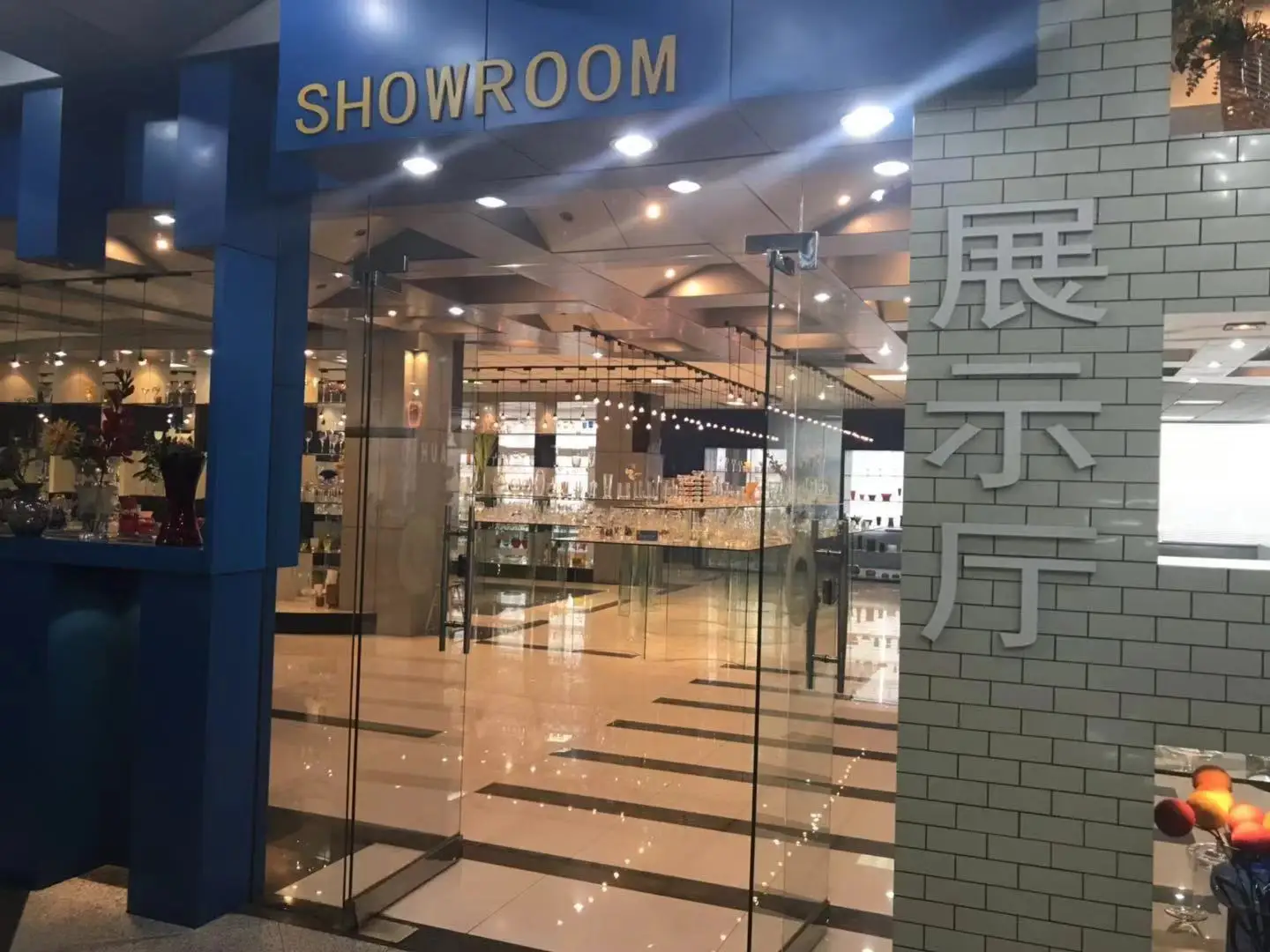
Changsha Aikeyi Homeware Co., Ltd.
- Trading Company
- Hunan, China
- Lead time25 days
- Avg. response≤ 2h
Main productsCustomized Glassware,Glass Tableware,Wine Glass,Glass Bottle,Glass Jar
Main marketsNorth America(33.00%), Oceania(15.00%), South America(12.00%), Western Europe(9.00%), Mid East(8.00%), Central America(4.00%), Northern Europe(4.00%), Africa(3.00%), Eastern Europe(3.00%), Southern Europe(3.00%), South Asia(2.00%), Southeast Asia(2.00%), Eastern Asia(2.00%)
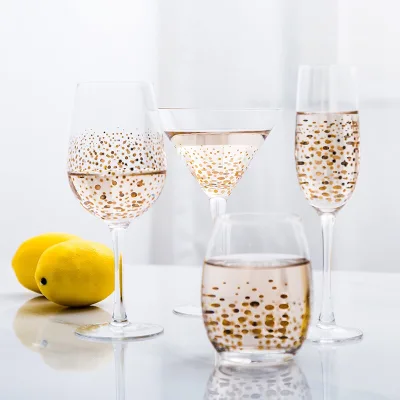
Wholesale High Quality Wholesale Cheap Champagne Glass Handmade Clear Wine Glass
$1.10 - $1.18
MOQ: 2000 pieces

Hemera (Tianjin) Technology Development Limited
- Verified by TUVRHEINLAND
- Manufacturer/Factory
- China Tianjin
- Lead time38 days
- Avg. response≤ 4h
Main productsGlass Cup, Glass Teapot, Glass Jar&Container, Glass Pitcher&Carafe, Water Jug, Coffee Set, Wine Set, Glass Cooking Ware
Main marketsSouth America,Eastern Europe,Mid East,North America,Southeast Asia,Eastern Asia,Oceania,Western Europe,Africa

Unique Handmade Custom Made Boat Glass Brandy Vodka Whiskey Liquor Decanter
$10.00 - $11.50
MOQ: 500 Pieces


260ml Square Personalized Clear Handmade Crystal Whiskey Whisky Glass Cup
$2.50 - $3.25
MOQ: 500 Pieces


Shenzhen Alp Ocean Import And Export Co., Ltd.
- Manufacturer, Trading Company, Distributor/Wholesaler
- Guangdong, China
- Lead time0 days
- Avg. response≤ 5h
Main productsglass bowl,glass plate,glass cup,glass vase,glass candy box

Wuhan Xinhuahang Household Goods Co., Ltd.
- Verified by BV
- Combined
- China Hubei
- Lead time15 days
- Avg. response≤ 4h
Main productsWine Glasses, Beer Glass, Drinking Glass, Decanter, Shot Glass, Coffee Glass, Cocktail Glass, Champagne Glass, Wine Accessories
Main marketsEurope,Australia,North America

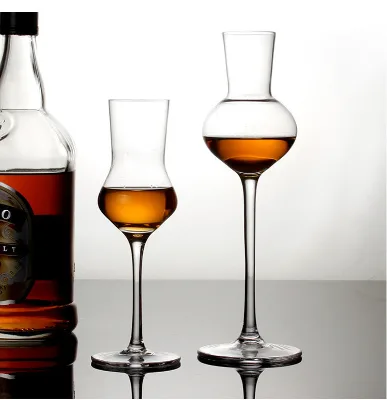
Hand-Made Tasting and Nosing Scotch Glass on a Short Stem Crystal Whiskey Glass
$0.96 - $1.48
MOQ: 480 Pieces

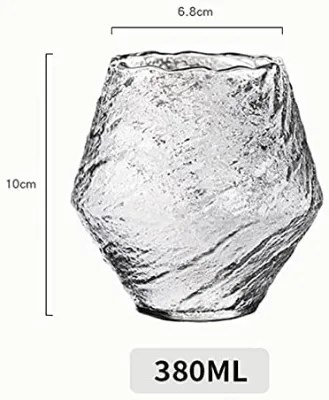
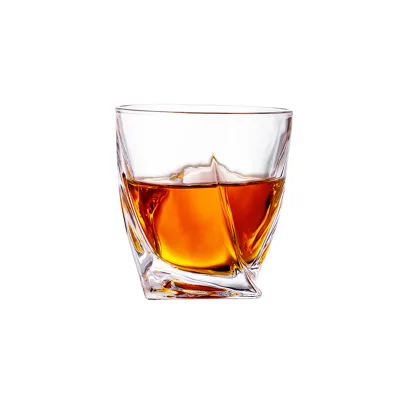
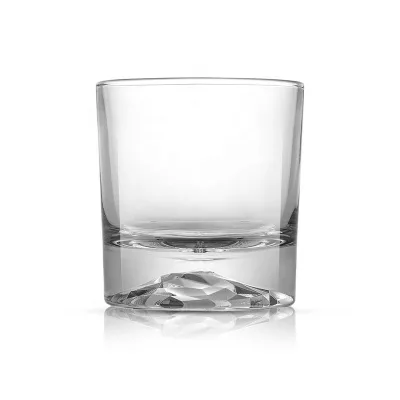
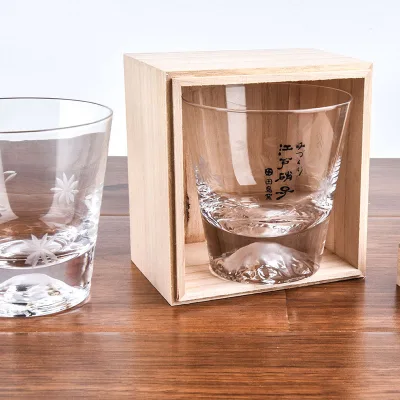
200ml Creative Handmade Heat Resistant Mountain View Whisky Wine Glass Cup
$1.23 - $1.77
MOQ: 480 Pieces


$2.98 - $3.53
MOQ: 480 Pieces

$0.89 - $1.14
MOQ: 240 Pieces


Hebei Xingchen Glass Technology Co., Ltd.
- Verified by CTI
- Combined
- China Hebei
- Lead time30 days
- Avg. response≤ 9h
Main productsGlass Cup, French Press, Coffee Pot, Glass Jar, Teapot, Syphon Coffee Maker, Glass Cooking Pot, Glass Pitcher, Glass Straw, Glass Teacup
Main marketsSouth America,Africa,Others(foreignTradeCapacity.exportBusinessCapacityMarketOther),Southeast Asia/ Mideast,East Asia(Japan/ South Korea),Europe,Australia,North America


Unique Handmade Customised Boat Glass Brandy Vodka Whiskey Liquor Decanter
$15.20 - $20.80
MOQ: 100 Pieces


Clear Borosilicate Glass Teapot Handmade Heat Resistant Glass Handle Teapot
$2.95 - $5.35
MOQ: 500 Pieces

Jinjiang Jiaxing Import and Export Co., Ltd.
- Verified by CTI
- Manufacturer/Factory
- China Fujian
- Lead time120 days
- Avg. response≤ 1h
Main productsShoes, Slipper, Clothes, Promotion Gifts, Silicone Products, Outdoor Sports Products, Bags, Fashion Accessories, Consumer Electronics
Main marketsSouth America,Eastern Europe,Mid East,North America,Southeast Asia,Eastern Asia,Oceania,Western Europe,Africa

Hebei Zhuozhongxi Glass Products Co., Ltd.
- Verified by BV
- Manufacturer/Factory
- China Hebei
- Lead time15 days
- Avg. response≤ 4h
Main productsGlass Cup, Glass Teapot, Coffee Appliance, Tea Set, Glass Crafts, Glass Jug, Glass Food Storage Jar, Wine Glass, Candle Holders, Double Wall Glass
Main marketsSouth America,Eastern Europe,Mid East,North America,Southeast Asia,Eastern Asia,Oceania,Western Europe,Africa
Guangzhou Tianfu Glass Products Co., Ltd.
- Verified by SGS Group
- Trading Company
- Lead time0 days
- Avg. response≤ 3h
Main productsGlass, Red Wine Glass, Beer Glass, Cocktail Glass, Champagne Glass
Main marketsNorth America(30%), Southeast Asia(20%), Western Europe(10%)
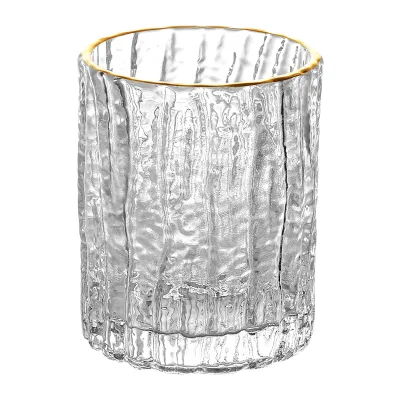
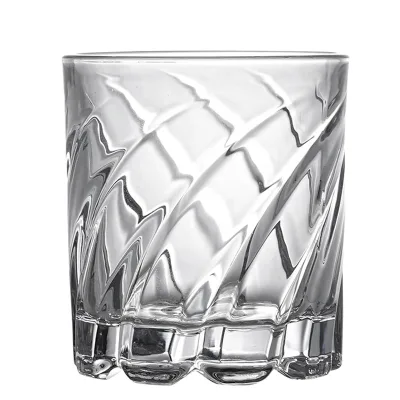
280ml Frosted bark surface transparent hot sale classic rock whiskey Glass with gold rim for bar
$0.78 - $1.15
MOQ: 200 pieces
Taiyuan Jarvi Glassware Co., Ltd.
- Trading Company
- Shanxi, China
- Lead time0 days
- Avg. response≤ 5h
Main productswine glasses,glass plates,glass vases,glass candle holders,glass decanters
Main marketsNorth America(65.00%), Northern Europe(20.00%), Mid East(10.00%), South Asia(2.00%), Africa(2.00%), Domestic Market(1.00%)

Weifang Easylife Ware Co., Ltd.
- Trading Company
- China Shandong
- Lead time0 days
- Avg. response≤ 5h
Main productsGlass Cup, Coffee Cup, Coffee Mug, Coffee Pot, Tea Cup, Teapot, Whiskey Glass Cup, Decanter, Cocktail Glass Cup, Wine Glass Cup

XIAMEN SHUNSTONE HOMEWARE CO., LTD.
- Manufacturer/Factory
- China Fujian
- Lead time23 days
- Avg. response≤ 5h
Main productsWhiskey Box, Wine Box, Wooden Gift Box, Leather Gift Box, Gift Set with Box, Whiskey Decanter, Whiskey Glass, Cigar Box
Main marketsSouth America,Eastern Europe,Mid East,North America,Southeast Asia,Eastern Asia,Oceania,Western Europe,Africa


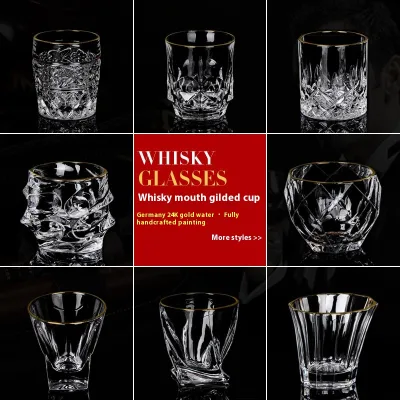
High Quality Luxury Custom Crystal Gold Rim Whiskey Glasses Lead Free Handmade Whiskey Glass
$0.99 - $5.99
MOQ: 36 Pieces


Zibo Melory Import & Export Trade Co., Ltd.
- Trading Company,Manufacturer/Factory
- China Shandong
- Lead time45 days
- Avg. response≤ 20h
Main productsGlass Candle Holder, Glass Jar, Glass Votive, Glass Diffuser, Glass Bottle, Glass Vase, Matches, Ceramic Candle Holder, Ceramic Holder for Incense, Glass Candle Jar
Main marketsSouth America,Eastern Europe,North America,Western Europe

Yancheng Xinboyuan Glass Co., Ltd.
- Verified by BV
- Trading Company,Manufacturer/Factory
- China Jiangsu
- Lead time23 days
- Avg. response≤ 12h
Main productsGlass Table Lamp, Glass Perfume Bottles, Glass Lampshade, Glass Labware, Glass Bottles & Jars, Glass Candlesticks, Borosilicate Mug & Cups, Glass Vases & Terrariums, Glass Beakers, Glass Reagent Bottles
Main marketsEastern Europe,Mid East,North America,Western Europe


$1.56 - $2.21
MOQ: 50 Pieces


Xi An Fruits Joy Trade Co., Ltd.
- Trading Company
- Shaanxi, China
- Lead time20 days
- Avg. response≤ 5h
Main productsGlass Cups,Glass Bottles,Glass Plates,Glass Candle Holder,Glass Vase
Main marketsNorth America(25.00%), Western Europe(25.00%), Southeast Asia(15.00%), South America(10.00%), Oceania(5.00%), Mid East(5.00%), Eastern Europe(3.00%), Central America(3.00%), Africa(3.00%), Northern Europe(2.00%), Eastern Asia(2.00%), South Asia(1.00%), Southern Europe(1.00%)

Guangzhou Garbo International Trading Co., Ltd.
- Verified by TUVRHEINLAND
- Trading Company,Manufacturer/Factory
- China Guangdong
- Lead time45 days
- Avg. response≤ 6h
Main productsGlassware, Glass Cup, Glass Mug, Glass Bowl, Glass Candy Jar, Glass Pitcher, Glass Ice Cream Cup and Ice Bucket, Opal Glassware, Stainless Steel Cutlery, Ceramic Dinnerware
Main marketsSouth America,Eastern Europe,Mid East,North America,Southeast Asia,Eastern Asia,Oceania,Western Europe,Africa


High-End Glass Water Cup with Engraved Designs Handmade Whisky Glass Cup Whisky Glass Cup
$1.60 - $1.85
MOQ: 5000 Pieces

High End Handmade Whisky Glass Cup Wine Tumbler Glassware Customized Logo Acceptable
$1.03 - $1.42
MOQ: 3000 Pieces


Tianjin Jiaming Technology Co., Ltd.
- Verified by SGS
- Trading Company
- China Tianjin
- Lead time15 days
- Avg. response≤ 9h
Main productsGlass Jar, Glass Cup, Kitchen Utensils, Teapot, Glass Pitcher
Main marketsOthers(foreignTradeCapacity.exportBusinessCapacityMarketOther)
- Manufacturer, Trading Company
- Hebei, China
- Lead time30 days
- Avg. response≤ 2h
Main productsglassware,teapot,double wall glass,glass cup,glass mug
Main marketsNorth America(45.00%), Eastern Europe(18.00%), Northern Europe(10.00%), Eastern Asia(5.00%), Oceania(5.00%), Africa(3.00%), Central America(3.00%), Western Europe(3.00%), Southern Europe(2.00%), Southeast Asia(2.00%), Domestic Market(1.00%), South Asia(1.00%), Mid East(1.00%), South America(1.00%)
Shenzhen Sunrise Glassware Co., ltd.
- Trading Company
- Guangdong, China
- Lead time30 days
- Avg. response≤ 7h
Main productscustom crystal wine glass,custom hand cut whiskey glass,custom drinking glass,custom colored glass cup,custom double wall glass cups
Main marketsWestern Europe(20.00%), North America(20.00%), Southern Europe(16.00%), Domestic Market(10.00%), Northern Europe(10.00%), Oceania(7.00%), Mid East(5.00%), Eastern Asia(5.00%), South America(2.00%), Southeast Asia(2.00%), Central America(2.00%), Eastern Europe(1.00%)
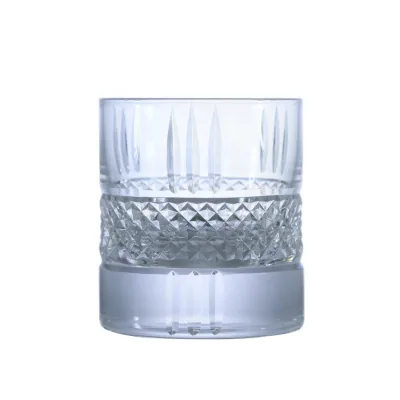
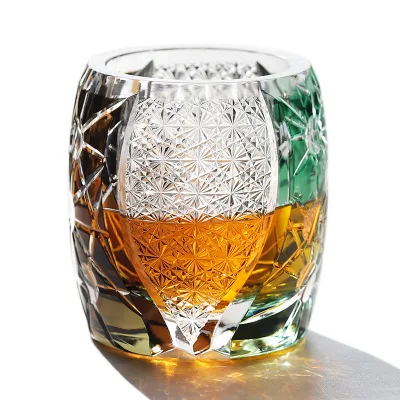
Hand Cut Spirit Glass Custom Old Fashion Handcrafted Whiskey Glass Modern Clear Drinkware Gift
$11.99 - $13.99
MOQ: 1000
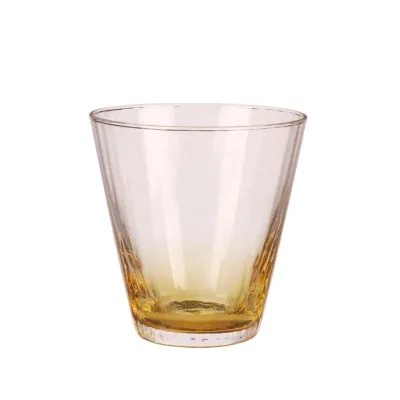
$2.43 - $2.86
MOQ: 2000 pieces

Longyan Zhanling Industry and Trade Co., Ltd.
- Manufacturer/Factory
- China Fujian
- Lead time150 days
- Avg. response≤ 4h
Main productsStainless Steel Cup, Customized Cup, Stainless Steel Cup & Mug, Double Wall Stainless Steel Cup, Customized Stainless Steel Cup, Water Bottle, Tumbler, Stainless Steel Water Bottle, Stainless Steel Bottle, Whiskey Glass
Main marketsSouth America,Eastern Europe,Mid East,North America,Southeast Asia,Eastern Asia,Oceania,Western Europe,Africa

Foshan Nanhai Hua Yue Glass Co., Ltd.
- Verified by BV
- Combined
- China Guangdong
- Lead time30 days
- Avg. response≤ 2h
Main productsGlassware, Glass Bottle, Glass Cups, Glass Mugs, Wine Glass, Glass Plates, Glass Jars, Glass Bowls
Main marketsSoutheast Asia/ Mideast,Europe,Australia,North America

Handmade Fruit Sugar Colored Wine Glass Goblet Glass Champagne Glass Cocktail Glass
$3.50
MOQ: 10000 Pieces

Qixian Xin Sen Glass Products Co., Ltd.
- Verified by Intertek
- Manufacturer, Trading Company
- Lead time35 days
- Avg. response≤ 2h
Main productsDrinking Glassware, Glass Jar, Glass Plate, Glass Vase
Main marketsNorth America(40%), Oceania(20%), Northern Europe(20%)

- Verified by SGS
- Trading Company
- China Zhejiang
- Lead time15 days
- Avg. response≤ 15h
Main productsMop, Kitchen Knife, Chopping Board, Blanket, Mosquito Net, Cushion, Slipper, Broom, Luggage, Educational Toy
Main marketsEurope,Australia

Wholesale Handmade Eco-Friendly Glass Cocktail Whisky Cup Customizable for Parties Glass
$4.50 - $5.00
MOQ: 200 Pieces

Cross Border Simple Trapezoidal Glass Gold Rimmed Whiskey Glasses Heat Resistant Mug
$0.40 - $0.48
MOQ: 2000 Pieces
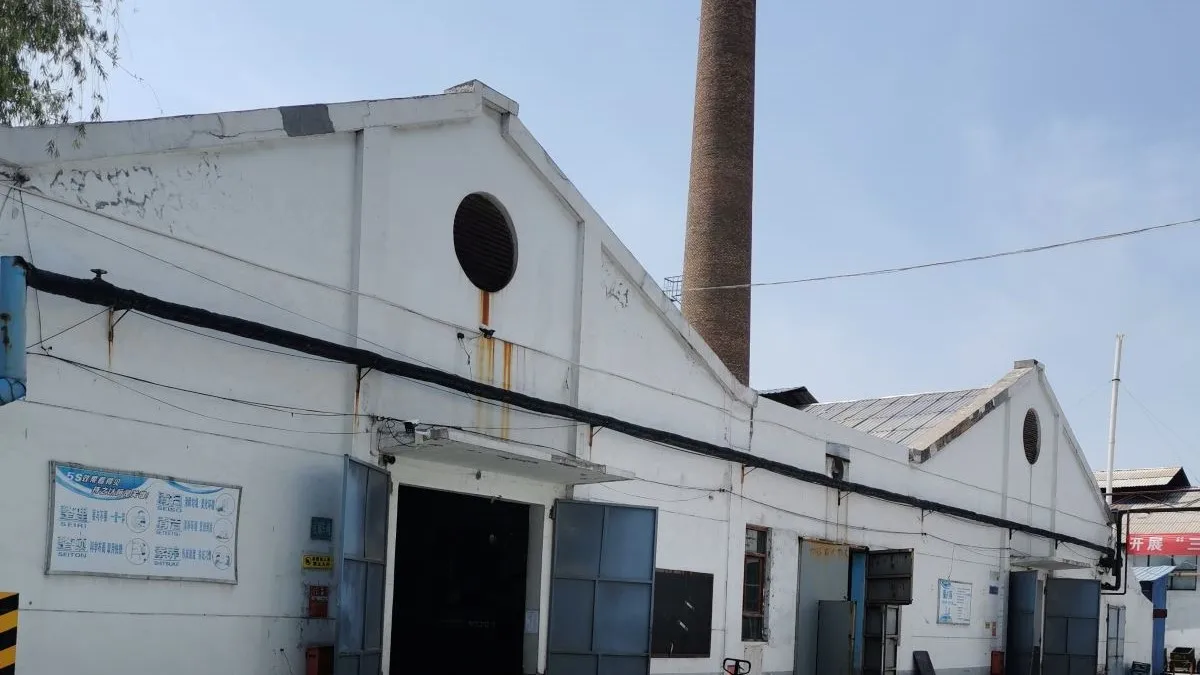
Xiamen Horae Glassware Co., Ltd.
- Manufacturer, Trading Company, Distributor/Wholesaler
- Fujian, China
- Lead time0 days
- Avg. response≤ 4h
Main productsglassware,glass products,glasses,packing,gift and crafts
Main marketsEastern Europe(20.00%), North America(20.00%), Western Europe(15.00%), Southeast Asia(10.00%), Southern Europe(5.00%), Northern Europe(5.00%), Central America(5.00%), South America(5.00%), Eastern Asia(5.00%), Mid East(5.00%), Oceania(5.00%)

Yantai Changyou Glass Co., Ltd.
- Verified by BV
- Manufacturer/Factory,Group Corporation
- China Shandong
- Lead time38 days
- Avg. response≤ 2h
Main productsSpirits Bottle, Wine Bottle, Cosmetic Bottle, Non-Alcoholic Beverages, Pharmaceutical Bottle, Glass Jar, Olive Oil Bottle, Aluminum Cap, Cork Stopper
Main marketsSouth America,Eastern Europe,North America,Southeast Asia,Eastern Asia,Western Europe,Africa

Rollin Porcelain Industrial Co., Ltd.
- Verified by BV
- Manufacturer/Factory
- China Guangdong
- Lead time45 days
- Avg. response≤ 6h
Main productsPorcelain Dinnerware, Tableware, Dinner Set, Dinner Plate, Hotel and Restaurant Tableware, Bone China, Cutlery, Glassware, Ceramic Plate, Porcelain
Main marketsEastern Europe,Mid East,North America,Southeast Asia,Eastern Asia,Oceania,Western Europe

Shanghai David International Trade Co., Ltd.
- Verified by TUVRHEINLAND
- Combined
- China Shanghai
- Lead time15 days
- Avg. response≤ 7h
Main productsPromotional Gifts, Gift Sets, Tshirts, Hats, Hot Packs, Hot Cold Packs, Ice Packs, Bags, Umbrellas, Water Bottles
Main marketsSouth America,Africa,Southeast Asia/ Mideast,East Asia(Japan/ South Korea),Domestic,Europe,Australia,North America













Comprehensive Sourcing Guide
Handmade Heat Resistant Whiskey Glass Supplier Concentration and Factory Types
Current data indicates that suppliers for Handmade Heat Resistant Whiskey Glass are concentrated in specific Chinese provinces, with Shanxi and Hunan emerging as notable production hubs. In Shanxi, manufacturers often operate as factories with capabilities for both own-brand production and OEM services, suggesting a direct manufacturing presence. These entities typically list main products that include various glassware types alongside other industrial fittings, indicating a diversified production line. The presence of specific product attributes like borosilicate glass and melt glass techniques in this region points to specialized thermal resistance capabilities. Buyers should verify if the supplier's primary focus aligns with glass manufacturing rather than being a general trading entity, as factory types often imply more direct control over the handmade process and material quality.
In contrast, suppliers located in Hunan may operate as trading companies, which can offer a broader range of styles but might involve an intermediary layer in the supply chain. These trading companies often source from various factories to aggregate inventory, potentially offering different design variations such as contemporary or American styles. The distinction between a manufacturer and a trading company is critical when evaluating the "handmade" claim, as factories usually possess the specific machinery and skilled labor for glass blowing or molding. Buyers must confirm the actual production location to ensure the handmade aspect is genuine and not merely a marketing term applied to mass-produced items. Understanding the company type helps in assessing the depth of technical expertise available for customizing heat-resistant properties.
How to Verify Handmade Heat Resistant Whiskey Glass Suppliers
Verification of supplier claims requires a rigorous check of certifications and product attributes that confirm the material integrity and manufacturing standards. For heat-resistant glass, specific certifications such as LFGB and FDA are essential indicators of safety and quality, ensuring the glass can withstand thermal shock without leaching harmful substances. Buyers should request documentation proving these certifications are current and applicable to the specific product model, such as the MDS-KM-001 or similar variants. Additionally, the presence of ISO 9000, ISO 14001, or ISO 14000 system certifications suggests a structured approach to quality management and environmental compliance, which is vital for maintaining consistent handmade standards. Without these verified credentials, the claim of high-quality heat resistance remains unproven.
Beyond certifications, the verification process must include a detailed review of the supplier's response time and verification status to gauge reliability. A response time of approximately 16 hours or less, as seen in some data, indicates a responsive supply chain capable of addressing technical queries quickly. Verification badges like CTI provide an additional layer of trust, confirming that the supplier has undergone third-party assessment. Buyers should also examine the product attributes listed, such as the specific glass type (e.g., borosilicate or crystal) and the "Hand Made" technique designation. It is crucial to confirm that the supplier explicitly states the production method and material composition, as generic listings may obscure the true nature of the manufacturing process. Cross-referencing these details with the supplier's main product list ensures alignment with the buyer's specific needs for heat-resistant whiskey glass.
What to Compare Across Handmade Heat Resistant Whiskey Glass Suppliers
When evaluating multiple suppliers, the primary comparison points should include lead times, minimum order quantities (MOQ), and pricing structures to determine feasibility for the specific order volume. Lead times can vary significantly, with some suppliers indicating a duration of around 23 to 25 days, which impacts inventory planning and delivery schedules. Buyers must compare these timelines against their own production or sales cycles to avoid stockouts. Similarly, MOQs range from 500 pieces to 3000 pieces depending on the supplier and product complexity. A lower MOQ might be preferable for testing the market, while higher volumes could unlock better unit pricing. Understanding these thresholds is essential for aligning the order size with the supplier's production capacity and the buyer's financial constraints.
Pricing and customization options also require careful comparison to ensure value for money. Unit prices for Handmade Heat Resistant Whiskey Glass can vary from approximately $0.30 to $74.00, reflecting differences in material quality, design complexity, and brand positioning. Buyers should analyze the price range in the context of the product specifications, such as capacity, color, and packaging details. Customization features like logo printing, decal application, and specific shape requirements can influence the final cost. It is important to verify if the quoted price includes all necessary packaging, such as brown boxes or cartons, and if there are additional fees for sample provision. Comparing these commercial terms across different suppliers helps in identifying the most cost-effective partner without compromising on the essential heat-resistant properties or aesthetic requirements of the whiskey glass.
Common Handmade Heat Resistant Whiskey Glass Sourcing Risks
One significant risk in sourcing Handmade Heat Resistant Whiskey Glass is the potential discrepancy between the claimed material properties and the actual product performance. While suppliers may list certifications like LFGB and FDA, there is a risk that the glass may not consistently withstand thermal shock if the manufacturing process is not strictly controlled. The "handmade" aspect introduces variability, as manual processes can lead to inconsistencies in wall thickness or annealing, which are critical for heat resistance. Buyers must mitigate this risk by requesting detailed test reports or conducting their own thermal shock tests before placing large orders. Relying solely on marketing descriptions without physical verification can lead to product failures in the field, damaging the buyer's brand reputation.
Another critical risk involves the reliability of the supply chain and the accuracy of the stated lead times and response capabilities. Delays in production or communication gaps can disrupt the entire order cycle, especially when dealing with custom designs or specific material requirements. Some suppliers may have a response time that is too slow to address urgent issues, leading to extended lead times beyond the initial estimate. Additionally, the distinction between a manufacturer and a trading company can obscure the true source of the product, making it harder to resolve quality issues directly with the factory. Buyers should assess the supplier's track record for meeting deadlines and their ability to provide samples quickly. Ensuring clear communication channels and verifying the supplier's capacity to handle the order volume is essential to avoid supply chain disruptions.
Handmade Heat Resistant Whiskey Glass Regional Sourcing and Logistics
Sourcing from regions like Shanxi and Hunan in China offers distinct logistical advantages and challenges that buyers must consider. Shanxi-based manufacturers often have established infrastructure for heavy industrial goods, which can facilitate the transport of glass products, but the distance from major ports may add to shipping costs and transit times. Buyers should calculate the total landed cost, including inland freight, to ensure the regional advantage translates into competitive pricing. Conversely, Hunan-based suppliers, often trading companies, may have different logistical networks that could offer more flexible shipping options or consolidated cargo services. Understanding the specific location of the factory is crucial for estimating the time required for goods to reach the port of export and subsequently the destination market.
Logistics planning must also account for the fragility of glass products and the specific packaging requirements to prevent damage during transit. Suppliers typically use carton packaging, with specific dimensions and weights listed, such as 15x10x15 cm per unit or 48 pieces per carton. Buyers need to verify that the packaging is robust enough to withstand the rigors of international shipping, especially for handmade items that may have unique shapes or designs. The single gross weight and package size data provided by suppliers are essential for calculating container loading efficiency and freight costs. Additionally, buyers should inquire about the supplier's experience with exporting to their specific region, as familiarity with local customs and regulations can streamline the clearance process. Proper logistics planning ensures that the Handmade Heat Resistant Whiskey Glass arrives in perfect condition and on schedule.
Handmade Heat Resistant Whiskey Glass Commercial Terms and Order Planning
Commercial terms for Handmade Heat Resistant Whiskey Glass often include specific requirements for payment, samples, and customization that must be clearly defined before order placement. Many suppliers offer sample provision, which is a critical step in verifying the quality and heat resistance of the product before committing to a large order. Buyers should clarify the cost of samples and whether these costs are deductible from the final order value. Customization options, such as logo printing or specific color requests, may incur additional fees or require a longer lead time. It is essential to negotiate these terms explicitly to avoid unexpected costs or delays. Understanding the supplier's policy on samples and customization helps in planning the order timeline and budget accurately.
Order planning must also consider the production capacity and the ability of the supplier to scale up if demand increases. Suppliers with OEM and ODM capabilities, such as those in Shanxi, may offer more flexibility in adjusting production volumes. However, buyers should verify the supplier's current capacity to ensure they can meet the required delivery dates without compromising quality. The lead time of 23 to 25 days is a baseline, but buyers should account for potential delays due to material shortages or other unforeseen circumstances. Establishing a clear communication plan and setting realistic milestones for production and shipping is vital for successful order execution. By carefully planning the commercial terms and order timeline, buyers can minimize risks and ensure a smooth procurement process for Handmade Heat Resistant Whiskey Glass.
FAQs
What is the minimum order quantity for handmade heat resistant whiskey glasses?
Minimum order quantities vary by supplier and specific product model. Some listings require 2000 pieces, while others accept orders as low as 500 or 1000 units. Buyers should verify the exact MOQ for their selected item before placing an order to ensure it meets their procurement needs.
How long does it take to receive handmade heat resistant whiskey glasses?
Lead times for these products typically range from 23 to 25 days depending on the supplier and order volume. Some manufacturers in Shanxi or Hunan may offer faster turnaround times, but buyers must confirm the specific delivery schedule with the vendor to plan their inventory effectively.
Are certifications like LFGB and FDA available for these glass products?
Yes, many handmade heat resistant whiskey glasses come with LFGB and FDA certifications. These certifications ensure the glass is lead-free and safe for daily use. Buyers should request specific test reports or certification documents from the supplier to verify compliance with international safety standards.
What materials are used to make these heat resistant whiskey glasses?
These glasses are primarily made from borosilicate glass or crystal, known for their durability and heat resistance. Some products are described as melt glass or standard glass with specific capacities. Buyers should check the material specifications to ensure the glass meets their quality and safety requirements.
Can I customize the logo on these handmade whiskey glasses?
Customization is available for many suppliers, allowing logos to be printed or applied as decals. Buyers can often request specific designs or branding on the glass surface. It is essential to confirm customization options and any additional costs with the supplier before finalizing the order details.
What is the price range for handmade heat resistant whiskey glasses?
Prices for these glasses vary significantly based on material, design, and order quantity. Some listings show prices as low as 0.30 dollars per unit, while others range up to 74 dollars for premium or luxury styles. Buyers should compare multiple suppliers to find the best value for their specific budget.
Where are the manufacturers of these glasses located?
Manufacturers are located in regions such as Shanxi and Hunan in China. These areas are known for producing various glassware and tableware products. Buyers should verify the specific location of the supplier to understand shipping logistics and potential tariffs associated with importing from these regions.