Handmade Retro Optical Glasses Frame Suppliers and Manufacturers
Browse 15 suppliers of Handmade Retro Optical Glasses Frame products and compare acetate materials, square full-frame styles, MOQs, unit prices, customization options, lead times, response rates, and verification credentials in one place. Shortlist candidates and request samples or quotes to confirm specifications before placing your first order.
Suppliers List

- Verified by BV
- Trading Company
- China Zhejiang
- Lead time30 days
- Avg. response≤ 5h
Main productsSunglass, Optical Frame, Sports Sunglasses, Kid's Optical Frames, Reading Glasses, Polarized Sunglasses, Eyeglasses Frame, Sun Glasses, Eyewear Frame, Sunglasses Case
Main marketsEurope,North America


Vintage Handmade Customize Manufactory Nice Quality Acetate Optical Frame
$7.30 - $7.50
MOQ: 15 Pieces


Customized Classic Colorful Acetate Handmade Glasses Factory Optical Eyewear Frame
$4.50 - $4.80
MOQ: 300 Pieces


Sky & Sea Optical MFY Co., Ltd.
- Verified by SGS
- Combined
- China Zhejiang
- Lead time60 days
- Avg. response≤ 3h
Main productsOptical Frame, Sunglasses, Reading Glasses, 3D Glasses, Blocking Pad, Eyeglasses, Optical Frames, Glasses Case, Safety Glasses, Lens Cleaner
Main marketsSouth America,Europe,North America

Retro Korea Style Rectangle Shape Eye Glasses Handmade Acetate Optical Frame
$7.50 - $9.50
MOQ: 50 Pieces

Unique Style Irregular Shape Acetate Metal Rim Handmade Glasses Optical Frames
$4.80 - $5.50
MOQ: 12 Pieces

$4.60 - $5.50
MOQ: 12 Pieces

8.0mm Thick Acetate Design Round Fashion Handmade Eye Glasses Optical Eyeglasses Frame
$6.20 - $8.50
MOQ: 12 Pieces

Oversized Square Frame Popular Colorful Eyeglasses Classical Retro Acetate Optical Frames
$4.50 - $5.00
MOQ: 12 Pieces


WENZHOU GUANDE GLASSES CO., LTD.
- Verified by CTI
- Trading Company
- China Zhejiang
- Lead time60 days
- Avg. response≤ 3h
Main productsOptical Frame, Sunglasses, Reading Glasses, Kids Frame, Eyewear Manufacturer / Supplier in China, Offering High Quality New Arrival Tr90 Optical F, Offering New Design Handmade Pearl Acetate Eye, New Fashion Metal Polarized Sunglasses, New Fashion Acetate Polarized Sunglasses, High Quality Stainless Steel Optical Frame
Main marketsDomestic,Europe


Gd High Quality Men Acetate Optical Frame Retro Wholesale Handmade Glasses Eyeglasses Eyewear
$4.80 - $6.00
MOQ: 12 Pieces

Wenzhou Nighthawk Glasses Co., Ltd
- Verified by BV
- Trading Company
- China Zhejiang
- Lead time15 days
- Avg. response≤ 1h
Main productsSunglasses, Optical Frames, Reading Glasses, Eyewear Cases, Kids Frames
Main marketsNorth America

Classic Durable Small Size Square Eyeglasses Frame Handmade Spectacle Optical Frame
$8.80 - $8.90
MOQ: 12 PCS


Pilot Optics International Corp.Ltd.Wenzhou
- Trading Company,Manufacturer/Factory
- China Zhejiang
- Lead time45 days
- Avg. response≤ 20h
Main productsReading Glasses, Optical Frames, Sunglasses, Glasses Pouch, Glasses Case, Glasses Cord, Glasses Display
Main marketsSouth America,Eastern Europe,Mid East,North America,Southeast Asia,Oceania,Western Europe

Wenzhou Higo Optical Co., Ltd.
- Combined
- China Zhejiang
- Lead time45 days
- Avg. response≤ 14h
Main productsEyeglass, Optical Frames, Eyewear, Optical Frame, Spectacle Frame
Main marketsDomestic,Europe

Man Hand Made Clip on Acetate Optical Frame Retro Wholesale Handmade Glasses
$5.50 - $6.50
MOQ: 2 Pieces


- Trading Company
- China Zhejiang
- Lead time0 days
- Avg. response≤ 3h
Main productsOptical Glasses, Reading Glasses, Sunglasses, Blue Light Blocking Glasses, Eyeglasses Frames, Kid's Sunglasses, Titanium Optical Frame, Women Reading Glasses, Mens Spectacles Frames, Fashion Sunglasses


High-End Handmade Acetate Glasses Round Optical Glasses Frames for Men and Women
$2.50 - $2.70
MOQ: 1200 Pieces

$1.90 - $2.80
MOQ: 1200 Pieces

- Verified by TüVRheinland
- Manufacturer, Trading Company
- Lead time40 days
- Avg. response≤ 3h
Main productsReading Glasses, Sunglasses, Optical Frame Kid Glasses, Glasses Accessories, Kid Glasses
Main marketsNorth America(37%), South America(20%), Western Europe(20%)

Xiamen Langxue Spectacles Co., Ltd.
- Combined
- China Fujian
- Lead time30 days
- Avg. response≤ 9h
Main productsSunglasses, Eyeglasses, Reading Glasses, Metal Sunglasses, Optical Frames, Safety Glasses, Eyewears, Optical Glass, Spectacles, Sports Sunglasses
Main marketsSouth America,Domestic,Europe,North America


Fashion Handmade Design Square Eyeglasses Optical Spectacle Metal Frame with Competitive Price
$1.80 - $5.00
MOQ: 300 Pieces

OEM Metal Frames Optical Glasses Lightweight Vintage Classic Style Blue Light
$3.00 - $6.00
MOQ: 1200 Pieces


- Verified by SGS
- Trading Company
- China Zhejiang
- Lead time30 days
- Avg. response≤ 3h
Main productsOptical Frames, Sunglasses, Reading Glasses, Blue Block Glasses, Glasses Cases, Clean Cloth, Glasses Accessories, Clip on Glasses, Glasses Lenses
Main marketsSouth America,Africa,Southeast Asia/ Mideast,Europe,North America


Luxury Vogue Optical Acetate Eyeglasses Handmade Eye Glasses Frame for Wholesale
$4.60 - $5.80
MOQ: 12 Pieces

Customized Logo Fashion Women Wholesale Handmade Eyewear Acetate Eyeglass Optical Glasses Frame
$4.20 - $6.80
MOQ: 12 Pieces

Fashion Unique Women Laminate Acetate Optical Frames Hand Made Metal Eyewear Eye Glasses
$5.20 - $6.80
MOQ: 12 Pieces

Classic Men Spectacle Frames Business Eyewear Rectangle Metal Optical Frame Glasses Frames
$5.60 - $6.80
MOQ: 12 Pieces

High Quality Acetate Manufacturer Handmade Acetate Optical Frames Optical Glasses 2026
$5.60 - $6.80
MOQ: 12 Pieces

Wenzhou Showxin Eyewear Co., Ltd.
- Verified by SGS
- Trading Company
- China Zhejiang
- Lead time60 days
- Avg. response≤ 8h
Main productsOptical Frame, Sunglass, Clip on Sunglasses, Eyewear, Reading Glasses, 3D Sunglasses, Lens
Main marketsEurope

Colorful Customized Logo Fashion Designed Wholesale Handmade Eyewear Optical Glasses Frame
$6.00 - $7.00
MOQ: 450 piece

Colorful Customized Logo Stylish Designed Wholesale Handmade Eyewear Optical Glasses Frame
$6.00 - $7.00
MOQ: 450 piece

Hot Selling Unisex High Quality Acetateoptical Glasses Frames Handmade Fashionable Design
$7.00 - $9.00
MOQ: 450 piece

$6.00 - $7.00
MOQ: 450 piece


$6.00 - $7.00
MOQ: 450 piece

Wenzhou Sunray Technology Co., Ltd.
- Verified by SGS
- Manufacturer/Factory
- China Zhejiang
- Lead time23 days
- Avg. response≤ 4h
Main productsSunglasses, Custom Sunglasses, Polarized Sunglass, Reading Glasses, Jewelry Boxes, Paper Boxes, Gift Boxes, Packaging Box, Custom Packaging Box, Packing Box
Main marketsSouth America,Eastern Europe,Mid East,North America,Southeast Asia,Eastern Asia,Oceania,Western Europe,Africa


Newest Fashion Square Frame Acetate Eyeglasses Hand Made Custom OEM Glasses Women Men Optical Frames
$9.29 - $11.37
MOQ: 12 Pieces


Danyang Xinjingjie Glasses Co., Ltd.
- Trading Company
- China Jiangsu
- Lead time0 days
- Avg. response≤ 5h
Main productsEyeglasses Accessories, Kids Eyeglasses, Sunglasses, Optical Glasses, Sun Lens/ Tinted Lens, Blue Cut Lenses


Metal Optical Glasses Eyewear Vintage Men Square Eyeglasses Frames High Quality
$3.00 - $4.50
MOQ: 10 pair

Wenzhou Ouyuan Optical Co., Ltd.
- Verified by SGS
- Trading Company
- China Zhejiang
- Lead time60 days
- Avg. response≤ 4h
Main productsSunglasses, OEM ODM Sunglasses, Custom Sunglasses, Glasses, Eyeglass, Glasses Case, Estuche Para Gafas, Reading Glasses, Polarized Lens, Gafas De Sol
Main marketsEurope,North America

Full Frame Professional Glasses Frame Retro Style Good Quality Handmade Acetate Optical
$5.48 - $5.50
MOQ: 300 Pieces


Shenzhen Yahao Glasses Manufacturing Co., Ltd
- Verified by CTI
- Trading Company
- China Guangdong
- Lead time15 days
- Avg. response≤ 6h
Main productsCar Key Programmer, Marine Scanner, Airbag Reset, Obdstar DC706, Obdstar X300m, Obdstar P50, Obdstar G3, Obdstar Ms80, Obdstar Iscan, Auto Diagnostic Tool
Main marketsDomestic

High Quality for Men & Women Wholesale Vintage Acetate Optical Glasses Fashion Glasses Frames
$4.02 - $4.71
MOQ: 10 Pieces

$4.37 - $5.12
MOQ: 10 Pieces

High Quality New Acetate Eyewear Frame Glasseswholesale Optical Eyeglasses Frame Vintage
$4.02 - $4.71
MOQ: 10 Pieces

Classic Business Eyewear Frame for Men Metal Rectangle Optical Glasses Frame
$3.67 - $4.30
MOQ: 10 Pieces


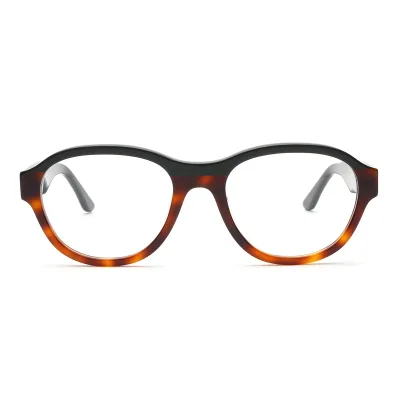
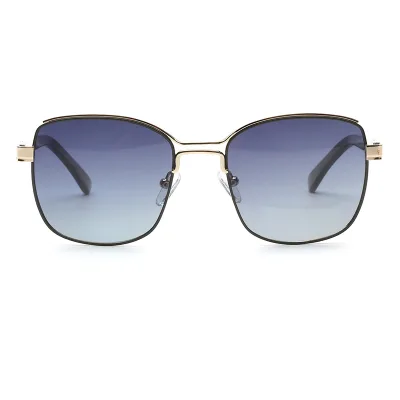
Comprehensive Sourcing Guide
Handmade Retro Optical Glasses Frame Supplier Concentration and Factory Types
The available data indicates that verified suppliers for handmade retro optical glasses frames are concentrated in the Zhejiang province of China, specifically within the Wenzhou region. This area serves as a significant manufacturing cluster for acetate eyewear, where factories and trading companies operate in close proximity to raw material suppliers and finishing workshops. When evaluating potential partners, buyers should look for evidence of this geographic concentration, as it often correlates with established supply chains for high-quality acetate materials and specialized hand-finishing techniques. The presence of suppliers in this specific location suggests a mature ecosystem capable of supporting both small-batch custom orders and larger mass production runs for optical frames.
Supplier types in this category vary between trading companies and combined entities that offer both manufacturing and trading capabilities. Some suppliers are identified as trading companies, which may streamline communication but require verification of their direct factory access. Others are listed as combined entities with ODM and OEM capacities, indicating they can handle custom design and own-brand production. Buyers must distinguish between these models to ensure the supplier can meet specific customization needs for retro styles. The distinction is critical because a trading company might not have the same control over the handmade production process as a factory with direct ODM capabilities, affecting the final quality and consistency of the acetate frames.
How to Verify Handmade Retro Optical Glasses Frame Suppliers
Verification of suppliers for handmade retro optical glasses frames relies heavily on third-party audit reports and specific credential checks. The current results show that some suppliers hold BV verification status, while others possess SGS verification. These certifications provide a baseline of trust regarding the company's operational legitimacy and financial stability. Buyers should prioritize suppliers with these active verification badges, as they indicate that an independent agency has reviewed the business's existence and basic compliance. It is essential to confirm that the verification is current and covers the specific product lines, such as optical frames, rather than just a general company registration.
Beyond basic verification, buyers must scrutinize the specific product attributes and certifications listed for the handmade retro frames. Evidence suggests that some products carry CE certification, which is a mandatory standard for eyewear sold in certain markets. Additionally, suppliers may list other standards or compliance marks that are crucial for international distribution. Buyers should request detailed documentation for these certifications to ensure they match the specific frame models being sourced. The presence of a "Certificate" field in product data, such as CE or others, serves as a tangible proof point that the supplier adheres to recognized safety and quality standards for optical products.
What to Compare Across Handmade Retro Optical Glasses Frame Suppliers
When comparing suppliers, the response time is a critical metric for assessing communication efficiency and potential service quality. The data indicates response times ranging from approximately 2.98 to 4.73, which can significantly impact the speed of negotiations and sample approvals. A faster response time often correlates with a more responsive sales team and better project management capabilities. Buyers should compare these figures to identify suppliers who can maintain quick turnaround times for inquiries, which is particularly important when dealing with custom handmade items that require detailed back-and-forth communication regarding design specifications.
Lead times and minimum order quantities (MOQ) are equally vital factors for operational planning and inventory management. Available data shows lead times varying from 30 to 60 days, with some suppliers offering ready goods while others require mass production cycles. MOQs also differ, with some listings showing as low as 12 pieces per color for ready goods, while others require 300 to 400 pieces for custom orders. Buyers must align these constraints with their own business volume and cash flow requirements. Comparing these specific operational metrics helps in selecting a partner that can deliver the handmade retro frames within the desired timeframe and at a volume that matches the buyer's market demand.
Common Handmade Retro Optical Glasses Frame Sourcing Risks
One significant risk in sourcing handmade retro optical glasses frames involves the variability of production capabilities and the potential for misalignment between design expectations and final output. While some suppliers claim "No MOQ" or flexible options for ready goods, others enforce strict minimums like 15 or 400 pieces. This inconsistency can lead to inventory imbalances if a buyer orders a small batch expecting flexibility but faces high minimums. Furthermore, the "handmade" aspect implies a reliance on skilled labor, which can introduce variability in quality if the supplier lacks rigorous quality control processes. Buyers must verify that the supplier has the capacity to maintain consistent craftsmanship across all units in an order.
Another risk pertains to the accuracy of product specifications and the reliability of delivery timelines. Although some product data lists specific dimensions and materials like acetate, discrepancies can arise between the listed attributes and the actual shipped goods. For instance, while some listings mention a delivery time of 7-15 days, others indicate a standard lead time of 30 to 60 days. Relying on inconsistent delivery estimates can disrupt supply chain planning and lead to stockouts. Additionally, the presence of different frame shapes and styles, such as square or full-frame designs, requires careful verification to ensure the specific retro aesthetic is accurately reproduced without compromising structural integrity or comfort.
Handmade Retro Optical Glasses Frame Regional Sourcing and Logistics
Sourcing from the identified region in Zhejiang, China, offers logistical advantages due to the concentration of eyewear manufacturers in Wenzhou. This cluster provides access to a robust network of suppliers specializing in acetate frames, which simplifies the process of finding partners with the necessary expertise. The proximity of these factories to major shipping ports facilitates efficient export logistics, potentially reducing transit times and costs for international buyers. However, buyers should verify the specific origin details for each order, as some product data explicitly states "Wenzhou, China" while others may list general origins. Confirming the precise location ensures that the buyer is dealing with a supplier from the core manufacturing hub known for this specific product type.
Logistics planning must also account for the specific packaging and shipping standards associated with these optical frames. Product evidence indicates standard packing configurations, such as 12 pieces per inner box and 300 pieces per export carton, with dimensions varying by model. These standardized packing methods are designed to protect the delicate handmade frames during transit. Buyers should ensure that the supplier adheres to these packing standards to prevent damage. Additionally, the choice of shipping method should be aligned with the lead times provided by the supplier, as the 30 to 60-day production window must be factored into the total delivery schedule to meet market launch dates effectively.
Handmade Retro Optical Glasses Frame Commercial Terms and Order Planning
Commercial terms for handmade retro optical glasses frames often include specific pricing structures and payment conditions that vary by supplier and order volume. The data shows price ranges for individual frames, with some models listed between $4.50 and $7.50, depending on the complexity and customization level. Buyers should carefully analyze these price points against the MOQ requirements to determine the total cost of ownership. For instance, a lower unit price might be available only at higher order volumes, such as 300 or 400 pieces, while smaller orders may incur higher per-unit costs. Understanding these pricing tiers is essential for accurate budgeting and margin calculation.
Order planning must also consider the customization options and after-sales support provided by the supplier. Many listings indicate that customization is available, allowing buyers to tailor the retro frames to their brand's specific needs. However, this flexibility often comes with specific terms regarding sample availability and design approval processes. Some suppliers offer samples, while others may require a deposit before production begins. Additionally, after-sales services, such as a one-year warranty, should be clearly defined in the commercial agreement. Buyers should ensure that these terms are documented to protect against potential defects or quality issues that may arise after the initial order is fulfilled.
FAQs
What is the typical lead time for handmade optical frames?
Lead times vary by supplier, with some offering 30 days and others up to 60 days for production. Buyers should confirm specific timelines before ordering to ensure timely delivery for their inventory needs.
What is the minimum order quantity for acetate frames?
Minimum order quantities range from no minimum for ready goods to 400 pieces for custom orders. Some suppliers require 12 pieces per color for ready stock, while others set a flat 15-piece threshold.
Are these frames available in multiple colors?
Yes, many options come in five colors including black, grey, tortoise, red, and purple. Specific collections offer brown, tortoise, red, and purple shades to suit various fashion preferences and face shapes.
Do suppliers offer customization for optical frames?
Customization is available for most handmade acetate frames listed. Buyers can request specific designs or branding, though ready goods are also available for immediate mass production needs without custom delays.
What certifications do the optical frames hold?
Some products carry CE certification and meet market standards for safety. Buyers should verify specific certificate details like CE or others directly with the supplier to ensure compliance with local regulations.
Where are these optical frames manufactured?
Manufacturing locations are primarily in Wenzhou, China, within the Zhejiang province. This region is known for producing high-quality acetate eyewear and optical frames for global wholesale markets.
What is the price range for these frames?
Prices typically range from 4.50 to 7.50 US dollars per piece depending on the model. Specific items like vintage carved frames cost around 6.10 to 6.50, while others may reach 7.40.