Healing Energy Palo Santo Suppliers and Manufacturers
Compare 15 verified suppliers offering Healing Energy Palo Santo products with details on location, lead times, and certifications. Review response times and MOQs to select a partner for your sourcing needs; review the available evidence before requesting comparable quotations from suitable candidates.
Updated
Suppliers List
Donghai Shanhuiju Trading Co., Ltd.
- Verified by Intertek
- Manufacturer, Trading Company
- Jingsu, China
- Lead time15 days
- Avg. response≤ 1h
Main productsCrystal Points, Crystal Hearts, Crystal Spheres, Crystal Skulls, Crystal Carving
Main marketsNorth America(80%), Western Europe(11%), Oceania(8%)
Changsha CELION Cultural and Creative Co., Ltd.
- Trading Company
- Hunan, China
- Lead time20 days
- Avg. response≤ 6h
Main productsSmudge Product,Dream Catcher,Incence Burner
Main marketsDomestic Market(100.00%), South Asia(100.00%), South America(100.00%), Southeast Asia(100.00%), Central America(100.00%), Eastern Europe(100.00%), Eastern Asia(100.00%), Mid East(100.00%), Oceania(100.00%), Africa(100.00%), North America(80.00%), Western Europe(14.00%), Northern Europe(4.00%), Southern Europe(2.00%)

Changsha Guan Sen Homeware Co., Ltd.
- Trading Company
- Hunan, China
- Lead time15 days
- Avg. response≤ 5h
Main productshand folding fan,Furniture table,Kitchenware,Wooden Homeware,Custom Craft Umbrella
Main marketsNorth America(67.00%), Eastern Europe(10.00%), Northern Europe(8.00%), Western Europe(5.00%), Southeast Asia(3.00%), Mid East(2.00%), Southern Europe(2.00%), Africa(1.00%), South America(0.30%), Central America(0.30%), Eastern Asia(0.30%), Domestic Market(0.20%), Oceania(0.10%), South Asia(0.10%)
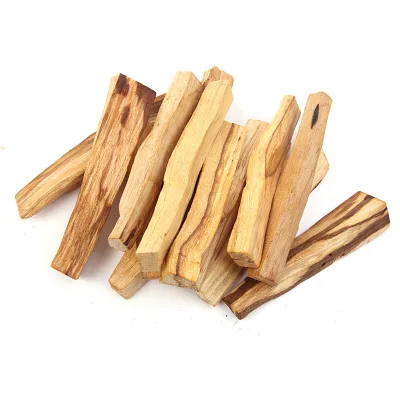
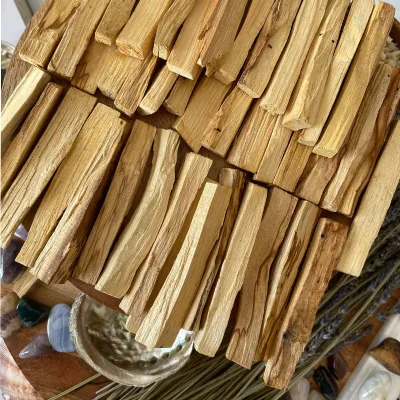
$0.2114 - $0.4002
MOQ: 200 pieces
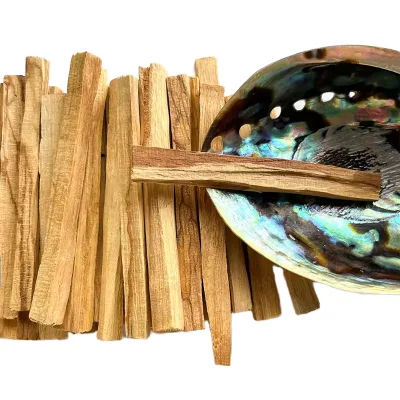
$0.3403 - $0.5861
MOQ: 100 pieces

Ningbo Sunda International Trade Co., Ltd.
- Verified by SGS
- Trading Company
- China Zhejiang
- Lead time30 days
- Avg. response≤ 8h
Main productsScented Candle, Incense Stick, Scented Sachet, Air Freshener
Main marketsSoutheast Asia/ Mideast,East Asia(Japan/ South Korea),Domestic,Europe,Australia,North America

$0.59 - $0.76
MOQ: 1000 Pieces

$0.59 - $0.76
MOQ: 1000 Pieces

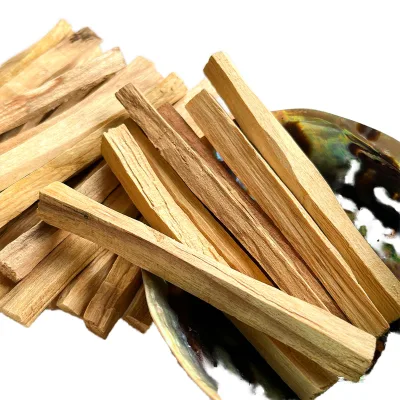
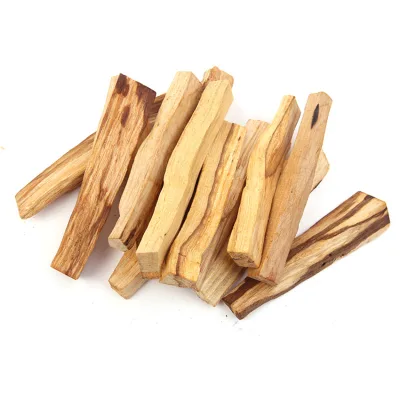
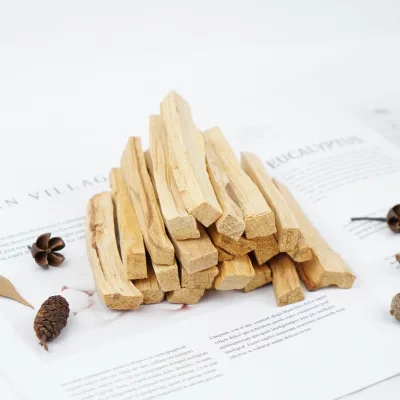
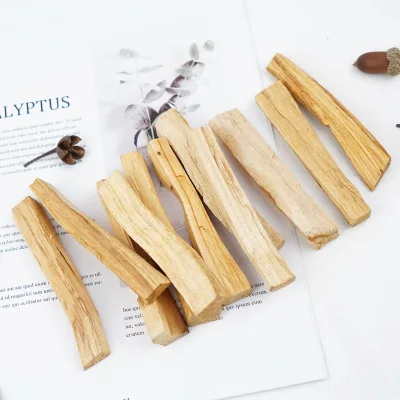
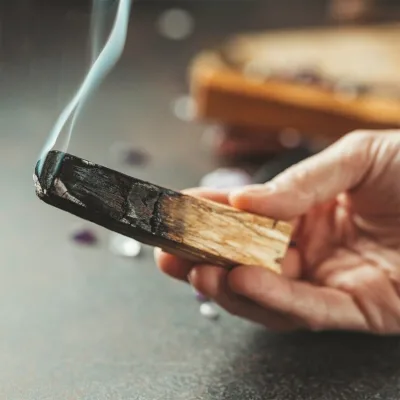
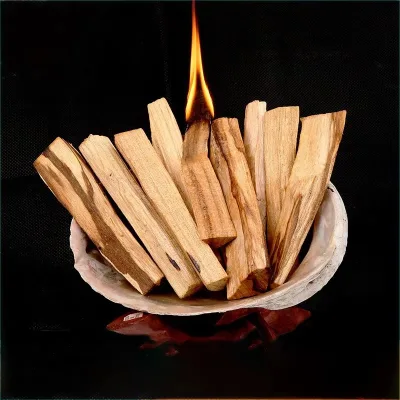
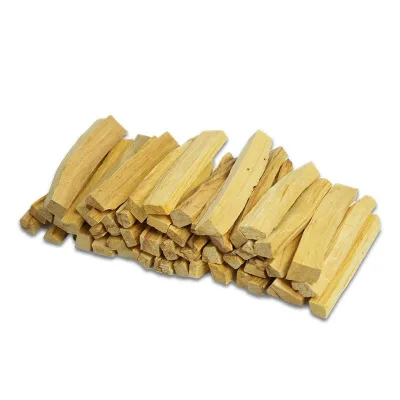
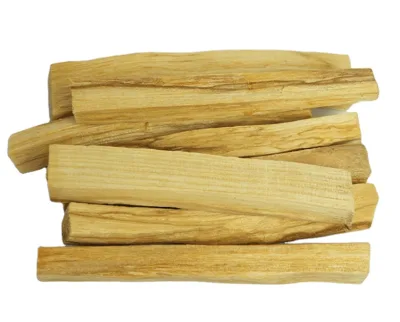
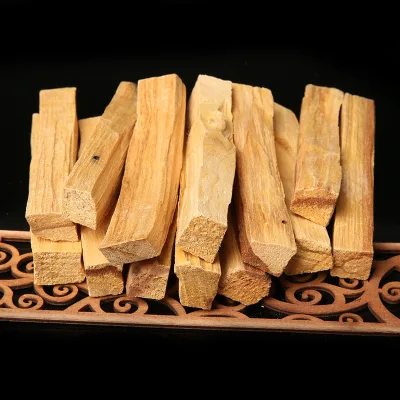
Palo Santo Wood Stick with Dried Wood Grain Aromatic Scent and Private Label Packaging Available
$0.79 - $0.90
MOQ: 1000 Pieces


$0.59 - $0.76
MOQ: 1000 Pieces
Hefei Ownswing Houseware Co.,ltd
- Trading Company
- Lead time旺季: "1 - 1000":40,"> 1000":"To be negotiated", 淡季: "1 - 1000":40,"> 1000":"To be negotiated"
- Avg. response≤ 5h
Main productsBamboo Kitchen Organizer, Wood Tray, Wood Wall Mounted Shelves, Wood Cutting (Cheese) Board
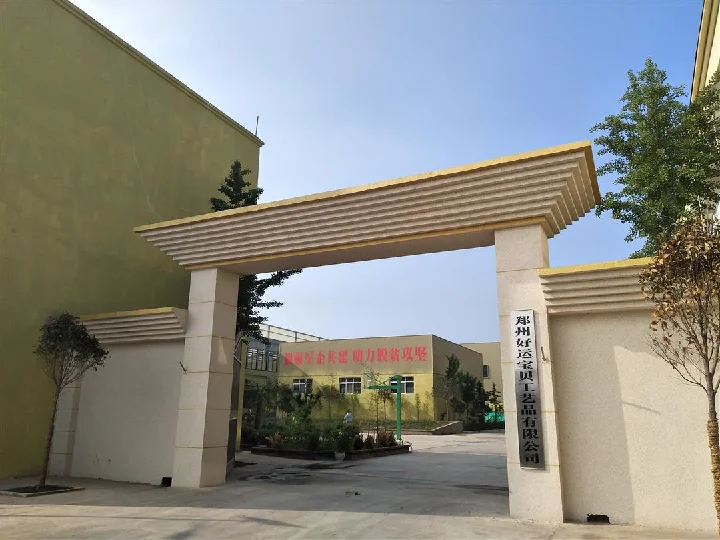
Zhengzhou Luck Baby Handicraft Co., Ltd.
- Manufacturer, Trading Company
- Henan, China
- Lead time5 days
- Avg. response≤ 2h
Main productsSeashell,Crafts and Gifts,Shell Mosaic,Shells Crafts,Home decoration
Main marketsNorth America(50.00%), Western Europe(20.00%), Southern Europe(10.00%), Northern Europe(10.00%), Eastern Europe(10.00%)

- Trading Company
- Zhejiang, China
- Lead time15 days
- Avg. response≤ 3h
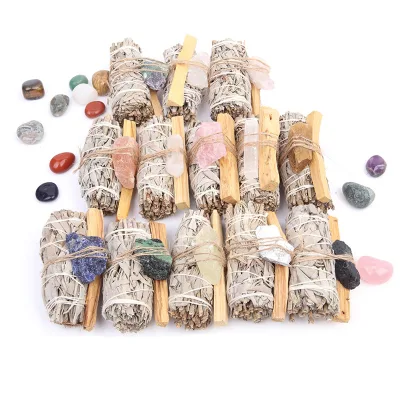
Main productsCrystal Stone,Sage Incense,Palo Santo,Crystal Craft,Crystal Jewelry
Main marketsEastern Europe(20.00%), North America(20.00%), Northern Europe(10.00%), Western Europe(10.00%), Mid East(10.00%), Southern Europe(10.00%), South America(10.00%), South Asia(5.00%), Africa(5.00%)
Donghai Kindfull Crystal Product Co., Ltd.
- Manufacturer, Trading Company
- Lead time旺季: "1 - 1000":15,"> 1000":"To be negotiated", 淡季: "1 - 1000":15,"> 1000":"To be negotiated"
- Avg. response≤ 2h
Main productsCarving/Crystal Points/Crystal Palm/Crystal Sphere/Beauty Tools
Beijing 56 Healing Trading Co., Ltd.
- Trading Company
- Beijing, China
- Lead time0 days
- Avg. response≤ 1h
Main productsGlasswares,Smudge Sticks Kit,Incense sticks,Money Tree
Main marketsOceania(50.00%), North America(25.00%), Eastern Asia(10.00%), Northern Europe(10.00%), Mid East(5.00%)
Pingnan Junong Mountain Farming Specialized Farmers Cooperative
- Manufacturer, Trading Company
- Fujian, China
- Lead time45 days
- Avg. response≤ 7h
Main productsAgriculture tool,Planting seeds,Gardening tool,Agriculture product,Chinese tea
Main marketsDomestic Market(11.00%), Western Europe(8.00%), Eastern Asia(8.00%), Southern Europe(8.00%), Oceania(8.00%), Africa(8.00%), Northern Europe(8.00%), Eastern Europe(8.00%), South America(8.00%), North America(5.00%), South Asia(5.00%), Mid East(5.00%), Southeast Asia(5.00%), Central America(5.00%)
Guangzhou Gui Jing Crafts Co., Ltd
- Verified by TüVRheinland
- Trading Company
- Lead time60 days
- Avg. response≤ 10h
Main productsCrystal Gift Box, Crystal Animals Sphere Point Carving, Crystal Tumble Gravel Stone, Crystal Healing Chakra Pendant, Crystal Tower Tree
Main marketsNorth America(50%), Southeast Asia(20%), Domestic Market(15%)

Anhui Highkey Import&Export Co., Ltd.
- Trading Company
- Anhui, China
- Lead time15 days
- Avg. response≤ 2h
Main productsHerbal Tea,Flower Tea,Flavor Tea,Fruit Tea,Tea Bag
Main marketsNorth America(25.00%), Southeast Asia(20.00%), South Asia(5.00%), Southern Europe(5.00%), Northern Europe(5.00%), Central America(5.00%), Western Europe(5.00%), Eastern Asia(5.00%), Mid East(5.00%), Oceania(5.00%), Africa(5.00%), South America(5.00%), Eastern Europe(5.00%)
Bozhou Swanf Commercial And Trade Co., Ltd.
- Trading Company
- Anhui, China
- Lead time7 days
- Avg. response≤ 4h
Main productsherb medicine,flower tea,dried Mushrooms,chinese herbs,Green tea
Main marketsNorth America(24.00%), Western Europe(19.00%), Oceania(14.00%), Eastern Asia(13.00%), Northern Europe(9.00%), South Asia(9.00%), Southeast Asia(5.00%), Eastern Europe(2.00%), Africa(2.00%), Central America(1.00%), Mid East(1.00%), Southern Europe(1.00%)

Anhui Highkey Import&Export Co., Ltd.
- Verified by TUVRHEINLAND
- Trading Company
- China Anhui
- Lead time15 days
- Avg. response≤ 7h
Main productsHerbal Medicine, Herbal Tea, Herbal Seed, Empty Tea Bag, Rhodiola Rosea, Panax Ginseng, Loofah Sponge, Healthcare Product, Planting Seed, Traditional Chinese Herbs
Main marketsSouth America,Africa,Southeast Asia/ Mideast,East Asia(Japan/ South Korea),Europe,Australia,North America
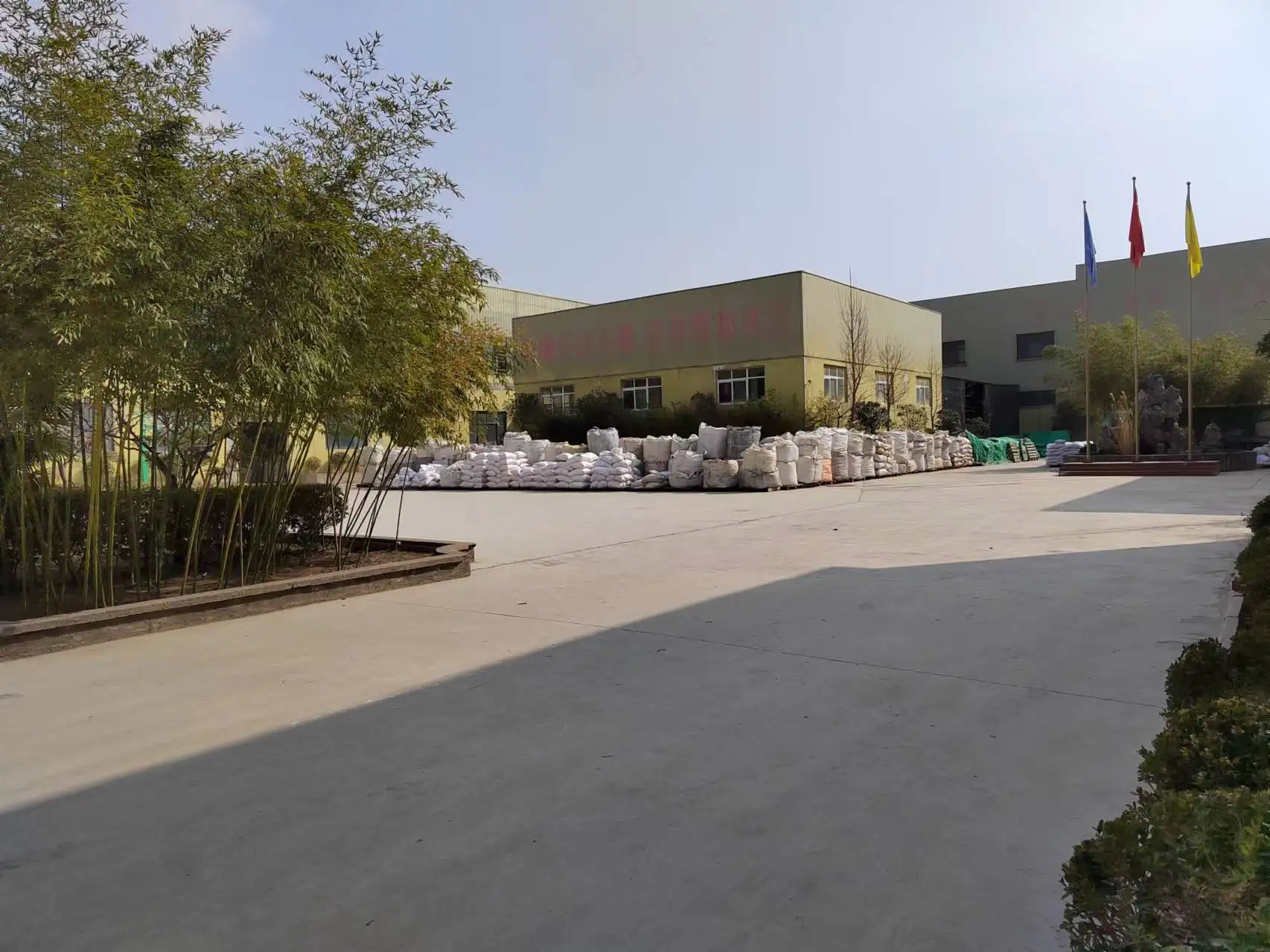
Henan Ang Go Import & Export Co., Ltd.
- Trading Company
- Henan, China
- Lead time15 days
- Avg. response≤ 2h
Main productsSeaShell,Abalone Shell Sheet,Sea Glass,Hermit Crab Shell,SeaShell Wine Glass
Main marketsNorth America(30.00%), Oceania(15.00%), Western Europe(10.00%), Mid East(10.00%), South America(10.00%), Southeast Asia(10.00%), Northern Europe(10.00%), Eastern Europe(5.00%)
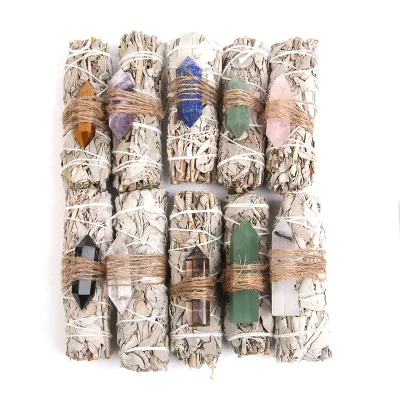
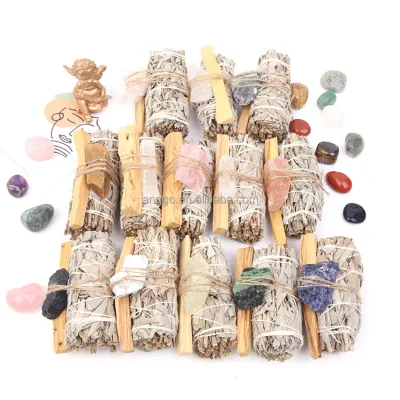
$0.32 - $0.58
MOQ: 1 pieces
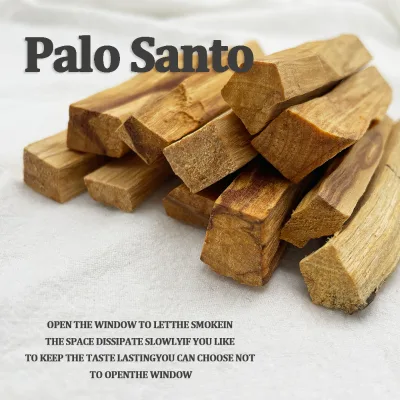
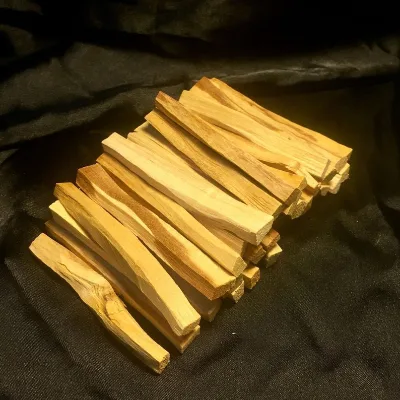
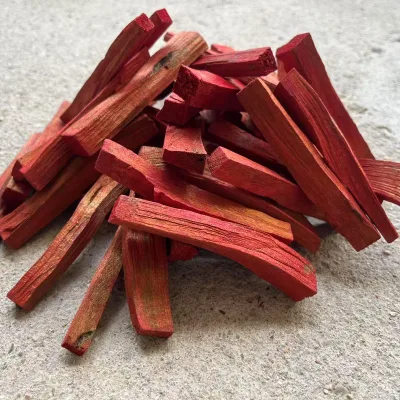
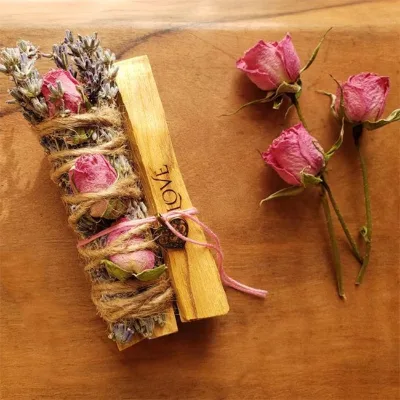
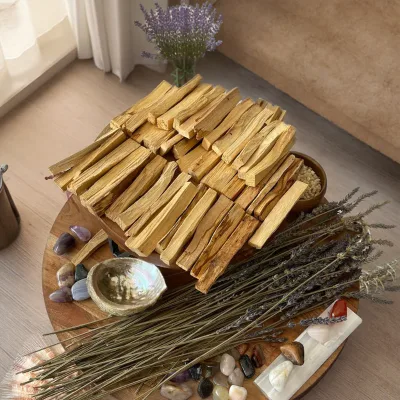
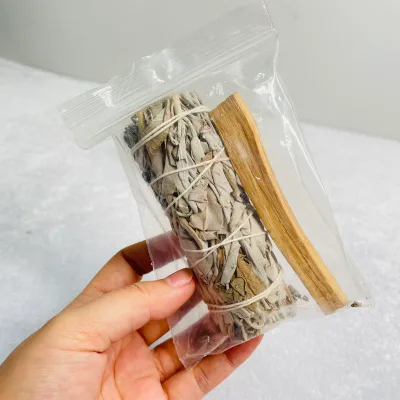
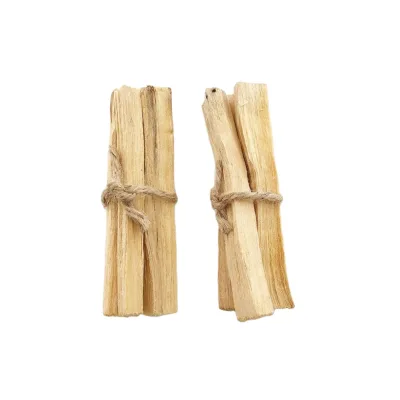
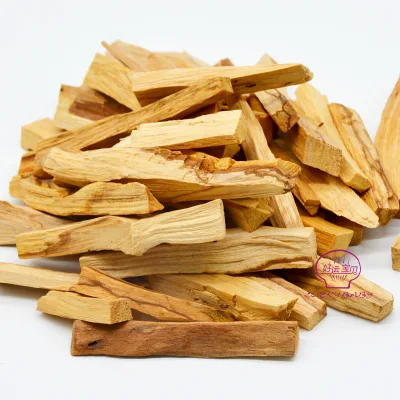

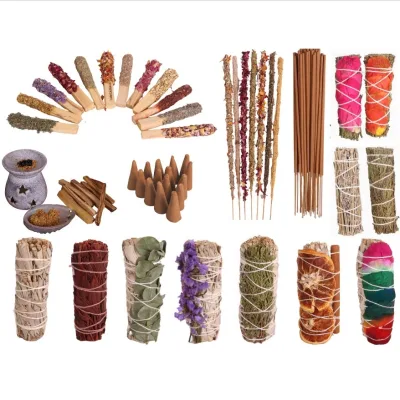
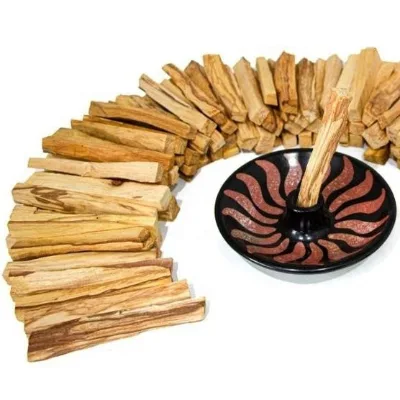
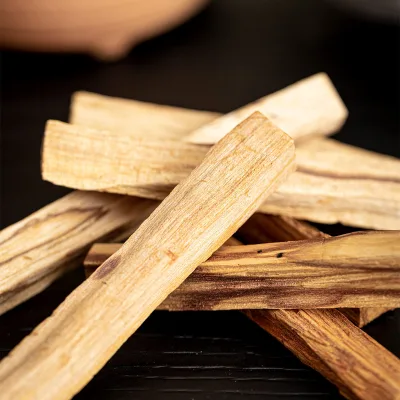


Comprehensive Sourcing Guide
Healing Energy Palo Santo Supplier Concentration and Factory Types
The current supplier landscape for Healing Energy Palo Santo products reveals a distinct geographic concentration in Jiangsu, China, where manufacturers and trading companies operate side by side. This region serves as a primary hub for crystal crafts and related spiritual accessories, indicating a mature ecosystem for sourcing items that blend natural materials with decorative or functional design. Suppliers in this area often list main products that include crystal points, hearts, spheres, and skulls, suggesting that palo santo incense and sticks are frequently cross-listed within broader categories of spiritual and meditation accessories. The presence of both manufacturing entities and trading companies in Jiangsu allows buyers to access a wide variety of product formats, from raw wood sticks to processed incense cones, depending on whether they seek direct factory pricing or curated inventory management.
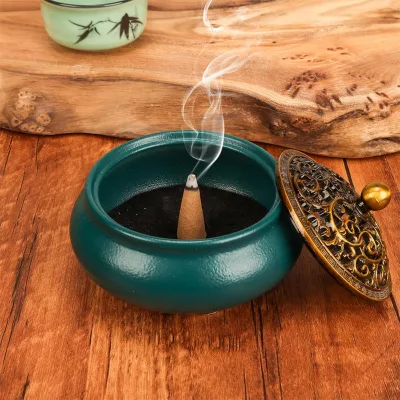
In contrast to the manufacturing-heavy clusters, other suppliers operate primarily as trading companies located in Hunan, China, focusing on specific niches like smudge products, dream catchers, and incense burners. These trading entities often bridge the gap between international buyers and domestic or regional producers, offering streamlined communication and consolidated shipping solutions. The distinction between manufacturer and trading company is critical for buyers evaluating Healing Energy Palo Santo sources, as manufacturers typically offer greater control over customization and raw material sourcing, while trading companies may provide faster access to diverse SKUs and lower minimum order quantities. Understanding this structural difference helps buyers align their procurement strategy with their specific needs for volume, customization, and supply chain stability.
How to Verify Healing Energy Palo Santo Suppliers
Verification is a critical step when evaluating suppliers for Healing Energy Palo Santo products, as the authenticity and quality of the wood can significantly impact the final product's efficacy and marketability. Buyers should prioritize suppliers who have undergone third-party verification processes, such as Intertek, which provides an additional layer of trust regarding the supplier's operational legitimacy and business practices. This verification status is a key indicator that the supplier has met certain standards for business registration and operational capacity, reducing the risk of engaging with fraudulent or non-existent entities. Additionally, checking for system certifications like CE and RoHS can provide insight into the supplier's adherence to international safety and environmental standards, particularly for any accompanying accessories or packaging materials that may be subject to regulatory scrutiny.
Beyond basic verification, buyers should assess the supplier's responsiveness and transparency as indicators of reliability. A quick response time, such as one day, suggests a well-staffed sales team capable of handling inquiries efficiently, which is essential for negotiating terms and resolving issues during the sourcing process. Buyers should also examine the detailed product attributes provided, such as material composition, weight, and origin, to ensure they align with their quality expectations. For instance, verifying that the palo santo is sourced from Peru or that the incense cones are made from natural wood can help confirm the product's authenticity. By combining verification badges with detailed product evidence and responsive communication, buyers can build a more robust profile of each potential supplier before committing to an order.
What to Compare Across Healing Energy Palo Santo Suppliers
When comparing suppliers for Healing Energy Palo Santo, lead time is a pivotal metric that influences inventory planning and customer satisfaction. Suppliers in Jiangsu may offer lead times around fifteen days, while those in Hunan might require up to twenty days, reflecting differences in production capacity and logistical efficiency. Buyers should align these lead times with their sales cycles to avoid stockouts or excess inventory, particularly for seasonal products like incense sticks used during specific spiritual or wellness events. Additionally, comparing the minimum order quantity (MOQ) requirements is essential, as some suppliers may require bulk purchases of two hundred pieces per carton, while others might offer lower MOQs for sample processing or light customization. This flexibility can be crucial for new buyers testing the market or established businesses managing diverse product lines.
Another key comparison point is the range of customization options and main products offered by each supplier. Suppliers in Jiangsu often provide capabilities for light customization, sample processing, and graphic processing, allowing buyers to tailor products to their brand identity. In contrast, trading companies in Hunan may focus on ready-made items like incense cones with burners, offering less flexibility but potentially faster turnaround for standard orders. Buyers should also evaluate the price ranges, which can vary from as low as zero point three five dollars to over zero point seven five dollars per unit, depending on the product type, material quality, and order volume. By systematically comparing these dimensions, buyers can identify suppliers that best match their operational requirements and budget constraints.
Common Healing Energy Palo Santo Sourcing Risks
One significant risk in sourcing Healing Energy Palo Santo products is the potential discrepancy between the claimed origin and the actual source of the wood. While some products are listed as originating from Peru, others may be manufactured in China using imported materials, which can affect the product's authenticity and market perception. Buyers must carefully review the place of origin and material specifications to ensure they are receiving genuine palo santo, as mislabeling can lead to customer dissatisfaction and potential legal issues. Additionally, the variability in product attributes, such as weight and size, can impact shipping costs and inventory management. For example, a single package size of fifteen by four by four centimeters may differ significantly from a larger twenty-three by seventeen by nineteen centimeter package, affecting logistics planning and cost calculations.
Another risk involves the consistency of product quality and the reliability of supplier communications. Suppliers with longer response times, such as six days, may struggle to address urgent inquiries or resolve issues promptly, leading to delays in order processing and potential disruptions in the supply chain. Buyers should also be cautious of suppliers who do not provide detailed product evidence or clear specifications, as this can make it difficult to assess the product's suitability for their target market. Furthermore, the lack of standardized certifications for natural wood products can make it challenging to verify compliance with international standards, increasing the risk of receiving substandard or non-compliant goods. By identifying and mitigating these risks through thorough due diligence, buyers can protect their business interests and ensure a smoother sourcing experience.
Healing Energy Palo Santo Regional Sourcing and Logistics
Regional sourcing strategies play a crucial role in optimizing the logistics and cost structure for Healing Energy Palo Santo products. Suppliers located in Jiangsu, China, benefit from established manufacturing clusters and efficient transportation networks, which can facilitate faster production and shipping times. Buyers sourcing from this region may find it easier to coordinate air and sea shipping options, depending on the urgency and volume of their orders. The availability of multiple shipping methods allows for greater flexibility in managing inventory levels and responding to market demand fluctuations. Additionally, the concentration of suppliers in this area can lead to competitive pricing and a wider selection of products, making it an attractive destination for buyers seeking a comprehensive sourcing solution.
In contrast, sourcing from suppliers in Hunan, China, may offer different logistical advantages, particularly for buyers looking to consolidate orders with other spiritual accessories like dream catchers and incense burners. Trading companies in this region often specialize in curating diverse product ranges, which can simplify the procurement process for buyers who prefer a one-stop-shop approach. However, buyers should consider the potential impact of longer lead times and higher minimum order quantities on their supply chain efficiency. By understanding the logistical implications of sourcing from different regions, buyers can make informed decisions that balance cost, speed, and product variety. This strategic approach ensures that the sourcing process aligns with the buyer's overall business objectives and operational capabilities.
Healing Energy Palo Santo Commercial Terms and Order Planning
Commercial terms and order planning are essential components of a successful sourcing strategy for Healing Energy Palo Santo products. Buyers should carefully review the payment terms offered by suppliers, such as PayPal, Western Union, TT, and Alipay, to ensure they align with their financial policies and risk management practices. Additionally, understanding the packaging specifications, such as safe packaging and OPP bags, is crucial for protecting the products during transit and maintaining their quality upon arrival. Buyers should also consider the single gross weight and package dimensions when calculating shipping costs and storage requirements, as these factors can significantly impact the overall cost of goods sold. By planning orders with these commercial terms in mind, buyers can optimize their supply chain efficiency and minimize unexpected expenses.
Order planning should also account for the customization options and production capabilities of the selected suppliers. Suppliers that offer OEM and ODM services can provide greater flexibility in tailoring products to specific market needs, but buyers must ensure they have sufficient lead time to accommodate these customizations. Additionally, buyers should monitor the selling units and product types to ensure they are ordering in quantities that match their sales forecasts and inventory turnover rates. By integrating commercial terms and order planning into their sourcing strategy, buyers can create a more resilient and responsive supply chain that supports their business growth and customer satisfaction goals. This proactive approach helps mitigate risks and ensures a smoother procurement process from inquiry to delivery.
FAQs
Where are the suppliers located?
Suppliers are located in Jingsu and Hunan, China. Some products originate from Peru, while others are manufactured in Jiangsu. Buyers should verify the specific place of origin for each item to ensure it matches their sourcing requirements and shipping preferences.
What are the typical lead times?
Lead times vary between 15 and 20 days depending on the supplier. One manufacturer offers a 15-day lead time, while a trading company in Hunan requires 20 days. Buyers must confirm the exact delivery schedule with the specific vendor before placing an order.
What are the minimum order quantities?
Minimum order quantities range from 100 to 200 pieces per carton. Some suppliers require 100 pieces for sticks, while others set the threshold at 200 pieces for cones. Buyers should check the specific MOQ listed for each product to ensure it fits their budget.
How fast do suppliers respond?
Response times differ among suppliers, with some replying within one day and others taking up to six days. A manufacturer in Jingsu responds quickly, while a trading company in Hunan may take longer. Buyers should prioritize suppliers with faster response times for urgent orders.
What certifications do suppliers hold?
Some suppliers hold CE and RoHS certifications for their systems. Verification is conducted by Intertek for certain manufacturers. Buyers should request proof of these certifications to ensure compliance with safety standards before finalizing any purchase agreement for their products.
What is the price range for products?
Prices range from 0.35 to 0.75 per unit depending on the product type. Specific items like incense cones start at 0.35, while crystal crafts may cost up to 0.70. Buyers should compare unit costs across different suppliers to find the best value for their specific needs.
What customization options are available?
Suppliers offer light customization, sample processing, and graphic processing services. Some provide OEM and ODM services for customized designs. Buyers should discuss their specific design requirements with the supplier to determine if their customization needs can be met within the production timeline.