HDPE Waterproof Membranes for Basements Suppliers and Manufacturers
Explore 18 verified options for HDPE Waterproof Membranes for Basements from factories in China. Compare response times, lead times, certifications, and pricing to find the right partner. Contact suppliers directly to request quotes; review the available evidence before requesting comparable quotations from suitable candidates.
Updated
Suppliers List

Beijing Oriental Yuhong Waterproof Technology Co., Ltd.
- Manufacturer
- China Beijing
- Lead time15 days
- Avg. response≤ 16h
Main productsWaterproof Material, Coating, Polyurethane, Acrylic, Joint Sealant, Rigid Coating, Tpo, HDPE, Roofing Material, Roofing Membrane
Main marketsSoutheast Asia/ Mideast,East Asia(Japan/ South Korea)

- Verified by BV
- Trading Company
- China Shandong
- Lead time15 days
- Avg. response≤ 5h
Main productsPVC Waterproof Membrane, EPDM Waterproof Membrane, Bitumen Waterproof Membrane, Tpo Waterproof Membrane, Waterproof Coating, Roof Shingles, High-Polymer HDPE Membrane, HDPE Geomembrane, Non-Woven Geotextile, Prefabricated Objects & Metal Fasteners
Main marketsSoutheast Asia/ Mideast


Basement Waterproofing Membrane Material HDPE Waterproof Membrane
$2.00 - $5.00
MOQ: 1000 Square Meters


HDPE Pre-Applied Waterproofing Membrane 1.2-2mm for Building Basements
$2.00 - $8.00
MOQ: 1000 Square Meters


Building Material High Quality HDPE Sheet Waterproof Membrane for Basement Waterproofing
$2.00 - $5.00
MOQ: 1000 sqm

Jiangsu Canlon Building Materials Co., Ltd.
- Verified by BV
- Manufacturer/Factory
- China Jiangsu
- Lead time15 days
- Avg. response≤ 22h
Main productsWaterproof Membrane, Waterproof Materials, Polyurethane Coating, Single Ply Roofing, Roofing Membrane
Main marketsSouth America,Eastern Europe,Mid East,North America,Southeast Asia,Eastern Asia,Oceania,Western Europe,Africa


$4.20 - $6.50
MOQ: 1000 Square Meters


$4.20 - $6.50
MOQ: 3000 Square Meters

Canlon Polymer HDPE Waterproof Membrane Pre Applied Membrane for Basement Foundation Waterproofing
$4.20 - $6.50
MOQ: 1000 Square Meters

Suzhou Arisons New Material Co.,Ltd.
- Verified by BV
- Trading Company
- China Jiangsu
- Lead time15 days
- Avg. response≤ 2h
Main productsWaterproof Membrane, PVC Waterproof Membrane, Hydrophilic Waterstop, Bentonite Waterstop, EPDM Waterproof Membrane, Swelling Waterstop, PVC Waterstop, TPE Joint Tape, Rubber Sealing, Tpo Waterproof Membrane
Main marketsOthers(foreignTradeCapacity.exportBusinessCapacityMarketOther),Southeast Asia/ Mideast,Europe,Australia

Basement Waterproofing Membrane Material HDPE Waterproof Membrane
$0.15 - $0.195
MOQ: 500 Square Meters


HDPE Film Coated Self Adhesive Waterproof Membrane for Basement Construction
$2.29
MOQ: 1000 Square Meters

CE Certificate Pre-Applied HDPE Waterproof Membrane for Basement
$0.15 - $0.195
MOQ: 500 Square Meters

Basement Waterproof Material HDPE Cold-Applied Waterproof Membrane with Sand
$2.29
MOQ: 1000 Square Meters
Hangzhou Budexon Building Materials Co., Ltd.
- Verified by TüVRheinland
- Trading Company
- Lead time15 days
- Avg. response≤ 2h
Main productsRoofing Tiles, Rain Gutters, Roofing Shingles, Nails, Waterproof
Main marketsSoutheast Asia(50%), Africa(20%), South America(10%)
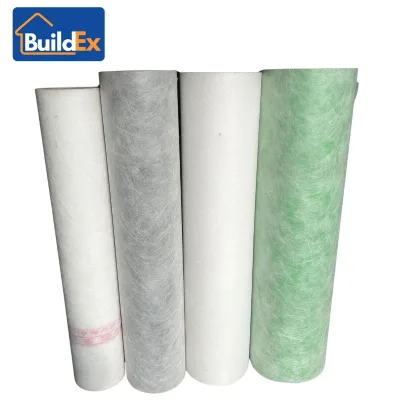
Polyethylene Waterproof Membrane PE Waterproof Membrane for Bathroom Waterproofing Damp Proof Course
$0.5662 - $0.8239
MOQ: 5 square
Huafeng Waterproof Materials Co., Ltd.
- Manufacturer
- Shandong, China
- Lead time10 days
- Avg. response≤ 7h
Main productswaterproof membrane,waterproof coating,waterproofing materials,polyethylene membrane,Non-woven fabrics
Main marketsSouthern Europe(50.00%), South Asia(30.00%), Oceania(20.00%)
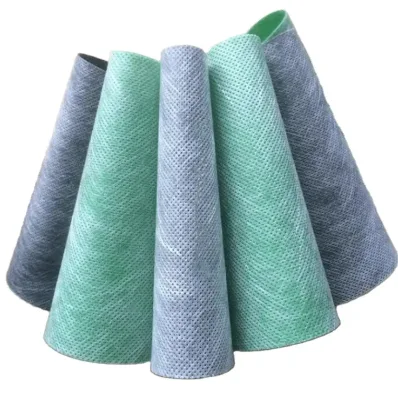
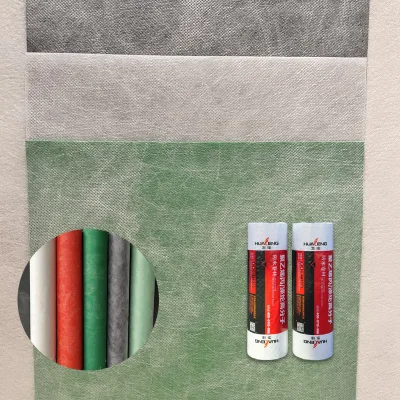
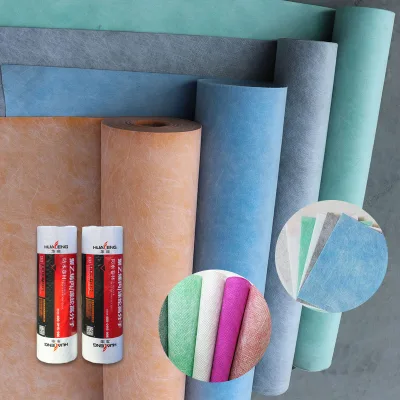
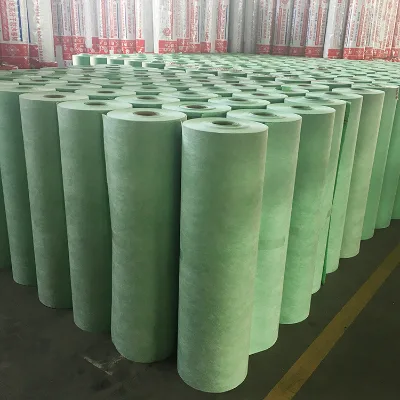
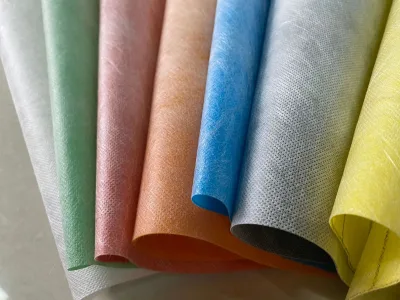
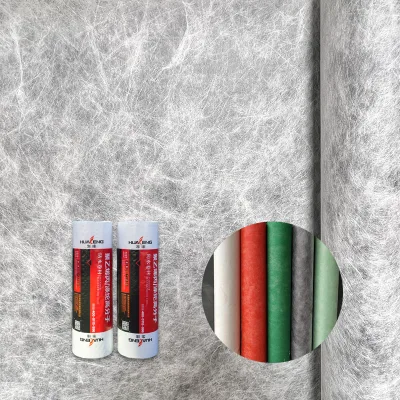
0.4mm to 1.5mm Modern Thick PE PP Composite Waterproofing Membrane for Roof Basement Foundation
$0.776 - $3.8079
MOQ: 1000 Minimum
$0.776 - $3.8079
MOQ: 1000 Minimum

Bestcon New Materials (Tianjin) Co., Ltd.
- Verified by CTI
- Manufacturer/Factory
- China Tianjin
- Lead time23 days
- Avg. response≤ 4h
Main productsConstruction Waterproofing Materials, Ringlock Scaffolding, PVC Waterproof Membrane, HDPE Waterproof Membrane, Tpo Roof Membrane, Waterproofing Tapes, Self Adheisve Waterproof Membrane, Scaffold Frame, Adjustable Steel Prop, Steel Support Shoring
Main marketsSouth America,Eastern Europe,Mid East,North America,Southeast Asia,Eastern Asia,Oceania,Western Europe,Africa


Pre-Applied HDPE Waterproofing Membrane with Sand Coated Surface for Basement Foundation
$2.50 - $4.50
MOQ: 1000 Square Meters

1.2mm Thickness HDPE Self-Adhering Basement Waterproofing Membrane
$2.50 - $4.50
MOQ: 1000 Square Meters

- Verified by TUVRHEINLAND
- Combined
- China Shandong
- Lead time15 days
- Avg. response≤ 4h
Main productsGeomembrane
Main marketsSouth America,Africa,Southeast Asia/ Mideast,Europe,North America
Dongying Zhengyu Waterproof Technology Co., Ltd.
- Verified by SGS Group
- Manufacturer, Trading Company
- Lead time10 days
- Avg. response≤ 2h
Main productsSBS Elastomer Modified Asphalt Waterproofing Membrane, Self-adhesive Polymer Modified Bitumen Waterproof Roll, Thermoplastic Polyolefin TPO Waterproofing Membrane, PE-PP Waterproof Roll, Water-based Waterproof Coatings
Main marketsSoutheast Asia(30%), North America(15%), South America(15%)
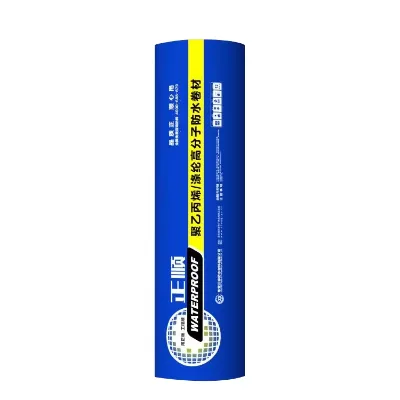
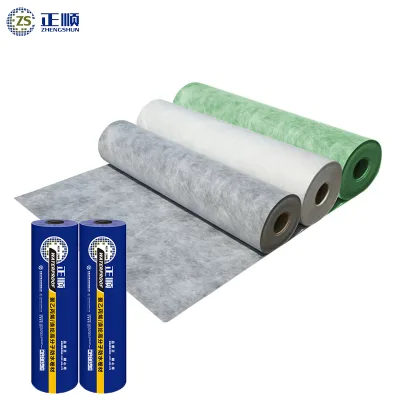
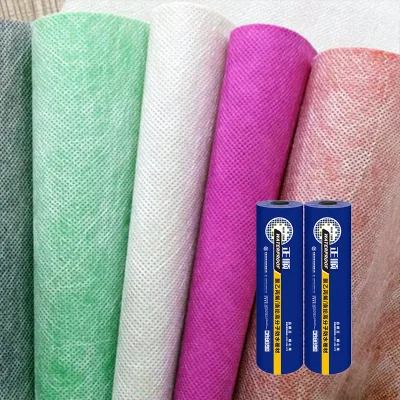
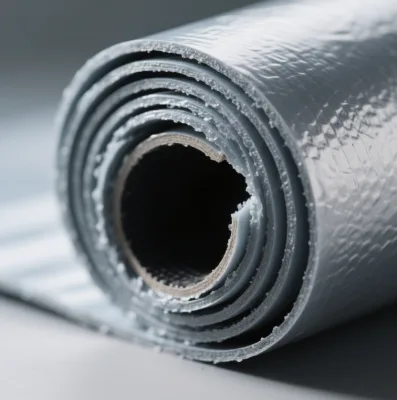
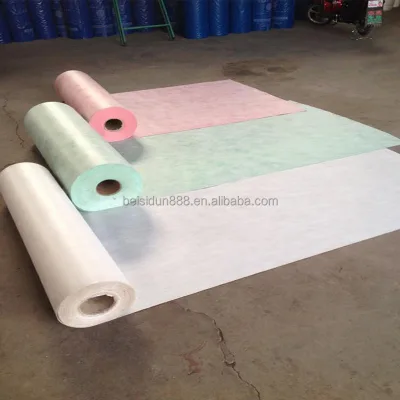
PP Waterproof Breathable Membrane for Under Tile Underlayment Membrane Roof
$4.80 - $7.60
MOQ: 2000 Minimum
Shandong Dingtai Waterproof Technology Co., Ltd.
- Verified by Intertek
- Trading Company
- Lead time15 days
- Avg. response≤ 2h
Main productsBitumen Waterproof Membrane, PP PE Composite Waterproof Membrane, TPO Waterproof Membrane, HDPE Geomembrane, Waterproof Coating
Main marketsSoutheast Asia(28%), North America(18%), South America(18%)
Shouguang Lufeng Waterproof Materials Co., Ltd.
- Verified by SGS Group
- Manufacturer, Trading Company
- Lead time15 days
- Avg. response≤ 1h
Main productsWaterproof Tape, Waterpoof Coating, Waterproof Membrane, Waterproof Sheeting, Geotextile Membrane
Main marketsSoutheast Asia(30%), South Asia(15%), Domestic Market(15%)
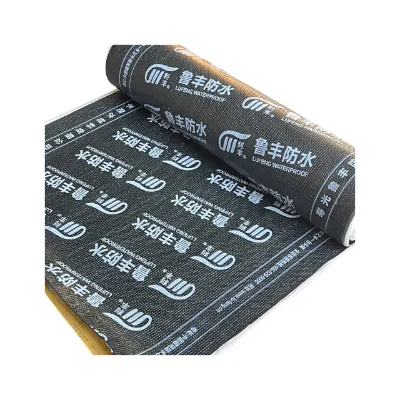
Self Adhesive Waterproof High Polymer Polyethylene Waterproofing Membrane for Roof Foundations
$1.93 - $3.80
MOQ: 1000 Minimum
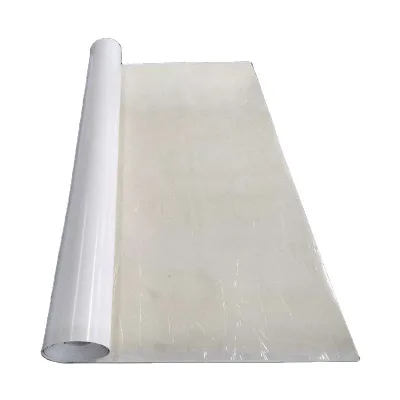
$1.7242 - $6.2182
MOQ: 500 Minimum
$0.3296 - $1.3182
MOQ: 1000 Minimum

Xingshidun New Material Co., Ltd.
- Trading Company,Manufacturer/Factory
- China Hebei
- Lead time15 days
- Avg. response≤ 2h
Main productsWaterproof Membrane, EPDM Membrane, Tpo Membrane, PVC Membrane, HDPE Membrane, Non-Asphalt Waterproof Membrane, Construction Waterproofing, Building Material, Roofing Sheet, Self Adhesive Butyl Tape
Main marketsSouth America,Eastern Europe,Mid East,North America,Southeast Asia,Eastern Asia,Oceania,Western Europe,Africa

Heavy-Duty HDPE Waterproof Membrane for Basement Waterproofing Solutions
$1.60 - $7.20
MOQ: 1000 Square Meters


Basement Waterproof Material HDPE Cold-Applied Waterproof Membrane with Sanded
$3.15
MOQ: 2000 Square Meters

1.2mm Pre-Applied HDPE Waterproofing Membrane with Sand Building Construction Material
$2.60
MOQ: 2000 Square Meters
Weifang Luyang Waterproof Material Co., Ltd.
- Verified by TüVRheinland
- Manufacturer, Trading Company
- Lead time7 days
- Avg. response≤ 2h
Main productsBitumen Waterproof Membrane, High Polymer Waterproof Membrane, Waterpoof Coating
Main marketsNorth America(20%), Southeast Asia(20%), Eastern Europe(10%)
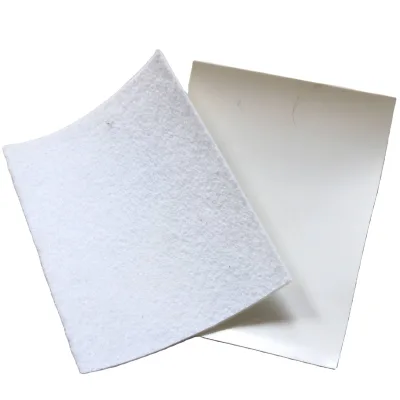
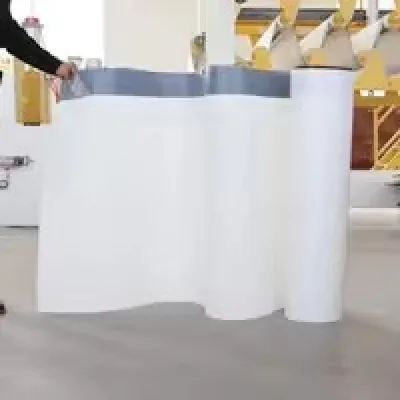
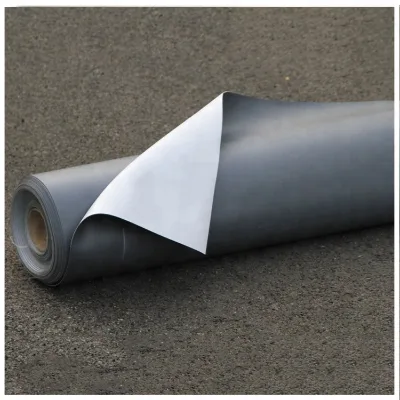
High Quality Self Adhesive HDPE Film Waterproof Membrane With Non Bitumen Based for Bathroom Floors
$1.90 - $3.99
MOQ: 500 Minimum
Weifang Boguan Waterproof Materials Co., Ltd.
- Verified by Intertek
- Manufacturer, Trading Company
- Lead time30 days
- Avg. response≤ 3h
Main productsSelf Adhesive Membrane, Bitumen Tape, SBS/APP Torched Waterproof Membrane, Butyl Tape, Hatch Cover Tape
Main marketsDomestic Market(40%), Southeast Asia(12%), Africa(12%)
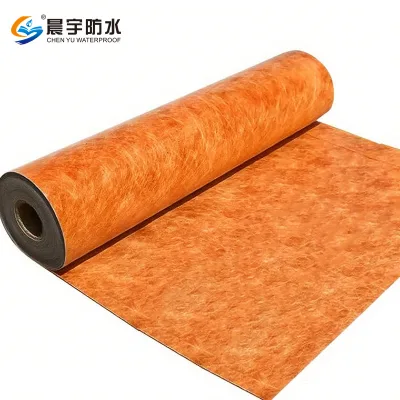
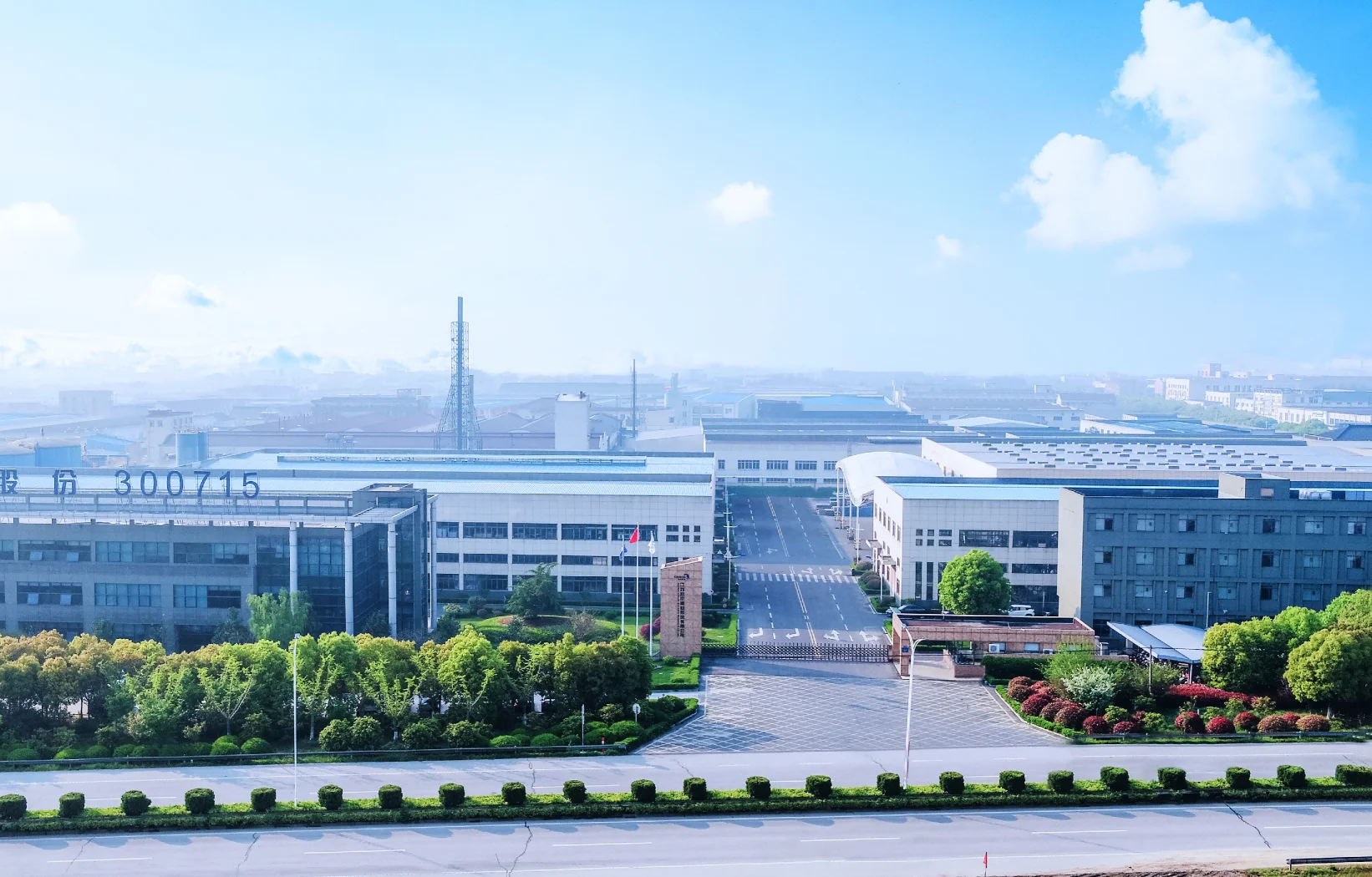
Hebei Chenyu Waterproof Building Materials Co., Ltd.
- Verified by SGS Group
- Manufacturer, Trading Company
- Lead time15 days
- Avg. response≤ 1h
Main productsLiquid Waterproof Membrane, SBS Modified Bitumen Waterproof Membrane, Polyurethane Waterproof Coating
Main marketsDomestic Market(70%), North America(10%), Southeast Asia(10%)
$1.20 - $1.86
MOQ: 1000 Minimum
Jiangsu Canlon Building Materials Co., Ltd.
- Manufacturer, Trading Company
- Jiangsu, China
- Lead time10 days
- Avg. response≤ 16h
Main productsWaterproofing Membrane, Waterproofing Coating, Polyurethane Coating, PVC/TPO Membrane, Roofing Underlayment
Main marketsDomestic Market(86.00%), North America(2.00%), Western Europe(2.00%), Eastern Europe(2.00%), South Asia(1.00%), Eastern Asia(1.00%), Oceania(1.00%), Southern Europe(1.00%), Central America(1.00%), Northern Europe(1.00%), Mid East(1.00%), Southeast Asia(1.00%)
$2.60 - $8.00
MOQ: 100 Minimum
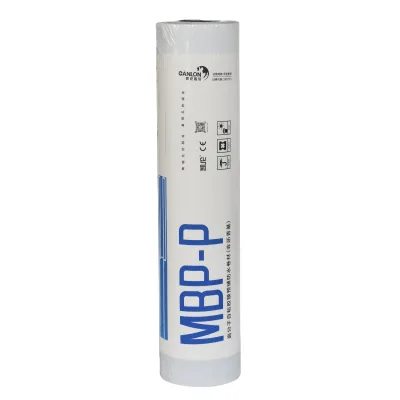
Weifang Hongxin Waterproof Material Co., Ltd.
- Verified by SGS Group
- Manufacturer, Trading Company
- Lead time15 days
- Avg. response≤ 2h
Main productsWaterproof Membrane, Waterproof Coating, Waterproof Tape, Silicone Sealant, MS Sealant
Main marketsDomestic Market(50%), Southeast Asia(20%), North America(5%)
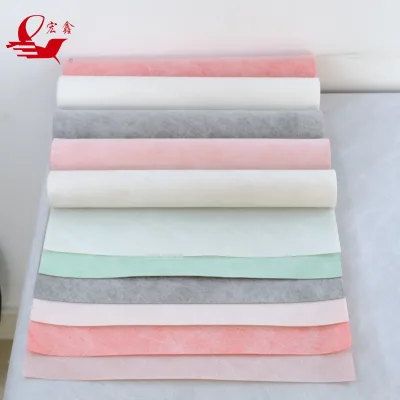
$0.45 - $1.12
MOQ: 1000 Minimum
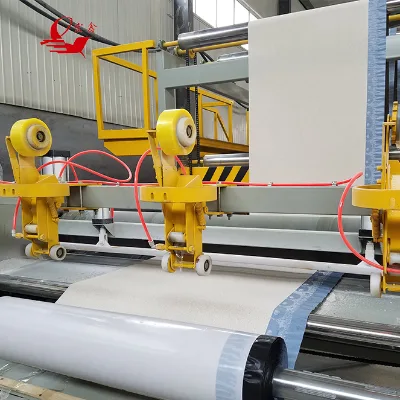
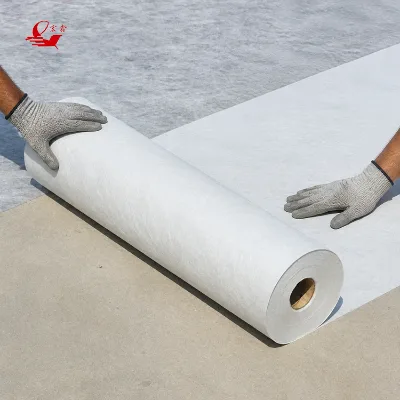
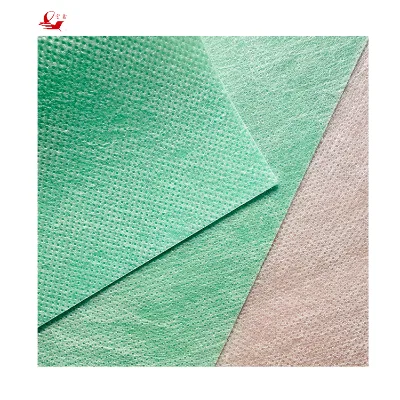
$0.4659 - $1.1595
MOQ: 1000 Minimum
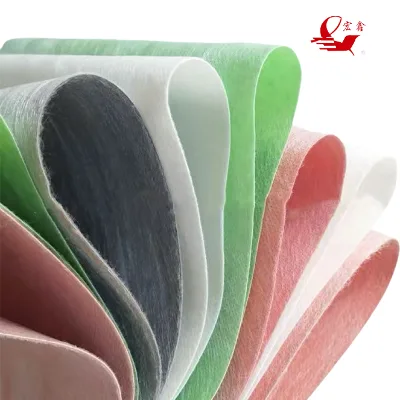
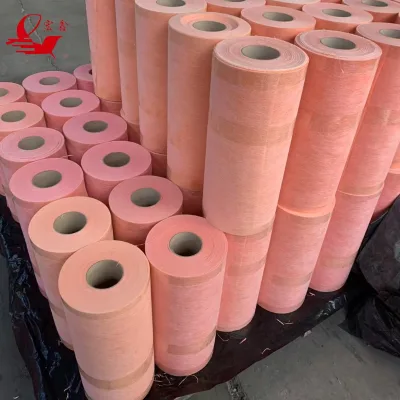

Hubei Juyons Waterproof Materials Technology Co., Ltd.
- Verified by SGS
- Combined
- China Hubei
- Lead time23 days
- Avg. response≤ 1h
Main productsWaterproof Material, Waterproof Membrane, Waterproof Coating, Bitumen-Based Waterproofing Material, Polymer-Modified Bitumen Membrane, Polyurethane Waterproof Coating, Acrylic Waterproof Coating, HDPE Waterproof Membrane(with Sand), High Polymer Modified Asphalt Waterproof Coating
Main marketsDomestic


Premium HDPE Waterproof Membrane for Reliable Outdoor Protection
$3.70 - $4.50
MOQ: 2000 Square Meters


Advanced Waterproof Membrane for Basement Floor Safety and Durability
$2.20 - $3.00
MOQ: 2000 Square Meters


Durable HDPE Waterproof Membrane for Building and Construction Projects
$3.70 - $4.50
MOQ: 2000 Square Meters


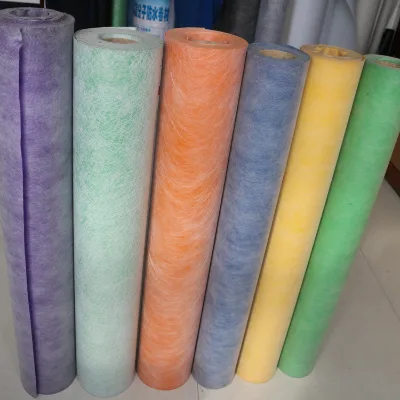
Comprehensive Sourcing Guide
HDPE Waterproof Membranes for Basements Supplier Concentration and Factory Types
The current supplier landscape for HDPE waterproof membranes reveals a distinct concentration of manufacturing and trading entities within specific Chinese provinces, providing buyers with clear geographic anchors for their sourcing strategy. Evidence indicates that suppliers are located in China Beijing, China Shandong, and China Jiangsu, establishing these regions as primary hubs for this category of construction materials. In Beijing, the available data points to a manufacturer profile, suggesting that buyers seeking direct factory engagement may find relevant production capabilities in this northern industrial zone. This location offers a potential advantage for those prioritizing direct manufacturer relationships over intermediary trading structures, as the company type is explicitly identified as a Manufacturer rather than a trading entity.
In contrast, suppliers in China Shandong present a mixed ecosystem, with at least one identified entity operating as a Trading Company. This distinction is critical for buyers who must decide between dealing directly with production facilities or utilizing intermediaries who may offer broader product portfolios but potentially higher margins. The Shandong-based trading company is verified by BV, which adds a layer of credibility to the business entity itself, even if it does not manufacture the goods. Meanwhile, suppliers in China Jiangsu are identified as Manufacturer/Factory entities, indicating that this eastern region also hosts direct production capabilities. The presence of both manufacturers and trading companies across these three locations allows buyers to compare operational models, though the specific distribution of factory versus trading status varies by region, requiring careful verification of each supplier’s actual role in the supply chain.
How to Verify HDPE Waterproof Membranes for Basements Suppliers
Verification of HDPE waterproof membrane suppliers requires a multi-layered approach that examines both corporate credentials and product-specific certifications to ensure compliance with international standards. Buyers should prioritize suppliers who hold recognized system certifications, as these indicate a structured approach to quality management and environmental responsibility. For instance, some manufacturers in the Beijing region hold ISO9001:2008, ISO14001:2004, and OHSAS18001:2007 certificates, demonstrating adherence to established quality and safety protocols. Additionally, product-level certifications such as MSDS, ISO, and CE are frequently listed for HDPE membrane products, which are essential for verifying that the materials meet regulatory requirements for construction applications in various markets. These certifications serve as a baseline for assessing the technical reliability of the supplier’s output.
Beyond certifications, buyers must evaluate the verification status of the trading companies and the specific attributes of the products offered. In the Shandong region, a trading company is verified by BV, a third-party inspection service, which provides an independent confirmation of the company’s business legitimacy. This verification is particularly important when dealing with trading entities, as it mitigates the risk of engaging with unverified intermediaries. Furthermore, buyers should scrutinize the product attributes listed, such as thickness options ranging from 1.2mm to 2.0mm and surface treatments like film coating or sand coating. The presence of detailed product specifications, including model numbers like PMH-3040 and PENNTECH, suggests a level of transparency that buyers can use to cross-reference with their own technical requirements. Ensuring that the supplier can provide documentation for these specific attributes is a crucial step in the verification process.
What to Compare Across HDPE Waterproof Membranes for Basements Suppliers
When evaluating multiple suppliers for HDPE waterproof membranes, buyers must compare key operational metrics such as lead times, minimum order quantities, and response speeds to determine which partner best aligns with their project timelines and budget constraints. Lead times vary significantly across the supplier base, with some manufacturers indicating a lead time of 15 days, which is a critical factor for projects with strict scheduling requirements. Minimum order quantities also differ, with some suppliers requiring orders as low as 1000 square meters, while others may have higher thresholds, such as 5000 or 6000 units. These MOQs can impact the total cost of ownership, especially for smaller projects or those requiring phased deliveries, making it essential for buyers to align their order volumes with supplier capabilities.
Response time is another vital metric that influences the efficiency of the sourcing process. Suppliers in the Shandong region have demonstrated a rapid response time of 4.93 hours, which is significantly faster than the 21.21 hours observed in Jiangsu and the 15.46 hours in Beijing. This speed of communication can be indicative of the supplier’s operational efficiency and willingness to engage with international buyers. Additionally, buyers should compare the main products offered by each supplier to ensure they have the specific type of HDPE membrane required, such as pre-applied membranes for basements or self-adhering variants. The availability of customization options, such as thickness and surface treatment, also varies, with some suppliers explicitly stating that customization is available, which can be a decisive factor for projects with unique technical specifications.
Common HDPE Waterproof Membranes for Basements Sourcing Risks
One of the primary risks in sourcing HDPE waterproof membranes is the potential mismatch between product specifications and actual delivery, particularly when dealing with trading companies that may not have direct control over manufacturing processes. Buyers must be cautious of suppliers who list a wide range of main products, such as PVC, EPDM, and bitumen membranes, alongside HDPE, as this may indicate a lack of specialized focus. While trading companies can offer convenience, they may also introduce variability in quality control if they source from multiple factories. To mitigate this risk, buyers should request detailed product data sheets and verify that the specific HDPE membrane model, such as PMH-3080, matches the technical requirements of their project. Ensuring that the supplier can provide consistent quality across batches is essential to avoid costly rework or waterproofing failures in the basement.
Another significant risk is the ambiguity surrounding pricing and payment terms, especially when suppliers list prices that are either fixed or variable. Some suppliers list a fixed price of $9.00, while others provide a range from $2.00 to $8.00, which can complicate budget planning. Buyers must clarify whether these prices include shipping, taxes, and other logistics costs, as hidden fees can significantly impact the final cost. Additionally, the lack of standardized packaging information can pose a risk during transportation, with some suppliers using non-woven packages while others use PE film or woven bags. Buyers should verify the packaging method to ensure that the membranes are protected against damage during transit. Furthermore, the warranty terms, such as the 1-year warranty offered by some suppliers, should be clearly defined to ensure that the buyer has recourse in case of premature failure or defects in the material.
HDPE Waterproof Membranes for Basements Regional Sourcing and Logistics
Sourcing HDPE waterproof membranes from China involves navigating the logistical advantages and challenges associated with different regional manufacturing hubs. Suppliers in Beijing, Shandong, and Jiangsu offer distinct logistical profiles based on their proximity to major ports and transportation networks. Beijing, located in the north, may offer easier access to northern Chinese markets and rail networks, while Shandong, with its extensive coastline, provides direct access to sea freight routes that are crucial for international shipments. Jiangsu, situated in the east, is also well-connected to major ports like Shanghai and Ningbo, facilitating efficient export logistics. Buyers should consider the destination of their shipments when selecting a supplier, as the origin location can impact shipping costs and transit times.
The choice of supplier location also influences the availability of local support and after-sales service. Manufacturers in these regions may offer value-added services such as drawing design and site construction direction, which can be beneficial for complex basement waterproofing projects. Buyers should verify whether the supplier provides these services and how they are coordinated with international logistics. Additionally, the standard packaging dimensions, such as 2m*20m per roll, should be considered when planning container loading to maximize shipping efficiency. Buyers must also ensure that the supplier’s packaging meets international shipping standards to prevent damage during transit. By carefully evaluating the logistical implications of each regional supplier, buyers can optimize their supply chain and reduce the risk of delays or additional costs associated with international shipping.
HDPE Waterproof Membranes for Basements Commercial Terms and Order Planning
Effective order planning for HDPE waterproof membranes requires a thorough understanding of the commercial terms offered by suppliers, including pricing structures, payment terms, and delivery schedules. Buyers should compare the price ranges provided by different suppliers, noting that some offer fixed prices while others provide ranges that may depend on order volume or customization. For example, prices ranging from $2.00 to $8.00 suggest that costs can vary based on specific product attributes such as thickness or surface treatment. Buyers must clarify the factors that influence the final price to avoid unexpected costs. Additionally, the minimum order quantities, which can range from 1000 to 6000 units, should be aligned with the project’s material requirements to avoid excess inventory or insufficient supply.
Payment terms and escrow services are also critical components of commercial planning. Buyers should verify whether the supplier offers secure payment methods, such as escrow, to protect their financial interests. While the provided data does not explicitly mention escrow availability for all suppliers, buyers should inquire about this option to ensure transaction security. Furthermore, the lead time of 15 days for some manufacturers should be factored into the project schedule to ensure timely delivery. Buyers must also consider the warranty terms, such as the 1-year warranty offered by some suppliers, and ensure that these terms are clearly documented in the contract. By carefully planning the commercial aspects of the order, buyers can mitigate financial risks and ensure a smooth procurement process for their HDPE waterproof membrane needs.
FAQs
What is the price range for HDPE waterproof membranes?
HDPE Waterproof Membranes for Basements are priced between $2.00 and $9.00 per unit. Specific models like PMH-3040 are listed at $9.00, while other variants range from $2.00 to $8.00. Buyers should verify exact pricing based on thickness and customization needs.
What is the minimum order quantity for these membranes?
Minimum order quantities vary by supplier and product type. Some manufacturers require a minimum of 1,000 square meters, while others specify 5,000 or 6,000 units. One supplier lists a minimum of 16 units. Buyers must check the specific product listing for accurate MOQ details.
What certifications do HDPE waterproof membranes typically have?
HDPE waterproof membranes commonly hold ISO, CE, and MSDS certifications. Some suppliers also provide ISO9001, ISO14001, and OHSAS18001 system certificates. These certifications ensure compliance with international quality and safety standards for construction materials used in basements and underground structures.
What thickness options are available for basement membranes?
Available thicknesses for HDPE waterproof membranes include 1.2mm, 1.5mm, and 2.0mm. Some products are specifically listed at 1.5mm thickness. Buyers can often request customization for specific thickness requirements to suit different basement waterproofing applications and structural needs.
How quickly do suppliers respond to inquiries?
Supplier response times vary, with recorded averages ranging from approximately 4.93 to 21.21 hours. Faster response times, such as under five hours, are available from some trading companies. Buyers should expect responses within a day, depending on the supplier's location and operational capacity.
Where are HDPE membrane manufacturers located?
Manufacturers and suppliers of HDPE waterproof membranes are located in China, specifically in Beijing, Shandong, and Jiangsu provinces. These regions host both manufacturers and trading companies offering various waterproofing solutions. Buyers can filter results by these specific Chinese locations to find suitable suppliers.
What is the typical lead time for orders?
The typical lead time for HDPE waterproof membrane orders is around 15 days. This timeframe allows for production and preparation of goods. Buyers should confirm specific lead times with suppliers, as production schedules may vary based on order volume and customization requirements.