Source Healing Energy Palo Santo for Home Decoration, Art Collectible, and Souvenir
Compare 30 listings of Healing Energy Palo Santo products including sticks, incense cones, and decorative items. Buyers can review specifications like material, size, and origin from suppliers in China and Peru to find suitable options for home decoration, art collectibles, and souvenirs.
Updated
Key considerations
Products List
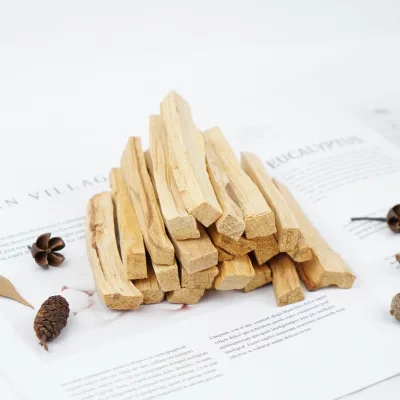
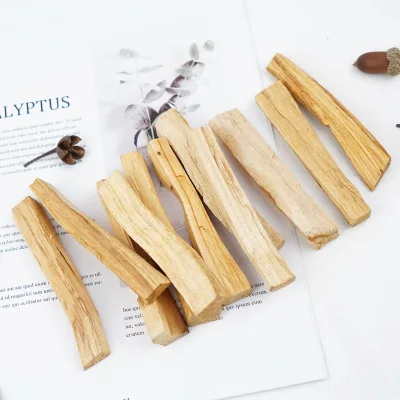
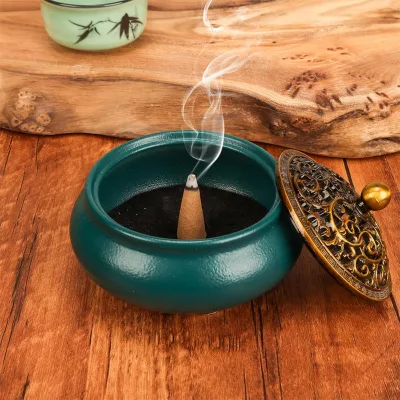
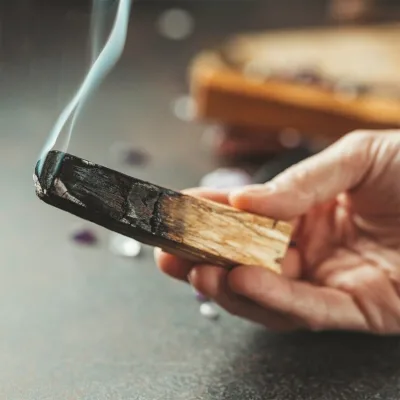
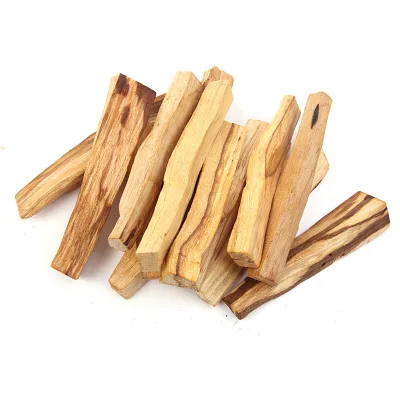
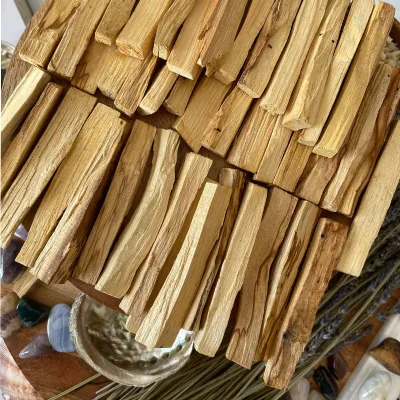
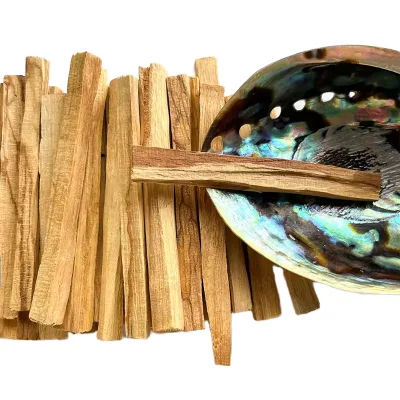
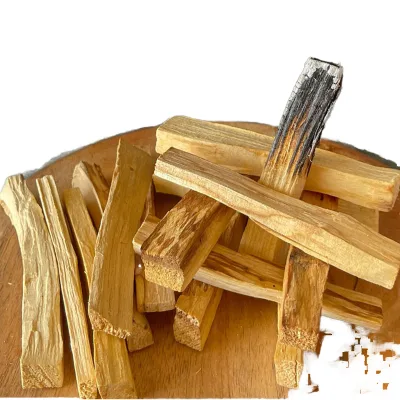


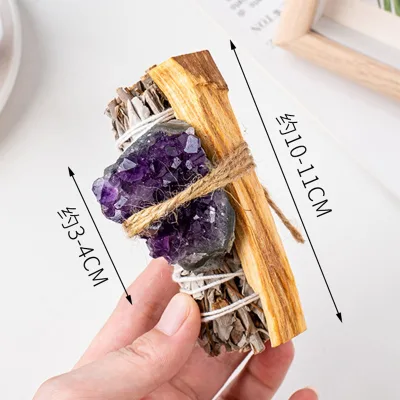
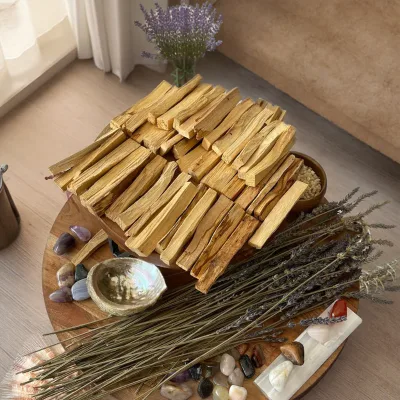
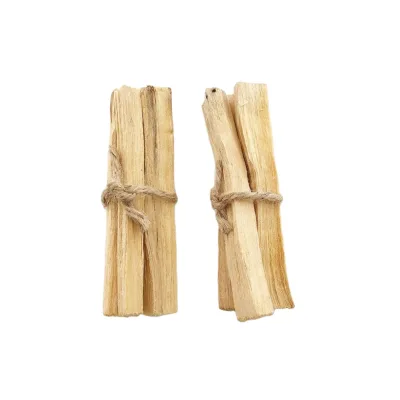
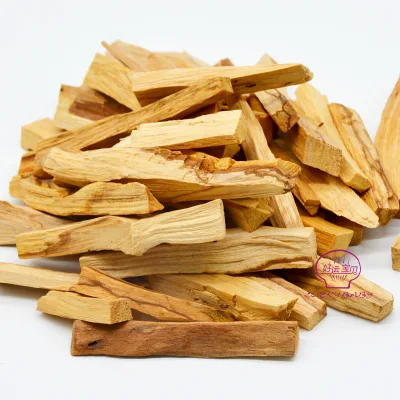

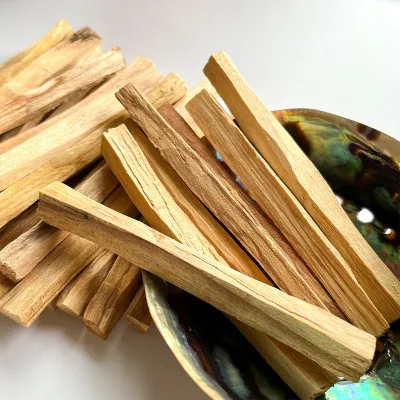
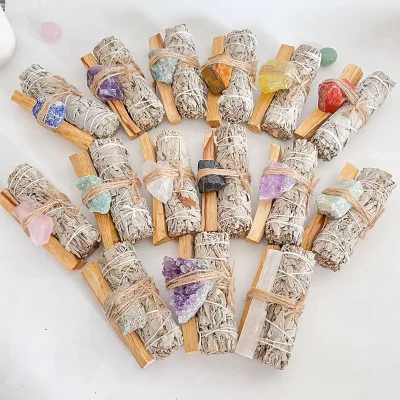

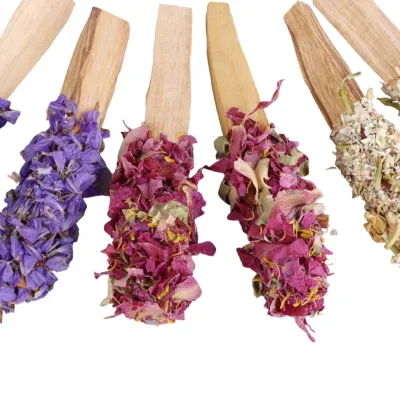
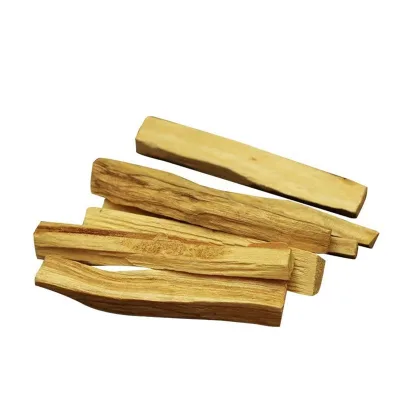

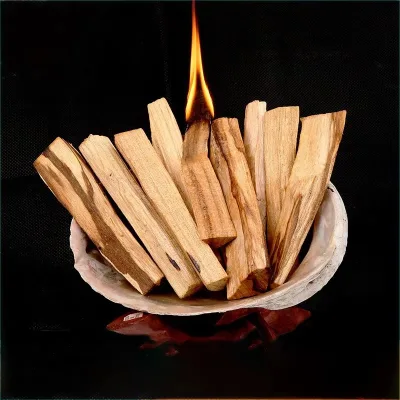
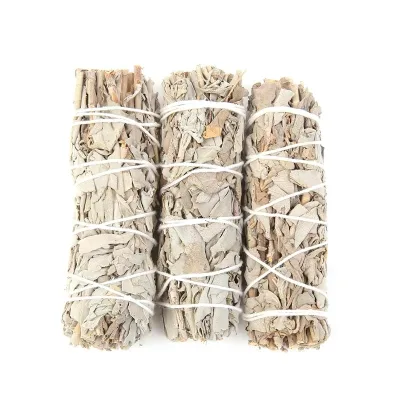
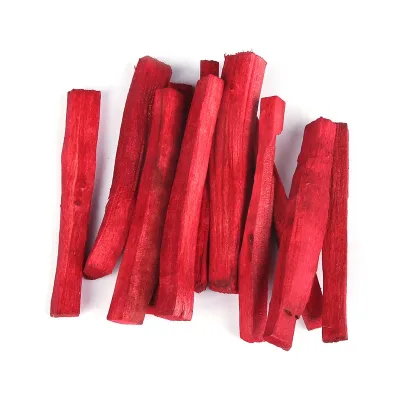
Comprehensive Sourcing Guide
Healing Energy Palo Santo Sourcing Guide
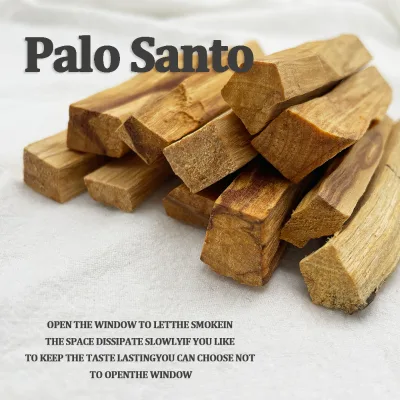
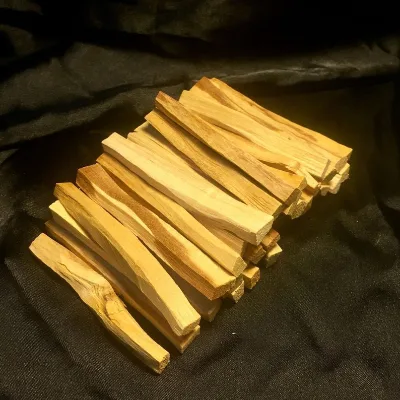
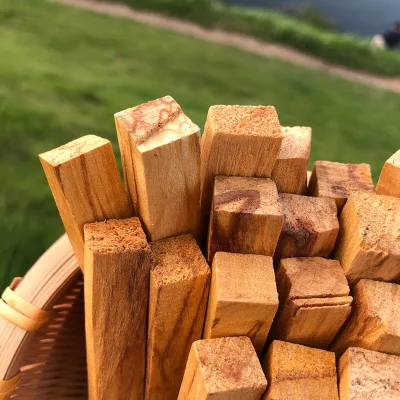
Procuring authentic Healing Energy Palo Santo requires a disciplined approach to verifying botanical origin and processing methods. Buyers must distinguish between genuine Bursera graveolens wood and generic substitutes that lack the characteristic aromatic profile. The market offers various forms, including raw sticks, polished decorative pieces, and processed incense cones, each serving distinct commercial needs. Understanding these variations is critical for aligning product selection with target customer expectations in wellness and home decor sectors.
Sourcing decisions should be guided by observed listing signals that indicate supplier maturity and product authenticity. Key indicators include detailed material descriptions, specific model numbers, and clear origin statements. Buyers should prioritize suppliers who provide transparent data on single package dimensions and gross weights, as these metrics reflect logistical readiness and packaging quality. Verifying these details early in the sourcing process helps mitigate risks associated with mislabeled goods or inconsistent product quality.
Product Scope and Observed Listing Signals
The current market landscape for palo santo products reveals a diverse range of offerings, from natural sticks to machine-polished decorative items. Observed listings indicate a price range of $0.21 to $5.36 USD, with minimum order quantities varying significantly from 1 to 1000 units. This variability suggests that suppliers cater to both small-scale boutique buyers and larger wholesale distributors. Buyers should analyze these signals to determine which tier of supplier best fits their volume requirements and budget constraints.
Product attributes such as weight, size, and packaging type provide crucial insights into the physical nature of the goods. For instance, some items weigh approximately 6-7 grams per unit, while others, like incense cones, may weigh between 1.5-2 grams. Packaging options range from safe individual packages to bulk cartons, with specific dimensions noted for logistics planning. These details are essential for calculating landed costs and ensuring that the final product meets the aesthetic and functional expectations of end consumers.
Technical Specifications to Verify
Technical verification begins with confirming the material composition and origin of the palo santo. Listings indicate origins in Peru and China, with materials ranging from pure palo santo wood to blended wood products. Buyers must verify that the wood is sustainably sourced and correctly identified, as mislabeling can lead to compliance issues and customer dissatisfaction. Specific model numbers, such as lpp25041801 and in6, should be cross-referenced with supplier catalogs to ensure consistency in product specifications.
Additional technical details include burning time, dimensions, and finishing techniques. Incense cones, for example, are reported to have a burning time of 20-25 minutes, with specific diameter and height measurements. Decorative sticks may feature machine-polished designs and various styles, such as mascot or antique imitation. Buyers should request samples to verify these specifications firsthand, ensuring that the physical attributes match the technical data provided in the product listings.
Compliance and Safety Documentation
Compliance with international safety standards is paramount when sourcing incense and aromatic products. Buyers must ensure that suppliers provide necessary documentation, such as material safety data sheets and combustion test results. These documents verify that the products do not release harmful levels of particulate matter or toxic chemicals when burned. Given the usage in indoor environments, including homes and offices, safety compliance is a critical factor in maintaining brand reputation and customer trust.
Additionally, buyers should verify that the products meet regional labeling and packaging requirements. This includes accurate ingredient lists, origin statements, and warning labels where applicable. For products marketed as natural or organic, certifications from recognized bodies may be required. Buyers should inquire about the supplier’s ability to provide these certifications and ensure that the documentation is up-to-date and valid for the target markets.
Cost Drivers and Commercial Terms
Cost drivers for palo santo products include material quality, processing complexity, and packaging requirements. Higher-quality, sustainably sourced wood and intricate finishing techniques can increase production costs. Buyers should analyze the cost structure to understand how these factors influence the final price. The observed price range of $0.21 to $5.36 USD reflects these variations, with premium products commanding higher prices due to superior quality and branding.
Commercial terms, such as minimum order quantities and payment methods, also impact the overall cost. Suppliers may offer flexible MOQs to accommodate different buyer sizes, with some requiring as few as 1 unit and others mandating 1000 units. Payment options typically include PayPal, Western Union, TT, and Alipay. Buyers should negotiate terms that align with their cash flow and risk tolerance, ensuring that the commercial agreement supports their long-term procurement strategy.
Supplier Qualification and Quality Control
Supplier qualification involves assessing the supplier’s production capabilities, quality control processes, and track record. Buyers should verify the supplier’s ability to maintain consistent product quality across batches. This includes checking for standardized production processes, regular quality inspections, and effective defect management systems. Suppliers with OEM/ODM capabilities may offer additional value by providing customized services tailored to specific buyer requirements.
Quality control measures should extend to packaging and shipping. Buyers should ensure that suppliers use safe packaging methods to prevent damage during transit. Observations indicate that suppliers use OPP bags and cartons for protection. Buyers should request photos or videos of the packaging process to verify that the products are adequately protected. Additionally, suppliers should provide clear shipping options, such as air and sea freight, to ensure timely delivery.
Long-Term Procurement Checks
Long-term procurement success depends on establishing a robust supplier relationship and continuous performance monitoring. Buyers should conduct regular audits to ensure that suppliers adhere to agreed-upon quality standards and compliance requirements. This includes periodic sampling and testing of products to verify consistency. Maintaining open communication with suppliers allows for timely resolution of any issues that may arise during the procurement process.
Furthermore, buyers should stay informed about market trends and regulatory changes that may impact the sourcing of palo santo products. This includes monitoring sustainability standards and consumer preferences for natural and ethically sourced goods. By staying proactive and adaptable, buyers can ensure that their procurement strategy remains aligned with market demands and supports long-term business growth. Regular review of supplier performance metrics will help identify areas for improvement and strengthen the supply chain.
FAQs
What materials are used for Healing Energy Palo Santo products?
The products are crafted from genuine Palo Santo wood or natural wood blends. Some items are specifically labeled as Natural Scent Palo Santo Incense Cones, while others are solid sticks. The material ensures authentic aroma and aesthetic appeal for home decoration and healing practices.
Where are these Healing Energy Palo Santo items manufactured?
Manufacturing locations include Jiangsu, Hunan, and Peru. Specific items originate from Peru, while others are produced in China. This diverse origin supports various supply chain needs, allowing buyers to select products based on regional preferences or specific logistical requirements for their sourcing strategy.
What is the typical weight of a single palo santo stick?
A single stick typically weighs about 6-7 grams. Some incense cones weigh between 1.5-2 grams, while packaged items may have a gross weight of 0.030 kg or 0.1 kg. These weights ensure manageable handling for individual use or bulk packaging for retail distribution.
Can I customize the branding on Healing Energy Palo Santo products?
Yes, customized services are provided for OEM and ODM requests. Buyers can work with suppliers to tailor product designs, packaging, or branding elements. This flexibility supports private label opportunities, allowing businesses to create unique offerings that align with their specific market positioning and customer expectations.
What are the shipping options for international orders?
Shipping methods include both Air and Sea freight. These options accommodate different order volumes and urgency levels. Buyers can choose air freight for faster delivery of smaller batches or sea freight for cost-effective transport of larger quantities, ensuring flexible logistics solutions for global distribution networks.
What is the minimum order quantity for these products?
The MOQ ranges from 1 to 1000 units depending on the supplier. Some specific items have an MOQ of 200 pieces per carton. This range allows flexibility for both small-scale testers and large-volume buyers, facilitating entry into the market with varying capital commitments and inventory strategies.
How long does a palo santo incense cone burn?
Incense cones typically burn for 20-25 minutes. This duration provides sufficient time for aromatic release in indoor settings. The burning time is suitable for meditation, temple use, or home decoration, offering a consistent and reliable experience for consumers seeking calming atmospheres or spiritual practices.