Antique Wooden Seal Storage Box Suppliers and Manufacturers
Find 31 verified suppliers offering antique wooden seal storage boxes with customizable designs and handmade processes. Compare response times, lead times, certifications like BSCI and FSC, and pricing to source reliable partners for your needs; review the available evidence before requesting comparable quotations from suitable candidates.
Updated
Suppliers List

Shuifu Huiyang Agricultural Technology Co., Ltd.
- Verified by SGS
- Trading Company
- China Yunnan
- Lead time23 days
- Avg. response≤ 4h
Main productsBamboo Products, Bamboo Crafts, Bamboo Chopsticks, Bamboo Skewers, Bamboo Weaving, Bamboo Tray, Bamboo Box, Bamboo Placemat, Bamboo Fruit Bowl, Lamp Shades
Main marketsDomestic
Caoxian Shuanglong Arts & Crafts Plant
- Verified by SGS Group
- Manufacturer, Trading Company
- Lead time30 days
- Avg. response≤ 1h
Main productsWooden packaging, Wooden pet products, Wooden holiday decoration, Wooden home decoration, Wooden box
Main marketsDomestic Market(45%), North America(8%), Southeast Asia(8%)
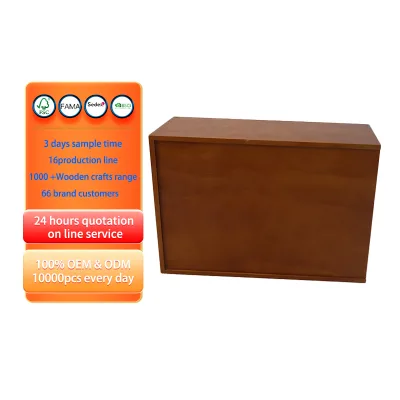
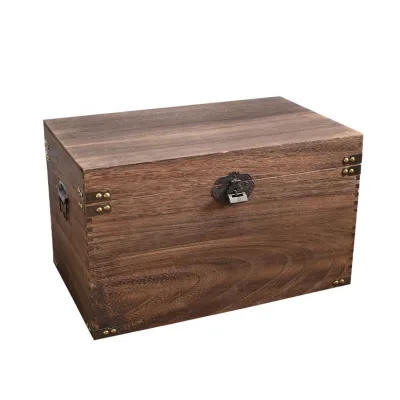
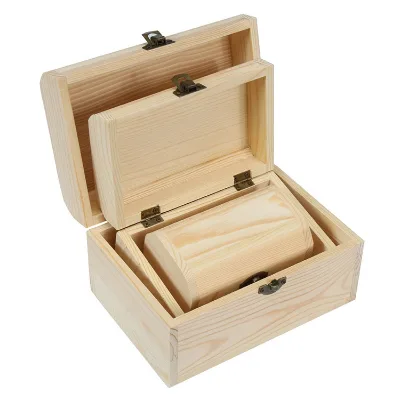
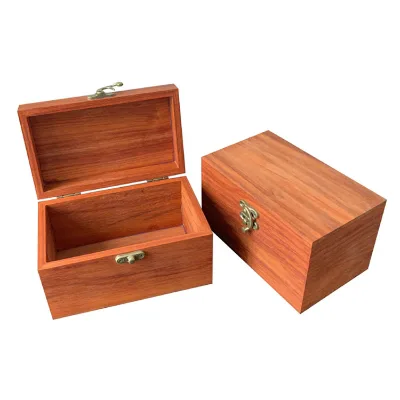
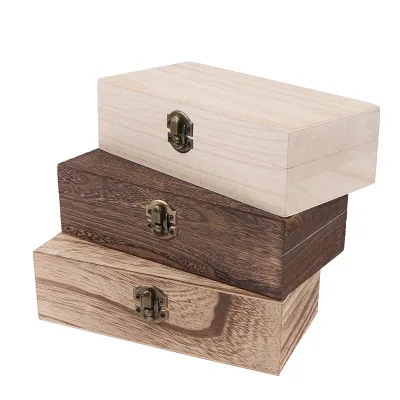
Antique Style Wooden Keepsake Box Retro Storage Boxes Home Decorative Wooden Box
$2.60 - $2.90
MOQ: 1000 Minimum
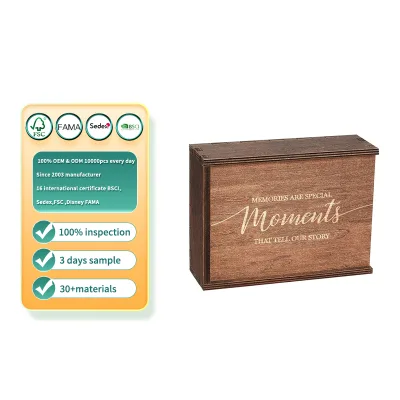
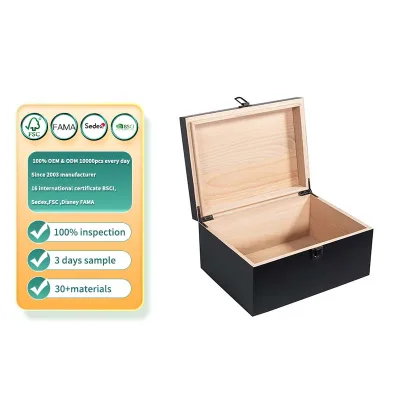
Qingdao Enjoy Global Industry Co., Ltd.
- Verified by TüVRheinland
- Manufacturer, Trading Company
- Lead time25 days
- Avg. response≤ 1h
Main productsWooden Shelf, Wooden Cat Tree, Wooden Box, Wooden Crafts, Wooden Furniture
Main marketsNorth America(40%), Eastern Asia(15%), Western Europe(14%)

- Trading Company
- China Shandong
- Lead time15 days
- Avg. response≤ 11h
Main productsThermal Printable Wristband, RFID Sticker and Labels, Fabric Wristbands, Packing Box, Wooden Box, Leather Box, EAS Labels and Tags, 8.2MHz RF Stickers, 58kHz Tags, Training Equiptment
Main marketsSouth America,Eastern Europe,Mid East,North America,Southeast Asia,Eastern Asia,Oceania,Western Europe,Africa


$15.00 - $18.00
MOQ: 100 Pieces

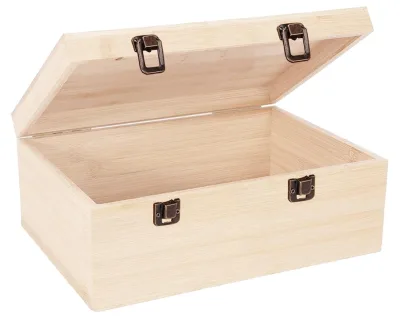
Wholesale Different Shape Solid Wooden Storage Box Customization Wooden Box for Home Display
$15.00 - $18.00
MOQ: 100 Pieces


Caoxian Zhongyi Wooden Co.,Ltd
- Verified by BV
- Combined
- China Shandong
- Lead time30 days
- Avg. response≤ 14h
Main productsWoodwork
Main marketsEurope


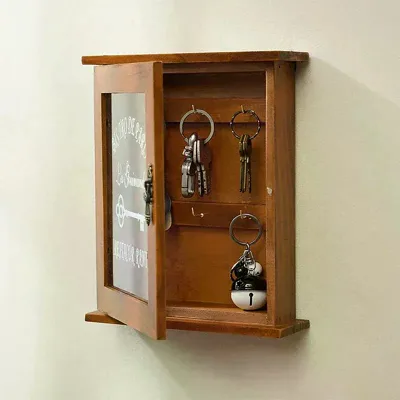
Decorative Wooden Key Box Wholesale Wooden Wall Key Holder Key Storage Box
$4.69 - $5.82
MOQ: 500 Pieces


$3.45 - $4.85
MOQ: 500 Pieces

- Verified by BV
- Manufacturer/Factory
- China Shandong
- Lead time23 days
- Avg. response≤ 3h
Main productsShopping Bag, Cotton Bag, Cooler Bag, Wooden Box, Promotional Item, Promotional Product, PVC Bag, Suit Cover, RPET Bag, PP Woven Bag
Main marketsSouth America,Eastern Europe,Mid East,North America,Southeast Asia,Eastern Asia,Oceania,Western Europe,Africa
- Verified by SGS Group
- Manufacturer, Trading Company
- Lead time30 days
- Avg. response≤ 2h
Main productsWood home decoration, Wood storage, Wood packaging, Wood crafts, Wood furniture
Main marketsNorth America(35%), Northern Europe(20%), Southern Europe(20%)
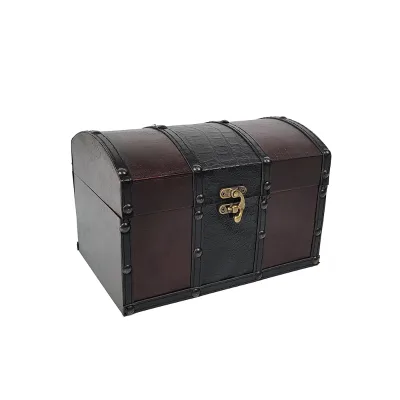
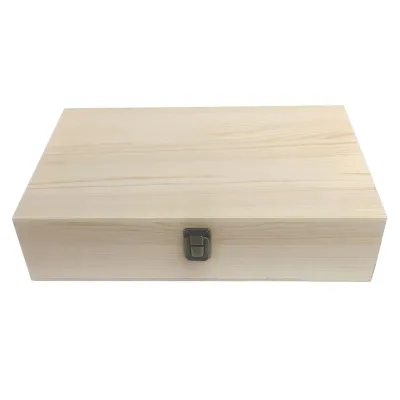
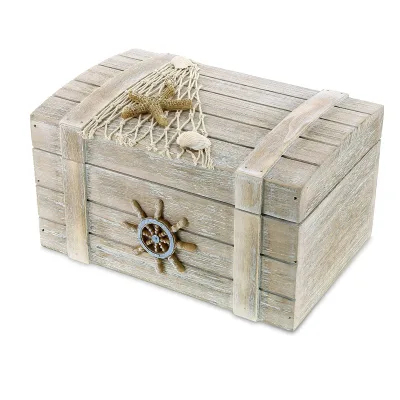
$5.7247 - $6.8579
MOQ: 200 pieces
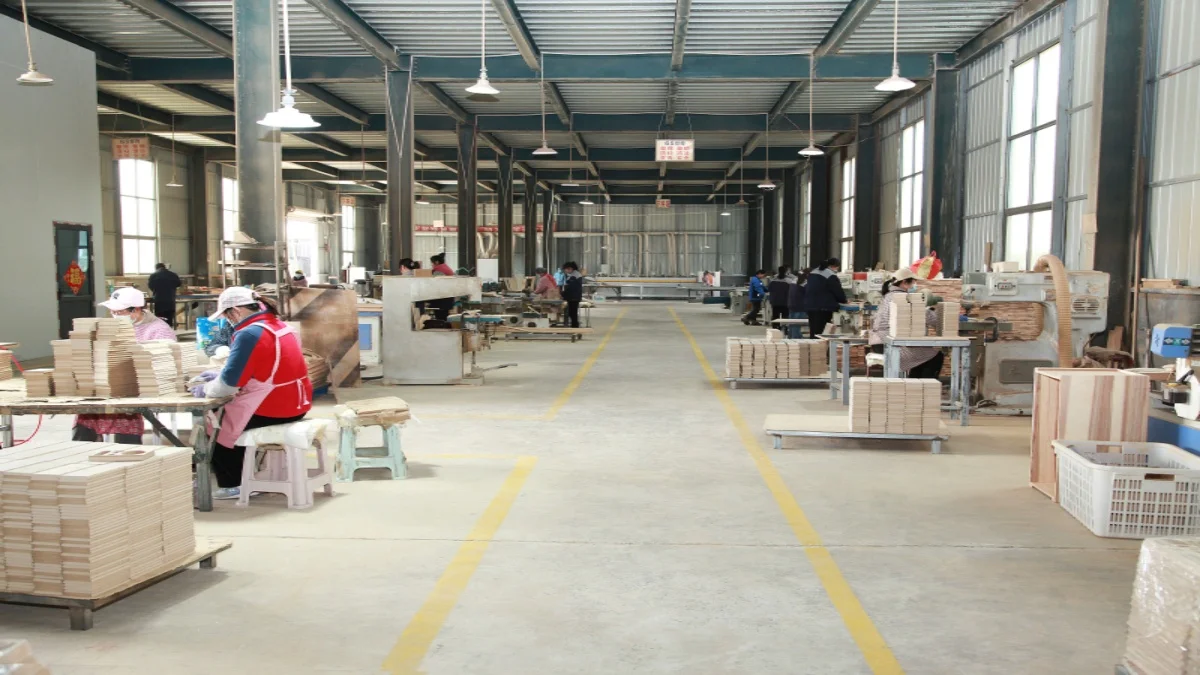
Caoxian Dongxing Arts And Crafts Co., Ltd.
- Manufacturer, Trading Company
- Shandong, China
- Lead time30 days
- Avg. response≤ 5h
Main productswooden craft,wooden tray,wooden box,wooden home decor,wooden shelf
Main marketsNorth America(50.00%), Eastern Asia(30.00%), Western Europe(20.00%)
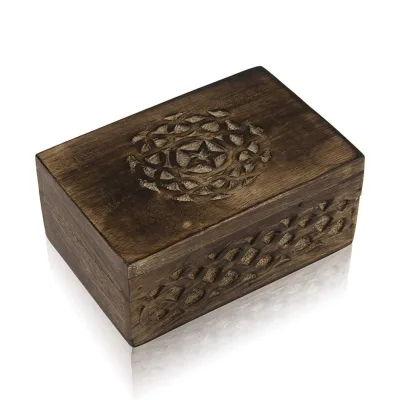
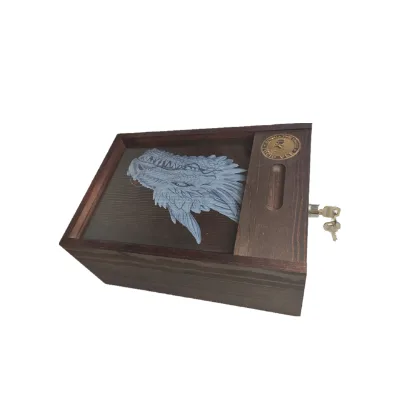
Antique Carved Handmade Decorative Wooden Jewelry Storage Box Custom Distressed Wooden Boxes
$2.59 - $3.69
MOQ: 500 pieces
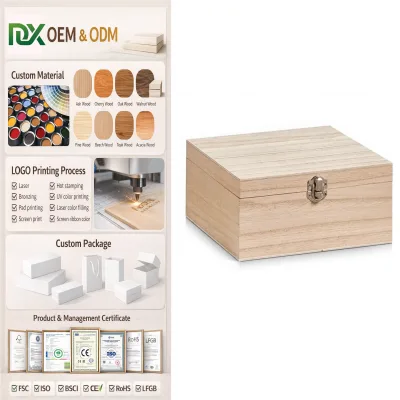
Wholesale Factory High Quality Wood Decorative Storage Boxes Home Organizer Wooden Keepsake Box
$5.00 - $7.00
MOQ: 500 pieces
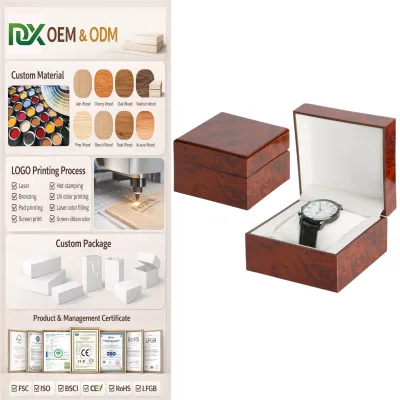
- Verified by SGS Group
- Manufacturer, Trading Company
- Lead time20 days
- Avg. response≤ 2h
Main productsBird House, Wooden Box, Wooden Crafts, Wooden Furniture, Wooden Storage
Main marketsNorth America(40%), Western Europe(30%), Domestic Market(30%)
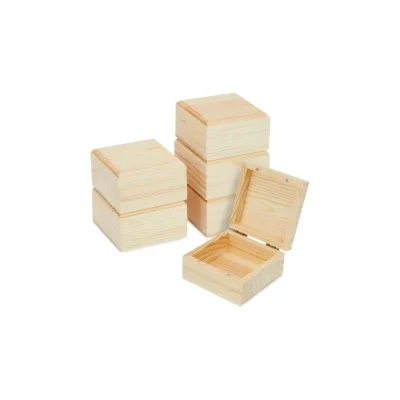
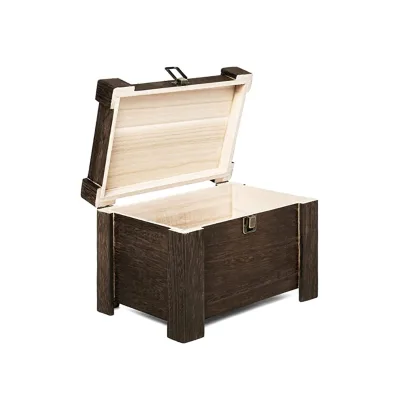
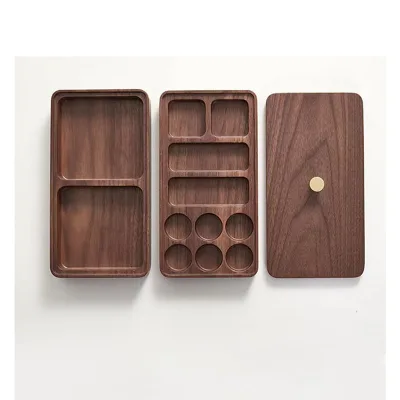
Jewellery Box Wood Box Handmade Craft Wood Small Parts Storage Solid Storage Boxes
$2.90 - $4.10
MOQ: 500

Jinan Unic Industry Trade Co., Ltd
- Verified by SGS
- Trading Company
- China Shandong
- Lead time30 days
- Avg. response≤ 1h
Main productsSide Table, Coffee Table, Dressing Tabloe, Storage Basket, Storage Cart, Ottoman, Stool, Plant Stand
Main marketsEurope

Jinhua Hengyang Cross-Border Trade Limited Liability Company
- Verified by SGS
- Trading Company
- China Zhejiang
- Lead time15 days
- Avg. response≤ 10h
Main productsCoffee Maker Air Fryer Storage Box Knife Set, Silicone Baking Mold Robot Vacuum Cleaning Table, Shower Head Non-Slip Shower Curtain Vacuum Stora, Collapsible Laundry Basket Bohemian Wall Tapestr, Fringe Pillow Cover Bedding Set Memory Foam Pill, Bamboo Tissue Biodegradable Trash Bags LED Fair, Smart Plug Fairy Lights Pet Food Bowl, Household Daily Necessities Kitchen Cleaning, Bathroom Storage and Care Fabric Home Decor, Bedding Daily Chemical Paper Products
Main marketsEurope
Cao County Dream Sun Furniture Co., Ltd.
- Manufacturer, Trading Company
- Shandong, China
- Lead time45 days
- Avg. response≤ 4h
Main productsWOODEN BOX,FURNITURE,WINE BARREL,Wall Storage Shelves,Kitchen&Bathroom Products
Main marketsDomestic Market(20.00%), Northern Europe(20.00%), Eastern Asia(10.00%), Mid East(10.00%), Western Europe(10.00%), Eastern Europe(10.00%), North America(5.00%), Southern Europe(5.00%), South Asia(5.00%), Central America(3.00%), South America(1.00%), Africa(1.00%)
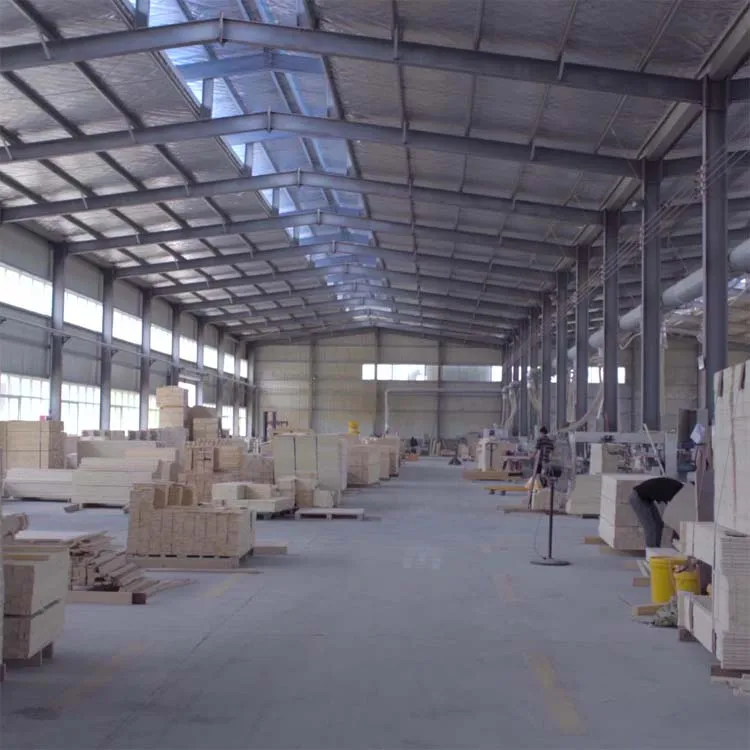
Caoxian Mingrui Crafts Factory
- Manufacturer, Trading Company
- Shandong, China
- Lead time0 days
- Avg. response≤ 7h
Main productsWooden bird house,Wooden packing box,Wooden scraping board,Wooden pendant,Wooden base
Main marketsNorth America(30.00%), Western Europe(20.00%), Domestic Market(18.00%), South America(10.00%), Oceania(8.00%), Africa(5.00%), Northern Europe(5.00%), Southeast Asia(2.00%), Eastern Asia(2.00%)
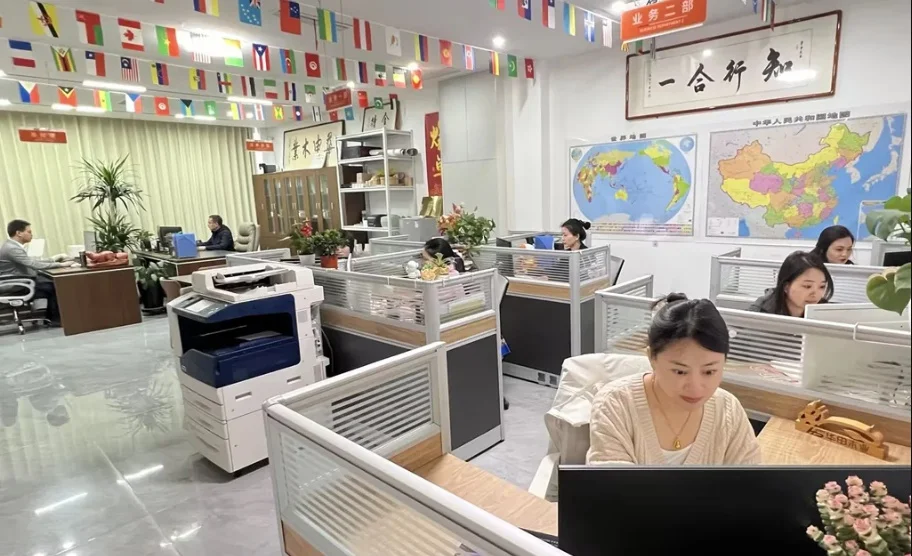
Caoxian Huashen Arts And Crafts Co., Ltd.
- Manufacturer, Trading Company
- Shandong, China
- Lead time30 days
- Avg. response≤ 1h
Main productsCustom Wooden Boxes,Wooden Storage Crates,Wooden Home Decor,Raised Garden Beds,Wooden Pet Furniture
Main marketsNorth America(35.00%), Western Europe(25.00%), Oceania(12.00%), Northern Europe(10.00%), Eastern Europe(8.00%), Eastern Asia(6.00%), Southeast Asia(4.00%)
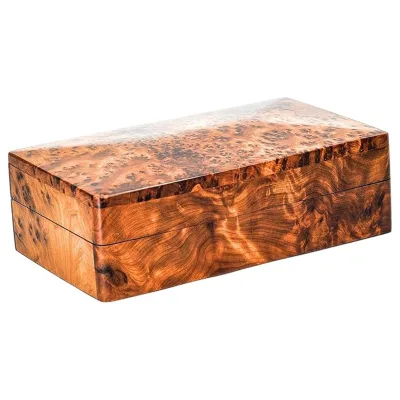
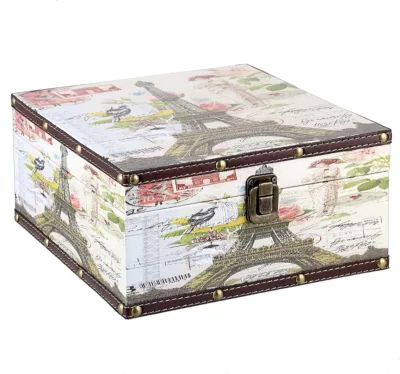
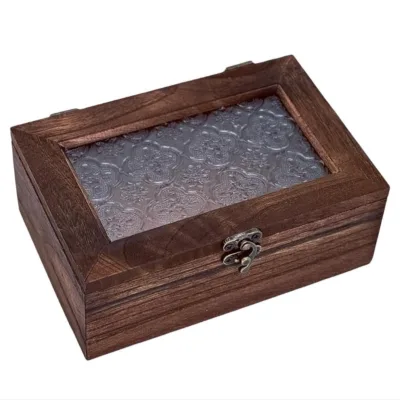
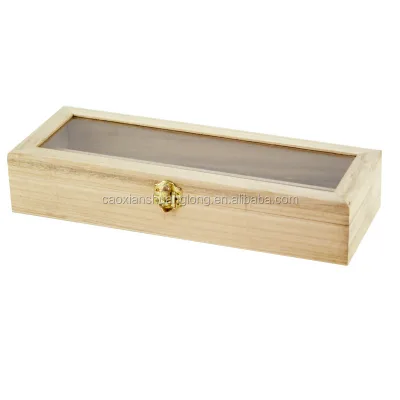
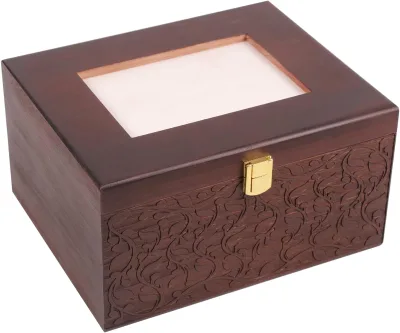
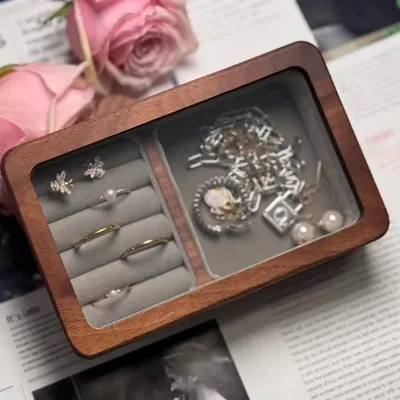
Vintage Wooden Storage Box with Glass Lid, Keepsake Box Small Decorative Storage Box
$5.60 - $7.25
MOQ: 200
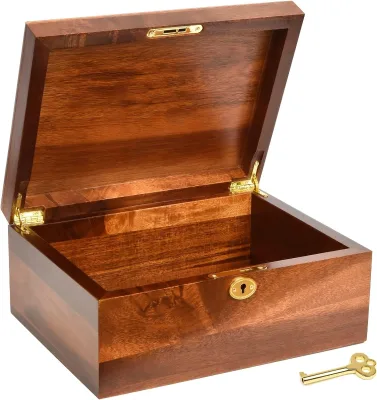
$10.3596 - $13.9857
MOQ: 100 pieces

Xinhongtu Packaging(Dongguan)C0., Ltd.
- Verified by SGS
- Trading Company
- China Guangdong
- Lead time15 days
- Avg. response≤ 1h
Main productsWooden Box, Watch Box, Jewelry Box, Cosmetic Box, Custom Packaging, Gift Box, Cardboard Box, Tube Box, Printing&Packaging, Aluminum Case
Main marketsDomestic,Australia
Caoxian Zhecheng Wood Industry Co.,ltd
- Verified by SGS Group
- Manufacturer, Trading Company
- Lead time20 days
- Avg. response≤ 2h
Main productsWooden box, Wooden tray, Wooden shelf, Wooden crate
Main marketsNorth America(50%), Western Europe(30%), Mid East(10%)
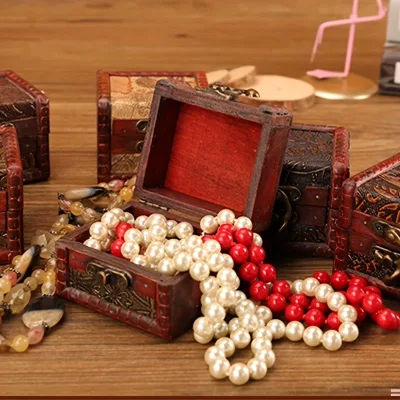
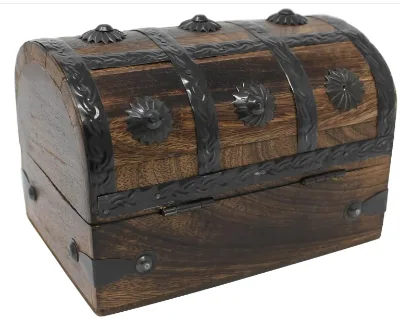
$8.7212 - $9.9534
MOQ: 200 pieces

Caoxian Xinjuyuan Arts Crafts Co., Ltd.
- Manufacturer, Trading Company
- Shandong, China
- Lead time30 days
- Avg. response≤ 2h
Main productsWoodwork,weaving,bamboo,wood cork,arts and crafts
Main marketsNorth America(40.00%), Eastern Europe(20.00%), South America(20.00%), Domestic Market(10.00%), Eastern Asia(10.00%)

- Verified by TUVRHEINLAND
- Combined
- China Fujian
- Lead time15 days
- Avg. response≤ 21h
Main productsFridge Magnet, Decorative Hook, Metal Plaque, Wood Plaque, Wooden Photo Frame, Wood Chalkboard, Book Mark, Linen Painting, Canvas Box, Cup Coasters
Main marketsSouth America,Africa,Southeast Asia/ Mideast,East Asia(Japan/ South Korea),Europe,Australia,North America
Caoxian Dachuang Wood Art Co., Ltd.
- Verified by SGS Group
- Manufacturer, Trading Company
- Lead time0 days
- Avg. response≤ 2h
Main productsGifts and Crafts, Wood Box, Wooden Fitness Products, Home Decor, Kitchen Supplies
Main marketsNorth America(40%), Western Europe(30%), Oceania(15%)

Forever Standing Stationery Co., Ltd.
- Combined
- China Guangdong
- Lead time30 days
- Avg. response≤ 22h
Main productsCosmetic Box, Jewelry Box, Make up Box, Wine Box, Wine Bags, Wine Rack, Storage Box, Gift Packing Box, Photo Albums, Stationery and Office Supply
Main marketsSouth America,Africa,Southeast Asia/ Mideast,East Asia(Japan/ South Korea),Domestic,Europe,Australia,North America


Factory Custom High Quality Wooden Decorative Storage Boxes with Handles
$12.50 - $17.50
MOQ: 1000 Pieces


Dongguan DianYa Packaging MFG. Co., Ltd.
- Verified by TUVRHEINLAND
- Manufacturer/Factory
- China Guangdong
- Lead time30 days
- Avg. response≤ 1h
Main productsBox, Paper Box, Wooden Box, Leather Box, Plastic Box, Jewellery Box, Watch Box, Wine Box, Perfume Box, Cigar Box
Main marketsSouth America,Eastern Europe,Mid East,North America

Guangze County Harvest Season Crafts Co., Ltd.
- Manufacturer
- Fujian, China
- Lead time35 days
- Avg. response≤ 6h
Main productsWooden Box,Wooden Wine Box,Treasure Chest,Wooden Trunk,Wooden Wine Rack
Main marketsWestern Europe(11.11%), Eastern Asia(11.11%), Mid East(11.11%), Oceania(11.11%), Africa(11.11%), Southeast Asia(11.11%), Eastern Europe(11.11%), South America(11.11%), North America(11.11%)
- Trading Company
- Shandong, China
- Lead time25 days
- Avg. response≤ 5h
Main productsWooden packaging boxes,wood tray,wood display stand,wood barrels,customized wooden items
Main marketsNorth America(38.00%), Western Europe(25.00%), Northern Europe(10.00%), Southern Europe(7.00%), Southeast Asia(5.00%), Eastern Asia(3.00%), Central America(2.00%), South America(2.00%), Domestic Market(2.00%), Mid East(2.00%), Oceania(1.00%), South Asia(1.00%), Africa(1.00%), Eastern Europe(1.00%)
Caoxian Keyu Arts & Crafts Factory
- Verified by SGS Group
- Manufacturer, Trading Company
- Lead time30 days
- Avg. response≤ 3h
Main productsWood Crafts, Wooden Boxes, & Wall Signs, Wooden & Bamboo Packaging, Wooden Home & Garden Products
Main marketsNorth America(45%), Domestic Market(30%), Western Europe(10%)
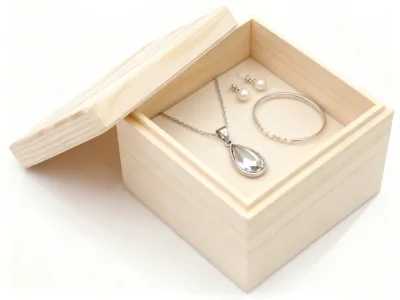
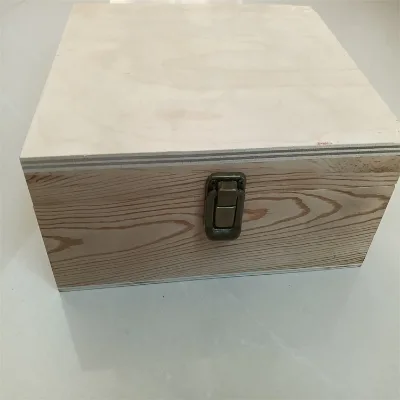
Factory Handmade Solid Pine Wood Gift Box With Lid
$2.3879 - $4.6724

- Verified by BV
- Trading Company,Manufacturer/Factory
- China Zhejiang
- Lead time23 days
- Avg. response≤ 7h
Main productsGift Box, Watch Box, Paper Box, Packing Box, Gift Packing, Packing Bag, Cosmetic Box, Pen Box, Jewelry Box
Main marketsSouth America,Eastern Europe,Mid East,North America,Southeast Asia,Eastern Asia,Oceania,Western Europe,Africa

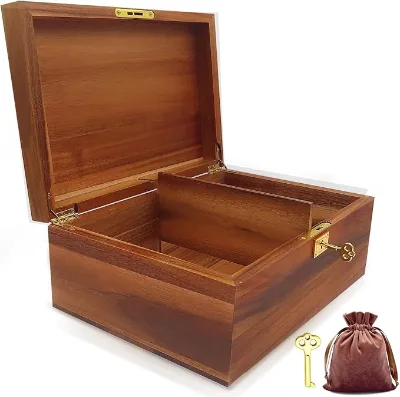
Wooden Watch Jewelry Box with Lock Glass Box Jewelry Double Storage Box
$17.00 - $20.27
MOQ: 50 Pieces

Cao County Grandview Arts & Crafts Co., Ltd.
- Manufacturer, Trading Company
- Shandong, China
- Lead time20 days
- Avg. response≤ 4h
Main productskitchen knife rack,wooden trash bin,wooden frames,kitchen wall shelf,bathroom storage rack
Main marketsNorth America(35.00%), Western Europe(13.00%), South Asia(10.00%), Eastern Europe(7.00%), Mid East(7.00%), Southern Europe(5.00%), Domestic Market(5.00%), Eastern Asia(5.00%), Southeast Asia(5.00%), Northern Europe(4.00%), Oceania(2.00%), Africa(2.00%)

Ningbo Hongchuang Commodity Co., Ltd.
- Verified by SGS
- Trading Company,Manufacturer/Factory
- China Zhejiang
- Lead time45 days
- Avg. response≤ 13h
Main productsStorage, Home Decoration, Kitchenware, Housewares, Gifts & Crafts, Office & School, Beauty & Personal Care, Festival Items, Wooden Photo Frame, Garden Tools
Main marketsSouth America,Eastern Europe,Mid East,North America,Southeast Asia,Eastern Asia,Oceania,Western Europe,Africa
Cao County Huiyifeng Crafts Co., Ltd.
- Manufacturer, Trading Company
- Shandong, China
- Lead time25 days
- Avg. response≤ 6h
Main productswood decor,wood box,wood coaster,wood craft,wood shelf
Main marketsNorth America(35.00%), Eastern Europe(20.00%), Western Europe(10.00%), Eastern Asia(10.00%), Central America(5.00%), Southeast Asia(5.00%), Northern Europe(4.00%), Mid East(3.00%), Africa(3.00%), South America(3.00%), Oceania(2.00%)
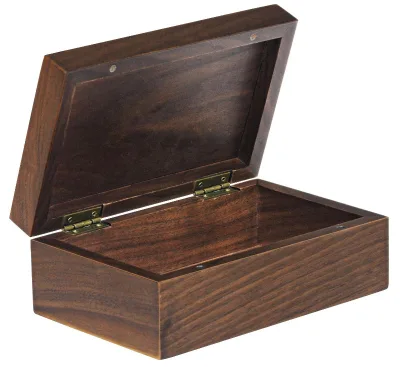
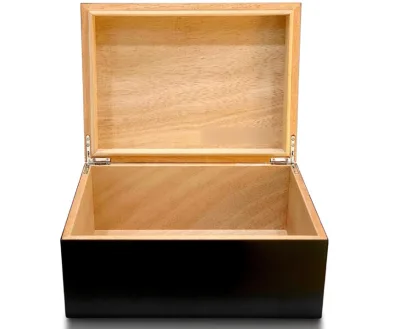
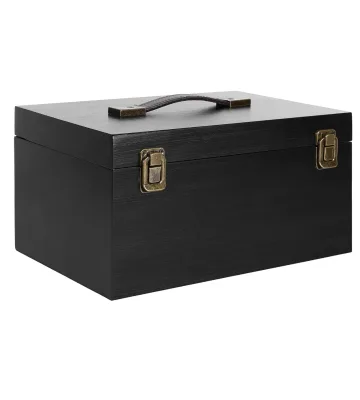
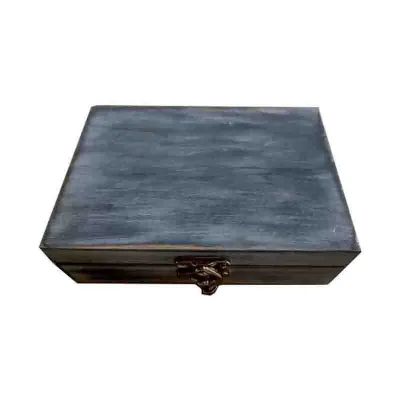
Best Selling Large Black Wood Gift Box Handmade Eco-Friendly Wooden Storage with Polished Hinged Lid
$3.5017 - $3.9948
MOQ: 200 pieces
Cao County Jinpengyuan Container Packaging Co., Ltd.
- Verified by SGS Group
- Manufacturer, Trading Company
- Lead time30 days
- Avg. response≤ 4h
Main productsOak Barrel, Wooden Box, Wood Tray, Fumigator, Cutting Board
Main marketsDomestic Market(30%), North America(15%), South America(10%)

Hangzhou Fuhan Garment Accessories Co., Ltd.
- Verified by BV
- Combined
- China Zhejiang
- Lead time15 days
- Avg. response≤ 4h
Main productsGarment Woven Label Tag, Packaging Box, Embroidery Patch, PVC Rubber Patch, Garment Accessories, Adhesive Sticker Print Label, Packaging Bag, Leather Labels, Scented Sachet, Ribbon
Main marketsEurope

Shenzhen Thomas Homeware Co., Limited
- Verified by BV
- Manufacturer/Factory
- China Guangdong
- Lead time0 days
- Avg. response≤ 5h
Main productsWall Shelf, Wine Bottle Rack, Display Shelf, Towel Rack, Metal Basket, Spice Rack, Wine Rack, Anti-Slip Mat, Shower Curtain, Window Curtain
Main marketsEastern Europe,North America


Ring Jewelry Packaging Storage Wood Crafts Gift Wooden Box with Custom Accept
$8.81 - $9.60
MOQ: 500 Pieces




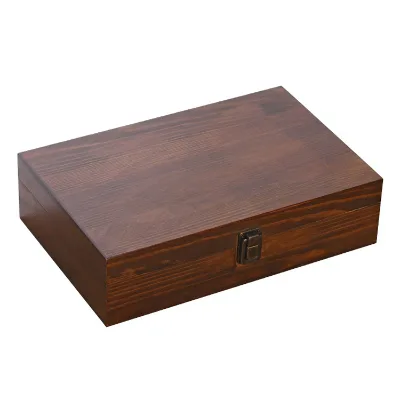
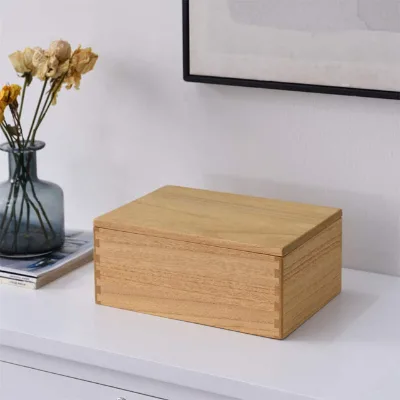
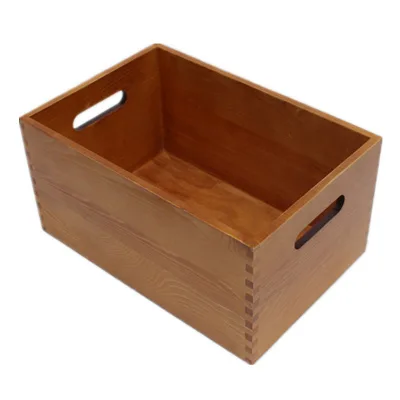
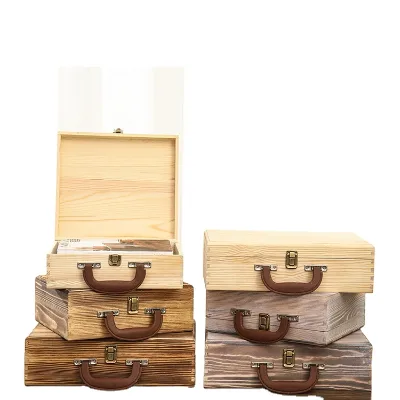










Comprehensive Sourcing Guide
Antique Wooden Seal Storage Box Supplier Concentration and Factory Types
The current supplier landscape for antique wooden seal storage boxes reveals a distinct concentration of manufacturing and trading entities within China, specifically highlighting regions such as Yunnan and Shandong. This geographic clustering is significant because it often correlates with access to specific raw materials, such as bamboo and solid wood, which are essential for crafting the durable and aesthetically pleasing boxes required for this niche. Suppliers located in these areas may offer advantages in terms of material sourcing efficiency and established local supply chains, which can directly impact the quality and consistency of the final product. When evaluating potential partners, buyers should consider how the supplier’s location influences their ability to source high-quality wood and bamboo, as these materials are central to the construction of antique-style storage solutions. The presence of suppliers in these specific provinces suggests a mature ecosystem for wooden crafts, where specialized skills in woodworking and finishing are readily available. This regional focus can also facilitate easier communication and coordination for buyers who are looking to establish long-term relationships with manufacturers who understand the nuances of producing antique-style items. Understanding the geographic distribution of suppliers can help buyers identify clusters of expertise and potentially negotiate better terms based on the supplier’s proximity to raw material sources.
In addition to geographic location, the types of companies operating in this space vary significantly, ranging from pure trading companies to integrated manufacturers. Some suppliers operate exclusively as trading companies, acting as intermediaries between buyers and factories, while others are manufacturers that also engage in trading activities. This distinction is crucial for buyers because it affects the level of control they have over the production process, quality assurance, and customization options. Manufacturers typically offer greater flexibility in terms of design modifications and material selection, as they have direct oversight of the production line. On the other hand, trading companies may provide a broader range of products from multiple factories, offering convenience but potentially less transparency in the manufacturing process. Buyers should carefully assess the company type of each supplier to determine which model best aligns with their specific needs. For instance, if a buyer requires extensive customization or strict quality control, a manufacturer might be the preferred choice. Conversely, if a buyer is looking for a diverse catalog of wooden products without the need for deep customization, a trading company might suffice. Understanding the operational model of each supplier is essential for making an informed decision and ensuring that the partnership will meet the buyer’s expectations for quality, delivery, and service.
How to Verify Antique Wooden Seal Storage Box Suppliers
Verifying the credibility and capabilities of suppliers is a critical step in the sourcing process, particularly when dealing with specialized products like antique wooden seal storage boxes. One of the primary methods for verification is checking for third-party certifications and verification badges, such as those provided by SGS or FSC. These certifications serve as independent validations of a supplier’s compliance with international standards for quality, safety, and environmental responsibility. For example, an FSC certification indicates that the wood used in the products comes from responsibly managed forests, which is increasingly important for buyers who prioritize sustainability. Similarly, SGS verification can provide assurance regarding the supplier’s business practices and product quality. Buyers should actively look for these badges on supplier profiles and request copies of the relevant certificates to ensure they are current and valid. Additionally, buyers should verify the supplier’s response time and lead times, as these metrics can indicate the supplier’s operational efficiency and reliability. A quick response time suggests that the supplier is attentive and responsive to buyer inquiries, while consistent lead times indicate a stable production process. These factors are essential for maintaining smooth communication and ensuring that orders are fulfilled on schedule.
Beyond certifications and operational metrics, buyers should also examine the supplier’s product portfolio and customization capabilities to assess their expertise in the specific niche of antique wooden storage boxes. Suppliers that specialize in wooden crafts, such as storage boxes, gift packaging, and home decorations, are likely to have more experience and skill in producing high-quality antique-style items. Buyers should review the supplier’s product listings to see if they offer items that match their specific requirements, such as specific wood types, finishes, or design elements. Customization options are also a key indicator of a supplier’s flexibility and ability to meet unique buyer needs. Suppliers that offer customizable designs, colors, and packaging are better equipped to handle bespoke orders and brand-specific requirements. Buyers should inquire about the supplier’s customization process, including any minimum order quantities or additional costs associated with custom work. Furthermore, buyers should check for any specific product attributes, such as material composition, production processes, and packaging methods, to ensure they align with their quality standards. By thoroughly verifying these aspects, buyers can mitigate risks and select suppliers that are not only credible but also capable of delivering products that meet their exact specifications.
What to Compare Across Antique Wooden Seal Storage Box Suppliers
When comparing suppliers, buyers should focus on key operational and commercial metrics that directly impact the sourcing experience and final product quality. One of the most important factors to compare is the minimum order quantity (MOQ), which can vary significantly between suppliers. Some suppliers may have low MOQs, making them suitable for small businesses or trial orders, while others may require larger volumes, which can be more cost-effective for established brands. Buyers should also compare the price ranges for similar products, keeping in mind that lower prices may not always indicate better value if quality or service is compromised. For instance, some suppliers may offer prices as low as $0.028 per unit for certain items, while others may charge significantly more for higher-quality or more complex designs. It is essential to evaluate the price in the context of the product’s features, such as material quality, craftsmanship, and customization options. Additionally, buyers should compare the lead times offered by different suppliers, as longer lead times can impact inventory management and market responsiveness. Suppliers with shorter lead times may be able to fulfill orders more quickly, which is beneficial for buyers with tight deadlines or fluctuating demand. By carefully comparing these metrics, buyers can identify suppliers that offer the best balance of cost, quality, and service for their specific needs.
Another critical aspect of supplier comparison is the level of customization and support provided. Buyers should assess whether suppliers offer design customization, logo printing, and packaging options, as these services can add significant value to the final product. Suppliers that provide comprehensive customization services can help buyers create unique and branded products that stand out in the market. Buyers should also compare the supplier’s customer service and communication capabilities, as these factors can influence the overall sourcing experience. Suppliers with high response times and proactive communication are more likely to address issues promptly and ensure a smooth ordering process. Additionally, buyers should consider the supplier’s production capacity and ability to handle large orders, especially if they plan to scale their operations. Suppliers with robust production capabilities can ensure consistent quality and timely delivery, even during peak seasons. By comparing these factors, buyers can select suppliers that not only offer competitive prices but also provide the necessary support and flexibility to meet their business goals. It is also important to consider the supplier’s main products and expertise, as suppliers specializing in wooden storage boxes and related items are likely to have more experience and skill in this specific niche.
Common Antique Wooden Seal Storage Box Sourcing Risks
Sourcing antique wooden seal storage boxes from international suppliers comes with several inherent risks that buyers must be aware of and proactively manage. One of the primary risks is quality inconsistency, which can arise from variations in raw materials, craftsmanship, or production processes. Wooden products are particularly susceptible to issues such as warping, cracking, or finish defects, which can affect the durability and aesthetic appeal of the final product. Buyers should mitigate this risk by requesting samples before placing large orders and conducting thorough quality inspections upon receipt. Additionally, buyers should clearly communicate their quality expectations and specifications to the supplier to ensure alignment. Another significant risk is the potential for delays in production and delivery, which can disrupt supply chains and impact market availability. Lead times can vary based on factors such as order volume, customization requirements, and supplier capacity. Buyers should establish clear delivery schedules and maintain open communication with suppliers to monitor progress and address any potential delays promptly. It is also important to consider the impact of external factors, such as raw material shortages or logistical challenges, which can further exacerbate delivery risks.
Intellectual property and design theft is another critical risk when sourcing customized wooden products. Buyers who provide unique designs or branding elements to suppliers must ensure that these assets are protected from unauthorized use or replication. This risk can be mitigated by implementing strict confidentiality agreements and working with suppliers who have a strong reputation for respecting intellectual property rights. Buyers should also consider registering their designs and trademarks in relevant markets to provide additional legal protection. Furthermore, buyers should be cautious of suppliers who offer unusually low prices, as this may indicate compromised quality or unethical business practices. It is essential to conduct due diligence on suppliers to verify their legitimacy and reliability. Buyers should check for any negative reviews or complaints and verify the supplier’s business registration and certifications. By identifying and addressing these common risks, buyers can protect their interests and ensure a successful sourcing experience. It is also advisable to diversify suppliers to reduce dependency on a single source and mitigate the impact of potential disruptions.
Antique Wooden Seal Storage Box Regional Sourcing and Logistics
Regional sourcing plays a pivotal role in determining the logistics and cost structure for antique wooden seal storage boxes. Suppliers located in China, particularly in provinces like Yunnan and Shandong, offer distinct advantages in terms of material availability and manufacturing expertise. Yunnan is known for its rich bamboo resources, which can be utilized for creating lightweight and durable storage boxes, while Shandong is recognized for its solid wood products. Buyers should consider the logistical implications of sourcing from these regions, including shipping costs, transit times, and customs procedures. Shipping from China to international destinations can involve complex logistics, including ocean freight, air freight, and inland transportation. Buyers should work with experienced freight forwarders to optimize shipping routes and reduce costs. Additionally, buyers should be aware of any import duties, taxes, or regulatory requirements in their home countries that may affect the total cost of ownership. Understanding the regional logistics landscape can help buyers make informed decisions about supplier selection and order planning.
In addition to shipping, buyers should also consider the packaging and handling requirements for wooden products to ensure they arrive in pristine condition. Wooden storage boxes are often fragile and require careful packaging to prevent damage during transit. Buyers should verify that suppliers use appropriate packaging materials, such as sturdy cartons, pallets, and protective wrapping, to safeguard the products. Customizable packaging options can also be beneficial for buyers who want to enhance the presentation of their products or comply with specific retail requirements. Buyers should communicate their packaging preferences clearly to suppliers and request photos or samples of the packaging to ensure it meets their standards. Furthermore, buyers should consider the environmental impact of packaging materials and explore sustainable options, such as recycled or biodegradable materials, if applicable. By addressing regional sourcing and logistics considerations, buyers can streamline their supply chain and ensure that products are delivered efficiently and safely. It is also important to maintain regular communication with suppliers and logistics partners to monitor shipments and address any issues that may arise during transit.
Antique Wooden Seal Storage Box Commercial Terms and Order Planning
Effective order planning and clear commercial terms are essential for successful sourcing of antique wooden seal storage boxes. Buyers should establish detailed purchase agreements that outline all aspects of the transaction, including product specifications, pricing, payment terms, delivery schedules, and quality standards. Clear communication of these terms helps prevent misunderstandings and ensures that both parties are aligned on expectations. Payment terms should be negotiated to balance risk and cash flow, with options such as letters of credit, escrow services, or milestone-based payments providing security for both buyers and suppliers. Buyers should also consider the financial implications of currency fluctuations and exchange rates, especially when dealing with international suppliers. Additionally, buyers should plan for potential contingencies, such as order cancellations, modifications
FAQs
Where are these antique wooden seal storage boxes manufactured?
Manufacturers for these items are located in China, specifically in regions like Yunnan and Shandong. Some suppliers operate from Shandong while others are based in Yunnan. Buyers should verify the specific factory location for each order to ensure accurate shipping estimates and compliance with regional standards.
What is the typical lead time for custom wooden storage boxes?
Lead times for these products generally range from 23 to 30 days depending on the supplier and order volume. Some manufacturers offer faster sample processing within 3 to 5 days. Bulk orders typically require the full production window, so confirm the exact timeline with the specific vendor before finalizing the purchase.
What are the minimum order quantities for wooden seal boxes?
Minimum order quantities vary by product type, with some items requiring 500 units and others needing 1000 units. Disposable chopsticks and similar bamboo products often have higher thresholds. Buyers must check the specific MOQ for the Antique Wooden Seal Storage Box model they intend to purchase to avoid order rejection.
Are these wooden boxes available with custom designs and logos?
Yes, customization is available for design, color, and logo placement on many wooden storage boxes. Suppliers offer handmade processes with customizable models and packaging options. Buyers can request specific shapes and finishes, but they should confirm the customization details and any additional costs with the supplier prior to placing an order.
What certifications do the suppliers for these boxes hold?
Verified suppliers often hold certifications such as SGS, BSCI, and FSC. These credentials indicate compliance with specific safety and environmental standards. Buyers should request proof of these certifications to ensure the wooden products meet international quality requirements and ethical sourcing guidelines before committing to a large purchase.
How quickly do suppliers typically respond to sourcing inquiries?
Response times for these suppliers vary, with some replying within 1 day and others taking around 3 days. Faster response rates are common among verified trading companies and manufacturers. Buyers should expect a response within a few days but should follow up if no reply is received within the standard window to maintain project timelines.
What materials are used to make these antique wooden storage boxes?
Materials include solid wood, bamboo, and walnut, often used for decorative and functional storage purposes. Some products feature specific wood types like walnut for Wenwan collections. Buyers should verify the exact material composition listed in the product attributes to ensure it matches their aesthetic and durability requirements for the antique seal storage box.
What is the price range for custom wooden seal storage boxes?
Prices for these boxes range from approximately 0.028 to 6.36 per unit depending on size and customization. Specific models like coin storage boxes may cost between 1.70 and 2.10, while larger decorative boxes can reach higher price points. Buyers should request a detailed quote based on their specific quantity and design needs to get an accurate final price.