Yellow Calcite Crystal Ball Suppliers and Manufacturers
Find 25 verified sources for Yellow Calcite Crystal Ball products with details on lead times, MOQ, and response times. Compare manufacturer and trading company options to select the right partner for your order; review the available evidence before requesting comparable quotations from suitable candidates.
Updated
Suppliers List
Donghai Kindfull Crystal Product Co., Ltd.
- Manufacturer, Trading Company
- Lead time旺季: "1 - 2":15,"3 - 10":30,"11 - 30":60,"> 30":"To be negotiated", 淡季: "1 - 2":15,"3 - 10":30,"11 - 30":60,"> 30":"To be negotiated"
- Avg. response≤ 2h
Main productsCarving/Crystal Points/Crystal Palm/Crystal Sphere/Beauty Tools
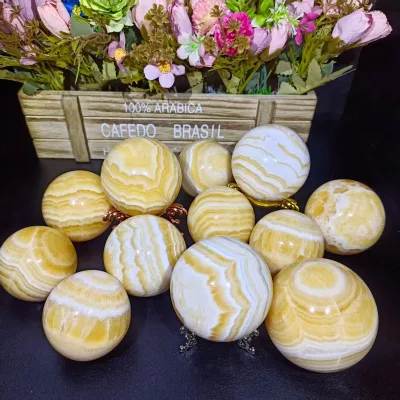
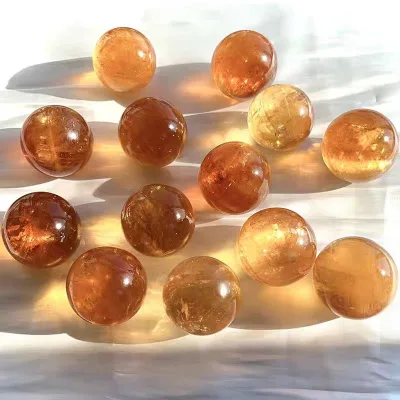
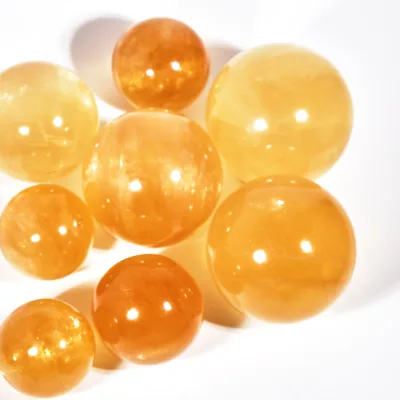
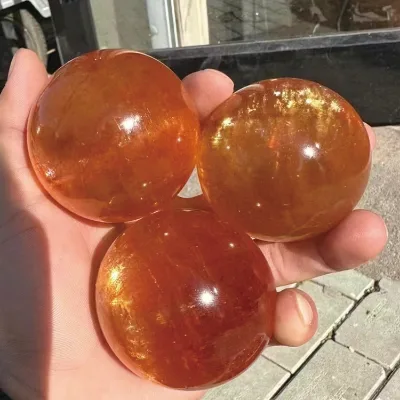
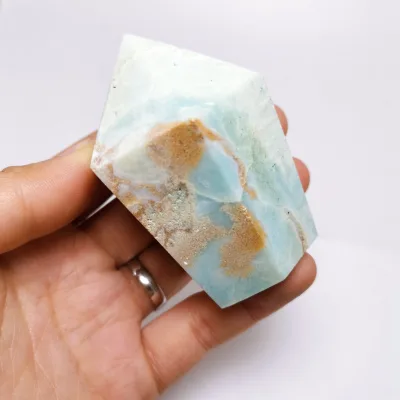
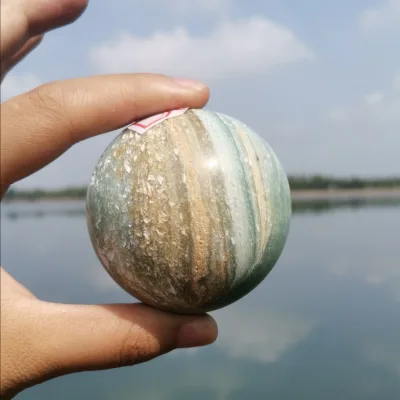
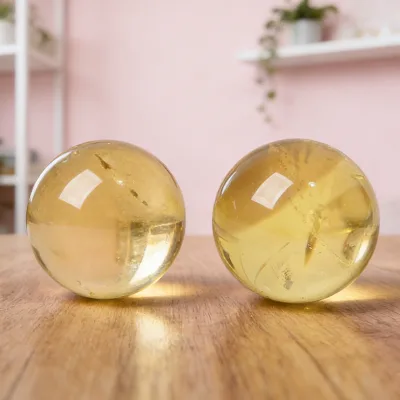
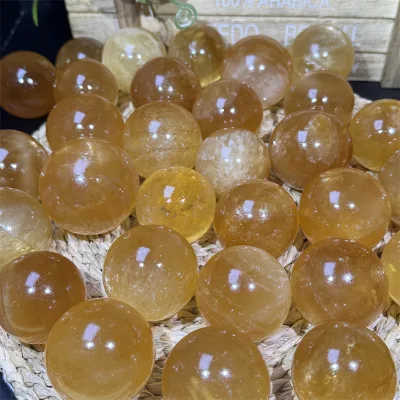
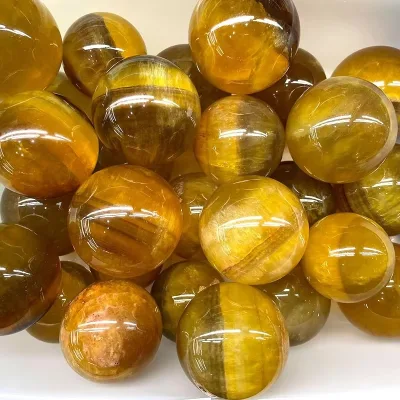
Wholesale Healing Stone Crystal Stone Crafts Yellow Calcite Ball for Home Decoration
$20.70 - $21.30
MOQ: 1
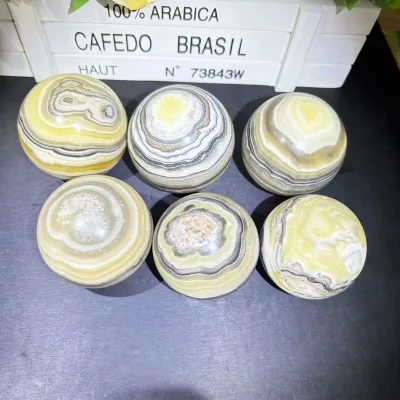
$27.00 - $30.00
MOQ: 1 kilograms
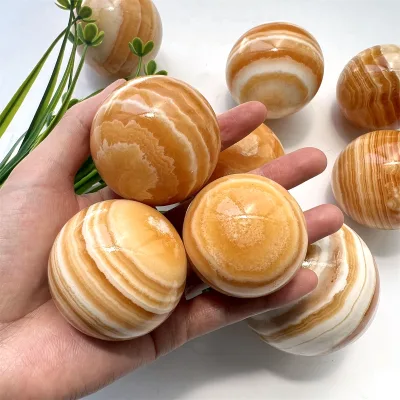
$20.70 - $21.00
MOQ: 1 kilograms
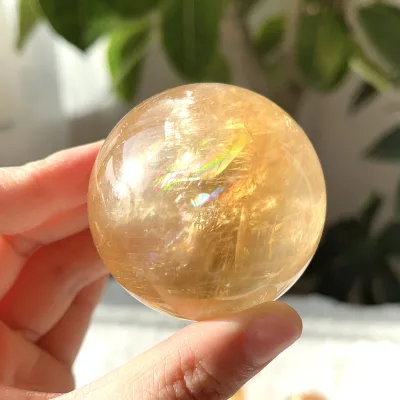
Guangzhou Gui Jing Crafts Co., Ltd
- Verified by TüVRheinland
- Trading Company
- Lead time60 days
- Avg. response≤ 10h
Main productsCrystal Gift Box, Crystal Animals Sphere Point Carving, Crystal Tumble Gravel Stone, Crystal Healing Chakra Pendant, Crystal Tower Tree
Main marketsNorth America(50%), Southeast Asia(20%), Domestic Market(15%)
Donghai County Dongqing Crystal Products Co., Ltd.
- Manufacturer, Trading Company
- Jiangsu, China
- Lead time15 days
- Avg. response≤ 2h
Main productsCrystal Crafts,crystal ball,crystaltower,skull,agate
Main marketsNorth America(50.00%), Oceania(22.00%), Southeast Asia(7.00%), Domestic Market(4.00%), Eastern Europe(3.00%), South America(3.00%), Central America(2.00%), Western Europe(2.00%), South Asia(2.00%), Mid East(2.00%), Northern Europe(1.00%), Eastern Asia(1.00%), Southern Europe(1.00%)
Donghai Hengmei Crystal Co., Ltd.
- Verified by TüVRheinland
- Manufacturer, Trading Company
- Lead time25 days
- Avg. response≤ 4h
Main productsCrystal Crafts, Bulk Tumbled Stones, Black Tourmaline, Chakra Stones, Crystal Raw Stone
Main marketsNorth America(30%), Western Europe(15%), Eastern Europe(10%)
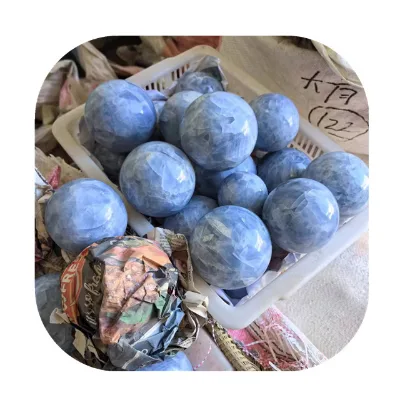
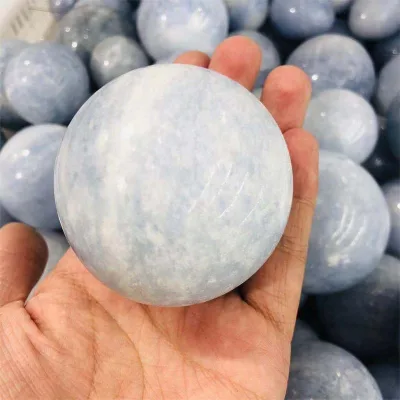
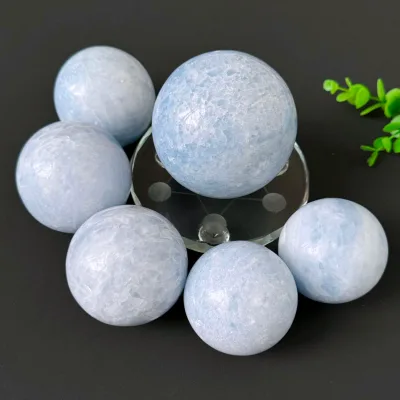
Natural Crystals Healing Stone Spheres Wholesale Sky Blue Celestite Crystal Ball for Healing Reiki
$20.00 - $25.00
MOQ: 1 kilograms
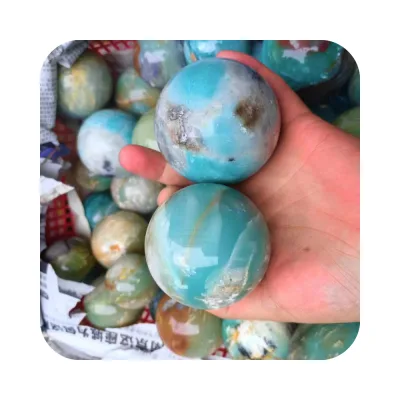
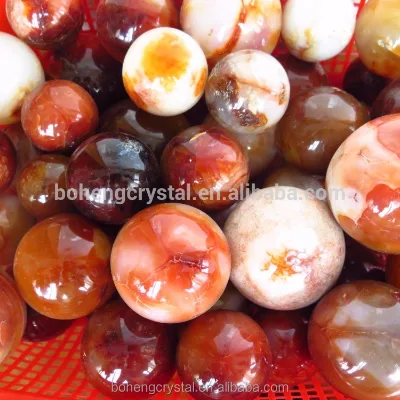
Donghai County Boheng Crystal Jewelry Co., Ltd.
- Verified by SGS Group
- Manufacturer, Trading Company
- Lead time3 days
- Avg. response≤ 2h
Main productsCrystal Water Bottle; Crystal Smoking Pipes; Crystal Point/Crystal Gravel/Crystal Ball
Main marketsNorth America(60%), Oceania(15%), Southeast Asia(10%)
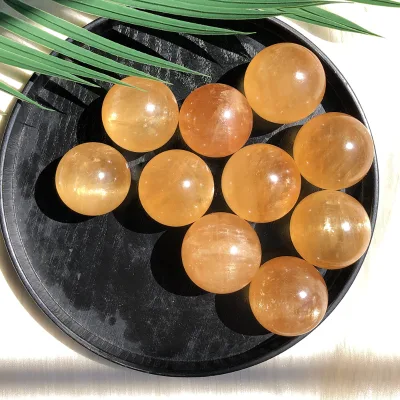
$20.5348 - $25.6689
MOQ: 1 kilograms
Donghai Jingfa Jewelry Co., Ltd.
- Trading Company
- Jiangsu, China
- Lead time30 days
- Avg. response≤ 3h
Main productscrystal craft,jewelry,gemstone,crystal stone,miner
Main marketsNorth America(30.00%), South America(20.00%), Domestic Market(10.00%), Southern Europe(10.00%), Western Europe(10.00%), Oceania(10.00%), Eastern Europe(10.00%)
Donghai Buildful Jewelry Co., Ltd.
- Verified by Intertek
- Manufacturer, Trading Company
- Lead time10 days
- Avg. response≤ 2h
Main productsCrystal Tumbled Gravel Stone, Crystal Handmade Pendant, Crystal Tower Point, Crystal Sphere Ball, Crystal Chakra Gift Box
Main marketsNorth America(48%), South America(22%), Oceania(8%)
Donghai Vardy Crystal Company Limited
- Trading Company
- Jiangsu, China
- Lead time10 days
- Avg. response≤ 2h
Main productscrystal points and wands,crystal spheres,crystal clusters,gemstone carving,mineral specimens
Main marketsWestern Europe(30.00%), North America(25.00%), South America(12.00%), Eastern Europe(12.00%), Northern Europe(11.00%), Oceania(6.00%), Mid East(4.00%)
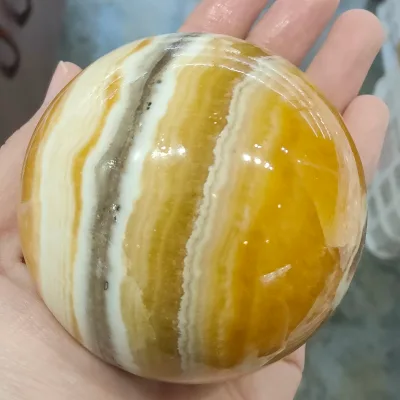
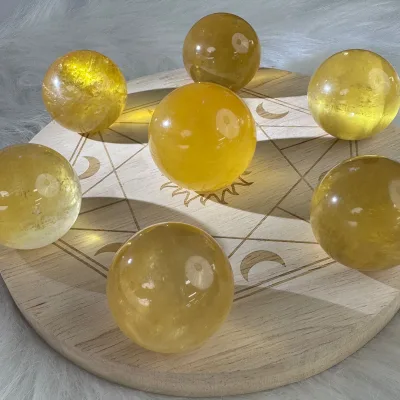
Natural Gemstone Hand Polished Band Yellow Calcite Ball Quartz Crystal Sphere for Healing
$26.8981 - $39.3113
MOQ: 2 kilograms
Donghai County Yuelu Jewelry Co., Ltd.
- Verified by SGS Group
- Trading Company
- Lead time5 days
- Avg. response≤ 4h
Main productsCrystal Sphere/Crystal Tower/Crystal Carving/Crystal Crafts
Main marketsNorth America(35%), Eastern Europe(10%), Oceania(10%)
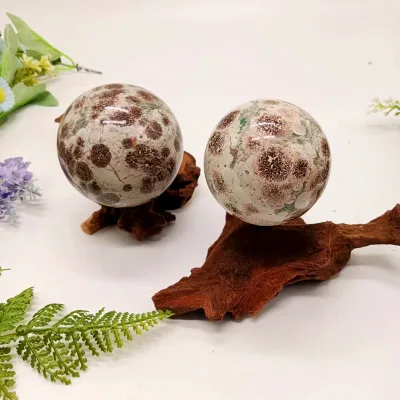
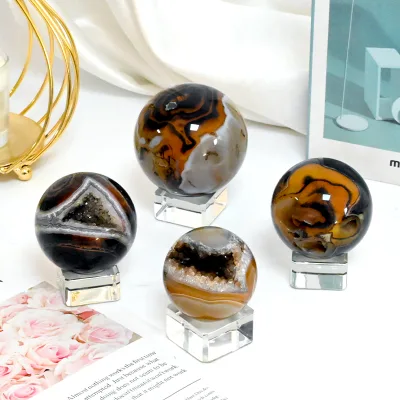
Natural Crystal Stone Ball Green Flower Agate Ball Healing Stone for Decoration
$20.00 - $25.00
MOQ: 1
Donghai Liuxiuli Crystal Factory
- Verified by SGS Group
- Trading Company
- Lead time0 days
- Avg. response≤ 2h
Main productsHealing Crystal Spheres, Feng Shui Weath Crystal, Rose Quartz Tower, Amethyst Geode, Natural Crystal Obelisk
Main marketsDomestic Market(100%)
$13.0263 - $41.8701
MOQ: 1 Minimum
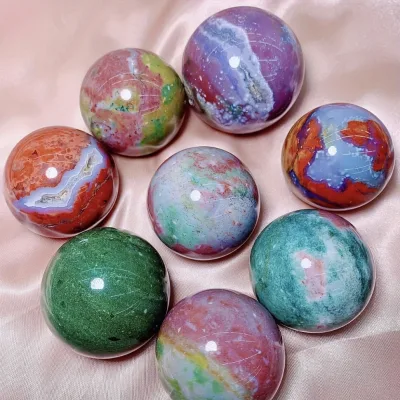
$20.8946 - $43.5235
MOQ: 1 Minimum
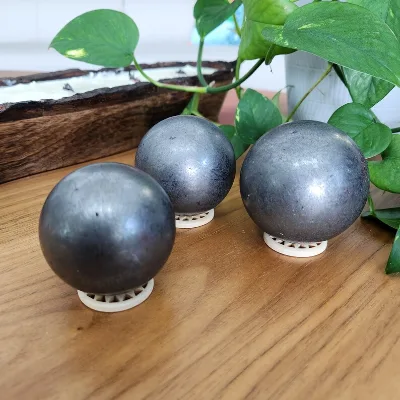
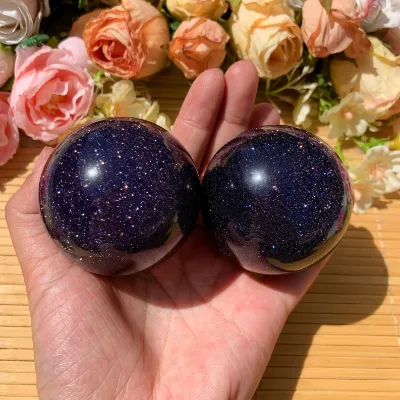
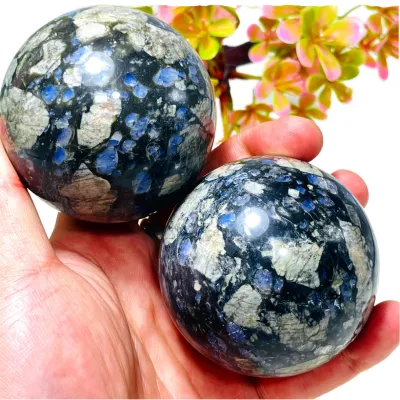
$9.2668 - $11.7372
MOQ: 1 Minimum
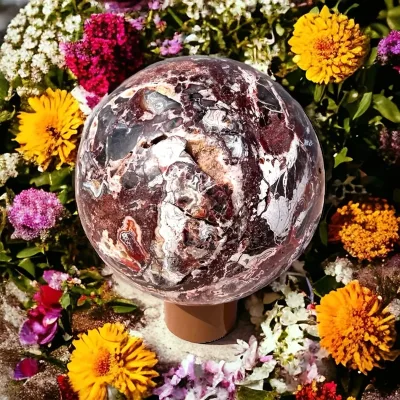
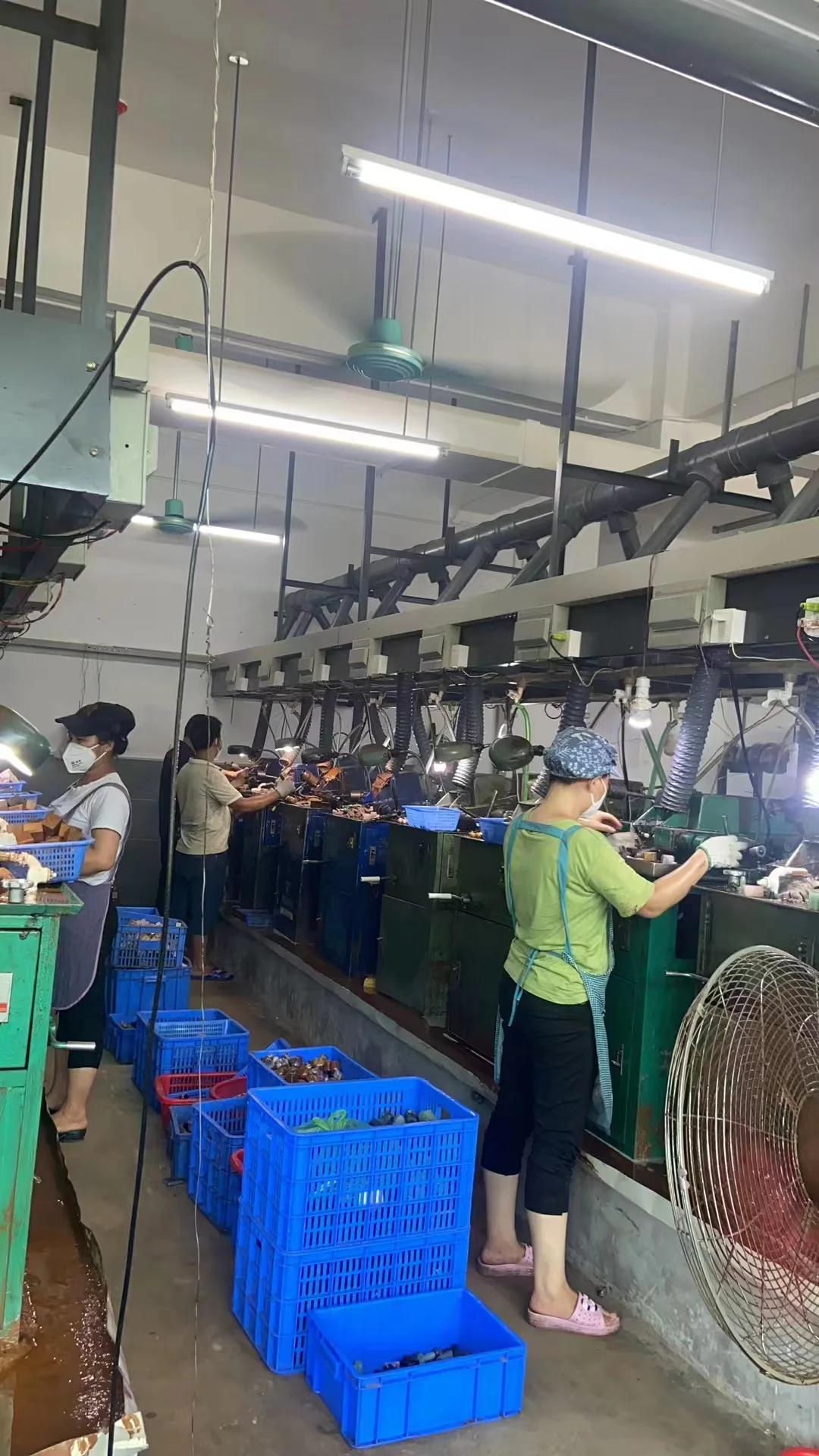
Donghai Changjia Mingyu Crystal Jewelry Co., Ltd.
- Trading Company
- jiangsu, China
- Lead time7 days
- Avg. response≤ 7h
Main productsNatural Crystal Sphere/Natural Crystal Tower/Natural Amethyst Cave/Natural Crystal Carving/Raw Materials,crystal point,crystal sphere,crystal carving,crystal Customization
Main marketsNorth America(60.00%), Southeast Asia(25.00%), South America(15.00%)
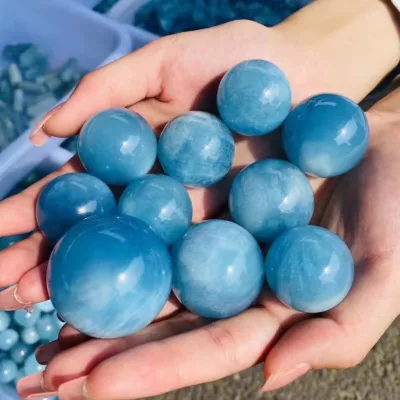
Customized Natural Aquamarine Crystal Spheres Blue Healing Stones Ball for Home Decoration
$149.1805 - $200.6217
MOQ: 2 kilograms
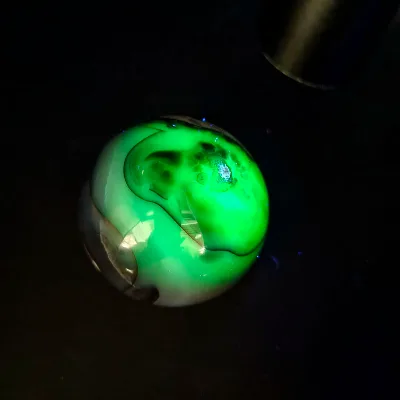
Customized Natural Crystal Ball Volcanic Agate Sphere Light Reaction Green Agate Ball for Decoration
$48.5901 - $51.69
MOQ: 2 kilograms
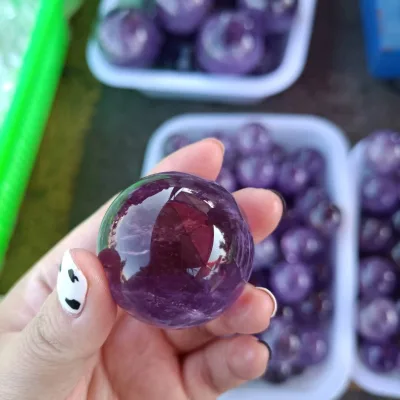
Lianyungang Fream Crystal Products Co., Ltd.
- Manufacturer, Trading Company
- Jiangsu, China
- Lead time12 days
- Avg. response≤ 1h
Main productsCrystal carvings,Crystal towers,Crystal tumbled stones,Crystal specimens,Healing crystal stones
Main marketsNorth America(27.00%), Western Europe(15.00%), Northern Europe(9.00%), Oceania(9.00%), Domestic Market(6.00%), Southeast Asia(5.00%), South Asia(5.00%), Southern Europe(5.00%), Eastern Europe(5.00%), Mid East(5.00%), South America(4.00%), Central America(3.00%), Eastern Asia(2.00%)
Donghai Kindfull Crystal Product Co., Ltd.
- Manufacturer, Trading Company
- Lead time旺季: "1 - 50":60,"> 50":"To be negotiated", 淡季: "1 - 50":60,"> 50":"To be negotiated"
- Avg. response≤ 2h
Main productsCarving/Crystal Points/Crystal Palm/Crystal Sphere/Beauty Tools
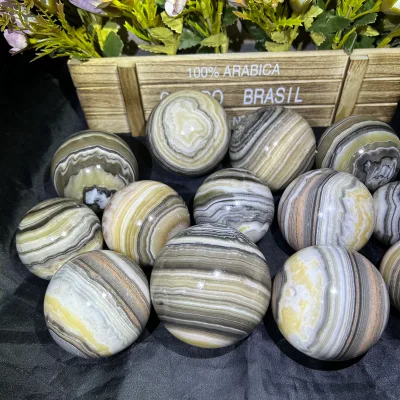
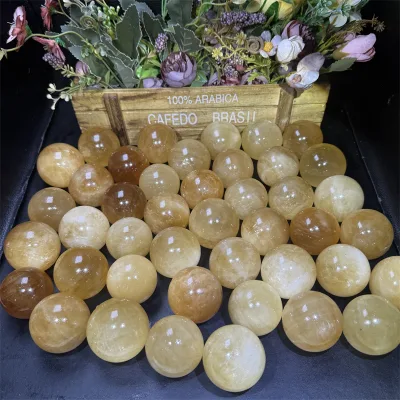
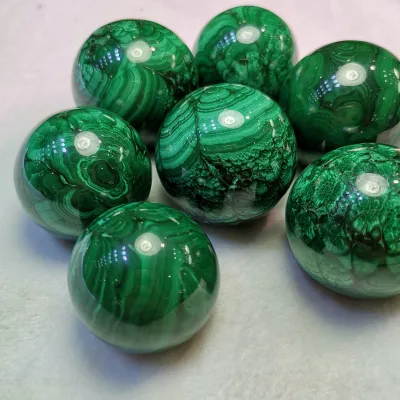
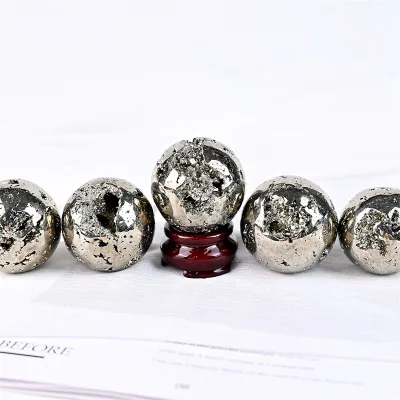
Factory Wholesale Crystal Sphere Healing Stones Ball Natural Peru Pyrite Ball for Gift
$84.9843 - $89.0811
MOQ: 1 kilograms
Pujiang Kingko Crafts Co., Ltd.
- Verified by SGS Group
- Trading Company
- Lead time10 days
- Avg. response≤ 3h
Main productsCrystal Craft, Rhinestones, Prism Pendants
Main marketsNorth America(40%), Western Europe(30%), Southeast Asia(10%)
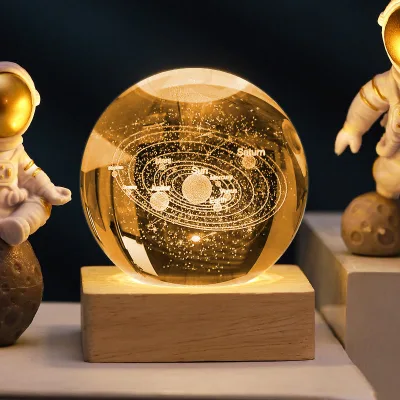
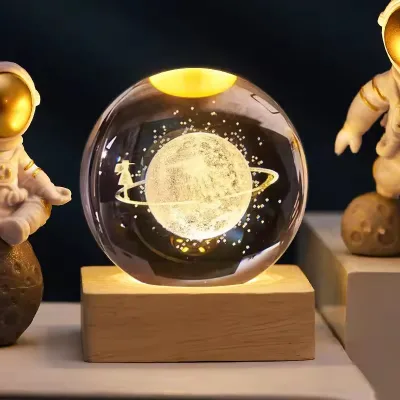
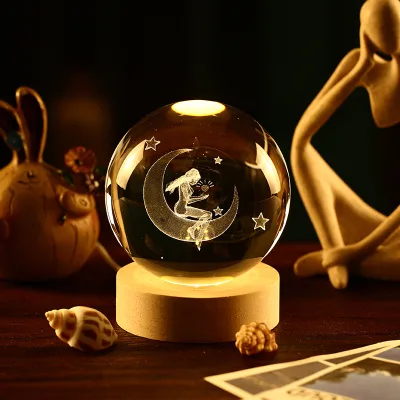
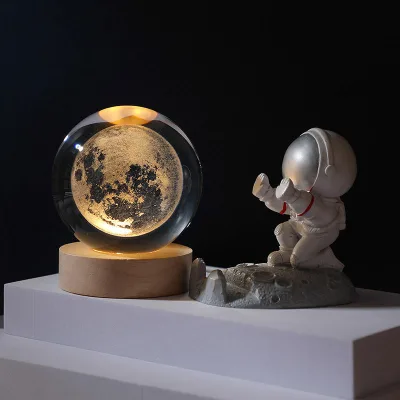
Hot Selling Personalised 3d Crystal Ball Decorative Crystal Balls Crystal Lamp Ball
$1.1407 - $1.8902
MOQ: 10 Minimum
Donghai Yiqi Crystal Products Co., Ltd.
- Manufacturer, Trading Company
- Jiangsu, China
- Lead time10 days
- Avg. response≤ 3h
Main productsCrystal Crafts,gemstone carving,gemstone necklace,gemstone rings,gemstone bracelet
Main marketsAfrica(100.00%), North America(50.00%), Oceania(22.00%), Southeast Asia(7.00%), Domestic Market(4.00%), South America(3.00%), Eastern Europe(3.00%), Mid East(2.00%), Central America(2.00%), Western Europe(2.00%), South Asia(2.00%), Northern Europe(1.00%), Eastern Asia(1.00%), Southern Europe(1.00%)
Donghai Pao Pao Mouse Jewelry Co., Ltd.
- Manufacturer, Trading Company
- Jiangsu, China
- Lead time15 days
- Avg. response≤ 1h
Main productsCrystal Jewelry Design, Crystal Carving, Crystal Sphere Tower, Crystal Chips Tumbled, Crystal Raw Specimen
Main marketsNorth America(34.00%), Eastern Europe(20.00%), Southeast Asia(14.00%), Africa(11.00%), South America(8.00%), Mid East(8.00%), Oceania(5.00%)

Yiwu Hongzhuo Art&crafts Factory
- Manufacturer, Trading Company
- Zhejiang, China
- Lead time30 days
- Avg. response≤ 6h
Main productsCrystal Crafts,Beauty Tools,Massage Tools,Gemstone Carving,Jewelry & Accessories
Main marketsDomestic Market(100.00%)

Donghai Jinuo Crystal Co., Ltd.
- Trading Company
- Jiangsu, China
- Lead time15 days
- Avg. response≤ 7h
Main productsCrystal Point, Crystal Ball, Crystal Massage Wand, Crystal Carving, Crystal Gravel
Main marketsNorth America(59.00%), Western Europe(10.00%), Northern Europe(10.00%), South America(5.00%), Oceania(5.00%), Southeast Asia(3.00%), Southern Europe(2.00%), Eastern Asia(2.00%), Eastern Europe(2.00%), South Asia(1.00%), Mid East(1.00%)
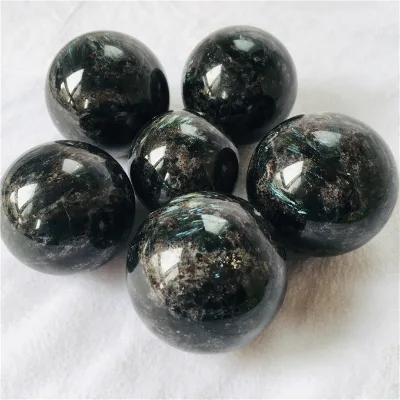
Wholesale Natural Crystal Healing Stone Astrophyllite Crystal Quartz Ball for Sale
$20.00 - $25.00
MOQ: 1
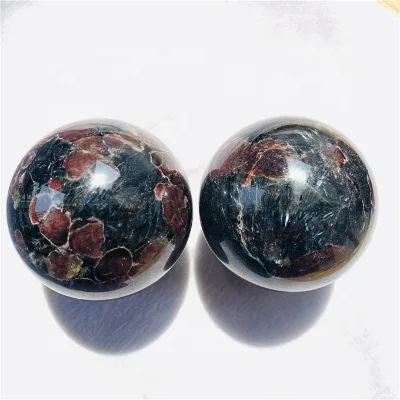
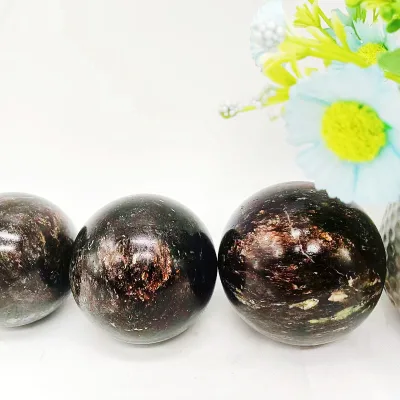
Healing Natural Garnet Stone Quartz Crystal Johnstonotite Spheres Ball for Decoration
$25.8817 - $31.0578
MOQ: 1 kilograms
Donghai Crown Crystal Crafts Co., Ltd.
- Trading Company
- Jiangsu, China
- Lead time3 days
- Avg. response≤ 6h
Main productsCrystal Points/Crystal Carvings/Crystal Hearts/Crystal Skulls/Crystal Balls
Main marketsEastern Europe(26.00%), North America(18.00%), South America(15.00%), Central America(10.00%), Northern Europe(10.00%), Southeast Asia(10.00%), Southern Europe(6.00%), Western Europe(5.00%)
Donghai Shanhuiju Trading Co., Ltd.
- Verified by Intertek
- Manufacturer, Trading Company
- Jingsu, China
- Lead time15 days
- Avg. response≤ 1h
Main productsCrystal Points, Crystal Hearts, Crystal Spheres, Crystal Skulls, Crystal Carving
Main marketsNorth America(80%), Western Europe(11%), Oceania(8%)
Donghai Fanxingji Crystal Jewelry Co., Ltd.
- Verified by TüVRheinland
- Trading Company
- Jiangsu, China
- Lead time10 days
- Avg. response≤ 2h
Main productsCrystal Gift, Crystal Spheres, Crystal Mineral Specimen, Crystal Point, Crystal Carving
Main marketsNorth America(50%), Oceania(22%), Southeast Asia(7%)

- Trading Company,Manufacturer/Factory
- China Guangdong
- Lead time0 days
- Avg. response≤ 13h
Main productsChristmas Ball, Christmas Decoration, Christmas Ornaments, Christmas Tree, Tinsel Garland, Mirror Ball, Disco Ball, Inside Painted Glass Ball
Donghai Mingtian Jewelry Co., Ltd.
- Verified by Intertek
- Manufacturer, Trading Company
- Lead time20 days
- Avg. response≤ 5h
Main productsCrystal Ball, Crystal Pillar, Crystal Skull
Main marketsNorth America(50%), South America(30%), Eastern Europe(20%)
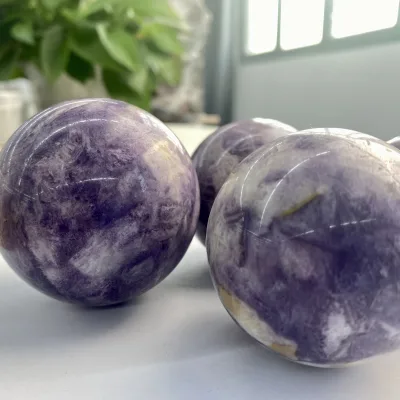
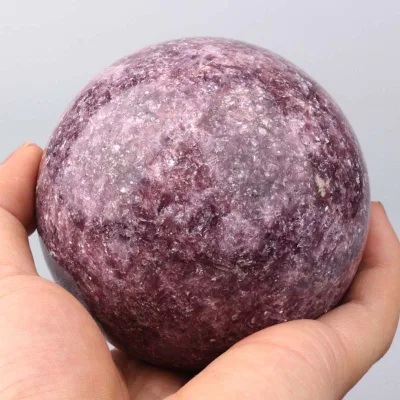
Wholesale Natural Mica Lepidolite Healing Crystal Sphere Lepidolite Crystal Ball for Decoration
$23.5823 - $28.7088
MOQ: 1 kilograms

Pujiang E-Thing Craft Co., Ltd.
- Manufacturer/Factory
- China Zhejiang
- Lead time0 days
- Avg. response≤ 10h
Main productsAward, Trophy, Gifts, Award Crafts, Business Gifts, Giveaways, Rewards, Recognition Rewards, Trophies Rewards, Decoration
Main marketsSouth America,Eastern Europe,North America,Western Europe

Golden Ace Industrial Co., Ltd.
- Verified by BV
- Combined
- China Shandong
- Lead time60 days
- Avg. response≤ 13h
Main productsGlassware, Kitchenware, Houseware, Glass Vase, Giftware
Main marketsAfrica,Southeast Asia/ Mideast,Europe,Australia,North America


Comprehensive Sourcing Guide
Yellow Calcite Crystal Ball Supplier Concentration and Factory Types
The landscape for sourcing yellow calcite crystal balls is defined by a mix of manufacturing capabilities and trading structures, requiring buyers to distinguish between direct production sources and intermediary facilitators. Current data indicates that suppliers operating in this niche are categorized as either manufacturers or trading companies, a distinction that significantly impacts pricing flexibility, customization depth, and communication efficiency. Manufacturers typically possess the machinery and raw material access necessary for polishing, carving, and shaping natural stone into specific forms like spheres or points, whereas trading companies often aggregate inventory from multiple workshops to offer a broader catalog. Understanding this structural difference is crucial for determining whether a buyer prioritizes direct factory pricing and OEM/ODM capabilities or prefers the logistical convenience and diverse product range that a trading entity might provide. The presence of both types suggests a mature supply chain where specialization allows for efficient allocation of resources, with some entities focusing on high-volume standard items while others cater to bespoke decorative needs.
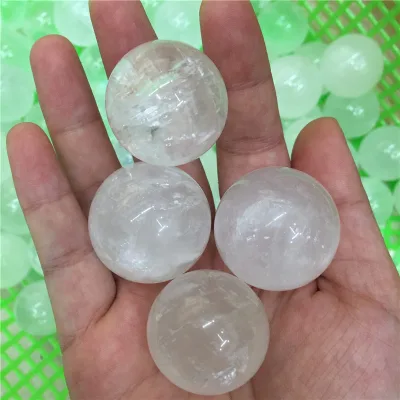
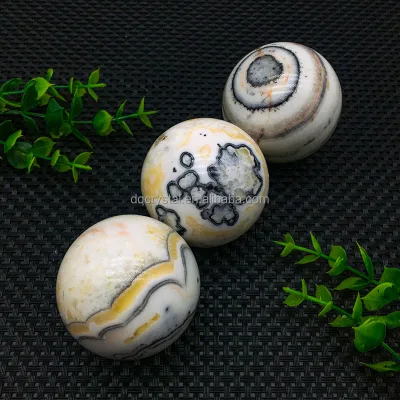
Furthermore, the specific product attributes observed in current listings reveal a strong emphasis on natural stone characteristics, with materials explicitly identified as yellow calcite or crystal, often marketed for healing energy, home decoration, and business gifts. Suppliers frequently highlight features such as polished finishes, specific shapes like spheres or striped lines, and applications ranging from collectibles to Feng Shui mascots. This product diversity implies that suppliers may maintain specialized inventory lines rather than a single uniform output, allowing them to serve varied market segments from wholesale decorators to individual collectors. The branding strategies observed, including customized logos and specific model numbers, suggest that many suppliers are equipped to handle private label requests, a key consideration for buyers seeking to establish their own brand identity in the crystal market. By recognizing these operational models and product specializations, buyers can better align their sourcing strategy with their specific business goals, whether that involves securing exclusive manufacturing partnerships or leveraging a trading company’s extensive network for rapid fulfillment of diverse orders.
How to Verify Yellow Calcite Crystal Ball Suppliers
Verifying the legitimacy and capability of Yellow Calcite Crystal Ball suppliers requires a multi-layered approach that goes beyond surface-level product descriptions, focusing instead on tangible credentials and operational transparency. Buyers should prioritize suppliers who display third-party verification badges, such as TÜV Rheinland certification, which serves as an independent validation of the company’s business scope and operational history. This verification process helps mitigate the risk of engaging with fraudulent entities or unverified middlemen by confirming that the supplier has undergone rigorous checks regarding their legal status and physical presence. Additionally, examining system certifications like RoHS is essential, particularly for buyers concerned with environmental standards and material safety, as it indicates adherence to restrictions on hazardous substances in manufacturing processes. These certifications provide a baseline of trust, ensuring that the supplier operates within recognized industry frameworks and maintains a level of professional accountability that is critical for long-term business relationships.
Beyond certifications, buyers must actively assess the responsiveness and communication quality of potential suppliers, as these factors often correlate with reliability and customer service standards. Response time metrics, such as those indicating a two-hour or ten-hour average reply window, offer a quantifiable measure of a supplier’s operational efficiency and readiness to engage in negotiations. A faster response time often suggests a more organized internal team capable of handling inquiries promptly, which is vital for resolving issues related to product specifications, shipping logistics, or custom order requirements. Buyers should also scrutinize the detailed product attributes provided, such as model numbers, single package sizes, and gross weights, to ensure consistency and accuracy in the supplier’s listings. Inconsistencies in these details may indicate a lack of direct control over inventory or a reliance on outdated information, prompting further due diligence. By combining verification badges, certification checks, and communication assessments, buyers can construct a robust profile of each supplier’s reliability, ensuring they partner with entities that demonstrate both professional credibility and operational competence.
What to Compare Across Yellow Calcite Crystal Ball Suppliers
When evaluating multiple suppliers for yellow calcite crystal balls, buyers must systematically compare key operational metrics to identify the most suitable partner for their specific needs. One critical dimension is the minimum order quantity (MOQ), which varies across suppliers and directly impacts inventory management and cash flow. For instance, some suppliers may offer an MOQ of just one kilogram, allowing for small-scale testing or niche market entry, while others might require larger bulk commitments. Comparing these thresholds helps buyers determine which suppliers align with their volume requirements and financial constraints. Additionally, the range of main products offered by each supplier provides insight into their specialization and versatility. Suppliers focusing on a narrow range of crystal crafts, such as spheres and points, may offer deeper expertise and higher quality control, whereas those with broader catalogs including gift boxes and pendants might provide one-stop shopping convenience. This comparison allows buyers to assess whether a supplier’s product portfolio matches their strategic goals for diversification or specialization.
Another vital aspect of comparison involves lead times and pricing structures, which are influenced by seasonal demand and order complexity. Lead times can fluctuate significantly, with some suppliers indicating specific durations for different order sizes, such as fifteen to sixty days depending on the quantity, while others may require negotiation for larger volumes. Understanding these timelines is essential for planning inventory replenishment and meeting customer delivery expectations, especially during peak seasons. Pricing, meanwhile, should be analyzed in conjunction with product specifications, such as material quality, shape customization, and packaging options. Suppliers offering high-quality polished spheres with customized logos may command higher prices, reflecting the added value of branding and premium finishing. By systematically comparing MOQs, product ranges, lead times, and pricing, buyers can create a weighted evaluation matrix that highlights the strengths and weaknesses of each supplier. This structured approach ensures that decisions are based on comprehensive data rather than isolated factors, leading to more informed and strategic sourcing outcomes that balance cost, quality, and operational efficiency.
Common Yellow Calcite Crystal Ball Sourcing Risks
Sourcing yellow calcite crystal balls involves inherent risks related to product consistency, material authenticity, and logistical reliability that buyers must proactively manage to avoid costly disruptions. One significant risk is the variability in natural stone characteristics, as each yellow calcite sphere is unique in terms of color intensity, stripe patterns, and internal inclusions. Suppliers may provide images that do not accurately represent the specific batch being shipped, leading to discrepancies between samples and final deliveries. This risk is exacerbated when buyers rely on generic product listings rather than requesting specific photos of the actual inventory. Additionally, the term "high quality" is subjective and lacks standardized metrics, making it difficult for buyers to assess whether a supplier’s product meets their expectations without physical inspection or detailed third-party testing. Buyers must therefore establish clear quality benchmarks and request comprehensive product specifications, including material composition and finishing techniques, to mitigate the risk of receiving substandard or inconsistent goods.
Logistical and communication risks also pose substantial challenges in the crystal sourcing process, particularly when dealing with international suppliers. Shipping costs for heavy stone items can be unpredictable, and suppliers may not provide accurate freight estimates until the final order is confirmed, leading to unexpected expenses. Furthermore, delays in response times or unclear communication regarding order status can disrupt supply chains, especially for time-sensitive projects. Buyers should be cautious of suppliers who do not offer transparent shipping options or who fail to provide detailed packing information, such as single package dimensions and gross weights, which are crucial for calculating freight costs and storage requirements. Another risk is the potential for intellectual property infringement if buyers request customized logos or designs without proper legal agreements in place. To mitigate these risks, buyers should prioritize suppliers with verified track records, clear communication protocols, and robust quality assurance processes, ensuring that they have the necessary safeguards in place to protect their interests and maintain operational continuity.
Yellow Calcite Crystal Ball Regional Sourcing and Logistics
The geographic origin of Yellow Calcite Crystal Ball suppliers plays a crucial role in determining logistics efficiency, cost structures, and regulatory compliance for international buyers. Current data indicates that many suppliers are located in regions such as Jiangsu and Guangdong in China, areas known for their robust manufacturing infrastructure and specialized craft industries. Sourcing from these regions offers advantages in terms of supply chain maturity, with established networks for raw material procurement, processing, and export logistics. Buyers should consider the proximity of suppliers to major shipping ports, as this can significantly impact transit times and freight costs. Additionally, regional regulations and export policies may vary, affecting the ease of customs clearance and the documentation required for international shipments. Understanding these regional dynamics allows buyers to make informed decisions about supplier selection, balancing the benefits of established manufacturing hubs with the potential logistical complexities of cross-border trade.
Logistics planning for yellow calcite crystal balls must also account for the physical properties of the product, including weight, fragility, and packaging requirements. Suppliers often provide specific details such as single package sizes and gross weights, which are essential for calculating shipping volumes and selecting appropriate freight methods. For instance, heavier items like polished crystal spheres may incur higher freight costs, necessitating careful comparison of air versus sea shipping options based on urgency and budget. Buyers should also evaluate suppliers’ packaging standards, as safe packing is critical to prevent damage during transit. Some suppliers may offer customized packaging solutions, which can enhance product protection and brand presentation but may add to the overall cost. By analyzing regional sourcing advantages and logistical requirements, buyers can optimize their supply chain strategies, ensuring timely delivery and cost-effective transportation while minimizing the risk of product damage or regulatory delays.
Yellow Calcite Crystal Ball Commercial Terms and Order Planning
Effective order planning for yellow calcite crystal balls requires a thorough understanding of commercial terms, including payment methods, customization options, and after-sales support. Suppliers often offer flexible payment options such as PayPal, Western Union, and Alipay, which provide convenience and security for international transactions. Buyers should evaluate these payment terms in conjunction with the supplier’s verification status and certification history to ensure financial safety. Additionally, customization capabilities, such as logo printing and shape variations, are key commercial factors that can enhance brand differentiation but may impact lead times and costs. Buyers must clearly communicate their customization requirements and confirm the associated fees and production timelines before placing orders. Understanding these commercial terms allows buyers to negotiate favorable conditions and align their procurement strategies with their business objectives, ensuring a smooth transaction process from inquiry to delivery.
Furthermore, buyers should consider the long-term relationship potential with suppliers, focusing on factors such as response times, lead time consistency, and product quality stability. Suppliers with faster response times and reliable lead times are better positioned to support ongoing orders and adapt to changing market demands. Buyers should also inquire about after-sales support, including return policies and warranty terms, to mitigate risks associated with product defects or shipping damages. By establishing clear commercial agreements and maintaining open communication, buyers can build trust and foster collaborative partnerships with suppliers. This approach not only enhances operational efficiency but also provides a competitive advantage in the market by ensuring consistent product quality and timely delivery. Ultimately, a strategic focus on commercial terms and order planning enables buyers to navigate the complexities of Yellow Calcite Crystal Ball sourcing, securing reliable supply chains that support their growth and success in the global marketplace.
FAQs
What is the minimum order quantity for yellow calcite crystal balls?
The minimum order quantity is typically 1 kilogram or 1 unit, depending on the specific supplier and product listing. Buyers can often start with small quantities to test quality before committing to larger bulk orders. This low entry point allows for flexible sourcing strategies for small businesses or individual collectors seeking high-quality crystal spheres.
Where are yellow calcite crystal balls primarily manufactured?
Most yellow calcite crystal balls are manufactured in Jiangsu, China, with some production also occurring in Guangdong, China. These regions are known for their expertise in crystal carving and polishing. Buyers should verify the specific place of origin for each product listing to ensure alignment with their sourcing preferences and logistical requirements.
What are the typical lead times for yellow calcite crystal balls?
Lead times vary based on order quantity and season, ranging from 15 to 60 days. For smaller orders of 1-2 kilograms, production may take 15 days, while larger orders over 30 kilograms can take up to 60 days. During peak seasons, lead times may extend, so buyers should negotiate specific delivery schedules with suppliers in advance.
What is the price range for wholesale yellow calcite crystal balls?
Wholesale prices for yellow calcite crystal balls generally range from $20.70 to $30.00 per unit. The exact price depends on factors such as size, quality, and specific product features like striping or polishing. Buyers should request detailed quotes based on their required quantity and specifications to get the most accurate pricing for their sourcing needs.
Do suppliers offer customization for yellow calcite crystal balls?
Yes, many suppliers offer customization options including customized logos, specific shapes, and OEM/ODM services. Buyers can request tailored packaging, branding, or unique crystal formations to meet their specific market demands. It is advisable to discuss customization requirements directly with the supplier to confirm feasibility, additional costs, and any minimum order quantities for custom orders.
What certifications are available for Yellow Calcite Crystal Ball suppliers?
Some suppliers hold RoHS certification and are verified by TüV Rheinland, indicating adherence to specific quality and safety standards. Buyers should request copies of these certifications to verify compliance with their regional regulations. Additionally, confirming the supplier's verification status helps ensure reliability and trustworthiness in the sourcing relationship.