Folding Hand Fan for Wedding Suppliers and Manufacturers
Compare 29 verified suppliers offering Folding Hand Fan for Wedding with CE certification, TüVRheinland verification, and response times under 5 hours. Review lead times, MOQs, and prices to select a partner for your event needs; review the available evidence before requesting comparable quotations from suitable candidates.
Updated
Suppliers List
Fujian Hong Bamboo Trading Co., Ltd.
- Verified by TüVRheinland
- Trading Company
- Lead time15 days
- Avg. response≤ 3h
Main productsFolding Fan, Tableware
Main marketsNorth America(55%), Western Europe(40%), Southeast Asia(3%)

Changsha Qingyulan Homeware Co., Ltd.
- Trading Company
- China Hunan
- Lead time15 days
- Avg. response≤ 5h
Main productsPaper Fan, Bamboo Products, Spanish Wood Fan, Beach Straw Bag, Beach Towel, Japanese Ladies Hand Fans, Paper Lanterns, Oriental Hand Fans, Wedding Favor Gift Fans, Car DVR
Main marketsSoutheast Asia/ Mideast,Domestic,Europe,North America


Hot Sale Wedding Hand Fan Bamboo Fabric Handheld Fans Paper Folded Fan for Wedding Party and Home
$0.09 - $0.51
MOQ: 100 Pieces

33cm Different Style Large Fan Folding Hand Fan for Party and Wedding Advertisement Hand Fan
$1.80 - $2.30
MOQ: 50 Pieces

Custom High Quantity Promotional Folding Bamboo Hand Fan for Event and Party Supplies Fan
$1.80 - $2.30
MOQ: 50 Pieces

Changsha Aosheng Crafts Co., Ltd.
- Trading Company
- Hunan, China
- Lead time10 days
- Avg. response≤ 6h
Main productsHand Fan,Wedding Fan,Large Hand Fan,Bamboo fan,Wood fan
Main marketsNorth America(40.00%), Northern Europe(20.00%), Western Europe(5.00%), Eastern Asia(5.00%), Domestic Market(5.00%), Southern Europe(5.00%), South America(5.00%), Southeast Asia(5.00%), Eastern Europe(5.00%), Mid East(1.00%), South Asia(1.00%), Oceania(1.00%), Africa(1.00%), Central America(1.00%)

Chinapack Ningbo Import & Export Co., Ltd.
- Verified by SGS
- Trading Company,Manufacturer/Factory
- China Zhejiang
- Lead time23 days
- Avg. response≤ 17h
Main productsSnowboard, Water Bottle, Promotional Hats, Glass Bottle, Ski Set, Snowboot, Snowboard Binding, Home Sock, Hood, Scarf
Main marketsSouth America,Eastern Europe,North America,Southeast Asia,Eastern Asia,Oceania,Western Europe

Fuzhou Tengchuan International Trading Co., Ltd.
- Verified by BV
- Trading Company
- China Fujian
- Lead time23 days
- Avg. response≤ 8h
Main productsBikini, Baseball Cap, Can Cooler, Perfume Bottle, Car Air Freshener, Lazy Bag, Umbrella, T-Shirt, Scarf, Beach Towel
Main marketsSouth America,Africa,Southeast Asia/ Mideast,East Asia(Japan/ South Korea),Europe,Australia,North America

Rainbow Folding Hand Fan Hand Fan Rainbow Print Festival Handheld Fan for Gift
$0.45 - $1.03
MOQ: 50 Pieces

Custom Wedding Hand Fan Folding up Bamboo Fan Custom Full Color Print Wooden Hand Fan
$0.49 - $1.35
MOQ: 300 Pieces

HUNAN COSMOS IMP & EXP CO., LTD.
- Manufacturer, Trading Company
- Hunan, China
- Lead time25 days
- Avg. response≤ 3h
Main productsBamboo Craft, Hand Fan, Wooden Fan, Bamboo Chopsticks, Bamboo Skewer
Main marketsWestern Europe(35.00%), Southern Europe(30.00%), North America(30.00%), Northern Europe(5.00%)
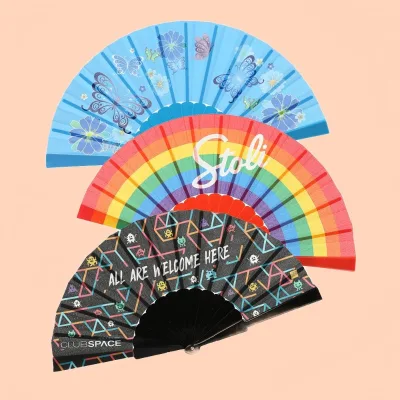
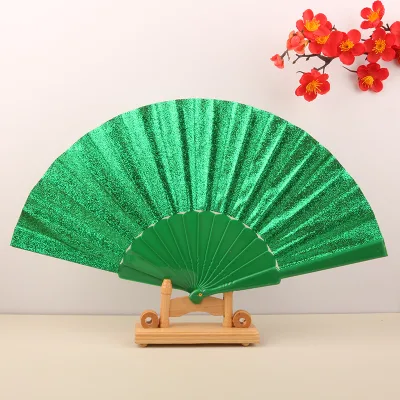
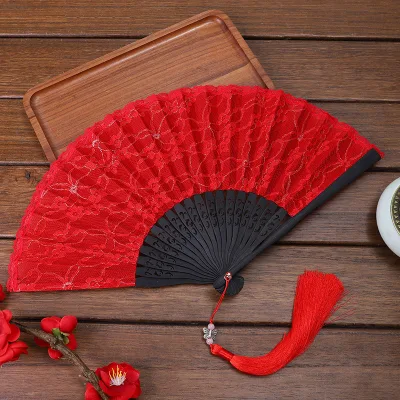
Foldable High Quality Personalized Printed Wedding Hand Fan With Beautiful Gift Box
$2.06 - $2.88
MOQ: 100

I AM YOUR FANS CRAFTS TRADING CO., LTD.
- Verified by BV
- Trading Company
- China Hunan
- Lead time15 days
- Avg. response≤ 5h
Main productsHand Fan, Plastic Fan, Bamboo Fan, Folding Fan, Fabric Fan, Wedding Hand Fan, Paper Fan, Wooden Fan, Rave Fan, Craft Umbrella
Main marketsEast Asia(Japan/ South Korea),Europe,Australia,North America


Custom Bamboo Hand Fan Bamboo Foldable Fan Wedding Fans for Home Business Wedding
$0.20 - $0.99
MOQ: 100 Pieces


I Am Your Fans Crafts Trading Co., Ltd.
- Verified by SGS Group
- Manufacturer, Trading Company
- Lead time7 days
- Avg. response≤ 3h
Main productsHand Fan/Paper Umbrella/Bamboo Crafts
Main marketsNorth America(28%), Western Europe(23%), Oceania(10%)
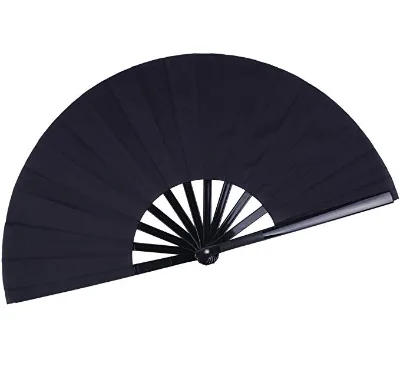
$1.1063 - $2.0656
MOQ: 10 pieces
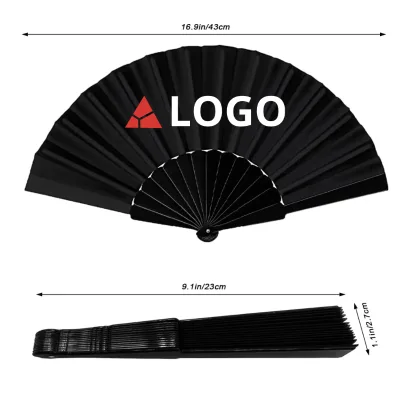
Yiwu Hannuo Import And Export Co., Ltd.
- Verified by TüVRheinland
- Trading Company
- Lead time0 days
- Avg. response≤ 6h
Main productsBanner, Flags, Advertising Tent, Promotional Gifts
Main marketsNorth America(29%), South America(11%), Mid East(11%)
$0.3643 - $0.5202
MOQ: 100 pieces

$0.42 - $0.89
MOQ: 100 pieces

- Verified by TUVRHEINLAND
- Trading Company
- China Zhejiang
- Lead time15 days
- Avg. response≤ 3h
Main productsLanyard, Promotional Gift, Baseball Cap, Bags, T-Shirt, Ceramic Mug, Sport Water Bottle, PU Toys
Main marketsEurope,Australia,North America

Custom Bamboo Printed Hand Fan Paper Folding Hand Fans for Wedding Promotion
$0.30 - $0.35
MOQ: 3000 Pieces

Promotional Gift Advertising Bamboo Hand Fans Decoration Flodable Fan for Wedding
$0.35 - $0.40
MOQ: 3000 Pieces

DIY Paper Handfan, Bamboo Hand Fan, Paper Hand Fan, Hand Folding Fan, Promotional Gift Hand Fan
$0.30 - $0.35
MOQ: 3000 Pieces
- Verified by SGS Group
- Trading Company
- Lead time25 days
- Avg. response≤ 3h
Main productsWaist Bag, Clack Fabric Handfan
Main marketsNorth America(100%)

Stock 23cm Folding Fan Pure Color Wooden Fans Custom for Wedding Party Hand Fan
$0.4017 - $0.7105
MOQ: 100 pieces
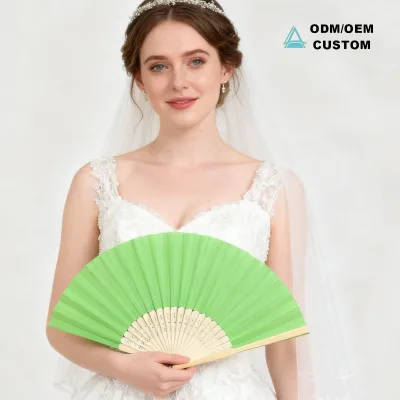

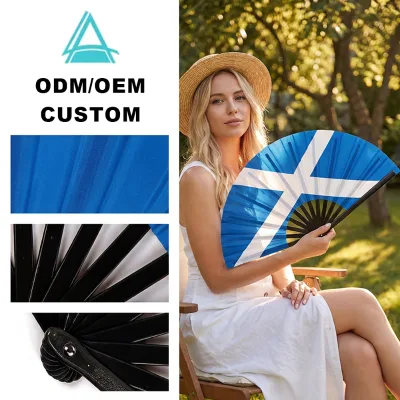
Custom Logo Portable Nylon Folding Hand Fan Folk Art Chinese Wedding Fan with a Plastic Handle
$0.4107 - $0.7255
MOQ: 100 pieces

Quanzhou Ding Chen Charm Trading Co., Ltd.
- Trading Company
- Fujian, China
- Lead time0 days
- Avg. response≤ 2h
Main productsWomen Shoes,Men Shoes,OEM Slide Sandal,Boots,Sport shoes
Main marketsNorth America(70.00%), Eastern Europe(30.00%), Eastern Asia(30.00%), Northern Europe(20.00%), Western Europe(20.00%), South America(20.00%), Southern Europe(20.00%), Africa(10.00%)
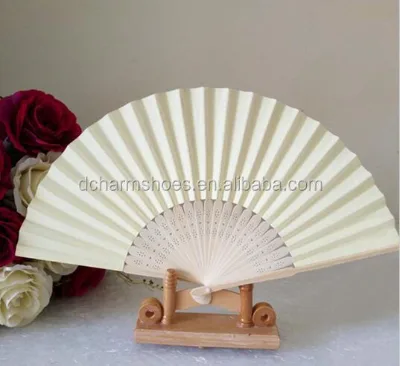
Nice Fans Bamboo Folding Hand Dancing Wedding Party Decor Flower Hand Held Fan
$0.30 - $0.70
MOQ: 50 Minimum
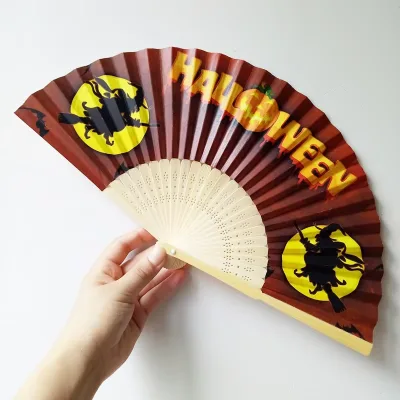
Factory Custom Design Folding Hand Fans Hot Summer Outdoor Fabric Hand Held Fan
$0.48 - $0.70
MOQ: 50 pieces
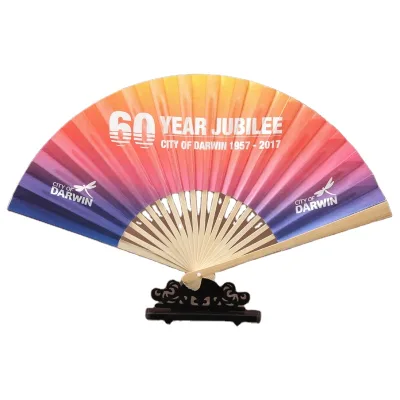
Chinese Personalized Hand Fan Abanico Folding Hand Fan with Bamboo Frame
$0.40 - $1.50
MOQ: 50 Minimum
Bond (fuzhou) Import And Export Co., Ltd.
- Verified by TüVRheinland
- Trading Company
- Lead time7 days
- Avg. response≤ 3h
Main productsT-Shirts, Hats
Main marketsNorth America(68%), Western Europe(32%)
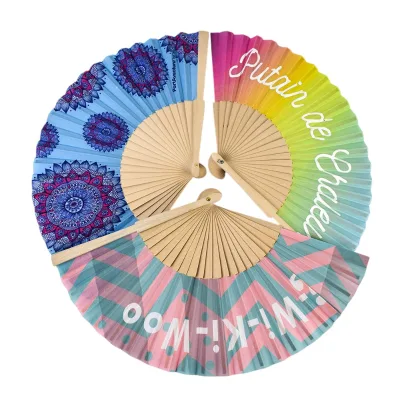
Popular Large Folding Fan Holographic Plastic Folding Hand Fan for Performance Festival Party
$1.73 - $2.33
MOQ: 100 pieces
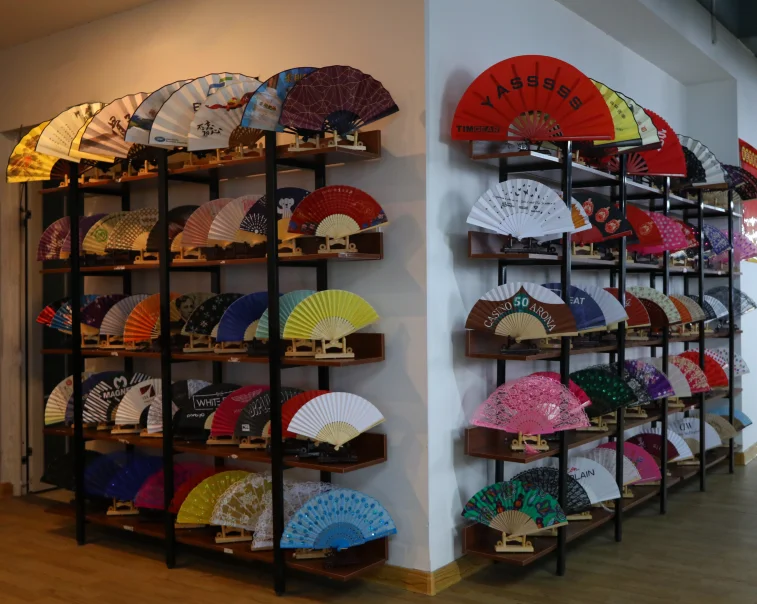
Xi'an Huaai Arts&crafts Co., Ltd.
- Trading Company
- Shaanxi, China
- Lead time15 days
- Avg. response≤ 2h
Main productshand fan,Terracotta Warriors,lantern,balloon,hat
Main marketsEastern Asia(15.00%), Southeast Asia(10.00%), South Asia(10.00%), Western Europe(10.00%), South America(8.00%), North America(8.00%), Mid East(8.00%), Central America(8.00%), Eastern Europe(5.00%), Southern Europe(5.00%), Northern Europe(5.00%), Domestic Market(5.00%), Africa(3.00%)

HUNAN TONGDA BAMBOO INDUSTRY TECHNOLOGY CO., LTD
- Verified by TUVRHEINLAND
- Manufacturer/Factory
- China Hunan
- Lead time23 days
- Avg. response≤ 12h
Main productsBamboo Chopstick and BBQ Sticks, Bamboo Skewers, Bamboo Straw, Hand Fan, Wooden Cutlery, Bamboo Cutlery, Sushi Bamboo Mat, Bamboo Leaves, Paper Cup, Paper Straw
Main marketsSouth America,Eastern Europe,Mid East,North America,Southeast Asia,Eastern Asia,Oceania,Western Europe,Africa

Hand Held Foldable Fan Hotsale Wedding Decorations Hand Fan Printing Silk Folding Hand Fan
$1.56 - $1.82
MOQ: 200 Pieces

Bamboo Folding Fan Handheld Paper Folded Fan for Wedding Party and Home Decoration
$0.75 - $1.50
MOQ: 300 pieces

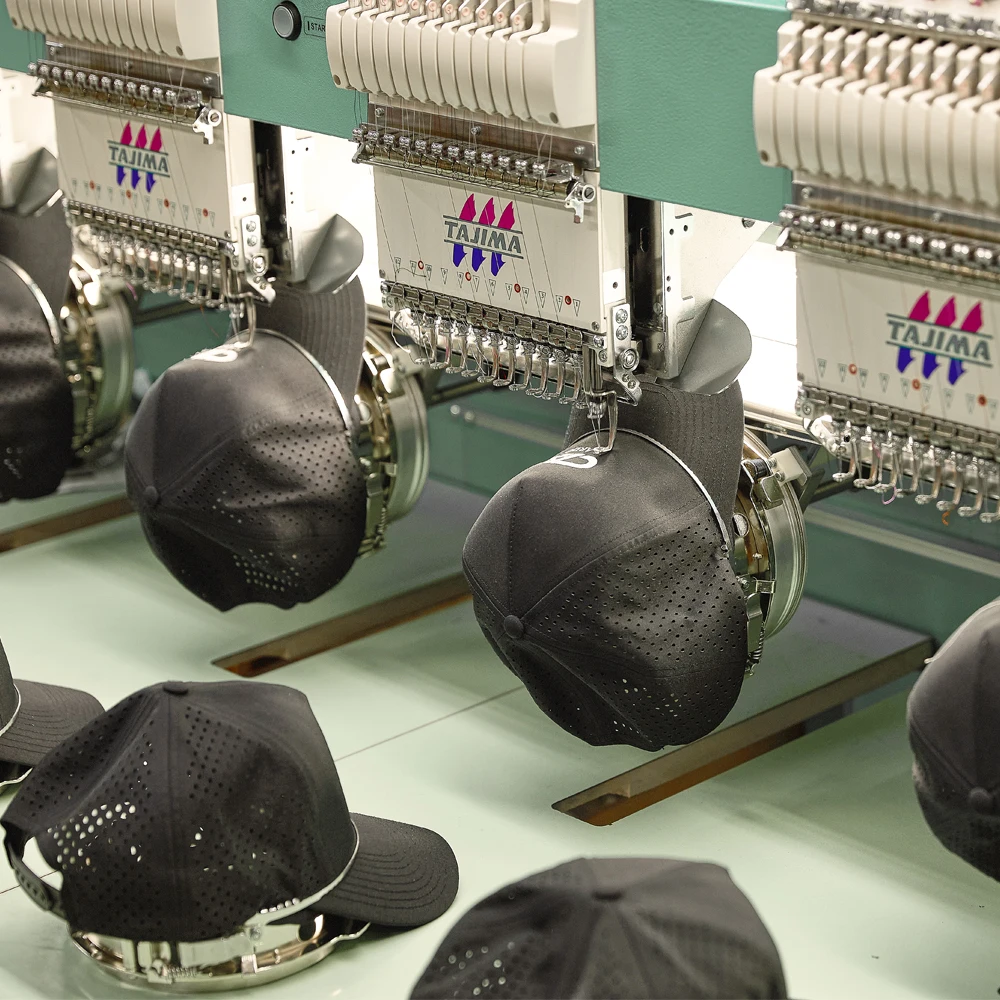
Fuzhou Toklung Business Services Co., Ltd.
- Trading Company
- Fujian, China
- Lead time0 days
- Avg. response≤ 5h
Main productsCustom Promotional Gifts,Corporate Giveaways,Branded Merchandise,Event Supplies,OEM & ODM Solutions
Main marketsNorth America(65.00%), Eastern Europe(25.00%), South America(10.00%)

Fujian Everlife Trading Co., Ltd.
- Trading Company
- Fujian, China
- Lead time7 days
- Avg. response≤ 3h
Main productsBamboo Crafts,Metal Crafts,business gift sets,Bottle,wooden craft
Main marketsNorth America(50.00%), Eastern Europe(45.00%), Mid East(5.00%)
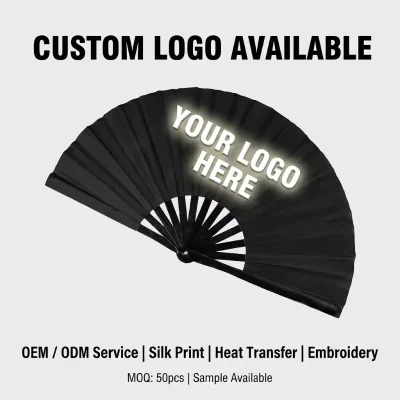

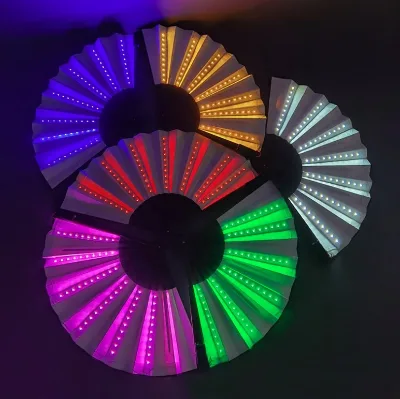
Suitable for Weddings Your Personalized Accessory Led Light up Hand Fan
$2.5663 - $2.9245
MOQ: 50 pieces
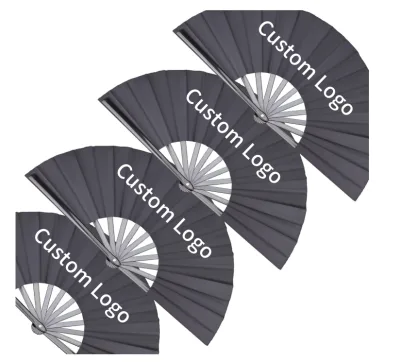


Sichuan Yelan International Trade Co., Ltd.
- Verified by TUVRHEINLAND
- Combined
- China Sichuan
- Lead time15 days
- Avg. response≤ 3h
Main productsMatches, Smart Phone, Grean Tea, Fan
Main marketsEurope,North America


Promotional Wood Bamboo Hand Fan with Custom Printed for Wedding Party Folding Fans
$0.39 - $1.88
MOQ: 50 Pieces


New Wholesale Custom Printed Logo Folding Hand Fan Wedding Bamboo Hand Held Fan
$0.39 - $1.88
MOQ: 50 Pieces

Paper Fan 21cm Portable Wedding Gift Hand Fan Custom White Color Bamboo Folding Fan
$0.39 - $1.88
MOQ: 50 Pieces

Shanghai Yongjia International Trading Co., Ltd.
- Trading Company
- China Shanghai
- Lead time30 days
- Avg. response≤ 12h
Main productsExhibition Booth, Light Box, Glasses, Trade Show Stands, Tent, Pop up Stands
Main marketsSouth America,Africa,Southeast Asia/ Mideast,East Asia(Japan/ South Korea),Domestic,Europe,Australia,North America
Yueyang Grand Arts And Crafts Co., Ltd.
- Verified by TüVRheinland
- Manufacturer, Trading Company
- Lead time7 days
- Avg. response≤ 8h
Main productsFolding Hand Fans, Wood Hand Fans, Bamboo Hand Fans, Custom Hand Fans, Plastic Hand Fans
Main marketsSouthern Europe(75%), Northern Europe(10%), North America(6%)
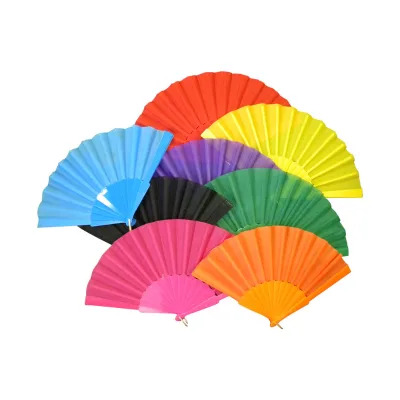
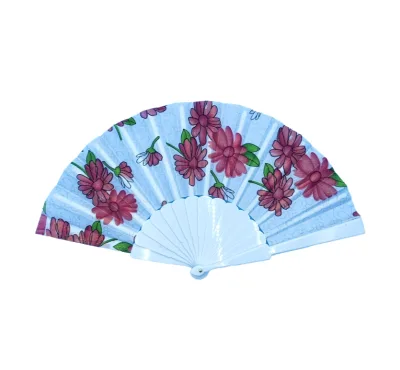
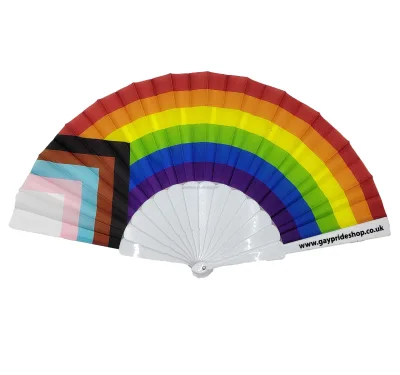
Hot Selling 23cm *42 cm Portable Folding Fan Plastic Hand Fan Custom Printed
$0.58 - $3.28
MOQ: 50 Minimum
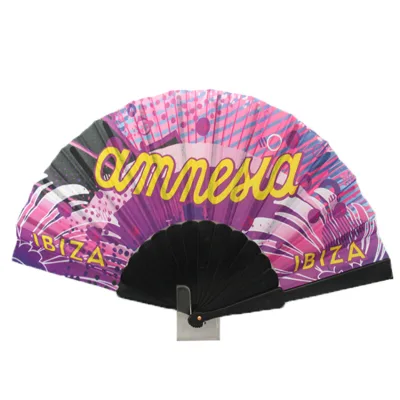
Manual Plastic Hand Fan with Customized Logo Wholesale Promotion Hand Fan
$1.3506 - $4.1432
MOQ: 50 pieces

Changsha Guan Sen Homeware Co., Ltd.
- Trading Company
- Hunan, China
- Lead time15 days
- Avg. response≤ 5h
Main productshand folding fan,Furniture table,Kitchenware,Wooden Homeware,Custom Craft Umbrella
Main marketsNorth America(67.00%), Eastern Europe(10.00%), Northern Europe(8.00%), Western Europe(5.00%), Southeast Asia(3.00%), Mid East(2.00%), Southern Europe(2.00%), Africa(1.00%), South America(0.30%), Central America(0.30%), Eastern Asia(0.30%), Domestic Market(0.20%), Oceania(0.10%), South Asia(0.10%)
Fuzhou Chilon Arts & Crafts Co., Ltd.
- Verified by TüVRheinland
- Manufacturer, Trading Company
- Lead time10 days
- Avg. response≤ 2h
Main productsFolding Fan
Main marketsNorth America(60%), Western Europe(30%), Mid East(10%)

Yueyang Grand Arts and Crafts Co., Ltd.
- Combined
- China Hunan
- Lead time23 days
- Avg. response≤ 10h
Main productsHand Fans, Wooden Hand Fans, Large Hand Fans, Plastic Hand Fans, Lace Hand Fans, Custom Hand Fans, Print Hand Fans, Spanish Hand Fans
Main marketsSouth America,Southeast Asia/ Mideast,Europe,Australia,North America

Yiwu Xinchi Fan Industry Co., Ltd.
- Verified by SGS
- Combined
- China Zhejiang
- Lead time15 days
- Avg. response≤ 25h
Main productsFolding Fan
Main marketsDomestic
- Verified by SGS Group
- Manufacturer, Trading Company
- Lead time10 days
- Avg. response≤ 2h
Main productsLanyard, Hand Fan, Shopping Bag, Bandanas, Baseball Caps
Main marketsNorth America(80%), Western Europe(20%)
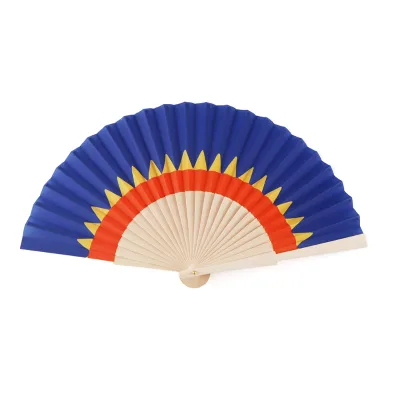
New Arrival Custom Printed Portable Folding Fans Custom Wooden Hand Fan for Weddings
$2.39 - $2.49
MOQ: 100 pieces
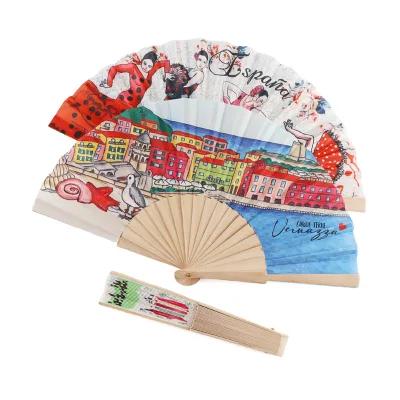
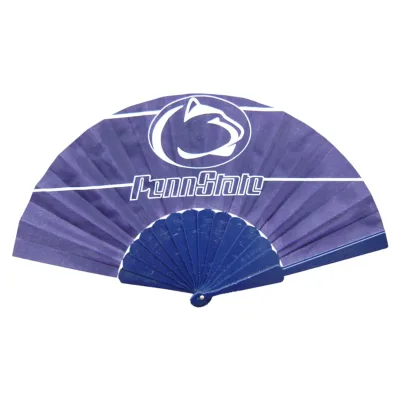
High Quality Logo Printed Portable Folding Hand Fans Eco-Friendly Party Hand Fan
$0.65 - $1.20
MOQ: 50

Shanghai Touch Industrial Development Co., Ltd.
- Verified by TUVRHEINLAND
- Combined
- China Shanghai
- Lead time15 days
- Avg. response≤ 5h
Main productsInstant Hot Pack, Hot Cold Pack, Gel Eye Mask, Gel Ice Pack, Gel Bottle Cooler, Instant Ice Pack, Hand Warmer, Heat Pack, Cooling Scarf, Gel Beads
Main marketsSouth America,Others(foreignTradeCapacity.exportBusinessCapacityMarketOther),Southeast Asia/ Mideast,East Asia(Japan/ South Korea),Domestic,Europe,Australia,North America
Fuzhou Bison Import And Export Co., Ltd.
- Verified by SGS Group
- Trading Company
- Lead time30 days
- Avg. response≤ 3h
Main productsLanyard, Hand Fans, PU Products, Key Chains, Cans
Main marketsNorth America(50%), Western Europe(35%), Southeast Asia(15%)

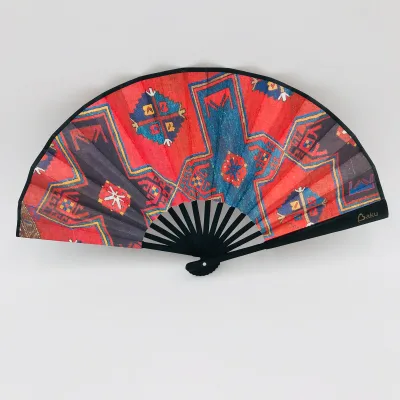

$0.6731 - $1.2427
MOQ: 100 pieces
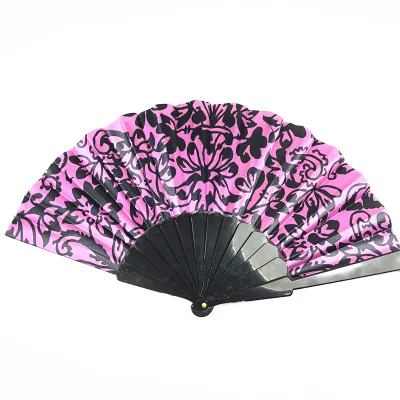
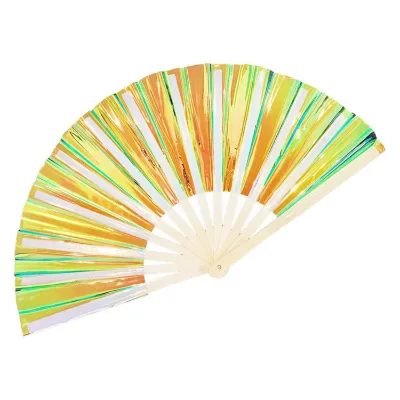
Hot Sale Customized Bamboo Folding Hand Fan Party Iridescent Personalized Hand Fans
$0.8454 - $2.3175
MOQ: 100 Minimum
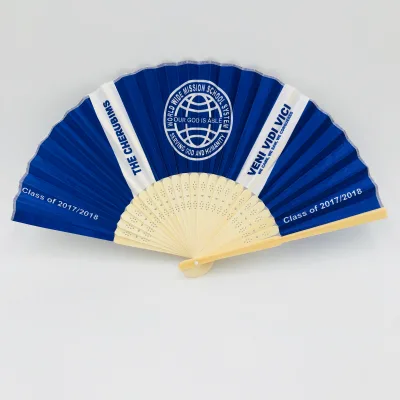

Dexing Xiangxing Weiye Weaving Co., Ltd.
- Manufacturer
- Jiangxi, China
- Lead time10 days
- Avg. response≤ 2h
Main productsLanyard,Heat Transfer Lanyard,Woven Lanyard,Elastic Lanyard,Luggage Belt
Main marketsDomestic Market(30.00%), North America(25.00%), Western Europe(24.00%), Northern Europe(13.00%), Eastern Europe(2.00%), Mid East(2.00%), Oceania(2.00%), Africa(1.00%), South America(1.00%)
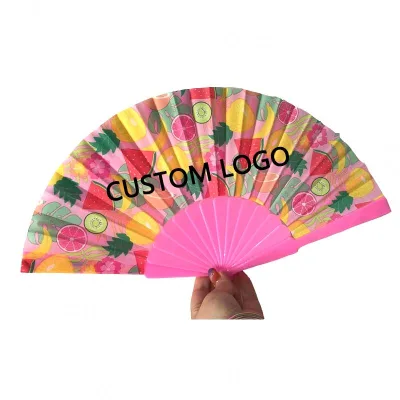
Wholesale Custom Printed Hand Held Fan Plastic Nylon Bamboo Wedding Foldable Hand Fan
$1.0283 - $1.7343
MOQ: 100 pieces
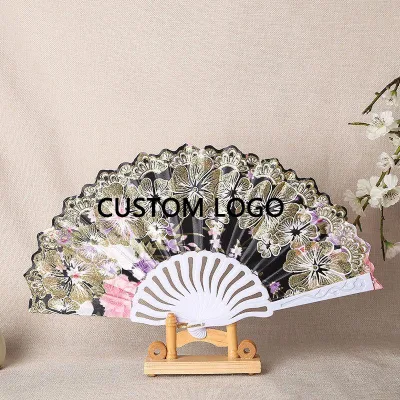
Hot Sale Wholesale Custom logo Printed Logo Folding Hand Fan Wedding Bamboo Hand Held Fan
$1.70 - $2.50
MOQ: 100 pieces
Hangzhou Jiusi Import And Export Co., Ltd.
- Verified by TüVRheinland
- Trading Company
- Lead time15 days
- Avg. response≤ 3h
Main productsLanyard, Coaster, Luggage Tag, Handfan, Business Gift
Main marketsNorth America(40%), Southern Europe(24%), Western Europe(20%)













Comprehensive Sourcing Guide
Folding Hand Fan for Wedding Supplier Concentration and Factory Types
The landscape for sourcing folding hand fans for weddings is characterized by a mix of specialized manufacturers and broader trading entities. Current data indicates that a significant portion of available suppliers operate as trading companies rather than direct factories. This structural distinction is critical for buyers to understand, as trading companies often aggregate products from multiple smaller workshops or factories, offering a wider variety of designs but potentially less direct control over the production line. For instance, one observed supplier profile lists main products that include not just fans, but also tableware, paper lanterns, and beach accessories, suggesting a broad catalog strategy typical of trading firms. These entities are often more flexible in handling small orders and custom requests, which aligns well with the diverse and often customized nature of wedding favors. However, buyers must recognize that the "factory" label might be loosely applied in marketing materials, and the actual manufacturing might occur in a different facility. Understanding this dynamic helps in setting realistic expectations regarding communication channels, pricing structures, and the ability to request factory audits or video verifications of the actual production site.
In contrast to pure trading companies, some suppliers demonstrate specific manufacturing capabilities, such as sample processing, graphic processing, and customized on-demand production. These capabilities suggest a closer integration with the design and production phases, allowing for greater customization of materials like bamboo, cloth, or plastic. The presence of specific product evidence, such as bamboo crafts and plastic crafts categories, indicates that the supply chain includes specialized workshops focused on material-specific techniques. For example, bamboo fans may require skilled artisans for folding and painting, while plastic fans might involve mold processing. Buyers should look for suppliers who explicitly state their processing methods, such as "hand-made" or "mold" processing, as this directly impacts the quality and consistency of the final product. The concentration of these capabilities often correlates with specific regional clusters, although explicit factory locations are not always disclosed. By identifying whether a supplier is a trading company or a manufacturer with specific processing capacities, buyers can better assess the reliability of their supply chain and the potential for scaling orders up or down based on wedding event sizes.
How to Verify Folding Hand Fan for Wedding Suppliers
Verification is the cornerstone of mitigating risk when sourcing folding hand fans for weddings, especially given the visual and tactile nature of the product. Buyers should prioritize suppliers who have undergone third-party verification processes, such as those conducted by TüV Rheinland. This type of verification provides a layer of confidence regarding the supplier's business legitimacy and operational stability. Beyond basic business license checks, buyers should examine the supplier's response time metrics, as a quick and professional response often correlates with better customer service and order management. For example, some suppliers display response times around three to four hours, which is a positive indicator for timely communication during the critical planning phases of a wedding. Additionally, checking for system certifications like CE can be relevant, particularly for products that might have specific safety standards or for buyers operating in regions with strict regulatory requirements. While CE is more commonly associated with electronics, its presence in a supplier's profile may indicate a broader commitment to quality management systems that could extend to their craft products.
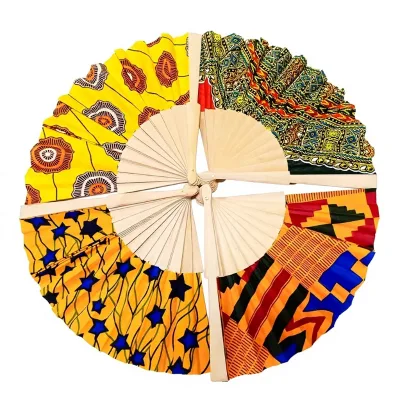
Another crucial aspect of verification is assessing the supplier's product evidence and attribute consistency. Buyers should look for detailed product specifications that include material composition, dimensions, and packaging details. For instance, verifying that a bamboo fan is indeed made of bamboo and cloth, and checking the weight and size specifications, helps ensure that the product matches the buyer's expectations. The presence of customizable logo options and specific packing methods, such as OPP bags or paper packages, also indicates a supplier's readiness to handle custom orders. Buyers should request samples to physically inspect the quality of the materials, such as the smoothness of the bamboo or the durability of the plastic. Furthermore, checking the supplier's main product list can reveal their specialization; a supplier focusing primarily on fans and wedding favors is likely more knowledgeable about the specific needs of this niche than a generalist trading company. By combining third-party verification badges, response time data, and detailed product attribute analysis, buyers can build a comprehensive profile of a supplier's reliability and capability before committing to a large order.
What to Compare Across Folding Hand Fan for Wedding Suppliers
When evaluating multiple suppliers for folding hand fans for weddings, buyers must compare key operational metrics to determine the best fit for their specific needs. One of the most critical factors is the Minimum Order Quantity (MOQ), which can vary significantly across suppliers. Some suppliers offer low MOQs, such as 10 pieces, which is ideal for small wedding parties or trial orders, while others may require higher quantities, such as 50 or 100 pieces, which is more suitable for bulk purchases or large events. Comparing MOQs helps buyers align their orders with their budget and storage capabilities. Additionally, lead times are essential for wedding planning, as delays can disrupt the entire event schedule. Buyers should compare the stated lead times, which may range from 15 days to longer periods, to ensure that the supplier can meet the delivery deadline. Response time is another comparative metric; suppliers with faster response times are generally more reliable for addressing last-minute changes or questions.
Price is another vital factor, but it should be analyzed in conjunction with other metrics. Buyers should compare the price ranges for similar products, noting that prices can vary based on material, customization, and order volume. For example, bamboo fans may have different price points compared to plastic fans, and custom logo printing may incur additional costs. It is also important to compare the main products offered by each supplier to ensure they specialize in the type of fan required. A supplier focusing on bamboo crafts may offer higher quality traditional fans, while another specializing in plastic crafts may provide more durable and cost-effective options for outdoor weddings. Additionally, buyers should compare the customization options available, such as the ability to add custom logos, specific colors, or unique packaging. By systematically comparing MOQ, lead time, response time, price, and customization capabilities, buyers can make an informed decision that balances cost, quality, and reliability. This comparative approach ensures that the selected supplier can meet the specific requirements of the wedding event, from the number of guests to the aesthetic preferences of the couple.
Common Folding Hand Fan for Wedding Sourcing Risks
Sourcing folding hand fans for weddings involves several potential risks that buyers must actively manage to ensure a successful procurement process. One significant risk is the discrepancy between the product samples and the bulk order. Since fans are often handmade or semi-handmade, variations in size, color, and finish can occur. Buyers should be aware that materials like bamboo and cloth may have natural variations, which can affect the uniformity of the final product. To mitigate this risk, buyers should request detailed product specifications and clear images of the actual products, rather than relying solely on stock photos. Additionally, verifying the material composition is crucial, as some suppliers may use lower-quality materials that do not match the described specifications. For example, a fan described as "bamboo" might actually use a cheaper composite material, which can affect both the durability and the aesthetic appeal. Buyers should insist on material certifications or detailed descriptions to ensure consistency.
Another common risk is the delay in production or shipping, which can be catastrophic for wedding events with fixed dates. Suppliers may underestimate lead times or face production bottlenecks, leading to late deliveries. Buyers should compare lead times across suppliers and choose those with a proven track record of on-time delivery. It is also important to consider the packaging quality, as fans are fragile and can be easily damaged during transit. Suppliers who use inadequate packaging, such as simple polybags without additional protection, increase the risk of damage. Buyers should verify the packing methods, such as OPP bags or paper packages, and ensure that they provide sufficient protection. Furthermore, communication breakdowns can lead to misunderstandings regarding customization requirements, such as logo placement or color choices. Buyers should maintain clear and documented communication with suppliers, confirming all details in writing before production begins. By identifying and addressing these risks through careful verification and clear communication, buyers can minimize the potential for disruptions and ensure a smooth sourcing experience.
Folding Hand Fan for Wedding Regional Sourcing and Logistics
Regional sourcing plays a pivotal role in determining the cost and efficiency of procuring folding hand fans for weddings. Current data indicates that suppliers are located in specific regions within China, such as Fujian and Hunan. These regions are known for their manufacturing capabilities in crafts and bamboo products, which can influence the quality and price of the fans. Buyers should consider the logistical implications of sourcing from these regions, including shipping costs and transit times. For instance, suppliers in Fujian may have better access to ports, potentially reducing shipping costs for international orders. Similarly, suppliers in Hunan may have established supply chains for bamboo materials, ensuring a consistent supply of high-quality raw materials. Understanding the regional strengths of suppliers can help buyers make informed decisions about which suppliers to engage with based on their specific needs for material quality and cost efficiency.
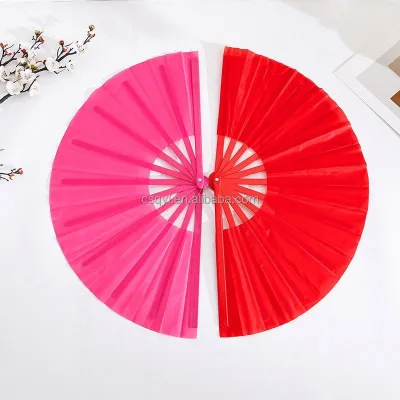
Logistics planning is equally important, as the final delivery of fans must align with the wedding schedule. Buyers should work with suppliers to determine the most efficient shipping methods, considering factors such as package size and weight. For example, fans with a single package size of 23x2.1x0.6cm and a gross weight of 0.025kg are relatively lightweight and compact, making them suitable for air freight if time is critical. However, for larger orders, sea freight may be more cost-effective, despite the longer transit times. Buyers should also consider the packaging requirements for international shipping, ensuring that the fans are protected against moisture and physical damage. Additionally, buyers should be aware of any import duties or taxes that may apply in their destination country, as these can affect the total cost of the order. By carefully planning the logistics and considering the regional advantages of suppliers, buyers can optimize their sourcing strategy to achieve the best balance of cost, quality, and delivery speed.
Folding Hand Fan for Wedding Commercial Terms and Order Planning
Commercial terms and order planning are essential components of a successful sourcing strategy for folding hand fans for weddings. Buyers should clearly define their order requirements, including the quantity, customization needs, and delivery deadlines, before engaging with suppliers. This clarity helps in obtaining accurate quotes and ensures that both parties are aligned on the project scope. It is also important to negotiate favorable payment terms, such as using escrow services to protect the buyer's funds until the goods are received and inspected. Escrow services provide a layer of security, ensuring that the supplier is paid only after the buyer confirms the quality and quantity of the products. Additionally, buyers should discuss the return and refund policies in case of any discrepancies or damages, ensuring that there is a clear process for resolving issues.
Order planning should also include a timeline for sample approval, production, and shipping. Buyers should allocate sufficient time for each stage to accommodate any potential delays or revisions. For example, if custom logos or specific colors are required, buyers should allow extra time for the supplier to create and approve samples. It is also important to consider the scalability of the order, as wedding guest lists can sometimes change. Buyers should discuss with suppliers the possibility of adjusting the order quantity after production has begun, although this may incur additional costs. Furthermore, buyers should maintain open communication with the supplier throughout the process, providing regular updates and addressing any concerns promptly. By carefully planning the commercial terms and order timeline, buyers can ensure a smooth and efficient sourcing process, resulting in high-quality folding hand fans that meet the specific needs of the wedding event.
FAQs
What is the typical lead time for folding hand fans?
The typical lead time for these products is 15 days. This duration allows suppliers to process orders and prepare shipments efficiently. Buyers should confirm specific timelines with their chosen vendor to ensure delivery aligns with event schedules.
What is the minimum order quantity for these fans?
The minimum order quantity varies by supplier, ranging from 10 pieces to 100 pieces. Some vendors accept orders as low as 10 units, while others require 50 or 100 pieces. Check individual product listings for exact MOQ requirements.
Are these fans customizable for wedding branding?
Yes, many suppliers offer customization options including custom logos and specific colors. You can often choose from various packaging styles like organza bags or paper packages. Confirm logo acceptance and color options directly with the supplier before placing an order.
What materials are commonly used for these fans?
Common materials include bamboo, cloth, and plastic. Bamboo fans are often marketed as eco-friendly and handmade, while plastic options are durable and printed. Select the material that best fits your wedding theme and budget requirements.
What is the price range for these fans?
Prices typically range from $0.35 to $0.86 per unit depending on material and customization. Bamboo fans may cost around $0.40 to $0.67, while plastic options can be as low as $0.35. Bulk orders often yield better pricing.
Where are these fans typically manufactured?
These fans are primarily manufactured in China, with specific origins in Fujian and Hunan provinces. Buyers can filter suppliers by location to find vendors in these regions. Verify the place of origin on product details for accurate sourcing.
How quickly do suppliers respond to inquiries?
Supplier response times vary, with some responding within 3 hours and others taking up to 4.16 hours. Faster response times indicate active vendors. Check the response time metric on supplier profiles to gauge communication efficiency.