Religious Wooden Letters Suppliers and Manufacturers in China
Compare 20 verified suppliers of Religious Wooden Letters based on location, lead time, and certifications. Review product attributes like material and customization options, then request quotes to verify pricing and response times for your specific needs; review the available evidence before requesting comparable quotations from suitable candidates.
Updated
Suppliers List
Guangzhou Yineng Technology Co., Ltd.
- Manufacturer, Trading Company, Distributor/Wholesaler
- Guangdong, China
- Lead time25 days
- Avg. response≤ 3h
Main productsPaper Box,Mailer Box,Wood box,Wood Storage Box,wood artware
Main marketsWestern Europe(40.00%), North America(40.00%), Africa(10.00%), Oceania(10.00%)
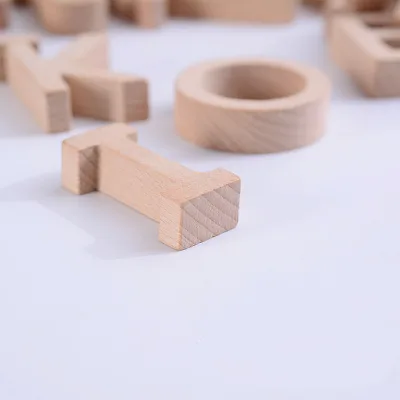
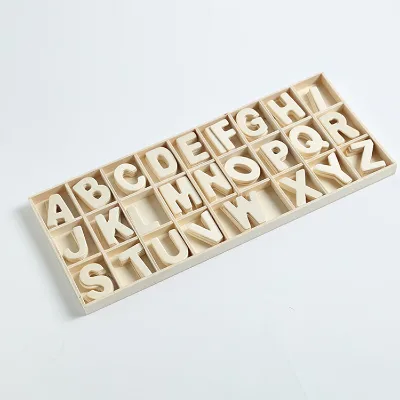
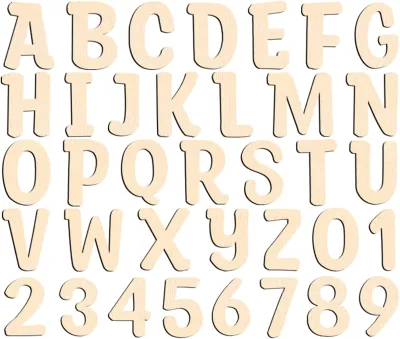
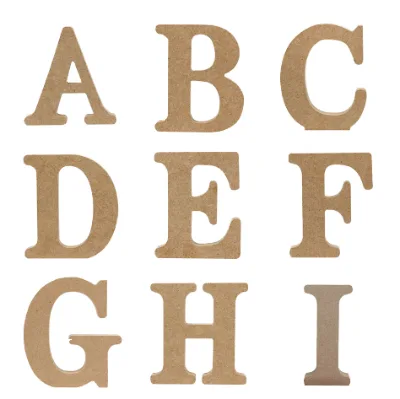
Factory CNC Unfinished Wooden Letters Sign Decoration Alphabets Letters for Painting
$0.10 - $0.50
MOQ: 1000
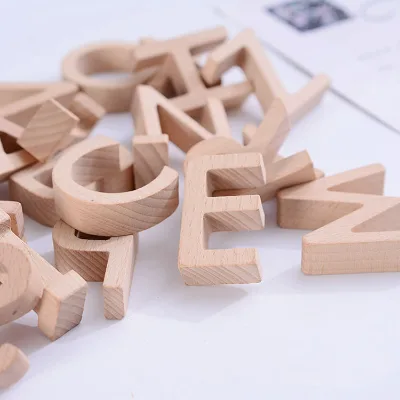
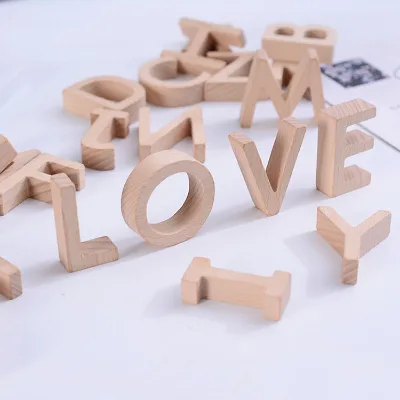
Custom Mdf Wood Craft Standing Letters Wood Home Decorative Home Signs Oem Letter
$0.76 - $1.09
MOQ: 500
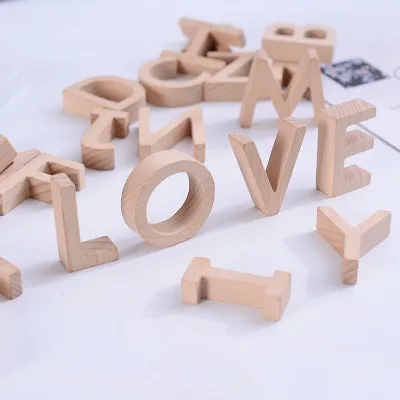

Hefei Sublime International Co., Ltd
- Verified by BV
- Trading Company,Manufacturer/Factory
- China Anhui
- Lead time30 days
- Avg. response≤ 5h
Main productsParty Favour Items, Wooden Decoration, DIY Hobby, Paper Stationery, Wooden Crafts, Paper Crafts, Wooden Gifts, Honeycomb Ball, Tissue Pompon, Paper Bags
Main marketsSouth America,Eastern Europe,Mid East,North America,Eastern Asia,Oceania,Western Europe
Puyang Hechang Handicraft Product Co., Ltd.
- Manufacturer, Trading Company
- Henan, China
- Lead time30 days
- Avg. response≤ 4h
Main productsWooden Crafts,Wooden Boxes,Wooden Decorations,Wooden DIY Products,Bamboo Products
Main marketsNorth America(29.00%), Western Europe(26.00%), Southeast Asia(16.00%), Mid East(9.00%), Africa(9.00%), South America(7.00%), Oceania(4.00%)
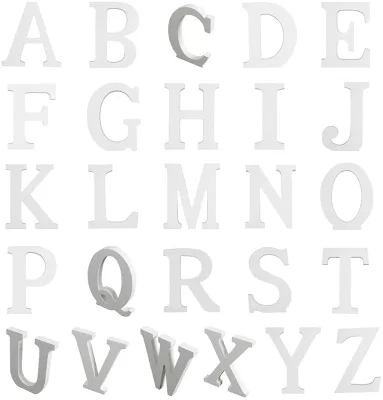
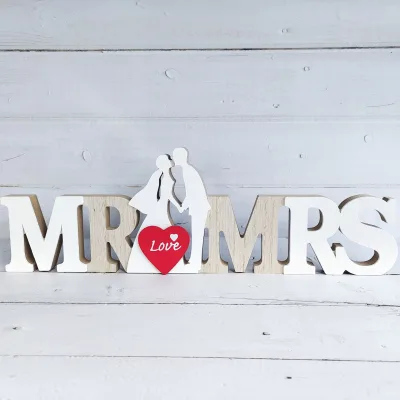
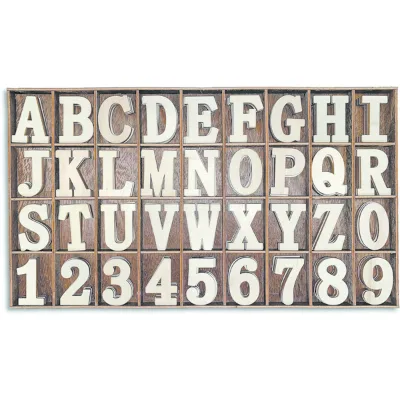
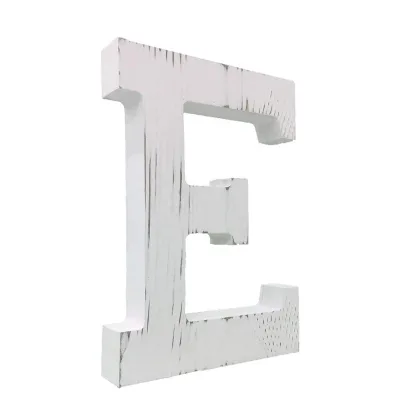
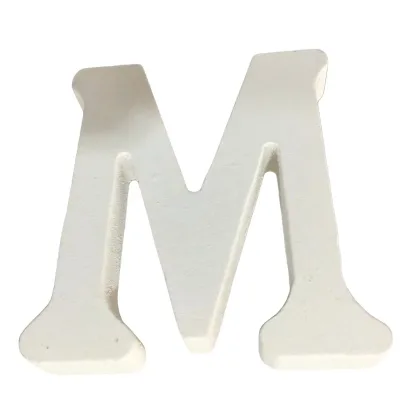
Wholesale Wooden Letters Wooden Alphabet Letters MDF White Wooden Letter
$0.10 - $5.00
MOQ: 1000 Minimum
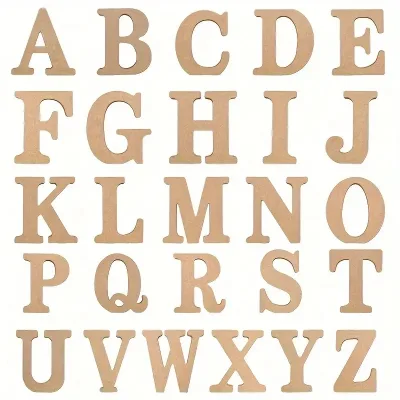

Ningbo Breeze Imp. & Exp. Corp., Ltd.
- Trading Company
- China Zhejiang
- Lead time30 days
- Avg. response≤ 13h
Main productsFastener, Roller Bearing, Bolt, Nut, Screw, Bearing, Linear Guide, Ball Screw, Ball Bearing, LED Fleshlight
Main marketsSoutheast Asia/ Mideast,Europe,North America


9.8 Inch Wooden Home Sign Decorative Wooden Letters with Wreath Rustic Wall Hanging
$4.50 - $5.90
MOQ: 200 Sets

Caoxian Shuanglong Arts & Crafts Plant
- Verified by SGS Group
- Manufacturer, Trading Company
- Lead time30 days
- Avg. response≤ 1h
Main productsWooden packaging, Wooden pet products, Wooden holiday decoration, Wooden home decoration, Wooden box
Main marketsDomestic Market(45%), North America(8%), Southeast Asia(8%)
$2.30 - $2.50
MOQ: 1000 pieces
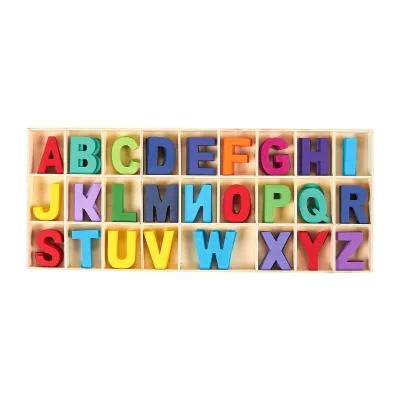
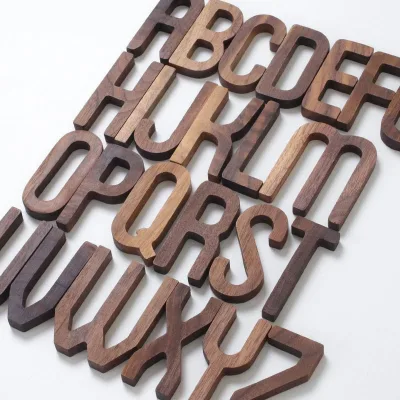
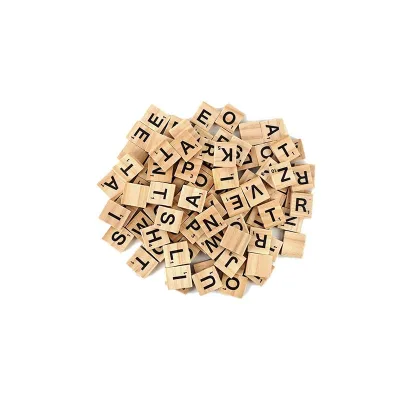
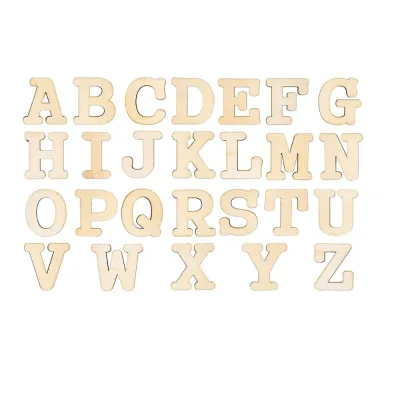
Uppercase Script Small Wood Letters Wood Carving Letters Wooden Letters Alphabets
$14.12 - $14.40
MOQ: 500 pieces
Cao County Dream Sun Furniture Co., Ltd.
- Manufacturer, Trading Company
- Shandong, China
- Lead time45 days
- Avg. response≤ 4h
Main productsWOODEN BOX,FURNITURE,WINE BARREL,Wall Storage Shelves,Kitchen&Bathroom Products
Main marketsDomestic Market(20.00%), Northern Europe(20.00%), Eastern Asia(10.00%), Mid East(10.00%), Western Europe(10.00%), Eastern Europe(10.00%), North America(5.00%), Southern Europe(5.00%), South Asia(5.00%), Central America(3.00%), South America(1.00%), Africa(1.00%)
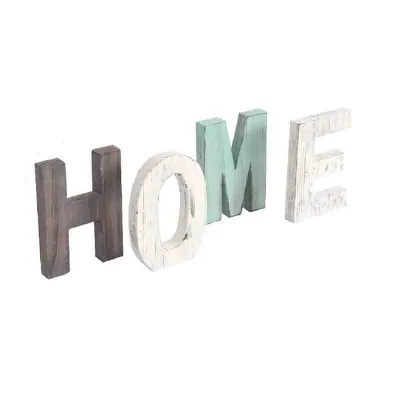
White Painted Pine Wooden Alphabet Letter Folk Art Style Home & Wedding Decor Symbol Sign
$0.8245 - $1.2352
MOQ: 1000 pieces
$0.799 - $1.2457
MOQ: 100 pieces


- Verified by TUVRHEINLAND
- Combined
- China Fujian
- Lead time15 days
- Avg. response≤ 21h
Main productsFridge Magnet, Decorative Hook, Metal Plaque, Wood Plaque, Wooden Photo Frame, Wood Chalkboard, Book Mark, Linen Painting, Canvas Box, Cup Coasters
Main marketsSouth America,Africa,Southeast Asia/ Mideast,East Asia(Japan/ South Korea),Europe,Australia,North America
XIANJU ANSWELL ARTWARE CO., LTD.
- Manufacturer
- Zhejiang, China
- Lead time42 days
- Avg. response≤ 7h
Main productsWooden Decoration,Wooden Pet Supplies
Main marketsEastern Europe(20.00%), Southern Europe(20.00%), Northern Europe(15.00%), Western Europe(15.00%), Oceania(10.00%), South America(5.00%), North America(5.00%), Central America(5.00%), Mid East(5.00%)

- Verified by SGS
- Trading Company
- China Zhejiang
- Lead time15 days
- Avg. response≤ 13h
Main productsChristmas Decoration, Christmas Tree, Christmas Gift, Party Decoration, Promotional Product, Festival Items, Gift, Valentine, Party Items, Halloween Decorations
Main marketsEurope,Australia


New Design Colorful Letters Cartoon Bunny Wooden Ornament Easter Crafts
$0.52 - $0.56
MOQ: 1800 Pieces
- Verified by SGS Group
- Manufacturer, Trading Company
- Lead time20 days
- Avg. response≤ 2h
Main productsBird House, Wooden Box, Wooden Crafts, Wooden Furniture, Wooden Storage
Main marketsNorth America(40%), Western Europe(30%), Domestic Market(30%)
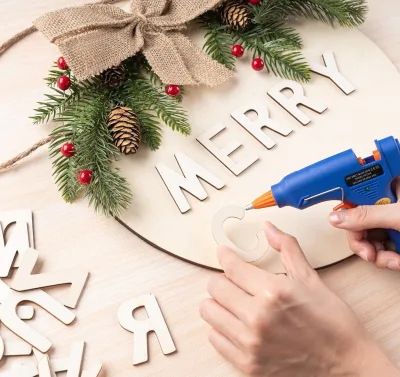

Custom Wholesale 3d Wood Letters Manufacturers Wooden Alphabet Letters Wood Letters Alphabet
$4.3486 - $10.457
MOQ: 500 pieces
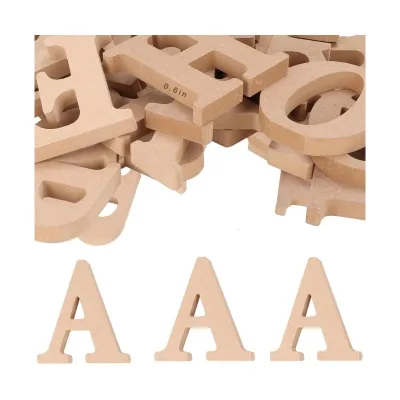
Cao County Jinpengyuan Container Packaging Co., Ltd.
- Verified by SGS Group
- Manufacturer, Trading Company
- Lead time30 days
- Avg. response≤ 4h
Main productsOak Barrel, Wooden Box, Wood Tray, Fumigator, Cutting Board
Main marketsDomestic Market(30%), North America(15%), South America(10%)

Heze Fengyuan Crafts Co., Ltd.
- Manufacturer, Trading Company
- Shandong, China
- Lead time30 days
- Avg. response≤ 1h
Main productswood box,wood tray,wood cutting board,bamboo tray,wood picture frames
Main marketsWestern Europe(20.00%), North America(20.00%), Northern Europe(10.00%), Central America(10.00%), Southern Europe(10.00%), Mid East(10.00%), Eastern Europe(10.00%), Domestic Market(5.00%), South America(5.00%)
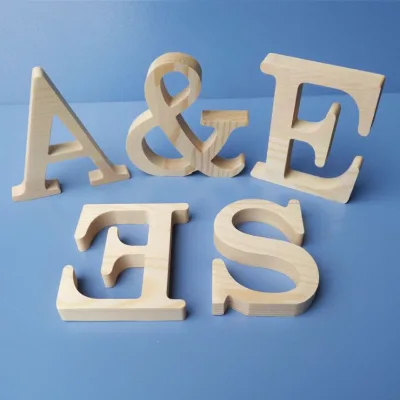
Free Standing Unpainted Wooden Letter Words Natural Pine Wood Letters
$0.9279 - $1.8558
MOQ: 1000 pieces
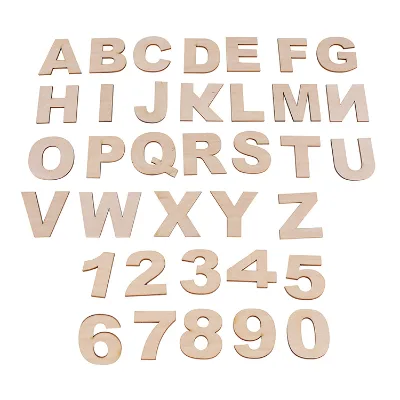
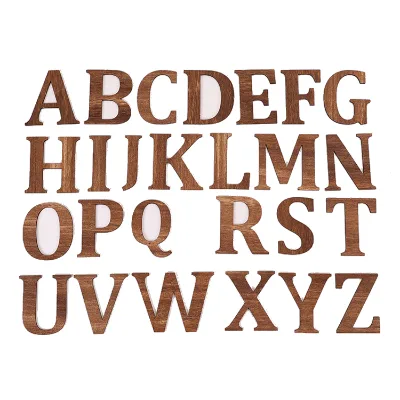

Dongguan Huibao Wooden Craft Products Co., Ltd.
- Manufacturer, Trading Company
- Guangdong, China
- Lead time15 days
- Avg. response≤ 2h
Main productsWooden Rfid/Nfc Card,Wooden Crafts,Holiday Gifts,Wood Plywood,Wood Laser Cutting
Main marketsNorth America(20.00%), Domestic Market(10.00%), Mid East(10.00%), Oceania(10.00%), Eastern Europe(8.00%), Southeast Asia(5.00%), Southern Europe(5.00%), Northern Europe(5.00%), Central America(5.00%), Western Europe(5.00%), Eastern Asia(5.00%), Africa(5.00%), South America(5.00%), South Asia(2.00%)
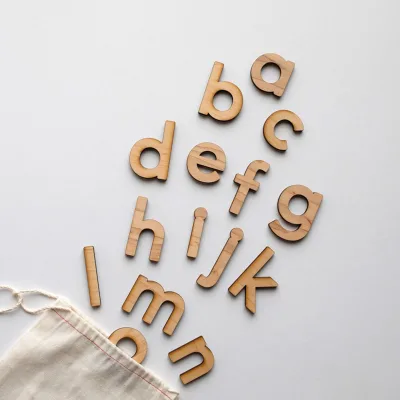
$0.1027 - $0.5142
MOQ: 50 pieces
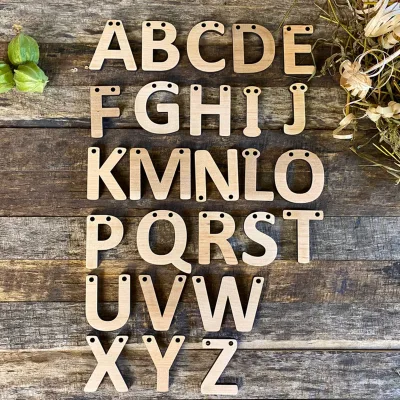
$0.1027 - $0.5142
MOQ: 50 pieces

NINGBO BOHONGCHUANGYI INTERNATIONAL CO., LTD.
- Trading Company,Manufacturer/Factory
- China Zhejiang
- Lead time30 days
- Avg. response≤ 12h
Main productsWooden Photo Frame, Photo Frame, Wooden Box, PVC Photo Frame, Baby Toy, Plastic Photo Frame, Glass Photo Frame, Polyresin Photo Frame, Wooden Toy, Leather Frame
Main marketsSouth America,Eastern Europe,Mid East,North America,Southeast Asia,Eastern Asia,Oceania,Western Europe,Africa
Qingdao Betensh Trading Co., Ltd.
- Verified by TüVRheinland
- Trading Company
- Lead time20 days
- Avg. response≤ 1h
Main productsWooden Box, Wooden Shelf, Wooden Tray, Bamboo Box, Bamboo Organizer
Main marketsNorth America(50%), Western Europe(15%), South America(5%)
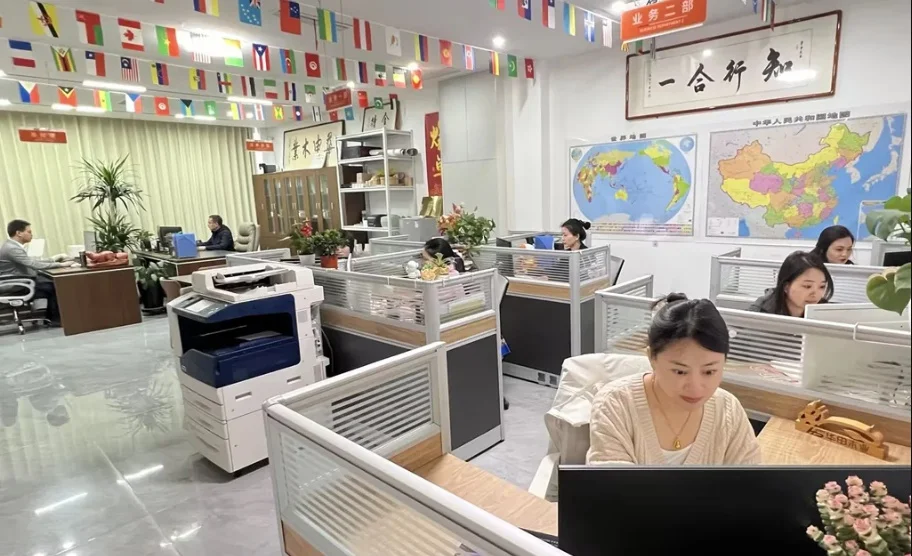
Caoxian Huashen Arts And Crafts Co., Ltd.
- Manufacturer, Trading Company
- Shandong, China
- Lead time30 days
- Avg. response≤ 1h
Main productsCustom Wooden Boxes,Wooden Storage Crates,Wooden Home Decor,Raised Garden Beds,Wooden Pet Furniture
Main marketsNorth America(35.00%), Western Europe(25.00%), Oceania(12.00%), Northern Europe(10.00%), Eastern Europe(8.00%), Eastern Asia(6.00%), Southeast Asia(4.00%)
Caoxian Keyu Arts & Crafts Factory
- Verified by SGS Group
- Manufacturer, Trading Company
- Lead time30 days
- Avg. response≤ 3h
Main productsWood Crafts, Wooden Boxes, & Wall Signs, Wooden & Bamboo Packaging, Wooden Home & Garden Products
Main marketsNorth America(45%), Domestic Market(30%), Western Europe(10%)
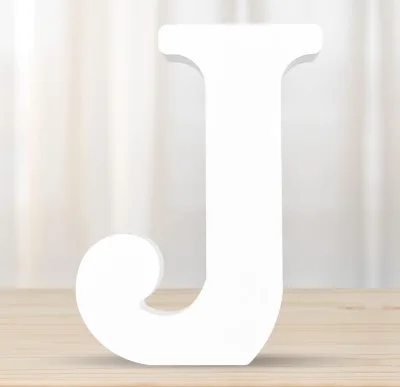
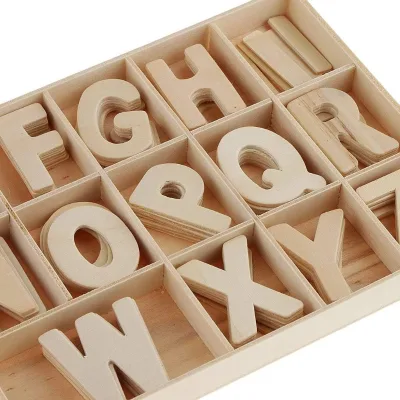
OEM ODM Wooden Capital Letter with Box Wood Letter a to Z for Child Toys Home Decoration
$0.80 - $1.10
MOQ: 500 sets
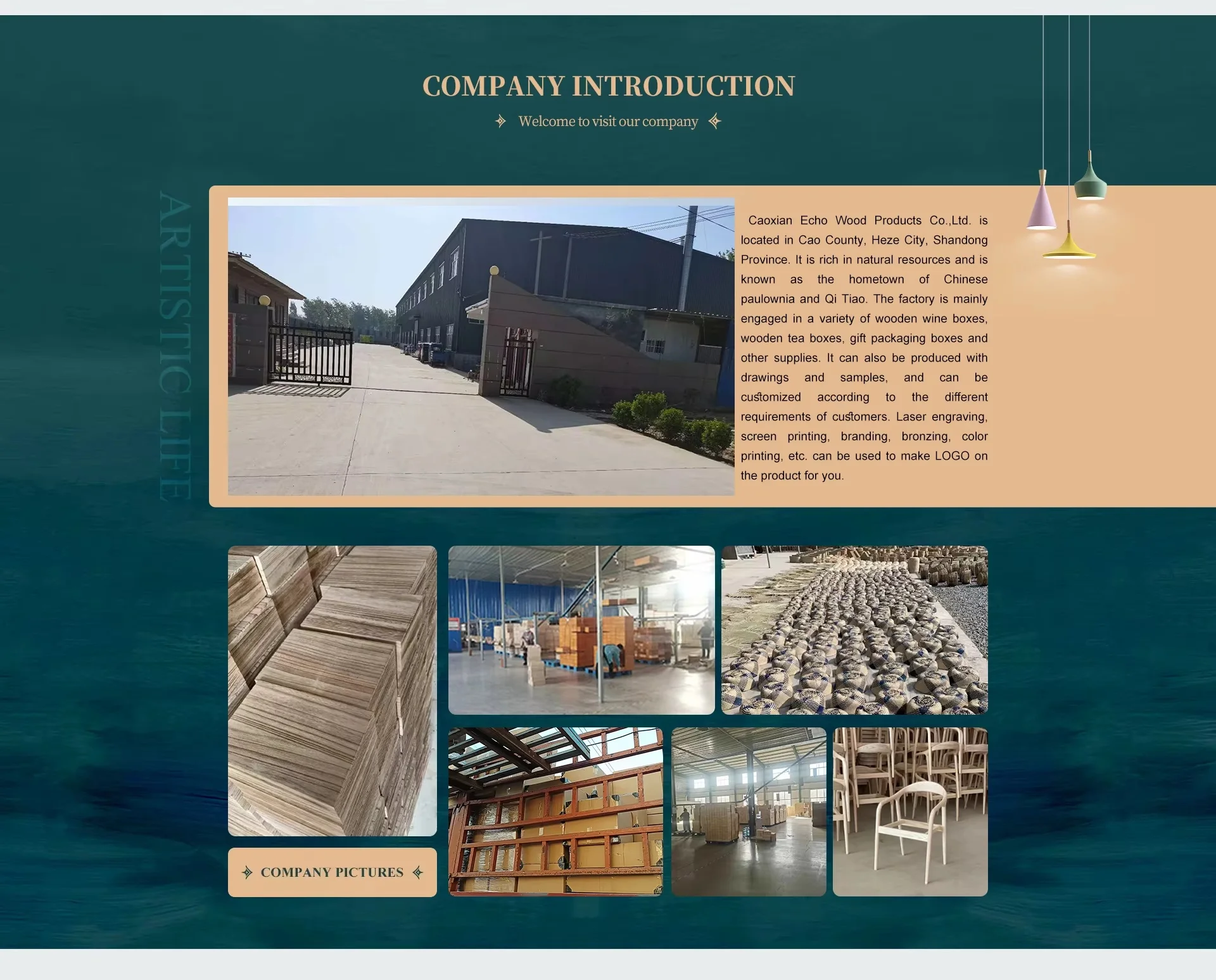
Caoxian Echo Wood Products Co., Ltd.
- Manufacturer, Trading Company
- Shandong, China
- Lead time15 days
- Avg. response≤ 2h
Main productsBird Houses,Pet products,Home Decoration,Office Supplies,Outdoor products
Main marketsNorth America(30.00%), Western Europe(25.00%), Mid East(20.00%), Eastern Asia(10.00%), South America(5.00%), Africa(5.00%), Eastern Europe(5.00%)
Shanghai Ceyi Manufacture Co., Ltd.
- Trading Company
- Shanghai, China
- Lead time25 days
- Avg. response≤ 7h
Main productswooden items,Home decoration,wooden craft,Outdoor decoration,wooden wall art
Main marketsNorth America(40.00%), South America(30.00%), Southeast Asia(10.00%), Eastern Europe(10.00%), Domestic Market(1.00%), South Asia(1.00%), Southern Europe(1.00%), Northern Europe(1.00%), Central America(1.00%), Western Europe(1.00%), Eastern Asia(1.00%), Mid East(1.00%), Oceania(1.00%), Africa(1.00%)
Caoxian Zhecheng Wood Industry Co.,ltd
- Verified by SGS Group
- Manufacturer, Trading Company
- Lead time20 days
- Avg. response≤ 2h
Main productsWooden box, Wooden tray, Wooden shelf, Wooden crate
Main marketsNorth America(50%), Western Europe(30%), Mid East(10%)





Comprehensive Sourcing Guide
Religious Wooden Letters Supplier Concentration and Factory Types
The current supplier landscape for Religious Wooden Letters reveals a distinct concentration of manufacturing capabilities within specific industrial regions, primarily Guangdong, China. This geographic clustering suggests a mature supply chain ecosystem where raw material sourcing, CNC machining, and finishing processes are optimized for efficiency. Suppliers in this region often operate as manufacturers, trading companies, or distributors, offering a hybrid model that can streamline procurement for international buyers. The presence of both pure manufacturers and trading entities allows for flexibility in order sizes and customization levels, catering to diverse commercial needs ranging from small boutique orders to large-scale institutional purchases. Understanding this distribution helps buyers target regions with established expertise in wood crafts and decorative items, ensuring access to suppliers who possess the necessary technical infrastructure for precision cutting and engraving.
Beyond Guangdong, other regions such as Anhui, China, also host suppliers specializing in wooden decorations and DIY hobby items. These facilities often combine manufacturing with trading operations, providing a broader range of product variations including MDF-based letters and natural wood options. The company types observed include factory manufacturers and trading companies, each offering distinct advantages. Manufacturers typically provide greater control over production quality and lead times, while trading companies may offer more flexible MOQs and consolidated shipping options. Buyers should evaluate the specific company type against their operational requirements, considering whether direct factory engagement is necessary for complex customizations or if a trading partner’s logistical support is more beneficial for standard religious letter sets. This diversity in supplier structure necessitates careful vetting to ensure alignment with quality expectations and delivery schedules.
How to Verify Religious Wooden Letters Suppliers
Verification is a critical step in mitigating risk when sourcing Religious Wooden Letters, particularly given the varied company types and locations observed in the market. Buyers should prioritize suppliers who display third-party verification badges, such as BV verification, which indicates that an independent audit has been conducted to assess business legitimacy and operational capabilities. Additionally, system certifications like ISO 9001, ISO 14001, BSCI, and SEDEX provide evidence of standardized quality management, environmental responsibility, and social compliance. These credentials are not merely decorative; they reflect a supplier’s commitment to maintaining consistent production standards and ethical labor practices. When evaluating potential partners, buyers must cross-reference these certifications with the supplier’s stated location and main products to ensure consistency. A supplier claiming to be a manufacturer in Guangdong should have verifiable factory facilities and relevant production licenses, while those in Anhui might emphasize their trading and distribution networks.
Response time and communication efficiency are also key indicators of supplier reliability. Data shows response times ranging from 3 to nearly 5 hours, which can significantly impact the speed of sample approval and order processing. Buyers should test communication channels by requesting detailed quotations or custom design specifications to gauge the supplier’s responsiveness and technical knowledge. Furthermore, examining the supplier’s product portfolio for specific attributes, such as material types (pine, walnut, beech, or MDF) and processing techniques (carving, polishing), can reveal their actual capabilities. Suppliers listing detailed product attributes like model numbers and packing methods demonstrate a higher level of operational transparency. Buyers should also verify if the supplier offers OEM/ODM services, as this indicates flexibility in adapting religious letter designs to specific theological or aesthetic requirements. Consistent verification across these dimensions ensures that the selected partner can deliver high-quality Religious Wooden Letters that meet both functional and spiritual standards.
What to Compare Across Religious Wooden Letters Suppliers
When comparing suppliers, buyers must analyze a range of operational metrics to determine the best fit for their specific procurement needs. Lead times are a primary differentiator, with observed ranges extending up to 30 days for standard orders and potentially longer for customized religious letter sets. Suppliers with shorter lead times may offer faster turnaround for urgent projects, but buyers should verify if this speed compromises quality control processes. Minimum Order Quantities (MOQs) also vary significantly, with some suppliers requiring as few as 100 sets while others mandate 1,000 pieces or more. This disparity allows buyers to align orders with their inventory capacity and sales forecasts, but it also requires careful calculation of per-unit costs to ensure profitability. Additionally, price ranges for similar products can differ based on material quality and finishing techniques, so buyers should compare quotes for identical specifications rather than general product categories.
Response speed and customization capabilities further distinguish suppliers in this niche. Suppliers with faster response times can facilitate quicker iterations on design proofs, which is crucial for religious items that may require specific theological accuracy or aesthetic preferences. Buyers should also compare the range of materials offered, such as natural pine, walnut, beech, or engineered MDF, as these choices impact the final product’s durability and appearance. Some suppliers offer custom logos and sizes, which adds value for brands seeking unique religious letter sets. It is essential to verify if the supplier provides detailed product attributes, such as packing methods and origin details, to ensure transparency. By systematically comparing lead times, MOQs, prices, and customization options, buyers can identify suppliers that offer the best balance of cost, quality, and service reliability for their Religious Wooden Letters procurement.
Common Religious Wooden Letters Sourcing Risks
Sourcing Religious Wooden Letters involves several inherent risks that buyers must proactively manage to avoid supply chain disruptions. One significant risk is the variability in material quality, as suppliers may use different types of wood or MDF grades without clear disclosure. This can lead to inconsistencies in color, texture, and durability, which are critical for religious items that often serve as permanent home decorations or church fixtures. Buyers should request physical samples to verify material authenticity and finish quality before committing to large orders. Another risk is the potential for miscommunication regarding custom designs, especially when dealing with suppliers who have slower response times or language barriers. Religious symbols and lettering require precise execution, and any deviation from the approved proof can result in unusable products. Buyers must establish clear communication protocols and require digital proofs for approval before production begins.
Logistical and compliance risks also pose challenges, particularly when sourcing from multiple regions. Differences in packaging standards and shipping methods can lead to damage during transit, especially for fragile wooden letters. Buyers should verify that suppliers use appropriate packing materials, such as bubble bags or sturdy cartons, to protect the products. Additionally, compliance with international safety and environmental standards is crucial, especially if the letters are intended for markets with strict regulations. Suppliers lacking proper certifications may face customs delays or rejection. Buyers should also be cautious of suppliers who do not provide transparent pricing or hidden fees, which can erode profit margins. By identifying and mitigating these risks through rigorous supplier vetting and clear contractual terms, buyers can ensure a smoother sourcing process for Religious Wooden Letters.
Religious Wooden Letters Regional Sourcing and Logistics
Regional sourcing strategies play a pivotal role in optimizing logistics and cost efficiency for Religious Wooden Letters. Suppliers located in Guangdong, China, benefit from established export infrastructure and proximity to major ports, which can reduce shipping times and costs. This region’s concentration of manufacturers and trading companies allows for consolidated shipping, making it easier for buyers to source multiple items from a single location. However, buyers should also consider suppliers in other regions, such as Anhui, which may offer competitive pricing for specific product types like MDF-based letters. The choice of region should be influenced by the supplier’s lead times, packaging capabilities, and shipping partnerships. Buyers must evaluate whether the logistical advantages of a specific region outweigh any potential trade-offs in product variety or customization options.
Logistics planning must also account for the specific handling requirements of wooden products. Religious Wooden Letters are often heavy and bulky, requiring careful stowage to prevent damage during transit. Buyers should verify that suppliers use robust packing methods, such as shrink wrapping and label stickers, to protect the items. Additionally, understanding the supplier’s export documentation processes is essential to avoid customs delays. Buyers should ensure that suppliers provide accurate commercial invoices, packing lists, and certificates of origin. For international shipments, buyers may need to coordinate with freight forwarders to optimize container space and reduce freight costs. By aligning regional sourcing decisions with logistical capabilities, buyers can streamline the supply chain and ensure timely delivery of Religious Wooden Letters to their target markets.
Religious Wooden Letters Commercial Terms and Order Planning
Commercial terms and order planning are essential components of a successful sourcing strategy for Religious Wooden Letters. Buyers must negotiate clear payment terms, such as escrow services or letters of credit, to protect their financial interests. Escrow provides a secure transaction mechanism, ensuring that funds are only released upon satisfactory delivery of the goods. Additionally, buyers should establish detailed order specifications, including material types, dimensions, and finishing requirements, to avoid disputes. Clear communication of these terms in the purchase order is crucial for ensuring that the supplier understands the buyer’s expectations. Buyers should also plan for potential delays by incorporating buffer times into their inventory management strategies, especially when dealing with suppliers with longer lead times.
Order planning should also consider the scalability of the supplier’s production capacity. Buyers must verify that the supplier can handle peak demand periods without compromising quality or delivery schedules. This is particularly important for Religious Wooden Letters, which may see increased demand during specific seasons or religious holidays. Buyers should discuss production schedules and capacity constraints with the supplier to ensure alignment with their sales forecasts. Additionally, buyers should plan for post-order support, such as warranty claims or replacement policies, in case of quality issues. By establishing robust commercial terms and comprehensive order planning, buyers can mitigate risks and ensure a reliable supply of Religious Wooden Letters that meet their commercial and spiritual requirements.
FAQs
Where are Religious Wooden Letters typically manufactured?
Most suppliers are located in Guangdong, China, with some operations in Anhui. These regions specialize in wood crafts and offer diverse manufacturing capabilities. Buyers can verify specific factory locations to ensure proximity to shipping ports and assess local supply chain reliability for their orders.
What is the typical lead time for wooden letter orders?
Standard lead times range from 25 to 30 days after sample approval. Some suppliers indicate delivery usually takes 35 days post-approval. Buyers should confirm exact timelines with the supplier, as production schedules vary based on order volume and customization requirements for religious or decorative items.
What materials are used for wooden alphabet letters?
Common materials include pine, walnut, beech, and MDF. Some products use unfinished wood for painting, while others feature polished or varnished finishes. Buyers can choose between natural wood colors or customized finishes depending on the desired aesthetic for religious decorations or home craft projects.
What is the minimum order quantity for wooden letters?
MOQs typically range from 100 to 1000 pieces. Some suppliers require 500 pieces for certain models, while others accept orders as low as 100 sets. Buyers should check specific product listings for exact MOQs, as requirements vary by material, size, and customization options.
Are certifications available for wooden letter suppliers?
Some suppliers hold BSCI, ISO 14001, ISO 9001, and SEDEX certifications. These verify ethical and quality standards. Buyers should request certification documents to ensure compliance with international standards, especially for large orders or when sourcing from verified manufacturers with established quality management systems.
What is the price range for wooden alphabet letters?
Prices generally range from $0.10 to $1.50 per piece. Costs depend on material, size, and customization. Unfinished pine letters may cost less, while polished or lighted versions are higher. Buyers should compare quotes based on specific product attributes and order volume for accurate pricing.