Heated Paper Hunting Pants Suppliers and Manufacturers
Browse 23 suppliers of Heated Paper Hunting Pants and compare grounded details such as location, lead time, MOQ, verification, response time, product specifications, and price ranges. Shortlist candidates that match your volume and send a request for quotation to confirm current terms directly.
Updated
Suppliers List

Yan Cheng Jie Chanel Fashion Co., Ltd.
- Verified by TUVRHEINLAND
- Combined
- China Jiangsu
- Lead time15 days
- Avg. response≤ 4h
Main productsThe North Face-Summit, Outdoor Equipment, Outdoor Travel Shoes, Backpack (Outdoor Bag), Sunscreen Clothes, Quick Drying, Fleece, Outdoor Shirt, Tactical Trousers, Winter Clothes
Main marketsDomestic


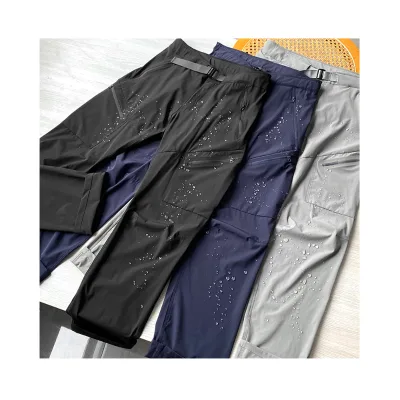
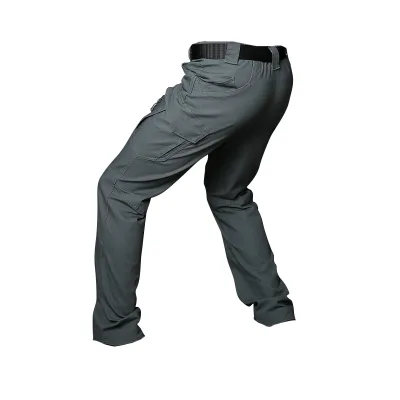
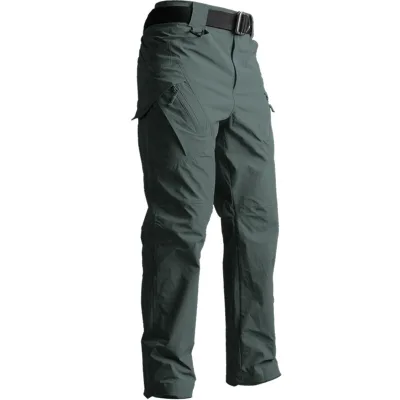
X9 Men's Breathable, Windproof, Waterproof, Warm Outdoor Mountaineering Pants, Camping Hunting Pants
$9.80 - $11.20
MOQ: 100 strip


Xiamen Gwell Sports Goods Co., Ltd.
- Trading Company,Manufacturer/Factory,Other
- China Fujian
- Lead time45 days
- Avg. response≤ 4h
Main productsMen's Jackets Coats, Winter Jacket Kids, Ski Apparel, Hunting Clothes Jacket, Orange Hunting Jacket, Hunting Jacket Camouflage, Outdoor Fleece Wear, Outdoor Wearing, Padded Long Coat, Kip Leather Baseball Glove
Main marketsSouth America,Eastern Europe,Mid East,North America,Southeast Asia,Eastern Asia,Oceania,Western Europe,Africa


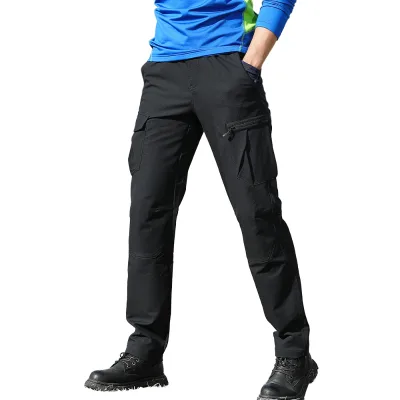
Hiking Hunting Multi Pockets Cargo Worker Pants Hunting Pants Waterproof
$9.99 - $11.99
MOQ: 300 Pieces


Taian Bowins Garment Co., Ltd.
- Combined
- China Shandong
- Lead time60 days
- Avg. response≤ 14h
Main productsMotorcycle Jacket, Motorcycle Pants, Hunting Jacket, Motorcycle Clothing, Hunting Pants, Airbag Jacket, Military Uniform, Safety Reflective Jacket
Main marketsSouth America,East Asia(Japan/ South Korea),Domestic,Europe,Australia,North America


Stay Connected and Powered up with The Camouflage Heated Hunting Pants
$22.50 - $29.80
MOQ: 1000 piece


Torex International (huaian) Co., Ltd.
- Trading Company
- Jiangsu, China
- Lead time75 days
- Avg. response≤ 3h
Main productshunting clothing,Fishing clothing,motocycle clothing,safety clothing,skiing clothing
Main marketsWestern Europe(40.00%), Northern Europe(40.00%), North America(15.00%)
Dongguan Dino Sports Wear Co., Ltd.
- Verified by SGS Group
- Manufacturer, Trading Company
- Lead time7 days
- Avg. response≤ 4h
Main productsFishing Wear, Hunting Clothes, Sun Protection Clothes, Tennis Clothes, Golf Shirts
Main marketsNorth America(35%), Oceania(25%), Western Europe(15%)
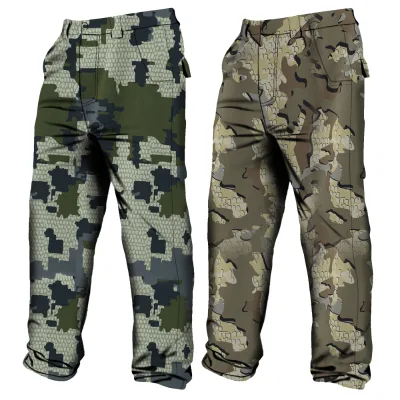
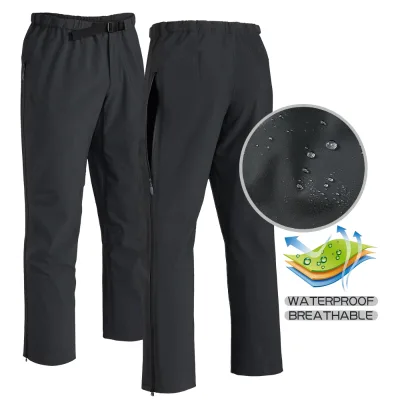
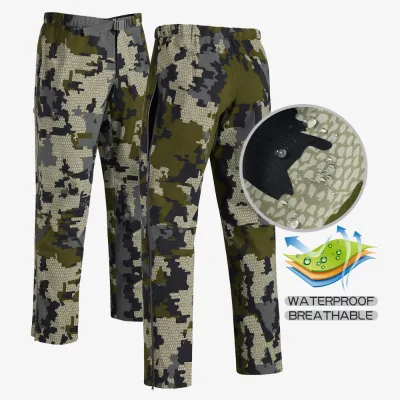
$29.3652 - $39.0178
MOQ: 200 pieces
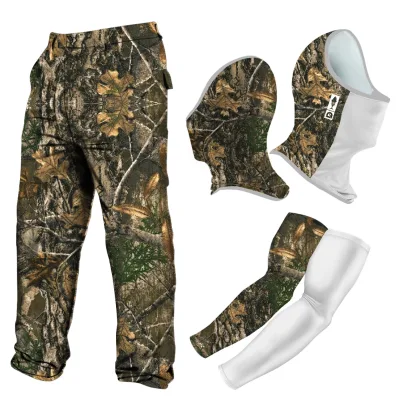
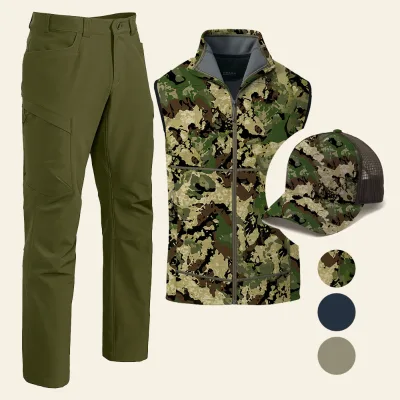
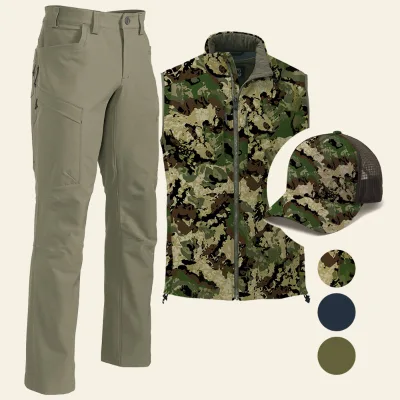
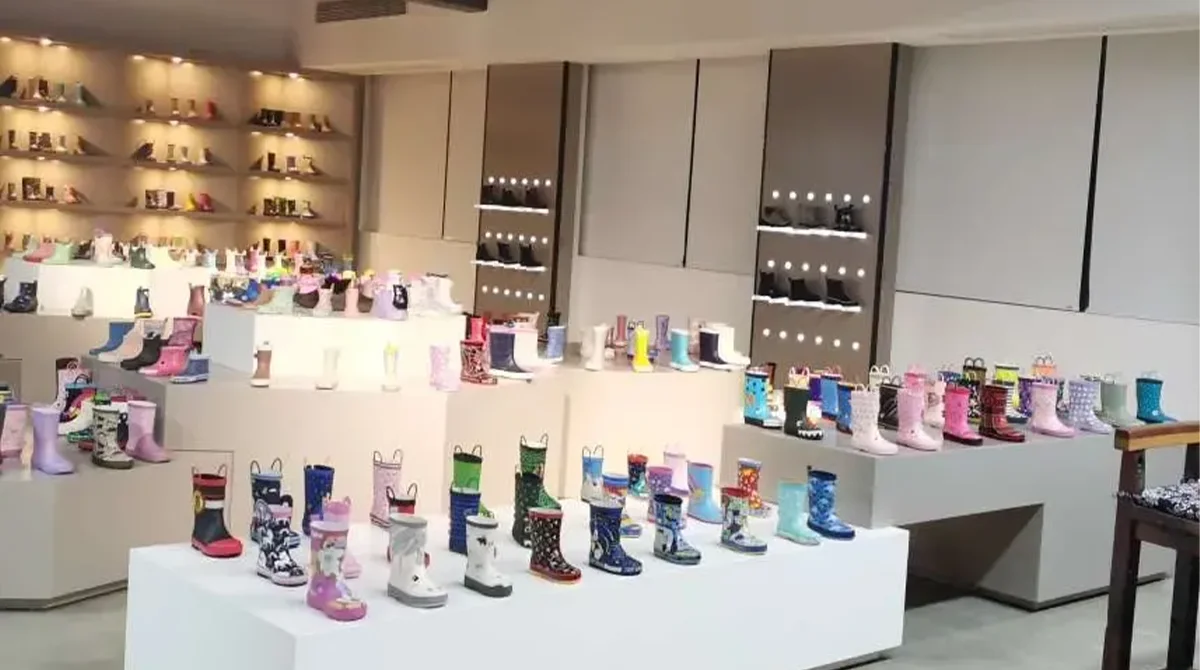
Nanjing Hengrun Shoes Co., Ltd.
- Trading Company
- Jiangsu, China
- Lead time60 days
- Avg. response≤ 3h
Main productsRain Boots,rubber Boots,Safety Boots,snow Boots,Military Boots
Main marketsNorth America(60.00%), Western Europe(20.00%), Southern Europe(10.00%), Eastern Europe(10.00%)
- Manufacturer, Trading Company
- Shandong, China
- Lead time80 days
- Avg. response≤ 8h
Main productsHunting Clothing,Heated Clothing,Fishing Clothing,Workwear,Motorcycle Clothing
Main marketsNorth America(50.00%), Northern Europe(15.00%), Western Europe(15.00%), Eastern Asia(10.00%), Eastern Europe(10.00%)
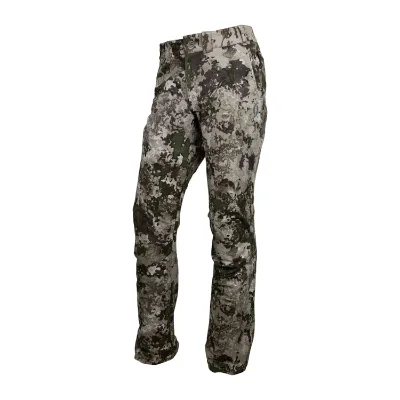
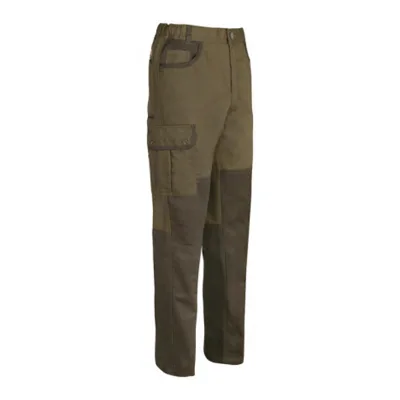
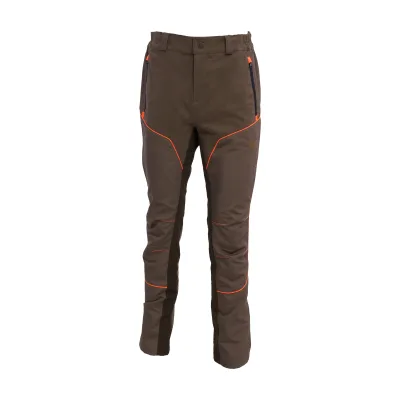
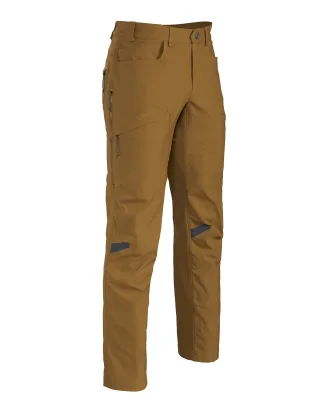
Customise Production Breathable Brown Color Hunting Pants
$23.00 - $27.00

- Verified by CTI
- Trading Company
- China Jiangsu
- Lead time23 days
- Avg. response≤ 10h
Main productsDesert Boots, Hunting Boots, Safety Boots&Shoes, Hiking Shoes, Casual Shoes, Snow Boots, Slippers, Clothing
Main marketsSoutheast Asia/ Mideast,Europe
Xiamen Yingdilade E-commerce Co., Ltd.
- Verified by TüVRheinland
- Manufacturer, Trading Company
- Lead time45 days
- Avg. response≤ 3h
Main productsDown Jacket, One Piece Ski Suit, Waterproof Jacket, Ski Jacket, Workwear
Main marketsNorth America(70%), Western Europe(20%), South America(2%)
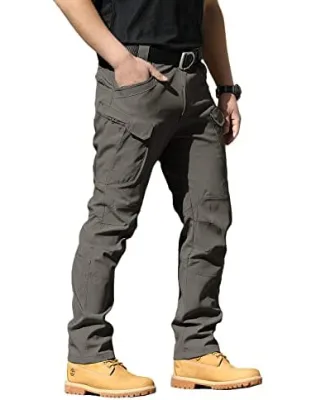
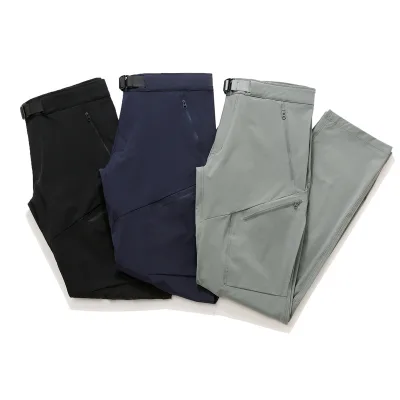
Brand Hot Sale Mountaineering Hiking Pants Multi-Functional Elastic Pants Combat Pants
$17.80 - $33.80
MOQ: 100
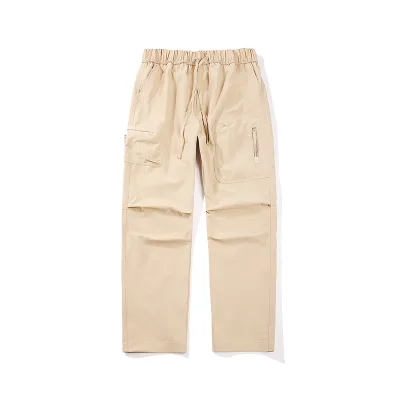
$41.9789 - $57.4114
MOQ: 100 pieces
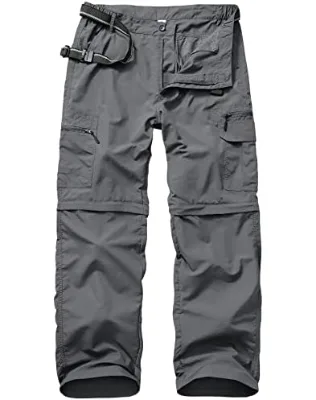

Dongguan Dandan Garments Co., Ltd
- Manufacturer, Trading Company
- Guangdong, China
- Lead time28 days
- Avg. response≤ 2h
Main productsFishing Shirts, Shorts, Pants, Lightweight Jacket, Softshell Jacket
Main marketsNorth America(40.00%), Western Europe(20.00%), Eastern Europe(10.00%), Oceania(8.00%), Southern Europe(5.00%), Northern Europe(5.00%), Central America(3.00%), South America(2.00%), Eastern Asia(2.00%), Africa(2.00%), Domestic Market(2.00%), Southeast Asia(1.00%)
Xiamen Dongmeng Import And Export Co., Ltd.
- Trading Company, Distributor/Wholesaler
- Jimei District, China
- Lead time30 days
- Avg. response≤ 4h
Main productsHoodie,T-shirts,Workwear,Underpants,Outdoor jacket
Main marketsNorth America(35.00%), Southeast Asia(15.00%), Mid East(15.00%), South America(15.00%), Central America(10.00%), Eastern Europe(10.00%)
Fuzhou Active Garments Co., Ltd.
- Verified by TüVRheinland
- Manufacturer, Trading Company
- Lead time80 days
- Avg. response≤ 4h
Main productsOutdoor Jackets, Functional Wear, Ski Wear, Workwear, Outdoor Clothing
Main marketsWestern Europe(55%), North America(45%)
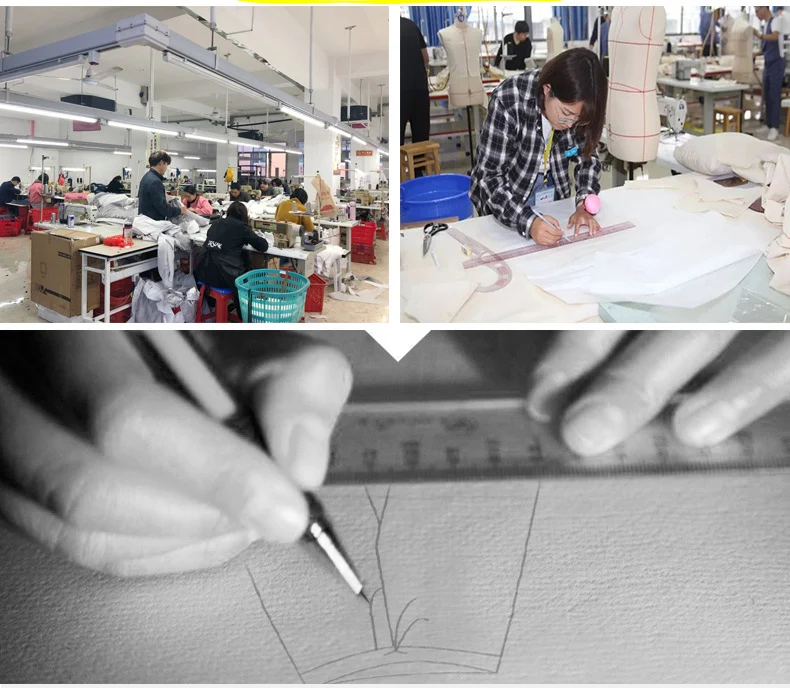
Hangzhou Manbu Clothing Co., Ltd.
- Trading Company
- Zhejiang, China
- Lead time0 days
- Avg. response≤ 3h
Main productsHiking Jacket, Skiing Jacket, Skiing Pants, Hiking Pants, Skiing Suit
Main marketsNorth America(30.00%), Southern Europe(30.00%), Domestic Market(20.00%), Northern Europe(10.00%), Southeast Asia(10.00%)

Taian Bowins Garment Co., Ltd.
- Combined
- China Shandong
- Lead time60 days
- Avg. response≤ 22h
Main productsHunting Clothing, Heated Clothing, Fishing Clothing, Motorcycle Clothing, Outdoor Clothing, Workwear, Security Jacket, Hi Vis Clothing
Main marketsSouth America,East Asia(Japan/ South Korea),Domestic,Europe,Australia,North America
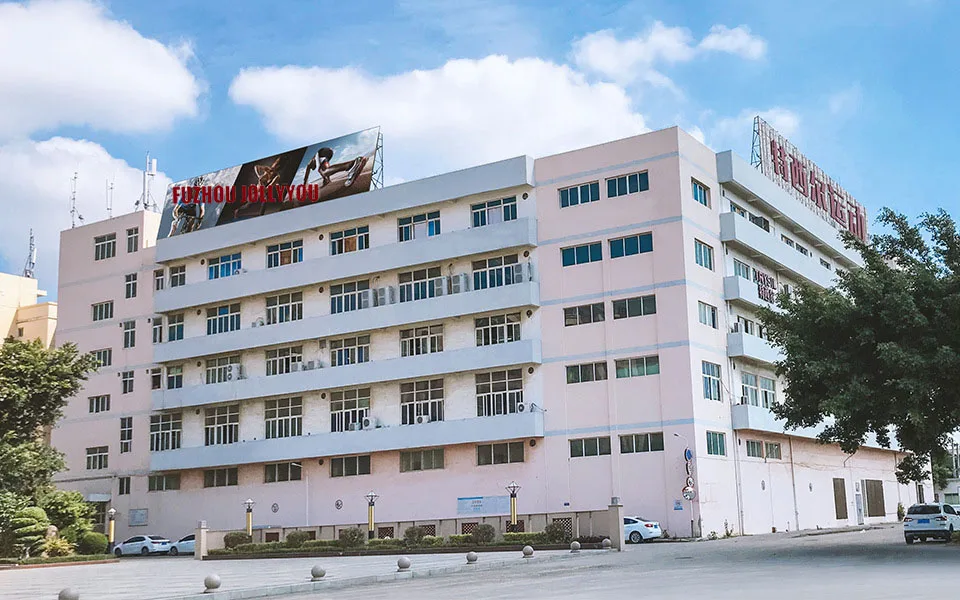
FuZhou JollyYou Apparel Company., Ltd.
- Trading Company
- Fujian, China
- Lead time60 days
- Avg. response≤ 4h
Main productsOutdoor Jacket,Softshell Jacket,Ski Wear,Padded Jacket,Fleece Jacket
Main marketsEastern Europe(30.00%), North America(20.00%), Western Europe(15.00%), Northern Europe(10.00%), Oceania(10.00%), Southern Europe(7.50%), Mid East(2.50%), Central America(2.50%), South America(2.50%)
- Manufacturer
- guangdong, China
- Lead time0 days
- Avg. response≤ 5h
Main productsjeans,pants,jacket,skirt,shirt
Main marketsNorth America(60.00%), Northern Europe(20.00%), Western Europe(20.00%)

Dongguan Zssm Import And Export Trading Co., Ltd.
- Trading Company
- Guangdong, China
- Lead time12 days
- Avg. response≤ 4h
Main productsT Shirts,Jackets,pants,hoodies,tracksuits
Main marketsNorthern Europe(35.00%), North America(30.00%), Central America(5.00%), Southern Europe(4.00%), South Asia(3.00%), South America(3.00%), Eastern Europe(3.00%), Western Europe(3.00%), Eastern Asia(3.00%), Mid East(3.00%), Oceania(3.00%), Africa(3.00%), Southeast Asia(2.00%)
Qingzhou Haina Fenghui Garments Co., Ltd.
- Verified by SGS Group
- Manufacturer, Trading Company
- Lead time20 days
- Avg. response≤ 5h
Main productsTactical Jacket, Tactical Pants, Outdoor Jacket, Outdoor Pants, Hunting Clothes
Main marketsWestern Europe(30%), North America(30%), Mid East(30%)

Taian Rainchen Clothing Manufacturing Co., Ltd
- Verified by SGS
- Combined
- China Shandong
- Lead time45 days
- Avg. response≤ 23h
Main productsAppareal, Fishing Shirt, Hunting Jacket, Fishing Jacket, Hunting Clothes, Casual Outdoor Wear, Hi-Vis Workwear
Main marketsNorth America

Winter Wear Custom Logo Insulated 100% Polyester Windproof Hunting Pants
$8.90 - $15.81
MOQ: 300 Pieces


OEM Service Winter Wear Durable Windproof Water Repellent 100% Polyester Hunting Pants
$8.90 - $15.81
MOQ: 300 Pieces


Wholesale Mens Outdoor Cotton Pants for Cold Weather Turkey Hunting Hunting Pant
$11.90 - $15.77
MOQ: 300 Pieces

Shenzhen Fairy Tale Kingdom Technology Co., Ltd.
- Manufacturer, Trading Company
- Guangdong, China
- Lead time18 days
- Avg. response≤ 2h
Main productsHoodie,Jacket,Jeans,T-shirts,Sweatpants
Main marketsNorth America(28.00%), Oceania(21.00%), Western Europe(17.00%), South America(5.00%), Northern Europe(5.00%), Eastern Europe(5.00%), Central America(4.00%), Mid East(3.00%), Domestic Market(3.00%), Eastern Asia(3.00%), Southern Europe(2.00%), Africa(2.00%), Southeast Asia(1.00%), South Asia(1.00%)
Fujian Fashion Flying Garments Co., Ltd.
- Verified by SGS Group
- Manufacturer, Trading Company
- Lead time60 days
- Avg. response≤ 4h
Main productsLeisure Insulated Jackets, Performance Shells, Ski Wears, Fleece Jackets, Soft-Shell Jackets
Main marketsDomestic Market(31%), North America(30%), Western Europe(30%)
Guangzhou Purui Garment Accessories Co., Ltd.
- Manufacturer, Trading Company
- Guangdong, China
- Lead time25 days
- Avg. response≤ 3h
Main productsJeans,Casual Pants,Shorts,Jacket
Main marketsNorth America(30.00%), Western Europe(20.00%), Oceania(20.00%), Northern Europe(10.00%), Africa(10.00%), South America(10.00%)

Kinglong Protective Products (Hubei) Co., Ltd.
- Verified by TUVRHEINLAND
- Combined
- China Hubei
- Lead time60 days
- Avg. response≤ 1h
Main productsWork Clothes, Workwear, Coveralls, Work Garment, Uniforms, Pants, Cargo Pants, Leisure Pants, Outdoor Wear
Main marketsSouth America,Southeast Asia/ Mideast,Europe


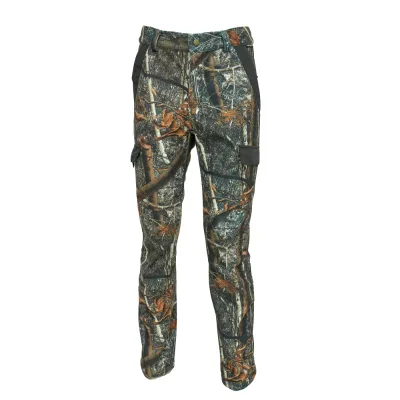
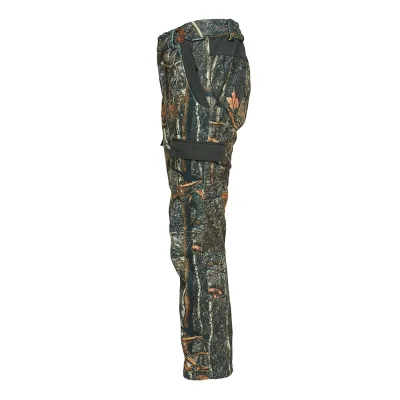
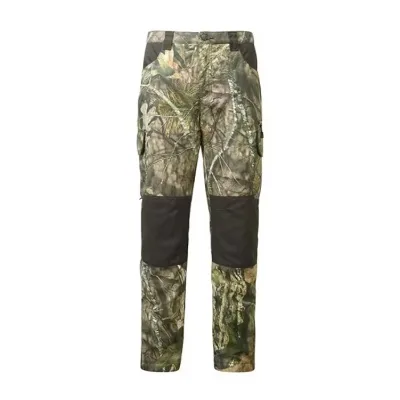
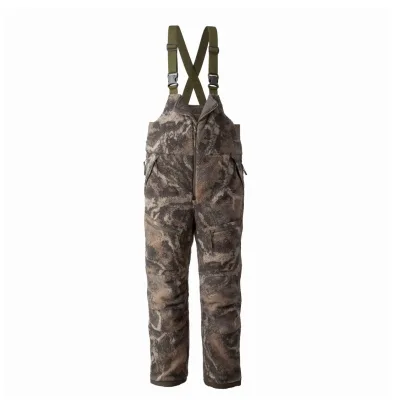
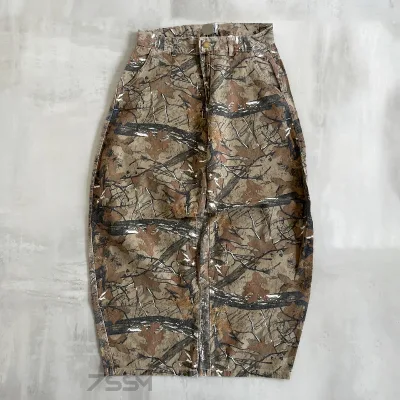
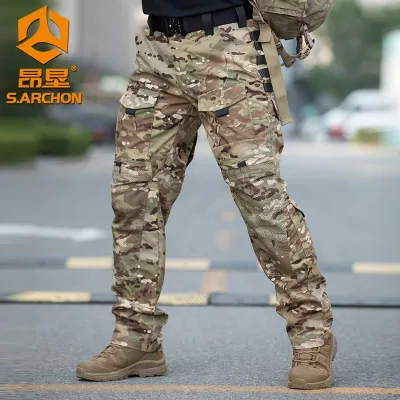
New Latest Design Camouflage Trousers Hunting Customizable Waterproof Unisex Mens Stretch Pants
$6.80 - $9.50
MOQ: 3000 piece

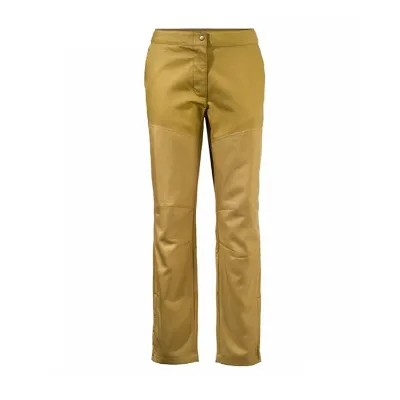
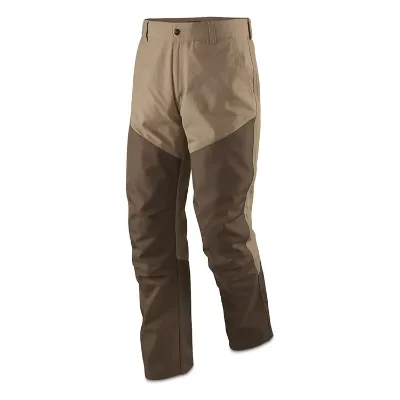
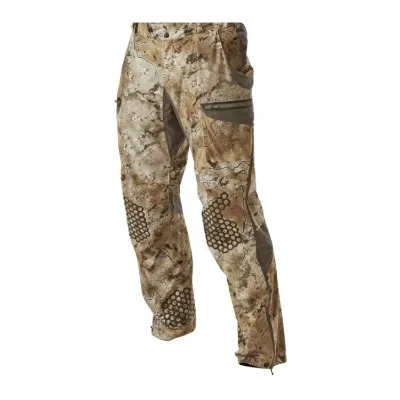
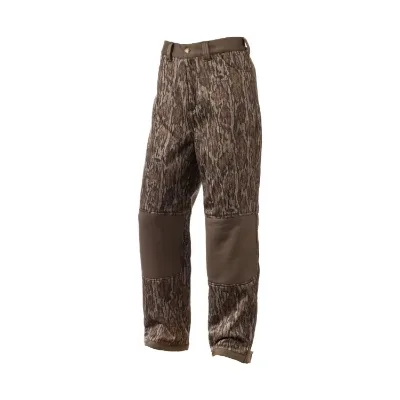


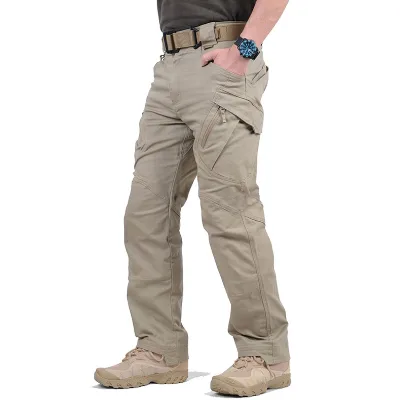
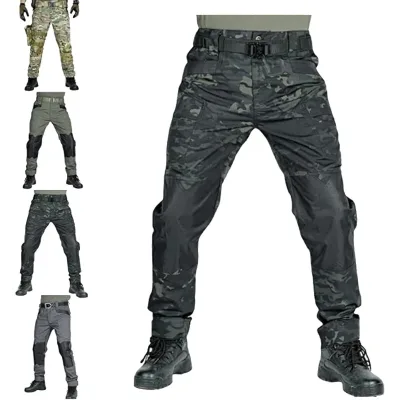
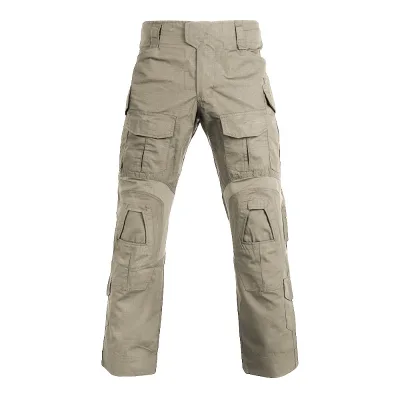
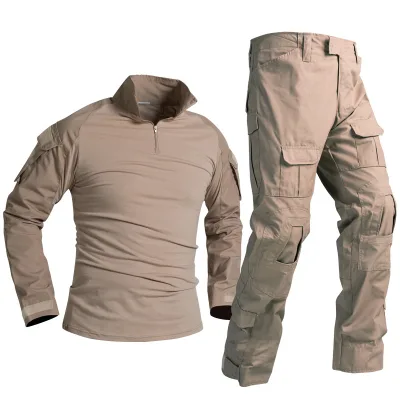
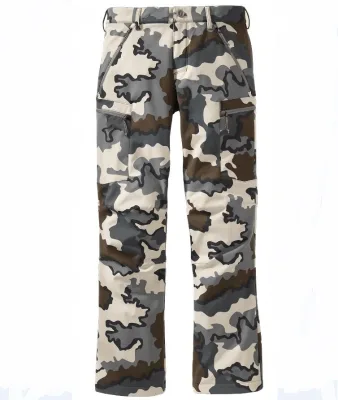
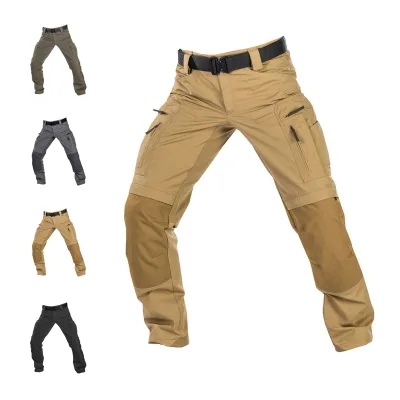
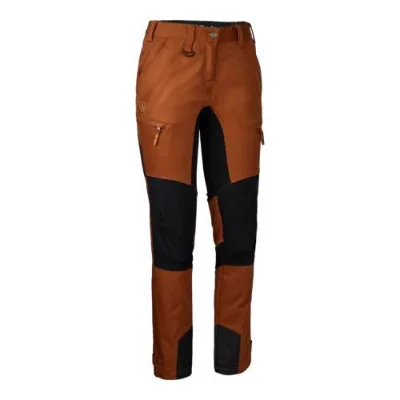
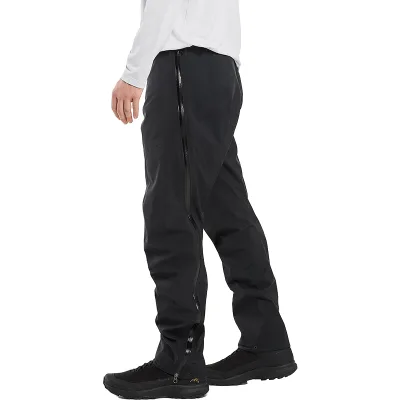


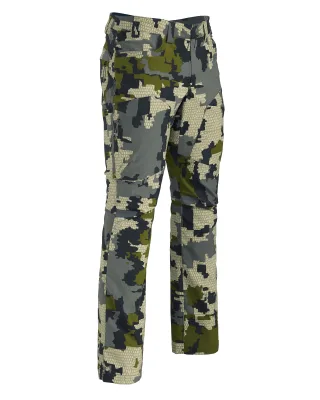
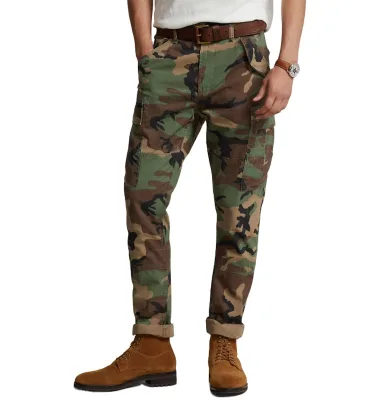
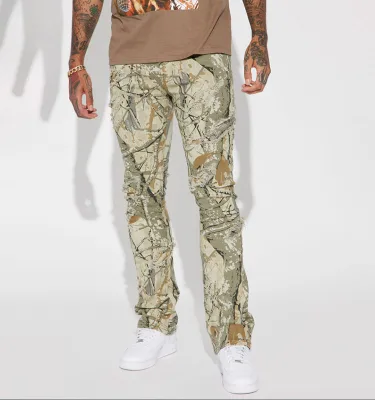
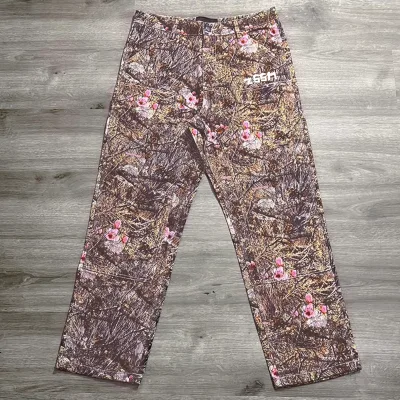
Comprehensive Sourcing Guide
Heated Paper Hunting Pants Supplier Concentration and Factory Types
When buyers search for Heated Paper Hunting Pants, the most actionable first step is understanding where supplier listings cluster and what types of companies sit behind them. In the current results, location data points to Jiangsu, China, which means at least one verified manufacturer operates in that province. Buyers should treat this as a confirmed anchor region but should not assume every listing shares the same origin, because many listings omit location entirely. A disciplined approach is to filter or sort by disclosed location first, then group the remainder as "location unknown" and ask those suppliers directly for registered factory addresses before any sampling.
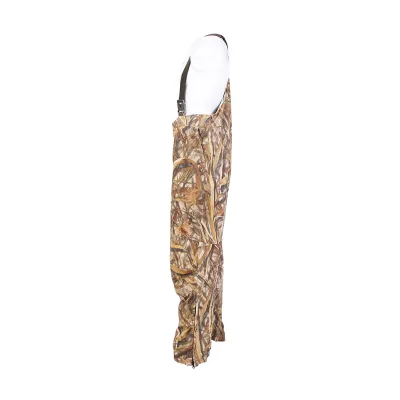
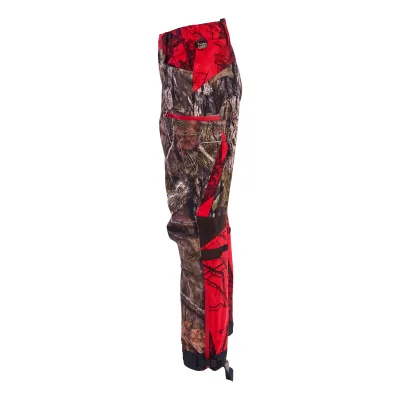
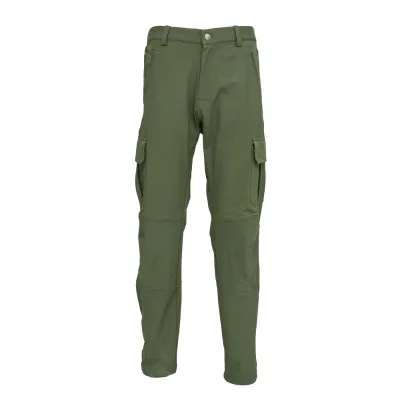
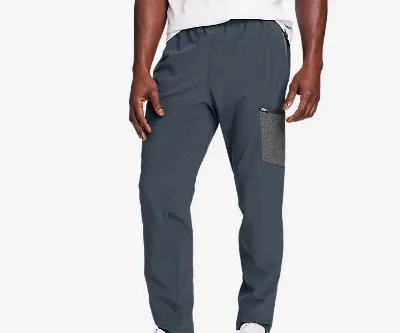
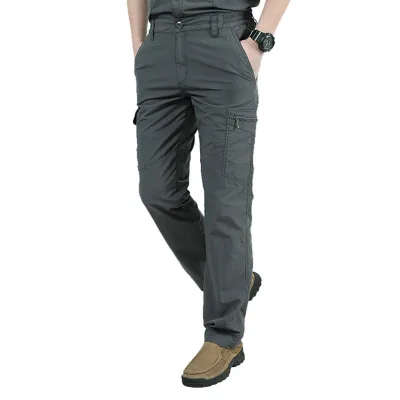
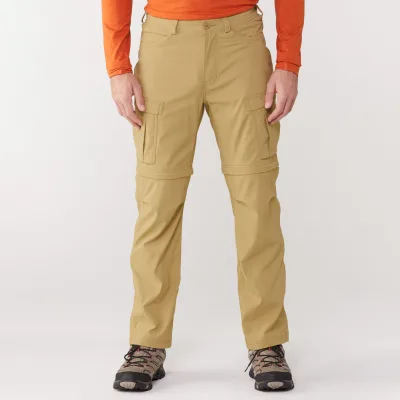
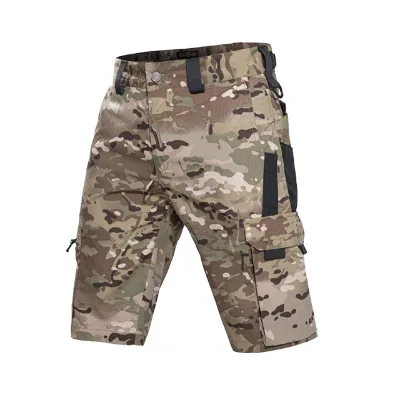
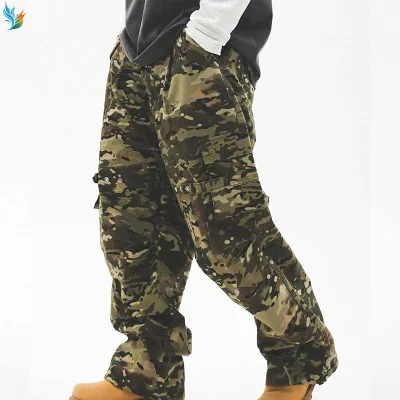
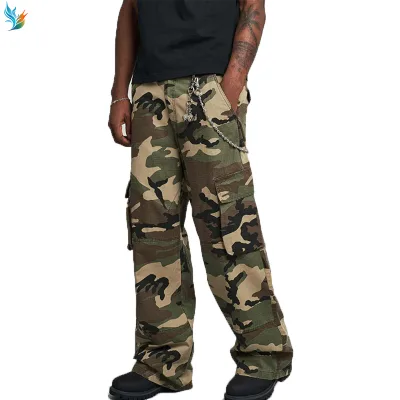
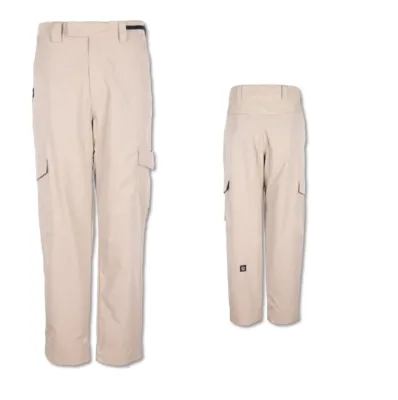
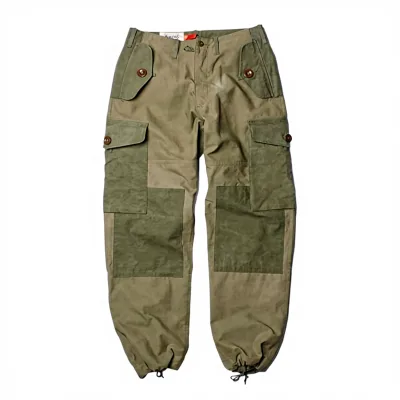
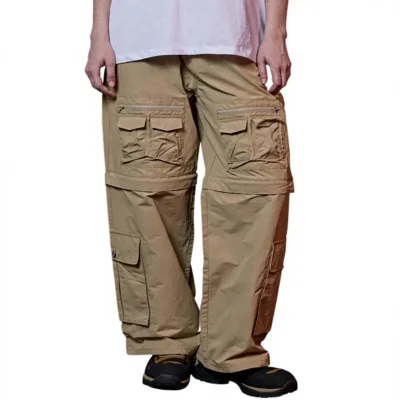
The factory types visible in these results are mixed rather than uniform. One company is labeled as a combined type with a main product line that includes outdoor equipment, tactical trousers, fleece, quick-dry garments, backpacks and sunscreen clothing, alongside brands such as The North Face-Summit in its main products list. That breadth signals a broad-spectrum outdoor apparel maker rather than a pants-only specialist. Product-level evidence reinforces this: the catalog spans hunting and hiking pants, waterproof tactical pants, quick-dry nylon pants, multi-pocket work pants and insulated mountaineering pants with duck down filling.
For buyers, the practical implication is to distinguish between dedicated hunting-pants factories, diversified outdoor-garment producers and trading intermediaries early. Ask each shortlisted supplier whether the production line for waterproof hunting trousers is its own or shared with uniforms and tactical wear, since line sharing affects capacity during peak season.
How to Verify Heated Paper Hunting Pants Suppliers
Verification should start with third-party signals already attached to the listing, then move to documents the buyer requests directly. In the current results, one supplier carries TUV Rheinland verification, which is a meaningful on-platform credential because it indicates an independent inspection body has reviewed the company. However, the same results show a system certification field marked NIL, meaning no ISO-style management system certificate is displayed. Buyers should not treat the absence of a displayed certificate as proof of noncompliance, but they should explicitly request certificate copies and verify certificate numbers with the issuing body rather than accepting screenshots at face value.
The second verification layer is capability evidence. The listings disclose concrete operational data that can be cross-checked during a video audit or factory visit: four production lines, approximately one hundred production staff, monthly output of five thousand to ten thousand pieces, a thirty-day production cycle, and individual inspection of each item on one product line. A buyer can ask a supplier to show those four lines running and to confirm headcount against payroll or workshop photos. Discrepancies between listed capacity and observed capacity are a reliable early warning.
Response behavior is also a verification signal. One listed supplier shows a response time of about 3.37 hours, which is fast, but response speed during sourcing conversations often slows after the first inquiry. Test each supplier with a technical question about fabric composition or waterproofing treatment and compare the depth of the reply, not just the speed, before committing to samples.
What to Compare Across Heated Paper Hunting Pants Suppliers
Build the comparison around attributes that are actually displayed, while remembering that not every supplier exposes every field. Useful dimensions in the current results include lead time, MOQ, response time, location, company type, verification status, main products, and design capabilities such as ODM service and own-brand production. One listing shows a fifteen-day lead time, while others disclose only production cycle lengths such as thirty days, so normalize these into a single "time to shipment" column before comparing. Lead-time claims should be validated against the production cycle: a supplier quoting a short lead time for a customized waterproof hunting pant with a listed thirty-day production cycle is either holding stock or overpromising.
MOQ and price comparisons reveal positioning differences. Disclosed MOQs in these results range from one hundred pieces to five hundred pieces, and price ranges run from roughly eight to eleven dollars on value-oriented work-style pants up to twenty-five to thirty-one dollars on premium tactical hiking pants. Put the supplier's quoted unit price next to its fabric spec, since one product lists sixty-five percent polyester and thirty-five percent cotton while others use polyester with duck down filling. Price only makes sense against material and construction.
Also compare customization depth. Some listings say "customizable" or "available," while others are silent. Record which suppliers offer adjustable waists, multiple pocket configurations, and size runs extending to 4XL, then weight those features according to your market. Finally, compare response time and whether the supplier is manufacturer, combined trader, or unknown, because that classification determines who is accountable for defects.
Common Heated Paper Hunting Pants Sourcing Risks
The first risk is specification drift between sample and production. These product listings show detailed attributes, such as waterproof function, windproof and quick-dry features, elastic or adjustable waists, closed-end zippers, double-needle stitching, and individual packaging, but listed attributes are marketing claims until verified. A common failure is approving a sample built from better fabric than the bulk run, so buyers should retain sealed reference samples and specify fabric composition, waterproof rating expectations, and stitching standards in the purchase contract. One listed product even discloses a fabric blend of sixty-five percent polyester and thirty-five percent cotton, which should be lab-tested against the delivered goods.
The second risk is capacity and lead-time mismatch. Listings advertise monthly outputs between five thousand and ten thousand pieces with four production lines, yet production cycles of thirty days appear alongside fifteen-day lead-time claims. During hunting season peaks, shared lines producing uniforms, jackets and tactical trousers may prioritize larger customers. Confirm which production line your order occupies and whether subcontracting is permitted.
The third cluster of risks concerns verification gaps. A NIL system certification field means the buyer carries the full burden of quality assurance through inspection, since no third-party management system is displayed. Also watch for oversized claims, such as a duck-down insulated product priced near commodity pant levels, which warrants a filling-content test. Finally, unverified listings without displayed location, establishment year or certification should be treated as highest risk and asked for business licenses and a live factory walkthrough before any deposit is transferred.
Heated Paper Hunting Pants Regional Sourcing and Logistics
The one confirmed location in the current results is Jiangsu, China, so buyers can reasonably treat Jiangsu as a disclosed sourcing region for hunting and outdoor pants and plan logistics around it. Jiangsu sits in China's eastern coastal manufacturing belt with access to major Shanghai-area seaports, which typically supports consolidated ocean freight for apparel shipments and reasonable inland trucking costs from factory to port. However, since many listings do not display location, buyers should not build a logistics plan assuming all goods ship from one province. Ask each supplier for the actual ship-from address and the distance to the nearest port, because freight quotes change materially with origin.
Production and packing details in the listings inform logistics planning directly. One product lists carton packing with a stated carton standard of roughly thirty-eight by thirty-two units in centimeters, and another lists individual packaging per item with a sixty by thirty-eight carton spec. Request actual carton dimensions, gross weights and pieces-per-carton for your chosen model so you can calculate container utilization before negotiating freight. Individually packaged pants occupy more volume than bulk polybag packing.
Timing should account for the disclosed production cycle of thirty days plus the fifteen-day lead time shown on some listings, leaving buffer for pre-shipment inspection. Buyers importing into markets with textile labeling rules should also confirm origin marking, fiber-content labeling and any waterproofing chemical compliance requirements with their customs broker before shipping, since these vary by destination and are not covered by supplier listings.
Heated Paper Hunting Pants Commercial Terms and Order Planning
Commercial planning should begin by mapping disclosed commercial terms into a structured negotiation sheet. The current results show MOQs of one hundred and five hundred pieces, price bands from about eight to thirty-one dollars depending on style and materials, a fifteen-day lead time on one listing, and customization availability on several products. Use these as anchor points: ask suppliers with five-hundred-piece MOQs whether a trial order at lower volume is possible at a slightly higher unit price, since several listings explicitly advertise customizable production and may accommodate first orders.
Payment and protection terms deserve explicit attention because the results display no escrow status and no system certification. In the absence of displayed escrow or third-party trade protection, buyers should negotiate staged payments, such as a deposit with balance against a passed pre-shipment inspection, and confirm in writing who pays for inspection. Verify directly with each supplier whether platform escrow or trade assurance is available on their account rather than assuming it.
Order planning should sequence a development phase before volume: confirm the model, such as the waterproof quick-dry styles or the insulated duck-down variant, approve a pre-production sample against the sealed reference, and only then release bulk against the thirty-day production cycle. Because monthly capacity is listed at five thousand to ten thousand pieces, a large order may span multiple production months; lock the delivery schedule per batch in the contract. Finally, ask whether the supplier operates its own brand or offers ODM service, since ODM partners can often shorten future development cycles.
Word count check: approximately 1,390. Six sections, two paragraphs each, headings exact.
FAQs
What is the typical lead time for outdoor tactical pants?
The typical lead time for these outdoor tactical pants is 15 days. Some suppliers indicate a production cycle of 30 days for specific custom orders. Buyers should confirm the exact timeline based on their order quantity and customization needs before placing an order.
What is the minimum order quantity for waterproof hunting pants?
The minimum order quantity varies by product model, ranging from 100 to 500 pieces. Specific listings show MOQs of 500 pieces for certain tactical styles and 100 pieces for others. Buyers must check the specific product page to verify the exact minimum requirement for their selected item.
Are these outdoor pants available in multiple colors?
Yes, these outdoor pants are available in multiple colors including tan, green, gray, camouflage, brown, and black. Some specific models also offer gray or black options. The color selection depends on the specific product style and the customization capabilities of the manufacturer.
What is the price range for heated hunting pants?
The price range for these outdoor pants typically falls between 8.60 and 30.80 USD per piece. Specific models are listed with prices as low as 11.00 USD or as high as 30.80 USD. The final cost depends on the material, features, and order volume selected by the buyer.
Do these pants offer customization options for buyers?
Yes, customization is available for many of these outdoor tactical pants. Buyers can request specific sizes, colors, and design modifications. The production process supports custom branding and tailored specifications, allowing buyers to adapt the products to their specific market requirements.
What material are these outdoor hiking pants made from?
These outdoor hiking pants are primarily made from polyester or a blend of 65% polyester and 35% cotton. Some models feature waterproof and windproof properties using synthetic fabrics. The material choice ensures durability and comfort for various outdoor activities like hunting and mountaineering.
Where are these outdoor pants manufactured?
These outdoor pants are manufactured in Jiangsu, China. The production facilities are located within this region, which is known for its textile and apparel manufacturing capabilities. Buyers can expect the origin of the goods to be listed as China or specifically Jiangsu on product details.