High Density EVA Foam Roller Suppliers and Manufacturers
Compare 12 verified suppliers of High Density EVA Foam Roller by location, lead time, and MOQ. Review product specs like material and customization options before contacting vendors directly to ensure they meet your specific business requirements for quality and delivery schedules.
Updated
Suppliers List

Nanjing Tropical International Co., Ltd.
- Verified by BV
- Trading Company
- China Jiangsu
- Lead time30 days
- Avg. response≤ 3h
Main productsYoga Block, Yoga Mat, Yoga Wheel, Foam Roller, Yoga Bolster, Yoga Towel, Yoga Ball, Yoga Bag, Pilates Ring, Resistance Band
Main marketsAustralia
Hebei Jianran Trading Co., Ltd.
- Trading Company
- Hebei, China
- Lead time10 days
- Avg. response≤ 4h
Main productsmotorcycle tire,bicycle tire,motorcycle tube,inter tube
Main marketsNorth America(50.00%), South America(23.00%), Southeast Asia(10.00%), Southern Europe(2.00%), South Asia(2.00%), Northern Europe(2.00%), Central America(2.00%), Western Europe(2.00%), Mid East(2.00%), Africa(2.00%), Eastern Europe(2.00%), Eastern Asia(1.00%)
CHIA JENGS ENTERPRISE CO., LTD.
- Manufacturer
- Taiwan, China
- Lead time45 days
- Avg. response≤ 2h
Main productsSwimming Floating Equipment,Sporting Equipment,Sporting Protector,Medical protector,EVA panel,EVA Foam Related Product
Main marketsNorth America(62.00%), Southeast Asia(38.00%)
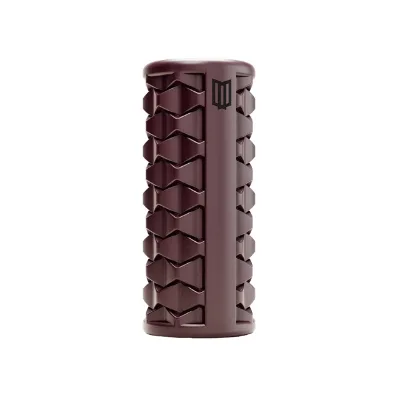
$5.00 - $8.00
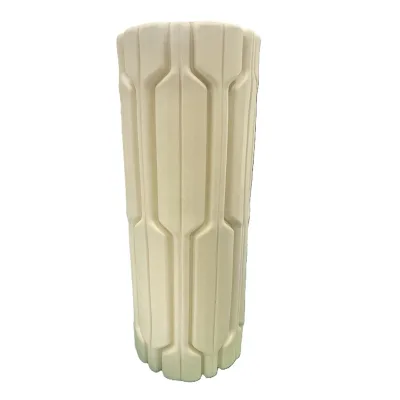
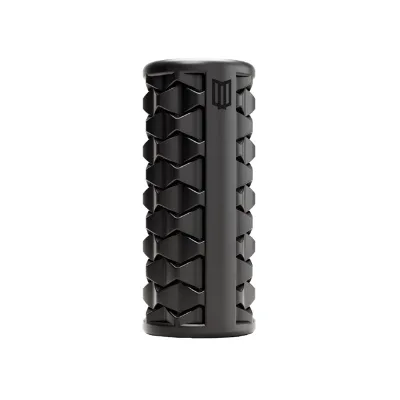
$5.00 - $8.00
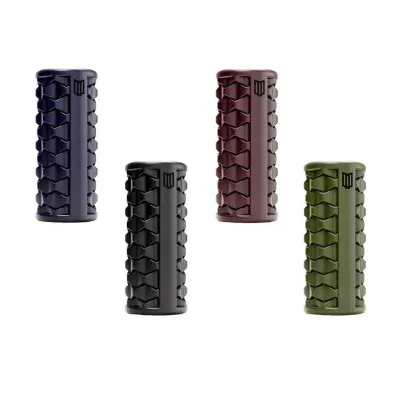
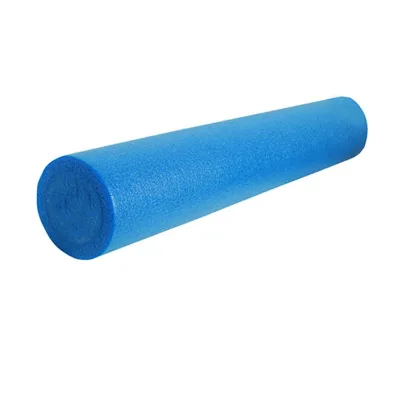
High Density ABS Foam Roller Environmental Hollow EVAN with Excellent Features
$7.50 - $8.50
MOQ: 200 pieces
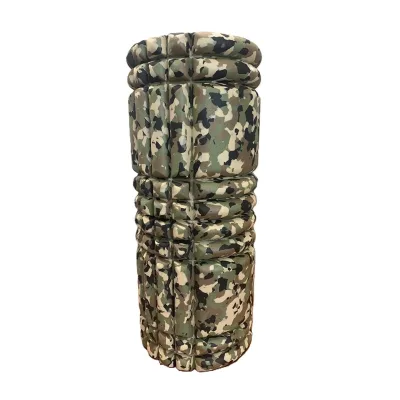
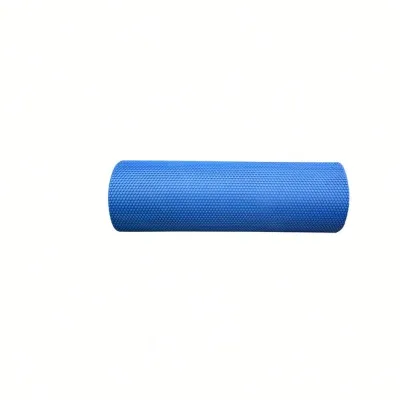
Rubber EVA Foam Roller 33cm X 14cm Diameter Lightweight & Compact for Travel Retains Shape
$6.165 - $7.7074
MOQ: 1 pieces

Shenzhen Prosperity Investment Development Co., Ltd.
- Manufacturer, Trading Company
- Guangdong, China
- Lead time7 days
- Avg. response≤ 2h
Main productsSBR foam,EVA foam,CR foam,NBR foam,EPDM foam
Main marketsDomestic Market(7.14%), South Asia(7.14%), Southern Europe(7.14%), Northern Europe(7.14%), Central America(7.14%), Western Europe(7.14%), Eastern Asia(7.14%), Mid East(7.14%), Oceania(7.14%), Africa(7.14%), Southeast Asia(7.14%), Eastern Europe(7.14%), South America(7.14%), North America(7.14%)
Huayin Shoes Material Co., Ltd.
- Verified by SGS Group
- Manufacturer, Trading Company
- Lead time10 days
- Avg. response≤ 2h
Main productsEVA Foam Sheet, EVA Foam Floor Protection Roll, EVA Foam Roll, EVA Foam Insole, EVA Foam Puzzle Mat
Main marketsSouth America(81%), Southeast Asia(10%), South Asia(4%)

Ningbo Yiweiai Rubber & Plastic Technology Co., Ltd.
- Verified by BV
- Combined
- China Zhejiang
- Lead time30 days
- Avg. response≤ 6h
Main productsEVA Foam, EVA Foam Sheet, EVA Mat, EVA Garden Knee, EVA Packing Foam, Floor Mat, Tatami Mat, Yoga Mat, EVA Foam for Automobile, Sports Products
Main marketsAfrica,Europe,Australia,North America

Chenzhou Qunyao Sporting Goods Co., Ltd.
- Manufacturer
- Hunan, China
- Lead time15 days
- Avg. response≤ 2h
Main productsIndustrial Bumper Strip,Foam Cup Sleeve,Foam tube,NBR/EVA Foam Products
Main marketsDomestic Market(60.00%), North America(28.00%), Mid East(5.00%), Western Europe(3.00%), South America(2.00%), Eastern Europe(2.00%)

Nantong Besin Industry & Trade Co., Ltd.
- Manufacturer, Trading Company
- Jiangsu, China
- Lead time0 days
- Avg. response≤ 7h
Main productsdumbbell,weight bumper plate,barbell,yoga mat,jump rope
Main marketsNorth America(25.00%), Western Europe(15.00%), South America(12.00%), Eastern Europe(10.00%), Southeast Asia(10.00%), Eastern Asia(8.00%), Southern Europe(5.00%), Northern Europe(4.00%), Oceania(3.00%), Mid East(2.00%), Africa(2.00%), Domestic Market(2.00%), Central America(1.00%), South Asia(1.00%)
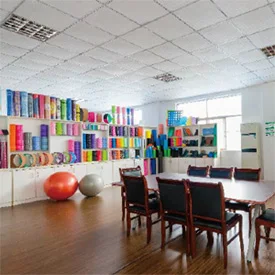
Jiangsu Huayi Sports Technology Co., Ltd.
- Manufacturer
- Jiangsu, China
- Lead time20 days
- Avg. response≤ 2h
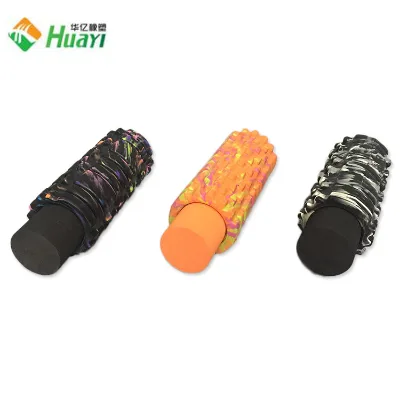
Main productsYoga Mat, Yoga Wheel, Foam Roller, Yoga Block, Massage Stick
Main marketsDomestic Market(68.00%), North America(15.00%), Western Europe(7.00%), Southern Europe(2.00%), Eastern Asia(2.00%), Northern Europe(2.00%), South America(1.00%), Oceania(1.00%), Eastern Europe(1.00%), Southeast Asia(1.00%)

- Verified by BV
- Trading Company
- China Anhui
- Lead time30 days
- Avg. response≤ 15h
Main productsDumbbell, Cast Iron Plate, Chrome Bar, Fitness Equipment, Traing Set
Main marketsSouth America,Africa,Southeast Asia/ Mideast,East Asia(Japan/ South Korea),Europe,Australia,North America

- Verified by SGS
- Trading Company
- China Zhejiang
- Lead time15 days
- Avg. response≤ 12h
Main productsFitness Equipment, Trampoline, Treadmill, Dumbbell, Yoga Mat, Spinning Bike, Jump Rope, Pull up Bar, Gym Rack, Leg Press
Main marketsEurope,Australia

Shanghai Ritmark Sports Co., Ltd.
- Verified by BV
- Trading Company,Manufacturer/Factory
- China Shanghai
- Lead time23 days
- Avg. response≤ 3h
Main productsPVC Boat Fender, Fitness Ball, Fitness Sandbag, Waist Belt, Massage Tools, Acupressure Mat, Buoys, Dock Bumper, Yoga Items, Fitness Products
Main marketsSouth America,Eastern Europe,Mid East,North America,Southeast Asia,Eastern Asia,Oceania,Western Europe,Africa






Comprehensive Sourcing Guide
High Density EVA Foam Roller Supplier Concentration and Factory Types
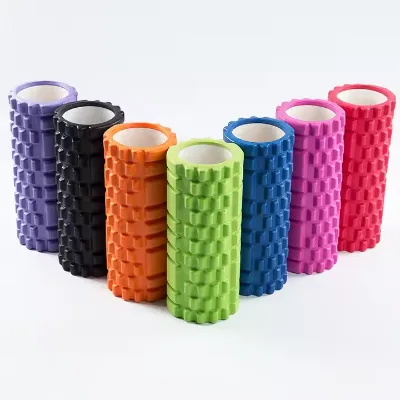
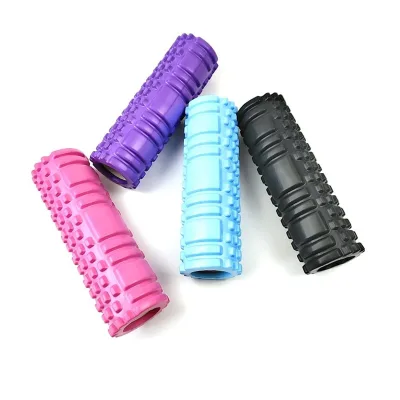
The current supplier landscape for high density EVA foam rollers reveals a distinct geographic and structural diversity that buyers must navigate carefully. Evidence indicates that manufacturing and trading entities are concentrated in specific regions, with Jiangsu and Hebei in mainland China emerging as primary hubs for this category. Suppliers located in Jiangsu often operate as trading companies, leveraging their proximity to industrial clusters to offer a wide array of yoga and fitness accessories, including foam rollers, yoga wheels, and resistance bands. This trading model allows for flexible sourcing but requires buyers to verify the actual production capabilities behind the listed products. In contrast, suppliers in Hebei also focus on foam rollers but may present different operational profiles, such as faster response times or distinct lead time structures. Additionally, there is evidence of suppliers based in Taiwan, China, who identify as manufacturers rather than traders. These entities often emphasize OEM and ODM capabilities, suggesting a more direct control over the manufacturing process for specialized items like spinal EVA foam rollers with ABS tubes. Understanding whether a supplier is a manufacturer or a trading company is crucial, as it impacts communication efficiency, customization flexibility, and ultimately, the reliability of the supply chain. Buyers should not assume that all suppliers in a region operate identically; the company type significantly influences the service model and product range available.
Identifying the correct factory type is essential for aligning procurement goals with supplier capabilities. Trading companies, as seen in the Jiangsu results, often provide a broader catalog of related products, which can be advantageous for buyers seeking to consolidate orders for multiple fitness items. However, this breadth may come with less direct oversight of the manufacturing quality compared to a dedicated factory. Manufacturer-led suppliers, particularly those in Taiwan, may offer more specialized technical support and customization options, such as laser engraving or specific material combinations like EVA with ABS tubes. These manufacturers often highlight their ability to handle complex branding requirements, including decal stickers and custom logos. For buyers prioritizing direct factory interaction and potential cost savings on large volumes, identifying true manufacturers is key. Conversely, for those needing quick access to diverse SKUs and flexible order sizes, trading companies might offer better logistical support. The distinction is not merely semantic; it affects how buyers approach negotiations, quality assurance, and intellectual property protection. Buyers must scrutinize supplier profiles to determine if the entity is primarily a reseller or a production facility, as this determination will shape the entire sourcing strategy and risk management approach for High Density EVA Foam Roller procurement.
How to Verify High Density EVA Foam Roller Suppliers
Verification is the cornerstone of mitigating risk when sourcing high density EVA foam rollers from international suppliers. Buyers should prioritize suppliers who have undergone third-party verification processes, such as Bureau Veritas (BV) certification, which provides an additional layer of confidence regarding the supplier's business legitimacy and operational standards. The presence of such verification badges indicates that an independent agency has inspected the supplier's facilities or business documentation, offering a baseline assurance that the entity is not merely a shell company. Beyond verification badges, buyers must examine the supplier's response time and communication efficiency. Data shows that response times can vary significantly, with some suppliers responding within hours while others may take longer. A rapid response time, such as under three hours, often correlates with a more professional and organized procurement team, which is critical for resolving issues quickly during the order fulfillment process. Buyers should test this responsiveness by sending detailed inquiries about product specifications, customization options, and shipping terms before committing to a large order. This initial interaction serves as a practical test of the supplier's reliability and customer service quality, providing insights that static profile information cannot reveal.
In addition to verification and response times, buyers should rigorously assess the authenticity of product claims and certifications. While some suppliers list specific product models and materials, such as EVA or high-density foam, buyers must request detailed product datasheets and material safety reports to ensure compliance with international standards. It is important to note that not all suppliers display comprehensive certification records, so buyers should proactively ask for relevant documentation, such as REACH or CPSIA compliance, depending on the target market. Furthermore, buyers should verify the supplier's main product focus to ensure they are not a generalist trading company with limited expertise in foam rollers. Suppliers whose main products are specifically listed as yoga equipment or fitness accessories are likely to have deeper industry knowledge and better quality control processes for foam rollers compared to those selling a wide variety of unrelated goods. Buyers should also check for any discrepancies between the supplier's claimed location and their actual operational base, as this can impact logistics and legal recourse. By combining third-party verification checks, communication testing, and detailed product due diligence, buyers can build a robust profile of each potential supplier, ensuring that they partner with entities that are both legitimate and capable of meeting their specific sourcing requirements for high density EVA foam rollers.
What to Compare Across High Density EVA Foam Roller Suppliers
When evaluating multiple suppliers for high density EVA foam rollers, buyers must systematically compare key operational metrics to identify the best fit for their specific needs. One of the most critical factors is the Minimum Order Quantity (MOQ), which directly impacts inventory management and cash flow. Evidence suggests that many suppliers set an MOQ of 100 pieces, which is a manageable threshold for small to medium-sized businesses but may be prohibitive for startups or those testing new markets. Buyers should compare these MOQs across different suppliers to find one that aligns with their initial order volume and risk tolerance. Additionally, lead times are a vital consideration, as they determine how quickly products can be delivered to the end customer. Lead times can vary, with some suppliers offering turnaround times of around 30 days, while others may require up to 45 days. Faster lead times are often preferred for maintaining agile supply chains, but buyers must balance this against potential cost implications or quality compromises. Comparing lead times alongside MOQs allows buyers to assess the overall flexibility and responsiveness of each supplier, helping them make informed decisions based on their sales velocity and inventory strategies.
Price and payment terms are another crucial dimension for comparison, as they directly affect profitability and financial security. The price range for high density EVA foam rollers can vary significantly, with some suppliers offering prices as low as $1.23 per unit, while others may charge up to $13.00 for specialized sets or higher-quality materials. Buyers should not solely focus on the lowest price but should evaluate the value proposition, considering factors such as material quality, customization options, and packaging standards. Payment terms also vary, with some suppliers accepting traditional methods like T/T or Western Union, while others offer more secure options like Trade Assurance or PayPal. Using secure payment methods can provide an additional layer of protection for buyers, ensuring that funds are only released upon satisfactory delivery. Furthermore, buyers should compare the customization options available, such as logo printing, color variations, and packaging designs. Suppliers that offer flexible OEM services and customized logos can help buyers build a stronger brand identity, which is essential for long-term success in the competitive fitness market. By systematically comparing MOQs, lead times, prices, payment terms, and customization capabilities, buyers can create a comprehensive scorecard to objectively evaluate and select the most suitable supplier for their High Density EVA Foam Roller sourcing needs.
Common High Density EVA Foam Roller Sourcing Risks
Sourcing high density EVA foam rollers from international suppliers involves several inherent risks that buyers must proactively manage to ensure a smooth procurement process. One significant risk is the potential for quality inconsistency, particularly when dealing with trading companies that may source products from multiple factories. Without direct oversight of the manufacturing process, buyers may receive batches of foam rollers that vary in density, firmness, or durability, leading to customer dissatisfaction and returns. This risk is exacerbated if the supplier does not provide detailed quality control reports or allow for third-party inspections before shipment. Buyers should mitigate this risk by requesting samples to evaluate the physical properties of the foam rollers, such as their resilience and surface texture, before placing bulk orders. Additionally, buyers should clearly specify material requirements, such as the use of high-density EVA or specific firmness levels, in their purchase agreements to hold suppliers accountable for product standards. Another common risk is the discrepancy between the supplier's claimed capabilities and their actual performance, particularly regarding lead times and communication. Suppliers may promise fast turnaround times but fail to meet them due to production bottlenecks or logistical issues, causing delays in the supply chain. Buyers should verify these claims through past performance data or references from other clients to ensure reliability.
Intellectual property and branding risks are also prevalent in the foam roller market, especially when suppliers offer extensive customization services. Buyers who invest in custom logos, packaging, or unique product designs may face the risk of their intellectual property being copied or sold to other clients without authorization. This is particularly concerning when working with suppliers who have weak IP protection policies or operate in regions with less stringent enforcement of intellectual property laws. To mitigate this risk, buyers should include strict confidentiality and non-disclosure agreements in their contracts and consider registering their trademarks in key markets before sharing design files with suppliers. Furthermore, buyers should be cautious of suppliers who offer unusually low prices, as this may indicate the use of substandard materials or unethical labor practices. Low-cost suppliers may compromise on the quality of the EVA foam or use harmful adhesives, which can lead to product failures and potential health hazards for end users. Buyers should conduct thorough due diligence on the supplier's background, including checking for any negative reviews or legal issues, to avoid partnering with entities that pose reputational or legal risks. By identifying and addressing these common sourcing risks early in the process, buyers can protect their interests and ensure a more secure and successful procurement experience for high density EVA foam rollers.
High Density EVA Foam Roller Regional Sourcing and Logistics
The geographic location of suppliers significantly influences logistics costs, lead times, and overall supply chain efficiency for high density EVA foam rollers. Suppliers located in Jiangsu, China, benefit from proximity to major ports and well-developed infrastructure, which can facilitate faster and more cost-effective shipping to international markets. This region is known for its robust manufacturing ecosystem, allowing for efficient production and consolidation of orders, particularly for trading companies that source from multiple factories. Buyers targeting markets in North America or Europe should consider how shipping routes from Jiangsu impact transit times and freight costs. Similarly, suppliers in Hebei, China, offer another logistical option, potentially with different port access and shipping rates. Buyers should compare the logistical advantages of each region, considering factors such as customs clearance efficiency and the availability of reliable freight forwarders. Additionally, suppliers in Taiwan, China, may offer different logistical benefits, such as shorter shipping times to certain Asian markets or specialized handling for high-value items. Understanding the regional logistics landscape allows buyers to optimize their supply chain by selecting suppliers that align with their target markets and shipping preferences. Buyers should also consider the impact of regional trade policies and tariffs on their total landed cost, as these factors can significantly affect the profitability of their sourcing strategy.
Logistics planning extends beyond just selecting a supplier's location; it involves coordinating with freight forwarders and understanding Incoterms to manage risk and cost effectively. Buyers should negotiate clear shipping terms, such as FOB or CIF, to determine who is responsible for transportation and insurance during transit. For high density EVA foam rollers, which can be bulky but lightweight, buyers should consider the volumetric weight implications on shipping costs. Consolidating orders from multiple suppliers or regions can help reduce per-unit shipping costs, but it requires careful coordination to ensure timely delivery. Buyers should also plan for potential delays caused by seasonal peaks, holidays, or global supply chain disruptions. Establishing a buffer in lead times and maintaining open communication with suppliers and logistics partners can help mitigate these risks. Furthermore, buyers should consider the environmental impact of their shipping choices, as sustainability is becoming an increasingly important factor
FAQs
What is the typical lead time for foam rollers?
Manufacturers generally require 30 to 45 days to produce and ship orders. Suppliers in Jiangsu often list a 30-day lead time, while those in Taiwan may require up to 45 days. Buyers should confirm specific schedules with the supplier before placing bulk orders to ensure timely delivery.
What is the minimum order quantity for these products?
Most suppliers set a minimum order quantity of 100 pieces for foam rollers. This standard applies to various models, including hollow and solid EVA designs. Buyers seeking smaller quantities should verify if the supplier accepts lower MOQs or if they must purchase multiple items to meet the threshold.
Are custom logos and OEM services available?
Yes, many suppliers accept OEM requests and offer customized logo printing. Buyers can choose from decal stickers or laser engraving for branding. Customization is widely available across different material options, allowing businesses to tailor products to their specific brand identity and market requirements effectively.
What materials are used in high density foam rollers?
High density foam rollers are primarily made from EVA foam, often combined with an ABS tube core for durability. Some products also utilize EPP or TPE materials. These materials provide the necessary firmness and resilience for effective muscle massage and physical therapy exercises during workouts.
What payment methods do suppliers accept?
Suppliers typically accept PayPal, Western Union, TT, and Trade Assurance. Trade Assurance provides secure payment protection for buyers. These options ensure flexibility and security for international transactions, allowing buyers to choose the method that best suits their financial processes and risk management preferences.
What is the price range for foam rollers?
Prices generally range from $1.23 to $13.00 per unit depending on specifications. Basic EVA models start around $1.23, while complex sets with yoga wheels can reach $13.00. Buyers should compare specific product attributes and order volumes to determine the exact cost for their sourcing needs.
Where are these foam rollers manufactured?
Manufacturers are located in China, specifically in Jiangsu and Hebei provinces, as well as Taiwan. Jiangsu suppliers often focus on trading and diverse yoga equipment. Taiwan manufacturers specialize in EVA panels and medical protectors. Buyers can filter results by location to find suppliers near their preferred logistics hubs.