Source Breathable Sports Knee Band for Running, Cycling, Gym
Find 30 Breathable Sports Knee Band options from China. Compare neoprene and rubber materials, sizes, and customization features for professional and basic protection needs. These knee supports offer windproof and stable performance for various sports activities; compare the available evidence and request quotations based on your requirements.
Updated
Key considerations
Products List
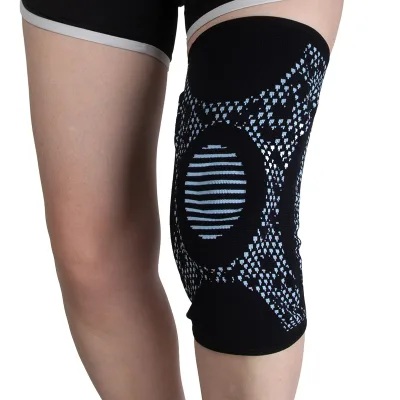
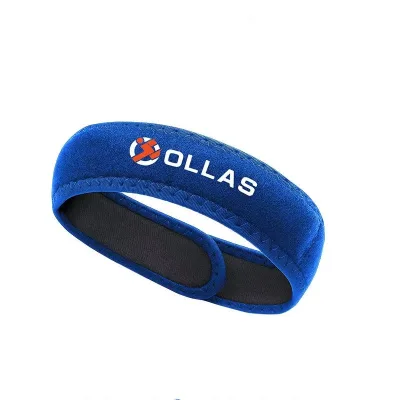

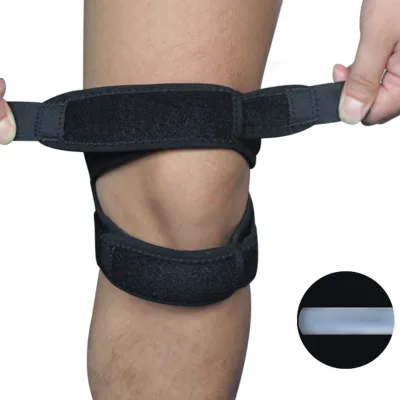


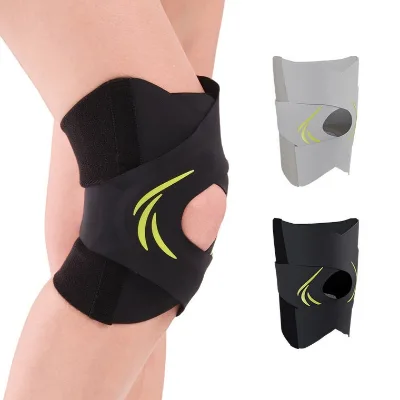
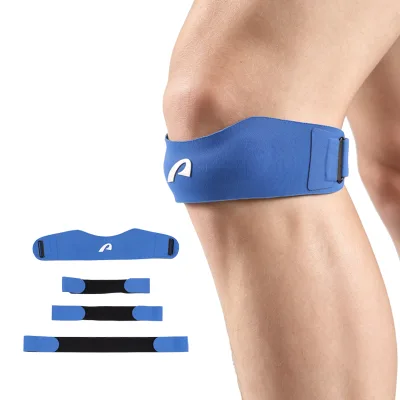
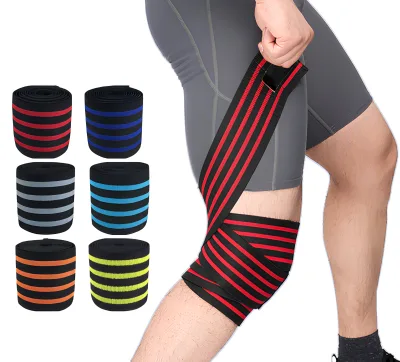
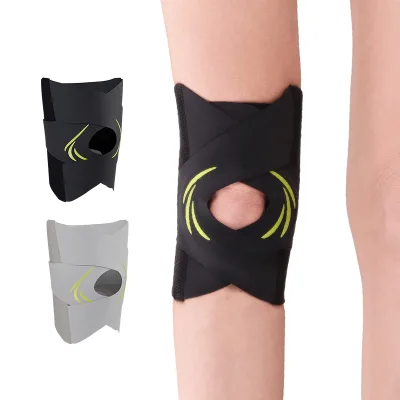
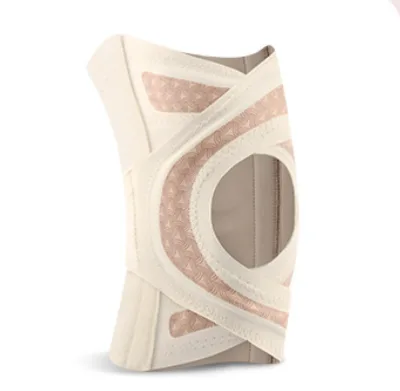
Elastic Knee Support Band with Logo Print for Sports Clubs and Team Events
$3.4169 - $3.6248
MOQ: 10 pieces


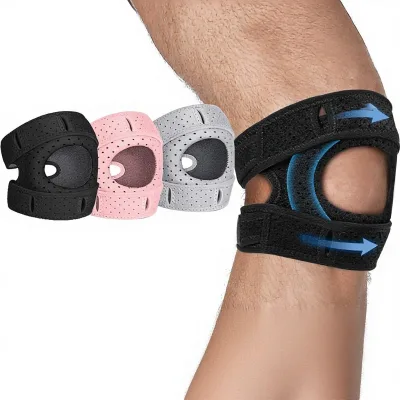
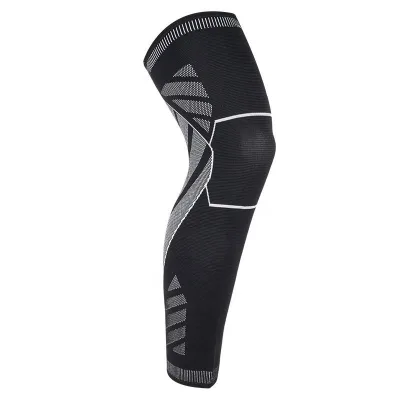


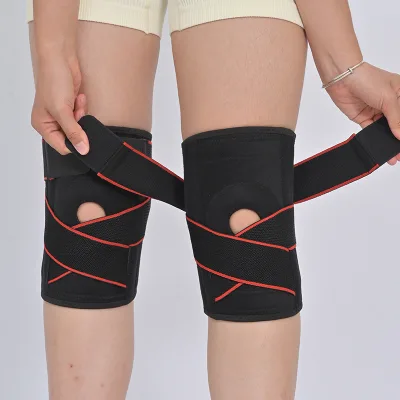
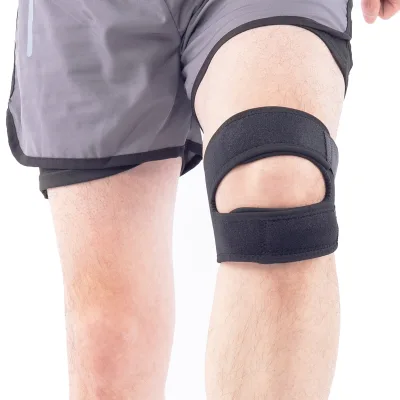
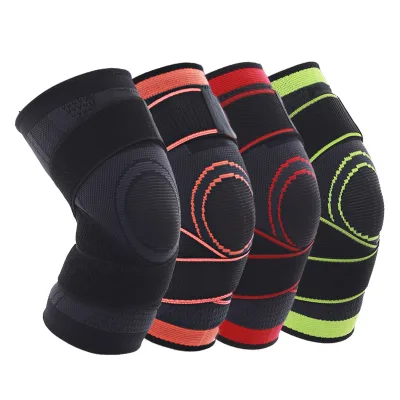
3D Weaving Elastic Knee Pads Sport Running Cycling Support Breathable Double Bandage
$1.0876 - $1.2207
MOQ: 5 pieces


Comprehensive Sourcing Guide
Breathable Sports Knee Band Sourcing Guide
Procuring breathable sports knee bands requires a nuanced understanding of material science and functional design, as these products sit at the intersection of medical-grade support and athletic performance gear. Buyers must distinguish between basic compression sleeves and specialized protective braces, noting that the market offers a wide spectrum of options ranging from simple elastic wraps to complex neoprene structures. The core appeal of these items lies in their ability to provide joint stability while managing moisture and heat, which is critical for athletes engaging in high-intensity or prolonged physical activities. Understanding this distinction is the first step in defining precise procurement specifications that align with end-user expectations and safety requirements.
The sourcing landscape for these products is dominated by manufacturers in specific industrial hubs, with Jiangsu and Hebei in China emerging as significant production centers. These regions offer a mature supply chain for textiles and rubber-based products, allowing for rapid prototyping and scalable manufacturing. However, the diversity of materials—from natural rubber to spandex blends and neoprene—means that quality control protocols must be tailored to each specific product type. Buyers should leverage this geographic concentration to establish efficient logistics but must remain vigilant about verifying the actual composition of materials, as visual inspection alone cannot confirm the presence of breathable technologies or the integrity of elastic components.
Product Scope and Observed Listing Signals
Current market listings reveal a diverse array of knee support products, with observed price points ranging from $0.05 to $10.90 USD, indicating a broad segmentation from basic promotional items to professional-grade equipment. Minimum order quantities (MOQs) vary significantly, spanning from single units to 1,000 pieces, with some suppliers setting specific thresholds such as 200 pieces for customized orders. This variability suggests that buyers can access flexible sourcing models, whether for small-batch testing or large-scale distribution, but it also necessitates careful evaluation of unit economics and inventory turnover rates to ensure profitability across different product tiers.
Product attributes observed in listings highlight key differentiators such as color options including blue, white, orange, and black, alongside size ranges from S to XL and free-size designs. Materials identified include neoprene, natural rubber, and spandex-nylon blends, each offering distinct benefits in terms of durability, elasticity, and breathability. Functional claims like windproofing and sport protection are common, while packaging details such as OPP bags or bulk counts provide insight into the supplier’s operational maturity. Buyers should use these signals to map their requirements against available inventory, ensuring that the selected products meet specific aesthetic and functional criteria for their target markets.
Technical Specifications to Verify
Verifying technical specifications is paramount when sourcing knee bands, particularly regarding material thickness and structural integrity. Listings indicate thickness variations such as 2.5mm neoprene or thin natural rubber options, which directly impact the level of compression and thermal retention provided to the user. Buyers must request detailed material datasheets to confirm that the specified thickness aligns with the intended protection class, whether for basic support or professional-grade injury prevention. Additionally, the closure type, often elastic in nature, should be tested for consistent tension retention over time to prevent slippage during dynamic movements, ensuring that the product maintains its fit and function throughout its lifecycle.
Size consistency and packaging dimensions are also critical technical factors that influence logistics and user satisfaction. Observed single package sizes range from compact 10x10x0.3 cm units to larger 30x20x10 cm boxes, reflecting differences in product complexity and bundling strategies. Buyers should verify that size charts are accurate and standardized, as discrepancies between labeled sizes (S, M, L, XL) and actual measurements can lead to high return rates. Furthermore, the gross weight of individual items, typically ranging from 0.1 kg to 0.25 kg, must be accounted for in shipping cost calculations and inventory management systems to avoid unexpected logistical expenses and ensure accurate stock forecasting.
Compliance and Safety Documentation
While specific certification statuses are not universally disclosed in general listings, buyers must proactively request compliance documentation to ensure that knee bands meet regional safety and quality standards. For products marketed as providing professional protection, verifying that materials are free from harmful substances such as latex allergens or toxic dyes is essential, especially for items made from natural rubber or neoprene. Buyers should inquire about adherence to relevant textile and medical device regulations, depending on the claimed level of support, to mitigate legal risks and ensure that the products are safe for prolonged skin contact during athletic activities.
Documentation should also cover the manufacturing processes and quality assurance protocols employed by suppliers. Buyers need to confirm that the production facilities follow good manufacturing practices (GMP) or equivalent standards to maintain consistency in product quality. This includes verifying that the elastic components and stitching meet durability requirements and that the products undergo rigorous testing for tensile strength and elasticity retention. By establishing clear compliance expectations upfront, buyers can protect their brand reputation and ensure that their supply chain partners are capable of delivering products that meet both regulatory requirements and consumer safety expectations.
Cost Drivers and Commercial Terms
The cost structure of breathable sports knee bands is influenced by several key factors, including material selection, customization requirements, and order volume. Products made from specialized materials like neoprene or custom blends typically command higher prices than those using basic elastic or cotton blends. Additionally, the option for customized logos and packaging, which is frequently offered by suppliers, adds to the overall cost but can enhance brand value for end consumers. Buyers should analyze the trade-off between customization costs and potential market differentiation to determine the optimal balance for their specific business model and target audience.
Commercial terms, including MOQs and payment conditions, play a significant role in the total cost of ownership. Suppliers with lower MOQs may charge higher unit prices, while larger orders often benefit from economies of scale. Buyers should negotiate favorable payment terms and clarify any additional fees for tooling or sample production to avoid hidden costs. It is also important to consider the lead times associated with different order sizes, as longer lead times may require higher safety stock levels, impacting working capital. By carefully managing these commercial variables, buyers can optimize their procurement strategy to achieve the best possible margin while maintaining supply chain flexibility.
Supplier Qualification and Quality Control
Qualifying suppliers for knee band production requires a thorough assessment of their manufacturing capabilities and quality control systems. Buyers should prioritize suppliers with proven experience in producing sports protection gear, as indicated by their product portfolios and place of origin in established industrial regions like Jiangsu and Hebei. Verifying the supplier’s ability to handle customized orders, including logo printing and packaging design, is crucial for brands seeking unique market positioning. Additionally, assessing the supplier’s responsiveness and communication efficiency can provide insights into their reliability and ability to handle complex procurement requirements effectively.
Implementing robust quality control measures is essential to ensure that delivered products meet specified standards. Buyers should conduct pre-shipment inspections to verify product dimensions, material composition, and overall workmanship, paying close attention to the integrity of elastic closures and stitching. Establishing clear acceptance criteria and defect tolerance levels with suppliers helps maintain consistency across production batches. Furthermore, implementing a feedback loop from end-users can provide valuable insights into product performance and durability, allowing buyers to refine their specifications and supplier requirements over time to ensure continuous improvement in product quality.
Long-Term Procurement Checks
Establishing long-term procurement relationships with knee band suppliers requires ongoing monitoring of performance metrics and market trends. Buyers should regularly review supplier performance based on key indicators such as on-time delivery rates, product quality consistency, and responsiveness to issues. Maintaining open communication channels and conducting periodic supplier audits can help identify potential risks and opportunities for improvement early on. By fostering collaborative relationships, buyers can work with suppliers to innovate on product designs and materials, ensuring that their offerings remain competitive and aligned with evolving consumer preferences in the sports protection market.
Adapting to market dynamics and regulatory changes is also critical for long-term success. Buyers should stay informed about emerging trends in sports technology and materials science, such as new breathable fabrics or advanced compression techniques, to anticipate shifts in consumer demand. Additionally, monitoring regulatory developments in key markets ensures that products remain compliant with evolving safety and labeling requirements. By maintaining a proactive approach to market intelligence and supplier management, buyers can build a resilient supply chain that supports sustainable growth and delivers value to their customers over the long term.
FAQs
What materials are used for breathable sports knee bands?
Breathable sports knee bands are typically crafted from neoprene, natural rubber, or spandex and nylon blends. These materials provide essential flexibility and windproof protection while maintaining a lightweight profile. The choice of material ensures the band remains comfortable during extended wear, offering professional or basic protection depending on the specific design and intended use for various sports activities.
Can these knee bands be customized with a logo?
Yes, many breathable sports knee bands support customization, including the addition of a customized logo. Suppliers often accept OEM requests to tailor the product branding for businesses. This service allows buyers to create unique merchandise for their teams or clients, ensuring the final product aligns with their specific brand identity and marketing goals while maintaining standard protective features.
What sizes are available for breathable sports knee bands?
Breathable sports knee bands are available in various sizes, including S, M, L, XL, and free size options. Some models offer specific sizing like One Size or M and L to fit different leg circumferences. The flexible nature of the elastic closure ensures a secure fit for unisex users, accommodating adults and ensuring the band stays in place during dynamic sports movements.
How thick are the breathable sports knee bands?
The thickness of breathable sports knee bands varies by model, ranging from thin profiles to 2.5mm neoprene constructions. Thicker bands often provide enhanced stability and health care benefits, while thinner options offer minimal bulk. This variation allows buyers to select the appropriate level of compression and protection based on the specific intensity of the sport and the user's comfort preferences.
Where are these knee bands manufactured?
These knee bands are primarily manufactured in China, with specific origins in Jiangsu and Hebei provinces. These regions are known for their robust textile and protective gear manufacturing capabilities. Buyers can source products directly from these locations, benefiting from established supply chains and competitive pricing structures that support both small and large volume orders for global distribution.
What is the minimum order quantity for these bands?
The minimum order quantity for breathable sports knee bands typically ranges from 1 to 1000 pieces, with some suppliers setting specific MOQs like 200 pieces. This flexibility allows businesses of various sizes to place orders that suit their inventory needs. Lower MOQs are ideal for testing market demand, while higher volumes may unlock better pricing tiers for established retailers.