Source Heavy Duty Weight Lifting Hook for Deadlifts, Shrugs, Rows
Compare 30 Heavy Duty Weight Lifting Hook options from verified Chinese suppliers. Buyers can evaluate specifications like G80 and MB-14079 models, material types including steel and polyester, and customization features for industrial or gym use; compare the available evidence and request quotations based on your requirements.
Updated
Key considerations
Products List


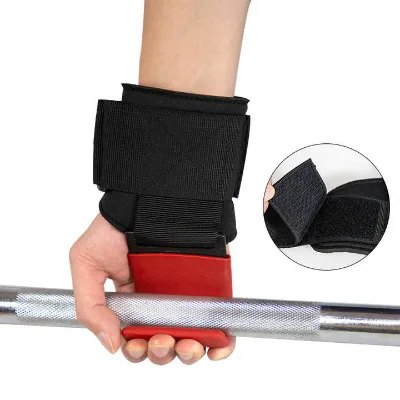
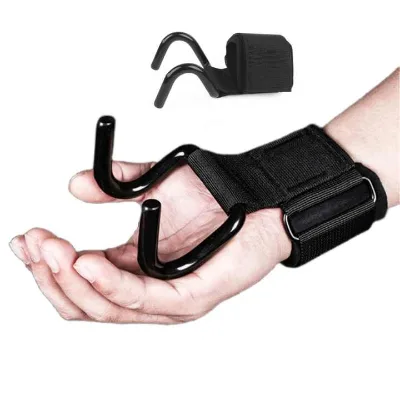


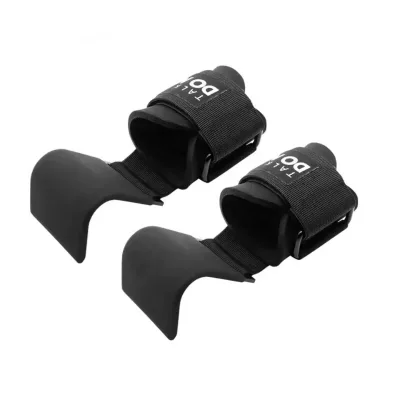
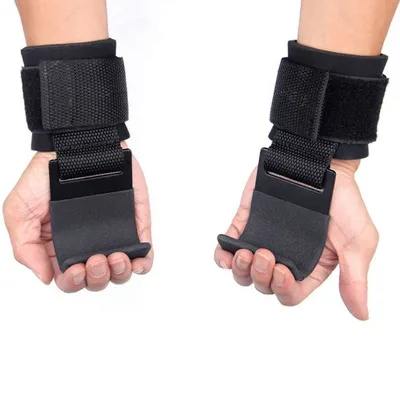
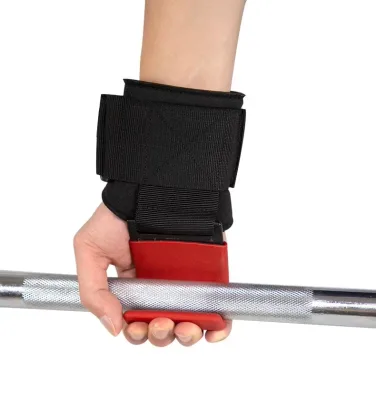
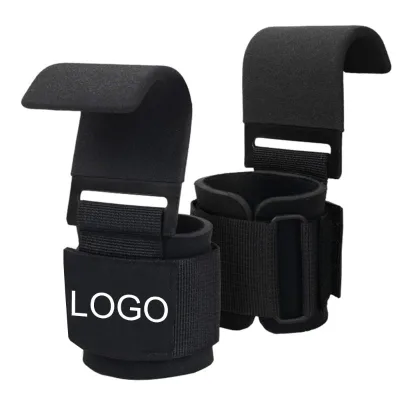


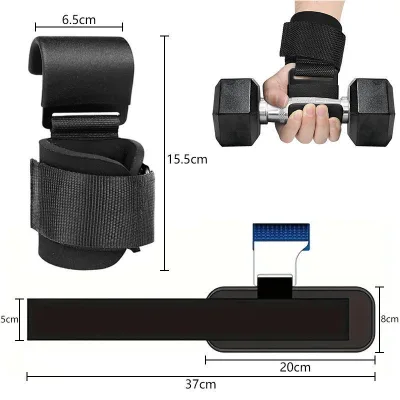
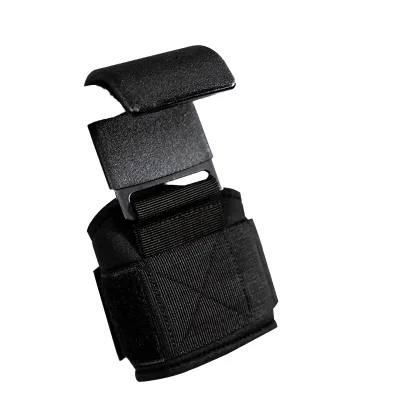
Weight Lifting Hooks Upgraded Heavy Duty Lifting Wrist Straps for Deadlift
$4.50 - $5.00
MOQ: 100 Pieces
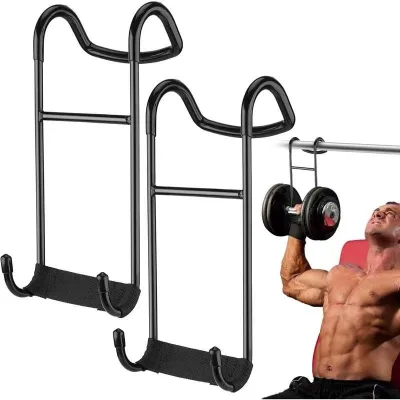
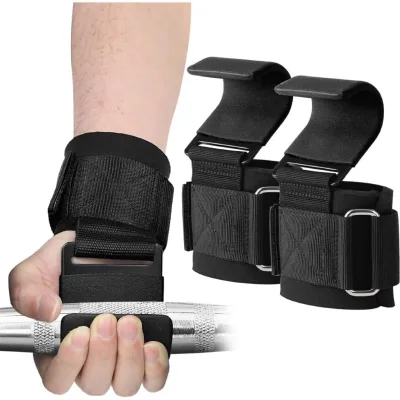

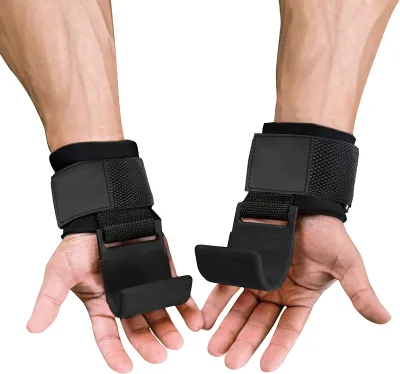
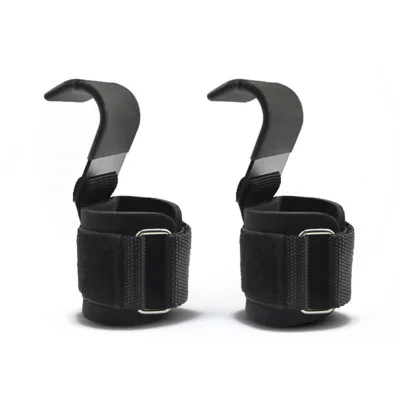
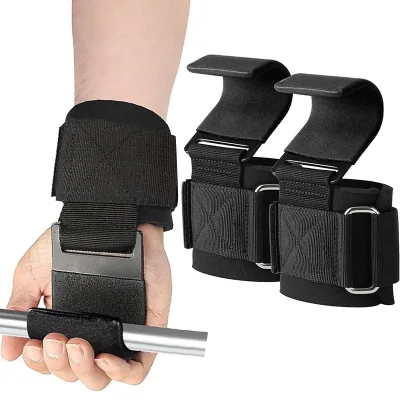
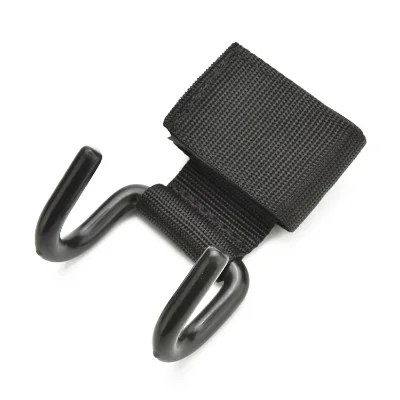


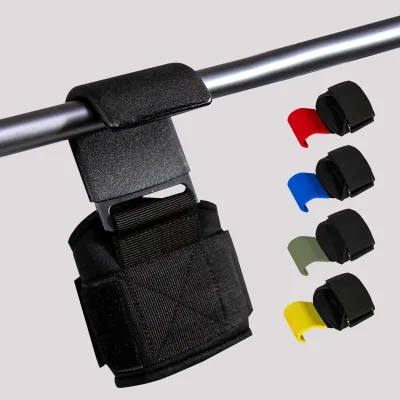
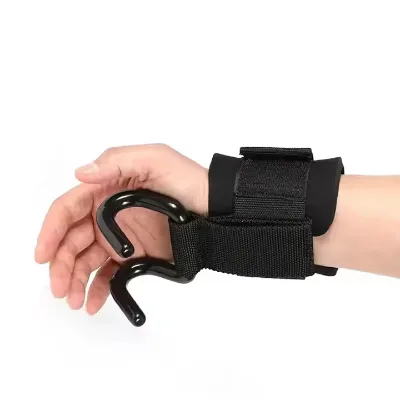

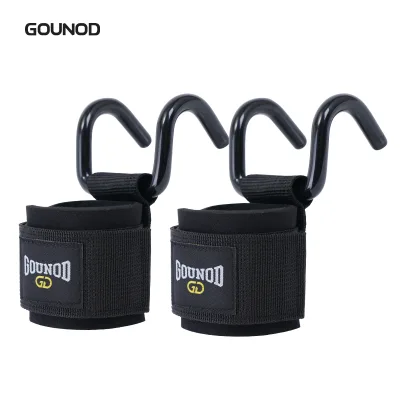
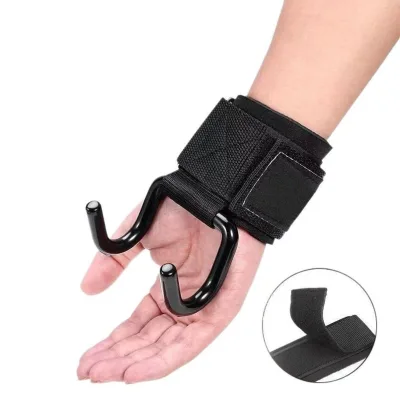
Gym Wrist Straps Weightlifting Hook Grip Weight Lifting Hooks with Wrist Straps
$1.0756 - $1.2417
MOQ: 10 pieces

Comprehensive Sourcing Guide
Heavy Duty Weight Lifting Hook Sourcing Guide
Procuring heavy duty weight lifting hooks requires a clear distinction between industrial-grade lifting hardware and fitness-oriented grip aids, as the terminology often overlaps in global marketplaces. Buyers must first define whether the requirement is for structural load-bearing in industrial settings or for ergonomic support in strength training environments. The observed product landscape includes items labeled as "Weight Lifting Hooks" that serve entirely different functions, ranging from steel shackles with extreme workload capacities to polyester and nylon grips designed to relieve wrist pain during deadlifts and shrugs. Misidentifying the product category can lead to significant safety risks and operational inefficiencies, making precise specification the critical first step in the sourcing process.
To navigate this ambiguity, sourcing teams should analyze the material composition and intended usage claims provided by suppliers. Industrial variants are typically constructed from high-strength steel, often adhering to specific grade standards like G80, and are designed for heavy deadlifts, barbell rows, or industrial lifting tasks with extreme workload capacities ranging from 1.5 to 8.2 tons. Conversely, fitness-focused hooks are made from materials such as polyester and nylon, featuring custom colors and soft packaging to enhance comfort and grip during repetitive exercises. Understanding this fundamental dichotomy allows buyers to filter search results effectively and engage only with suppliers who possess the relevant manufacturing expertise for their specific application, whether it be gym equipment distribution or industrial supply chain management.
Product Scope and Observed Listing Signals
The current market listings for heavy duty weight lifting hooks reveal a diverse range of product attributes that signal different manufacturing capabilities and target markets. Observed data indicates a price range from $0.05 to $15 USD, reflecting the vast difference between simple fabric grips and complex steel hardware. Minimum order quantities (MOQ) vary significantly, ranging from as low as 2 pieces for sample orders or small fitness batches to 500 pieces for larger industrial contracts. This variability suggests that suppliers are flexible in their production models, accommodating both niche custom orders and high-volume standard production runs, which is a positive indicator for buyers seeking scalable supply chains.
Further analysis of listing signals shows that customization is a prevalent feature, with many suppliers offering OEM and ODM services. Products are frequently available in customized logos, colors such as blue, black, red, and yellow, and specific packaging options like OPP bags, cartons, or polybags. The observed models include specific identifiers like MB-14079 and 1037, as well as standard designations like G80, which helps in tracking product consistency. Additionally, the presence of attributes such as "Customized Standard" and "Support Customization" indicates that manufacturers are prepared to adapt their products to meet specific buyer requirements, whether for branding purposes or technical specifications, providing buyers with significant leverage in negotiations and product development.
Technical Specifications to Verify
When evaluating technical specifications, buyers must prioritize the verification of material integrity and load-bearing capabilities, especially for industrial applications. For steel-based hooks, it is essential to confirm the exact steel grade and whether the product adheres to recognized standards such as G80, which is commonly cited in industrial lifting contexts. The observed extreme workload capacities ranging from 1.5 to 8.2 tons provide a baseline for performance, but buyers should request detailed engineering drawings and material test reports to ensure that the hooks can safely handle the intended loads without risk of failure. Verifying the diameter specifications, such as the 7-16mm range observed, is also crucial to ensure compatibility with existing chains or rigging equipment.
For fitness-oriented hooks, the focus shifts to ergonomic design and material durability. Buyers should verify the composition of the materials, typically polyester and nylon, and assess the stitching quality and padding thickness to ensure they provide adequate wrist support during heavy lifts. The observed single gross weights of 0.300 kg and 0.800 kg indicate variations in product density and construction, which may correlate with different levels of support or durability. Additionally, confirming the size options, such as M or free size, and the applicability to adult users ensures that the product fits the end-user demographic correctly. Requesting physical samples to test comfort and grip stability is a recommended step before committing to large orders.
Compliance and Safety Documentation
Safety documentation is paramount when sourcing heavy duty weight lifting hooks, particularly for industrial applications where failure can result in severe injury or property damage. Buyers should insist on comprehensive safety data sheets and certification documents that verify the product's compliance with relevant international standards. While specific certification statuses are not universally confirmed in the observed listings, the mention of EN 1677 as a background standard suggests that European safety norms may be applicable for certain product types. Buyers must actively verify whether their specific procurement needs align with these standards and request valid test reports from accredited laboratories to confirm that the hooks meet the required safety thresholds for their intended use.
For fitness equipment, safety documentation may focus more on material safety and ergonomic testing rather than structural load limits. Buyers should inquire about the absence of harmful substances in the polyester and nylon materials, ensuring that the products are safe for prolonged skin contact. Additionally, verifying that the hooks are in "New" condition and have undergone quality control checks for defects such as loose stitching or sharp edges is essential. Although specific test results are not provided in the observed data, buyers should establish clear quality acceptance criteria with suppliers, including visual inspection protocols and functional testing procedures, to mitigate the risk of receiving substandard products that could cause user discomfort or injury during exercise.
Cost Drivers and Commercial Terms
The cost structure for heavy duty weight lifting hooks is influenced by several key factors, including material costs, manufacturing complexity, and customization requirements. Steel hooks, with their higher material density and rigorous quality control processes, typically command higher prices compared to fabric-based fitness grips. The observed price range of $0.05 to $15 USD reflects this disparity, with industrial-grade items likely at the higher end due to the need for precision engineering and safety certifications. Buyers should also consider the impact of customization on pricing, as features like custom logos, specific colors, and tailored packaging can add to the unit cost, although many suppliers offer these services to enhance brand value and market competitiveness.
Commercial terms and payment methods are also critical components of the procurement strategy. The observed trade terms include EXW, FOB, CIF, and CFR, providing flexibility in logistics and risk management depending on the buyer's location and supply chain preferences. Payment options such as Trade Assurance, Western Union, and PayPal offer varying levels of security and convenience, with Trade Assurance being particularly beneficial for protecting buyer interests in international transactions. Additionally, the observed shipping times of 20-35 days and sample times of 3-5 days should be factored into the overall procurement timeline and budget. Buyers should negotiate clear terms regarding lead times, shipping responsibilities, and payment schedules to ensure a smooth and predictable purchasing process.
Supplier Qualification and Quality Control
Supplier qualification is a critical step in ensuring the reliability and consistency of Heavy Duty Weight Lifting Hook supplies. Buyers should conduct thorough due diligence on potential suppliers, verifying their business licenses, manufacturing capabilities, and quality management systems. The observed origins in Hebei and Shandong, China, indicate established manufacturing hubs for hardware and fitness equipment, but buyers should not assume that all suppliers in these regions meet the same quality standards. Requesting factory audits or third-party inspection reports can provide valuable insights into the supplier's production processes, quality control measures, and overall operational efficiency, helping to identify reliable partners who can consistently deliver high-quality products.
Quality control protocols should be established early in the sourcing relationship to minimize the risk of defects and ensure product consistency. Buyers should define clear acceptance criteria for incoming goods, including visual inspections, dimensional checks, and functional tests, depending on the product type. For steel hooks, this may involve load testing and surface finish inspections, while for fabric grips, it may focus on stitching integrity and material softness. Implementing a robust quality control plan, which may include pre-shipment inspections and random sampling, helps to catch potential issues before they reach the end user. Additionally, maintaining open communication with suppliers regarding any quality concerns and establishing a clear process for handling non-conforming products is essential for long-term success.
Long-Term Procurement Checks
Long-term procurement success depends on continuous monitoring and evaluation of supplier performance and product quality. Buyers should establish key performance indicators (KPIs) to track metrics such as on-time delivery, defect rates, and responsiveness to issues, using this data to inform future purchasing decisions and supplier relationships. Regular reviews of supplier performance can help identify areas for improvement and foster a collaborative environment focused on mutual growth and quality enhancement. Additionally, staying informed about industry trends and technological advancements in weight lifting hook design can help buyers remain competitive and ensure that their product offerings meet evolving market demands.
It is also important to periodically reassess the product specifications and market requirements to ensure alignment with current needs. As fitness trends and industrial safety standards evolve, buyers may need to adjust their sourcing strategies to incorporate new materials, designs, or compliance requirements. Engaging in ongoing dialogue with suppliers about potential product improvements or new offerings can help buyers stay ahead of the curve and capitalize on emerging opportunities. By maintaining a proactive approach to procurement and supplier management, buyers can build a resilient supply chain that delivers high-quality heavy duty weight lifting hooks consistently and efficiently over the long term.
FAQs
What materials are used for heavy duty weight lifting hooks?
Heavy duty weight lifting hooks are typically constructed from durable steel or a blend of polyester and nylon. Steel variants offer high strength for industrial or extreme workload applications, while fabric blends provide comfort and wrist pain relief for gym use. The material choice depends on whether the hook is intended for heavy deadlifts or general strength training exercises.
Can these hooks be customized with a specific logo?
Yes, customization is available for these weight lifting hooks. Buyers can request customized logos and specific packaging options, such as OPP bags or cartons. OEM and ODM services are acceptable, allowing brands to tailor the product appearance and branding to their specific market needs while maintaining the core functionality of the lifting aid.
What is the minimum order quantity for these hooks?
The minimum order quantity varies by supplier but generally starts at 2 pieces for sample orders or small batches. Some listings indicate an MOQ range of 1 to 500 units. Buyers should verify the specific MOQ with the manufacturer, as it may depend on whether the order requires custom packaging, logo printing, or standard stock items.
Where are these weight lifting hooks manufactured?
These products are primarily manufactured in China, with specific origins noted in Hebei and Shandong provinces. Buyers sourcing from these regions can expect established supply chains for both industrial steel hooks and gym accessories. The location influences shipping terms and lead times, which typically range from 20 to 35 days for bulk orders.
What are the typical shipping terms for these hooks?
Common trade terms include EXW, FOB, CIF, and CFR. Payment methods often accepted are Trade Assurance, Western Union, and PayPal. Buyers should confirm the specific shipping time, which can range from 20 to 35 days depending on the order volume and destination. Sample times are usually shorter, taking 3 to 5 days to prepare.
What is the extreme workload capacity for steel hooks?
Steel heavy duty weight lifting hooks are designed to handle extreme workloads ranging from 1.5 to 8.2 tons. This capacity makes them suitable for industrial applications or very heavy deadlifts. Buyers requiring specific load ratings should verify the model number, such as G80, to ensure the hook meets their safety and performance requirements for heavy lifting.