Source Natural Rubber Anti-Slip Yoga Mat for Home Exercise
Find 30 natural rubber anti-slip yoga mat options from China. Compare materials like PU, TPE, and PVC, check sizes from 173cm to 183cm, and review customization and OEM services for home exercise needs; compare the available evidence and request quotations based on your requirements.
Updated
Key considerations
Products List


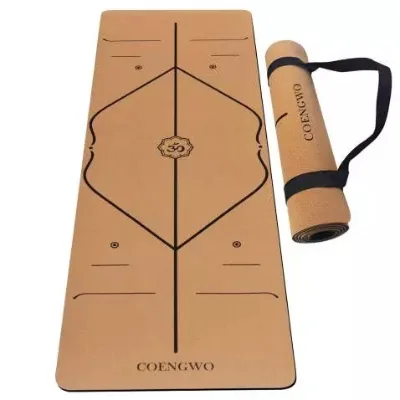
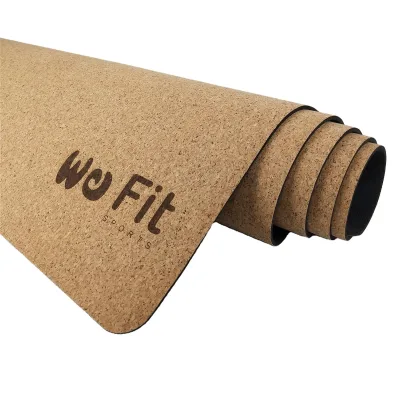


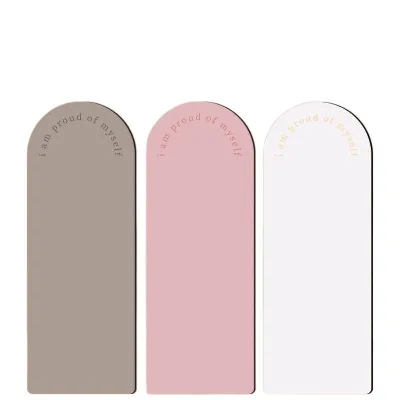

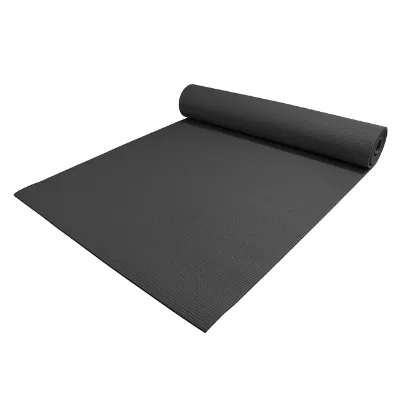


Comprehensive Sourcing Guide
Natural Rubber Anti-Slip Yoga Mat Sourcing Guide
Sourcing natural rubber yoga mats requires a disciplined approach to material verification and supplier transparency. Buyers must distinguish between genuine natural rubber products and those blended with synthetic alternatives, as performance and sustainability claims vary significantly. The observed market data indicates a diverse range of materials, including TPE, PVC, and PU blends, which necessitates rigorous specification checks. Procurement teams should prioritize suppliers who provide clear material composition statements, ensuring the core product aligns with eco-friendly and anti-slip requirements.
Commercial terms and minimum order quantities also play a critical role in the sourcing strategy. Current listings show a wide MOQ range from one to five hundred pieces, allowing for flexible entry points for small businesses and larger enterprises alike. Payment methods such as PayPal, Western Union, TT, and Trade Assurance are commonly available, offering varying levels of transaction security. Understanding these commercial variables helps buyers negotiate better terms and manage cash flow effectively while maintaining quality standards throughout the supply chain.
Product Scope and Observed Listing Signals
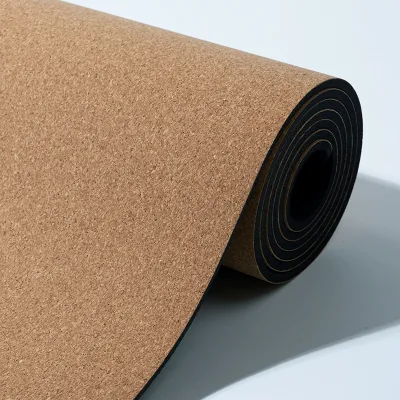
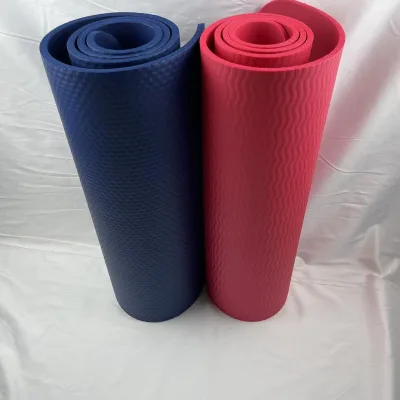
The current market landscape for yoga mats includes a variety of material compositions, with natural rubber standing out for its durability and eco-friendly profile. Observed listings highlight products made from PU+Rubber combinations, TPE, PVC, and pure natural rubber, each offering distinct tactile and performance characteristics. Buyers should note that while some products are labeled as "Natural Rubber Yoga Mat," others may use different materials like cork or synthetic blends. It is essential to verify the exact material composition, as attributes such as "Eco-Friendly" and "Anti-Slip" are often associated with natural rubber but may apply to other materials as well.
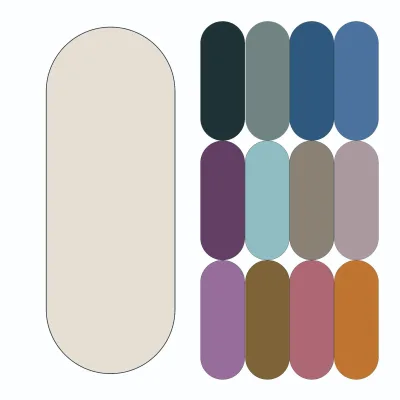
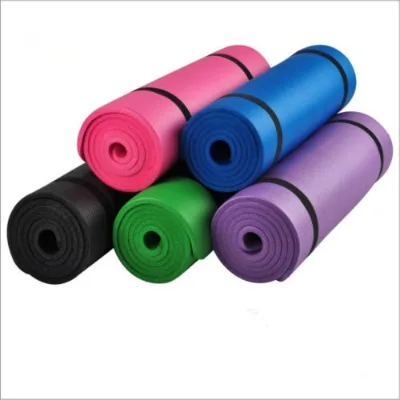
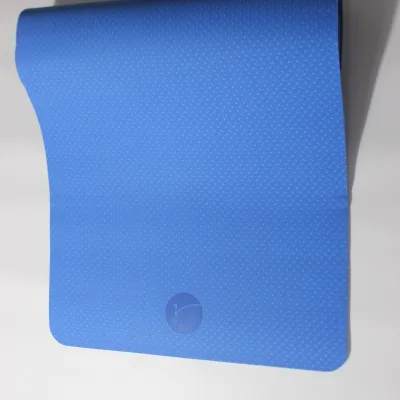
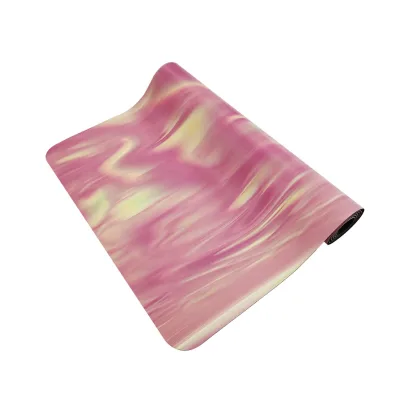
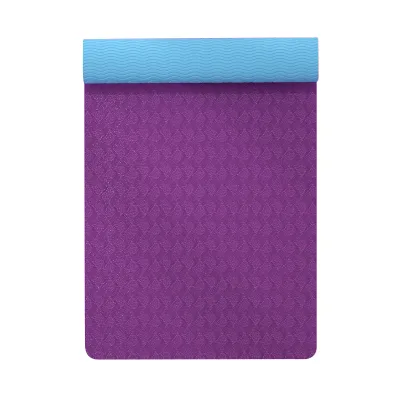
Customization options are widely available, allowing brands to tailor products to specific market needs. Many suppliers offer customized logos, sizes, and standards, with options for solid colors and specific packaging like OPP bags or paper wraps with carry straps. The observed product models, such as ULD-0718171 and TP19-NRMT-MT 504, indicate a structured approach to product differentiation. Buyers should leverage these customization capabilities to create unique offerings, ensuring that the final product meets both functional requirements and brand identity guidelines without compromising on quality or safety.
Technical Specifications to Verify
Technical verification begins with confirming the exact dimensions and weight of the yoga mats, as these factors directly impact user experience and shipping costs. Standard sizes observed include 18066 cm, 17361 cm, and 183*61 cm, with lengths ranging from 173 to 183 cm. Buyers should specify the desired thickness and density to ensure adequate cushioning and stability during exercise. Additionally, the single package size and gross weight, such as 65X20X20 cm and 3.0 kg for certain models, are crucial for logistics planning and cost estimation.
Material properties must be rigorously tested to ensure they meet anti-slip and waterproof standards. Natural rubber is known for its excellent grip and resilience, but buyers should request test results or certifications that confirm these attributes. The presence of features like "Waterproof" and "Anti-Slip" should be validated through independent testing or supplier-provided data sheets. Furthermore, verifying the origin of the materials, such as natural rubber sourced from specific regions, can help ensure consistency and quality in the final product.
Compliance and Safety Documentation
Compliance with international safety and environmental standards is paramount when sourcing natural rubber yoga mats. Buyers should request documentation that verifies the absence of harmful chemicals, such as phthalates and heavy metals, which are often regulated in consumer goods. While specific certifications like GOTS are mentioned in background contexts, buyers must confirm the actual certification status of each supplier, as not all products may be certified. Ensuring that the materials meet relevant safety standards protects both the brand and the end consumer from potential health risks.
Environmental claims, such as "Eco-Friendly" and "Organic," require substantiation through credible documentation. Buyers should ask for lifecycle assessments or material safety data sheets that support these claims. Transparency in the supply chain is essential, with suppliers providing clear information about the sourcing of natural rubber and other components. This diligence helps maintain brand integrity and meets the growing consumer demand for sustainable and ethically produced fitness equipment.
Cost Drivers and Commercial Terms
Cost drivers for natural rubber yoga mats include material quality, customization complexity, and order volume. Higher-grade natural rubber and additional features like custom logos or specific packaging can increase production costs. Buyers should analyze the price range, which currently spans from $1.88 to $18 per unit, to understand the value proposition of different suppliers. Negotiating based on volume discounts and long-term partnerships can help mitigate costs, especially for larger orders.
Commercial terms, including payment methods and lead times, significantly impact the procurement process. Suppliers offering Trade Assurance provide an added layer of security, ensuring that payments are protected until goods are received as specified. Buyers should clarify lead times and production schedules to align with their inventory needs and market demands. Understanding these commercial variables allows for more effective budgeting and risk management, ensuring a smooth sourcing experience.
Supplier Qualification and Quality Control
Supplier qualification involves assessing manufacturing capabilities, quality control processes, and past performance. Buyers should request factory audits or third-party inspection reports to verify production standards and ethical practices. Suppliers with a history of consistent quality and timely delivery are preferable, as they reduce the risk of supply chain disruptions. Additionally, evaluating the supplier's ability to handle customization requests ensures that the final product meets specific brand requirements.
Quality control measures should be integrated into the procurement process, with clear specifications and acceptance criteria defined upfront. Buyers should implement pre-shipment inspections to verify that products meet the agreed-upon standards for material, dimensions, and finish. Establishing a robust quality control framework helps maintain product consistency and customer satisfaction, reducing the likelihood of returns or complaints. Regular communication with suppliers fosters a collaborative relationship, enabling continuous improvement and problem resolution.
Long-Term Procurement Checks
Long-term procurement success depends on continuous monitoring of supplier performance and market trends. Buyers should regularly review supplier metrics, such as on-time delivery rates and defect percentages, to ensure ongoing compliance with quality standards. Staying informed about industry developments, such as new material innovations or regulatory changes, allows for proactive adjustments to sourcing strategies. This vigilance helps maintain a competitive edge and ensures that the product offering remains relevant and appealing to consumers.
Building a resilient supply chain involves diversifying suppliers and establishing contingency plans for potential disruptions. Buyers should cultivate relationships with multiple suppliers to mitigate risks associated with single-source dependencies. Regularly updating procurement policies and procedures ensures that the sourcing process remains efficient and effective. By focusing on long-term partnerships and strategic planning, buyers can secure a stable supply of high-quality natural rubber yoga mats, supporting sustainable business growth.
FAQs
Can I customize the logo and size for natural rubber anti-slip yoga mats?
Yes, customization is available for both logo and size. Buyers can request customized logos and specific dimensions to meet their brand requirements. The product supports OEM services, allowing for tailored specifications. This flexibility ensures that the final product aligns perfectly with your unique design preferences and functional needs.
What materials are used in these yoga mats?
The yoga mats are primarily made from natural rubber and PU+Rubber combinations. Some variants also utilize TPE and PVC materials. The natural rubber option offers an eco-friendly and anti-slip surface. These materials are selected to provide durability, comfort, and safety during various exercise routines, ensuring a high-quality user experience.
What is the minimum order quantity for these yoga mats?
The minimum order quantity is typically 100 pieces. However, observed MOQ ranges can vary from 1 to 500 pieces depending on the specific supplier and product model. Buyers should verify the exact MOQ with the supplier before placing an order. This flexibility allows for smaller initial trials or larger bulk purchases.
What are the standard sizes for the natural rubber yoga mats?
Standard sizes include 180*66 cm, 173*61 cm, and 183*61 cm. Some models offer a length of 183 cm. Customized sizes are also available upon request. These dimensions are designed to accommodate various body types and exercise styles, providing ample space for movement and ensuring comfort during yoga sessions and other physical activities.
Where are these yoga mats manufactured?
These yoga mats are manufactured in China, with specific origins in Jiangsu and Zhejiang provinces. The production facilities are located in these regions, ensuring efficient logistics and supply chain management. Buyers can expect high-quality manufacturing standards and reliable production capabilities. The location also facilitates easy access to global shipping routes for international orders.
What payment methods are accepted for these yoga mats?
Accepted payment methods include PayPal, Western Union, TT, and Trade Assurance. These options provide flexibility and security for international transactions. Trade Assurance offers additional protection for buyers, ensuring that payments are secure and orders are fulfilled as agreed. Buyers can choose the most convenient and secure payment method for their specific needs.