Source Adjustable Pull-Up Dip Station for Home Gym, Fitness, and Training
Explore 30 adjustable pull-up dip station options for home gyms, fitness centers, and training facilities. Compare specifications, prices, and MOQs from verified suppliers to find the right equipment for your needs; compare the available evidence and request quotations based on your requirements.
Updated
Key considerations
Products List
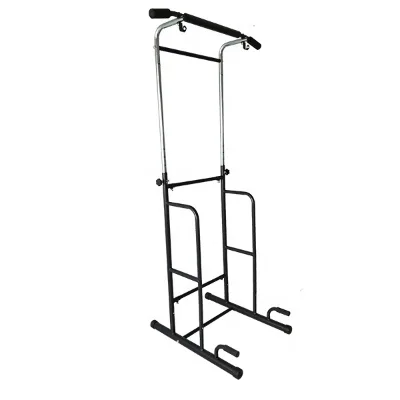
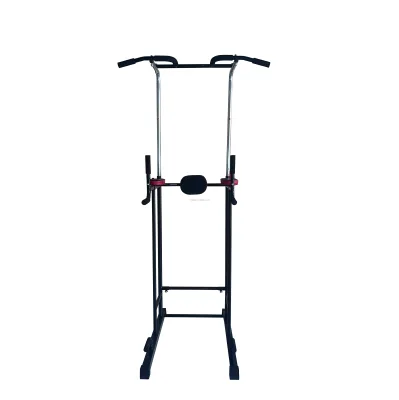
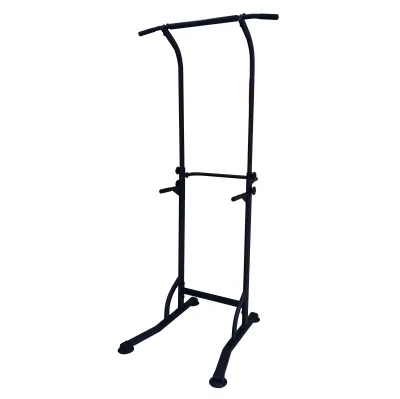
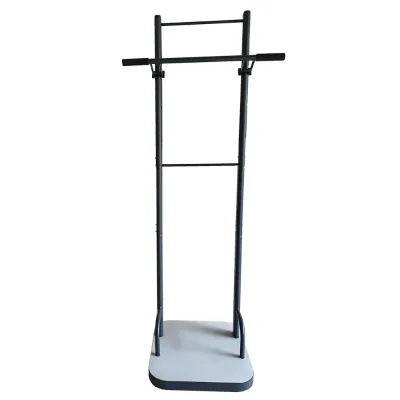
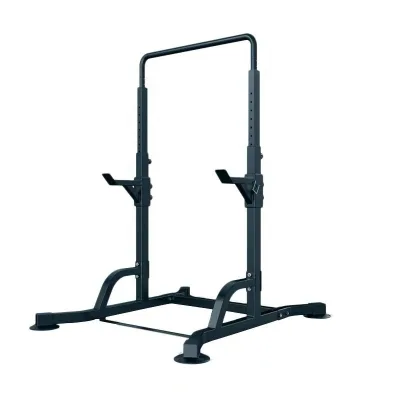
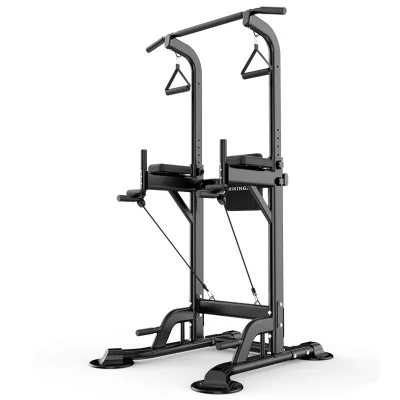
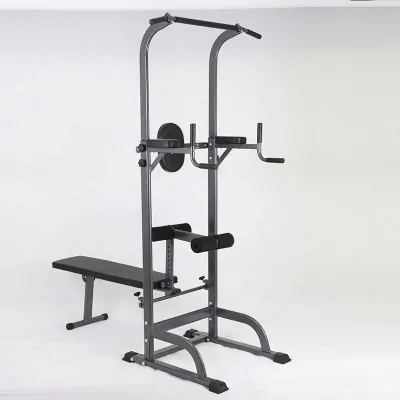
Advanced Technology Portable Multi-functional Adjustable Pull up Dip Station
$36.1359 - $38.2004
MOQ: 2 pieces
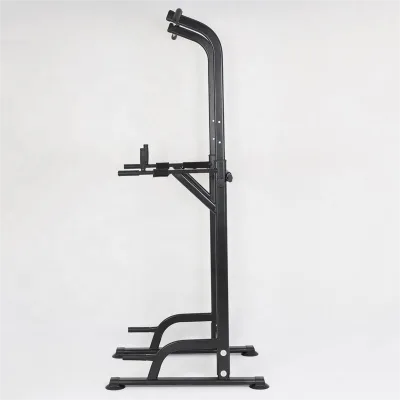
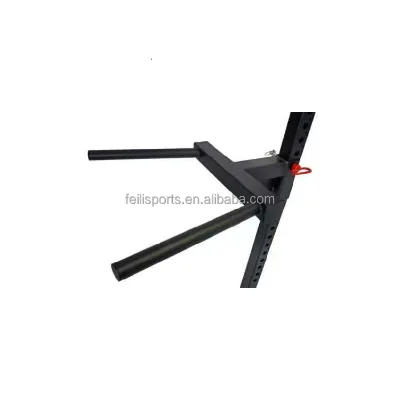


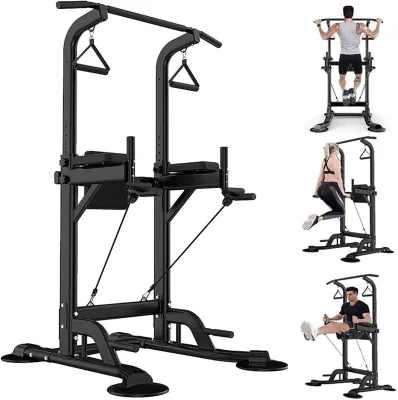
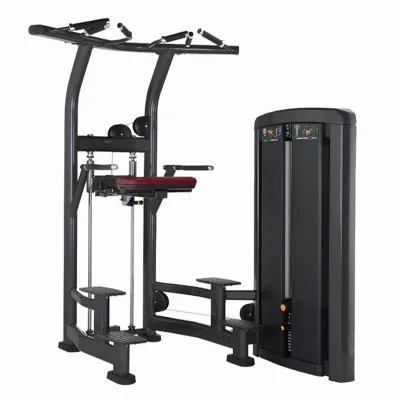
$829.6218 - $878.1804
MOQ: 2 pieces


Adjustable Pull-up Bar Parallel Bars Push UPS Stand Power Tower DIP Station
$60.00 - $63.00
MOQ: 100 Pieces


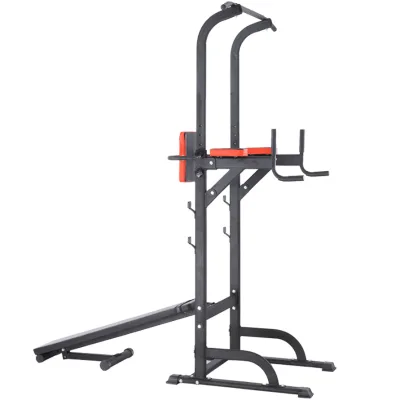
Adjustable DIP Parallel Bar Versatile DIP Station for Home Gym Workouts
$18.00 - $20.00
MOQ: 100 Pairs


Comprehensive Sourcing Guide
Adjustable Pull-Up Dip Station Sourcing Guide
Procuring adjustable pull-up dip stations requires a disciplined approach to verifying structural integrity and functional versatility. These units serve as compact, multi-functional equipment for home gyms and small commercial spaces, enabling users to perform bodyweight exercises such as dips, pull-ups, and push-ups. The primary value proposition lies in the height-adjustable mechanism, which allows athletes to customize the station to their specific anthropometric needs and exercise preferences. Buyers must prioritize models that offer stable base geometries to prevent tipping during dynamic movements, ensuring safety for users of varying weights and skill levels.
The market presents a range of configurations, from basic steel frames to more complex units featuring NBR padding and plastic components for comfort. Sourcing decisions should be driven by the intended end-user environment, whether for residential use or light commercial fitness centers. It is critical to evaluate the load-bearing capacity and the smoothness of the adjustment mechanism, as these factors directly influence user experience and long-term durability. Procurement teams should focus on suppliers who provide clear technical documentation regarding weight limits and material specifications to mitigate liability risks associated with equipment failure.
Product Scope and Observed Listing Signals
Current market listings indicate a diverse array of adjustable dip stations, with observed price points ranging from approximately $8.50 to $878.18 USD. This wide variance suggests significant differences in material quality, brand positioning, and included features such as padding or specialized coatings. Minimum order quantities (MOQs) vary considerably, ranging from single-unit purchases to bulk orders exceeding 500 pieces, reflecting the flexibility of suppliers to accommodate both retail drop-shippers and large-scale distributors. Buyers should carefully analyze these signals to determine the most suitable supply chain model for their specific volume requirements and margin targets.
Specific product attributes observed in listings include models with five or twelve height adjustment levels, catering to different user preferences for customization. Materials commonly cited include iron, steel, and NBR (Nitrile Butadiene Rubber) for grip comfort, often combined with plastic structural elements. Packaging dimensions and weights are critical logistical data points, with single package sizes ranging from roughly 106x39x14 cm to 122.5x36x15 cm. Understanding these physical specifications is essential for calculating landed costs, including freight and warehousing expenses, which can significantly impact the final profitability of the imported goods.
Technical Specifications to Verify
When evaluating technical specifications, buyers must verify the exact dimensions and weight capacities of the units. Observed product sizes vary, with some models measuring 96x80.5x(137-210) cm and others at 80x73x(148-203) cm. These dimensional differences affect the footprint required in the end-user space and the ease of assembly. Additionally, net and gross weights are crucial for logistics planning; for instance, some units weigh around 14.6 kg net, while others may reach 20.4 kg net. Confirming these metrics ensures that the product aligns with the target market’s spatial constraints and shipping budget expectations.
The adjustment mechanism is a key technical feature, with some models offering five distinct height settings and others providing twelve adjustable levels. Buyers should request detailed diagrams or videos demonstrating the adjustment process to ensure it is intuitive and secure. Material composition is another vital verification point; while some units are constructed entirely from steel, others combine iron frames with plastic and NBR components. Understanding the material mix helps assess durability, corrosion resistance, and overall build quality, ensuring the product meets the expected performance standards for its intended application.
Compliance and Safety Documentation
Safety compliance is paramount for fitness equipment, particularly for structures that support dynamic bodyweight exercises. Buyers must ensure that suppliers provide relevant safety certifications and test reports, although specific standard names were not explicitly detailed in the provided context. It is essential to verify that the equipment meets local regulatory requirements for consumer goods in the destination market, including structural stability and material safety. Requesting third-party lab test results for load-bearing capacity and fatigue resistance can significantly reduce the risk of product liability claims and ensure user safety.
Documentation should also cover material safety, particularly regarding the NBR padding and plastic components, to ensure they are free from harmful chemicals. Buyers should inquire about the manufacturing quality control processes, including inspection protocols for welds, joints, and adjustment mechanisms. Clear assembly instructions and warning labels in the target language are also critical for proper user installation and operation. Ensuring that all necessary compliance documentation is available and accurate before placing orders helps streamline customs clearance and builds trust with end consumers who prioritize safety and regulatory adherence.
Cost Drivers and Commercial Terms
Several factors influence the final cost of adjustable pull-up dip stations, including material costs, manufacturing complexity, and order volume. The observed MOQs range from 1 to 530 pieces, with higher volumes typically securing better unit prices. Lead times also vary, with some suppliers offering delivery within 35-50 days, while others may require up to 50 days for production. Buyers should negotiate clear terms regarding lead time adherence and penalties for delays, as these factors impact inventory management and customer satisfaction. Understanding the cost structure helps in forecasting margins and planning cash flow effectively.
Payment terms are another critical commercial consideration, with T/T (Telegraphic Transfer) being a common method observed in listings. Buyers should negotiate favorable payment terms, such as a lower deposit percentage or longer credit periods, to mitigate financial risk. Additionally, packaging options, including customized cartons or standard brown cartons, can affect shipping efficiency and product protection. Clarifying these commercial terms early in the sourcing process ensures transparency and avoids unexpected costs or disputes. It is also important to consider the total landed cost, including freight, insurance, and duties, to accurately assess the profitability of the procurement.
Supplier Qualification and Quality Control
Supplier qualification involves assessing the manufacturer’s production capabilities, quality management systems, and reputation. Buyers should verify the supplier’s location, with many manufacturers based in Zhejiang, China, a hub for fitness equipment production. Evaluating the supplier’s experience in exporting similar products and their ability to handle customization requests, such as logo printing or packaging design, is crucial. Requesting references or case studies from existing clients can provide insights into the supplier’s reliability and service quality. A thorough due diligence process helps identify reputable partners who can consistently deliver high-quality products.
Quality control measures should be established to ensure that each unit meets the specified technical and safety standards. Buyers may consider implementing pre-shipment inspections to verify product dimensions, material quality, and functional performance. Establishing clear quality acceptance criteria and communication channels with the supplier is essential for addressing any defects or discrepancies promptly. Additionally, monitoring the supplier’s production progress and maintaining regular communication can help prevent delays and ensure timely delivery. Building a strong relationship with the supplier based on mutual trust and clear expectations fosters long-term collaboration and continuous improvement.
Long-Term Procurement Checks
Long-term procurement success depends on continuous monitoring of supplier performance and market trends. Buyers should regularly review supplier metrics, such as on-time delivery rates, product defect rates, and responsiveness to issues. Establishing key performance indicators (KPIs) and conducting periodic supplier audits can help maintain high standards of quality and service. Additionally, staying informed about industry developments, such as new materials or design innovations, allows buyers to adapt their sourcing strategies and remain competitive. Continuous improvement efforts ensure that the procurement process remains efficient and aligned with business objectives.
It is also important to diversify the supplier base to mitigate risks associated with single-source dependency. Building relationships with multiple qualified suppliers provides flexibility in case of supply chain disruptions or capacity constraints. Regularly reviewing and updating the supplier qualification criteria ensures that the sourcing strategy evolves with changing market conditions and regulatory requirements. By maintaining a proactive approach to supplier management and quality assurance, buyers can secure a reliable supply of adjustable pull-up dip stations and support their business growth effectively.
FAQs
What is the MOQ for the YFSTAR dip station?
The minimum order quantity is 300 pieces for the YFSTAR brand model. This specific requirement applies to the XK-011D unit which features heat-transfer printing options. Buyers should note that other models may have different thresholds, such as 360 or 530 pieces, depending on the manufacturer's standard policies.
How many height adjustments does the station offer?
The station provides five different height adjustments for the standard model. Another variant offers twelve adjustable heights to accommodate various user needs. These features allow for versatile indoor body shaping exercises and ensure the equipment fits different home use environments effectively.
What materials are used in the dip station construction?
The construction primarily utilizes iron, plastic, and NBR materials for durability and comfort. Some models are specified as being made from steel for added strength. These material choices support the product's function as a pull-up station while maintaining a manageable weight for home use.
Can the dip station be customized with a logo?
Yes, customization is available for branding purposes. Options include heat-transfer printing and sticker applications for the YFSTAR model. Other manufacturers offer customized carton packaging and logo placement, allowing buyers to tailor the product appearance to their specific market requirements or corporate identity.
What is the lead time for production?
Production lead times typically range from 35 to 50 days. Specific models may have fixed delivery times, such as 45 or 50 days, depending on the factory schedule. Buyers should confirm exact timelines with suppliers to ensure alignment with their inventory planning and project deadlines.
What are the package dimensions for shipping?
Single package sizes vary by model, ranging from approximately 106x39x14 cm to 122.5x36x15 cm. Carton sizes are similarly sized to optimize shipping efficiency. These dimensions help buyers calculate freight costs and storage requirements accurately for bulk orders of the adjustable pull-up dip station.