Residential Globe Led Bulb Suppliers and Manufacturers
Source 32 verified suppliers for Residential Globe Led Bulb products. Compare key dimensions including location, lead time, MOQ, response time, and certifications. Contact suppliers directly to request quotes and samples; review the available evidence before requesting comparable quotations from suitable candidates.
Updated
Suppliers List

Jiangmen Gepsen Lighting Electric Co., Ltd.
- Combined
- China Guangdong
- Lead time30 days
- Avg. response≤ 3h
Main productsLED Bulb, LED Panel Lamp, LED Strip Light, LED Tube, LED Flood Lamp, LED Ceiling Light, LED Filament /Candle Light, LED Down Light, Energy Saving Light
Main marketsSouth America,Africa,Southeast Asia/ Mideast


$0.30 - $2.00
MOQ: 5000 Pieces

Jiaxing Sinolamp Electronic Technology Co., Ltd.
- Verified by CTI
- Trading Company,Manufacturer/Factory,Group Corporation
- China Zhejiang
- Lead time23 days
- Avg. response≤ 8h
Main productsLED Bulb Light, LED Panel Light, LED Tube Light, Decorative Lamps, Rechargeable LED Bulb, Smart LED Bulb, Outdoor LED Light, Energy Saving Bulb
Main marketsSouth America,Eastern Europe,Mid East,North America,Southeast Asia,Eastern Asia,Oceania,Western Europe,Africa
Heyuan Boyi Lighting Technology CO.,Limited
- Manufacturer, Trading Company
- Guangdong, China
- Lead time7 days
- Avg. response≤ 5h
Main productsLED Bulb,Decoration Light,LED E14 E12 Bulbs,LED G4 G9 Bulbs,LED Filament Bulbs
Main marketsWestern Europe(50.00%), North America(30.00%), South America(10.00%), Northern Europe(5.00%), Eastern Europe(5.00%)
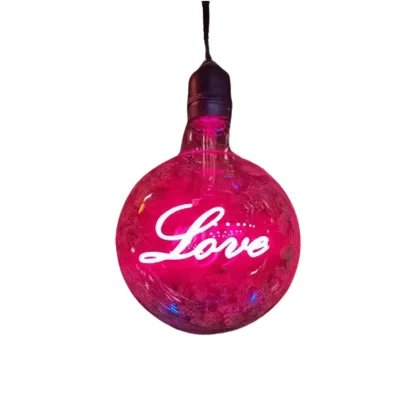
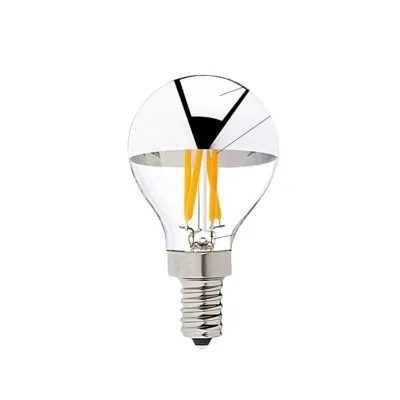
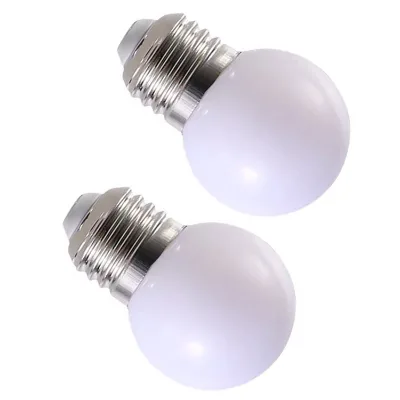
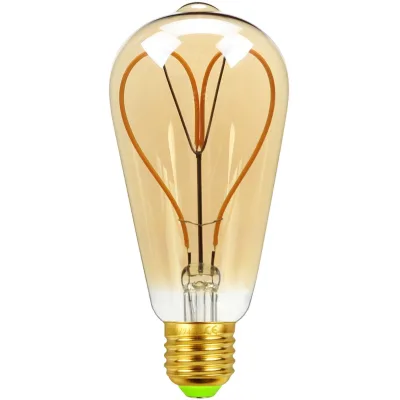
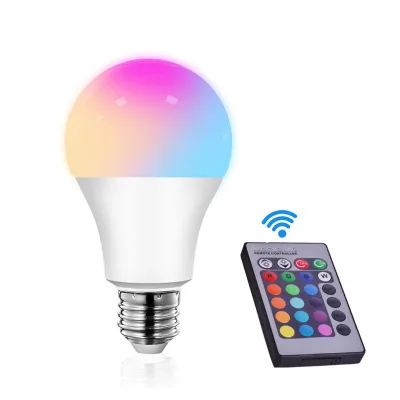
Milky White Led Bulb G45 Neutral Light Bubble
$0.85 - $1.15
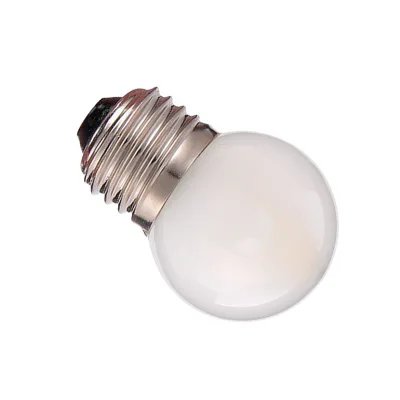
Frosted Led Bulb G40 Screw Bubble Filament Lamp
$0.75 - $1.05

Huzhou Lindal Lighting & Electrical Co., Ltd.
- Verified by CTI
- Trading Company,Manufacturer/Factory
- China Zhejiang
- Lead time45 days
- Avg. response≤ 4h
Main productsLED Tri-Proof Light, LED Waterproof Lighting Fixture, LED Panel Light, LED Ceiling Light, LED Bulkhead, LED Emergency Light, LED Tube, LED Bulb, LED Highbay Light
Main marketsSouth America,Eastern Europe,Mid East,North America,Southeast Asia,Eastern Asia,Oceania,Western Europe,Africa

DongGuan Qishi GuangYao Lighting Factory
- Verified by BV
- Combined
- China Guangdong
- Lead time15 days
- Avg. response≤ 2h
Main productsLED Fridge Bulbs, LED Sign Bulbs, LED Refrigerator Bulbs, LED Auto Lamps, LED Car Lights, LED Decoration Lamps, LED Motorcycle Light, LED Bulbs, LED Lamps, LED Strip Light
Main marketsSouth America,Europe,North America


Clear LED A15 G45 E27 6W Dimmable Bright Indoor and Outdoor Luminaires Bulbs
$1.00 - $2.00
MOQ: 100 Pieces


Dimmable LED G50 Global Bulb, Dimmale LED G50 Decoration Lamp, LED G50 E27 String Light Bulb
$1.00 - $2.00
MOQ: 100 Pieces
Huizhou Boy Lighting Technology Co., Limited
- Manufacturer, Trading Company
- Guangdong, China
- Lead time7 days
- Avg. response≤ 3h
Main productsLED Spotlight,LED G4 G9 Bulbs,LED E14 E12 Bulbs,LED Filament Bulbs,LED Smart Light
Main marketsWestern Europe(30.00%), North America(20.00%), Northern Europe(10.00%), South America(10.00%), Southern Europe(10.00%), Eastern Europe(10.00%), South Asia(5.00%), Mid East(5.00%)
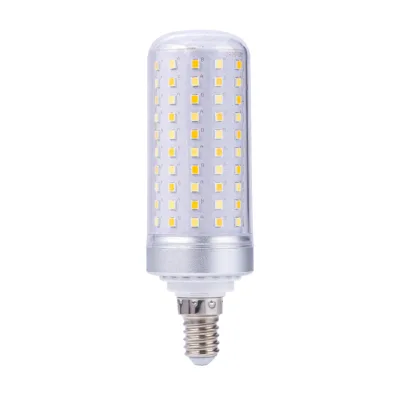
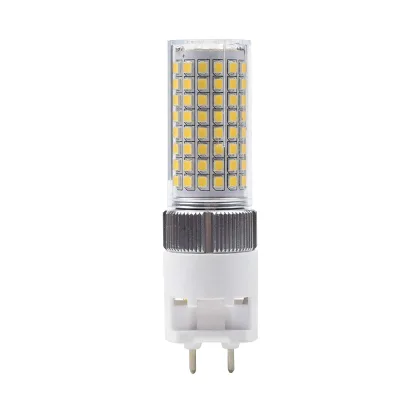
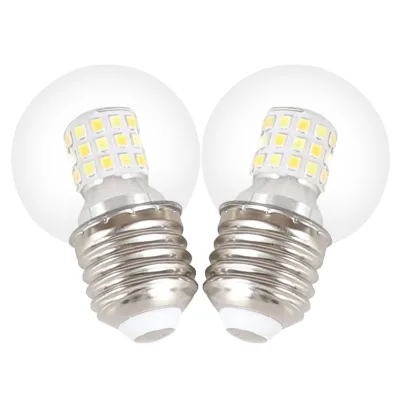
High Lumen Flux 12watt 1800lm Brightness E14 12w Globe Led Corn Bulb
$2.3218 - $2.6734
MOQ: 10 parcels
Green Lantern Optoelectronic Light Factory
- Trading Company
- Lead time旺季: "100 - 10000":7,"10100 - 100000":12,"> 100000":"To be negotiated", 淡季: "100 - 10000":7,"10100 - 100000":12,"> 100000":"To be negotiated"
- Avg. response≤ 7h
Main productsLED strip light,LED Neon Flex,LED Controller,holiday light,led grow light
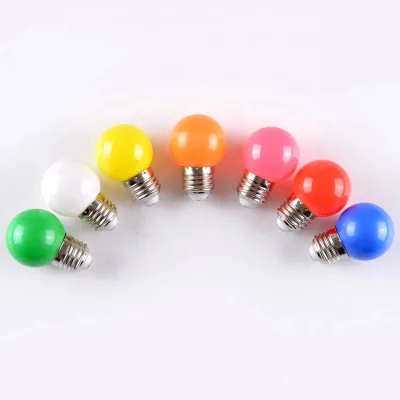
LED Globe Bulbs E26/E27 1 Watts Warm White G45 Globe Bulbs AC 220V 110V G45 Bulbs
$0.24 - $0.26
MOQ: 500 pieces
$0.3441 - $0.3755
MOQ: 100 pieces
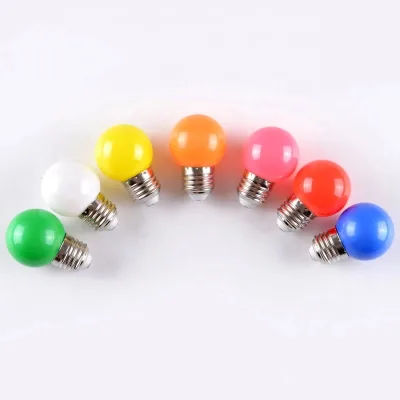
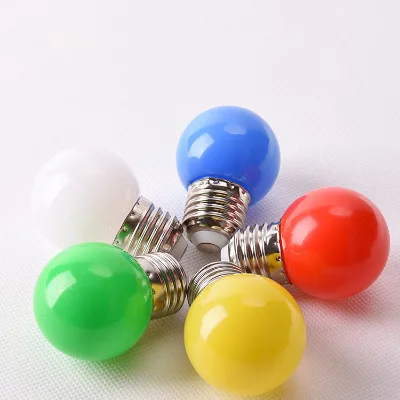
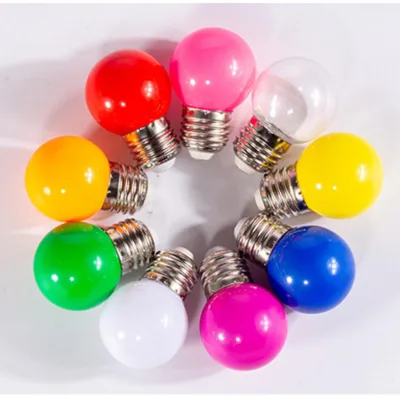
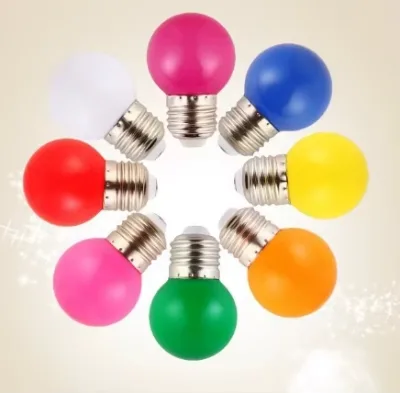
Hot Seller E27 B22 Base LED Mini Bulb 1W G45 Colourful LED Bulbs for Holiday Decoration
$0.22 - $0.35
MOQ: 200 pieces
$0.20 - $0.40
MOQ: 500 Minimum
$0.3426 - $0.374
MOQ: 100 pieces
Guangzhou Anern Energy Technology Co., Ltd.
- Verified by SGS Group
- Trading Company
- Lead time10 days
- Avg. response≤ 9h
Main productsSolar Street Light, Solar Inverters, Solar Battery, Solar Energy System, Solar Panels
Main marketsAfrica(28%), South America(21%), Southeast Asia(8%)

LUOHE HILIGHT TECHNOLOGY CO., LTD.
- Verified by BV
- Trading Company,Manufacturer/Factory
- China Guangdong
- Lead time38 days
- Avg. response≤ 5h
Main productsLED Stadium Light, LED High Bay Light, LED Street Light, LED Flood Light, PAR30/PAR38/AR111 LED Bulb, T5/ T8 LED Tube, Solar LED Flood Light, Solar LED Street Light, LED High Mast Light, Stadium Flood Light
Main marketsSouth America,Eastern Europe,North America,Southeast Asia,Eastern Asia,Oceania,Western Europe,Africa

Fuzhou Colshine Electric Co., Ltd.
- Verified by SGS
- Trading Company,Manufacturer/Factory
- China Fujian
- Lead time23 days
- Avg. response≤ 14h
Main productsLED Corn Light, LED Street Light, LED Yard Light, LED Dusk to Dawn Light, Sauna Lamp, Pendant Light, Porcelain Lampholder, Metal Lampholder, Halogen Lampholder, Retro Switch & Socket
Main marketsSouth America,Eastern Europe,Mid East,North America,Southeast Asia,Eastern Asia,Oceania,Western Europe,Africa
Changzhou Fuxing Electrical Appliance Co., Ltd.
- Verified by TüVRheinland
- Manufacturer, Trading Company
- Lead time50 days
Main productsLighting, Decorative Lighting, Lighting Bulb, Pendant Lamp, Table Lamp
Main marketsWestern Europe(25%), North America(15%), Northern Europe(15%)
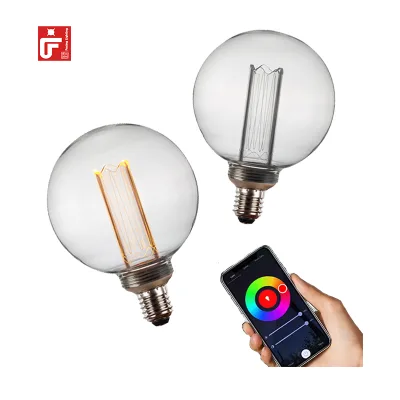
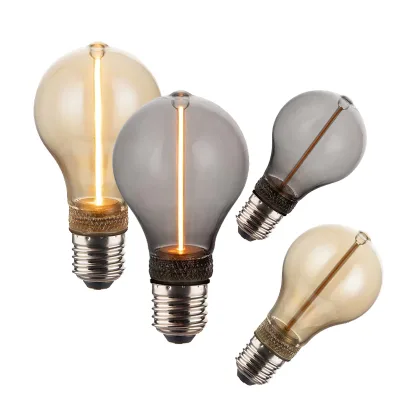
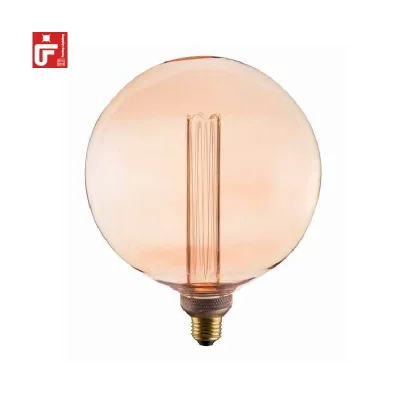
Vintage Led Filament Bulb B22/E26/E27 Led Globe Ball Light Bulb for Home Hotel Villa Room Decoration
$6.4148 - $8.5466
MOQ: 100 pieces

Quzhou Shine Electronics Co., Ltd.
- Trading Company,Manufacturer/Factory
- China Zhejiang
- Lead time23 days
- Avg. response≤ 1h
Main productsLED Spotlight, LED Bulb, LED Tube, LED Floodlight, LED Panel Light, LED Downlight, LED Strip, LED Street Lamp, CFL, LED High Bay Light
Main marketsSouth America,Eastern Europe,Mid East,North America,Southeast Asia,Eastern Asia,Oceania,Western Europe,Africa

Jiaxing Dongsheng Lighting Co., Ltd
- Verified by SGS
- Trading Company,Manufacturer/Factory
- China Zhejiang
- Lead time38 days
- Avg. response≤ 2h
Main productsLED Panel Light, Lighting, LED Light, Fan Lamp, Ceiling Light, LED Lighting, LED Ceiling Light, Panel Light, LED Backlight, Ceiling Light Fixture
Main marketsSouth America,Eastern Europe,Mid East,North America,Southeast Asia,Eastern Asia,Oceania,Western Europe,Africa

Globe Light LED Bulbs LED Light Factory Warehouse Lighting 130*240mm Light Bulb E27
$0.40 - $0.48
MOQ: 500 Pieces

Globe Light LED Bulbs LED Light Factory Warehouse Lighting 130*240mm Light Bulb E40 3000K
$0.40 - $0.48
MOQ: 500 Pieces

Globe Light LED Bulbs LED Light Factory Warehouse Lighting 160*280mm Light Bulb E27 E40 3000K
$0.40 - $0.48
MOQ: 500 Pieces
Shenzhen Joyinled Technology Co., Ltd.
- Manufacturer, Trading Company
- Guangdong, China
- Lead time25 days
- Avg. response≤ 8h
Main productsPendant Hanging Lamp, LED Lamp Fitting, LED Downlight, LED Wall Washer, LED Ceiling Lamp
Main marketsWestern Europe(30.00%), Northern Europe(20.00%), Southern Europe(15.00%), Southeast Asia(10.00%), North America(8.00%), Eastern Europe(5.00%), Domestic Market(5.00%), South America(3.00%), South Asia(2.00%), Mid East(2.00%)
Esun (Xiamen) Electronic Co., Ltd
- Verified by SGS Group
- Trading Company
- Lead time15 days
- Avg. response≤ 2h
Main productsRechargeable Work Light , LED Spot Light, LED Down Light, LED Ceiling Light, LED Street Light
Main marketsNorth America(45%), Southeast Asia(20%), Western Europe(20%)

Hangzhou Sunlux Electric Co., Ltd.
- Verified by BV
- Trading Company
- China Zhejiang
- Lead time30 days
- Avg. response≤ 7h
Main productsT8 LED Tube Light, LED Emergency Bulb, LED Floodlight, LED Panel Light, LED Spotlight, Energy Saving Lamp, LED Downlight, Asphalt Shingle, LED Sofa, LED Chair
Main marketsAfrica,Southeast Asia/ Mideast,Europe,North America
Hangzhou Comax Electric Appliance Co., Ltd.
- Trading Company
- Zhejiang, China
- Lead time30 days
- Avg. response≤ 2h
Main productsLED bulb,Street light,Solar light,Panel light,CFL
Main marketsSouth Asia(55.00%), Southeast Asia(15.00%), Mid East(15.00%), Eastern Asia(5.00%), Africa(5.00%), South America(3.00%), Eastern Europe(2.00%)

NINGBO SELLWELL LIGHTING APPLIANCE CO., LTD.
- Trading Company,Manufacturer/Factory
- China Zhejiang
- Lead time30 days
- Avg. response≤ 6h
Main productsSmart LED Light, LED Bulb, LED Filament Lamp Bulb, LED Flood Light, LED Panel Light, LED T5 T8 Tube, LED Wall Light, LED Decorative Bulb, LED Street Light, LED ceiling Light
Main marketsEastern Europe,Western Europe
Lianyungang Huayao Lighting Equipment Co., Ltd.
- Manufacturer
- Jiangsu, China
- Lead time20 days
- Avg. response≤ 2h
Main productsLed Bulb, Led Filament Bulb, LED Strip Light With Controller & Plug
Main marketsWestern Europe(20.00%), Eastern Europe(20.00%), South America(15.00%), South Asia(5.00%), North America(5.00%), Eastern Asia(5.00%), Central America(5.00%), Northern Europe(5.00%), Mid East(5.00%), Southeast Asia(5.00%), Africa(4.00%), Domestic Market(1.00%)
$0.6149 - $1.3329
MOQ: 1000 pieces

Lankao Rayer Lighting Product Co., Ltd.
- Verified by TUVRHEINLAND
- Combined
- China Henan
- Lead time30 days
- Avg. response≤ 6h
Main productsLED Christmas Light, LED String Light, LED Motif Light, LED Icicle Light, LED Waterfall Light, Holiday Light, Solar Garden Light, LED Decorative Light
Main marketsEast Asia(Japan/ South Korea),Europe
Guangzhou Canmei Lighting Co., Ltd.
- Verified by TüVRheinland
- Manufacturer, Trading Company
- Lead time7 days
- Avg. response≤ 1h
Main productsLed Bulb, Led Strip Light, Led Panel Light, Led Solar Light, Ceiling Light
Main marketsNorth America(20%), Africa(11%), Oceania(11%)

Jinggoal International Limited
- Verified by BV
- Manufacturer/Factory
- China Guangdong
- Lead time23 days
- Avg. response≤ 12h
Main productsGift, Pen, Wall Clock, Travel Adapters, Book Wire Binding & Machine, Lock, Table Lamp, LED, Keychain, Alarm
Main marketsSouth America,Eastern Europe,North America,Southeast Asia,Eastern Asia,Oceania,Western Europe,Africa
- Verified by Intertek
- Trading Company
- Lead time30 days
- Avg. response≤ 9h
Main productsFlexible LED Display, LED Car Screen, Creative LED Screen, Mini LED Display, LED Gift
Main marketsNorth America(50%), South America(20%), Eastern Europe(5%)
Haining Hualiang Lighting Appliance Co., Ltd.
- Manufacturer
- Zhejiang, China
- Lead time20 days
- Avg. response≤ 3h
Main productsLED Panel Light,UV Lamp
Main marketsWestern Europe(35.00%), North America(15.00%), South America(15.00%), Southern Europe(10.00%), Eastern Europe(10.00%), Southeast Asia(10.00%), Domestic Market(5.00%)
Changsha Oh Sci & Tec., Co., Ltd.
- Trading Company
- Hunan, China
- Lead time7 days
- Avg. response≤ 3h
Main productsLED Garden Light,LED Wall Light,LED Street Light,LED Solar Light,LED Flood Light
Main marketsMid East(10.00%), South Asia(10.00%), Central America(10.00%), Southeast Asia(10.00%), Western Europe(10.00%), South America(10.00%), North America(10.00%), Oceania(5.00%), Southern Europe(5.00%), Northern Europe(5.00%), Africa(5.00%), Eastern Europe(5.00%), Eastern Asia(5.00%)
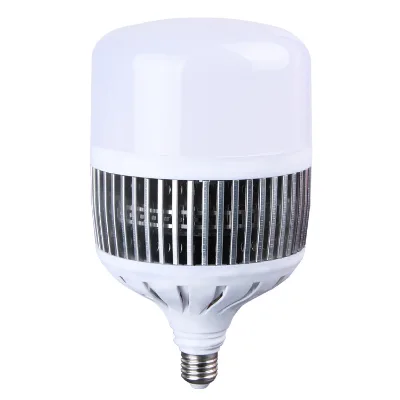
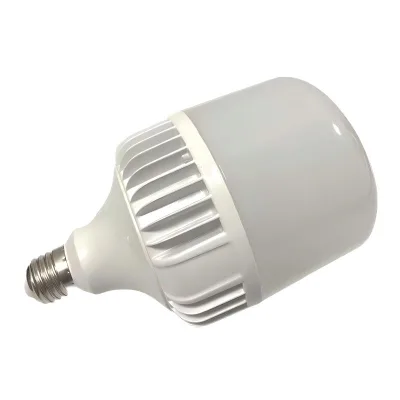
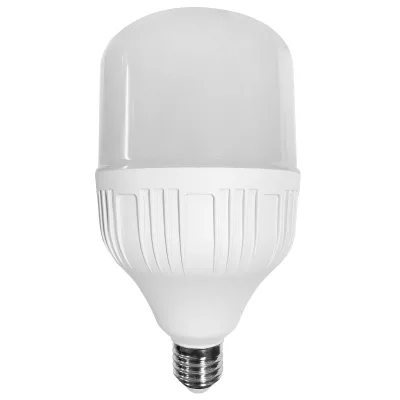
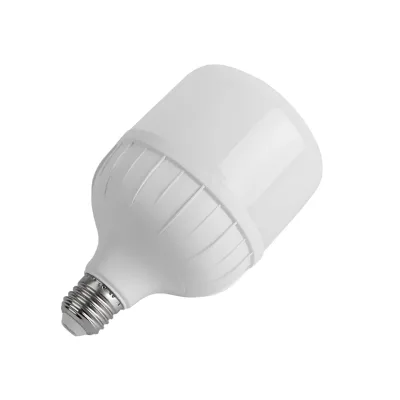
50W 65W 100W 200W LED Bulb for Workshop Garage Warehouse Lighting Super Bright Aluminum LED Bulb
$6.7111 - $7.0207
MOQ: 2 Minimum
- Verified by SGS Group
- Manufacturer, Trading Company
- Lead time20 days
- Avg. response≤ 6h
Main productsLED Bulb, LED Filament Bulb, LED Desk Night Light, LED Strip Light, LED Solar Light
Main marketsWestern Europe(20%), North America(15%), Eastern Asia(15%)
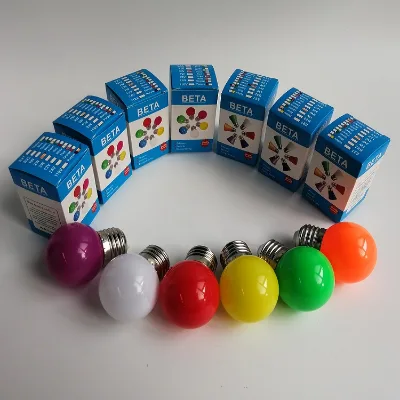
$0.20 - $0.23
MOQ: 3000 pieces
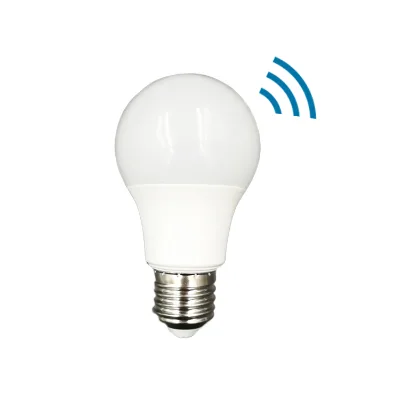
Energy Saving Intelligent Sensor Led Light Bulb E27 B22 A60 Led Bulbs 5w 10w Motion Sensor Led Bulb
$1.96 - $2.15
MOQ: 200 pieces

HANGZHOU XINMENGYANG ELECTRIC CO., LTD.
- Trading Company
- China Zhejiang
- Lead time30 days
- Avg. response≤ 3h
Main productsLED Flood Light, LED Filament Bulb, LED Bulb Light, LED Tube Light, Energy Saving Lamp, LED Tri-Proof Light
Main marketsSouth America,Southeast Asia/ Mideast,Europe,North America

Guangdong Laswim Water Environment Equipment Co., Ltd.
- Verified by BV
- Combined
- China Guangdong
- Lead time15 days
- Avg. response≤ 10h
Main productsSand Filter, Pool Pump, Pool Underwater Light, Salt Chlorinator, Heat Pump, Pool Ladder, Pool Plastic Fittings, Filtration Unit, Massage Products, Hydrotherapy Equipment
Main marketsSouth America,Africa,Southeast Asia/ Mideast,East Asia(Japan/ South Korea),Europe,Australia,North America
Shenzhen Ledmi Lighting Co., Ltd.
- Manufacturer
- Guangdong, China
- Lead time25 days
- Avg. response≤ 1h
Main productsled bulb,led flood light,led track light,led power supply,led strip
Main marketsSoutheast Asia(20.00%), Eastern Europe(20.00%), South Asia(10.00%), Eastern Asia(10.00%), Mid East(10.00%), Africa(10.00%), Western Europe(5.00%), Southern Europe(5.00%), Northern Europe(5.00%)
- Manufacturer, Trading Company, Buying Office
- GuangDong, China
- Lead time12 days
- Avg. response≤ 3h
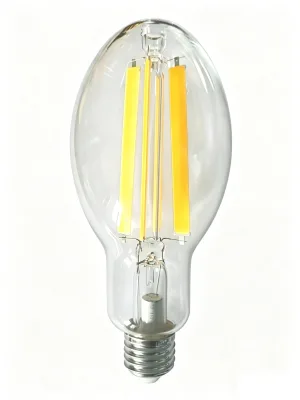
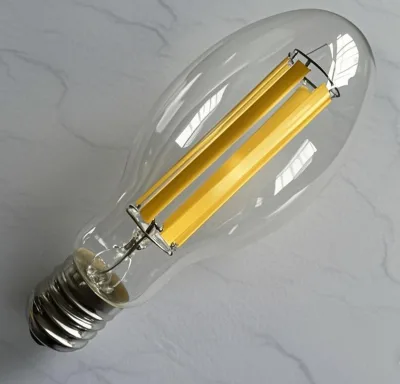
Main productsCFL retrofit LED,HID retrofit LED,UFO & Highbay,Balloon & work light,Street light
Main marketsWestern Europe(35.00%), Eastern Asia(25.00%), North America(15.00%), Northern Europe(10.00%), Domestic Market(5.00%), South America(5.00%), Africa(5.00%)
Liaoning Kaisenlux Industry Co., Ltd.
- Trading Company
- Liaoning, China
- Lead time30 days
- Avg. response≤ 1h
Main productsLED Bulb,LED Filament Bulb,LED Panel Light,Incandescent Lamp
Main marketsMid East(20.00%), North America(15.00%), Southeast Asia(15.00%), Central America(15.00%), Africa(10.00%), South Asia(5.00%), Southern Europe(5.00%), South America(5.00%)
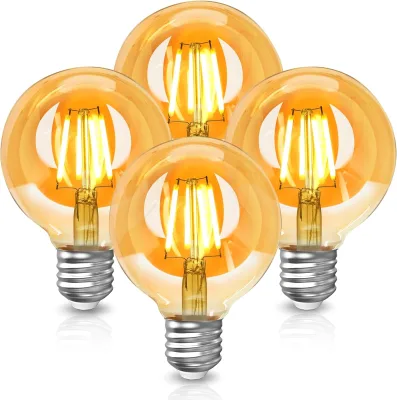
Vintage Light Bulb G95 E27 8W LED Vintage Bulb Amber Glass Bulb 900lm LED Filament Lamp
$0.30 - $1.30
MOQ: 1 Minimum

Shenzhen Coolseer Technology Co., Ltd.
- Verified by TUVRHEINLAND
- Trading Company
- China Guangdong
- Lead time15 days
- Avg. response≤ 7h
Main productsWiFi/Zigbee/Bluetooth/Matter/Homekit Smart Home
Main marketsSoutheast Asia/ Mideast,Europe














Comprehensive Sourcing Guide
Residential Globe Led Bulb Supplier Concentration and Factory Types
The current supplier landscape for residential globe LED bulbs reveals a distinct geographic concentration in China, with active manufacturing and trading entities primarily located in Guangdong and Zhejiang provinces. Guangdong suppliers often operate as combined entities that blend manufacturing capabilities with trading functions, allowing them to offer a broad spectrum of lighting products including LED bulbs, panel lamps, and strip lights. These facilities frequently support both OEM and ODM customization, enabling buyers to source branded or private-label globe bulbs with specific design requirements. In contrast, suppliers based in Zhejiang may present as trading companies, manufacturer factories, or group corporations, often holding ISO 9001 system certifications and undergoing third-party verification processes. This structural diversity means that buyers must carefully distinguish between pure trading intermediaries and actual production facilities, as the latter typically offer greater control over production schedules and quality assurance protocols. The presence of verified status indicators, such as CTI verification, provides an additional layer of confidence regarding the operational legitimacy of these Zhejiang-based entities, suggesting a more rigorous adherence to international business standards compared to unverified counterparts.
Understanding these factory types is crucial for determining the appropriate sourcing strategy for residential globe LED bulbs. Combined companies in Guangdong may offer competitive pricing and rapid prototyping due to their integrated supply chains, making them suitable for buyers seeking flexible order volumes and customized features like specific filament designs or base types. Meanwhile, the Zhejiang-based manufacturers and group corporations often emphasize standardized quality management systems, which can be advantageous for buyers prioritizing consistent product quality and regulatory compliance across large orders. The variation in company types also influences the range of main products offered; some suppliers specialize exclusively in LED lighting solutions, while others may diversify into decorative lamps or smart lighting technologies. Buyers should assess whether the supplier’s primary focus aligns with their specific needs for residential globe bulbs, ensuring that the chosen partner has dedicated expertise in this niche. By recognizing these structural differences, buyers can better navigate the supplier landscape, selecting partners that match their operational requirements for customization, quality control, and production capacity.
How to Verify Residential Globe Led Bulb Suppliers
Verifying the legitimacy and capability of Residential Globe Led Bulb suppliers requires a multi-faceted approach that goes beyond basic company profiles. Buyers should prioritize suppliers who display clear verification badges, such as CTI verification, which indicates that a third-party agency has inspected the company’s business license and operational status. Additionally, checking for system certifications like ISO 9001 is essential, as these standards demonstrate a commitment to quality management processes that are critical for consistent LED bulb production. While some suppliers may list product-specific certifications such as CE, RoHS, SASO, or KUCAS, buyers must ensure these are valid and applicable to the specific globe bulb models being sourced. It is also important to review the supplier’s response time, as a faster response often correlates with better communication and project management capabilities. For instance, suppliers with response times under three hours may offer more agile support for urgent inquiries or custom orders, whereas slower response times might indicate less dedicated customer service resources.
Beyond digital verification, buyers should request detailed product specifications and test reports to validate the supplier’s claims. Key technical attributes for residential globe bulbs include input voltage ranges, color temperature options, and warranty periods, all of which should be clearly documented in product listings. Buyers should also inquire about the supplier’s production capacity and lead times, as these factors directly impact order fulfillment reliability. For example, a lead time of thirty days after receiving a deposit is a common benchmark, but buyers should confirm if this timeline is consistent across different order sizes. Additionally, verifying the supplier’s main products list can help ensure they specialize in LED lighting rather than acting as a general trading company with limited expertise. By combining digital verification checks with technical due diligence, buyers can significantly reduce the risk of partnering with unreliable suppliers and ensure a smoother sourcing process for residential globe LED bulbs.
What to Compare Across Residential Globe Led Bulb Suppliers
When evaluating multiple suppliers for residential globe LED bulbs, buyers should systematically compare key operational metrics to identify the most suitable partner. Lead time is a critical factor, with some suppliers offering thirty-day production cycles while others may provide faster turnaround times, such as twenty-three days, which can be advantageous for time-sensitive projects. Minimum order quantities (MOQ) also vary significantly, ranging from five thousand units to ten thousand units, so buyers must align their order volume with the supplier’s requirements to avoid excessive inventory costs or production delays. Pricing is another essential comparison point, with costs for globe bulbs typically ranging from $0.30 to $2.00 per unit depending on specifications like wattage, material, and customization options. Buyers should request detailed quotes that break down costs for different models, such as 6W filament bulbs versus 15W high-power globe bulbs, to ensure accurate budgeting.
Response time and customization capabilities are equally important dimensions for comparison. Suppliers with rapid response times, such as under two hours, often demonstrate better communication efficiency, which is vital for resolving technical queries or negotiating custom designs. Buyers should also assess the extent of customization available, including options for lamp base types, color temperatures, and packaging. For instance, some suppliers offer E27 or B27 bases with warm white or pure white options, while others may provide specialized features like high CRI values or specific IP ratings. Additionally, comparing the warranty periods offered by different suppliers can provide insight into their confidence in product durability, with two-year warranties being a common standard. By meticulously comparing these operational metrics, buyers can make informed decisions that balance cost, quality, and service levels, ultimately selecting a supplier that best meets their specific sourcing needs for residential globe LED bulbs.
Common Residential Globe Led Bulb Sourcing Risks
Sourcing residential globe LED bulbs from international suppliers introduces several potential risks that buyers must proactively manage to ensure successful procurement. One significant risk is the variability in product quality, which can arise from differences in manufacturing standards and component sourcing. Buyers should be cautious of suppliers who do not provide detailed technical specifications or test reports, as this may indicate a lack of rigorous quality control processes. Additionally, the risk of non-compliance with international safety and environmental standards is a concern, particularly if suppliers claim certifications like CE or RoHS without providing valid documentation. Buyers must verify these certifications independently to avoid receiving products that may not meet regulatory requirements in their target markets. Another risk is the potential for delayed shipments, which can disrupt supply chains and lead to stockouts. Suppliers with longer lead times or inconsistent production schedules may pose a higher risk, so buyers should prioritize partners with proven track records of on-time delivery.
Communication barriers and language differences can also lead to misunderstandings regarding product specifications and order details, resulting in incorrect shipments or rejected goods. Buyers should ensure that their suppliers have proficient English communication skills and are responsive to inquiries to minimize these risks. Furthermore, the risk of intellectual property infringement exists if buyers work with suppliers who lack proper OEM/ODM agreements, potentially leading to unauthorized use of brand designs. To mitigate these risks, buyers should establish clear contracts that specify quality standards, delivery timelines, and intellectual property protections. Additionally, conducting regular quality inspections during production or before shipment can help identify and rectify issues early in the process. By anticipating these common sourcing risks and implementing robust mitigation strategies, buyers can protect their interests and ensure a reliable supply of high-quality residential globe LED bulbs.
Residential Globe Led Bulb Regional Sourcing and Logistics
The geographic location of suppliers significantly influences logistics planning and cost structures for Residential Globe Led Bulb sourcing. Suppliers based in Guangdong and Zhejiang provinces in China benefit from established manufacturing clusters and efficient port infrastructure, which can facilitate faster and more cost-effective shipping to global markets. Buyers should consider the proximity of suppliers to major shipping hubs, as this can reduce transit times and lower freight costs. For instance, suppliers in Guangdong may have easier access to ports like Shenzhen or Guangzhou, while those in Zhejiang might utilize Ningbo-Shanghai ports, each offering different logistical advantages depending on the destination market. Additionally, buyers should evaluate the supplier’s experience with international shipping and their ability to handle export documentation, as this can impact the smoothness of the customs clearance process.
Logistics planning also involves assessing the supplier’s packaging standards to ensure products arrive in good condition. Globe LED bulbs are fragile and require protective packaging to prevent damage during transit. Buyers should inquire about the supplier’s packing methods, such as the use of export color boxes or blister packing, and verify that these methods meet international shipping standards. Furthermore, buyers should consider the impact of seasonal demand and holiday periods on shipping schedules, as these can cause delays and increased freight rates. By understanding the logistical implications of sourcing from specific regions, buyers can optimize their supply chain strategies, reduce transportation costs, and ensure timely delivery of residential globe LED bulbs to their customers. Collaborating with suppliers who have robust logistics capabilities can further enhance supply chain resilience and reliability.
Residential Globe Led Bulb Commercial Terms and Order Planning
Effective commercial terms and order planning are essential for managing the financial and operational aspects of sourcing residential globe LED bulbs. Buyers should negotiate clear payment terms, such as a deposit followed by balance payment upon shipment, to align cash flow with production schedules. It is also important to clarify the Incoterms used, such as FOB or CIF, to determine who bears the responsibility for shipping costs and insurance. Additionally, buyers should establish a detailed order plan that accounts for lead times, MOQs, and production capacity to avoid bottlenecks and ensure timely delivery. For example, if a supplier has a thirty-day lead time and a five thousand unit MOQ, buyers should plan their orders accordingly to maintain consistent inventory levels. Buyers should also discuss warranty terms and after-sales support, ensuring that the supplier provides adequate coverage for defective products.
Furthermore, buyers should consider the potential for volume discounts and long-term partnership benefits, which can reduce unit costs and improve overall profitability. Establishing a clear communication protocol for order updates and issue resolution can also enhance the efficiency of the sourcing process. Buyers should document all commercial agreements in writing to prevent misunderstandings and provide a reference for dispute resolution. By carefully planning commercial terms and order logistics, buyers can minimize risks, optimize costs, and build a sustainable supply chain for residential globe LED bulbs. This proactive approach ensures that both parties have a clear understanding of their responsibilities and expectations, leading to a more successful and collaborative sourcing relationship.
FAQs
What is the price range for residential globe LED bulbs?
Residential globe LED bulbs typically range from $0.30 to $2.00 per unit depending on wattage and specifications. Basic 6W models start near the lower end, while higher wattage options like 15W or 20W variants reach up to $2.00. Prices vary based on customization needs and order volume.
What is the minimum order quantity for globe LED bulbs?
The minimum order quantity generally starts at 5,000 pieces for standard globe LED bulbs. Some specialized aluminum alloy or mine-lighting variants may require a higher minimum of 10,000 pieces. Buyers should confirm specific MOQ requirements with suppliers based on the exact model and customization needs.
How long does production take for globe LED bulbs?
Production lead times typically range from 23 to 30 days after receiving the deposit. Suppliers in Guangdong often cite a 30-day timeline, while those in Zhejiang may offer slightly faster turnaround times around 23 days. Exact timing depends on order volume and customization complexity.
What certifications are available for globe LED bulbs?
Common certifications include CE, RoHS, SASO, and KUCAS for product compliance. System certifications like ISO 9001 are also available from certain manufacturers. Buyers should verify specific certification requirements for their target market, as availability varies by supplier and product model.
What warranty is provided for globe LED bulbs?
Most globe LED bulbs come with a standard 2-year warranty covering manufacturing defects. This warranty applies to various models including 6W, 9W, and 15W variants. Buyers should confirm warranty terms and conditions directly with suppliers to ensure coverage aligns with their specific needs.
Where are globe LED bulbs manufactured?
Globe LED bulbs are primarily manufactured in China, with production hubs in Guangdong and Zhejiang provinces. Guangdong suppliers often focus on combined manufacturing capabilities, while Zhejiang suppliers may offer additional system certifications like ISO 9001. Both regions provide competitive pricing and reliable supply chains.