European Standard Heavy Rail Suppliers and Manufacturers
Compare 17 verified suppliers offering European Standard Heavy Rail with varying lead times, certifications, and locations. Review response times and MOQs to select the right partner for your railway track needs; review the available evidence before requesting comparable quotations from suitable candidates.
Updated
Suppliers List

Shandong China Coal Industrial & Mining Supplies Group Co., Ltd.
- Verified by BV
- Trading Company,Manufacturer/Factory,Group Corporation
- China Shandong
- Lead time45 days
- Avg. response≤ 1h
Main productsMucking Loader, Mining Winch, Mining LHD, Scraper Conveyor, Pile Driver, Steel Rail, Concrete Pump, Lawn Mower, Spider Crane, Mini Excavator
Main marketsSouth America,Eastern Europe,Mid East,North America,Southeast Asia,Eastern Asia,Oceania,Western Europe,Africa

Stainless International Rails Standard Light Railway Track Heavy Steel Railroad Rail
$580.00 - $680.00
MOQ: 1 Pieces


Railway CE Standard Stainless Light Rails Track Heavy Steel Railroad Rail
$580.00 - $680.00
MOQ: 1 Pieces

ISO9001 Approved International Standard Light Rails Railroad Track Railway Steel Heavy Rail
$580.00 - $680.00
MOQ: 1 Pieces

Railroad Track H-Beams Standard Light Railway Heavy Steel Rail for Sale
$580.00 - $680.00
MOQ: 1 Pieces

HANDAN YONGYANG IMP.&EXP.CO., LTD.
- Verified by TUVRHEINLAND
- Trading Company
- China Hebei
- Lead time15 days
- Avg. response≤ 12h
Main productsSteel Rail, Crane Rail, Light Rail, Heavy Rail, Flat Bar, Round Bar, Mining I Beam, U Shaped Arch Support for Mining
Main marketsSouth America,Africa,Others(foreignTradeCapacity.exportBusinessCapacityMarketOther),Southeast Asia/ Mideast,Domestic,Europe,Australia

Zhejiang Zhong Ding Iron and Steel Co., Ltd.
- Verified by CTI
- Trading Company
- China Zhejiang
- Lead time15 days
- Avg. response≤ 7h
Main products304 Stainless Steel Plate
Main marketsSoutheast Asia/ Mideast


9kg 12kg 15kg 18kg 22kg 30kg 32kg 45mn 60kg/M Railway Rail Application Heavy Steel Rail
$500.00 - $550.00
MOQ: 1 Tons


Steel Rail Good Price Rail Heavy Railway Railtrack Heavy Steel Rail Railroad Track for Sale
$500.00 - $550.00
MOQ: 1 Tons
- Verified by SGS Group
- Trading Company
- Lead time30 days
- Avg. response≤ 4h
Main productsSteel Pipe, Steel Plate, Steel Bar, Steel Coil, Aluminum Products
Main marketsSouth Asia(16%), Western Europe(15%), South America(12%)
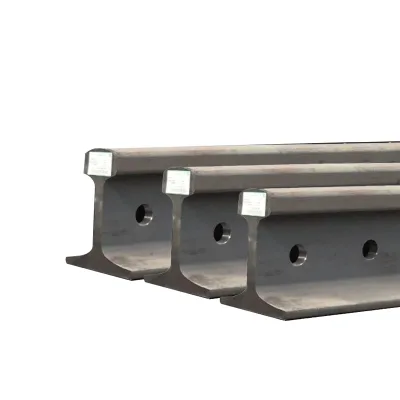
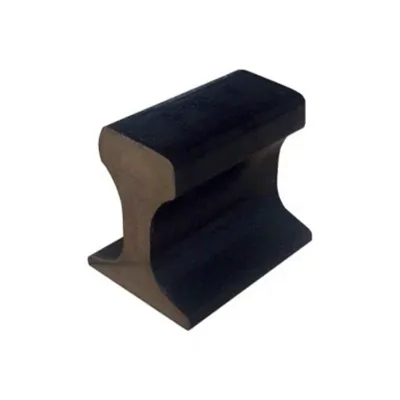
$434.226 - $578.9685
MOQ: 1 tons
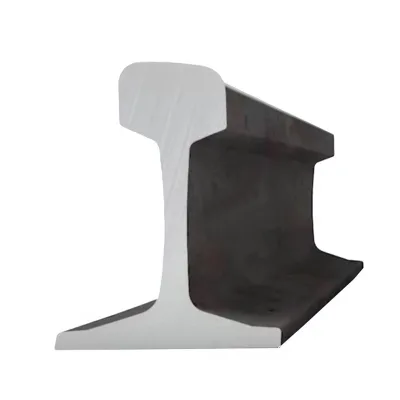
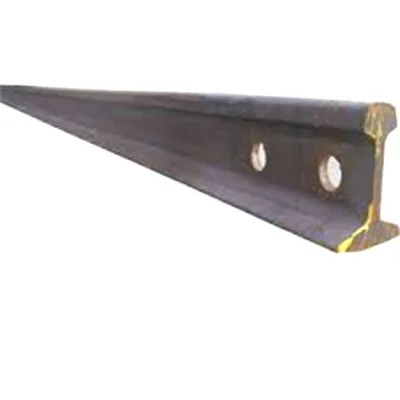
Shandong China Coal Construction Machinery Co., Ltd.
- Manufacturer, Trading Company
- Lead time旺季: "1 - 10":31,"> 10":"To be negotiated", 淡季: "1 - 10":31,"> 10":"To be negotiated"
- Avg. response≤ 4h
Main productsMini Excavator, Spider Crane, Forklift, Lifting Platform, Skid Steer Loader
Shandong China Coal Industrial & Mining Supplies Group Co., Ltd.
- Verified by TüVRheinland
- Manufacturer, Trading Company
- Lead time15 days
- Avg. response≤ 4h
Main productsHydraulic Prop, Mine Car, Mining Locomotive, Excavators, Concrete Pump
Main marketsDomestic Market(26%), South America(22%), Central America(21%)
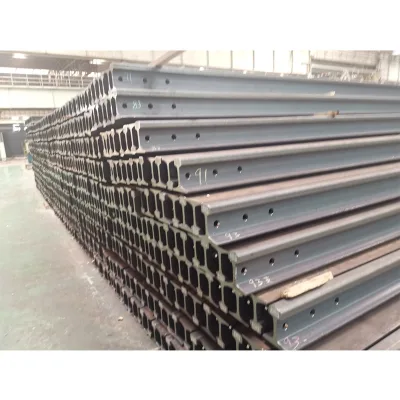
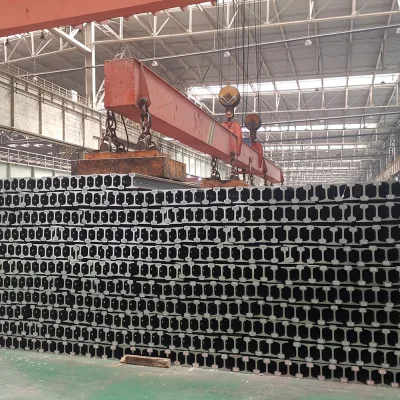
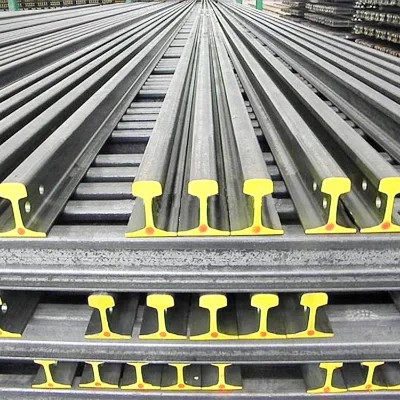
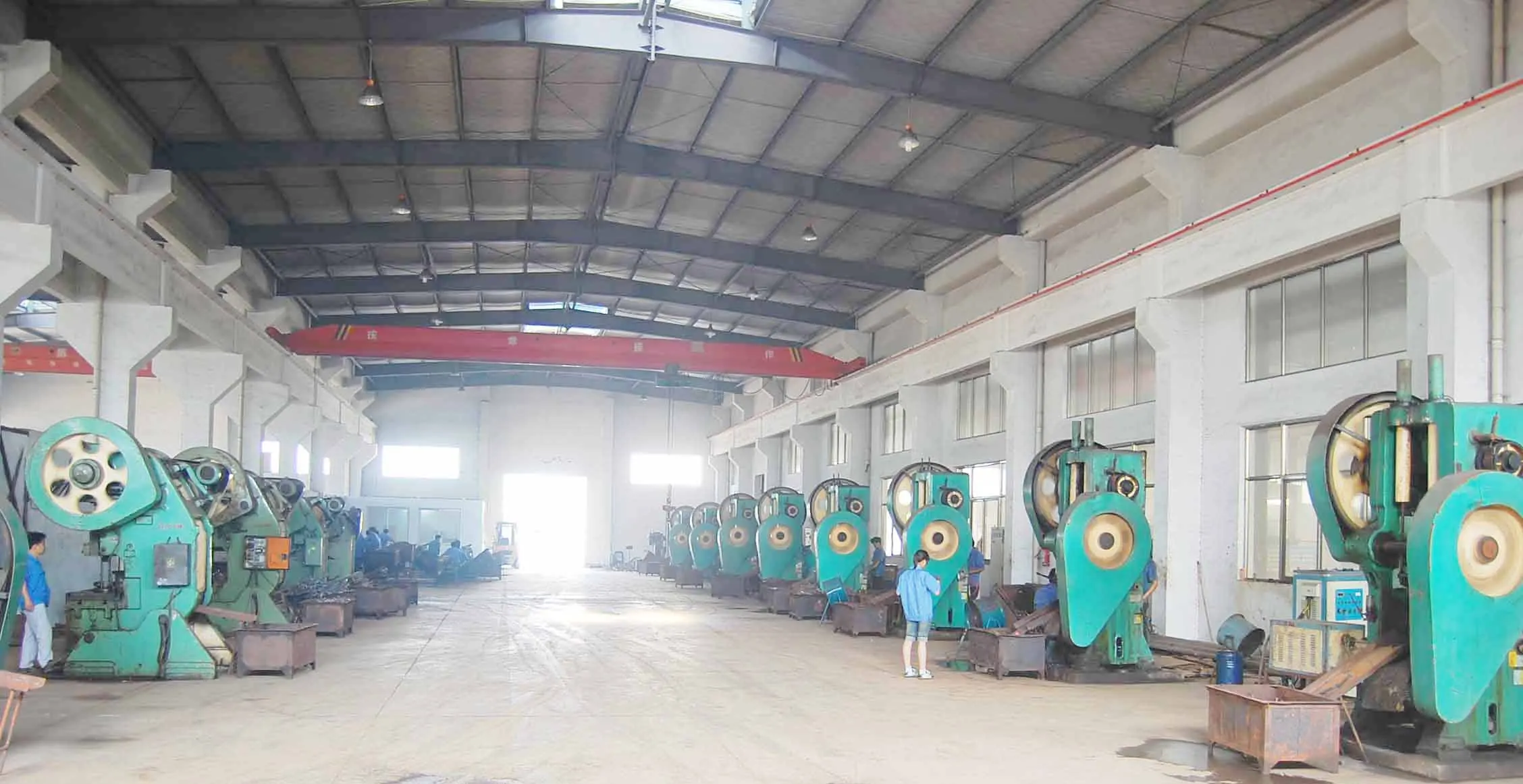
$299.4064 - $361.3528
MOQ: 1 tons
Hanzi Industrial Shanghai Co., Ltd.
- Trading Company
- Shanghai, China
- Lead time15 days
- Avg. response≤ 6h
Main productsSTEEL RAILS,Railway Supplies,RAIL CLIP,FISHPLATES,Mining Machinery
Main marketsNorth America(44.00%), Southeast Asia(18.00%), South America(16.00%), Mid East(8.00%), Africa(6.00%), Oceania(4.00%), South Asia(2.00%), Eastern Asia(2.00%)

AMI (TIANJIN) New Materials Technology Co., Ltd.
- Trading Company
- Tianjin, China
- Lead time30 days
- Avg. response≤ 1h
Main productsFlat steel coils/sheets,Structual steel,Raillway rail
Main marketsSouth America(35.00%), Africa(20.00%), South Asia(10.00%), Western Europe(10.00%), Southern Europe(10.00%), Mid East(10.00%), Eastern Europe(5.00%), Eastern Asia(0.00%), North America(0.00%), Oceania(0.00%), Central America(0.00%), Northern Europe(0.00%), Domestic Market(0.00%), Southeast Asia(0.00%)
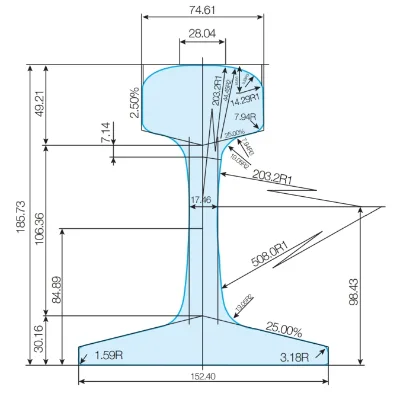
136RE Rail High Performance Solution for Heavy Duty Rail Infrastructure
$471.3417 - $676.2728
MOQ: 50 Minimum
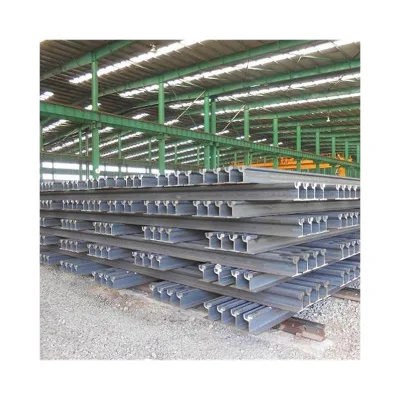
$922.1898 - $973.4233
MOQ: 50 Minimum
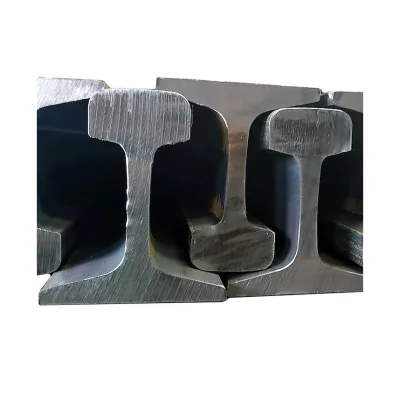
- Verified by TüVRheinland
- Manufacturer, Trading Company
- Lead time10 days
- Avg. response≤ 3h
Main productsGalvanized Coil, PPGI, Steel Pipe, Steel Profile, Steel Coil
Main marketsDomestic Market(50%), Southeast Asia(15%), Africa(13%)
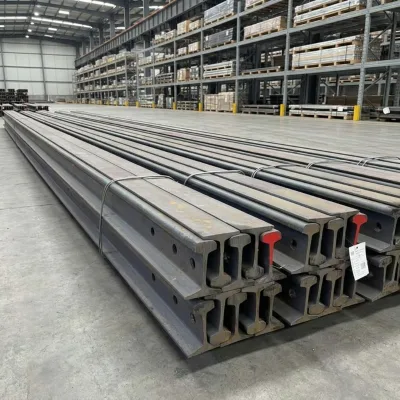
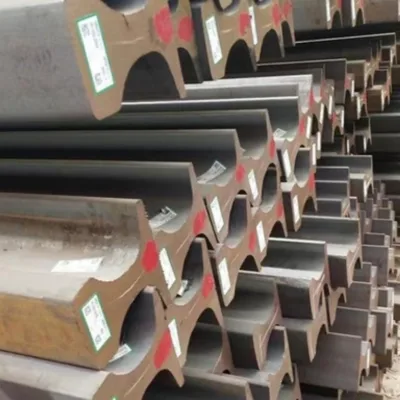
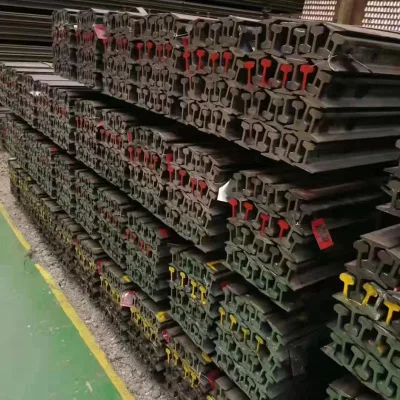
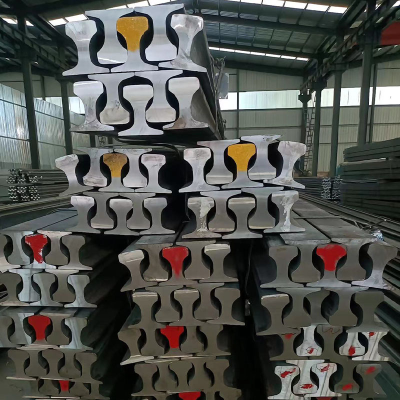
Factory Quality Assurance Railway Steel Rail for Train Tram and Track Transport
$307.3966 - $522.5752
MOQ: 1 tons

Hanzi Industrial Shanghai Co., Ltd
- Trading Company,Manufacturer/Factory
- China Shanghai
- Lead time23 days
- Avg. response≤ 12h
Main productsSteel Rail, Fish Plates, Rail Clip, Baseplate, Rubber Pads, Screw Spike, Rails, Joint Bar, Crane Rail, Maintenance Machine
Main marketsSouth America,Eastern Europe,Mid East,North America,Southeast Asia,Eastern Asia,Africa
Shandong China Coal Industrial & Mining Supplies Group Co., Ltd.
- Manufacturer, Trading Company
- Lead time旺季: "1 - 20":7,"> 20":"To be negotiated", 淡季: "1 - 20":7,"> 20":"To be negotiated"
- Avg. response≤ 5h
Main productsHydraulic Prop, Mine Car, Mining Locomotive, Excavators, Concrete Pump

Henan Zongxiang Heavy Industry Import & Export Co., Ltd
- Verified by TUVRHEINLAND
- Trading Company,Manufacturer/Factory
- China Henan
- Lead time0 days
- Avg. response≤ 2h
Main productsSteel Rail, Light Rail, Heavy Rail, Crane Rail, Rail Fasteners, Split Set, U Steel Arch, Mine Wire Mesh, Mine Support Products, Rail Clips

Hot Sale 60kg/M Heavy Rail with Good Price More Sizes 38kg 43kg 50kg Steel Rail
$500.00 - $600.00
MOQ: 1 Tons

China Standard 43kg Steel Rail with Competitive Price High Quality P43 Heavy Rail
$500.00 - $600.00
MOQ: 1 Tons

Jining Jidda Railway Equipment Co., Ltd.
- Trading Company
- Shandong, China
- Lead time5 days
- Avg. response≤ 6h
Main productsMining crawler loader,Hydraulic props,Mine wagon,Mine locomotive,Roof beam
Main marketsEastern Asia(10.00%), Mid East(10.00%), Oceania(10.00%), Africa(10.00%), Southeast Asia(10.00%), Eastern Europe(10.00%), South America(10.00%), South Asia(10.00%), Northern Europe(5.00%), Southern Europe(5.00%), Western Europe(5.00%), North America(4.00%), Central America(1.00%)
Shandong Baotai Steel Co., Ltd.
- Verified by SGS Group
- Trading Company
- Lead time7 days
- Avg. response≤ 1h
Main productsCoating Products, Stainless Steel, Carbon Steel, Ductile Iron Pipes, Steel Sheet Pile
Main marketsSouth America(20%), Southeast Asia(20%), South Asia(15%)
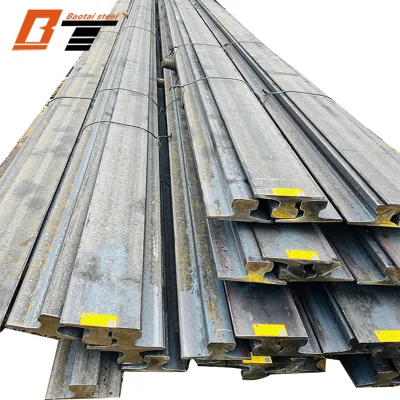
$613.9494 - $665.1126
MOQ: 100 tons
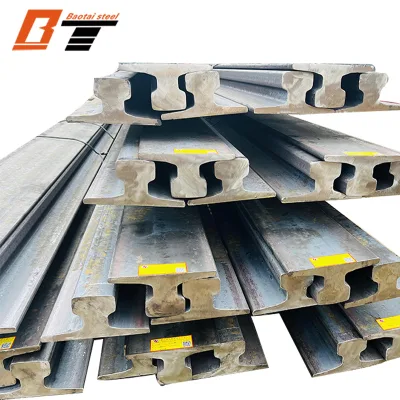
Railway Project 43kg Heavy Steel Rail - BAOTAI U71Mn Railway Rail Supplier
$358.1379 - $409.2996
MOQ: 10 tons
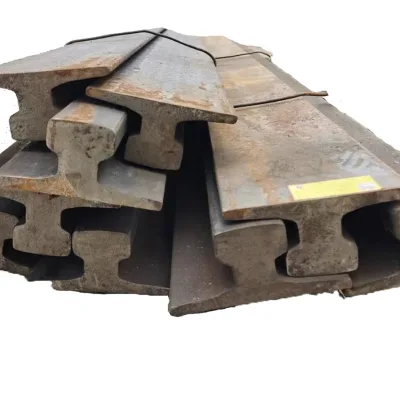

Shanghai Bosheng Industries Co., Ltd.
- Verified by BV
- Trading Company,Manufacturer/Factory
- China Shanghai
- Lead time23 days
- Avg. response≤ 21h
Main productsSteel Rails, Railway Turnouts, Fishplates, Tie Plate, Rail Fastening Materials, Ferrous Metal Material
Main marketsSouth America,Eastern Europe,Mid East,North America,Southeast Asia,Eastern Asia,Oceania,Western Europe,Africa

Weixin Steel (Guangdong) Co., Ltd
- Verified by CTI
- Combined
- China Guangdong
- Lead time15 days
- Avg. response≤ 1h
Main marketsDomestic,North America

Standard Railway Steel Rail Compliant with International Quality Specifications
$360.00 - $420.00
MOQ: 1 Tons

Hot Rolled Steel Rail in Various Specifications for Railroad Track Maintenance
$360.00 - $420.00
MOQ: 1 Tons

Chongqing Xinrail Technology Co., Ltd.
- Verified by SGS
- Trading Company
- China Chongqing
- Lead time60 days
- Avg. response≤ 4h
Main productsTrain Part, Railway Part, Railway Vehicle Parts, Railway Traction Motor, Rail Fastening System, Rail Joints, Railway Equipment, Railway Bogie Part, Railway Brake Part, Train Interiors
Main marketsOthers(foreignTradeCapacity.exportBusinessCapacityMarketOther)

European Standard Carbon Steel Rail for Mainline and Industrial Use Uic54
$788.00 - $810.00
MOQ: 1 Tons


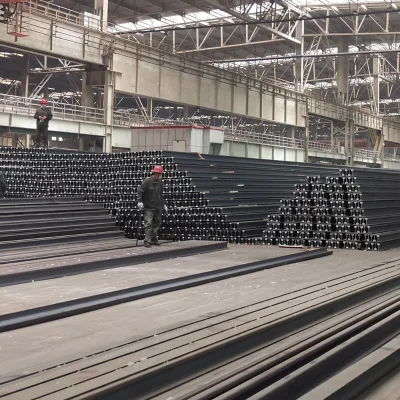




Comprehensive Sourcing Guide
European Standard Heavy Rail Supplier Concentration and Factory Types
The current supplier landscape for European Standard Heavy Rail reveals a distinct geographic concentration within China, specifically highlighting manufacturing hubs in Shandong and Hebei provinces. Suppliers located in Shandong, such as those in Jining, often operate as group corporations or manufacturer-factories that offer a diverse range of mining and railway equipment alongside steel rails. These entities frequently hold ISO 9001 certification and provide OEM and ODM capabilities, indicating a robust capacity for customized production runs. In contrast, suppliers based in Hebei province tend to function primarily as trading companies, leveraging their regional access to source and distribute various steel profiles, including crane rails and light rails. This structural difference in company types suggests that buyers seeking direct manufacturing control might find more integrated solutions in Shandong, while those prioritizing broad inventory access and trading flexibility may find Hebei-based traders more suitable for their logistical needs.
Beyond geographic clustering, the variety of company types available to buyers influences the sourcing strategy significantly. The presence of trading companies alongside manufacturer-factories means that buyers must carefully assess whether they are engaging with the actual production source or an intermediary. Trading companies often simplify the procurement process by consolidating orders from multiple factories, which can be advantageous for smaller orders or when sourcing multiple steel product types simultaneously. However, this model may introduce additional layers of communication and potential markup. Manufacturer-factories, on the other hand, typically offer more direct control over production schedules and quality assurance processes, which is critical for heavy rail applications where structural integrity and adherence to strict European standards are paramount. Understanding this distinction helps buyers align their supplier selection with their specific operational requirements, whether they prioritize direct factory engagement or the convenience of a consolidated trading partner.
How to Verify European Standard Heavy Rail Suppliers
Verifying the authenticity and capability of European Standard Heavy Rail suppliers requires a multi-layered approach that goes beyond basic company profiles. Buyers should prioritize suppliers who have undergone third-party verification processes, such as those conducted by BV, TÜV Rheinland, or CTI, as these audits provide an independent assessment of the supplier’s business legitimacy and operational capacity. For instance, some suppliers display BV verification, while others may hold TÜV Rheinland or CTI credentials, each offering a different level of scrutiny regarding financial stability and production capabilities. Additionally, checking for ISO 9001 certification is essential, as it confirms that the supplier adheres to internationally recognized quality management standards. This certification is particularly important for heavy rail products, where consistency in material properties and dimensional tolerances is critical for safety and performance in railway applications. Buyers should request copies of these certificates and verify their validity through the respective certification bodies to ensure they are current and applicable to the specific products being sourced.
Beyond certifications, buyers must scrutinize the specific product attributes and standards claimed by the supplier. European standard heavy rails, such as those conforming to EN 54E1 (UIC 54), require precise adherence to dimensional and material specifications. Buyers should verify that the supplier explicitly states compliance with relevant European norms and provides detailed product data sheets that include chemical composition, mechanical properties, and testing results. It is also crucial to confirm the supplier’s ability to provide traceability documentation, which links the final product back to the raw material batch. This level of documentation is often required for railway projects to ensure that any defects can be traced and addressed effectively. Furthermore, buyers should inquire about the supplier’s quality control processes during production, including non-destructive testing methods and final inspection protocols. By demanding transparent and verifiable evidence of quality assurance, buyers can mitigate the risk of receiving substandard materials that could compromise the integrity of their railway infrastructure projects.
What to Compare Across European Standard Heavy Rail Suppliers
When evaluating multiple suppliers for European Standard Heavy Rail, buyers should systematically compare key operational metrics to identify the most suitable partner for their specific needs. Lead time is a critical factor, as it directly impacts project scheduling and inventory management. Some suppliers may offer lead times as short as 15 days, while others might require up to 45 days for production and delivery. Buyers should align these timelines with their project deadlines and consider the buffer needed for potential delays. Similarly, the minimum order quantity (MOQ) varies significantly among suppliers, with some accepting orders as low as one unit, while others may require a minimum of ten units or more. This distinction is particularly relevant for buyers with smaller project scopes or those testing new supply chains. Response time is another important metric, indicating the supplier’s efficiency in communication. Suppliers with response times under one hour, such as those averaging 0.48 hours, demonstrate a high level of responsiveness, which can be crucial for resolving technical queries or addressing urgent order changes.
In addition to operational metrics, buyers should compare the range of main products and customization capabilities offered by each supplier. Suppliers that specialize exclusively in steel rails may offer deeper expertise and more competitive pricing for standard items, while those with a broader product portfolio, including mining equipment or other steel profiles, might provide more flexible solutions for complex projects. Customization options, such as specific lengths, tolerances, or surface treatments, should also be evaluated, as not all suppliers may offer the same level of flexibility. Price is another critical comparison point, but it should be analyzed in the context of the total cost of ownership, including shipping, insurance, and potential tariffs. Buyers should request detailed quotations that break down costs for materials, processing, and logistics to ensure a fair comparison. By systematically comparing these dimensions, buyers can make informed decisions that balance cost, quality, and service levels, ultimately selecting a supplier that best supports their strategic sourcing objectives.
Common European Standard Heavy Rail Sourcing Risks
Sourcing European Standard Heavy Rail from international suppliers introduces several risks that buyers must proactively manage to ensure project success. One significant risk is the potential for non-compliance with European standards, which can lead to rejection of materials at the destination or safety hazards in railway applications. Buyers must ensure that suppliers explicitly guarantee compliance with relevant EN standards and provide third-party test reports to validate these claims. Another risk is the variability in product quality, particularly regarding dimensional tolerances and material composition. Even minor deviations from specified tolerances can affect the fit and performance of rail components, leading to costly rework or delays. Buyers should establish clear quality acceptance criteria in their contracts and conduct pre-shipment inspections to verify that the delivered goods meet these standards. Additionally, the risk of supply chain disruptions, such as raw material shortages or production bottlenecks, can impact lead times and delivery schedules. Buyers should assess the supplier’s production capacity and inventory levels to gauge their ability to meet demand during peak periods.
Logistical risks are also prevalent in international heavy rail sourcing, given the weight and bulk of the products. Damage during transit, such as bending or corrosion, can render the materials unusable if not properly packaged and handled. Buyers should verify that suppliers use appropriate packaging methods, such as wooden boxes or bundled iron wire, to protect the rails during shipping. Furthermore, the complexity of international shipping regulations and customs clearance can lead to unexpected delays or additional costs. Buyers must ensure that suppliers provide accurate documentation, including certificates of origin and material test reports, to facilitate smooth customs processing. Another risk is the potential for miscommunication regarding technical specifications, which can result in the delivery of incorrect products. To mitigate this, buyers should maintain clear and detailed communication channels with suppliers, confirming all technical requirements in writing before production begins. By identifying and addressing these risks early in the sourcing process, buyers can minimize disruptions and ensure the timely delivery of high-quality European standard heavy rails.
European Standard Heavy Rail Regional Sourcing and Logistics
The geographic location of suppliers plays a pivotal role in determining the logistics strategy and overall cost structure for sourcing European Standard Heavy Rail. Suppliers located in Shandong province, such as those in Jining, benefit from proximity to major ports and industrial infrastructure, which can facilitate efficient export operations. This regional advantage often translates to more streamlined logistics processes and potentially lower shipping costs for buyers. In contrast, suppliers in Hebei province may also have access to well-developed transportation networks, but the specific logistics advantages can vary based on the supplier’s established relationships with freight forwarders and shipping lines. Buyers should consider the origin of the goods when evaluating logistics options, as the distance to the nearest port can impact transit times and handling costs. Additionally, the type of product being sourced, such as heavy rails versus lighter profiles, influences the choice of shipping method, with heavy rails typically requiring specialized handling and secure packaging to prevent damage during transit.
Logistics planning for European Standard Heavy Rail also involves coordinating with freight forwarders to optimize container utilization and reduce shipping expenses. Given the weight and dimensions of heavy rails, buyers may need to consider full container load (FCL) shipments to maximize efficiency and cost-effectiveness. However, for smaller orders, less than container load (LCL) options might be more appropriate, although they can incur higher per-unit shipping costs. Buyers should work closely with their suppliers to determine the most suitable shipping method based on order volume and delivery urgency. Furthermore, insurance coverage is a critical component of the logistics strategy, protecting against potential losses or damages during transit. Buyers should ensure that the supplier’s packaging meets international shipping standards and that adequate insurance is in place to cover the full value of the goods. By carefully planning the logistics strategy and leveraging the regional advantages of supplier locations, buyers can optimize their supply chain and ensure the timely and cost-effective delivery of European standard heavy rails.
European Standard Heavy Rail Commercial Terms and Order Planning
Effective order planning for European Standard Heavy Rail requires a thorough understanding of commercial terms and payment structures to mitigate financial risks and ensure smooth transactions. Buyers should negotiate clear payment terms that align with their cash flow management strategies, such as using secure payment methods like escrow services to protect both parties until the goods are received and verified. Some suppliers may offer flexible payment options, including partial upfront payments and balance upon shipment, which can help manage financial exposure. Additionally, buyers should clarify the Incoterms used in the transaction, such as FOB, CIF, or DDP, as these determine the responsibilities and costs associated with shipping and insurance. Understanding these terms is crucial for accurately calculating the total landed cost of the products and avoiding unexpected expenses. Buyers should also establish clear delivery schedules and penalties for delays to ensure that the supplier adheres to the agreed-upon timelines, which is particularly important for time-sensitive railway projects.
Beyond payment and delivery terms, buyers should plan for post-delivery activities, including quality inspection and potential returns or replacements. Establishing a clear process for handling non-conforming goods is essential to minimize disruptions and maintain project momentum. Buyers should specify the criteria for acceptance and the procedures for raising claims in their contracts, ensuring that both parties have a shared understanding of the expectations. Furthermore, buyers should consider the long-term relationship with the supplier, as consistent ordering can lead to better pricing, priority production slots, and improved service levels. Building a strong partnership with a reliable supplier can provide stability and predictability in the supply chain, which is valuable for ongoing railway maintenance and expansion projects. By carefully planning the commercial terms and order processes, buyers can create a robust sourcing framework that supports their operational needs and fosters a productive supplier relationship.
FAQs
What European heavy rail standards are available?
Suppliers offer EN 54E1 (UIC54) and EN 49E1 (DIN S49) heavy rails. These standards ensure compatibility with European railway infrastructure. Manufacturers provide various weight classes to meet specific track load requirements. Buyers should verify the exact standard code on product listings to ensure compliance with local railway regulations and safety protocols.
What is the typical lead time for heavy rail orders?
Lead times vary by supplier location and production capacity. Some manufacturers in Hebei report a lead time of 15 days, while others in Shandong may require up to 45 days. Buyers should confirm the specific delivery schedule with the supplier before placing an order to align with project timelines and avoid delays.
What is the minimum order quantity for steel rails?
Minimum order quantities differ among suppliers. Some vendors accept orders as low as one unit, while others require a minimum of ten units. Buyers should check the specific MOQ listed for each product to determine feasibility for small or large procurement needs. Flexible MOQs allow for easier testing of supplier quality.
What certifications do heavy rail suppliers hold?
Many suppliers hold ISO 9001 certification for quality management systems. Some also possess additional certifications like RoHS or CE marks. Verification badges from BV, TÜV Rheinland, or CTI indicate third-party audits. Buyers should request valid certification documents to ensure the rails meet international quality and safety standards.
What is the price range for European standard heavy rails?
Prices typically range from 500 to 680 USD per ton. Variations depend on the rail weight, standard, and supplier location. Buyers should compare quotes from multiple suppliers to find competitive pricing. Additional costs for packaging, shipping, and customization may apply, so request a detailed quotation including all fees.
How quickly do suppliers respond to inquiries?
Response times vary significantly among suppliers. Some respond within 0.48 hours, while others may take up to 11.23 hours. Faster response times often indicate better customer service and operational efficiency. Buyers should prioritize suppliers with quick response times to ensure smooth communication and timely order processing.