API Hot Rolled Steel Pipe Suppliers and Manufacturers
Source API Hot Rolled Steel Pipe from 31 verified suppliers in China. Compare lead times, MOQs, certifications, and response rates to find the right partner. Contact suppliers directly to request quotes and verify production capabilities; review the available evidence before requesting comparable quotations from suitable candidates.
Updated
Suppliers List

TIANCHENG METAL MATERIAL(TIANJIN) CO., LTD.
- Verified by TUVRHEINLAND
- Trading Company,Manufacturer/Factory
- China Tianjin
- Lead time23 days
- Avg. response≤ 8h
Main productsSeamless Pipe/Boiler Tube, Alloy Steel Seamless Pipe, API 5CT Petroleum Tubing Casing, Stainless Steel Seamless Tubes, Slotted Casing Seamless Pipe, API 5L Seamless Pipes, Home and Living Chair, Copper Tubes, Nickel Alloy Tube, Home and Living Table
Main marketsSouth America,Eastern Europe,Mid East,North America,Southeast Asia,Eastern Asia,Oceania,Western Europe,Africa

Tianjin Jinnuo Steel Pipe Co., Ltd.
- Combined
- China Tianjin
- Lead time30 days
- Avg. response≤ 9h
Main productsSteel Pipe, Carbon Steel Pipe, Galvanized Steel Pipe, Welded Steel Pipe, Gi Pipe, Seamless Steel Pipe, Steel Plate, Steel Coil, Steel Strip, Steel Profile
Main marketsSouth America,Africa,Southeast Asia/ Mideast,East Asia(Japan/ South Korea),Domestic,Europe,Australia,North America


Steel Iron Pipes Cold Rolled Black Annealed Steel Pipe 1 Inch Pipe Steel
$620.00 - $650.00
MOQ: 25 Tons


Hebei Pipeline Equipment HN Co., Ltd.
- Verified by SGS
- Manufacturer/Factory
- China Hainan
- Lead time0 days
- Avg. response≤ 20h
Main productsSteel Pipes, Pipe Fittings (Elbow Tee Reduer Cap...), Flange, Pipe Spool, Thermal Insulation Pipe, Anti-Corrosion Pipe
Main marketsSouth America,Eastern Europe,Mid East,North America,Southeast Asia,Eastern Asia,Oceania,Western Europe,Africa

Tianjin Tianyingtai Steel Pipe Co., Ltd.
- Verified by SGS
- Trading Company,Manufacturer/Factory
- China Tianjin
- Lead time0 days
- Avg. response≤ 5h
Main productsGalvanized Pipe, Scaffolding Shoring Props, ERW Welded Steel Pipe, Black Square Tube, Hollow Section, API Pipe, Angle Steel, Galvanized Sheet/Plate, Channel Steel, Beam
Main marketsSouth America,Eastern Europe,Mid East,North America,Southeast Asia,Eastern Asia,Oceania,Western Europe,Africa

Shandong Xingtongda Steel Co., Ltd
- Verified by SGS
- Trading Company
- China Shandong
- Lead time15 days
- Avg. response≤ 2h
Main productsSteel Coil, Steel Pipe, Steel Plate/Sheet, Stainless, Aluminum, Color Coated Steel Coil, Section Steel, Copper, Steel Wire Rpoe, Steel Wire
Main marketsEurope

Seamless Carbon Steel Pipes Galvanized Steel Pipe Hot Rolled Seamless Steel Pipe
$520.00 - $579.00
MOQ: 1 Tons

- Verified by TüVRheinland
- Manufacturer, Trading Company
- Lead time10 days
- Avg. response≤ 3h
Main productsGalvanized Coil, PPGI, Steel Pipe, Steel Profile, Steel Coil
Main marketsDomestic Market(50%), Southeast Asia(15%), Africa(13%)
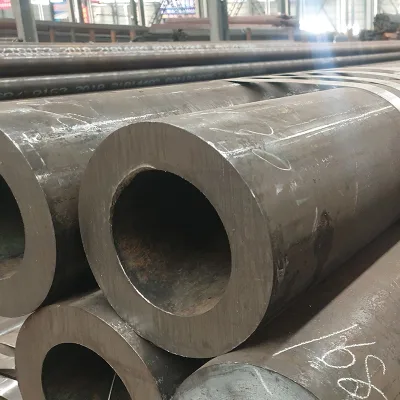
$512.4698 - $553.882
MOQ: 10 tons
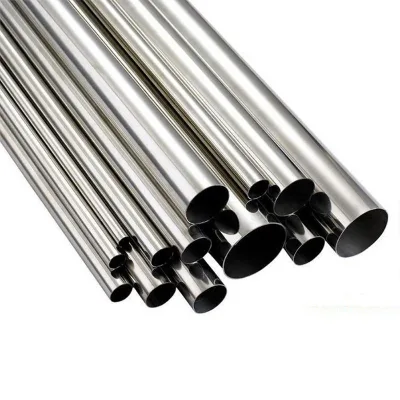
$495.00 - $535.00
MOQ: 10 tons
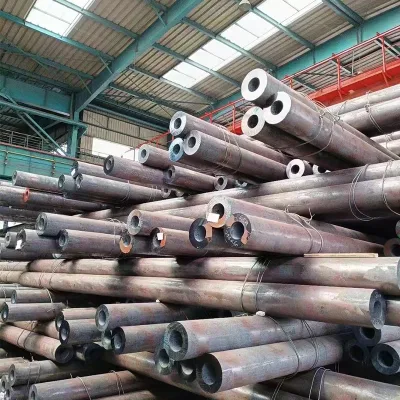
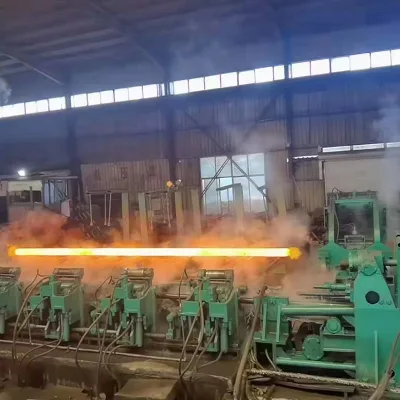
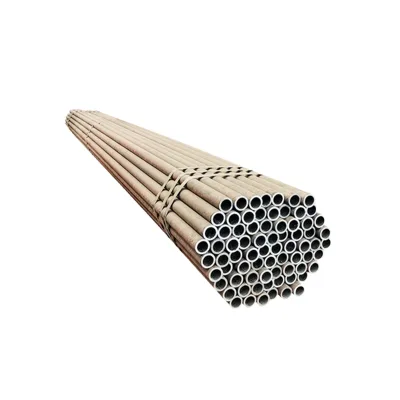
$495.00 - $535.00
MOQ: 10 tons
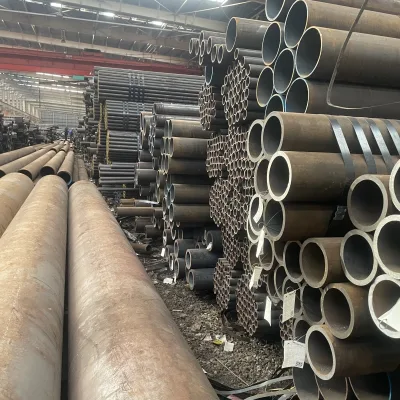
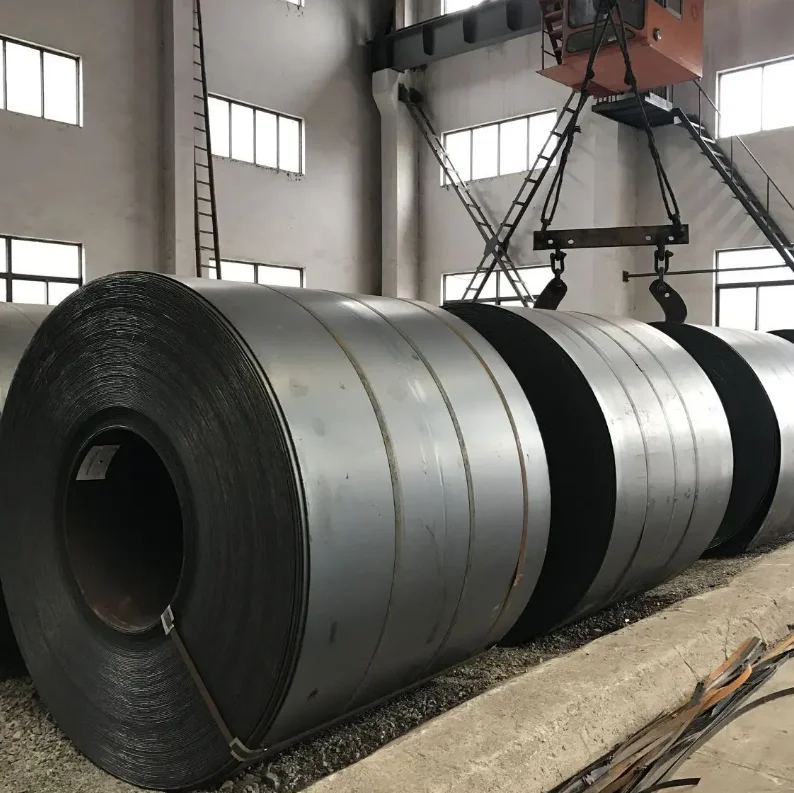
Shandong Longshun Pipe Industry Co., Ltd.
- Trading Company
- Shandong, China
- Lead time15 days
- Avg. response≤ 4h
Main productsHot rolled steel coils,Cold rolled steel coils,Galvanized coils,Color coated sheet roll,Duplex stainless steel pipe
Main marketsDomestic Market(70.00%), North America(10.00%), Africa(10.00%), Southeast Asia(10.00%)
Tianjin Qingze Steel Sales Co., Ltd.
- Verified by TüVRheinland
- Manufacturer, Trading Company
- Lead time7 days
- Avg. response≤ 2h
Main productsSeamless Steel Pipes, Stainless Steel Pipes, Iron Pipes, Other Special Steel Products, Aluminum Bars
Main marketsSoutheast Asia(25%), Mid East(15%), Eastern Asia(15%)
- Verified by TüVRheinland
- Trading Company
- Lead time21 days
- Avg. response≤ 2h
Main productsCarbon Steel Coil, Steel Plate, Galvanized Steel Coil, Stainless Steel Coil, Aluminium Sheet
Main marketsNorth America(50%), Mid East(16%), South America(10%)

Shandong Liaocheng Yuanhetai Steel Products Co., Ltd.
- Verified by BV
- Trading Company
- China Shandong
- Lead time0 days
- Avg. response≤ 11h
Main productsSteel Pipe, Seamless Steel Pipe, Steel Tube, Carbon Steel Pipe, ERW Pipe, Saw Pipe, Larger Diameter Steel Pipe, Pipe
Main marketsEurope
Shandong Liaocheng Jinzheng Steel Pipe Co., Ltd.
- Verified by SGS Group
- Manufacturer, Trading Company
- Lead time15 days
- Avg. response≤ 2h
Main productsSteel Pipe
Main marketsDomestic Market(80%), Southeast Asia(3%), Africa(3%)
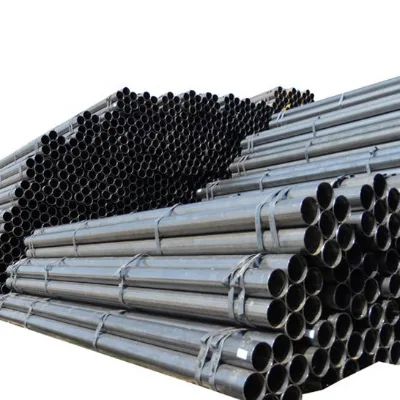
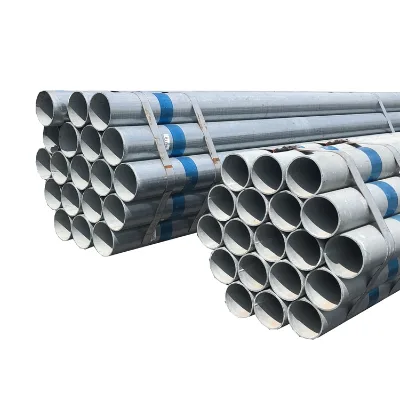
Hot Rolled Galvanized Seamless Pipe for Building Fire Hydrant Water Supply Project
$475.00 - $555.00
MOQ: 1
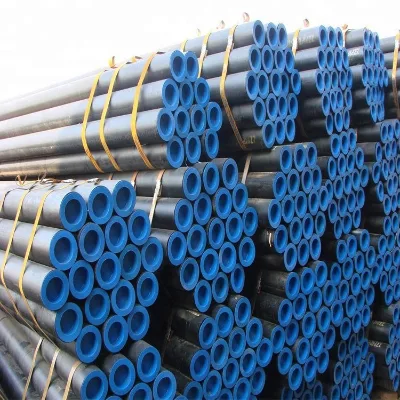
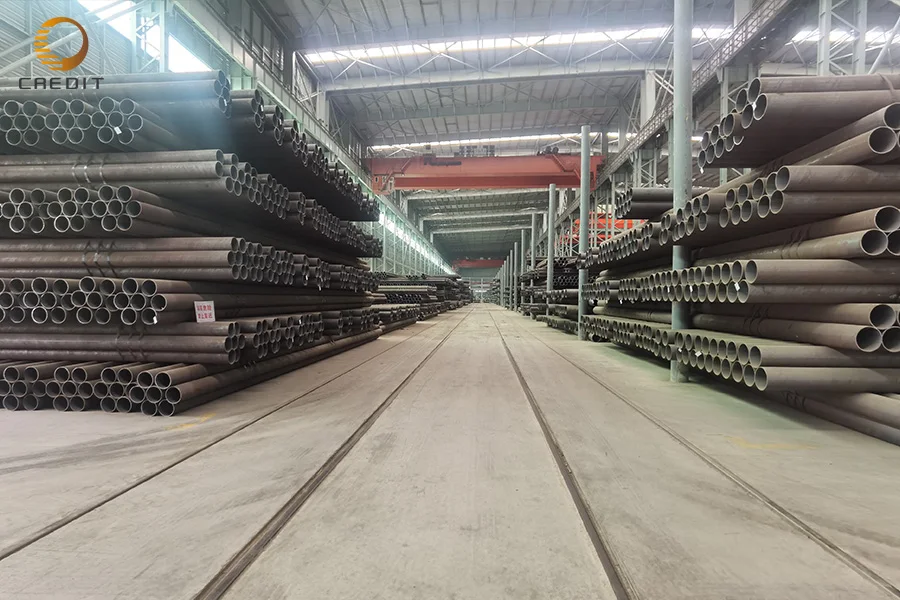
Guangdong Credit Supply Chain Co., Ltd.
- Trading Company
- Guangdong, China
- Lead time0 days
- Avg. response≤ 2h
Main productsSeamless Steel Pipe,Galvanized Steel Pipe,Welded Steel Pipe,Steel Coil,Steel Sheet
Main marketsDomestic Market(10.00%), South Asia(10.00%), Northern Europe(10.00%), Central America(10.00%), Eastern Asia(10.00%), Mid East(10.00%), Africa(10.00%), Southeast Asia(10.00%), South America(10.00%), North America(10.00%)
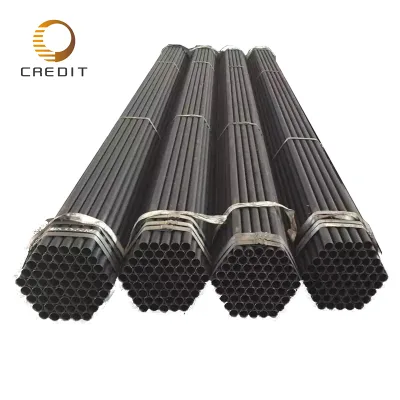
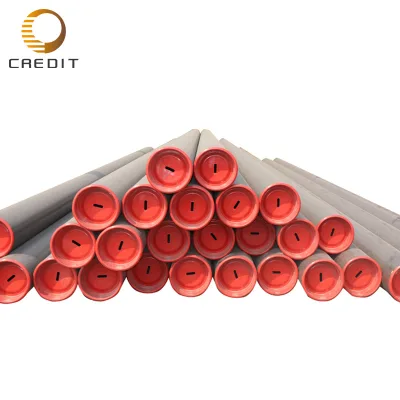
Welded Round Steel Pipe Non Galvanized High Quality API 5L Oil and Gas Hot Sale in Russia Kazakhstan
$427.00 - $547.00
MOQ: 5 tons
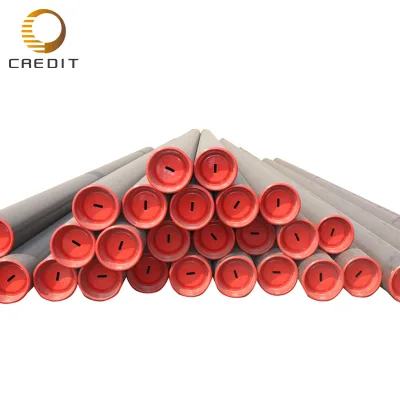
Hot Rolled Seamless Steel Pipe for Gun Barrel X42 X46 X52
$487.00 - $531.00
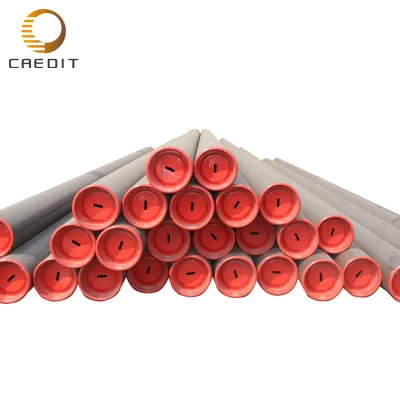
$486.00 - $555.00
MOQ: 5 metric
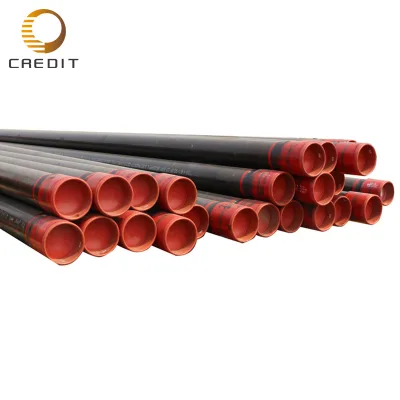
$483.00 - $542.00
MOQ: 5 metric
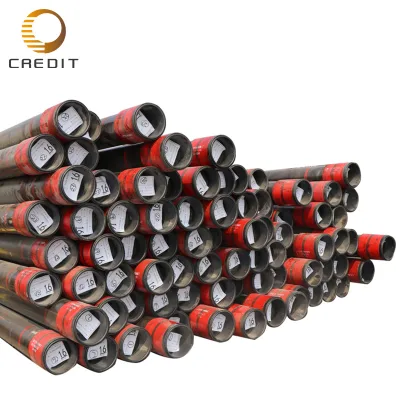

Shanghai South Geely Industrial Co., Ltd.
- Verified by BV
- Trading Company,Manufacturer/Factory
- China Shanghai
- Lead time30 days
- Avg. response≤ 9h
Main productsAluminized Steel Pipe, Stainless Steel Pipe, Carbon Steel Pipe, Titanium Pipe, Seamless Steel Pipe, Steel Coils
Main marketsSouth America,Eastern Europe,Mid East,North America,Southeast Asia,Eastern Asia,Oceania,Western Europe,Africa
Tianjin Kunyu Juyixiang Technology Co., Ltd.
- Verified by Intertek
- Manufacturer, Trading Company
- Lead time7 days
- Avg. response≤ 1h
Main productsColor Coated Roll , Galvanized Coil, Galvanized Pipe, Galvanized Sheet, H-Section Steel
Main marketsSoutheast Asia(40%), Mid East(30%), Africa(10%)
Shandong Chengxinying Commerce And Trade Co., Ltd.
- Verified by Intertek
- Manufacturer, Trading Company
- Lead time30 days
- Avg. response≤ 2h
Main productsRectangle Steel Tubes, Triangular Seamless Steel Pipes, Cold Rolled High Precision Seamless Steel Pipes, Hot Rolled Seamless Steel Pipes, Casing Tube
Main marketsSoutheast Asia(23%), Eastern Europe(11%), South America(10%)
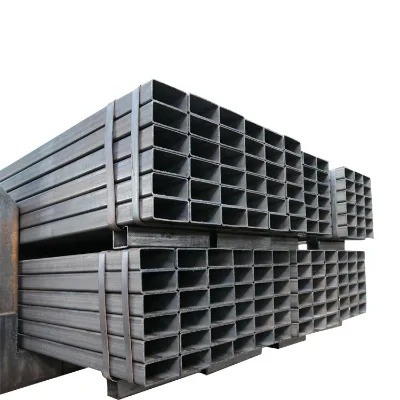
Mild Steel Square Tube Hot Rolled Rectangle Steel API Certified Pipe to ISO9001 Standards 12m Length
$450.00 - $550.00
MOQ: 5 tons
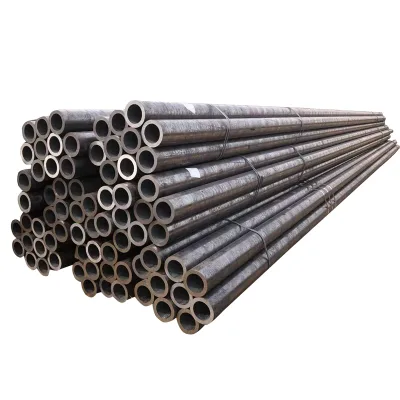
$350.00 - $675.00
MOQ: 1 tons
Ketuo (shandong) Steel Co., Ltd.
- Verified by TüVRheinland
- Trading Company
- Lead time15 days
- Avg. response≤ 2h
Main productsHot Rolled Steel Coil, Cold Rolled Steel Sheet, Stainless Steel Coil, PPGI / PPGL, Aluminum Sheet
Main marketsMid East(23%), Eastern Asia(20%), Southeast Asia(15%)
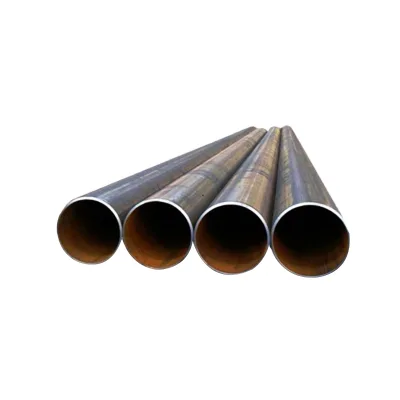
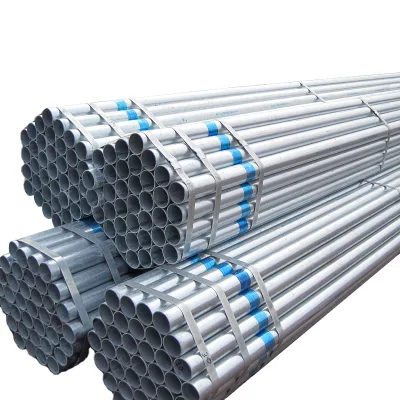
$410.00 - $450.00
MOQ: 5 tons
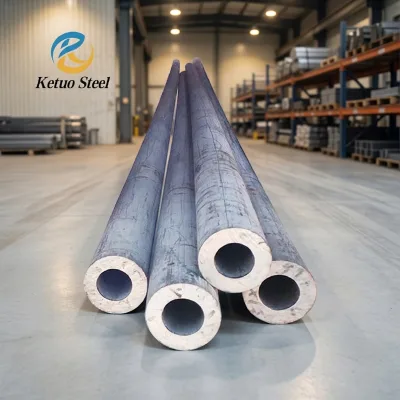
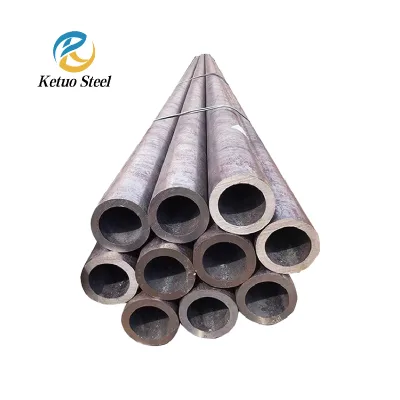
$420.00 - $522.00
MOQ: 5 tons

Shandong Rosenwell Petroleum Technology Co., Ltd.
- Verified by TUVRHEINLAND
- Trading Company
- China Shandong
- Lead time15 days
- Avg. response≤ 2h
Main productsMud Pump, Top Drive, Power Tongs, Cement Tools, Solid Control, Bop&Well Head, Handing Tools, Flowline Products, OCTG, Ironrough Parts
Main marketsSoutheast Asia/ Mideast

Zhangjiagang Chewit International Co., Ltd.
- Combined
- China Jiangsu
- Lead time30 days
- Avg. response≤ 3h
Main productsSeamless Tube, Steel Pipe, Seamless Pipe, Cold Drawn Pipe, DIN2391 Pipe, Precision Pipe, Carbon Steel Pipe, Stainless Steel Pipe, Hydraulic Pipe, Steel Tube
Main marketsSouth America,Africa,Southeast Asia/ Mideast,East Asia(Japan/ South Korea),Europe,North America
Shandong Haoxuan Materials Co., Ltd.
- Verified by SGS Group
- Trading Company
- Shandong, China
- Lead time15 days
- Avg. response≤ 1h
Main productsStainless Steel Pipe, Carbon Steel Pipe, Stainless Steel Pipe Fittings, Carbon Steel Pipe Fittings, Grooved Pipe Fittings
Main marketsWestern Europe(17%), South America(14%), Africa(13%)
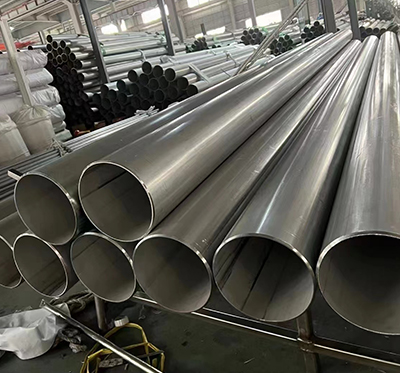
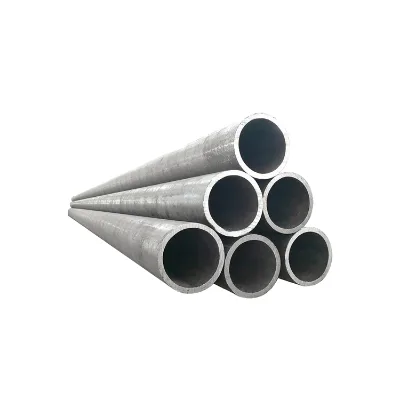
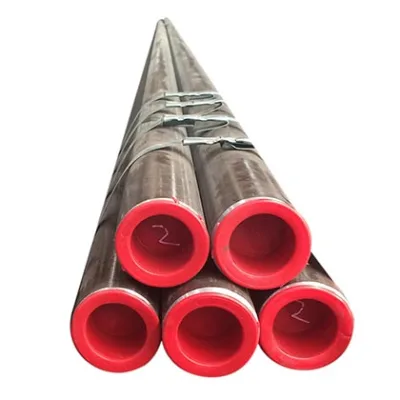
ASTM A179 Cold Rolled Hot Rolled Seamless Steel Pipe / A178 Steel Tube for Boiler and Heat Exchanger
$550.0807 - $596.349
MOQ: 20 tons
Henan Gdd Metal Materials Co., Ltd.
- Verified by SGS Group
- Trading Company
- Henan, China
- Lead time20 days
- Avg. response≤ 2h
Main productsCarbon Steel, Stainless Steel, Tinplate, PPGI/PPGL, Galvanized Steel
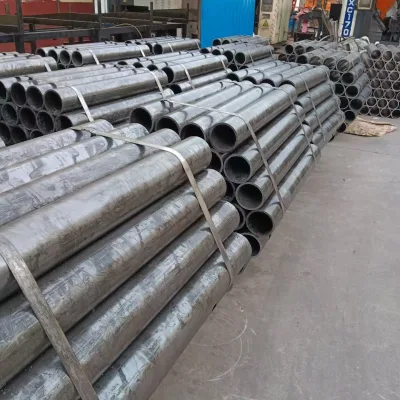
$486.00 - $540.00
MOQ: 1 tons
- Verified by TüVRheinland
- Trading Company
- Lead time15 days
Main productsCarbon Steel, Stainless Stee, Aluminum, PPGI Steel
Main marketsSoutheast Asia(28%), Mid East(25%), Africa(20%)
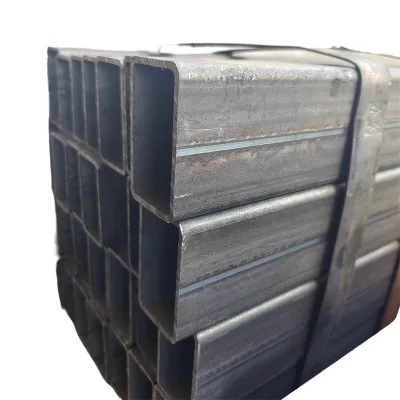
Good Quality Hot Rolled Q235 Q345 50mm 80mm 100mm Carbon Steel Seamless square Pipes
$580.00 - $635.00
MOQ: 1
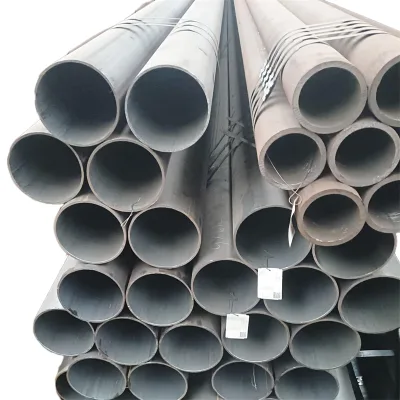
$535.00 - $617.00
MOQ: 1 tons
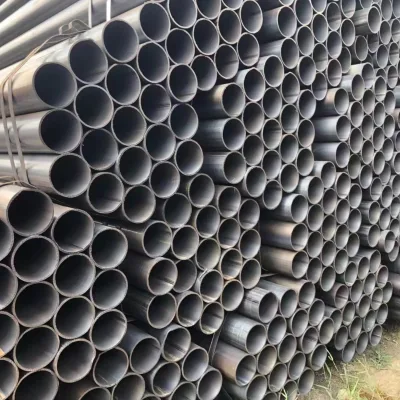
High Quality 24 Inch Carbon Steel Pipe Price for Transporting Oil and Building
$500.00 - $1000.00
MOQ: 1
Haihong (jiangsu) Steel International Trade Co., Ltd.
- Trading Company
- Jiangsu, China
- Lead time10 days
- Avg. response≤ 3h
Main productsRoofing Sheet Color Coated,Color Steel Plates,Galvanized Steel Coil,Prepainted Galvanized Steel Coil,Steel Plates
Main marketsSoutheast Asia(30.00%), Eastern Europe(20.00%), North America(10.00%), Central America(10.00%), Eastern Asia(9.00%), South America(5.00%), Western Europe(4.00%), South Asia(3.00%), Mid East(3.00%), Northern Europe(3.00%), Oceania(1.00%), Southern Europe(1.00%), Africa(1.00%)
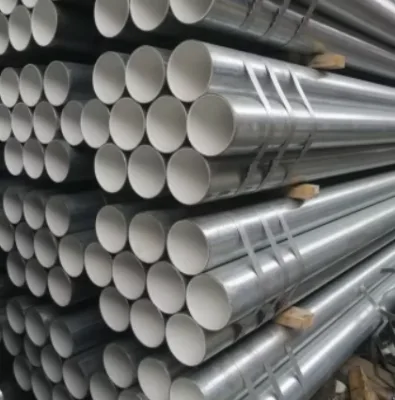
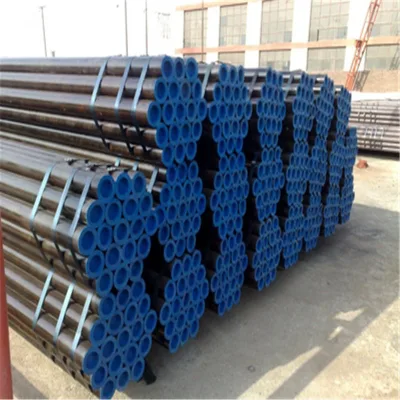
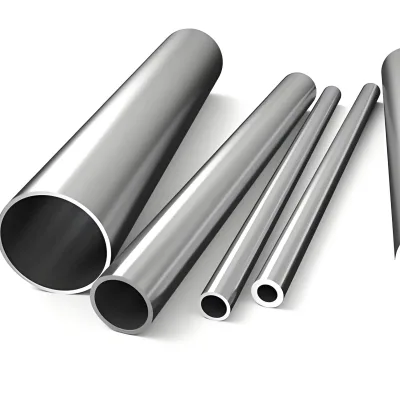
Galvanized Steel Round Pipe Seamless Cold Rolled Carbon Steel Tube for Construction Mining
$614.3713 - $716.7665
MOQ: 5 tons
Shandong Kehuan Petroleum Equipment Co., Ltd.
- Verified by TüVRheinland
- Manufacturer, Trading Company
- Lead time15 days
- Avg. response≤ 3h
Main productsSteel Pipe, Steel Plate And Sheets, Round Bar, Section Steel And Angle Steel, Stainless Steel Pipe
Main marketsDomestic Market(70%), Southeast Asia(6%), Mid East(4%)
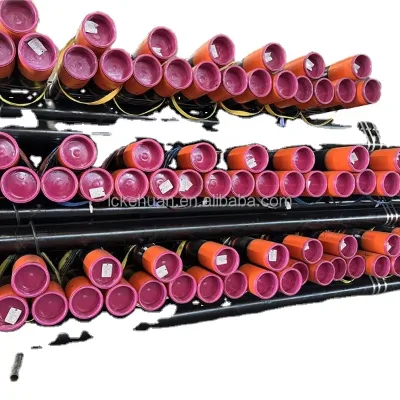
Hot-sale ASTM API 5L A106 A36 Oil and Gas Pipeline Stainless Steel Seamless Carbon Steel Pipe
$500.00 - $550.00
MOQ: 20
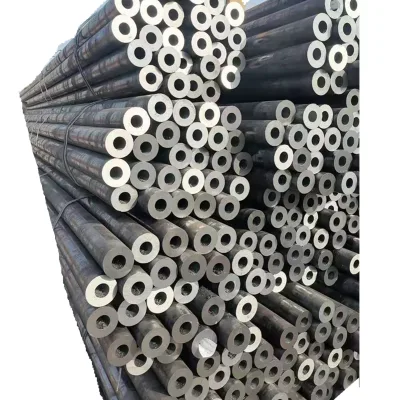
High Quality 10# 20# 45# Seamless Round Carbon Steel Pipe for Oil and Gas Pipeline f
$359.00 - $429.00
MOQ: 1

GuangDong Lecong Steel World Electronic Commerce Co., Ltd.
- Verified by SGS
- Trading Company
- China Guangdong
- Lead time15 days
- Avg. response≤ 9h
Main productsSteel Structure, Steel Beam, Carbon Steel Pipe, Steel Workshop, Carbon Steel, H Beam, Stainless Steel Pipe, Section Steel
Main marketsDomestic

High Quality Hot Rolled Stainless Steel Pipe for Industrial Applications
$500.00 - $650.00
MOQ: 1 Tons


LIAOCHENG HUAJIAN STEEL CO., LTD.
- Verified by BV
- Trading Company
- China Shandong
- Lead time15 days
- Avg. response≤ 10h
Main productsWear Resistance Steel Plate, Round Bar, Seamless Steel Pipe, Hot Rolled Steel Plate, Ms Checkered Steel Plate, Square &Rectangular Tube, Galvanized & Carbon Steel Round Pipe, H Beam, Angle, Channel
Main marketsEurope,North America
- Trading Company
- Jiangsu, China
- Lead time0 days
- Avg. response≤ 14h
Main productsSquare Pipe,Steel Pipe,Steel Coil,Steel Plate
Main marketsSoutheast Asia(37.00%), Mid East(20.00%), South America(14.00%), Africa(13.00%), Eastern Europe(12.00%), Domestic Market(4.00%)

SHUIFU HANYANG MACHINERY TECHNOLOGY CO., LTD
- Verified by TUVRHEINLAND
- Trading Company
- China Yunnan
- Lead time30 days
- Avg. response≤ 3h
Main productsManufacturing Processing Machinery, Sheet Metal Stamping, Springs, Stud Bolt, Clamp, Washer, Nut, Screw, Rivets, Stainless Steel
Main marketsSoutheast Asia/ Mideast,Europe,North America
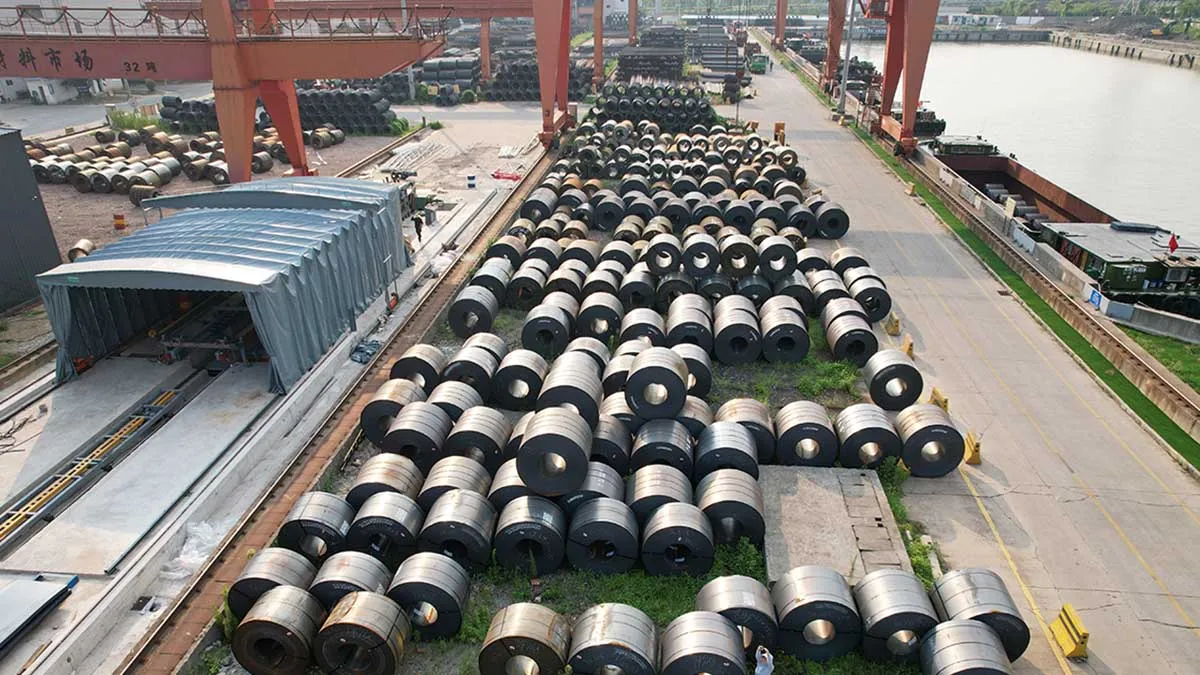
Shandong Gangshun Metal Product CO., Ltd.
- Trading Company
- Shandong, China
- Lead time10 days
- Avg. response≤ 2h
Main productsStainless Steel Pipe,Stainless Steel Sheet,Stainless Steel Bar,Stainless Steel Coil,Stainless Steel Strip
Main marketsSoutheast Asia(24.00%), South America(15.00%), Eastern Europe(12.00%), Africa(10.00%), Oceania(5.00%), Western Europe(5.00%), Southern Europe(5.00%), Central America(5.00%), Northern Europe(5.00%), Mid East(5.00%), South Asia(3.00%), Eastern Asia(3.00%), North America(3.00%)

- Verified by SGS
- Trading Company,Manufacturer/Factory
- China Jiangsu
- Lead time23 days
- Avg. response≤ 11h
Main productsStainless Steel Sheet, Steel Plate, Stainless Steel Coil, Stainless Steel Pipe, Steel Pipe, Alloy Steel, Stainless Steel Bar, Steel Strip, Cold Rolled Coil, Seamless Steel Pipe
Main marketsSouth America,Eastern Europe,Mid East,North America,Southeast Asia,Eastern Asia,Oceania,Western Europe,Africa
Liaocheng Jiaxiang Steel Pipe Co., Ltd.
- Verified by SGS Group
- Trading Company
- Lead time15 days
- Avg. response≤ 1h
Main productsStainless Steel, Galvanized and PPGI Steel, Steel Pipes, Steel Structure, Highway Guardrail
Main marketsEastern Europe(30%), Southeast Asia(20%), South Asia(10%)
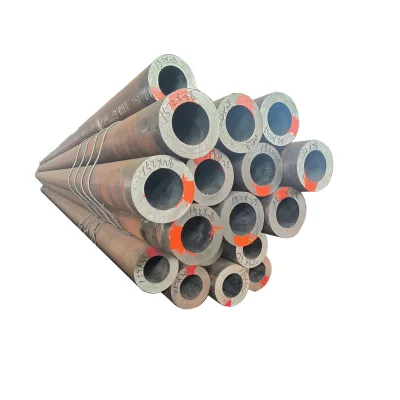
Pipe Api 5l Gr X65 Psl 2 Carbon Steel Seamless Stb 42 Seamless Boiler Steel Pipe
$495.00 - $520.00
MOQ: 1
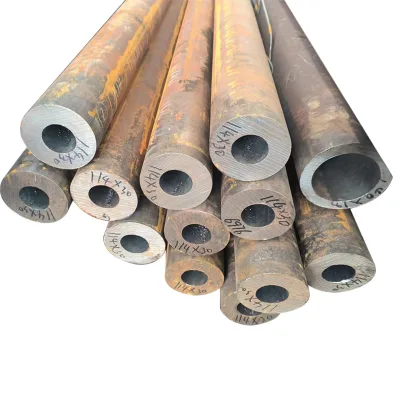

Tianjin RuiTong Iron & Steel Co., LTD.
- Verified by BV
- Combined
- China Tianjin
- Lead time15 days
- Avg. response≤ 21h
Main productsSteel
Main marketsAustralia


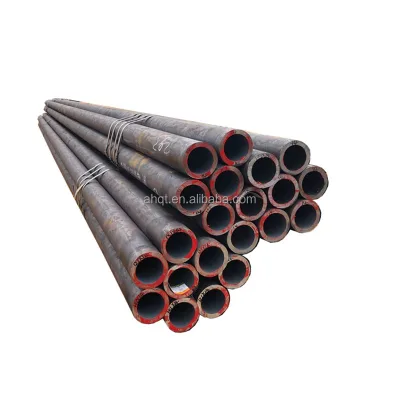


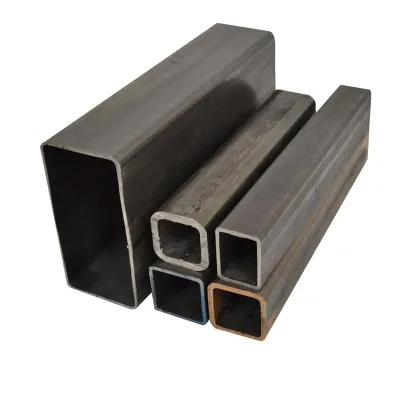
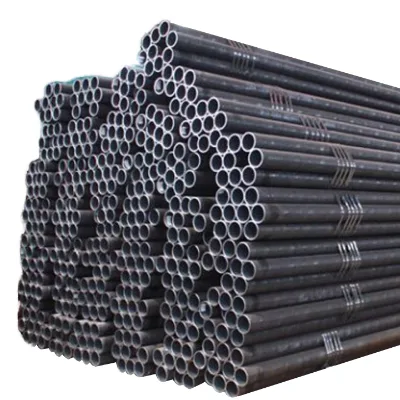
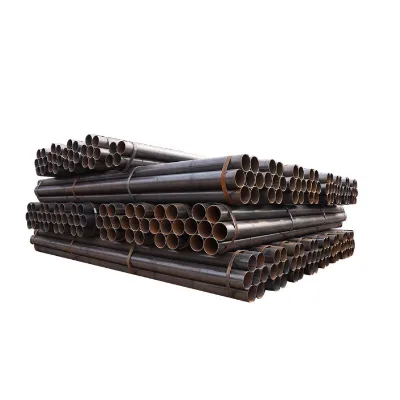


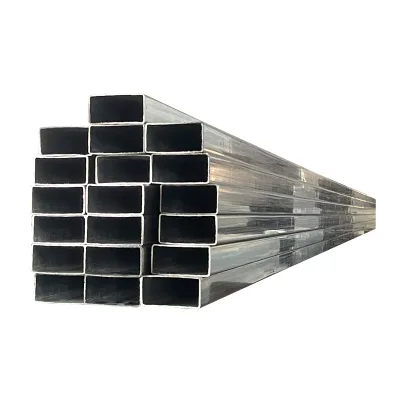


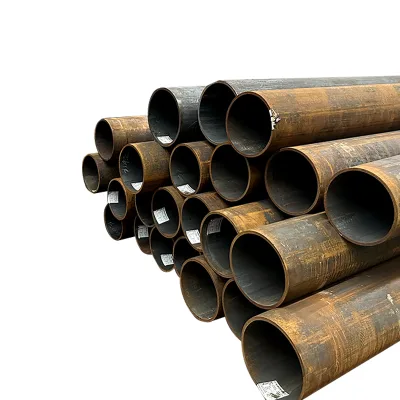
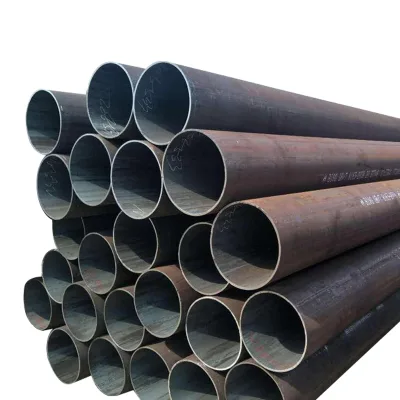


Comprehensive Sourcing Guide
API Hot Rolled Steel Pipe Supplier Concentration and Factory Types
Buyers searching for API Hot Rolled Steel Pipe will find that supplier listings in this category cluster heavily around northern China, with Tianjin appearing repeatedly as the registered location for pipe exporters and manufacturers. This matters because Tianjin functions as a major steel trading and processing hub, and many suppliers there also list loading ports in Tianjin, Shanghai, and Qingdao, which simplifies freight planning once an order is confirmed. Some product listings additionally disclose origin provinces such as Hebei, Anhui, Jiangsu, and Zhejiang, which signals that inventory may be drawn from mills beyond the supplier's registered city. When no location is displayed, buyers should ask directly for the registered address, the actual production site, and the loading port before comparing quotes, since freight and inspection costs all depend on these details.
The category contains several distinct company types. Listings show both manufacturers or factories and pure trading companies, as well as combined operations that run production alongside distribution. Product evidence indicates some suppliers focus narrowly on seamless and API-line pipes, while others carry broad steel portfolios including welded pipe, galvanized pipe, plate, coil, strip, and profiles. This breadth affects expertise: a specialist is more likely to discuss wall thickness tolerances and hydrostatic testing fluently, while a generalist may offer faster availability across related steel products. Buyers should also note production-capacity disclosures, such as stated annual tonnage for carbon, alloy, and stainless seamless output, and casing and tubing volumes, as indicators of scale.
How to Verify API Hot Rolled Steel Pipe Suppliers
Verification should begin with the credentials a platform displays, then move to documents the supplier provides. In this category, some listings show TÜV Rheinland verification, while others disclose system certifications such as ISO 9001, ISO 14001, ASME, GMP, and OHSAS or OHSMS 18001 among a long list of possible credentials. Never assume every supplier holds every badge; each listing's certificate panel must be checked individually. For API-relevant work, ask for mill test certificates traceable to heat numbers, a quality manual, and evidence of compliance with the specific API or ASTM grade quoted, such as API 5L or A106 Gr. B. A trading company should be able to name the mill behind the material and pass through its test documentation unchanged.
Practical verification steps for this category include requesting recent third-party inspection reports for seamless pipe, confirming whether customization claims are backed by in-house cold drawing or hot rolling capability, and asking which of the listed production figures apply to the exact product you need. A video call walking through the workshop, the bundling area, and the marking process is a reasonable request at quotation stage. Cross-check the supplier's stated product range against the quotations: a supplier listing both seamless and ERW welded pipe should be able to explain the cost and pressure-rating differences without hesitation. Finally, confirm the legal entity name on the invoice matches the verified listing, since this protects payment-recovery options if a dispute arises later.
What to Compare Across API Hot Rolled Steel Pipe Suppliers
Build a comparison table using the attributes actually displayed on listings, then verify gaps by direct questioning. Useful dimensions in this category include lead time, where displayed figures range from roughly twenty-three to thirty days; MOQ, which varies dramatically from as low as two tons on some seamless listings to twenty or twenty-five tons on others; and average response time, which listings show between roughly seven and nine hours. Price bands also differ sharply: published ranges run from around 500 to 860 dollars per ton depending on grade, technique, and specification, so normalize every quote to the same steel grade, standard, wall thickness, and length before comparing. A quote for hot-rolled seamless A106 pipe is not comparable to an ERW black welded pipe quote even if the per-ton figure is similar.
Beyond the numbers, compare product-specific disclosures. Some listings specify outside diameter ranges, weight ranges of one to thirty millimeters, lengths of two to twenty meters, and packing methods such as galvanized steel strip and wooden cases in bundles. Others state customization is available and packing or standards follow customer requirements. Compare annual capacity disclosures where given, OEM, ODM, and own-brand capability, and whether the supplier lists the loading ports you prefer. Main-product breadth matters too: a supplier selling plate, coil, and profiles alongside pipe may consolidate orders, while a seamless specialist may deliver tighter quality on boiler and oil-country tubular goods. Record every displayed attribute as "not stated" when absent rather than assuming a favorable default.
Common API Hot Rolled Steel Pipe Sourcing Risks
The most frequent risk in this category is grade substitution or specification drift. Buyers ordering API 5L or A106 Gr. B seamless pipe sometimes receive ERW welded material, a different grade, or pipe with wall thickness at the bottom of the tolerance band. Because many listings advertise both seamless and welded types, plus cold-drawn and hot-rolled techniques, confirm in writing which technique, type, and standard applies to your purchase order. Another risk is tolerance ambiguity: listings show weight ranges of one to thirty millimeters and diameter spans from ten to seven hundred millimeters, which are catalog-wide figures, not guarantees for your specific size. Insist on a dimensional data sheet for the exact OD, wall, and length combination.
Logistics and documentary risks follow. Packing varies from simple bundling to plastic-wrapped, stripped, and cased bundles; inadequate packing leads to transit damage and customs disputes. Some suppliers disclose multiple origin provinces, meaning the mill producing your pipe may differ from the company you contracted with, complicating traceability if a problem emerges after shipment. Lead times around twenty-three to thirty days are typical of the displayed listings but are not contractual promises until confirmed against current mill schedules. MOQs as low as two tons may carry higher unit prices or mixed-stock sourcing. Finally, certificates displayed on a platform profile do not automatically cover the specific product line; verify the certificate scope matches seamless API pipe before relying on it in tender documents.
API Hot Rolled Steel Pipe Regional Sourcing and Logistics
For this category, the strongest location signal in the available data is Tianjin, which appears as both the registered supplier location and the primary loading port, with Shanghai and Qingdao also listed as loading options. Tianjin's port infrastructure makes it a practical default for full container loads of bundled pipe, and buyers shipping to North America, Europe, or the Middle East should request freight quotes from each of the three listed ports, since rates and sailing frequencies differ materially. Where a listing shows origin provinces such as Hebei, Anhui, Jiangsu, or Zhejiang, clarify whether the goods ship from the supplier's city or move overland to the port, because inland trucking adds cost and time that should be visible in the quoted price.
When a supplier's location is not displayed, buyers can still identify credible clusters by examining loading ports, origin fields, and the density of related steel listings in the same search results, then confirm by asking for the production address and nearest port. Logistics planning should account for the packing method: galvanized strip bundling and wooden cases affect container utilization, and lengths up to twenty meters exceed standard container dimensions, requiring flat racks or break-bulk arrangements for long pipe. Confirm the stated lead time in writing against the mill's rolling schedule, since hot-rolled production often runs in campaigns. Ask whether mixed sizes can be combined in one container to reduce freight per ton, and confirm who arranges inland transport, export customs clearance, and terminal handling under your chosen Incoterm.
API Hot Rolled Steel Pipe Commercial Terms and Order Planning
Commercial terms should be locked down before the first deposit. In this category, displayed price ranges span roughly 500 to 860 dollars per ton and MOQs range from two to twenty-five tons, so treat every quotation as provisional until it is tied to a specific standard, grade, technique, OD and wall combination, and length. Ask whether the quoted price is ex-works, FOB the named port, or CIF, and which Incoterms edition applies. Confirm payment structure separately; platform escrow coverage, where available, should be checked on each listing rather than assumed. Because lead times in the visible data run around twenty-three to thirty days, plan buffer time for inspection, container booking, and documentation, particularly for project schedules with fixed installation dates.
Order planning should convert the listing details into contractual specifics: name the steel grade, the applicable API or ASTM standard, wall thickness tolerance, length tolerance, end finish, marking requirements, and the packing method, whether bundle, plastic wrap, or wooden case. Decide at order stage whether third-party inspection before shipment is required and who pays for it, and require the mill test certificates with heat numbers as a condition of payment release. For repeat programs, negotiate framework pricing with quarterly adjustments instead of spot orders, since steel input costs move quickly. Where a supplier offers OEM, ODM, or own-brand arrangements, clarify whether your markings or theirs appear on the pipe. Finally, reconcile the invoiced entity, the verified listing name, and the bank account before transferring funds.
FAQs
What is the price range for API hot rolled steel pipes?
Prices typically range from $500 to $860 per ton. This variation depends on specific steel grades, wall thickness, and order volume. Buyers should request a detailed quote to confirm the exact cost for their required specifications and delivery terms.
What is the minimum order quantity for these pipes?
The minimum order quantity varies by supplier, ranging from 2 to 25 tons. Some manufacturers accept small trial orders, while others require larger volumes. Buyers should verify the specific MOQ with the supplier before finalizing the purchase agreement.
How long does production and delivery take?
Lead times generally range from 23 to 30 days. This duration depends on the order size and specific production schedule. Buyers should confirm the exact timeline with the supplier to ensure it aligns with their project deadlines and logistics planning.
Where are these steel pipes manufactured?
Manufacturing locations are primarily in China, specifically in Tianjin and surrounding provinces like Hebei and Jiangsu. Major loading ports include Tianjin, Shanghai, and Qingdao. Buyers should verify the exact origin to ensure compliance with their sourcing requirements.
What certifications do these suppliers hold?
Suppliers often hold ISO 9001, API 5L, and ASME certifications. Some also possess BSCI, AIB, or ISO 14001 for environmental management. Buyers should request valid certificates to ensure the products meet international quality and safety standards for their application.
What are the common applications for these pipes?
These pipes are used for pipeline transport, oil and gas drilling, construction, and boiler applications. They are suitable for machinery industry and chemical processing. Buyers should select the appropriate grade and specification based on the specific operational environment and pressure requirements.