High Transparency Polystyrene Suppliers and Manufacturers
Source High Transparency Polystyrene from 21 verified suppliers in China. Compare response times, lead times, certifications, and pricing to find the right partner. Contact suppliers directly to request quotes and samples; review the available evidence before requesting comparable quotations from suitable candidates.
Updated
Suppliers List

Changsha Baozhinuan Insulation Materials Co., Ltd.
- Verified by CTI
- Combined
- China Hunan
- Lead time15 days
- Avg. response≤ 18h
Main productsXPS Board.
Main marketsDomestic
DAZI (LUOYANG) IMPORT AND EXPORT CO., LTD.
- Verified by TüVRheinland
- Manufacturer, Trading Company
- Henan, China
- Lead time7 days
- Avg. response≤ 2h
Main productsJumbo Bag, PE, PP, PS, ABS
Main marketsSouth America(30%), Southeast Asia(21%), North America(9%)
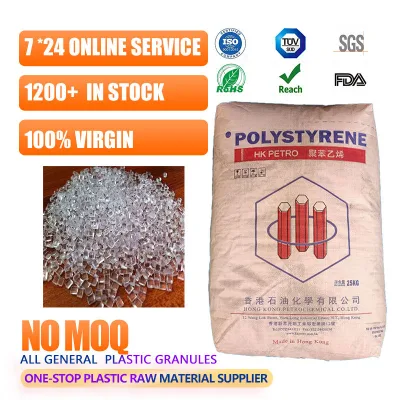
GPPS Polystyrene Granules 1540 High Transparent High Strength Polystyrene HIPS/GPPS Granule
$1108.147 - $1321.5679
MOQ: 5 tons
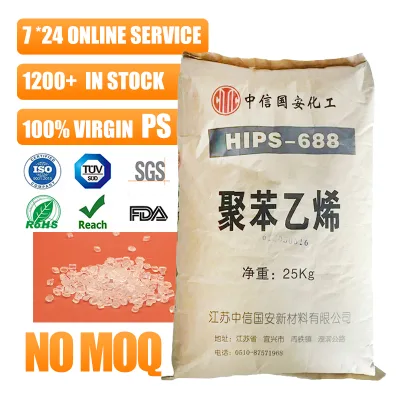
$0.80 - $1.30
MOQ: 25 Minimum
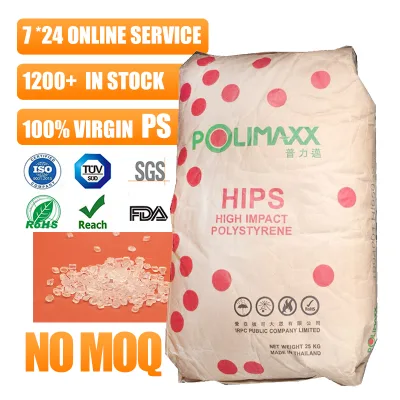

- Verified by SGS
- Trading Company
- China Shanghai
- Lead time30 days
- Avg. response≤ 9h
Main productsTitanium Dioxide, Zinc Oxide, Iron Oxide, Antimony Trioxide, Stearic Acid, PC/ABS
Main marketsDomestic

Hebei Xintai New Materials Co., Ltd
- Verified by SGS
- Combined
- China Hebei
- Lead time15 days
- Avg. response≤ 7h
Main productsPolystyrene
Main marketsDomestic


Xintai Expanded Polystyrene: Ideal for Packaging with High Melting Point
$1000.00 - $1500.00
MOQ: 17 Tons

Advanced Reliable Expanded Polystyrene for High-Quality Eco-Friendly EPS Insulation
$1000.00 - $1500.00
MOQ: 17 Tons

High-Quality Eco-Friendly Expandable Polystyrene of EPS Foam Raw Materials
$1100.00 - $1500.00
MOQ: 20 Tons

Premium Expanded Polystyrene by Xintai for Effective Packaging Applications
$1000.00 - $1500.00
MOQ: 17 Tons

High-Quality Expanded Polystyrene Xintai for Durable Packaging Solutions
$1000.00 - $1500.00
MOQ: 17 Tons
- Verified by TüVRheinland
- Trading Company
- Lead time15 days
- Avg. response≤ 3h
Main productsExpandable Polystyrene, Cyclopentane, N-pentane, Propylene Glycol, Dicyclopentadiene
Main marketsSoutheast Asia(25%), Mid East(20%), North America(6%)
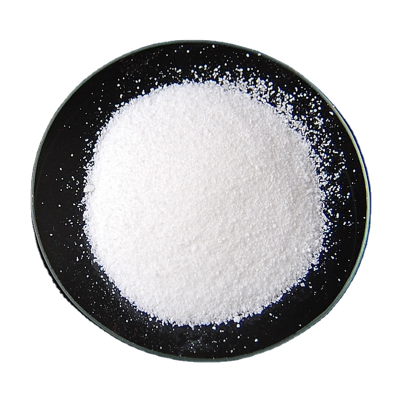
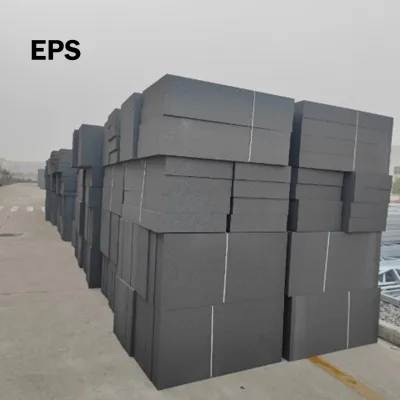
High Density Expandable Polystyrene Granules Factory Price Type Synthetic Material Intermediates
$1242.3502 - $1552.9378
MOQ: 16 Minimum
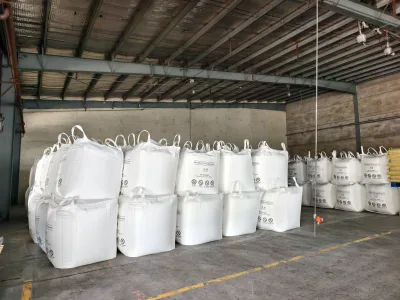
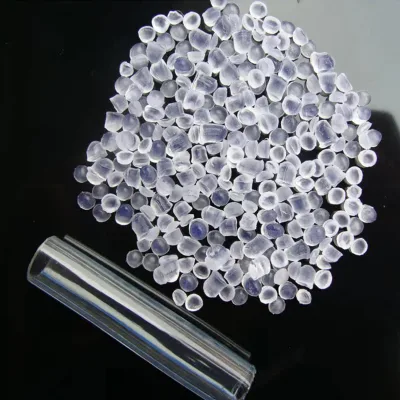
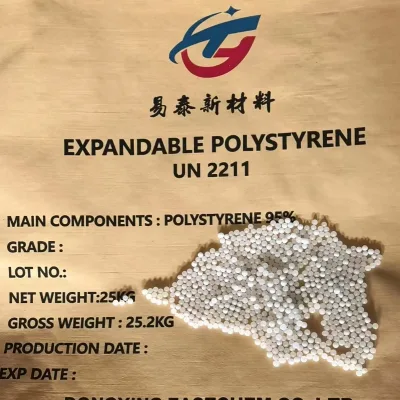
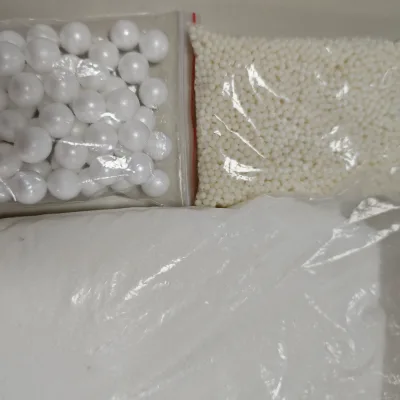
Spot Goods Expandable Polystyrene EPS for Chemical Raw Material
$3280.50 - $4272.75
CKM HIGH PERFORMANCE MATERIALS (SHENZHEN) CO., LTD.
- Trading Company
- Guangdong, China
- Lead time0 days
- Avg. response≤ 4h
Main productsEngineering Plastics,Plastic Compounds,Plastic Resins,Plastic Sheet/Plate/Rod/Tube,Masterbatch & Additives
Main marketsOceania(50.00%), Africa(50.00%)
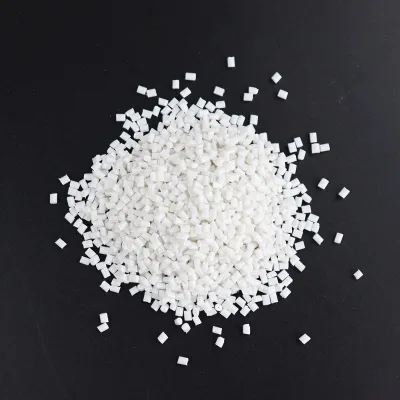
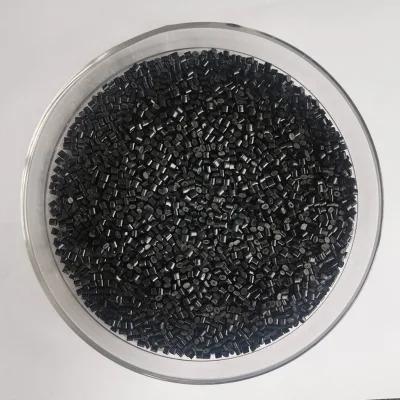
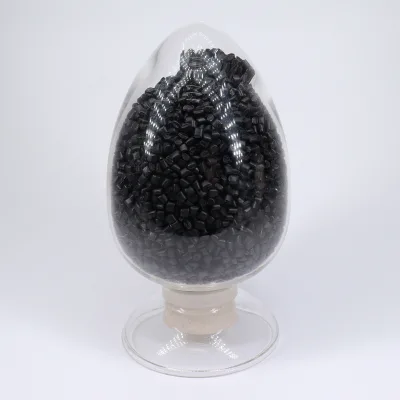
$688.8152 - $1056.1835
MOQ: 19 tons
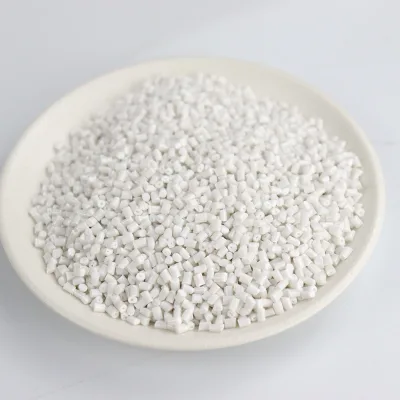
Shandong Jinqi Chemical Co., Ltd.
- Verified by SGS Group
- Trading Company
- Lead time10 days
- Avg. response≤ 7h
Main productsPVC Resin, MDI, Caustic Soda, Paraffin Wax, Calcium Carbide
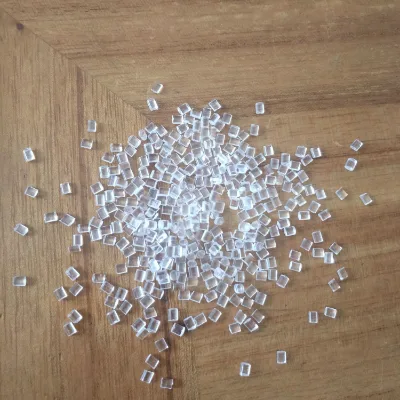
Hot Selling Foam Raw Material Expandable Polystyrene EPS Resin Expanded Polystyrene
$1131.7779 - $1152.3568
MOQ: 10 tons

Ningbo Shuyou Plasticization Co., Ltd.
- Verified by BV
- Trading Company
- China Zhejiang
- Lead time30 days
- Avg. response≤ 13h
Main productsplastic granules & Rubber
Main marketsSouth America


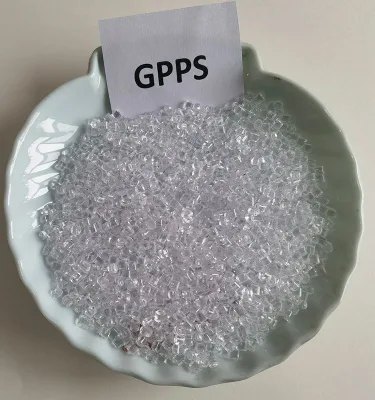
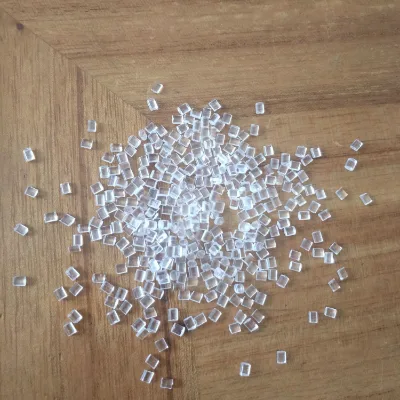
High Temperature Resistant Material General Purpose GPPS Polystyrene Granules
$1.00 - $1.50
MOQ: 25 kg

Transparent Polystyrene Plastic Granules Virgin GPPS Plastic Granules Polystyrene GPPS 525 Resin
$130.00 - $150.00
MOQ: 25 kg


Hangzhou Epsole Technologies Co., Ltd.
- Trading Company
- China Zhejiang
- Lead time45 days
- Avg. response≤ 5h
Main productsEPS Machine, EPS Raw Material, EPS Moulds, EPS Accessories
Main marketsSouth America,Africa,Southeast Asia/ Mideast,Europe,Australia,North America

Shanghai Chemdo Trading Limited
- Verified by CTI
- Trading Company
- China Shanghai
- Lead time0 days
- Avg. response≤ 11h
Main productsPVC, PP, PE, PS, ABS, TPU, TPE, Pet
Main marketsSouth America,Eastern Europe,Mid East,North America,Southeast Asia,Eastern Asia,Oceania,Western Europe,Africa
Hangzhou Epsole Technologies Co., Ltd.
- Verified by SGS Group
- Manufacturer, Trading Company
- Lead time0 days
- Avg. response≤ 2h
Main productsEPS Shape Moulding Machine, EPS Pre-Expander, EPS Block Moulding Machine, EPS Raw Material, EPS Cutting Machine
Main marketsSouth America(30%), Mid East(30%), Africa(17%)

Shandong Yaoze New Materials Co., Ltd
- Verified by SGS
- Trading Company
- China Shandong
- Lead time15 days
- Avg. response≤ 2h
Main productsPlastic Pellet, Recycled Plastic Pellet, GPPS Pellet, HDPE Pellet, EPS Pellet, PE Pellet
Main marketsDomestic


High-Quality Expandable Polystyrene Raw Material for Versatile Applications
$870.00 - $880.00
MOQ: 17 Tons


Jiangsu Zijun International Trade Co., Ltd.
- Verified by TüVRheinland
- Trading Company
- Lead time0 days
- Avg. response≤ 4h
Main productsEVA, POM, POE, PMMA, PC/ABS
Main marketsSoutheast Asia(30%), Mid East(30%), North America(20%)
Henan Qisheng New Material Technology Co., Ltd.
- Trading Company
- Henan, China
- Lead time0 days
- Avg. response≤ 3h
Main productsABS,HDPE,LDPE,EPS,PVC
Main marketsNorth America(25.00%), Western Europe(15.00%), Northern Europe(10.00%)
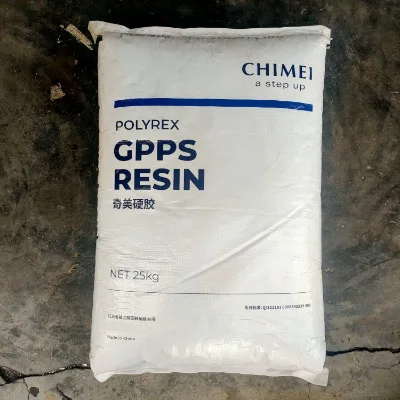
High Strength Polystyrene Granules Molding Feature High Flow Plastic Granules for Food Container
$1000.8031 - $1626.3046
MOQ: 1 tons
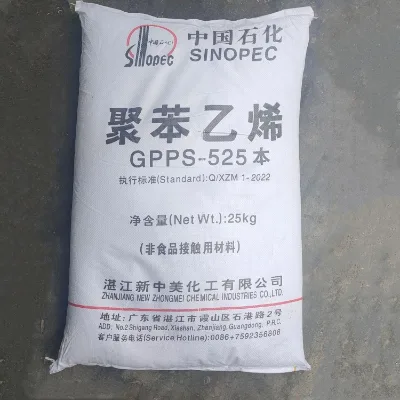
Support Free Sample Transparent GPPS Granules General Purpose Polystyrene Ps/hips/eps/gpps Resin
$0.70 - $1.90
MOQ: 1000 Minimum

Ningbo Qingteng Plastic Co., Ltd
- Verified by BV
- Manufacturer/Factory
- China Zhejiang
- Lead time15 days
- Avg. response≤ 20h
Main productsPP T30s Universal Plastic Raw Material, Plastic Granule PVC Resin, TPU Resin TPU Granule, Saudi Sabic HDPE Tr-144 Raw Material Film Grade, Plastic LDPE Granules LDPE Pellets Price, Polyester Resin Pet Resin, 3D Printer PLA and PETG PLA Filamento De PLA, ABS Plastic ABS Granules PC ABS, High Density Polyethylene LDPE LLDPE PP, Korea EVA Vs430 EVA Granules
Main marketsSouth America,Mid East,North America
Beijing Huaxing Times Technology Co., Ltd.
- Manufacturer, Trading Company
- Beijing, China
- Lead time15 days
- Avg. response≤ 9h
Main productsRock Wool Board, Rubber Plastic Tube/Board, XPS Extruded Board, Asphalt Waterproofing Membrane, PVC Waterproof Membrane
Main marketsDomestic Market(65.00%), North America(10.00%), Oceania(10.00%), Southeast Asia(10.00%), Africa(5.00%)

Hebei Dechuang Chemical Equipment Co., Ltd.
- Trading Company,Manufacturer/Factory
- China Hebei
- Lead time90 days
- Avg. response≤ 11h
Main productsChemical Equipment, Slurry Pump, Hydraulic Cylinder, Wire Mesh Machinery, The Casting, Forgings, Stamping Parts, Hardware and Fittings
Main marketsSouth America,Eastern Europe,Mid East,North America,Southeast Asia,Eastern Asia,Oceania,Western Europe,Africa

Shandong Yankem Industry Co., Ltd
- Manufacturer
- China Shandong
- Lead time0 days
- Avg. response≤ 25h
Main productsPoly Aluminium Chloride(PAC), Polyacrylamide(PAM), Citric Acid, Caicium Chloride, Aluminum Sulfate, Soda Ash, Sodium Bicarbonate, Trichloroisocyanuric Acid(TCCA), Caustic Soda

- Verified by SGS
- Trading Company
- China Shandong
- Lead time23 days
- Avg. response≤ 6h
Main productsComplete Biobanking Solutions, General Laboratory Supplies, Laboratory Instruments, Pipet Tips, Celll Culture Products, PCR Products, Microbiology Products, Centrifuge Tube, Filter Tips, Petri Dishes
Main marketsOthers(foreignTradeCapacity.exportBusinessCapacityMarketOther),Europe,North America

CINDA ADVERTISING SOLUTIONS CO., LTD.
- Verified by SGS
- Trading Company,Manufacturer/Factory
- China Guangdong
- Lead time23 days
- Avg. response≤ 25h
Main productsLED Transformer, 12V LED Module, 12V Flexible LED Tape, 12V Rigid LED Tape, 12V LED Letters
Main marketsSouth America,Eastern Europe,Mid East,North America,Southeast Asia,Western Europe

Cheap Price Lower Density Polystyrene PS Sheet 4*8 1.8*2.8mm Clear/Opaque Color
$1.40 - $1.60
MOQ: 100 kg


GUANGDONG SUNION CHEMICAL&PLASTIC CO., LTD.
- Verified by TUVRHEINLAND
- Manufacturer/Factory
- China Shandong
- Lead time0 days
- Avg. response≤ 4h
Main productsSis, Sbs, Kresin, Isoprene Rubber, C5 Resin, C9 Resin, Dcpd, Sbc Resin, 2-Mercaptoethanol, Resin
Main marketsEastern Europe,North America,Southeast Asia,Eastern Asia,Western Europe


Styrene Butadiene Block Copolymer Polystyrene Butadiene Copolymer Resin
$1800.00 - $2000.00
MOQ: 1 Tons


High Transparent Hydrogenated K Resin Styrene Butadiene Copolymer for Plastics Modification
$1800.00 - $2000.00
MOQ: 1 Tons

High Transparent Sunion Butadiene-Styrene Resin for PS&ABS&PC&as Modification
$1600.00 - $1750.00
MOQ: 1 Tons

High Transparence Butadiene-Styrene Resin (K resin) for Plastic Modification
$1450.00 - $1850.00
MOQ: 1 Tons


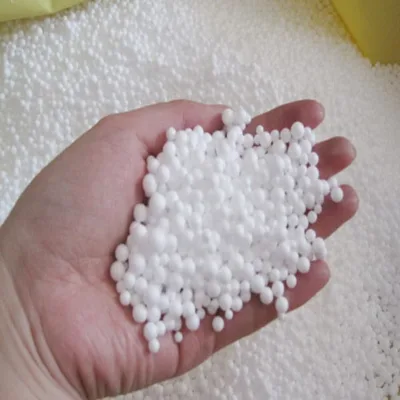




Comprehensive Sourcing Guide
High Transparency Polystyrene Supplier Concentration and Factory Types
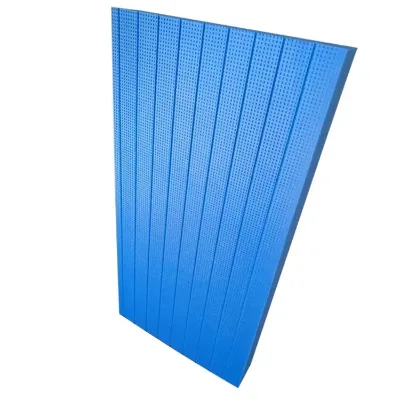
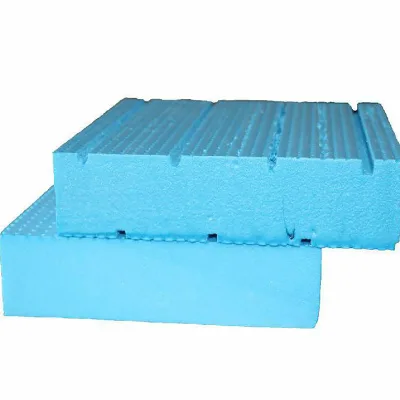
The current supplier landscape for High Transparency Polystyrene reveals a diverse mix of manufacturing capabilities and business models concentrated in specific Chinese industrial hubs. Evidence indicates that suppliers are located in regions such as Hunan, Henan, and Shanghai, each offering distinct logistical advantages for global buyers. In Hunan, the primary focus is on construction materials like XPS boards, which utilize polystyrene foam but differ significantly from the granular resin required for injection molding. These suppliers often operate as combined entities, holding ISO9001:2015 and ISO14001:2015 certifications, which suggests a structured approach to quality management and environmental compliance. Their main products include high-density extruded polystyrene foam boards with thermal conductivity as low as 0.028 W/(M·K), catering to insulation needs rather than transparent plastic applications. This distinction is crucial for buyers seeking clear, injection-grade resin, as these Hunan-based factories primarily serve the construction and real estate sectors with durable, closed-cell insulation products.
In contrast, suppliers in Henan and Shanghai are more directly aligned with the production and trading of general-purpose polystyrene resins. Henan-based manufacturers, such as those offering GPPS and HIPS granules, operate as both manufacturers and trading companies, providing sample processing and graphic customization services. These entities often hold a broader range of certifications, including ISO22000, ISO45001, and IEC 62321, indicating a robust operational framework that extends beyond basic quality control. The presence of trading companies in Shanghai further diversifies the sourcing options, with some suppliers focusing on chemical commodities like titanium dioxide and zinc oxide alongside polystyrene. This concentration in major industrial provinces allows buyers to access a wide variety of supplier types, from pure manufacturers with ODM capabilities to trading companies offering OEM services. Understanding this geographic and structural distribution helps buyers identify whether they need a direct factory for large-volume resin purchases or a trading partner for specialized chemical blends.
How to Verify High Transparency Polystyrene Suppliers
Verifying the legitimacy and capability of High Transparency Polystyrene suppliers requires a careful examination of third-party verification badges and certification documents. The current market data shows that suppliers are verified by reputable agencies such as CTI, TÜV Rheinland, and SGS, each providing a different layer of assurance regarding business operations and product quality. For instance, a supplier verified by CTI may have undergone specific audits related to their manufacturing processes, while TÜV Rheinland verification often indicates compliance with international safety and quality standards. Buyers should prioritize suppliers with these visible verification badges, as they represent an independent confirmation that the company exists and operates as claimed. It is essential to review the scope of these verifications to ensure they cover the specific polystyrene products of interest, rather than just general business registration.
Beyond verification badges, the presence of specific system certifications provides additional evidence of a supplier’s reliability. Suppliers in the polystyrene sector may hold ISO9001:2015 for quality management, ISO14001:2015 for environmental management, and ISO45001 for occupational health and safety. Some manufacturers also possess ISO22000, which is particularly relevant if the polystyrene is intended for food-contact applications, although this is less common for general industrial grades. Buyers should request copies of these certificates and verify their validity through the issuing bodies. Additionally, checking the supplier’s response time can serve as a proxy for their operational efficiency; a response time of under ten hours, such as the two-hour average seen in some Henan suppliers, suggests a responsive and organized sales team. This level of responsiveness is critical for resolving technical queries about resin grades, such as the difference between GPPS and HIPS, in a timely manner.
What to Compare Across High Transparency Polystyrene Suppliers
When evaluating multiple suppliers for High Transparency Polystyrene, buyers must compare key operational metrics such as lead times, minimum order quantities, and response speeds to determine the best fit for their supply chain. Lead times vary significantly across the supplier base, with some offering rapid turnaround times of seven days, while others, particularly trading companies or those handling complex chemical blends, may require up to thirty days. This variance is often linked to the supplier’s capacity and inventory levels; manufacturers with strong production capabilities may offer shorter lead times for standard grades like GPPS, whereas specialized or custom orders may extend these periods. Buyers should align their procurement schedules with these lead times to avoid production delays, especially when sourcing from distant regions like Hunan or Shanghai.
Minimum order quantities (MOQs) and pricing structures are another critical area for comparison. Current data indicates that MOQs can range from small batches of five tons to larger commitments of twenty-five kilograms per bag for specific resin types. Pricing also fluctuates based on the grade and quantity, with some suppliers offering prices between $0.80 and $1.30 per unit for high-quality transparent polystyrene, while others may have higher price points for specialized formulations. Buyers should request detailed quotations that break down costs by volume, considering factors such as packaging, which is often standardized at twenty-five kilograms per bag. Additionally, comparing the supplier’s main products helps ensure they specialize in polystyrene rather than offering it as a secondary item; suppliers focusing on general plastics or specific resin grades like HIPS and GPPS are likely to provide better technical support and consistent quality.
Common High Transparency Polystyrene Sourcing Risks
One of the primary risks in sourcing High Transparency Polystyrene is the potential mismatch between product specifications and actual material properties, particularly regarding transparency and impact resistance. Suppliers may list products as "high transparent" or "general purpose," but the actual grade, such as GPPS versus HIPS, can significantly affect the final product’s clarity and durability. GPPS offers high transparency but is brittle, while HIPS provides impact resistance at the cost of some clarity. Buyers must carefully review product attributes, such as the "Grade" field indicating "Injection" or "Film Pressure," to ensure the resin matches their manufacturing process. Misidentifying these grades can lead to product failures, such as cracking in transparent packaging or poor surface finish in consumer goods.
Another significant risk involves the reliability of supply and the accuracy of logistical information. Suppliers may claim a specific port of dispatch, such as Qingdao, but actual shipments might originate from different locations, affecting transit times and costs. Additionally, the "Place of Origin" listed as Henan or Hunan does not always guarantee that the manufacturing facility is located there, as trading companies may list their headquarters as the origin. Buyers should verify the actual manufacturing location to assess the supplier’s true capacity and logistical capabilities. Furthermore, the risk of inconsistent quality control is heightened when dealing with suppliers who have multiple certifications but lack specific product testing data. Buyers should request sample batches and conduct their own quality checks to verify attributes like thermal conductivity, compressive strength, and color consistency before committing to large orders.
High Transparency Polystyrene Regional Sourcing and Logistics
Sourcing High Transparency Polystyrene from different regions in China offers distinct logistical advantages and challenges that buyers must consider when planning their supply chain. Suppliers located in Hunan, for example, are often focused on construction materials like XPS boards, which may not be suitable for injection molding applications. However, their proximity to central China’s industrial corridors can offer competitive inland transportation costs for bulk shipments. Buyers sourcing from Hunan should verify that the supplier’s logistics network can efficiently handle the specific packaging requirements of polystyrene resin, which is often packed in twenty-five-kilogram bags to prevent moisture absorption and damage during transit.
In contrast, suppliers in Henan and Shanghai benefit from proximity to major ports and international trade hubs. Henan-based manufacturers often list Qingdao as their port of dispatch, leveraging the region’s extensive rail and road networks to connect inland production facilities with coastal export points. This setup can reduce transit times and costs for buyers in Europe and North America. Shanghai-based trading companies, on the other hand, offer the advantage of consolidated shipping, allowing buyers to combine polystyrene orders with other chemical products like titanium dioxide or zinc oxide. Buyers should evaluate the supplier’s declared port of dispatch and single package size to estimate total landed costs accurately. Understanding these regional logistics dynamics helps buyers optimize their inventory levels and reduce the risk of supply chain disruptions.
High Transparency Polystyrene Commercial Terms and Order Planning
Effective order planning for High Transparency Polystyrene requires a thorough understanding of commercial terms, including pricing tiers, payment conditions, and customization options. Current market data shows that prices for polystyrene resin can range from $0.80 to $1.30 per unit, depending on the grade and volume purchased. Buyers should negotiate volume discounts, especially when ordering large quantities that exceed the standard MOQ of twenty-five kilograms per bag. Additionally, some suppliers offer customization services, such as ODM or OEM capabilities, which may incur additional costs but provide tailored solutions for specific applications. Buyers should clarify these customization options early in the negotiation process to avoid unexpected charges.
Payment terms and escrow services are also critical components of commercial planning. Buyers should prioritize suppliers who offer secure payment methods, such as escrow, to protect their financial interests until the goods are received and verified. While specific escrow policies are not detailed in the current data, buyers should inquire about the supplier’s preferred payment methods and any associated fees. Furthermore, understanding the supplier’s response time can help in planning communication and issue resolution; a quick response time, such as two hours, indicates a supplier who is likely to be responsive to post-sale support and technical inquiries. By carefully evaluating these commercial terms, buyers can establish a reliable and cost-effective sourcing strategy for High Transparency Polystyrene, ensuring that their supply chain remains resilient and efficient.
FAQs
What is the price range for High Transparency Polystyrene?
High Transparency Polystyrene typically costs between $0.80 and $1,321.57 per unit depending on the specific grade and order volume. Buyers can find GPPS granules starting at $0.80 with a minimum order of 25 kilograms. Higher volume industrial orders may reach up to $1,321.57. Prices vary based on supplier location and certification requirements.
What certifications are available for polystyrene suppliers?
Suppliers offer various certifications including ISO9001:2015, ISO14001:2015, ISO22000, ISO45001, and IEC 62321. These credentials ensure quality management and environmental standards are met. Verification is provided by agencies like CTI, TÜV Rheinland, and SGS. Buyers should verify specific certificates relevant to their industry compliance needs before placing orders.
What is the typical lead time for polystyrene orders?
Lead times generally range from 7 to 30 days depending on the supplier and product type. Some manufacturers offer a 7-day turnaround for granules, while others may require 30 days for specialized boards. Response times also vary, with some suppliers replying within 2 hours and others taking up to 17 hours. Confirm delivery schedules directly with the vendor.
Where are polystyrene suppliers located?
Suppliers are located in major Chinese manufacturing hubs including Hunan, Henan, and Shanghai. Products originate from these regions with specific origins noted for each item. Buyers can filter results by these locations to find nearby logistics options. Verify the exact place of origin for each product batch to ensure supply chain transparency.
What is the minimum order quantity for polystyrene?
Minimum order quantities vary significantly, ranging from 5 units to 100 units depending on the product. Some granule suppliers require a minimum of 5 units, while others set the MOQ at 25 kilograms or 100 units. Buyers should check the specific MOQ for each product listing to ensure it aligns with their procurement volume.
What are the key properties of High Transparency Polystyrene?
High Transparency Polystyrene features high strength, temperature resistance, and excellent clarity. It is available in injection-grade granules suitable for molding automotive parts and electronic components. The material offers high flow characteristics and can be customized for specific applications. Properties include transparency, toughness, and resistance to aging for durable end products.