Hollow Embroidery Circle Lace Bodysuit Suppliers and Manufacturers
Compare 24 verified suppliers offering hollow embroidery circle lace bodysuits with details on location, lead times, and MOQ. Review response times and certifications to select a partner, then contact them directly for quotes; review the available evidence before requesting comparable quotations from suitable candidates.
Updated
Suppliers List

Foshan Wesickey Clothing Co., Ltd
- Verified by TUVRHEINLAND
- Trading Company
- China Guangdong
- Lead time15 days
- Avg. response≤ 2h
Main productsBra, Sexy Lingerie, Bra Set, Women's Underwear, Sexy Bodysuit, Women's Pajamas, Thong, Briefs, Corset
Main marketsDomestic

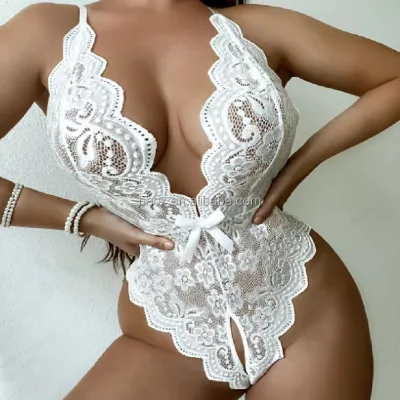
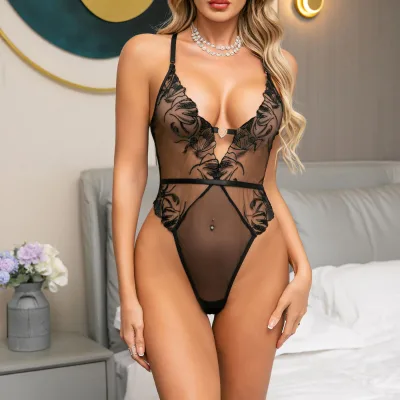
Wholesale Hanging Neck Hollow Zipper Women Lingerie Set Sexy Embroidery Lace Bodysuit
$5.57 - $6.31
MOQ: 1 Sets

New Style See-Through Woman Lingerie Set Sexy Hollow out Eyelash Lace Bodysuit
$6.16 - $6.90
MOQ: 1 Sets

New Transparent Embroidered Lace Lingerie Set Sexy Open Crotch Woman Bodysuit
$5.96 - $6.69
MOQ: 1 Sets
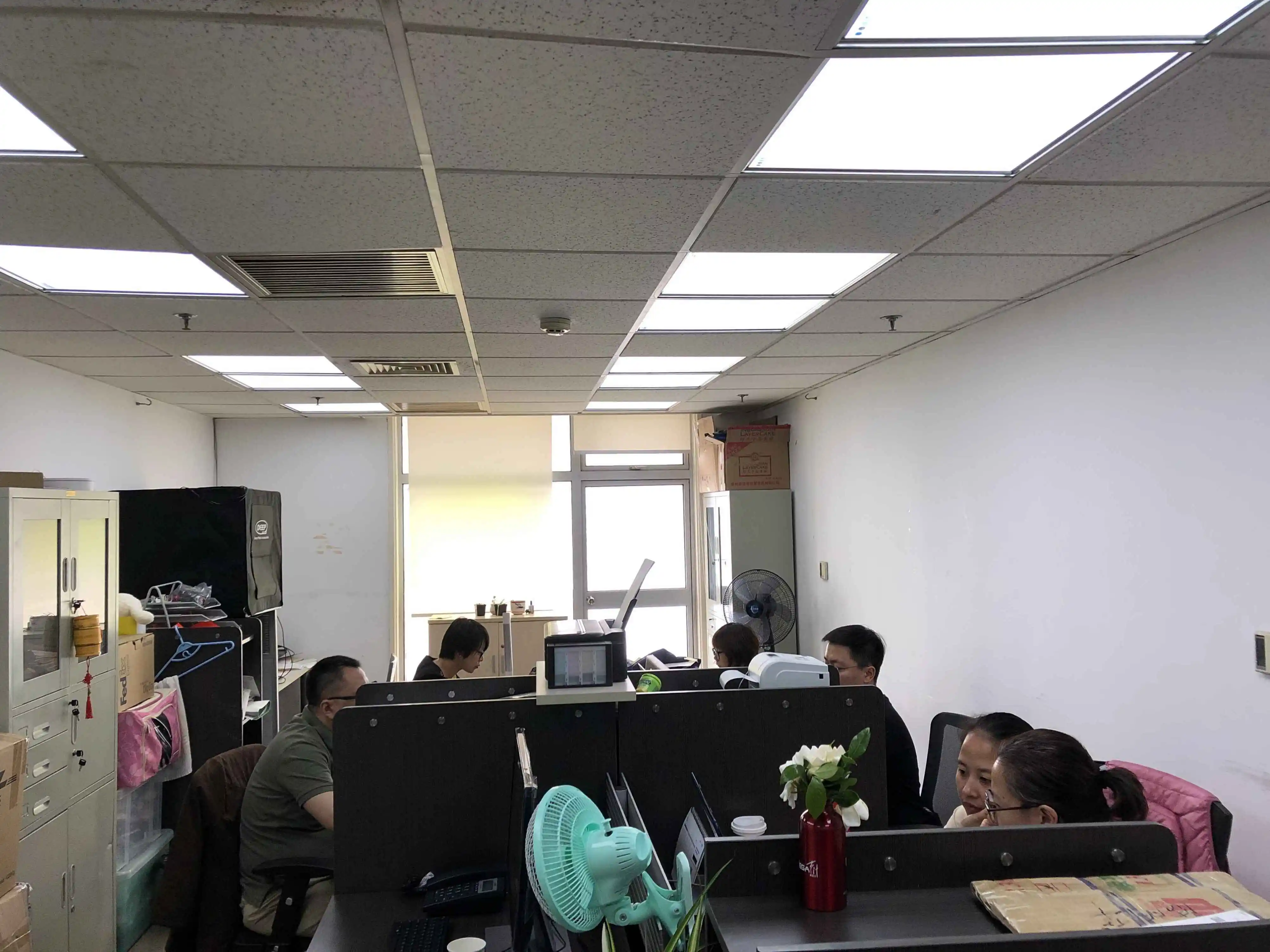
SHANGHAI COMMERCIAL GOOD TRADE
- Trading Company
- Shanghai, China
- Lead time45 days
- Avg. response≤ 4h
Main productsSexy Underwear,Bras,Swimwear & Beachwear,T-Shirts,Jackets
Main marketsNorth America(30.00%), Central America(15.00%), Mid East(12.00%), Western Europe(10.00%), Oceania(8.00%), South Asia(5.00%), Eastern Asia(5.00%), Southern Europe(5.00%), Northern Europe(5.00%), Eastern Europe(5.00%)

Foshan Xiangyinren Clothing Co., Ltd.
- Verified by SGS
- Combined
- China Guangdong
- Lead time15 days
- Avg. response≤ 4h
Main productsCorset, Corset Top, Court Corsets, Sexy Bra Set, Women's Lingeries, Sexy Bodysuit, Fashion Body Chain
Main marketsEurope,North America

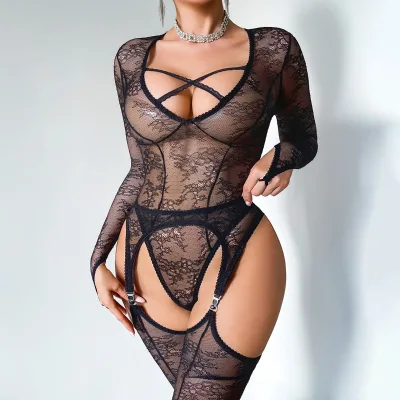
Sexy Lingerie Transparent Lace Embroidery Bodysuit Sexy Lace Pattern Bodysuits
$3.93 - $4.21
MOQ: 2 piece


Ohyeah Trade (Xiamen) Co., Ltd.
- Verified by TUVRHEINLAND
- Trading Company
- China Fujian
- Lead time15 days
- Avg. response≤ 4h
Main productsPlus Size Lingerie, Plus Size Panty, Bra Sets, Sexy Panties, Sexy Babydoll, Bra Sets&Teddys, Corset, Sexy Costume, Bodystocking, Fishnet Stockings
Main marketsEurope,Australia,North America


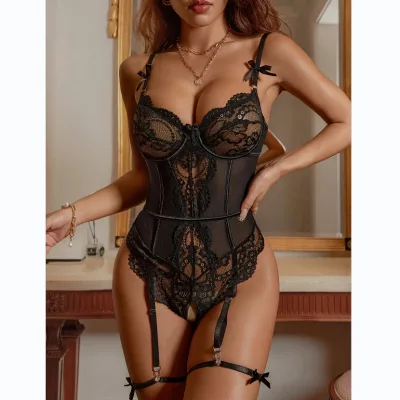
New Style Sexy Embroidery Lace Hollow out See Through Garter Sexy Bodysuit Lingerie
$4.82 - $6.89
MOQ: 1 Pieces

Exquisite Hot Sexy Design High Quality Floral Embroidery Lace Bodysuit Lingerie
$5.17 - $7.38
MOQ: 2 Pieces
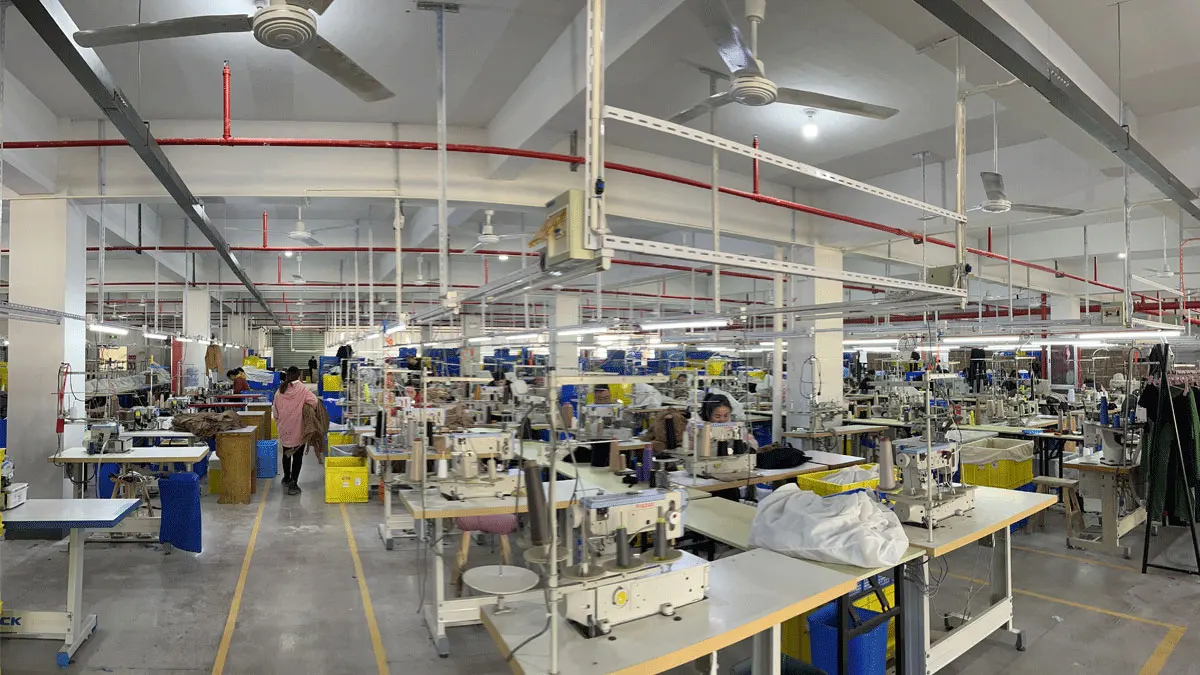
Hangzhou Deeplove Technology Co., Ltd.
- Trading Company
- Zhejiang, China
- Lead time7 days
- Avg. response≤ 4h
Main productsLingerie,Bra and Panty,Bodysuit,Bodystocking,Plus size underwear
Main marketsNorth America(30.00%), Western Europe(15.00%), Eastern Europe(15.00%), Northern Europe(15.00%), Africa(5.00%), South America(5.00%), Oceania(5.00%), Domestic Market(4.00%), Eastern Asia(3.00%), Mid East(3.00%)

SHANTOU HUICHEN FASHIONS CO.,LTD.
- Combined
- China Guangdong
- Lead time60 days
- Avg. response≤ 8h
Main productsUnderwear, Bra, Sexy Lingerie, Sexy Babydoll, Wireless Bra, Sport Bra, Bra & Panty Set, Underwear Set, Sexy Lingerie Set
Main marketsSouth America,Africa,Europe,North America

Changshu Weina Garment Co., Ltd.
- Verified by BV
- Combined
- China Jiangsu
- Lead time60 days
- Avg. response≤ 5h
Main marketsDomestic,Europe
Fuzhou Zhongtianyuan Trade Co., Ltd.
- Verified by TüVRheinland
- Trading Company
- Lead time7 days
- Avg. response≤ 4h
Main productsWomen's Lingerie
Main marketsNorth America(30%), Western Europe(30%), South America(20%)
Haikou Longhua Lanqingxue E- Commerce Firm
- Trading Company
- Hainan, China
- Lead time30 days
- Avg. response≤ 5h
Main productscloth,bodysuits jumpsuits,hoodies jogger,women tops,cosmetics
Main marketsNorth America(35.00%), Northern Europe(25.00%), South America(15.00%), Southern Europe(7.00%), Africa(6.00%), South Asia(5.00%), Southeast Asia(5.00%), Mid East(5.00%), Eastern Asia(4.00%), Western Europe(2.00%), Domestic Market(2.00%), Oceania(1.00%)

Jiangmen Neiyishe Garment Co., Ltd
- Verified by CTI
- Combined
- China Guangdong
- Lead time15 days
- Avg. response≤ 25h
Main productsUnderwear, Women Underwaer, Panty, Lace Underwear, Thong, Period Underwear, Plush Underwear
Main marketsDomestic

Hangzhou Shangyou Apparel Co., Ltd.
- Verified by TUVRHEINLAND
- Combined
- China Zhejiang
- Lead time30 days
- Avg. response≤ 7h
Main productsSport Bra, Yoga Leggings, Sports Jackets, Active Wear, Underwear Lingerie, Gym Wear, Athletic Wear, Fitness Wear
Main marketsEurope,North America
Xiamen Jinlichuang Trading Co., Ltd.
- Trading Company, Buying Office, Business Service (Transportation, finance, travel, Ads, etc)
- Fujian, China
- Lead time0 days
- Avg. response≤ 4h
Main productswomen's clothing,women's dress,women's set,plus size women clothing,swimwear
Main marketsNorth America(80.00%), Western Europe(20.00%)
Yuanyang Baina Trading Co., Ltd.
- Trading Company
- Henan, China
- Lead time0 days
- Avg. response≤ 3h
Main productsMen's clothing,women's clothing,gift decoration,artificial flowers,shoes
Main marketsCentral America(10.00%), Eastern Asia(10.00%), Mid East(10.00%), Oceania(10.00%), Africa(10.00%), Southeast Asia(10.00%), Eastern Europe(10.00%), South Asia(10.00%), South America(10.00%), North America(10.00%), Domestic Market(5.00%), Northern Europe(5.00%)

Creative(Xiamen)Import and Export Co., Ltd.
- Manufacturer/Factory
- China Fujian
- Lead time23 days
- Avg. response≤ 3h
Main productsUnderwear, Sexy Lingerie, Baby Toy, Sport Product, Stuffed Toys, Art Crafts, Fashion Accessories, Soccer Jersey
Main marketsSouth America,Eastern Europe,Mid East,North America,Southeast Asia,Eastern Asia,Oceania,Western Europe,Africa
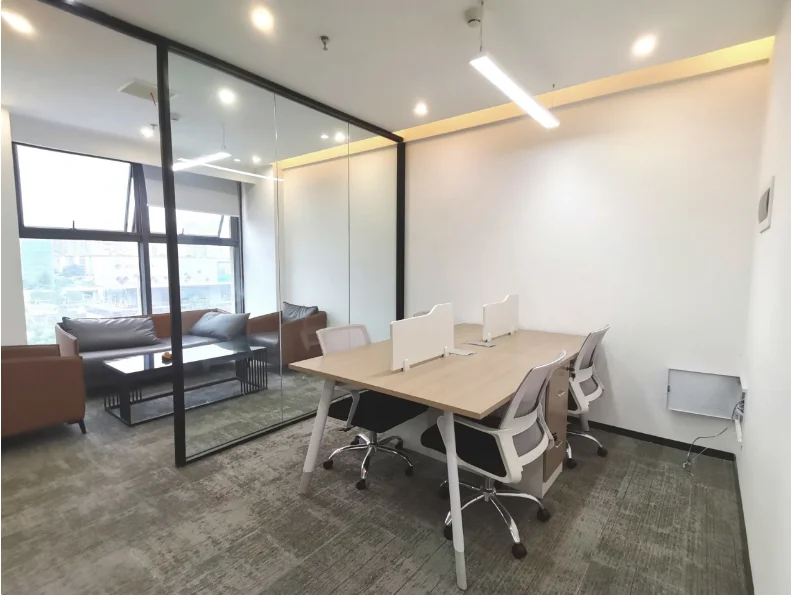
Chengdu Bold Love Technology Co., Ltd.
- Trading Company
- Sichuan, China
- Lead time7 days
- Avg. response≤ 1h
Main productsSexy lingerie,SEX DOLLS,Dildo,Vibrator,BDSM
Main marketsEastern Europe(30.00%), North America(15.00%), South America(15.00%), Oceania(10.00%), Southern Europe(5.00%), Northern Europe(5.00%), Western Europe(5.00%), Eastern Asia(5.00%), Mid East(5.00%), Southeast Asia(5.00%)
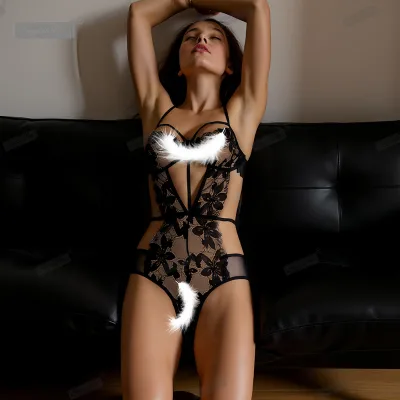
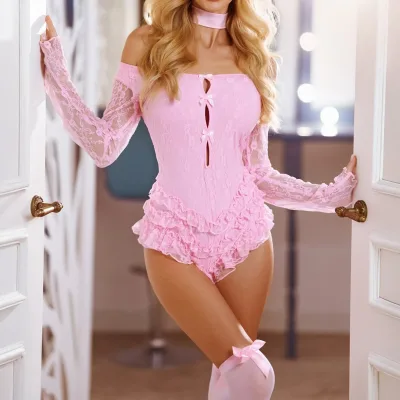
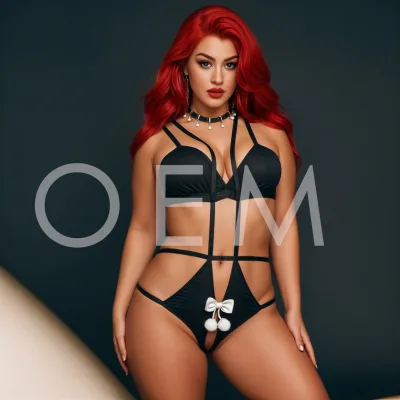
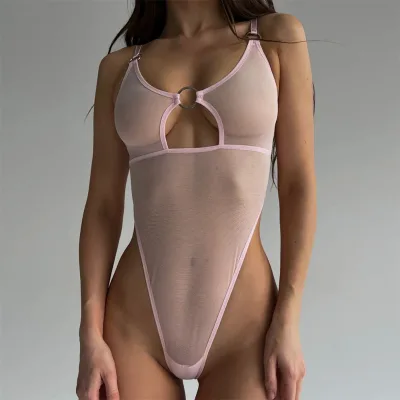
Adjustable Deep V Lace Sleepwear for Sensual Comfort - Sheer Open-Crotch Bodysuit
$1.80 - $2.00
MOQ: 10 pieces
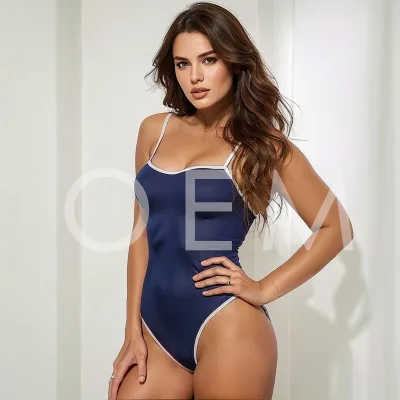
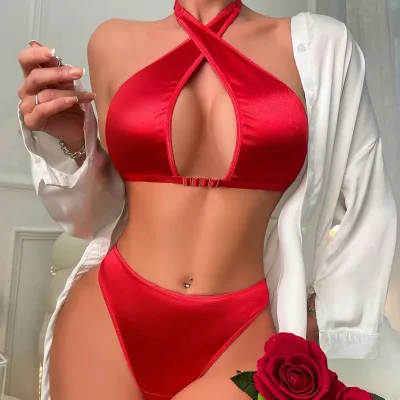
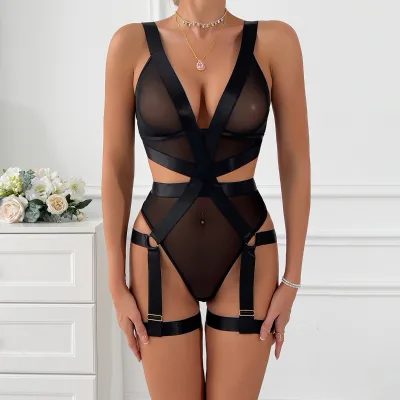
Sheer Backless Bodysuit with Adjustable Ties - Minimalist Crisscross Teddy
$1.90 - $2.90
MOQ: 2 pieces

Fuzhou Taijiang Kakalai Trading Co., Ltd.
- Verified by TUVRHEINLAND
- Trading Company
- China Fujian
- Lead time30 days
- Avg. response≤ 3h
Main productsLady Swimwear
Main marketsEurope
Yiwu Xingyue Knitting Co., Ltd.
- Trading Company
- Zhejiang, China
- Lead time0 days
- Avg. response≤ 5h
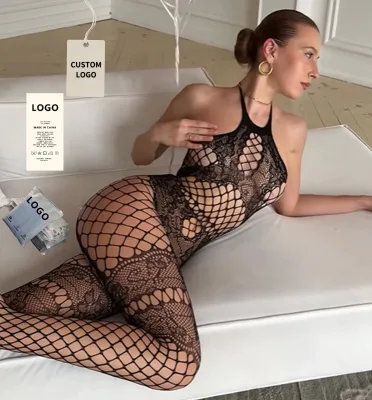
Main productsPantyhose,Fishnet,Stockings,Leggings,yoga pants
Main marketsNorth America(25.00%), Eastern Europe(15.00%), Eastern Asia(10.00%), Mid East(10.00%), Africa(10.00%), Southeast Asia(10.00%), Western Europe(10.00%), South Asia(5.00%), South America(5.00%)
Xinxiang Chunxiu Trading Co., Ltd.
- Trading Company
- Henan, China
- Lead time0 days
- Avg. response≤ 2h
Main productsLadies underwear,Bras,underpants,Large women's underwear,Women's sexy lingerie
Main marketsSoutheast Asia(40.00%), North America(40.00%), Domestic Market(20.00%)
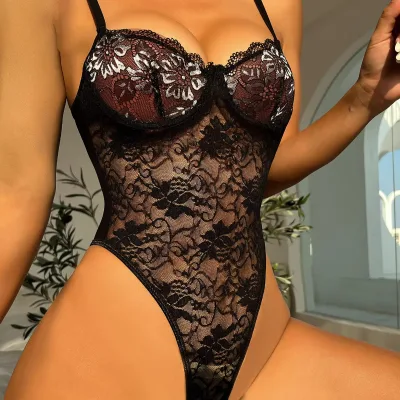
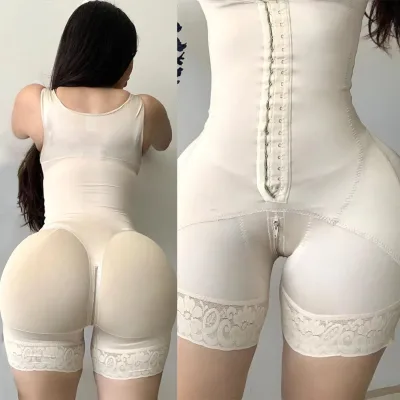
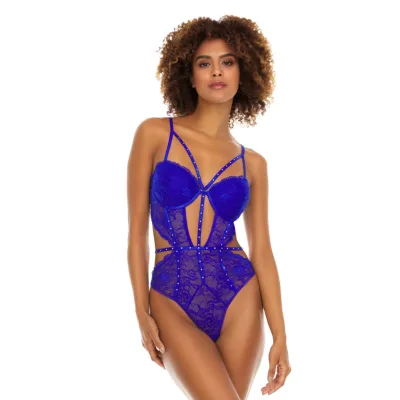
Cx319 Women's Floral Plus Size Sexy Lace Underwire Contrast Binding Teddy Bodysuit
$4.10 - $4.40
MOQ: 1000 pieces

Nc Isa Industry and Trade Company
- Verified by TUVRHEINLAND
- Combined
- China Jiangxi
- Lead time38 days
- Avg. response≤ 6h
Main productsT Shirt, Polo Shirt, Cap, Sweatshirt, Baseball Shirt, Tank Top, Shorts, Tote Bag, Hoodies, Sportswear
Main marketsDomestic,Europe

Sexy Neck Cutout Design Top Breathable Short Sleeve Round Neck Ladies Bodysuit
$3.10 - $6.50
MOQ: 20 Pieces


$3.59 - $7.87
MOQ: 50 Pieces

Summer Square Neck One Piece Long Short Sleeve Ladies Top Slim Fit Sexy Design Layered Bodysuit
$3.59 - $7.87
MOQ: 50 Pieces

Wholesale Latex Design Solid Black Color Soft Skin-Friendly One-Piece Bodysuit
$4.00 - $6.50
MOQ: 5 Pieces
Jiangsu Huayi Knitting Co., Ltd.
- Verified by TüVRheinland
- Manufacturer, Trading Company
- Lead time15 days
- Avg. response≤ 5h
Main productsFishnet Stockings, Disposable Fishnet Pants, Fishnet Clothes, Fishnet Pants, Women's Skirts
Main marketsDomestic Market(60%), North America(8%), Africa(6%)

Xiamen Pop Gloria International Trade Co., Ltd.
- Verified by BV
- Combined
- China Fujian
- Lead time15 days
- Avg. response≤ 9h
Main productsUnderwear, Sexy Lingerier, Period Underwear, Pregnancy Underwear, Comfortable Bra, Fashion Underwear, Fashion Bra Set, Sexy String, Nursing Bra, Sexy Bra
Main marketsSoutheast Asia/ Mideast,Europe
Hangzhou Domoo Technology Co., Ltd.
- Trading Company
- Zhejiang, China
- Lead time30 days
- Avg. response≤ 7h
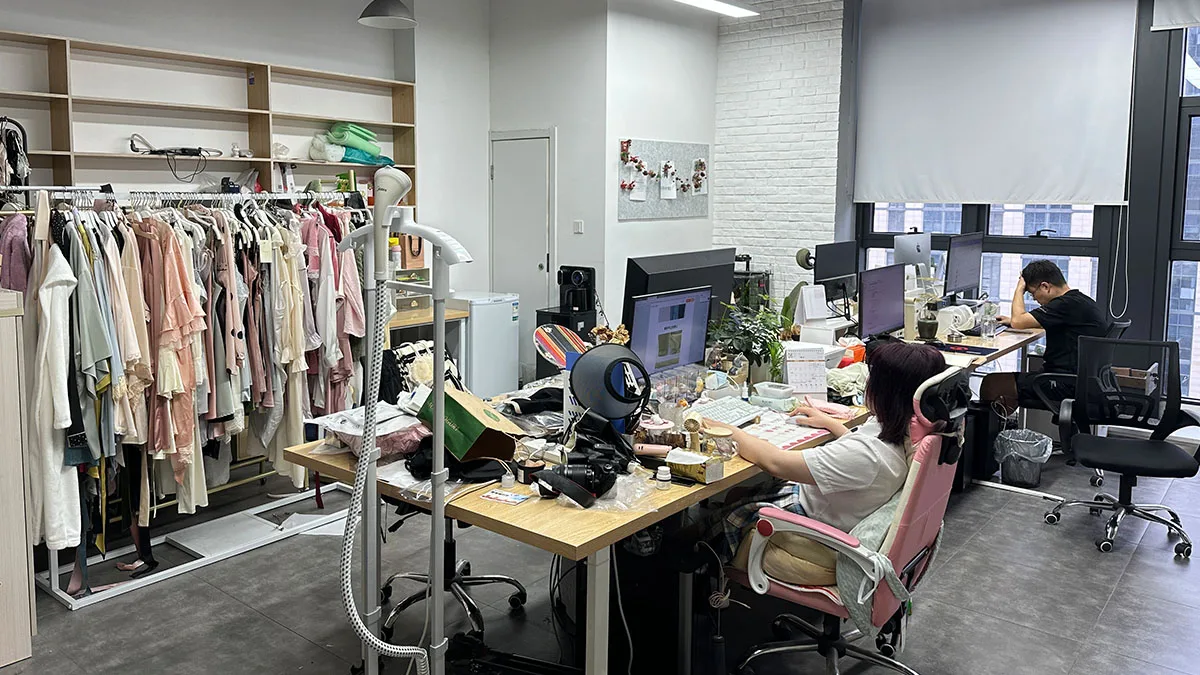
Main productsMen and Women Sleepwear,Men Underwear,Women Panties,Nightgown,Robes
Main marketsDomestic Market(45.00%), North America(25.00%), Southeast Asia(5.00%), Oceania(5.00%), Western Europe(3.00%), Southern Europe(3.00%), Northern Europe(3.00%), Eastern Europe(3.00%), South Asia(2.00%), Central America(2.00%), Eastern Asia(2.00%), South America(2.00%)
Jiangsu Province Lifang Import&export Corp., Ltd.
- Trading Company
- Jiangsu, China
- Lead time30 days
- Avg. response≤ 2h
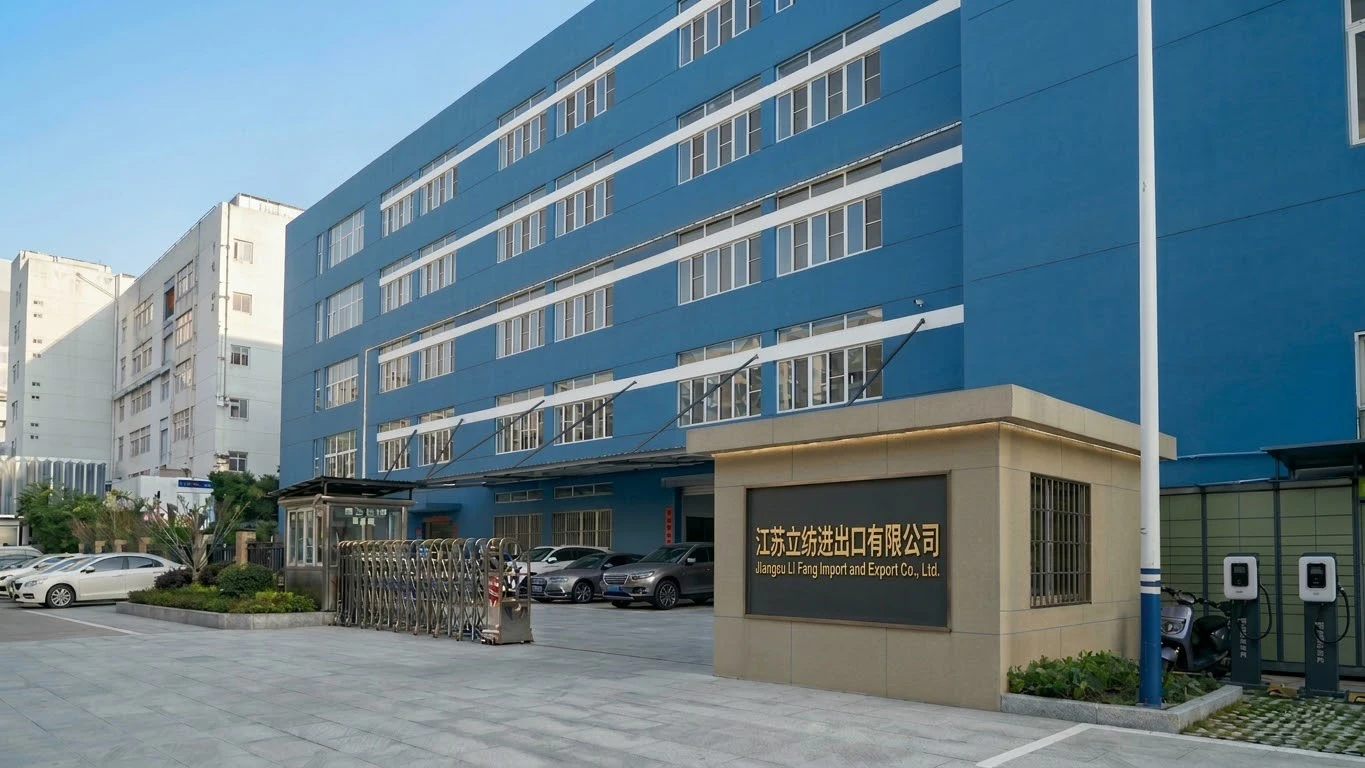
Main productsShapewear,Menstrual Panties,Incontinence Underwear,Sleepwear,Women & Men Underwear
Main marketsNorth America(70.00%), Western Europe(12.00%), Eastern Europe(7.00%), Eastern Asia(5.00%), South Asia(2.00%), Southern Europe(2.00%), Northern Europe(1.00%), Southeast Asia(1.00%)

Dongguan Xibei Technology Co., Ltd.
- Verified by CTI
- Manufacturer/Factory
- China Guangdong
- Lead time15 days
- Avg. response≤ 3h
Main productsSex Toy, Adult Toy, Vibrator, Dildo, Sexy Underwear, Lingerie, Male Masturbator, Penis Pump, Anal Plug, Massagers
Main marketsSouth America,Eastern Europe,Mid East,North America,Southeast Asia,Eastern Asia,Oceania,Western Europe,Africa
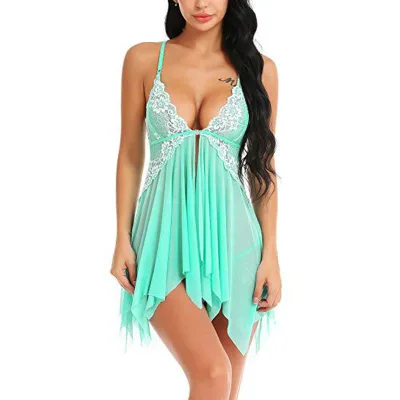
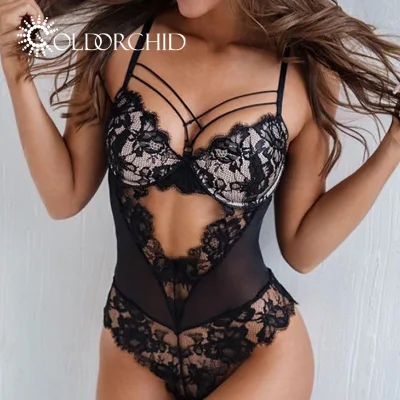
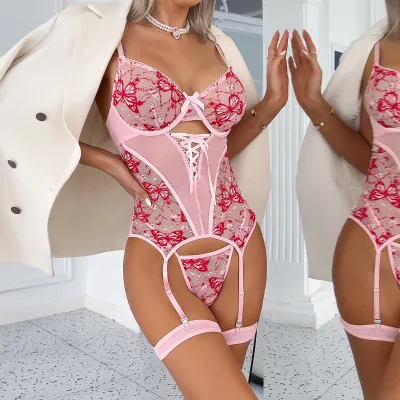
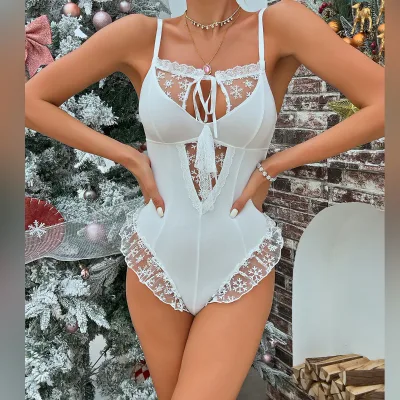


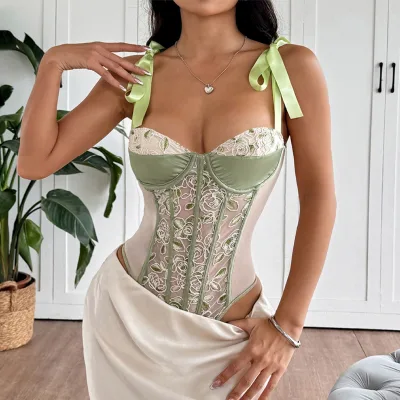
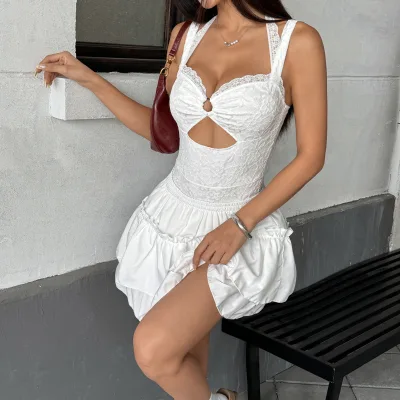
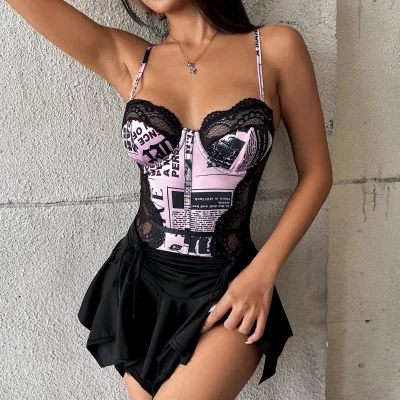
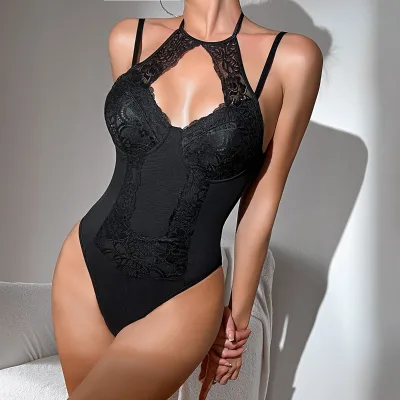
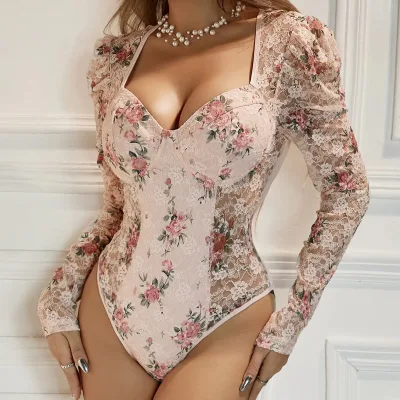
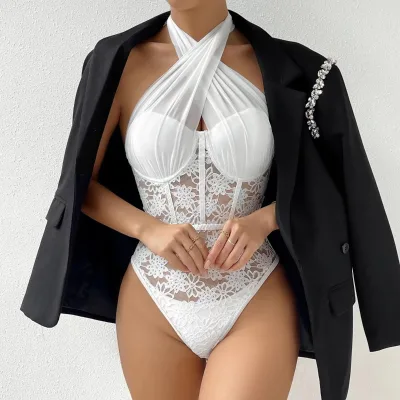
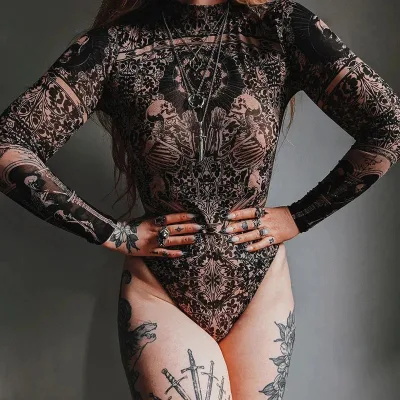
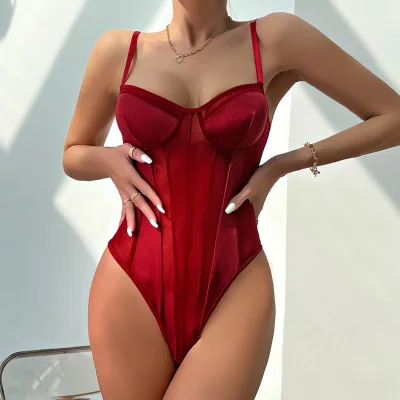


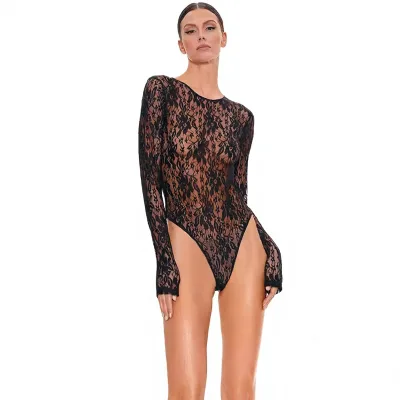
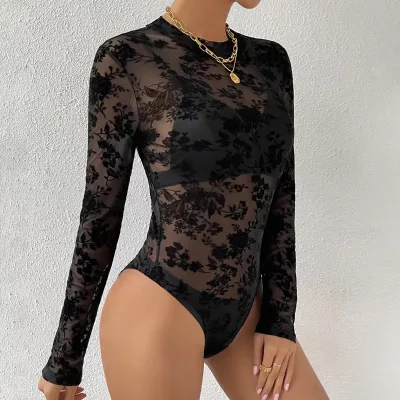

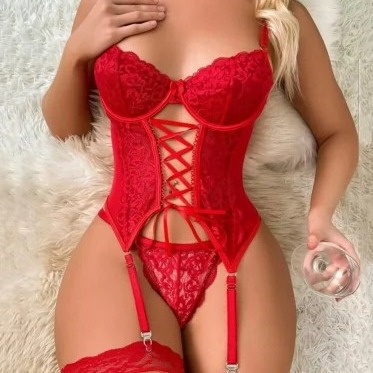
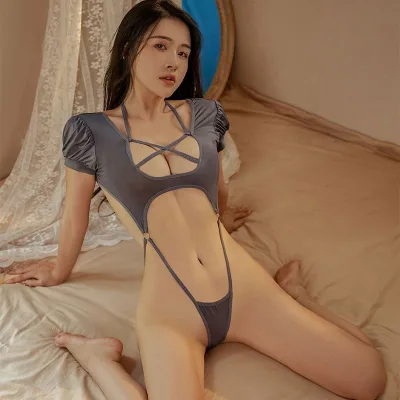


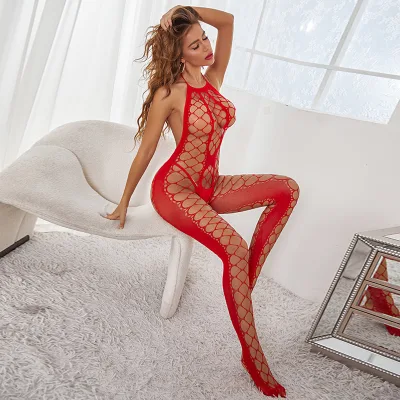
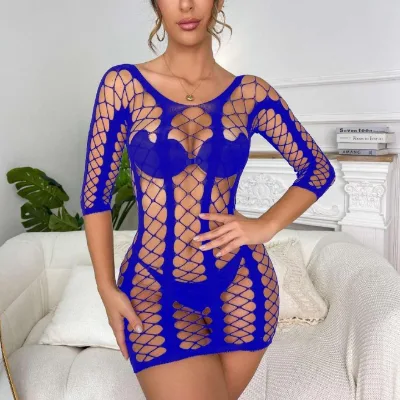
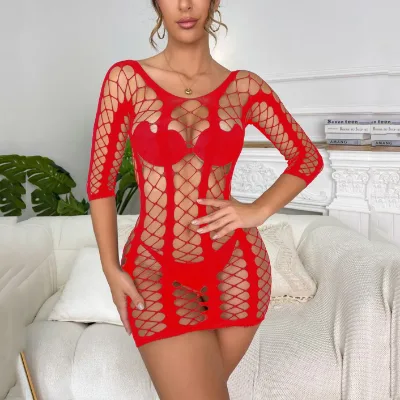
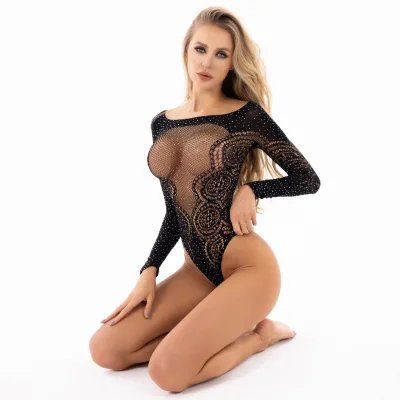
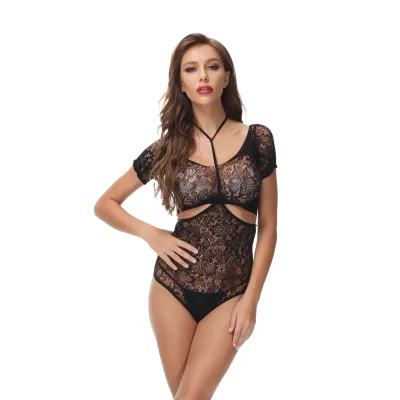


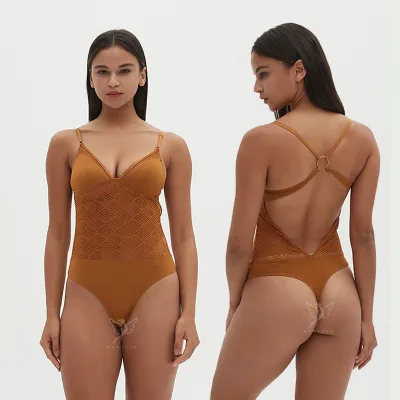


Comprehensive Sourcing Guide
Hollow Embroidery Circle Lace Bodysuit Supplier Concentration and Factory Types
The sourcing landscape for hollow embroidery circle lace bodysuits reveals a distinct concentration of manufacturing capabilities within specific Chinese industrial hubs, primarily Guangdong and Shanghai. Suppliers located in Guangdong often operate as trading companies that aggregate products from local factories, offering a diverse range of items such as bra sets, sexy lingerie, and women's pajamas. This regional cluster is characterized by a high volume of ready-to-ship inventory, with many suppliers advertising advantages like "in stock" availability and fast delivery for spot orders. The presence of these trading entities suggests a mature supply chain where finished goods are pre-manufactured to meet immediate market demands, allowing buyers to access products with minimal wait times. In contrast, suppliers based in Shanghai may present a different operational profile, often focusing on specific design elements like deep V-neck teddies or feather designs, while still maintaining a strong foothold in the broader apparel and accessories market. Understanding this geographic distribution helps buyers identify whether they need rapid fulfillment from Guangdong-based traders or specialized design execution from Shanghai-based entities.
Factory types vary significantly across these regions, influencing the buyer's ability to customize orders and manage inventory. Many suppliers in the Guangdong cluster explicitly state that they accept OEM and ODM customizations, indicating a flexibility that bridges the gap between trading and manufacturing. However, the distinction remains important because trading companies may rely on third-party factories for production, potentially adding layers of communication and quality control complexity. Buyers should note that while some suppliers list main products broadly, including swimwear and jackets, others specialize strictly in women's underwear and bodysuits. This specialization often correlates with deeper expertise in lace techniques and embroidery precision. The concentration of suppliers in these two major cities provides a competitive environment, but it also requires buyers to carefully distinguish between pure trading operations and those with direct factory ties. Verifying the actual production capacity and the nature of the relationship between the supplier and the factory is crucial for ensuring consistent quality and reliable lead times for hollow embroidery circle lace bodysuits.
How to Verify Hollow Embroidery Circle Lace Bodysuit Suppliers
Verification is a critical step when evaluating suppliers for hollow embroidery circle lace bodysuits, particularly given the prevalence of trading companies in the market. Buyers should prioritize suppliers that have undergone third-party verification processes, such as those conducted by TÜV Rheinland, which can provide an additional layer of confidence regarding the supplier's legitimacy and operational standards. While not all suppliers display this specific certification, its presence is a strong indicator of a verified business entity. Beyond verification badges, buyers must scrutinize the supplier's response time and communication efficiency. A response time of approximately 1.70 hours suggests a highly responsive team, which is essential for resolving issues related to custom embroidery patterns or lace quality quickly. Slow response times can indicate a lack of dedicated support or a high volume of unmanaged inquiries, both of which pose risks for time-sensitive apparel orders. Buyers should test the supplier's responsiveness by asking specific questions about the hollow embroidery techniques and circle lace sourcing before committing to a large order.
In addition to communication metrics, buyers should examine the supplier's product evidence and attribute details to assess their technical competence. Detailed product attributes, such as specific model numbers, material compositions like 88% spandex or 80% polyester, and precise packaging dimensions, indicate a professional approach to product management. Suppliers that provide comprehensive information about their production techniques, including 3D embroidery, affixed cloth embroidery, and automated embroidery, demonstrate a higher level of transparency. Buyers should also verify the supplier's ability to provide samples, as some suppliers explicitly state that sample orders are available, while others may not support them. The presence of detailed shipping options, such as DHL, EMS, UPS, and FedEx, further suggests a mature logistics infrastructure. By cross-referencing these technical details with the supplier's verification status and response speed, buyers can build a more accurate profile of each potential partner. This multi-faceted verification approach helps mitigate the risk of engaging with unreliable suppliers who may lack the necessary expertise or infrastructure to deliver high-quality hollow embroidery circle lace bodysuits.
What to Compare Across Hollow Embroidery Circle Lace Bodysuit Suppliers
When comparing suppliers, buyers must evaluate a range of operational metrics that directly impact cost, speed, and flexibility. One of the most significant differentiators is the minimum order quantity (MOQ), which can vary from as low as one set to five pieces or more. Suppliers offering an MOQ of one set are ideal for buyers seeking to test market response or purchase small batches, while those requiring five pieces may be better suited for established retailers with consistent demand. Lead times are another critical factor, with some suppliers advertising spot delivery within three to seven days, while others have standard lead times of up to 45 days. This disparity highlights the importance of aligning supplier capabilities with inventory planning needs. Buyers should also compare the range of sizes offered, as some suppliers provide S/M/L options, while others extend to XL, 2XL, and 3XL, catering to diverse customer bases. Additionally, the availability of color options, such as black, white, red, and blue, should be assessed to ensure the supplier can meet specific design requirements.
Price and customization capabilities are equally important dimensions for comparison. Unit prices for hollow embroidery circle lace bodysuits can range from approximately $2.07 to $6.90, depending on the complexity of the design, material quality, and order volume. Buyers should not solely focus on the lowest price but should consider the value proposition, including the quality of embroidery and the durability of the lace. Suppliers that accept OEM and ODM customizations offer greater flexibility for branding and design differentiation, which can be a significant competitive advantage. However, customization may impact lead times and minimum order quantities, so buyers must weigh these trade-offs carefully. The supplier's main product focus also provides insight into their expertise; those specializing in lingerie and bodysuits may offer higher quality and more innovative designs compared to general apparel traders. By systematically comparing MOQs, lead times, size ranges, prices, and customization options, buyers can identify the suppliers that best align with their specific business needs and strategic goals for hollow embroidery circle lace bodysuits.
Common Hollow Embroidery Circle Lace Bodysuit Sourcing Risks
Sourcing hollow embroidery circle lace bodysuits involves several inherent risks that buyers must proactively manage to ensure a successful procurement process. One significant risk is the discrepancy between sample quality and bulk production quality, particularly when dealing with intricate embroidery and lace details. Suppliers may provide high-quality samples that do not accurately reflect the consistency of mass production, leading to customer dissatisfaction and returns. This risk is exacerbated when working with trading companies that may not have direct control over the manufacturing process. Buyers should mitigate this by requesting pre-production samples and conducting thorough quality inspections before authorizing full production runs. Another risk is the potential for delayed shipments, especially when suppliers have long lead times or when custom orders are involved. Suppliers with lead times of up to 45 days may struggle to meet urgent deadlines, causing disruptions in the buyer's supply chain. Buyers should establish clear communication channels and set realistic expectations regarding delivery schedules to minimize the impact of delays.
Material composition and construction quality also pose risks, as variations in fabric blends and embroidery techniques can affect the final product's durability and comfort. For instance, bodysuits made from 80% polyester may feel different from those with 88% spandex, impacting customer perception and fit. Buyers should verify the material specifications and ensure they align with their quality standards. Additionally, the risk of intellectual property infringement exists when sourcing custom designs, particularly if suppliers reuse existing patterns without authorization. Buyers should ensure that their designs are protected and that suppliers adhere to confidentiality agreements. Payment terms also present risks, as some suppliers may require upfront payments or use less secure payment methods. Buyers should prefer suppliers that offer secure payment options and escrow services to protect their financial interests. By identifying and addressing these common risks through careful supplier selection, rigorous quality control, and secure transaction practices, buyers can safeguard their investments and ensure the successful delivery of high-quality hollow embroidery circle lace bodysuits.
Hollow Embroidery Circle Lace Bodysuit Regional Sourcing and Logistics
Regional sourcing decisions significantly influence the logistics and cost structure for hollow embroidery circle lace bodysuits, with China serving as a primary manufacturing hub. Suppliers located in Guangdong and Shanghai offer distinct logistical advantages based on their proximity to major ports and transportation networks. Guangdong-based suppliers, often operating as trading companies, benefit from a dense network of manufacturing facilities, enabling rapid production and shipment of ready-to-ship items. This region's infrastructure supports fast delivery for spot orders, with some suppliers advertising delivery times of three to seven days. In contrast, Shanghai-based suppliers may leverage the city's status as a global logistics hub to offer diverse shipping options, including DHL, EMS, UPS, and FedEx, as well as sea and air freight. Buyers should consider the destination of their shipments when selecting a supplier, as proximity to ports can reduce transit times and shipping costs. Additionally, the choice of shipping method should align with the urgency of the order and the budget constraints.
Logistics planning also involves understanding the packaging and handling requirements of hollow embroidery circle lace bodysuits to prevent damage during transit. Suppliers typically use box packing or OPP bags, with specific package dimensions and weights that impact shipping costs. For example, a single package size of 20x15x5 cm and a gross weight of 0.100 kg are common specifications that buyers should account for when calculating freight charges. Buyers should also consider the supplier's experience with international shipping and their ability to handle customs documentation and compliance requirements. Suppliers that offer multiple shipping options and have a track record of successful international deliveries are better equipped to manage logistical challenges. Furthermore, buyers should evaluate the supplier's ability to provide tracking information and handle post-shipment issues, such as lost or damaged packages. By carefully assessing the logistical capabilities of suppliers in different regions, buyers can optimize their supply chain, reduce costs, and ensure the timely delivery of hollow embroidery circle lace bodysuits to their customers.
Hollow Embroidery Circle Lace Bodysuit Commercial Terms and Order Planning
Commercial terms and order planning are essential components of a successful sourcing strategy for hollow embroidery circle lace bodysuits, requiring careful attention to payment methods, pricing structures, and inventory management. Suppliers may offer various payment options, including PayPal, Western Union, T/T, and L/C, each with different implications for security and convenience. Buyers should choose payment methods that provide adequate protection, such as escrow services or letters of credit, especially for larger orders. Pricing is another critical factor, with unit costs ranging from $2.07 to $6.90 depending on the product specifications and order volume. Buyers should negotiate prices based on their expected order quantities and seek discounts for bulk purchases. Additionally, buyers should clarify any additional costs, such as sample fees, customization charges, or shipping expenses, to avoid unexpected expenses. Clear communication regarding commercial terms helps establish trust and ensures a smooth transaction process.
Order planning involves aligning supplier lead times with inventory requirements and market demand forecasts. Buyers should consider the supplier's ability to handle rush orders and their flexibility in adjusting production schedules. Suppliers with shorter lead times, such as those offering spot delivery within three to seven days, are ideal for buyers with unpredictable demand or urgent restocking needs. Conversely, suppliers with longer lead times may require more advanced planning and larger inventory buffers. Buyers should also evaluate the supplier's capacity to handle seasonal fluctuations and peak demand periods. Establishing a long-term relationship with a reliable supplier can provide stability and consistency in supply, reducing the risk of stockouts and production delays
FAQs
What is the minimum order quantity for hollow embroidery bodysuits?
The minimum order quantity is typically one set for spot stock items, allowing buyers to test quality before committing to larger volumes. Some suppliers require a minimum of five pieces for specific styles. This low entry point supports small businesses and sampling needs effectively.
How long does delivery take for in-stock bodysuits?
Delivery for spot items generally takes three to seven days. This fast turnaround applies to items currently in stock. For custom orders or bulk production, lead times may extend to fifteen days or longer depending on the supplier's capacity and specific production schedules.
What is the price range for these lingerie sets?
Prices for these bodysuits typically range from five dollars to seven dollars per set. The exact cost depends on the specific model, size, and quantity ordered. Buyers should expect competitive pricing for high-quality lace and embroidery details included in these wholesale packages.
Do suppliers offer OEM or ODM customization services?
Yes, most suppliers accept all OEM and ODM customization requests. Buyers can specify unique designs, logos, or packaging requirements. This flexibility allows brands to create exclusive products while leveraging the supplier's manufacturing capabilities and established production lines for consistent quality.
Where are these bodysuits manufactured?
These products are manufactured in China, specifically in regions like Guangdong and Shanghai. These areas are known for their strong apparel manufacturing infrastructure. Buyers can verify specific factory locations and production capabilities directly with the suppliers to ensure alignment with their sourcing requirements.
What sizes are available for these bodysuits?
Available sizes typically include S, M, L, and XL. Some suppliers also offer extended sizes such as 2XL and 3XL. Buyers should confirm specific size charts with the supplier to ensure proper fit, as sizing can vary slightly between different manufacturers and styles.