Hollow Out Leather Belt Suppliers and Manufacturers
Source 29 verified Hollow Out Leather Belt suppliers offering REACH and RoHS certified products from Guangdong and Zhejiang. Compare lead times, MOQs, and prices to find the right partner. Request quotes today; review the available evidence before requesting comparable quotations from suitable candidates.
Updated
Suppliers List
Guangzhou Kz Leather Goods Manufacturing Co., Ltd.
- Verified by TüVRheinland
- Manufacturer, Trading Company
- Lead time20 days
- Avg. response≤ 2h
Main productsWatch Strap, Handbag, Belt, Wallet, Bag Accessories
Main marketsNorth America(40%), Domestic Market(40%), Western Europe(10%)
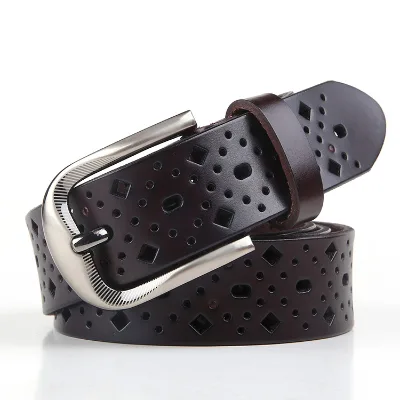
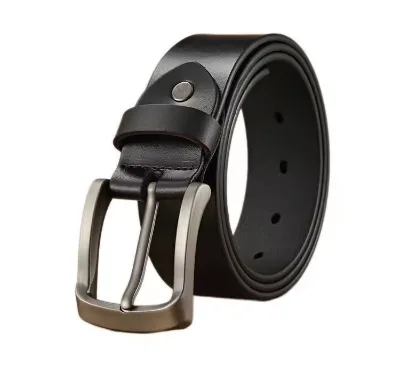
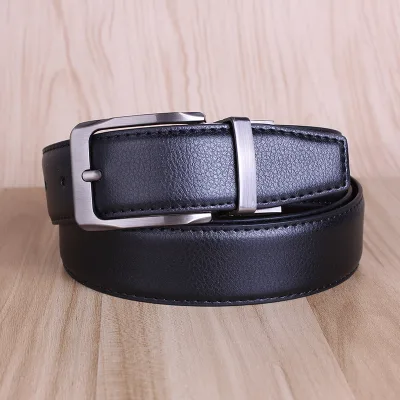
$3.2701 - $4.088
MOQ: 2 pieces
Yiwu Waist Color Leather Goods Co., Ltd.
- Verified by SGS Group
- Trading Company
- Lead time7 days
- Avg. response≤ 2h
Main productsElastic Braided , Tactical Belt, Genuine Belt, PU Belt, Woven belt
Main marketsSoutheast Asia(30%), South America(30%), Africa(20%)
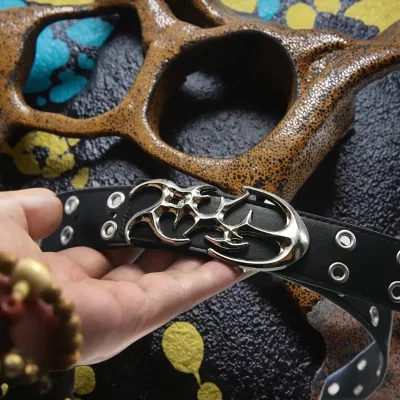
Ready to Ship Hollow Out Double Grommet Fashion PU Leather Belt Waistband Personalized Belt
$1.65 - $2.14
MOQ: 30 pieces
$0.6202 - $0.7235
MOQ: 10 pieces
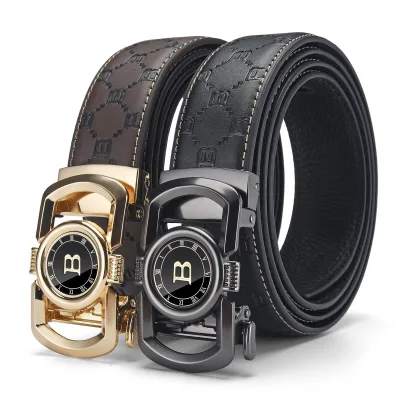

Wenzhou Fashion Leather Manufacture Co., Ltd.
- Combined
- China Zhejiang
- Lead time30 days
- Avg. response≤ 8h
Main productsBelt, Leather Belt, Fashion Lady Belt, Fashion Man Belt, Fashion Belt, Canvas Belt, PU Belt, Wallet, Purse, Man Wallet
Main marketsSouth America,Europe,North America
Hangzhou Hongmioo Industrial Co., Ltd
- Verified by SGS Group
- Manufacturer, Trading Company
- Lead time30 days
- Avg. response≤ 3h
Main productsGenuine Leather Belts, PU Belts, Fabric Belts, Knitted Belts, Suspenders
Main marketsNorth America(35%), Eastern Europe(20%), South America(15%)
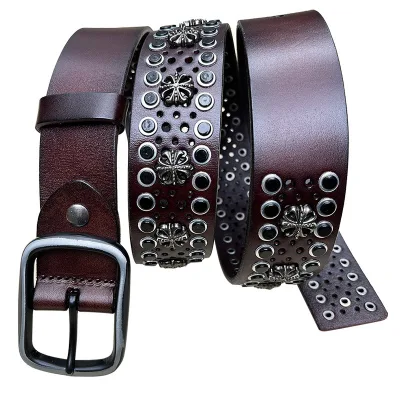
New Style Lady Rivets Genuine Leather Belt Fashion Hallow Out Studded Belt
$12.80 - $13.50
MOQ: 100 pieces
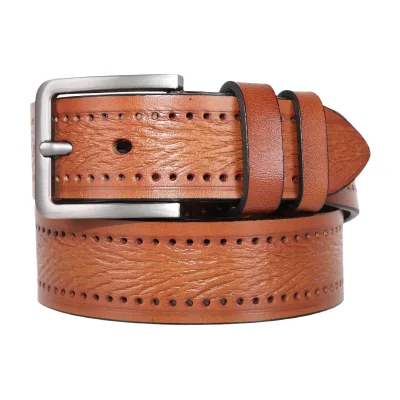
Special Texture Vegetable Tanned Leather Pin Buckle Belt for Men Side Hollow Accessory Women Belt
$9.60 - $12.80
MOQ: 100 pieces
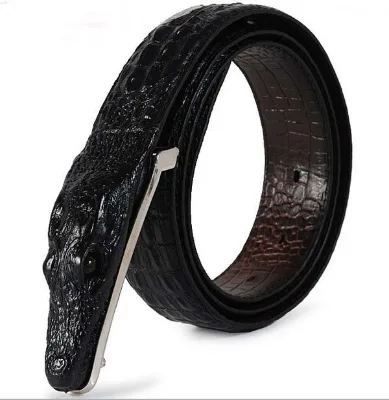
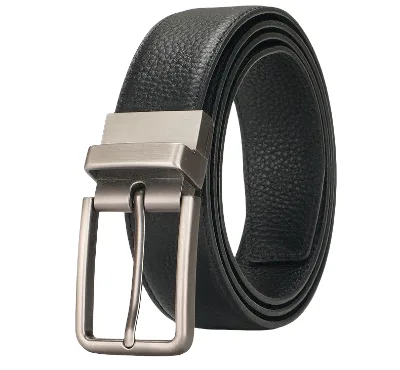
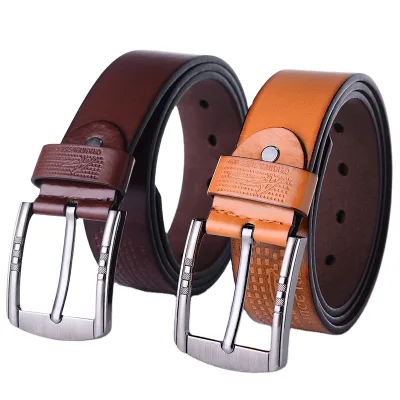
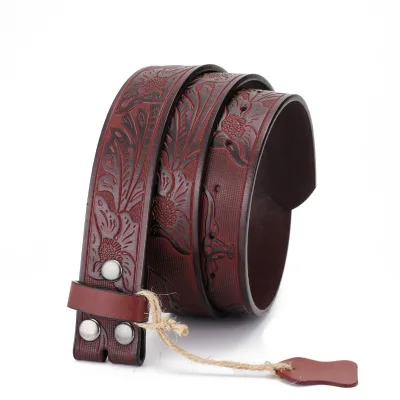

WENZHOU KARION INDUSTRY & COMMERCE CO., LTD.
- Trading Company,Manufacturer/Factory
- China Zhejiang
- Lead time45 days
- Avg. response≤ 5h
Main productsBelt, Leather Belt, PU Belt, Webbing Belt, Elastic Belt, Women Belt, Jeans Belt, Braided Belt, Reversible Buckle Belt, Man Casual Belt
Main marketsSouth America,Eastern Europe,Mid East,North America,Southeast Asia,Eastern Asia,Oceania,Western Europe,Africa
Wenzhou Yuanqiao Leather Goods Co., Ltd.
- Verified by SGS Group
- Manufacturer, Trading Company
- Lead time15 days
- Avg. response≤ 3h
Main productsBelt, Canvas Belt
Main marketsSoutheast Asia(60%), South America(15%), Eastern Europe(10%)
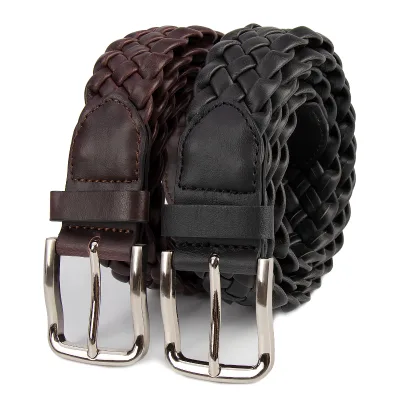
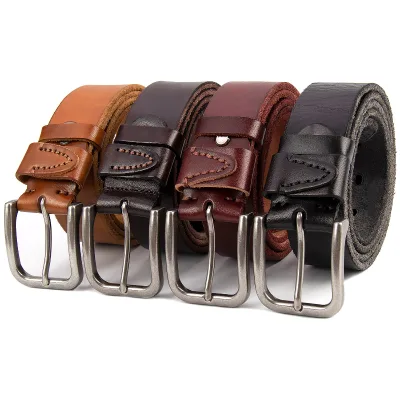
Customized Alloy Buckle Business Men's Belt Cowhide Men's Leather Belt Casual Adjustable
$6.39 - $6.43
MOQ: 300 pieces

- Verified by CTI
- Trading Company
- China Anhui
- Lead time23 days
- Avg. response≤ 2h
Main productsFurniture, Home Furniture
Main marketsSoutheast Asia/ Mideast
Hefei Easy Way Imp & Exp Co., Ltd.
- Verified by Intertek
- Trading Company
- Lead time30 days
- Avg. response≤ 3h
Main productsTies, Belt, Scarf, Silk Scarf, Hats
Main marketsSouthern Europe(55%), Eastern Asia(10%), Central America(10%)
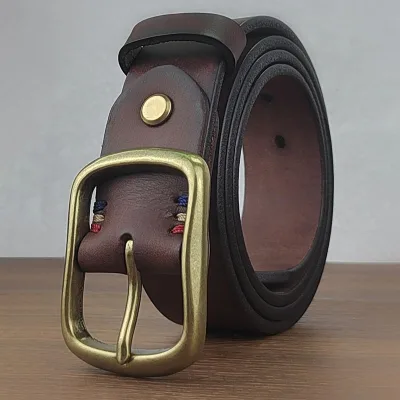
$11.50 - $14.00
MOQ: 50 pieces
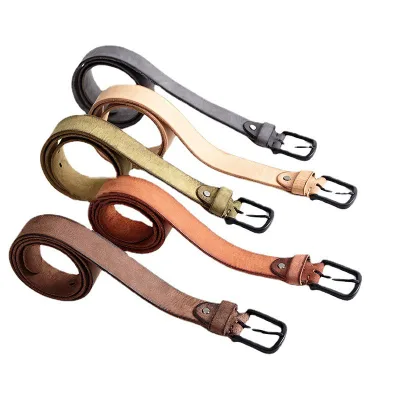
High-end Leather Mens Work Belt Heavy Duty Genuine Full Grain Leather Casual Belts
$8.29 - $9.42
MOQ: 50 pieces
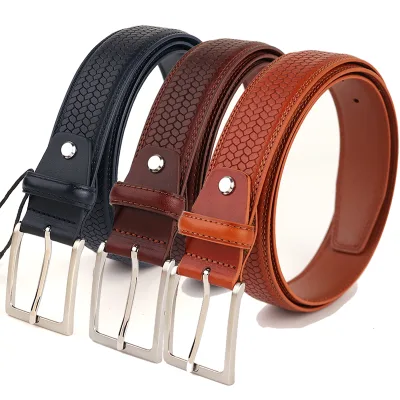
High Quality Double Stitched Dress Belts Fashion & Classic Designs Men's Genuine Leather Belts
$5.85 - $6.55
MOQ: 300 pieces

Dongguan Zhengyong Leather Co., Ltd.
- Verified by SGS
- Manufacturer
- China Guangdong
- Lead time15 days
- Avg. response≤ 18h
Main productsBelt, Handbags, Bracelet, Wallet, Card Holder, Dog Collar/Leash, Dog Harness, Carrier Bags, Camera Strap Series
Main marketsEurope,North America
BESTRADERS INTERNATIONAL LIMITED
- Trading Company
- Hong Kong S.A.R.
- Lead time0 days
- Avg. response≤ 7h
Main productsCufflinks,ties,belts,shirts,scarf,suspenders,bow ties,socks,silk knots,handkerchiefs,Wallets,Wallets
Main marketsNorth America(20.00%), Eastern Europe(20.00%), Southeast Asia(20.00%), Oceania(20.00%), Western Europe(20.00%)

Yiwu Fumiao Leather Goods Co., Ltd.
- Manufacturer, Trading Company
- Zhejiang, China
- Lead time30 days
- Avg. response≤ 5h
Main productsBelt; Bag
Main marketsNorth America(40.00%), Western Europe(30.00%), South America(10.00%), Northern Europe(10.00%), Oceania(5.00%), Southern Europe(5.00%)
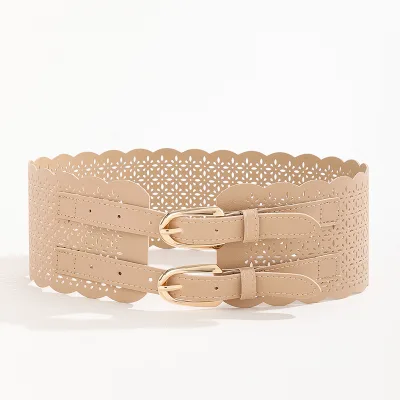
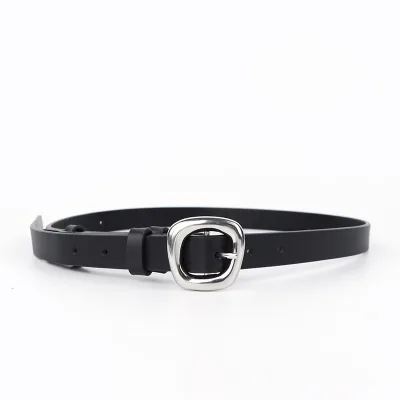
$9.65 - $11.55
MOQ: 1 pieces
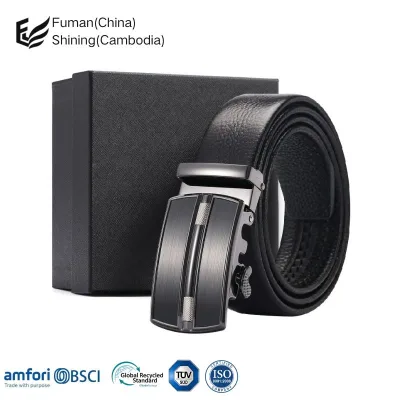
$6.85 - $10.50
MOQ: 1 pieces
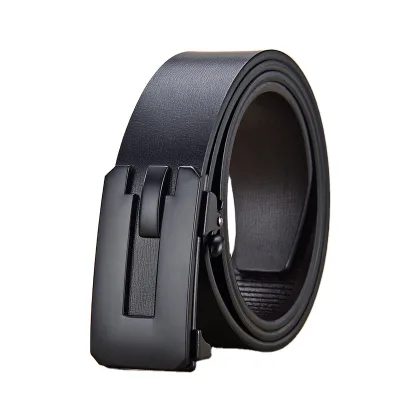
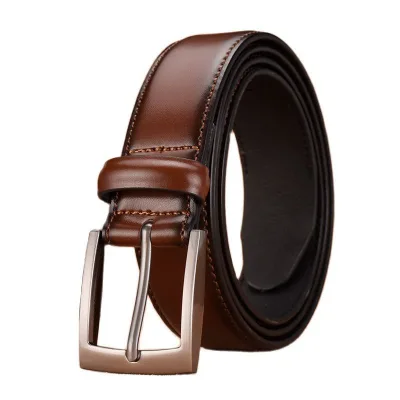
Guangzhou Zhenhao Clothing Products Co., Ltd.
- Manufacturer
- Guangdong Province, China
- Lead time0 days
- Avg. response≤ 3h
Main productsbelt,bracelet
Main marketsNorth America(50.00%), Central America(10.00%), Mid East(10.00%), Southeast Asia(10.00%)
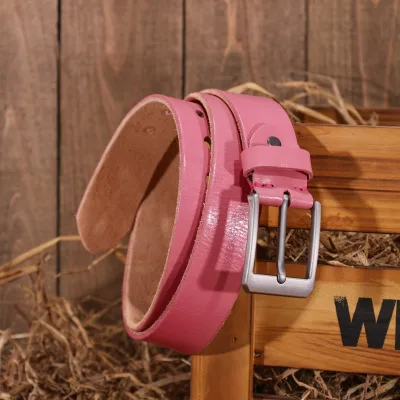
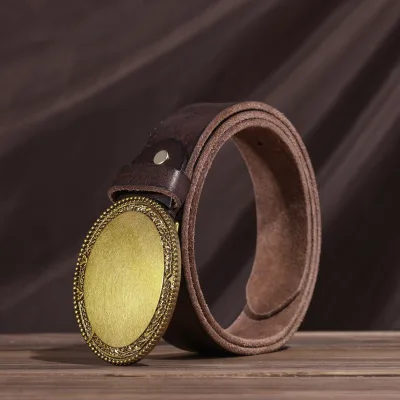
Sweet and Edgy Layered Leather Buckle Belt
$9.99 - $12.99
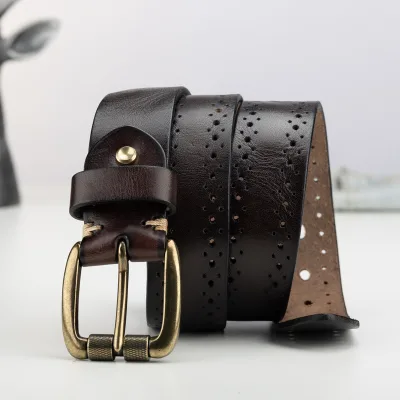
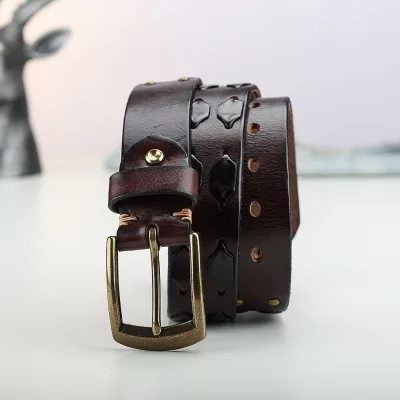
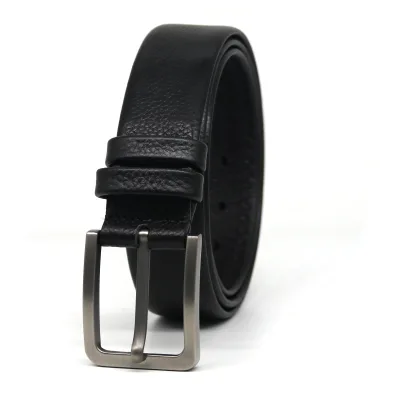
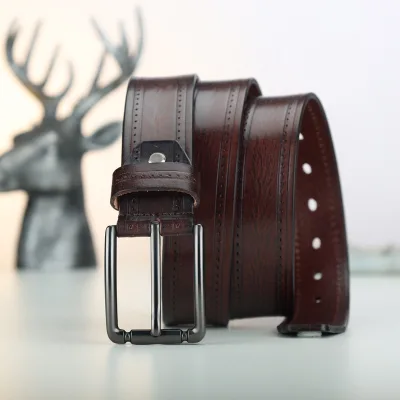

Guangzhou Wangjia Leatherware Co., Ltd.
- Manufacturer/Factory
- China Guangdong
- Lead time30 days
- Avg. response≤ 5h
Main productsWestern Cowboy & Cowgirl Belts, Western Buckles, Buckle Sets, Conchos, Dog Collars & Hat Belts, PU Belts, Leather Belts, PU Handbags, Straw Beach Bags, Wallets
Main marketsSouth America,Eastern Europe,Mid East,North America,Southeast Asia,Eastern Asia,Oceania,Western Europe,Africa

Full Grain Cowhide Leather Belts Genuine Leather Alloy Buckle Belt for Men
$7.50 - $8.00
MOQ: 100 Pieces

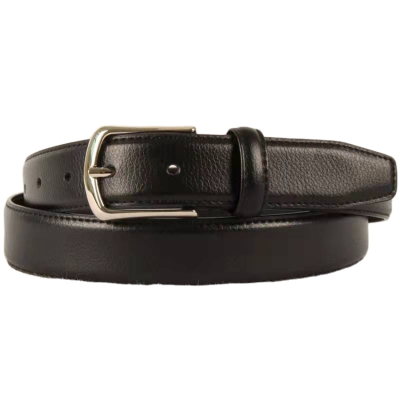
Men's Casual Dress Belt, Men's Leather Belt, Leather Belt Men, Black Waist Belt
$7.50 - $8.00
MOQ: 100 Pieces
Huizhou Good Prospects Garment Industrial Co., Ltd.
- Verified by Intertek
- Manufacturer, Trading Company
- Lead time30 days
- Avg. response≤ 3h
Main productsLeather Belt, Woven Belt, Women Belt, Cork Belt, Belt Buckle
Main marketsEastern Asia(40%), North America(30%), Domestic Market(20%)
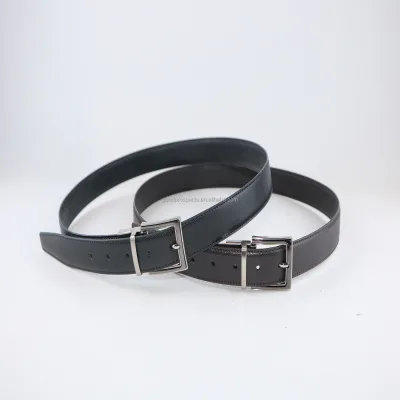
$4.31 - $4.93
MOQ: 100 pieces

- Verified by CTI
- Trading Company
- China Zhejiang
- Lead time15 days
- Avg. response≤ 6h
Main productsJewelry, Brooch, Belt, Necklace, Agent, Bracelet, China Trim, China Ring, China Hair Accessory, China Earring
Main marketsSouth America
Shishi Minnan Hardware And Plastic Co., Ltd.
- Verified by TüVRheinland
- Manufacturer, Trading Company
- Lead time15 days
- Avg. response≤ 3h
Main productsBuckles Set, Pin Buckle, Clothing Buttons, Metal Shoe Buckles, Joint Buckle
Main marketsNorth America(60%), Domestic Market(30%), South America(5%)
Dongguan Humen Futuo Accessories Factory
- Manufacturer, Trading Company
- Guangdong, China
- Lead time25 days
- Avg. response≤ 8h
Main productsBelt,Wallets,Dog Collar,Handbag,gift accessories
Main marketsWestern Europe(27.00%), North America(25.00%), Oceania(19.00%), Eastern Asia(8.00%), Southern Europe(5.00%), South Asia(4.00%), Mid East(3.50%), Eastern Europe(3.00%), Domestic Market(2.00%), Southeast Asia(1.00%), South America(1.00%), Northern Europe(1.00%), Africa(0.50%)
Dongguan Langqin Leather Hardware Co., Ltd.
- Manufacturer, Trading Company
- Guangdong, China
- Lead time10 days
- Avg. response≤ 6h
Main productsJewelry case , Watch case, Cosmetic bag custom, Leather products, Leather belt
Main marketsNorth America(70.00%), Domestic Market(19.00%), Domestic Market(19.00%), Northern Europe(1.00%), Africa(1.00%), Eastern Europe(1.00%), Mid East(1.00%), Southeast Asia(1.00%), Eastern Asia(1.00%), South America(1.00%), Oceania(1.00%), Western Europe(1.00%), Southern Europe(1.00%), Central America(1.00%), Northern Europe(1.00%), Africa(1.00%), Eastern Europe(1.00%), Mid East(1.00%), Southeast Asia(1.00%)

Hangzhou Kebo Orthopedic Rehabilitation Equipment Co.,Ltd
- Verified by SGS
- Combined
- China Zhejiang
- Lead time30 days
- Avg. response≤ 10h
Main productsSpine Orthosis, Orthosis Accessories, Upper Limb Orthosis, Lower Limbs Orthosis
Main marketsSoutheast Asia/ Mideast,Europe
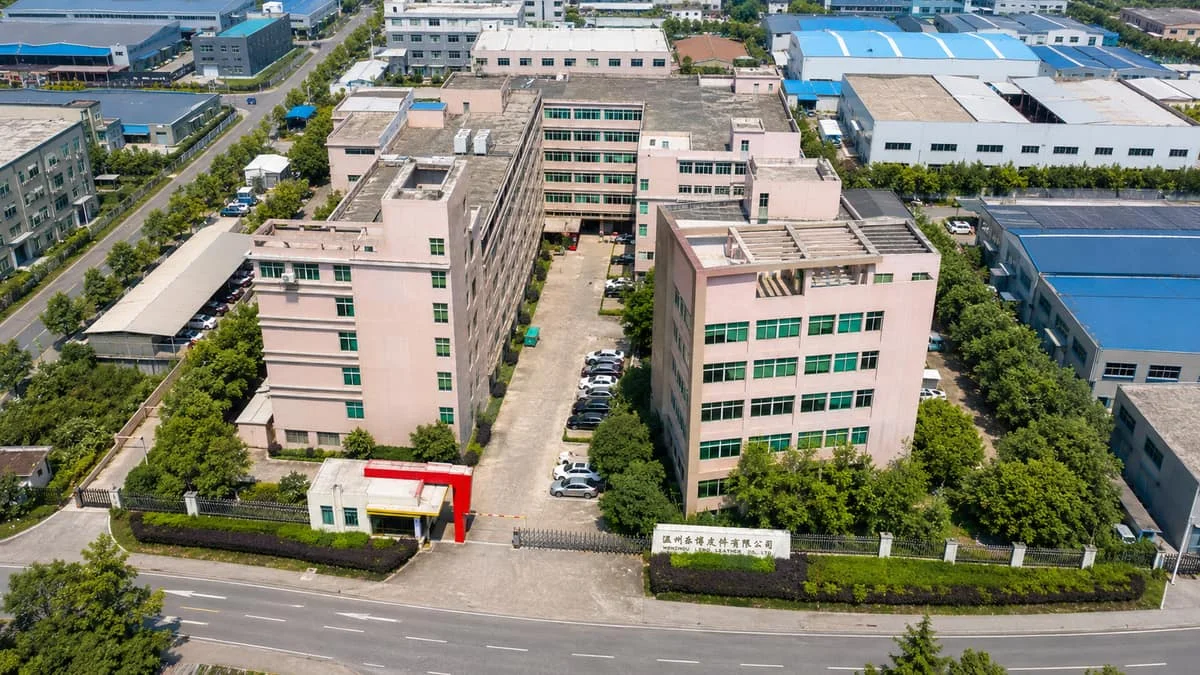
Wenzhou Lebo Leather Co., Ltd.
- Manufacturer, Trading Company
- Zhejiang, China
- Lead time30 days
- Avg. response≤ 6h
Main productsBelt (including genuine leather belt and PU belt),Elastic belt,Braided belt
Main marketsDomestic Market(60.00%), Western Europe(10.00%), North America(10.00%), South America(10.00%), Eastern Asia(5.00%), Northern Europe(5.00%)
Guangzhou Huayuan Leather Co., Ltd.
- Manufacturer, Trading Company, Distributor/Wholesaler
- Guangdong, China
- Lead time0 days
- Avg. response≤ 1h
Main productsLeather goods,Belt,Women's bag,Women's bag,Customization
Main marketsSouth Asia(20.00%), Southeast Asia(20.00%), Western Europe(20.00%), Domestic Market(10.00%), Eastern Asia(10.00%), Southern Europe(10.00%), North America(10.00%)
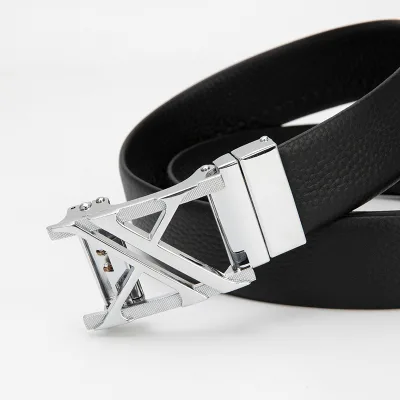
$5.30 - $5.50
MOQ: 100 pieces
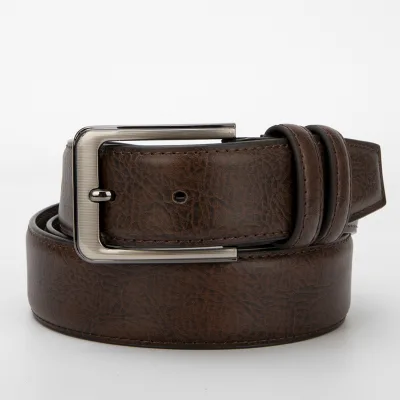
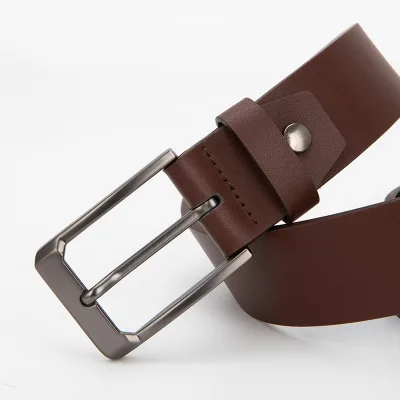
Women's Retro Casual Solid Color Leather Belt Alloy Buckle for Jeans or Other Outfits
$4.148 - $4.3547
MOQ: 100 pieces
Guangzhou Duben Leather Co., Ltd.
- Verified by SGS Group
- Manufacturer, Trading Company
- Lead time15 days
- Avg. response≤ 2h
Main productsBelt, Scarf, Cap, Tissue Box, Travel Tag
Main marketsNorth America(40%), Western Europe(10%), Eastern Europe(8%)
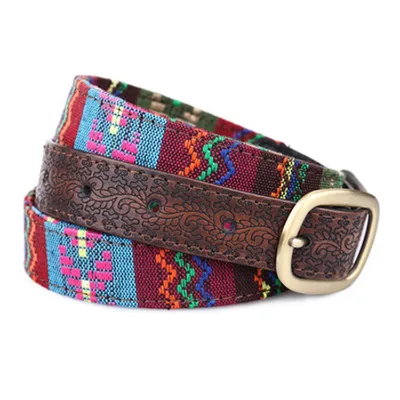
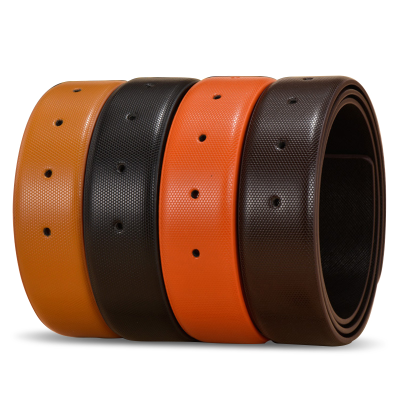
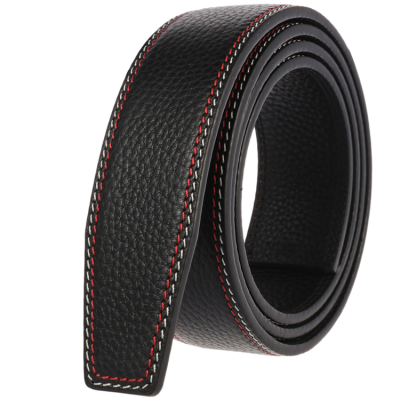
Casual Ratchet Belt Replacement Genuine Leather Belt Strap for Slide Click Buckle
$3.28 - $4.44
MOQ: 300
Guangzhou Zehai Leather Goods Factory
- Manufacturer, Trading Company, Distributor/Wholesaler
- Guangdong, China
- Lead time30 days
- Avg. response≤ 2h
Main productsMen Belt,genuine leather belt,Cowhide belt,men bags,wallet
Main marketsDomestic Market(25.00%), Southeast Asia(20.00%), North America(20.00%), Northern Europe(10.00%), Eastern Asia(10.00%), Eastern Europe(10.00%), South America(5.00%)
Zhangzhou Lihan Electronic Commerce Co., Ltd.
- Verified by TüVRheinland
- Trading Company
- Lead time7 days
- Avg. response≤ 4h
Main productsGarment Accessories, Fashion Accessories, Candle Accessories, Artificial Thatches
Main marketsNorth America(25%), South America(25%), Southeast Asia(15%)
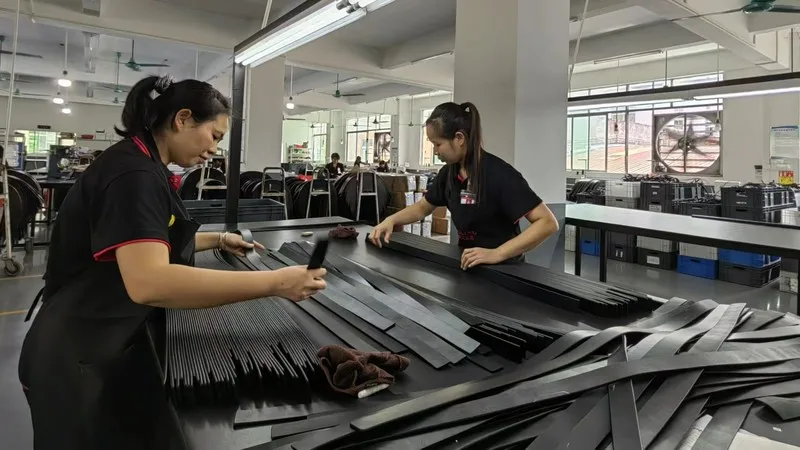
Guangzhou Geling Leather Co., Ltd.
- Manufacturer, Trading Company
- Guangdong, China
- Lead time30 days
- Avg. response≤ 2h
Main productsMen Leather Belt, Women Leather Belt, Fashion Belt, Children Belt
Main marketsDomestic Market(50.00%), North America(30.00%), Eastern Europe(10.00%), Southeast Asia(10.00%)

Hangzhou Xiaoshan Weiruichi E-Commerce Co., Ltd.
- Trading Company
- Zhejiang Province, China
- Lead time40 days
- Avg. response≤ 7h
Main productsBelt,Clothing and accessories,Tie,Scarve
Main marketsEastern Asia(22.00%), Africa(15.00%), North America(10.00%), Eastern Europe(10.00%), Mid East(8.00%), Southern Europe(7.00%), South Asia(6.00%), Western Europe(5.00%), Northern Europe(4.00%), Oceania(3.00%), Southeast Asia(3.00%), Central America(3.00%), Domestic Market(2.00%), South America(2.00%)
Yiwu Lixueshun Garments Co., Ltd.
- Trading Company
- Zhejiang, China
- Lead time20 days
- Avg. response≤ 5h
Main productsbackpack,handbag,wallet,belt,down jacket
Main marketsSouth Asia(40.00%), North America(30.00%), South America(20.00%), Africa(10.00%)

Dongguan Maijite Garment Accessories Co., Ltd.
- Manufacturer
- Guangdong, China
- Lead time35 days
- Avg. response≤ 2h
Main productsGolf Belts,Outdoor Belts,leather,Buckles,luggage tags
Main marketsDomestic Market(65.00%), North America(15.00%), Eastern Europe(10.00%), Mid East(5.00%), Eastern Asia(5.00%)

FUZHOU SHOO-IN IMP & EXP CO., LTD.
- Verified by SGS
- Trading Company
- China Fujian
- Lead time15 days
- Avg. response≤ 3h
Main productsPadel Ball, Tennis Ball, Hat, Pet Leash, Pickleball, Yoga Mat, Sports Towel
Main marketsEast Asia(Japan/ South Korea),North America




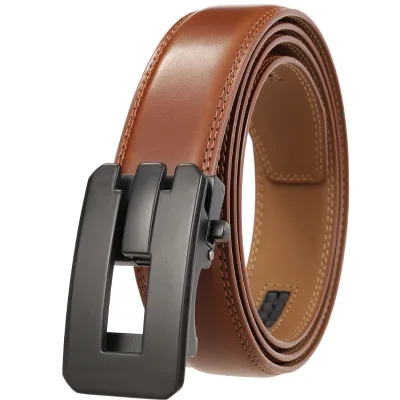
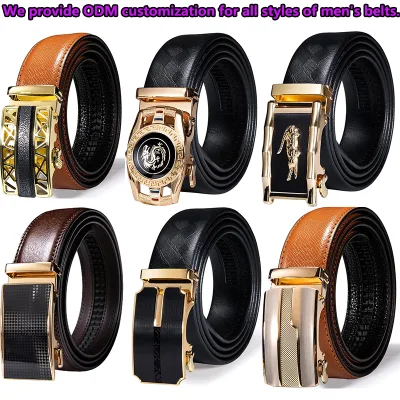
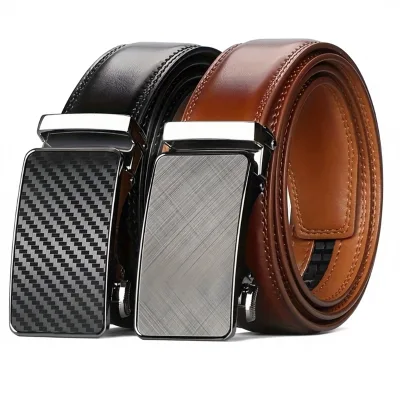


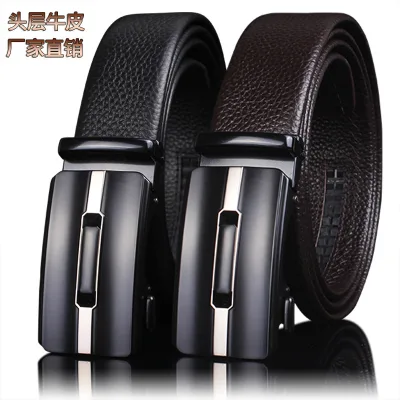
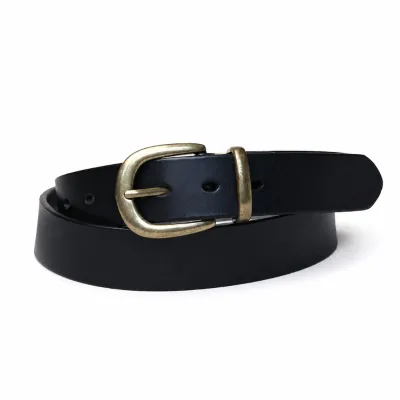
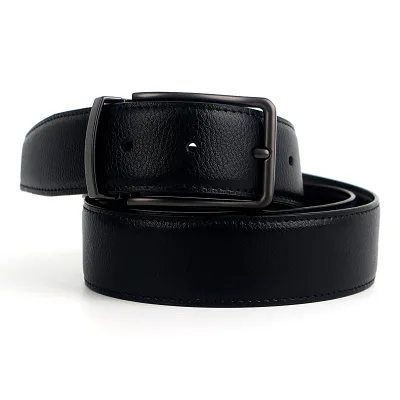
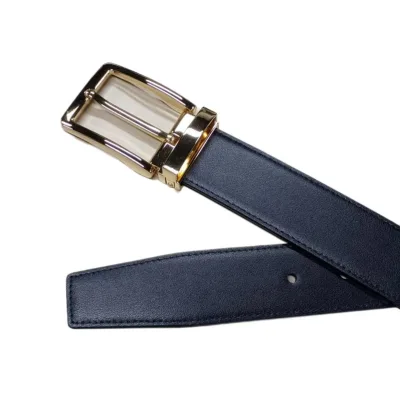
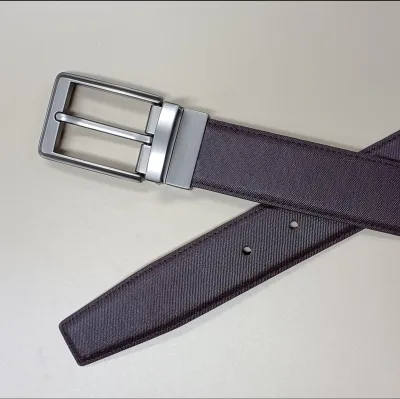
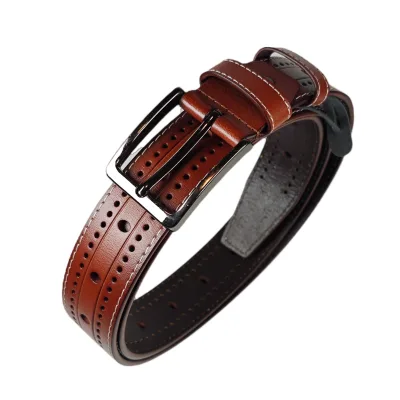
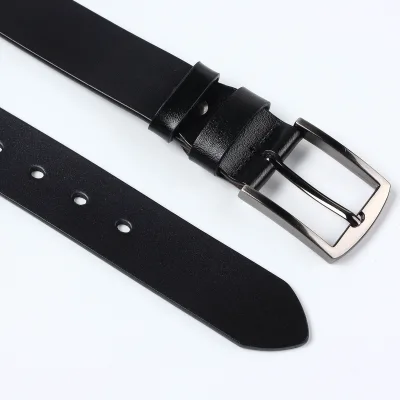
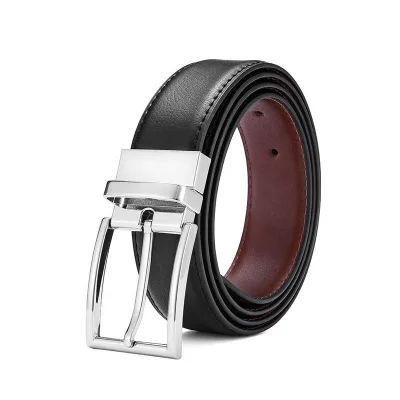
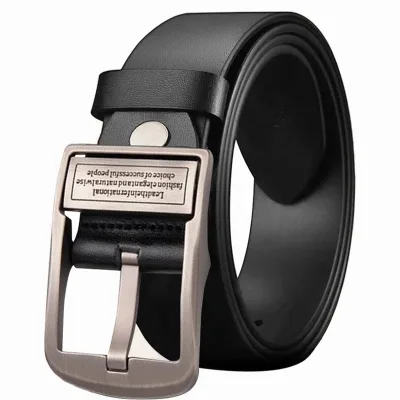


Comprehensive Sourcing Guide
Hollow Out Leather Belt Supplier Concentration and Factory Types
Suppliers of Hollow Out Leather Belt styles in current results cluster around leather goods manufacturing in southern and eastern China, with product listings citing Guangdong and Zhejiang as places of origin. Guangdong listings cover genuine split cowhide belts with pin buckles aimed at women's fashion, while Zhejiang listings lean toward fashion PU and printed waistbands ready to ship. When results do not state a location, buyers should infer cluster strength from signals inside listings themselves: the density of belt-specific SKUs, the breadth of hardware and buckle options, and whether the supplier lists belts alongside complementary goods such as wallets, handbags, watch straps, and bag accessories, which is the main product spread shown by one manufacturer-type supplier here.
Factory types split into manufacturers and trading companies, and both appear in this category. One manufacturer-and-trading hybrid lists sample processing, graphic processing, and customized on demand as research and development capacity, which matters for hollow out patterns that depend on die-cutting or laser precision. A trading company verified by SGS Group lists elastic braided, tactical, genuine, PU, and woven belts, showing breadth rather than depth. Buyers should match type to need: direct manufacturers suit repeatable hollow out tooling, while trading companies consolidate mixed belt programs. Neither type is automatically better; what matters is whether the entity you pay actually controls the cutting, edge finishing, and buckle assembly steps that define this product.
How to Verify Hollow Out Leather Belt Suppliers
Verification starts with third-party badges shown in results. One supplier carries TüV Rheinland verification and another carries SGS Group verification, which confirm that the platform has checked the entity at some level, but neither badge certifies product quality itself. Buyers should request the underlying audit report, confirm the audited legal name matches the entity on the purchase contract, and check whether the audit covered manufacturing or only trading activity. System certifications listed in results include REACH compliance references, ISO 17131, EU regulation 2015/863, EU regulation 2019/1021, CE, and RoHS. These matter for belts sold into the EU, because metal buckles and dyed leather can carry restricted substances, so ask which certifications apply to the specific belt SKU rather than the company profile.
Product-level verification matters just as much. Listings here describe genuine split cowhide, cow hide, and cotton or PU constructions, and one listing labels a belt "Genuine Leather" while describing split cowhide, which is a lower grade than full-grain. Buyers should order samples, perform a burn or cross-section test on edge leather, and confirm the hollow out pattern is cut cleanly without fraying. Additional checks include verifying the pin buckle alloy for nickel or lead content if EU or US retail is planned, confirming needle detection capability, which one Zhejiang listing explicitly claims, and photographing the model number, such as the kzOL37 or KZ1688YY025 references, so the sample matches the bulk contract exactly.
What to Compare Across Hollow Out Leather Belt Suppliers
Compare suppliers on the attributes actually displayed, not on assumptions. Lead time is directly comparable here: one supplier shows a 20-day lead time while another shows 7 days, a meaningful gap for replenishment programs. Response time appears as 2 for one supplier, and buyers should test this figure by sending a technical question about hollow out tooling and timing the substantive reply. MOQs vary widely across listings, from 2 pieces on a reversible cowhide belt to 50 pieces on a women's hollow out split cowhide belt and 30 pieces on a PU grommet style, so match MOQ to your assortment depth rather than chasing the lowest number.
Beyond those numbers, compare main product ranges and company type. A supplier whose main products are watch straps, handbags, belts, wallets, and bag accessories has adjacent leather craft skills; a belt specialist listing elastic braided, tactical, genuine, PU, and woven belts offers breadth in belt construction. Compare location as displayed, since Guangdong and Zhejiang origins imply different freight consolidation options. Compare price bands shown in results, such as roughly 2.00 to 4.60 US dollars per piece on leather styles and 1.65 to 2.14 on PU styles, but treat these as negotiation anchors rather than quotes. Establishment year is not shown for every supplier, so where it is absent, ask directly for company registration records and trading history references before weighting that dimension in your comparison matrix.
Common Hollow Out Leather Belt Sourcing Risks
Material misrepresentation is the leading risk in this category. Results show listings labeled genuine leather that specify split cowhide, and others that list belt material simply as "Belt Material" with cotton named as the base material, which signals a PU or fabric product rather than leather. A hollow out pattern makes the risk worse because the openwork exposes the belt's core and backing at every cut edge, so any composite or bonded construction becomes visible to consumers. Buyers should specify leather grade, thickness, and whether the hollow out is cut through one layer or through a laminated structure, and put those specifications in the contract with a reject threshold.
Operational risks follow from pattern complexity and hardware. Hollow out dies can drift out of alignment, producing inconsistent spacing that a sample approval will not catch at bulk volume, so require an inline inspection at the cutting stage. Alloy buckles described in several listings need composition declarations to clear EU chemical rules, and one listing cites REACH-relevant certifications only at company level, not per SKU. Logistics risks include under-declared weights, since listings show single gross weights from 0.100 to 0.316 kilograms, which affects freight quotes if packaging differs. Finally, low MOQs as small as 2 pieces often indicate a reseller rather than a factory, so confirm who holds tooling before committing to a customized hollow out design that another supplier cannot reproduce.
Hollow Out Leather Belt Regional Sourcing and Logistics
Regional sourcing here follows the origins stated in product data. Guangdong listings cover genuine split cowhide and cow hide belts with alloy pin buckles, positioned for casual and business menswear and women's vintage styles, with lengths from 105 to 130 centimeters and widths around 3.5 to 3.8 centimeters. Zhejiang listings cover fashion PU and printed waistbands with heat-transfer printing and grommet details, marketed as ready to ship with customized sizes. These two provinces both host dense leather goods supply chains, so buyers can often consolidate belts with handbags, wallets, or watch straps from the same region, cutting inland drayage and inspection trips.
Logistics planning should account for the lead times displayed. A 7-day lead time suits air freight or express replenishment of ready-to-ship PU styles, while a 20-day lead time on a manufacturer-type supplier fits sea freight consolidation for leather programs. Hollow out belts are lightweight but bulky relative to value; listings show package dimensions such as 20 by 20 by 20 centimeters and 16 by 15 by 7 centimeters per single item, so carton cube rather than weight will drive sea freight cost. Buyers should confirm whether opp bag packing, cited in one listing, is sufficient for retail, or whether added backing cards are needed to prevent buckle scratching during transit. Where a listing shows no origin, ask for the factory address and verify it against the shipment port the supplier proposes.
Hollow Out Leather Belt Commercial Terms and Order Planning
Commercial terms should be built from the numbers the listings expose. Price ranges span roughly 2.00 to 3.50 dollars for mens leather belt styles, 3.60 to 4.60 for a women's hollow out genuine split cowhide belt, and about 3.27 to 4.09 for a reversible cowhide belt, with a PU grommet style at 1.65 to 2.14. MOQs run from 2 to 50 pieces depending on style. Use these bands to structure quotes: ask each supplier to price your exact hollow out specification at your target quantity, including buckle alloy, packing, and printing, so offers are comparable line by line rather than anchored to listing prices that assume different specifications.
Order planning should sequence sampling, capacity checks, and production milestones. One supplier's capacity line lists sample processing, graphic processing, and customized on demand, which supports custom hollow out artwork but still requires a signed sample approval before bulk cutting. Tie payment milestones to verifiable stages: deposit after contract, balance after inspection of bulk goods against the approved sample, with buckle composition and leather grade documented. Confirm delivery time expectations in writing, since one listing shows 7 to 12 days delivery while supplier-level lead times run 7 to 20 days, and reconcile which figure applies to your order size. Finally, plan reorders around tooling: a customized hollow out die belongs to whoever paid for it, so specify ownership in the contract to keep future orders competitive across suppliers.
FAQs
What is the typical MOQ for hollow out leather belts?
The minimum order quantity for these belts is generally 50 pieces, though some suppliers accept orders as low as 2 units. Buyers should verify the specific MOQ for each product listing, as requirements vary by manufacturer and customization level. Always confirm the exact quantity before placing an order to ensure it meets your procurement needs.
How long does delivery take for these belts?
Delivery times typically range from 7 to 20 days depending on the supplier and order volume. Some manufacturers offer faster turnaround times of 7 days, while others may require up to 20 days for production and shipping. Buyers should check the specific lead time listed for each product to plan their inventory effectively.
What materials are used for hollow out leather belts?
These belts are commonly made from genuine split cowhide, cow hide, or PU leather. Some options feature cotton materials with printed designs. The buckles are typically made of alloy, offering durability and style. Buyers can choose from various materials based on their quality preferences and budget constraints for their specific sourcing requirements.
What certifications do these suppliers hold?
Suppliers often hold certifications such as REACH, CE, RoHS, ISO 17131, and compliance with EU regulations 1907/2006, 2015/863, and 2019/1021. These certifications ensure product safety and environmental standards. Buyers should verify specific certification documents with suppliers to confirm compliance with their target market regulations before finalizing any purchase agreements.
Where are these belts manufactured?
Most hollow out leather belts are manufactured in Guangdong or Zhejiang, China. These regions are known for their strong manufacturing capabilities in apparel and accessories. Buyers can expect high-quality production standards from these locations. It is advisable to check the specific place of origin for each product to ensure alignment with your sourcing preferences.
What is the price range for these belts?
Prices for hollow out leather belts typically range from $1.65 to $4.60 per unit. The cost varies based on material quality, buckle type, and order quantity. Buyers can find options starting at $2.00 for basic styles and up to $4.60 for premium genuine leather designs. Always request a detailed quote for accurate pricing.