Light Bra Suppliers and Manufacturers in China
Source 31 verified suppliers for Light Bra options including wire-free and padded styles. Compare key dimensions such as lead times, MOQs, and response rates to identify suitable partners. Review product specifications and request quotes directly from the listed factories; review the available evidence before requesting comparable quotations from suitable candidates.
Updated
Suppliers List

Shantou Trendy Wind Garment Manufacture Co., Ltd.
- Combined
- China Guangdong
- Lead time60 days
- Avg. response≤ 1h
Main productsUnderwear, Bra, Shape Wear, Panties, Briefs, Nightwear, Babydoll, Pajamas, Swimwear, Camisole
Main marketsSouth America,Domestic,Europe,North America

Dongguan Edee Apparel Co., Ltd.
- Verified by TUVRHEINLAND
- Trading Company,Manufacturer/Factory
- China Guangdong
- Lead time23 days
- Avg. response≤ 3h
Main productsSportswear, Activewear, Gym Clothing, Yoga Wear, Dancewear, Sports Bra, Sports Leggings, Sweatshirt, Track Suit, Hoodie
Main marketsSouth America,Eastern Europe,Mid East,North America,Eastern Asia,Oceania,Western Europe
Zhejiang G Top Clothing Co., Ltd.
- Verified by TüVRheinland
- Manufacturer, Trading Company
- Lead time25 days
- Avg. response≤ 3h
Main productsYoga Clothes, Sports Clothes, Swimsuit, Underwear, Casual Wear
Main marketsNorth America(85%), Eastern Europe(10%), South America(5%)

SHANTOU HUICHEN FASHIONS CO.,LTD.
- Combined
- China Guangdong
- Lead time60 days
- Avg. response≤ 8h
Main productsUnderwear, Bra, Sexy Lingerie, Sexy Babydoll, Wireless Bra, Sport Bra, Bra & Panty Set, Underwear Set, Sexy Lingerie Set
Main marketsSouth America,Africa,Europe,North America

Dongguan Humen Hucai Garment Co., Ltd.
- Verified by SGS
- Combined
- China Guangdong
- Lead time30 days
- Avg. response≤ 6h
Main productsSportswear, Yoga Pants, Sports Bra, T Shirt, Tank Top, Jogger Pants, Tracksuit, Hoodies, Shorts, Leggings
Main marketsSouth America,Africa,Southeast Asia/ Mideast,East Asia(Japan/ South Korea),Domestic,Europe,Australia,North America
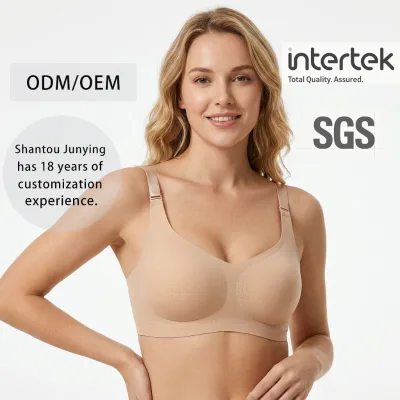
Shantou Junying Clothing Co., Ltd.
- Verified by SGS Group
- Manufacturer, Trading Company
- Lead time30 days
- Avg. response≤ 3h
Main productsLadies Bra, Lingerie, Shapewear, Underwear, Sleepwear
Main marketsSoutheast Asia(30%), Eastern Europe(15%), North America(10%)
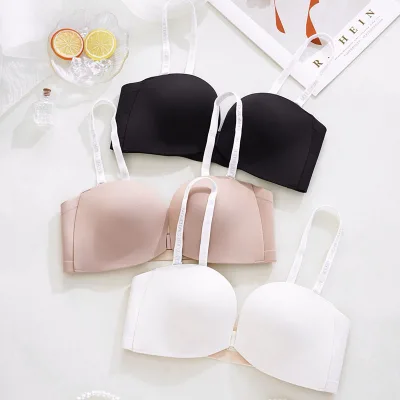
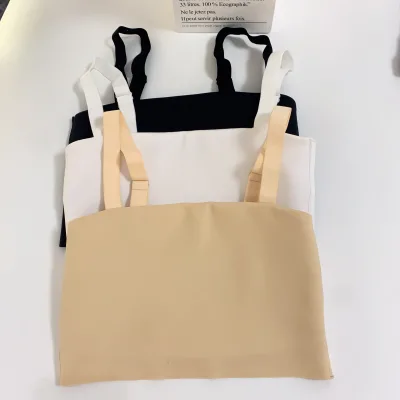
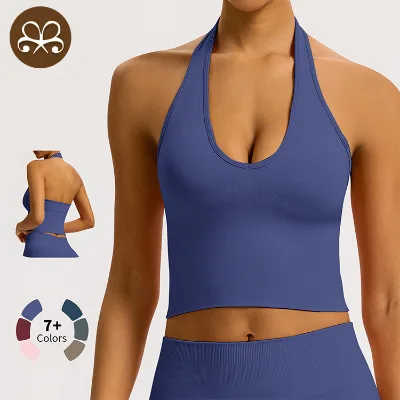
High Quality Women Seamless Soft Sports Bra
$3.18 - $3.48
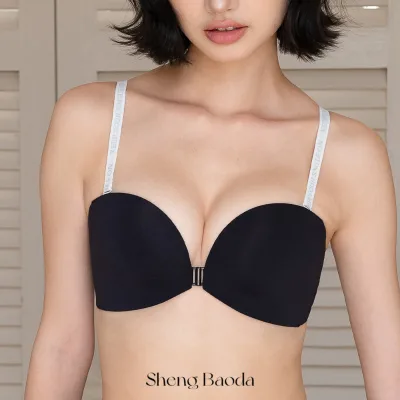
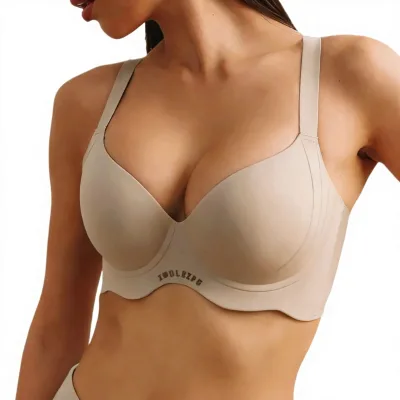

- Verified by CTI
- Trading Company
- China Anhui
- Lead time23 days
- Avg. response≤ 2h
Main productsFurniture, Home Furniture
Main marketsSoutheast Asia/ Mideast

Efirsty Enterprise (Anhui) Co., Ltd.
- Verified by TUVRHEINLAND
- Trading Company
- China Anhui
- Lead time30 days
- Avg. response≤ 4h
Main productsLeggings Yoga Pants Swimwear, Swimsuit
Main marketsSouth America,Southeast Asia/ Mideast,East Asia(Japan/ South Korea),Europe,Australia,North America

GUANGXI BEILIU MORNING TEXTILE CO.,LTD
- Verified by TUVRHEINLAND
- Manufacturer
- China Guangxi
- Lead time15 days
- Avg. response≤ 4h
Main productsShapewear, Underwear, Body Wear, Women's Underwear, Kid's Underwear, Pajamas, Bra, Bras

Chengdu Haiven TongLi Technology Co., Ltd.
- Trading Company
- Sichuan, China
- Lead time7 days
- Avg. response≤ 3h
Main productsSports Wear,Yoga Set,Fittness Gym Clothing,Body Shaper,Lululemon Same Series
Main marketsNorth America(30.00%), Central America(20.00%), Eastern Europe(20.00%), South America(20.00%), Western Europe(10.00%)
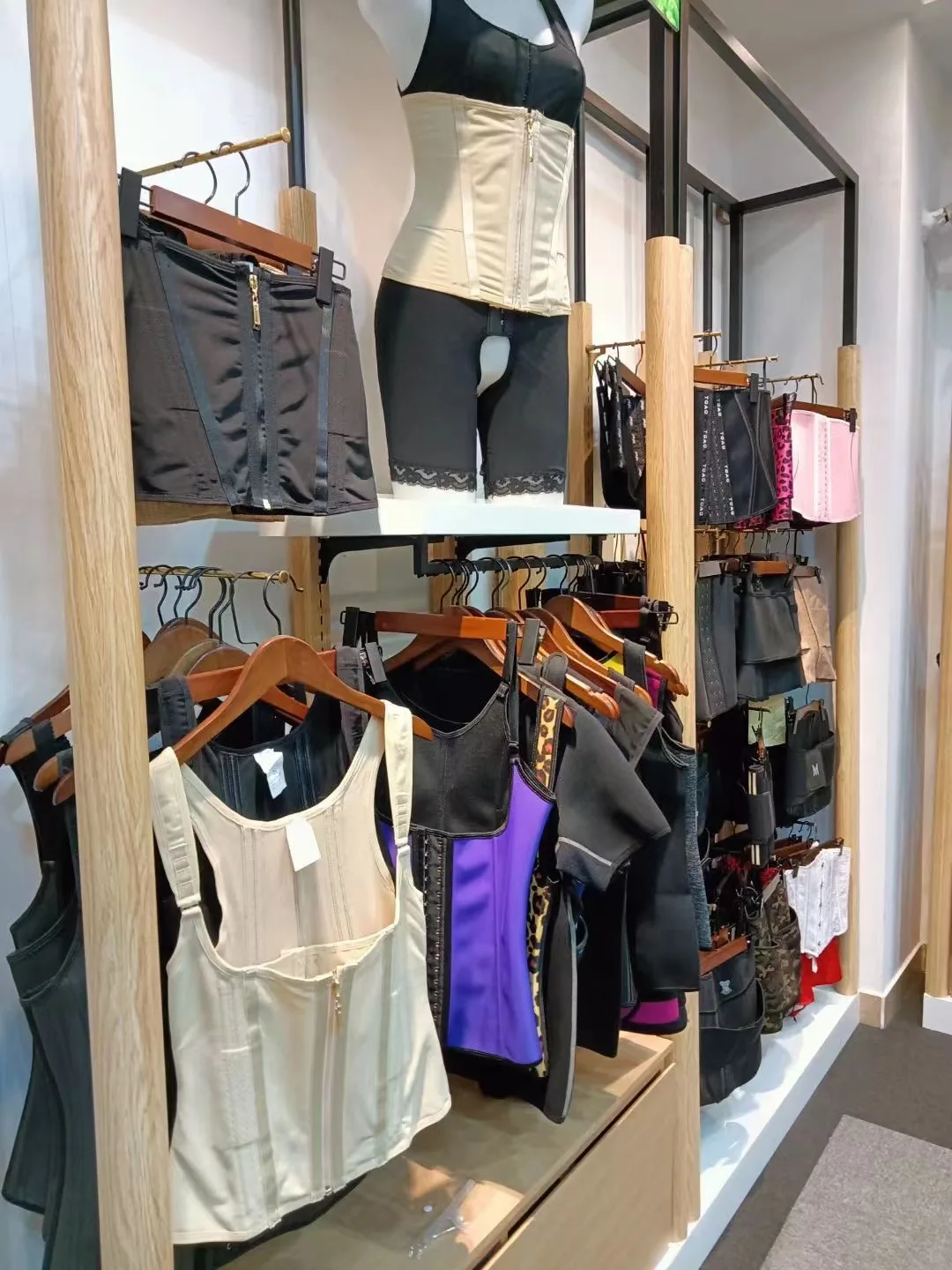
Guangzhou Tianhe District Chaorong Garment Factory
- Manufacturer, Trading Company, Buying Office, Distributor/Wholesaler
- Guangdong, China
- Lead time3 days
- Avg. response≤ 2h
Main productsFajas,Waist Trainer,Corsets,Yoga,Shapewear
Main marketsSouth America(30.00%), North America(20.00%), Africa(10.00%), Northern Europe(10.00%), Eastern Europe(10.00%), Western Europe(5.00%), Domestic Market(5.00%), Mid East(5.00%), Southeast Asia(3.00%), Southern Europe(2.00%)
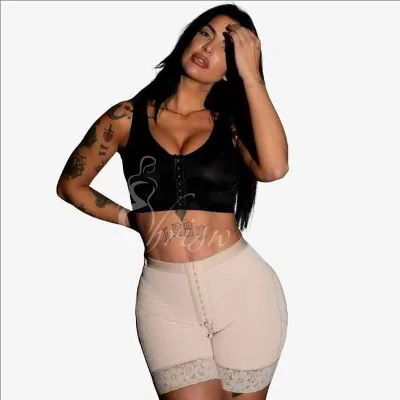
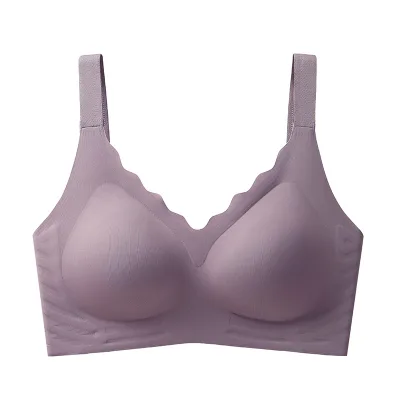
Women's Comfort Wire-Free Back Support Bra
$7.99 - $9.99
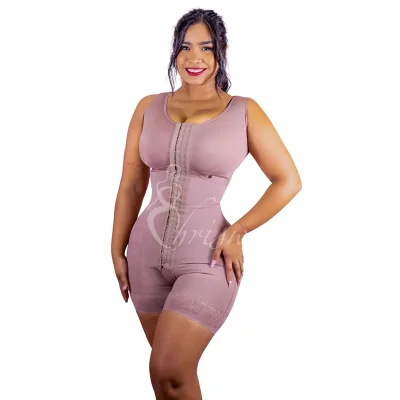
Yiwu Basha Sports Development Co., Ltd.
- Verified by SGS Group
- Manufacturer, Trading Company
- Lead time15 days
- Avg. response≤ 2h
Main productsSeamless yoga wear; Cut and Sew Gym wear, Tracksuit; Long & Short Sleeve Shirts, Swimwear
Main marketsNorth America(30%), Oceania(20%), Eastern Europe(15%)

Dongguan Norns Sports Co., Ltd.
- Manufacturer/Factory
- China Guangdong
- Lead time15 days
- Avg. response≤ 2h
Main productsSportswear, Cheerleading Uniform, Baseball Jersey, Yoga Wear, Cycling Jersey, Compression Wear, Fishing Wear, Ice Hockey Jersey, Basketball Uniform, Sports Cap
Main marketsSouth America,Eastern Europe,Mid East,North America,Southeast Asia,Eastern Asia,Oceania,Western Europe,Africa


Women Sports Racerback Bra with Invisible Elastic Underband & Removable Pads
$8.80 - $10.80
MOQ: 10 piece

Quanzhou Weibo Clothing Co., Ltd.
- Verified by BV
- Manufacturer
- China Fujian
- Lead time15 days
- Avg. response≤ 2h
Main productsBra, Underwear, Nipple Covers, Breast Pads, Lingerie, T Shirt, Resin Craft, Ceramic
Main marketsSouth America,Southeast Asia/ Mideast,East Asia(Japan/ South Korea),Europe,Australia,North America
Xiamen Hexin Supply Chain Management Co., Ltd.
- Verified by TüVRheinland
- Manufacturer, Trading Company
- Lead time3 days
- Avg. response≤ 2h
Main productsShapewear, Butt Lifter, Shapewear Bodysuit, Waist Trainer, Activewear
Main marketsNorth America(80%), Western Europe(10%), Africa(5%)
Xiamen Aiqiyi Technology Co., Ltd.
- Manufacturer, Trading Company, Distributor/Wholesaler
- Fujian, China
- Lead time15 days
- Avg. response≤ 5h
Main productsYoga clothes,fitnesswear,Sportswear,leggings,shorts
Main marketsOceania(20.00%), North America(20.00%), South America(10.00%), Southern Europe(10.00%), Northern Europe(10.00%), Western Europe(10.00%), Africa(7.00%), Southeast Asia(5.00%), Eastern Europe(5.00%), Mid East(3.00%)
Foshan Gumaoning Garment Co., Ltd.
- Verified by Intertek
- Manufacturer, Trading Company
- Lead time20 days
- Avg. response≤ 2h
Main productsYoga Wear, Babies Clothes, T Shirt, Hoodies, Swimwear
Main marketsNorth America(60%), South America(15%), Western Europe(15%)

Shantou Hengchu Knitting Industry Co., Ltd.
- Verified by CTI
- Combined
- China Guangdong
- Lead time30 days
- Avg. response≤ 16h
Main marketsDomestic,Europe


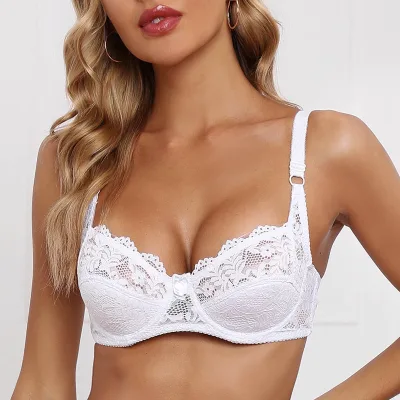
Lace Wireless Bra with Fixed Cup Comfortable Breathable Vest Style Yoga Daily Use
$3.20 - $3.80
MOQ: 500 Pieces


Zhejiang Shenlong International Co., Ltd.
- Trading Company
- China Zhejiang
- Lead time0 days
- Avg. response≤ 3h
Main productsUnderwear, Seamless Underwear, Underwear Set, Seamless Inner Wear, Seamless Wear, Undergarment, Bath Towel, Beach Towel, Face Towels, Leggings

- Verified by TUVRHEINLAND
- Trading Company
- China Zhejiang
- Lead time15 days
- Avg. response≤ 9h
Main productsSport Wear, Yoga Pants, Sports Bra, Sports Cap, Waist Bag, Sports Sock, Sports Towel, Quick Dry Clothes, Yiwu Buying Agent, Sourcing Agent
Main marketsSouth America,Europe,North America
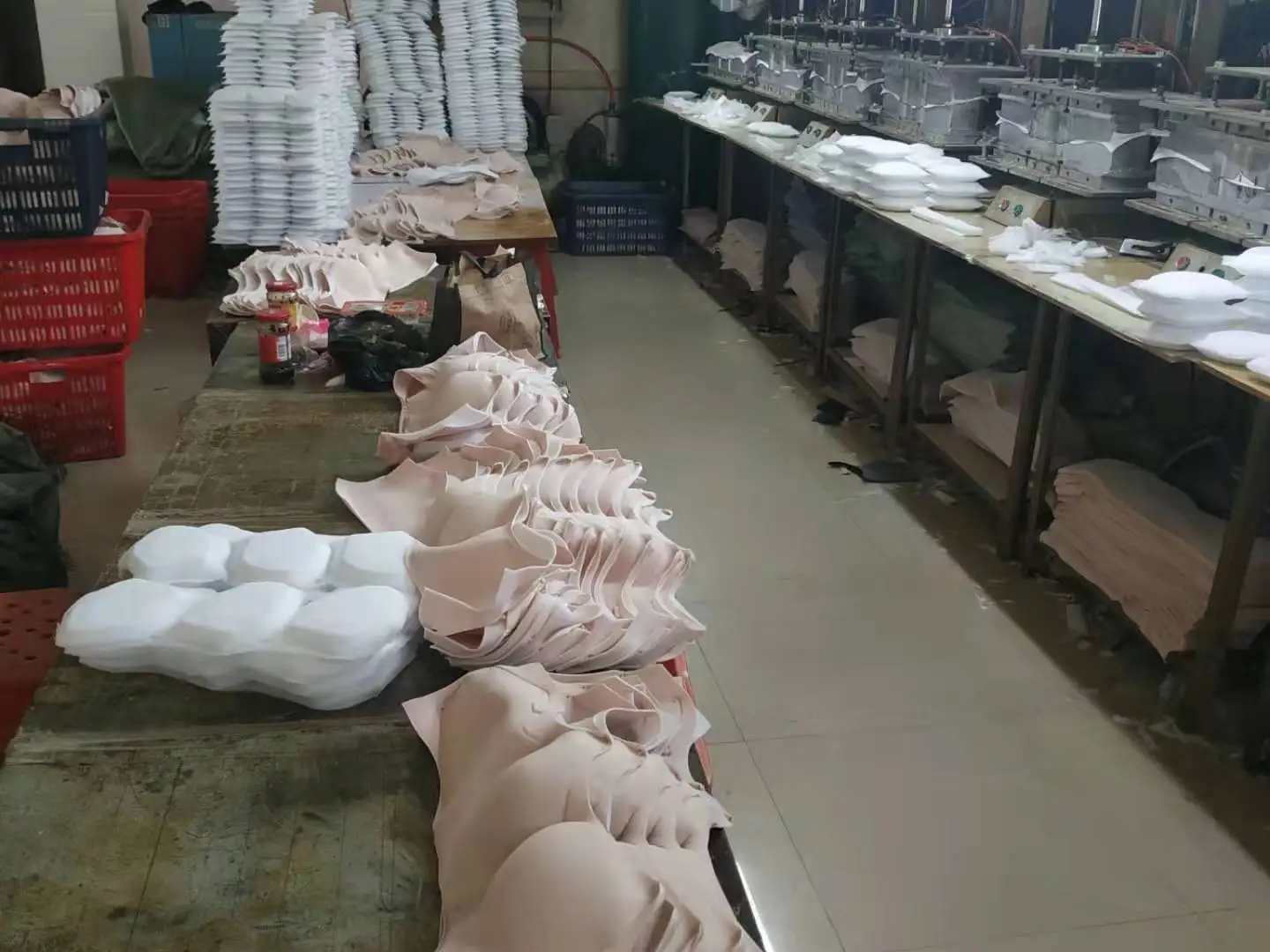
Shantou Chaonan District Chendian Daimiqi Underwear Factory
- Manufacturer, Trading Company
- Guangdong, China
- Lead time30 days
- Avg. response≤ 5h
Main productsbra,bra set,underwire bra,wireless bra,seamless bra
Main marketsDomestic Market(35.00%), North America(5.00%), South Asia(5.00%), Southern Europe(5.00%), Northern Europe(5.00%), Central America(5.00%), Western Europe(5.00%), Eastern Asia(5.00%), Mid East(5.00%), Oceania(5.00%), Africa(5.00%), Southeast Asia(5.00%), Eastern Europe(5.00%), South America(5.00%)
Shenzhen Fengdeng Import And Export Trade Co., Ltd.
- Verified by TüVRheinland
- Trading Company
- Lead time15 days
- Avg. response≤ 2h
Main productsWomen's Bras, Panties, Sexy Lingerie, Men's Boxer, Swimsuits
Main marketsMid East(25%), Domestic Market(15%), North America(10%)
Xinxiang Chunxiu Trading Co., Ltd.
- Trading Company
- Henan, China
- Lead time0 days
- Avg. response≤ 2h
Main productsLadies underwear,Bras,underpants,Large women's underwear,Women's sexy lingerie
Main marketsSoutheast Asia(40.00%), North America(40.00%), Domestic Market(20.00%)

Shantou Junying Clothing Co., Ltd.
- Verified by SGS
- Combined
- China Guangdong
- Lead time30 days
- Avg. response≤ 13h
Main productsBra
Main marketsSouth America

Guangzhou Manchifen Garment Co., Ltd.
- Verified by SGS
- Combined
- China Guangdong
- Lead time15 days
- Avg. response≤ 7h
Main productsBra, Underpants, Underwear, Thongs, Panties, Boxer Brief, Mommy Pants
Main marketsDomestic
Dongguan Boxin Garment Co., Ltd.
- Verified by SGS Group
- Manufacturer, Trading Company
- Lead time25 days
- Avg. response≤ 2h
Main productsFitness & Yoga Wear, Casual & Street Wear
Main marketsNorth America(80%), Oceania(10%), Western Europe(5%)

- Manufacturer/Factory
- China Guangdong
- Lead time23 days
- Avg. response≤ 11h
Main productsYoga Clothes, Gym Clothes, Workout Clothes, Fitness Clothes, Running Clothes, Tennis Clothes, Golf Clothes, Plitates Clothing, Fashion Fitness, Sportswear
Main marketsEastern Europe,North America,Western Europe
Tianchang Hengda Protective Equipment Co., Ltd.
- Verified by Intertek
- Manufacturer, Trading Company
- Lead time3 days
- Avg. response≤ 2h
Main productsCooler Bags, School Bags, Handbags, Travel Duffel Bag, Cosmetic Bag
Main marketsNorth America(80%), Oceania(5%), Western Europe(5%)

Guangzhou Grace Import And Export Co., Ltd.
- Manufacturer, Trading Company
- Guangdong, China
- Lead time15 days
- Avg. response≤ 2h
Main productsLingerie,Swimwear,Crop top,Dress,Pantie
Main marketsSouth America(30.00%), North America(30.00%), Oceania(15.00%), Western Europe(15.00%), Northern Europe(5.00%), Eastern Europe(5.00%)
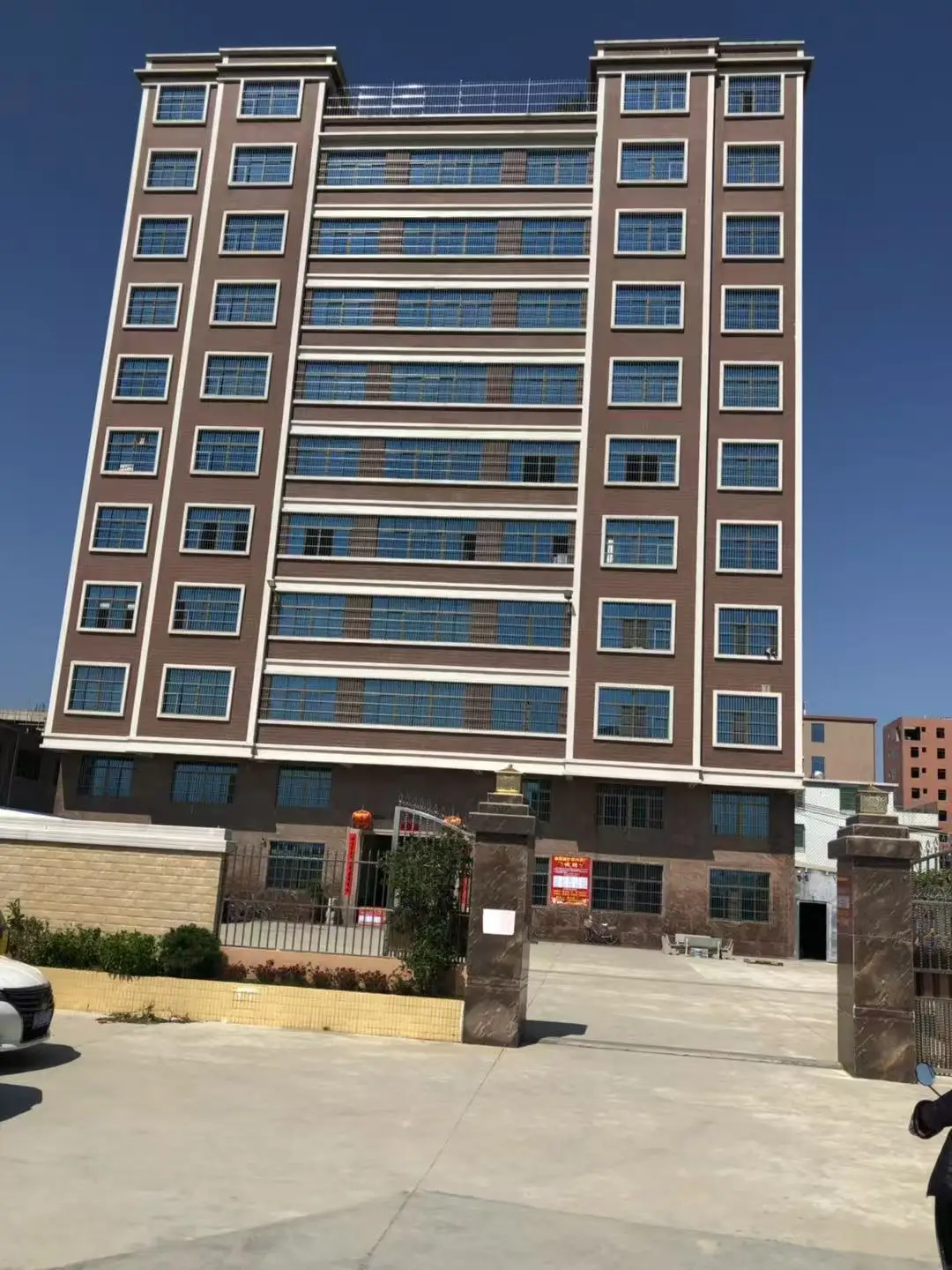
Shantou Anzhimei Underwear Industry Co., Ltd.
- Manufacturer
- Guangdong, China
- Lead time15 days
- Avg. response≤ 2h
Main productsClothing manufacturing,bra,underwear
Main marketsSoutheast Asia(50.00%), North America(20.00%), South America(20.00%), Southern Europe(10.00%)

Blue Skier Knitted Underwear Factory
- Verified by SGS
- Trading Company
- China Guangdong
- Lead time30 days
- Avg. response≤ 6h
Main productsNurs, Our Factory Mainly Deals in Maternity Bras, Pregnancy Bra, Plus-Size Front-Hook Bra, Seamless Vest, Tummy Control Pure Cotton Panties, Women's Thermal Vest Men's Thermal Vest Thermal, Women's Lace Bandeau, One-Piece Seamless Bra
Main marketsDomestic

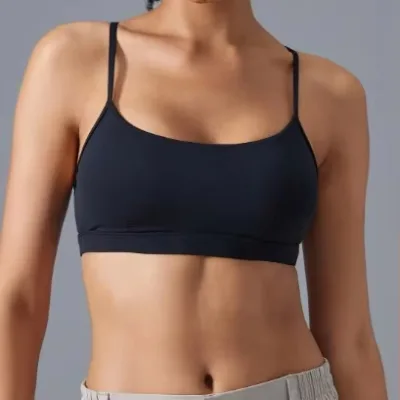
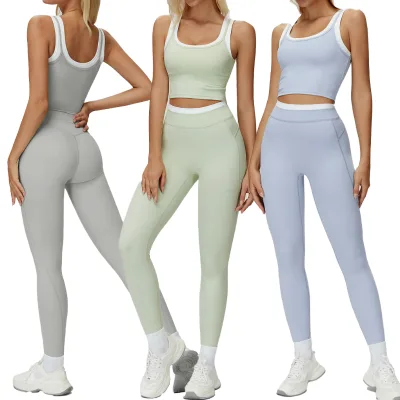
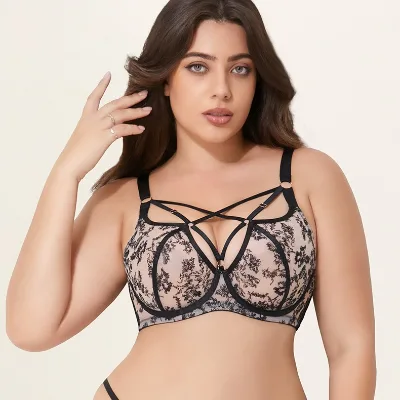
Plus Size Front Closure Bra - Wirefree with Light Padding & Breathable Comfor
$2.70 - $3.45
MOQ: 100 Pieces




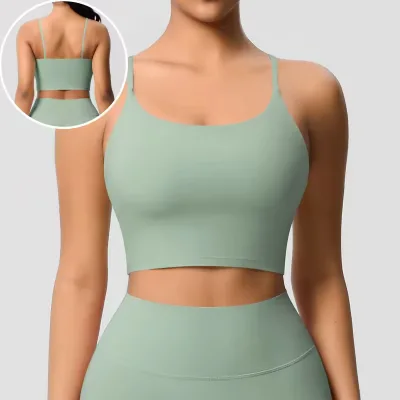
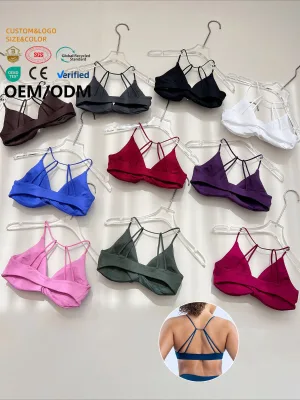
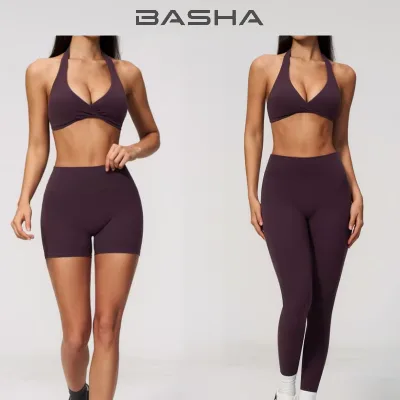
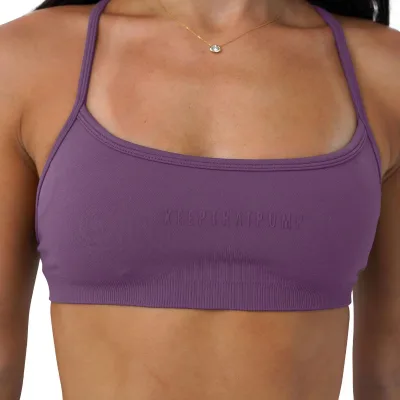


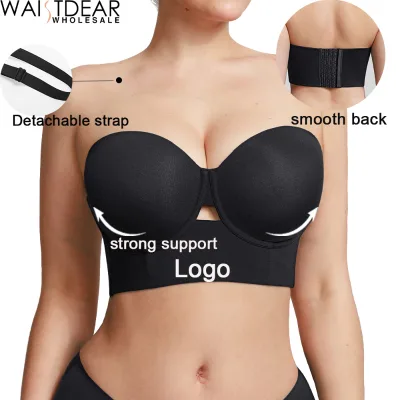
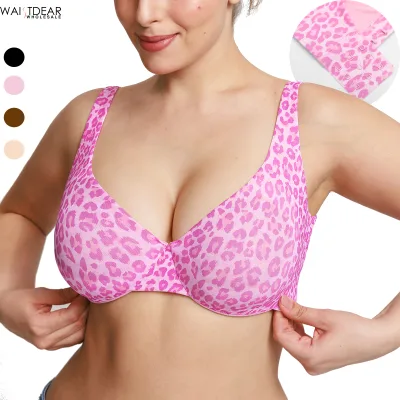
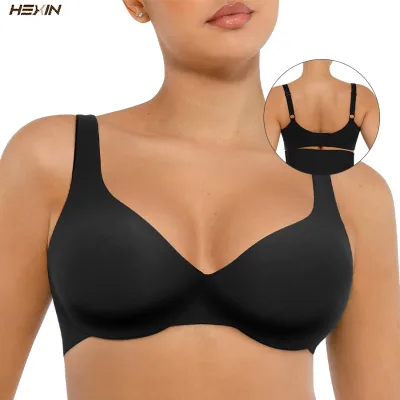
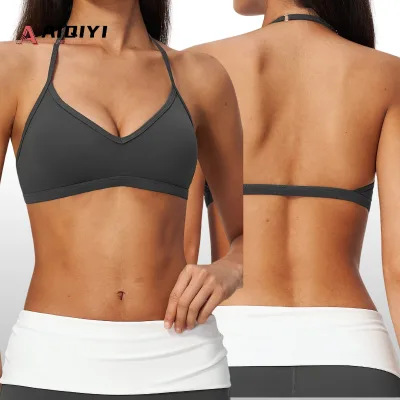
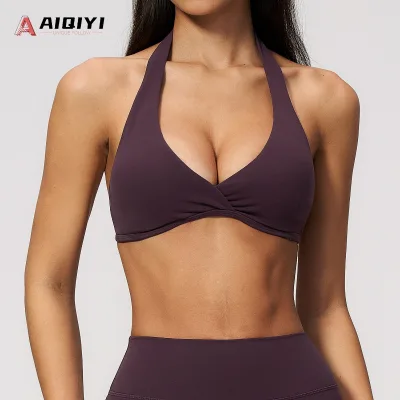
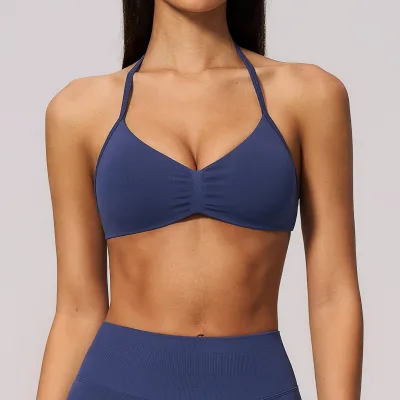
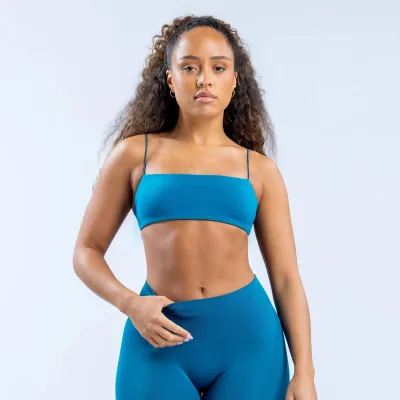
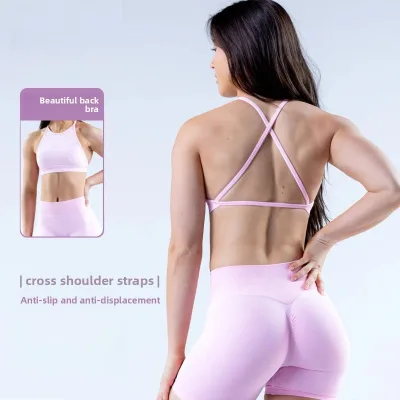


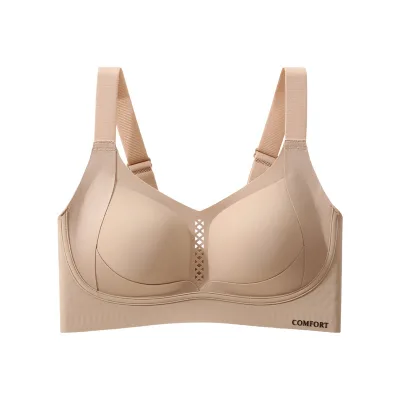
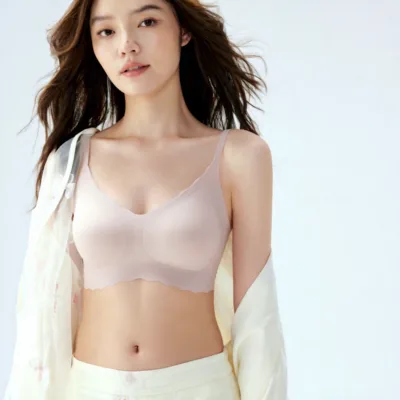
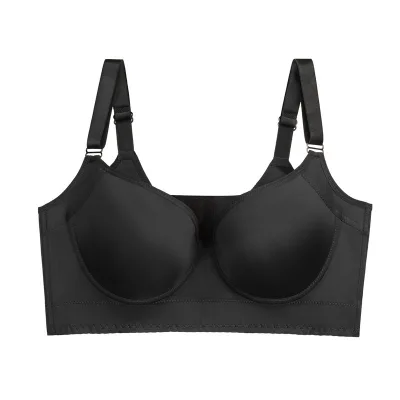
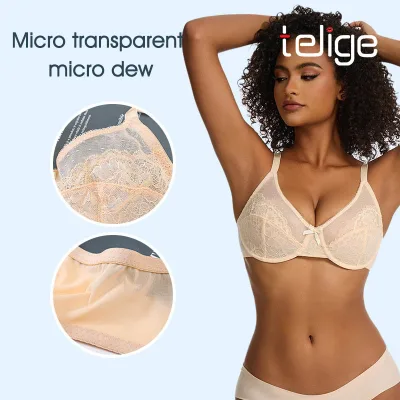
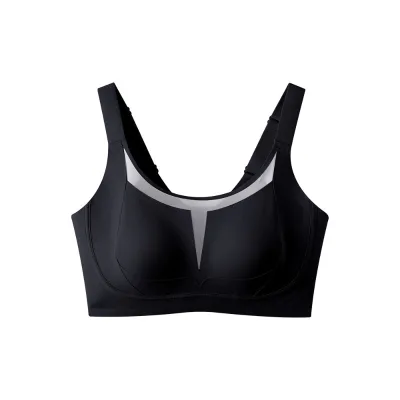
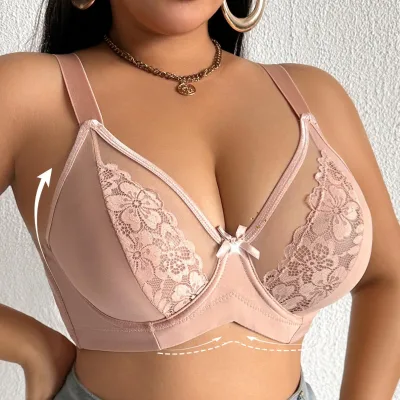
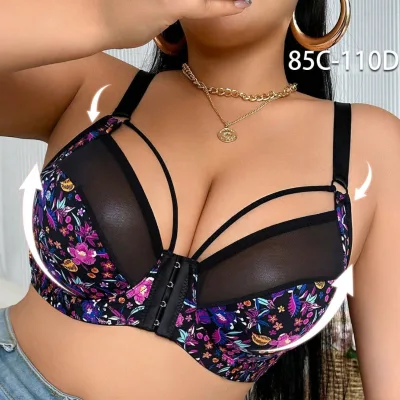


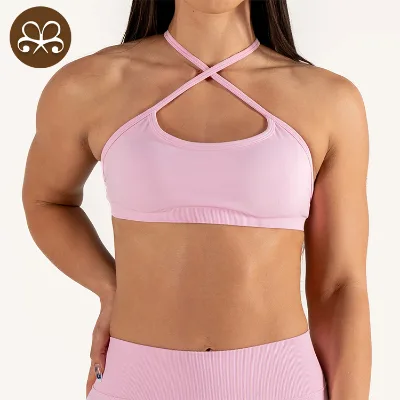


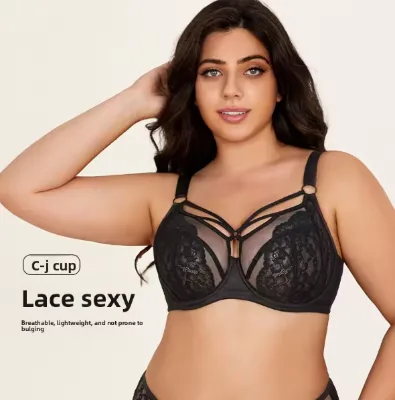
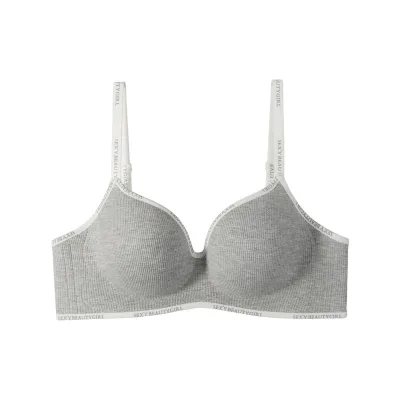
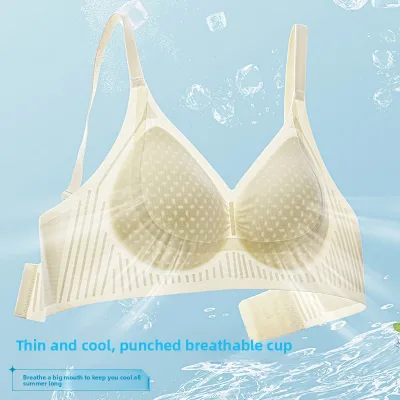
Comprehensive Sourcing Guide
Light Bra Supplier Concentration and Factory Types
The current search results indicate a significant concentration of Light Bra manufacturing capacity within China, specifically in the Guangdong province. This region serves as a primary hub for producing diverse undergarment categories, including wire-free, lightly padded, and seamless styles. Factories in this area often specialize in knitted techniques and offer customization services for various cup thicknesses and support levels. Buyers should recognize that this geographic clustering allows for efficient supply chains but requires careful vetting to distinguish between specialized manufacturers and general trading entities. The data shows a mix of combined company types, including trading companies and manufacturers, which influences the directness of the supply chain and the potential for cost negotiation.
When evaluating factory types, it is essential to distinguish between pure manufacturers and combined entities that may also function as trading companies. The available evidence suggests that some suppliers possess ODM and OEM capabilities, while others focus on specific product lines like sports bras or basic underwear. A manufacturer typically offers direct control over production processes, whereas a trading company might aggregate products from multiple factories. Buyers must verify the actual production capacity and whether the supplier owns the factory or merely facilitates the transaction. This distinction impacts lead times, quality control, and the ability to implement custom designs. Understanding the specific company type helps in setting realistic expectations for communication speed and production flexibility.
How to Verify Light Bra Suppliers
Verification of Light Bra suppliers requires a rigorous check of their credentials and operational history. Some suppliers in the current results display third-party verification badges, such as those from TÜV Rheinland, which indicates a level of external audit regarding their business practices. Buyers should prioritize suppliers with such verified status to mitigate risks associated with fraud or non-compliance. However, the absence of a visible badge does not automatically disqualify a supplier; it simply means the buyer must conduct additional due diligence. This includes requesting copies of business licenses, factory audit reports, and proof of ownership for the production facilities. Relying solely on platform-provided badges without independent confirmation can lead to sourcing errors.
Beyond certification, buyers must assess the supplier's responsiveness and historical performance metrics. The data indicates varying response times, with some suppliers responding within a fraction of a day while others take longer. A fast response time often correlates with a dedicated sales team and efficient internal processes, which are crucial for resolving production issues quickly. Buyers should also examine the supplier's main product focus to ensure alignment with their specific needs, such as wire-free bras or sports bras. If a supplier claims to be a manufacturer, they should be able to provide detailed information about their production lines and quality control measures. Cross-referencing these claims with product specifications and customer reviews provides a more complete picture of their reliability.
What to Compare Across Light Bra Suppliers
Comparing suppliers requires a systematic analysis of key operational metrics such as lead time, minimum order quantity, and pricing structures. The current results show a wide range of lead times, from as short as 23 days to as long as 60 days, depending on the product complexity and order volume. Buyers must align these timelines with their own inventory planning and market demand forecasts. Similarly, minimum order quantities vary significantly, with some suppliers requiring orders as low as 100 pieces while others demand thousands. Understanding these thresholds is critical for managing cash flow and storage costs, especially for new brands entering the market. A supplier with a lower MOQ might be more suitable for testing new designs, while a higher MOQ supplier may offer better unit economics for established lines.
Pricing and customization options are equally vital factors in the comparison process. The observed price ranges for light bras span from approximately $1.50 to $12.00, reflecting differences in material quality, design complexity, and production scale. Buyers should not focus solely on the lowest price but rather on the value proposition, including the availability of OEM services and the ability to customize features like cup shape, strap type, and fabric composition. Some suppliers offer laser-cut technology or specific dyeing techniques that can differentiate a product in a competitive market. Additionally, the supply type, whether it is OEM or ODM, dictates the level of intellectual property protection and design ownership. A comprehensive comparison ensures that the selected supplier can meet both quality standards and commercial requirements.
Common Light Bra Sourcing Risks
One of the primary risks in sourcing light bras is the potential mismatch between product specifications and actual output. The market offers a vast array of styles, from wire-free to underwire, and from seamless to lace-trimmed designs. If a supplier claims to offer a specific feature, such as a removable pad or a particular cup thickness, buyers must verify this through physical samples before placing a bulk order. Relying on product descriptions alone can lead to discrepancies in the final goods, resulting in customer dissatisfaction and returns. It is crucial to request detailed product attributes, including material composition and technical specifications, to ensure they match the intended design. This verification step helps prevent costly errors and ensures the final product meets the brand's quality expectations.
Another significant risk involves the reliability of delivery schedules and the consistency of production quality. While some suppliers advertise short lead times, external factors such as raw material shortages or labor issues can cause delays. Buyers should be wary of suppliers who promise unrealistic delivery windows without a clear contingency plan. Furthermore, the variability in response times among suppliers can indicate differences in operational efficiency. A supplier with a slow response time may struggle to address urgent production issues or changes in order specifications. To mitigate these risks, buyers should establish clear communication channels and set realistic expectations regarding production timelines. Regular updates and milestone checks can help identify potential delays early, allowing for timely adjustments to the supply chain.
Light Bra Regional Sourcing and Logistics
Sourcing light bras from China, particularly from the Guangdong region, offers access to a mature manufacturing ecosystem with established logistics networks. This region is known for its expertise in textile production and garment assembly, making it a preferred destination for buyers seeking high-volume orders. However, the distance from the manufacturing hub to international markets necessitates careful planning of shipping and logistics. Buyers should consider the various shipping methods available, such as air freight for urgent orders or sea freight for cost-effective bulk shipments. Understanding the lead times associated with each shipping method is essential for maintaining inventory levels and meeting customer demand. Additionally, the supplier's location within the region can impact the efficiency of local transportation and the overall cost of goods.
Logistics planning also involves navigating customs regulations and import duties in the destination country. Different regions may have varying requirements for textile imports, including labeling standards and safety certifications. Buyers must ensure that the supplier is aware of these regulations and can provide the necessary documentation to facilitate smooth clearance. The product origin, often listed as Shantou or other cities in Guangdong, should be clearly stated on all packaging and documentation to avoid confusion at customs. Furthermore, the supplier's experience with international shipping can influence the reliability of the delivery process. A supplier with a proven track record of exporting to the buyer's region is more likely to handle logistics challenges effectively, reducing the risk of delays or additional costs.
Light Bra Commercial Terms and Order Planning
Commercial terms for Light Bra orders often include specific conditions regarding payment, customization, and quality assurance. Many suppliers offer OEM services, allowing buyers to customize products with their own branding and design specifications. However, these customizations may come with higher minimum order quantities and longer lead times compared to standard products. Buyers should negotiate clear terms regarding the cost of tooling, sample fees, and the timeline for sample approval. It is also important to define the quality standards and inspection procedures that will be applied before shipment. Establishing these terms upfront helps prevent disputes and ensures that both parties have a shared understanding of the project requirements.
Order planning for light bras requires a strategic approach to managing inventory and production cycles. Given the variability in lead times and MOQs, buyers should develop a flexible ordering strategy that accommodates different supplier capabilities. For instance, a supplier with a low MOQ might be ideal for initial market testing, while a supplier with a high capacity could handle large-scale production runs. Buyers should also consider the seasonal nature of the market and plan orders accordingly to avoid stockouts or overstock situations. Additionally, maintaining a buffer stock of key components or finished goods can help mitigate the impact of supply chain disruptions. By carefully planning orders and maintaining open communication with suppliers, buyers can optimize their supply chain efficiency and ensure a steady flow of products to the market.
FAQs
What is the price range for light bras?
Light bras typically cost between $1.50 and $12.00 per unit. Basic wire-free styles range from $1.50 to $3.50, while specialized sports bras with moisture-wicking features can reach up to $12.00. Prices vary based on customization, material, and order volume.
What is the minimum order quantity for light bras?
Minimum order quantities vary significantly by product type. Basic wire-free bras often require 3,000 to 6,500 units, while sports bras may start at just 100 units. Buyers should check specific product listings for exact MOQ requirements before placing orders.
How long does production take for light bras?
Production lead times generally range from 23 to 60 days depending on the supplier and product complexity. Some manufacturers offer faster turnaround for sports bras, while standard underwear production may take longer. Sample delivery usually takes about seven days.
Are light bras available with OEM customization?
Yes, many suppliers offer OEM and ODM services for light bras. Customization options include logo printing, embroidery, heat transfer, and sublimation. Buyers can also request specific materials, colors, and packaging solutions to meet their brand requirements and market needs.
Where are Light Bra manufacturers located?
Most Light Bra manufacturers are located in China, particularly in Guangdong province and Shantou. These regions are known for their extensive apparel manufacturing capabilities and supply chains. Buyers can verify supplier locations and certifications through platform verification badges.
What materials are used in light bras?
Light bras commonly use knitted fabrics such as spandex and nylon blends. These materials provide breathability, moisture-wicking, and comfort. Some styles feature laser-cut edges, removable pads, and lace decorations. The specific fabric composition depends on the intended use and design.