Hollow Display Ceramic Fruit Plate Suppliers and Manufacturers
Source 36 verified suppliers for Hollow Display Ceramic Fruit Plate. Compare dimensions including FDA certification, OEM/ODM capabilities, lead times, and pricing from manufacturers in China. Review product specs and request samples to verify quality; review the available evidence before requesting comparable quotations from suitable candidates.
Updated
Suppliers List

JINGDEZHEN SHENGJIANG CERAMICS TRADING CO., LTD.
- Trading Company
- China Jiangxi
- Lead time30 days
- Avg. response≤ 4h
Main productsPorcelain Vase, Garden Stool Ceramic Seat, Porcelain Ginger Jar Cerammic Temple Jar, Ceramic Basin/Sink, Asian Antique Reproduction Vase and Jar, China Decoration Porcelain, Table Lamp Bedside Lamp, Blue and White Chinese Porcelain, Ceramic Lamp Porcelain Table Lamp, Flower Pot Planter
Main marketsSouth America,Africa,Southeast Asia/ Mideast,East Asia(Japan/ South Korea),Domestic,Europe,Australia,North America

Blue and White Porcelain Hollow out Ceramic Wedding Dessert Candy Fruit Plate with High Stand
$15.00 - $40.00
MOQ: 1 Pieces


Blue and White Porcelain Hollow out Ceramic Storage Basket Fruit Plate for Candy Snacks
$13.00 - $30.00
MOQ: 1 Pieces

6inch/8inch/10inch Blue and White Different Shape Ceramic Fruit Dinner Charger Plate Tableware
$52.00 - $129.00
MOQ: 2 Sets

Xiamen Athome Household Products Co., Ltd.
- Verified by SGS
- Trading Company
- China Fujian
- Lead time30 days
- Avg. response≤ 3h
Main productsXiamen Athome Household Products Co. Ltd. Is a, Custom Matcha Tea Set, Wooden &Bamboo Kitchenware, Custom Gifts & Souvenirs, Home & Seasonal Decor, Tableware &Dinner Set, Custom Candle Holer, Seasonal & Promotional Gifts, Drinkware, Sourdough & Baking Tools
Main marketsSoutheast Asia/ Mideast,East Asia(Japan/ South Korea)

Ceramic Hollow Design Round Plate Dessert Cake Fruit Serving Plate for Home Restaurant Tableware
$1.98 - $5.99
MOQ: 10 Pieces


Embossed Hollow Ceramic Serving Plate Dessert Fruit Cake Display Plate Western Tableware Wholesale
$1.98 - $5.99
MOQ: 10 Pieces
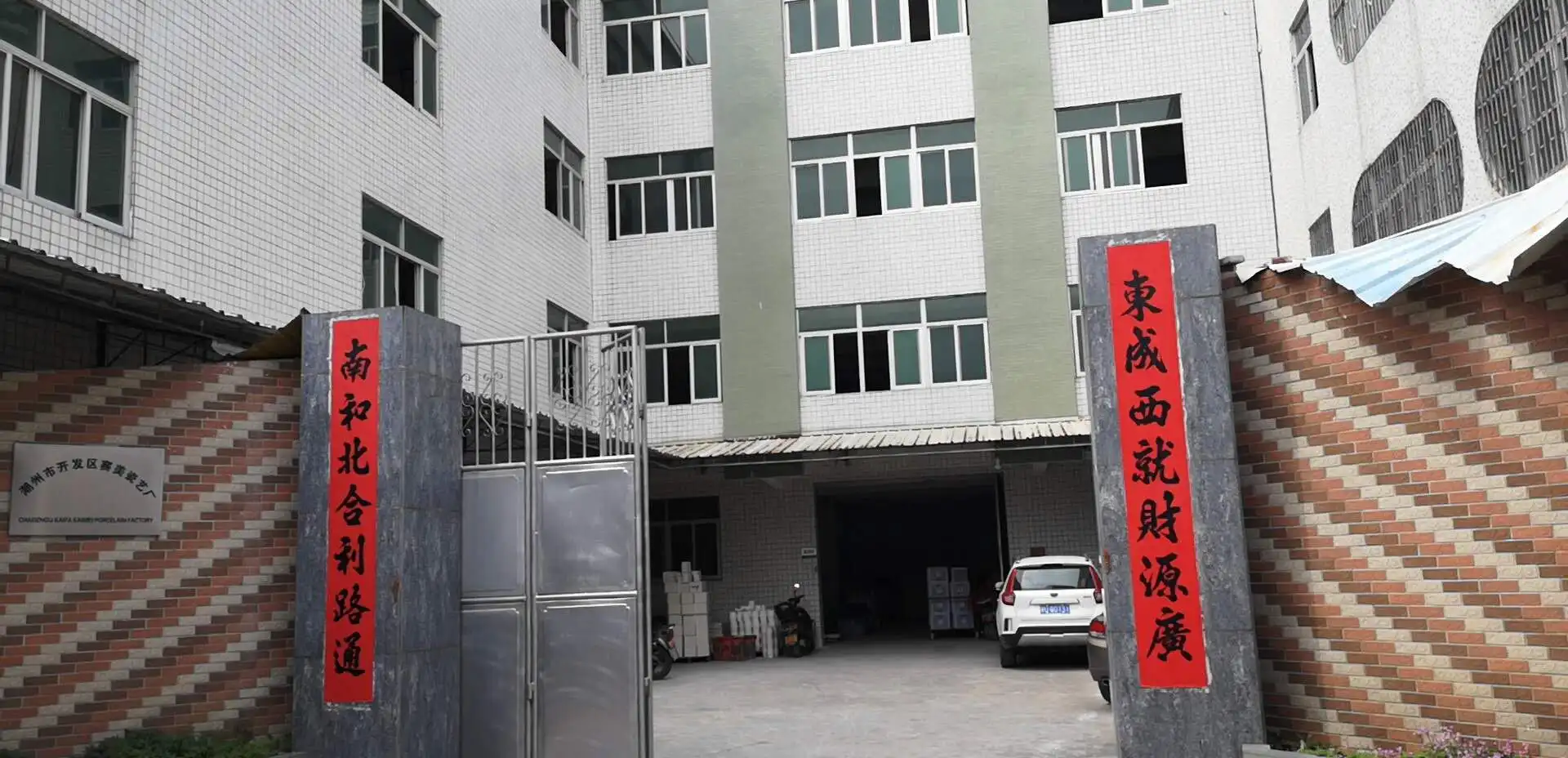
Chaozhou Kaifa Saimei Porcelain Factory
- Manufacturer, Trading Company
- Guangdong, China
- Lead time35 days
- Avg. response≤ 12h
Main productsCERAMIC DINNIER WARE,ceramic plate,ceramic cup,ceramic with wooden products,custom porcelain
Main marketsDomestic Market(30.00%), Southeast Asia(10.00%), Mid East(10.00%), South Asia(10.00%), Africa(5.00%), Eastern Asia(5.00%)
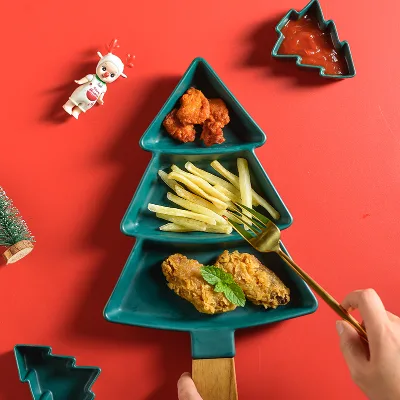
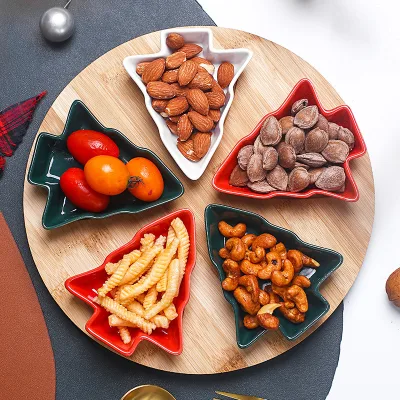
Creative Christmas Tree Fruit Plate Restaurant Party Ceramic Divided Dried Fruit Plate
$0.56 - $3.89
MOQ: 24 Minimum
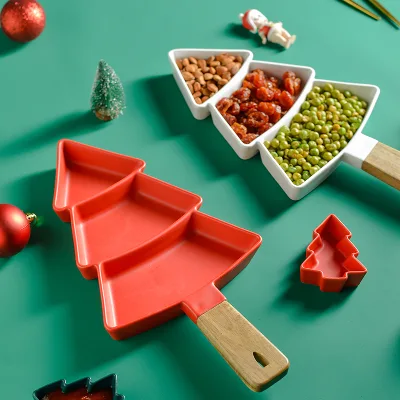
Creative Christmas Tree Divided Dried Fruit Plate Household Snack Fruit Plate
$0.56 - $3.89
MOQ: 24 Minimum

- Verified by BV
- Trading Company
- China Shandong
- Lead time30 days
- Avg. response≤ 2h
Main productsCeramic Mugs, Ceramic Dinnerware, Ceramic Tea Set, Ceramic Kitchen Ware, Custom Drum Shape Ceramic Coffee Mug, 24oz Large Capacity 3D Embossed Mug, Porcelain Cappuccino Cup and Saucer, 14oz Custom Souvenirs Ceramic Mug, 12 Sets Vintage Reactive Glazed Tableware, Custom Royal White Ceramic Milk Jar
Main marketsNorth America


High Quality Restaurant Dessert Display Plate Custom Ceramic Fruit Plate for Party
$5.00 - $10.00
MOQ: 5000 Pieces


Luxury Ceramic Dinner Plate Round Ceramic Fruit Plate Custom Porcelain Food Plate
$1.00 - $5.00
MOQ: 5000 Sets

Healthy Restaurant Fruit Plate Pink Custom Printing Ceramic Square Plate for Dinner
$1.00 - $5.00
MOQ: 5000 Pieces
Guangzhou Hongchuang Network Technology Co., Ltd.
- Manufacturer, Trading Company
- Guangdong, China
- Lead time15 days
- Avg. response≤ 6h
Main productsKitchenware,Barware,Glassware
Main marketsNorth America(40.00%), Eastern Europe(20.00%), South America(20.00%), Mid East(10.00%), Southern Europe(5.00%), Western Europe(5.00%)
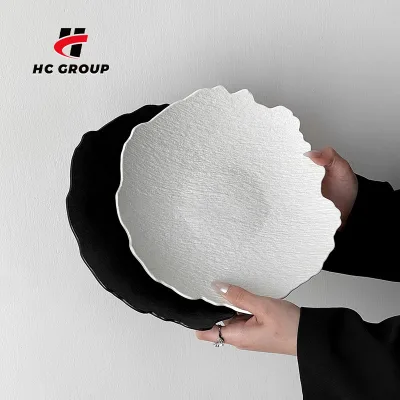
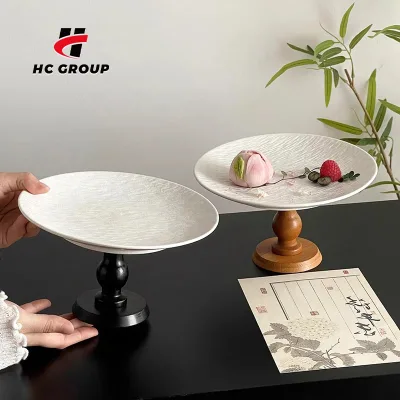
Modern Style Irregular Solid Color Ceramic Fruit Plate Deep Snack Plates Food Party Display Plates
$2.9645 - $5.0078
MOQ: 50 pieces
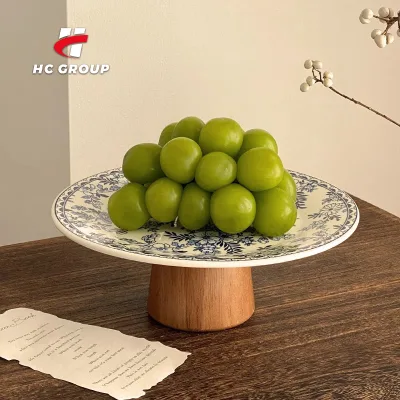
Chinese Style Vintage Blue and White Porcelain Tall Fruit Plate Ceramic Snack Plate for Living Room
$1.25 - $3.50
MOQ: 50 pieces
- Trading Company
- Zhejiang, China
- Lead time0 days
- Avg. response≤ 5h
Main productsceramic dinnerware set,coffee set,mug,cup,vase
Main marketsSoutheast Asia(26.00%), Mid East(20.00%), North America(18.00%), South Asia(16.00%), Eastern Europe(10.00%), Western Europe(8.00%), South America(2.00%)
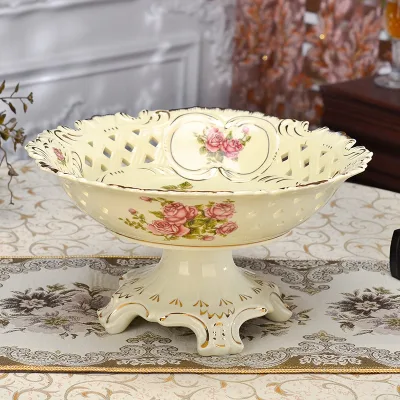
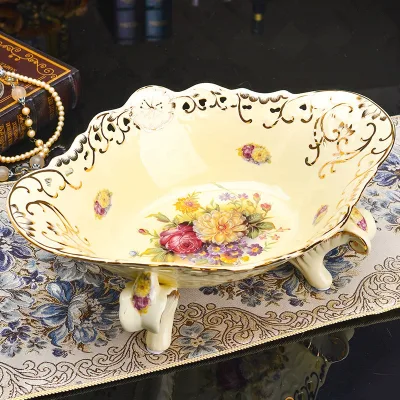
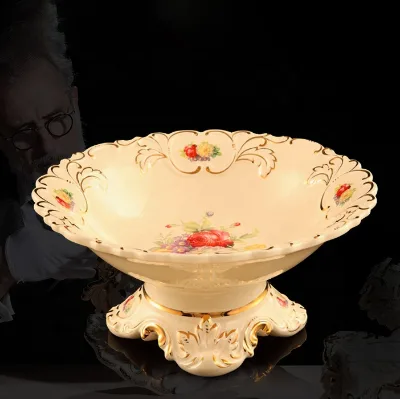
Factory Direct European Exquisite Hollowed Fruit Plate Ceramic Decoration Tray
$15.90 - $19.90
MOQ: 200
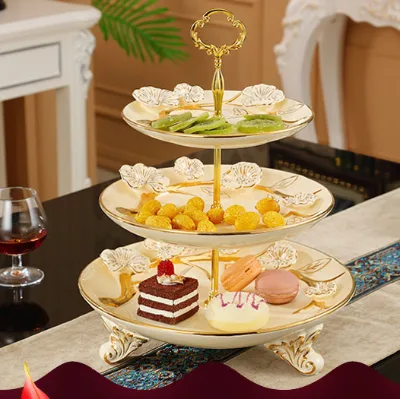
European-style Fruit Plate New Luxury Living Room Large Ceramic Fruit Plate Ornaments
$25.00 - $45.00
MOQ: 20 Minimum

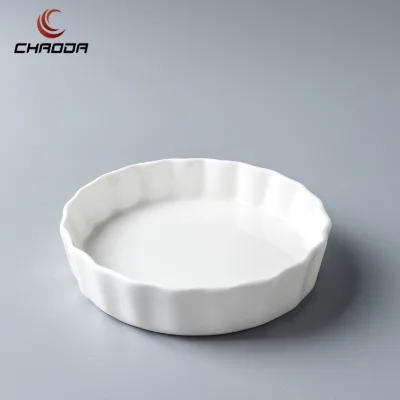
Chaozhou Chaoan Chaoda Ceramics Co., Ltd.
- Manufacturer
- Guangdong, China
- Lead time7 days
- Avg. response≤ 6h
Main productsCeramic Plates,Ceramic Bowls,Ceramic Cups
Main marketsWestern Europe(50.00%), North America(25.00%), Southeast Asia(15.00%), South America(10.00%)
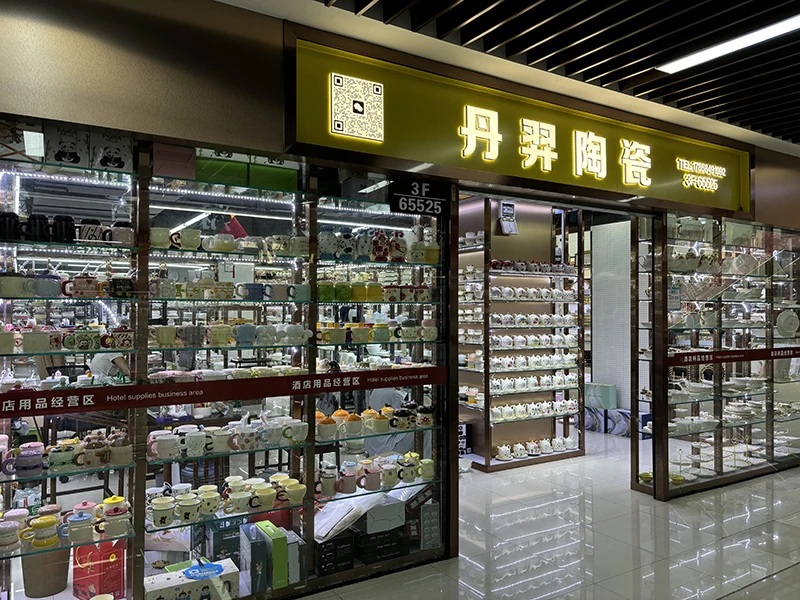
Yiwu Danyi Import And Export Co., Ltd.
- Trading Company
- Zhejiang, China
- Lead time30 days
- Avg. response≤ 4h
Main productsTableware,Coffee Cup
Main marketsCentral America(100.00%), Northern Europe(100.00%), Domestic Market(100.00%), South Asia(100.00%), Africa(100.00%), Eastern Europe(100.00%), Southern Europe(100.00%), North America(40.00%), Western Europe(20.00%), Mid East(15.00%), Oceania(10.00%), Eastern Asia(5.00%), Southeast Asia(5.00%), South America(5.00%)

- Verified by CTI
- Combined
- China Guangdong
- Lead time45 days
- Avg. response≤ 4h
Main productsCasserole, Dish, Bowl, Mug
Main marketsEast Asia(Japan/ South Korea),Domestic,Europe,North America

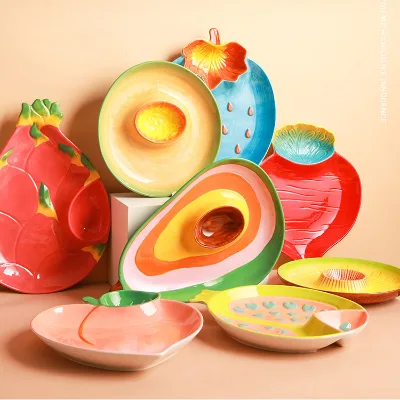
Cute Fruit Snacks Dish Pineapple Vegetable Shape Plate Irregular Bowl Ceramic Plate
$1.57 - $1.86
MOQ: 500 Pieces

Novelty Irregular Fruit Shape Ceramic Plates for Baby Use Bowl and Plates
$1.57 - $1.86
MOQ: 500 Pieces

Unique Irregular Shape Porcelain Dinner Bowl Plates Ceramic Fruits Design Plate
$1.57 - $1.86
MOQ: 500 Pieces

Ningbo Maxtor Houseware Manufacturing Co., Ltd
- Trading Company
- China Zhejiang
- Lead time30 days
- Avg. response≤ 11h
Main productsAluminum Pressed Cookware, Aluminum Forged Cookware, Full Induction Cookware, Fire Pit, Tri-Ply Stainless Steel Cookware, Stone Marble Cookware, Hard Anodized Cookware, Pressure Cooker
Main marketsSouth America,Africa,Southeast Asia/ Mideast,East Asia(Japan/ South Korea),Domestic,Europe,Australia,North America

- Verified by SGS
- Trading Company
- China Zhejiang
- Lead time15 days
- Avg. response≤ 16h
Main productsMop, Kitchen Knife, Chopping Board, Blanket, Mosquito Net, Cushion, Slipper, Broom, Luggage, Educational Toy
Main marketsEurope,Australia


Hot Selling Portable Ceramic Fruit Plate Snack Tray Dried Fruit Organizer
$5.26 - $5.91
MOQ: 170 Pieces


Jinhua Hengyang Cross-Border Trade Limited Liability Company
- Verified by SGS
- Trading Company
- China Zhejiang
- Lead time15 days
- Avg. response≤ 9h
Main productsCoffee Maker Air Fryer Storage Box Knife Set, Silicone Baking Mold Robot Vacuum Cleaning Table, Shower Head Non-Slip Shower Curtain Vacuum Stora, Collapsible Laundry Basket Bohemian Wall Tapestr, Fringe Pillow Cover Bedding Set Memory Foam Pill, Bamboo Tissue Biodegradable Trash Bags LED Fair, Smart Plug Fairy Lights Pet Food Bowl, Household Daily Necessities Kitchen Cleaning, Bathroom Storage and Care Fabric Home Decor, Bedding Daily Chemical Paper Products
Main marketsEurope
Xiamen Jozing Industrial Co., Ltd.
- Verified by Intertek
- Trading Company
- Lead time15 days
- Avg. response≤ 3h
Main productsCeramic Dinnerware, Ceramic Mug & Cup, Ceramic Cup & Saucers, Ceramic Decoration & Vase, Ceramic Bakeware
Shenzhen Guyun Ceramics Co., Ltd.
- Manufacturer, Trading Company, Distributor/Wholesaler
- Guangdong, China
- Lead time30 days
- Avg. response≤ 2h
Main productsceramic vase,ceramic pot,ceramic tableware,ceramic mug,ceramic wine bottle
Main marketsNorth America(20.00%), Southeast Asia(10.00%), Mid East(10.00%), Western Europe(10.00%), Central America(10.00%), Northern Europe(10.00%), Southern Europe(10.00%), South America(5.00%), Eastern Europe(5.00%), Eastern Asia(5.00%), South Asia(5.00%)

Rollin Porcelain Industrial Co., Ltd.
- Verified by BV
- Manufacturer/Factory
- China Guangdong
- Lead time45 days
- Avg. response≤ 5h
Main productsPorcelain Dinnerware, Tableware, Dinner Set, Dinner Plate, Hotel and Restaurant Tableware, Bone China, Cutlery, Glassware, Ceramic Plate, Porcelain
Main marketsEastern Europe,Mid East,North America,Southeast Asia,Eastern Asia,Oceania,Western Europe

Xiamen Ebei Import & Export Co., Ltd.
- Verified by CTI
- Trading Company,Manufacturer/Factory
- China Fujian
- Lead time45 days
- Avg. response≤ 2h
Main productsEco-Friendly Products, Bamboo Tableware, Bamboo Furniture, Bamboo Kitchenware, Bamboo Office Supply, Bamboo Fibre Products, Biodegradable Products, Bamboo Towel, Solar Energy Products, Bamboo Garden Products
Main marketsSouth America,Eastern Europe,Mid East,North America,Southeast Asia,Eastern Asia,Oceania,Western Europe,Africa
Fujian Dehua Mingshuo Ceramics Co., Ltd.
- Manufacturer, Trading Company
- Fujian, China
- Lead time15 days
- Avg. response≤ 1h
Main productsFlowerpot,Tea Set,Mug,Ceramic Ornaments,Matcha set
Main marketsNorth America(55.00%), Mid East(10.00%), South America(10.00%), Western Europe(5.00%), Eastern Europe(5.00%), Oceania(5.00%), Northern Europe(5.00%), Central America(3.00%), Southeast Asia(2.00%)

Lihao Houseware (Guangzhou) Co., Ltd
- Verified by SGS
- Manufacturer/Factory,Other
- China Guangdong
- Lead time23 days
- Avg. response≤ 2h
Main productsHotel Restaurant Supplies, Hotel & Restaurant Essentials, Catering Equipment, Commercial Catering Equipment, Chafing Dishes & Food Warmers, Hotelware, Buffet Serving Ware, Tableware (Dinnerware / Cutlery), Glassware, Food Display Stand
Main marketsSouth America,Eastern Europe,Mid East,North America,Southeast Asia,Eastern Asia,Oceania,Western Europe,Africa

Guangzhou Garbo International Trading Co., Ltd.
- Verified by TUVRHEINLAND
- Trading Company,Manufacturer/Factory
- China Guangdong
- Lead time45 days
- Avg. response≤ 5h
Main productsGlassware, Glass Cup, Glass Mug, Glass Bowl, Glass Candy Jar, Glass Pitcher, Glass Ice Cream Cup and Ice Bucket, Opal Glassware, Stainless Steel Cutlery, Ceramic Dinnerware
Main marketsSouth America,Eastern Europe,Mid East,North America,Southeast Asia,Eastern Asia,Oceania,Western Europe,Africa
Xiamen Yoyo Ceramic Trading Co., Ltd.
- Verified by Intertek
- Manufacturer, Trading Company
- Lead time55 days
- Avg. response≤ 6h
Main productsCandle Jar, Daily Ceramic Ware, Home Decoration, Garden Decoration, Bathroom Accessory
Main marketsNorth America(45%), Oceania(20%), Western Europe(20%)
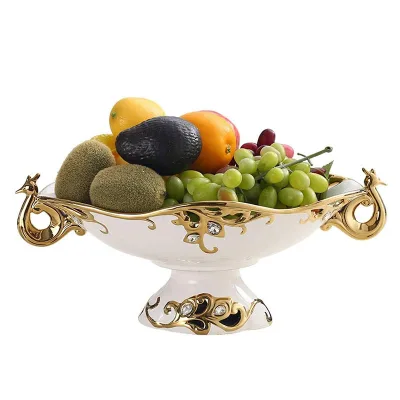
$3.0784 - $4.7097
MOQ: 1000 pieces
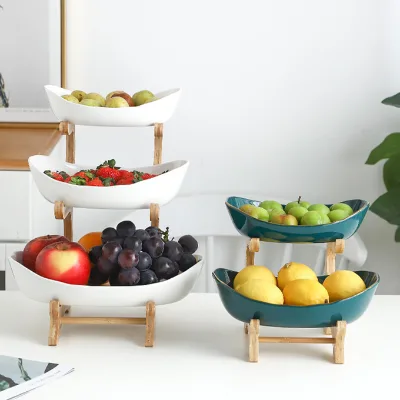
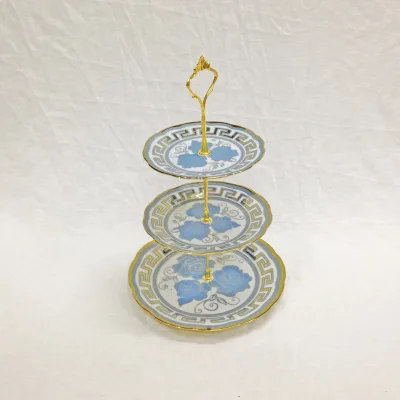
Modern Design Ceramic 3-layer Fruit Plate with Wooden Shelf for Kitchenware
$3.80 - $4.80
MOQ: 1000 pieces
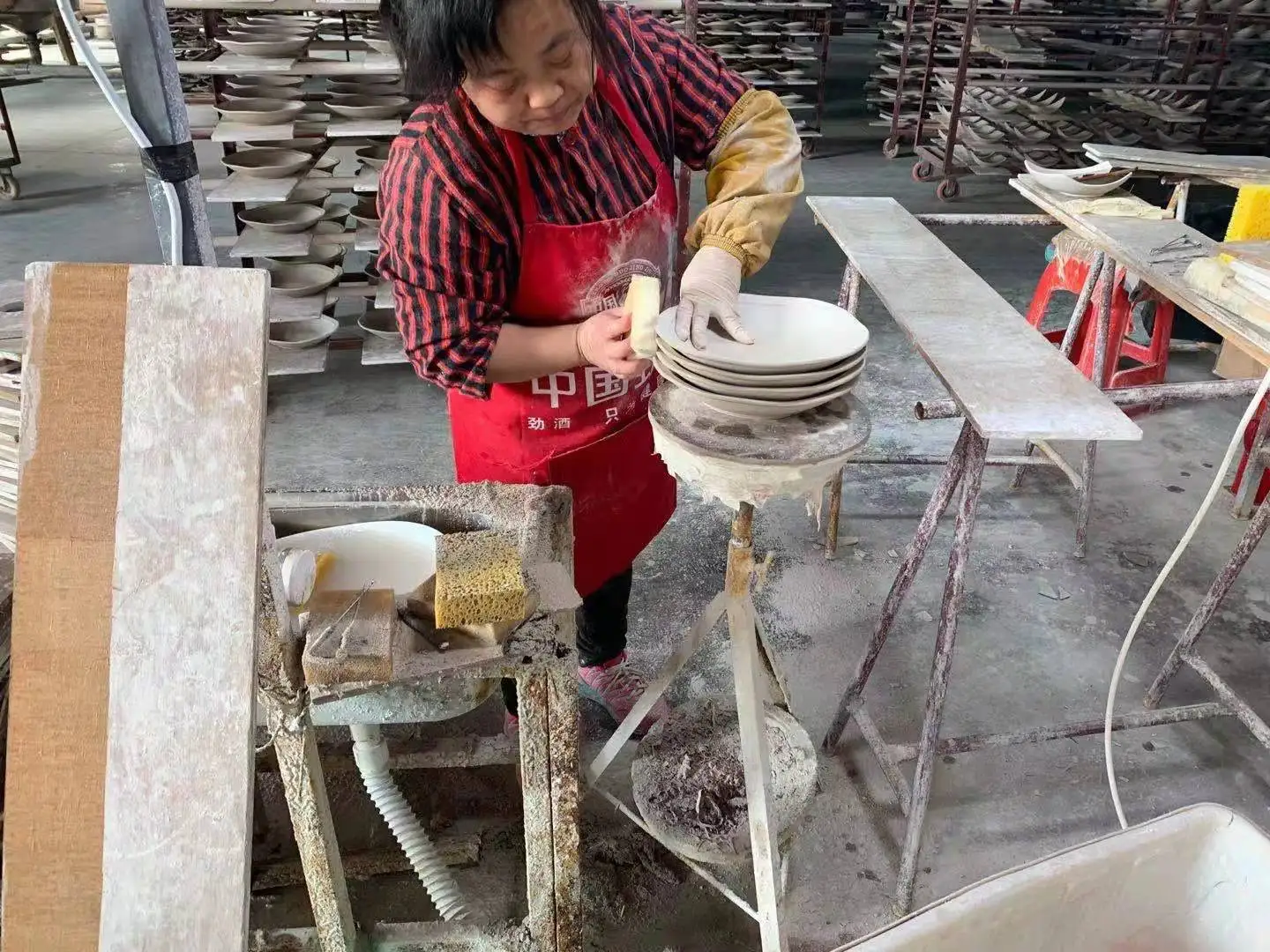
Chaozhou Lingjian Ceramics Co., Ltd.
- Manufacturer, Trading Company
- Guangdong, China
- Lead time15 days
- Avg. response≤ 4h
Main productsCeramic mug,Ceramic plate,Ceramic bowl,Dinnerware,Ceramic coaster
Main marketsNorth America(40.00%), Northern Europe(30.00%), Mid East(10.00%), Domestic Market(7.00%), Western Europe(5.00%), Eastern Europe(5.00%), South America(3.00%)
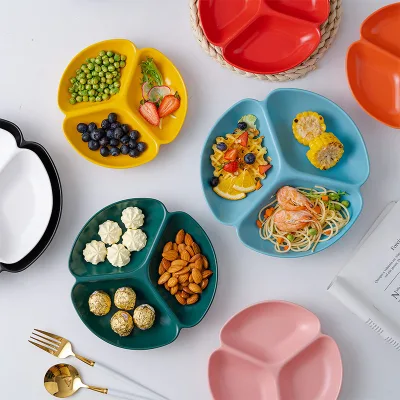
$1.6867 - $2.6634
MOQ: 100 Minimum
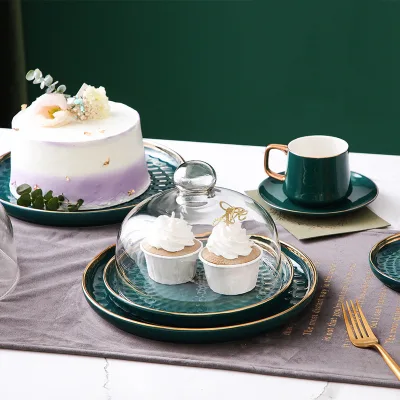
$2.0013 - $10.4456
MOQ: 1 Minimum

Jinjiang Jiaxing Import and Export Co., Ltd.
- Verified by CTI
- Manufacturer/Factory
- China Fujian
- Lead time120 days
- Avg. response≤ 2h
Main productsShoes, Slipper, Clothes, Promotion Gifts, Silicone Products, Outdoor Sports Products, Bags, Fashion Accessories, Consumer Electronics
Main marketsSouth America,Eastern Europe,Mid East,North America,Southeast Asia,Eastern Asia,Oceania,Western Europe,Africa
Chaozhou Huidi Porcelain Technology Co., Ltd.
- Manufacturer, Trading Company
- Guangdong, China
- Lead time60 days
- Avg. response≤ 10h
Main productsFruit Dish, Stockpot, Dinnerware Sets, Glass Cup, Mug
Main marketsMid East(70.00%), North America(5.00%), South America(5.00%), Western Europe(5.00%), Southern Europe(5.00%), Northern Europe(5.00%), Eastern Europe(5.00%)
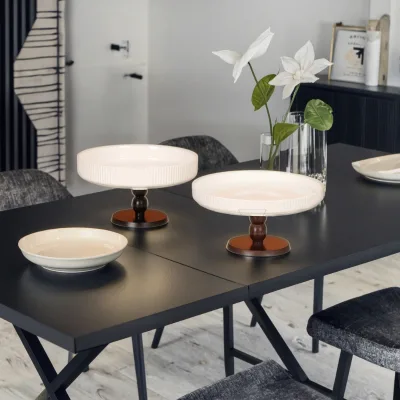
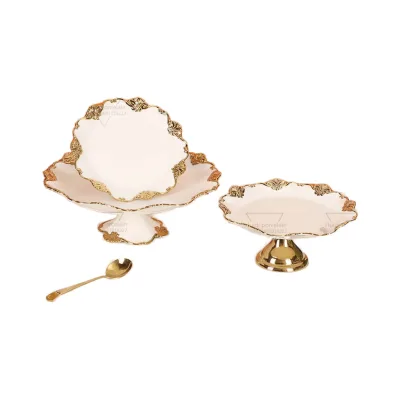
$8.4053 - $10.5055
MOQ: 1000 sets

Xuzhou Boklan Import & Export Trade Co., Ltd.
- Verified by TUVRHEINLAND
- Trading Company,Manufacturer/Factory
- China Jiangsu
- Lead time38 days
- Avg. response≤ 9h
Main productsGlass Jar, Glass Bottle, Liquor Glass Bottle, Lids Caps Corks, Cosmetic Jar, Essential Oil Bottle, Glass Tube, Sauce Bottle, Mason Jar, Plastic Bottle
Main marketsSouth America,Eastern Europe,Mid East,North America,Southeast Asia,Eastern Asia,Oceania,Western Europe,Africa

Glass Fruit Plate Can Be Customized Color Add Logo Crystal Glass Fruit Plate
$0.83 - $0.96
MOQ: 5000 Pieces

Transparent Ice Flower Glass Salad Fruit Dessert Home Carved Glass Transparent Plate
$0.83 - $0.96
MOQ: 5000 Pieces
Yiwu Jiesiming E-Commerce Co., Ltd.
- Trading Company
- Jinhua, China
- Lead time0 days
- Avg. response≤ 3h
Main productsDaily provisions
Main marketsCentral America(30.00%), North America(30.00%), Mid East(20.00%), South Asia(10.00%), Southeast Asia(10.00%)
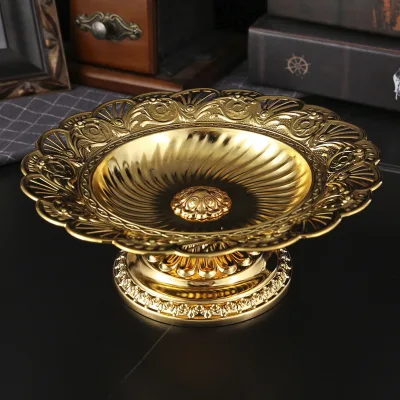
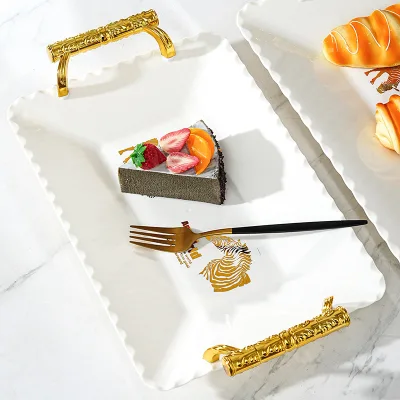
New 2024 Nordic Luxury Fruit Plate Living Room Table Decoration Restaurant Plate
$1.50 - $2.00
MOQ: 10 Minimum
Cao County Jinpengyuan Container Packaging Co., Ltd.
- Verified by SGS Group
- Manufacturer, Trading Company
- Lead time30 days
- Avg. response≤ 4h
Main productsOak Barrel, Wooden Box, Wood Tray, Fumigator, Cutting Board
Main marketsDomestic Market(30%), North America(15%), South America(10%)
Zhengzhou Estarlink coffee Co., Ltd
- Trading Company
- Henan, China
- Lead time0 days
- Avg. response≤ 6h
Main productsCoffee Grinder,Coffee Pot,Coffee Machine,Coffee Makers,Coffee Tools
Main marketsNorth America(21.00%), Mid East(17.00%), Western Europe(15.00%), Oceania(10.00%), Southeast Asia(10.00%), Domestic Market(7.00%), Northern Europe(5.00%), Eastern Asia(5.00%), South America(4.00%), Eastern Europe(3.00%), Southern Europe(3.00%)
Henan Jbett Industrial Technology Co., Ltd.
- Trading Company
- Henan, China
- Lead time0 days
- Avg. response≤ 6h
Main productsBBQ Grills,Smoking Accessories,Bar tools,kitchen gadgets,Cigar accessories
Main marketsNorth America(80.00%), Western Europe(20.00%)
Shenzhen Dwax Home Supplies Co., Ltd.
- Manufacturer, Distributor/Wholesaler
- Guangdong, China
- Lead time7 days
- Avg. response≤ 3h
Main productsKitchen Product,Wedding Product,Decor Product,Pet Product,Vase Product
Main marketsNorth America(40.00%), Northern Europe(20.00%), South America(10.00%), Western Europe(10.00%), Eastern Europe(10.00%), Mid East(5.00%), Southeast Asia(5.00%)
Xiamen Dashing Jewelry Co., Ltd.
- Trading Company
- Lead time旺季: "1 - 20":15,"> 20":"To be negotiated", 淡季: "1 - 20":15,"> 20":"To be negotiated"
- Avg. response≤ 5h
Main productsDrinkware, Party Supplies, Home Decoration, Garden Supplies

- Verified by TUVRHEINLAND
- Trading Company
- China Hunan
- Lead time45 days
- Avg. response≤ 1h
Main productsCeramic Mug, Vacuum Flask, Dinner Set, Cup, Mug, Thermal Bottle, Ceramic Dinner Set, Glass Jar, Glass Cup, Wine Cup
Main marketsSoutheast Asia/ Mideast


Wholesale Cheap Ceramic Plate Simple Porcelain Fruit Plate with Printed Design
$0.25 - $0.90
MOQ: 5000 Pieces

Linyi Longying International Trade Co., Ltd.
- Verified by TUVRHEINLAND
- Trading Company
- China Shandong
- Lead time15 days
- Avg. response≤ 5h
Main productsTableware, Dinnerware, Porcelainware, Dinner Set, Hotel Porcelain, Ceramic Dinner Set, Ceramic Plate and Bowl, Tableware Plate and Bowl, Stoneware, Glassware
Main marketsOthers(foreignTradeCapacity.exportBusinessCapacityMarketOther),Europe

$2.60 - $2.90
MOQ: 1000 Pieces


Ningbo General Union Co., Ltd.
- Verified by BV
- Trading Company
- China Zhejiang
- Lead time30 days
- Avg. response≤ 9h
Main productsCleaning Brush, Bottle, Kitchenware, Storage Box, Outdoor, Pet, Fitness Equipment, Digital Devices, Camping, Pet Bottle
Main marketsSouth America,Africa,Southeast Asia/ Mideast,East Asia(Japan/ South Korea),Europe,Australia,North America

Chaozhou Huadu Ceramic Technology Co., Ltd.
- Trading Company
- Guangdong, China
- Lead time30 days
- Avg. response≤ 6h
Main productsCraft ceramic ornaments,Craft ceramic fruit dish,Craft ceramic vase,Craft ceramic candlestick,Craft ceramics for daily use
Main marketsMid East(40.00%), Southeast Asia(10.00%), Eastern Europe(10.00%), South Asia(10.00%), Western Europe(5.00%), Eastern Asia(5.00%), Domestic Market(5.00%), South America(5.00%), Southern Europe(5.00%), North America(1.00%), Oceania(1.00%), Africa(1.00%), Northern Europe(1.00%), Central America(1.00%)

Beijing V-great International Trade Co., Ltd.
- Verified by CTI
- Trading Company,Manufacturer/Factory,Other
- China Beijing
- Lead time23 days
- Avg. response≤ 25h
Main productsBulletproof Vest, Aramid Helmet, Body Armor, Aramid Ud Fabric, Bulletproof Plate, Bulletproof Helmet, Tactical Vest, Aramid Bulletproof Vest, Nij Iiia Level Body Armor Vest, Sapi Plate Carrier
Main marketsSouth America,Eastern Europe,Mid East,North America,Southeast Asia,Eastern Asia,Oceania,Western Europe,Africa

Guangzhou Nantian Sources Co., Ltd.
- Manufacturer/Factory
- China Guangdong
- Lead time15 days
- Avg. response≤ 6h
Main productsKitchen Equipment, Kitchenware, Food Machine, Kitchen Appliance, Glassware, Food Machinery, Bakery Equipment, Dinnerware, Kitchen Utensils, Food Processor
Main marketsSouth America,Mid East,Southeast Asia,Eastern Asia,Oceania,Africa


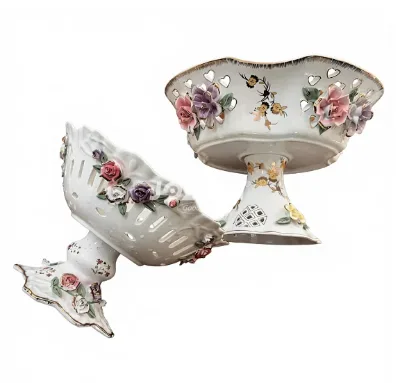
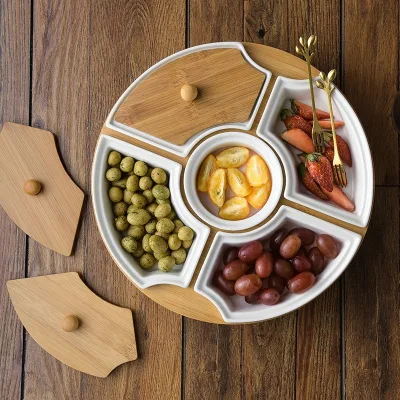
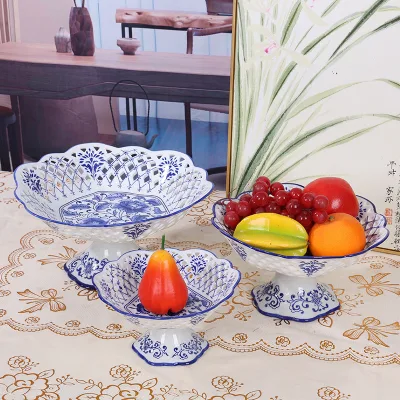
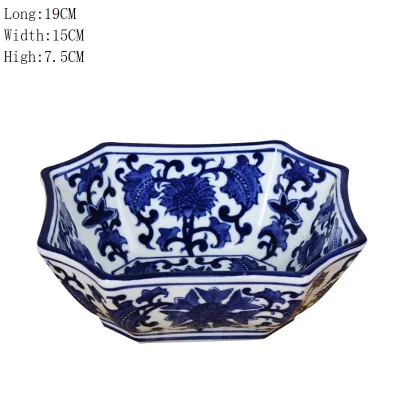








Comprehensive Sourcing Guide
Hollow Display Ceramic Fruit Plate Supplier Concentration and Factory Types
The current supplier landscape for hollow display ceramic fruit plates reveals a distinct geographic and operational diversity that buyers must navigate carefully. Evidence indicates that manufacturing and trading entities are concentrated in specific Chinese provinces, with Jiangxi and Fujian emerging as notable hubs for this category. Jiangxi suppliers often operate as trading companies, leveraging the region’s historical reputation for porcelain production to offer a wide array of designs, including blue and white patterns and minimalist styles. These entities typically bridge the gap between traditional craftsmanship and modern export requirements, providing access to intricate hollow-out designs that require specialized ceramic techniques. Meanwhile, suppliers in Fujian, such as those verified by SGS, demonstrate a strong capability in OEM and ODM services, catering to buyers seeking custom branding and unique structural designs. Guangdong-based manufacturers also appear in the results, often combining manufacturing capabilities with trading functions to offer competitive pricing on creative and themed items, such as holiday-specific fruit plates. This geographic spread allows buyers to choose suppliers based on their specific needs for customization, design complexity, and production scale.
Understanding the distinction between trading companies and manufacturers is crucial when evaluating these regional clusters. Trading companies, prevalent in Jiangxi, often provide a broader catalog of existing designs and may offer lower minimum order quantities, making them suitable for smaller businesses or those testing new product lines. They act as intermediaries, consolidating products from various workshops to offer a one-stop solution for diverse ceramic needs. In contrast, manufacturers in Fujian and Guangdong may offer more direct control over the production process, particularly for custom molds and specific material requirements. These suppliers often highlight their ability to handle complex designs, such as embossed or gold-rimmed hollow plates, and may provide more flexible options for branding and packaging. Buyers should assess whether their priority lies in the variety of existing stock and rapid sourcing through trading companies or in the customization depth and direct factory oversight provided by manufacturers. This distinction influences not only the product range but also the communication dynamics and potential for long-term partnership development.
How to Verify Hollow Display Ceramic Fruit Plate Suppliers
Verifying the legitimacy and capability of Hollow Display Ceramic Fruit Plate suppliers requires a multi-layered approach that goes beyond basic profile reviews. Buyers should prioritize suppliers who display third-party verification badges, such as SGS certification, which serves as a tangible indicator of operational standards and quality management systems. This verification is particularly important for ceramic products, where structural integrity and material safety are paramount. Additionally, examining the supplier’s response time can provide insights into their operational efficiency and customer service commitment. Suppliers with faster response times, often under three days, are generally more responsive to inquiries and better equipped to handle urgent orders or complex customization requests. This metric, while not a direct measure of product quality, correlates with the supplier’s overall business health and willingness to engage actively with buyers. It is advisable to cross-reference these digital indicators with direct communication to assess the depth of their technical knowledge regarding ceramic production processes.
Beyond digital metrics, buyers must scrutinize the specific product attributes and certifications listed for the hollow display ceramic fruit plates. Certifications such as FDA approval are critical for tableware items, ensuring that the materials used are safe for food contact and meet international health standards. Buyers should verify that these certifications are explicitly stated for the specific products of interest, rather than assumed for the entire company catalog. Furthermore, examining the supplier’s main products and company type can reveal their specialization. A supplier listing hollow ceramic plates alongside other dinnerware and decorative items may have broader expertise in ceramic design, whereas a highly specialized manufacturer might offer deeper technical support for complex hollow structures. Buyers should also look for evidence of customization capabilities, such as available OEM/ODM services and sample availability, which indicate a supplier’s flexibility and readiness to meet unique design requirements. This comprehensive verification process helps mitigate risks and ensures that the selected supplier aligns with the buyer’s quality and compliance standards.
What to Compare Across Hollow Display Ceramic Fruit Plate Suppliers
When comparing suppliers for hollow display ceramic fruit plates, buyers should focus on key operational dimensions such as lead times, minimum order quantities, and pricing structures. Lead times vary significantly across the supplier base, with some offering production periods of around 30 days, while others may require up to 35 days, particularly for custom orders. This variation is often influenced by the complexity of the design, the extent of customization required, and the supplier’s current production capacity. Buyers with tight deadlines should prioritize suppliers with shorter, more predictable lead times or those who explicitly state expedited options. Minimum order quantities also differ, ranging from single-unit orders for sample testing to bulk requirements of ten or more units for standard production. Understanding these MOQs is essential for budgeting and inventory planning, especially for small businesses or those launching new product lines. Suppliers with lower MOQs offer greater flexibility, allowing buyers to test market response without significant upfront investment.
Pricing and customization options are equally critical factors in supplier comparison. The price range for hollow display ceramic fruit plates can vary widely, from affordable options under five dollars to premium items exceeding one hundred dollars, depending on material quality, design complexity, and finishing details like gold rims or intricate hollow patterns. Buyers should request detailed quotes that break down costs for materials, labor, and packaging to ensure transparency. Additionally, comparing the customization capabilities of different suppliers is vital for those seeking unique products. Some suppliers offer extensive customization, including custom molds, branding, and packaging, while others may limit changes to color or minor design adjustments. Evaluating the supplier’s design support and sample production times can also provide insights into their ability to bring custom concepts to fruition. By systematically comparing these operational and commercial attributes, buyers can identify suppliers that best balance cost, quality, and flexibility to meet their specific sourcing needs.
Common Hollow Display Ceramic Fruit Plate Sourcing Risks
Sourcing hollow display ceramic fruit plates involves several inherent risks that buyers must proactively manage to ensure a successful procurement process. One significant risk is the potential for product damage during transit, given the fragile nature of ceramic materials and the intricate hollow designs that may be more susceptible to breakage. Suppliers often use polyfoam and carton packaging to mitigate this risk, but the effectiveness of this packaging can vary. Buyers should inquire about specific packing methods, such as six-side foam packing or gift box options, and consider purchasing additional insurance for high-value orders. Another risk is the discrepancy between sample quality and bulk production. While samples may showcase perfect craftsmanship, mass production can sometimes introduce variations in color, size, or structural integrity. To mitigate this, buyers should establish clear quality control standards and request pre-shipment inspections or third-party verification services to ensure that the final products meet the agreed-upon specifications.
Intellectual property and design infringement risks are also prevalent in the ceramic tableware industry, particularly when sourcing custom or unique designs. Buyers must ensure that the hollow patterns and decorative elements they commission are original and do not infringe on existing patents or copyrights. Working with suppliers who have a strong track record of OEM/ODM services and clear intellectual property policies can help reduce this risk. Additionally, communication barriers and cultural differences can lead to misunderstandings regarding design details, material specifications, or delivery terms. Buyers should maintain clear, documented communication channels and confirm all critical details in writing before placing orders. Regular follow-ups and milestone checks during the production process can help identify and address potential issues early. By anticipating and addressing these common risks, buyers can protect their investments and ensure a smoother sourcing experience for hollow display ceramic fruit plates.
Hollow Display Ceramic Fruit Plate Regional Sourcing and Logistics
Regional sourcing strategies for hollow display ceramic fruit plates are heavily influenced by the geographic concentration of suppliers in China, particularly in provinces like Jiangxi, Fujian, and Guangdong. Each region offers distinct logistical advantages and challenges that buyers should consider when planning their supply chain. Jiangxi, known for its porcelain heritage, often provides suppliers with access to traditional materials and skilled craftsmanship, which can be beneficial for high-quality, intricate designs. However, buyers should verify the logistical infrastructure and shipping options available from this region to ensure timely delivery. Fujian, with its strong manufacturing base and verified suppliers, may offer more streamlined logistics and better integration with international shipping networks. Guangdong, a major manufacturing hub, typically benefits from advanced port facilities and efficient export processes, making it a reliable choice for large-volume orders. Understanding these regional nuances helps buyers optimize their sourcing strategy based on their specific logistical needs and delivery timelines.
Logistics planning also involves considering the impact of packaging on shipping costs and efficiency. The bulky nature of ceramic plates, especially those with hollow designs, can increase volumetric weight and shipping expenses. Buyers should work with suppliers to optimize packaging dimensions and materials to reduce shipping costs without compromising product safety. Collaborating with suppliers who have experience in international shipping can help navigate customs regulations and documentation requirements, ensuring smooth clearance at the destination. Additionally, buyers should evaluate the supplier’s ability to handle different shipping methods, such as sea freight for bulk orders or air freight for urgent, smaller shipments. Establishing clear agreements on shipping terms, such as FOB or CIF, can help clarify responsibilities and costs. By carefully planning regional sourcing and logistics, buyers can minimize transit times, reduce costs, and ensure the safe delivery of hollow display ceramic fruit plates to their markets.
Hollow Display Ceramic Fruit Plate Commercial Terms and Order Planning
Effective order planning for hollow display ceramic fruit plates requires a thorough understanding of commercial terms, payment structures, and after-sales support. Buyers should negotiate clear payment terms that align with their cash flow and risk tolerance, such as using escrow services for secure transactions or arranging partial payments with balances due upon shipment. Understanding the supplier’s warranty and guarantee policies is also crucial, especially for products with intricate designs that may be prone to damage. Some suppliers offer guarantees to replace broken items, which can provide peace of mind and reduce financial risk. Buyers should also clarify the process for handling defective products, including return procedures and compensation terms. Additionally, considering the supplier’s sample policies, such as sample costs and refundability upon bulk order placement, can help manage initial testing expenses. These commercial terms form the foundation of a sustainable business relationship and protect the buyer’s interests throughout the procurement process.
Long-term order planning involves forecasting demand and aligning production schedules with supplier capabilities. Buyers should communicate their volume requirements and delivery timelines well in advance to allow suppliers to allocate resources and manage production queues effectively. For custom orders, allowing sufficient time for design approval, sample production, and mold creation is essential to avoid delays. Establishing a regular ordering rhythm can help suppliers optimize their production lines and potentially offer better pricing or priority service. Buyers should also consider the supplier’s capacity for scaling production, especially if they anticipate growth in demand for hollow display ceramic fruit plates. Regular performance reviews and feedback loops can help identify areas for improvement and strengthen the partnership. By integrating commercial terms with strategic order planning, buyers can build a resilient supply chain that supports their business goals and ensures consistent product quality and availability.
FAQs
What is the typical price range for hollow display ceramic fruit plates?
Listed hollow display ceramic fruit plates generally range from about 1.98 to 129 dollars per piece, depending on size, design complexity, and whether gold rims or hand-painted finishes are included. Simple round hollow plates sit at the lower end, while larger multi-size or decorative sets command higher prices. Always request a current quotation for your exact specification.
What minimum order quantities apply to ceramic fruit plates?
Minimum order quantities for the ceramic fruit plates shown start very low, with some listings accepting single-piece orders and others requiring 2, 10, or more pieces. Low MOQs suit buyers testing designs or ordering samples. For volume pricing, confirm the quantity tiers directly with each supplier before placing an order.
How long is the production lead time for hollow ceramic serving plates?
Suppliers in the results report production lead times of roughly 15 to 35 days, with one trading company listing about 30 days and a manufacturer about 35 days. Sample production is faster, around 5 to 10 days. Final timing depends on order quantity, customization level, and current factory scheduling, so confirm before ordering.
Can I customize the design, color, or packaging of these ceramic plates?
Yes, customization is widely available for the hollow ceramic fruit plates listed. Suppliers accept OEM and ODM work, custom shapes, custom colors, custom branding, labels, and gift-box packaging. Sample support is offered so you can approve the design before mass production. Expect customized orders to need more production time than stock items.
Do these ceramic fruit plates come with food-safety certification?
Several listed hollow ceramic plates carry FDA certification, which is relevant for food-contact tableware sold in the United States. Certification applies per product listing, not automatically to every item a supplier offers. Verify the specific certificate version and scope with the supplier and request test reports matching your destination market.
How are ceramic fruit plates packed to avoid breakage during shipping?
The listings describe protective packing methods including polyfoam plus carton, six-side foam packing, and safe carton packaging. One supplier also states a replace-any-broken guarantee on a plate listing. For fragile hollow porcelain, request reinforced export cartons and consider asking about drop-test packing before confirming a bulk shipment.
Which regions do these ceramic plate suppliers ship from?
The suppliers in these results are located in Jiangxi, Fujian, and Guangdong provinces in China, with one trading company based in Fujian and a manufacturer in Guangdong. All are positioned for export trade. Region can affect nearby port access and freight cost, so factor shipping origin into your landed-cost calculation.
Are sample plates available before committing to a bulk order?
Yes, at least one supplier explicitly lists samples as available with a sample time of 5 to 10 days, and low minimums on several plates make trial orders practical. Samples let you check hollow-cut workmanship, glaze quality, and true color. Budget for sample fees and courier charges, and confirm refund policies on bulk conversion.