Home Fire Extinguisher Bracket Suppliers and Manufacturers
Compare 20 suppliers of Home Fire Extinguisher Bracket products across verified location, ISO9001:2015 certification, response time, lead time, materials, and MOQ. Many listings offer OEM and ODM customization, so request quotes to check pricing and options before committing; review the available evidence before requesting comparable quotations from suitable candidates.
Updated
Suppliers List

- Verified by SGS
- Combined
- China Zhejiang
- Lead time45 days
- Avg. response≤ 3h
Main productsFire Extinguisher, Hose Reels, Cabinet
Main marketsSouth America,Africa,Southeast Asia/ Mideast,East Asia(Japan/ South Korea),Domestic,Europe,Australia,North America

Hangzhou Ansu Fire Equipment Co., Ltd.
- Trading Company
- Zhejiang, China
- Lead time25 days
- Avg. response≤ 2h
Main productsFire Blanket,Fire Hose,Fire Cabinet,Fire Hose Reel & Spare Parts,Fire Extinguisher & Spare Parts
Main marketsNorth America(20.00%), South America(20.00%), Africa(10.00%), Central America(10.00%), Eastern Europe(5.00%), Northern Europe(5.00%), Southern Europe(5.00%), Mid East(5.00%), Southeast Asia(5.00%), Western Europe(5.00%), Oceania(3.00%), Eastern Asia(3.00%), South Asia(3.00%), Domestic Market(1.00%)
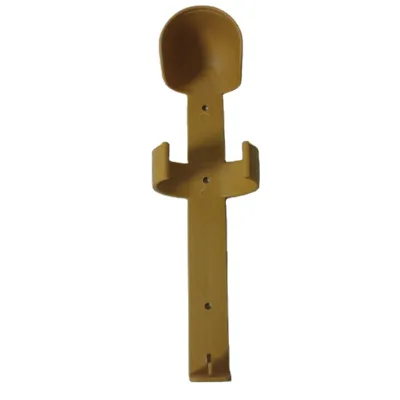
Auto Car Home Use Fire Extinguisher Bracket 70mm 85mm Diameter Extinguisher Bracket Plastic Bracket
$0.49 - $1.00
MOQ: 1000 pieces
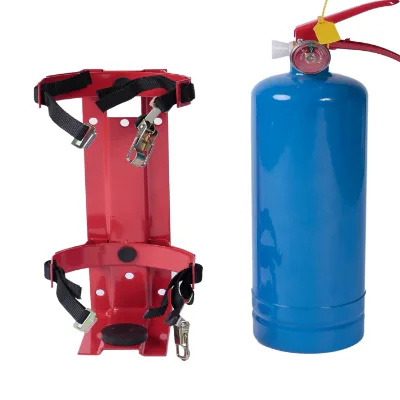
$5.68 - $8.00
MOQ: 50 pieces
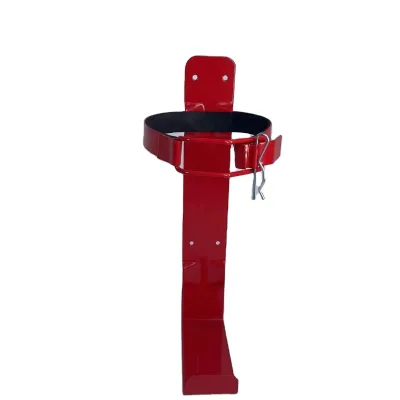
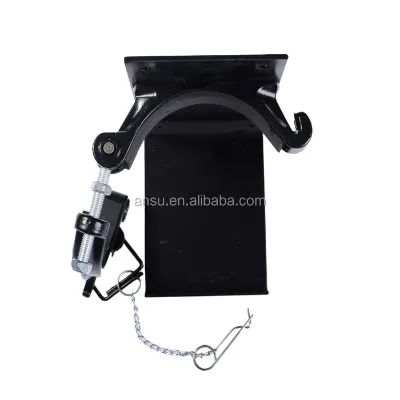

Hangzhou Ansu Fire Equipment Co., Ltd
- Verified by TUVRHEINLAND
- Trading Company,Manufacturer/Factory
- China Zhejiang
- Lead time23 days
- Avg. response≤ 2h
Main productsFire Extinguisher & Spare Parts, Fire Cabinet for Hose Hose Reel Extinguishers, Fire Hydrant Water Landing Valves, Fire Blankets, Fire Hose Reel and Cabinet, Fire Hose and Cabinet, Fire Detectors, Fire Fighting Products
Main marketsSouth America,Eastern Europe,Mid East,North America,Southeast Asia,Eastern Asia,Oceania,Western Europe,Africa

Auto Home Mini Fire Extinguisher Bracket Firefighting Equipment & Accessories
$0.29 - $0.50
MOQ: 500 pieces

Fire Extinguisher Bracket American Style Firefighting Equipment Hook, Truck Use Extinguisher Bracket
$7.98 - $15.00
MOQ: 2 pieces

Fire Extinguisher Bracket 110mm Diameter Extinguisher 2kg 2.3kg 5lb Use Extinguisher Bracket
$1.58 - $2.00
MOQ: 2 pieces

Fire Fighting Wall Bracket for Fire Extinguishers Use Truck Steel Extinguisher Bracket
$8.98 - $10.00
MOQ: 2 pieces

Fire Extinguisher Bracket, Heavy Duty Truck Use Fire Extinguisher 12kg Use Fire Fighting Brackets
$11.98 - $15.00
MOQ: 2 pieces

Fire Extinguisher 1kg 2kg 3kg Use Bracket Wall Hook Home Auto Use Map Fire Extinguisher Bracket
$0.55 - $1.00
MOQ: 2 pieces

Wofu Fire & Security Equipment Co., Ltd.
- Verified by TUVRHEINLAND
- Trading Company
- China Hunan
- Lead time30 days
- Avg. response≤ 13h
Main productsFire Extinguisher, Fire Blanket, Extinguisher Accessories, Fire Hose Reel, Fire Fighting, Fire Hose, Fire Sprinkler, Fire Suppression, Foam Extinguisher, Fire Alarm
Main marketsSouth America,Southeast Asia/ Mideast,Europe,North America

Shaoxing Safety Plus Fire Fighting Equipment Manufacturing Co., Ltd.
- Verified by TUVRHEINLAND
- Combined
- China Shanghai
- Lead time45 days
- Avg. response≤ 1h
Main productsFire Extinguisher, Fire Cabinet, Fire Cylinder, Fire Hose Reel, Fire Hose, Fire Blanket, Fire Hydrant, Safety Products, Fire Machine, Fire Ball
Main marketsSouth America,Europe

Nanjing Jiayi Fire Technology Co., Ltd
- Verified by BV
- Trading Company,Manufacturer/Factory,Group Corporation
- China Jiangsu
- Lead time38 days
- Avg. response≤ 4h
Main productsFire Extinguisher, Fire Blanket, Fire Hydrant, Fire Hose Reel, Fire Hose, Fire Hydrant Valve, Fire Cabinet, Fire Extinguisher Filling Machine, Fire Nozzle, Fire Extinguisher Ball
Main marketsSouth America,Eastern Europe,Mid East,North America,Southeast Asia,Eastern Asia,Oceania,Western Europe,Africa
Qingdao Dongshengxu Industry Co., Ltd.
- Manufacturer, Trading Company
- Shandong, China
- Lead time30 days
- Avg. response≤ 1h
Main productsRUBBER WHEEL,WHEEL BARROW,METAL ASHTRAY,FIRE FIGHTING TOOL,MIXER
Main marketsSoutheast Asia(80.00%), South America(10.00%), South Asia(2.00%), Southern Europe(2.00%), Western Europe(2.00%), Mid East(2.00%), Africa(2.00%)
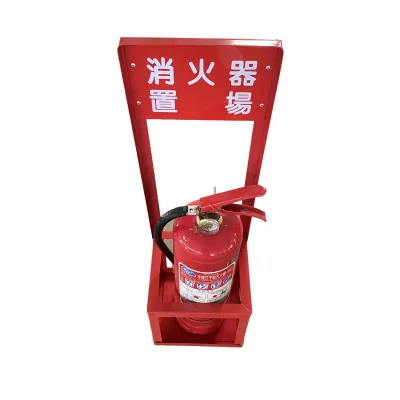
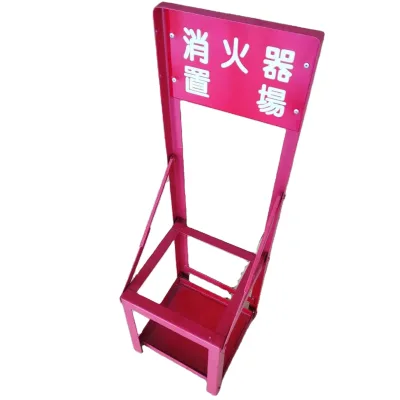
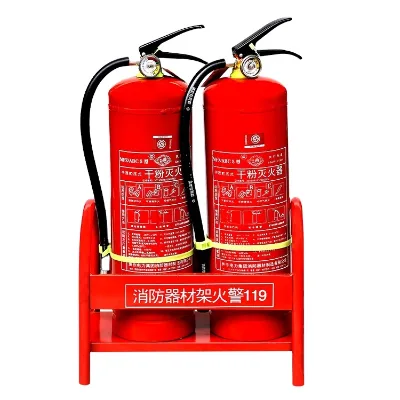
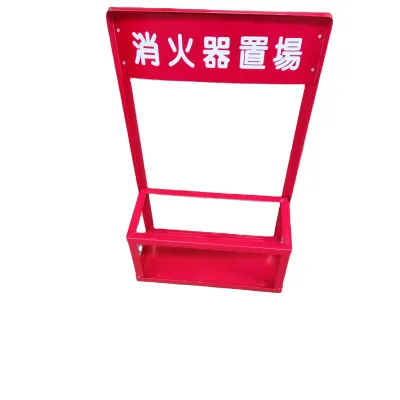
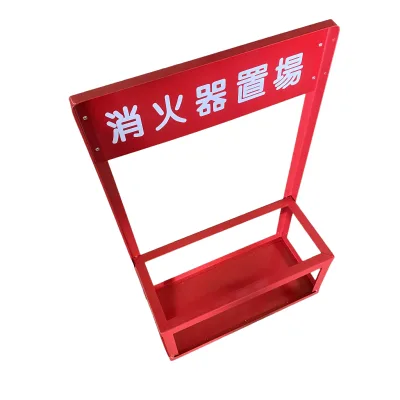
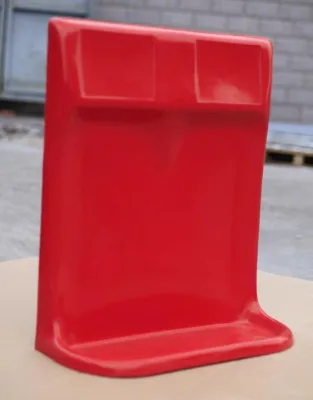
Red Fire Extinguisher Load Bracket, Floor Placement Bracket, Fire Equipment Accessories
$3.80 - $4.00
MOQ: 200 pieces
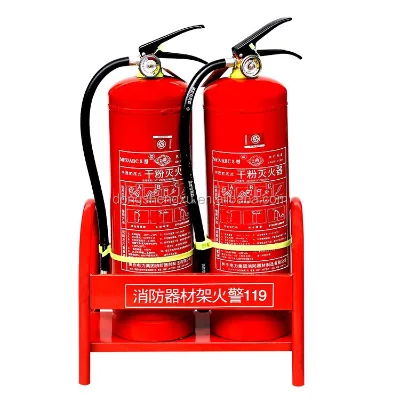
$5.9102 - $6.0134
MOQ: 200 pieces
Jiangshan Diyi Fire Equipment Co., Ltd.
- Verified by TüVRheinland
- Manufacturer, Trading Company
- Lead time15 days
- Avg. response≤ 2h
Main productsDry Powder Fire Extinguisher, CO2 Fire Extinguisher, Foam Fire Extinguisher, Automatic Fire Extinguisher, Fire Extinguisher Cylinder
Main marketsSoutheast Asia(30%), Africa(30%), Mid East(23%)
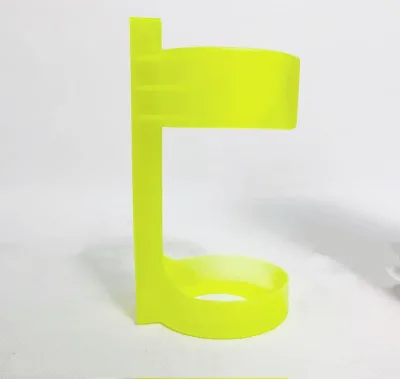
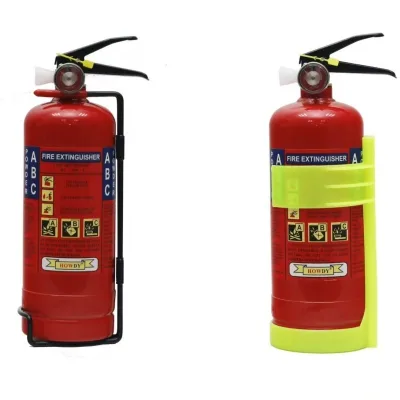
Plastic Yellow Full Size Wholesale Fire Extinguisher Bracket Plastic Iron Fire Parts Bracket
$0.30 - $0.50
MOQ: 250 pieces
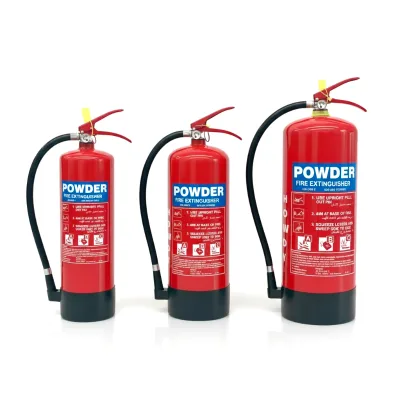
$6.6886 - $7.4087
MOQ: 100 pieces
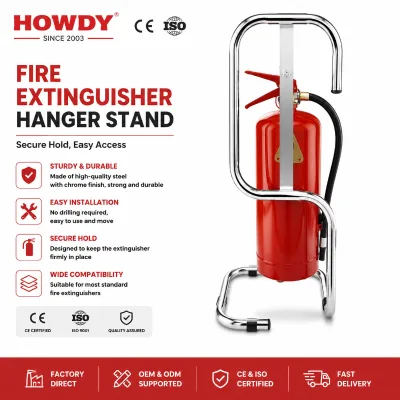
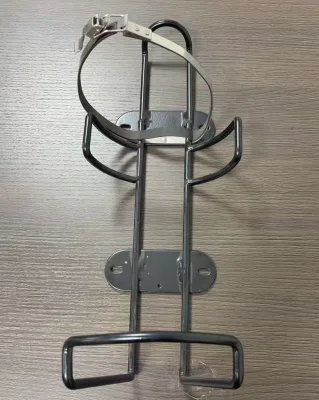
High Quality 6kg Fire Extinguisher Hanging Bracket Fire Extinguisher Wall Holder
$2.7784 - $3.241
MOQ: 200 pieces

Jingjiang Trust Trading Co., Ltd.
- Trading Company
- China Jiangsu
- Lead time30 days
- Avg. response≤ 9h
Main productsWinch, Ancor Chain, Life Boat, Ship Models, Ladder, Window, Heating Treatment Fixtures, Bathroom Cabin Unit, Propeller & Shaft, Galvanized Steel Plank
Main marketsSouth America,Africa,Others(foreignTradeCapacity.exportBusinessCapacityMarketOther),Southeast Asia/ Mideast,East Asia(Japan/ South Korea),Domestic,Europe,Australia,North America

Safety Plus Industrial Co., Ltd.
- Verified by TUVRHEINLAND
- Trading Company,Manufacturer/Factory
- China Shanghai
- Lead time23 days
- Avg. response≤ 1h
Main productsFire Extinguisher, Fire Hose Reel, Fire Cabinet, Fire Alarm, Fire Hose, Fire Hydrant, Fire Blanket, Fire Bracket, Fire Extinguisher Filling Machine, CO2 Fire Extinguisher
Main marketsSouth America,Eastern Europe,Mid East,North America,Southeast Asia,Eastern Asia,Oceania,Western Europe,Africa
Zhangzhou Ch Protection Equipment Co., Ltd.
- Trading Company
- Fujian, China
- Lead time0 days
- Avg. response≤ 11h
Main productsFire Sprinkler,Fire Extinguisher,Fire Hose Reel,Fire Alarm Valve,Fire Hydrant
Main marketsMid East(66.00%), Eastern Asia(15.00%), Africa(8.00%), South Asia(7.00%)
Jiangyin Yonghao Machinery Co., Ltd.
- Verified by TüVRheinland
- Manufacturer, Trading Company
- Lead time15 days
- Avg. response≤ 5h
Main productsMetal Stamping Parts, Metal Welding Parts, Metal CNC Machining Parts, Moulds
Main marketsDomestic Market(23%), North America(17%), Western Europe(10%)
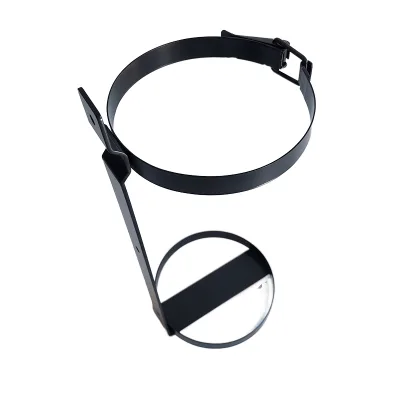
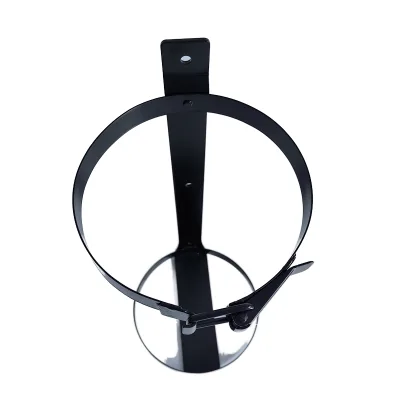
$5.6512 - $6.6796
MOQ: 500 pieces
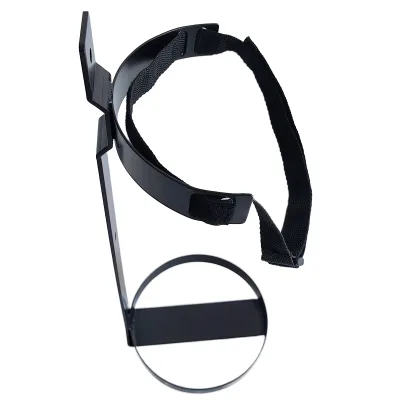

Safefire (Hangzhou) Technology Co., Ltd
- Verified by TUVRHEINLAND
- Trading Company
- China Zhejiang
- Lead time45 days
- Avg. response≤ 5h
Main productsFire Pressure Gauge, LPG Valve, LPG Pressure Reducing Valve, Fire Extinguisher Valve, LPG Hose, LPG Gas Cylinder, Pol Valve, Compct Valve, LPG Regulator, Fire Extinguisher
Main marketsSoutheast Asia/ Mideast

Fire Extinguisher Wall Hanging Brackets for Fire Extinguisher Extinguisher Wall Brackets
$0.80 - $1.30
MOQ: 500 Pieces


$0.80 - $1.30
MOQ: 500 Pieces


Beijing Synergy Technology Co., Ltd.
- Verified by TUVRHEINLAND
- Trading Company
- China Beijing
- Lead time15 days
- Avg. response≤ 11h
Main productsFire Extinguisher, Fire Hose, Fire Hose Reel and Cabinet, Fire Fighting Equipment, Fire Sprinkler System, Fire Pump Set, Fire Suits, Fire Hose Fitting
Main marketsSouth America,Africa,Southeast Asia/ Mideast,Europe

Jiangshan Hetian Anfang Fire Fighting Technology Co., Ltd.
- Manufacturer/Factory
- China Zhejiang
- Lead time0 days
- Avg. response≤ 23h
Main productsDry Powderfire Extinguisher, Co Fire Extinguisher, Foam Fire Extinguisher, Water Fire Extinguisher, Wet Chemicalfire Extinguisher, Automatic Fire Extinguisher, Fire Extinguisher Ball, Parts and Accessories, Trolley Fire Extinguisher
Main marketsSouth America,Mid East,North America,Southeast Asia,Eastern Asia

Guangzhou Xingjin Fire Equipment Co., Ltd.
- Verified by TUVRHEINLAND
- Combined
- China Guangdong
- Lead time15 days
- Avg. response≤ 2h
Main productsFM200/Novec1230 Fire Suppression System, Ig541/Ig100 Fire Suppression System, CO2 Gas Fire Suppression System, Fk-5-1-12/FM200 Fire Suppression Tube, FM200 Fire Detection Tube, Clean Agent Fire Suppression Systems, Inert Gas Fire Suppression System, Foam Fire Suppression System, Automatic Fire Suppression Device, Foam Tank System
Main marketsDomestic
Qingdao Gofai Industrial Co., Ltd.
- Verified by TüVRheinland
- Manufacturer, Trading Company
- Lead time15 days
- Avg. response≤ 7h
Main productsRubber Products, Plastic Products, USB Dust Cover, Sound Isolation Clip, Anti Vibration Pad
Main marketsNorth America(30%), Southern Europe(12%), Western Europe(10%)
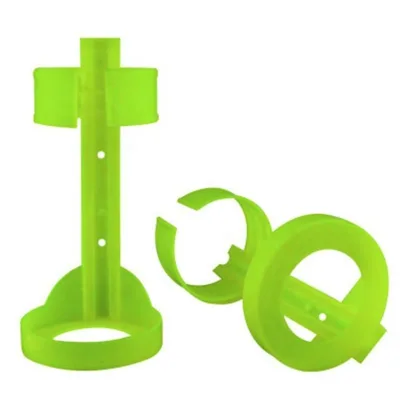
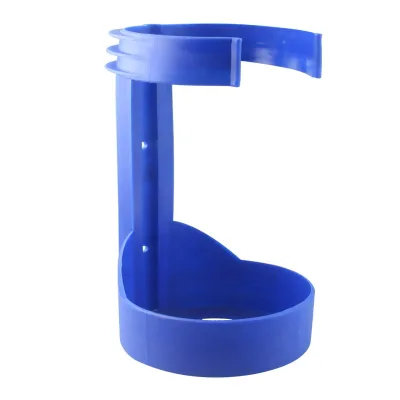
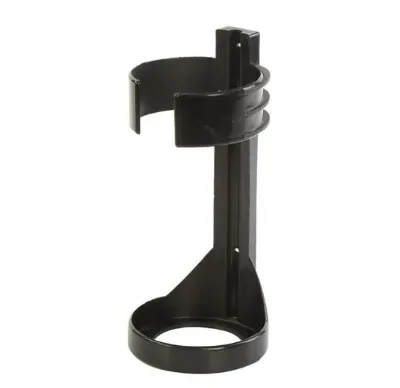
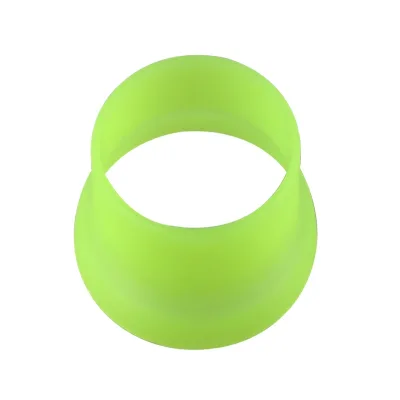
Plastic Fire Extinguisher Plastic Stand Holder for Extinguishers Plastik Neck Ring
$0.10
MOQ: 1000 Minimum

Hatsuta Ningbo Fire-Fighting Equipment Co., Ltd.
- Verified by BV
- Combined
- China Zhejiang
- Lead time45 days
- Avg. response≤ 10h
Main productsFire-Fighting Equipment, Fire Extinguisher, Powder Fire Extinguisher, Fire Extinguisher Accessory, Fire Extinguisher Components, Fire Fighting
Main marketsEast Asia(Japan/ South Korea)

Customized Bracket for 3-6kg Stainless Steel Fire Extinguishers High Quality Bracket
$20.83 - $20.85
MOQ: 10 Pieces


Customizable Bracket for Portable Fire Extinguisher with SUS304/SPCC Material
$8.97 - $22.56
MOQ: 10 Pieces
Weifang Kehai Fire Technology And Service Co., Ltd.
- Manufacturer, Trading Company
- Shandong, China
- Lead time15 days
- Avg. response≤ 1h
Main productsfire hose reel box,Fire Hose Reel Cabinet,fire hydrant cabinet,Fire Extinguisher Cabinet,fire box
Main marketsMid East(19.00%), Southeast Asia(15.00%), South America(13.00%), Southern Europe(10.00%), Western Europe(10.00%), Africa(8.00%), Eastern Asia(5.00%), Northern Europe(5.00%), Oceania(5.00%), Eastern Europe(3.00%), North America(3.00%), South Asia(3.00%), Central America(1.00%)

Zhejiang Luode Intelligent Technology Co., Ltd
- Verified by SGS
- Combined
- China Zhejiang
- Lead time15 days
- Avg. response≤ 25h
Main marketsDomestic

Durable Fire Extinguisher Mounting Bracket - Galvanized and Powder Coated
$3.00 - $20.00
MOQ: 1 Pieces




Comprehensive Sourcing Guide
Home Fire Extinguisher Bracket Supplier Concentration and Factory Types
The current supplier landscape for home fire extinguisher brackets reveals a distinct concentration of manufacturing and trading entities within China, specifically in the Zhejiang province. This regional clustering is significant for buyers because it indicates a mature industrial ecosystem where supply chains for raw materials like ABS plastic, metal, and nylon are readily available. Suppliers located in this area often benefit from established logistics networks and specialized labor pools, which can streamline the production process for safety accessories. When evaluating potential partners, buyers should note that the results include both combined companies and pure trading companies. Combined entities typically offer a broader range of capabilities, including OEM and ODM services, allowing for greater customization of bracket designs. In contrast, trading companies may focus on aggregating products from multiple factories, offering a wider variety of main products such as fire blankets, hose reels, and cabinets alongside brackets. Understanding this distinction is crucial for determining whether a supplier can handle complex custom orders or if they are better suited for standard, off-the-shelf procurement. The presence of SGS verification on some suppliers adds a layer of confidence regarding their operational legitimacy, though it does not guarantee product quality for every specific order. Buyers must carefully review the company type to align their sourcing strategy with their need for direct manufacturing control versus flexible inventory management.
Identifying the right factory type requires a close examination of the supplier’s declared capabilities and product evidence. Many suppliers in this sector advertise customization availability, which is a key differentiator for buyers seeking specific dimensions or materials for their home fire extinguisher brackets. For instance, some products are described with specific attributes like triangle bracket structures or adjustable features, while others are fixed, unadjustable units made from man-made board or plastic. The ability to produce brackets for various extinguisher sizes, ranging from 1kg to 12kg, suggests that capable factories have versatile molding and assembly lines. Buyers should look for suppliers who explicitly state their capacity for OEM and own brand development, as this indicates they have the engineering resources to adapt standard designs to specific client requirements. Additionally, the main products listed by suppliers often include related firefighting equipment, which can be advantageous for buyers looking to consolidate their sourcing. However, it is important to verify that the supplier’s primary expertise lies in the bracket itself, rather than just offering it as an ancillary item. The concentration of suppliers in Zhejiang provides a competitive environment, but buyers must still distinguish between those who are true manufacturers with production lines and those who are intermediaries, as this distinction impacts pricing, communication speed, and quality control processes.
How to Verify Home Fire Extinguisher Bracket Suppliers
Verification is a critical step in mitigating risk when sourcing home fire extinguisher brackets, as the safety implications of these products are significant. Buyers should prioritize suppliers who have undergone third-party verification processes, such as SGS, which can provide an additional layer of assurance regarding the supplier’s business legitimacy and operational standards. While verification confirms the existence and basic credibility of the company, it does not automatically certify the quality of every product batch. Therefore, buyers must go beyond surface-level verification badges and request detailed documentation. This includes asking for specific test reports that demonstrate the bracket’s load-bearing capacity and durability under stress. Since these brackets are designed to hold fire extinguishers, which can be heavy, especially when full, structural integrity is paramount. Buyers should inquire about the materials used, such as ABS plastic, metal, or nylon iron, and request material safety data sheets or compliance certificates to ensure they meet international standards. Additionally, verifying the supplier’s ISO9001:2015 certification is essential, as it indicates a standardized quality management system is in place. This certification suggests that the supplier has consistent processes for production, inspection, and continuous improvement, which reduces the risk of defects in bulk orders.
Beyond certifications and verification badges, buyers should actively engage with suppliers to assess their responsiveness and transparency. The response time of suppliers can be a strong indicator of their operational efficiency and customer service quality. In the current results, response times vary, with some suppliers showing a response time of 2.70 hours, while others are faster at 2 hours. A quicker response time often correlates with better communication throughout the order lifecycle, from quotation to after-sales support. Buyers should test this by sending detailed inquiries with specific requirements, such as custom dimensions or packaging needs, and evaluate the speed and thoroughness of the reply. Furthermore, buyers should request samples before placing large orders to physically inspect the product quality. This allows for a direct assessment of the bracket’s finish, material thickness, and fit for the intended extinguisher models. It is also advisable to check the supplier’s history and establishment year, although this information may not always be explicitly displayed. If available, a longer track record can indicate stability and experience in the market. Buyers should also look for evidence of past exports or partnerships with reputable brands, as this can provide insight into the supplier’s ability to meet international quality and compliance standards.
What to Compare Across Home Fire Extinguisher Bracket Suppliers
When comparing suppliers for home fire extinguisher brackets, buyers must evaluate a range of operational and commercial metrics to find the best fit for their needs. One of the most critical factors is the minimum order quantity (MOQ), which can vary significantly across different suppliers. For example, some suppliers may have an MOQ of 150 pieces, while others require 500 or even 1000 pieces. This variation can impact a buyer’s inventory management and cash flow, especially for smaller businesses or those testing new markets. Buyers should also compare the price ranges, which can differ based on material, customization, and order volume. Prices for brackets can range from as low as $0.45 to over $8.00 per unit, depending on the complexity and material quality. It is important to note that lower prices may not always indicate better value if they compromise on material strength or durability. Lead times are another crucial comparison point, with some suppliers offering a lead time of 25 days, while others may take up to 45 days. Faster lead times can be beneficial for buyers with urgent needs or tight project schedules, but they may come at a premium cost. Buyers should also consider the supplier’s main products to ensure they have a broad enough catalog to support future needs, such as additional firefighting accessories.
In addition to quantitative metrics, buyers should assess the qualitative aspects of the supplier’s offerings, such as customization options and packaging standards. Many suppliers offer customization for their brackets, allowing buyers to specify dimensions, colors, and materials. This flexibility is valuable for buyers who need brackets that fit specific extinguisher models or brand aesthetics. Buyers should compare the extent of customization available, including whether the supplier can produce unique designs or if they only offer minor modifications to existing models. Packaging is another area where suppliers may differ, with some using standard cartons and others offering custom packaging solutions. The package size and weight can impact shipping costs, so buyers should request detailed packaging information to calculate total landed costs accurately. Furthermore, buyers should compare the supplier’s product attributes, such as the structure of the bracket (e.g., triangle bracket vs. wall mount) and the material composition (e.g., plastic vs. metal). These details can affect the bracket’s suitability for different environments, such as home, office, or industrial settings. By systematically comparing these factors, buyers can make informed decisions that balance cost, quality, and operational efficiency, ensuring they select a supplier that aligns with their specific sourcing requirements.
Common Home Fire Extinguisher Bracket Sourcing Risks
Sourcing home fire extinguisher brackets involves several potential risks that buyers must proactively manage to ensure a successful procurement process. One significant risk is the variability in product quality, particularly when dealing with suppliers who offer low prices or high customization options. Brackets made from inferior materials, such as thin plastic or weak metal, may fail to support the weight of a fire extinguisher, leading to safety hazards and potential liability issues. Buyers must be vigilant in verifying the material specifications and requesting samples to test the bracket’s durability and load-bearing capacity. Another risk is the discrepancy between the supplier’s stated lead times and actual delivery dates. In the current results, lead times range from 25 to 45 days, but delays can occur due to production bottlenecks, raw material shortages, or logistical issues. Buyers should establish clear communication channels and request regular updates on production progress to mitigate the risk of delays. Additionally, there is a risk of miscommunication regarding customization requirements, which can result in products that do not meet the buyer’s specifications. To avoid this, buyers should provide detailed technical drawings and specifications, and confirm all details in writing before production begins.
Another common risk is the lack of transparency in pricing and additional costs. While the base price of the bracket may be low, buyers may encounter hidden costs such as mold fees for custom designs, sample shipping charges, or higher shipping costs due to package size and weight. Buyers should request a comprehensive quotation that includes all potential costs to avoid budget overruns. Furthermore, there is a risk of dealing with suppliers who are not fully compliant with international safety standards. Since fire extinguisher brackets are safety-critical components, they must meet specific regulatory requirements in the buyer’s target market. Buyers should verify that the supplier’s products comply with relevant standards and request certification documents to ensure compliance. There is also the risk of intellectual property infringement if the buyer is using a unique design or brand. Buyers should ensure that the supplier respects their IP rights and does not sell identical products to competitors. Finally, buyers should be aware of the risk of supply chain disruptions, such as port congestion or transportation delays, which can impact delivery times. By identifying and addressing these risks early in the sourcing process, buyers can protect their interests and ensure a smooth procurement experience.
Home Fire Extinguisher Bracket Regional Sourcing and Logistics
Regional sourcing plays a pivotal role in determining the efficiency and cost-effectiveness of procuring home fire extinguisher brackets. The current supplier results indicate a strong concentration of manufacturers and traders in Zhejiang, China, a region known for its robust manufacturing infrastructure and export capabilities. Sourcing from this region can offer buyers access to a wide variety of products, competitive pricing, and established logistics networks. However, buyers must also consider the logistical implications of shipping from China, including transit times, customs clearance procedures, and potential tariffs. The package size and weight of the brackets, as indicated in the product attributes, can significantly impact shipping costs. For example, some brackets are packaged in cartons with dimensions like 30x30x40cm, while others are more compact. Buyers should calculate the volumetric weight to determine the most cost-effective shipping method, whether by sea, air, or express courier. Additionally, buyers should be aware of the lead times associated with different shipping methods, as sea freight may take several weeks, while air freight is faster but more expensive. Understanding these logistical factors is essential for planning inventory levels and meeting customer demand.
Beyond logistics, buyers should consider the regional expertise of suppliers in Zhejiang, which often includes experience with international trade regulations and documentation. Suppliers in this region are typically familiar with the requirements for exporting to various markets, including the preparation of commercial invoices, packing lists, and certificates of origin. This expertise can streamline the customs clearance process and reduce the risk of delays at the destination port. However, buyers must still verify that the supplier can provide all necessary documentation for their specific target market, such as CE marking for Europe or UL certification for the United States. Furthermore, buyers should assess the supplier’s ability to handle complex logistics, such as drop-shipping or consolidation of multiple products from different suppliers. Some suppliers may offer additional services, such as warehousing
FAQs
What is the price range for home fire extinguisher brackets?
Prices for home fire extinguisher brackets typically range from $0.45 to $8.00 per unit. The lowest cost options are simple plastic or metal brackets with a minimum order quantity of 150 units. Higher-priced heavy-duty models with metal and plastic construction start at $2.00 per unit, offering greater durability for commercial or residential use.
What is the minimum order quantity for these brackets?
Minimum order quantities vary by supplier and product type. Some suppliers require a minimum of 150 units for standard plastic brackets, while others set the threshold at 200 units for customized options. Certain heavy-duty metal and plastic brackets have a minimum order of 500 units, and some suppliers accept orders starting at just 50 units.
How long does it take to manufacture these brackets?
Lead times for manufacturing home fire extinguisher brackets generally range from 25 to 45 days. Suppliers with faster turnaround times can deliver within 25 days, while others may require up to 45 days to complete production. Buyers should confirm specific delivery schedules with suppliers before placing orders to ensure timely receipt of goods.
Are these brackets customizable for specific fire extinguisher sizes?
Yes, customization is available for many home fire extinguisher brackets. Suppliers offer options for different sizes, such as brackets for extinguishers with diameters below 195mm or specific inner diameters like 6.5mm. Materials can include ABS plastic, metal, or a combination of both, allowing buyers to select brackets that fit their specific equipment requirements.
Where are these fire extinguisher brackets manufactured?
These fire extinguisher brackets are manufactured in China, specifically in the Zhejiang province. Suppliers located in this region provide various options, including plastic, metal, and combined material brackets. The origin is consistently listed as China, ensuring buyers know the source of their products and can plan logistics accordingly for international shipping.
What certifications do these suppliers hold?
Suppliers offering home fire extinguisher brackets often hold ISO9001:2015 system certification. This indicates adherence to international quality management standards. Additionally, some suppliers are verified by SGS, providing an extra layer of assurance regarding product quality and manufacturing processes. Buyers should request certification documents to verify compliance with their specific safety and quality requirements.