Plug and Play Microphone Preamplifier Suppliers and Manufacturers
Compare 11 verified suppliers offering Plug and Play Microphone Preamplifier units with varying lead times, certifications, and response speeds. Review their locations in China Guangdong and customization options before requesting quotes; review the available evidence before requesting comparable quotations from suitable candidates.
Suppliers List

Sanway Audio Equipment Co., Ltd.
- Combined
- China Guangdong
- Lead time15 days
- Avg. response≤ 10h
Main productsAudio Power Amplifiers, PRO Audio Amplifier, Professional Amplifier PA Speakers, Professional Audio, Line Array Speakers System, Switching Power Amplifier, Professional Speaker Sound Box, Active Line Array System, DJ Equipment Power AMPS, Active Speaker Box
Main marketsSouth America,Europe

Guangzhou Lingyin Electronic Co., Ltd.
- Verified by BV
- Combined
- China Guangdong
- Lead time30 days
- Avg. response≤ 6h
Main productsPRO Audio, Speaker, Amplifier, PA Address System, IP Network System, Wireless Broadcast, Wireless Mic, PA Lectern, Professional Audio, Line Arry
Main marketsOthers(foreignTradeCapacity.exportBusinessCapacityMarketOther),Southeast Asia/ Mideast,Europe,Australia,North America

Guangzhou strong sound electronic equipment Co., Ltd
- Verified by BV
- Combined
- China Guangdong
- Lead time30 days
- Avg. response≤ 6h
Main productsSpeaker, Audio
Main marketsSouth America,Africa,Southeast Asia/ Mideast,East Asia(Japan/ South Korea),Europe,Australia,North America
Shenzhen Casdony Technology Co., Ltd.
- Manufacturer, Trading Company
- Lead time旺季: "1 - 100":10,"> 100":"To be negotiated", 淡季: "1 - 100":10,"> 100":"To be negotiated"
- Avg. response≤ 13h
Main productsguitar accessory,music toy,drum accessory,music effect,woodwind
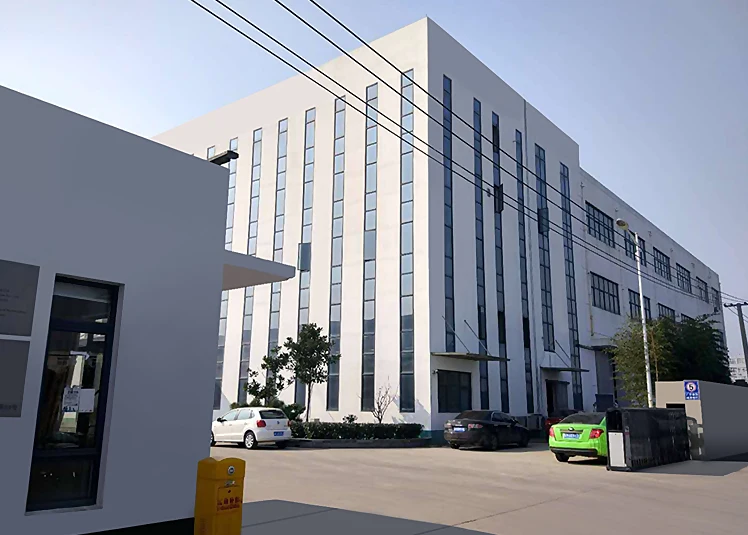
Guangzhou Jinyuanhua Trading Co., Ltd.
- Manufacturer, Buying Office, Distributor/Wholesaler
- Guangdong, China
- Lead time15 days
- Avg. response≤ 4h
Main productsAudio cable,wire rod,alligator clip,video line,Microphone
Main marketsAfrica(0.3%)

Resonance Audio Equipment Co., Ltd.
- Verified by CTI
- Combined
- China Guangdong
- Lead time45 days
- Avg. response≤ 4h
Main marketsDomestic
- Manufacturer
- Tianjin, China
- Lead time45 days
- Avg. response≤ 5h
Main productsDrum,Melodica,Accordion,Wind Instrument,Guitar
Main marketsSouth America(50.0%), Domestic Market(25.0%), Africa(25.0%)

Guangzhou Temeisheng Audio Technic Co Ltd
- Verified by BV
- Combined
- China Guangdong
- Lead time15 days
- Avg. response≤ 5h
Main productsLoudspeaker, Amplifier, Conference System, Portable Speaker, Home Audio, Microphone
Main marketsAustralia

Dongguan Sunhyor Audio Technology Co., Ltd
- Verified by TUVRHEINLAND
- Manufacturer/Factory
- China Guangdong
- Lead time23 days
- Avg. response≤ 5h
Main productsProfessional Power Amplifiers, Digital Power Amplifiers, Analog Power Amplifiers, Audio Power Amplifier PCB Modules, Power Supply Sequence Controllers, Time Sequencer, Toroidal Transformers, Audio Amplifier Parts, PCBA Assembly, Audio Sets
Main marketsSouth America,Eastern Europe,Mid East,North America,Southeast Asia,Eastern Asia,Oceania,Western Europe,Africa

Shenzhen Qiyin Electronics Co., Ltd
- Verified by TUVRHEINLAND
- Combined
- China Guangdong
- Lead time30 days
- Avg. response≤ 4h
Main productsMicrophones, Gaming Mic, Studio Mic, Mobile & Camera Mic, Computer Mic, Accessories, Yanmai
Main marketsSoutheast Asia/ Mideast,East Asia(Japan/ South Korea),Domestic,Europe,North America

Hangzhou Shuyuan Audio Equipment Factory
- Verified by SGS
- Combined
- China Zhejiang
- Lead time23 days
- Avg. response≤ 6h
Main productsPower Amplifier, Wall Speaker, Ceiling Speaker, Network Public Address System, Outdoor Column Speaker
Main marketsDomestic


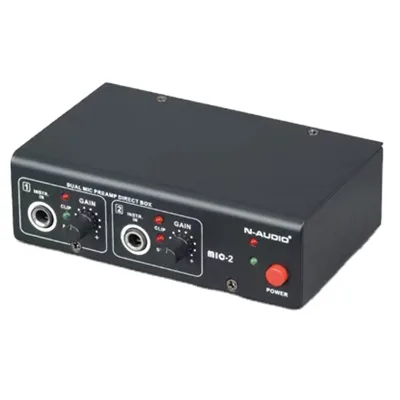


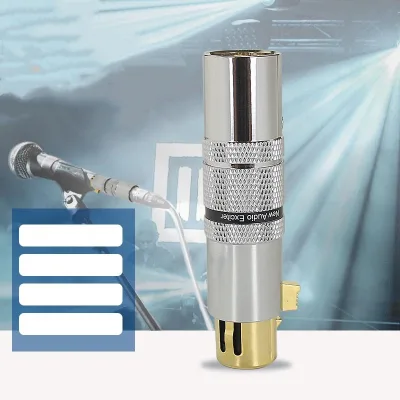
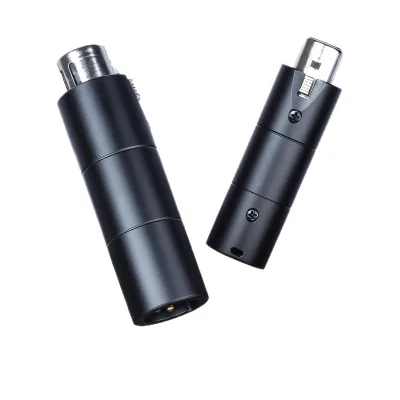


Comprehensive Sourcing Guide
Plug and Play Microphone Preamplifier Supplier Concentration and Factory Types
The current supplier landscape for plug and play microphone preamplifiers shows a distinct concentration of manufacturing activity within China, specifically in the Guangdong province. This regional clustering is evident from the verified origin data associated with multiple product listings, which consistently cite Guangzhou or Guangdong as the place of origin. Buyers should recognize that this geographic concentration often correlates with established supply chains for professional audio components, including switching power amplifiers and line array systems. The presence of combined company types in the results suggests a mix of trading entities and manufacturers operating within this hub, offering varied sourcing options for different procurement needs.
Factory types observed in the results include entities offering OEM, ODM, and own-brand capabilities, indicating a mature manufacturing ecosystem capable of customization. Some suppliers explicitly state their capacity for customizing products, which is a critical factor for buyers seeking specific voltage requirements or unique functional attributes like push-pull amplifier elements. The data indicates that while some suppliers focus on standard professional audio equipment, others provide tailored solutions for specific usage scenarios such as KTV systems, AV setups, or commercial broadcasting. This diversity in factory types allows buyers to select partners based on whether they require off-the-shelf inventory or bespoke engineering support for their specific audio infrastructure projects.
How to Verify Plug and Play Microphone Preamplifier Suppliers
Verification of suppliers requires a rigorous check of their system certifications and business credentials, as not all entities in the results display the same level of compliance. While some product listings explicitly mention certifications such as CE, FCC, RoHS, and CB, others show a status of NIL for system certification, creating a clear distinction in quality assurance levels. Buyers must prioritize suppliers who can provide valid ISO9001:2015 and ISO14001:2015 certificates, as these indicate adherence to international management standards. The presence of BV verification on certain suppliers serves as an additional layer of trust, confirming that an independent third party has validated their business operations and capabilities.
Response time and lead time are also critical metrics for verifying supplier reliability and operational efficiency. The observed data reveals significant variance in response times, ranging from approximately 5.20 to 9.66 units, which may reflect differences in staffing or communication protocols. Similarly, lead times vary between 15 and 30 days, suggesting that production schedules and inventory levels differ substantially among suppliers. Buyers should request specific confirmation of these timelines before placing orders, as a supplier claiming a short lead time but lacking the capacity to deliver within that window poses a significant risk. Verifying these operational metrics ensures that the supplier can meet project deadlines without compromising on the quality of the preamplifier units.
What to Compare Across Plug and Play Microphone Preamplifier Suppliers
When comparing suppliers, buyers should focus on the specific product attributes and pricing structures provided in the search results to ensure alignment with project requirements. The data shows a wide range of price points, with minimum prices starting as low as 1.00 and reaching up to 900.00 depending on the model and specifications. For instance, specific models like the FP10000Q and FP9000 have distinct pricing tiers and minimum order quantities, which can significantly impact the total cost of ownership. Buyers must carefully evaluate whether the price includes necessary accessories or if additional costs for packaging, such as durable cartons or flight cases, will be incurred during the final transaction.
Minimum order quantities (MOQ) and customization availability are equally important factors in the comparison process. The results indicate MOQs ranging from 1 unit to 10 units, offering flexibility for small-scale buyers while potentially requiring larger commitments for bulk procurement. Customization is listed as available across several product entries, allowing buyers to specify voltage requirements like AC 110V or AC 220V, and functional needs such as specific channel outputs or protection features. However, buyers should verify if customization incurs additional costs or extends lead times, as these variables can alter the overall value proposition. A thorough comparison of these commercial terms helps in selecting a supplier that balances cost efficiency with the specific technical demands of the audio system.
Common Plug and Play Microphone Preamplifier Sourcing Risks
One of the primary risks in sourcing these audio components is the inconsistency in certification claims and product standards across different suppliers. While some listings explicitly state compliance with CE, RoHS, and FCC standards, others provide no certification data, leaving the buyer to assume compliance without verification. This discrepancy can lead to regulatory issues in the destination market, particularly for professional audio equipment intended for commercial use in hotels, schools, or public venues. Buyers must demand proof of these certifications before finalizing any agreement, as relying on unverified claims can result in product rejection or legal complications upon import.
Another significant risk involves the variability in lead times and the potential for production delays. The observed lead times range from 15 to 30 days, and without a clear contract defining these terms, buyers may face unexpected delays that disrupt project timelines. Additionally, the variation in response times suggests that communication bottlenecks could occur, especially if a supplier is managing multiple orders simultaneously. Buyers should establish clear communication protocols and request written confirmation of delivery schedules to mitigate these risks. Ensuring that the supplier has a robust quality control process and a history of on-time delivery is essential to avoid disruptions in the supply chain.
Plug and Play Microphone Preamplifier Regional Sourcing and Logistics
Sourcing from the identified region of China, specifically Guangdong, offers logistical advantages due to the region's well-developed infrastructure for exporting electronic goods. The concentration of manufacturers in this area facilitates efficient shipping and handling, as many suppliers are accustomed to international logistics requirements. However, buyers must account for the specific packaging standards mentioned in the product data, such as durable cartons or flight cases, which can influence shipping costs and weight calculations. Understanding these packaging requirements is crucial for accurate freight estimation and ensuring that the preamplifiers arrive in pristine condition.
Logistics planning should also consider the specific voltage and electrical standards of the destination market, as the product data indicates options for both AC 110V and AC 220V. Mismatches between the supplied voltage and local power standards can render the equipment unusable, necessitating costly modifications or replacements. Buyers should verify the voltage specifications of each unit before ordering and confirm that the supplier can provide the correct configuration for their specific location. Additionally, the origin of the products, consistently listed as Guangzhou or Guangdong, should be cross-referenced with any trade agreements or tariffs that might affect the final landed cost of the goods.
Plug and Play Microphone Preamplifier Commercial Terms and Order Planning
Commercial terms regarding warranty and after-sales support are critical components of the order planning process for professional audio equipment. The data indicates that some suppliers offer a three-year warranty, which provides a significant safety net for buyers investing in long-term audio infrastructure. However, this warranty coverage may vary depending on the specific model and the supplier's policies, so buyers must explicitly confirm the terms before placing an order. Understanding the scope of the warranty, including what is covered and what constitutes a valid claim, is essential for managing potential future maintenance costs.
Order planning must also account for the specific production capabilities and capacity of the chosen supplier. The results show that suppliers offer OEM and ODM services, which implies they can scale production based on demand. However, buyers should verify the supplier's current capacity to ensure they can meet the required volume within the agreed lead time. Additionally, the availability of customization options should be factored into the timeline, as custom orders may require additional time for design approval and production setup. By carefully planning the order based on these commercial and operational factors, buyers can ensure a smooth procurement process and successful integration of the preamplifiers into their audio systems.
FAQs
What is the typical lead time for these amplifiers?
Lead times vary between 15 and 30 days depending on the specific supplier and order volume. Some manufacturers offer faster delivery windows of 2 to 25 days for standard models. Buyers should confirm exact schedules before placing orders to ensure timely project completion.
What are the minimum order quantities for professional amplifiers?
Minimum order quantities range from 1 to 10 units based on the product model and supplier policy. Some pre-amplifiers require only a single unit, while larger power amplifiers may need orders of 5 or 10 pieces. Always check the specific listing for the exact MOQ requirement.
Where are these audio amplifiers manufactured?
All listed products originate from Guangzhou, Guangdong, China. This region is a major hub for professional audio equipment manufacturing. Buyers can expect consistent production standards and logistics capabilities associated with this specific manufacturing location for all available units.
Do these amplifiers support customization and OEM services?
Yes, customization is available for most models including OEM and ODM services. Suppliers offer tailored solutions for branding and specific technical requirements. This flexibility allows buyers to adapt products for professional venues, home theaters, or commercial installations without compromising performance.
What certifications do these audio products hold?
Certifications include CE, RoHS, FCC, CB, and CCC depending on the specific model. Some manufacturers also hold ISO9001:2015 and ISO14001:2015 system certifications. Buyers should verify the exact certificate list for each product to ensure compliance with local safety and environmental regulations.
What is the price range for these power amplifiers?
Prices range from 1 to 999 dollars depending on power output and features. Entry-level pre-amplifiers start around 65 dollars, while high-power professional units can reach 900 dollars. The final cost is influenced by the specific model, customization needs, and order quantity selected.
How quickly do suppliers typically respond to inquiries?
Response times generally fall between 5 and 10 hours for most suppliers. Some manufacturers respond within 5 hours, while others may take up to 9 hours. Prompt communication is essential for clarifying technical details and confirming stock availability before finalizing any purchase agreements.