Hot Fix Rhinestone Chain Suppliers and Manufacturers
Compare 15 suppliers of Hot Fix Rhinestone Chain across location, company type, MOQ, lead time, sample availability, customization, and response time. Review product specifications such as stone size, width, and packing, then request quotes and samples from shortlisted suppliers; review the available evidence before requesting comparable quotations from suitable candidates.
Suppliers List

Marigold Garment Accessories Co., Ltd.
- Trading Company
- China Guangdong
- Lead time15 days
- Avg. response≤ 10h
Main productsLace, Lace Trimming, Rhinestone Trimming, Embroidery, Patches, Elastic Trim, Brooches, Button, Rhinestone Patch, Lace Fabric
Main marketsSouth America,Africa,Southeast Asia/ Mideast,Europe,North America

Kingswick Technology Group Limited
- Trading Company,Manufacturer/Factory,Group Corporation,Other
- China Guangdong
- Lead time15 days
- Avg. response≤ 17h
Main productsHotfix Rhinestones, Nail Rhinestones, Flat Back Rhinestones, Sew on Rhinestones, Hot Fix Rhinestone Machines, Rhinestone Appliques, Glass Crystal Beads, Rhinestone Ribbons, Jewelry Beads, Pearl Beads
Main marketsSouth America,Eastern Europe,Mid East,North America,Southeast Asia,Eastern Asia,Oceania,Western Europe,Africa

3 Cm Width Crystal Rhinestone Banding for Shoes Hot Fix Rhinestone Trim Chain
$1.27 - $1.42
MOQ: 100 Yards

Crystal Rhinestone Ribbon Trim Hot Fix Tape Glass Strap Iron on Tape Mesh Crystal Chain
$0.17 - $0.32
MOQ: 100 Pieces


Brilliant Ocean Trading (Yiwu) Co., Ltd.
- Trading Company
- China Zhejiang
- Lead time30 days
- Avg. response≤ 20h
Main productsCloth Accessories, Glitter Powder, Hand Bag, Jewelry Accessories, Metallic Yarn, Hardware, Party Supplies, Extension Socket, Shopping Bag, Plush Toy
Main marketsSouth America,Southeast Asia/ Mideast

Ningbo Yuena Import & Export Co., Ltd.
- Verified by TUVRHEINLAND
- Trading Company
- China Zhejiang
- Lead time23 days
- Avg. response≤ 3h
Main productsLace, Thread, Button, Ribbon, Zipper, Tailors Materials, Fabric, Reflective Materials, Sewing Machine Part, Bra Parts
Main marketsSouth America,Africa,Southeast Asia/ Mideast,Europe,North America

Guangzhou Govolon Trade Co., Ltd.
- Trading Company,Manufacturer/Factory
- China Guangdong
- Lead time15 days
- Avg. response≤ 25h
Main productsGarment Accessories, Lace, Button, Zipper, Fringe and Tassels, Belt Ribbon, Garment Trimming, Patch Badge, Buckle, Hotfix
Main marketsSouth America,Mid East,North America,Southeast Asia,Western Europe,Africa


Fashion Crystal Heat Transfer Rhinestone Hot Fix for Garment Clothing Decoration
$3.80 - $4.50
MOQ: 500 Pieces

Fashion Crystal Heat Transfer /Rhinestone Hot Fix for Garment Clothing Decoration
$3.80 - $4.50
MOQ: 500 Pieces


- Verified by TUVRHEINLAND
- Combined
- China Zhejiang
- Lead time30 days
- Avg. response≤ 7h
Main productsThread, Zipper, Lace, Button, Webbing & Tape, Ribbon, Interlining, Fabric, Tailoring Materials, Hook & Loop
Main marketsSouth America,Africa,Europe,Australia


Fashion Collar Design Hotfix Rhinestone Applique Neckline Hotfix Glass Stone Pattern
Contact supplier
MOQ: 3000 Pieces

NINGBO HOBA INTERNATIONAL TRADING CO., LTD.
- Verified by BV
- Trading Company
- China Zhejiang
- Lead time30 days
- Avg. response≤ 5h
Main productsThread, Button, Lace Tape, Zipper, Hot Fix Stone, Crystal, Rope, Jewelry Accessory, Ribbon, Reflecting Material
Main marketsSouth America,Africa,Southeast Asia/ Mideast,East Asia(Japan/ South Korea),Europe,Australia,North America
Pujiang Jingni E-Commerce Co., Ltd.
- Trading Company
- Lead time旺季: "1 - 500":7,"> 500":"To be negotiated", 淡季: "1 - 500":7,"> 500":"To be negotiated"
- Avg. response≤ 3h
Main productsCrystal crafts,crystal trophy,Blank Crystal,Crystal Crafts

Guangzhou JingPin Garment Accessory Co., Ltd.
- Verified by BV
- Trading Company
- China Guangdong
- Lead time15 days
- Avg. response≤ 3h
Main productsHot Fix Rhinestone Iron on Crystal, Hot Fix Rhinestuds Octagon Studs, Heat Transfer Motifs Iron on Motifs, Strass Motifs Heat Transfer Motifs, Iron on Studs Dome Studs Metallic Stud, Cup Chain Rhinestone Mesh Trimming Stone, Point Back Rhinestones DMC Rhinestones, Lead Free Rhinestones, DMC Rhinestone Epoxy Stone Hot Fix Epoxy, Nailheads Hotfix Hot Fix Nailheads
Main marketsSouth America,Africa,Southeast Asia/ Mideast,East Asia(Japan/ South Korea),Europe,Australia,North America


Hot 1.2-2.5cm High-Grade Rhinestone Claw Chain Multicolor Crystal Rhinestone Body Chain
$2.35 - $4.80
MOQ: 30 Yards

$2.75 - $3.50
MOQ: 100 Pieces


Wholesale Hot Fix Rhinestone 6A Top Quality Shiny for T Shirt Summer Designs
$35.00 - $55.00
MOQ: 10 Bags
Yiwu Songshuo Jewelry Co., Ltd.
- Trading Company
- Zhejiang, China
- Lead time15 days
- Avg. response≤ 3h
Main productsRhinestone Mesh,Bling Car Accessories,Bling Fashion Products,Rhinestone Crystal keychain,Water Diamond Patch
Main marketsMid East(30.0%), North America(20.0%), Domestic Market(10.0%), South Asia(10.0%), Northern Europe(10.0%), Central America(10.0%), Eastern Asia(10.0%), South America(10.0%), Africa(10.0%), Southeast Asia(10.0%), Eastern Europe(10.0%)
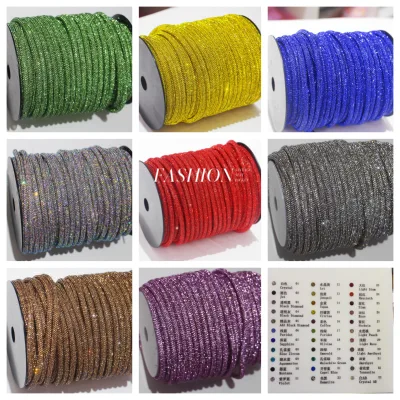
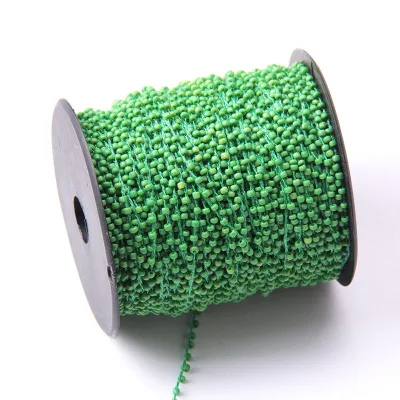
Wholesale Customized Multiple Colors Round Rhinestones Rhinestone Chain for Garment
$0.61 - $0.83
MOQ: 1000
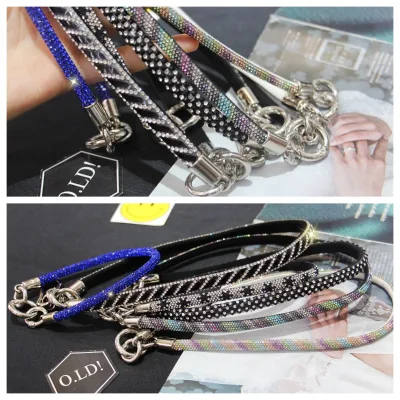
$0.68 - $0.78
MOQ: 1000 pieces
Dongguan Chuangying Rhinestone Co., Ltd.
- Verified by Intertek
- Manufacturer, Trading Company
- Lead time3 days
- Avg. response≤ 3h
Main productsRhinestone, Hotfix Rhinestone, Nail Rhinestone, Rhinestone Transfer, Metal Settings for stone
Main marketsNorth America(60%), Mid East(30%), Northern Europe(10%)
Guangzhou Yiyun Clothing Co., Ltd.
- Manufacturer, Trading Company
- Guandong, China
- Lead time0 days
- Avg. response≤ 2h
Main productsrhinestone transfer,rhinestone tshirt,glitter,hot fix tape,Tpu
Main marketsWestern Europe(22.8%), Central America(16.0%), South America(12.8%), Eastern Europe(11.0%), North America(10.0%), Mid East(9.0%), Southern Europe(8.0%)

NINGBO NCJN IMPORT AND EXPORT CO., LTD.
- Verified by TUVRHEINLAND
- Trading Company
- China Zhejiang
- Lead time15 days
- Avg. response≤ 12h
Main productsGarment Accessories, Zipper, Button, Lace, Tape, Velcro Tape, Hook and Eye Tape, Ring and Slider, Bra Cup
Main marketsSouth America,Africa,Southeast Asia/ Mideast,East Asia(Japan/ South Korea),Europe,Australia,North America
Pujiang Yantuo Crystal Co., Ltd.
- Trading Company
- Lead time旺季: "1 - 200":15,"> 200":"To be negotiated", 淡季: "1 - 200":15,"> 200":"To be negotiated"
- Avg. response≤ 3h
Main productsQuartz Glass Ornament, Rhinestones, Hot Fix Rhinestones, Nail Rhinestones, Rhinestones Sheet, Half Pearls
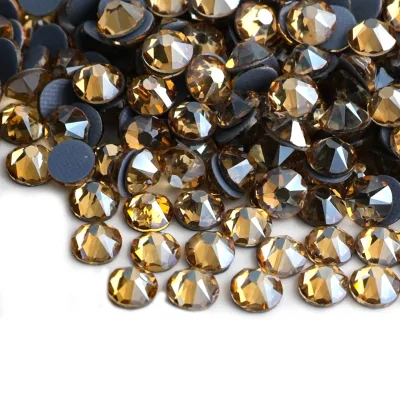
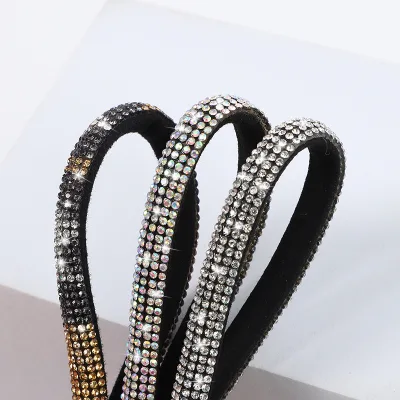
High-quality 16-facet Flat-bottom Premium Cut Sparkling Crystal, 2088 Hot Fix Rhinestones
$4.38 - $14.59
MOQ: 1 Minimum
Guangzhou Rhines Int'l Trade Ltd.
- Manufacturer, Trading Company
- Guangdong, China
- Lead time5 days
- Avg. response≤ 6h
Main productsHot fix Rhinestone,flat back rhinestone,crystal sticker,sew on rhinestone,rhinestone trimming
Main marketsNorth America(22.6%), Domestic Market(15.0%), Western Europe(12.8%), South America(11.6%), Eastern Europe(7.690000000000001%), Mid East(7.1%), Northern Europe(5.22%), Eastern Asia(3.6000000000000005%), Southern Europe(3.49%), Southeast Asia(3.3000000000000003%), Central America(3.2%), South Asia(2.2%), Oceania(1.28%), Africa(0.9199999999999999%)




Comprehensive Sourcing Guide
Hot Fix Rhinestone Chain Supplier Concentration and Factory Types
The available data indicates that suppliers for Hot Fix Rhinestone Chain are concentrated in the Guangdong province of China, a region known for its extensive textile and accessory manufacturing clusters. This location is a high-confidence fact derived from the supplier results, suggesting that buyers should prioritize regions with established supply chains for garment accessories. The supplier types observed in the current results include Trading Companies, Manufacturers, and Group Corporations, indicating a diverse mix of business models. Some entities operate solely as trading companies, while others function as manufacturers or factories, and a few are structured as larger group corporations. This variation means that a buyer might encounter a single supplier listing that claims multiple company types, such as a manufacturer that also operates as a trading entity.
When evaluating the concentration of these suppliers, it is crucial to understand that the Guangdong location is the only specific geographic cluster confirmed by the provided facts. Buyers should verify if other potential suppliers share this regional advantage or if they are located elsewhere, as this impacts logistics and communication. The presence of both trading companies and manufacturers suggests that buyers can source directly from production facilities or through intermediaries. However, the specific mix of company types varies, and not every supplier will offer the same level of direct manufacturing control. Understanding this distribution helps buyers anticipate the nature of their interaction, whether they are dealing with a factory floor or a trading desk, and how that might influence product customization and lead times.
How to Verify Hot Fix Rhinestone Chain Suppliers
Verification of suppliers begins with checking their system certifications, as the current data shows a mix of results where some suppliers hold ISO 9000 certification while others are listed with no system certification. Buyers must explicitly request proof of these certifications rather than assuming they apply to all listings, as the absence of a certification in the data does not guarantee a lack of quality but requires further inquiry. Additionally, the response time for suppliers varies, with observed figures ranging from approximately 9.85 to 16.80, which serves as a metric for communication efficiency. A faster response time often correlates with better customer service and more reliable order management, making it a critical factor in the verification process.
Beyond certifications and response times, buyers should verify the specific product attributes and capabilities listed in the supplier profiles. The data confirms that customization is available for many products, with specific details like "Could Custom" design options and varying styles such as Pointback or Flatback. Buyers need to confirm that the supplier can actually deliver on these customization claims by requesting samples or detailed technical drawings. Furthermore, the main products listed, such as lace, embroidery, and various rhinestone trims, indicate the breadth of a supplier's portfolio. Verifying that a supplier's core competencies align with the specific Hot Fix Rhinestone Chain requirements ensures that the buyer is engaging with a specialist rather than a generalist who might lack the necessary expertise for complex orders.
What to Compare Across Hot Fix Rhinestone Chain Suppliers
When comparing suppliers, the minimum order quantity (MOQ) is a primary differentiator, with observed values ranging from 100 pieces to 500 pieces depending on the specific product model. Some listings show an MOQ of 100 pieces for adhesive trims, while others require 300 or 500 pieces for hot fix trimming and chains. Buyers must calculate whether their order volume aligns with these thresholds to avoid unnecessary costs or rejected orders. In addition to MOQ, the delivery time varies significantly, with some suppliers offering a lead time of 10 days, while others specify a range of 10 to 15 days. This variation can impact production schedules, especially for time-sensitive fashion collections, making it essential to compare these timelines against project deadlines.
Another critical comparison point is the sample lead time, which ranges from 3 to 5 days in the observed data. This metric is vital for buyers who need to validate product quality before committing to a large order. Suppliers with shorter sample lead times can accelerate the prototyping phase, allowing for quicker design iterations. Additionally, the response time, observed between 9.85 and 16.80, should be factored into the comparison to gauge the supplier's availability and responsiveness. Buyers should also compare the specific product standards, such as the width specifications of 1.2cm to any width or fixed widths like 2cm, to ensure the physical dimensions match their design requirements. These tangible metrics provide a concrete basis for selecting the most suitable supplier for a specific order profile.
Common Hot Fix Rhinestone Chain Sourcing Risks
One significant risk in sourcing Hot Fix Rhinestone Chain is the inconsistency in product standards and specifications, as the data shows varying widths and styles like Pointback versus Flatback. If a buyer does not explicitly confirm the exact standard, such as the 1.2cm width or the specific connection method for yardage, they may receive products that do not fit their garment designs. The data indicates that some products have specific standards like "1.2cm~any width," while others are fixed at "2cm." This variability requires buyers to be extremely precise in their specifications to avoid receiving mismatched materials. Furthermore, the lack of universal certification, with some suppliers showing "NIL" for system certification, introduces a risk regarding quality control consistency across different suppliers.
Another risk involves the reliability of lead times and the potential for delays in sample production. While some suppliers list a sample lead time of 3 to 5 days, others indicate 5 days, and general delivery times can extend to 15 days. If a buyer relies on a supplier without verifying their current capacity, they may face delays that disrupt their production timeline. The data also highlights that some suppliers offer "Eco-Friendly" features, but without a standardized certification, the validity of such claims must be independently verified. Buyers should be cautious of suppliers who do not provide clear details on their production capacity or who have vague descriptions of their customization capabilities. Ensuring that the supplier can meet the specific technical requirements, such as the "Strong Glue" or "Machine Cut Rhinestones" mentioned in the data, is essential to mitigate these risks.
Hot Fix Rhinestone Chain Regional Sourcing and Logistics
The primary sourcing region identified in the data is Guangdong, China, which serves as a central hub for the manufacturing of hot fix rhinestone chains and related accessories. This location is a high-confidence fact, and buyers should leverage this knowledge to anticipate logistics patterns and shipping times associated with this region. Suppliers in Guangdong are likely to have established relationships with local freight forwarders, which can streamline the export process. However, buyers must verify the specific origin of each product, as some listings explicitly state "Guang Dong, China" while others may have different origins. Understanding the regional concentration helps in planning for potential customs procedures and transit times, which are critical for maintaining supply chain efficiency.
Logistics planning should also account for the packaging standards observed in the data, which include options like Carton, Paper Bag, Polybag, and Vacuum Packing. The choice of packaging can affect the condition of the goods during transit, especially for delicate items like rhinestone chains. Buyers should confirm that the packaging method aligns with their storage and handling requirements to prevent damage. Additionally, the response time of suppliers, which varies between 9.85 and 16.80, can influence how quickly logistics issues are resolved. A supplier with a faster response time may be better equipped to handle urgent shipping requests or last-minute changes to the order. Buyers should prioritize suppliers who demonstrate clear communication regarding shipping and packaging to ensure a smooth logistical flow from the Guangdong region to their destination.
Hot Fix Rhinestone Chain Commercial Terms and Order Planning
Commercial terms for Hot Fix Rhinestone Chain orders are heavily influenced by the minimum order quantities and pricing structures observed in the data. Prices vary significantly, with some products listed between $0.16 and $1.58, while others range from $1.27 to $1.42. Buyers must carefully review these price ranges to understand the cost implications of different product types and specifications. The MOQs, which range from 10 pieces to 500 pieces, also play a crucial role in order planning, as they determine the minimum financial commitment required. Buyers should align their order volumes with these MOQs to optimize costs and avoid overstocking or under-ordering. Additionally, the availability of customization options, such as custom designs and specific widths, should be factored into the commercial negotiation to ensure the final product meets all requirements.
Order planning must also consider the lead times and sample availability, which are critical for managing production schedules. The data shows sample lead times of 3 to 5 days and delivery times of 10 to 15 days, which buyers should incorporate into their timeline planning. Suppliers that offer samples and have shorter lead times can facilitate faster order cycles, allowing for quicker market entry. Buyers should also verify the payment terms and escrow options, although specific details on these are not provided in the current data. It is essential to establish clear communication regarding these terms to avoid misunderstandings. By carefully analyzing the commercial terms, including price, MOQ, and lead times, buyers can create a robust order plan that minimizes risks and ensures timely delivery of hot fix rhinestone chains.
FAQs
What is the typical lead time for Hot Fix Rhinestone Chain orders?
Lead times generally range from 10 to 15 days for standard production runs. Some suppliers offer faster delivery within 10 days for specific items. Sample lead times are typically shorter, often taking between 3 to 5 days to prepare.
What are the minimum order quantities for rhinestone trimming products?
Minimum order quantities vary by product type, starting as low as 100 pieces for adhesive trims. Other items like crystal bands may require 300 pieces, while certain bead tapes start at 500 pieces. Always check specific product details for exact thresholds.
Where are these Hot Fix Rhinestone Chain suppliers located?
Most suppliers offering these products are located in Guangdong, China. This region is a major hub for garment accessories and rhinestone manufacturing. Products are typically shipped from this origin point to international buyers.
Do suppliers offer customization for rhinestone chain designs?
Yes, customization is available for many Hot Fix Rhinestone Chain products. Buyers can request custom designs, specific widths, and tailored styles. This flexibility allows for unique applications in fashion accessories and garment processing.
What certifications do these suppliers hold for their products?
Some suppliers hold ISO 9000 system certifications to ensure quality management standards. However, not all suppliers list specific certifications, so verification is recommended. Product standards like SGS may also apply to specific rhinestone items.
How quickly do suppliers typically respond to inquiries?
Response times vary, with some suppliers replying within approximately 10 hours. Others may take up to 17 hours to respond to initial inquiries. Faster response times are common for established trading companies and manufacturers in the region.
What materials are used in hot fix rhinestone chains?
Materials include glass, crystal, and plastic options depending on the specific product. Many items feature strong glue for hot-fix application. Some trims also incorporate eco-friendly features or specific shapes like flowers and motifs.