Hydraulic Steel Engine Hood Strut Suppliers and Manufacturers
Compare 17 verified suppliers of Hydraulic Steel Engine Hood Strut based on location, response time, and certifications. Review product specifications like force and stroke, then request quotes for your specific needs; review the available evidence before requesting comparable quotations from suitable candidates.
Updated
Suppliers List

Maanshan Vantrans Machery Co., Ltd.
- Verified by BV
- Combined
- China Anhui
- Lead time30 days
- Avg. response≤ 4h
Main productsGas Spring
Main marketsSouth America,East Asia(Japan/ South Korea),North America

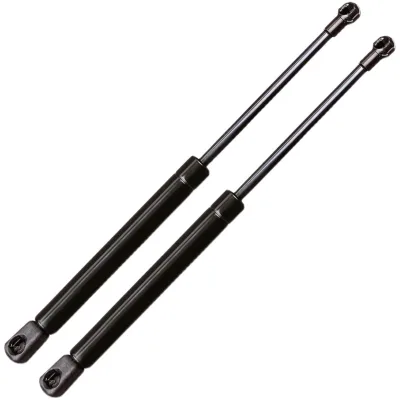
Durable Hydraulic Strut for Tailgate Hood Mechanical Hydraulic Strut for Vehicle
$0.79 - $2.98
MOQ: 50 Pieces


Durable Truck Hood Hydraulic Strut for Automobile Gas Spring for Wall Bed
$0.79 - $2.98
MOQ: 50 Pieces

Jiangyin Zhongyou Gas Spring Co., Ltd
- Verified by CTI
- Combined
- China Jiangsu
- Lead time30 days
- Avg. response≤ 1h
Main productsGas Spring, Gas Sturt, Adjustable Spring, Gas Lift, Stainless Steel Spring, Tension Gas Spring, Furniture Accessory, Air Spring, Damper, Gas Cylinder
Main marketsEast Asia(Japan/ South Korea),Domestic,North America
Guangzhou Jubao Automotive Parts Manufacturing Co., Ltd.
- Manufacturer
- Guangdong, China
- Lead time0 days
- Avg. response≤ 3h
Main productsCar luggage rack,Car bumper,Off road Parts,JIMNY Parts,JEEP Parts
Main marketsNorth America(30.00%), South America(30.00%), Mid East(30.00%), South Asia(10.00%)
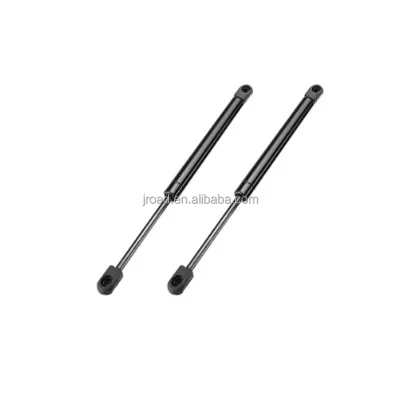
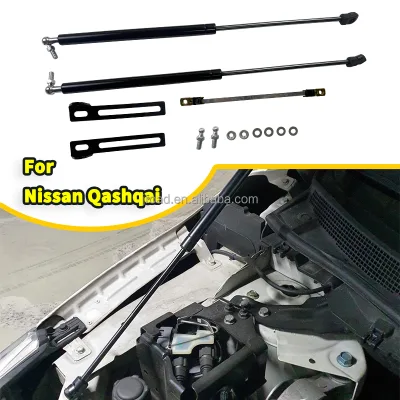
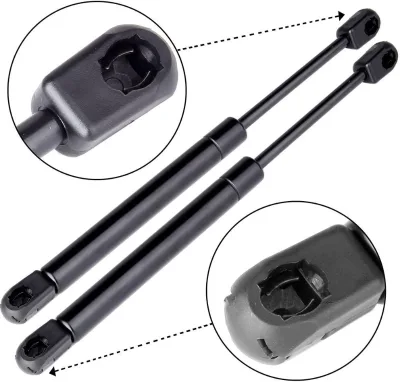
Best Quality Black Car Hood Engine Struts Kit Car Front Hood Struts for Nissan Qashgai
$21.4589 - $23.5021
MOQ: 2 sets
Ningbo Gastac Gas Spring Co.,Ltd
- Manufacturer, Trading Company
- Zhejiang, China
- Lead time0 days
- Avg. response≤ 1h
Main productsLocking Gas Spring, Stainless Steel Gas Spring, Gas Spring, Shock Absorber, Linear Actuator
Main marketsNorth America(20.00%), Domestic Market(20.00%), Western Europe(15.00%), Southeast Asia(15.00%), South America(10.00%), South Asia(5.00%), Oceania(5.00%), Africa(5.00%), Eastern Europe(5.00%)

Changzhou Longxiang Gas Spring Co., Ltd.
- Combined
- China Jiangsu
- Lead time15 days
- Avg. response≤ 15h
Main productsGas Spring, Gas Strut, Gas Lift Spring, Support Gas Spring, Lift Gas Spring, Linear Actuator, Lockable Gas Spring, Dampers, Tension Gas Spring, Mini Gas Struts
Main marketsSoutheast Asia/ Mideast,Domestic,Europe,North America

Hebei Chaopu Machinery Manufacturing Co., Ltd
- Verified by SGS
- Combined
- China Hebei
- Lead time15 days
- Avg. response≤ 10h
Main productsGas Spring, Gas Strut, Gas Lift Support, Hydraulic Gas Spring, Compression Gas Spring
Main marketsAfrica,Southeast Asia/ Mideast,Europe

Modified Hydraulic Compression Gas Spring Strut for Hood Tailgate Industrial Steel Cylinder
$1.30 - $1.50
MOQ: 50 Pieces


Compression Gas Strut for Engine Hood Front Cover Tailgate Shock Support Bar
$1.30 - $1.50
MOQ: 99 Pieces
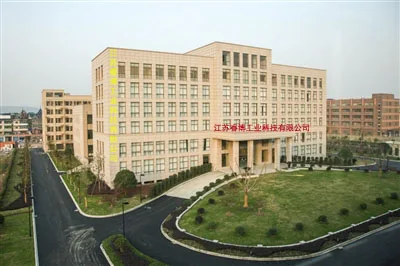
Jiangsu Ruibo Industrial Technology Co., Ltd.
- Manufacturer, Trading Company
- Jiangsu, China
- Lead time10 days
- Avg. response≤ 8h
Main productsGas Spring,Linear Actuator,Bed Fitting Mechanism With Gas Spring,Hardware,Non standard Automation Equipment
Main marketsNorth America(30.00%), South America(15.00%), Southeast Asia(15.00%), Western Europe(10.00%), Eastern Europe(10.00%), South Asia(5.00%), Eastern Asia(5.00%), Central America(5.00%), Mid East(5.00%)
Changzhou Louie Linear Actuator Co., Ltd.
- Verified by SGS Group
- Manufacturer, Trading Company
- Lead time15 days
- Avg. response≤ 3h
Main productsLinear Actuator
Main marketsDomestic Market(27%), North America(15%), South America(10%)
Benzhibao (guangzhou) Automotive Parts Co., Ltd.
- Manufacturer, Trading Company, Distributor/Wholesaler
- Guangdong, China
- Lead time0 days
- Avg. response≤ 5h
Main productsbody parts,brake parts,engine parts,suspension parts,steering systems
Main marketsDomestic Market(50.00%), Southeast Asia(11.00%), Africa(9.00%), North America(8.00%), Northern Europe(5.50%), South Asia(5.00%), Eastern Asia(4.50%), Central America(3.00%), South America(2.00%), Mid East(1.00%), Eastern Europe(0.70%)
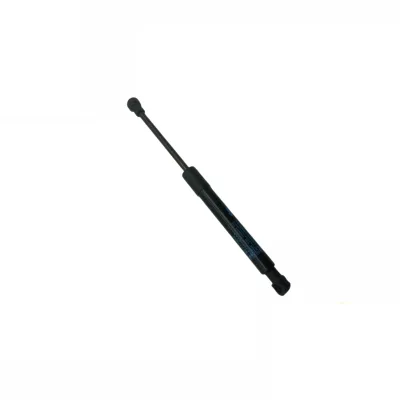
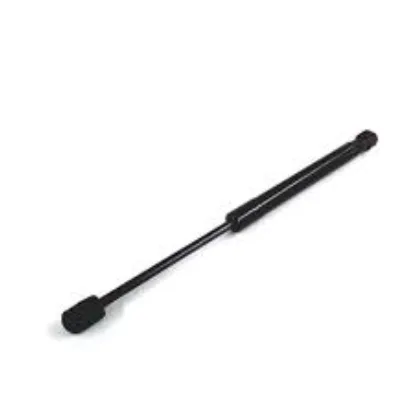
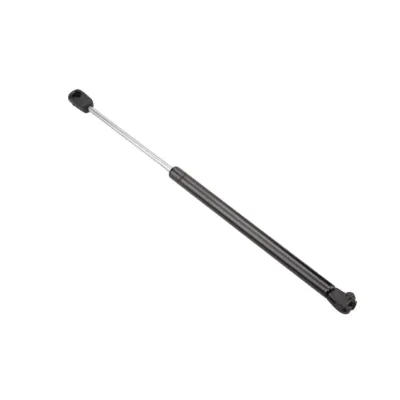
New Engine Hood Gas Spring Gas Strut for 2010-2012 Automotive Parts BKK760010 Black
$1.50 - $1.60
MOQ: 50 pieces
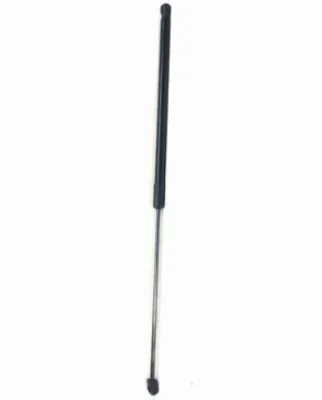
$1.00 - $1.70
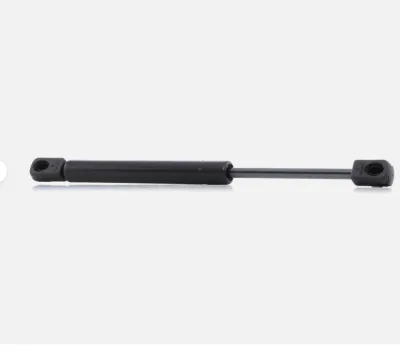
$1.00 - $1.60
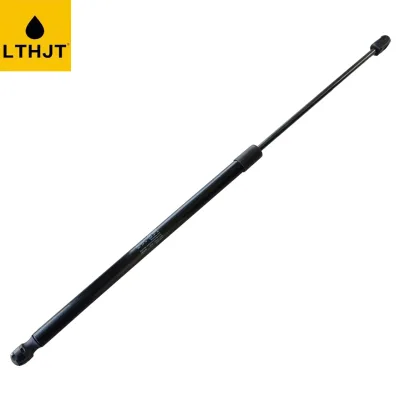
$0.66 - $1.99
$0.99 - $2.33
Nanjing Haoyueyuan Auto Parts Co., Ltd.
- Trading Company
- Jiangsu, China
- Lead time16 days
- Avg. response≤ 1h
Main productsAuto Parts,Rubber products,Lubricating oil,tyre,Hardware
Main marketsEastern Europe(30.00%), North America(30.00%), South America(20.00%), Western Europe(10.00%), Southeast Asia(10.00%)
Changzhou Nantai Gas Spring Co., Ltd.
- Verified by SGS Group
- Manufacturer, Trading Company
- Lead time10 days
- Avg. response≤ 4h
Main productsGas Spring
Main marketsDomestic Market(40%), Eastern Europe(15%), Mid East(10%)

Changzhou Gas Spring Co., Ltd.
- Manufacturer, Trading Company
- Jiangsu, China
- Lead time10 days
- Avg. response≤ 4h
Main productsGas Spring/Damper/Gas Lift/Lockable Gas Spring/Gas Strut/Traction,Hydro lock,Dampers,Actuator,Gas strut
Main marketsDomestic Market(95.00%), North America(1.00%), Northern Europe(1.00%), Western Europe(1.00%), Mid East(1.00%), Southeast Asia(1.00%)
Ningbo Fenghua Gogo Automatic Trading Company Limited
- Trading Company
- Lead time旺季: "1 - 100":60,"> 100":"To be negotiated", 淡季: "1 - 100":60,"> 100":"To be negotiated"
- Avg. response≤ 7h
Main productsMechanical Parts, Auto Parts, Electric Parts, Pneumatic, Valve

Ningbo Go Go Automatic Technology Company Ltd.
- Trading Company
- Zhejiang, China
- Lead time7 days
- Avg. response≤ 10h
Main productsauto door,auto parts
Main marketsWestern Europe(9.00%), Eastern Asia(9.00%), Mid East(9.00%), Africa(9.00%), Southeast Asia(9.00%), Eastern Europe(9.00%), South America(9.00%), Northern Europe(9.00%), North America(9.00%), Southern Europe(7.00%), Oceania(5.00%), Central America(5.00%), Domestic Market(1.00%), South Asia(1.00%)
Guangzhou Dahan Trade Co., Ltd.
- Trading Company, Buying Office, Distributor/Wholesaler
- Guangdong, China
- Lead time7 days
- Avg. response≤ 2h
Main productsSuspension system,Engine system,Transmission system,Steering system,Brake system
Main marketsDomestic Market(65.00%), Southeast Asia(15.00%), Eastern Asia(10.00%), South Asia(5.00%), Africa(3.00%), North America(2.00%)
Changzhou Longxiang Gas Spring Co., Ltd.
- Verified by TüVRheinland
- Manufacturer, Trading Company
- Lead time0 days
- Avg. response≤ 4h
Main productsGas Spring, Linear Actuator
Main marketsDomestic Market(45%), North America(10%), Oceania(10%)

Qufu Temb Automotive Electric Co., Ltd.
- Verified by SGS
- Combined
- China Shandong
- Lead time30 days
- Avg. response≤ 5h
Main productsCar Horn, Spring, Backup Light Switch, Stop Light Switch, Back-up Alarm, Avas, Automatic Starting Device, Car Speaker
Main marketsSouth America,Southeast Asia/ Mideast,East Asia(Japan/ South Korea),Domestic,Europe,Australia,North America


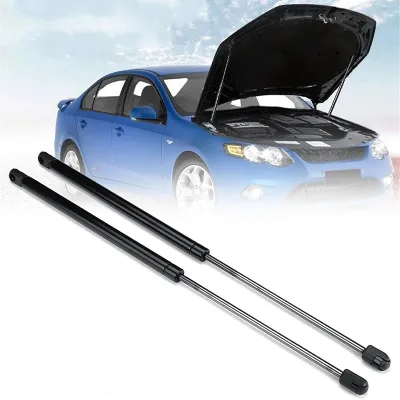
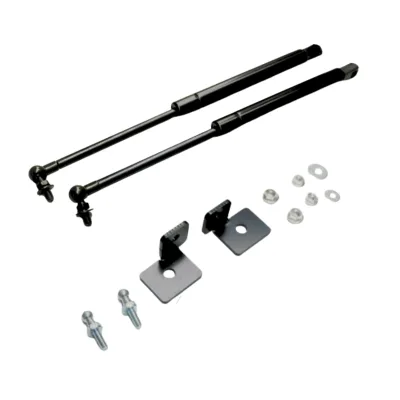
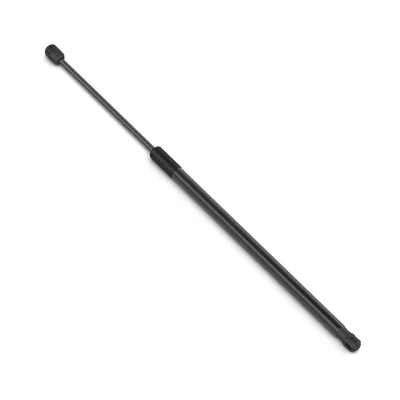
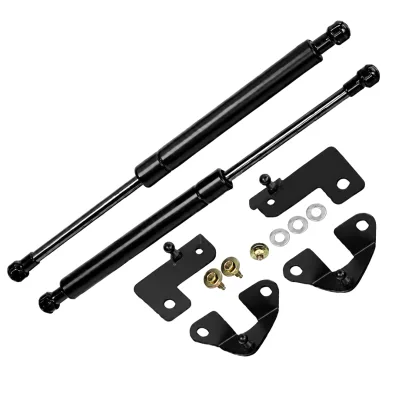
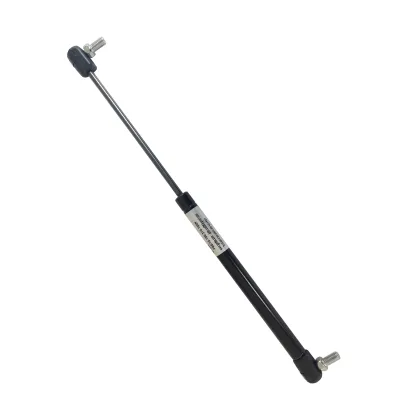


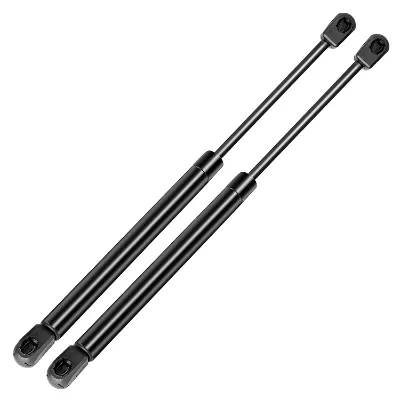
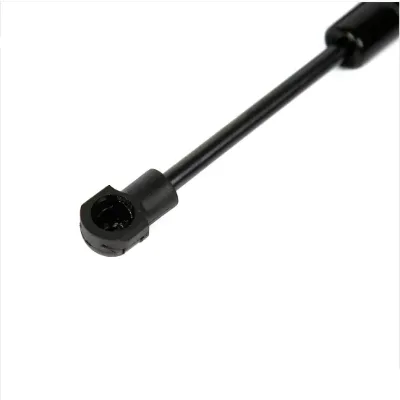
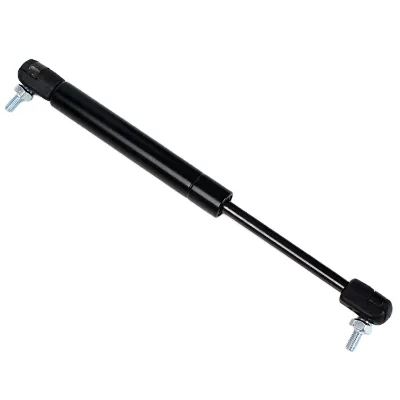
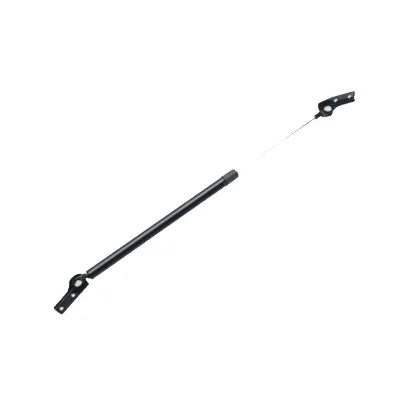
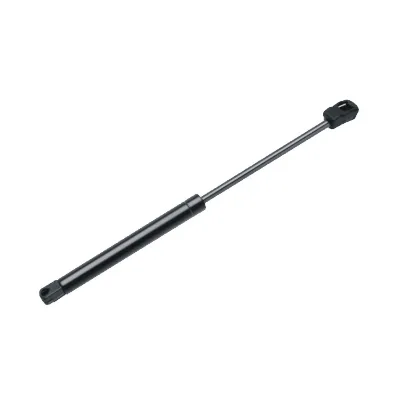


Comprehensive Sourcing Guide
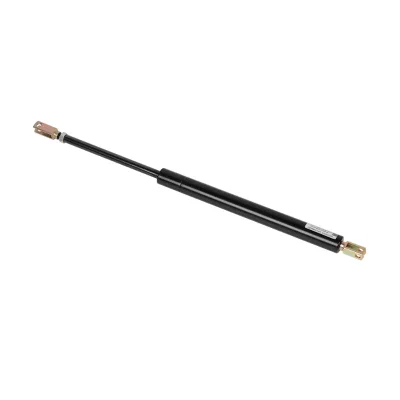
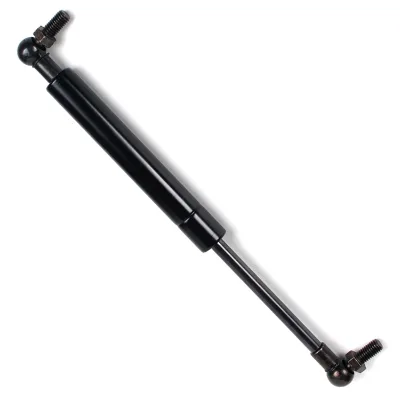
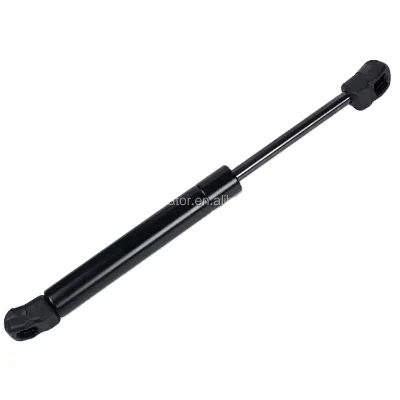
Hydraulic Steel Engine Hood Strut Supplier Concentration and Factory Types
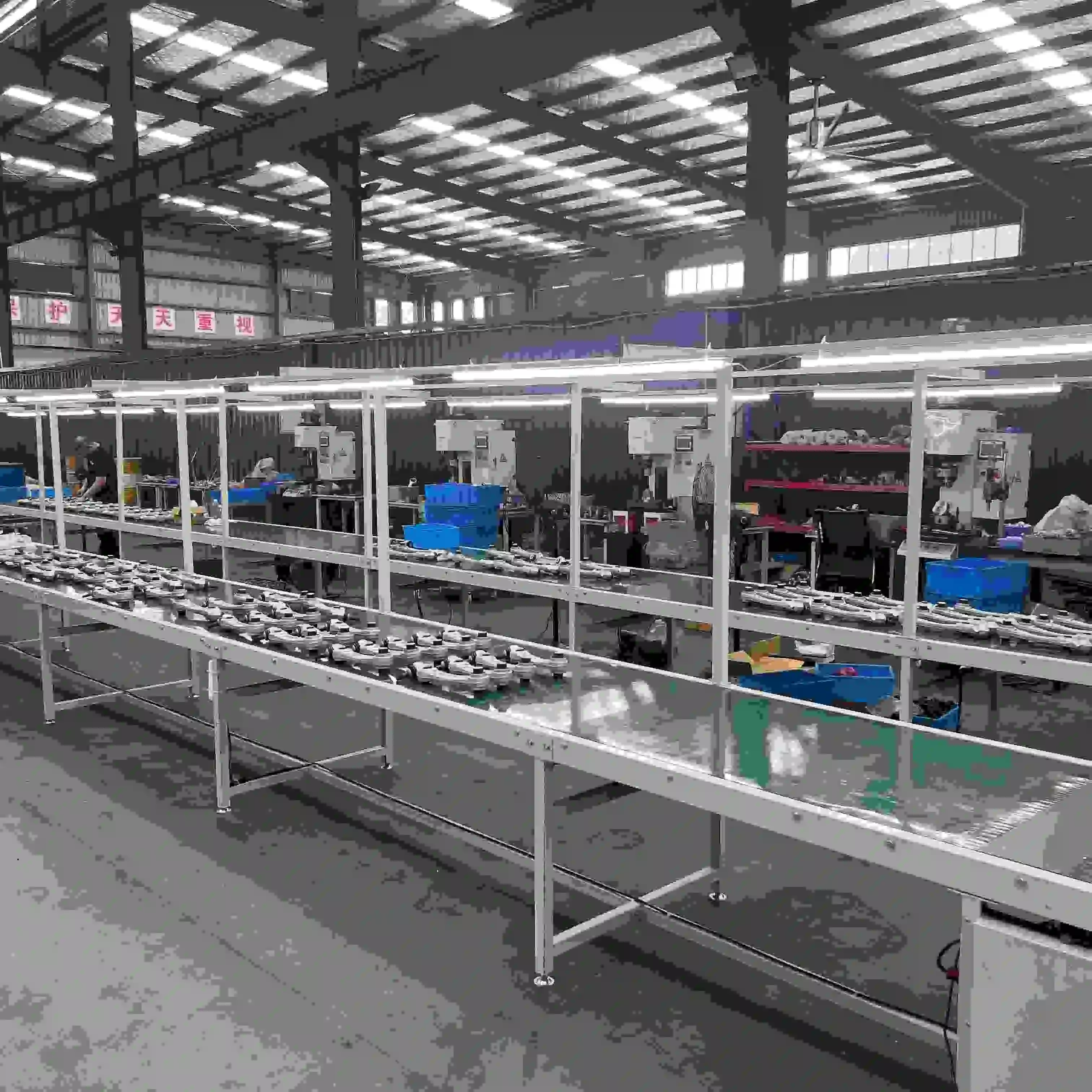
The current supplier landscape for hydraulic steel engine hood struts reveals a distinct geographic concentration in China, specifically within the provinces of Anhui and Jiangsu. These regions serve as primary manufacturing hubs for gas springs and related automotive hardware, offering buyers access to established industrial clusters. Factories located in these areas often benefit from mature supply chains for raw materials such as cold-rolled steel and nitrogen gas, which are critical components in strut production. The presence of multiple verified entities in these locations suggests a competitive market where manufacturers can leverage local infrastructure to optimize production efficiency. Buyers should recognize that this geographic clustering facilitates easier logistics coordination and potentially faster turnaround times for bulk orders, as transportation networks in these provinces are well-developed for industrial goods.
Supplier types in this sector vary, with many entities operating as combined entities that blend manufacturing capabilities with trading functions. This hybrid model allows for greater flexibility in order fulfillment, catering to both large-scale industrial buyers and smaller commercial clients seeking customized solutions. Many suppliers offer both OEM and ODM services, indicating a robust capacity for custom engineering and design adaptation. This is particularly relevant for buyers requiring specific force ratings, stroke lengths, or end-fitting configurations that differ from standard off-the-shelf products. The ability to customize parameters such as force from 20 to 4000 Newtons and stroke lengths up to 500mm highlights the technical versatility available within these manufacturing centers. Understanding the specific operational model of a supplier helps buyers determine whether they are engaging directly with a production facility or a trading intermediary, which can impact pricing structures and communication dynamics.
How to Verify Hydraulic Steel Engine Hood Strut Suppliers
Verification is a critical step in mitigating risk when sourcing hydraulic steel engine hood struts, as the quality of these components directly impacts vehicle safety and functionality. Buyers should prioritize suppliers who have undergone third-party verification processes, such as those conducted by BV or CTI, which provide an additional layer of confidence regarding the supplier’s operational legitimacy. These verification badges indicate that an independent agency has assessed the supplier’s business scope, legal status, and sometimes production facilities. However, verification alone is not a guarantee of product quality; it serves primarily as a baseline check for business authenticity. Buyers must look beyond these badges to assess the technical competence of the supplier, particularly regarding their ability to maintain consistent quality control standards across large production runs.
In addition to third-party verification, buyers should examine the supplier’s system certifications, such as ISO9001:2015, which demonstrate a commitment to standardized quality management processes. This certification is particularly important for automotive components, as it implies that the supplier has established procedures for monitoring production variables and addressing non-conformities. Buyers should also evaluate the supplier’s response time, as a quick and professional reply often reflects a well-organized internal team capable of handling complex inquiries and order modifications. A response time of under one hour, as seen with some Jiangsu-based suppliers, suggests high operational efficiency and readiness to engage in detailed technical discussions. Furthermore, buyers should request specific product evidence, including detailed specifications for force, stroke, and material composition, to ensure the supplier can meet precise engineering requirements. This due diligence helps distinguish between capable manufacturers and those who may lack the technical depth to support complex automotive applications.
What to Compare Across Hydraulic Steel Engine Hood Strut Suppliers
When evaluating multiple suppliers, buyers must compare key operational metrics to identify the most suitable partner for their specific needs. Lead time is a crucial factor, with some suppliers offering a standard 30-day turnaround while others provide expedited options of 15 working days for customized orders. This variance can significantly impact inventory planning and project timelines, making it essential to align supplier capabilities with production schedules. Minimum Order Quantity (MOQ) requirements also vary widely, ranging from 50 pieces for certain standard models to 500 pieces for others. Buyers with smaller volume needs should seek suppliers with lower MOQs, while those planning large-scale procurement can leverage higher volume thresholds to negotiate better pricing. Understanding these thresholds helps in selecting suppliers that match the buyer’s scale and operational rhythm.
Price and customization capabilities are equally important comparison points. Unit prices for hydraulic struts can range from approximately $0.79 to $10.00, depending on specifications such as material finish, force rating, and packaging requirements. Buyers should compare not just the base price but also the cost implications of customization, such as specific end fittings or color finishes. Some suppliers offer extensive customization options, including adjustable force and stroke lengths, which may come at a premium but provide greater design flexibility. Additionally, the supplier’s main product focus should be considered; those specializing in gas springs and automotive hardware may offer deeper technical expertise and more consistent quality than generalist traders. By systematically comparing lead times, MOQs, pricing structures, and customization options, buyers can make informed decisions that balance cost efficiency with operational reliability and technical suitability.
Common Hydraulic Steel Engine Hood Strut Sourcing Risks
One significant risk in sourcing hydraulic steel engine hood struts is the potential mismatch between advertised specifications and actual product performance. Suppliers may list generic parameters such as "Compression" load type or "Steel" material without providing detailed test data or quality assurance protocols. This lack of transparency can lead to issues with durability, force consistency, or corrosion resistance, especially in harsh environmental conditions. Buyers must be vigilant in requesting detailed product attributes, including finish types like nickel plating or chrome plating, and medium composition, typically nitrogen, to ensure the struts meet their specific application requirements. Failure to verify these details can result in premature failure of the struts, leading to costly recalls or warranty claims.
Another risk involves the variability in manufacturing quality across different supplier batches. Even within the same supplier, inconsistencies can arise if quality control processes are not rigorously enforced. Buyers should be aware that some suppliers may offer customized products with varying lead times and MOQs, which can complicate supply chain management if not properly coordinated. Additionally, the use of terms like "Customized" for force, stroke, and length without clear engineering drawings or specifications can lead to misunderstandings and production errors. To mitigate these risks, buyers should insist on clear communication of all technical parameters and request samples for testing before committing to large orders. Establishing a robust quality assurance framework, including regular inspections and performance testing, is essential to ensure that the hydraulic struts meet the required standards for safety and reliability.
Hydraulic Steel Engine Hood Strut Regional Sourcing and Logistics
Sourcing hydraulic steel engine hood struts from China, particularly from Anhui and Jiangsu provinces, offers logistical advantages due to the region’s advanced manufacturing infrastructure and export capabilities. These provinces are well-connected to major ports, facilitating efficient shipping for both domestic and international buyers. The concentration of suppliers in these areas allows for consolidated shipping, which can reduce transportation costs and simplify logistics management. Buyers should consider the proximity of suppliers to key shipping routes when planning their supply chain, as this can impact transit times and overall delivery efficiency. Additionally, the presence of multiple suppliers in close geographic proximity can foster competition, potentially leading to better service levels and pricing options.
Logistics planning should also account for the specific packaging requirements of hydraulic struts, which are often shipped in cartons or wooden cases to prevent damage during transit. Some suppliers offer palletized packaging for larger orders, which can streamline handling at the destination. Buyers should coordinate with suppliers to ensure that packaging meets international shipping standards and protects the products from moisture and physical impact. Furthermore, understanding the lead times associated with different shipping methods is crucial for maintaining inventory levels. While some suppliers offer expedited production times, the actual delivery time will depend on the chosen shipping method and destination. By carefully planning logistics and leveraging the regional advantages of Chinese manufacturing hubs, buyers can optimize their supply chain for efficiency and cost-effectiveness.
Hydraulic Steel Engine Hood Strut Commercial Terms and Order Planning
Commercial terms and order planning are vital for ensuring a smooth procurement process for hydraulic steel engine hood struts. Buyers should clearly define their order quantities, delivery schedules, and payment terms to avoid misunderstandings with suppliers. Many suppliers offer flexible payment options, but it is essential to agree on terms that protect both parties’ interests. For customized orders, buyers should provide detailed specifications and engineering drawings to ensure accurate production. Some suppliers require a deposit before production begins, with the balance paid upon completion or shipment. Understanding these financial arrangements helps in managing cash flow and reducing financial risk.
Order planning should also consider the supplier’s capacity and lead times to ensure timely delivery. Buyers with urgent requirements should prioritize suppliers with shorter lead times, such as those offering 15 working days for customized orders. For larger orders, buyers should plan ahead to accommodate longer production cycles and potential bottlenecks. Additionally, buyers should establish clear communication channels with suppliers to monitor production progress and address any issues promptly. Regular updates and inspections can help ensure that the products meet the agreed-upon specifications and quality standards. By carefully planning commercial terms and order logistics, buyers can build a reliable and efficient supply chain for hydraulic steel engine hood struts, supporting their business operations and customer satisfaction.
FAQs
What is the price range for hydraulic steel engine hood struts?
Prices typically range from $0.79 to $10.00 per unit depending on specifications. Standard models start around $0.79, while specialized automotive or locking variants cost up to $10.00. Buyers should verify exact pricing based on force, stroke, and customization needs before ordering.
What is the minimum order quantity for these struts?
Minimum order quantities vary by supplier, generally starting at 50 pieces for standard items. Some manufacturers require 100 or 500 units for specific models. Buyers must check individual product listings to confirm the exact MOQ applicable to their desired specifications and order volume.
How long does production take for these gas struts?
Lead times typically range from 15 to 30 work days for production. Some suppliers offer faster turnaround times for standard stock items. Buyers should confirm specific delivery schedules with the supplier, as lead times may vary based on order quantity and customization requirements.
Are these struts suitable for automotive and furniture applications?
Yes, these struts are designed for diverse uses including automotive hoods, furniture, and industrial machinery. They support applications in chairs, cabinets, and vehicle doors. The nitrogen-filled steel construction ensures durability across various environments and load types for both commercial and residential needs.
What materials are used in manufacturing these hydraulic struts?
Manufacturers primarily use cold-rolled steel and stainless steel for the tubes and rods. Finishes include nickel plating, chrome plating, and zinc plating for corrosion resistance. The internal medium is typically nitrogen gas, providing consistent force and smooth operation for heavy-duty lifting and support tasks.
Do suppliers offer customization for force and stroke length?
Many suppliers offer customization for force, stroke, and length to meet specific requirements. Custom options allow buyers to adjust parameters like 20-4000N force and 20-500mm stroke. Buyers should consult suppliers directly to confirm available customization ranges and any associated costs or minimum order changes.