Portable 800A Mobile Jump Starter Suppliers and Manufacturers
Explore 20 verified options for Portable 800A Mobile Jump Starter from China Anhui and Guangdong. Compare response times, lead times, certifications, and pricing to find the right factory. Contact suppliers directly to request quotes; review the available evidence before requesting comparable quotations from suitable candidates.
Updated
Suppliers List

Tianchang Zhiyun Electronic Technology Co., Ltd.
- Verified by BV
- Trading Company,Manufacturer/Factory
- China Anhui
- Lead time23 days
- Avg. response≤ 20h
Main productsIntelligent Pulse Repair Battery Chargers, Motorcycle Battery Chargers, Outdoor Power Supply, Battery Detector, Car Jump Starter, Invert Power, Car Battery Charger, Lead Acid Battery, Lead-Acid Battery Charger, Lithium Battery Charger
Main marketsSouth America,Eastern Europe,Mid East,North America,Southeast Asia,Eastern Asia,Oceania,Western Europe,Africa


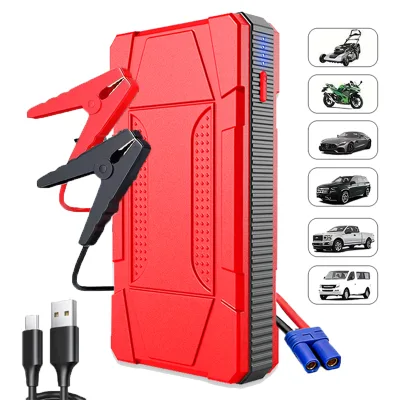
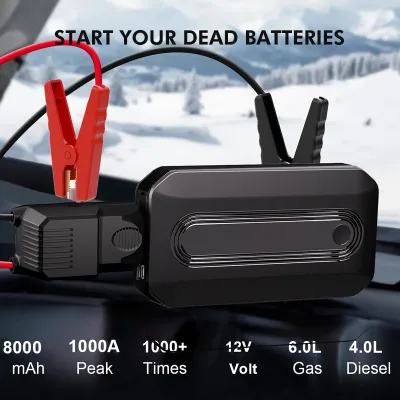
12V Car Lithium Battery Booster Jump Starter 8000mAh Mobile Power Bank Starter
$24.50 - $26.50
MOQ: 5 Pieces

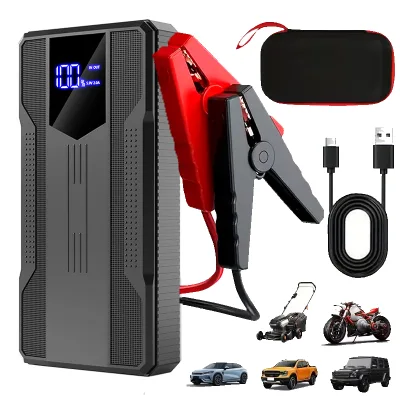
High Car Jump Starter 12V Portable Car Battery Jump Starter with High Quality
$22.00 - $24.00
MOQ: 1 Pieces

Foshan Sharmeal Technology Co., Ltd.
- Verified by BV
- Trading Company
- China Guangdong
- Lead time30 days
- Avg. response≤ 3h
Main productsPortable Jump Starter, Car Jump Starter, Emergency Power Station, Portable Power Station, Power Station, Car Power Bank, Li-ion Battery, Energy Storage System, Energy Storage Power, Portable Power Supply
Main marketsAustralia,North America

Power Bank Car Jump Starter 8000mAh Portable Jump Starter Emergency Start
$19.99 - $27.99
MOQ: 1 Pieces

12V Factory 8000mAh Portable Car Jump Starter Multi Function Jump Starter
$36.99 - $45.99
MOQ: 1 Pieces


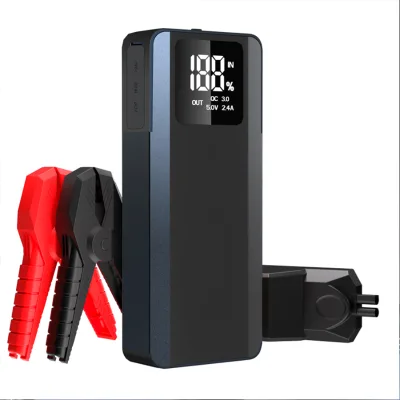
12V Portable Jump Starter Multifunction Booster Jump Starter Portable Power Bank
$15.00 - $23.00
MOQ: 1 Pieces

Shenzhen Singo Electronics Co., Ltd
- Verified by SGS
- Manufacturer
- China Guangdong
- Lead time15 days
- Avg. response≤ 6h
Main productsLaptop Battery, Apple Laptop Battery, Cameras Battery, Jump Start, Portable Power Bank, Digital Camera Battery, Laptop Adapter
Dongguan Jiuhang Zhixin Intelligent Technology Co., Ltd
- Manufacturer, Trading Company
- Guangdong, China
- Lead time0 days
- Avg. response≤ 2h
Main productsLithium Ion Battery Cell, UAV Battery Cell, Car Jump Starter, Residential Energy Storage Battery, Power Battery
Main marketsWestern Europe(30.00%), North America(30.00%), Southeast Asia(20.00%), Africa(10.00%), South Asia(10.00%)
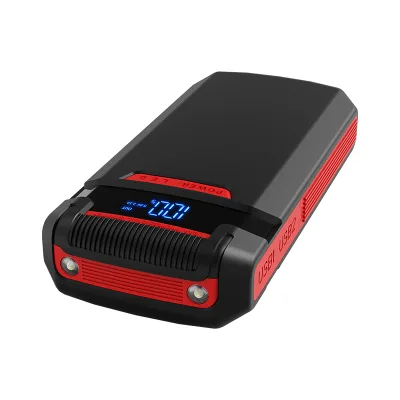
Factory Portable 12V Peak 800A Multifunctional Emergency Car Jump Starter Vehicle Jump Starter
$19.00 - $22.50
MOQ: 1 pieces

Shanghai Anma Industry Co., Ltd.
- Trading Company
- China Shanghai
- Lead time30 days
- Avg. response≤ 6h
Main productsCar Accessories, Car Spare Parts, Car Tools, Car Interior Accessories, Car Exterior Accessories, Car Electrical Accessories, Car Lights, Car Mirror, Car Emergency Kits, Car Care Products
Main marketsSouth America,Others(foreignTradeCapacity.exportBusinessCapacityMarketOther),Southeast Asia/ Mideast,Europe,North America

Guangzhou Senfly Technology Co., Ltd
- Verified by SGS
- Manufacturer/Factory
- China Guangdong
- Lead time0 days
- Avg. response≤ 1h
Main productsJump Starter, Tire Inflator, Jump Starter with Air Pump, Jump Starter Power Bank, Car Battery Booster, Car Jump Starter, Jump Starter with Air Compressor, Jump Starter with Tire Inflator
Guangzhou Jinyaoe Technology Co., Ltd.,
- Verified by SGS Group
- Manufacturer, Trading Company
- Lead time2 days
- Avg. response≤ 2h
Main productsCar Jump Starter, Portable Power Station
Main marketsNorth America(30%), Eastern Europe(20%), Domestic Market(10%)
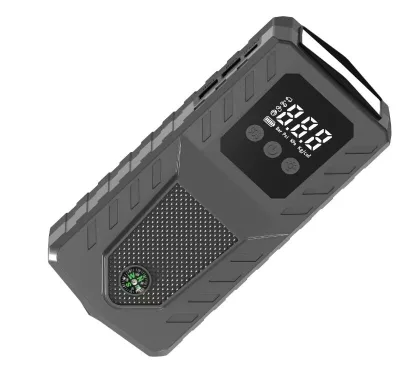
$14.00 - $15.00
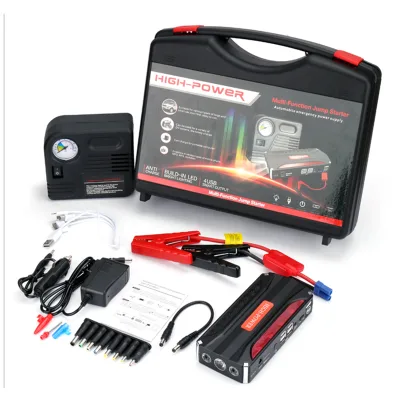
Battery Jump Starter Portable 12V Battery Booster 16800mAH 1600A Jamp Starter Car Jump
$26.0158 - $29.1391
MOQ: 50 sets
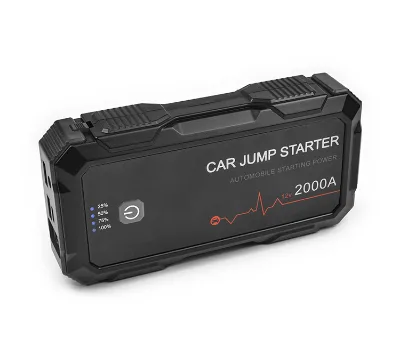
$32.0497 - $37.2178
MOQ: 50 sets
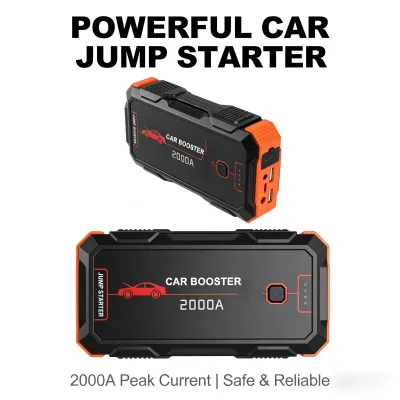

Dongguan Borui Intelligent Technology Co., Ltd.
- Manufacturer, Trading Company
- Guangdong, China
- Lead time35 days
- Avg. response≤ 3h
Main productsJump starter,Inflatable Pump,Mounts & Holder,High rate battery,energy storage
Main marketsSouth America(30.00%), Eastern Asia(30.00%), North America(20.00%), Eastern Europe(20.00%)

- Verified by TUVRHEINLAND
- Combined
- China Guangdong
- Lead time30 days
- Avg. response≤ 5h
Main productsLiFePO4 Battery, Lithium Ion Battery, Lithium Polymer Battery, Li Ion Battery, Jump Starter, Power Station, Energy Storage Battery, Hess, Battery Pack, Battery Charger
Main marketsDomestic,Europe


$28.00 - $35.00
MOQ: 1 Pieces

$27.00 - $30.00
MOQ: 100 Pieces
Guangzhou Autolion Electronic Technology Co., Ltd.
- Verified by SGS Group
- Manufacturer, Trading Company
- Lead time10 days
- Avg. response≤ 3h
Main productsJump Starter/air compressor
Main marketsEastern Europe(30%), Western Europe(30%), North America(20%)
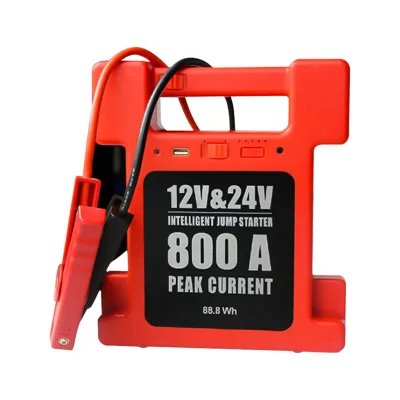
$102.6025 - $117.993
MOQ: 2 sets
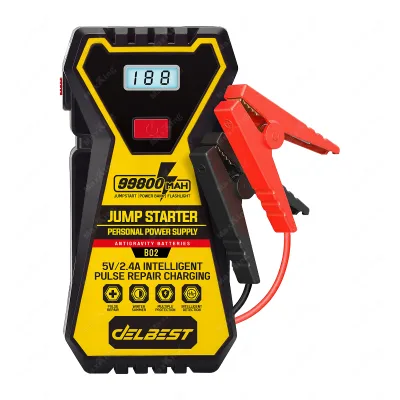
$20.00 - $22.00
MOQ: 50 sets
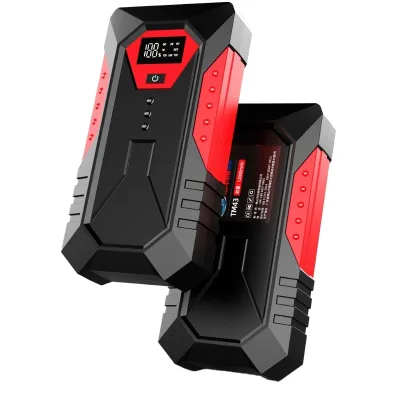
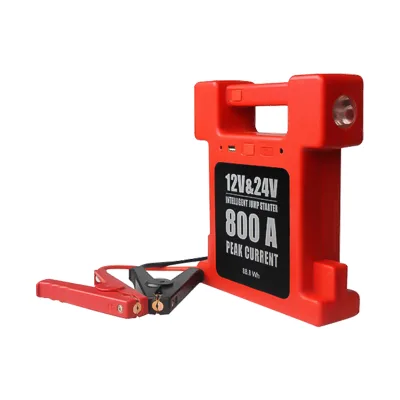
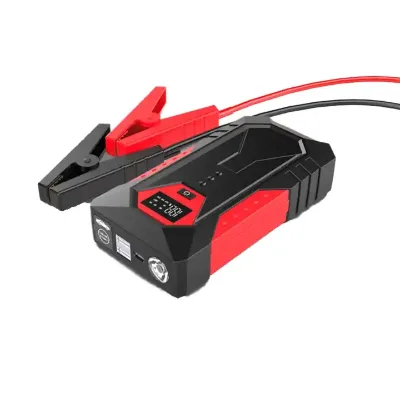
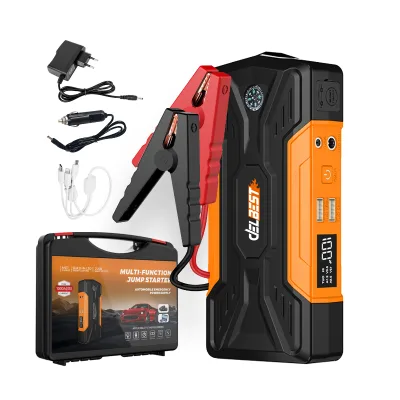

Guangzhou B-King Auto Electronics Limited
- Verified by TUVRHEINLAND
- Trading Company
- China Guangdong
- Lead time15 days
- Avg. response≤ 8h
Main productsLED Headlight, LED Headlight Bulb, Auto Lights, Car Lights, HID, Car Camera, LED Work Light, Turn Signal Light, LED Fog Light
Main marketsSouth America
Dongguan Chuangyi New Energy Technology Co., Ltd.
- Verified by SGS Group
- Manufacturer, Trading Company
- Lead time0 days
- Avg. response≤ 3h
Main productsJump Starter, Power Station, Battery Charger
Main marketsNorth America(40%), Eastern Europe(20%), Western Europe(20%)
Guangzhou Autolion Electronic Technology Co., Ltd.
- Manufacturer, Trading Company
- Lead time旺季: "1 - 5":8,"6 - 50":25,"> 50":"To be negotiated", 淡季: "1 - 5":8,"6 - 50":25,"> 50":"To be negotiated"
- Avg. response≤ 4h
Main productsCar Security System,Jump starter,Car Rearview Monitor System

Shenzhen JQB Industrial Co., Ltd.
- Manufacturer
- Guangdong, China
- Lead time20 days
- Avg. response≤ 5h
Main productsJump Starter,Portable power station,LiFePO4 motorcycle battery,Home Energy Sources,solar panel
Main marketsWestern Europe(25.00%), North America(25.00%), Northern Europe(20.00%), Oceania(10.00%), Eastern Asia(8.00%), Mid East(5.00%), South Asia(5.00%), Africa(2.00%)

Hangzhou Tonny Electric & Tools Co., Ltd.
- Verified by TUVRHEINLAND
- Combined
- China Zhejiang
- Lead time30 days
- Avg. response≤ 5h
Main productsBattery Charger, Power Inverter, Fan, Work Light, Forklift Lamp, Emergency Beacon Lights, Tail & Trailer Light Kits Roger, Testing Tools, Trailer Connectors, Vacuum Cleaner
Main marketsSouth America,Africa,East Asia(Japan/ South Korea),Europe,Australia,North America


12V Portable Emergency Auto Jump Starter, Easy-Start to The Dead Battery Car
$2.50 - $3.20
MOQ: 300 Pieces

- Manufacturer, Trading Company
- Sichuan, China
- Lead time2 days
- Avg. response≤ 2h
Main productsBattery Tester MICRO Series/Battery Tester BT Series/Battery Tester BST Series,Battery Charger CAT Series,OBD2 scanner
Main marketsDomestic Market(52.00%), Central America(10.00%), Southeast Asia(10.00%), Eastern Europe(5.00%), Oceania(5.00%), South America(5.00%), North America(5.00%), Southern Europe(3.00%), Eastern Asia(2.00%), Northern Europe(2.00%), Africa(1.00%)

Guangzhou Congsin Electronic Technology Co., Ltd
- Combined
- China Guangdong
- Lead time15 days
- Avg. response≤ 17h
Main productsPower Inverter, Pure Sine Wave Inverter, Solar Panel, Modified Sine Wave Inverter, Car Power Inverter, DC to AC Power Inverter, Solar Inverter, Solar Charger Controller, Car Emblem Badge, Inverter
Main marketsSouth America,Africa,Southeast Asia/ Mideast

Guangzhou Huihao Technology Co., Ltd.
- Manufacturer, Trading Company
- Guangdong, China
- Lead time0 days
- Avg. response≤ 5h
Main productsPortable power station,Jump starter,Portable air pump,Emergency power supply
Main marketsSoutheast Asia(25.00%), South Asia(15.00%), Mid East(15.00%), Eastern Asia(10.00%), Africa(10.00%), Domestic Market(5.00%), South America(5.00%), Northern Europe(5.00%), Western Europe(5.00%), Eastern Europe(5.00%)
Guangzhou Bosen Logistics Technology Co., Ltd.
- Verified by TüVRheinland
- Trading Company
- Lead time0 days
- Avg. response≤ 9h
Main productsPurchasing Agent
Main marketsSouth America(30%), Central America(20%), North America(10%)
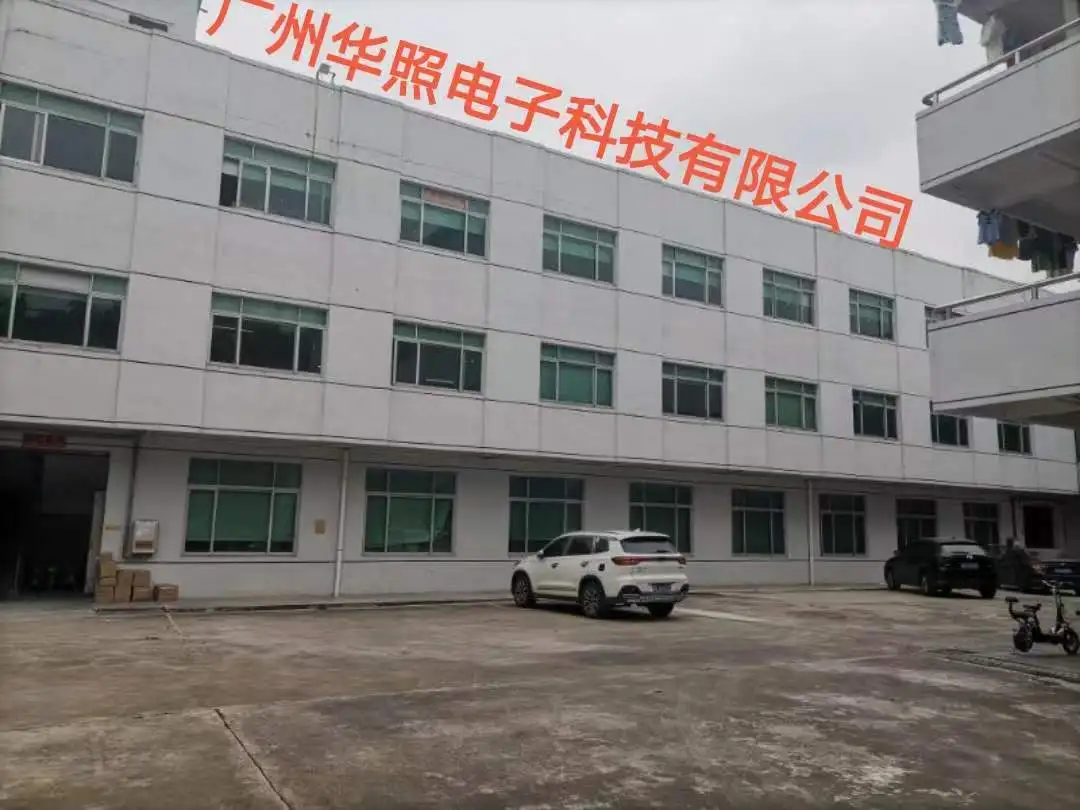
Guangzhou Huayi Electronic Technology Co., Ltd.
- Manufacturer
- Guangdong, China
- Lead time0 days
- Avg. response≤ 5h
Main productsMulti - function car emergency start power,Car power bank,Car emergency battery,Car LED,Tachograph
Main marketsSouth Asia(20.00%), Southeast Asia(20.00%), Eastern Europe(20.00%), South America(20.00%), North America(20.00%)


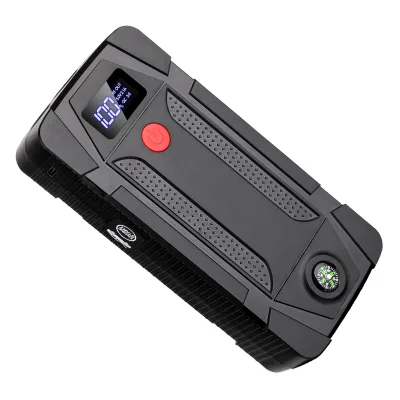
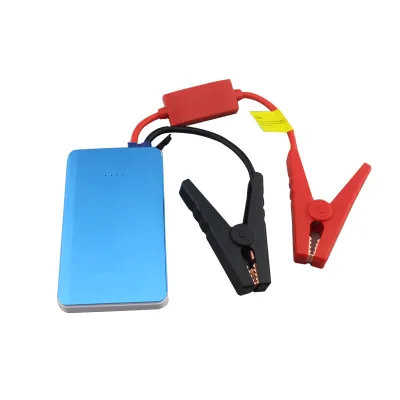
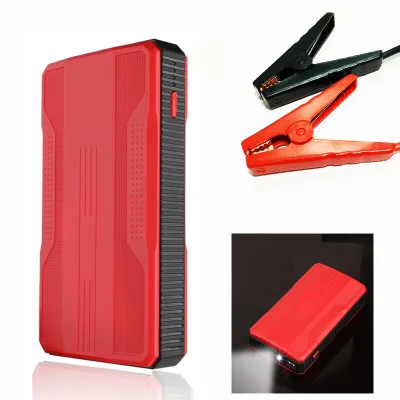
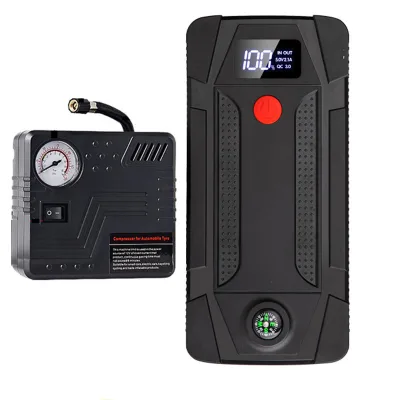


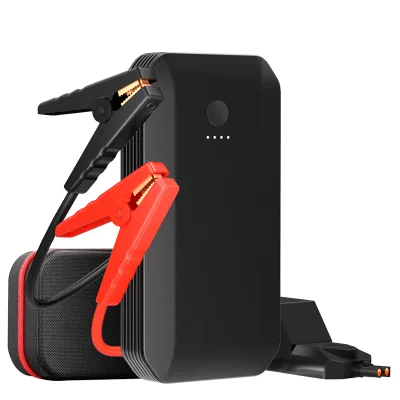
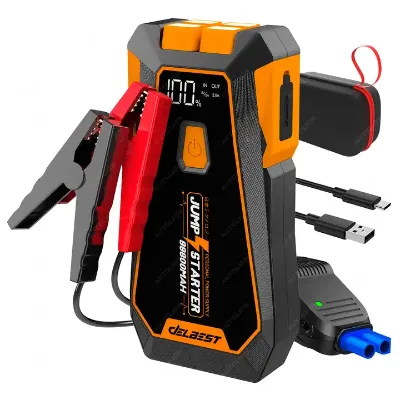
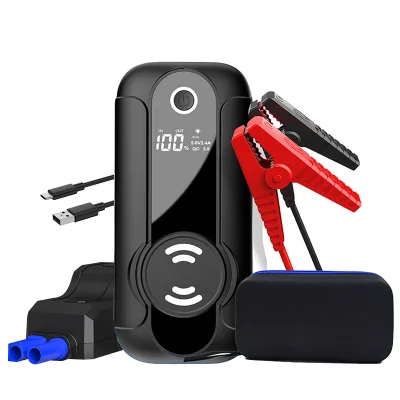
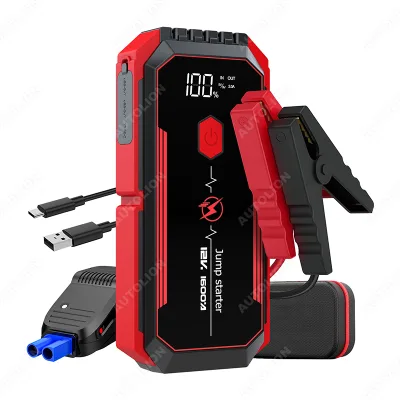
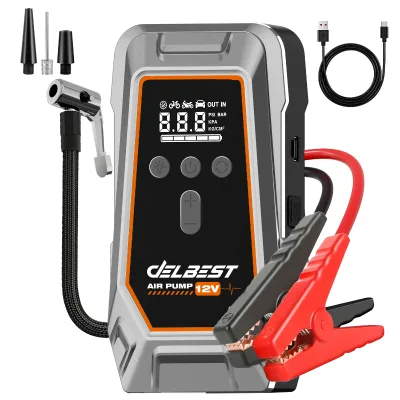
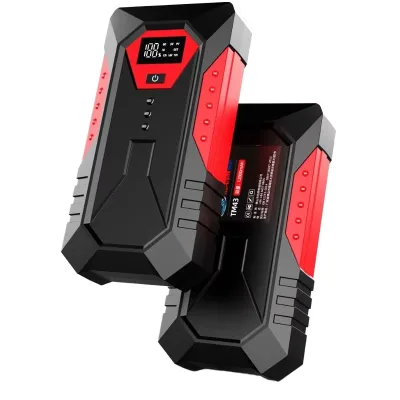
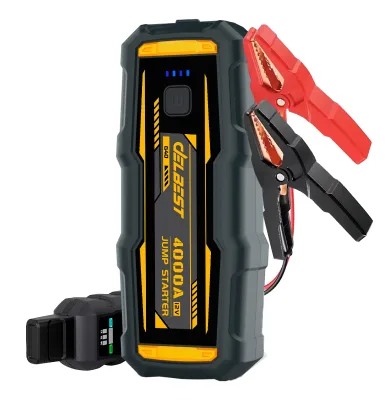
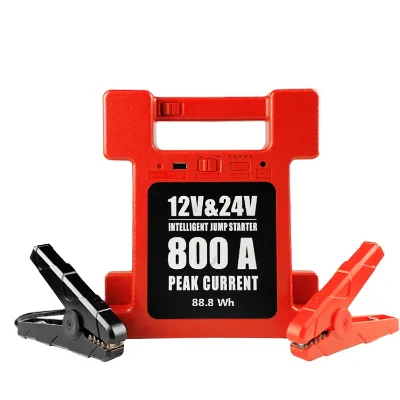
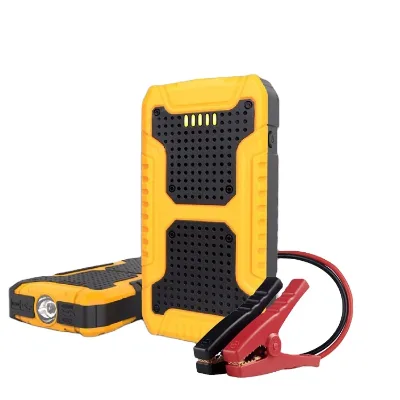
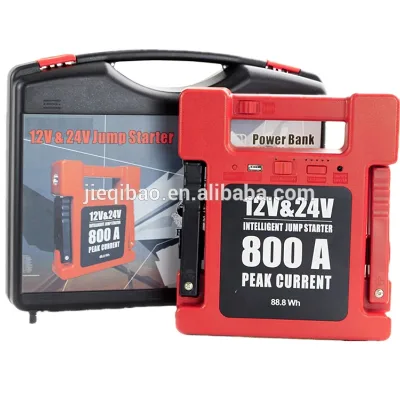
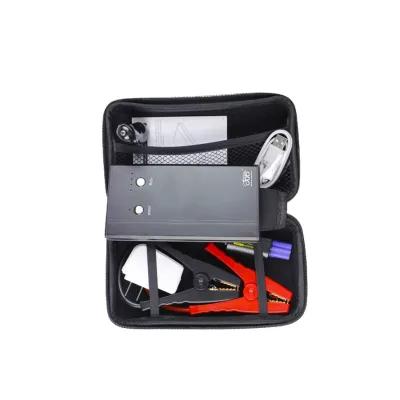
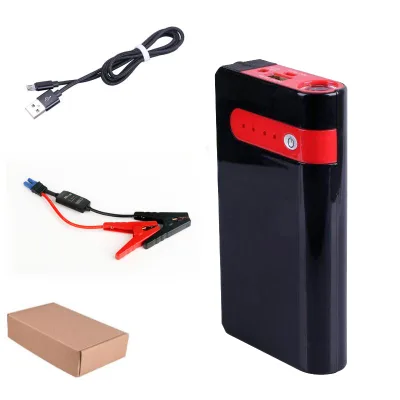
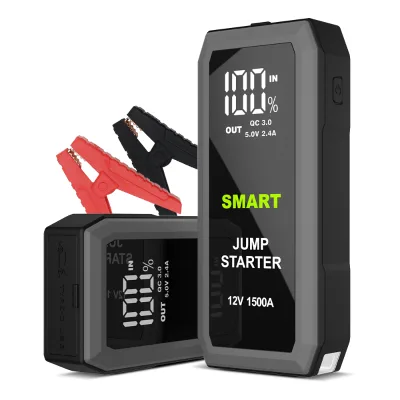


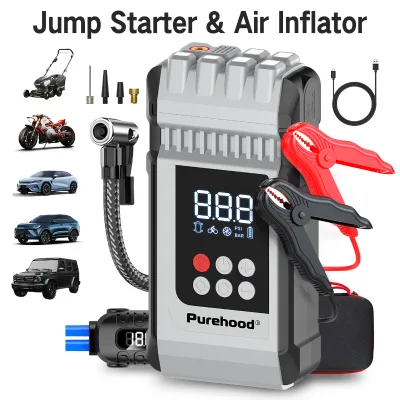
Comprehensive Sourcing Guide
Portable 800A Mobile Jump Starter Supplier Concentration and Factory Types
The sourcing landscape for portable jump starters reveals a distinct concentration of manufacturing capabilities within specific Chinese provinces, particularly Anhui and Guangdong. Suppliers in these regions often operate as either trading companies or manufacturer/factory entities, offering buyers a choice between direct production oversight and streamlined procurement services. In Anhui, the industrial ecosystem supports a diverse range of electronic goods, including intelligent pulse repair battery chargers and lithium battery chargers, which are closely related to the core technology required for high-performance jump starters. This regional focus suggests that buyers seeking suppliers with established production lines for lithium-ion battery applications may find robust options in this area. The presence of both trading companies and factories indicates a mature supply chain where buyers can negotiate directly with production units or leverage the logistical advantages of trading entities. Understanding this geographic distribution is crucial for assessing the reliability and specialization of potential partners, as regional clusters often share common infrastructure and skilled labor pools that influence product quality and consistency.
In contrast, suppliers located in Guangdong are frequently identified as trading companies, which may offer a different value proposition focused on market agility and product variety rather than direct manufacturing control. These entities often curate a wide array of vehicle accessories and electronics, including portable power stations and emergency power supplies, allowing them to present a comprehensive catalog to international buyers. The distinction between a trading company and a manufacturer/factory is significant when evaluating the source of a Portable 800A Mobile Jump Starter, as it impacts communication channels, customization flexibility, and price structures. Buyers must carefully review the company type listed for each supplier to determine whether they are engaging with the actual production facility or an intermediary. This classification helps in predicting the level of technical support available and the ease of implementing custom specifications, such as branding or specific battery configurations. Recognizing these structural differences enables buyers to align their sourcing strategy with their operational needs, whether they prioritize direct factory engagement or the convenience of a trading partner.
How to Verify Portable 800A Mobile Jump Starter Suppliers
Verification of suppliers requires a rigorous examination of their stated credentials and operational metrics to ensure they meet international safety and quality standards. One critical aspect is the review of system certifications, such as ISO 9001, which indicates a supplier’s commitment to standardized quality management processes. For electronic products like jump starters, product-specific certifications are equally important, with CE, RoHS, FCC, and UN38.3 being common requirements for market access in various regions. Buyers should confirm that the supplier explicitly lists these certifications for their portable jump starter models, as they validate compliance with electrical safety, electromagnetic compatibility, and lithium battery transportation regulations. Additionally, third-party verification badges, such as BV (Bureau Veritas), provide an external layer of trust by confirming the supplier’s business legitimacy and operational capabilities. These verification marks are essential for mitigating risk, as they offer an independent assessment of the supplier’s claims regarding production capacity and quality control measures.
Beyond certifications, buyers must assess the supplier’s responsiveness and operational efficiency through key performance indicators like response time and lead time. A supplier’s response time, measured in hours, reflects their customer service agility and ability to address inquiries or resolve issues promptly. For instance, some suppliers may demonstrate a response time of approximately 19.63 hours, while others might offer significantly faster communication, which is vital for maintaining smooth project workflows. Lead time, typically measured in days, indicates the duration from order placement to shipment, influencing inventory planning and delivery schedules. Buyers should compare these metrics across potential suppliers to identify those that align with their logistical requirements. Furthermore, examining the supplier’s main products and company type can provide insights into their specialization and reliability. A supplier listing portable jump starters as a main product alongside related electronics is likely more specialized than one with a broad, unrelated catalog. This holistic verification approach ensures that buyers select partners who are not only compliant but also operationally efficient and responsive.
What to Compare Across Portable 800A Mobile Jump Starter Suppliers
When evaluating multiple suppliers, buyers should focus on comparing key commercial and technical attributes to identify the most suitable partner for their needs. One primary dimension is the minimum order quantity (MOQ), which varies significantly across suppliers and impacts initial investment and inventory risk. Some suppliers may offer an MOQ of just one unit, facilitating easy sampling and low-risk entry, while others might require higher volumes, such as five units or more, to ensure production efficiency. Understanding these MOQ differences allows buyers to align their purchasing strategy with their market demand and financial capacity. Additionally, price ranges are a critical factor, with costs fluctuating based on specifications, customization options, and order volume. Buyers should analyze the price brackets provided by each supplier, noting that prices can range from approximately $19.99 to $45.99 depending on the model’s features, such as peak current capacity and battery size. This price comparison helps in budgeting and identifying suppliers that offer the best value for the desired specifications.
Technical specifications and customization capabilities are equally important when comparing suppliers, as they determine the product’s suitability for specific market segments. Buyers should examine details such as peak current, starting current, battery capacity, and cycle life, which directly influence the jump starter’s performance and durability. For example, some models may offer a peak current of 800A with a cycle life of 20,000 times, while others might provide higher currents with different battery chemistries. The availability of customization options, including OEM and ODM services, is another key differentiator, allowing buyers to tailor products to their brand identity. Suppliers that explicitly state customization as available offer greater flexibility for branding and feature modifications. Furthermore, comparing the supplier’s response time and lead time can reveal differences in operational efficiency, with faster response times indicating better customer service and shorter lead times suggesting more reliable production schedules. By systematically comparing these attributes, buyers can make informed decisions that balance cost, quality, and service levels.
Common Portable 800A Mobile Jump Starter Sourcing Risks
Sourcing portable jump starters involves several inherent risks that buyers must proactively manage to ensure product quality and supply chain stability. One significant risk is the variability in product specifications and performance claims, which can lead to discrepancies between ordered and delivered goods. Buyers must carefully verify technical details such as peak current, battery capacity, and certification compliance, as inaccurate claims can result in product failures or regulatory non-compliance in the destination market. For instance, a jump starter advertised with a high peak current may not deliver consistent performance under real-world conditions, leading to customer dissatisfaction and returns. Additionally, the complexity of lithium-ion battery technology introduces safety risks, including potential issues with thermal management and charge cycles. Buyers should insist on rigorous testing and validation of battery safety features, such as short-circuit protection and voltage regulation, to mitigate these hazards. Ensuring that suppliers adhere to strict quality control measures is essential to prevent defects and maintain product reliability.
Another critical risk is the potential for supply chain disruptions due to logistical challenges or supplier operational issues. Lead times can vary significantly, and delays in production or shipping can impact inventory levels and customer fulfillment. Buyers should monitor suppliers’ lead times and response times to identify potential bottlenecks and establish contingency plans. Furthermore, the reliance on third-party logistics for shipping lithium batteries, which are classified as dangerous goods, adds complexity to the transportation process. Buyers must ensure that suppliers have experience in handling such shipments and comply with international regulations for battery transport. Failure to do so can result in customs delays, additional costs, or shipment rejections. Additionally, the risk of intellectual property infringement exists when working with suppliers that offer customization services. Buyers should protect their designs and branding through proper legal agreements and verify that suppliers respect intellectual property rights. By anticipating and addressing these risks, buyers can safeguard their investments and maintain a resilient supply chain.
Portable 800A Mobile Jump Starter Regional Sourcing and Logistics
The geographic location of suppliers plays a pivotal role in determining logistics efficiency and cost structures for portable jump starter sourcing. Suppliers located in China, particularly in provinces like Anhui and Guangdong, benefit from well-established manufacturing ecosystems and proximity to major shipping ports, which facilitates efficient export operations. Anhui’s industrial base supports the production of various electronic components and battery-related products, offering buyers access to specialized manufacturing capabilities. Meanwhile, Guangdong’s reputation as a hub for electronics trading and manufacturing provides buyers with a wide selection of suppliers and competitive pricing options. Understanding these regional advantages helps buyers assess the logistical feasibility of sourcing from specific locations, as proximity to ports can reduce transit times and shipping costs. Buyers should consider the supplier’s location when evaluating overall supply chain efficiency, as it impacts lead times and the ease of coordinating shipments.
Logistics for portable jump starters also involve specific considerations due to the nature of lithium-ion batteries, which are classified as dangerous goods for air and sea transport. Suppliers must comply with international regulations for battery shipping, including proper packaging, labeling, and documentation. Buyers should verify that their chosen suppliers have experience in handling such shipments and can provide necessary certificates, such as UN38.3 and MSDS, to ensure smooth customs clearance. Additionally, the choice of shipping method, whether by air or sea, will affect lead times and costs, with air freight being faster but more expensive, and sea freight being more cost-effective but slower. Buyers should work closely with suppliers to determine the most suitable shipping arrangement based on their urgency and budget. Furthermore, considering the supplier’s location can help in estimating transit times and planning inventory replenishment strategies. By aligning sourcing decisions with logistical realities, buyers can optimize their supply chain and minimize disruptions.
Portable 800A Mobile Jump Starter Commercial Terms and Order Planning
Effective order planning for portable jump starters requires a thorough understanding of commercial terms, including pricing structures, payment conditions, and customization policies. Buyers should negotiate clear agreements on price tiers, which may vary based on order volume and specific product configurations. For example, prices can range from approximately $19.99 to $45.99, depending on features like peak current and battery capacity. Establishing a transparent pricing model helps in budgeting and prevents unexpected cost increases. Additionally, buyers should clarify the supplier’s customization policies, including any associated costs or minimum order requirements for OEM and ODM services. Understanding these terms ensures that buyers can tailor products to their market needs without incurring unforeseen expenses. Furthermore, discussing payment terms, such as deposits and balance payments, is crucial for managing cash flow and mitigating financial risk. Buyers should seek suppliers that offer secure payment methods, such as escrow services, to protect their transactions.
Lead time and production capacity are also key components of commercial terms that influence order planning. Buyers should confirm the supplier’s standard lead time, which can range from 23 to 30 days, and discuss any expedited options for urgent orders. Understanding production capacity helps in scaling orders and ensuring that the supplier can meet demand fluctuations. Buyers should also inquire about the supplier’s quality assurance processes and warranty policies, as these impact long-term product reliability and customer satisfaction. Establishing clear communication channels and regular updates on order status can help in managing expectations and addressing issues promptly. Additionally, buyers should consider the supplier’s after-sales support, including technical assistance and replacement policies, to ensure ongoing product performance. By carefully negotiating and documenting these commercial terms, buyers can build a robust partnership that supports sustainable growth and operational efficiency in the portable jump starter market.
FAQs
What is the price range for 800A portable jump starters?
Prices for 800A portable jump starters typically range from $19.99 to $45.99 per unit. The cost varies based on battery capacity, peak current output, and included features like wireless charging or digital displays. Buyers should expect lower prices for basic models and higher costs for multi-functional units with higher cycle life ratings.
What certifications do these jump starters have?
Most 800A portable jump starters carry CE, RoHS, FCC, and UN38 certifications. These ensure compliance with international safety and transport standards for lithium-ion batteries. Buyers should verify specific documentation with suppliers to confirm that the units meet regional regulatory requirements for import and commercial use in their target markets.
What is the minimum order quantity for these devices?
Minimum order quantities vary significantly, ranging from one unit for sample testing to five units for standard wholesale orders. Some suppliers offer flexible MOQs to accommodate small businesses, while others may require larger batches for discounted pricing. Buyers should confirm the specific MOQ with the supplier before finalizing their purchase agreement.
How long does delivery take for these jump starters?
Lead times for portable jump starters generally range from 23 to 30 days. This timeframe depends on the supplier's location, production capacity, and current order volume. Buyers should request a confirmed delivery schedule from the supplier to ensure timely arrival, especially if they have strict inventory requirements or seasonal demand peaks.
Can I customize the branding on these jump starters?
Yes, many suppliers offer OEM and ODM customization services for portable jump starters. Buyers can typically add their own logo, packaging design, and specific product features. Customization options may affect the minimum order quantity and lead time, so buyers should discuss their specific branding requirements with the supplier early in the sourcing process.
What battery capacity options are available for 800A models?
Available battery capacities for 800A jump starters typically range from 6000mAh to 20000mAh. Higher capacity units provide more jump-start cycles and additional power bank functionality. Buyers should select the capacity based on their target market's needs, balancing performance requirements with product size and weight constraints for portability.