real-time 360 degree gps tracker Suppliers and Manufacturers
Source real-time 360 degree gps tracker options from 26 verified suppliers in China. Compare key dimensions including Zhejiang and Guangdong origins, CE and ROHS certifications, 2G and 4G connectivity, and pricing ranges from $7.00 to $18.00. Review lead times and MOQs to identify the right partner for your vehicle tracking needs.
Updated
Suppliers List

Lanxi Rose-Team Sexy Lingerie Firm
- Verified by CTI
- Trading Company
- China Zhejiang
- Lead time30 days
- Avg. response≤ 12h
Main productsHalloween Costumes, Party Costumes, Cosplay Costumes, Sexy Costumes, Sexy Lingerie, Carnival Costumes, Inflatable Costumes, Fancy Dress Costumes, Mascot Costumes, Bodystocking
Main marketsDomestic
Guangzhou Auto-Sali Digital Technology Co., Ltd.
- Manufacturer
- Guangdong, China
- Lead time10 days
- Avg. response≤ 2h
Main productsGPS Tracker,Vehicle tracker,IOT Solution,Car and motorcycle accessories,Assets Tracking
Main marketsAfrica(40.00%), South America(23.00%), Southeast Asia(20.00%), North America(10.00%), Domestic Market(3.00%), Eastern Europe(3.00%), Western Europe(1.00%)

Shenzhen Qianfeng Communication Equipment Co., Limited
- Verified by BV
- Trading Company,Manufacturer/Factory
- China Guangdong
- Lead time0 days
- Avg. response≤ 7h
Main productsVehicle GPS Tracker, Fleet Management, Asset GPS Tracker, Pet GPS Tracker, GPS Tracker

- Trading Company,Manufacturer/Factory
- China Guangdong
- Lead time15 days
- Avg. response≤ 8h
Main productsGPS Tracker, GPS Tracking Device, Car GPS Tracker, Offender GPS Tracker, Vehicle GPS Tracker, Motorcycle GPS Tracker, GPS Tracking System
Main marketsSouth America,Eastern Europe,Mid East,North America,Southeast Asia,Eastern Asia,Western Europe,Africa

Shenzhen Coban Electronics Co., Ltd.
- Manufacturer/Factory
- China Guangdong
- Lead time23 days
- Avg. response≤ 9h
Main productsGPS Tracker, GPS Tracking, Car GPS Tracker, Vehicle GPS Tracking System, Vehicle GPS Tracker, GPS Tracking Device, Personal GPS Tracker, Watch GPS Tracker, GPS Locator, Motorcycle GPS Tracker
Main marketsSouth America,Eastern Europe,Mid East,North America,Southeast Asia,Eastern Asia,Oceania,Western Europe,Africa


High-Precision 4G Real-Time GPS Tracker for Vehicles and Motorcycle Management
$11.99 - $13.00
MOQ: 10 Pieces



Endless (guangzhou) Import & Export Co.,ltd.
- Manufacturer, Trading Company
- Guangdong, China
- Lead time0 days
- Avg. response≤ 6h
Main productshousehold appliances,Household daily necessities,Consumer Electronics,Sports and entertainment products,Custom processing
Main marketsNorth America(45.00%), South America(13.00%), Southern Europe(5.00%), Northern Europe(5.00%), Oceania(5.00%), Central America(5.00%), Western Europe(5.00%), Eastern Europe(5.00%), Southeast Asia(4.00%), South Asia(2.00%), Eastern Asia(2.00%), Mid East(2.00%), Africa(2.00%)
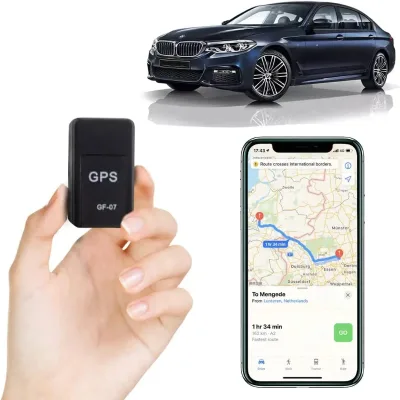
$1.7877 - $2.7108
MOQ: 50 pieces

Xuzhou Dragon Guard Industrial Co., Ltd.
- Verified by SGS
- Combined
- China Jiangsu
- Lead time15 days
- Avg. response≤ 7h
Main productssecurity products and solutions
Main marketsAfrica,Southeast Asia/ Mideast,Domestic,Europe,North America

Shenzhen Juneo Technology Limited
- Manufacturer
- Guangdong, China
- Lead time7 days
- Avg. response≤ 2h
Main productsGPS Tracker,vehicle and car gps tracker,personal gps tracker,Pet GPS Tracker,Vehicle/Car GPS Tracking And Anti-Theft System
Main marketsNorth America(20.00%), Eastern Europe(15.00%), South America(10.00%), Southern Europe(8.00%), Western Europe(8.00%), South Asia(5.00%), Oceania(5.00%), Northern Europe(5.00%), Central America(5.00%), Africa(5.00%), Eastern Asia(5.00%), Mid East(5.00%), Domestic Market(4.00%)
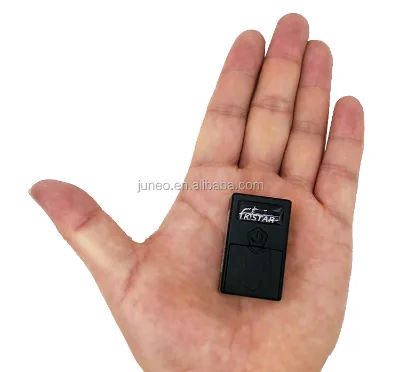
Purchase Realtime Mini GPS Tracker Quad Band Real Time Map Gps Gprs Gsm tracker Device
$10.3389 - $20.6777
MOQ: 1 Minimum
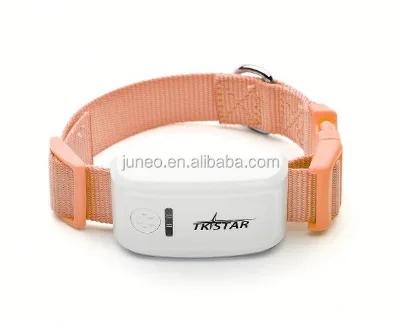
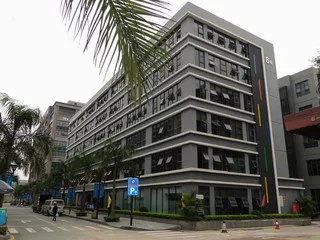
Shenzhen Coban Electronics Co., Ltd.
- Manufacturer, Distributor/Wholesaler
- Guangdong, China
- Lead time3 days
- Avg. response≤ 2h
Main productsgps tracker,vehicle and car gps tracker,personal gps tracker,Vehicle/Car GPS Tracking System,Vehicle/Car GPS Tracking And Anti-Theft System
Main marketsCentral America(10.90%), Eastern Asia(10.00%), Mid East(10.00%), South Asia(10.00%), Oceania(10.00%), Africa(10.00%), Eastern Europe(10.00%), South America(10.00%), North America(5.00%), Southeast Asia(5.00%), Western Europe(3.00%), Southern Europe(3.00%), Northern Europe(3.00%), Domestic Market(0.10%)

Shenzhen Eelink Communication Technology Co., Ltd.
- Trading Company
- China Guangdong
- Lead time15 days
- Avg. response≤ 19h
Main productsGPS Tracking, GPS, GPS Tracker, Vehicle GPS Tracker, Personal/Pets GPS Position, GPS Wattch, Portable GPS Tracker, Car GPS Tracker, GPS Phone, GPS Module
Main marketsSouth America,Europe,North America

Shandong Kaer Electric Co., Ltd.
- Verified by SGS
- Combined
- China Shandong
- Lead time45 days
- Avg. response≤ 2h
Main productsFixed Wireless Phone, 5g CPE, Android Video Phone, 4G CPE, Payphone
Main marketsSouth America,Southeast Asia/ Mideast,Europe,North America
SHENZHEN XUNTUO KESHENG ELECTRONICS TECHNOLOGY CO., LTD.
- Verified by Intertek
- Manufacturer, Trading Company
- Lead time7 days
- Avg. response≤ 1h
Main productsGPS Speed Limiter, Car Speed Limiter, GPS Tracker, Satellite Positioning, Vehicle Video Surveillance
Main marketsSoutheast Asia(30%), North America(10%), South America(10%)

Eston Information Technology Co., Ltd.
- Verified by SGS
- Trading Company
- China Fujian
- Lead time30 days
- Avg. response≤ 4h
Main productsBus Card Reader, Interlligent in Car Devics, Mobile DVR, Bus Validator, GPS Tracker, Gate, Turnstile, Car DVR, Bus DVR, Bus Electronic Display Screen
Main marketsAfrica
Shenzhen Icar Electronic Co., Ltd.
- Manufacturer, Trading Company, Distributor/Wholesaler
- Guangdong, China
- Lead time7 days
- Avg. response≤ 7h
Main productsvehicle gps tracker,personal gps tracker,asset gps tracker,pet gps tracker,bike gps tracker
Main marketsSouth Asia(10.00%), Southern Europe(10.00%), Northern Europe(10.00%), Central America(10.00%), Western Europe(10.00%), South America(10.00%), North America(10.00%), Mid East(5.00%), Oceania(5.00%), Africa(5.00%), Southeast Asia(5.00%), Eastern Europe(5.00%), Eastern Asia(5.00%)
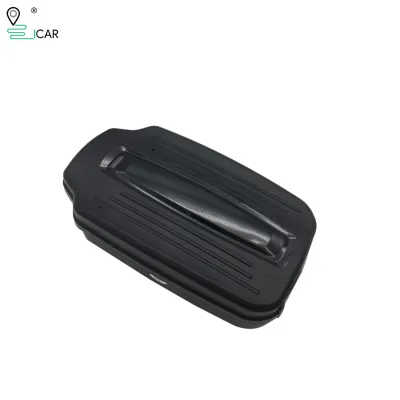
Industrial Anti-theft Gps Tracker With Geo-fencing & Realtime Alerts
$23.8118 - $25.8823
MOQ: 5 pieces
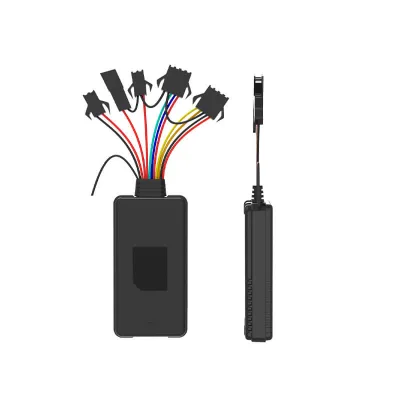
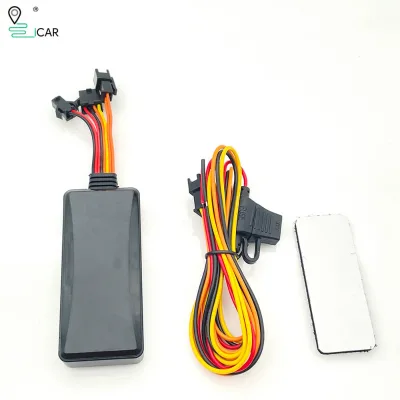
Ik743 Gps Tracker With Lte/wcdma/gsm Support & Fast A-gps Positioning
$12.2971 - $14.3466
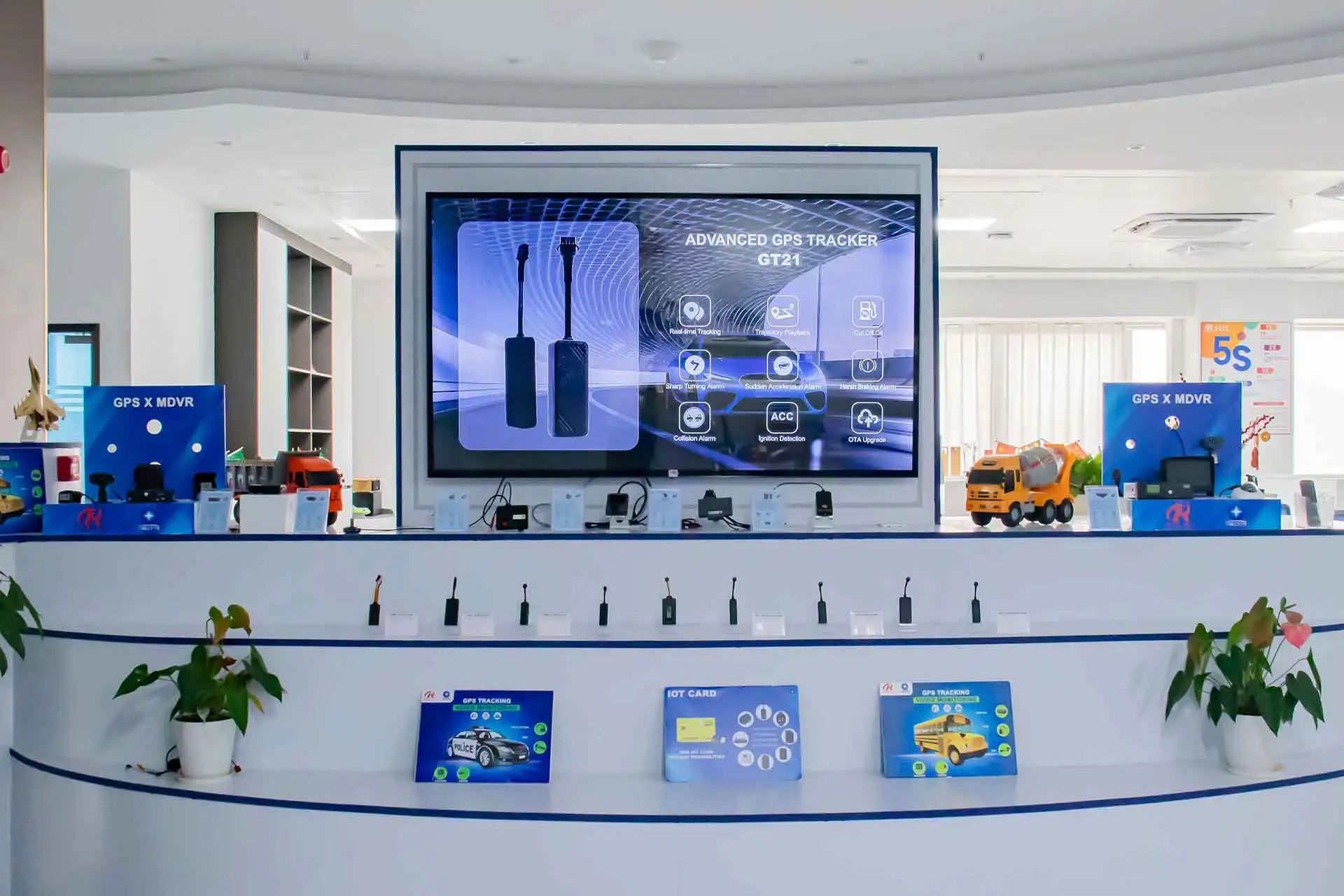
Huizhou Great-Will Industrial Co., Ltd.
- Trading Company
- Guangdong, China
- Lead time10 days
- Avg. response≤ 5h
Main productsCar GPS Tracker,Dash Cam,Pet GPS,Hard Wried GPS Device,Wireless GPS Tracker
Main marketsAfrica(45.00%), South Asia(12.00%), Southeast Asia(12.00%), Eastern Europe(5.00%), Southern Europe(5.00%), Eastern Asia(4.00%), Western Europe(3.00%), North America(3.00%), Central America(3.00%), Oceania(2.00%), South America(2.00%), Northern Europe(2.00%), Mid East(2.00%)
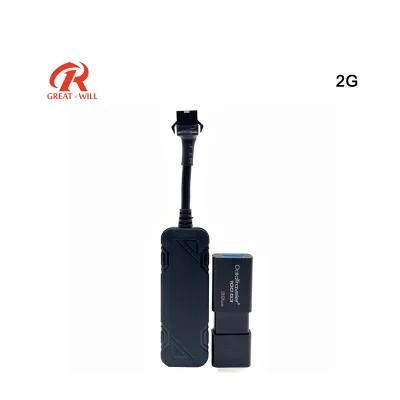
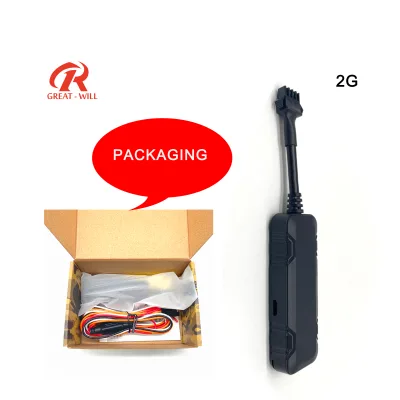
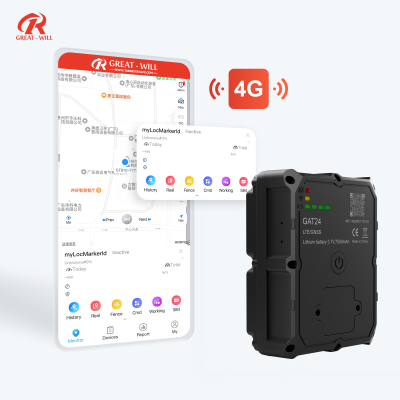
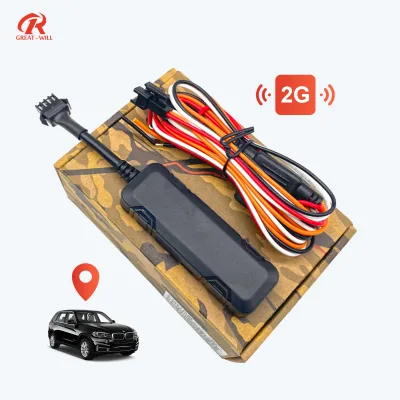
Wired GPS Tracking Device Cut Off Oil Electric Real Time Positioning Fleet Management GPS Tracker 2G
$11.00 - $17.00
MOQ: 1 pieces
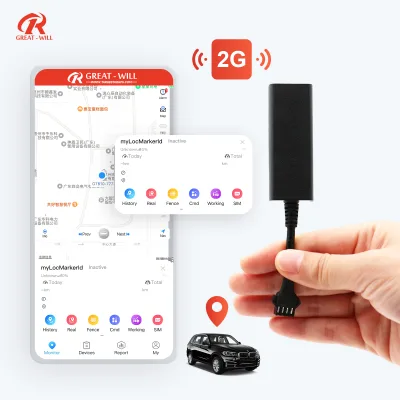
$11.3965 - $17.6124
MOQ: 1 pieces
$30.7189 - $36.8629
MOQ: 1 pieces
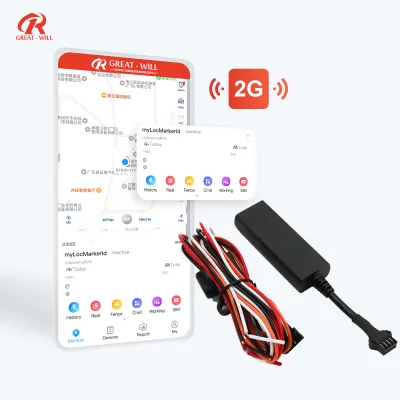
High Quality History Tracking Geographic Fencing IP65 Waterproof 2G Wired Vehicle Locator
$11.3965 - $17.6124
MOQ: 1 pieces
Shenzhen Xiongju Technology Co., Ltd.
- Manufacturer, Trading Company, Other
- Guangdong, China
- Lead time7 days
- Avg. response≤ 4h
Main products4G GPS tracker,2G GPS tracker,OBD tracker,high-precision positioning devices,monitoring cloud services
Main marketsDomestic Market(80.00%), South Asia(3.50%), Oceania(2.50%), Africa(2.50%), Southeast Asia(2.50%), Eastern Asia(2.50%), South America(1.50%), Mid East(1.50%), Eastern Europe(1.00%), North America(0.50%), Western Europe(0.50%), Southern Europe(0.50%), Northern Europe(0.50%), Central America(0.50%)
Shenzhen iStartek Technology Co., Ltd.
- Verified by SGS Group
- Manufacturer, Trading Company
- Lead time3 days
- Avg. response≤ 3h
Main productsGPS Tracker, Wireless Router, Dash Cam
Main marketsSouth America(30%), Southeast Asia(22%), Central America(10%)
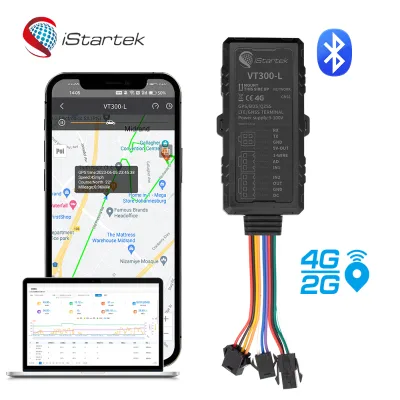
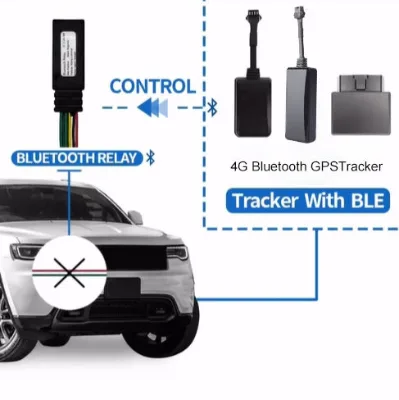
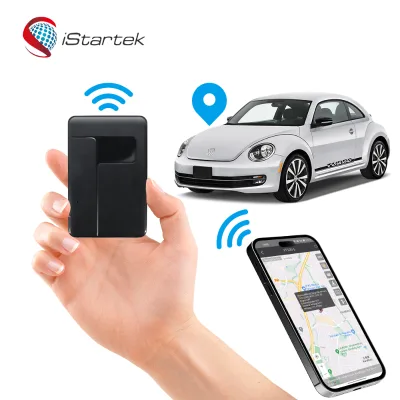
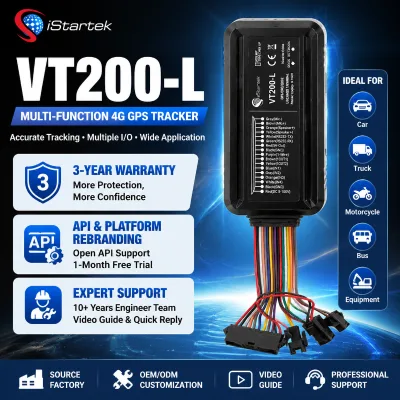
Real Time Vehicle Tracking Mini Car Trackers 4g Car Gps tracker with Remote Controller Suppliers
$10.2356 - $29.5699
MOQ: 1 pieces

Shenzhen ETSafe Technology Co., Limited
- Manufacturer, Trading Company, Buying Office
- Guangdong, China
- Lead time3 days
- Avg. response≤ 2h
Main productsGPS Tracker,Car battery Charger,GPS Tracking Chip,Mini GPS Tracker,GPS Tracker kid
Main marketsEastern Europe(19.86%), Western Europe(16.90%), North America(11.68%), Northern Europe(9.60%), Africa(8.64%), Southern Europe(7.90%), Oceania(6.14%), Eastern Asia(5.00%), Southeast Asia(3.32%), Central America(3.20%), South America(2.36%), South Asia(2.20%), Mid East(1.80%), Domestic Market(1.40%)
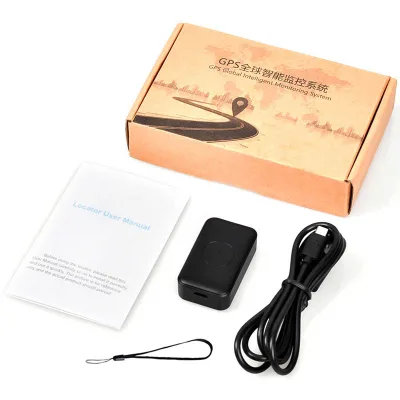
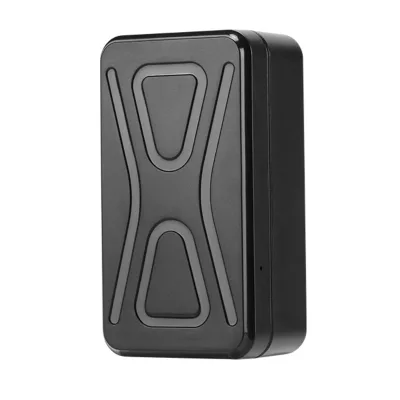
$23.764 - $36.1613
MOQ: 2 units
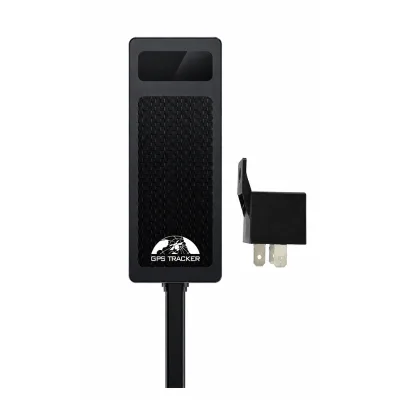
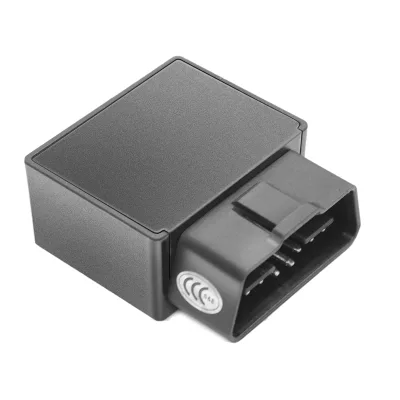
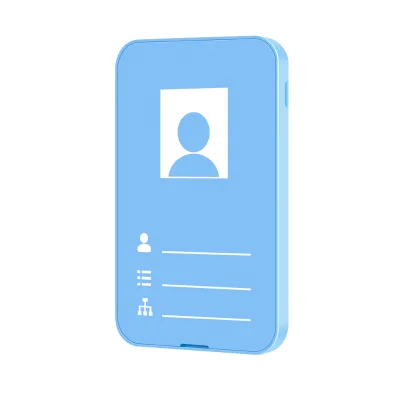
Mini Smart Anti-Lost Child GPS Tracker Kids Real Time Tracking Device Student Id Card
$18.5968 - $20.1466
MOQ: 10 units
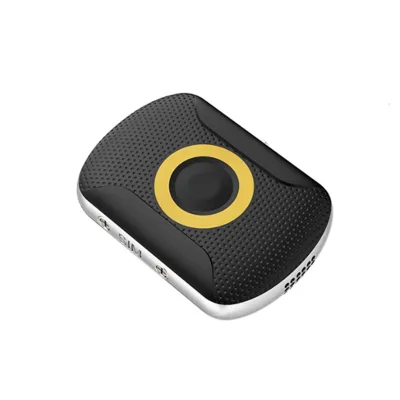
$40.2933 - $47.5264
MOQ: 10 units

Shenzhen ANB Technology Co., Ltd.
- Manufacturer, Trading Company
- Guangdong, China
- Lead time0 days
- Avg. response≤ 2h
Main productsGPS Vehicle/Truck Tracker,GPS Container/Asset Tracker,GPS Motorcycle Tracker,GPS Boat Tracker,Tracking Software Platform Development
Main marketsNorth America(20.00%), South America(15.00%), South Asia(10.00%), Southeast Asia(10.00%), Domestic Market(10.00%), Western Europe(6.00%), Eastern Asia(6.00%), Africa(5.00%), Central America(5.00%), Northern Europe(4.00%), Southern Europe(4.00%), Mid East(2.00%), Eastern Europe(2.00%), Oceania(1.00%)

Topten Electronics Technology Limited
- Verified by TUVRHEINLAND
- Trading Company
- China Guangdong
- Lead time0 days
- Avg. response≤ 6h
Main productsMini GPS Tracker, GPS Tracker, Magnetic Tracker, Car Alarm System, Personal Tracker, Motorcycle Tracker, Car Security, Vehicle Tracker, GPS GPRS Tracker, OBD Tracker

Real-Time Tracking 2/3G GPS Tracker with Free Online Tracking Platform (MT35-BE)
$34.00 - $37.00
MOQ: 1 Pieces


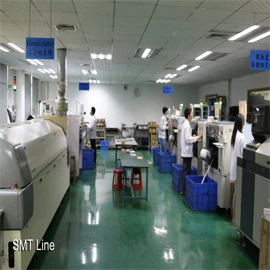
Megastek Technologies Electronics (ShenZhen) Co., Ltd.
- Manufacturer, Trading Company
- Guangdong, China
- Lead time15 days
- Avg. response≤ 4h
Main productsParolee Trackers,Medical Elderly Trackers,Watch Wrist Band Trackers,Asset Trackers,Personal Trackers
Main marketsAfrica(20.00%), Eastern Europe(20.00%), South America(20.00%), North America(20.00%), Eastern Asia(15.00%), Mid East(5.00%)

Guangzhou yunma pet-tech Co., Ltd
- Verified by BV
- Trading Company
- China Guangdong
- Lead time30 days
- Avg. response≤ 7h
Main productsGPS Tracker, Water Fountain, Smart Pet Feeder, Pet Toy
Main marketsDomestic

Shenzhen Liangyou Communication Technology Co., Ltd.
- Verified by CTI
- Trading Company
- China Guangdong
- Lead time15 days
- Avg. response≤ 10h
Main productsSignal Jammer Moduel, Drone Jammer, Cell Phone Jammer, Drone Jammer System, GPS Jammer, Drone Detector, Anti Drone Jammer Kit, Uav Signal Jammer, GPS Blocker Drone, Drone Jammer Backpack
Main marketsDomestic
Hunan Dongmeige Electronic Technology Co.,Ltd
- Trading Company
- hunan, China
- Lead time10 days
- Avg. response≤ 4h
Main productssmart car gps,smart tablet pc,smart watchs,car locator,smart phone
Main marketsSouth America(15.00%), North America(15.00%), Western Europe(10.00%), Northern Europe(10.00%), Mid East(10.00%), Africa(10.00%), Central America(10.00%), Eastern Europe(10.00%), Eastern Asia(5.00%), Southeast Asia(5.00%)

- Manufacturer
- Guangdong, China
- Lead time2 days
- Avg. response≤ 3h
Main productsCar amplifier,Car Monitor,Truck camera,GPS,Car camera
Main marketsWestern Europe(70.00%), South America(10.00%), Northern Europe(5.00%), North America(5.00%), Eastern Europe(5.00%), Oceania(3.00%), Mid East(2.00%)
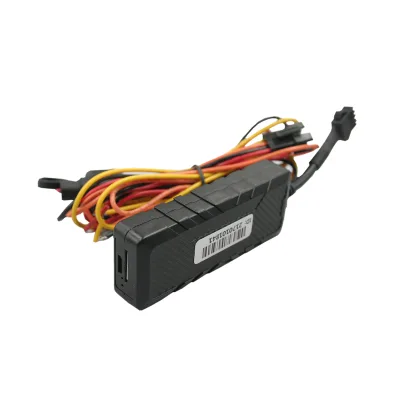
GPS tracker for Car With CE and ROHS
$16.00 - $18.00
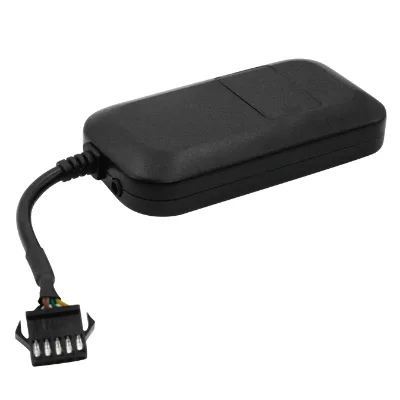
Shenzhen Xing An Da Technology Co., Ltd.
- Verified by SGS Group
- Manufacturer, Trading Company
- Lead time15 days
- Avg. response≤ 3h
Main productsGPS Tracker, Pets Tracker, Car GPS Tracking Device, 4G GPS Tracker, 4G Dashcam with GPS
Main marketsSouth America(50%), North America(15%), Southeast Asia(15%)


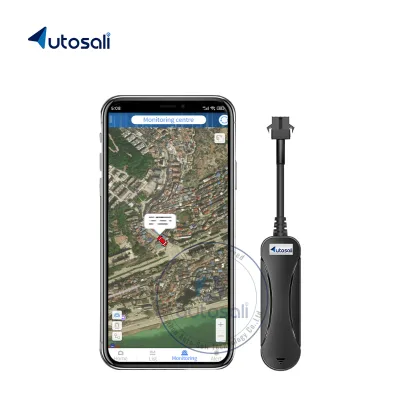
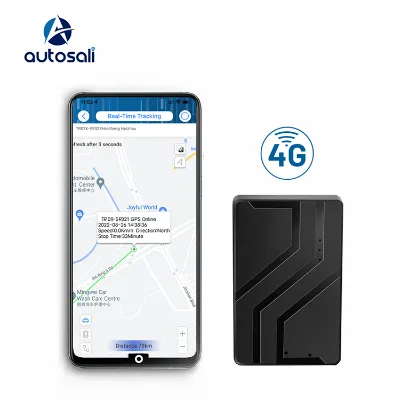


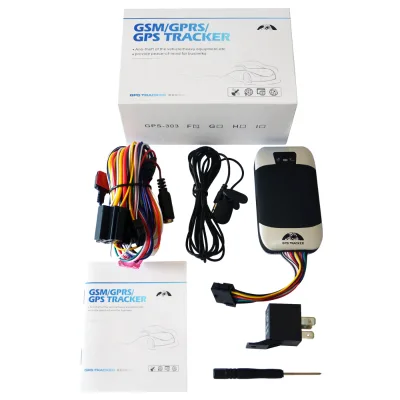
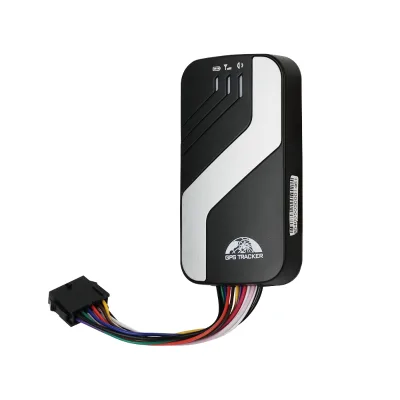


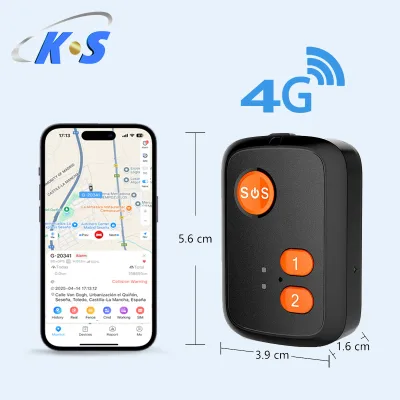




Comprehensive Sourcing Guide
Real-Time 360 Degree Gps Tracker Supplier Concentration and Factory Types
The current supplier landscape for real-time 360 degree gps tracker products reveals a distinct split between trading companies and direct manufacturers, each offering different advantages for procurement teams. Suppliers located in China Zhejiang are predominantly identified as trading companies, which often aggregate products from various factories to provide a broader catalog. These entities typically handle the marketing, customer service, and initial order processing, allowing buyers to access a wide variety of models without dealing with multiple factory contacts. In contrast, suppliers based in Guangdong, China, are frequently classified as manufacturers, indicating a direct relationship with the production line. This structural difference is crucial for buyers who need to determine whether they are engaging with the source of production or an intermediary. The presence of both types in the search results suggests that buyers must carefully review the company type designation to understand the supply chain dynamics. Trading companies may offer more flexibility in mixing different product types, such as combining GPS trackers with other vehicle accessories, while manufacturers might provide deeper technical support and customization options for specific hardware requirements. Understanding this distinction helps buyers align their sourcing strategy with their operational needs, whether they prioritize product variety and consolidated shipping or direct factory engagement and potential cost savings on manufacturing.
Product diversity within these supplier categories further illustrates the operational focus of each entity type. Zhejiang-based trading companies often list extensive main products that include Halloween costumes, party costumes, and cosplay items alongside electronics, suggesting a general merchandise approach rather than a specialized focus on automotive electronics. This broad inventory can be advantageous for buyers seeking to consolidate orders across different categories but may indicate less specialized expertise in complex GPS technology. Conversely, Guangdong-based manufacturers list main products strictly related to GPS trackers, vehicle trackers, IoT solutions, and car accessories, demonstrating a specialized focus on automotive electronics and tracking technology. This specialization often translates to better technical knowledge regarding features like waterproofing, magnetic mounting, and real-time tracking capabilities. The product evidence shows that manufacturers offer detailed specifications, including positioning modes like GSM, GPS, and Beidou, as well as features such as ACC detection and geofencing. Buyers evaluating real-time 360 degree gps tracker suppliers should consider whether they need the broad logistical convenience of a trading company or the technical depth and specialized production capabilities of a manufacturer. The concentration of specialized manufacturers in Guangdong suggests a regional cluster for automotive electronics, while the trading companies in Zhejiang may serve as a hub for general consumer goods and electronics.
How to Verify Real-Time 360 Degree Gps Tracker Suppliers
Verifying the credibility and operational capacity of real-time 360 degree gps tracker suppliers requires a multi-layered approach that goes beyond simple profile reviews. Buyers should prioritize suppliers who have undergone third-party verification processes, such as CTI verification, which provides an additional layer of confidence regarding the company's legal status and business operations. This verification status is a critical indicator of reliability, as it confirms that an independent agency has inspected the supplier's business premises and documentation. In addition to verification badges, buyers must scrutinize the response time metrics displayed on supplier profiles. A response time of approximately 12 hours, as seen with some Zhejiang-based suppliers, indicates a standard operational pace, while a response time of just 2 hours, observed with Guangdong manufacturers, suggests a more agile and responsive sales team. Faster response times are particularly important for technical inquiries regarding GPS tracker specifications, such as network compatibility, battery life, and software integration. Buyers should use these metrics to gauge the supplier's commitment to customer service and their ability to address urgent procurement needs efficiently. A quick response often correlates with a more professional and organized internal process, which can reduce the risk of miscommunication during the order fulfillment phase.
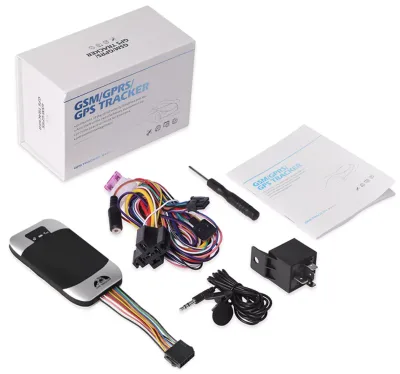
Beyond response times and verification badges, buyers must carefully examine the product evidence and technical specifications provided by suppliers to ensure alignment with their requirements. For real-time 360 degree gps tracker products, it is essential to verify that the listed certifications, such as CE and ROHS, are relevant to the target market and comply with local regulations. The product attributes should clearly state the type of tracker, such as 4G GPS trackers or 2G wired trackers, and include specific model numbers like GT0083 or V7. Buyers should also check for detailed features like waterproof ratings, magnetic mounting capabilities, and tracking accuracy, which are critical for the performance of a 360-degree tracking solution. Additionally, the presence of a warranty, such as a 3-year warranty offered by some manufacturers, can indicate the supplier's confidence in their product quality. Buyers should request detailed product datasheets and test reports to validate these claims, especially for technical features like real-time location tracking and historical playback. It is also advisable to verify the supplier's ability to provide customization options, as indicated by the "Customization: Available" attribute in many product listings. This verification process helps buyers ensure that the supplier can meet their specific technical and compliance requirements before committing to a large order.
What to Compare Across Real-Time 360 Degree Gps Tracker Suppliers
When evaluating multiple suppliers for real-time 360 degree gps tracker products, buyers must systematically compare key operational metrics to identify the most suitable partner for their procurement needs. Lead time is a critical factor, as it directly impacts inventory management and order fulfillment speed. Suppliers in Guangdong, China, demonstrate a lead time of 10 days, which is significantly faster than the 30-day lead time observed with suppliers in Zhejiang, China. This difference can be decisive for buyers who require rapid restocking or have tight delivery deadlines. In addition to lead time, buyers should compare the minimum order quantity (MOQ) requirements, which vary across different product models and suppliers. Some products have an MOQ of just 1 unit, allowing for easy sampling and small-scale testing, while others require an MOQ of 10 or more units, which may be suitable for bulk procurement. The price range is another essential comparison point, with costs varying from as low as $7.00 to as high as $18.00 depending on the model and features. Buyers should analyze the price-to-feature ratio to ensure they are getting the best value for their specific requirements, such as 4G connectivity or waterproofing.
Response speed and company type also play a significant role in the comparison process. Suppliers with a response time of 2 hours, typically manufacturers in Guangdong, may offer more immediate support for technical questions and order modifications compared to those with a response time of nearly 12 hours. The company type, whether trading company or manufacturer, influences the level of technical expertise and customization flexibility available. Manufacturers often provide more direct access to engineering support and can offer more extensive customization options for hardware and software features. Buyers should also compare the main products listed by each supplier to assess their specialization. Suppliers focusing primarily on GPS trackers and vehicle accessories are likely to have deeper expertise in this niche compared to those with a broad range of unrelated products. Additionally, the availability of certifications like CE and ROHS should be verified across different suppliers to ensure compliance with target market regulations. By systematically comparing these dimensions, buyers can create a weighted scoring matrix to objectively evaluate suppliers and select the one that best aligns with their operational requirements, budget constraints, and quality standards.
Common Real-Time 360 Degree Gps Tracker Sourcing Risks
Sourcing real-time 360 degree gps tracker products involves several inherent risks that buyers must proactively manage to ensure a successful procurement outcome. One significant risk is the potential mismatch between product specifications and actual performance, particularly regarding tracking accuracy and network reliability. Buyers must verify that the GPS trackers support the necessary network standards, such as 4G LTE or 2G, depending on the coverage in their target market. Some products may list advanced features like real-time tracking and geofencing, but the actual performance may vary based on the quality of the internal components and software integration. Another risk is the variability in product quality and durability, especially for features like waterproofing and magnetic mounting. Buyers should request samples to test these features under real-world conditions before placing large orders. The lack of standardized testing protocols across different suppliers can lead to inconsistencies in product performance, making it essential for buyers to establish clear quality acceptance criteria. Additionally, the risk of intellectual property infringement exists, particularly when dealing with suppliers who offer extensive customization options. Buyers must ensure that the products they source do not infringe on existing patents or trademarks, especially for proprietary tracking software or unique hardware designs.
Logistical and compliance risks are also prevalent in the sourcing of GPS trackers. Buyers must ensure that the products comply with the regulatory requirements of their target market, including certifications like CE and ROHS. Failure to verify these certifications can result in customs delays or product recalls. The risk of supply chain disruptions is another concern, particularly when dealing with suppliers who have longer lead times or limited production capacity. Buyers should assess the supplier's ability to scale production to meet increasing demand and their contingency plans for potential disruptions. Additionally, the risk of communication barriers can lead to misunderstandings regarding product specifications, order details, and delivery schedules. Buyers should establish clear communication channels and regular check-ins to mitigate this risk. The variability in response times among suppliers can also impact the efficiency of the procurement process, with slower responses potentially delaying critical decisions. Buyers must also be aware of the risk of hidden costs, such as shipping fees, customs duties, and taxes, which can significantly impact the total cost of ownership. By identifying and addressing these risks early in the sourcing process, buyers can develop a more robust and resilient supply chain for their real-time 360 degree gps tracker needs.
Real-Time 360 Degree Gps Tracker Regional Sourcing and Logistics
The regional distribution of real-time 360 degree gps tracker suppliers in China presents distinct logistical advantages and challenges for international buyers. Suppliers located in Guangdong, China, benefit from proximity to major manufacturing hubs and efficient logistics infrastructure, which often translates to faster lead times and more reliable shipping schedules. The 10-day lead time observed with Guangdong-based manufacturers suggests a streamlined production process that can accommodate urgent orders. In contrast, suppliers in Zhejiang, China, may have longer lead times of up to 30 days, which could impact inventory planning and order fulfillment speed. Buyers must consider these regional differences when selecting suppliers, as the location can significantly affect the overall supply chain efficiency. Additionally, the concentration of manufacturers in Guangdong indicates a specialized cluster for automotive electronics, which may offer better access to raw materials and component suppliers. This clustering can lead to economies of scale and potentially lower production costs. Buyers should also evaluate the shipping options available from each region, as some suppliers may have established relationships with freight forwarders that offer competitive rates and reliable delivery times.
Logistical planning must also account for the specific requirements of GPS tracker products, such as packaging and handling. Many products are packed in color gift boxes, which provide protection during transit but may increase shipping volume and costs. Buyers should consider the single package size and gross weight, as these factors influence shipping costs and storage requirements. For example, a single gross weight of 0.200 kg and a package size of 18x10x8 cm can help buyers calculate the total shipping volume for large orders. Additionally, buyers must ensure that the packaging meets the durability standards required for international shipping, especially for products with sensitive electronic components. The risk of damage during transit can be mitigated by selecting suppliers who use high-quality packaging materials and have experience in exporting similar products. Buyers should also consider the impact of regional trade policies and tariffs on shipping costs and delivery times. Some regions may have more favorable trade agreements that reduce tariffs and simplify customs clearance. By carefully evaluating the logistical implications of sourcing from different regions, buyers can optimize their supply chain and reduce
FAQs
What is the price range for real-time GPS trackers?
Prices for real-time GPS trackers typically range from $7.00 to $18.00 per unit. The final cost depends on the specific model, connectivity type, and order quantity. Buyers should check the minimum order quantity to determine the exact per-unit price for their specific requirements.
What certifications do these GPS trackers have?
Most listed GPS trackers hold CE and ROHS certifications. These standards ensure the devices meet specific safety and environmental requirements for electronic products. Buyers should verify the specific certification documents for each model to ensure compliance with their local market regulations before placing orders.
What is the typical lead time for orders?
Lead times vary significantly between suppliers, ranging from 10 to 30 days. Manufacturers in Guangdong often offer faster turnaround times compared to trading companies in Zhejiang. Buyers should confirm the exact production schedule with the supplier to align with their inventory needs and delivery deadlines.
What is the minimum order quantity for these devices?
Minimum order quantities vary by product, starting from 1 unit for some models up to 10 units for others. This flexibility allows buyers to test samples or place small initial orders. Always check the specific MOQ for the chosen model to ensure it fits your procurement strategy.
What features do these trackers offer?
Features include real-time tracking, geofencing, over-speed alarms, and remote cut-off capabilities. Some models support 4G networks, while others use 2G. Advanced options offer driving behavior analysis and waterproof designs. Buyers should select features based on their specific tracking and monitoring requirements.
Where are these suppliers located?
Suppliers are primarily located in Zhejiang and Guangdong provinces in China. These regions are known for electronics manufacturing and trading. Buyers can filter results by location to prioritize suppliers based on proximity to shipping ports or specific regional manufacturing capabilities.