Custom Volkswagen Car Floor Mats Suppliers and Manufacturers
Find 22 verified sources for Custom Volkswagen Car Floor Mats with details on location, lead times, and certifications. Compare MOQs, response times, and material options like rubber or polypropylene before requesting quotes; review the available evidence before requesting comparable quotations from suitable candidates.
Updated
Suppliers List

Cangzhou Shengguan Car Accessory Co., Ltd.
- Trading Company
- China Hebei
- Lead time30 days
- Avg. response≤ 6h
Main productsCar Mat, Car Wash Machine, Car Floor Mat, 3D Car Mat, Car Foot Mat, Car Wash Equipment, Car Washer, Automatic Car Wash Machine, Touchless Car Wash Machine, Car Ttunk Mat
Main marketsSouth America,Africa,Southeast Asia/ Mideast,East Asia(Japan/ South Korea),Europe,Australia,North America


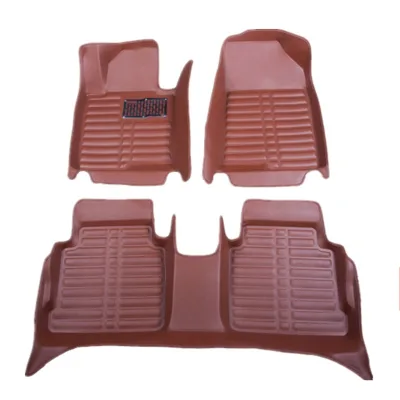
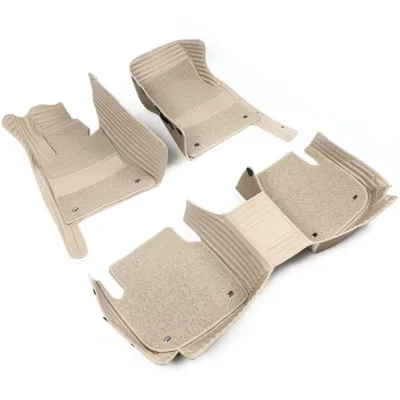
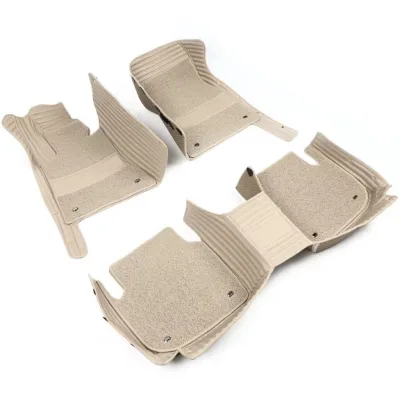
Leather Floor Mat Waterproof Non-Slip Custom Car Floor Mat Luxury Car Mats
$23.75 - $25.42
MOQ: 100 Pieces


Custom Luxury Car Mat Floor Car Mat New Custom Waterproof Car Floor-Mats
$23.75 - $25.42
MOQ: 100 Pieces
Guangzhou Sonsang Automobile Accessores Co., Ltd.
- Verified by SGS Group
- Manufacturer, Trading Company
- Lead time7 days
- Avg. response≤ 1h
Main productsCar Carpet/ Trunk Mats/Boot Liner, Leather Car Mat/Rubber Car Mat/TPE Car Mat, Car Seat Cover
Main marketsNorth America(40%), South America(10%), Southeast Asia(10%)
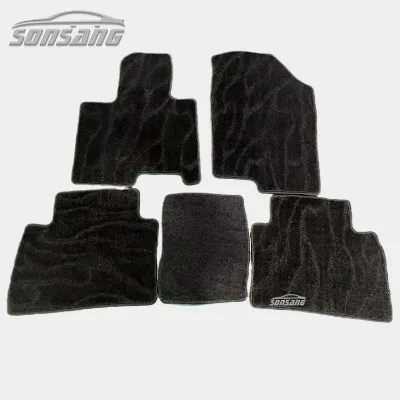
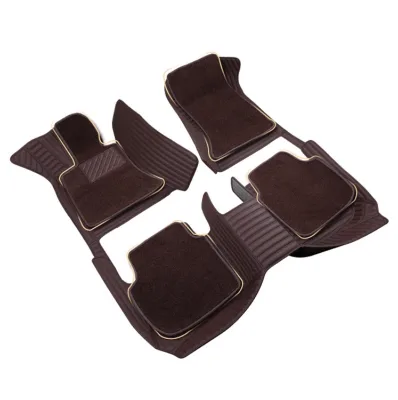
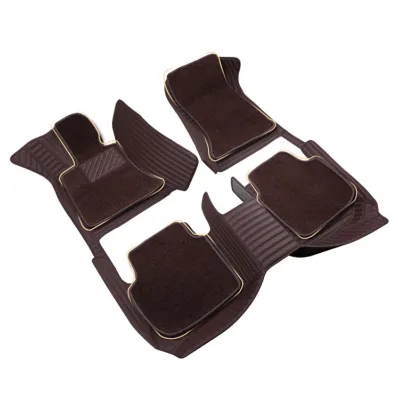
Custom Car Mat Foot Pads for Volkwagen CC Car Carpet Floor Mats Santana Mats Car
$8.60 - $10.90
MOQ: 20
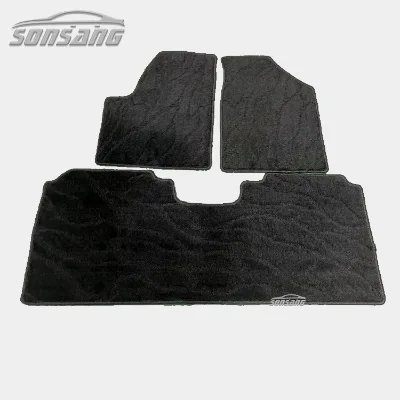
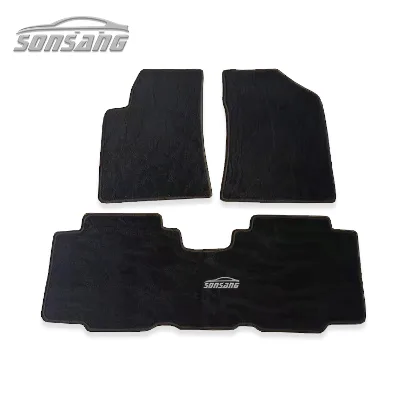
Car Mats 4 Pieces for Volkwagen vw Touran Car Floor Mat Tiguan L Custom Car Mats
$4.00 - $5.90
MOQ: 20
Guangzhou Dongye Automobile Accessories Ltd.
- Verified by SGS Group
- Manufacturer, Trading Company
- Lead time20 days
- Avg. response≤ 11h
Main productsCar Floor Mat/ Car Accessories/ Auto Parts
Main marketsNorth America(30%), Eastern Asia(30%), Eastern Asia(20%)

Changshu Evergrande Imp. & Exp. Co., Ltd.
- Verified by TUVRHEINLAND
- Trading Company
- China Jiangsu
- Lead time30 days
- Avg. response≤ 7h
Main productsMetal Etching Panels and Parts, Vegetable Parchment Paper, Tool Carts and Cabinets, Industrial Carpets and Floorings, Spinpack Parts and Accessories
Main marketsEurope

Ningbo Autocare Car Accessory Co., Ltd.
- Trading Company
- China Zhejiang
- Lead time30 days
- Avg. response≤ 18h
Main productsAuto Accessories, Car Accessories, Car Steering Wheel Cover, Steering Wheel Cover, Seat Cushion, Sun Shade
Main marketsSouth America,Africa,Southeast Asia/ Mideast,East Asia(Japan/ South Korea),Europe,Australia,North America


3D Car Floor Mat High Quality 3D Car Floor Mat for Benz 3D Car Floor Mat
$6.00 - $12.00
MOQ: 1000 Sets

3D Car Floor Mat High Quality 3D Car Floor Mat for Benz 3D Car Floor Mat Toyota
$6.00 - $12.00
MOQ: 1000 Sets

Shandong Anyo Auto Supplies Co., Ltd.
- Verified by SGS Group
- Manufacturer, Trading Company
- Lead time15 days
- Avg. response≤ 2h
Main productsCar Floor Mats, Car Trunk Mats, Seat Back Cargo
Main marketsNorth America(50%), South America(35%), Africa(8%)

Xiamen Artes Plasti Products Co., Ltd.
- Verified by CTI
- Combined
- China Fujian
- Lead time15 days
- Avg. response≤ 5h
Main marketsSouth America,Southeast Asia/ Mideast,East Asia(Japan/ South Korea),Domestic,Europe,Australia,North America


Hot Sale Car Floor Mat PVC Customized Floor Non-Slip Car Mats High-Quality
$7.99 - $9.99
MOQ: 100 sets

Guangxi FuXiang Engineering Machinery Co., Ltd.
- Verified by TüVRheinland
- Manufacturer, Trading Company
- Guangxi, China
- Lead time15 days
- Avg. response≤ 5h
Main productsCar Floor Mats, Car Seat Covers, Armrest Box, Steering Wheel Covers, Trunk Mats
Main marketsNorth America(20%), South America(20%), Eastern Europe(20%)

Xiamen Monake Import and Export Co., Ltd.
- Verified by TUVRHEINLAND
- Trading Company
- China Fujian
- Lead time30 days
- Avg. response≤ 5h
Main productsEngine Mounting, Strut Mount, Rubber Bush, Center Bearing, Control Arm, Arm Bushing, Auto Parts, Fan Blade, Auto Spare Parts, Car Parts
Main marketsOthers(foreignTradeCapacity.exportBusinessCapacityMarketOther),Domestic
Ganzhou Fengshang Automobile Accessories Co., Ltd.
- Verified by TüVRheinland
- Trading Company
- Lead time30 days
- Avg. response≤ 3h
Main productsCar Seat Covers, Car Mats, Car Freshener, Car Ornaments, Automotive Audio And Video
Main marketsNorth America(35%), South America(15%), Southeast Asia(15%)
Hefei Bopar Auto Technology Co., Ltd.
- Manufacturer, Trading Company
- Anhui, China
- Lead time30 days
- Avg. response≤ 2h
Main productscar accessory,auto accessory,car parts,cargo cover,parcel shelf
Main marketsNorth America(50.00%), Africa(10.00%), Southeast Asia(10.00%), Eastern Europe(10.00%), South America(10.00%), Oceania(5.00%), Mid East(3.00%), Eastern Asia(2.00%)

XIAMEN AIDEZHOU AUTOMOBILE CO., LTD.
- Verified by TUVRHEINLAND
- Trading Company,Manufacturer/Factory
- China Fujian
- Lead time23 days
- Avg. response≤ 7h
Main productsCar Floor Mat, Car Cargo Mat, Truck Mat, Van Mat, Bus Mat, Golf Cart Mat, Scooter Mat, Excavator Mat, Truck Bed Mat, Van Bed Mat
Main marketsSouth America,Eastern Europe,Mid East,North America,Southeast Asia,Eastern Asia,Oceania,Western Europe,Africa


All Weather Floor Car Mats for Volkswagen VW Tiguan Easy Install Waterproof Durable
$16.50 - $17.00
MOQ: 50 Sets


Custom Design All Weather Used Latex 2.5D Car Floor Mats for VW Golf Mk7
$17.00 - $19.00
MOQ: 100 Sets

Waterproof All Weather Car Mat for Volkswagen VW Jetta Easy Clean Anti Slip
$12.50 - $13.00
MOQ: 30 Sets

Linyi HUAYANG AUTO Accessories Co., Ltd.
- Verified by SGS
- Combined
- China Shandong
- Lead time15 days
- Avg. response≤ 2h
Main productsCar Mat, Car Wheels, Car Seat Covers
Main marketsSouth America,Africa,Southeast Asia/ Mideast,East Asia(Japan/ South Korea),Domestic,Europe,North America
Changzhou Chengan Auto Parts Co., Ltd.
- Manufacturer, Trading Company
- Jiangsu, China
- Lead time30 days
- Avg. response≤ 3h
Main productsCargo cover,Parcel shelf,Engine hood insulator,Car floor mat,Mudguard
Main marketsEastern Asia(70.00%), Southeast Asia(20.00%), South Asia(10.00%)
Guangzhou Kaqidun Auto Accessories Co., Ltd.
- Manufacturer, Trading Company
- Lead time旺季: "1 - 20":30,"21 - 500":35,"501 - 1000":40,"> 1000":"To be negotiated", 淡季: "1 - 20":30,"21 - 500":35,"501 - 1000":40,"> 1000":"To be negotiated"
- Avg. response≤ 2h
Main productsTPE Car Mat, Car Exterior Kits, Pickup Tonneau Cover, Sun Visor, Wheel Fender
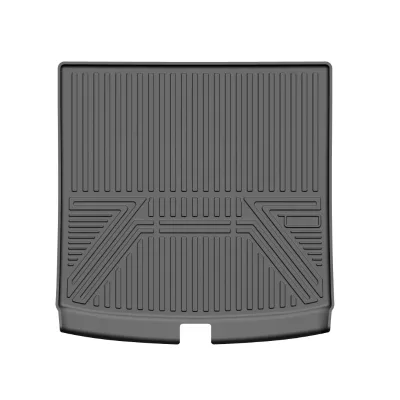
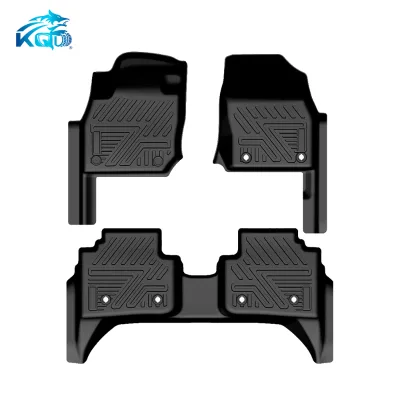
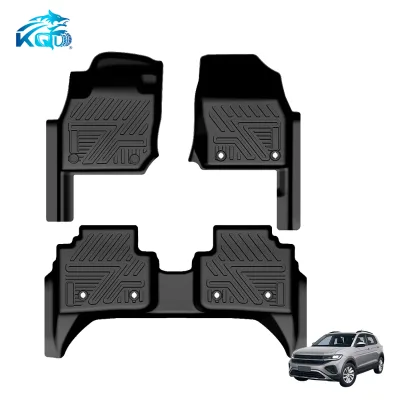
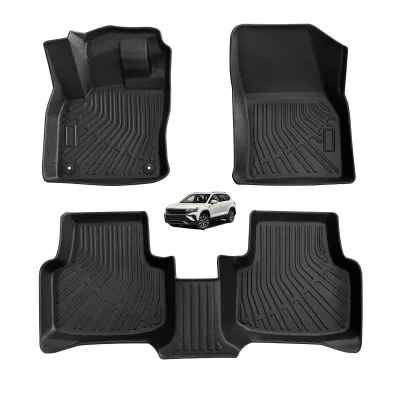
Floor Mat Car Mats 5D TPE Car Floor Mats Carpets Cargo Liner for Volkswagen tiguan 2026
$10.00 - $15.00
MOQ: 20
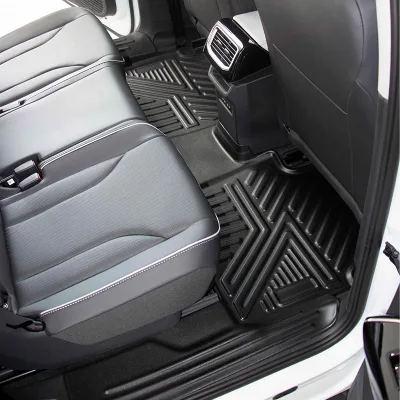
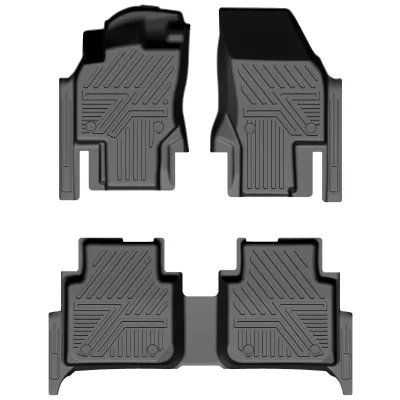
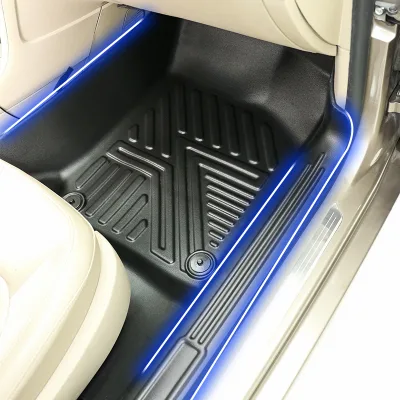
Guangzhou Kaqidun Auto Accessories Co., Ltd.
- Manufacturer, Trading Company
- Lead time旺季: "1 - 100":15,"> 100":"To be negotiated", 淡季: "1 - 100":15,"> 100":"To be negotiated"
- Avg. response≤ 3h
Main productsTPE Car Mat, Car Exterior Kits, Pickup Tonneau Cover, Sun Visor, Wheel Fender
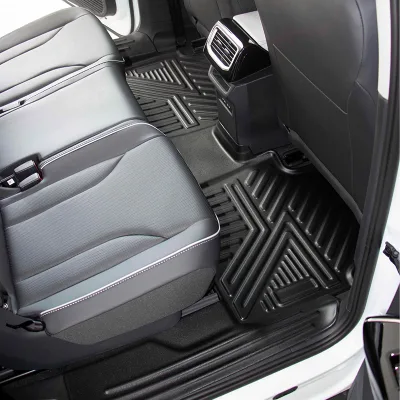
$30.00 - $36.00
MOQ: 20 pieces
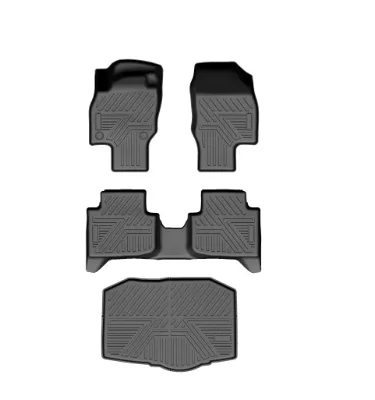
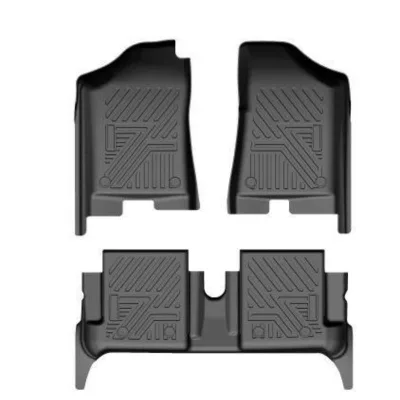
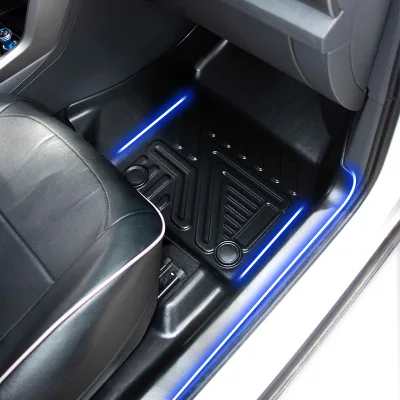
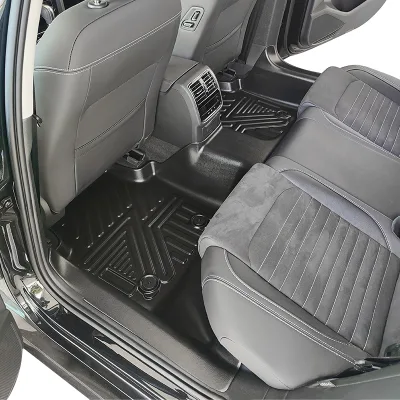
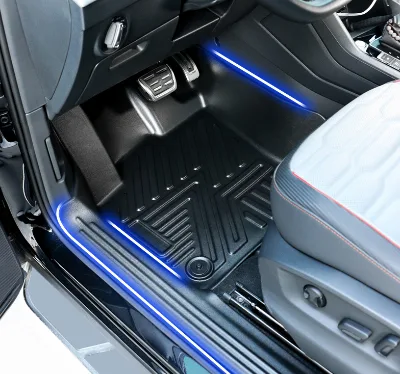
Best Price Business Style TPE 5D 5 Seats Deep Dish Mat Car Carpets for Passat
$30.8041 - $36.9647
MOQ: 20 sets
Shandong Huafeng Auto Parts Co., Ltd.
- Verified by TüVRheinland
- Manufacturer, Trading Company
- Lead time31 days
- Avg. response≤ 6h
Main productsCar Floor Mat
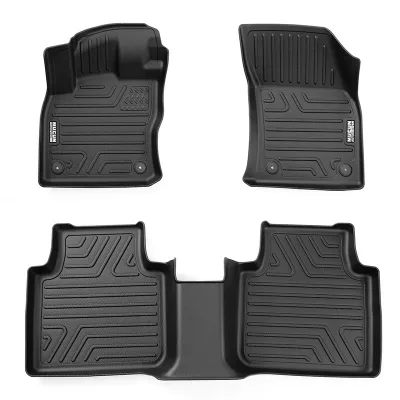
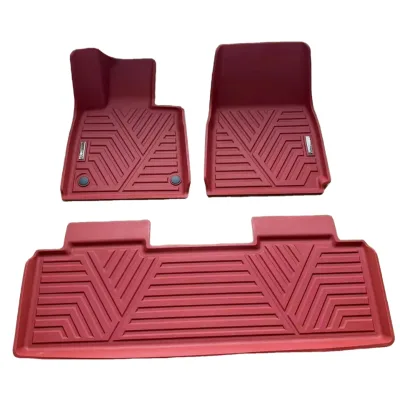
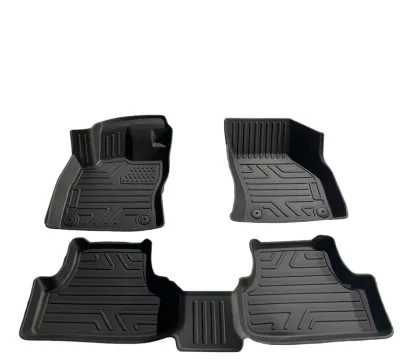
$17.9565 - $21.5484
MOQ: 10 sets
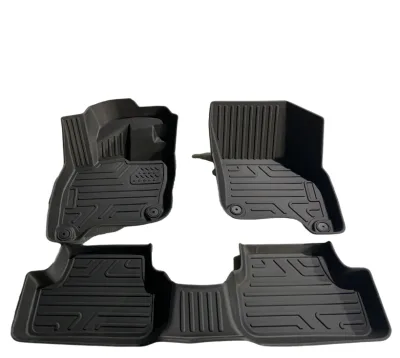
$17.9565 - $21.5484
MOQ: 10 sets
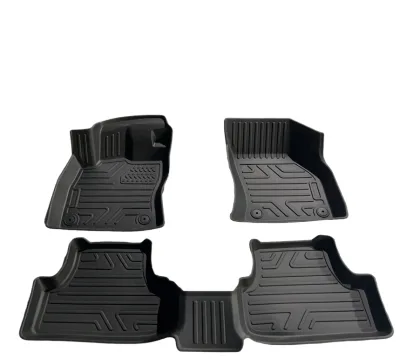
$17.8592 - $21.4302
MOQ: 10 sets
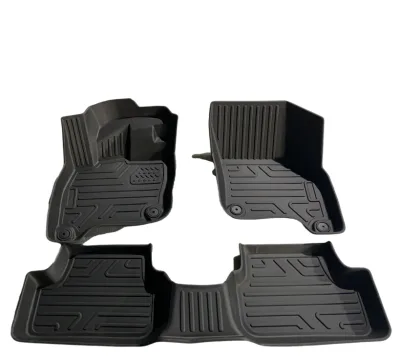
$17.9565 - $21.5484
MOQ: 10 sets

Shanghai Autobuy Industry (Group) Co., Ltd
- Verified by BV
- Trading Company
- China Shanghai
- Lead time30 days
- Avg. response≤ 25h
Main productsCar Acccessories, Car Seat Cover, Wheel Caps, Car Cover, Racing Seats, Modified Seats, Wiper Blades, Car Mats, Car Seat Cushion, Auto Parts
Main marketsSoutheast Asia/ Mideast
Linyi Walt International Trade Co., Ltd.
- Verified by SGS Group
- Manufacturer, Trading Company
- Lead time15 days
- Avg. response≤ 3h
Main productsCar Foot Mat, Automobile Decoration Accessories
Main marketsSoutheast Asia(20%), North America(15%), Northern Europe(14%)
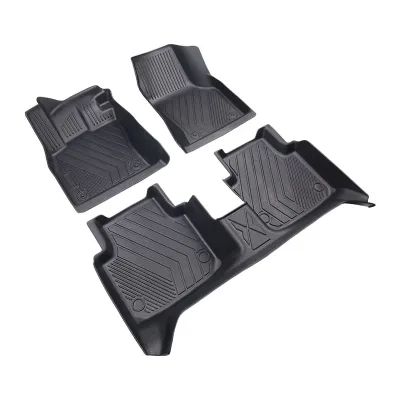
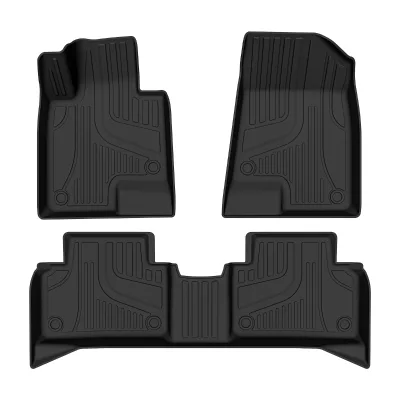
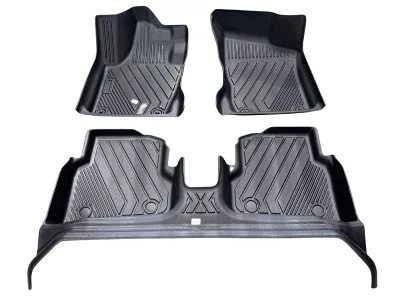
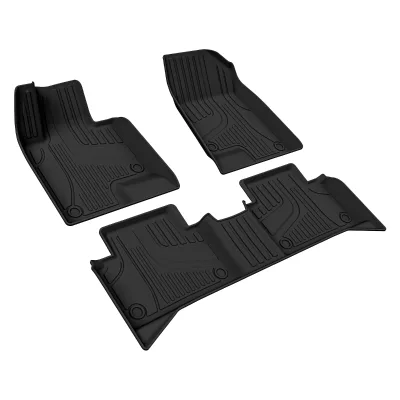
Full Car Floor Carpet TPE Material Car Floor Mat for Volkswagen Atlas 2018-2024 Car Acsesories
$25.5128 - $28.5736
MOQ: 10 sets
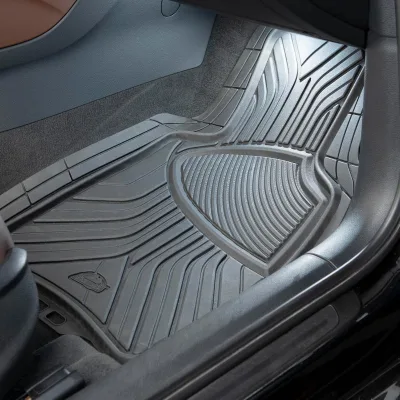
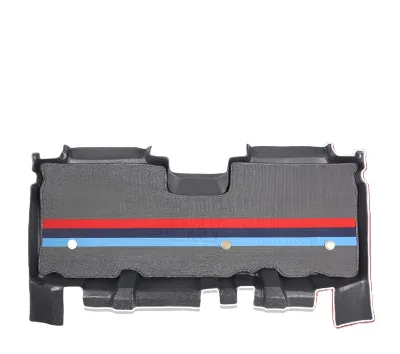
Custom Full Set Car Floor Mat 5d Car Mat Auto Accessories Car Mat for JETTA 2022
$12.00 - $25.00
MOQ: 1

Guangzhou MIPI Car Accessories Co., Ltd.
- Verified by TUVRHEINLAND
- Combined
- China Guangdong
- Lead time30 days
- Avg. response≤ 6h
Main productsCar Mat, Car Floor Mat, Car Trunk Mat, Front Storage Mat, Back Mat, Bucket Mat, Storage Mat
Main marketsSouth America,East Asia(Japan/ South Korea),Domestic

Guangzhou Huge Logistics Equipment Company Ltd.
- Verified by TUVRHEINLAND
- Trading Company
- China Guangdong
- Lead time15 days
- Avg. response≤ 4h
Main productsCar Floor Mats, Automotive Floor Mats, Thermoplastic Elastomer Car Mats, TPE Vehicle Floor Mats, Waterproof TPE Car Mats, Durable TPE Floor Mats, Non-Toxic Car Floor Mats, Eco-Friendly TPE Car Mats, Slip-Resistant Car Mats, All-Weather TPE Floor Mats
Main marketsSoutheast Asia/ Mideast


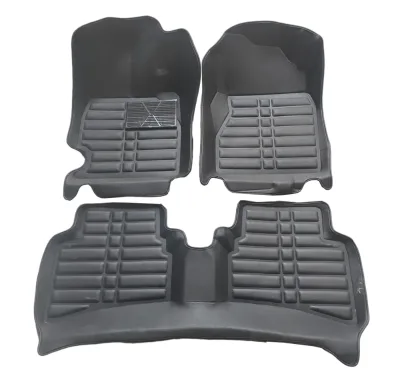
Full Surrounded Waterproof TPE Car Mats Unique Texture 3D Car Floor Mats for Volkswagen
$3.98 - $30.69
MOQ: 30 Pieces

Special Customization TPE Car Floor Mat Auto Accessory Foot Mat Trunk Mat for Volkswagen Jetta
$10.70 - $35.00
MOQ: 30 Sets


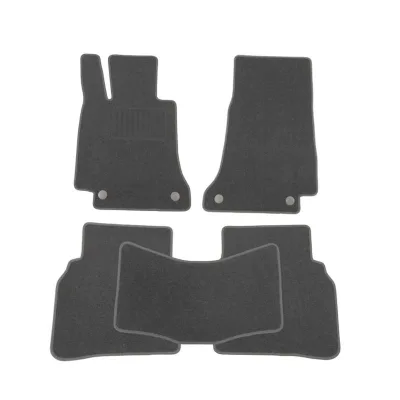
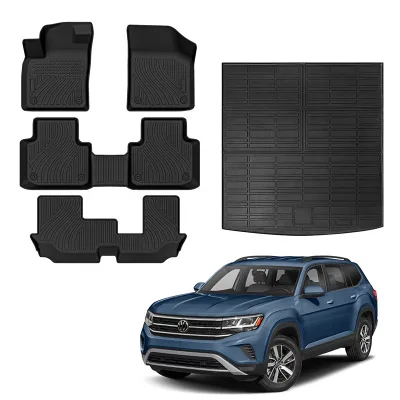
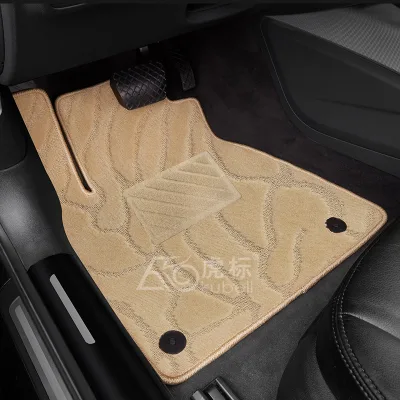
Dongguan Lituo Auto Accessories Co., Ltd.
- Trading Company
- Guangdong, China
- Lead time15 days
- Avg. response≤ 2h
Main productsfloor mat,engine splash shield,sunvisor,storage bucket
Main marketsSouth America(30.00%), North America(30.00%), Mid East(20.00%), Southeast Asia(20.00%)








Comprehensive Sourcing Guide
Custom Volkswagen Car Floor Mats Supplier Concentration and Factory Types
The sourcing landscape for Custom Volkswagen Car Floor Mats reveals a distinct split between manufacturing capabilities and trading efficiencies, requiring buyers to carefully assess the operational model of potential partners. Evidence indicates that suppliers are primarily located in China, with specific manufacturing hubs identified in Hebei and Guangdong provinces. These regions serve as critical nodes for the production of automotive interior accessories, offering varying degrees of specialization. In Hebei, the focus appears to be on trading companies that facilitate the movement of goods, often dealing with products like 3D and 5D car mats made from materials such as rubber and EVA. These entities typically act as intermediaries, connecting buyers with broader manufacturing networks. Conversely, suppliers in Guangdong demonstrate a more robust manufacturing presence, with some entities operating as both manufacturers and trading companies. This dual role allows for greater control over the production process, from raw material sourcing to final packaging. The presence of specialized facilities capable of light customization, sample processing, and graphic processing suggests a mature industrial ecosystem in Guangdong. Buyers should recognize that the concentration of suppliers in these specific provinces is not random but driven by established supply chains for automotive parts and accessories. Understanding this geographic distribution is the first step in identifying suppliers who can meet specific volume and customization requirements. The distinction between a pure trading company and a manufacturer-trading hybrid is crucial, as it directly impacts lead times, communication efficiency, and the ability to handle complex custom orders for Volkswagen models.
Furthermore, the types of companies available in these clusters offer different value propositions for sourcing custom Volkswagen floor mats. Trading companies often provide a wider variety of product options, including universal fit mats and luxury leather options, catering to buyers who need flexibility in product selection rather than deep customization. They may offer lower minimum order quantities and faster response times, making them suitable for smaller businesses or those testing new markets. On the other hand, manufacturers, particularly those in Guangdong, are better equipped to handle large-scale production runs and specific OEM requirements. These suppliers often possess the technical capacity for machine-woven mats and can accommodate custom logos and specific car model fitments. The evidence shows that some suppliers offer extensive customization options, including special types and easy-cleaned features, which are critical for maintaining the aesthetic and functional integrity of Volkswagen interiors. Buyers must evaluate whether their priority lies in the breadth of available designs or the depth of manufacturing control. The presence of both company types in the search results indicates a competitive market where buyers can choose based on their specific operational needs. It is essential to verify the actual production capabilities of any supplier claiming to be a manufacturer, as some trading companies may misrepresent their role. This verification process ensures that the buyer secures a partner who can reliably deliver the quality and consistency required for custom Volkswagen accessories.
How to Verify Custom Volkswagen Car Floor Mats Suppliers
Verifying the legitimacy and capability of suppliers for Custom Volkswagen Car Floor Mats requires a multi-layered approach that goes beyond simple profile reviews. One of the most critical steps is to check for third-party verification badges, such as those provided by SGS Group. These badges indicate that an independent agency has inspected the supplier’s business operations, providing a layer of trust that is essential in international trade. Buyers should prioritize suppliers who display such verification marks, as they have undergone rigorous checks regarding their legal status and operational capacity. Additionally, examining the supplier’s certification portfolio is vital for ensuring product quality and compliance with international standards. Evidence shows that some suppliers hold IATF 16949 and ISO 9001 certifications, which are industry benchmarks for quality management in the automotive sector. These certifications suggest that the supplier has established processes for consistent quality control, which is particularly important for custom-fit mats that must meet precise dimensional specifications. Furthermore, certifications like REACH and DEHP compliance indicate adherence to environmental and safety standards, which may be required depending on the target market. Buyers should request copies of these certificates and verify their validity through the issuing bodies. This due diligence helps mitigate the risk of partnering with suppliers who may lack the necessary quality infrastructure to produce durable and safe automotive accessories.
Beyond certifications, assessing the supplier’s response time and communication efficiency is a practical method for gauging their reliability. Suppliers with faster response times, such as those averaging under two days, are often more engaged and organized in their customer service processes. This responsiveness is a strong indicator of their ability to handle custom orders and address potential issues promptly. Buyers should also look for evidence of past performance, such as supply ability metrics, which can indicate the supplier’s capacity to handle large orders. For instance, some suppliers claim a monthly supply ability of up to 500,000 sets, which suggests a robust production line capable of meeting high-volume demands. However, buyers should cross-reference these claims with other data points, such as lead times and minimum order quantities, to ensure consistency. It is also advisable to request samples before committing to a large order. Samples allow buyers to physically inspect the material quality, fitment accuracy, and finish of the custom floor mats. By combining verification of credentials with practical assessments of communication and sample quality, buyers can build a reliable shortlist of suppliers. This comprehensive verification process reduces the risk of fraud and ensures that the chosen partner has the genuine capability to deliver Custom Volkswagen Car Floor Mats that meet the buyer’s standards.
What to Compare Across Custom Volkswagen Car Floor Mats Suppliers
When evaluating multiple suppliers for Custom Volkswagen Car Floor Mats, buyers must systematically compare key operational metrics to identify the most suitable partner. One of the primary dimensions for comparison is the minimum order quantity (MOQ). Suppliers may offer MOQs ranging from as low as 20 sets to higher thresholds, depending on their production model and customization requirements. Lower MOQs are advantageous for buyers who are testing the market or have limited storage capacity, while higher MOQs may offer better unit economics for established businesses. Another critical factor is the lead time, which varies significantly among suppliers. Some suppliers offer lead times as short as seven days, indicating efficient production processes and ready stock of raw materials. In contrast, others may have lead times of thirty days or more, which could impact inventory planning and customer satisfaction. Buyers should align their order planning with the supplier’s lead time capabilities to avoid stockouts or delays. Additionally, comparing the range of main products offered by each supplier can reveal their specialization. Some suppliers focus exclusively on car mats and trunk liners, while others offer a broader range of vehicle accessories. A supplier with a focused product line may have deeper expertise and better quality control for floor mats, whereas a broader supplier might offer convenience for sourcing multiple items.
Price and material composition are also essential comparison points that directly impact the final product value. The price range for Custom Volkswagen Car Floor Mats can vary, with some suppliers offering prices between $4.00 and $10.90 per set, while others may charge higher premiums for luxury materials like leather or PU. Buyers should analyze the price in conjunction with the material specifications, such as rubber, EVA, polypropylene, or leather, to determine the true cost-effectiveness. It is important to note that lower prices may sometimes correlate with lower material quality or less rigorous quality control. Therefore, buyers should request detailed product specifications, including thickness, weight, and packaging details, to make an informed comparison. Furthermore, comparing the customization options available is crucial for meeting specific brand or customer requirements. Some suppliers offer custom logos, specific colors, and tailored fitments for various Volkswagen models, while others may have limited customization capabilities. Buyers should assess the extent of customization offered, including the ability to handle special types and unique design requests. By systematically comparing MOQs, lead times, product ranges, prices, materials, and customization options, buyers can create a balanced scorecard that highlights the strengths and weaknesses of each supplier. This structured comparison ensures that the final selection is based on objective data rather than subjective impressions, leading to a more successful sourcing outcome.
Common Custom Volkswagen Car Floor Mats Sourcing Risks
Sourcing Custom Volkswagen Car Floor Mats involves several inherent risks that buyers must proactively manage to ensure a smooth procurement process. One significant risk is the potential for fitment inaccuracies, especially when dealing with custom or model-specific mats. Volkswagen has produced numerous models over the years, each with unique interior dimensions and contours. If a supplier fails to accurately interpret the car model specifications, the resulting mats may not fit properly, leading to customer dissatisfaction and returns. This risk is heightened when working with suppliers who rely on generic templates rather than precise digital models of the vehicle interiors. Buyers must ensure that the supplier has a robust process for verifying fitment, including the use of accurate car model data and rigorous quality checks during production. Another risk is the variability in material quality, which can affect the durability and appearance of the mats. Materials such as rubber, EVA, and leather can vary in grade and performance. Some suppliers may use lower-quality materials to reduce costs, which can result in mats that wear out quickly or emit unpleasant odors. Buyers should request detailed material specifications and, if possible, conduct material testing to verify the quality. This is particularly important for luxury mats that are expected to maintain their appearance and functionality over time.
Communication and cultural barriers can also pose significant risks in international sourcing. Misunderstandings regarding customization requirements, packaging standards, or delivery schedules can lead to costly errors. Suppliers with slower response times may be less responsive to urgent queries or changes in order specifications, increasing the risk of delays. Additionally, there is a risk of intellectual property infringement if the supplier uses unauthorized designs or logos. Buyers must ensure that the supplier respects intellectual property rights and has the necessary permissions to produce custom designs. Another risk is the lack of transparency in pricing and additional costs. Some suppliers may quote low initial prices but add hidden fees for customization, packaging, or shipping later in the process. Buyers should seek detailed quotes that include all potential costs to avoid budget overruns. Furthermore, the risk of supply chain disruptions, such as raw material shortages or production delays, can impact order fulfillment. Buyers should assess the supplier’s supply chain resilience and contingency plans. By identifying and addressing these risks early in the sourcing process, buyers can implement mitigation strategies, such as requesting samples, conducting factory audits, and establishing clear communication protocols. This proactive approach helps to minimize disruptions and ensures that the final product meets the buyer’s expectations for quality and performance.
Custom Volkswagen Car Floor Mats Regional Sourcing and Logistics
The regional sourcing of Custom Volkswagen Car Floor Mats is heavily influenced by the geographic location of suppliers, which impacts logistics, lead times, and overall supply chain efficiency. Evidence indicates that suppliers are primarily located in China, with specific clusters in Hebei and Guangdong provinces. These regions offer distinct advantages in terms of manufacturing infrastructure and logistical connectivity. Guangdong, in particular, is a major hub for automotive accessories and has well-developed port facilities, such as Guangzhou, Huangpu, and Shenzhen, which facilitate efficient export operations. Suppliers in this region often benefit from proximity to raw material suppliers and a mature ecosystem of logistics providers, enabling faster turnaround times and more reliable shipping schedules. In contrast, suppliers in Hebei may have different logistical advantages, potentially offering lower production costs but potentially longer lead times due to distance from major ports. Buyers should consider the location of the supplier when planning their logistics strategy, as it directly affects shipping costs and delivery times. Understanding the regional strengths of these manufacturing hubs allows buyers to make informed decisions about where to source their custom floor mats. For instance, buyers requiring rapid restocking may prefer suppliers in Guangdong due to their proximity to major shipping routes, while those prioritizing cost efficiency might explore options in other regions.
Logistics planning also involves considering the packaging and handling requirements of the custom floor mats. Suppliers often provide specific packaging details, such as carton box dimensions and weights, which are crucial for
FAQs
What is the minimum order quantity for custom VW floor mats?
The minimum order quantity varies by supplier and product type. Some listings require 50 sets for 3D or 5D leather mats, while others accept as few as 20 sets for polypropylene carpet mats. Buyers should check the specific product page to confirm the exact MOQ before placing an order.
How long does production take for custom car mats?
Lead times differ significantly among suppliers. Some manufacturers offer a fast turnaround of just 7 days, while others may require up to 30 days for production. Buyers should confirm the specific lead time with the supplier to ensure it aligns with their delivery schedule and project requirements.
What materials are used for custom Volkswagen floor mats?
Suppliers offer various materials including rubber, PU leather, and polypropylene. Options range from machine-woven mats to waterproof and non-slip designs. Buyers can choose based on durability needs, with some products featuring custom logos and specific car model fitments for Volkswagen vehicles like the Polo, Passat, and ID series.
Are custom logos accepted for Volkswagen car floor mats?
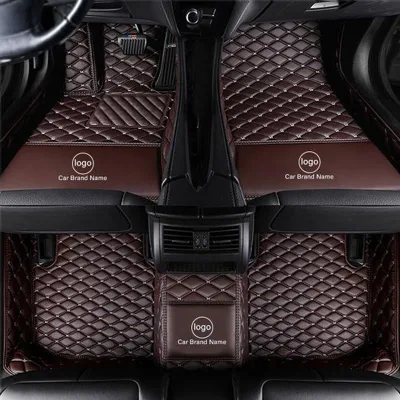
Yes, many suppliers accept custom logo printing for floor mats. This service allows buyers to brand their products with their own design. Buyers should verify customization availability and any associated costs or minimum order requirements directly with the supplier to ensure their branding needs are met.
What certifications do these floor mat suppliers hold?
Some suppliers hold IATF 16949 and ISO 9001 certifications, indicating adherence to quality management standards. Others may have REACH and DEHP compliance for material safety. Buyers should request certification documents to verify that the products meet specific regulatory and quality requirements for their target markets.
Where are these custom floor mat suppliers located?
Suppliers are primarily located in China, with specific mentions of Hebei and Guangdong provinces. Guangdong suppliers often list Guangzhou, Huangpu, or Shenzhen as dispatch ports. Buyers should confirm the exact location to understand shipping logistics, potential tariffs, and the overall supply chain efficiency for their orders.