Candy Sublimation Toiletry Bag Suppliers and Manufacturers
Find 31 verified suppliers offering candy sublimation toiletry bags with customizable features and varying lead times. Compare locations in Zhejiang and Fujian, response times, and MOQs to source the right partner for your needs; review the available evidence before requesting comparable quotations from suitable candidates.
Updated
Suppliers List

Hangzhou Initi Imp&Exp Co., Ltd.
- Verified by SGS
- Combined
- China Zhejiang
- Lead time30 days
- Avg. response≤ 7h
Main productsTote Bag, Cotton Bag, Canvas Bag, Drawstring Bag, Garment Bag, Cooler Bag, Cosmetic Bag, Shaker Bottle, Felt Bag, Corduroy Bag
Main marketsSoutheast Asia/ Mideast,East Asia(Japan/ South Korea),Europe,Australia,North America


Simple Portable New Style Travel Toiletry Bag Makeup Cotton Cosmetic Bag
$1.82 - $2.46
MOQ: 500 Pieces

Multifunctional Makeup Portable Travel Toiletry Bag Waterproof Mask Storage Bag
$0.32 - $0.55
MOQ: 100 Pieces


Xiamen Minghui Import and Export Co., Ltd.
- Verified by BV
- Manufacturer/Factory
- China Fujian
- Lead time30 days
- Avg. response≤ 11h
Main productsBag, Sport Bag, Duffel Bag, Travel Bag, School Bag, Backpack, Rucksack, Laptop Bag, Cosemtic Bag, Document Bag
Main marketsSouth America,Eastern Europe,Mid East,North America,Southeast Asia,Eastern Asia,Oceania,Western Europe,Africa
- Trading Company
- Zhejiang, China
- Lead time15 days
- Avg. response≤ 3h
Main productsCrochet Hook,Knitting Needle,Circular Needle,Sewing Accessories,Storage Bag
Main marketsSouth America(30.00%), North America(30.00%), Northern Europe(10.00%), Western Europe(10.00%), Oceania(10.00%), Eastern Europe(10.00%)

Taizhou Lantiger Travelware Co., Ltd.
- Verified by SGS
- Manufacturer/Factory
- China Zhejiang
- Lead time23 days
- Avg. response≤ 5h
Main productsTravel Accessories, Travel Pillows, Travel Bags, Luggage Straps, Luggage Covers, Tsa Locks, Luggage Scales, Travel Adapters
Main marketsSouth America,Eastern Europe,Mid East,North America,Southeast Asia,Eastern Asia,Oceania,Western Europe,Africa


Portable Travel Toiletry Bag with Hanging Hook Water-Resistant Make up Cosmetic Bag
$2.30 - $2.75
MOQ: 1000 Pieces

Shenzhen Gymtion Industrial Co., Ltd
- Verified by SGS
- Trading Company,Manufacturer/Factory
- China Guangdong
- Lead time23 days
- Avg. response≤ 4h
Main productsTote Bag, Shopping Bag, Clear Bag
Main marketsEastern Europe,Mid East,North America,Oceania,Western Europe


Custom Travel Toiletry Bag for Women Cosmetic Makeup Bag Large Capacity Travel Organizer
$3.56 - $4.00
MOQ: 500 Pieces

Customized Transparent PVC Makeup Bag - Portable Waterproof Toiletry Pouch Bag
$0.78 - $0.99
MOQ: 5000 Pieces


Quanzhou Wuzhou Minstarbags Co., Ltd.
- Verified by SGS
- Trading Company
- China Fujian
- Lead time60 days
- Avg. response≤ 3h
Main marketsSouth America,Southeast Asia/ Mideast,Europe,Australia,North America

Qingdao Sanliang Yipin Network Technology Co., Ltd
- Verified by SGS
- Manufacturer/Factory
- China Shandong
- Lead time30 days
- Avg. response≤ 7h
Main productsBag, Plush Toys, Clothes, Pet Accessories, Jewellery
Main marketsSouth America,Eastern Europe,Mid East,North America,Southeast Asia,Eastern Asia,Oceania,Western Europe,Africa

Guangzhou Fu Li Ya Industry Co., Ltd.
- Verified by TUVRHEINLAND
- Combined
- China Guangdong
- Lead time30 days
- Avg. response≤ 11h
Main productsShopping Bag, Promotional Bag, Canvas Bag, Polyester Bag, Cotton Bag, Tote Bag, Non Woven Bag, Garment Bag, Cooler Bag, Hand Bag
Main marketsEurope,North America

ANHUI GOOD LUCK INDUSTRIAL CO., LTD.
- Verified by BV
- Trading Company
- China Anhui
- Lead time15 days
- Avg. response≤ 4h
Main productsCosmetic Bag, Backpack, Lunch Bag, Cooler Bag, Shopping Bag, Diaper Bag, Sports Bag, Handbag, Beach Bag, Make up Bag
Main marketsSouth America,Africa,Southeast Asia/ Mideast,East Asia(Japan/ South Korea),Domestic,Europe,Australia,North America


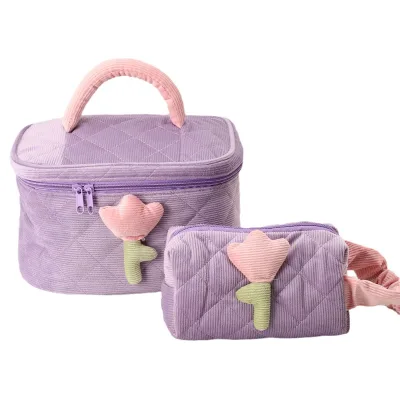
Plush Candy Color Toiletry Make up Pouch Portable Soft Travel Cosmetic Bag
$0.66 - $0.80
MOQ: 5 Pieces


High Quality Waterproof Travel PU Cosmetic Bag Makeup Storage Toiletry Bag
$2.57 - $3.50
MOQ: 50 Pieces


Xiamen Top Green Bags Co., Ltd.
- Verified by SGS
- Trading Company,Manufacturer/Factory
- China Fujian
- Lead time45 days
- Avg. response≤ 5h
Main productsCooler Bags, Sports Bags, Apron, Promotional Bag, Waist Bag, Shoulder Bag, Travel Bags, Cosmetic Bag, Laptop Bag, Pencil Bag
Main marketsSouth America,Eastern Europe,North America,Southeast Asia,Eastern Asia,Oceania,Western Europe,Africa

Custom Toiletry Pouch Travel Polyesterfabric Makeup Bag Women's Portable Toiletry Bag
$0.92 - $1.30
MOQ: 500 Pieces


Multifunction Travel Pouch Lightweight Hanging Toiletry Bag Travel Cosmetic Bag
$1.00 - $1.50
MOQ: 500 Pieces

Wholesale Cosmetic Bags Custom Logo Make-up Toilet Toiletry Makeup Bag for Outdoor Travel Storage
$0.61 - $0.83
MOQ: 500 Pieces
- Manufacturer, Trading Company
- Fujian, China
- Lead time30 days
- Avg. response≤ 3h
Main productsBackpack,School Bag,Cooler Bag,Pencil Bag,Duffel Bag
Main marketsNorth America(60.00%), Western Europe(30.00%), Mid East(5.00%), Eastern Asia(5.00%)

Quanzhou Jiahui Trading Co., Ltd.
- Trading Company
- Fujian, China
- Lead time0 days
- Avg. response≤ 2h
Main productsschool bag,laptop backpack,travel bag,shoulder bag,hiking bag
Main marketsCentral America(30.00%), South America(30.00%), Eastern Europe(20.00%), Northern Europe(20.00%), Western Europe(10.00%)
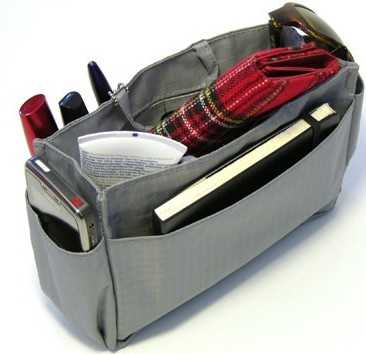
Free Sample Waterproof Toiletry Bag Toiletry Cosmetic Bag Custom Toiletry Bag
$1.9478 - $6.6617
MOQ: 2 pieces

- Verified by SGS
- Combined
- China Zhejiang
- Lead time15 days
- Avg. response≤ 5h
Main productsCosmetic Bag, Travel Bag, Tote Bag
Main marketsEurope,Australia


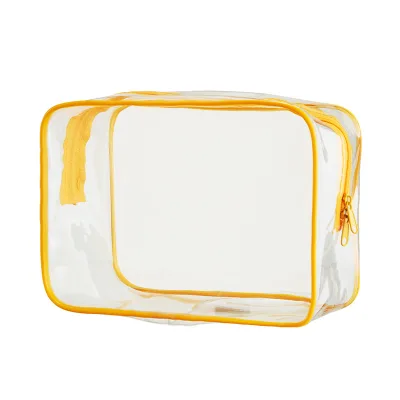
New PU Waterproof Toiletry Hand Storage Candy Color Cosmetic Wholesale Travel Bag
$0.71 - $1.28
MOQ: 100 Pieces


QUANZHOU HORBEST BAGS CO., LTD
- Verified by CTI
- Trading Company
- China Fujian
- Lead time90 days
- Avg. response≤ 3h
Main marketsEurope

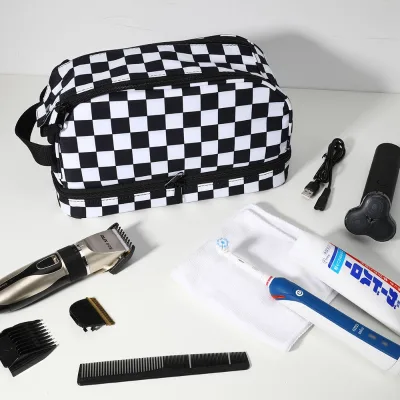
Travel Toiletry Bag with Dry-Wet Separation and Cosmetic Storage Compartments
$2.06 - $2.19
MOQ: 500 Pieces

Changshu Zhitang Marys Bag Factory
- Manufacturer, Trading Company
- Jiangsu, China
- Lead time20 days
- Avg. response≤ 9h
Main productsShopping Bag,Non Woven Bag,Promotional Bag,apron
Main marketsSouth Asia(7.69%), Southern Europe(7.69%), Northern Europe(7.69%), Central America(7.69%), Western Europe(7.69%), Eastern Asia(7.69%), Mid East(7.69%), Oceania(7.69%), Africa(7.69%), Southeast Asia(7.69%), Eastern Europe(7.69%), South America(7.69%), North America(7.69%)
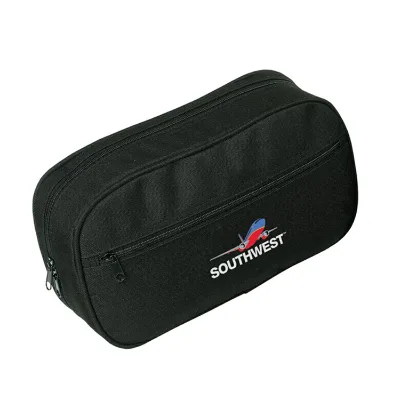
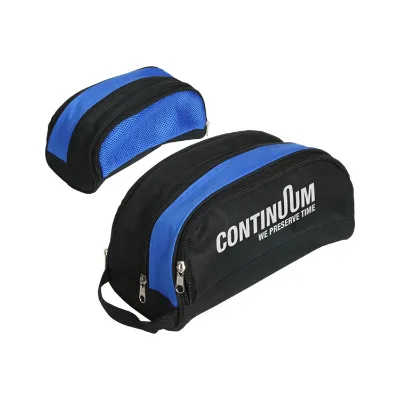
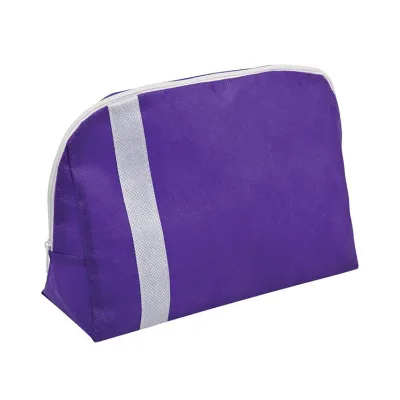
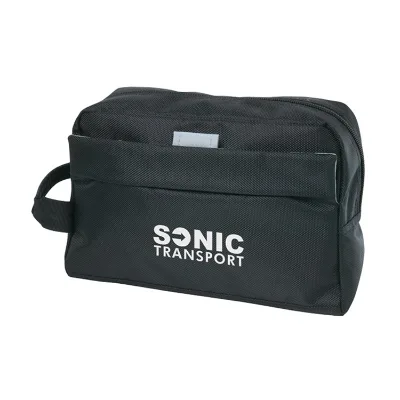
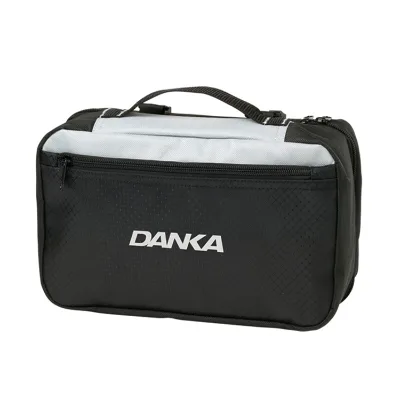
large non woven Toiletry Bag with V-shaped gusset
$0.23 - $0.60

Putian Geyang Trading Co., Ltd
- Verified by CTI
- Trading Company
- China Fujian
- Lead time0 days
- Avg. response≤ 3h
Main productsTote Bags, Cosmetic Bags, Travel Bags, Duffel Bags, Backpacks, Luggage Sets, Hand Bags, Crossbody Bags, Custom Bags
Anhui Wellpromotion Travel Products Co., Ltd.
- Verified by TüVRheinland
- Manufacturer, Trading Company
- Lead time45 days
- Avg. response≤ 6h
Main productsCooler Bag, Backpack, Cosmetic Bag, Tote Bag, Sports Bag
Main marketsNorth America(33%), Eastern Asia(18%), Western Europe(12%)

Fuzhou ADF International CO., LTD.
- Verified by BV
- Trading Company,Manufacturer/Factory
- China Fujian
- Lead time45 days
- Avg. response≤ 5h
Main productsBags, Suitcase, Backpack, Travel Bags, School Bags, Storage Ottoman, Luggage, Cooler Bag, Household Products
Main marketsSouth America,Eastern Europe,Mid East,North America,Southeast Asia,Eastern Asia,Oceania,Western Europe,Africa

Custom Printed Large Waterproof Makeup Pouch Travel Cosmetic Toiletry Bag
$3.50 - $5.00
MOQ: 1000 Pieces

Guangzhou Boslun Industrial Co., Ltd.
- Manufacturer, Trading Company
- guangdong, China
- Lead time25 days
- Avg. response≤ 2h
Main productsLuggage & Bags,cosmetic bag,tote bag,backpack,drawstring bag
Main marketsWestern Europe(48.00%), Domestic Market(20.00%), North America(17.00%), South America(15.00%)

Changrun Bag & Case Manufacture Co., Ltd.
- Verified by TUVRHEINLAND
- Combined
- China Guangdong
- Lead time23 days
- Avg. response≤ 4h
Main productsBackpack, Travel Bag, Laptop Bag, Trolley Bag, Cosmetic Bags, Handbag, Duffel Bag, Bag, China Backpack, China Travel Bag
Main marketsDomestic
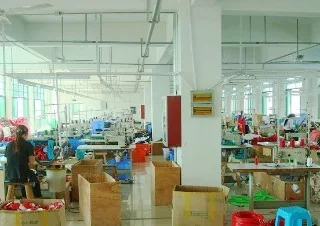
Yiwu Deqi Bag & Case Co., Ltd.
- Manufacturer, Trading Company
- Zhejiang, China
- Lead time30 days
- Avg. response≤ 3h
Main productsCosmetic Bags; Travel Organizer Bags; Canvas Tote Bags; School Bags; Diaper Bags,tote bag,travel bag,school bag,baby bag
Main marketsSouth Asia(100.00%), Africa(100.00%), Central America(100.00%), North America(30.00%), Western Europe(26.00%), Domestic Market(12.00%), Oceania(10.00%), South America(5.00%), Southern Europe(5.00%), Eastern Asia(4.00%), Southeast Asia(3.00%), Mid East(2.00%), Northern Europe(2.00%), Eastern Europe(1.00%)

Wenzhou Guanmin Import and Export Co., Ltd.
- Verified by BV
- Trading Company,Manufacturer/Factory
- China Zhejiang
- Lead time120 days
- Avg. response≤ 6h
Main productsShopping Bag, Cooler Bag, Notebook, Pen, Color Pencil, Lanyard, Beach Ball, Umbrella, Sunshade, Air Freshener
Main marketsSouth America,Eastern Europe,Mid East,North America,Southeast Asia,Eastern Asia,Western Europe


Customized Travel Mesh Cosmetic Bag Toiletry Bag with Printing Company Logo
$2.00 - $3.00
MOQ: 500 Pieces

Large Capacity Portable Toiletry Case Multi-Functional Cosmetic Storage Bag
$2.00 - $3.00
MOQ: 500 Pieces
Hefei Exciway Import & Export Co., Ltd.
- Trading Company
- Anhui, China
- Lead time35 days
- Avg. response≤ 5h
Main productsBackpacks,Cosmetic bags,Business bag&cases,Handbags,Luggage&Travel bags
Main marketsWestern Europe(30.00%), North America(25.00%), Northern Europe(10.00%), Eastern Europe(10.00%), Southern Europe(5.00%), Southeast Asia(5.00%), Mid East(5.00%), Oceania(5.00%), South America(3.00%), Central America(2.00%)

Zhongshan Saiya Souvenirs & Gifts Manufacturer
- Verified by SGS
- Combined
- China Guangdong
- Lead time23 days
- Avg. response≤ 4h
Main productsFridge Magnet, Metal Crafts, Keychain, Shot Glass, Bottle Opener, License Plate, Photo Frame, Souvenir Bag
Main marketsSoutheast Asia/ Mideast,Europe,North America

Custom Logo Toiletry Bag Travel Souvenirs Polyester Makeup Cosmetic Storage Bag
$0.95 - $1.00
MOQ: 720 pieces

Customizable Logo Printed Polyester Toiletry Bag Travel Souvenir Makeup Cosmetic Bags
$0.95 - $1.00
MOQ: 720 pieces

Xiamen Weihuang Textile Products Co., Ltd.
- Verified by CTI
- Combined
- China Fujian
- Lead time30 days
- Avg. response≤ 4h
Main marketsSoutheast Asia/ Mideast,East Asia(Japan/ South Korea),Domestic
Shenzhen Jingyida Bags Products Co., Ltd.
- Verified by Intertek
- Manufacturer, Trading Company
- Lead time30 days
- Avg. response≤ 2h
Main productsCosmetic Bag, Handbags, Backpack, Storage Bag, Waist Bag
Main marketsWestern Europe(50%), North America(30%), Eastern Europe(5%)

Ningbo Haishu Mango Import & Export Co., Ltd.
- Verified by BV
- Manufacturer/Factory
- China Zhejiang
- Lead time23 days
- Avg. response≤ 5h
Main productsCooler Bag, Folding Chairs, Beach Bag, Folding Tables, Backpack, Camping Tent, Hiking Stick, Sleeping Bag, Ski Pole, Hammock
Main marketsSouth America,Eastern Europe,Mid East,North America,Southeast Asia,Eastern Asia,Oceania,Western Europe,Africa


Lightweight Fluffy Wide-Opening Travel Toiletry Bag: Portable Handheld Cosmetic Organizer
$7.96 - $8.11
MOQ: 500 Pieces
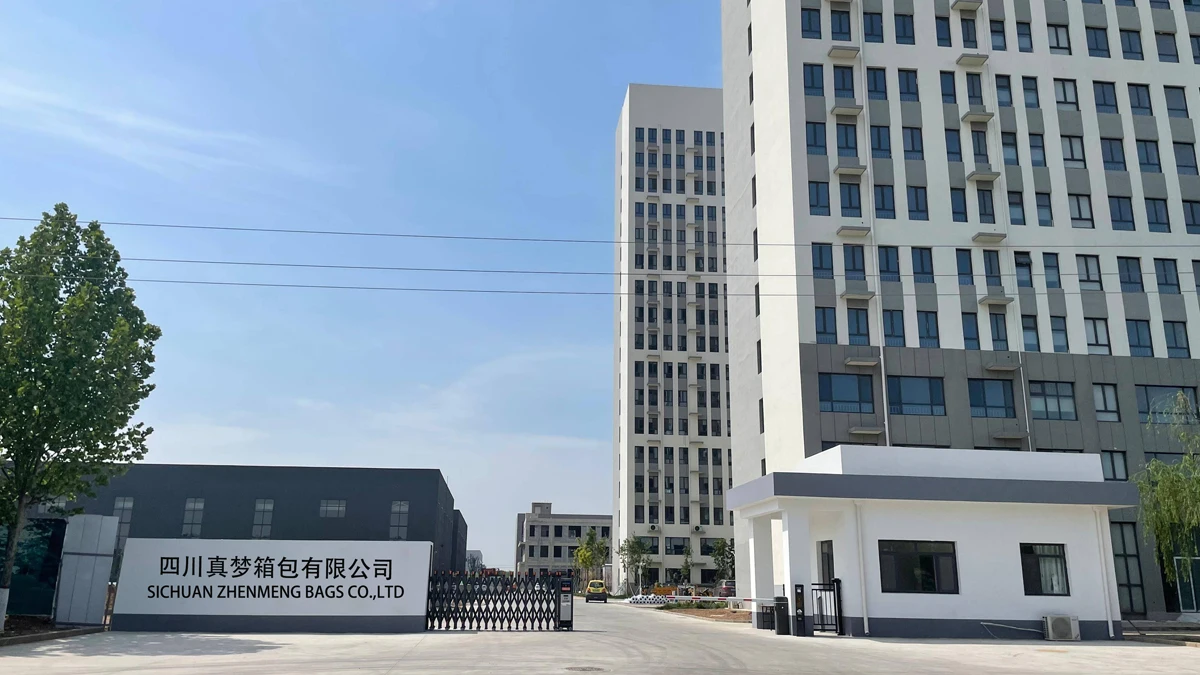
Sichuan Zhenmeng Bags Co., Ltd
- Trading Company
- Sichuan, China
- Lead time10 days
- Avg. response≤ 2h
Main productsMakeup Bag,Cooler bag,Storage bag,Travel bag,Backpack bag
Main marketsNorth America(25.00%), Western Europe(15.00%), Southern Europe(10.00%), Mid East(10.00%), Eastern Europe(10.00%), Oceania(8.00%), Northern Europe(5.00%), Central America(5.00%), South America(5.00%), Southeast Asia(5.00%), Africa(2.00%)

Quanzhou Qiming Import and Export Trading Co., Ltd
- Verified by SGS
- Combined
- China Fujian
- Lead time45 days
- Avg. response≤ 4h
Main marketsAustralia,North America

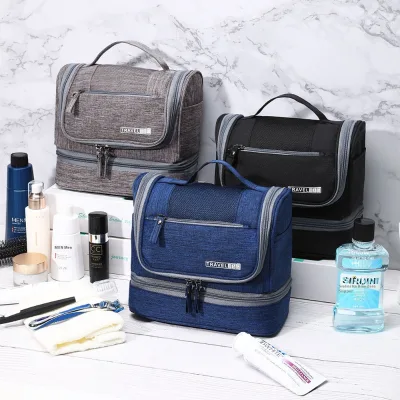
Hanging Toiletry Bag Travel Toiletry Bag for Men/Women with 4 Compartments
$4.40 - $4.50
MOQ: 500 Pieces


Jinhua Hengyang Cross-Border Trade Limited Liability Company
- Verified by SGS
- Trading Company
- China Zhejiang
- Lead time15 days
- Avg. response≤ 9h
Main productsCoffee Maker Air Fryer Storage Box Knife Set, Silicone Baking Mold Robot Vacuum Cleaning Table, Shower Head Non-Slip Shower Curtain Vacuum Stora, Collapsible Laundry Basket Bohemian Wall Tapestr, Fringe Pillow Cover Bedding Set Memory Foam Pill, Bamboo Tissue Biodegradable Trash Bags LED Fair, Smart Plug Fairy Lights Pet Food Bowl, Household Daily Necessities Kitchen Cleaning, Bathroom Storage and Care Fabric Home Decor, Bedding Daily Chemical Paper Products
Main marketsEurope

Travel Storage Bag Double Opening Large Capacity Toiletry Bag Waterproof Storage Bag
$3.29 - $4.11
MOQ: 26 Pieces


- Verified by SGS
- Combined
- China Fujian
- Lead time45 days
- Avg. response≤ 4h
Main marketsSouth America,Europe,North America

Multi Pocket Outdoor Portable Water Resistant Lightweight Travel Cosmetic Toiletry Bag
$4.01 - $4.37
MOQ: 500 Pieces

Compact Portable Waterproof Lightweight Multipurpose Travel Cosmetic Toiletry Bag
$3.99 - $4.36
MOQ: 500 Pieces

Premium Durable Solid Color Portable Waterproof Lightweight Travel Cosmetic Toiletry Bag
$2.70 - $2.95
MOQ: 500 Pieces




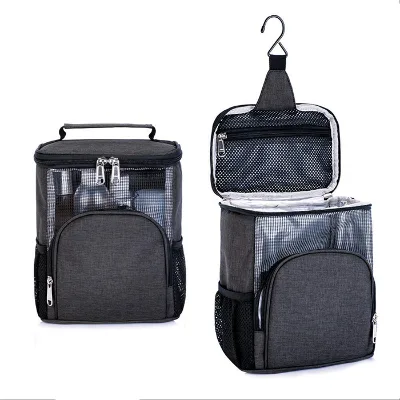


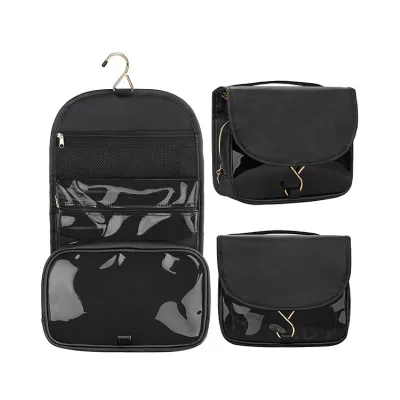
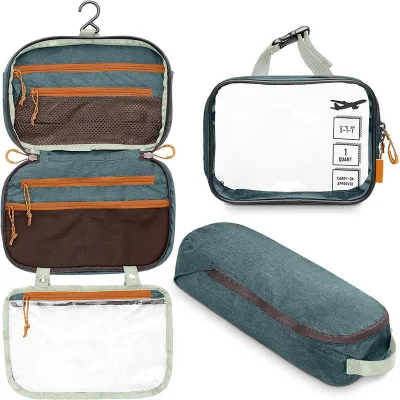
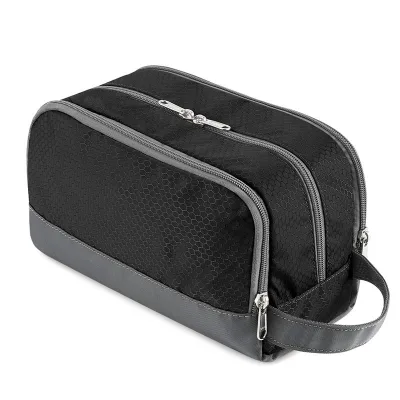


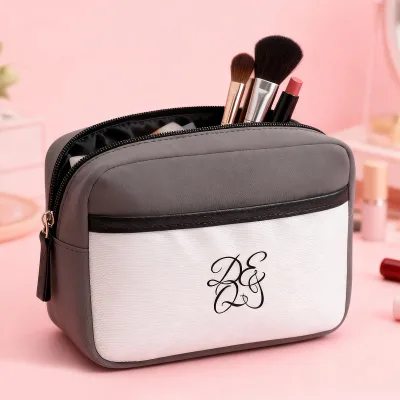
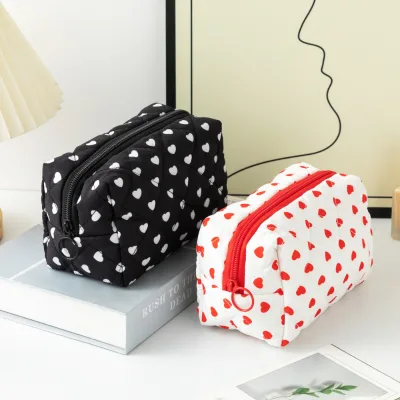
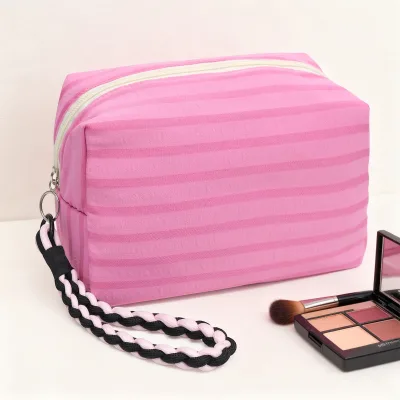
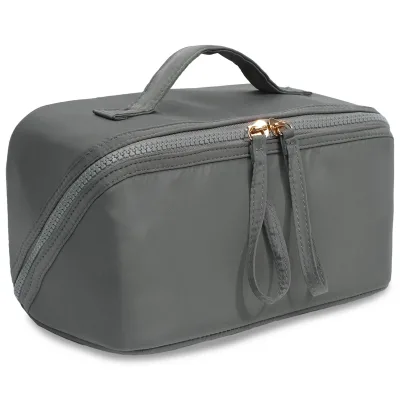
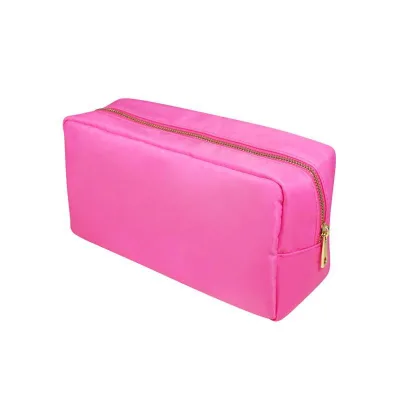
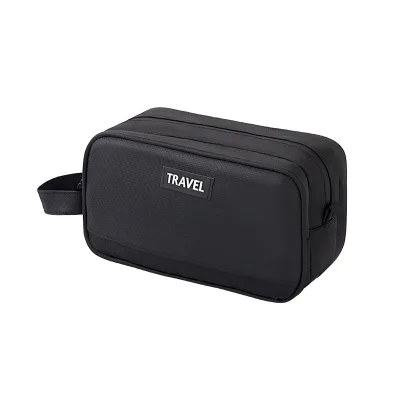
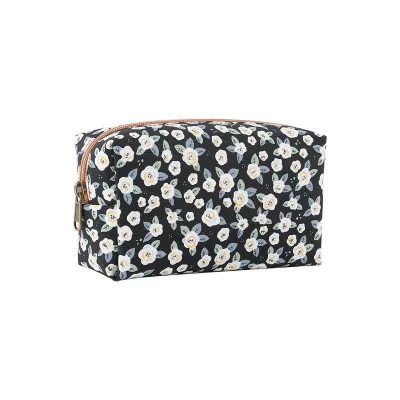
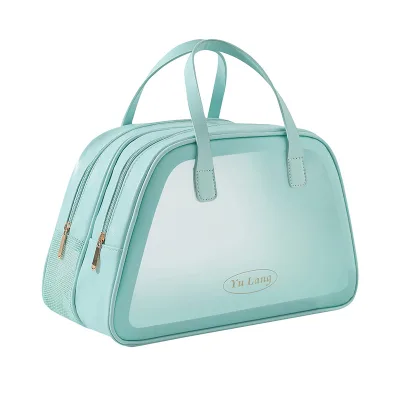


Comprehensive Sourcing Guide
Candy Sublimation Toiletry Bag Supplier Concentration and Factory Types
The current supplier landscape for candy sublimation toiletry bags reveals a concentration of manufacturing capabilities primarily within China, with specific operational hubs identified in Zhejiang and Fujian provinces. These regions host a mix of combined trading companies and dedicated manufacturer factories, each offering distinct advantages for buyers seeking customized cosmetic storage solutions. In Zhejiang, suppliers often present a broader array of main products, including tote bags, canvas bags, and drawstring bags, indicating a versatile production environment capable of handling diverse material requirements. This diversity suggests that factories in this area may have established supply chains for various textiles, which can be leveraged when sourcing specific sublimation-friendly materials for toiletry bags. The presence of combined company types in this region implies that some entities may act as intermediaries, potentially offering a wider selection of designs but requiring careful verification of their direct manufacturing capabilities. Buyers should recognize that while these suppliers offer extensive product ranges, the core competency in sublimation printing may vary, necessitating a closer look at their specific equipment and past performance in this niche.
Conversely, suppliers located in Fujian province appear to specialize more heavily in bag manufacturing, with main products explicitly listing sport bags, duffel bags, travel bags, and cosmetic bags. This specialization often correlates with a higher degree of technical expertise in bag construction, such as zipper integration, lining attachment, and structural durability. The factory type in this region is predominantly listed as Manufacturer/Factory, suggesting a more direct line of communication regarding production processes and quality control. This structural difference can impact lead times and customization flexibility, as factories may have more streamlined internal workflows compared to trading companies that must coordinate with multiple external workshops. Understanding this distinction is crucial for buyers who prioritize direct factory interaction for complex customizations or those who prefer the convenience of a single point of contact for multiple product types. The geographic distribution of these supplier types highlights the importance of aligning your sourcing strategy with the specific operational model that best fits your project’s complexity and volume requirements.
How to Verify Candy Sublimation Toiletry Bag Suppliers
Verifying the legitimacy and capability of suppliers requires a multi-layered approach that goes beyond basic company profiles. One critical step is to check for third-party verification badges, such as SGS or BV, which indicate that an independent agency has inspected the supplier’s facilities or business operations. For instance, some suppliers in the current results display SGS verification, providing a baseline level of trust regarding their business existence and operational compliance. However, verification badges alone do not guarantee product quality or production capacity, so buyers must dig deeper into the supplier’s specific credentials. It is essential to review any available system certifications, such as SEDEX, which may indicate adherence to ethical labor standards and supply chain transparency. While not all suppliers display these certifications, those that do offer an additional layer of assurance for buyers concerned with corporate social responsibility. Buyers should actively request copies of these certificates and verify their validity through the issuing bodies to ensure they are current and relevant to the production of toiletry bags.
Beyond certifications, buyers should scrutinize the supplier’s response time and communication efficiency as indicators of their operational maturity. A response time metric, such as the 6.31 hours observed for some suppliers, can reflect how quickly a company addresses inquiries and resolves issues. Faster response times often correlate with better project management and customer service, which are vital when coordinating custom sublimation designs and production schedules. Additionally, buyers should assess the supplier’s ability to provide detailed product evidence, including specific attributes like material composition, closure types, and customization options. For example, verifying that a supplier explicitly states "Customization: Available" and provides details on logo printing methods ensures they can meet your specific branding needs. Buyers should also inquire about the supplier’s sample production process, as a clear sample time, such as 7 days, indicates a structured workflow. By combining verification badges, certification checks, and communication assessments, buyers can build a comprehensive profile of each supplier’s reliability and suitability for their specific sourcing needs.
What to Compare Across Candy Sublimation Toiletry Bag Suppliers
When evaluating multiple suppliers, it is crucial to compare key operational metrics such as minimum order quantities (MOQ), lead times, and pricing structures to determine the best fit for your business. MOQs can vary significantly, with some suppliers requiring as few as 100 pieces while others mandate 500 pieces or more. This variation directly impacts your inventory risk and cash flow, so buyers should align their order volumes with their sales forecasts and storage capabilities. For instance, a supplier with a 100-piece MOQ may be more suitable for testing new designs or catering to smaller markets, whereas a 500-piece MOQ might offer better unit economics for established product lines. Lead times are another critical factor, with bulk production times ranging from 15-20 days to 25-30 days depending on the complexity of the customization and the supplier’s current workload. Buyers should compare these timelines against their launch schedules to ensure timely delivery, especially for seasonal products or promotional campaigns. Understanding these operational differences allows buyers to negotiate more effectively and plan their supply chain with greater precision.
Pricing and payment terms also play a significant role in supplier selection, as they affect the overall cost of goods and financial risk. Prices for toiletry bags can range from approximately $0.32 to $2.46 per unit, depending on materials, size, and customization complexity. Buyers should compare these prices not just on a per-unit basis but also in the context of the included services, such as design support or packaging options. Payment terms, such as a 30% deposit and 70% balance before shipping, are common but should be evaluated for their impact on cash flow. Additionally, buyers should assess the supplier’s capacity for research and development, including OEM, ODM, and own brand capabilities, as this indicates their ability to innovate and offer unique products. By systematically comparing MOQs, lead times, prices, and payment terms, buyers can identify suppliers that offer the best balance of cost, speed, and flexibility. This comparative analysis helps mitigate risks and ensures that the chosen supplier aligns with the buyer’s strategic objectives and operational constraints.
Common Candy Sublimation Toiletry Bag Sourcing Risks
One of the primary risks in sourcing candy sublimation toiletry bags is the potential discrepancy between sample quality and bulk production output. Sublimation printing requires precise temperature and pressure controls, and any variation in these parameters can lead to color fading, misalignment, or poor adhesion. Buyers must ensure that the supplier has robust quality control processes in place to maintain consistency across large orders. This includes verifying that the supplier uses high-quality sublimation paper and ink, as well as properly treated polyester or poly-blend fabrics that accept the dye effectively. Without strict quality checks, buyers may receive batches with inconsistent colors or defective prints, leading to customer dissatisfaction and returns. To mitigate this risk, buyers should request detailed quality assurance protocols and consider hiring third-party inspection services to verify production quality before shipment. Additionally, buyers should clarify the supplier’s policy for handling defective goods, ensuring that there is a clear mechanism for replacements or refunds in case of quality issues.
Another significant risk is the potential for delays in production or shipping, which can disrupt supply chains and miss market windows. Lead times can be affected by various factors, including material shortages, labor availability, and logistical bottlenecks. Buyers should be aware that some suppliers may quote optimistic lead times that do not account for these variables, leading to unexpected delays. To manage this risk, buyers should establish clear communication channels with their suppliers and request regular updates on production progress. It is also advisable to build buffer time into your supply chain plans to accommodate potential delays. Furthermore, buyers should verify the supplier’s shipping capabilities and reliability, as poor logistics management can result in damaged goods or lost shipments. By proactively addressing these risks through rigorous quality control and proactive communication, buyers can minimize disruptions and ensure a smoother sourcing experience. Understanding these common pitfalls allows buyers to implement preventive measures and protect their business interests.
Candy Sublimation Toiletry Bag Regional Sourcing and Logistics
Sourcing from specific regions in China, such as Zhejiang and Fujian, offers distinct logistical advantages and challenges that buyers must consider. Zhejiang, known for its diverse manufacturing base, may provide faster access to a wide range of materials and components, which can streamline the production process for complex designs. However, the presence of combined trading companies in this region may add an extra layer of coordination, potentially impacting lead times and communication efficiency. Buyers should assess whether the supplier’s location aligns with their preferred shipping routes and port access, as this can influence freight costs and transit times. Fujian, on the other hand, is often associated with specialized bag manufacturing, which may result in more efficient production workflows and higher quality standards for bag-specific features. The proximity of Fujian suppliers to major shipping hubs can also facilitate faster export processes, reducing overall delivery times. Buyers should evaluate the logistical implications of each region, considering factors such as port congestion, customs clearance efficiency, and the availability of reliable freight forwarders.
Logistics planning also involves understanding the supplier’s packaging and shipping capabilities, which can impact the condition of the goods upon arrival. Buyers should inquire about the supplier’s packaging standards, including the use of protective materials to prevent damage during transit. For sublimation-printed items, it is crucial to ensure that the prints are not smudged or scratched during handling and shipping. Buyers should also consider the environmental impact of packaging materials, as many buyers are increasingly seeking sustainable options. Additionally, buyers should verify the supplier’s experience with international shipping, including their familiarity with export documentation and compliance requirements. This experience can help prevent delays at customs and ensure that the goods arrive in the intended market without issues. By carefully evaluating the logistical aspects of regional sourcing, buyers can optimize their supply chain for efficiency, cost-effectiveness, and product integrity. Understanding these regional dynamics allows buyers to make informed decisions that align with their operational and strategic goals.
Candy Sublimation Toiletry Bag Commercial Terms and Order Planning
Effective order planning requires a thorough understanding of the commercial terms offered by suppliers, including payment structures, warranty policies, and after-sales support. Payment terms such as a 30% deposit and 70% balance before shipping are standard but should be negotiated based on the order volume and relationship history. Buyers should also inquire about any additional fees, such as mold charges for custom shapes or setup costs for sublimation printing, which can impact the total cost. Understanding these financial terms helps buyers budget accurately and avoid unexpected expenses. Additionally, buyers should clarify the supplier’s policy on sample costs, as some suppliers may waive these fees for large orders or deduct them from the final invoice. This flexibility can reduce upfront costs and encourage stronger partnerships. By carefully reviewing and negotiating commercial terms, buyers can establish a fair and transparent business relationship that supports long-term collaboration.
Order planning also involves coordinating with suppliers on design approvals, production schedules, and delivery timelines to ensure a smooth workflow. Buyers should provide detailed specifications for their custom designs, including color codes, logo placements, and material preferences, to minimize revisions and delays. Establishing a clear timeline for sample approval and bulk production helps both parties manage expectations and resources effectively. Buyers should also consider the supplier’s capacity for handling rush orders, as this can be crucial for responding to market demands or unexpected opportunities. Furthermore, buyers should plan for potential contingencies, such as material shortages or production delays, by maintaining open communication and having backup plans in place. By integrating commercial terms and order planning into a cohesive strategy, buyers can optimize their sourcing process for efficiency and reliability. This holistic approach ensures that
FAQs
What is the minimum order quantity for custom toiletry bags?
The minimum order quantity varies by product type. Some items require 100 pieces, while others need 500 pieces. Buyers should check specific product attributes to confirm the exact MOQ before placing an order to ensure production feasibility.
How long does bulk production take for these bags?
Bulk production times range from 15 to 30 days depending on the specific bag model. Standard items may take 15 to 20 days, while cotton or complex designs can require 25 to 30 days. Sample preparation typically takes 7 days.
Are these suppliers verified for quality assurance?
Yes, suppliers are verified by third-party agencies such as SGS and BV. These verifications help ensure that manufacturing processes and product quality meet international standards. Buyers can rely on these credentials to assess supplier reliability and operational compliance.
What payment terms are standard for these orders?
Standard payment terms usually involve a 30% deposit with the remaining 70% balance paid before shipping. This structure protects both parties. Buyers should confirm the exact payment schedule with the supplier to align with their financial planning and cash flow needs.
Can I customize the logo and printing on the bags?
Customization is available for logos and printing. Suppliers offer options like silk screen, heat transfer, or embossed logos. Buyers can request custom designs to match their brand identity, ensuring the final product reflects their specific marketing and aesthetic requirements.
Where are these toiletry bag manufacturers located?
Manufacturers are located in China, specifically in Zhejiang and Fujian provinces. These regions are known for strong bag manufacturing capabilities. Buyers can source from these locations to benefit from established supply chains and specialized production expertise in bag manufacturing.