Industrial Black Neoprene Rubber Sheet Suppliers and Manufacturers
Compare 14 verified suppliers of Industrial Black Neoprene Rubber Sheet based on location, lead time, and certifications. Review product specifications and response times to select the right factory for your needs; review the available evidence before requesting comparable quotations from suitable candidates.
Suppliers List

- Manufacturer/Factory
- China Guangdong
- Lead time23 days
- Avg. response≤ 25h
Main productsNeoprene, TPU Compound Material, High Quality Fabric, Sports Glove, Can & Bottle Cooler, Laptop Bag, Armband Mobile Phone Case, Supporter, Neoprene Fabric
Main marketsSouth America,Eastern Europe,Mid East,North America,Southeast Asia,Eastern Asia,Oceania,Western Europe

Hebei Jingkai Rubber Technology Co., Ltd.
- Trading Company
- China Hebei
- Lead time15 days
- Avg. response≤ 7h
Main productsRubber Sheet, Rubbermatting
Main marketsAfrica,Southeast Asia/ Mideast,East Asia(Japan/ South Korea),Domestic,North America
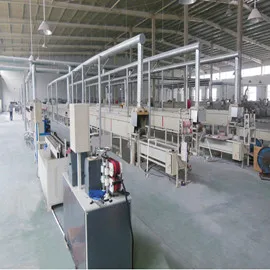
HEBEI JIEXING RUBBER SEALS CO.,LTD
- Manufacturer, Trading Company
- Hebei, China
- Lead time20 days
- Avg. response≤ 1h
Main productsRubber Seal Strip, Silicone Sheet, Rubber Sheet, Gasket, Composite Sealing Strip
Main marketsDomestic Market(74.0%), South Asia(2.0%), Eastern Asia(2.0%), North America(2.0%), South America(2.0%), Oceania(2.0%), Western Europe(2.0%), Southern Europe(2.0%), Central America(2.0%), Northern Europe(2.0%), Africa(2.0%), Eastern Europe(2.0%), Mid East(2.0%), Southeast Asia(2.0%)

- Verified by TUVRHEINLAND
- Trading Company,Manufacturer/Factory
- China Zhejiang
- Lead time23 days
- Avg. response≤ 2h
Main productsEp/Ee/Cc56 Conveyor Belt, Steel Cord Conveyor Belt, Sidewall Conveyor Belt, Wrapped V Belt, Poly Ribbed Belt, Raw Edge Cogged V Belt, Timing Belt, PVC/PU/PP/Pvg Conveyor Belt, Conveyor Roller, Pulley
Main marketsSouth America,Mid East,North America,Southeast Asia,Eastern Asia,Western Europe

Anhui Sa Tuo New Material Technology Co., Ltd.
- Manufacturer/Factory
- China Anhui
- Lead time23 days
- Avg. response≤ 24h
Main productsRubber Sheet, Silicone Rubber Sheet, Thermal Insulation Material, Sealing Material, Rock Wool Prodcurts, Glass Wool Products, XPS, Aluminum Silicate Products, Anti Slip Rubber Sheet, Nr Natural Rubber Sheeting
Main marketsSouth America,Eastern Europe,Mid East,North America,Southeast Asia,Eastern Asia,Oceania,Western Europe,Africa


Industrial Flame-Retardant Self Extinguishing Black Flame-Retardant Rubber Sheet
$0.40 - $2.50
Moq: 100


Hebei Chen Zhi Yuan Trading Company Limited
- Verified by CTI
- Trading Company
- China Hebei
- Lead time30 days
- Avg. response≤ 6h
Main productsArtificial Grass, Gym Floor, Gym Mat, Rubber Mat
Main marketsSouth America,Africa,Southeast Asia/ Mideast,East Asia(Japan/ South Korea),Domestic,Europe,Australia,North America

- Manufacturer/Factory
- China Shandong
- Lead time23 days
- Avg. response≤ 4h
Main productsHydraulic Hose, Welding Hose, Rubber Hose, Conveyor Belt, Air Hose, Water Hose, Rubber Sheet, Rubber Tiles, V Belt, Fittings
Main marketsSouth America,Eastern Europe,Mid East,North America,Southeast Asia,Eastern Asia,Oceania,Western Europe,Africa

Nanjing Gubai Rubber & Plastic Co., Ltd.
- Verified by TUVRHEINLAND
- Manufacturer/Factory
- China Jiangsu
- Lead time180 days
- Avg. response≤ 6h
Main productsRubber Sheet, Rubber Components, Rubber Rolls, Rubber Strip, Rubber Materials, Plastic Components
Main marketsSouth America,Mid East,North America,Southeast Asia,Eastern Asia,Oceania,Western Europe,Africa

- Verified by TUVRHEINLAND
- Trading Company
- China Jiangsu
- Lead time23 days
- Avg. response≤ 14h
Main productsRubber Sheets, Rubber Plates, Rubber Boards, Rubber Mats, Rubber Carpet, Rubber Tiles, Rubber Floorings, Rubber Sheet, Rubber Sheeting, Rubber Matting
Main marketsSoutheast Asia/ Mideast,North America

Hebei Jiexing Rubber Seals Co., Ltd.
- Verified by TUVRHEINLAND
- Manufacturer/Factory
- China Hebei
- Lead time23 days
- Avg. response≤ 2h
Main productsRubber Seal Strip, Rubber Plastic Sealing Strips, Silicone/EPDM/NBR/PVC Seal Strip, Solid/Foam Strip, Door&Window Seal Strip, Auto Rubber Seal Strip, Production of EPDM Monomer Sealing Strips, Nitrile Foam Strips, EPDM Composite Sealing Strips, Silicone Strips Nitrile Sealing Strips
Main marketsSouth America,Eastern Europe,Mid East,North America,Southeast Asia,Eastern Asia,Oceania,Western Europe,Africa

SANHE GREAT WALL RUBBER CO., LTD.
- Verified by BV
- Combined
- China Hebei
- Lead time30 days
- Avg. response≤ 12h
Main productsRubber Sheet, Rubber Mat, Silicone Rubber Sheet, Rubber Floor, Rubber Linning, Cow Mat, Insulation Rubber Mat, Rubber Sealing Strip, Rubber Profile, Gym Mat
Main marketsSoutheast Asia/ Mideast,Domestic,Europe

Sanhe Bestrubber Import & Export Co., Ltd.
- Verified by SGS
- Trading Company
- China Hebei
- Lead time15 days
- Avg. response≤ 4h
Main productsSilicone Rubber Sheet, Silicone Sponge Rubber Sheet, PTFE Sheet, PTFE Rod, Polyurethane Sheet, Polyurethane Rod, Rubber Mounting, Rubber Sheet, Plastic Sheet, Plastic Rod
Main marketsSouth America,Southeast Asia/ Mideast,Europe

Dongguan Prosperity Sports Goods Co., Ltd.
- Verified by SGS
- Trading Company,Manufacturer/Factory
- China Guangdong
- Lead time23 days
- Avg. response≤ 3h
Main productsEVA Case, EVA Tool Bag, EVA Pouch, Neoprene Can Cooler, Knee Support, Laptop Bag, Neoprene Lunch Bag, Neoprene Beer Cooler, Ankle Support, Waterproof Dry Bag
Main marketsSouth America,Eastern Europe,Mid East,North America,Southeast Asia,Eastern Asia,Oceania,Western Europe,Africa

Xuancheng Grand Rubber & Sealing Technology Co., Ltd.
- Verified by SGS
- Combined
- China Anhui
- Lead time15 days
- Avg. response≤ 25h
Main productsRubber Sheet, Gasket Sheet, Neoprene Rubber Sheet, Viton Rubber Sheet, NBR Rubber Sheet, Rubber Matting, Asbestos Joint Sheet, Spiral Wound Gasket, PTFE Sheet, Rubber Strip
Main marketsSouth America,Southeast Asia/ Mideast


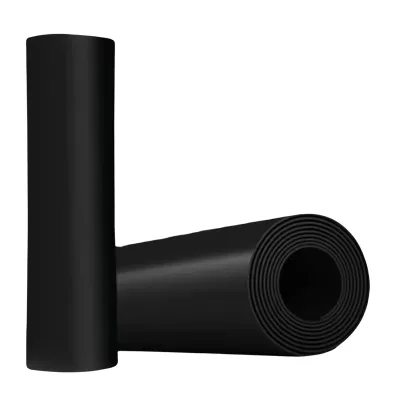
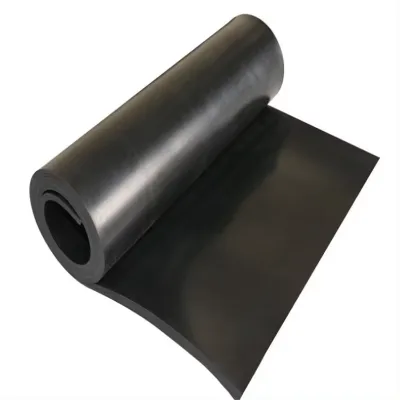


Comprehensive Sourcing Guide
Industrial Black Neoprene Rubber Sheet Supplier Concentration and Factory Types
The available data indicates a concentration of manufacturing activity in China, specifically within the Guangdong and Hebei provinces. Suppliers located in Guangdong are identified as manufacturers or factories, suggesting a direct production capability for items like neoprene sheets and rubber products. These entities often list diverse main products including neoprene fabric, sports gloves, and various rubber sheets, indicating a broad industrial base capable of handling complex material requirements. In contrast, suppliers in Hebei are identified as trading companies, which may source from various factories to fulfill orders for rubber mats and sealing strips. This distinction is critical for buyers seeking direct factory pricing versus those prioritizing a consolidated supply chain through a trading intermediary.
When evaluating the supplier landscape, buyers must verify the specific company type listed in the profile to understand the supply chain structure. A manufacturer in Guangdong might offer OEM and ODM capabilities, allowing for custom specifications on neoprene materials, whereas a trading company in Hebei might focus on aggregating products like oil-resistant rubber slabs. The presence of specific certifications such as TS 16949, ISO 14001, and ISO 9001 among some manufacturers provides a baseline for quality management systems, though these should be confirmed against the specific product batch. Buyers should not assume all listed entities possess the same production depth; instead, they should categorize potential partners based on whether the profile explicitly states "Manufacturer/Factory" or "Trading Company" to align with their strategic sourcing goals.
How to Verify Industrial Black Neoprene Rubber Sheet Suppliers
Verification begins with scrutinizing the specific product attributes and certifications listed in the supplier's catalog. For instance, some product listings explicitly mention SGS certification and compliance with RoHs standards, which are vital for industrial applications requiring material safety and environmental compliance. Buyers should cross-reference these claims with the actual product details, such as the material composition being pure gum rubber or synthetic rubber, and the specific usage cases like medical, industrial, or vehicle applications. The presence of detailed attributes like hardness ratings, tensile strength, and specific dimensions (e.g., 51"*130") serves as a tangible indicator of the supplier's technical documentation depth. If a supplier lists these precise technical parameters, it suggests a higher level of operational maturity compared to those with vague descriptions.
Response time and lead time data provide further evidence of a supplier's operational reliability and capacity to meet urgent demands. The observed data shows response times ranging from approximately 6 hours to 25 hours, with lead times varying between 15 and 23 days depending on the specific product and location. A supplier with a shorter response time, such as 6.28 hours, may indicate a more agile customer service team, while a lead time of 15 days suggests a streamlined production process. However, buyers must verify if these metrics apply to the specific Industrial Black Neoprene Rubber Sheet order, as lead times can fluctuate based on order volume and customization requirements. It is essential to request current production schedules rather than relying solely on static profile data to ensure the supplier can deliver within the required timeframe.
What to Compare Across Industrial Black Neoprene Rubber Sheet Suppliers
Comparing suppliers requires a detailed analysis of pricing structures, minimum order quantities, and material specifications. The data reveals significant price variations, with some listings showing minimum prices as low as $0.55 per unit while others start at $1.00 or $4.00, depending on the product type and customization level. Minimum order quantities also differ substantially, with some suppliers requiring 100 units while others mandate 1000 units. Buyers must evaluate whether the lower price point aligns with the required quality standards and if the higher MOQ fits their inventory strategy. Additionally, the material composition varies, with some products specified as SBR neoprene, while others are pure gum rubber or nitrile rubber, necessitating a direct comparison of material properties against the buyer's technical requirements.
Beyond price and quantity, the scope of customization and product features must be weighed across different suppliers. Some listings indicate that customization is available for neoprene sheets, allowing for specific sizes, colors, and thicknesses, while others may offer standard sizes only. Features such as wear resistance, heat resistance, and oil resistance are critical for industrial applications, and the specific performance metrics like tensile strength (e.g., 3-25 MPa) and hardness (e.g., 70 +/-5 Shore a) should be compared side-by-side. Buyers should also consider the packaging standards, such as nylon bags or PE film with pallets, as these affect shipping costs and product protection. A comprehensive comparison matrix should include these technical and commercial variables to identify the supplier that offers the best balance of cost, quality, and flexibility.
Common Industrial Black Neoprene Rubber Sheet Sourcing Risks
One significant risk involves the discrepancy between the stated product attributes and the actual delivered goods, particularly regarding material composition and certification validity. While some listings claim SGS certification and RoHs compliance, buyers must verify these claims independently, as the data does not guarantee that every batch meets these standards. There is also a risk associated with the variation in product dimensions and thickness; for example, some sheets are listed as 51"*130" while others are 50"*130", and thicknesses can range from 1mm to 50mm. If a buyer orders based on a specific dimension without confirming the exact tolerance and measurement method, they may receive products that do not fit their machinery or application requirements, leading to production delays and wasted materials.
Another critical risk is the potential mismatch in lead times and response capabilities, which can disrupt supply chain continuity. The observed lead times vary from 15 to 23 days, and response times range from 6 to 25 hours, but these figures may not reflect the actual performance during peak seasons or for custom orders. A supplier with a short quoted lead time might face delays if they lack the raw material inventory or production capacity to handle a large order. Furthermore, the distinction between manufacturers and trading companies introduces a layer of complexity; a trading company might not have direct control over the production schedule, potentially leading to communication gaps or delays. Buyers should mitigate this risk by establishing clear communication channels and requesting real-time production updates before finalizing the order.
Industrial Black Neoprene Rubber Sheet Regional Sourcing and Logistics
The regional distribution of suppliers in China, specifically in Guangdong and Hebei, influences logistics planning and shipping costs. Suppliers in Guangdong are often positioned as manufacturers, which may offer more direct control over the production process and potentially faster turnaround for custom orders. In contrast, suppliers in Hebei, identified as trading companies, might aggregate products from various sources, which could simplify the sourcing process but add a layer of logistics coordination. Buyers should consider the proximity of the supplier to major ports and transportation hubs, as this can impact shipping times and freight costs. The specific location of the factory or warehouse will determine the most efficient shipping route and the associated customs clearance procedures.
Logistics planning must also account for the packaging standards and product dimensions to optimize container utilization. The data indicates that products are often packed in nylon bags or PE film with pallets, which affects how the goods are loaded into shipping containers. For large orders, the total volume and weight of the neoprene sheets must be calculated to ensure efficient use of shipping space. Buyers should verify the packaging details with the supplier to prevent damage during transit and to ensure that the goods meet the requirements of the destination country's import regulations. Additionally, the lead time for production should be factored into the overall logistics timeline, as delays in manufacturing can ripple through the entire supply chain, affecting delivery dates and inventory levels at the destination.
Industrial Black Neoprene Rubber Sheet Commercial Terms and Order Planning
Commercial terms for industrial black neoprene rubber sheets vary significantly based on the supplier type and product specifications. Minimum order quantities can range from 100 units to 1000 units, and prices can fluctuate between $0.55 and $5.00 per unit depending on the material grade and customization level. Buyers must carefully review the pricing structure to understand if the quoted price includes packaging, shipping, or taxes, as these factors can significantly impact the total cost of ownership. It is also essential to clarify the payment terms, such as whether escrow services are available or if a deposit is required before production begins. These commercial details should be negotiated clearly to avoid misunderstandings and ensure a smooth transaction process.
Order planning requires a strategic approach to align production schedules with business needs, considering the lead times and response times of potential suppliers. With lead times ranging from 15 to 23 days, buyers should place orders well in advance to accommodate any potential delays or customization requirements. The response time of the supplier, which can vary from 6 to 25 hours, is another critical factor in maintaining effective communication throughout the order lifecycle. Buyers should establish a clear timeline for order placement, production, and delivery, ensuring that all parties are aligned on the expected milestones. By planning ahead and maintaining open communication, buyers can mitigate risks and ensure a steady supply of high-quality industrial black neoprene rubber sheets for their operations.
FAQs
What sizes are typical for industrial black neoprene rubber sheets?
Common sheets listed measure about 51 by 130 inches, with some medical-grade stock at 50 by 130 inches. Many suppliers offer customization, and widths from 0.5 to 2.2 meters with lengths up to 20 meters are also quoted for industrial rolls. Confirm the exact cut size, thickness, and tolerance with the supplier before ordering, since dimensions vary by model and production batch.
How much does an Industrial Black Neoprene Rubber Sheet cost?
Listed prices vary widely by grade and specification, from under one dollar to several dollars per unit. One listing quotes 0.55 to 0.60 per unit for oil-resistant NBR sheet, another 0.58 to 1.50 for flame-retardant CR sheet, and neoprene foam sheets around 4 to 5. Price depends on thickness, hardness, certification, and order quantity, so request a quotation for your exact specification.
What is the typical minimum order quantity for neoprene rubber sheets?
Minimum order quantities in the current listings range from 100 units for neoprene foam sheet products to 1,000 units for industrial NBR rubber sheet. MOQ often depends on whether the sheet is stock-sized or custom-made, with custom specifications generally requiring larger commitments. Always confirm the MOQ for your chosen thickness, hardness, and size before requesting samples or negotiating pricing.
How long does delivery take for industrial neoprene rubber sheet orders?
Delivery times in the listings range from 10 to 20 days for one NBR product and 2 to 3 weeks for a flame-retardant CR sheet. Overall lead times reported by suppliers run about 15 to 23 days depending on the company. Customized sheets, large volumes, and certification testing can extend timelines, so confirm production and shipping schedules in writing before placing your order.
Do neoprene rubber sheet suppliers support customization and OEM production?
Yes, customization is listed as available on multiple neoprene sheet products, and at least one Guangdong manufacturer advertises both OEM and ODM capability. Customization typically covers size, thickness, hardness, color, and laminated fabric backing. Provide detailed specifications, including the intended application such as flooring, sealing, or printing, so the factory can match material grade and propose an accurate sample and price.
What performance properties should I expect from a black neoprene sheet?
Listed industrial sheets commonly feature wear resistance, heat resistance, cold resistance, corrosion resistance, insulation, and impact resistance. Oil-resistant NBR grades are quoted with tensile strength of at least 2.5 MPa and hardness from 45 to 80 Shore A, while CR sheets list 3 to 25 MPa tensile strength. Match these properties to your working environment before specifying a material grade.
Which certifications apply to industrial neoprene rubber sheets?
Product listings reference SGS certification and RoHS compliance for neoprene sheet products, and one manufacturer holds ISO 9001, ISO 14001, and TS 16949 system certifications. Certification requirements differ by application, especially for medical or export markets. Ask the supplier for current, verifiable certificates covering the specific batch and material grade you intend to purchase, and check test reports for hardness and tensile strength.
Where are the neoprene rubber sheet suppliers mainly located?
The suppliers in these results are located in mainland China, with manufacturers and trading companies in Guangdong and Hebei provinces. Guangdong factories list neoprene foam and laminated fabric sheets, while Hebei companies focus on industrial rubber sheet and matting products including NBR and CR grades. Location affects shipping cost, response time, and port access, so weigh logistics alongside product specifications when shortlisting.