Industrial Electric Chain Hoist Suppliers and Manufacturers
Source 29 verified suppliers for industrial electric chain hoists. Compare key dimensions including location, lead time, MOQ, response time, and certifications. Review product specs and pricing to identify the right partner for your lifting needs; review the available evidence before requesting comparable quotations from suitable candidates.
Updated
Suppliers List

Wuhan Rayvanbo Import And Export Trade Co., Ltd.
- Verified by TUVRHEINLAND
- Manufacturer/Factory
- China Hubei
- Lead time15 days
- Avg. response≤ 2h
Main productsOverhead Crane, Gantry Crane, Jib Crane, Electric Chain Hoist, Wire Rope Hoist, European Hoist, Stage Hoist, End Carriage, Permanent Magnetic Lifter, Lifting Equipment Accessories
Main marketsSouth America,Eastern Europe,Mid East,North America,Southeast Asia,Eastern Asia,Oceania,Western Europe,Africa

Huahang Transportation Equipment Technology (shenzhen) Co., Ltd.
- Verified by SGS
- Trading Company
- China Guangdong
- Lead time30 days
- Avg. response≤ 1h
Main productsBridge Crane, Overhead Crane, Gantry Crane, Electric Hoist, Transfer Cart, Jib Crane, Crane End Carraige, Electric Winch, Transfer Trolley, Electric Chain Hoist
Main marketsOthers(foreignTradeCapacity.exportBusinessCapacityMarketOther),Southeast Asia/ Mideast

Luoyang Zongxin Technology Co., Ltd.
- Trading Company
- Henan, China
- Lead time15 days
- Avg. response≤ 3h
Main productsbinding machine,printing machine,post press machine,package machine,paper product making machine
Main marketsSouth Asia(30.00%), Western Europe(30.00%), South America(20.00%), North America(20.00%)
Hangzhou Guanhang Machinery Equipment Co., Ltd.
- Trading Company
- Zhejiang, China
- Lead time25 days
- Avg. response≤ 2h
Main productscargo trolley,webbing sling,ratchet strap,round sling,shackle
Main marketsEastern Europe(50.00%), South Asia(48.00%), South America(2.00%)
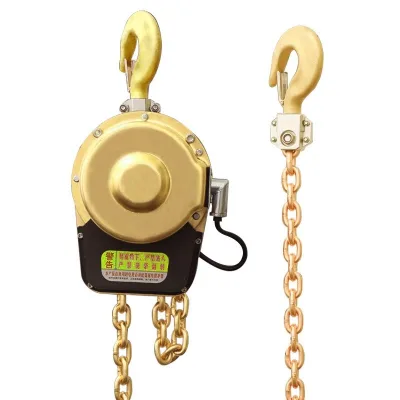
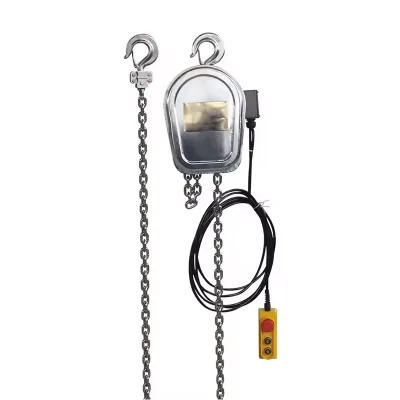
$808.947 - $943.7636
MOQ: 1 pieces
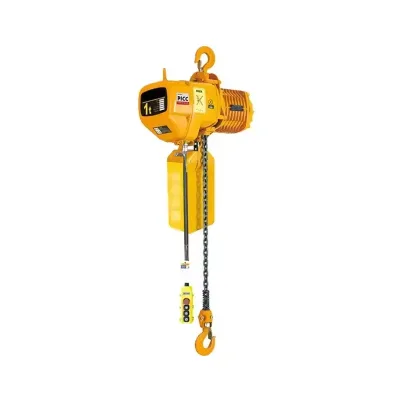
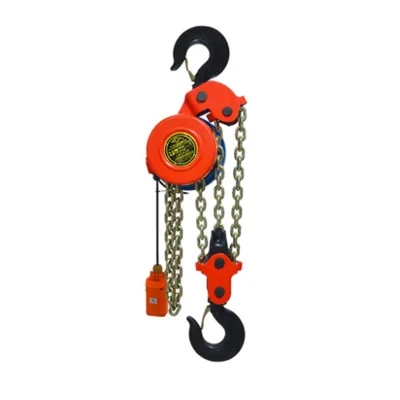
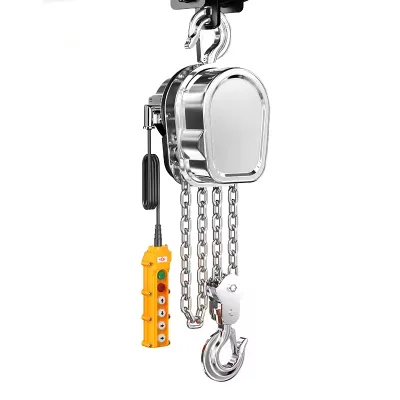
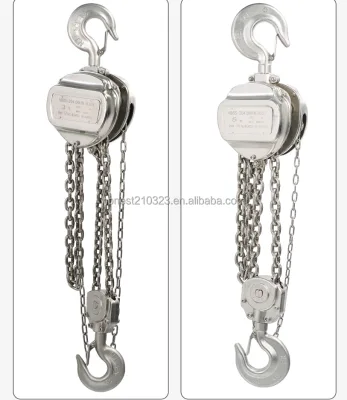
3 Ton Lifting Hoist Tools Dust-Free Environments Stainless Steel Electric Chain Hoists
$1424.0379 - $1661.3738
MOQ: 1 pieces
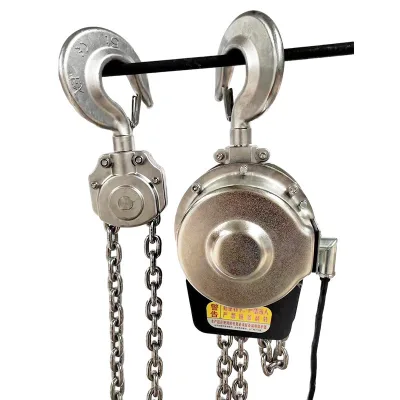
$905.91 - $1928.11
MOQ: 1 Minimum
Huahang Transportation Equipment Technology (Shenzhen) Co., Ltd.
- Manufacturer, Trading Company, Distributor/Wholesaler
- Guangdong, China
- Lead time45 days
- Avg. response≤ 1h
Main productsOverhead Crane,Gantry Crane,Transfer cart,Electric Hoist,Electric Winch
Main marketsDomestic Market(80.00%), Mid East(10.00%), North America(5.00%), Southeast Asia(2.00%), South America(2.00%), Central America(0.50%), South Asia(0.50%)

Hebei Yuying Hoisting Machinery Manufacturing Co., Ltd
- Verified by TUVRHEINLAND
- Combined
- China Hebei
- Lead time30 days
- Avg. response≤ 6h
Main productsChain Block, Lever Hoist, Electric Hoist, Chain, Manual Hydraulic Truck, Beam Clamp, Permanent Magnetic Lifter, Screw Jack
Main marketsEurope,North America


Durable Lifting Equipment Electric Chain Hoist High Quality Electric Lift Hoist
$16.00 - $320.00
MOQ: 10 pieces
Henan Jungong Crane Machinery Co., Ltd. Changyuan Branch
- Trading Company
- Henna, China
- Lead time0 days
- Avg. response≤ 1h
Main productsElectric hoist,CHAIN HOIST,elevator,winch,Lifting accessories
Main marketsSouth Asia(40.00%), Southeast Asia(30.00%), Eastern Asia(30.00%)
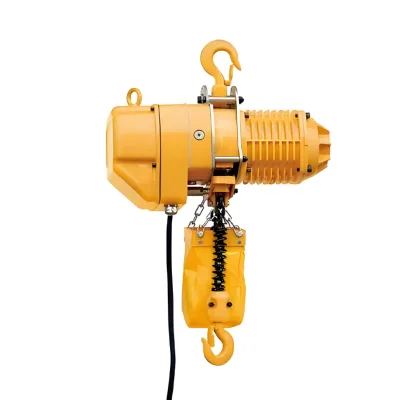
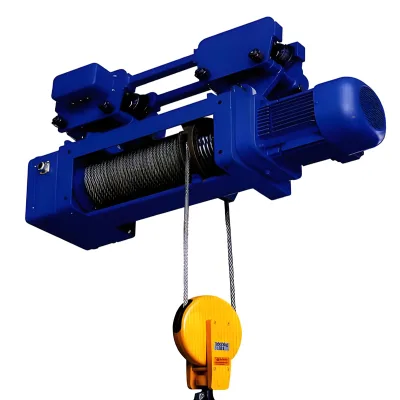
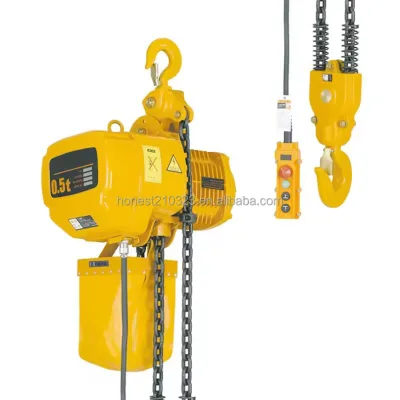
0.5-3 Tons Electric Chain Hoist With Remote Control Price for Industrial Crane
$901.6975 - $1004.1631
MOQ: 1 sets
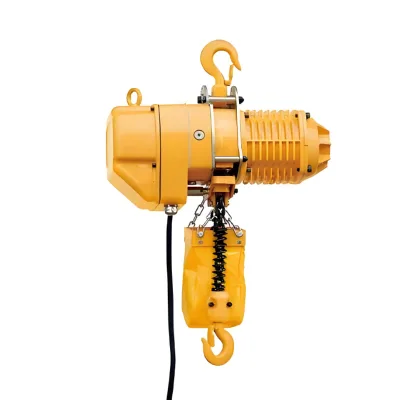
High Quality and Low Price 5t 7.5t 10t Industrial Lift with Trolley Electric Chain Crane Hoist
$350.00 - $380.00
MOQ: 1 sets
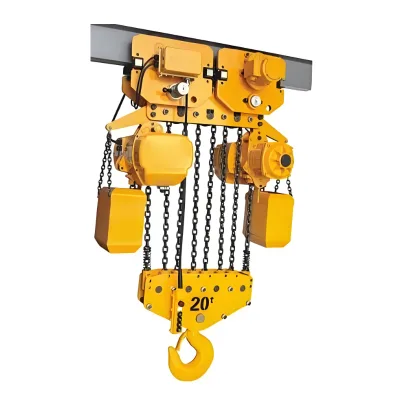
Factory Direct Top Quality Lifting Equipment 1500kg Electric Cable Block Chain Hoist
$350.00 - $380.00
MOQ: 1

- Verified by BV
- Combined
- China Jiangsu
- Lead time15 days
- Avg. response≤ 7h
Main productsHoist, Electric Chain Hoist, Electric Hoist, Electric Wire Rope Hoist, Wire Rope Hoist, Manual Chain Hoist, Chain Hoist, Lever Hoist, Chain Block, Overhead Crane
Main marketsSouth America,Africa,Southeast Asia/ Mideast,East Asia(Japan/ South Korea),Domestic,Europe,Australia,North America

Xinxiang Hongxin Industrial And Mining Equipment Co., Ltd.
- Manufacturer, Trading Company
- Henan, China
- Lead time10 days
- Avg. response≤ 3h
Main productsEgg Tray Making Machine,Lifting accessories,Machinery
Main marketsDomestic Market(20.00%), North America(20.00%), South America(10.00%), Mid East(10.00%), Southeast Asia(5.00%), South Asia(5.00%), Southern Europe(5.00%), Northern Europe(5.00%), Western Europe(5.00%), Eastern Europe(5.00%), Oceania(5.00%), Africa(5.00%)

Zhejiang Kaidao Hoisting Machinery Co., Ltd.
- Verified by TUVRHEINLAND
- Combined
- China Zhejiang
- Lead time15 days
- Avg. response≤ 17h
Main productsElectric Hoist, Electric Chain Hoist, Electric Clutch Hoist, Electric Wire Rope Hoist, Hoist Crane, Chain Hoist, Wire Rope Hoist, Crane Geared Motor, Chain Block, Lever Block
Main marketsSouth America,Africa,Others(foreignTradeCapacity.exportBusinessCapacityMarketOther),Southeast Asia/ Mideast,Europe,North America

Dele Electrical (Hangzhou) Co., Ltd.
- Manufacturer
- China Zhejiang
- Lead time30 days
- Avg. response≤ 4h
Main productsChain Pulley Blocks, Lever Block, Lifting Chain, Electric Chain Hoist, Chain Making Machine, Lifting Tools, Wire Rope Pulley, Snow Chain, Lifting Clamp
Main marketsSouth America,Southeast Asia/ Mideast,Europe,North America

Electric Chain Hoist Overload Protection Electric Hoist Safety Lifting Hoist
$377.78 - $497.78
MOQ: 5 Pieces

Electric Chain Hoist High Efficiency Electric Hoist for Factory Lifting
$2226.19 - $2933.33
MOQ: 5 Pieces


Electric Chain Hoist for Mining Electric Hoist Heavy Duty Lifting Hoists
$209.13 - $369.05
MOQ: 1 Pieces


Chongqing Deso Lifting Co., Ltd.
- Manufacturer/Factory
- China Chongqing
- Lead time45 days
- Avg. response≤ 13h
Main productsChain, Chain Block, Lever Block, Shackle, Manul Hoist, Lifting Equipment, Steel Wire Rope, Rigging Hardware, Nylon Rope, Webbing Sling
Main marketsSouth America,Eastern Europe,Mid East,North America,Southeast Asia,Eastern Asia,Oceania,Western Europe,Africa
Henan Yixing Lifting Machinery Co., Ltd.
- Verified by Intertek
- Trading Company
- Lead time0 days
- Avg. response≤ 2h
Main productsDouble Girder Overhead Crane , Double Girder Gantry Crane, Single Girder Gantry Crane, Electric Hoist, Scissor and Fork Electric Lift

- Manufacturer/Factory
- China Beijing
- Lead time0 days
- Avg. response≤ 21h
Main productsOverhead Travelling Crane, Gantry Crane, Winches, Rigging
Main marketsSouth America,Eastern Europe,Mid East,North America,Southeast Asia,Eastern Asia,Oceania,Western Europe,Africa
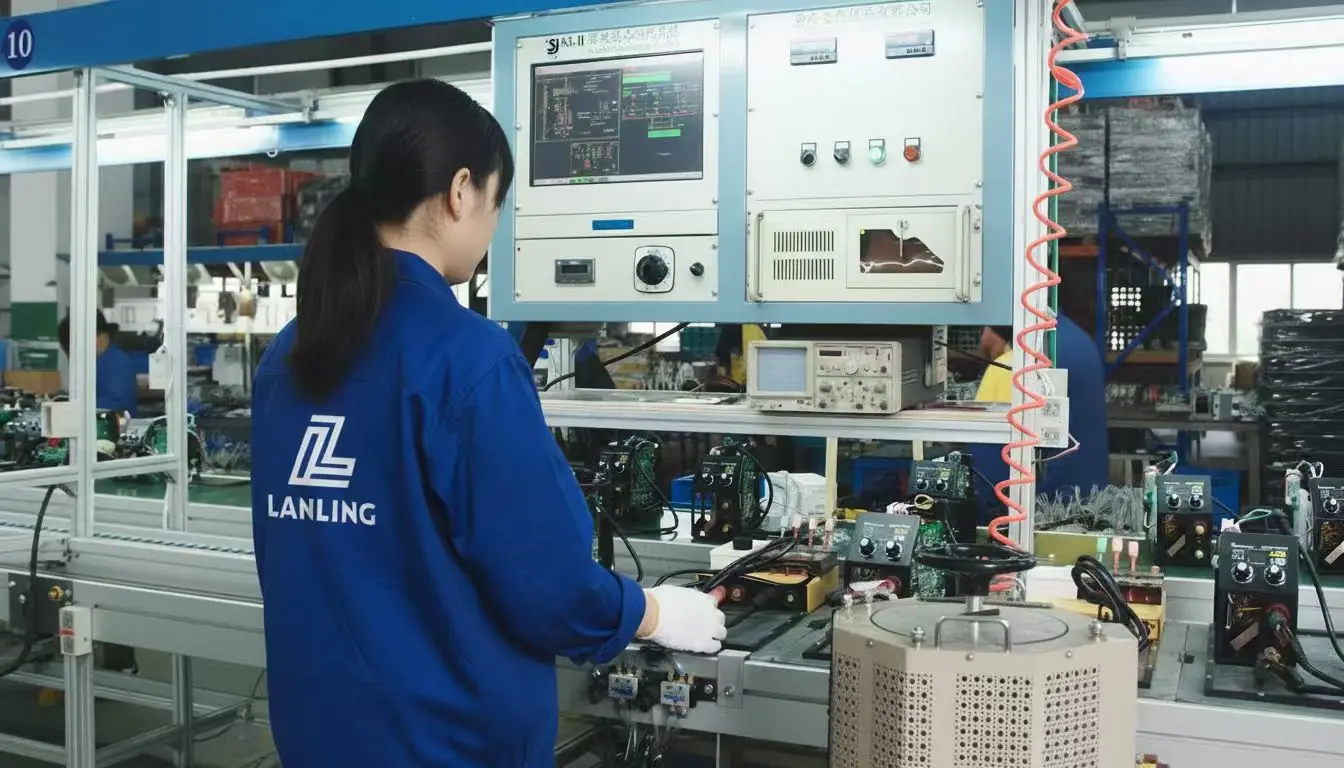
Taizhou Lanling Tech Co., Ltd.
- Manufacturer
- Zhejiang, China
- Lead time35 days
- Avg. response≤ 3h
Main productswelding machine,electric hoist,welding cable
Main marketsSoutheast Asia(60.00%), Domestic Market(20.00%), Africa(20.00%)
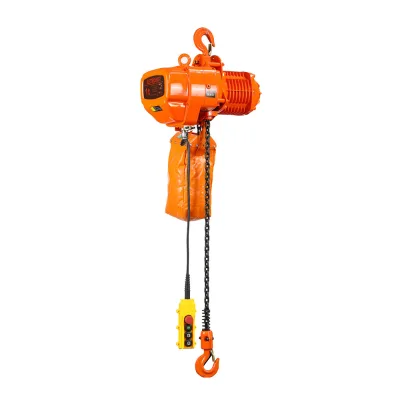
$268.2448 - $273.385
MOQ: 1 sets
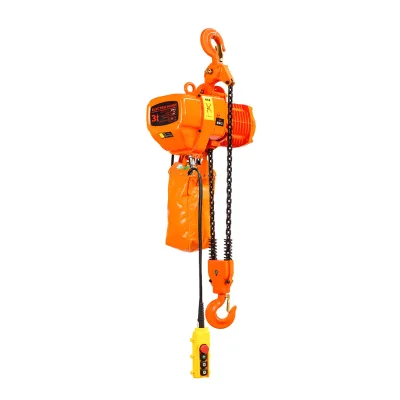
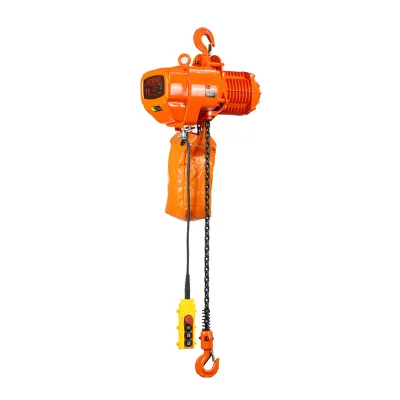
High Quality Custom 1ton 2Ton 3Ton 5Ton Electric Hoist Electric Chain Hoist with Chain Bag 220V
$1028.1858
MOQ: 1 Minimum
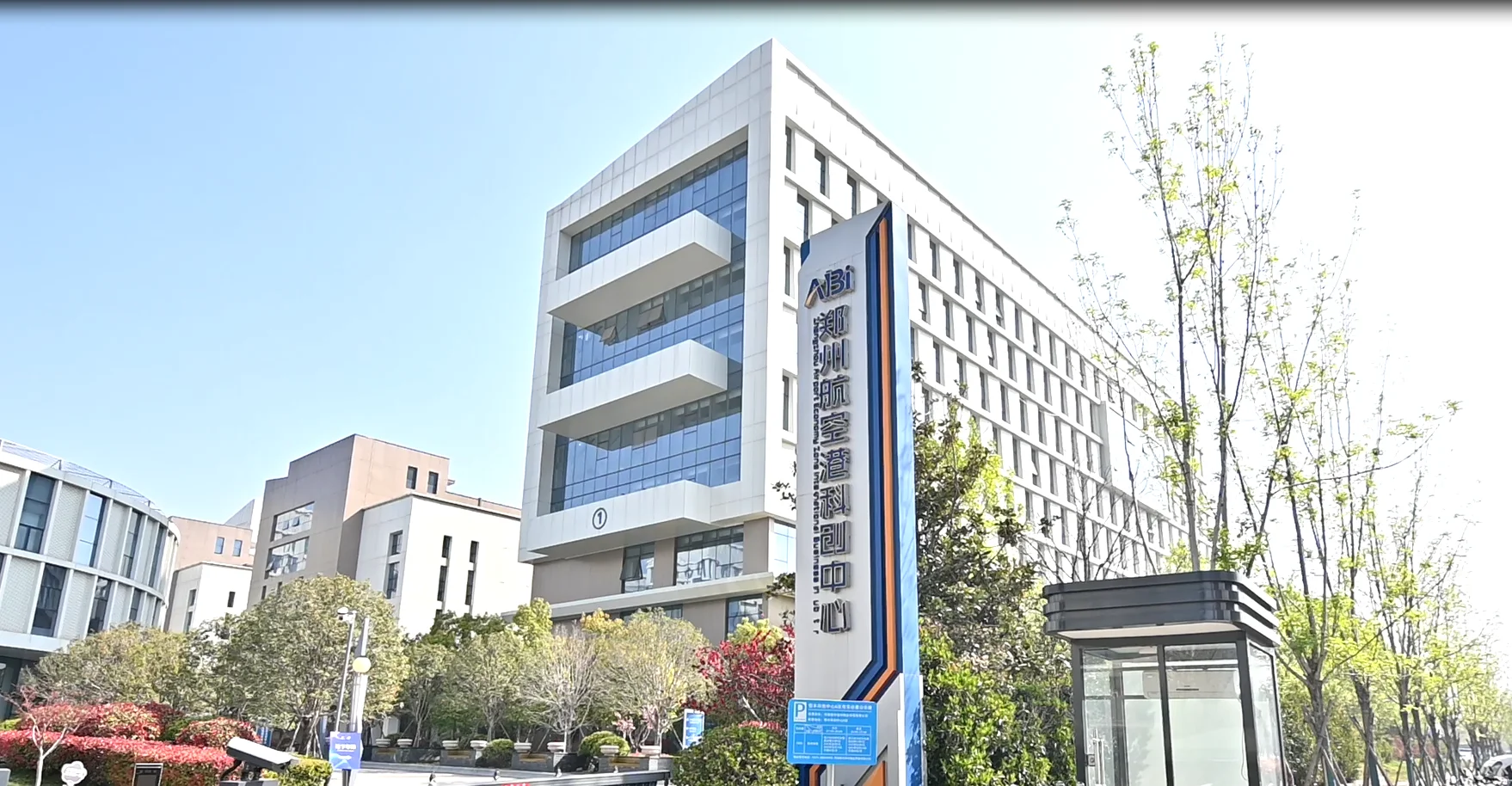
Henan Lemay Technology Co., Ltd.
- Trading Company
- Henan, China
- Lead time7 days
- Avg. response≤ 1h
Main productsCustom Remote Controls For Construction Machinery,Hydraulic Proportional Remote Controls,Industrial Wireless Remote Controls,Custom Remote Controls For Cranes,Custom Remote Controls For Construction Tower Cranes
Main marketsSouth America(20.00%), North America(20.00%), Southeast Asia(15.00%), South Asia(15.00%), Eastern Europe(10.00%), Eastern Asia(6.00%), Africa(6.00%), Oceania(5.00%), Western Europe(3.00%)

Huajian Heavy Industry Co., Ltd.
- Verified by TUVRHEINLAND
- Combined
- China Henan
- Lead time60 days
- Avg. response≤ 5h
Main productsOverhead Crane, Gantry Crane, Single-Girder Crane, Double-Girder Crane, Explosion-Proof Crane, Electric Hoist, Bridge Crane, Jib Crane
Main marketsDomestic
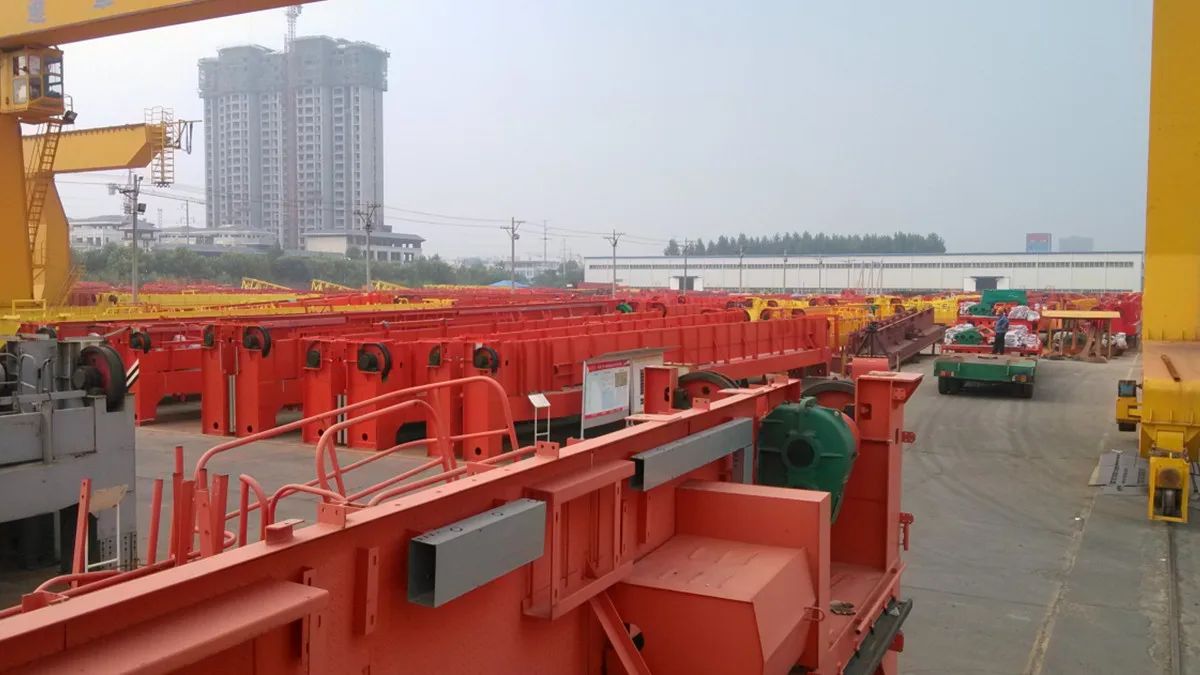
Henan Tiwin Machinery Equipment Co., Ltd.
- Trading Company
- Henan, China
- Lead time30 days
- Avg. response≤ 3h
Main productsCrane,Grab,Hoist,Winch,Electromagnetic
Main marketsMid East(15.00%), Africa(15.00%), Southeast Asia(15.00%), Domestic Market(5.00%), South Asia(5.00%), Southern Europe(5.00%), Northern Europe(5.00%), Central America(5.00%), Western Europe(5.00%), Eastern Asia(5.00%), Eastern Europe(5.00%), Oceania(5.00%), South America(5.00%), North America(5.00%)
Shandong Mingdao Heavy Industry Machinery Co., Ltd.
- Verified by TüVRheinland
- Manufacturer, Trading Company
- Lead time15 days
- Avg. response≤ 1h
Main productsBridge Crane, Gantry Crane, Jib Crane
Main marketsMid East(17%), Southeast Asia(15%), Eastern Asia(15%)

Shaoxing Nante Crane Equipment Co., Ltd.
- Verified by BV
- Combined
- China Zhejiang
- Lead time45 days
- Avg. response≤ 5h
Main productsOverhead Crane, Gantry Crane, Jib Crane, Hoist, Winch, Launching Crane, End Carriage, Conductor Rail, Festoon System, Crane Rail
Main marketsSouth America,Africa,Southeast Asia/ Mideast,Domestic,Europe,Australia,North America

Beijing Liediao Weiye Lifting Equipment Co., Ltd.
- Trading Company
- Beijing, China
- Lead time3 days
- Avg. response≤ 9h
Main productschain block,electric hoist,wire rope electric hoist,lever block,webbing sling
Main marketsDomestic Market(40.00%), Mid East(20.00%), North America(10.00%), South America(10.00%), Africa(6.00%), Central America(5.00%), Northern Europe(2.00%), Southeast Asia(1.00%), South Asia(1.00%), Southern Europe(1.00%), Eastern Europe(1.00%), Oceania(1.00%), Western Europe(1.00%), Eastern Asia(1.00%)
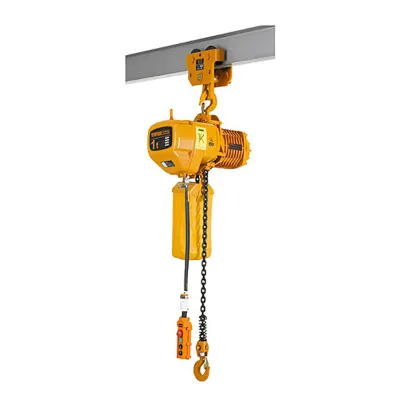
1 Ton Electric Chain Hoist With Trolley 3 Meters
$280.00 - $290.00
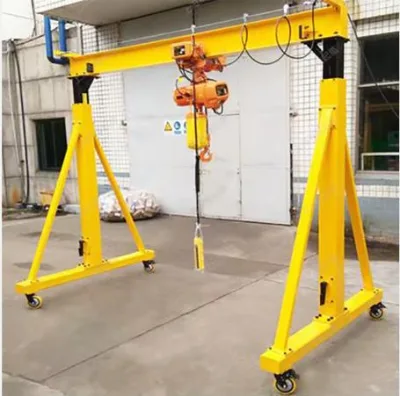

Henan Ankechuang Machinery Manufacturing Co., Ltd.
- Manufacturer, Trading Company
- Henan, China
- Lead time15 days
- Avg. response≤ 9h
Main productsBridge Crane,Gantry Crane,Electric Chain Hoist,Lifting Platform
Main marketsAfrica(30.00%), Mid East(30.00%), Domestic Market(20.00%), Southeast Asia(15.00%), North America(5.00%)
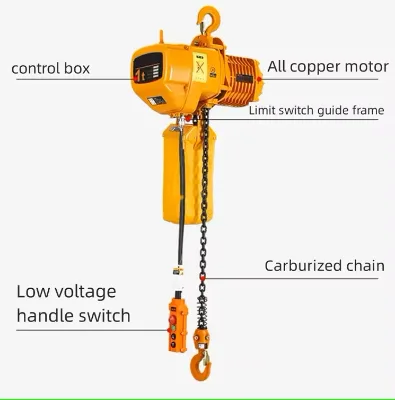
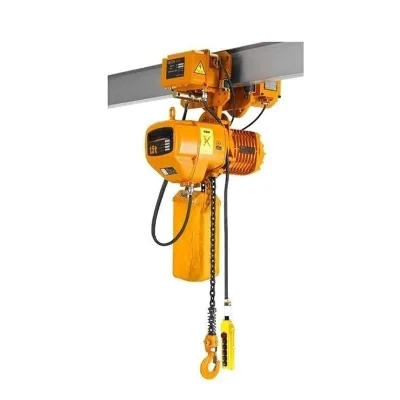
Ring-link Electric Hoist, Fixed Type, Rapid Running Type, Lifting Electric Hoist
$350.00 - $400.00
MOQ: 1
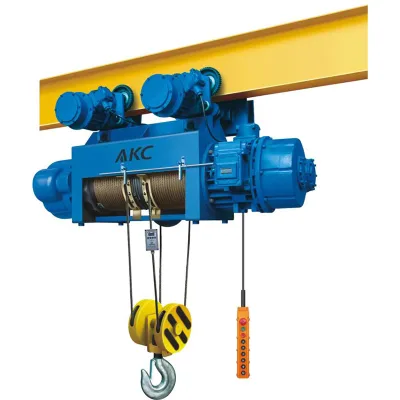
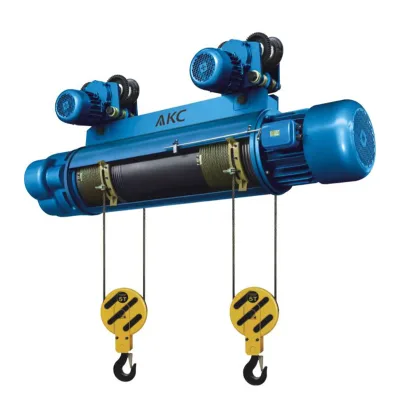
Electric Hoists Suitable for Various Tonnages of Cranes
$480.00 - $500.00
Baoding Chendiao Hoisting Machinery Manufacturing Co., Ltd.
- Manufacturer, Trading Company
- Hebei, China
- Lead time20 days
- Avg. response≤ 4h
Main productselectric hoist,ratchet tie down straps,chain block hoist,webbing sling,Hydraulic pallet truck
Main marketsDomestic Market(30.00%), Southeast Asia(15.00%), Mid East(10.00%), Africa(10.00%), Central America(5.00%), Western Europe(5.00%), South Asia(5.00%), South America(5.00%), Oceania(5.00%), North America(5.00%), Eastern Asia(3.00%), Eastern Europe(2.00%)
Jiangxi Mide Industrial Co., Ltd.
- Verified by TüVRheinland
- Trading Company
- Lead time40 days
- Avg. response≤ 4h
Main productsElectric Scaffolding, Electric Hoist, Cranes, Electric Forkift, Lift Platform
Main marketsEastern Asia(30%), South America(20%), North America(10%)
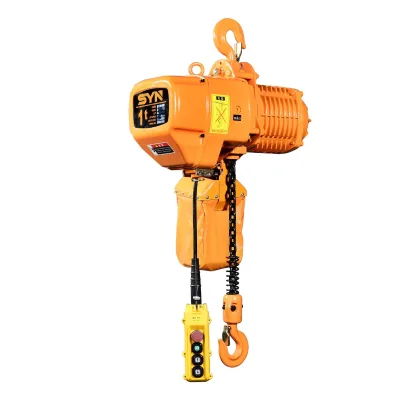
High Speed Electric Hoist 500kgs 1 Ton 2.5 Ton 3 Ton Workshop Electric Chain Hoist for Lift
$299.00 - $349.00
MOQ: 1 sets
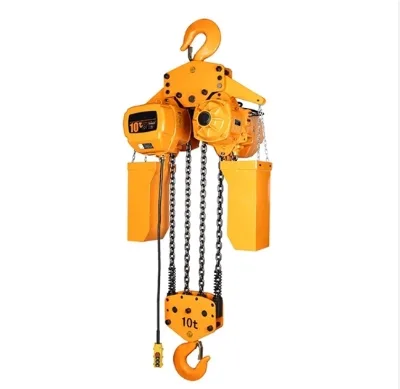
European Type Electric Hoist Chain Hoist 2 Ton
$575.00 - $599.00

Shandong Tavol Machinery Co., Ltd.
- Verified by SGS
- Manufacturer/Factory
- China Shandong
- Lead time30 days
- Avg. response≤ 4h
Main productsTopkit Tower Crane, Construction Lift, Flat Top Tower Crane, Luffing Tower Crane, Construction Building Lift, Construction Elevator, Construction Hoist, Self Erecting Tower Crane, Hammer Head Tower Crane, Topless Tower Crane
Main marketsSouth America,Eastern Europe,Mid East,North America,Southeast Asia,Eastern Asia,Oceania,Western Europe,Africa
Henan Mine Crane Im And Ex Co., Ltd.
- Trading Company
- Henan, China
- Lead time90 days
- Avg. response≤ 2h
Main productsBridge Crane, Gantry Crane, Container Gantry Crane, Electric Hoist, Intelligent Crane
Main marketsDomestic Market(90.00%), Mid East(3.50%), Southeast Asia(1.60%), South Asia(1.60%), Africa(1.50%), Eastern Europe(0.50%), Eastern Asia(0.40%), North America(0.20%), South America(0.20%), Western Europe(0.10%), Oceania(0.10%), Southern Europe(0.10%), Northern Europe(0.10%), Central America(0.10%)
- Verified by TüVRheinland
- Trading Company
- Lead time15 days
- Avg. response≤ 1h
Main productsElectric Hoist, Overhead Crane, Gantry Crane, Jib Crane, KBK Crane
Henan Dejun Industrial Co., Ltd.
- Verified by Intertek
- Manufacturer, Trading Company
- Lead time30 days
- Avg. response≤ 2h
Main productsElectric Hoist, Air Hoist, Overhead Crane, Gantry Crane, Jib Crane
Main marketsSoutheast Asia(25%), Africa(15%), South America(10%)

Zhi Xing Machinery (Hangzhou) Co., Ltd.
- Verified by SGS
- Trading Company,Manufacturer/Factory
- China Zhejiang
- Lead time23 days
- Avg. response≤ 2h
Main productsElectric Hoist, Chain Block, Lever Block, Webbing Sling, Ratchet Tie Down, Rigging Hardware, Lift Jacks, Fork Lift, Transmissin Jack, Lifting Clamp
Main marketsSouth America,Eastern Europe,Mid East,North America,Southeast Asia,Eastern Asia,Oceania,Western Europe,Africa




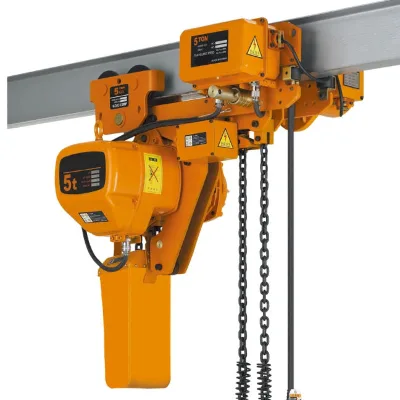
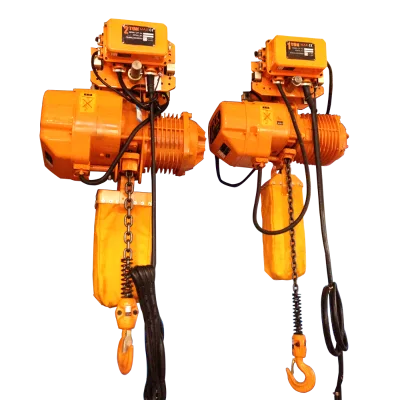


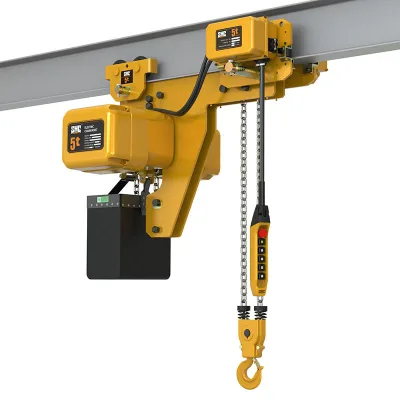
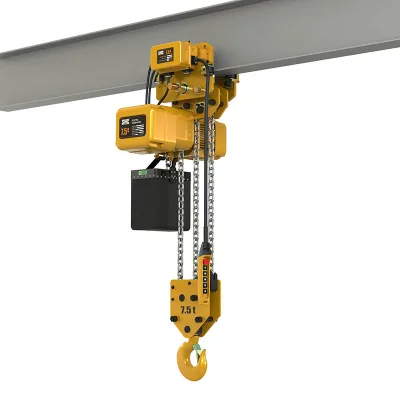




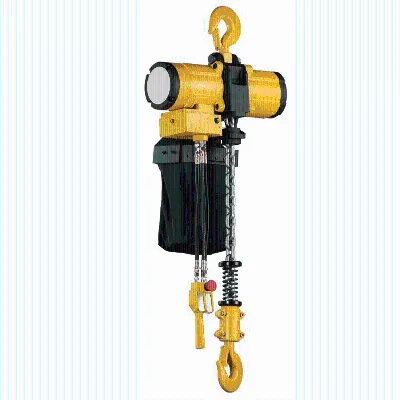


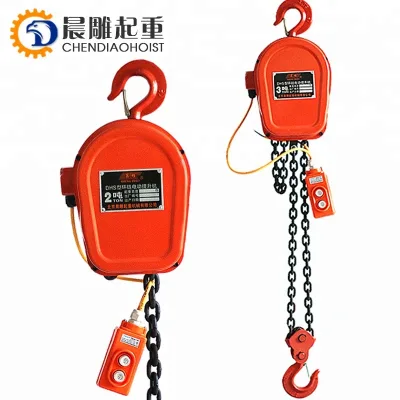
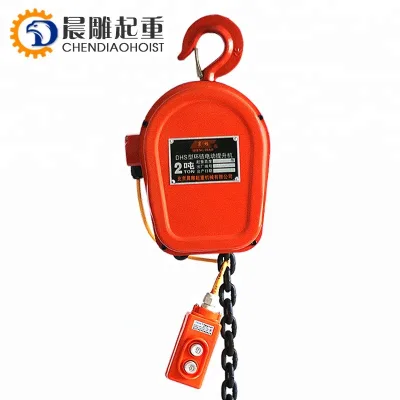


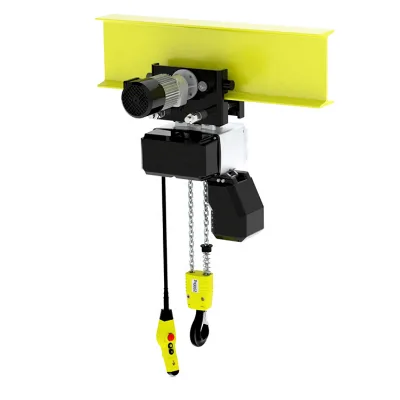
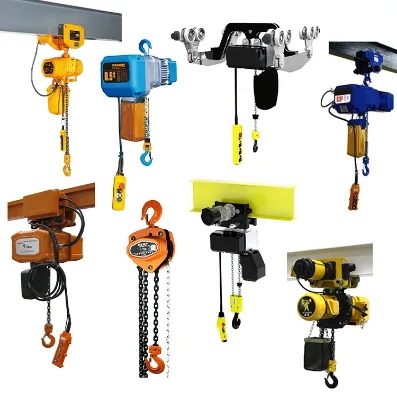
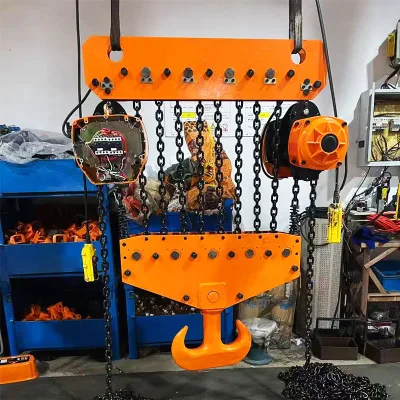
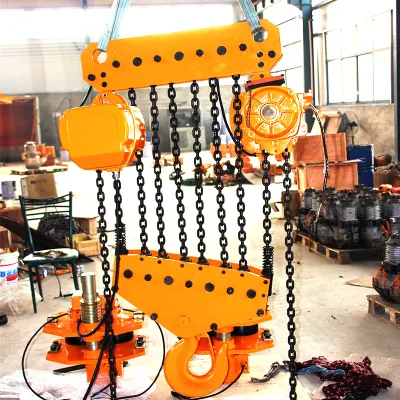
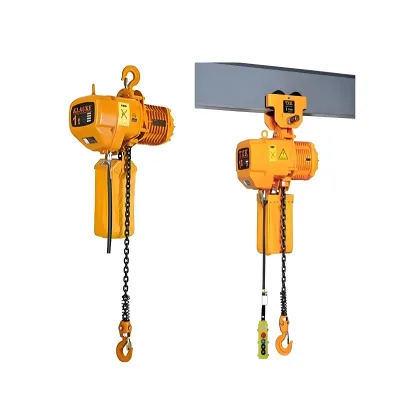


Comprehensive Sourcing Guide
Industrial Electric Chain Hoist Supplier Concentration and Factory Types
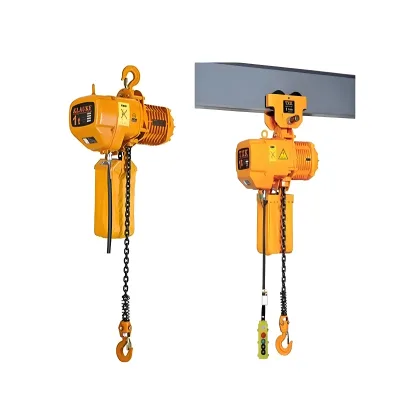
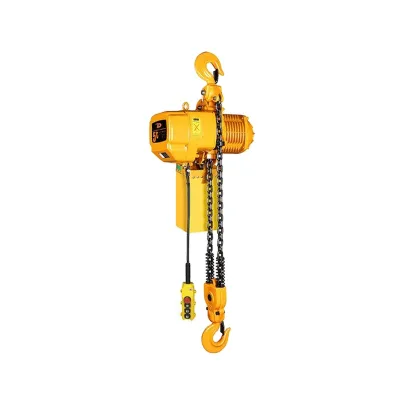
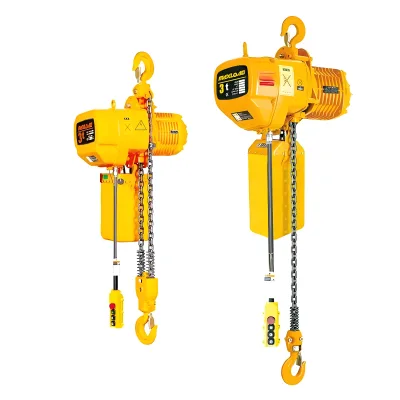
The current supplier landscape for industrial electric chain hoists reveals a distinct concentration of manufacturing activity within China, specifically in the Hubei and Guangdong provinces. Fact-based observations confirm that manufacturers located in Hubei produce a wide array of lifting equipment, including overhead cranes, gantry cranes, and various electric chain hoist models. These facilities are identified as Manufacturer/Factory entities, indicating they possess direct production capabilities rather than acting solely as intermediaries. The presence of specific product attributes such as "Er Type Electric Chain Hoist" and "Heavy Duty Electric Chain Hoist" originating from Hubei suggests a specialized cluster for heavy-duty lifting solutions. Buyers should prioritize verifying the physical location of the factory to ensure alignment with these established manufacturing hubs, as this often correlates with supply chain maturity and component availability.
In contrast, other suppliers in the search results are classified as Trading Companies, often located in Guangdong or associated with different product origins like Henan. These entities typically aggregate products from various factories, offering a broader range of main products such as bridge cranes, transfer carts, and electric winches alongside the core hoist units. While trading companies provide flexibility in sourcing different specifications, the distinction between a direct manufacturer and a trading company is critical for buyers seeking custom engineering or deep technical support. The data indicates that manufacturers in Hubei offer OEM and ODM capabilities, whereas trading companies may focus on standard inventory or specific model aggregations. Buyers must carefully distinguish between these company types to determine if they require direct factory interaction for customization or a trading partner for consolidated logistics and diverse product access.
How to Verify Industrial Electric Chain Hoist Suppliers
Verification of Industrial Electric Chain Hoist suppliers relies heavily on third-party audit reports and specific certification markers provided in the supplier profile. Current data indicates that some manufacturers hold TUVRHEINLAND verification status, which serves as a concrete indicator of factory compliance and operational stability. This verification is a high-confidence fact that buyers should prioritize when assessing the reliability of a potential partner. Additionally, product-level evidence shows that certain hoist models come with Machinery Test Reports and Video Outgoing-Inspection services, providing tangible proof of quality control processes before shipment. These documents are essential for validating that the equipment meets the required safety and performance standards for industrial applications.
Beyond third-party audits, buyers must scrutinize the specific certifications listed for individual products, such as CE certification, which is explicitly noted for several electric chain hoist models. The presence of CE certification on products like the "CE Certified Industrial Electric Chain Hoist" confirms adherence to European safety directives, a crucial requirement for many international markets. However, not all suppliers display system certifications; some entries show "NIL" for system certification, necessitating a deeper inquiry into their internal quality management systems. Buyers should request copies of these specific product certifications and test reports directly from the supplier to ensure they are current and valid. Relying solely on general company descriptions without verifying these specific product-level credentials can lead to significant compliance risks in the final procurement.
What to Compare Across Industrial Electric Chain Hoist Suppliers
When evaluating multiple suppliers, the response time is a critical metric for assessing communication efficiency and potential project delays. The observed data shows a significant variance in response times, with some suppliers responding in approximately 1.73 hours while others respond in 0.02 hours. This disparity suggests that faster response times may correlate with larger trading companies or highly automated sales teams, whereas manufacturers might have slightly longer but more technical response cycles. Buyers should factor this into their timeline planning, as a slow initial response can indicate broader communication bottlenecks during the order fulfillment process. Comparing these response metrics helps identify suppliers who are likely to be more responsive to urgent inquiries or last-minute specification changes.
Lead time and minimum order quantity (MOQ) are equally vital dimensions for comparison, directly impacting inventory planning and cash flow. The available facts reveal lead times ranging from 15 days to 30 days, with some suppliers offering an MOQ of just one unit while others may have higher thresholds. A 15-day lead time suggests a more agile production schedule, potentially suitable for urgent replacement needs, whereas a 30-day lead time might indicate a more complex manufacturing process or higher volume requirements. Additionally, the price range varies significantly, with some products listed at a minimum of 199.90 and others starting at 299.00, reflecting differences in capacity, motor power, and customization options. Buyers must align these commercial terms with their specific project requirements to avoid unexpected costs or delivery delays.
Common Industrial Electric Chain Hoist Sourcing Risks
One primary risk in sourcing industrial electric chain hoists involves the discrepancy between claimed capabilities and actual factory output, particularly regarding customization and core components. While some suppliers list OEM and ODM capacities, the specific core components listed, such as bearings, gears, pumps, and gearboxes, vary in quality and origin. Buyers face the risk of receiving hoists with substandard internal parts if the supplier does not provide detailed component specifications or traceability. The variation in motor power ratings, ranging from 1.5kw to 3.6kw, and voltage requirements, such as 380V versus 220V-440V, further complicates the risk assessment. Without verifying the exact specifications against the buyer's operational environment, there is a high probability of equipment incompatibility or premature failure.
Another significant risk stems from the lack of standardized packaging and shipping protocols across different suppliers. The data indicates that packing methods range from "Standard Export Packing" to "Standard Wooden Case" and "Water Proof Cloth and Wooden Box." Inconsistent packaging can lead to damage during transit, especially for heavy-duty equipment weighing up to 50 kg or more. Furthermore, the absence of a unified standard for lifting height, with some units offering a standard 3m height and others exceeding 20m, creates confusion regarding the actual delivery specifications. Buyers must explicitly confirm the packaging details and physical dimensions in the purchase order to mitigate the risk of damage or receiving equipment that does not fit their facility's spatial constraints.
Industrial Electric Chain Hoist Regional Sourcing and Logistics
Regional sourcing strategies must account for the specific geographic origins of the suppliers to optimize logistics and reduce shipping costs. The current supplier pool includes manufacturers located in Hubei, Guangdong, and Henan, each presenting different logistical advantages. Hubei-based manufacturers appear to specialize in heavy-duty electric chain hoists and overhead cranes, suggesting a robust local supply chain for heavy industrial components. Guangdong-based trading companies, on the other hand, may offer easier access to port facilities for international export, potentially reducing lead times for overseas shipments. Buyers should evaluate the proximity of the supplier to major shipping ports to determine the most efficient route for their specific destination.
Logistics planning also requires careful attention to the product origin and the associated shipping documentation. The data confirms that products originate from various Chinese provinces, with specific mentions of Hubei and Henan as production hubs. This regional diversity means that buyers may need to coordinate with multiple suppliers or consolidate orders from a single trading company to streamline shipping. The variation in product weights, such as the 50 kg unit, and dimensions, including lifting heights up to 20 meters, necessitates precise freight calculations. Buyers should verify the exact shipping terms and Incoterms with the supplier to ensure that the logistics costs are accurately reflected in the final price and that the equipment can be safely transported to the final installation site without additional handling fees.
Industrial Electric Chain Hoist Commercial Terms and Order Planning
Commercial terms for industrial electric chain hoists vary significantly based on the supplier type and the specific product configuration. The observed price ranges, from 199.90 to 699.90, indicate that the final cost is highly dependent on the lifting capacity, motor power, and customization options selected. Buyers must carefully review the price minimums and maximums to understand the cost structure for different capacities, such as 1-ton versus 15-ton hoists. Additionally, the availability of customization, including control methods like pendant or remote control, can influence the final price. It is essential to confirm whether the quoted price includes all necessary accessories, such as trolleys, hooks, and chains, to avoid hidden costs later in the order process.
Order planning must also consider the specific work duty and application requirements to ensure the selected hoist meets the operational demands. The data shows work duty classifications ranging from M3 to M7, which directly impacts the durability and lifespan of the equipment under continuous use. Buyers should match the work duty of the hoist to their specific application, such as small cranes, lifting platforms, or bridge cranes, to prevent premature wear and tear. Furthermore, the availability of spare parts and the warranty terms should be clarified before placing an order. Ensuring that the supplier can provide ongoing support and maintenance services is crucial for minimizing downtime and maximizing the return on investment for the industrial lifting equipment.
FAQs
What is the price range for industrial electric chain hoists?
Prices typically range from $199.90 to $699.90 per unit. Specific models like the Er Type Electric Chain Hoist are listed at $299.00. Costs vary based on capacity, lifting height, and customization options. Buyers should verify exact pricing for their required tonnage and voltage specifications before ordering.
What is the minimum order quantity for these hoists?
The minimum order quantity is one unit. This allows buyers to test performance or purchase single replacements. Suppliers support both small trial orders and larger bulk purchases. OEM and ODM customization is available for orders meeting specific requirements. Check product details for any volume-based pricing tiers.
How long does delivery take for these hoists?
Lead times generally range from 15 to 30 days. Manufacturers in Hubei often quote 15 days, while trading companies in Guangdong may require 30 days. Production schedules depend on order volume and customization needs. Confirm the exact delivery timeline with the supplier before finalizing the purchase agreement.
Are these hoists certified for industrial safety?
Many models carry CE certification for industrial safety standards. Suppliers are verified by TÜV Rheinland and SGS for quality assurance. Machinery test reports and video outgoing inspections are provided. Ensure the specific model meets your local regulatory requirements and workplace safety protocols before installation.
What customization options are available for electric hoists?
Customization is available for control methods, colors, and lifting capacities. Options include pendant or remote control, and colors like orange or yellow. Manufacturers support OEM and ODM services. Buyers can specify voltage, lifting speed, and sling types. Contact suppliers directly to discuss specific technical requirements for your application.
What is the response time for supplier inquiries?
Supplier response times vary, with some averaging 1.73 hours and others responding within 0.02 hours. Fast response times indicate active sales teams ready to assist. Quick replies help clarify technical details and pricing. Check the supplier profile for current response metrics to ensure timely communication during the sourcing process.
Where are these industrial hoists manufactured?
Manufacturing locations include Hubei and Guangdong provinces in China. Some products originate from Henan. These regions are known for heavy machinery production. Verify the specific origin on the product page to understand logistics and shipping costs. Origin affects lead times and potential import duties depending on your location.