Industrial Fruit Puree Making Machine Suppliers and Manufacturers
Explore 22 verified options for the Industrial Fruit Puree Making Machine with details on location, lead times, and certifications. Compare response times, MOQs, and warranty terms to select a suitable vendor for your processing needs today; review the available evidence before requesting comparable quotations from suitable candidates.
Suppliers List
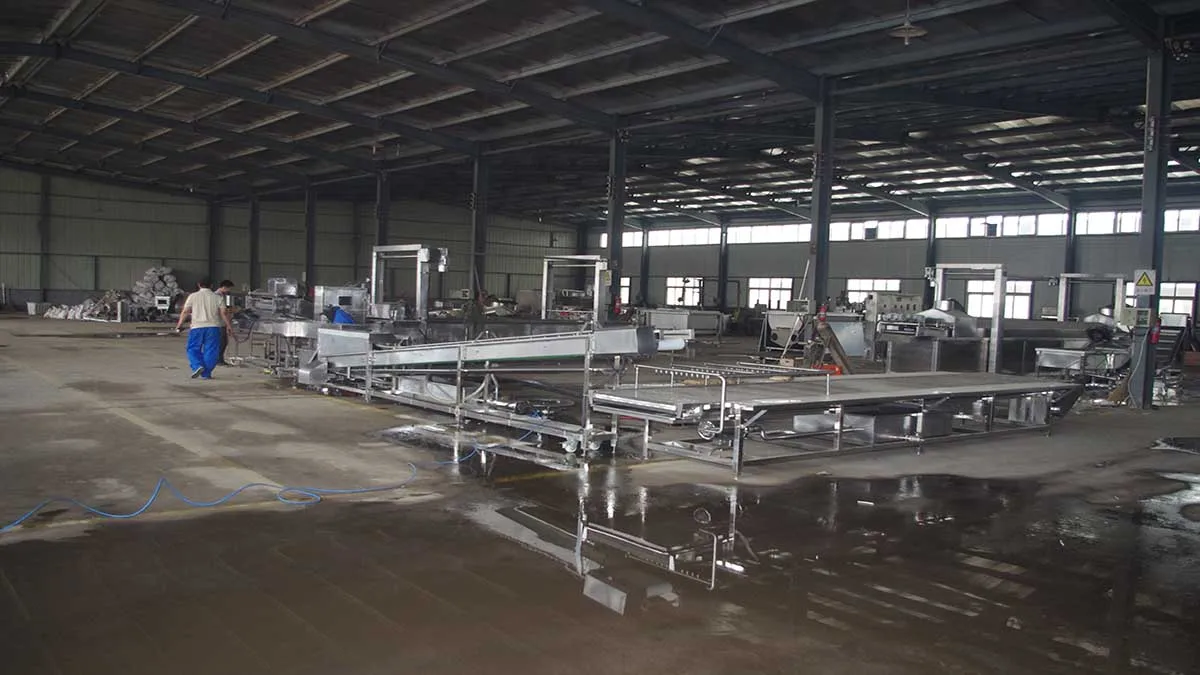
Henan Deshine Machinery Co., Ltd.
- Trading Company
- Henan, China
- Lead time7 days
- Avg. response≤ 3h
Main productsMeat Processing Equipment,Vegetable and fruit Processing Equipment,Food processing machine,Slaughtering Equipment,Chocolate Processing Equipment
Main marketsAfrica(19.0%), North America(15.0%), Southeast Asia(12.0%), Oceania(10.0%), Eastern Asia(7.000000000000001%), Mid East(6.0%), Northern Europe(6.0%), Eastern Europe(5.0%), South Asia(3.0%), South America(3.0%), Central America(3.0%), Western Europe(3.0%), Domestic Market(2.0%)
Zhengzhou Minyone Machinery Co., Ltd.
- Verified by SGS
- Trading Company
- China Henan
- Lead time15 days
- Avg. response≤ 11h
Main productsband saw machine
Main marketsDomestic

Zhengzhou Sunshine Machinery Co., Ltd.
- Trading Company,Manufacturer/Factory
- China Henan
- Lead time15 days
- Avg. response≤ 1h
Main productsOil Processing Machine, Grain Processing Machine, Nut Processing Machine, Fruit/Vegetable Processing Machine, Food Machine, Briquette Making Machine, Moisture Meter, Dewatering Machine, Food Machinery, Food Processor
Main marketsSouth America,Eastern Europe,Mid East,North America,Southeast Asia,Eastern Asia,Oceania,Western Europe,Africa
Zhengzhou Xingsheng Machinery Equipment Co., Ltd.
- Verified by TUVRHEINLAND
- Trading Company
- China Henan
- Lead time15 days
- Avg. response≤ 2h
Main productsCharcoal Briquette Machine, Agricultural Machinery, Food Machine, Animal Feed Pellet Machinery, Fruit Vegetable Washing Machine, Grinding Crusher Machine, Meat Crusher Machine, Toothpick Machine, Hydraulic Press Machine, Some Other Hots Machines
Main marketsSouth America

Shanghai Chase Industrial Co., Ltd.
- Verified by BV
- Combined
- China Shanghai
- Lead time30 days
- Avg. response≤ 3h
Main productsTomato Paste Production Line, Fruit Juice Production Line, Concentrate Dilution Line, Fruit and Vegetables Processing Machinery
Main marketsSoutheast Asia/ Mideast,Domestic


Industrial High Capacity Pineapple Juice Pulp Puree Beverage Production Making Processing Machinery
$60000.00 - $150000.00
Moq: 1


Henan Topp Machinery Co., Ltd.
- Verified by BV
- Trading Company,Manufacturer/Factory
- China Henan
- Lead time23 days
- Avg. response≤ 2h
Main productsFruit Juicing Machine, Fruit Stone Extractor, Fruit and Vegetable Peeling Machine, Fruit Sorting Machine, Snack Machinery, Soft Ice Cream Machine, Peanut Brittle Machine, Donut Making Machine, Candy Cane Production Line, Cookies Making Machine
Main marketsSouth America,Eastern Europe,Mid East,North America,Southeast Asia,Eastern Asia,Oceania,Western Europe,Africa

Zhengzhou Honest Machinery Co., Ltd.
- Trading Company,Manufacturer/Factory
- China Henan
- Lead time15 days
- Avg. response≤ 6h
Main productsFood Machinery, Packing Machines, Microwave Equipment, Drying Machines, Grain Product Making Machines, Commodity Making Machines, Texitle Machines, Construction Machinery
Main marketsSouth America,Eastern Europe,Mid East,North America,Southeast Asia,Eastern Asia,Oceania,Western Europe,Africa


Industrial Juicer / Juice Extractor / Fruit Juice Making Machine / Passion Fruit Pulping Machine
$2189.00 - $3899.00
Moq: 1

Industrial Juicer / Fruit Juice Extraction Machine / Juice Making Machine / Electric Fruit Juicer
$1089.00 - $1489.00
Moq: 1

Industry Juice Extractor / Passion Fruit Pulping Machine / Passion Fruit Juice Making Machine
$2189.00 - $3899.00
Moq: 1

Zhangjiagang Genyond Machinery Co., Ltd.
- Verified by CTI
- Combined
- China Jiangsu
- Lead time30 days
- Avg. response≤ 10h
Main productsEssential Oil Distiller, Solvent Extraction Machine, Milk Processing Machine, Fruit Vegetable Processing Machine, Nuts Processing Machine, Filling Machine, Packing Machine, Fish Meat Processing Machine, Snack Food Making Machine
Main marketsSouth America,Africa,Others(foreignTradeCapacity.exportBusinessCapacityMarketOther),Southeast Asia/ Mideast,East Asia(Japan/ South Korea),Domestic,Europe,Australia,North America


High Quatity Strawberry Jam Production Line Processing Plant Fruit Puree Making Machine
$5000.00 - $10000.00
Moq: 1


Luohe Juyou Commercial & Trading Co., Ltd.
- Verified by BV
- Trading Company,Manufacturer/Factory
- China Henan
- Lead time15 days
- Avg. response≤ 6h
Main productsDumpling Machine, Tortilla Pita Bread Machine, Meat Cutting Machine, Dough Divider Machine, Dough Mixer Machine, Meat Dicing Machine, Potato Chips Machine, Frying Machine, Packing Machine, Juice Machine
Main marketsSouth America,Eastern Europe,North America,Southeast Asia,Eastern Asia,Western Europe,Africa


Factory Industrial Apple Fruit Juice Maker Automatic Pressing Machine for Sale
$2400.00 - $2500.00
Moq: 1
Luohe Xingdian Electromechanical Equipment Co., Ltd.
- Verified by BV
- Manufacturer/Factory
- China Henan
- Lead time0 days
- Avg. response≤ 2h
Main productsDrilling Rig, Meat Process Machine, Farm Machine, Packing Machine, Vegetable Process Machine, Textile Machine, Food Machine, Embroidery Machine, Construction Products, Industrial Product
Main marketsSouth America,Eastern Europe,Mid East,North America,Southeast Asia,Eastern Asia,Oceania,Western Europe,Africa

Zhaoqing Tengsheng Machinery Co., Ltd.
- Verified by SGS
- Combined
- China Guangdong
- Lead time15 days
- Avg. response≤ 6h
Main productsVegetable Machine
Main marketsSoutheast Asia/ Mideast,Europe,North America

High Yield Juice Extractor Industrial Commercial Fruit Juice Making Machine
$2250.00 - $2550.00
Moq: 1


Shanghai Jump Machinery & Technology Co., Ltd.
- Verified by BV
- Combined
- China Shanghai
- Lead time60 days
- Avg. response≤ 12h
Main productsTomato Paste Processing Line, Fruits Processing Line, Fruit Jam Processing Equipment, Fruit Beverage Production Line, Fruits &Vegetables Processing Plant, Fruit Paste Processing Machinery, Fruit Juice Making Machine, Mango Puree Processing Plant, Tomato Sauce Processing Line, Hot Chili Sauce Processing Line
Main marketsDomestic


Full Automatic Fruit Puree Pulp Processing Line Machine/Fruit Puree Making Machinery Equipment
$200000.00 - $2000000.00
Moq: 1

Pear Puree Making Machine/ Pear Syrup Making Machine/ Pear Juice Filling Machine
$200000.00 - $2000000.00
Moq: 1


ZHENGZHOU HONGLE MACHINERY EQUIPMENT CO., LTD.
- Trading Company,Manufacturer/Factory
- China Henan
- Lead time0 days
- Avg. response≤ 10h
Main productsVegetable Fruit Production Machine, Meat Processing Machines, Nuts Processing Machine, Water Treatment System, Snack Processing Machine
Main marketsSouth America,Eastern Europe,Mid East,North America,Southeast Asia,Eastern Asia,Oceania,Western Europe,Africa


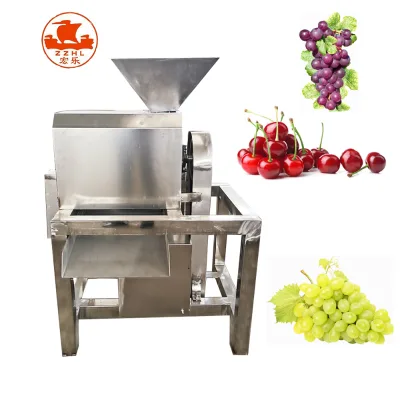
Stainless Steel Automatic Mango Pulper/Pulp Fruit Juice Making Machine/Mango Puree Extractor with CE
$1000.00 - $4500.00
Moq: 1

HE NAN PENG HUI MACHINERY AND EQUIPMENT CO., LTD.
- Verified by CTI
- Manufacturer/Factory
- China Henan
- Lead time15 days
- Avg. response≤ 4h
Main productsMeat Processing Machine, Fruit Processing Machine, Vegetable Processing Machine, Seafood Processing Machine, Grain Product Processing Machine, Snack Machine, Nuts Processing Machine, Quilting Machine, Textile Machine, Paper Product Processing Machine
Main marketsSouth America,Eastern Europe,Mid East,North America,Southeast Asia,Eastern Asia,Oceania,Western Europe,Africa

Industrial Fruit Vegetable Puree Making Onion Potato Garlic Chilli Pumpkin Puree Machine
$900.00 - $1600.00
Moq: 1

Industrial Juicer Press Mango Apple Crusher Pulp Making Machine Fruit Juice Squeezer
$3200.00 - $3600.00
Moq: 1

Industrial Mango Peach Pulping Juicing Machine Apple Jam Tomato Puree Making Machine
$3000.00 - $4500.00
Moq: 1

Zhengzhou Hento Machinery Co., Ltd.
- Verified by SGS
- Trading Company,Manufacturer/Factory,Group Corporation
- China Henan
- Lead time15 days
- Avg. response≤ 6h
Main productsMeat Processing Machinery, Egg Processing Machinery, Dairy Processing Machinery, Fruit & Vegetable Processing Machinery, Grain Product Making Machines, Snack Machines, Nuts Processing Machinery, Packing Machines, Drying Machines, Commodity Making Machines
Main marketsSouth America,Eastern Europe,Mid East,North America,Southeast Asia,Eastern Asia,Oceania,Western Europe,Africa

High Capacity Industrial Screw Orange Juice Making Machine / Apple Juice Machine
$1735.00 - $2255.00
Moq: 1


Industrial Machine For Making Peanut Butter / Peanut Butter Production Line
$17359.00 - $25990.00
Moq: 1

Shanghai Genyond Technology Co., Ltd.
- Verified by CTI
- Combined
- China Shanghai
- Lead time30 days
- Avg. response≤ 10h
Main productsEssential Oil Machine, Drying Machine, Fruit Juice Machine, Fruit Jam Machine, Milk Machine, Fruit Chips Machine, Filling Packing Machine, Evaporator, Yogurt Machine, Ice Cream Machine
Main marketsSouth America,Africa,Others(foreignTradeCapacity.exportBusinessCapacityMarketOther),Southeast Asia/ Mideast,East Asia(Japan/ South Korea),Domestic,Europe,Australia,North America

Gelgoog Intelligent Technology Co., Ltd.
- Verified by TUVRHEINLAND
- Manufacturer/Factory
- China Henan
- Lead time23 days
- Avg. response≤ 5h
Main productsBiscuit Making Machine, Ice Cream Cone Machine, French Fries Machine, Snack Frying Machine, Vegetable Washing Machine, Cellophane Wrapping Machine, Peanut Butter Machine, Garlic Processing Machine, Cocoa Procssting Machine, Nut Roasting Machine
Main marketsSouth America,Eastern Europe,Mid East,North America,Southeast Asia,Eastern Asia,Oceania,Western Europe,Africa


Tropical Fruit Mango Pulp Making Machine Pineapple Tomato Puree Mango Pulping Machine
$8000.00 - $10000.00
Moq: 1

Jinan Chenji International Trade Co., Ltd.
- Verified by BV
- Trading Company,Manufacturer/Factory
- China Shandong
- Lead time23 days
- Avg. response≤ 7h
Main productsTensile Testing Machine, Hardness Tester, Plastic PVC Tester, Mining Machine Springs, Ethanol Distilling Equipment, Railway Spring, Metallographic Cutting Equipment, Pipes Pressure Testing Machines
Main marketsSouth America,Eastern Europe,Mid East,North America,Southeast Asia,Eastern Asia,Oceania,Western Europe,Africa


High Quality Commercial Fruit Juice Making Machine Industrial Cold Press Juicer Extractor Machine
$1560.00 - $2400.00
Moq: 1

Henan Welly Machinery Equipment Co., Ltd.
- Verified by SGS
- Trading Company,Manufacturer/Factory
- China Henan
- Lead time15 days
- Avg. response≤ 3h
Main productsFood Processing Machinery, Meat Processing Machinery, Vegetable and Fruits Processing Machinery, Snack Machinery, French Fries Production Line, Frying Machine, Meat Tumbler Machine, Potato Chips Machine, Patty Maker Hamburger Patty Machine, Vegetable Washing Machine
Main marketsSouth America,Eastern Europe,Mid East,North America,Southeast Asia,Eastern Asia,Oceania,Western Europe,Africa

High Outpot Industrial Lychee Seed Removing Fruit Juice Jam & Ketchup Making Machine
$700.00 - $880.00
Moq: 1


Industrial 500-1000kg/H Fruit Puree Making Machine Mango Pulper & Juice Extractor
$700.00 - $880.00
Moq: 1
Suzhou Yushao Machinery Equipment Co., Ltd.
- Verified by SGS
- Trading Company,Manufacturer/Factory,Group Corporation
- China Jiangsu
- Lead time15 days
- Avg. response≤ 2h
Main productsAgricultural Machinery, Animal Feed Pellet Machinery, Fruits/Vegetables Process Machinery, Food Processing Machine, Package Machine, Bone/Meat Processing Machine
Main marketsSouth America,Eastern Europe,Mid East,North America,Southeast Asia,Eastern Asia,Oceania,Western Europe,Africa

Hot Sell Fruit Puree Making Machine Chili Paste Processing Machine Strawberry Jam Making Pulper
$2000.00 - $2300.00
Moq: 1

Automatic Juice Making Machine Industry Fruit Pulp Making Machine Orange Squeezer Machine
$2000.00 - $2300.00
Moq: 1

New Fruit Sauce Making Machine Multifunctional Mango Pulper Machine Industry Tomato Pulper Machine
$2000.00 - $2300.00
Moq: 1

Commercial Lemon Juice Processing Equipment Apple Juicer Machine Fruit Puree Making Machine
$6880.00 - $7980.00
Moq: 1
Zhengzhou Hongle Machinery Equipment Co., Ltd.
- Verified by SGS Group
- Manufacturer, Trading Company
- Lead time15 days
- Avg. response≤ 6h
Main productsFruit and Vegetables Production Line, Chicken Feet Production Line, Packing Machine Production Line, Nut Processing Line, Frying Production Line
Main marketsCentral America(20%), Africa(15%), Southern Europe(10%)

ZHUCHENG XINXUDONG MACHINERY CO., LTD.
- Verified by TUVRHEINLAND
- Combined
- China Shandong
- Lead time15 days
- Avg. response≤ 6h
Main productsFrying Machine, IQF Quick Freezer, Fish/Meat Deboner, Vegetable Processing Line, Dryer
Main marketsEurope


Industrial Mango Pulp Juicer Production Line Processing Plants Making Machine
$10000.00 - $80000.00
Moq: 1

Pulping Machine for Fruit and Vegetables Pineapple Pulping Machine Fruit Pulp Making Machinery
$26000.00 - $100000.00
Moq: 1
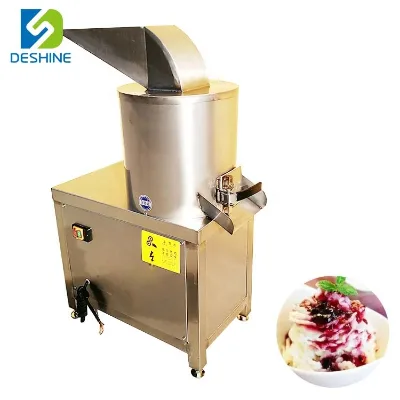
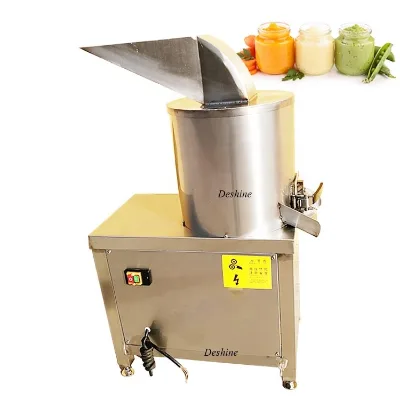


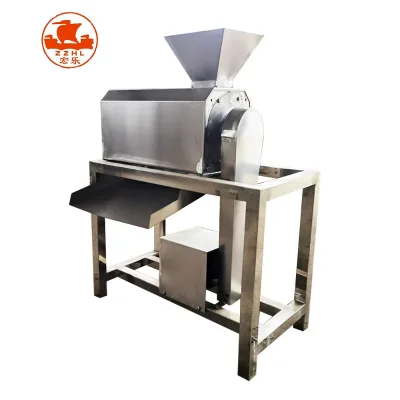
Comprehensive Sourcing Guide
Industrial Fruit Puree Making Machine Supplier Concentration and Factory Types
Current data indicates a concentration of suppliers in Henan, China, specifically offering meat processing, vegetable and fruit processing equipment, and slaughtering machinery. This region hosts both trading companies and manufacturer-factory hybrids that list industrial puree machines as core products. Some entities explicitly state their location as Henan, China, while others simply list China as the origin. Buyers should verify if the specific factory unit is located within this cluster, as the presence of a trading company does not guarantee direct factory access. The supply base includes diverse company types, ranging from pure trading firms to those claiming manufacturer status with OEM and ODM capabilities.
When assessing the factory type, look for explicit declarations of "Manufacturer/Factory" alongside "Trading Company" in the company profile. Some suppliers list main products that include oil processing, grain processing, and briquette making machines, suggesting a broader industrial scope beyond just fruit puree. Others focus strictly on food machinery like chocolate processing or vegetable puree equipment. It is critical to distinguish between a supplier that merely resells equipment and one that manufactures the core components like motors or stainless steel frames. Verify the physical address and production capacity claims, as the presence of a trading company label often implies a different supply chain dynamic than a direct factory.
How to Verify Industrial Fruit Puree Making Machine Suppliers
Verification begins with checking for specific certifications and test reports attached to the product listings. Some suppliers provide machinery test reports and video outgoing-inspection services, while others list these as "Not Available." Look for system certifications such as ISO 9001, which indicates a standardized quality management process. Additional verification can be found in product attributes listing standards like CE, SGS, or BV. These documents serve as tangible proof of compliance and quality control measures. Buyers must request these specific documents directly rather than relying on general claims, as the availability of a test report varies significantly between different product models and suppliers.
Response time and verification status are also key indicators of supplier reliability. Data shows response times ranging from under one hour to over ten hours, with some suppliers marked as verified by third-party agencies like SGS. A faster response time often correlates with better communication channels and more active sales teams. However, a slow response does not automatically disqualify a supplier, but it warrants further investigation into their operational capacity. Always cross-reference the claimed verification status with the actual documentation provided for the specific machine model. Do not assume that a supplier verified for one product line is verified for all their industrial machinery offerings.
What to Compare Across Industrial Fruit Puree Making Machine Suppliers
Comparing suppliers requires a detailed analysis of lead times, minimum order quantities, and pricing structures. Lead times in the current results vary from 7 days to 15 days, with some suppliers offering production cycles of 3 to 7 days. Minimum order quantities (MOQ) are often set at 1 set or 1 unit, but some listings specify different requirements based on customization. Pricing ranges from approximately $1,000 to over $5,000 depending on the machine's capacity and features. Buyers should compare the price per unit against the stated capacity, such as 300kg/h versus 500kg/h, to determine the true value proposition.
Beyond price and time, compare technical specifications like power consumption, material grade, and output capacity. Some machines are built with 304 stainless steel and feature motors as core components, while others may have different material specifications. Capacity ranges from 300kg/h to 3000kg/h, and power ratings vary from 1.1kw to 1.5kw. The suitability for specific applications, such as vegetable fruit processing plants, is another critical comparison point. Ensure that the machine's dimensions and weight match your facility's constraints. A supplier offering a high-capacity machine with a low MOQ might be more attractive than one with a lower capacity but higher volume requirements.
Common Industrial Fruit Puree Making Machine Sourcing Risks
One significant risk involves the discrepancy between advertised capabilities and actual product attributes. Some listings claim "Customized" options while others state "Non-Customized," which can lead to confusion regarding production flexibility. Additionally, the availability of machinery test reports is inconsistent; some suppliers provide them, while others explicitly state they are not available. This inconsistency creates a risk of receiving equipment that has not undergone rigorous quality testing. Buyers must verify the specific test report status for the exact model they intend to purchase before finalizing any agreement.
Another risk is the variation in warranty and after-sales support terms. While some suppliers offer a 1-year warranty, others may not clearly state their warranty duration or coverage scope. The core components, such as the motor, are critical, and their replacement or repair policies can vary widely. If a supplier is a trading company, they may not have direct control over the manufacturing quality or the speed of spare part delivery. This can lead to extended downtime if the machine fails. Always clarify the warranty terms and the specific process for handling component failures before placing an order to mitigate these operational risks.
Industrial Fruit Puree Making Machine Regional Sourcing and Logistics
Sourcing from Henan, China, offers access to a dense cluster of food machinery manufacturers, but logistics planning is essential. Suppliers often list multiple ports of dispatch, including Shanghai, Qingdao, Guangzhou, or other Chinese ports. The choice of port can significantly impact shipping costs and transit times. Buyers should confirm the specific port of dispatch for their order, as this affects the final landed cost. Packaging details also vary, with some machines packed in wooden cases to export standards, while others may have different packaging requirements based on the buyer's request.
Logistics planning must also account for the physical dimensions and weight of the machinery. Units can weigh between 60kg and 260kg, with dimensions ranging from 800400850mm to 15604501340mm. These specifications determine the shipping method and the required handling equipment at the destination. Ensure that the supplier's packaging is robust enough to protect the machine during transit, especially for international shipments. Verify the supply ability, which can range from 500 sets per month to other capacities, to ensure the supplier can meet your delivery schedule without delays.
Industrial Fruit Puree Making Machine Commercial Terms and Order Planning
Commercial terms should be clearly defined regarding payment, delivery, and customization. Some suppliers offer customized models with specific production cycles of 3 to 7 days, while others provide non-customized units. The supply ability, such as 500 sets per month, indicates the maximum volume a supplier can handle, which is crucial for large-scale orders. Buyers must align their order quantity with the supplier's stated capacity to avoid delays. Additionally, check if the supplier accepts specific payment methods and if they offer escrow services to protect the transaction.
Order planning requires a clear understanding of the final product specifications and raw material compatibility. Machines are designed for fresh fruit and vegetables, producing fruit and vegetable puree with specific output rates. Ensure that the machine's voltage, such as 380V/50HZ, matches your facility's power supply. The model number, such as DE-SCN-300 or SP500, helps in identifying the exact configuration. Plan for the installation and operation by verifying the inlet size and screw diameter. A well-planned order includes all necessary technical details to ensure the machine integrates seamlessly into your production line.
FAQs
What is the price range for industrial fruit puree machines?
Prices typically range from approximately $1,014 to $5,000 depending on specifications. Basic models start near $1,014, while heavy-duty juice extractors can reach $5,000. Buyers should verify exact costs based on capacity and material requirements before ordering.
What is the minimum order quantity for these machines?
The minimum order quantity is generally one set or unit. Suppliers often list an MOQ of 1, allowing buyers to purchase single units for testing or small-scale operations. This flexibility supports initial procurement without large inventory commitments.
How long does production and delivery take?
Lead times vary between 7 and 15 days for production. Some suppliers offer a 3-7 day production cycle for specific models. Buyers should confirm exact timelines with the supplier, as shipping and customs clearance will add to the total delivery period.
What certifications do these machines typically have?
Machines often carry ISO 9001, CE, SGS, and BV certifications. These standards ensure quality management and safety compliance. Buyers should request machinery test reports and verify certification validity directly with the supplier to ensure the equipment meets local regulatory requirements.
Where are these machines manufactured?
Most industrial fruit puree machines are manufactured in Henan, China. This region is a known hub for food processing equipment. Buyers should verify the specific place of origin on product listings to ensure accurate logistics planning and potential tariff calculations.
What materials are used in construction?
Machines are typically constructed from 304 stainless steel or general stainless steel. This material ensures durability and hygiene for food processing applications. Buyers should confirm the specific grade and thickness of steel to ensure it meets their sanitary and operational standards.