Industrial EPDM Rubber Foam Sheet Suppliers and Manufacturers
Source 22 verified suppliers for Industrial EPDM Rubber Foam Sheet. Compare locations in China, lead times, MOQs, and certifications like ISO9001:2015. Contact suppliers directly to request samples and quotes; review the available evidence before requesting comparable quotations from suitable candidates.
Updated
Suppliers List

- Verified by TUVRHEINLAND
- Trading Company
- China Jiangsu
- Lead time15 days
- Avg. response≤ 2h
Main productsEVA Foam, PE Foam, EPDM Foam, Cr Foam/Neoprene Foam, NBR/PVC Foam, Closed Cell Foam, IXPE/XPE Foam, Ixpp Foam, Foam Gasket Sealing, XPE Floating Mat/Marine EVA Foam
Main marketsAfrica,Southeast Asia/ Mideast,Australia,North America


Customized Industrial EPDM Foam Rubber Sheet Mat Roll Anti-Corrosion Silicone Foam Sheet
$1.00 - $3.00
MOQ: 20 Pieces


$1.00 - $3.00
MOQ: 20 Pieces

- Manufacturer/Factory
- China Shandong
- Lead time23 days
- Avg. response≤ 3h
Main productsHydraulic Hose, Welding Hose, Rubber Hose, Conveyor Belt, Air Hose, Water Hose, Rubber Sheet, Rubber Tiles, V Belt, Fittings
Main marketsSouth America,Eastern Europe,Mid East,North America,Southeast Asia,Eastern Asia,Oceania,Western Europe,Africa

Shenzhen Zstellar Technology Co., Ltd
- Trading Company
- China Guangdong
- Lead time0 days
- Avg. response≤ 1h
Main productsSilicone Rubber Foam Sheets, EPDM Foam Weatherstrips/Sheets, Cr Foam, PU Foam, NBR/PVC Foam, Roll/Sheet/Gasket/Strip/Pad/Plate/Board, Neoprene Foam

Customized Shape&Thickness EPDM Rubber Foam Sheet for Industrial Protection
$9.90
MOQ: 500 Square Meters

Excellent Electrical&Thermal Insulation EPDM Rubber Foam Sheet for Industrial Safety
$0.20 - $15.90
MOQ: 1000 Square Meters

High-Performance Fire Retardant EPDM Foam Sheet for Industrial Applications -50°C to +150°C
$15.50
MOQ: 500 Square Meters


Changzhou Dengyue Polymer Group Co., Ltd.
- Verified by CTI
- Combined
- China Jiangsu
- Lead time15 days
- Avg. response≤ 4h
Main productsFoam, Sponge, Foam Rubber, EPDM, Cr, PVC, PU, Filter Foam, PE/EVA, NBR
Main marketsSouth America,Africa,Southeast Asia/ Mideast,East Asia(Japan/ South Korea),Domestic,Europe,Australia,North America

Dongguan Senma New Material Technology Co., Ltd.
- Verified by SGS
- Manufacturer/Factory
- China Guangdong
- Lead time15 days
- Avg. response≤ 5h
Main productsPE Foam Tape, PVC Foam Tape, EVA Foam Tape, EPDM Foam Tape, NBR Foam Tape, Acrylic Foam Tape, Poron Foam Tape, Silicone Foam, Silicone Sponge, Cr / Neoprene Foam Tape
Main marketsSouth America,Eastern Europe,Mid East,North America,Southeast Asia,Eastern Asia,Oceania,Western Europe,Africa

Hebei Chen Zhi Yuan Trading Company Limited
- Verified by CTI
- Trading Company
- China Hebei
- Lead time30 days
- Avg. response≤ 7h
Main productsArtificial Grass, Gym Floor, Gym Mat, Rubber Mat
Main marketsSouth America,Africa,Southeast Asia/ Mideast,East Asia(Japan/ South Korea),Domestic,Europe,Australia,North America

- Verified by TUVRHEINLAND
- Trading Company
- China Jiangsu
- Lead time23 days
- Avg. response≤ 12h
Main productsRubber Sheets, Rubber Plates, Rubber Boards, Rubber Mats, Rubber Carpet, Rubber Tiles, Rubber Floorings, Rubber Sheet, Rubber Sheeting, Rubber Matting
Main marketsSoutheast Asia/ Mideast,North America
Dongguan Silicon Chain New Material Technology Co., Ltd.
- Verified by SGS Group
- Manufacturer, Trading Company
- Lead time0 days
- Avg. response≤ 8h
Main productsFoam Pad, Foam Sheet, Foam Grip
Main marketsNorth America(30%), Western Europe(30%), Eastern Asia(20%)
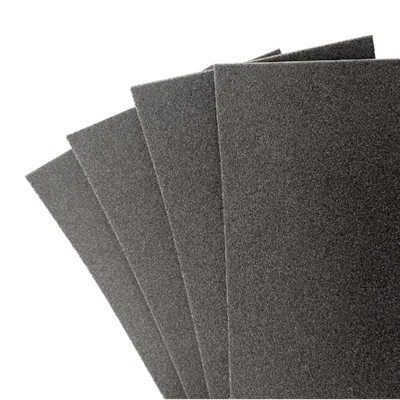
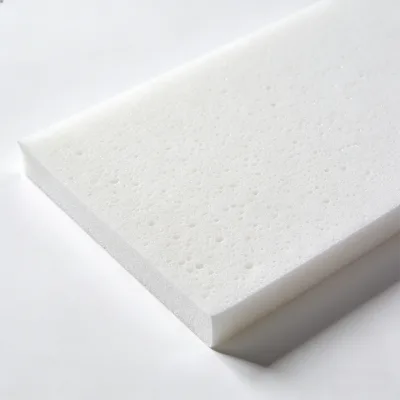
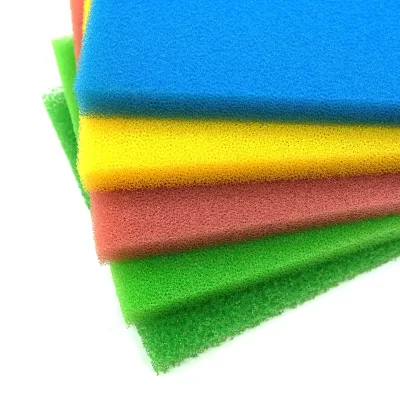
Versatile Rubber Foam Sheets Suitable for Multiple Industrial Applications and Uses Projects
$1.59 - $1.99
MOQ: 500 pieces
Hebei Zhongxinke Trading Co., Ltd.
- Trading Company
- Hebei, China
- Lead time45 days
- Avg. response≤ 2h
Main productsRubber shock absorber,Rubber flange gasket,Rubber spring,Rubber O-ring,rubber bouncy ball
Main marketsEastern Europe(20.00%), Southeast Asia(20.00%), North America(20.00%), Domestic Market(10.00%), Western Europe(10.00%), Oceania(10.00%), South America(10.00%)
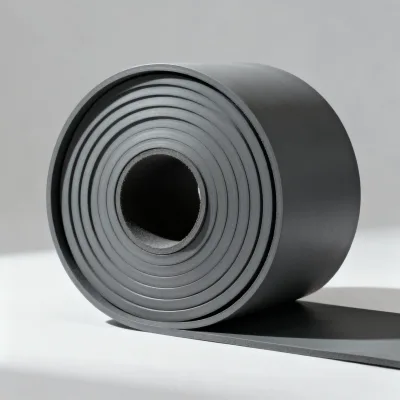
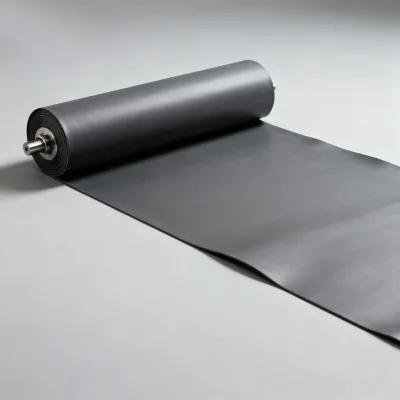
Reinforced Insertion Neoprene Rubber Sheet 1m X 1m Various Thicknesses EPDM Foam Sheet
$1.70 - $2.00
MOQ: 10 square
HEBEI JIEXING RUBBER SEALS CO.,LTD
- Manufacturer, Trading Company
- Hebei, China
- Lead time20 days
- Avg. response≤ 1h
Main productsRubber Seal Strip, Silicone Sheet, Rubber Sheet, Gasket, Composite Sealing Strip
Main marketsDomestic Market(74.00%), South Asia(2.00%), Eastern Asia(2.00%), North America(2.00%), South America(2.00%), Oceania(2.00%), Western Europe(2.00%), Southern Europe(2.00%), Central America(2.00%), Northern Europe(2.00%), Africa(2.00%), Eastern Europe(2.00%), Mid East(2.00%), Southeast Asia(2.00%)

Sansd (Jiangsu) Environmental Technology Co., Ltd.
- Verified by BV
- Combined
- China Jiangsu
- Lead time15 days
- Avg. response≤ 3h
Main productsEVA Foam, EVA Mat, EVA Sheet, EVA Roll, EVA, Yoga Mat, EVA Foam Sheet, PE Foam, EVA Foam Ma, EVA Products
Main marketsDomestic
Dongguan Huaqi Sealing Co., Ltd.
- Verified by Intertek
- Manufacturer, Trading Company
- Lead time15 days
- Avg. response≤ 1h
Main productsSilicone Rubber Sheet, Silicone Foam Sheet, Silicone Tube, Sealing O Ring, Suction Cup
Main marketsNorth America(49%), Domestic Market(43%), Southeast Asia(5%)
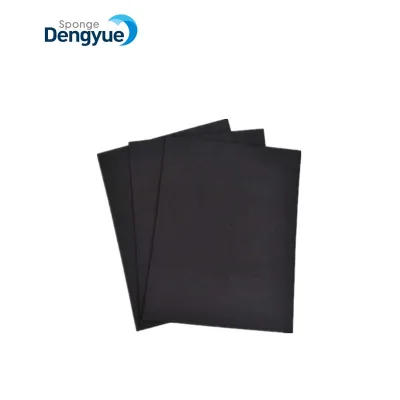
Changzhou Dengyue Polymer Group Co.,Ltd
- Verified by Intertek
- Manufacturer, Trading Company
- Lead time7 days
- Avg. response≤ 3h
Main productsSealing Foam Strip, Acoustic Foam, Protection Foam, Roof Series, Insulation Sponge
Main marketsNorth America(39%), Eastern Europe(16%), Western Europe(14%)
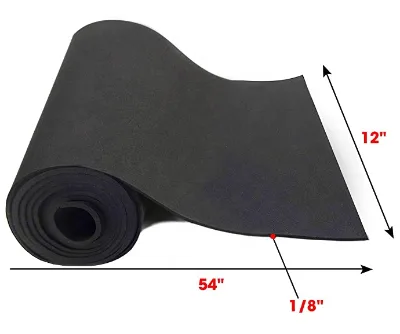
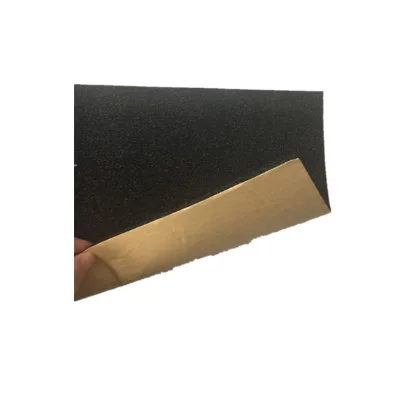
High Density 8mm EPDM Rubber Foam Sheet Premium Rubber Sheets Product
$1.0276 - $4.7487
MOQ: 400 Minimum

Nanjing Demeters Rubber & Plastic Products Co., Ltd.
- Manufacturer/Factory
- China Jiangsu
- Lead time23 days
- Avg. response≤ 14h
Main productsIndustrial Rubber Sheet, Special Industrial Rubber Sheet, Anti-Slip Flooring, Livestock Rubber Mat, Insulation Rubber Sheet, Waterproof Rubber Sheet and Rubber Lining
Main marketsSouth America,Eastern Europe,Mid East,North America,Southeast Asia,Eastern Asia,Oceania,Western Europe,Africa


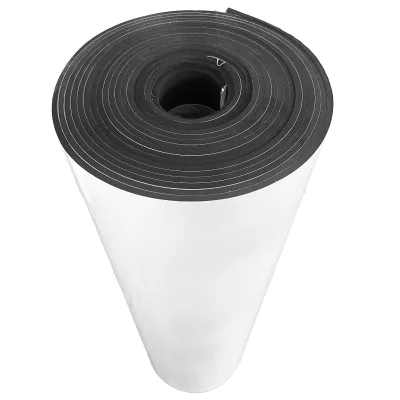
China Factory EPDM Industrial Rubber Sheet Black Rubber Mat for Industry Using
$0.40 - $18.00
MOQ: 100 kg

Anhui Sa Tuo New Material Technology Co., Ltd.
- Manufacturer/Factory
- China Anhui
- Lead time23 days
- Avg. response≤ 19h
Main productsRubber Sheet, Silicone Rubber Sheet, Thermal Insulation Material, Sealing Material, Rock Wool Prodcurts, Glass Wool Products, XPS, Aluminum Silicate Products, Anti Slip Rubber Sheet, Nr Natural Rubber Sheeting
Main marketsSouth America,Eastern Europe,Mid East,North America,Southeast Asia,Eastern Asia,Oceania,Western Europe,Africa

Acid and Alkali Resistant EPDM Rubber Sheet/Industrial Rubber Sheet with Good Quality
$0.40 - $2.50
MOQ: 100 kg


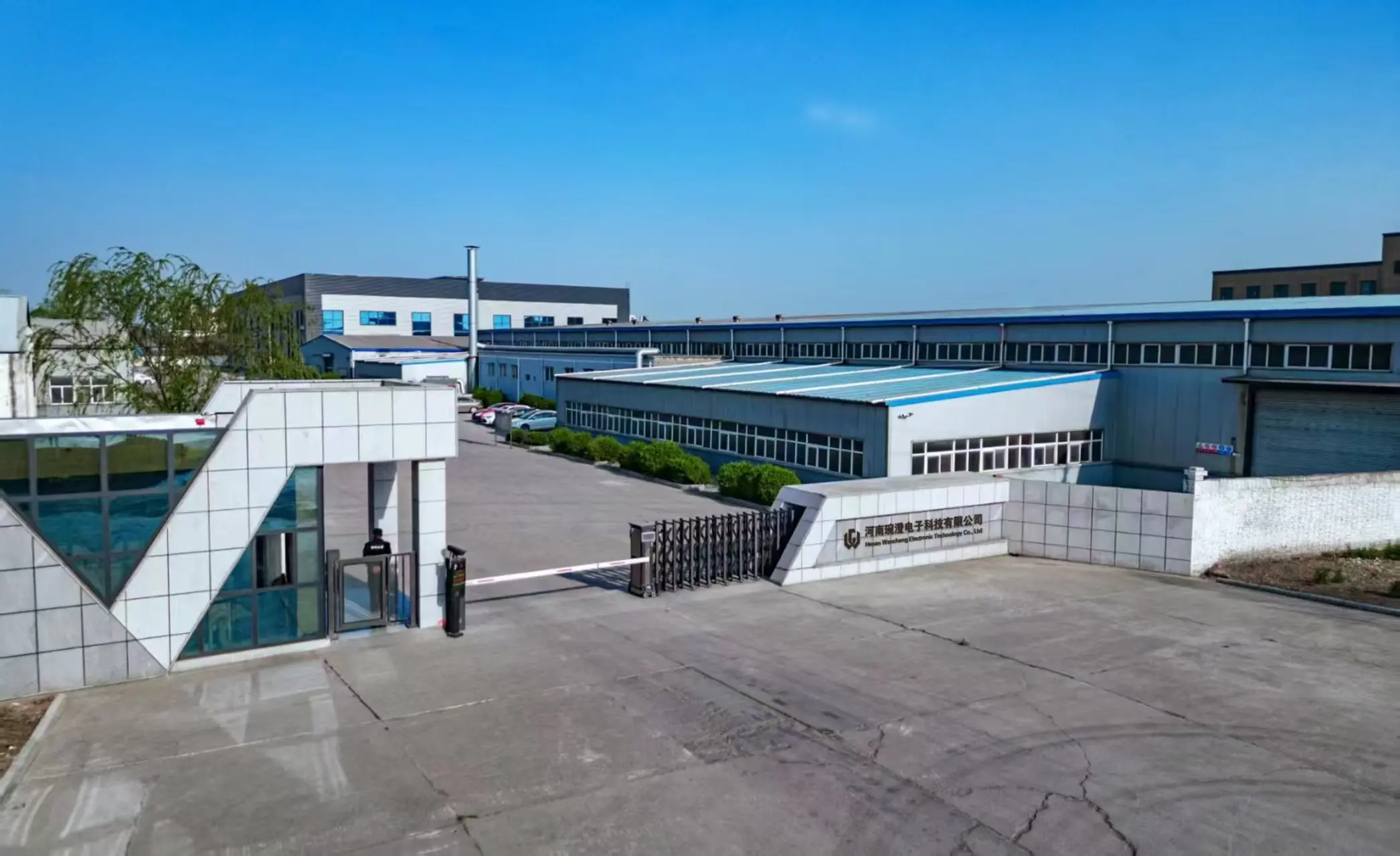
Henan Wancheng Electronic Technology Co., Ltd.
- Trading Company
- Henan, China
- Lead time0 days
- Avg. response≤ 1h
Main productsESD Antistatic And Cleanroom Products,ESD Rubber Mat,SMT Stencil roll wipe,Clean Swabs,Cleanroom Wipers
Main marketsSouth America(90.00%)

Hebei Jiexing Rubber Seals Co., Ltd.
- Verified by TUVRHEINLAND
- Manufacturer/Factory
- China Hebei
- Lead time23 days
- Avg. response≤ 4h
Main productsRubber Seal Strip, Rubber Plastic Sealing Strips, Silicone/EPDM/NBR/PVC Seal Strip, Solid/Foam Strip, Door&Window Seal Strip, Auto Rubber Seal Strip, Production of EPDM Monomer Sealing Strips, Nitrile Foam Strips, EPDM Composite Sealing Strips, Silicone Strips Nitrile Sealing Strips
Main marketsSouth America,Eastern Europe,Mid East,North America,Southeast Asia,Eastern Asia,Oceania,Western Europe,Africa

$0.66 - $1.09
MOQ: 100 Pieces

Anti-Collision Sponge Board Flame Retardant Foam Board EPDM Foam Rubber Sheet
$0.41 - $0.71
MOQ: 1000 Pieces

High Resilience Rubber Sheet Heat Insulation, Fireproof and Anti-Aging Black EPDM Foam Sheet
$0.52 - $0.74
MOQ: 500 Pieces

Black Foam Sheet EPDM/EVA/Silicone/FKM/NBR/CR Rubber Foam Sheet Roll
$0.12 - $0.48
MOQ: 50 Square Meters
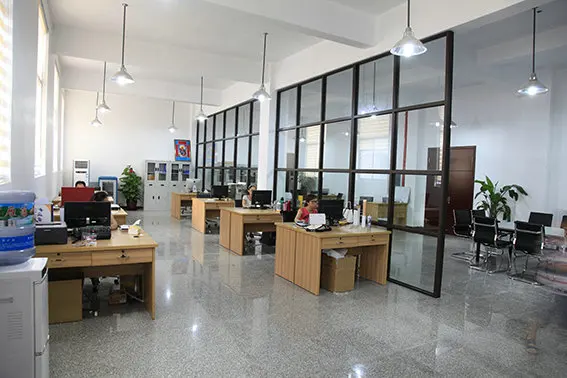
Xian Decai Honorise New Material Co., Ltd.
- Trading Company
- Shaanxi, China
- Lead time20 days
- Avg. response≤ 3h
Main productsheat transfer film,hot stamping foil,in mold label,silicone rubber roller,rubber roller
Main marketsMid East(26.00%), Domestic Market(20.00%), Southeast Asia(18.00%), Central America(10.00%), Eastern Asia(10.00%), Eastern Europe(7.00%), South Asia(5.00%), South America(3.00%), Africa(1.00%)

Qingdao Maxcool International Trading Co., Ltd.
- Trading Company,Manufacturer/Factory
- China Shandong
- Lead time23 days
- Avg. response≤ 9h
Main productsCopper Tube, Copper Pipe Coil, Condensers and Evaporators, Filter Driers, Accumulators and Access Valves, Fan and Motors, Aluminum Tubes Coils Foil, Steel Pipes Fittings, Copper Fittings, Insulation Tubes and Kits
Main marketsSouth America,Eastern Europe,Mid East,North America,Southeast Asia,Eastern Asia,Oceania,Western Europe,Africa
Foshan Kuliwei Industrial Material Co., Ltd.
- Manufacturer, Trading Company
- Lead time旺季: "1 - 1000":15,"1001 - 10000":25,"10001 - 100000":40,"> 100000":"To be negotiated", 淡季: "1 - 1000":15,"1001 - 10000":25,"10001 - 100000":40,"> 100000":"To be negotiated"
- Avg. response≤ 3h
Main productsInsulation Material, Electronic Accessories, Foam Products, Adhesive Tape, Silicone And Rubber
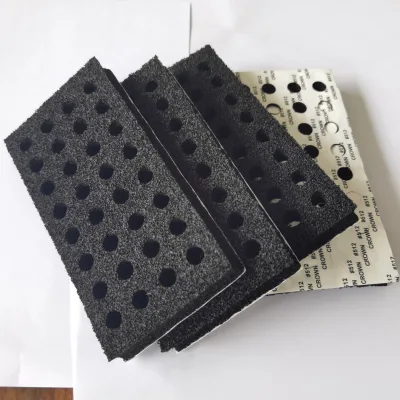
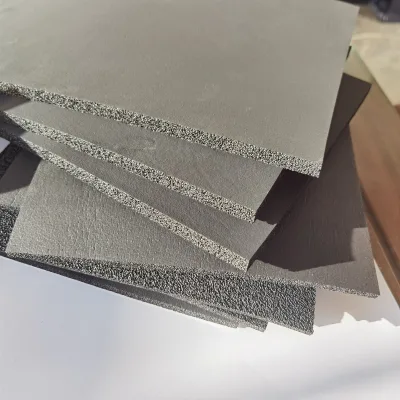
Closed Cell Antiskid Anti Shock Self Adhesive EPDM Rubber Foam Sheet
$0.2052 - $2.5661
MOQ: 300 Minimum
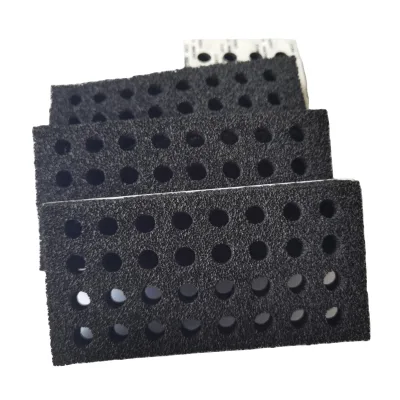
Hot Sale Black Rubber Sheet EPDM Foam with Carefully Selected Materials
$0.2067 - $2.5811
MOQ: 300 Minimum
Hebei Anai Rubber Belt Co.,Ltd
- Verified by TüVRheinland
- Manufacturer, Trading Company
- Lead time15 days
- Avg. response≤ 1h
Main productsEP/NN Conveyor Belt, Heat Resistant Conveyor Belt, Fire Resistant Conveyor Belt, Acid Alkali Resistant Conveyor Belt, Sidewall Conveyor Belt
Main marketsDomestic Market(52%), North America(7%), Eastern Europe(6%)

Hebei Shengwei New Material Group Co., Ltd
- Verified by SGS
- Combined
- China Hebei
- Lead time15 days
- Avg. response≤ 14h
Main productsRock Wool, Glass Wool, Rubber Foam
Main marketsDomestic


Factory Wholesale Custom EPDM Foam Rubber Sheet Wear-Resistant Shockproof Sponge Rubber
$0.45 - $0.80
MOQ: 100 Square Meters






Comprehensive Sourcing Guide
Industrial EPDM Rubber Foam Sheet Supplier Concentration and Factory Types
The current supplier landscape for industrial EPDM rubber foam sheets reveals a distinct concentration of manufacturing and trading entities within specific Chinese provinces, primarily Jiangsu and Shandong. In Jiangsu, suppliers are predominantly identified as trading companies, which suggests a hub focused on distribution, aggregation, and potentially lighter manufacturing or assembly operations. These entities often specialize in a broad array of foam products, including EVA, PE, EPDM, and NBR/PVC foams, indicating a versatile supply chain capable of handling diverse material requirements. The presence of such trading companies in Changzhou, Jiangsu, highlights a regional ecosystem where sourcing multiple foam types from a single point of contact is feasible, though it may introduce an intermediary layer between the end-user and the actual production facility. Buyers must recognize that while these suppliers offer convenience and variety, the nature of their business model as trading companies rather than direct manufacturers may influence pricing structures and direct communication channels regarding technical specifications.
Conversely, suppliers located in Shandong present a different operational profile, with many identified as manufacturers or factories. This distinction is critical for buyers seeking direct control over production processes, quality assurance protocols, and potentially more competitive pricing due to the elimination of trading margins. The Shandong-based entities often focus on heavy-duty industrial applications, such as hydraulic hoses, conveyor belts, and robust rubber sheets, suggesting a capability for larger-scale production and potentially more rigorous industrial standards. The presence of OEM and ODM capabilities among these manufacturers indicates a flexibility to customize products according to specific buyer requirements, which is a significant advantage for projects requiring unique dimensions, densities, or hardness levels. Understanding this geographic and structural divergence allows buyers to align their sourcing strategy with their specific needs, whether they prioritize the breadth of product offerings available through trading companies in Jiangsu or the direct manufacturing control and industrial focus provided by factories in Shandong.
How to Verify Industrial EPDM Rubber Foam Sheet Suppliers
Verification of suppliers requires a multi-layered approach that goes beyond basic company profiles, focusing on tangible evidence of quality management and operational reliability. One critical step is to examine system certifications, such as ISO9001:2015, which serves as a baseline indicator of standardized quality management processes. However, buyers should not rely solely on self-declared certifications; instead, they should look for third-party verification badges, such as those from TÜV Rheinland, which provide an additional layer of credibility by confirming that the supplier’s claims have been independently assessed. This verification process helps mitigate the risk of engaging with entities that may lack the necessary infrastructure to maintain consistent product quality. Additionally, buyers should scrutinize the specific product certifications listed, such as ROHS and SGS, which are crucial for ensuring that the EPDM foam sheets meet environmental and safety standards, particularly if the end-use involves sensitive applications or export to regions with strict regulatory requirements.
Beyond certifications, verifying the supplier’s response time and historical performance data offers insights into their operational efficiency and customer service capabilities. A rapid response time, such as the 0.18 hours observed in some Guangdong-based suppliers, indicates a high level of engagement and readiness to address buyer inquiries promptly, which is essential for resolving technical questions or negotiating terms efficiently. Conversely, slower response times may signal potential bottlenecks in communication or a lack of dedicated sales support. Buyers should also assess the supplier’s verification status and the depth of their product evidence, including detailed technical specifications like density, tensile strength, and thermal conductivity. By cross-referencing these technical attributes with industry standards and requesting sample foam availability, buyers can validate the supplier’s ability to deliver products that meet precise engineering requirements. This comprehensive verification strategy ensures that the selected supplier possesses both the formal credentials and the practical capability to fulfill orders reliably.
What to Compare Across Industrial EPDM Rubber Foam Sheet Suppliers
When evaluating multiple suppliers, buyers must systematically compare key operational metrics to identify the most suitable partner for their specific procurement needs. Lead time is a primary differentiator, with some suppliers offering a 15-day turnaround while others may require up to 23 days or more. This variance can significantly impact project timelines, especially for time-sensitive industrial applications, making it essential to align supplier capabilities with production schedules. Similarly, the minimum order quantity (MOQ) varies considerably, ranging from as low as 20 units to higher thresholds, which influences inventory management and cash flow. Buyers with smaller volume requirements may find suppliers with lower MOQs more attractive, whereas those with large-scale needs might benefit from negotiating volume discounts with suppliers who have higher production capacities. Comparing these logistical parameters helps in selecting a supplier that balances cost-efficiency with delivery reliability.
Price and product specifications are equally critical factors in the comparison process. The price range for EPDM rubber foam sheets can vary widely, with some suppliers offering rates as low as $1.00 per unit, while others may charge upwards of $550.00, depending on the material grade, thickness, and customization requirements. Buyers should not focus solely on the lowest price but should evaluate the value proposition by considering the material’s density, hardness, and resistance properties, such as wear-resistance, heat-resistance, and cold-resistance. Additionally, the availability of customization options, including color matching to Pantone standards and specific dimensional changes, adds significant value for specialized applications. By creating a detailed comparison matrix that includes lead time, MOQ, price, technical specifications, and customization capabilities, buyers can make an informed decision that aligns with their technical requirements and budgetary constraints, ensuring they select a supplier who offers the best overall value rather than just the lowest cost.
Common Industrial EPDM Rubber Foam Sheet Sourcing Risks
One of the primary risks in sourcing industrial EPDM rubber foam sheets is the potential discrepancy between advertised specifications and actual product performance. Suppliers may list impressive technical attributes, such as high tensile strength or low thermal conductivity, but without rigorous testing or third-party verification, these claims may not hold up under real-world conditions. Buyers must be cautious of suppliers who provide incomplete or vague product evidence, as this can lead to receiving materials that do not meet the required industrial standards. For instance, variations in density, which can range from 60-300kg/M3, can significantly affect the foam’s durability and compression set properties. If a supplier does not provide clear data on these critical parameters, buyers risk encountering issues such as premature degradation, inadequate sealing, or failure under mechanical stress, which can result in costly project delays and reputational damage.
Another significant risk is the inconsistency in quality control across different production batches, particularly when dealing with trading companies that may source from multiple manufacturers. This lack of direct oversight can lead to variations in material composition, color consistency, and dimensional accuracy. Buyers should be aware that some suppliers may offer samples that meet specifications but fail to maintain the same quality in bulk orders. Additionally, the risk of intellectual property infringement or unauthorized use of proprietary formulations exists, especially when working with suppliers who offer extensive customization options. To mitigate these risks, buyers should implement strict quality assurance protocols, including pre-shipment inspections and third-party testing, to ensure that the delivered products match the agreed-upon specifications. Establishing clear contractual terms regarding quality standards and penalties for non-compliance can also help protect buyers from potential losses and ensure a more reliable supply chain.
Industrial EPDM Rubber Foam Sheet Regional Sourcing and Logistics
Sourcing industrial EPDM rubber foam sheets from different regions in China offers distinct logistical advantages and challenges that buyers must carefully consider. Suppliers located in Jiangsu, particularly in Changzhou, benefit from a well-developed infrastructure and proximity to major ports, facilitating efficient export operations. This region’s concentration of trading companies allows for consolidated shipping, which can reduce logistics costs and simplify the procurement process for buyers sourcing multiple foam types. However, the reliance on trading companies may introduce additional layers of communication and potential delays in resolving technical issues. Buyers should evaluate the supplier’s export experience and their ability to handle complex logistics, including customs clearance and documentation, to ensure smooth delivery to their destination.
In contrast, suppliers in Shandong, often operating as manufacturers, may offer more direct control over the production and shipping process, potentially reducing lead times for customized orders. The presence of heavy industrial capabilities in this region suggests a robust supply chain for raw materials and finished goods, which can enhance reliability for large-volume orders. However, buyers must consider the potential for higher shipping costs if the supplier is located further from major export hubs. Additionally, the regional focus on heavy-duty rubber products may mean that suppliers in Shandong are better equipped to handle specialized industrial applications, offering greater technical support and customization options. By understanding the logistical implications of sourcing from different regions, buyers can optimize their supply chain strategy, balancing cost, speed, and reliability to meet their specific operational needs.
Industrial EPDM Rubber Foam Sheet Commercial Terms and Order Planning
Effective order planning for industrial EPDM rubber foam sheets requires a thorough understanding of commercial terms, including payment structures, delivery schedules, and after-sales support. Buyers should negotiate clear terms regarding payment methods, such as letters of credit or escrow services, to mitigate financial risks and ensure that funds are released only upon satisfactory delivery of goods. The lead time, which can vary from 15 to 23 days or more, must be factored into production schedules to avoid bottlenecks. Buyers should also consider the supplier’s capacity for handling rush orders and their flexibility in accommodating changes to order quantities or specifications. Establishing a reliable communication channel with the supplier is essential for monitoring production progress and addressing any issues that may arise during the manufacturing process.
Additionally, buyers should evaluate the supplier’s packaging and shipping standards to ensure that the EPDM foam sheets are protected against damage during transit. Proper packaging, such as plastic bags in cartons or palletized shipments, is crucial for maintaining product integrity, especially for materials that are sensitive to moisture or physical stress. Buyers should also inquire about the supplier’s return and replacement policies in case of quality issues or non-conformance with specifications. By carefully planning the commercial terms and logistics, buyers can minimize risks and ensure a smooth procurement process. It is also advisable to build a long-term relationship with the supplier, which can lead to better pricing, priority service, and improved collaboration on future projects. This strategic approach to order planning helps buyers secure a stable supply of high-quality EPDM rubber foam sheets while optimizing their overall procurement costs and operational efficiency.
FAQs
What is the typical lead time for industrial EPDM foam sheets?
Manufacturers in China generally require 15 to 23 days to produce and ship industrial EPDM foam sheets. This timeframe depends on order volume and specific customization needs. Buyers should confirm exact delivery schedules with suppliers before placing orders to ensure production aligns with project timelines.
What are the standard density ranges for EPDM rubber foam?
Standard densities for industrial EPDM foam sheets typically range from 60 to 300 kg/m3. Specific products may offer narrower ranges like 90-160 kg/m3 or 110-150 kg/m3. These variations allow buyers to select materials that meet specific weight, cushioning, and compression requirements for their applications.
What certifications are commonly available for EPDM foam rubber sheets?
Common certifications include ISO9001:2015 for quality management and RoHS for environmental compliance. Some suppliers also provide SGS testing reports. These certifications ensure the materials meet international safety and quality standards, which is crucial for industrial applications requiring strict regulatory adherence and material traceability.
What is the minimum order quantity for EPDM foam sheets?
Minimum order quantities vary by supplier, typically ranging from 20 to 50 units. Some manufacturers may accept lower MOQs for standard items. Buyers should verify specific MOQ requirements with suppliers to determine feasibility for small-scale testing or large-volume industrial procurement needs.
What are the key physical properties of EPDM foam sheets?
Key properties include wear resistance, heat and cold resistance, and impact absorption. Tensile strength often exceeds 3MPa, with elongation greater than 100%. Thermal conductivity is typically below 0.038W/M.K, providing effective insulation. These characteristics make the material suitable for sealing, gasketing, and cushioning.
Can EPDM foam sheets be customized for specific applications?
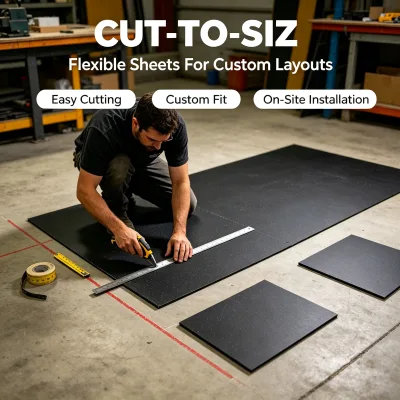
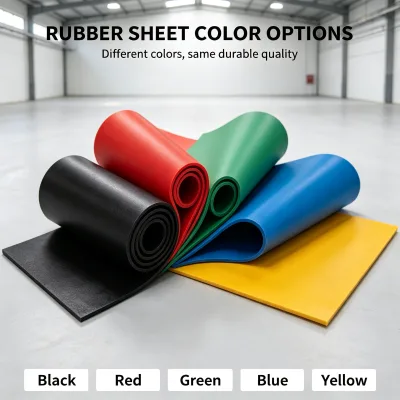
Yes, most suppliers offer customization options for density, hardness, thickness, and color. Customization is available for industrial gaskets, seals, and mats. Buyers can specify requirements such as Pantone colors or specific dimensional changes. Confirming customization capabilities with the supplier ensures the final product meets exact engineering specifications.