Inflatable Dog Pool with Repair Patch Suppliers and Manufacturers
Browse 19 suppliers of the Inflatable Dog Pool with Repair Patch and compare grounded dimensions such as Guangdong location, lead time from 7 days, MOQ from 1 piece, CE-marked pumps, and OEM or ODM capability. Shortlist candidates and request quotations with your specifications.
Updated
Suppliers List

Guangzhou Planet Inflatables Ltd.
- Combined
- China Guangdong
- Lead time15 days
- Avg. response≤ 2h
Main productsInflatable Tents, Inflatable Sports Tunnels, Inflatable Advertising Products, Inflatable Bouncer, Inflatable Water Games, Inflatable Games, Inflatable Interactive Games, Inflatable Slides, PVC Balloons&Blimps
Main marketsSouth America,Africa,Southeast Asia/ Mideast,East Asia(Japan/ South Korea),Domestic,Europe,Australia,North America
Guangzhou Aomiao Inflatable Co., Ltd.
- Verified by TüVRheinland
- Manufacturer, Trading Company
- Lead time7 days
- Avg. response≤ 3h
Main productsLarge Inflatable Tent, Inflatable Theme Park, Inflatable 5K Obstacle, Inflatable Water Games, Inflatable Sports Games
Main marketsNorth America(20%), South America(14%), Africa(12%)

Ningbo Megu Import and Export Co., Ltd.
- Trading Company
- China Zhejiang
- Lead time45 days
- Avg. response≤ 4h
Main productsPet Ice Pad, Fish Tank, Pet Swimming Pool, Pet Ice Nest, Pet Fountain, Pet Knot Toy, Pet Car Seat Cover, Pet Carrier Bag
Main marketsEastern Europe,North America,Southeast Asia


Cool Summer PVC Foldable Large Inflatable Dog Swimming Pool Pet Bath Pool
$3.79 - $5.76
MOQ: 100 Pieces


Nanchang ICE BEAR Cooling and Warming Household Products Co., Ltd.
- Manufacturer/Factory
- China Jiangxi
- Lead time45 days
- Avg. response≤ 13h
Main productsCooling Mat, Dog Pool, Pet Pad, Dog Cooling Vest, Dog Cooling Bed, Cooling Cap, Cooling Scarf, Splash Pad, Heating Pad
Main marketsEastern Europe,North America


Outdoor Dog Kids Bath Portable Folding Swimming Pool Pet Paddling Collapsible Playing Pool
$8.11 - $10.82
MOQ: 100 Pieces


Hot Summer Outdoor Dog Pool Collapsible Pet Bath Folding Kiddie Swimming Playing Pool for Pets
$8.11 - $10.82
MOQ: 10 Pieces

Shenzhen Enqiao Technology Co., Limted
- Manufacturer
- Guangdong, China
- Lead time30 days
- Avg. response≤ 7h
Main productsPool float,beach mattress,air bed,travel neck pillow,inflatable sofa
Main marketsNorth America(45.00%), Western Europe(18.00%), South Asia(10.00%), Domestic Market(10.00%), Eastern Europe(6.50%), Northern Europe(5.00%), Eastern Asia(3.00%), South America(2.50%)
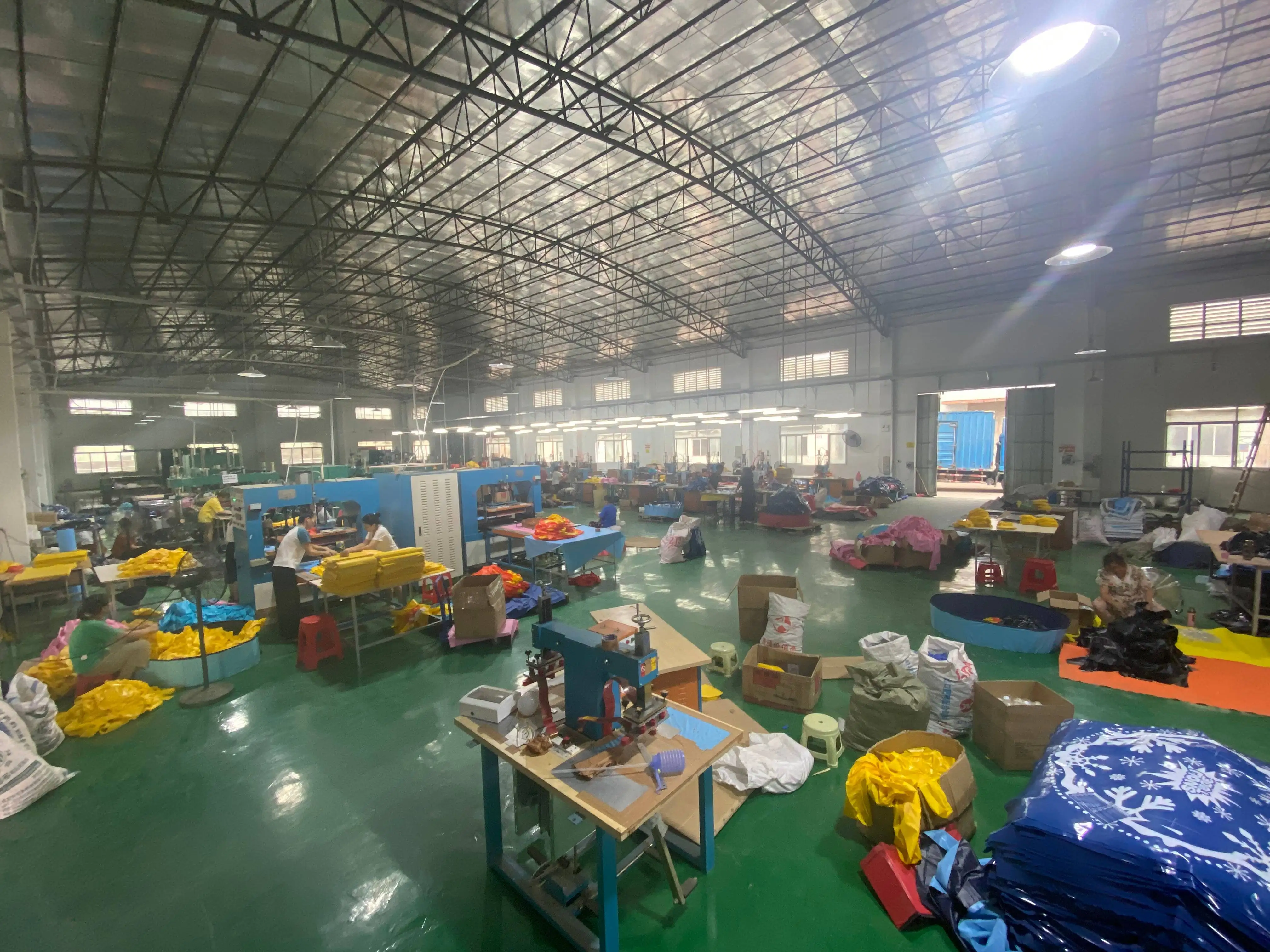
Huizhou Danchen Industrial Co., Ltd.
- Trading Company
- Guangdong, China
- Lead time405 days
- Avg. response≤ 5h
Main productsSwimming Ring,Baby Water Mat,Waterproof Phone Pounch,Inflatable Swimming Pool,Inflatable Drink Holder
Main marketsWestern Europe(30.00%), North America(25.00%), Southeast Asia(20.00%), Eastern Europe(15.00%), Northern Europe(5.00%), Oceania(5.00%)
Jiangmen Tiger Inflatable Toys Co., Ltd.
- Manufacturer
- Lead time旺季: "1 - 1000":16,"> 1000":"To be negotiated", 淡季: "1 - 1000":16,"> 1000":"To be negotiated"
- Avg. response≤ 3h
Main productsinflatable lounger air sofa,air bed,inflatable punching bag,inflatable pool float,inflatable toys for kids
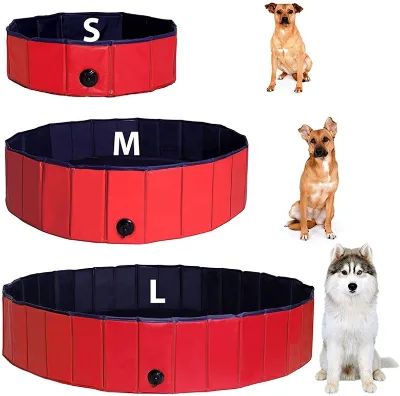
Custom Size Inflatable Dog Bathtub for Large Medium Small Durable Inflatable Dog Swimming Pool
$5.7111 - $7.7874
MOQ: 1000 pieces

Lixin Outdoor Product Co., Ltd.
- Verified by TUVRHEINLAND
- Combined
- China Guangdong
- Lead time23 days
- Avg. response≤ 8h
Main productsPool Floats, Inflatable Swimming Pools, Inflatable Swimming Ring, Kid Toys, Inflatable Pool, Inflatable Sprinkler Toys, Air Bed Air Mattress, Inflatable Furnitures Inflatable Sofa, Inflatable Boat, Snow Tube
Main marketsSoutheast Asia/ Mideast,East Asia(Japan/ South Korea),Europe,Australia,North America

Foldable Dog Pet Pool Outdoor Water Inflatable Pet Toys Dog Bath Pool
$10.43 - $11.54
MOQ: 1000 Pieces


Hot Selling Foldable Waterproof Pet Pool Bathtub Custom Collapsible Dog Swimming Pool
$10.92 - $12.08
MOQ: 1000 Pieces
Ningbo Ags Imp. & Exp. Co., Ltd.
- Verified by TüVRheinland
- Manufacturer, Trading Company
- Lead time50 days
- Avg. response≤ 4h
Main productsInflatable Pool Float, Pool Loungers, Inflatable Swimming Pool, Inflatable furniture, Airbeds
Main marketsWestern Europe(30%), North America(17%), South America(16%)
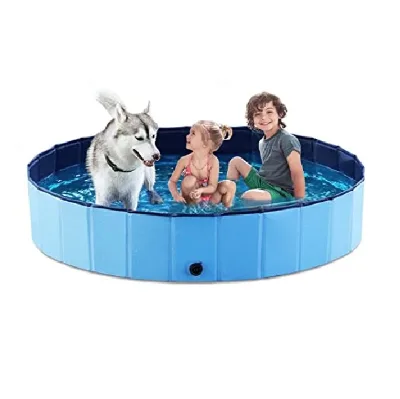
$5.1377 - $5.6512
MOQ: 2000 pieces
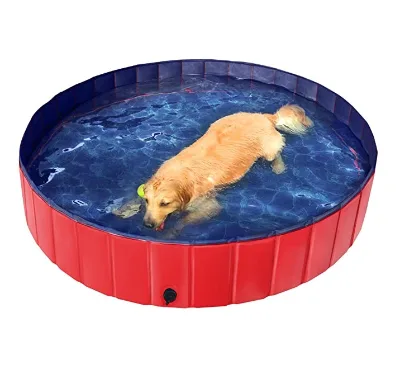
Red Foldable Pet Bath Swimming Pool Collapsible Dog Pool Bathing Tub Pool for Pets Dogs Cats
$14.3847 - $15.4131
MOQ: 2000 pieces

Huizhou Arison Technology Co., Ltd.
- Trading Company
- Guangdong, China
- Lead time25 days
- Avg. response≤ 3h
Main productsInflatables,water toy,sports toy,Charging cable,Data cable
Main marketsNorth America(40.00%), Northern Europe(20.00%), Eastern Asia(10.00%), Western Europe(5.00%), Eastern Europe(5.00%), Southern Europe(5.00%), Oceania(5.00%), Domestic Market(5.00%), Mid East(2.00%), South America(2.00%), Southeast Asia(1.00%)

Guangzhou Yushan Inflatable Products Co., Ltd.
- Manufacturer, Trading Company
- Guangdong, China
- Lead time15 days
- Avg. response≤ 3h
Main productsInflatable Bounce House, Inflatable Slide, Inflatable Air Track, Inflatable Water Park, Advertising Inflatable
Main marketsNorth America(40.00%), Western Europe(20.00%), Mid East(20.00%), Southeast Asia(20.00%)
Yiwu Kland Plastic Products Co., Ltd.
- Trading Company
- Zhejiang, China
- Lead time30 days
- Avg. response≤ 2h
Main productsAir Bed, Air Swimming Pool, Folding Bathtub, Paddling Paddle Board, Inflatable Toys
Main marketsWestern Europe(25.00%), North America(20.00%), South America(15.00%), Central America(6.00%), Eastern Europe(6.00%), Northern Europe(5.00%), Africa(5.00%), Mid East(5.00%), Southern Europe(4.00%), Southeast Asia(4.00%), Eastern Asia(3.00%), Oceania(2.00%)
Guangzhou Jiang Yue Entertainment Equipment Co., Ltd.
- Verified by Intertek
- Manufacturer, Trading Company
- Lead time7 days
- Avg. response≤ 3h
Main productsAir Track, Inflatalbe Water Slide, Inflatable Bouncer, Inflatable Water Park, Inflatable Sport Game
Main marketsNorthern Europe(25%), Western Europe(20%), North America(15%)
Jiangmen Tiger Inflatable Toys Co., Ltd.
- Verified by Intertek
- Manufacturer, Trading Company
- Lead time45 days
- Avg. response≤ 2h
Main productsWater Splash Pad, Boxing Bag, Pet Pool, Inflatable Baby Sofa, Inflatable Sofa
Main marketsNorth America(25%), South America(12%), Oceania(10%)
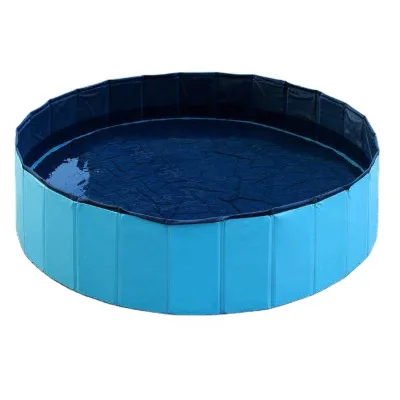
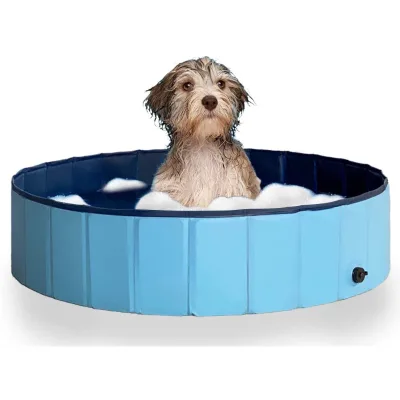
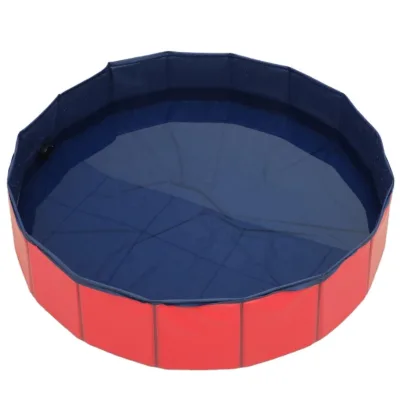
Portable PVC Inflatable Pet Pool Durable and Easy to Use for Children's Swimming and Play
$6.00 - $17.50
MOQ: 1000
Dongguan Bestfun Toys Co., Ltd.
- Manufacturer
- Guangdong, China
- Lead time30 days
- Avg. response≤ 10h
Main productsPVC TPU Flocked PVC products,customized inflatable advertising products,customized inflatable promotional products,inflatable beach items,inflatable water toys
Main marketsNorth America(50.00%), Northern Europe(10.00%), Western Europe(5.00%), South Asia(5.00%), Southern Europe(5.00%), South America(5.00%), Central America(5.00%), Southeast Asia(5.00%), Eastern Europe(5.00%), Domestic Market(1.00%), Eastern Asia(1.00%), Mid East(1.00%), Oceania(1.00%), Africa(1.00%)
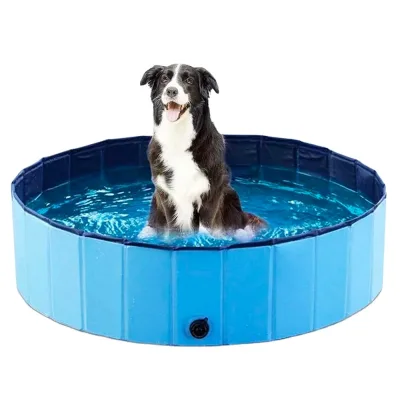
$8.0973 - $10.1527
MOQ: 1000 pieces
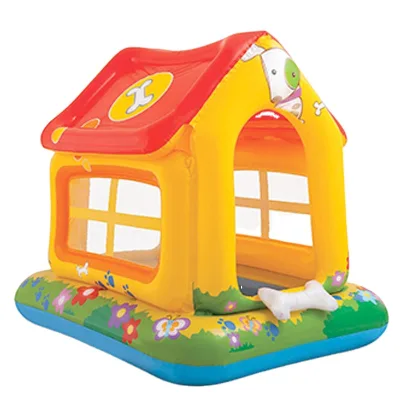
$6.256 - $20.8502
MOQ: 3000 Minimum
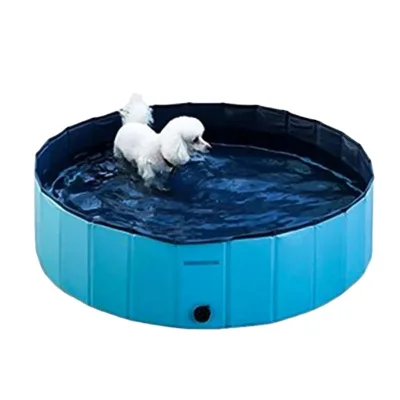
$7.1721 - $10.0494
MOQ: 1000 pieces

- Verified by SGS
- Combined
- China Hebei
- Lead time15 days
- Avg. response≤ 3h
Main marketsEurope,Australia,North America
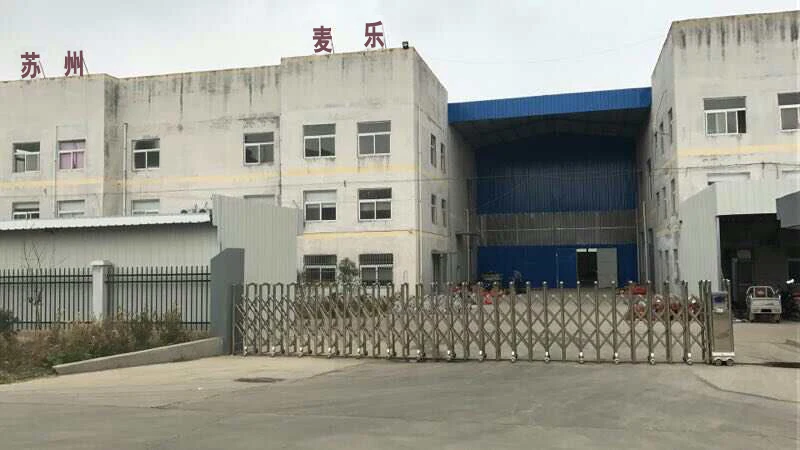
Suzhou Justware Industry And Trade Ltd.
- Manufacturer, Trading Company
- Jiangsu, China
- Lead time40 days
- Avg. response≤ 11h
Main productsInflatable Water Toys, Inflatable Grass Toys, Inflatable SUP, Stand Up Paddle Boards, PVC Inflatables
Main marketsWestern Europe(55.00%), North America(30.00%), Domestic Market(5.00%), Mid East(5.00%), Southeast Asia(5.00%), South Asia(0.00%), Eastern Asia(0.00%), South America(0.00%), Oceania(0.00%), Southern Europe(0.00%), Central America(0.00%), Northern Europe(0.00%), Africa(0.00%), Eastern Europe(0.00%)

Ningbo Wonderful Plastic Industry and Trade Co., Ltd.
- Verified by TUVRHEINLAND
- Combined
- China Zhejiang
- Lead time30 days
- Avg. response≤ 8h
Main productsAir Bed, Swimming Pool, Inflatable Boat &Kayak, Inflatable Toys, Inflatable Pool Float, Inflatable Swim Rings, Snow Tube, Inflatable Party Decoration
Main marketsNorth America
Jiangmen Xinhui Haizhiyuan Plastic Products Factory
- Manufacturer, Trading Company
- Guangdong, China
- Lead time30 days
- Avg. response≤ 3h
Main productsSauna suit,Inflatable Toys,Pet Pool,Advertising Inflatables
Main marketsNorth America(30.00%), Eastern Asia(20.00%), Domestic Market(17.00%), Northern Europe(10.00%), Southern Europe(10.00%), Western Europe(8.00%), South America(5.00%)






Comprehensive Sourcing Guide
Inflatable Dog Pool with Repair Patch Supplier Concentration and Factory Types
The current supplier landscape for inflatable dog pools with repair patches reveals a distinct concentration in China, specifically within the Guangdong region. This geographic clustering is significant for buyers seeking efficient logistics and established manufacturing ecosystems. The observed data indicates that suppliers are primarily located in Guangdong, with Guangzhou serving as a key port of dispatch. This regional focus suggests that buyers will likely encounter manufacturers and trading companies operating out of this specific province. The presence of Huangpu Guangzhou as a seaport further reinforces the logistical advantage of sourcing from this area, as it provides direct access to major international shipping routes. Buyers should recognize that this concentration is not random but reflects the historical development of PVC and inflatable product manufacturing hubs in southern China. Understanding this geographic reality helps in estimating shipping costs and transit times more accurately. It also implies that many suppliers may share similar supply chains for raw materials like PVC tarpaulin and air pumps. This shared infrastructure can lead to competitive pricing but also requires buyers to differentiate suppliers based on other factors such as quality control and customization capabilities. The concentration in Guangdong means that buyers can potentially visit factories or arrange third-party inspections with relative ease compared to sourcing from more dispersed regions. However, it also means that competition among suppliers in this region is likely high, necessitating careful evaluation of each potential partner. Buyers should not assume that all suppliers in this region offer identical quality or service levels. Instead, they should use the geographic data as a starting point for deeper due diligence. The specific mention of Guangzhou as the place of origin for several products highlights the importance of verifying the exact factory location within Guangdong. Some suppliers may be trading companies based in Guangzhou but sourcing from other parts of the province. This distinction is crucial for understanding the true cost structure and lead times. Buyers should ask suppliers to clarify their exact manufacturing base to ensure transparency. The regional concentration also suggests that there is a mature ecosystem of supporting services, including packaging, logistics, and certification bodies. Leveraging this ecosystem can streamline the sourcing process. However, buyers must remain vigilant about the specific capabilities of each supplier, as the general regional advantage does not guarantee individual supplier excellence. The focus on Guangdong provides a clear geographic anchor for sourcing strategies, allowing buyers to tailor their logistics and inspection plans accordingly. It is essential to verify the specific location details provided by each supplier to avoid misunderstandings regarding origin and responsibility.
The types of companies operating in this space vary, offering different advantages depending on the buyer's needs. The observed data identifies both combined companies and those explicitly labeled as manufacturers or trading companies. This diversity allows buyers to choose based on their preference for direct factory interaction versus the flexibility of a trading partner. Combined companies often offer a broader range of services, including OEM and ODM capabilities, which are essential for buyers seeking custom branding or unique product designs. The presence of OEM and ODM options indicates that many suppliers are equipped to handle customized orders, including logo printing and size adjustments. This is particularly relevant for buyers looking to create branded inflatable dog pools. Manufacturers, on the other hand, may offer more direct control over production quality and potentially lower prices due to the absence of intermediary margins. Trading companies might provide better communication support and a wider variety of products from multiple factories. The data shows that some suppliers offer both manufacturing and trading services, blurring the lines between these traditional categories. Buyers should carefully review the company type listed for each supplier to understand their primary business model. It is important to note that not all suppliers display their company type clearly, so buyers may need to inquire directly. The availability of sample processing and graphic processing services suggests that many suppliers are focused on customization and rapid prototyping. This is a valuable feature for buyers who need to validate designs before committing to large orders. The presence of these services indicates a mature market that caters to diverse buyer requirements. Buyers should leverage this information to select suppliers that align with their specific operational needs. Whether prioritizing direct factory access or comprehensive service support, understanding the company type is a critical first step in the sourcing process. The variety of company types ensures that buyers have options to match their scale and customization requirements. It is advisable to compare the strengths of different company types to determine the best fit for the project. This strategic selection can significantly impact the overall success of the sourcing initiative.
How to Verify Inflatable Dog Pool with Repair Patch Suppliers
Verifying suppliers requires a multi-layered approach that goes beyond simple profile reviews. The first step is to check for third-party verification badges, which provide an additional layer of trust. In the current results, one supplier is verified by TüVRheinland, a reputable international inspection and certification body. This verification indicates that the supplier has undergone rigorous audits of their business operations, quality management systems, and production capabilities. Buyers should prioritize suppliers with such verifications, as they have demonstrated a commitment to meeting international standards. However, the absence of a verification badge does not necessarily mean a supplier is unreliable; it may simply indicate that they have not pursued third-party certification. In such cases, buyers should conduct their own due diligence. This includes requesting business licenses, factory photos, and video tours to confirm the supplier's existence and operational capacity. It is also important to verify the supplier's contact information and ensure that they are responsive to inquiries. The response time is a key indicator of a supplier's professionalism and reliability. In the observed data, response times vary, with some suppliers responding within 1.81 hours and others taking up to 3 hours. While these times are generally acceptable, faster response times often correlate with better customer service. Buyers should test the supplier's responsiveness by sending detailed inquiries and evaluating the quality and speed of their replies. A supplier that provides comprehensive and timely answers is more likely to be reliable throughout the order process. Additionally, buyers should check for any negative feedback or complaints from previous customers. While not always available, this information can provide valuable insights into the supplier's track record. It is also advisable to request references from other clients, especially those in similar industries or regions. This can help validate the supplier's claims about their capabilities and service quality. Verifying the supplier's financial stability is another important step, as it ensures they can fulfill large orders without disruption. Buyers can request bank references or credit reports if necessary. The goal is to build a comprehensive picture of the supplier's reliability before committing to any financial transactions. This proactive approach minimizes the risk of fraud or poor performance. By combining third-party verifications with independent due diligence, buyers can significantly reduce their sourcing risks. The verification process should be thorough and systematic, leaving no stone unturned. This diligence is essential for building a long-term and successful supplier relationship. It protects the buyer's interests and ensures a smoother procurement experience.
Certifications and standards are another critical aspect of supplier verification. The data shows that some suppliers hold CE certification for their air pumps and products, while others mention NFPA 701 compliance. These certifications indicate that the products meet specific safety and quality standards required in various markets. Buyers should ensure that the certifications held by the supplier are valid and relevant to their target market. For example, if selling in Europe, CE certification is often mandatory. If selling in the United States, NFPA 701 might be relevant for certain applications. Buyers should request copies of the certification documents and verify their authenticity with the issuing bodies. It is also important to check if the certifications cover the specific products being ordered, as some suppliers may hold general certifications that do not apply to all their products. In cases where certifications are not displayed, buyers should ask the supplier if they can obtain them. This demonstrates the supplier's willingness to comply with international standards. Additionally, buyers should check for any other relevant quality management certifications, such as ISO 9001, which indicate a systematic approach to quality control. The presence of such certifications suggests that the supplier has robust processes in place to ensure product consistency and reliability. Buyers should also verify the supplier's production capacity and lead times to ensure they can meet the buyer's demand. The data shows varying production capacities, with some suppliers capable of producing 500,000 pieces per year and others offering 250 pieces per month. Buyers should align their order volumes with the supplier's capacity to avoid delays. It is also important to verify the supplier's ability to handle custom orders, as this is a common requirement in the inflatable pool market. Buyers should ask about the supplier's customization process, including design approval and sample production. This ensures that the final product meets their specifications. By thoroughly verifying certifications, capacity, and customization capabilities, buyers can select suppliers that are well-equipped to meet their needs. This verification process is essential for mitigating risks and ensuring product quality. It provides the foundation for a successful sourcing partnership. Buyers should not rush this process, as it is critical for long-term success.
What to Compare Across Inflatable Dog Pool with Repair Patch Suppliers
When evaluating multiple suppliers, buyers must compare several key dimensions to identify the best partner. One of the most critical factors is the minimum order quantity (MOQ). The observed data shows that many suppliers offer an MOQ of just one piece, which is ideal for buyers testing the market or placing small initial orders. This low MOQ reduces the financial risk for buyers and allows them to assess product quality before committing to larger volumes. However, buyers should be aware that lower MOQs may come with higher unit prices. It is important to compare the price per unit at different order volumes to understand the cost structure. Some suppliers may offer significant discounts for bulk orders, which can be beneficial for large-scale procurement. Buyers should request detailed pricing quotes that include all costs, such as shipping, taxes, and customs duties. This ensures a clear understanding of the total landed cost. Another important factor to compare is the lead time. The data indicates that lead times vary, with some suppliers offering production times of 5-7 working days and others taking 7-15 days. Buyers should align their order planning with the supplier's lead times to avoid stockouts or delays. It is also important to consider the shipping time, which can add several weeks to the total delivery period. Buyers should ask suppliers about their shipping options and costs to determine the most efficient logistics solution. The data shows that suppliers offer various shipping methods, including express, air, and sea freight. Express shipping is faster but more expensive, while sea freight is cost-effective but slower. Buyers should choose the shipping method that best balances cost and speed based on their urgency. Additionally, buyers should compare the customization options offered by each supplier. The data shows that many suppliers offer customized logos, colors, and sizes. Buyers should evaluate the quality of customization, including the durability of printed logos and the accuracy of size specifications. It is also important to check if the supplier provides samples for customization approval. This ensures that the final product meets the buyer's expectations. Comparing these factors allows buyers to make an informed decision based on their specific needs and constraints. It helps in selecting a supplier that offers the best value and reliability. Buyers should create a comparison matrix to visualize the differences between suppliers. This tool can simplify the decision-making process and highlight the most suitable partner. By systematically comparing these key dimensions, buyers can optimize their sourcing strategy. This approach ensures that they select a supplier that aligns with their business goals. It also helps in negotiating better terms and conditions.
Payment terms and trade terms are also crucial aspects of supplier comparison. The data shows that suppliers accept various payment methods, including T/T, credit card, PayPal, and Western Union. Buyers should choose a payment method that offers security and convenience. Trade assurance or escrow services are highly recommended, as they protect the buyer's payment until the goods are received and approved. The data mentions Trade Assurance as a payment option for
FAQs
Do inflatable dog pools come with a repair patch included?
Many listed inflatable dog pool products include repair material as a standard accessory. Listings commonly state the accessory package contains a repair kit and glue alongside the air pump. Because inclusion varies by model and price tier, confirm the accessory list in the quotation before ordering and request an extra patch set if your use case involves dogs with claws.
What is the minimum order quantity for a customized inflatable dog pool?
Several suppliers list a minimum order quantity of one piece, including for customized designs with your logo. This makes trial orders and small retail tests feasible. Customized sizes and printing may still affect unit price and production time, so request a quote for your exact specifications before committing to larger repeat orders.
How long does production take for an inflatable dog pool order?
Lead times in the listings range from about 5-7 working days for some customized pools to 7-15 days for others. One supplier profile lists a 15-day lead time while another lists 7 days. Production time depends on size, customization level and order volume, so confirm the schedule in writing before paying a deposit.
What material are these inflatable dog pools made from?
The listed pools are made from PVC tarpaulin, with one specification citing 0.55mm PVC and features described as waterproof and eco-friendly. Thicker PVC generally resists punctures from dog claws better. Ask suppliers to state the exact material thickness and welding or stitching method, such as double or quadruple stitching, for the model you intend to order.
Can I customize the size, color and logo of an inflatable dog pool?
Yes, customization is explicitly available on the listed products. Suppliers state that size can be customized, colors such as blue, pink, red and green are offered, and customized logos can be printed. Most operate as OEM or ODM providers. Provide artwork and dimensions early, since customized orders can extend production beyond the standard 5-7 working days.
What payment and shipping options are available for inflatable dog pools?
Listings show payment by T/T, credit card, PayPal and Western Union, with some accepting trade assurance. Shipping is available by express carriers such as FedEx, DHL and UPS, by air, or by sea. Trade terms include EXW, FOB, CFR, CIF and DDP. Match the shipping method to your order size, since sea freight suits bulk volumes best.
Where are these inflatable dog pool suppliers located?
The suppliers on this page are located in Guangdong, China, with product origin listed as Guangzhou and dispatch from the port of Huangpu, Guangzhou. Guangdong is a concentrated hub for inflatable products, which supports competitive pricing and shorter domestic logistics. Confirm the exact loading port with each supplier when comparing delivered cost quotes.
How should I verify quality before placing a large inflatable dog pool order?
Start with the one-piece MOQ to test durability of seams, valves and the repair patch fit. Ask for material thickness, stitching details and photos of finished pools. Check whether the air pump carries CE certification, as some listings state it does. For higher assurance, note that some suppliers hold third-party verification and certifications such as CE.