Infrared Heating Massage Pillow Suppliers and Manufacturers
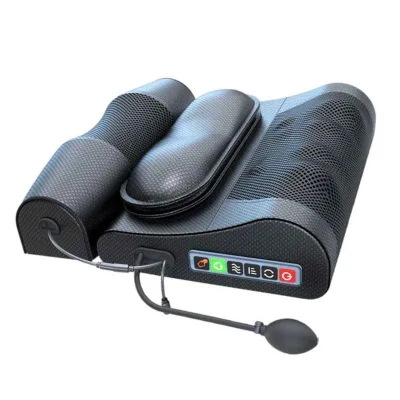
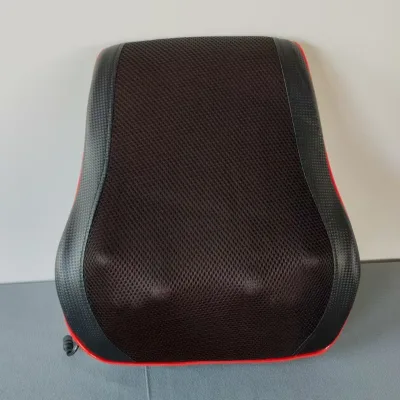
Explore 27 verified suppliers offering infrared heating massage pillows with ODM and OEM capabilities. Compare response times, lead times, certifications, and pricing to find the right partner. Contact suppliers directly to request samples and confirm customization options; review the available evidence before requesting comparable quotations from suitable candidates.
Updated
Suppliers List

- Verified by BV
- Combined
- China Zhejiang
- Lead time30 days
- Avg. response≤ 6h
Main productsJade Massage Bed, Infrared Massager, Infrared Heating Pad, Foot/Knee/Waist Massager, Pemf Mat, Massage Pillow/Cushion, Jade Therapy Device, Massage Belt, Health Care Products, Photon Mat
Main marketsSoutheast Asia/ Mideast,Europe


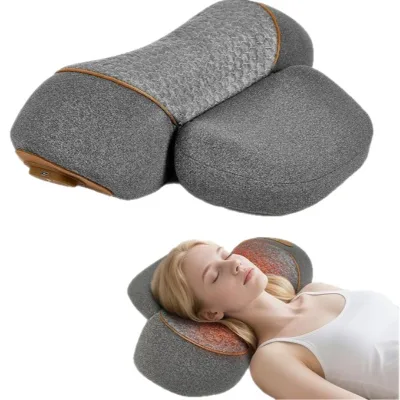
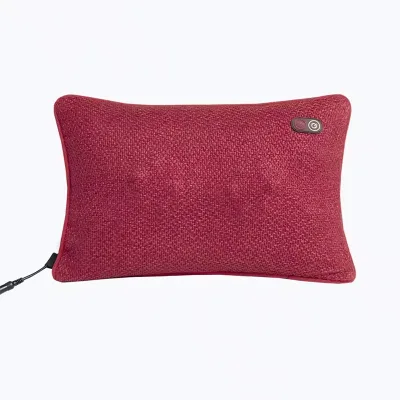
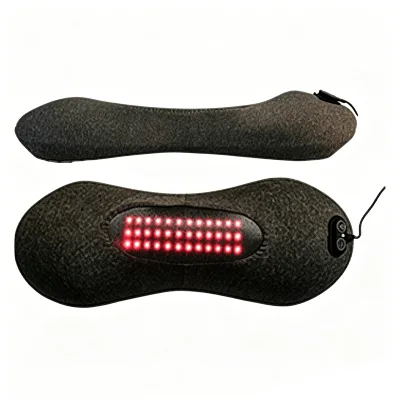
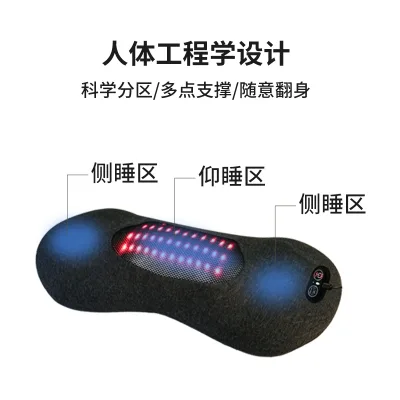
Smart LED Red Light Infrared Therapy Heated Massage Cushion for Body Wellness
$47.00 - $89.00
MOQ: 2 sets

Infrared Heating Hot Stone Massage Lumbar Support Cushion for Back Pain Relief
$40.00 - $99.00
MOQ: 2 sets

Premium LED Red Light Therapy Heated Massage Cushion with Infrared Heating Function
$47.00 - $89.00
MOQ: 2 sets

Therapeutic LED Red Light Therapy Infrared Heated Massage Cushion for Chronic Pain
$109.00 - $179.00
MOQ: 2 sets

Ningde Crius Electronic Co., Ltd.
- Verified by TUVRHEINLAND
- Combined
- China Fujian
- Lead time30 days
- Avg. response≤ 6h
Main productsMassage Chair, Jade Massage Bed, Massage Pillow, Tourmaline Bracelet, Foot Massager, Jade Mattress, Massage Cushion, Massage Belt, Eye Massager, Neck and Shoulder Massager
Main marketsAustralia
Zhengzhou Youtai Health Technology Co., Ltd.
- Verified by SGS Group
- Trading Company
- Lead time20 days
- Avg. response≤ 1h
Main productsHydrogen Inhale Machine, Hydrogen Water Bottle, Dental Products, Massage Products, Physical Therapy Equipments
Main marketsNorth America(40%), South America(20%), Western Europe(20%)
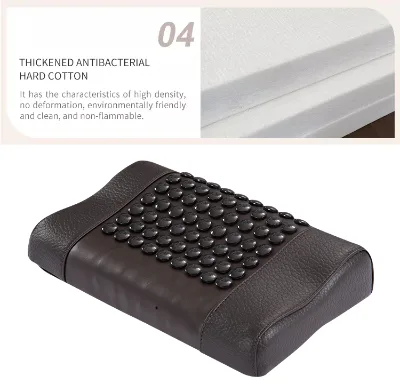
Tourmaline Heating Massage Pillow Hot Selling Negative Ion Infrared Therapy Heating Pillow
$39.3142 - $102.4217
MOQ: 1 pieces
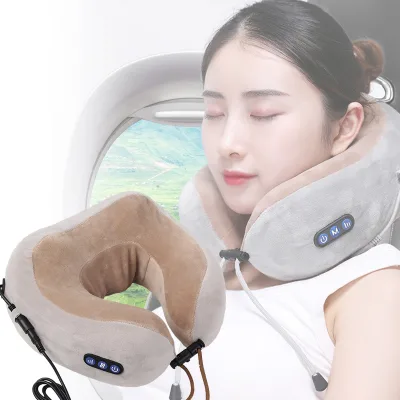
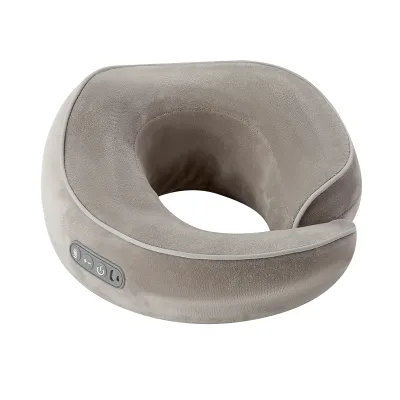
Heating Neck Electric Massage Pillow Shiatsu Massager Cervical Healthy Massageador Relaxation
$7.1347 - $8.1676
MOQ: 1 sets
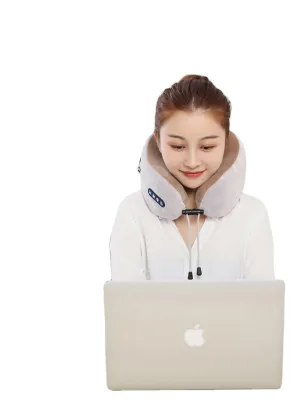
Factory Sales Heating Neck Massage Pillow Best Comfortable Massage Pillow for Neck Pain
$7.4491 - $9.8293
MOQ: 1 pieces
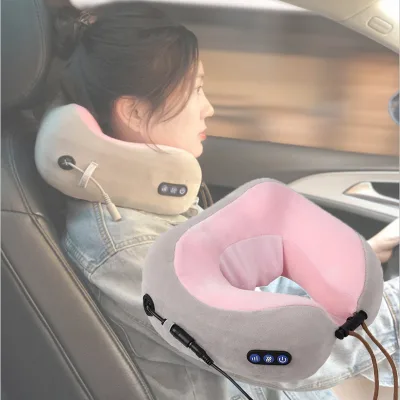

LIAOYANG BIOLIFE TECHNOLOGY CO.,LTD
- Trading Company
- Liaoning, China
- Lead time30 days
- Avg. response≤ 2h
Main productsTourmaline Mattress,Amethyst Mattress,Jade Mattress,Pemf Infrared Mat,Tourmaline Bracelet & Necklace
Main marketsDomestic Market(10.00%), South Asia(10.00%), Southern Europe(10.00%), Northern Europe(10.00%), Central America(10.00%), Western Europe(10.00%), Eastern Asia(10.00%), Mid East(10.00%), Oceania(10.00%), Africa(10.00%), Southeast Asia(10.00%), Eastern Europe(10.00%), South America(10.00%), North America(10.00%)
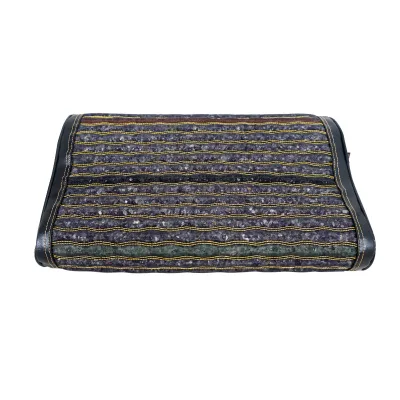
$45.00 - $65.00
MOQ: 1 pieces
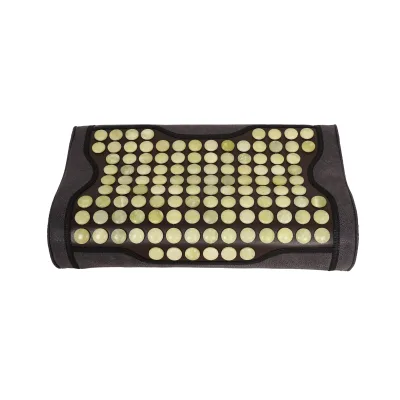
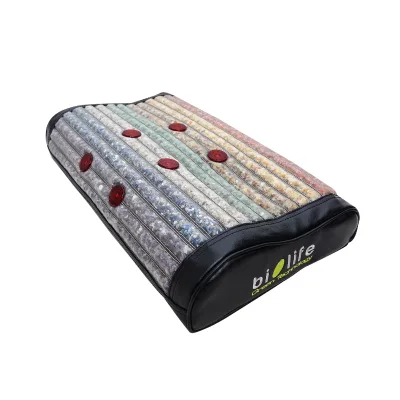
$46.2363 - $71.9219
MOQ: 1 pieces
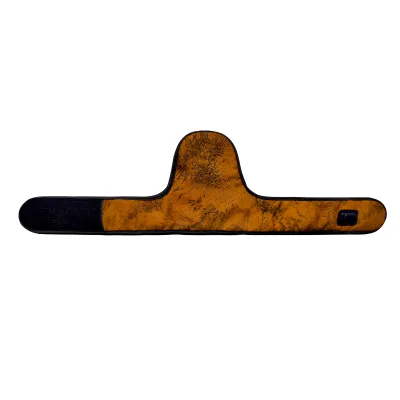
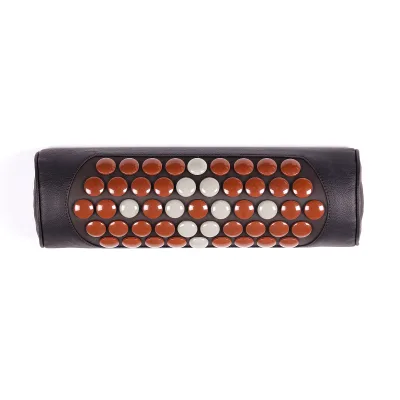
$18.4565 - $35.8876
MOQ: 1 pieces
Zhengzhou Funxi Health Technology Co., Ltd.
- Verified by Intertek
- Trading Company
- Lead time15 days
- Avg. response≤ 2h
Main productsBody Massager, Hydrogen Machine & Bottle, Foot Massager, Cupping Massager, Beauty & Personal Care Device
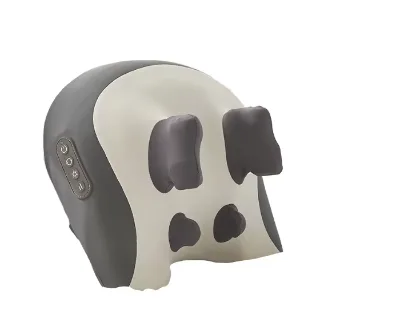
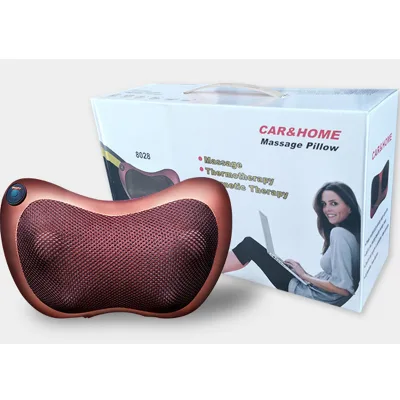
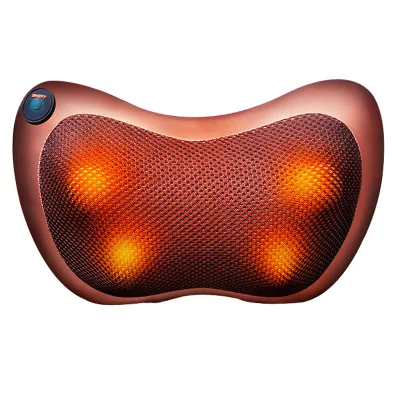
$5.0524 - $6.8054
MOQ: 1 pieces
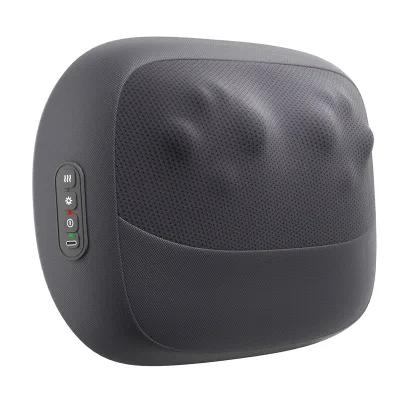
Fujian Chenglian Health Technology Co.,ltd
- Verified by TüVRheinland
- Trading Company
- Lead time30 days
- Avg. response≤ 2h
Main productsFoot massager, Fascia gun, Massage mattress, Neck massager, Massage Chair
Main marketsNorthern Europe(45%), Mid East(25%), Southeast Asia(20%)

Shenzhen Pentasmart Technology Co., Ltd
- Verified by TUVRHEINLAND
- Combined
- China Guangdong
- Lead time30 days
- Avg. response≤ 2h
Main productsNeck Massager, Knee Massager, Massage Gun, Lumbar Massager, Head Massager, Massage Cushion, Mini Massager, Foot Massager, Eye Massager, Back Massager
Main marketsSoutheast Asia/ Mideast,East Asia(Japan/ South Korea),Domestic,Europe,North America

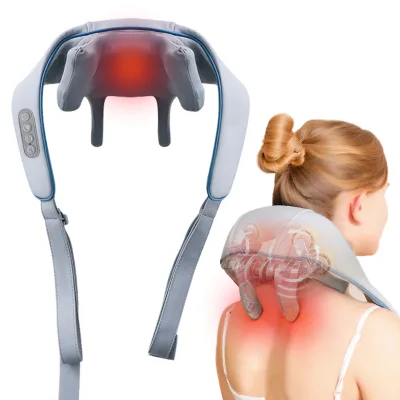
Comfortable Equipment EMS Neck Massage Device Pillow with Heating Function
$17.54 - $20.57
MOQ: 2 Pieces

Heated Massage Pillow Neck Back Muscle Massage Kneading Hot Compress Electric Back Massager Pillow
$21.18 - $22.99
MOQ: 2 Pieces


Electric Pain Relief Massage Pillow Heated Intelligent Timing Smart Pillow Massager
$21.18 - $22.99
MOQ: 2 Pieces

Electric Pain Relief Massage Pillow Health Care Kneading Smart Heated Pillow Massager
$21.18 - $22.99
MOQ: 2 Pieces


Fujian Forwell Health Tech. Co., Ltd.
- Verified by CTI
- Trading Company
- China Fujian
- Lead time0 days
- Avg. response≤ 2h
Main productsMassage Chair, Massage Pillow, Massage Cuhion, Foot Massager, Neck & Shoulder Massager, Massage Bed, Hand Massager, Massage Mattress


Heated Massage Therapy Back Pillow with Multi-Vibration for Muscle Relief
$35.00 - $55.00
MOQ: 500 Pieces


ZHEJIANG JUNCHANG ELECTRIC APPLIANCE CO., LTD
- Manufacturer
- Zhejiang, China
- Lead time20 days
- Avg. response≤ 2h
Main productsNeck Massager, Leg Massager, Foot Massager
Main marketsNorth America(65.00%), Western Europe(20.00%), Eastern Asia(10.00%), Oceania(5.00%)

Chenfeng Future (Fu'an) Technology Co., Ltd.
- Verified by SGS
- Manufacturer
- China Fujian
- Lead time15 days
- Avg. response≤ 11h
Main productsMassage Pillow, Massage Shawl, Massage Cushion, Massage Mattress

Zhejiang Todo Hardware Manufacture Co., Ltd.
- Verified by BV
- Manufacturer/Factory
- China Zhejiang
- Lead time120 days
- Avg. response≤ 5h
Main productsIndoor Fitness Equipment, Body Massager, Sports Equipment, Outdoor Fitness Equipment, Massage Tools, Slimming Equipment, Health & Care Equipment, Rehabilization Equipment, Electric & Electronics
Main marketsSouth America,Eastern Europe,Mid East,North America,Southeast Asia,Eastern Asia,Oceania,Western Europe,Africa

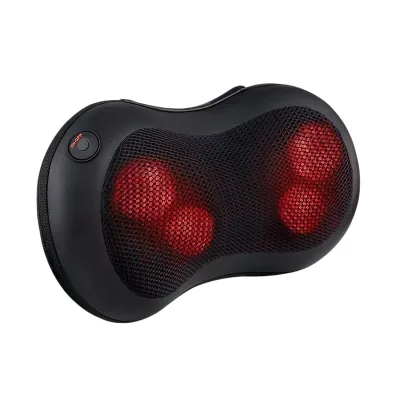
Car Home Shiatsu Heat Neck and Back Massage Pillow with Infrared Heat Neck Massager
$9.50 - $20.00
MOQ: 1 Pieces

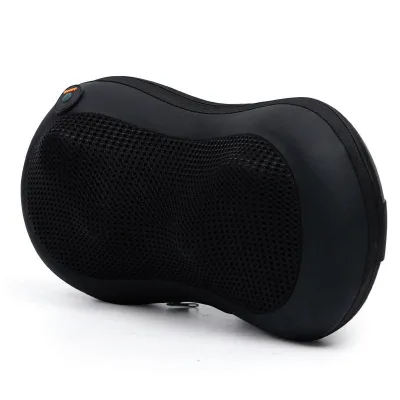
High Quality Pillow & Shiatsu Neck Massage Pillow & Smart Car Massage Pillow
$6.80 - $20.00
MOQ: 1 Pieces
Yigaote(Shenzhen) Technology Co., Ltd.
- Verified by TüVRheinland
- Trading Company
- Lead time0 days
- Avg. response≤ 4h
Main productsBody Massager, LED Mask, Beauty Equipment, Toothbrush Sterilizer, Oral Care
Main marketsEastern Asia(40%), North America(30%), South America(10%)
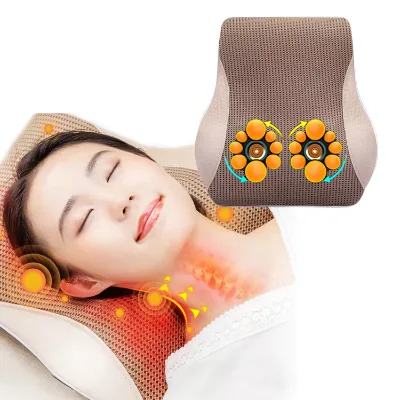
$14.00 - $17.00
MOQ: 10 pieces
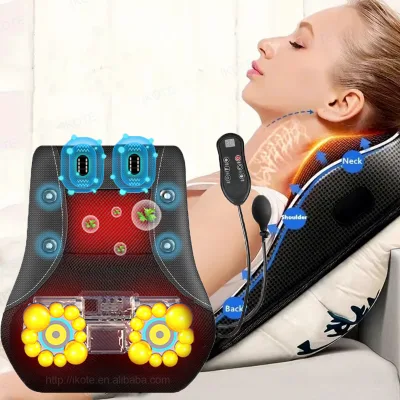
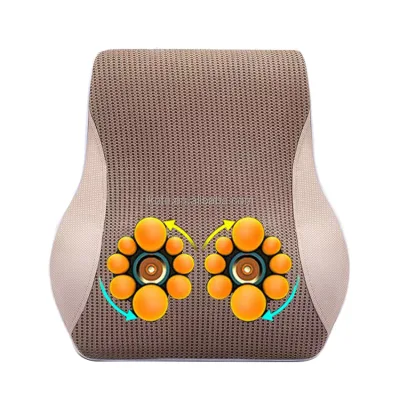
$14.00 - $17.00
MOQ: 10 pieces
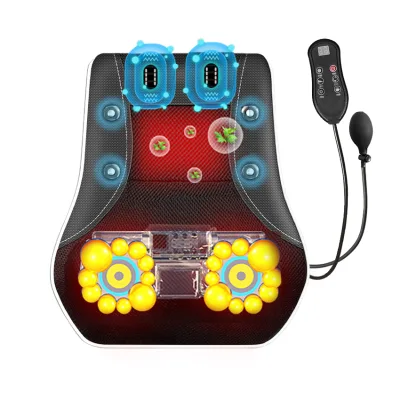
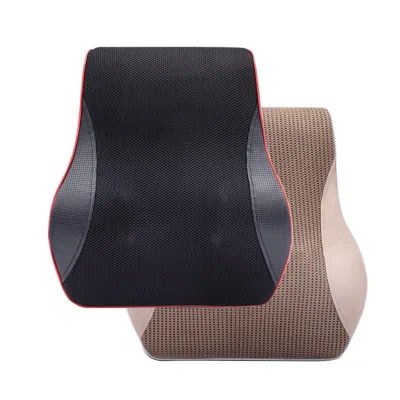
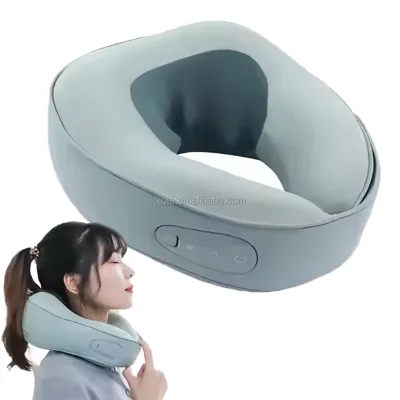
Shenzhen Chalk Art Tech Co., Ltd.
- Verified by TüVRheinland
- Trading Company
- Lead time15 days
- Avg. response≤ 6h
Main productsMassage Gun, Neck And Shoulder Massager, Knee Massager, Foot Massager, Electric Body Massager
Main marketsNorth America(30%), Western Europe(20%), Southern Europe(15%)
Shenzhen Hai Li Xuan Technology Co., Ltd.
- Verified by SGS Group
- Manufacturer, Trading Company
- Lead time15 days
- Avg. response≤ 3h
Main productsFoot Massager, Shoulder Massager, Waist Massager, Red Light Therapy Belt, Heating Pad
Main marketsNorth America(31%), Eastern Europe(17%), Western Europe(12%)
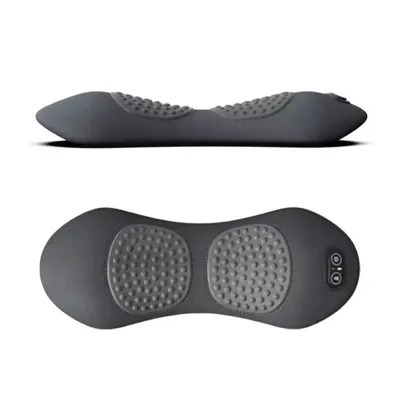
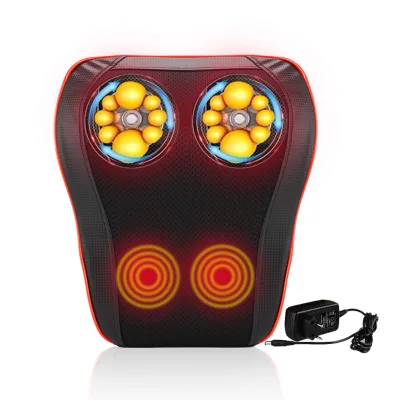
Electric Heating Back Lumbar Waist Massager Deep Tissue Relaxation Massage Pillow with Heat
$12.5943 - $15.5913
MOQ: 2 pieces
Hefei Hezheng Medical Technology Co., Ltd.
- Manufacturer, Trading Company
- Anhui, China
- Lead time25 days
- Avg. response≤ 3h
Main productsHead Massager, Neck Massager, Eye Massager, Knee Massager, Waist Massager
Main marketsDomestic Market(50.00%), Eastern Asia(25.00%), Eastern Europe(20.00%), Mid East(3.00%), North America(2.00%)
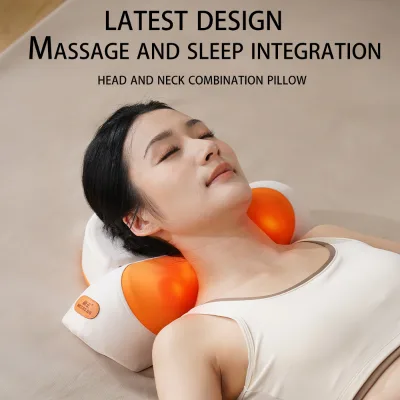
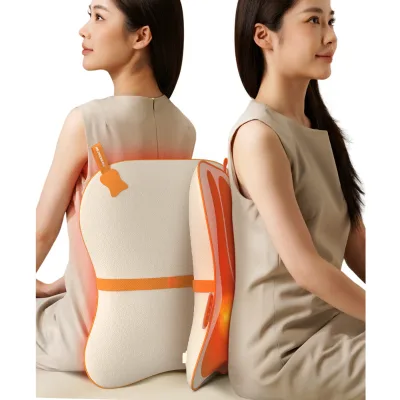
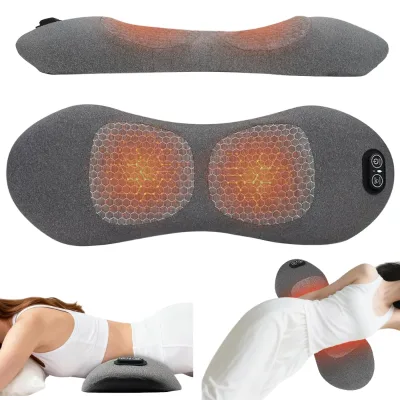
Heated Waist Back Massage Pillow Soothing Heat Therapy for Body Relaxation and Pain Relief
$24.5089 - $28.5927
MOQ: 1 pieces
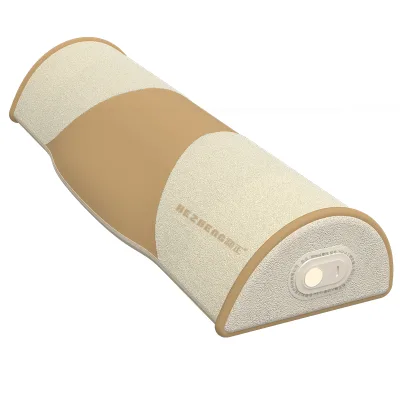
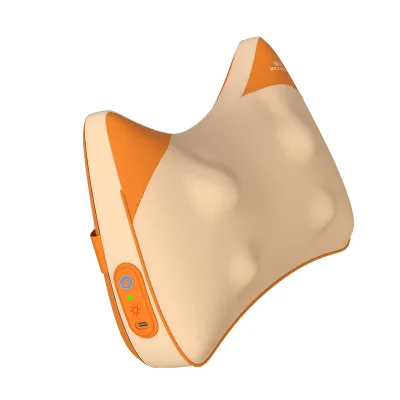
$13.00 - $16.00
MOQ: 500 pieces
Shenzhen Kingstar Electronic Commerce Co., Ltd.
- Manufacturer, Trading Company
- Guangdong, China
- Lead time15 days
- Avg. response≤ 4h
Main productsEarphone,Personal Care,Massage Gun,Speaker,Smart Watch
Main marketsNorth America(50.00%), Northern Europe(20.00%), Eastern Europe(10.00%), Eastern Asia(10.00%), Oceania(10.00%)
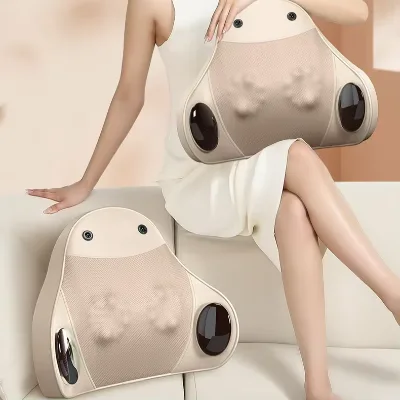
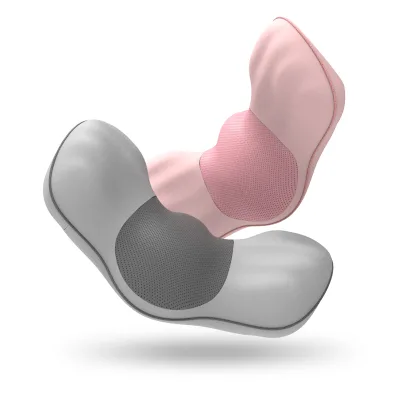
Folding Wholesale Massage Pillow Vibration With Heatable Neck Massage Pillow Back Massager Pillow
$14.30 - $14.70
MOQ: 2 pieces

Dongguan Julisheng New Material Technology Co., Ltd.
- Verified by BV
- Combined
- China Guangdong
- Lead time30 days
- Avg. response≤ 4h
Main productsPU Foam, PU Corner Guard, Accessories PU Armrest, PU Self-Skinning, PU High Rebound, PU Slow Rebound, PU Imitation Wood Hard Foam, PU Foam Rugby, PU Traction Pillow, PU Foam Wheel
Main marketsDomestic

Wenzhou Hexi Electronic Technology Co., Ltd.
- Verified by SGS
- Combined
- China Zhejiang
- Lead time23 days
- Avg. response≤ 6h
Main productsNeck and Back Massager, Massage Gun, Massage Pillow, Foot Massager, Beauty& Personal Care, Water Flosser, Eye Massager, Electric Toothbrush, Hair Curler, Knee Massager
Main marketsAfrica,Southeast Asia/ Mideast,Europe
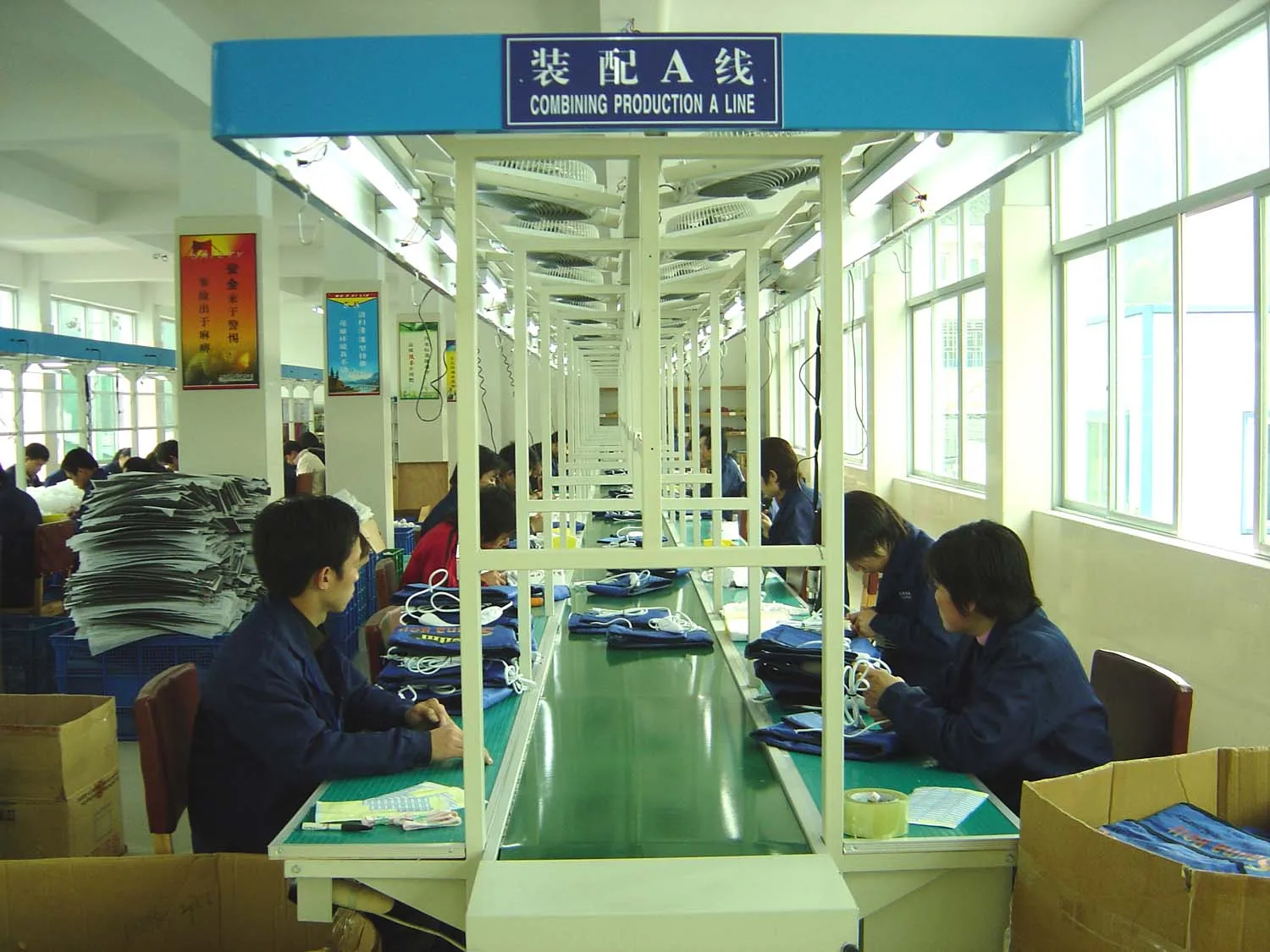
Pingyang Huangtai Electronic Technology Co., Ltd.
- Manufacturer, Trading Company
- Zhejiang, China
- Lead time40 days
- Avg. response≤ 2h
Main productsMassage Shawl; Massage Pillow; Massage Gun; Hand Massager; Foot Massager
Main marketsNorth America(80.00%), Domestic Market(8.00%), Eastern Asia(5.00%), Eastern Europe(5.00%), Oceania(1.00%), Mid East(1.00%)
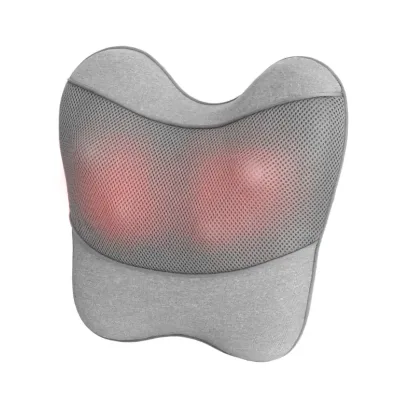
Wholesale Massage Pillow Vibration With Heatable Neck Massage Pillow Back Massager Pillow
$20.50 - $21.50
MOQ: 500 pieces
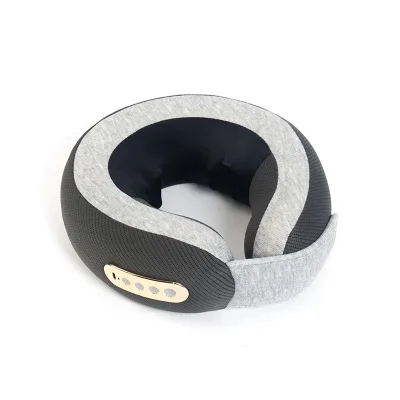
Jamooz (xiamen) Technology Co., Ltd.
- Verified by SGS Group
- Manufacturer, Trading Company
- Lead time20 days
- Avg. response≤ 1h
Main productsMassage Pillow, Neck Massage, Shoulder Massage, Back Massage, Beauty device
Main marketsEastern Asia(80%), Mid East(10%), Western Europe(10%)
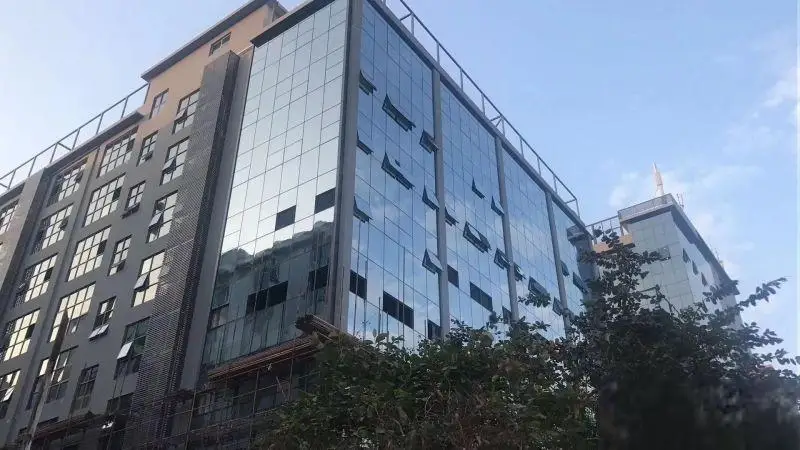
Shenzhen Xiaochengjiejiegao Technology Co., Ltd.
- Manufacturer, Distributor/Wholesaler
- Guangdong, China
- Lead time25 days
- Avg. response≤ 1h
Main productsEye Massage Equipment,Face & Neck lifting Massager,Face Cleaning Brush,red light therapy,Personal care
Main marketsNorth America(30.00%), Eastern Asia(25.00%), Southeast Asia(25.00%), Western Europe(20.00%)
Huizhou Youmay Medical Equipment Co., Ltd.
- Manufacturer, Trading Company
- Guangdong, China
- Lead time15 days
- Avg. response≤ 15h
Main productsMassage Gun
Main marketsNorth America(60.00%), Western Europe(30.00%), Eastern Asia(10.00%)
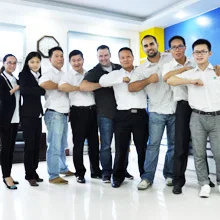
Shenzhen Leadfar Industry Co., Ltd.
- Manufacturer, Trading Company
- Guangdong Province, China
- Lead time30 days
- Avg. response≤ 2h
Main productsElectrical Heating Items,Cooling Items,Laptop Table,Monitor Stands,PU Foam And Gel Products
Main marketsEastern Asia(26.00%), Domestic Market(20.00%), North America(20.00%), Western Europe(18.00%), Northern Europe(5.00%), Southern Europe(5.00%), South America(2.00%), Oceania(2.00%), Southeast Asia(1.00%), Mid East(1.00%)
Jiangsu Alphay Medical Device Co., Ltd.
- Verified by Intertek
- Manufacturer, Trading Company
- Lead time15 days
- Avg. response≤ 4h
Main productsMassager Products (Knee Massager, Lumbar Massager, Neck Massager), Medical Device (Air Traction Belt, Neck Traction Device)
Main marketsDomestic Market(50%), Eastern Asia(30%), North America(10%)
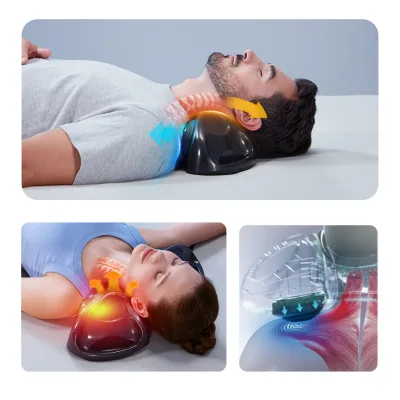
$55.0148 - $60.1075
MOQ: 5 pieces
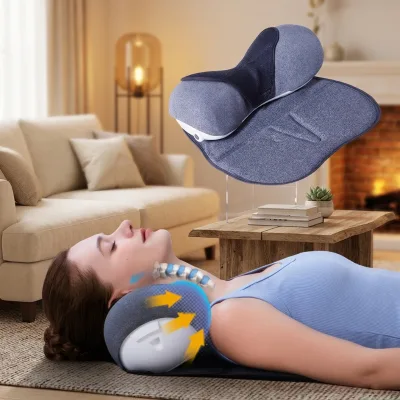
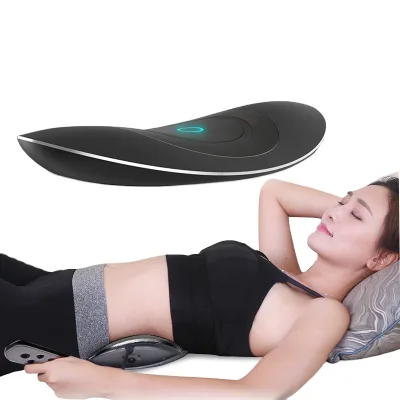
Liaoyang Fanocare Science Co., Ltd.
- Verified by SGS Group
- Manufacturer, Trading Company
- Lead time30 days
- Avg. response≤ 3h
Main productsHeating Pad, Massage Pillow, Belt, Massage Mat
Main marketsNorth America(45%), Eastern Europe(30%), South Asia(20%)
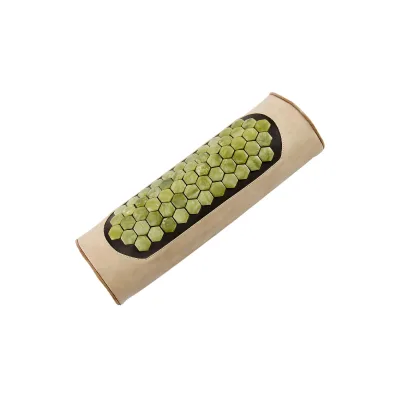
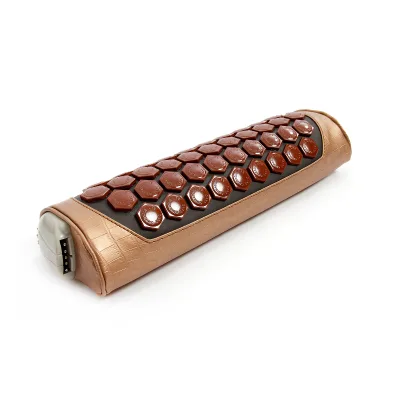
$29.211 - $43.8157
MOQ: 1 pieces
Dongguan Beiside Electronics Co., Ltd.
- Verified by TüVRheinland
- Manufacturer, Trading Company
- Lead time10 days
- Avg. response≤ 2h
Main productsEye Massager, Neck Massager, Leg Massager, Head Massager, Massage Gun
Main marketsEastern Asia(45%), Western Europe(25%), North America(20%)
Fujian Zhipin Electronic Technology Co., Ltd.
- Verified by TüVRheinland
- Manufacturer, Trading Company
- Lead time10 days
- Avg. response≤ 2h
Main productsMassage Chair
Main marketsSoutheast Asia(60%), Oceania(20%), Mid East(10%)


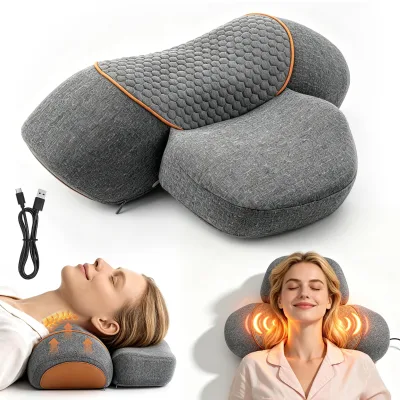
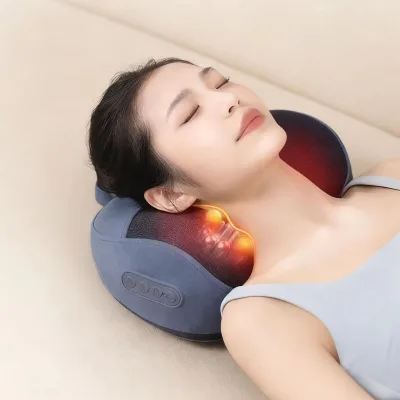
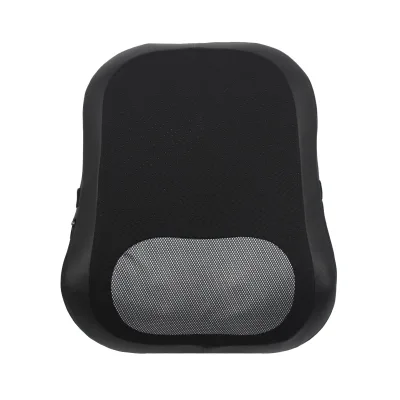
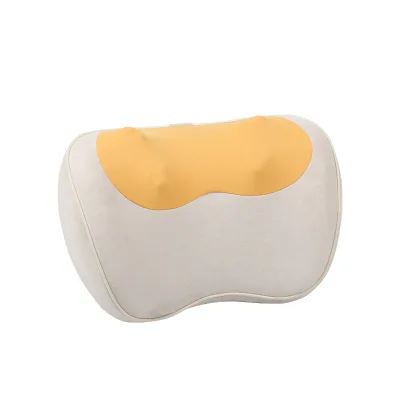


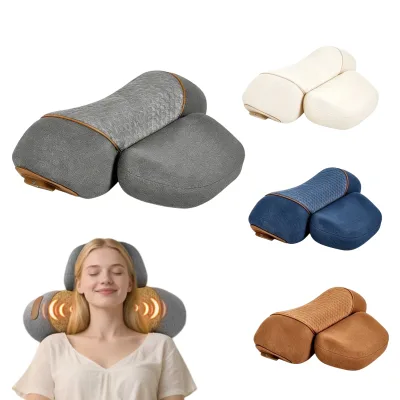
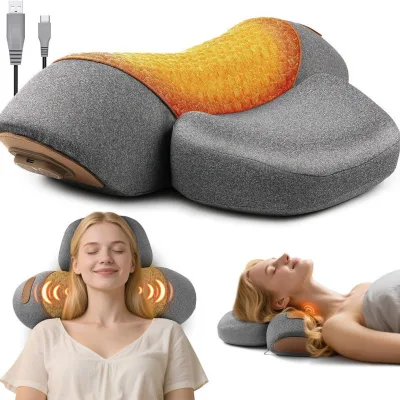


Comprehensive Sourcing Guide
Infrared Heating Massage Pillow Supplier Concentration and Factory Types
Suppliers of the Infrared Heating Massage Pillow on this page cluster in eastern China, with location data pointing to Zhejiang and Fujian provinces. Zhejiang-based listings cover a broad wellness portfolio—jade massage beds, infrared massagers, heating pads, PEMF mats, photon mats and massage pillows—suggesting diversified health-care factories rather than single-product workshops. Fujian listings emphasize massage chairs, jade massage beds, mattresses, cushions and eye and neck massagers, indicating a similar combined manufacturing and trading profile. Where a location is not disclosed, buyers should infer cluster membership from product breadth, origin attributes on individual listings, and stated production capabilities instead of assuming a province.
Factory types fall into recognizable patterns. Some suppliers combine manufacturing with trading, offering ODM, OEM and even their own brand, which suits buyers who want private-label variants of an electric heated cushion. Others hold ISO 9001:2015 system certification and third-party verification, which signals documented quality management. Product-level evidence—models such as shiatsu heating pillows or red-light therapy cushions with stated massage positions for lumbar, back, neck and leg use—shows these factories work across thermal therapy formats, not just one pillow design. When screening, match factory type to your need: a combined manufacturer with ODM capacity fits custom branding; a trading-style supplier may offer wider catalog access but less control over production details.
How to Verify Infrared Heating Massage Pillow Suppliers
Verification starts with the credentials displayed on the supplier profile, then moves to product-level evidence. Some listings show third-party verification from bodies such as Bureau Veritas or TÜV Rheinland, which confirms the company was audited for basic legitimacy. System certification labels, such as an ISO 9001:2015 certificate, indicate documented quality processes, but other suppliers may list "Others" in this field, meaning the certification type is unclear and must be confirmed directly. Response time is another verifiable behavioral signal: figures around five to six hours appear in the data, and slower or missing response data should prompt a test inquiry before committing.
Product evidence strengthens verification beyond company labels. Check whether individual listings disclose model numbers, origin attributes, packing details, carton dimensions and quantity per carton—listings here show entries like 10 pieces per carton with defined carton sizes, which indicates a factory accustomed to export documentation. Certifications stated at product level, such as CE, RoHS and FCC on a heated lumbar cushion, should be matched against the exact model you intend to buy, since a certificate on one product does not cover the whole catalog. Ask for the certificate number and issuing body, verify warranty terms—a one-year warranty is stated on at least one cushion—and confirm whether OEM or ODM customization claims are backed by engineering support rather than marketing copy alone.
What to Compare Across Infrared Heating Massage Pillow Suppliers
Build a comparison table using the attributes actually displayed, since not every supplier publishes every field. Core company dimensions include location, supplier type (combined, manufacturer or trader), main products, verification status, system certification, response time, lead time and research-and-development capacity such as ODM, OEM or own-brand capability. The data shows, for example, lead times around 30 days and response times near five to six hours for some suppliers, but you should not assume these values apply across the board—treat missing fields as questions to ask rather than gaps to fill optimistically.
Product-level comparison reveals more meaningful differences. On this page, massage pillows and cushions show price ranges spanning roughly 22 to 49 dollars, 40 to 99 dollars, and 47 to 89 dollars depending on format, and a full-size red-light therapy mattress listing ranges from 109 to 179 dollars. MOQs also vary widely: one pillow lists an MOQ of 2 units, which is unusually low and worth confirming as a sample-friendly term. Compare technical attributes side by side—power rating (15W on a lumbar cushion versus 100W or 220W on larger cushions and mattresses), voltage options (AC110V/220V), temperature ranges (20–70°C on one listing), materials (PU or PVC), and features such as remote control, adjustable backrest or foldability. Weighted scoring on these fields will expose which supplier genuinely fits your market's requirements.
Common Infrared Heating Massage Pillow Sourcing Risks
The most common risk in this category is electrical compliance ambiguity. Heating products combine electric heating elements, infrared emitters and sometimes LED photon therapy, so certification scope matters. One listing displays CE, RoHS and FCC, but other profiles list system certification only as "Others," which is not a meaningful credential. Buyers who ship to the EU or North America must confirm which specific standard and certificate covers the exact model, not just the factory. Voltage mismatches are a related risk: some listings specify AC110V/220V, but you must confirm plug type and voltage configuration for your destination market before production.
A second risk cluster involves specification drift and sampling gaps. Listings advertise multiple massage positions, forward or shiatsu massage methods, adjustable temperature ranges and PU or PVC materials, yet none of these attributes is guaranteed until a pre-production sample is inspected. The wide price bands on this page—40 to 99 dollars on a single cushion model—suggest configuration options that can quietly change between quotation and shipment. Additional risks include overstated customization capability (OEM/ODM claims without demonstrable design work), unverified warranty enforcement even where a one-year warranty is written, and consignment confusion when a supplier is combined manufacturing-trading rather than a direct factory. Mitigate all of these by tying final payment to inspection against an agreed, signed specification sheet.
Infrared Heating Massage Pillow Regional Sourcing and Logistics
The location evidence here points to Zhejiang and Fujian, both established eastern-coastal sourcing regions with access to ports and electronics component supply. Sourcing from either province generally supports consolidated sea freight, and the product profile—items weighing from a few kilograms per cushion up to 32kg gross per carton of ten pillows on one listing—makes both air and sea viable depending on order size. Product origin attributes on individual listings (China, with one entry noting Zhejiang) should be cross-checked against the supplier profile location, since trading companies may source from neighboring factories.
Logistics planning should start from carton data disclosed in listings: one pillow ships ten per carton with a 64x39x42cm carton, while cushions list individual piece packing and dimensions such as 47x100cm or 60x190cm for full-body formats. These figures let you estimate container utilization before quoting freight. Foldable designs and mail-packable items (one listing marks mail packing as available) reduce volumetric weight for e-commerce fulfillment models. Lead time in the data clusters around 30 days for at least one supplier, but you should confirm whether this includes peak-season delays around Chinese holidays. Ask each supplier to state the shipping port, whether they handle export customs documentation, and whether freight terms such as FOB are available, since combined trading-manufacturing suppliers differ in how they arrange onward delivery.
Infrared Heating Massage Pillow Commercial Terms and Order Planning
Commercial planning begins with the price and MOQ evidence at product level. Listings here show MOQs as low as 2 units on a heating pillow and price bands from 22–49 dollars up to 109–179 dollars for larger red-light therapy formats. Low MOQs are attractive for testing, but confirm whether the unit price holds at that quantity or whether tiered pricing applies. Because each model lists a range rather than a fixed price, negotiate against a written specification—power rating, temperature range, material, remote control, packaging—so the quoted figure maps to a defined configuration rather than a best-case variant.
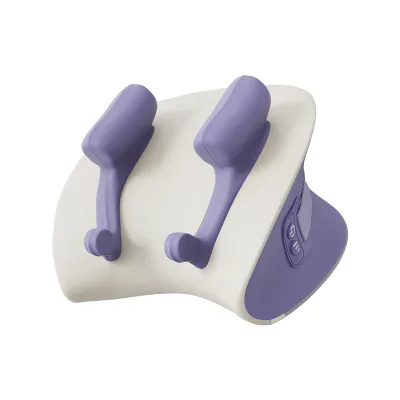
Order sequencing should follow a sample-first approach: order at or near the listed MOQ, inspect the sample against claims such as massage position coverage, heating performance within the stated 20–70°C range, and warranty terms (one year on at least one model), then scale. Payment structure should protect you where supplier verification is partial; check whether a marketplace escrow service is offered, and if not, use a staged payment such as deposit plus balance after inspection. Align the ~30-day lead time found in the data with your inventory calendar, adding buffer for pre-production sample approval and certification checks on destination-market electrical compliance. Finally, document customization scope in writing where OEM/ODM is claimed, including branding, color (one listing shows purple availability) and packing requirements, before any deposit changes hands.
Word count: section totals — S1: 232, S2: 230, S3: 231, S4: 228, S5: 229, S6: 233. Article total: 1383 words.
FAQs
What is the price range for infrared heating massage pillows?
Prices typically range from $22 to $89 per unit depending on features and customization. Basic models start around $22, while advanced heated cushions with LED therapy can reach $89. Buyers should verify exact pricing based on order quantity and specific material requirements.
What is the minimum order quantity for these products?
The minimum order quantity is generally 2 units for most infrared heating massage pillows. This low MOQ allows buyers to test product quality before committing to larger bulk orders. Always confirm the specific MOQ with the supplier as it may vary by model.
How long does production take for these items?
Standard lead time is approximately 30 days for production and shipping. This duration applies to most standard orders unless expedited services are requested. Buyers should plan their inventory accordingly and confirm the exact timeline with the supplier before placing the order.
Are these massage pillows customizable for branding?
Yes, customization is available for most infrared heating massage pillows. Suppliers offer OEM and ODM services, allowing for custom branding, packaging, and design modifications. Buyers should discuss specific customization requirements and potential additional costs directly with the supplier during the inquiry process.
What certifications do these products typically hold?
Common certifications include CE, RoHS, and FCC for electronic components. Some suppliers also hold ISO9001:2015 system certification for quality management. Buyers should request valid certification documents to ensure compliance with local regulations and safety standards in their target markets.
Where are these suppliers located?
Suppliers are primarily located in China, specifically in Zhejiang and Fujian provinces. These regions are known for manufacturing health care and massage products. Buyers can verify specific supplier locations and logistics options to optimize shipping costs and delivery times for their orders.