Injection Moulded Toy Car Wheel Suppliers and Manufacturers
Compare 24 verified suppliers offering Injection Moulded Toy Car Wheel solutions with varying lead times, certifications, and locations. Review response times, MOQs, and pricing to select the right partner for your project; review the available evidence before requesting comparable quotations from suitable candidates.
Suppliers List

Taizhou City Huangyan Beiwei Mould Industry Co., Ltd.
- Verified by SGS
- Combined
- China Zhejiang
- Lead time30 days
- Avg. response≤ 4h
Main productsPlastic Mold, Plastic Mould, BMC/SMC/DMC/Gmt Compression Mould, Glass Fiber Mould, Automotive Mould, Motorcycle Mould, Household Plastic Mould, Home Appliance Mould, Injection Mould, Injection Molding
Main marketsAfrica,Others(foreignTradeCapacity.exportBusinessCapacityMarketOther),Southeast Asia/ Mideast,East Asia(Japan/ South Korea),Europe,Australia,North America
Dongguan Yesheng Plastic Hardware Co., Ltd.
- Manufacturer
- Guangdong, China
- Lead time30 days
- Avg. response≤ 7h
Main productsBasketball Stand and Hoop,Plastic Hunting Animal Decoys,Plastic botltes,Plastic sauce bottle,Watering Can
Main marketsNorth America(35.0%), Oceania(20.0%), Northern Europe(10.0%), Western Europe(10.0%), Southern Europe(8.0%), Eastern Europe(5.0%), South America(5.0%), Southeast Asia(4.0%), Mid East(3.0%)
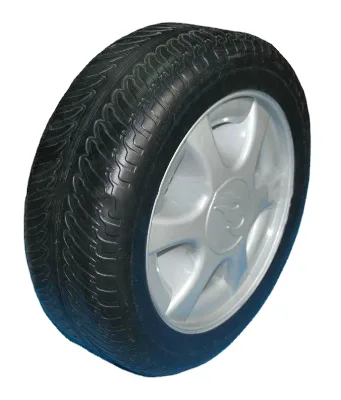
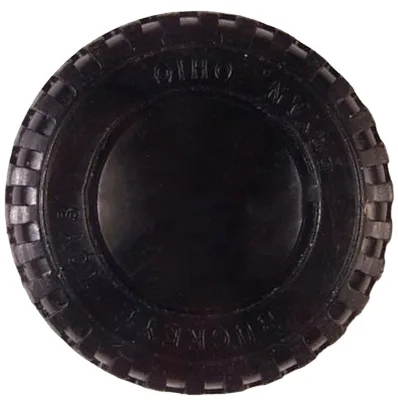
Plastic Toy Car Wheel for Toys
Contact supplier
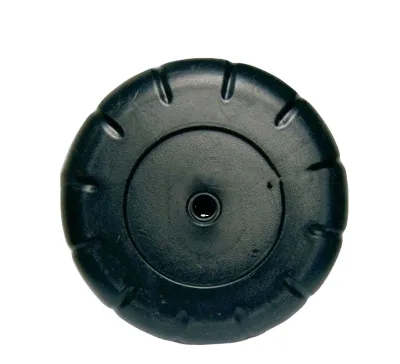
Plastic Small Wheel for Children's Toy Car
Contact supplier
HDPE Plastic Eco-friendly Toy Car Wheels Made Via Blow Molding
Contact supplier

Qingdao Root Industrial and Trading Co., Ltd.
- Combined
- China Shandong
- Lead time30 days
- Avg. response≤ 5h
Main productsPlastic Mould, Plastic Injection Moulding, Casting Die, Stamping Die
Main marketsSouth America,Southeast Asia/ Mideast,East Asia(Japan/ South Korea),Domestic,Europe,Australia,North America

Shanghai Jesun Plastic Mould Co., Ltd.
- Combined
- China Shanghai
- Lead time23 days
- Avg. response≤ 2h
Main productsPlastic Mould & Molding, Injection Mould & Molding, Pen Mould, Auto Parts Mould & Molding, Houseware Mould & Molding, Moulded Plastic Parts, Health & Medicine, Car Part Motor Part Mould, Trading Business for All Products in China, Electronic Parts Mould and Production
Main marketsDomestic,Europe,North America

Win Win Industrial (Shenzhen) CO., LTD.
- Verified by BV
- Combined
- China Guangdong
- Lead time23 days
- Avg. response≤ 7h
Main productsMould, Plastic Injection Mold, Plastic Molding, Prototype, Automotive Checking Fixture, Car Checking Fixture, Automotive Plastic Mold, Die Casting Mold, Large Die Casting Mold Base, Machined Plastic and Metal Parts
Main marketsDomestic,North America

Zhongde (Beijing) Machinery Equipment Co., Ltd.
- Verified by TUVRHEINLAND
- Trading Company
- China Beijing
- Lead time30 days
- Avg. response≤ 7h
Main productsCustom Molded Rubber Parts, Custom Molded Plastic Parts, CNC Machined Parts, High Pressure Oil Hoses, PU Rollers, Bushings, End Caps, Gaskets, Sealing Strips, Gears
Main marketsEurope,Australia,North America

Milesun Rubber & Plastic Technology Co., Ltd.
- Verified by CTI
- Manufacturer/Factory
- China Guangdong
- Lead time23 days
- Avg. response≤ 11h
Main productsRubber Components, Rubber Damper/Shock Absorber/Sheet, Rubber-Metal Components, Sealing Ring, Home Appliance Rubber and Metal Components, Power Tool Rubber and Metal Components, Auto Rubber and Metal Components, Sanitary Rubber and Metal Components, Kitchen Ware / Daily Use Rubber Products, Food Grade Rubber Products/Toy
Main marketsSouth America,Eastern Europe,Mid East,North America,Southeast Asia,Eastern Asia,Oceania,Western Europe,Africa

Rubber Toy Tyre for Vehicle Toys
Contact supplier

Shenzhen Dakunlun Hardware & Plastic Products Co.,Ltd.
- Manufacturer, Trading Company
- Lead time旺季: "1 - 100":25,"101 - 1000":28,"1001 - 100000":35,"> 100000":"To be negotiated", 淡季: "1 - 100":25,"101 - 1000":28,"1001 - 100000":35,"> 100000":"To be negotiated"
- Avg. response≤ 2h
Main productsCNC Machining Parts, Gear, Injection Molding Parts, Hardware, Stamping Parts
- Manufacturer/Factory
- China Jiangsu
- Lead time0 days
- Avg. response≤ 25h
Main productsForged Rings, Forging Parts, Forging Rings, Forged Shafts, Forging Flanges, Seamless Rolled Rings, Forged Parts, Forged Flanges, Forging Pipes, Forged Pipe
Shaotou Chenghai Beyond Toys Firm
- Trading Company
- Guangdong, China
- Lead time30 days
- Avg. response≤ 14h
Main productsSmall toys,Party favors,Promotional toys,Educational toys,toy accessories
Main marketsNorthern Europe(20.0%), North America(15.0%), Southern Europe(10.0%), Western Europe(10.0%), Eastern Europe(10.0%), South Asia(5.0%), Africa(5.0%), South America(5.0%), Southeast Asia(5.0%), Eastern Asia(5.0%), Mid East(5.0%), Oceania(5.0%)

DOUBLE CAMEL INDUSTRY CO., LIMITED
- Manufacturer/Factory
- China Shandong
- Lead time23 days
- Avg. response≤ 2h
Main productsTyre, Tire, OTR Tyre, Forklift Tyre, Industrial Tyre, Motorycle Tyre, Truck Tyre, Car Tyre, Agricultural Tyre, Tractor Tyre
Main marketsSouth America,Eastern Europe,Mid East,North America,Southeast Asia,Eastern Asia
Taizhou Hongmei Mould Plastic Co., Ltd.
- Verified by TUVRHEINLAND
- Manufacturer/Factory
- China Zhejiang
- Lead time0 days
- Avg. response≤ 7h
Main productsMould, Plastic Mould, Injection Mould, Plastic Products, Home Appliance Mold Auto Parts Mold, Household Mould Crate Mould Pallet Mould, Mold Semi-Finished Products Processing, Children's Products Mould Pet Products Mould, Electric Scooter Mould Lamp Mould, Auto Parts Mould
Main marketsSouth America,Eastern Europe,Mid East,North America,Southeast Asia,Eastern Asia,Oceania,Western Europe,Africa

Qingdao Chengenxin Industry and Trade Co., Ltd.
- Verified by BV
- Combined
- China Shandong
- Lead time30 days
- Avg. response≤ 5h
Main productsAluminum Die Casting, Aluminum Squeeze Casting, Zinc Die Casting, CNC Machining, Mold Development, Plastic Injection Molding
Main marketsOthers(foreignTradeCapacity.exportBusinessCapacityMarketOther),Europe,North America
Shantou Beijia Technology Co., Ltd.
- Trading Company
- Guangdong, China
- Lead time30 days
- Avg. response≤ 7h
Main productsEducational Toy,rc car,block toy,toy accessories,car model
Main marketsCentral America(15.0%), South Asia(15.0%), Africa(15.0%), Southeast Asia(15.0%), South America(15.0%), North America(15.0%), Eastern Asia(10.0%)
TAIZHOU GREEN MOULD PLAST CO., LTD.
- Verified by BV
- Combined
- China Zhejiang
- Lead time45 days
- Avg. response≤ 10h
Main productsInjection Plastic Mould, Plastic Mould, Plastic Household Mould, Plastic Preform Mould, Blowing Mould, Plastic Crate Mould, Plastic Pallet Mould, Plastic Car Parts Mould, Plastic Electric Part Moulds, Molds
Main marketsAfrica,Southeast Asia/ Mideast


China Wholesale Price Children Driving Toy Car Kids Electric Toys Car Mould
$3000.00 - $10000.00
Moq: 1
Ningbo Plestic Metal Product Co., Ltd.
- Verified by BV
- Combined
- China Zhejiang
- Lead time30 days
- Avg. response≤ 3h
Main productsCustom Plastic Part, Plastic Molding, Custom Plastic Mold, Injection Molding Service, Custom Plastic Product, Plastic Scoop, Plastic Funnel, Nasal Inhaler, Plastic Injection Molding
Main marketsSouth America,Africa,Southeast Asia/ Mideast,East Asia(Japan/ South Korea),Domestic,Europe,Australia,North America

China Toy Cars Moulds Toys Plastics Mould Maker Toy Car Molds Part Manufacturing Factory
$0.30 - $0.50
Moq: 1000

Dongguan Julisheng New Material Technology Co., Ltd.
- Verified by BV
- Combined
- China Guangdong
- Lead time30 days
- Avg. response≤ 5h
Main productsPU Foam, PU Corner Guard, Accessories PU Armrest, PU Self-Skinning, PU High Rebound, PU Slow Rebound, PU Imitation Wood Hard Foam, PU Foam Rugby, PU Traction Pillow, PU Foam Wheel
Main marketsDomestic

QINGDAO GOLDEN SOURCE INDUSTRY CO., LTD.
- Verified by TUVRHEINLAND
- Combined
- China Shandong
- Lead time30 days
- Avg. response≤ 5h
Main productsOil Boom, Rubber Wheel, Wheel Barrow, Hand Trolley, Rubber Mat, Rubber Product, Wheelbarrow, Dustbin Wheel, Pneumatic Wheel, PU Foam Wheel
Main marketsSouth America,Southeast Asia/ Mideast,Europe

Dongguan Jiehao Technology Co., Ltd.
- Verified by CTI
- Manufacturer/Factory
- China Guangdong
- Lead time90 days
- Avg. response≤ 3h
Main productsPlastic Toys, Vinyl Toys, Silicon Toys, Educational Toys, Intelligent Toy, Toys, Plastic Doll, Soft PVC Toys, 2D Soft PVC Keychain Toys, Blowing Toys
Main marketsSouth America,Eastern Europe,Mid East,North America,Southeast Asia,Eastern Asia,Oceania,Western Europe,Africa
QINGDAO WANSHISHUN SPECIAL VEHICLES CO.,LTD
- Verified by SGS
- Combined
- China Shandong
- Lead time15 days
- Avg. response≤ 7h
Main productsTyre and Tube Pneumatic Wheel PU Foam Wheel, Wheelbarrow Tyre Wheelbarrow Motorcycle Tire, Wheel Rim Lawn Mower Tire Solid Wheel, Agricultural Tire Motorcycle Tire Inner Tube, Wheelbarrow Wheel
Main marketsSouth America,Southeast Asia/ Mideast,Domestic,Europe,North America
Qingdao Tengsheng Special Vehicle Co., Ltd
- Verified by TUVRHEINLAND
- Combined
- China Shandong
- Lead time15 days
- Avg. response≤ 5h
Main productsWheelbarrow Tyre, Wheelbarrow, Handcart
Main marketsSouth America,Africa,Southeast Asia/ Mideast,East Asia(Japan/ South Korea),Domestic,Europe,Australia,North America
Xiamen Neway Rubber & Plastic Products Co., Ltd.
- Verified by BV
- Combined
- China Fujian
- Lead time15 days
- Avg. response≤ 3h
Main productsPlastic Injection Molding, Plastic Parts, Silicone Rubber Parts, Gasket Seals, Rubber Grommet, Mould, O Ring, Extrusion Strip, Metal Parts, Suction Cup
Main marketsSouth America,Africa,Southeast Asia/ Mideast,East Asia(Japan/ South Korea),Europe,Australia,North America
Hebei Jiangzhi Machinery Equipment Co., Ltd
- Verified by SGS
- Trading Company
- China Hebei
- Lead time23 days
- Avg. response≤ 2h
Main productsCustom Plastic Parts
Main marketsEurope,North America
Xiangyang Hengde Auto Parts Co., Ltd
- Verified by TUVRHEINLAND
- Combined
- China Hubei
- Lead time30 days
- Avg. response≤ 1h
Main productsAluminium Alloy Wheel, Alloy Wheel
Main marketsSouth America,Africa,Southeast Asia/ Mideast,East Asia(Japan/ South Korea),Domestic,Europe,Australia,North America








Comprehensive Sourcing Guide
Injection Moulded Toy Car Wheel Supplier Concentration and Factory Types
Current data indicates a concentration of manufacturing capabilities in China, specifically within the Zhejiang and Guangdong provinces. Suppliers in these regions often operate as combined entities or dedicated manufacturers, offering a mix of in-house production and trading services. The Zhejiang cluster frequently lists main products including various plastic molds, injection molding services, and specific automotive or motorcycle molds, suggesting a strong foundation for producing complex toy car components. Meanwhile, Guangdong-based suppliers often highlight specific product lines like plastic toy car wheels, hunting decoys, and bottles, indicating a diverse manufacturing base that can accommodate specialized toy vehicle parts.
When evaluating factory types, buyers should distinguish between combined companies and pure manufacturers. Combined entities may offer broader sourcing options but might outsource specific molding steps, whereas manufacturers typically control the entire production chain from design to final molding. The presence of ODM, OEM, and own brand capabilities suggests that many suppliers can handle custom designs or produce under a buyer's label. However, the specific factory type for any given order must be confirmed through direct inquiry, as the supplier profile may vary depending on the specific product model requested.
How to Verify Injection Moulded Toy Car Wheel Suppliers
Verification begins with checking for recognized third-party certifications such as SGS or ISO, which serve as indicators of quality management systems. Some product listings explicitly display ISO certification, while others may list CE and ISO together, suggesting adherence to specific safety or quality standards. Buyers should request current certification documents rather than relying solely on profile badges, as these credentials can be updated or expired. Additionally, the presence of a verified status on the platform provides a baseline level of trust, but it does not replace the need for direct validation of the supplier's actual production capabilities and history.
Response time and verification status are critical metrics for assessing supplier reliability. Data shows response times ranging from approximately 3.5 hours to 7 hours, which can indicate the efficiency of the sales team and their readiness to engage with complex inquiries. A faster response often correlates with a more active and organized sales operation, which is vital for resolving technical questions about mold design or material specifications. Buyers should also look for evidence of engineer teams with significant experience, such as those citing 22 years of experience, as this suggests a depth of technical knowledge that can prevent costly errors during the mold development phase.
What to Compare Across Injection Moulded Toy Car Wheel Suppliers
Comparing suppliers requires a detailed analysis of lead times, minimum order quantities, and pricing structures. Lead times for mold development can vary significantly, with some suppliers indicating a 30-day standard for production, while others specify 60 days for T1 samples. Minimum order quantities may start as low as one unit for certain molds, allowing for prototyping, but buyers must verify if this applies to the final production run or just the initial sample phase. Pricing ranges observed in the data span from 5,000 to 240,000 units of currency, reflecting the complexity of the mold, the number of cavities, and the specific materials used, such as ABS or HDPE.
Beyond cost and time, buyers must compare technical specifications and customization options. Key differentiators include the mold standard used, such as S50c/C45 or DME, and the runner system, which can be either hot or cold. Some suppliers offer single-cavity molds, while others may provide multi-cavity options depending on the order volume. The availability of customization is a crucial factor, with many suppliers listing it as available, but the extent of this customization must be clarified. Additionally, the design software used, whether AutoCAD or UG, can impact the precision and speed of the design process, making it a vital point of comparison for technical buyers.
Common Injection Moulded Toy Car Wheel Sourcing Risks
One significant risk involves the discrepancy between advertised capabilities and actual production capacity. While suppliers may claim ODM and OEM services, the actual execution might rely on third-party partners if the facility is a combined entity rather than a dedicated manufacturer. This can lead to communication gaps and quality inconsistencies if the primary supplier does not directly control the molding process. Buyers should verify the specific equipment used, such as CNC, EDM, or wire cutting machines, to ensure the supplier has the necessary in-house tools to meet tight tolerances required for toy car wheels.
Another risk is the variability in quality control and warranty terms. Although some suppliers offer a one-year quality guarantee, the specific terms of this warranty must be clearly defined in the contract. Issues such as surface finish quality, measured by polishing or texture processes, can vary between batches if the quality control protocols are not rigorous. The use of different mold standards, like S50c/C45 versus DME, can also affect the longevity and performance of the final product. Buyers must ensure that the supplier's quality control measures, such as professional in-house QC teams, are robust enough to catch defects before shipment.
Injection Moulded Toy Car Wheel Regional Sourcing and Logistics
Sourcing from China, particularly from Zhejiang and Guangdong, offers access to a mature supply chain for plastic molding and toy components. The proximity of raw material suppliers and mold makers in these regions can reduce lead times and logistics costs. However, buyers must account for the specific logistics requirements of shipping large molds, which are often packed in wooden crates or cases to prevent damage during transit. The origin of the product, such as Taizhou in Zhejiang, can influence shipping routes and customs clearance procedures, making it essential to plan logistics carefully.
Logistics planning should also consider the installation requirements of the molds. Some products are designed for fixed installation, while others may require mobile setups, affecting how the equipment is transported and set up at the buyer's facility. The time required for mold reports, typically 7 to 10 days per time, and the design phase, which can take 7 days, must be factored into the overall project timeline. Buyers should coordinate with freight forwarders to ensure that the wooden crates are handled correctly and that the delivery schedule aligns with the production timeline to avoid delays in the manufacturing process.
Injection Moulded Toy Car Wheel Commercial Terms and Order Planning
Commercial terms for injection moulded toy car wheels often include specific payment structures and warranty conditions. Buyers should clarify the payment schedule, which may involve deposits for mold development and balance payments upon completion. The warranty period, typically one year, should be explicitly stated in the contract, covering defects in materials and workmanship. Additionally, the packing method, such as wooden crates, must be agreed upon to ensure the molds arrive in good condition, and the buyer should verify if any additional packaging fees apply.
Order planning requires a clear understanding of the timeline from design to delivery. The design phase can take seven days, followed by a mold report period of 7 to 10 days, and then a T1 sample time of up to 60 days. Buyers must plan their production schedules to accommodate these intervals, especially if they are working with tight deadlines. The availability of samples is a key factor in the planning process, as it allows for testing and validation before full-scale production. Clear communication regarding the model number, standard requirements, and material specifications is essential to ensure that the final product meets the buyer's expectations and regulatory standards.
FAQs
What is the typical lead time for injection moulded toy car wheels?
The typical lead time for these moulds is 30 days based on current supplier data. Some specific toy car mould projects may require up to 60 days for T1 samples. Buyers should confirm exact timelines with the manufacturer before placing orders.
Do suppliers offer customization for toy car wheel moulds?
Yes, customization is available for most Injection Moulded Toy Car Wheel projects. Suppliers can adjust mould cavities, runners, and surface finishes to meet specific design requirements. Buyers should specify their needs clearly to ensure the final product matches their expectations.
What certifications do these mould manufacturers hold?
Manufacturers often hold ISO and CE certifications for their injection moulding processes. Some suppliers also verify their status through SGS. Buyers should request current certification documents to ensure compliance with international safety and quality standards for toy products.
What is the minimum order quantity for these moulds?
The minimum order quantity for injection moulded toy car wheels can be as low as one unit. This allows small businesses to test designs without large initial commitments. However, pricing may vary significantly based on the specific mould complexity and material used.
Where are these toy car wheel mould manufacturers located?
Manufacturers are primarily located in Zhejiang and Guangdong provinces in China. Specific origins include Taizhou and other industrial hubs known for plastic moulding. Buyers should verify the exact location to assess shipping costs and logistics for their specific project needs.
What materials are used for plastic toy car wheels?
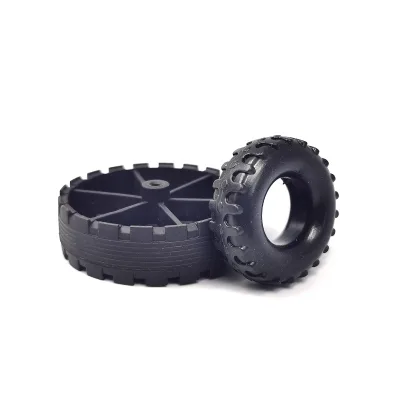
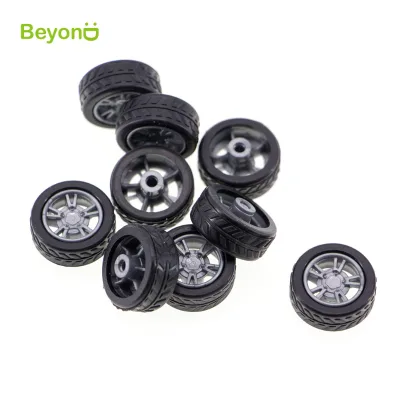
Common materials include HDPE, PE, and ABS plastics depending on the application. Some wheels are designed for ride-on cars while others fit smaller toy vehicles. Buyers should confirm material specifications to ensure durability and safety for the intended toy product.
How long is the warranty period for these moulds?
The standard warranty period for these injection moulds is typically one year. This covers defects in the mould structure and basic quality issues. Buyers should review the specific warranty terms provided by the supplier to understand coverage limits and claim procedures.