Injection Moulded Nylon Walking Wheel Suppliers and Manufacturers
Source 19 verified suppliers for Injection Moulded Nylon Walking Wheel components. Compare response times, lead times, MOQs, and certifications like ISO and CE. Review product specifications and request quotes directly from these manufacturers; review the available evidence before requesting comparable quotations from suitable candidates.
Suppliers List

Zhongde (Beijing) Machinery Equipment Co., Ltd.
- Verified by TUVRHEINLAND
- Trading Company
- China Beijing
- Lead time30 days
- Avg. response≤ 7h
Main productsCustom Molded Rubber Parts, Custom Molded Plastic Parts, CNC Machined Parts, High Pressure Oil Hoses, PU Rollers, Bushings, End Caps, Gaskets, Sealing Strips, Gears
Main marketsEurope,Australia,North America


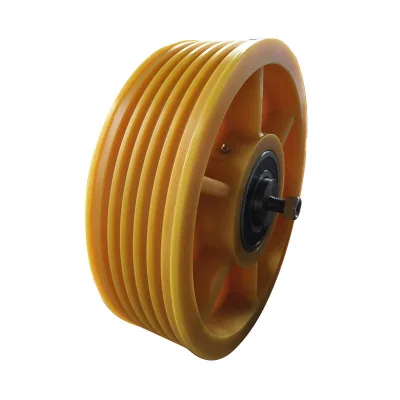
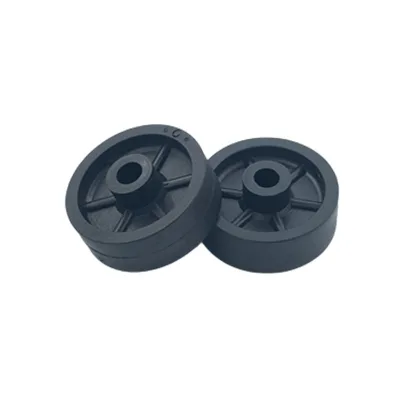
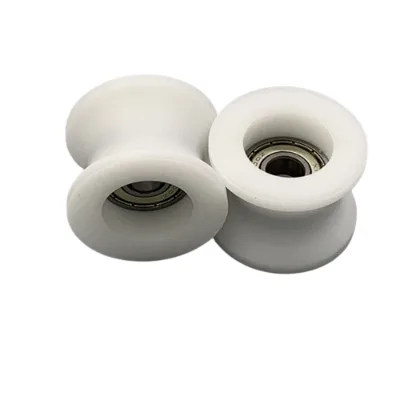
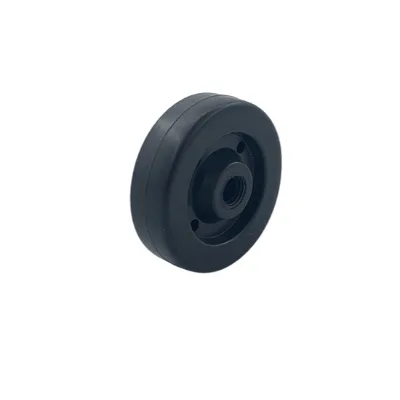
Injection Mould Nylon Plastic Solid Wheel Black Polyurethane Wheel with Bearing
$0.01 - $0.10
MOQ: 100 Pieces

Customized OEM Mold Injection Plastic Pulleys Smooth Nylon Coated Wheels
$0.01 - $0.10
MOQ: 100 Pieces

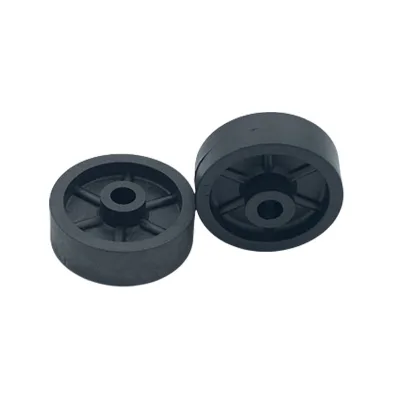
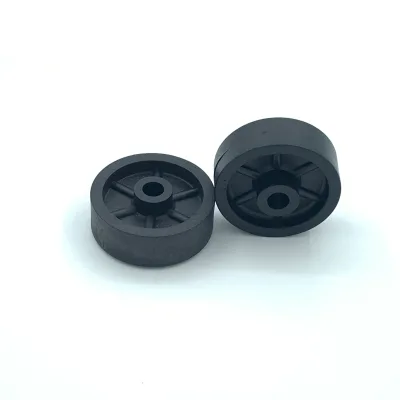
Customized Injection Molded Nylon Plastic Roller Wheel Flat Pulley Solid Plastic Wheels
$0.01 - $0.10
MOQ: 100 Pieces


Guangdong Engineering Plastics Industries (Group) Co., Ltd.
- Verified by BV
- Combined
- China Guangdong
- Lead time30 days
- Avg. response≤ 6h
Main productsUHMW-PE, Mc Nylon, POM, PTFE, Peek, PPS, PU, ABS, PVDF
Main marketsEurope

Xiangshan Tongzhou Plastic Products Co., Ltd.
- Verified by BV
- Combined
- China Zhejiang
- Lead time30 days
- Avg. response≤ 21h
Main productsCaster, PU Wheel, Rubber Wheel, Nylon Wheel, PU Roller, PU Products, Rubbber Products
Main marketsSouth America,Southeast Asia/ Mideast,Europe,North America

Wheel Manufacture Injection Molding or Machining Round Bearing Nylon Plastic Wheel
$2.00 - $10.00
MOQ: 200 Pieces


Hebei Jiangzhi Machinery Equipment Co., Ltd
- Verified by SGS
- Trading Company
- China Hebei
- Lead time23 days
- Avg. response≤ 2h
Main productsCustom Plastic Parts
Main marketsEurope,North America


Customized Industrial Sliding Track Rollers Injection Nylon Plastic Roller Wheel
$0.01
MOQ: 1000 Pieces


Jiangsu Jingwei Conveying Equipment Co., Ltd
- Combined
- China Jiangsu
- Lead time15 days
- Avg. response≤ 4h
Main productsElevator Bucket, Elevator Belt, Conveyor Chain
Main marketsSouth America,Africa,Southeast Asia/ Mideast,East Asia(Japan/ South Korea),Europe,Australia,North America

Taizhou Super Polymer Plastic Co., Ltd
- Manufacturer/Factory
- China Jiangsu
- Lead time0 days
- Avg. response≤ 5h
Main productsSales of Plastic Products, Insulating Materials, Metal Products, General Mechanical Equipment and Accessories, Nylon Sheet, Nylon Rod, Nylon Machined Parts

Hebei Baisite Machinery Accessories Co., Ltd.
- Verified by TUVRHEINLAND
- Combined
- China Hebei
- Lead time15 days
- Avg. response≤ 9h
Main productsHandle, Handwheels, Knobs, Oil Seal, Support Feet, Rubble
Main marketsSoutheast Asia/ Mideast,East Asia(Japan/ South Korea),Europe,Australia,North America

Guanxian Haibite Plastic Products Co., Ltd.
- Verified by TUVRHEINLAND
- Trading Company,Manufacturer/Factory
- China Shandong
- Lead time0 days
- Avg. response≤ 4h
Main productsPlastic Bearing Pulley, Nylon Plastic Cage, Plastic Products, Nylon Product Customization, Broken Brige Bearing Pulley


High Hardness Accessories Wheel Injection Molding Machine Accessories Plastic Nylon
$0.01 - $0.02
MOQ: 1000 Pieces
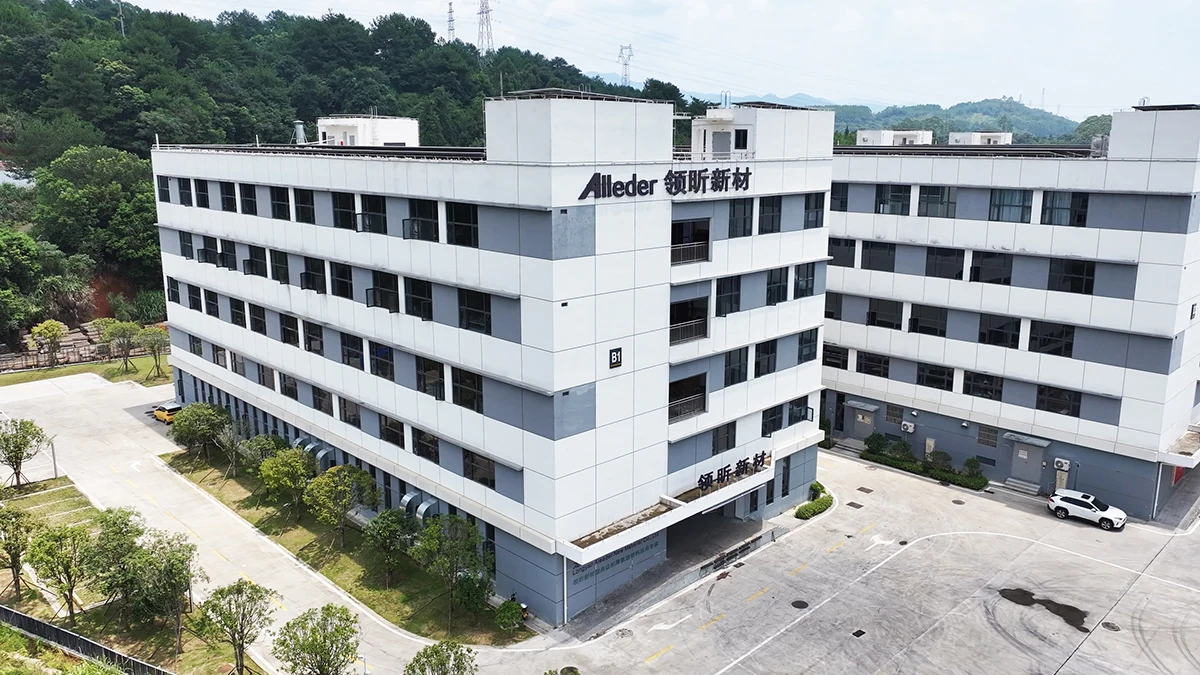
Aleader ( Longyan ) New Material Co., Ltd.
- Manufacturer, Trading Company
- Fujian, China
- Lead time35 days
- Avg. response≤ 7h
Main productsPolyurethane Tire Wheels,Polyurethane Tires,PU Filled Rubber Wheels,PU Filled Rubber Tires,Pneumatic Tyre
Main marketsDomestic Market(70.00%), North America(10.00%), Oceania(10.00%), Western Europe(7.00%), Eastern Asia(3.00%)
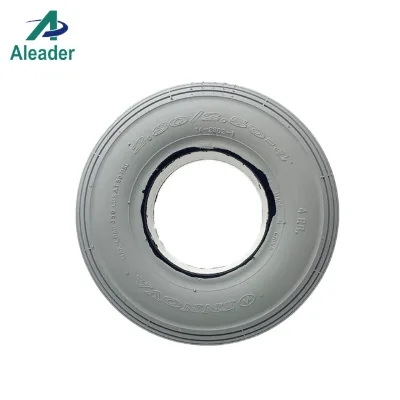
9 Inch PU Foam-Filled Rear Wheels for Power Wheelchairs - Enhanced Stability Custom Made
$9.00 - $11.00
MOQ: 300 Minimum
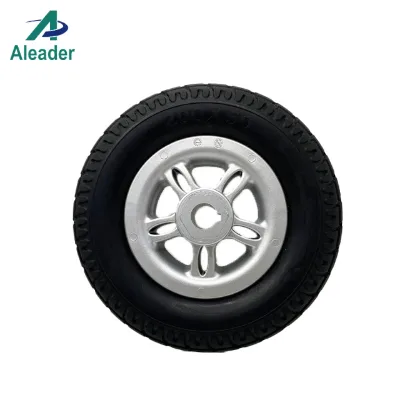
8 Inch 8x2 PU Solid Rear Wheels- Mobility Device Accessories - Easy Installation
$5.10 - $8.67
MOQ: 200 Minimum
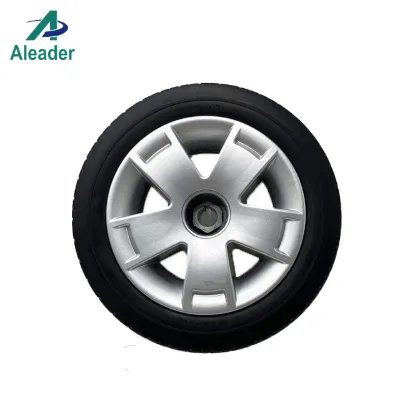
$13.38 - $15.44
MOQ: 200 Minimum
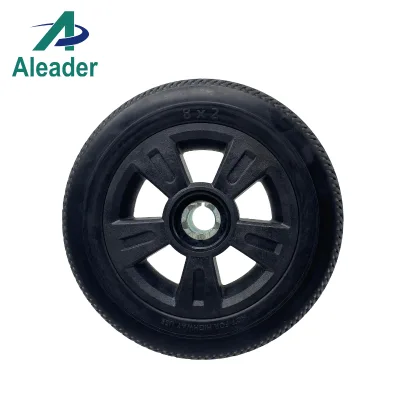
8 Inch - Wheelchair Caster Wheels - Polyurethane Tires Wheels for Smooth Mobility
$5.12 - $8.70
MOQ: 200 Minimum
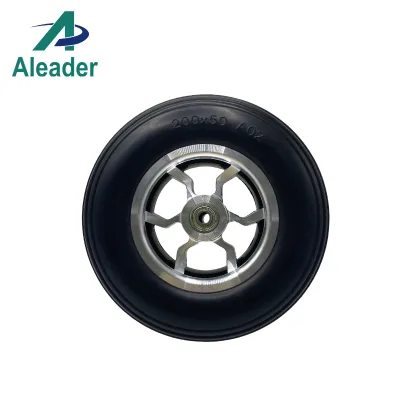
8-Inch Durable Safe Polyurethane Tire Wheels - Lightweight & Maintenance-Free Design
$5.00 - $8.00
MOQ: 200 Minimum
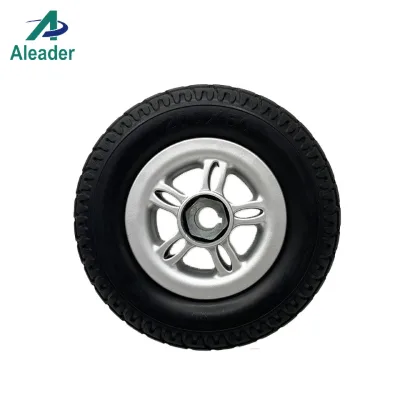
$5.00 - $8.00
MOQ: 200 Minimum

XIN CHENG INDUSTRY MATERIAL CO., LTD.
- Manufacturer/Factory
- China Tianjin
- Lead time23 days
- Avg. response≤ 14h
Main productsDDP Paper/Diamond Dotted Paper, Insulation Bushing, Epoxy Lamination Sheets, FRP Dog Bone with Spacer, Pressobard/Pressboard Strips, Shrinking Tape, Insulation Paper, Crepe Paper Tube/Diamond Dotted Paper Tube, FRP Bolts and Nuts, Insulation Tube
Main marketsEastern Europe,North America,Southeast Asia,Africa

Hebei Erye Rubber and Plastic Co., Ltd.
- Verified by SGS
- Manufacturer/Factory
- China Hebei
- Lead time0 days
- Avg. response≤ 3h
Main productsCustom Plastic Parts, Injection Molding Parts, Custom Rubber Parts, Custom PU Parts, Injection Mold, Rubber Gasket, Rubber Roller, Plastic Pulley, Rubber Mount, Rubber Bellow
Xingtai Chengda Rubber Plastic Products Co., Ltd.
- Manufacturer, Trading Company
- Hebei, China
- Lead time30 days
- Avg. response≤ 2h
Main productsplastic products,Customized injection molds,Injection molding service,Rubber product manufacturing,Nylon pulley
Main marketsDomestic Market(60.00%), North America(10.00%), Southeast Asia(10.00%), Mid East(10.00%), Africa(5.00%), South America(5.00%)

LIUZHOU ONETOPPING TRADE CO., LTD
- Trading Company,Manufacturer/Factory
- China Guangxi
- Lead time45 days
- Avg. response≤ 21h
Main productsWheelchair
Main marketsSouth America,Eastern Europe,Mid East,North America,Southeast Asia,Eastern Asia,Oceania,Western Europe,Africa
Xiamen Oulang Industry & Trade Co., ltd.
- Verified by Intertek
- Manufacturer, Trading Company
- Lead time30 days
Main productsMold, CNC Machining, Injection Parts

Shanghai Brother Medical Manufacturer Co., Ltd.
- Verified by CTI
- Manufacturer/Factory
- China Shanghai
- Lead time23 days
- Avg. response≤ 20h
Main productsWheelchair, Hearing Aid, Mobility Scooter, Commode Chair, Shower Chair, Crutch, Walking Stick
Main marketsSouth America,Eastern Europe,Mid East,North America,Southeast Asia,Eastern Asia,Oceania,Western Europe,Africa

Xiamen Neway Rubber & Plastic Products Co., Ltd.
- Verified by BV
- Combined
- China Fujian
- Lead time15 days
- Avg. response≤ 4h
Main productsPlastic Injection Molding, Plastic Parts, Silicone Rubber Parts, Gasket Seals, Rubber Grommet, Mould, O Ring, Extrusion Strip, Metal Parts, Suction Cup
Main marketsSouth America,Africa,Southeast Asia/ Mideast,East Asia(Japan/ South Korea),Europe,Australia,North America


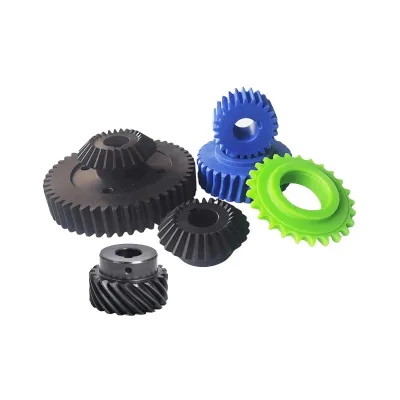
Power Transmission Parts Convey Gear Wheels Molded Injection Nylon Plastic Gear Crossed Helical Gear
$0.15 - $0.65
MOQ: 500 Pieces

Hebei Yangze Machinery Parts Manufacturing Co., Ltd.
- Verified by TüVRheinland
- Manufacturer, Trading Company
- Lead time0 days
Main productsPolyurethane, Plastic Products, Rubber Products, Nylon Product, UHMWPE Products
Main marketsDomestic Market(50%), Eastern Asia(5%), Central America(5%)
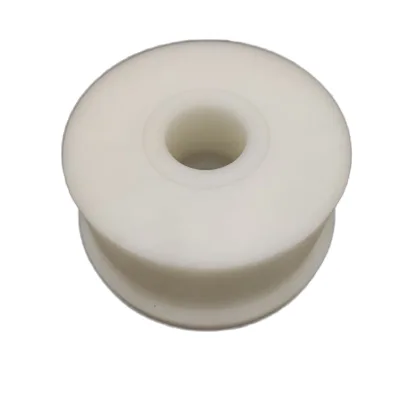
Nylon GYM Wheel Pully Nylon Wheel 20mm Diameter Cast Nylon Wheel Customized
$0.52 - $1.04
MOQ: 1 pieces
- Verified by TUVRHEINLAND
- Trading Company,Manufacturer/Factory
- China Guangdong
- Lead time15 days
- Avg. response≤ 7h
Main productsAgv/AMR Motor Wheels Rollers Planetary Reducer, AMR, Motor Wheels, Reducer Wheels, Automated Guided Vehicles, Planetary, Reducer
Main marketsSouth America,Eastern Europe,Mid East,North America,Eastern Asia,Western Europe

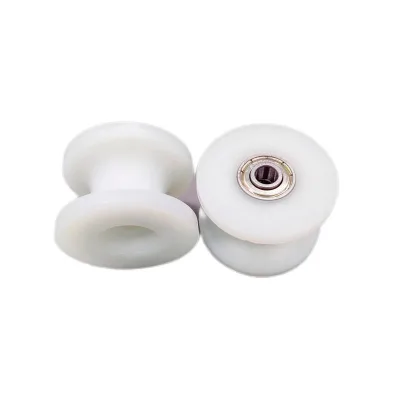
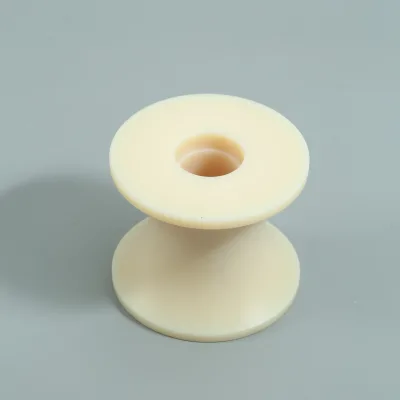
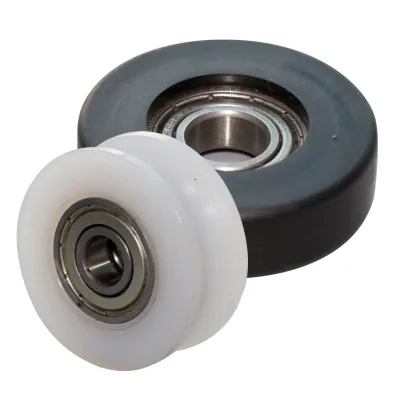
Customizable Plastic Motor Wheel to Meet Different Motor Requirements Wheel
$100.00 - $4000.00
MOQ: 1 Pieces

Flexible Rubber Motor Wheel - Comfortable Grip and Durable for Long-Term Use
$1000.00 - $4000.00
MOQ: 1 Pieces

Mujia Automation Technology (Shanghai) Company Limited
- Verified by BV
- Combined
- China Shanghai
- Lead time15 days
- Avg. response≤ 2h
Main productsModular Belt, Top Chain, Stainless Steel Mesh Belt, Stainless Steel Chain, Flexible Chain, Anti-Slip Belt, Conveyor, Sprocket, Guard Rail, Conveyor Spare Parts
Main marketsEurope,Australia,North America

Nylon Injection Hairise 2400 Gear Wheel for Conveyor with ISO& CE &FDA Certificate
$6.00 - $10.00
MOQ: 10 Pieces






Comprehensive Sourcing Guide
Injection Moulded Nylon Walking Wheel Supplier Concentration and Factory Types
The current supplier landscape for injection moulded nylon walking wheels reveals a distinct geographic concentration within China, specifically highlighting manufacturing hubs in Beijing, Guangdong, and Zhejiang provinces. These regions serve as primary centers for producing custom molded rubber and plastic parts, including the specific nylon components required for walking wheels and pulley systems. Suppliers in these areas often operate as trading companies or combined entities that bridge the gap between raw material suppliers and end-product manufacturers. For instance, entities in Guangdong are noted for their capabilities in producing UHMW-PE, Mc Nylon, POM, and other engineering plastics, indicating a strong local supply chain for the raw materials necessary for high-quality nylon injection molding. This concentration allows buyers to access a dense network of factories that specialize in various stages of production, from raw polymer extrusion to final wheel assembly. The presence of these specialized clusters suggests that buyers can find suppliers with deep expertise in nylon processing, which is critical for ensuring the durability and performance of walking wheels used in demanding applications. Understanding this geographic distribution helps in identifying suppliers who are not just generic traders but have access to specialized manufacturing infrastructure.
Factory types in this sector vary significantly, ranging from pure trading companies to combined entities with in-house R&D and OEM capabilities. Some suppliers are verified by international bodies such as TÜV Rheinland or Bureau Veritas, which adds a layer of credibility to their operational standards. The main products listed by these suppliers often include custom molded plastic parts, CNC machined components, and various types of rollers and bushings, suggesting a versatile manufacturing base that can adapt to the specific requirements of injection moulded nylon walking wheels. The company types observed indicate that many suppliers offer both standard and customized solutions, catering to diverse industry needs. This diversity in factory types means that buyers must carefully assess whether they need a simple off-the-shelf product or a highly customized component. Trading companies may offer broader product ranges and easier communication, while combined entities with OEM capabilities might provide better control over the manufacturing process and quality assurance. Recognizing these distinctions is essential for aligning supplier capabilities with specific project requirements, ensuring that the chosen partner can deliver the desired quality and specifications for injection moulded nylon walking wheels.
How to Verify Injection Moulded Nylon Walking Wheel Suppliers
Verifying suppliers for injection moulded nylon walking wheels requires a rigorous approach to assessing their credentials and operational reliability. One of the primary methods is to check for third-party verification badges, such as those from TÜV Rheinland or Bureau Veritas, which indicate that the supplier has undergone independent audits of their business practices and manufacturing capabilities. These verifications provide a baseline of trust, confirming that the supplier is a legitimate entity with established operations. Additionally, buyers should examine the system certifications held by the supplier, such as ISO9001:2015 or ISO9001:2008, which demonstrate a commitment to quality management systems. These certifications are particularly important for injection moulded products, as they ensure that the manufacturing processes are consistent and controlled. Buyers should also look for product-specific certifications, such as CE or RoHS compliance, which may be required depending on the end-use application of the walking wheels. By prioritizing suppliers with these verifications and certifications, buyers can mitigate the risk of engaging with unreliable or non-compliant manufacturers. This due diligence is crucial for ensuring that the injection moulded nylon walking wheels meet the necessary safety and quality standards.
Beyond certifications, buyers should evaluate the supplier's response time and communication efficiency as indicators of their operational maturity. Suppliers with faster response times, such as those averaging under six hours, are often more responsive to inquiries and better equipped to handle urgent orders or technical questions. This responsiveness can be a key differentiator when selecting a partner for injection moulded nylon walking wheels, especially for projects with tight deadlines. Buyers should also verify the supplier's ability to provide detailed product information, including material specifications, customization options, and testing reports. For example, some suppliers offer free samples and warranties, which can be valuable for validating the quality of the nylon material before committing to a large order. Additionally, checking the supplier's main products and production capabilities can provide insight into their expertise. Suppliers that specialize in nylon and plastic parts are likely to have more experience and better quality control measures in place. By combining verification of credentials with an assessment of communication and product details, buyers can make more informed decisions and select suppliers who are reliable and capable of delivering high-quality injection moulded nylon walking wheels.
What to Compare Across Injection Moulded Nylon Walking Wheel Suppliers
When comparing suppliers for injection moulded nylon walking wheels, several key dimensions must be evaluated to ensure the best value and fit for the project. One critical factor is the minimum order quantity (MOQ), which can vary significantly among suppliers. For instance, some suppliers may have an MOQ of just one unit, allowing for easy sampling and small-batch testing, while others may require orders of 100 units or more. This variation is important for buyers who need to balance inventory costs with the need for product validation. Another essential aspect is the lead time, which indicates how quickly the supplier can deliver the ordered goods. Suppliers with shorter lead times, such as those offering 30-day delivery, can be advantageous for projects with tight schedules. Buyers should also compare the price ranges, noting that costs can fluctuate based on material specifications, customization requirements, and order volume. For example, prices for nylon pulley wheels may range from very low per-unit costs for bulk orders to higher prices for specialized or custom designs. Understanding these price dynamics helps in budgeting and negotiating effectively with suppliers.
In addition to MOQ, lead time, and price, buyers should assess the customization capabilities and technical specifications offered by each supplier. Some suppliers provide extensive customization options, allowing for specific dimensions, colors, and bearing types to be tailored to the buyer's needs. For instance, options for ball bearings, specific nylon colors like white or black, and custom packaging are available from certain manufacturers. The manufacturing process, whether it involves injection molding, forging, or CNC machining, is another critical comparison point, as it affects the final product's quality and durability. Buyers should also consider the supplier's response time, as faster communication can facilitate smoother collaboration and quicker resolution of issues. Furthermore, the application scope of the products, such as use in power plants, mining transport, or consumer goods, can indicate the supplier's experience and reliability in specific industries. By systematically comparing these factors, buyers can identify suppliers that not only meet their technical requirements but also offer favorable commercial terms and operational flexibility for injection moulded nylon walking wheels.
Common Injection Moulded Nylon Walking Wheel Sourcing Risks
Sourcing injection moulded nylon walking wheels involves several potential risks that buyers must proactively manage to ensure successful procurement. One significant risk is the variability in product quality, which can arise from differences in raw material sources and manufacturing processes. Nylon is a versatile material, but its performance can be affected by factors such as moisture content, additive formulations, and injection molding parameters. Buyers may encounter issues such as dimensional inaccuracies, surface defects, or reduced durability if the supplier lacks stringent quality control measures. This risk is particularly relevant when dealing with suppliers who offer low MOQs or very low prices, as these may indicate compromised quality or the use of recycled materials. Additionally, the risk of non-compliance with industry standards or certifications is a concern, especially if the walking wheels are intended for regulated industries. Buyers must ensure that the supplier can provide valid test reports and certifications, such as RoHS or CE, to verify that the products meet the necessary safety and environmental requirements. Failure to do so can result in product rejection or legal liabilities.
Another common risk is the potential for delays in delivery, which can disrupt production schedules and lead to increased costs. Lead times can be affected by various factors, including raw material shortages, production bottlenecks, or logistical challenges. Buyers should be cautious of suppliers who provide overly optimistic lead times without a clear explanation of their production capacity. Furthermore, the risk of miscommunication regarding customization requirements can lead to the delivery of incorrect or unsuitable products. This is especially true when dealing with trading companies that may not have direct control over the manufacturing process. Buyers must ensure that all technical specifications, including dimensions, bearing types, and surface treatments, are clearly documented and confirmed with the supplier before production begins. Additionally, the risk of financial loss due to non-performance or fraud is a concern, particularly when dealing with new or unverified suppliers. To mitigate these risks, buyers should conduct thorough due diligence, request samples, and consider using secure payment methods such as escrow services. By identifying and addressing these common sourcing risks, buyers can protect their interests and ensure the successful acquisition of high-quality injection moulded nylon walking wheels.
Injection Moulded Nylon Walking Wheel Regional Sourcing and Logistics
Regional sourcing plays a crucial role in the procurement of injection moulded nylon walking wheels, as it directly impacts logistics costs, lead times, and supply chain resilience. The current supplier results indicate a strong concentration of manufacturers in China, particularly in provinces like Beijing, Guangdong, and Zhejiang. These regions are well-established industrial hubs with extensive infrastructure for plastic and rubber manufacturing, making them ideal sources for nylon-based products. Sourcing from these areas can offer advantages such as access to a wide range of suppliers, competitive pricing, and efficient logistics networks. However, buyers must also consider the logistical challenges associated with international shipping, including customs clearance, transportation delays, and potential tariffs. The distance between the supplier's location and the buyer's destination can significantly affect delivery times and costs. For instance, suppliers in Guangdong may have better access to major ports, facilitating faster export processes. Buyers should evaluate the supplier's experience with international shipping and their ability to handle documentation and compliance requirements.
Logistics planning is essential for managing the risks associated with regional sourcing. Buyers should work closely with suppliers to establish clear shipping terms, such as FOB or CIF, to define responsibilities for transportation and insurance. Additionally, considering the use of freight forwarders with expertise in handling plastic and rubber products can help ensure safe and timely delivery. The packaging of injection moulded nylon walking wheels is another critical logistical factor, as improper packaging can lead to damage during transit. Suppliers often offer various packaging options, such as carton cases, wooden boxes, or custom packaging, to protect the products. Buyers should specify their packaging requirements to ensure that the wheels arrive in good condition. Furthermore, monitoring the supplier's production capacity and inventory levels can help anticipate potential delays and adjust logistics plans accordingly. By carefully planning regional sourcing and logistics, buyers can optimize their supply chain, reduce costs, and ensure the reliable delivery of injection moulded nylon walking wheels. This proactive approach to logistics management is vital for maintaining operational efficiency and meeting customer demands.
Injection Moulded Nylon Walking Wheel Commercial Terms and Order Planning
Effective commercial terms and order planning are vital for securing injection moulded nylon walking wheels at competitive prices and favorable conditions. Buyers should negotiate clear pricing structures that account for volume discounts, tooling costs, and customization fees. For example, some suppliers offer tiered pricing based on order quantity, with lower per-unit costs for larger orders. Understanding these pricing models helps in budgeting and maximizing cost efficiency. Additionally, buyers should clarify the payment terms, such as deposit requirements, balance payments, and the use of secure payment methods like escrow. Escrow services can provide an added layer of security by holding funds until the buyer confirms receipt and quality of the goods. This is particularly important for new suppliers or large orders where the risk of non-performance is higher. Buyers should also discuss the warranty and return policies, ensuring that there are clear procedures for addressing defects or non-conforming products. These commercial terms protect the buyer's interests and provide recourse in case of issues.
Order
FAQs
What is the typical lead time for injection moulded nylon wheels?
Manufacturers in China generally require 30 days to produce custom injection moulded nylon walking wheels. This timeline applies to standard OEM orders where drawings are provided. Buyers should confirm specific production schedules with suppliers before placing bulk orders to ensure timely delivery.
What is the minimum order quantity for custom nylon pulley wheels?
Minimum order quantities vary significantly by supplier, ranging from 1 to 100 units. Some factories accept single-piece prototypes for testing, while others require 100 units for standard pricing. Buyers should verify the specific MOQ with the supplier to match their volume needs.
Are injection moulded nylon wheels available with ISO or CE certification?
Yes, many suppliers offer nylon wheels certified under ISO and CE standards. Some manufacturers also provide RoHS compliance and specific test reports. Buyers should request valid certification documents to verify that the products meet the required international quality and safety standards for their application.
What is the price range for custom injection moulded nylon wheels?
Prices for these components typically range from $0.01 to $5.00 per unit depending on specifications. The cost varies based on material grade, size, and whether the item is a simple pulley or a complex walking wheel. Buyers should request quotes for their specific design requirements.
Can suppliers provide free samples of nylon plastic wheels?
Some manufacturers offer free samples to help buyers evaluate material quality and surface finish. However, shipping costs may apply. Buyers should contact suppliers directly to inquire about sample availability and the specific terms for receiving prototypes before committing to a larger production order.
What customization options are available for nylon walking wheels?
Suppliers provide extensive customization including specific colors, bearing types, and custom dimensions based on drawings. Options include polished surfaces, chrome plating, and various bearing configurations like ball bearings. Buyers can request tailored solutions to fit specific mechanical requirements and application environments.