Injection Molding PEEK Industrial Parts Suppliers and Manufacturers
Source Injection Molding PEEK Industrial Parts from 19 verified suppliers in China. Compare response times, lead times, certifications like ISO 9001, and pricing to find the right partner. Request quotes today; review the available evidence before requesting comparable quotations from suitable candidates.
Suppliers List

Shenzhen Bergek Technology Co., Ltd.
- Verified by SGS
- Trading Company,Manufacturer/Factory
- China Guangdong
- Lead time23 days
- Avg. response≤ 3h
Main productsSheet Metal Parts, Sheet Metal Fabrication, Laser Cutting Service, Sheet Metal Bracket, CNC Machining Services, CNC Milling, CNC Turning, CNC Machining, Plastic Injection Molding, 5 Axis CNC Machining Service
Main marketsSouth America,Eastern Europe,Mid East,North America,Southeast Asia,Eastern Asia,Oceania,Western Europe,Africa

Yuyao Xianghao Mold Technology Company Limited
- Verified by BV
- Trading Company
- China Zhejiang
- Lead time30 days
- Avg. response≤ 10h
Main productsInjection Mold, Plastic Mold, Injection Molding, Rapid Prototyping, 3D Pritting, Manhole Cover Mold, Silicone Rubber Mould, Wire Rack, Car Air Compressor, LED Light
Main marketsNorth America


MOQ: 1 Pieces

Durable and Lightweight Plastic Injection Parts
MOQ: 1 Pieces

Shandong Seon New Material Technology Co., Ltd
- Verified by TUVRHEINLAND
- Trading Company
- China Shandong
- Lead time15 days
- Avg. response≤ 2h
Main productsPTFE Products, PTFE/PVDF Materials, PA/PA66, Peek, PCTFE, POM, PE, FEP, PFA, PU
Main marketsSouth America

Guangdong Engineering Plastics Industries (Group) Co., Ltd.
- Verified by CTI
- Combined
- China Guangdong
- Lead time23 days
- Avg. response≤ 9h
Main productsUHMW-PE, Mc Nylon, POM, PTFE, Peek, PPS, PU, ABS, PVDF
Main marketsDomestic,Australia,North America

Ningbo Inunion Import and Export Co., Ltd.
- Verified by SGS
- Trading Company
- China Zhejiang
- Lead time30 days
- Avg. response≤ 1h
Main productsMachining Part, Plastic Injection Part, Stamping Parts, Casting Parts, Forging Parts, Weldments, Profile, Metal Parts
Main marketsSoutheast Asia/ Mideast,East Asia(Japan/ South Korea),Europe,Australia,North America

Precision Engineered Auto Injection Parts and Industrial Peek Components Supplier
$0.10 - $1.00
MOQ: 1 Pieces


Zhongshan Jiayida Intelligent Manufacturing Co., Ltd.
- Verified by BV
- Combined
- China Guangdong
- Lead time30 days
- Avg. response≤ 4h
Main productsInjection Molding Parts, Metal Stamping Parts, Lathe Machining Parts, CNC Machining Parts, Furniture Anti-Slip & Shock-Absorbing Pads, Bumper Pads, Furniture Leg Pads, Furniture Leg Sleeves, Furniture Leg Studs, Door Stoppers
Main marketsDomestic

Precision Injection Molding Parts for Durable Industrial Applications 200
$0.10 - $2.00
MOQ: 100 Pieces

High-Precision Custom Injection Molding Parts for Industrial Applications 173
$0.10 - $2.00
MOQ: 100 Pieces
Xiamen Papler Technology Co., Ltd.
- Verified by TUVRHEINLAND
- Trading Company,Manufacturer/Factory
- China Fujian
- Lead time45 days
- Avg. response≤ 7h
Main productsRubber Parts, Plastic Injection Parts, Silicone Products, Metal Stamping Parts, CNC Machining Parts, Die Casting Parts, Injection Molds, 3D Printing Parts, Plastic Extrusion Molding Parts, Sheet Metal
Main marketsSouth America,Eastern Europe,Mid East,North America,Southeast Asia,Eastern Asia,Oceania,Western Europe,Africa
Ningbo Sanjie Precision Machinery Co., Ltd
- Verified by TUVRHEINLAND
- Manufacturer/Factory
- China Zhejiang
- Lead time30 days
- Avg. response≤ 5h
Main productsCNC Machining Parts, Turning Parts, Milling Parts, Metal Parts, Steel Parts, Aluminum Parts, Plastic Parts, Brass Parts
Main marketsSouth America,Eastern Europe,North America,Southeast Asia,Eastern Asia,Western Europe


Chinese Good Price Customized Precision Manufacturer Peek CNC Machining Plastic Parts
$0.10 - $1.00
MOQ: 100 Pieces
Jilin Province Newnas Trading Co., Ltd.
- Trading Company
- Jilin, China
- Lead time25 days
- Avg. response≤ 2h
Main productsPEEK material,PEEK rod,PEEK sheet,PEEK tube,PEEK components
Main marketsEastern Europe(36.00%), North America(15.00%), South America(9.00%), Northern Europe(7.00%), Southeast Asia(7.00%), Western Europe(6.00%), Domestic Market(5.00%), Central America(4.00%), Southern Europe(3.00%), Mid East(3.00%), South Asia(2.00%), Eastern Asia(2.00%), Africa(1.00%)
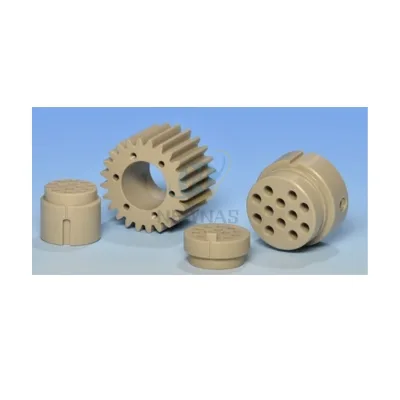
High Precision CNC Custom PEEK Pellet Injection Part Various Sizes for Industrial Use
$1.02 - $10.19
MOQ: 1 pieces
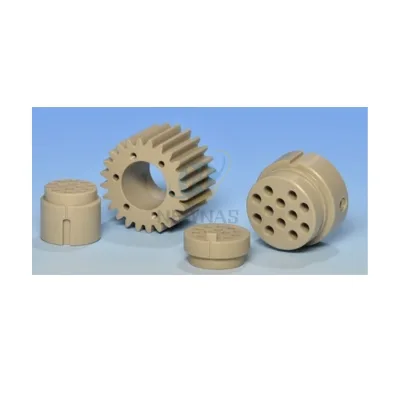
$1.03 - $5.13
MOQ: 1 pieces
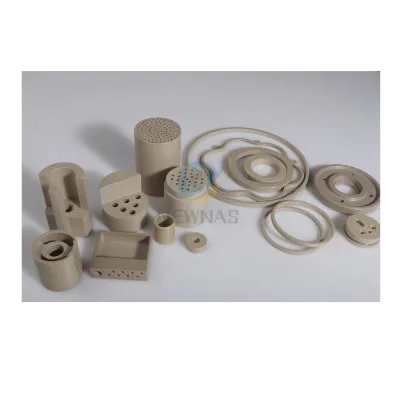
Machined PEEK Components in Various Sizes Best Price for Qualitypeek Material Products
$1.00 - $10.00
MOQ: 1 pieces

Xiamen Steady Plastic Mold Co.,Ltd
- Verified by CTI
- Combined
- China Fujian
- Lead time30 days
- Avg. response≤ 2h
Main productsPlastic injection mold design, plastic injection products, silicone rubber parts, metal fabrication
Main marketsDomestic


Custom Injection Molded Parts for Precision Molding Applications and Solutions
$0.10 - $0.90
MOQ: 100 Pieces


High-Performance Self-Lubricating CNC Peek Plastic Components for Machinery
$0.05 - $1.20
MOQ: 1000 Pieces

Custom Injection Parts Designed for Durable and Reliable Molding Applications
$0.10 - $0.90
MOQ: 100 Pieces
Xiamen Xin Shi Wei Precision Mould Co., Ltd.
- Verified by TUVRHEINLAND
- Combined
- China Fujian
- Lead time30 days
- Avg. response≤ 4h
Main productsPlastic Injection Molds, Plastic Injection Parts, Silicone Rubber Parts, CNC Machining Metal Parts
Main marketsEurope,North America


Precision Made Peek Parts Plastic Injection Molding with Exceptional Strength
$1000.00 - $100000.00
MOQ: 1 Pieces

Ningbo Plestic Metal Product Co., Ltd.
- Verified by BV
- Combined
- China Zhejiang
- Lead time30 days
- Avg. response≤ 3h
Main productsCustom Plastic Part, Plastic Molding, Custom Plastic Mold, Injection Molding Service, Custom Plastic Product, Plastic Scoop, Plastic Funnel, Nasal Inhaler, Plastic Injection Molding
Main marketsSouth America,Africa,Southeast Asia/ Mideast,East Asia(Japan/ South Korea),Domestic,Europe,Australia,North America


Customized CNC Machined Plastic Peek Parts, Fittings, and Injection Moldings
$0.05 - $0.50
MOQ: 100 pieces

High-Temperature Resistance Injection Molding Service for Peek Plastic Parts
$0.10 - $0.50
MOQ: 1000 pieces

Source Factory Injection Molding Service: Customizable Plastic Parts in Peek Material
$0.22 - $0.40
MOQ: 1000 pieces

$0.10 - $0.30
MOQ: 1000 pieces


Zhenjiang Hansa Sealant Co., Ltd.
- Verified by SGS
- Trading Company
- China Jiangsu
- Lead time15 days
- Avg. response≤ 1h
Main productsPTFE Sheet, PTFE Rod, PTFE Tube, PTFE Gasket, Expanded PTFE, Modified PTFE Products, Peek Products, Sealing Materials, PE Products, Customized CNC Machining
Main marketsSouth America,Southeast Asia/ Mideast,Europe,North America

Chemical-Resistant Customized Peek Parts Machined Components for Industrial Use
$0.15 - $2.78
MOQ: 1 kg


Hot Mold Durable Processed Part Processing Plastic Precision Machined Custom-Made Peek Parts
$59.50 - $60.10
MOQ: 10 kg

Mold Plastic Precision Machined Products Parts Peek Processed Part with Good Price
$59.50 - $60.10
MOQ: 10 kg

OEM Available Various Unique Processed Part Durable Processing Precision Plastic Peek Parts
$59.50 - $60.10
MOQ: 10 kg

Xiamen Neway Rubber & Plastic Products Co., Ltd.
- Verified by BV
- Combined
- China Fujian
- Lead time15 days
- Avg. response≤ 3h
Main productsPlastic Injection Molding, Plastic Parts, Silicone Rubber Parts, Gasket Seals, Rubber Grommet, Mould, O Ring, Extrusion Strip, Metal Parts, Suction Cup
Main marketsSouth America,Africa,Southeast Asia/ Mideast,East Asia(Japan/ South Korea),Europe,Australia,North America

Best Selling Plastic Products/Injection Molding Industrial Parts Have Good Quality
$0.15 - $1.20
MOQ: 1 Pieces


Manufacturer Spare Parts Plastic Injection Molding Plastic Peek for Customers
$0.15 - $1.20
MOQ: 1 Pieces

QINGDAO BOYUDE MOULD AND PLASTIC CO., LTD
- Verified by SGS
- Combined
- China Shandong
- Lead time45 days
- Avg. response≤ 9h
Main productsPlastic Parts, Plastic Products, Injection Molded Parts, Plastic Injection Mould, Plastic Fittings, Plastic Component, Plastic Corner, Plastic Buckle, Injection Molding
Main marketsEast Asia(Japan/ South Korea),Europe

Qingdao Yida Industry And Trade Co., Ltd
- Verified by SGS
- Manufacturer/Factory
- China Shandong
- Lead time38 days
- Avg. response≤ 10h
Main productsPlastic Part, Molud, Plastic Molding, Injection Molding, Plastic Injection Molding, Injection Molud, Injection Part, Custom Plastic Part, Plastic Injection Part, Plastic Product
Main marketsSouth America,Eastern Europe,Mid East,North America,Southeast Asia,Eastern Asia,Oceania,Western Europe,Africa

Suzhou Ecod Precision Manufacturing Co., Ltd.
- Verified by CTI
- Trading Company
- China Jiangsu
- Lead time15 days
- Avg. response≤ 5h
Main productsCNC Machining Part, Sheet Metal Part, Injection Moulding, Stamping Part, Surface Treatment, CNC Milling Part, CNC Turning Part, Die-Casting Part
Main marketsSoutheast Asia/ Mideast,Europe


Customized Plastic Injection Molding Parts Molding Precise Plastic Injection Part
$0.20 - $6.50
MOQ: 1000 Pieces

Zhongshan Holy Precision Manufacturing Co., Ltd
- Verified by BV
- Combined
- China Guangdong
- Lead time15 days
- Avg. response≤ 2h
Main productsCNC Machining, Turning, Stamping, Laser Cutting, Sheet Metal Fabrication, Casting and Mould Parts, Surface Treatment and Assembly, OEM/ODM Designing, Powder Metal, EDM Wire Cutting Part
Main marketsSoutheast Asia/ Mideast,East Asia(Japan/ South Korea),Europe,Australia,North America

Customized High Precision Injection Molding ABS/ PP/ PVC/Acetal/Peek Plastic Injection Molding Parts
$0.20 - $2.00
MOQ: 1 Pieces

Good Supplier Injection Molding ABS/ PP/ PVC/Acetal/Peek Plastic Injection Molding Parts
$0.20 - $2.00
MOQ: 1 Pieces

QINGDAO XINGHEXING PRECISION INDUSTRY CO., LTD
- Verified by SGS
- Combined
- China Shandong
- Lead time30 days
- Avg. response≤ 5h
Main productsCasting Parts, Machining Parts, Sheet Metal Parts, Aluminium Welding Parts, Mold &Tools, Machine Parts, Auto Parts, Truck Parts, Vehicle Parts, Valve & Pump Parts
Main marketsEurope,Australia,North America


Comprehensive Sourcing Guide
Injection Molding PEEK Industrial Parts Supplier Concentration and Factory Types
Current data indicates a concentration of manufacturing capabilities within China, specifically highlighting Guangdong and Zhejiang provinces as key operational hubs for this category. In Guangdong, suppliers are identified as either Trading Companies or Manufacturer/Factory entities, offering a mix of direct production and sourcing services. These facilities list main products that include Sheet Metal Parts, CNC Machining, and Plastic Injection Molding, suggesting a broad industrial base capable of handling complex Peek components. The presence of specific product evidence for High Temperature Industrial Components and Custom Plastic Injection Molding confirms that these regions host active production lines for thermosetting and engineering plastics. Buyers should verify if a specific facility in this cluster possesses the necessary injection molding capacity for high-performance materials like Peek, as general plastic molding does not always equate to specialized engineering plastic expertise.
In contrast, suppliers located in Zhejiang are primarily identified as Trading Companies, which may influence the directness of the manufacturing relationship. These entities focus on Injection Molds, Rapid Prototyping, and various plastic products, often serving as intermediaries rather than direct factories. While they offer ODM and OEM services, the distinction between a trading company and a manufacturer is critical for buyers seeking direct factory pricing or deep technical collaboration on Peek parts. The Shandong region also appears in the data, with suppliers specializing in PTFE, PVDF, and Peek materials, indicating a diverse geographic spread of material expertise. Buyers must investigate whether the listed location corresponds to the actual production floor or a sales office, as this impacts lead times and quality control access. Understanding the specific factory type in each region helps in aligning expectations regarding communication speed and production transparency.
How to Verify Injection Molding PEEK Industrial Parts Suppliers
Verification of supplier credentials is essential when sourcing specialized industrial parts, and current data points to several third-party verification bodies such as SGS, BV, and TÜV Rheinland. These organizations provide a layer of trust by confirming that a supplier's business license and operational status have been checked. For instance, some suppliers in the dataset are marked as verified by SGS, while others carry BV or TÜV Rheinland credentials. Buyers should prioritize suppliers with these specific verification badges, as they indicate a baseline level of legitimacy and operational stability. However, verification status alone does not guarantee product quality; it merely confirms the entity exists and has passed a basic audit. It is crucial to cross-reference these verification claims with the specific certifications listed for the products, such as ISO 9001, BSCI, or ISO 13485, which are relevant for medical or high-temperature applications.
Beyond general business verification, buyers must scrutinize the specific product certifications and material compliance data provided in the supplier listings. Evidence shows that some suppliers list certifications like TSCE, ISO, FDA, and Ts16949, which are vital for industries like automotive and medical where Peek parts are frequently used. The presence of ISO 13485 suggests a capability to meet medical device quality standards, while RoHS and other environmental certifications indicate compliance with safety regulations. Buyers should request physical copies of these certificates and verify their validity dates directly with the issuing bodies. Additionally, the inspection equipment listed, such as 2D/3D CMM and Tension Testers, serves as a proxy for quality control capability. A supplier claiming high precision for Peek parts must demonstrate they possess the necessary metrology tools to validate dimensions within the ±0.05mm to ±0.1mm range often required for engineering plastics.
What to Compare Across Injection Molding PEEK Industrial Parts Suppliers
When evaluating potential partners, buyers should compare response times and lead times to gauge operational efficiency and reliability. The data reveals a significant variance in response speeds, with some suppliers showing a response time of 1.79 hours while others take up to 9.72 hours. This difference can impact project timelines, especially when urgent prototyping or design changes are needed for complex Peek components. Similarly, lead times for mold making and mass production vary, with some suppliers offering 15-25 days for mold creation and 7-15 days for mass production, while others list a general lead time of 30 days. Buyers must align these timelines with their project schedules and account for potential delays in shipping or material sourcing. Comparing these metrics helps identify suppliers who can meet tight deadlines without compromising on the quality of the injection molding process.
Another critical comparison point involves the minimum order quantity (MOQ) and pricing structures, which directly affect the economic viability of the order. The dataset indicates an MOQ of 1 for certain custom plastic injection molding services, which is advantageous for prototyping or low-volume production runs. Pricing ranges from as low as $0.32 to nearly $10.00 per unit, depending on the complexity, material grade, and order volume. Buyers should analyze whether the lower price points correspond to standard materials or if they apply to high-performance Peek grades. Additionally, the capacity for OEM, ODM, and own-brand production varies, with some suppliers offering full customization while others may have limitations. Comparing these commercial terms alongside the main products offered, such as specific Peek machining or molding services, ensures the selected supplier can scale with the buyer's needs from initial prototype to full-scale manufacturing.
Common Injection Molding PEEK Industrial Parts Sourcing Risks
One significant risk in sourcing Peek industrial parts is the potential mismatch between advertised capabilities and actual material expertise. While many suppliers list general plastic injection molding services, Peek is a high-performance engineering plastic requiring specific processing temperatures and conditions. Some product evidence lists "Thermosetting Plastic" alongside Peek, which may indicate a lack of precision in material classification, as Peek is typically a thermoplastic. Buyers must verify that the supplier has specific experience with PEEK (Polyether Ether Ketone) to avoid defects like warping or incomplete curing. Relying on a supplier who primarily handles standard thermoplastics like ABS or PP for high-temperature Peek applications could lead to part failure in demanding environments. It is essential to request material data sheets and process parameters specific to Peek to ensure the supplier understands the unique challenges of this material.
Another risk involves the variability in quality control standards and inspection capabilities across different suppliers. The data shows a range of inspection equipment, from basic calipers to advanced 2D/3D CMM systems, but not all suppliers may utilize these tools consistently. A supplier claiming a mold life of 100,000 to 1,000,000 shots must demonstrate consistent quality over that lifespan, which requires rigorous in-process inspection. If a supplier lacks the necessary testing equipment, such as Tension Testers or Projectors, they may not be able to validate the mechanical properties of the Peek parts. Furthermore, the reliance on third-party verification like SGS or BV does not guarantee that every batch of parts will meet the specified tolerances. Buyers should insist on pre-shipment inspection reports and consider hiring third-party inspection agencies to verify the physical attributes of the parts before final acceptance.
Injection Molding PEEK Industrial Parts Regional Sourcing and Logistics
Sourcing from China, particularly from the Guangdong and Zhejiang regions, offers access to a dense network of manufacturing facilities, but logistics planning is critical for managing lead times and costs. The data confirms that the origin of these products is China, and suppliers in Guangdong and Zhejiang are well-positioned for export. However, the distance between the factory and the port, as well as the specific logistics provider used, can impact the final delivery date. Buyers should clarify whether the quoted lead time includes packaging and shipping or if it refers only to production time. For instance, a supplier in Shandong might have different logistical advantages compared to one in Zhejiang, depending on the buyer's destination. Understanding the regional infrastructure helps in estimating the total time from order placement to delivery, which is crucial for supply chain planning.
Logistics also involve the specific packaging requirements for high-value industrial parts like Peek components. The product evidence mentions protective PP bags, cartons with pallets, and steel boxes, indicating that different suppliers may use varying packaging standards. For delicate or high-precision parts, the packaging must prevent damage during transit, especially if the parts are subject to temperature fluctuations or physical stress. Buyers should verify the packaging method to ensure it meets their storage and handling requirements. Additionally, the origin country being China means that import duties and customs regulations in the buyer's country will apply. Buyers need to factor these costs into their total landed cost calculations and ensure that the supplier provides accurate documentation, such as commercial invoices and packing lists, to facilitate smooth customs clearance.
Injection Molding PEEK Industrial Parts Commercial Terms and Order Planning
Commercial terms for injection molding Peek parts often include specific requirements for mold ownership and tooling costs, which can vary significantly between suppliers. Some listings indicate a price range for the parts themselves, but the cost of the mold, which can be substantial for custom Peek components, may be quoted separately. Buyers should clarify whether the mold cost is amortized over the order volume or if it is a one-time fee. The data shows lead times for mold making ranging from 15 to 25 days, which is a critical component of the overall order timeline. Understanding the payment terms for both the tooling and the production runs is essential for financial planning. Some suppliers may require a deposit before starting mold design, while others might offer escrow services to protect the buyer's funds until the mold is approved.
Order planning must also account for the customization options and design file formats accepted by the supplier. The evidence lists various drawing formats such as Step, STP, Igs, and Autocad, indicating that suppliers have different technical requirements for receiving design data. Buyers should ensure their engineering team can provide files in the required format to avoid delays in the design review process. Additionally, the availability of customization, such as color, surface finish, and specific material grades, should be confirmed early in the planning phase. The data suggests that surface finishes like texture, polishing, and high gloss are available, but the specific requirements for Peek parts may need special attention. Buyers should plan for a design iteration phase to validate the part geometry and material selection before committing to mass production, ensuring that the final product meets all functional and aesthetic requirements.
FAQs
What is the typical lead time for custom injection molding of Peek parts?
Lead times vary by supplier and order complexity. Some manufacturers offer mass production in 7 to 15 days after mold completion. Mold making itself typically requires 15 to 25 days. Total delivery depends on specific supplier capacity and current production schedules.
Which certifications do suppliers of industrial Peek parts usually hold?
Suppliers often hold ISO 9001, BSCI, and ISO 13485 certifications for quality and medical standards. Some also provide RoHS compliance and FDA approvals for specific applications. Verify individual supplier credentials to ensure they meet your industry requirements before placing an order.
What is the minimum order quantity for custom plastic injection molding?
Minimum order quantities can be as low as one piece for prototyping or small batches. Some suppliers accept single units for custom molds. Larger production runs may have different thresholds. Always confirm the specific MOQ with the supplier before finalizing your purchase.
Where are the main manufacturing hubs for injection molding services located?
Major manufacturing hubs are located in China, specifically in Guangdong, Zhejiang, and Shandong provinces. These regions host numerous factories offering sheet metal, plastic molding, and CNC machining services. Buyers should verify the exact location of their chosen supplier for logistics planning.
What materials are commonly used in high temperature injection molding services?
Common materials include ABS, PA66, PP, PC, PMMA, PSU, TPE, TPU, and PBT. Peek is also widely used for high temperature applications. Suppliers offer customization for specific material needs to ensure performance in automotive, medical, and industrial environments.
How precise are the tolerances for custom plastic injection molded parts?
Molding precision typically ranges from plus or minus 0.05mm to plus or minus 0.1mm. High precision is achieved using advanced inspection equipment like 2D and 3D CMMs. Tolerances may vary based on part complexity and the specific capabilities of the manufacturing facility.
What is the response time for inquiries from verified plastic molding suppliers?
Response times vary significantly among suppliers, ranging from under 2 hours to nearly 10 hours. Verified suppliers often provide faster communication. Check the specific response time metric for each supplier to ensure timely updates on your project status and order progress.
What is the price range for custom injection molded plastic parts?
Unit prices for custom parts typically range from 0.32 to 9.80 dollars depending on material and complexity. Mold costs can be significantly higher, sometimes starting at 2000 dollars. Final pricing depends on order volume, material selection, and specific design requirements.