Insulated Camping Beer Stein Suppliers and Manufacturers
Explore 29 verified options for Insulated Camping Beer Stein with dimensions like location, lead time, and response time. Compare stainless steel and ceramic variants from Henan, Zhejiang, Shandong, and Fujian before requesting quotes; review the available evidence before requesting comparable quotations from suitable candidates.
Suppliers List
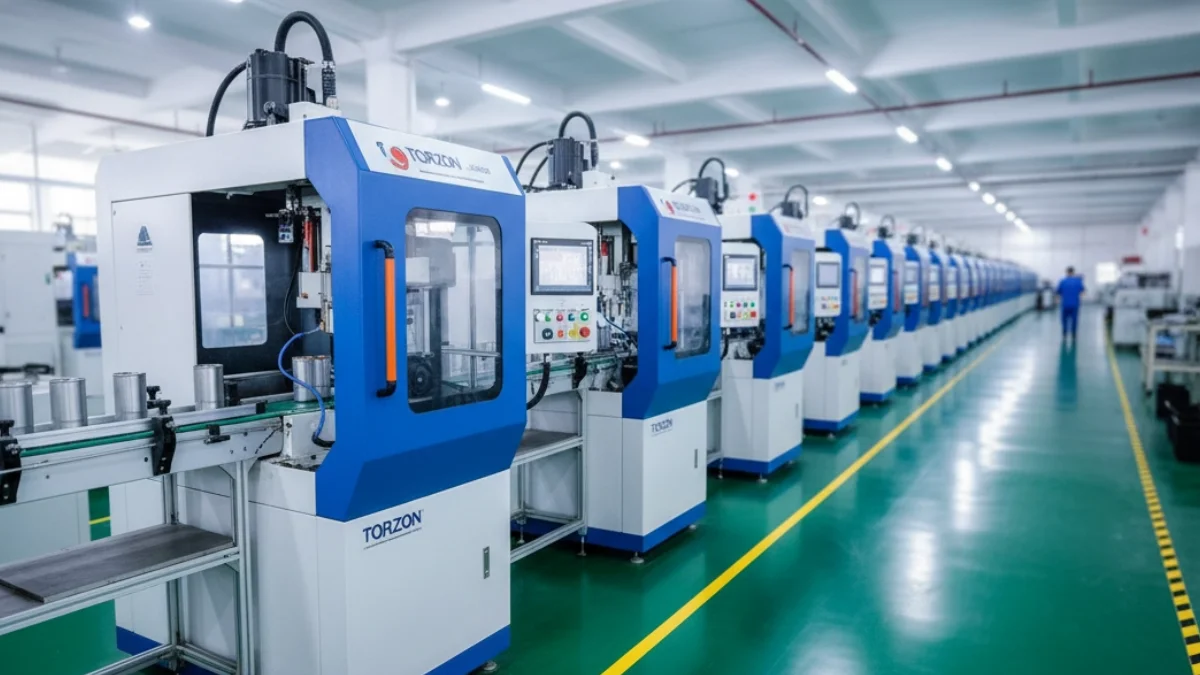
Henan Fuwuyunyun Trading Co., Ltd.
- Trading Company
- Henan, China
- Lead time15 days
- Avg. response≤ 2h
Main productsWater Bottle,Drinkware,Tumbler,Cookware,Food Containers
Main marketsNorth America(40.00%), Mid East(20.00%), Western Europe(20.00%), South Asia(10.00%), Eastern Europe(10.00%)

- Verified by SGS
- Trading Company
- China Shandong
- Lead time0 days
- Avg. response≤ 14h
Main productsProtective Clothing, Baseball Caps, Microfiber Cloth, LED String Light, Disposable Nitrile Gloves, LED Glowing Stick, Sport Cap, Cleaning Cloth, Bicycle Light, Microfiber Mask
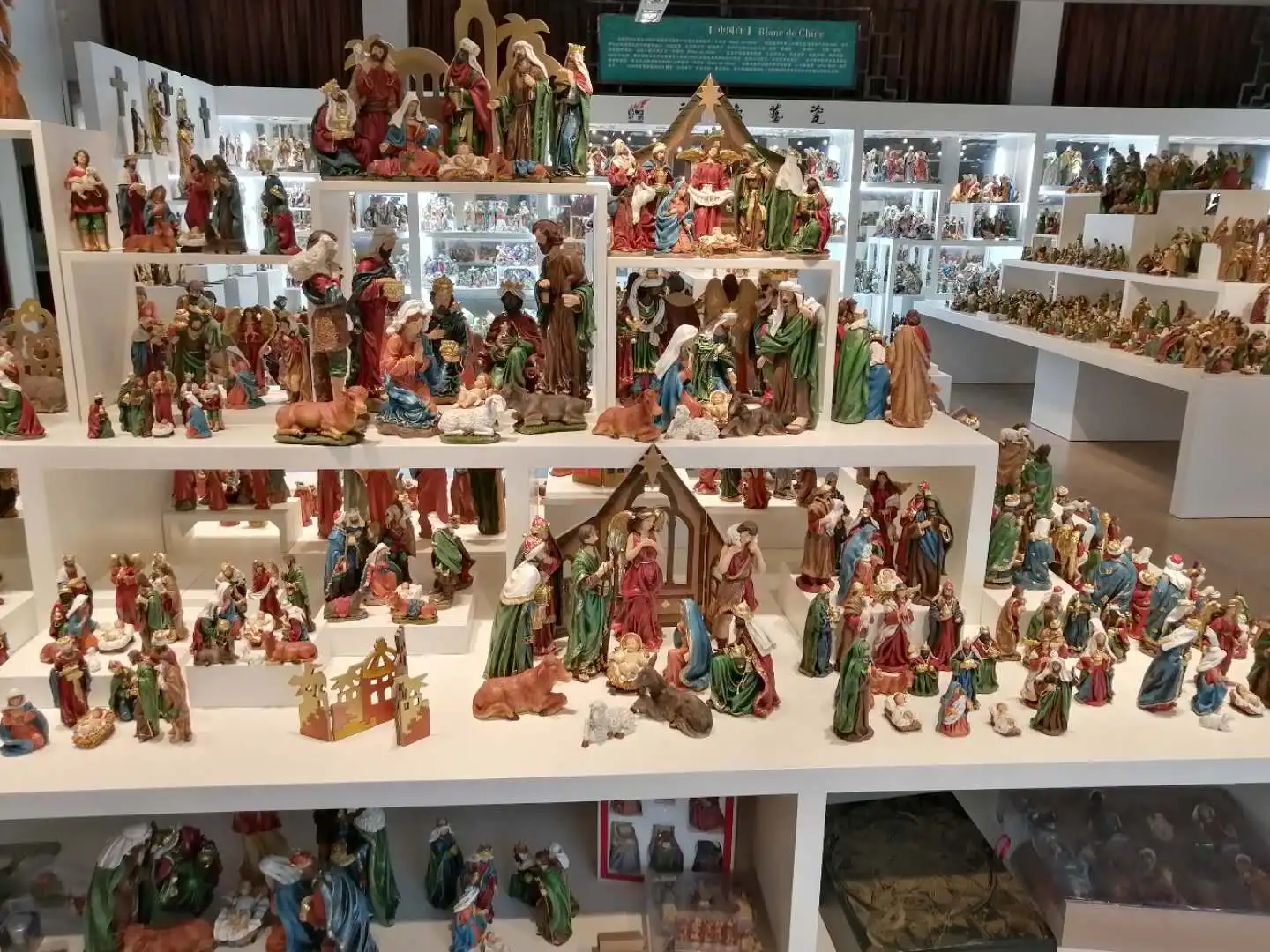
Quanzhou Deerli Arts & Crafts Co., Ltd.
- Manufacturer, Trading Company
- Fujian, China
- Lead time15 days
- Avg. response≤ 8h
Main productsresin craft gift,ceramic product,home decoration,outdoor garden decoration,ceramic craft
Main marketsCentral America(20.00%), North America(15.00%), Domestic Market(12.00%), Northern Europe(11.00%), Southern Europe(10.00%), South America(10.00%), Eastern Europe(5.00%), Mid East(5.00%), Eastern Asia(5.00%), South Asia(4.00%), Western Europe(3.00%)
- Verified by SGS Group
- Manufacturer, Trading Company
- Lead time25 days
- Avg. response≤ 4h
Main productsCooler Box, Plastic Blow Molding Products, Tool Case, Toss Game, Chill Chest
Main marketsNorth America(30%), Domestic Market(30%), Oceania(13%)
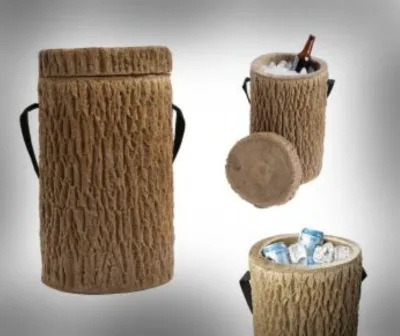
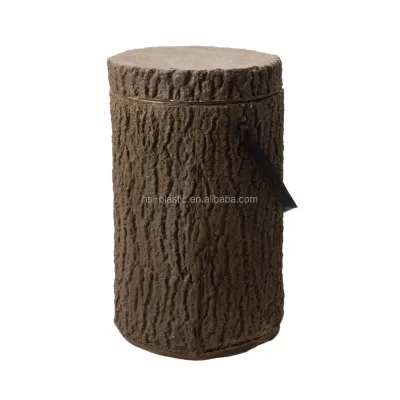
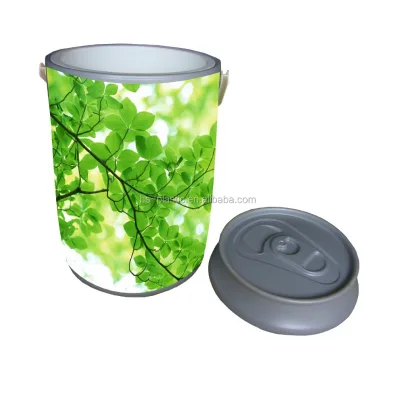
Plastic Round Cylinder Shaped Can Cooler Beer Barrel
$15.00 - $17.00
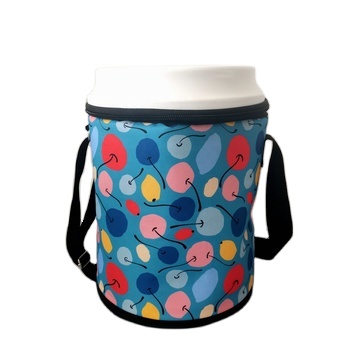

Wenzhou Guanmin Import and Export Co., Ltd.
- Verified by BV
- Trading Company,Manufacturer/Factory
- China Zhejiang
- Lead time120 days
- Avg. response≤ 6h
Main productsShopping Bag, Cooler Bag, Notebook, Pen, Color Pencil, Lanyard, Beach Ball, Umbrella, Sunshade, Air Freshener
Main marketsSouth America,Eastern Europe,Mid East,North America,Southeast Asia,Eastern Asia,Western Europe
- Trading Company
- Taiwan, China
- Lead time30 days
- Avg. response≤ 16h
Main productsChampagne glass,Wine glass,Watch glass,Tumbler,Pitcher
Main marketsWestern Europe(30.00%), North America(30.00%), Eastern Europe(20.00%), Southern Europe(15.00%), South America(5.00%)
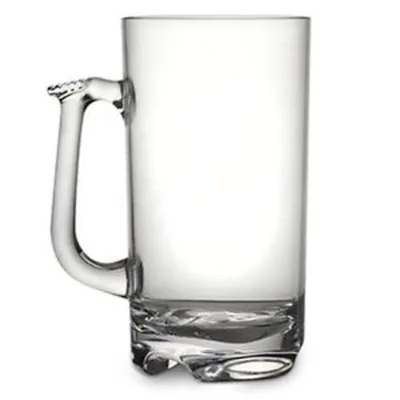
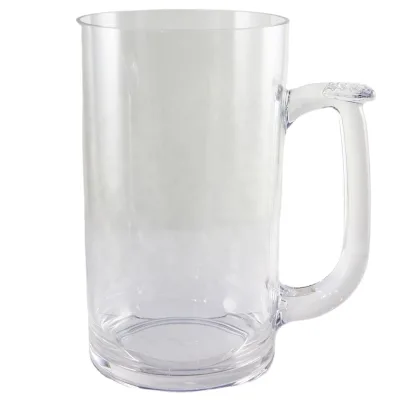
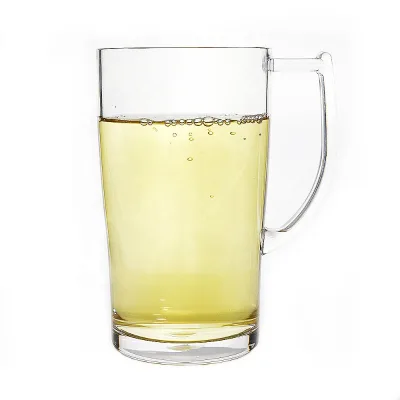
1 Liter BPA Free Classic Camping Plastic Acrylic Tritan Hand Grip Beer Mug
$0.51 - $2.04
MOQ: 1 Minimum
Chaozhou Zhongzhi Hardware Products Co., Ltd.
- Manufacturer, Trading Company
- Guangdong, China
- Lead time20 days
- Avg. response≤ 2h
Main productstableware,Hotel supplies
Main marketsDomestic Market(50.00%), Southeast Asia(25.00%), North America(10.00%), Eastern Europe(10.00%), Eastern Asia(5.00%)

- Verified by TUVRHEINLAND
- Trading Company,Manufacturer/Factory
- China Shandong
- Lead time23 days
- Avg. response≤ 8h
Main productsFolding Table, Chiavari Chair, Beer Table, Louis Chair, Bentwood Chair, Cross Back Chair, Stainless Steel Chair, Bamboo Folding Table and Chair
Main marketsSouth America,Eastern Europe,Mid East,North America,Southeast Asia,Eastern Asia,Oceania,Western Europe,Africa
ZHEJIANG YIHAI INDUSTRY AND TRADE CO., LTD.
- Verified by CTI
- Trading Company
- China Zhejiang
- Lead time45 days
- Avg. response≤ 5h
Main productsStainless Steel Insulated Travel Tumbler, Stainless Steel Sports Water Bottle, Vacuum Flask, Aluminium Sport Bottle, Thermos, Hip Flask, Stainless Steel Coffee Mug, Welding Machine, Beer Mug, Coffee Tumbler
Main marketsSouth America,Europe,North America

Customized 12oz Outdoor Camping Wine Can Cooler Cold Beer Water Bottle Keeper
$1.88 - $2.11
MOQ: 1000 Pieces

- Verified by SGS
- Trading Company
- China Zhejiang
- Lead time15 days
- Avg. response≤ 14h
Main productsTents, BBQ Grill, Folding Table and Chair, Cooler Bag, Outdoor Lamp, Beach Mat, Picnic Blanket, Sleeping Bag, Water Bottle, Hammock
Main marketsEurope,Australia

Customized Cheap Outdoor Camping Single Layer 304 Stainless Steel Beer Cup
$0.66 - $0.75
MOQ: 1500 Pieces

New 304 Stainless Steel Double Layer Anti-Scalding 175/260/300ml Camping Beer Cup
$0.69 - $0.77
MOQ: 1500 Pieces

Stove Canteen Cup Hanging Pot Outdoor Backpacking Hiking Picnic Camping Cookware Set
$4.00 - $4.10
MOQ: 250 Pieces
- Verified by BV
- Trading Company,Manufacturer/Factory
- China Zhejiang
- Lead time23 days
- Avg. response≤ 5h
Main productsSpiral Slicer, Tent, Hammock, Garden Decoration, Garden Light, Kitchenware, Homeware, Camping, Travel Suitcase, Organizer
Main marketsSouth America,Eastern Europe,Mid East,North America,Southeast Asia,Eastern Asia,Oceania,Western Europe,Africa

Vacuum Insulated Tumbler Cold and Hot Stainless Steel for Camping Ci19496
$4.23 - $5.07
MOQ: 100 Pieces


Yongkang Heecn Stainless Steel Co., Ltd.
- Manufacturer/Factory
- China Zhejiang
- Lead time45 days
- Avg. response≤ 7h
Main productsMug, Cup, Flask, Bottle, Coffee Mug, Drink Bottle, Camping Mug, Advsing Mug, Gift Mug, Shot Glass
Main marketsSouth America,Eastern Europe,North America,Western Europe

Zhenjiang Trumy Industrial Co., Ltd.
- Trading Company,Manufacturer/Factory
- China Jiangsu
- Lead time30 days
- Avg. response≤ 23h
Main productsFurniture Hardware, Door Hardware, Fastener, Building Material, Bathroom Accessory, Kitchen Accessory, BBQ Grills&Outdoor Cooking, Fire Pit&Fire Place, Outdoor Furniture, Toilet Partitions Accessories
Main marketsSouth America,Eastern Europe,Mid East,North America,Southeast Asia,Eastern Asia,Oceania,Western Europe,Africa
Yangdong Jinheng Industrial Co., Ltd.
- Manufacturer, Trading Company
- Guangdong, China
- Lead time40 days
- Avg. response≤ 3h
Main productsCooler Box,cooler,car cooler,draft beer dispenser,ice chest
Main marketsOceania(36.30%), Western Europe(22.20%), Southern Europe(16.30%), North America(9.50%), Eastern Asia(5.10%), Northern Europe(3.80%), South America(3.70%), Africa(1.60%), Eastern Europe(1.50%)
- Verified by TüVRheinland
- Manufacturer, Trading Company
- Lead time35 days
- Avg. response≤ 6h
Main productsKitchen Appliancesv, Bread Box, Pedal Bin, Kettle
Main marketsNorth America(50%), Western Europe(30%), South America(5%)

Shenzhen Kingline Technology Development Co., Ltd.
- Verified by BV
- Trading Company
- China Guangdong
- Lead time15 days
- Avg. response≤ 3h
Main productsShaker Bottle, Water Bottle, Sports Water Bottle, Pill Box, Stainless Steel Water Bottle, Vacuum Flask, Water Jug, Travel Water Bottle, Gym Water Bottle, Cycling Water Bottle
Main marketsSouth America,Southeast Asia/ Mideast,Europe,Australia,North America
Chengdu Gensda Technology Co., Ltd.
- Trading Company
- Sichuan, China
- Lead time15 days
- Avg. response≤ 6h
Main productstumbler with straw,water bottle,Stainless Steel Cup,Car Mug,Vacuum Flasks & Thermoses
Main marketsNorth America(65.00%), Southern Europe(5.00%), Northern Europe(5.00%), Central America(5.00%), Western Europe(5.00%), Mid East(5.00%), Eastern Europe(5.00%), South America(5.00%)
Ningbo Heyorigin Packaging Materials Co., Ltd
- Verified by CTI
- Combined
- China Zhejiang
- Lead time30 days
- Avg. response≤ 25h
Main productsBottle Cap, Plastic Bottle, Tableware, Disposable Cup, Disposable Tableware, Camping Tableware
Main marketsDomestic


Comfortable Grip One-Piece Design Stainless Steel Camping Mug for Hiking
$1.00 - $10.00
MOQ: 5000 Pieces


Qingdao Vold Machinery Manufacturer Co., Ltd.
- Combined
- China Shandong
- Lead time30 days
- Avg. response≤ 7h
Main productsPedal Go Kart, Kids Balance Bike, Kids Tricycle, Kids Mini Digger, Fire Ring, BBQ
Main marketsEurope,North America
- Verified by BV
- Trading Company,Manufacturer/Factory
- China Zhejiang
- Lead time15 days
- Avg. response≤ 8h
Main productsCeramic Mug, Kitchen Storage, Water Bottle, Cookware Set, Charger Plates, Shaker Set, Storage Rack, Food Container, Kitchen Accessories, Yiwu Agent
Main marketsSouth America,Eastern Europe,Mid East,North America,Southeast Asia,Eastern Asia,Oceania,Western Europe,Africa

Hot Sale Classic 304 Stainless Steel Double Walled Insulated Water Bottle
$2.90 - $3.00
MOQ: 100 Pieces

Factory Custom Double Wall Insulated Stainless Steel Water Bottles with Logo
$2.90 - $3.00
MOQ: 100 Pieces
HENAN JINBAILAI INDUSTRIAL CO., LTD.
- Verified by BV
- Trading Company
- China Henan
- Lead time23 days
- Avg. response≤ 3h
Main productsBBQ, Gas Fire Pit, Wood Fireplace, Stove, Steel Planter, Metal Decors, Garden Furniture, Garden Landscape
Main marketsEurope,North America


Outdoor Camping Rocket Firepit Collapsible Fire Pit Wood Burning Steel Rocket Stove Backpacking
$40.00 - $48.00
MOQ: 1 Pieces


Anhui Ifun Import&Export Co., Ltd
- Verified by TUVRHEINLAND
- Trading Company
- China Anhui
- Lead time30 days
- Avg. response≤ 9h
Main productsGlass Infuser Water Bottle, Stainless Steel Water Bottle, Plastic Water Bottle, Vacuum Flask, French Press Coffee Maker, Thermos Flask, BPA Free Plastic Water Bottles, Drink Bottles, Travel Mug, French Coffee Press
Main marketsSouth America,Africa,Southeast Asia/ Mideast,East Asia(Japan/ South Korea),Europe,Australia,North America
Zhejiang Favour Import And Export Co., Ltd.
- Verified by TüVRheinland
- Trading Company
- Zhejiang, China
- Lead time15 days
- Avg. response≤ 3h
Main productsCamping Gas Stove, Barbecue / Charcoal Grill, Cookware Set, Folding Tables And Chairs, Tents & Camp Beds
Main marketsNorth America(25%), Southeast Asia(15%), Western Europe(15%)
Jinan Junchen Trading Co., Ltd.
- Trading Company
- Shandong, China
- Lead time15 days
- Avg. response≤ 7h
Main productsAuto Parts,Car Spoilers,Car modification kit,Car protection bumper,Car grille
Main marketsAfrica(15.00%), North America(10.00%), Southeast Asia(10.00%), Mid East(10.00%), South America(10.00%), Domestic Market(5.00%), South Asia(5.00%), Southern Europe(5.00%), Northern Europe(5.00%), Central America(5.00%), Western Europe(5.00%), Eastern Asia(5.00%), Eastern Europe(5.00%), Oceania(5.00%)
Yongkang Vision Industry & Trade Co., Ltd
- Verified by SGS
- Trading Company,Manufacturer/Factory
- China Zhejiang
- Lead time23 days
- Avg. response≤ 7h
Main productsStainless Steel Tumbler, Stainless Steel Water Bottle, Stainless Steel Mug, Stainless Steel Coffee Mug, Stainless Steel Can Cooler, Stainless Steel Water Flask, Stainless Steel Vacuum Water Bottle, Stainless Steel Tumbler with Handle, Stainless Steel Thermos, Double Wall Vacuum Stainless Steel Travel Mug
Main marketsSouth America,Eastern Europe,Mid East,North America,Southeast Asia,Eastern Asia,Oceania,Western Europe,Africa

Abrasion Resistance Modern Style Stainless Steel Mate Cup Set for Camping
$2.40 - $4.50
MOQ: 100 Pieces


Starry (Xiamen) Outdoor Equipment Technology Co., Ltd.
- Verified by SGS
- Trading Company
- China Fujian
- Lead time15 days
- Avg. response≤ 3h
Main productsCamping Tent, Inflatable Tent, Beach Tent, Ice Fishing Tent, Shower Tent, Car Roof Tent, Relief Tent, Camping Chair and Table, Gazebo, Inflatable Mattress
Main marketsEurope,North America

Wholesale Large Folding BBQ Charcoal Grill Portable Stainless Steel Outdoor Camping
$31.95 - $33.30
MOQ: 10 Pieces

Wholesale Medium Folding BBQ Charcoal Grill Portable Stainless Steel Outdoor Camping
$17.17 - $17.90
MOQ: 10 Pieces

ZHOUKOU BEST KITCHENWARE CO., LTD.
- Verified by TUVRHEINLAND
- Trading Company
- China Henan
- Lead time15 days
- Avg. response≤ 10h
Main productsEnamelware, Enamel Mug, Enamel Casserole, Enamel Storage Bowl, Enamel Kettle, Enamel Basin, Round Tray, Cup, Enamel Pot, Enamel Plate
Main marketsAfrica,Europe
Suzhou Tuoshenghe Mechanical and Electrical Technology Co., Ltd.
- Verified by SGS
- Combined
- China Jiangsu
- Lead time15 days
- Avg. response≤ 8h
Main productsCamping Tent, Camping Stove, Alcohol Stove, Camping Table
Main marketsDomestic

Shandong HY Metal Products Ltd.
- Trading Company,Manufacturer/Factory
- China Shandong
- Lead time15 days
- Avg. response≤ 6h
Main productsFlower Pot, Decorative Screen, Fire Pit, Garden Edging
Main marketsSouth America,Eastern Europe,Mid East,North America,Southeast Asia,Eastern Asia,Oceania,Africa












Comprehensive Sourcing Guide
Insulated Camping Beer Stein Supplier Concentration and Factory Types
Suppliers offering an Insulated Camping Beer Stein fall into a few recognizable company types, and the listings on this page illustrate the split clearly. Some sellers identify themselves as trading companies, one based in Henan, China, whose main products span drinkware, tumblers, cookware and food containers. Others present as combined manufacturer-and-trading businesses, such as a Fujian, China supplier focused on resin crafts, ceramic products and home decoration. Understanding which type you are dealing with matters because a trading company can aggregate designs from multiple workshops, while a manufacturer controls tooling, glazing or vacuum-welding processes in-house.
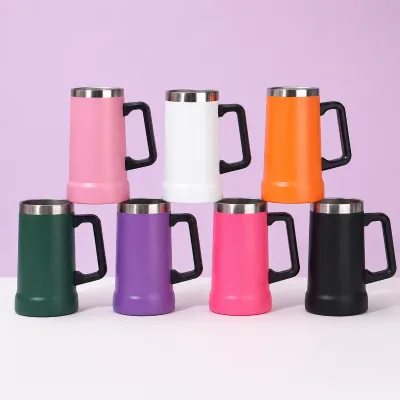
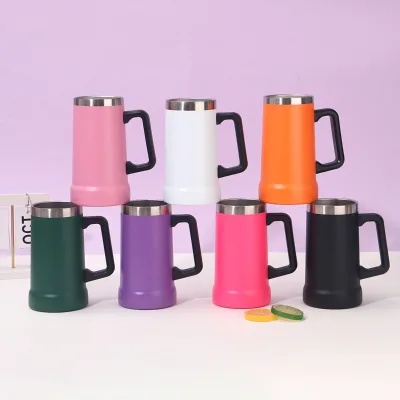
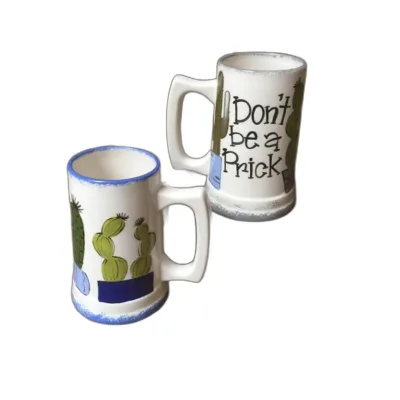
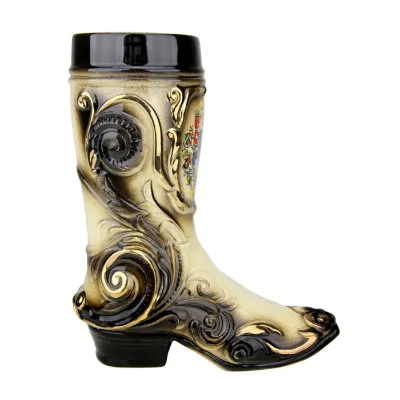
Product evidence also hints at where steel drinkware production concentrates. Several stainless steel beer steins on this page list Zhejiang, China as the place of origin, which is a meaningful signal for buyers comparing vacuum-insulated drinkware programs. A ceramic cactus-style stein, by contrast, originates from a Fujian supplier, showing that the category spans more than one material and production tradition. One supplier in China Shandong lists a very different main-product mix — protective clothing, caps, gloves and LED goods — yet still sells a premium vacuum insulated beer mug, which suggests diversified traders that add drinkware seasonally.
The practical takeaway is to map each candidate against its declared type and location. A stein quoted by a steel-drinkware specialist in a known production province usually behaves differently in sampling, tooling and reorder consistency than one quoted by a generalist trader adding the item opportunistically.
How to Verify Insulated Camping Beer Stein Suppliers
Verification starts with the attributes a platform displays, then moves to evidence the buyer requests directly. On this page, one supplier carries an SGS verification badge, which is a third-party audit signal rather than a product certification, and one Henan-based trading company shows a fast response time of two hours while a Shandong supplier shows a much slower average of more than thirteen hours. Response time is a verifiable, comparable data point: message three or four candidates with the same technical question and measure how quickly and specifically they reply. Note that a Fujian ceramic supplier lists a sample time of fifteen to thirty-five days, which is unusually long for drinkware and deserves direct confirmation before committing.
Next, reconcile declared location and product origin. Several stainless steins here state Zhejiang, China as the product's place of origin even when the seller's registered location differs, which is normal for traders but should prompt you to ask which factory actually performs vacuum insulation and lid assembly. For the Shandong supplier's mug, ask whether customization is genuinely available in-house — the listing says customization is available — and request photos of the production line, not just finished goods. For material claims such as 304 stainless steel or double-wall vacuum construction, request material certificates and an insulation test report showing how long boiling-water temperature is retained, then validate with your own sample test.
Finally, verify transactional safeguards. Ask whether the platform supports escrow or trade assurance on the specific order, and confirm the legal entity name on the quotation matches the verified profile before any deposit.
What to Compare Across Insulated Camping Beer Stein Suppliers
Build a comparison table using the dimensions these listings actually expose. Price ranges on this page span roughly $1.50 to $3.55 per unit depending on model and specification, so normalize comparisons by matching capacity (24 oz or 710 ml appears repeatedly), lid type, handle style and insulation rating. One stein advertises six to twelve hours of thermal insulation while another lists zero to six hours, a gap that should dominate your comparison ahead of small price differences. The Shandong mug lists a twelve-hour moisturizing duration claim and a model number you can use to demand consistent reorders.
Beyond product specs, compare commercial signals. Minimum order quantities vary sharply: one ceramic stein lists an MOQ of 300 pieces, a Shandong tumbler lists an MOQ of 20, and a mug listing shows an MOQ of just 2, which is attractive for sampling but may not hold at production volume. Lead time is another exposed attribute — one Henan trading company shows fifteen days while the Shandong supplier shows zero, which likely means stock availability rather than instant production; clarify what the figure covers. Response time, company type, and main-product fit round out the picture: a drinkware-focused seller is more likely to keep molds and lid stock warm than a multi-category trader.
Weight insulation performance, verified status and reorder reliability above headline price. A dollar saved per unit means little if thermal performance fails your market's expectations.
Common Insulated Camping Beer Stein Sourcing Risks
The most frequent risk in this category is insulation performance inflation. Listings here claim anywhere from zero-to-six to six-to-twelve hours of thermal retention, and one mug claims durations of twelve and even forty-eight hours. These figures are seller-declared, measured under unspecified conditions, and sometimes describe different metrics — heat retention for hot drinks versus cold-hold time for beer. Always test samples yourself with a standardized protocol: fill with water at a fixed temperature, log the temperature at set intervals, and compare against the claim before scaling the order.
Second is origin and process opacity. Stainless steins on this page are made in Zhejiang, but sellers registered in Henan or Shandong quote them, meaning the actual vacuum-forming factory is a step removed. If the middle layer disappears at reorder time, quality can drift. Ask each seller to identify the producing factory and whether you may audit it. Third is sample-time shock: the Fujian ceramic stein lists fifteen to thirty-five days for samples, which can silently consume a season if you plan around typical steel-drinkware timelines.
Fourth is scope creep by generalists. A Shandong supplier whose main products are gloves, caps and LED goods may handle a beer mug well or may simply resell it, so probe their depth on drinkware specifically. Finally, packaging is easily overlooked: one listing specifies a white box and a package size over 26 cm wide, so confirm retail packaging, carton dimensions and drop-test expectations in writing before production, not after.
Insulated Camping Beer Stein Regional Sourcing and Logistics
Regional sourcing for this keyword effectively splits along material lines. Stainless steel vacuum steins on this page consistently list Zhejiang, China as the product origin, aligning with the coastal drinkware manufacturing base where vacuum insulation, welding and powder-coating capacity is dense. Ceramic steins, by contrast, come from a Fujian supplier whose main products are ceramic and resin crafts, and the logistics profile differs substantially: stoneware is heavier, more fragile, and needs divider packing and drop testing that steel never requires. Match your freight mode and packaging budget to the material before comparing unit prices.
Weight data in the listings makes the logistics math concrete. One 24 oz stein lists a single gross weight of 1.5 kg against a product weight of 0.5 kg, meaning packaging and inner box add a full kilogram per unit — a major factor in air freight and in dimensional-weight calculations, especially with a stated single-package size of roughly 26 by 15 by 10.6 centimeters. Another listing gives a carton of 41 by 41 by 28 centimeters holding 25 pieces, which you can use to compute container utilization directly.
Plan logistics around declared lead times, then verify. A Henan trading company shows a fifteen-day lead time, plausible for stocked steel drinkware, while the Shandong supplier shows zero, suggesting ready stock. Confirm whether lead time starts from deposit, from sample approval, or from artwork sign-off, and whether peak-season capacity adds weeks.
Insulated Camping Beer Stein Commercial Terms and Order Planning
Commercial terms should be locked in a sequence: specification, price basis, MOQ, sample, deposit, production, inspection, balance, shipment. On pricing, this page shows steins quoted between roughly $1.50 and $3.55 per unit, but never accept a range as a quote — pin the exact specification (24 oz capacity, lid type, handle, coating, packaging) and demand a unit price at your confirmed volume. Note how MOQ interacts with price: a ceramic stein carries a 300-piece MOQ, a Shandong tumbler lists 20, and one mug shows an MOQ of 2, which is likely a sample-tier figure. Ask each supplier to state the MOQ for custom colors or logos, since customization usually raises the floor.
Payment structure deserves explicit negotiation. A common pattern is a deposit with balance before shipment; insist on platform escrow or trade assurance where available so funds release against inspection, and align payment milestones with your own third-party inspection date. For the Shandong supplier that advertises customization and multicolor options, agree in writing how color variance will be judged, referencing approved retention samples.
Order planning should absorb the timeline risks already visible in the data: sample times of fifteen to thirty-five days for ceramic, lead times around fifteen days for stocked steel, and response speeds ranging from two hours to half a day. Build a calendar backward from your launch date, adding buffer for one sample revision round, and confirm reordering terms — model numbers, tooling ownership and price validity — so your second order is not renegotiated from zero.
FAQs
What capacity do insulated camping beer steins usually come in?
The most common size on this page is 24 oz, which equals about 710 ml, giving ample room for a full beverage with foam head. This large capacity suits barbecues, parties, and camping trips where refills are inconvenient. When comparing listings, always confirm whether capacity is stated in ounces or milliliters to avoid ordering smaller mugs than expected.
How long can these steins keep drinks cold or hot?
Insulation performance varies by construction. Double-wall vacuum insulated models on this page list thermal performance ranging from 0-6 hours up to 6-12 hours, while one vacuum insulated beer mug advertises cold retention of 12 hours or more. Real-world results depend on lid type, ambient temperature, and whether the stein is filled completely, so request test samples before committing to bulk orders.
What materials are used in these beer steins?
The insulated steins shown are made from stainless steel, with one factory model specifying 304 grade, a food-safe stainless steel widely used for drinkware. Ceramic steins also appear on the page but are not insulated. For camping use, double-wall stainless steel with vacuum insulation is generally preferred because it resists dents, handles boiling water, and keeps beverages at temperature longer than single-wall alternatives.
What is the typical price range per stein?
Listed prices range from roughly 1.50 to 3.55 US dollars per piece depending on design and features. Basic stainless steel steins with slider lids sit near the lower end, while premium vacuum insulated mugs with covers cost more. Prices usually decrease with higher order quantities, so request tiered quotations and confirm whether packaging, lids, and customization are included in the quoted price.
What minimum order quantities should I expect?
Minimum order quantities vary widely on this page. One premium vacuum insulated beer mug lists an MOQ of just 2 pieces, a custom insulated tumbler lists 20 pieces, and a ceramic cactus beer stein lists 300 pieces. Stocked stainless steel models typically allow small trial orders, while custom ceramic designs require larger commitments, so confirm MOQ before requesting samples.
How fast can suppliers respond and deliver?
Response times on this page range from about 2 hours to over 13 hours, so message several suppliers to compare speed. One supplier lists a lead time of 15 days, and sample time for a ceramic stein runs 15-35 days. Lead times often lengthen during peak seasons, so confirm current production schedules in writing before placing orders.
Where are these steins manufactured?
Products on this page originate mainly from China, with specific listings from Zhejiang and Fujian, and suppliers located in Henan, Shandong, and Fujian. Zhejiang is particularly known for stainless steel drinkware production. Location matters for logistics costs and factory visits, so verify the actual manufacturing address, not just the trading office, especially if you plan quality inspections before shipment.
Can I customize insulated beer steins with my own branding?
Yes, customization is available on at least one premium vacuum insulated beer mug listed here, and promotional steins designed for gifts and events suggest ongoing customization demand. Typical options include logos, colors, and packaging changes. Expect minimum quantities, extra tooling fees, and longer lead times for custom orders, so request a printed sample to check logo quality before mass production.