Interchangeable UHMWPE Conveyor Side Guide Suppliers and Manufacturers
Find 23 verified suppliers offering Interchangeable UHMWPE Conveyor Side Guide with CE and ISO9001:2015 certifications. Compare response times, lead times, and material specs like tensile strength before contacting vendors for quotes; review the available evidence before requesting comparable quotations from suitable candidates.
Suppliers List
Shandong Chenming Intelligent Equipment Co., Ltd.
- Verified by TüVRheinland
- Trading Company
- Lead time15 days
- Avg. response≤ 2h
Main productsModular Belt, Conveyor, Conveyor Belt, Canning Machine, Automated Production Line
Main marketsDomestic Market(50%), North America(22%), Southeast Asia(5%)

Dezhou Hesheng Plastic Co., Ltd.
- Verified by SGS
- Combined
- China Shandong
- Lead time15 days
- Avg. response≤ 1h
Main productsSheet/Board, HDPE Sheet/Board, Marine Fender, Outrigger Pad, PE Ground Protection Mat, PE Plastic Parts
Main marketsNorth America

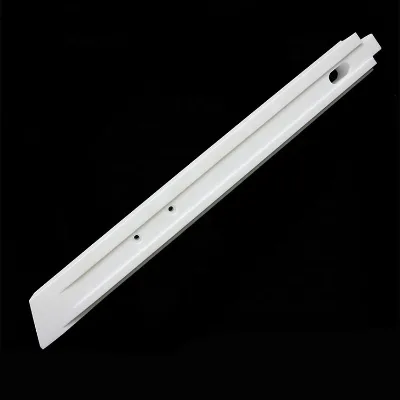
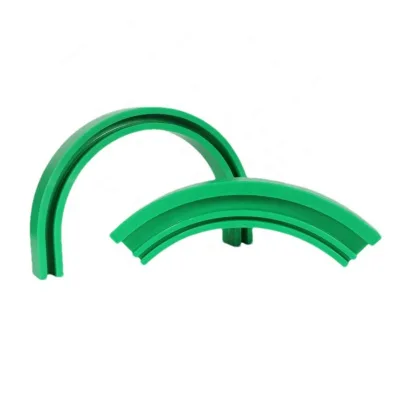
UHMWPE Conveyor Side Guide Rail/Upe Chain Guide Strip/UHMW Conveyor Manufacturer
$4.00 - $5.00
Moq: 50


Versatile Plastic UHMWPE Conveyor Guide Wear Strips for Enhanced Material Handling
$3.00 - $6.00
Moq: 300


Shanghai RexMove Automation Equipment Co., Ltd
- Verified by SGS
- Trading Company
- China Shanghai
- Lead time23 days
- Avg. response≤ 4h
Main productsConveyor Machine, Plastic Conveyor Belt, Plastic Conveyor Chain, Flexible Chain, Flexible Conveyor, Conveyor Components
Main marketsSoutheast Asia/ Mideast,North America

Shanghai Zhiyue Machinery Co., Ltd.
- Trading Company
- China Shanghai
- Lead time15 days
- Avg. response≤ 6h
Main productsConveyors, Plastic Flat Top Chains, Plastic Modular Belts, Conveyor Components, Transmission Spare Parts, Flexible Conveyor Systems, Spiral Conveyor Systems, Stainless Steel Conveyor Chains, Plastic Crate Conveyor Chains, Wire Mesh Conveyor Belts
Main marketsSouth America,Southeast Asia/ Mideast,Australia
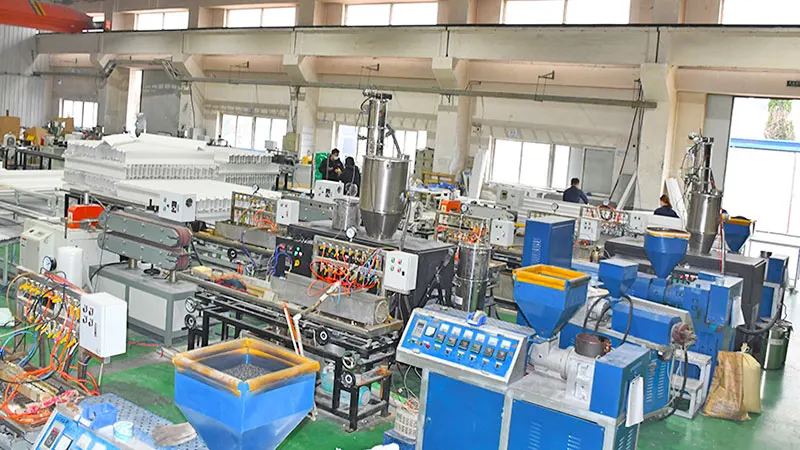
Dalian Zhong Hai Tian Plastic Products Co., Ltd.
- Manufacturer, Trading Company
- Liaoning, China
- Lead time15 days
- Avg. response≤ 1h
Main productsPlastic Profiles,Plastic Tube,Plastic Wear Strips,Plastic Cover Strips,PVC Fence
Main marketsDomestic Market(50.0%), North America(20.0%), Southeast Asia(10.0%), Eastern Europe(5.0%), Western Europe(5.0%), Oceania(4.0%), Mid East(2.0%), South Asia(2.0%), Northern Europe(1.0%), Eastern Asia(1.0%)

Dalian Zhong Hai Tian Plastic Products Co., Ltd.
- Verified by TUVRHEINLAND
- Combined
- China Liaoning
- Lead time30 days
- Avg. response≤ 1h
Main productsPlastic Profiles, Plastic Tube, Plastic Wear Strips, Plastic Cover Strips, PVC Fence, Price Tag Holder
Main marketsEast Asia(Japan/ South Korea),Domestic,Europe,Australia,North America

Abosn (Qingdao) New Plastic Products Co., Ltd.
- Verified by TUVRHEINLAND
- Trading Company,Manufacturer/Factory
- China Shandong
- Lead time23 days
- Avg. response≤ 2h
Main productsComposite Road Mat, Ground Protection Mat, Crane Outrigger Pad, UHMWPE Sheet, PE Rod, HDPE Sheet, PP Sheet, Hockey Dasher Board, Hockey Shooting Pad, Engineering Plastic Component
Main marketsSouth America,Eastern Europe,Mid East,North America,Southeast Asia,Eastern Asia,Oceania,Western Europe,Africa

Nantong Tuorui International Trade Co., Ltd.
- Verified by TUVRHEINLAND
- Trading Company
- China Jiangsu
- Lead time15 days
- Avg. response≤ 18h
Main productsModular Belt, Flat Top Chain, Conveyor Component, Table Top Chains, Plastic Modular Belt, Plastic Conveyor Belt, Slat Chains, Flexible Chains, Industry Belt, Conveyor Plastic Belt
Main marketsSouth America,Africa,Others(foreignTradeCapacity.exportBusinessCapacityMarketOther),Southeast Asia/ Mideast,East Asia(Japan/ South Korea),Europe,Australia,North America
Hebei Feinuo Machinery Parts Manufacturing Co., Ltd.
- Manufacturer, Trading Company
- Hebei, China
- Lead time15 days
- Avg. response≤ 4h
Main productsNylon Products,UHMWPE Products,PE Products,POM Products,Plastic Customization
Main marketsNorth America(22.0%), Eastern Europe(15.0%), Mid East(10.0%), Eastern Asia(8.0%), South America(8.0%), Southeast Asia(8.0%), Western Europe(5.0%), Oceania(5.0%), Domestic Market(5.0%), Africa(3.0%), Southern Europe(3.0%), Northern Europe(3.0%), Central America(3.0%), South Asia(2.0%)

Guangdong Engineering Plastics Industries (Group) Co., Ltd.
- Verified by BV
- Combined
- China Guangdong
- Lead time30 days
- Avg. response≤ 7h
Main productsUHMW-PE, Mc Nylon, POM, PTFE, Peek, PPS, PU, ABS, PVDF
Main marketsEurope
Hebei Mingze Rubber & Plastic Technology Co., Ltd.
- Verified by TüVRheinland
- Manufacturer, Trading Company
- Lead time15 days
- Avg. response≤ 2h
Main productsPolyurethane, Plastic Products, Rubber Products, Nylon Product, UHMWPE Products
Main marketsDomestic Market(40%), North America(7%), South America(7%)

Hebei Peliou New Materials Technology Co., Ltd
- Verified by TUVRHEINLAND
- Combined
- China Hebei
- Lead time15 days
- Avg. response≤ 4h
Main productsUHMWPE Sheet, HDPE Sheet, PP Sheet, PE1000 Sheet, Ground Protection Mats and Outrigger Pads, UHMWPE Guide Rail, Nylon Sheet, Plastic CNC Parts, PE Cutting Boards, PE Plastic Rod
Main marketsSoutheast Asia/ Mideast
Huizhou Domieda Crafts Co., Ltd.
- Trading Company
- Guangdong, China
- Lead time25 days
- Avg. response≤ 3h
Main productsSushi Conveyor Belt System,Sushi Rotary Conveyor Belt Conveyor Belt Sushi,Conveyor chains,Conveyor Components,sushi conveyor
Main marketsSouth America(25.0%), Mid East(25.0%), South Asia(20.0%), Africa(20.0%), North America(10.0%)
Dezhou Qiyuan Plastics Co., Ltd.
- Verified by TüVRheinland
- Manufacturer, Trading Company
- Lead time30 days
- Avg. response≤ 3h
Main productsUhmwpe Sheet, Hdpe Sheet, Crane Outrigger Mat, Gorund Protection Road Mat, Irregular Parts
Main marketsDomestic Market(40%), North America(20%), Oceania(20%)
Hengshui Jason Rubber And Plastic Products Co., Ltd.
- Manufacturer, Trading Company
- Hebei Province, China
- Lead time10 days
- Avg. response≤ 2h
Main productsPlastic Injection Molding Services,Plastic CNC Machining Services,Plastic Sheets and Rods,Nylon Gears / Plastic Pulleys,Polyurethane Products
Main marketsDomestic Market(10.0%), South Asia(10.0%), Northern Europe(10.0%), Central America(10.0%), Eastern Asia(10.0%), Mid East(10.0%), Africa(10.0%), Southeast Asia(10.0%), South America(10.0%), North America(10.0%)

Nanjing Gubai Rubber & Plastic Co., Ltd.
- Verified by TUVRHEINLAND
- Manufacturer/Factory
- China Jiangsu
- Lead time180 days
- Avg. response≤ 6h
Main productsRubber Sheet, Rubber Components, Rubber Rolls, Rubber Strip, Rubber Materials, Plastic Components
Main marketsSouth America,Mid East,North America,Southeast Asia,Eastern Asia,Oceania,Western Europe,Africa


Plastic Products Factory Conveyor Sliding Linear Guides UHMW-PE Plastic Guide Rail
$0.01 - $100.00
Moq: 1


Abosn(Dezhou) New Materials Co., Ltd.
- Verified by TUVRHEINLAND
- Combined
- China Shandong
- Lead time15 days
- Avg. response≤ 2h
Main productsPE1000 Sheets, HDPE Sheets PE 500 PE 300 Sheets, Ground Protection Mats, Composite Heavy Duty Ground Mats, Crane Outrigger Pads Jack Pads, Ice Rink Dasher Board, Hockey Shooting Pads, Hockey Floor Synthetic Ice Tiles
Main marketsSoutheast Asia/ Mideast

- Verified by BV
- Trading Company
- China Guangdong
- Lead time23 days
- Avg. response≤ 3h
Main productsPE1000 Sheet, HDPE Sheet, PP Sheet, Ground Protection Mat, Outrigger Pad, Sythetic Ice Rink, CNC Parts, Guide Rail, Plastic Rod, Soccer Rebound Sheet
Main marketsNorth America
Dezhou Meirun Wear-Resistant Materials Co., Ltd.
- Verified by TüVRheinland
- Manufacturer, Trading Company
- Lead time10 days
Main productsPlastic Sheet, Plastic Rod, Outrigger Pad, Ground Protection Mat, Customized Plastic Parts
Main marketsDomestic Market(80%), North America(5%), Western Europe(5%)

Mujia Automation Technology (Shanghai) Company Limited
- Verified by BV
- Combined
- China Shanghai
- Lead time15 days
- Avg. response≤ 2h
Main productsModular Belt, Top Chain, Stainless Steel Mesh Belt, Stainless Steel Chain, Flexible Chain, Anti-Slip Belt, Conveyor, Sprocket, Guard Rail, Conveyor Spare Parts
Main marketsEurope,Australia,North America

Shandong Ningjin Xinxing Chemical Co., Ltd.
- Verified by TUVRHEINLAND
- Combined
- China Shandong
- Lead time15 days
- Avg. response≤ 3h
Main productsHDPE Sheet, Ground Protection Mat, Composite Road Mat, Crane Outrigger Pads, Synthetic Ice, Dasher Board, Shooting Pad, Suction Box Cover, UHMWPE Fender Pad
Main marketsSoutheast Asia/ Mideast,Europe,Australia,North America
Abosn (dezhou) New Materials Co., Ltd.
- Verified by Intertek
- Manufacturer, Trading Company
- Lead time15 days
- Avg. response≤ 2h
Main productsMarin Fender Facing Pads, Ice Hockey Rink, Crane Outrigger Pad, Ground Protection Mat, UHMWPE Sheet
Main marketsAfrica(15%), North America(10%), South America(10%)
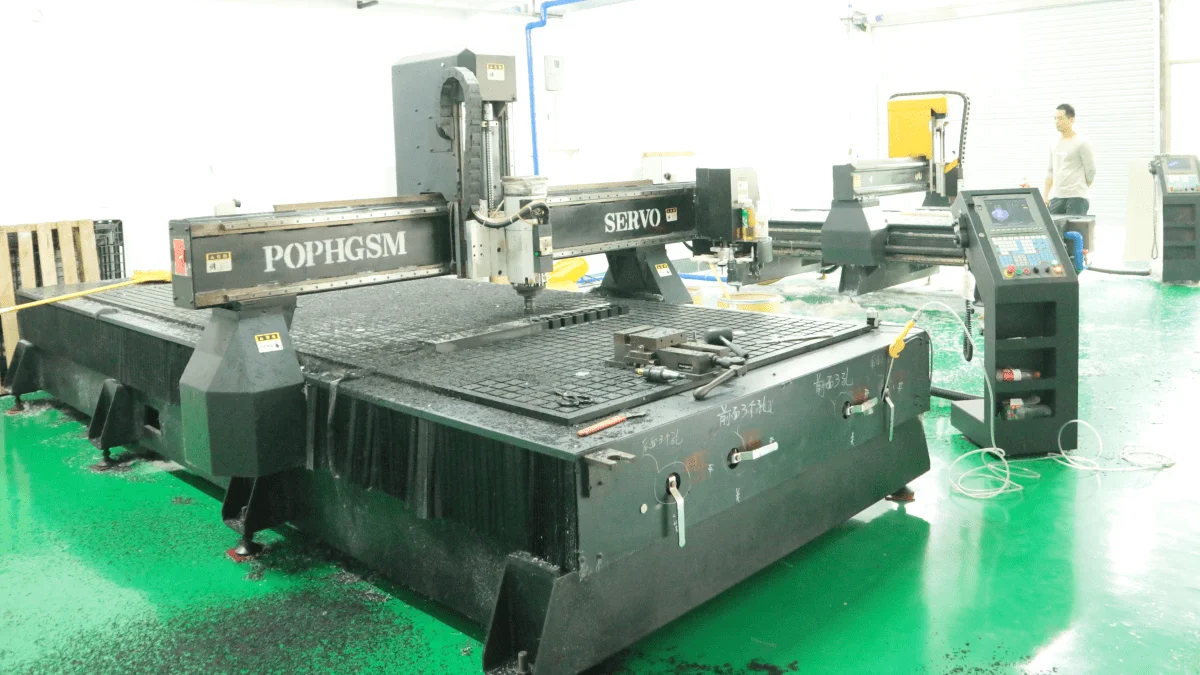
Guangzhou Jabin Sealing Products Co., Ltd.
- Manufacturer
- Guangdong, China
- Lead time1 days
- Avg. response≤ 6h
Main productsPTFE parts,UHMWPE parts,Nylon parts,POM parts,PA6 parts
Main marketsDomestic Market(50.0%), Eastern Asia(10.0%), North America(5.0%), Central America(5.0%), Southeast Asia(5.0%), Mid East(5.0%), Africa(3.0%), South Asia(3.0%), South America(3.0%), Northern Europe(3.0%), Oceania(2.0%), Western Europe(2.0%), Southern Europe(2.0%), Eastern Europe(2.0%)






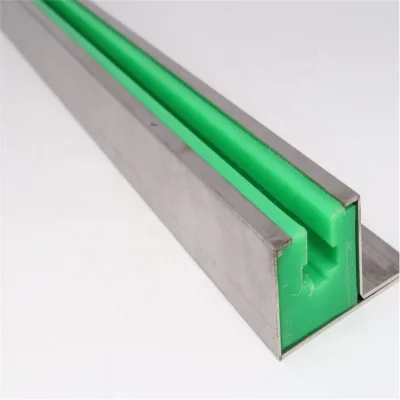
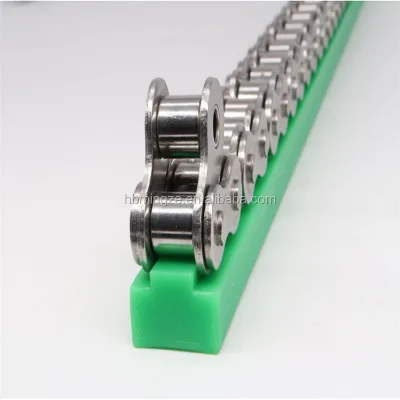
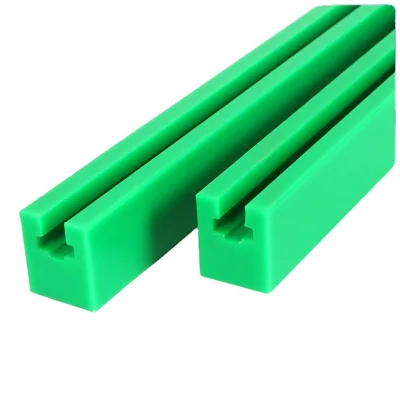


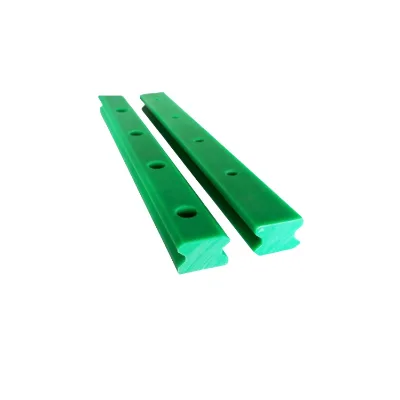
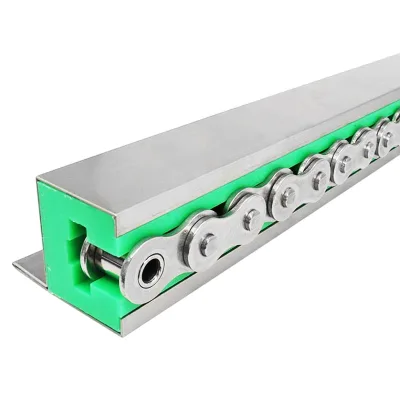
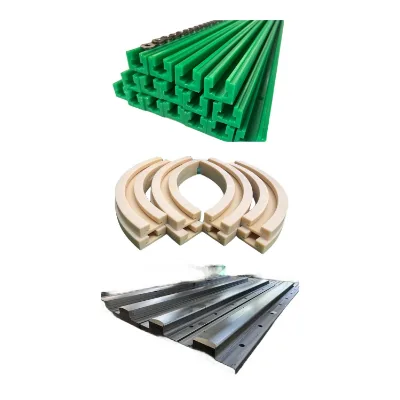
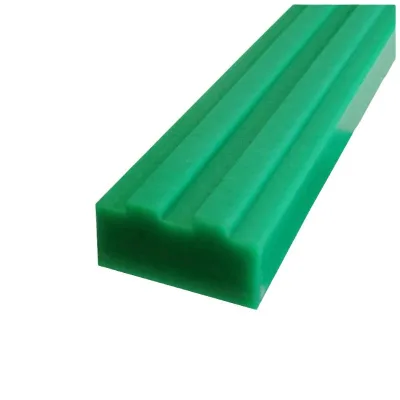
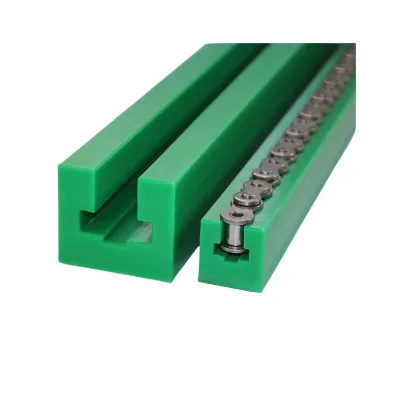
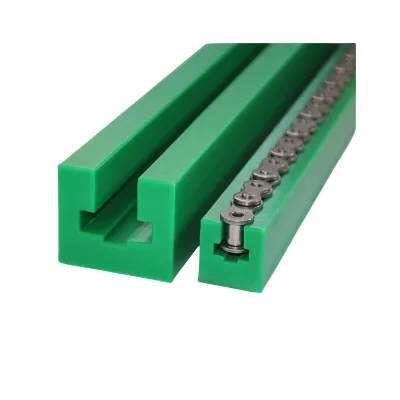
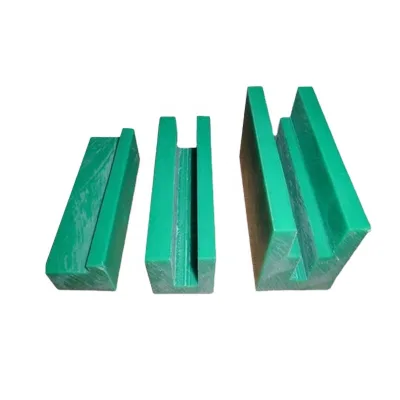
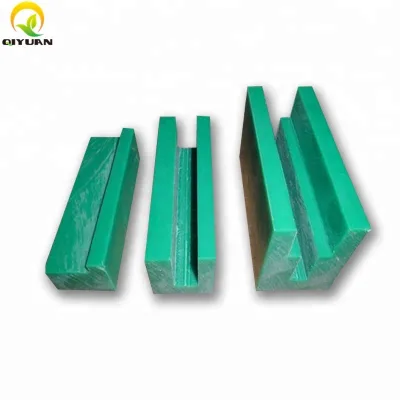
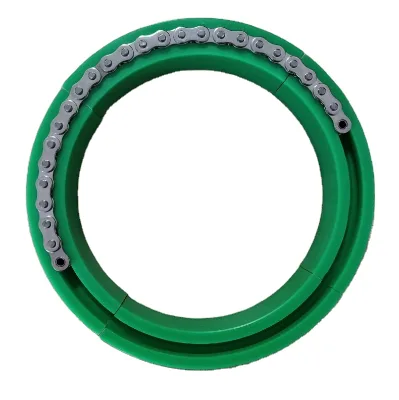




Comprehensive Sourcing Guide
Interchangeable UHMWPE Conveyor Side Guide Supplier Concentration and Factory Types
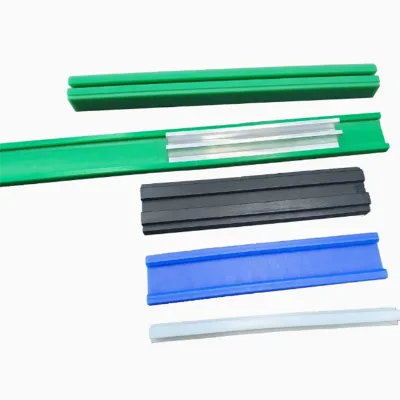
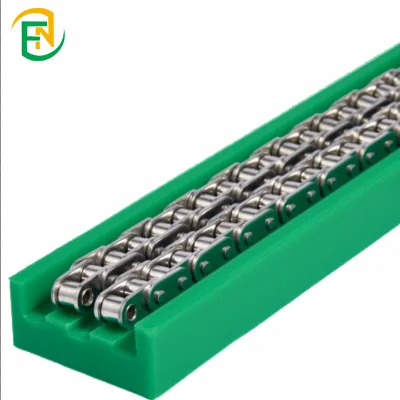
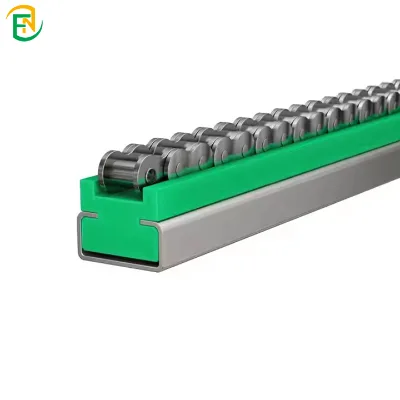
The current supplier landscape for Interchangeable UHMWPE Conveyor Side Guide components reveals a mix of trading companies and combined entity types operating within the industrial machinery sector. Evidence indicates that a significant portion of available suppliers are classified as trading companies, which often aggregate products from various manufacturing sources rather than producing the components in-house. These entities typically list main products such as modular belts, automated production lines, and various conveyor systems, suggesting a broad catalog approach rather than deep specialization in a single component type. The presence of combined company types further diversifies the supply base, offering a blend of direct manufacturing capabilities and trading services to meet complex buyer requirements.
Geographic concentration is a critical factor when evaluating the source of these components. Available data points to Shandong, China, as a verified location for suppliers offering these specific industrial parts. This region is known for its manufacturing base in machinery and plastic products, which aligns with the production of UHMWPE guides and conveyor accessories. Buyers should prioritize verifying the specific factory location within this region to ensure proximity to the supply chain. While the data confirms Shandong as a hub, the exact distribution of factories versus trading offices within this province requires direct verification. Understanding whether a supplier is a direct manufacturer or a trading intermediary is essential for assessing quality control capabilities and pricing structures for these specialized conveyor parts.
How to Verify Interchangeable UHMWPE Conveyor Side Guide Suppliers
Verification of supplier credentials is paramount when sourcing interchangeable Uhmwpe conveyor side guides to ensure product reliability and business integrity. The current results show that some suppliers hold TüVRheinland verification status, while others are verified by SGS. These third-party validations provide a baseline of trust regarding the company's operational stability and compliance with international standards. Buyers must actively check for these specific verification badges on supplier profiles, as the absence of such verification does not necessarily indicate a lack of quality but requires deeper due diligence. Relying solely on self-declared claims without third-party confirmation can lead to significant procurement risks in the industrial machinery sector.
System certifications further validate a supplier's commitment to quality management and environmental standards. Evidence indicates that some suppliers possess CE certification under the 2006/42/EC directive, which is crucial for machinery safety compliance in many markets. Additionally, ISO9001:2015 and ISO14001:2015 certificates have been observed, signaling adherence to rigorous quality and environmental management protocols. Buyers should request copies of these certificates and verify their validity dates directly with the issuing bodies. The presence of these certifications suggests a mature manufacturing process capable of maintaining consistent product specifications for UHMWPE guides. However, buyers must confirm that the specific product line they intend to purchase is covered under these certifications, as company-wide certification does not always guarantee individual product compliance.
What to Compare Across Interchangeable UHMWPE Conveyor Side Guide Suppliers
When evaluating multiple suppliers for interchangeable Uhmwpe conveyor side guides, response time is a key metric for assessing operational efficiency and communication reliability. Data shows response times ranging from 0.05 to 2 hours, indicating a significant variance in how quickly different suppliers engage with potential buyers. A faster response time often correlates with a more active sales team and better logistical coordination, which is vital for urgent industrial projects. Buyers should prioritize suppliers with the quickest response metrics to ensure timely project initiation and problem resolution. However, a fast response should be balanced with the quality of the technical information provided, as speed alone does not guarantee product suitability.
Lead times and minimum order quantities (MOQ) are equally critical factors in the comparison process. Current observations indicate lead times of approximately 15 days for certain suppliers, while others may have different production schedules. The MOQ for these components can vary, with some suppliers offering a minimum order of just one unit, which is beneficial for prototyping or small-scale testing. Buyers must align these logistical constraints with their production schedules and inventory requirements. Comparing the specific lead times and MOQs across different suppliers allows for a more accurate assessment of which vendor can best meet the buyer's specific timeline and volume needs. Additionally, comparing the range of main products offered, such as modular belts or automated lines, can help identify suppliers with broader capabilities for future expansion.
Common Interchangeable UHMWPE Conveyor Side Guide Sourcing Risks
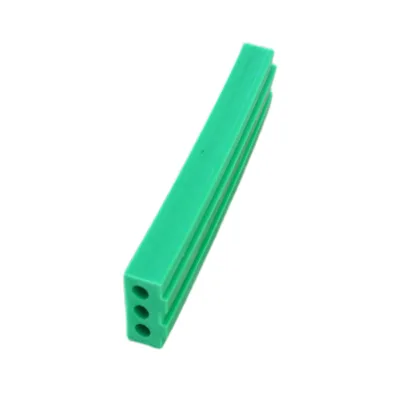
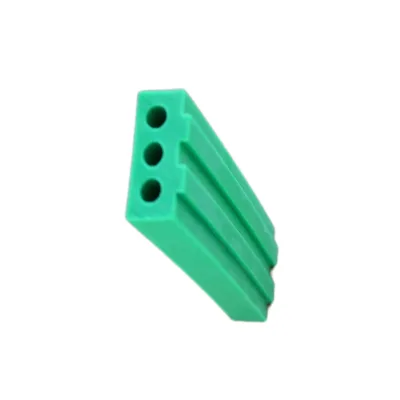
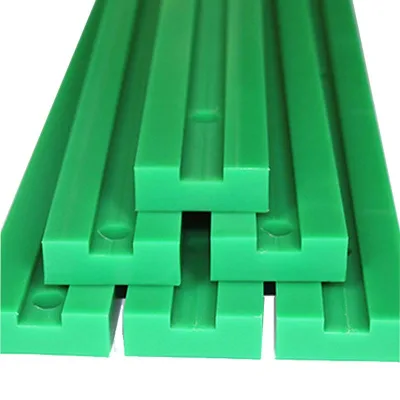
One significant risk in sourcing interchangeable Uhmwpe conveyor side guides is the potential mismatch between product specifications and actual application requirements. The product attributes listed often include customizable dimensions and variable load capacities, such as 10 kg, 50 kg, or up to 1 Ton. Without precise verification of the specific load and speed requirements for the buyer's conveyor system, there is a risk of selecting a guide rail that fails under operational stress. Buyers must rigorously cross-reference the supplier's stated load capacity and speed ratings with their own engineering specifications. Relying on generic product descriptions without confirming the exact technical parameters can lead to premature wear, system failure, and costly downtime in industrial settings.
Another critical risk involves the variability in material composition and manufacturing standards. While some products are described as UHMWPE or Nylon, the specific grade and density can vary significantly between suppliers. Evidence shows attributes like tensile strength ranging from 81 to 130 MPa and water absorption rates below 0.01%, but these values must be confirmed for the specific batch ordered. Inconsistent material quality can result in guides that do not meet the durability or chemical resistance requirements of the intended environment, such as food processing or cold storage. Buyers should request material test reports and ensure that the supplier can consistently deliver the specified material properties. Failing to verify these material specifics can compromise the entire conveyor system's performance and longevity.
Interchangeable UHMWPE Conveyor Side Guide Regional Sourcing and Logistics
Sourcing from the Shandong region in China offers distinct logistical advantages for buyers of interchangeable Uhmwpe conveyor side guides. This area is a established manufacturing hub for industrial machinery and plastic products, providing a dense network of suppliers and supporting infrastructure. The concentration of suppliers in this region can lead to competitive pricing and faster shipping times due to established export channels. However, buyers must verify the specific port of loading and the logistics capabilities of each supplier to ensure efficient delivery. The proximity of factories to major shipping ports in Shandong can reduce transit times and costs, making it a strategic choice for international procurement.
Logistics planning must also account for the specific packaging requirements of these industrial components. Product evidence indicates that items are often packed in wooden cases, carton boxes, or custom packaging as required by the buyer. Proper packaging is essential to prevent damage during transit, especially for precision-machined conveyor parts. Buyers should confirm the packaging standards with the supplier to ensure that the goods arrive in optimal condition. Additionally, understanding the customs clearance procedures for machinery parts from China is crucial for avoiding delays. Buyers should work with freight forwarders who have experience with industrial equipment to navigate these complexities. Effective logistics management ensures that the supply chain remains smooth and that the components are available when needed for installation.
Interchangeable UHMWPE Conveyor Side Guide Commercial Terms and Order Planning
Commercial terms for interchangeable Uhmwpe conveyor side guides often include specific pricing structures and warranty provisions that buyers must carefully review. Current data shows price points ranging from approximately $4.90 to $21.58 per unit, with some suppliers offering a minimum order quantity of just one item. These prices can vary based on customization, material grade, and order volume. Buyers should request detailed quotations that break down costs for materials, processing, and shipping to ensure transparency. Understanding the total cost of ownership, including potential tariffs and freight charges, is essential for accurate budgeting. The warranty period, often listed as one year, provides a safety net for manufacturing defects but should be clearly defined in the contract.
Order planning should also consider the customization capabilities and after-sales support offered by suppliers. Many suppliers provide options for customized dimensions, colors, and specific material properties to meet unique application needs. The availability of 24-hour online service and after-sales support is a valuable asset for resolving technical issues quickly. Buyers should establish clear communication channels with the supplier to discuss customization requirements and ensure that the final product meets all specifications. Planning for lead times, which can be around 15 days, allows for adequate buffer time in the production schedule. By aligning commercial terms with operational needs, buyers can mitigate risks and ensure a successful procurement process for these critical conveyor components.
FAQs
What certifications do these suppliers hold?
Suppliers offer CE and 2006/42/EC system certifications for machinery compliance. Additionally, ISO9001:2015 and ISO14001:2015 certificates are available for quality and environmental management. Verification is provided by TüVRheinland and SGS to ensure supplier reliability and product standards meet international requirements.
What is the typical lead time for orders?
The standard lead time for manufacturing and delivery is 15 days. This timeframe applies to most conveyor parts and side guides. Buyers should confirm specific schedules with the supplier, as customized dimensions or high-volume orders may require additional processing time beyond the standard period.
What is the minimum order quantity required?
The minimum order quantity is 1 unit for many items. This low MOQ allows buyers to test quality before placing larger orders. Some suppliers may have different requirements for bulk purchases, so it is advisable to verify the specific MOQ with the supplier for your exact needs.
Where are these suppliers located?
Suppliers are located in Shandong, China. This region is a known hub for manufacturing industrial machinery and conveyor components. Buyers can expect products to originate from this specific location, which may influence shipping logistics and lead times depending on the final destination country.
What materials are used for side guides?
Side guides are made from UHMWPE, Nylon, Plastic, and Stainless Steel. These materials offer durability, oil resistance, and anti-static properties. Some guides are food-grade and suitable for cold storage. The choice of material depends on the specific application, load capacity, and environmental conditions of the conveyor system.
What is the price range for these guides?
Prices range from approximately 4.90 to 21.58 per unit. The cost varies based on material, size, and customization options. Lower prices may apply to standard UHMWPE strips, while higher costs reflect specialized features or larger dimensions. Buyers should request quotes for accurate pricing based on their specifications.
How quickly do suppliers respond to inquiries?
Response times vary, with some suppliers responding within 2 hours. Others may respond even faster, within 0.05 hours. Quick response times indicate active customer service teams. Buyers can expect timely communication regarding quotes, technical details, and order status updates from these verified suppliers.