semi-automatic pneumatic vacuum capper Suppliers and Manufacturers
Source 30 verified suppliers for semi-automatic pneumatic vacuum capper units from China. Compare key dimensions including ISO 9001 certification, SGS verification, lead times, and pricing. Review product specifications and contact manufacturers directly to secure your supply chain; review the available evidence before requesting comparable quotations from suitable candidates.
Updated
Suppliers List

Guangzhou Tengzhuo Packing Equipment Co., Ltd.
- Verified by SGS
- Trading Company,Manufacturer/Factory
- China Guangdong
- Lead time23 days
- Avg. response≤ 3h
Main productsFilling Machine, Capping Machine, Labeling Machine, Bottle Washing Machine, Filling Production Line, Liquid Filling Machine, Powder Filling Machine, Honey Filling Machine, Perfume Filling Machine, Lotion Filling Machine
Main marketsSouth America,Eastern Europe,Mid East,North America,Southeast Asia,Eastern Asia,Oceania,Western Europe,Africa

Multi-Functional Pneumatic Screw Capper Desktop Type Semi Automatic Capping Machine
$2900.00 - $3300.00
MOQ: 1 sets

Pneumatic Control System Linear 6-Head Vacuum Bottle Capping Automatic Sealing Machine
$6390.00 - $6428.00
MOQ: 1 sets

Customized Pneumatic Control Round Bottle Square Bottle Universal Vacuum Capping Machine
$6390.00 - $6428.00
MOQ: 1 sets

Water Bottle Sealing Capping Machine Vacuum Rotary Multifunctional Capping Machine
$5714.00 - $6428.00
MOQ: 1 sets

Capping Machines Line Filling Capping Machine Bottle Capper Engine Oil Filling Machine
$11300.00 - $11429.00
MOQ: 1 sets

Qingdao Zhongkang Printing and Packaging Machinery Co., Ltd.
- Verified by TUVRHEINLAND
- Trading Company
- China Shandong
- Lead time30 days
- Avg. response≤ 3h
Main productsPacking Machine, Non-Woven Bags, Filling Machine, Capping Machine, Vacuum Packing Machine, Labeling Machine, Strapping Machine, Sealing Machine, Printer Coding Machine, Packaging Bag
Main marketsSouth America,Domestic,Europe

Semi Automatic Pneumatic Beer Bottle Capping Machine, Beer Bottle Capper
$690.00 - $1250.00
MOQ: 1 set


4 Heads Rotary Small Pneumatic Screw Semi Automatic Vacuum Capping Machine
$1980.00 - $3430.00
MOQ: 1 set


Factory Customized Semi Automatic Vacuum Capping Machine Glass Jar Vacuum Capper
$690.00 - $3430.00
MOQ: 1 set
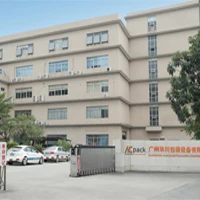
Guangdong Huachuan Packaging Equipment Co., Ltd.
- Manufacturer, Trading Company
- Guangdong, China
- Lead time30 days
- Avg. response≤ 17h
Main productsWashing Machines,Filling Machines,Capping Machines,Sealing Machines,Labeling Machine
Main marketsDomestic Market(60.00%), Southeast Asia(10.00%), Western Europe(7.00%), South Asia(5.00%), Northern Europe(5.00%), South America(3.00%), Africa(3.00%), Eastern Asia(3.00%), Mid East(2.00%), North America(2.00%)
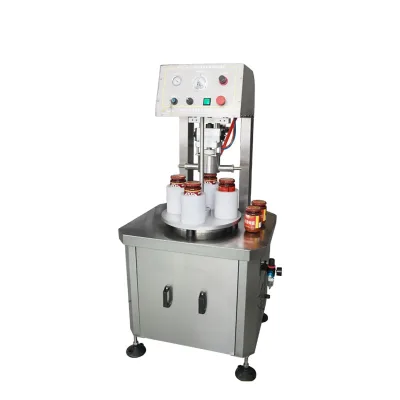
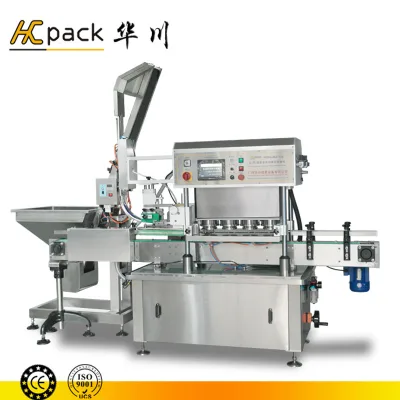
$15800.00 - $16500.00
MOQ: 1 Minimum
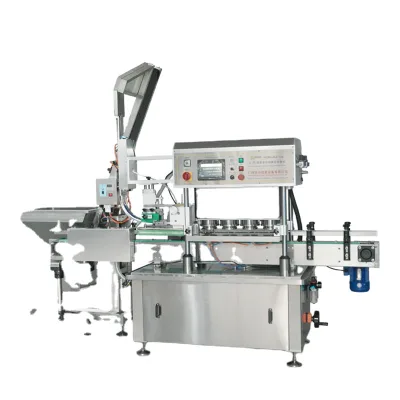

Zhejiang Haizhou Packing Machine Co., Ltd.
- Verified by SGS
- Combined
- China Zhejiang
- Lead time30 days
- Avg. response≤ 8h
Main productsFilling Machine, Capping Machine, Labeling Machine, Sealing Machine, Printing Machine, Paging Machine, Vacuum Packing Machine, Tube Filling and Sealing Machine, Shrinking Tunnel
Main marketsSoutheast Asia/ Mideast,East Asia(Japan/ South Korea),Europe,North America
Henan Rui Youna Machinery Co., LTD
- Trading Company
- Henan, China
- Lead time3 days
- Avg. response≤ 3h
Main productsPacking Machine,Filling Machine,Capping Machine,Labeling Machine,Sealing Machine
Main marketsDomestic Market(40.00%), North America(16.00%), Africa(12.00%), Western Europe(7.00%), Southeast Asia(7.00%), South America(3.00%), Eastern Europe(3.00%), Mid East(3.00%), Northern Europe(2.00%), Eastern Asia(2.00%), Oceania(2.00%), Central America(1.00%), South Asia(1.00%), Southern Europe(1.00%)

Guangzhou CANEOV Technology Co., Ltd
- Verified by TUVRHEINLAND
- Manufacturer/Factory
- China Guangdong
- Lead time15 days
- Avg. response≤ 15h
Main productsBag Packing Machine, Liquid Filling Machine, Ultrasonic Plastic Welding Machine, Labeling Machine, Wrappig Machine, Sealing Machine, Coding Machine, Laser Marking Machine, Mixing Tank
Main marketsSouth America,Eastern Europe,Mid East,North America,Southeast Asia,Eastern Asia,Oceania,Western Europe,Africa
Henan Cyril Machinery Equipment Co., Ltd
- Trading Company
- He'nan, China
- Lead time10 days
- Avg. response≤ 4h
Main productsFilling Machine, Labeling Machine, Capping Machine, Packaging Machine, Coding Machine
Main marketsDomestic Market(40.00%), South America(15.00%), Mid East(10.00%), North America(5.00%), Western Europe(5.00%), Central America(5.00%), Southeast Asia(5.00%), South Asia(3.00%), Eastern Asia(2.00%), Oceania(2.00%), Southern Europe(2.00%), Northern Europe(2.00%), Africa(2.00%), Eastern Europe(2.00%)
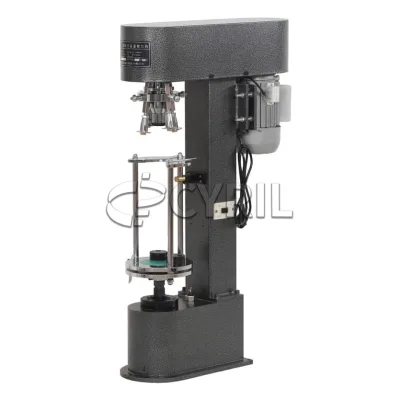
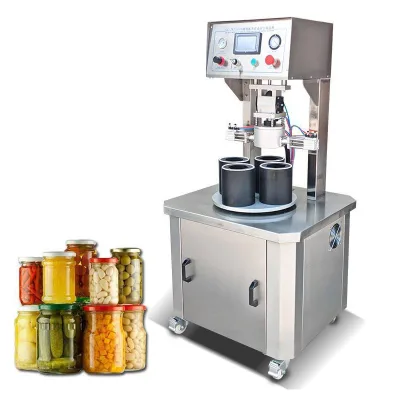
Plastic Bottle Semi-Automatic Capping Machine Aluminum Cap Plastic Cap Sealing Machine
$513.7339
MOQ: 1 Minimum
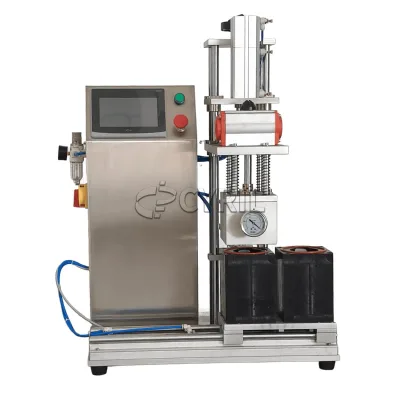
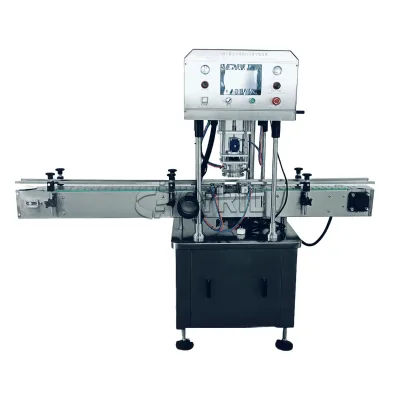
Customizable Vacuum Capper with Stable Can for No Leakage Deviation
$5240.0856 - $5281.1852
MOQ: 1 sets
Zhengzhou Taizy Trading Co., Ltd.
- Verified by TüVRheinland
- Trading Company
- Lead time7 days
- Avg. response≤ 3h
Main productsSnack Frying Machine, Fruit Vegetable Washing Line, Nuts Roasting Seasoning Line, Grain Product Making Machine, Multifunction Packing Machine
Main marketsSoutheast Asia(17%), Domestic Market(14%), North America(11%)

Jiangsu Jinwang Intelligent Sci-Tech Co., Ltd.
- Verified by SGS
- Combined
- China Jiangsu
- Lead time60 days
- Avg. response≤ 22h
Main productsPouch Packing Machine, Pesticide Filling Machine, Agrochemical Filling Machine, Bottle Filling Machine, Liquid Filling Machine, Fertilizer Filling Machine, Fertilizer Packing Machine, Veterinary Drug Filling Machine, Powder Filling Machine, Automatic Packing Machine
Main marketsSouth America,Africa,Southeast Asia/ Mideast,East Asia(Japan/ South Korea),Domestic,Europe,Australia,North America
Henan Zonelion Heavy Industry Co., Ltd.
- Verified by TüVRheinland
- Trading Company
- Lead time7 days
- Avg. response≤ 4h
Main productsCutting Machine, Polishing Machine, Grinding Wheel Manufacturing Machine, Pressure Machine, Fixed Machine
Main marketsNorth America(8%), South America(8%), Eastern Europe(8%)
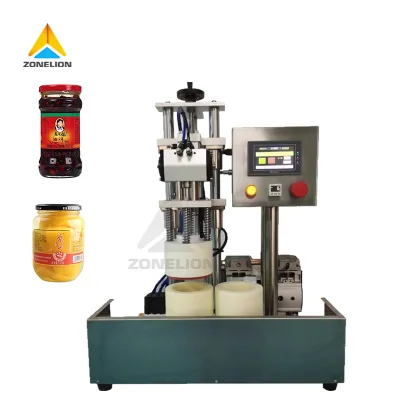
$1139.6109 - $1346.8129
MOQ: 1 pieces
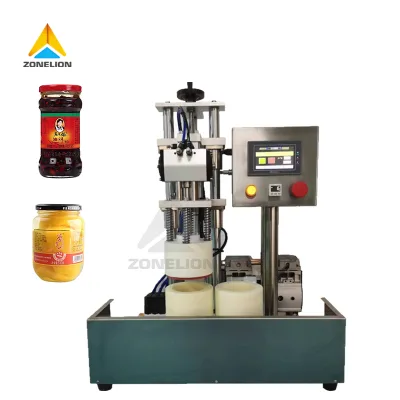
$1146.7528 - $1355.2533
MOQ: 1 pieces
Foshan Naisi Intelligent Equipment Co., Ltd.
- Manufacturer
- Guangdong, China
- Lead time8 days
- Avg. response≤ 2h
Main productsFilling machine,Capping machine,labeling machine,Sealing Machine,Filling Machine Capping Machine Labeling Machine Inkjet Printer Production Line
Main marketsSoutheast Asia(12.00%), Western Europe(10.00%), South America(10.00%), South Asia(8.00%), Central America(8.00%), Southern Europe(8.00%), Eastern Europe(8.00%), Mid East(7.00%), Oceania(6.00%), North America(6.00%), Eastern Asia(5.00%), Africa(5.00%), Domestic Market(5.00%), Northern Europe(2.00%)
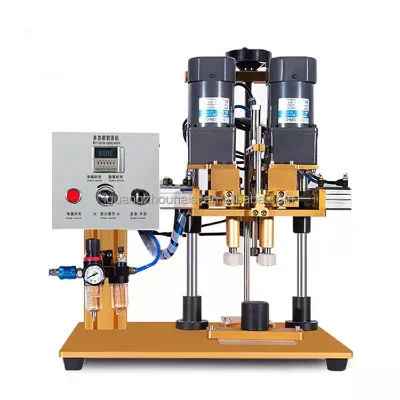
Desktop Pneumatic Semi Automatic Capping Machine for Small Scale Production
$500.00 - $520.00
MOQ: 1 sets
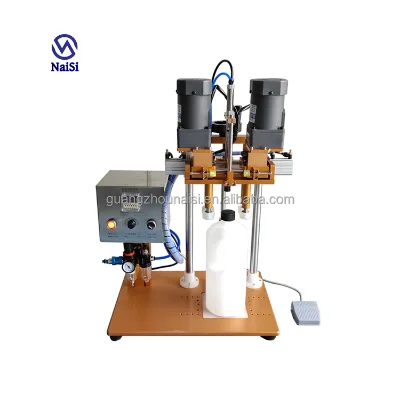
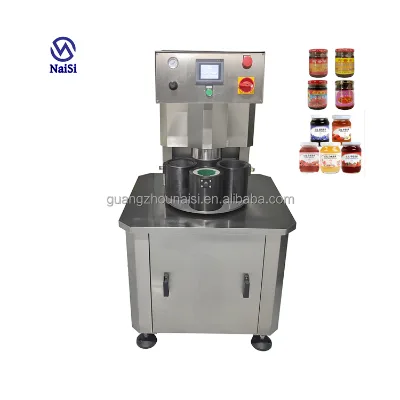
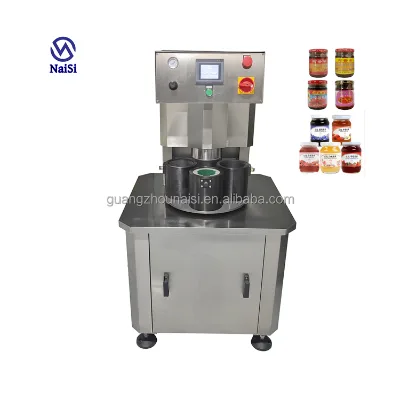
Vacuum Capper for Glass Jar , Glass Bottle Capping Equipment for Food Sacuce Jars Container
$2443.701 - $2566.9116
MOQ: 1 sets
Guangzhou Cosmati Technology Co., Ltd.
- Verified by Intertek
- Trading Company
- Lead time7 days
- Avg. response≤ 1h
Main productsMixing Tank, Vacuum Emulsifying Mixer, Homogenzier, Filling And Capping Machine, Labeling Machine
Main marketsNorth America(25%), Domestic Market(20%), Western Europe(15%)
Shenzhen Juneng Huachuang Machinery Equipment Co., Ltd.
- Manufacturer
- Guangdong, China
- Lead time7 days
- Avg. response≤ 3h
Main productspacker machine,Filling machine,Labeling machine,sealing machine,Boring machine
Main marketsSouth Asia(10.00%), Central America(10.00%), Southeast Asia(10.00%), Mid East(10.00%), South America(10.00%), North America(10.00%), Domestic Market(5.00%), Southern Europe(5.00%), Oceania(5.00%), Africa(5.00%), Northern Europe(5.00%), Western Europe(5.00%), Eastern Europe(5.00%), Eastern Asia(5.00%)
Guangzhou Aile Automation Equipment Co., Ltd.
- Manufacturer, Trading Company
- Lead time旺季: "1 - 1":15,"2 - 2":20,"> 2":"To be negotiated", 淡季: "1 - 1":15,"2 - 2":20,"> 2":"To be negotiated"
- Avg. response≤ 3h
Main productsAerosol Filling Crimping Machine, Bag On Valve Filling Machine, Perfume Machine, Cosmetic Filling Capping Labeling Mac hine, Vacuum Homogenizer
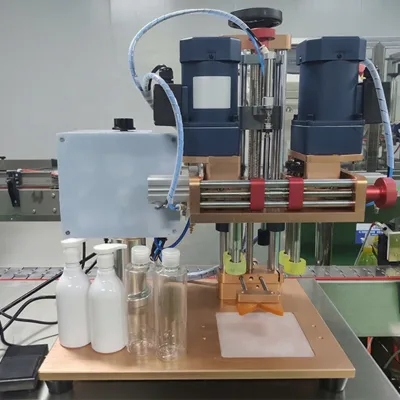
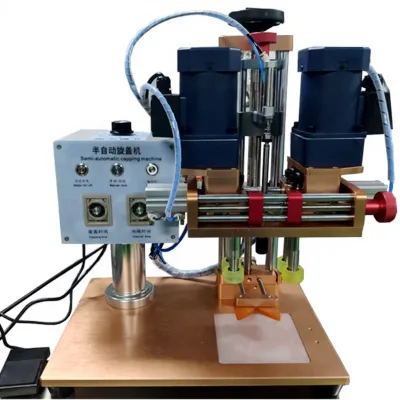
$870.9577 - $1075.8888
MOQ: 1 sets

Guangzhou Fuluke Cosmetics Equipment Co., Ltd.
- Verified by CTI
- Combined
- China Guangdong
- Lead time15 days
- Avg. response≤ 8h
Main productsVacuum Cosmetics Emulsifier Mixer, Mixing Machine, Water Treatment System, Cosmetics Cream Making Machine, Shampoo Detergent Mixing Machine, Label Machine, Filling and Sealing Machine, Capping Machine, Cream Loction Making Machine, Inkjet Print
Main marketsAfrica,Southeast Asia/ Mideast,Domestic,Europe,Australia,North America


Semi Automatic Capping Machine Bottling and Capping Machine Lid Capping Machine
$100.00 - $6500.00
MOQ: 1 Sets

GUANGZHOU YALIAN COSMETIC MACHINERY EQUIPMENT CO., LIMITED
- Trading Company
- China Guangdong
- Lead time30 days
- Avg. response≤ 3h
Main productsMixing Machine, Filling Production Line Machine, Water Treatment, Vacuum Homogenizer Mixer, Labeling Machine, Capping Machine, Vacuum Capping Machine, Package Machine, Filling Machine, Cosmetics Mixer Equipment
Main marketsAfrica,Australia,North America
Changzhou Jerry Packaging Technology Co., Ltd.
- Verified by SGS Group
- Manufacturer, Trading Company
- Lead time60 days
- Avg. response≤ 7h
Main productsFilling Machine, Labeling Machine, Capping Machine
Main marketsNorth America(15%), Mid East(15%), South America(10%)

Jiangsu Zhongtai Packing Machinery Co., Ltd.
- Verified by BV
- Combined
- China Jiangsu
- Lead time30 days
- Avg. response≤ 8h
Main productsFilling Machine, Capping Machine, Labeling Machine, Bottle Unscramble, Carton Packing Machine, Bsg Sachet Filling Sealing Machine, Filler, Capper Closure, Label Sticker, Case Packer
Main marketsSoutheast Asia/ Mideast,Domestic,North America


Full-Automatic vacuum Capper Sealer Machine/Glass Bottle/Jar Vacuum Capping Machine
$6000.00 - $13000.00
MOQ: 1 Sets

Guangzhou Guanhe Light Industry Machinery Co., Ltd.
- Verified by SGS
- Trading Company,Manufacturer/Factory
- China Guangdong
- Lead time38 days
- Avg. response≤ 9h
Main productsFilling Machines, Packing Machine, Capping Machine, Sealing Machine, Labeling Machine, Bottle Washing Drying Machine, Bottle Unscrambling Machine, Conveying Machine, Filling Capping Machines, Mixing/Storage Tanks
Main marketsSouth America,Eastern Europe,Mid East,North America,Southeast Asia,Eastern Asia,Oceania,Western Europe,Africa
Guangdong Leva Packaging Equipment Co., Ltd.
- Manufacturer, Trading Company
- Lead time旺季: "1 - 1":25,"2 - 10":35,"11 - 20":45,"> 20":"To be negotiated", 淡季: "1 - 1":25,"2 - 10":35,"11 - 20":45,"> 20":"To be negotiated"
- Avg. response≤ 2h
Main productsCan Sealing Machine , Capping Machine , Labeling Machine , Round Accumulation Table , Filling Machine
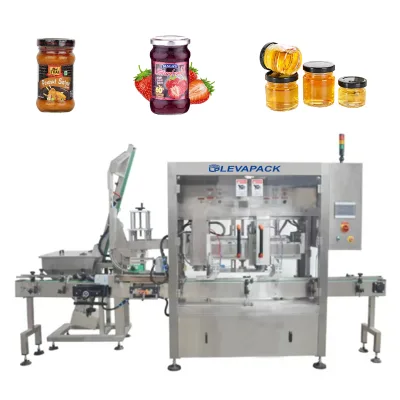
$19950.1204 - $22450.2626
MOQ: 1 sets
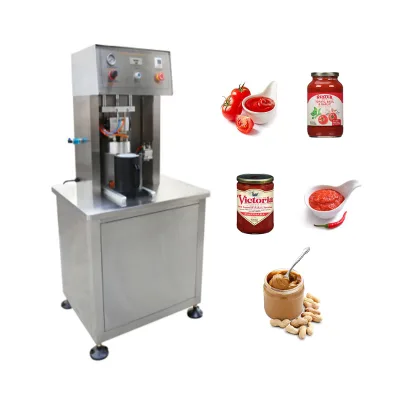
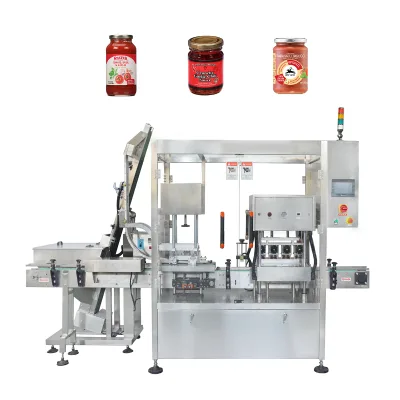
$15144.0858 - $19237.082
MOQ: 1 sets

JIANGSU SHOUDA PACKING MACHINERY & MATERIAL CO., LTD.
- Verified by BV
- Combined
- China Shanghai
- Lead time30 days
- Avg. response≤ 2h
Main productsFilling Machine, Production Line, Packing Machine, Liquid Filling Machine, Oil Filling Machine, Water Bottling Line, Bottle, Boxes, Jar
Main marketsAfrica,Southeast Asia/ Mideast,Domestic


Automatic Vacuum Pump Liquid Nitrogen Container Capping Machine for Cans Sealing
$1500.00 - $2000.00
MOQ: 1 Pieces

Automatic Steam Vacuum Screw Capping Machine for Multiple Types Bottles Container
$3500.00
MOQ: 1 Pieces


ZHENGZHOU HONGLE MACHINERY EQUIPMENT CO., LTD.
- Trading Company,Manufacturer/Factory
- China Henan
- Lead time0 days
- Avg. response≤ 9h
Main productsVegetable Fruit Production Machine, Meat Processing Machines, Nuts Processing Machine, Water Treatment System, Snack Processing Machine
Main marketsSouth America,Eastern Europe,Mid East,North America,Southeast Asia,Eastern Asia,Oceania,Western Europe,Africa


Semi-Automatic Glass Jar Vacuum Cap Sealing Bottling Packaging Machinery Packing Capping Machine New
$500.00 - $2600.00
MOQ: 1 Pieces

Guangzhou Sanxin Machinery Co., Ltd.
- Verified by SGS
- Manufacturer
- China Guangdong
- Lead time15 days
- Avg. response≤ 6h
Main productsCosmetic Machine, Three Dimensional Packing Machine, Shrink Wrapper
Main marketsSoutheast Asia/ Mideast,Domestic
Shandong Dongtai Machinery Manufacturing Co., Ltd.
- Verified by SGS Group
- Manufacturer, Trading Company
- Lead time15 days
- Avg. response≤ 3h
Main productsPacking Machine, Filling Machine, Capping Machine, Labeling Machine, Sealing Machine
Main marketsNorth America(20%), Eastern Europe(20%), Southeast Asia(20%)
Guangzhou Huangzhipai Packing Machinery Co., Ltd.
- Verified by Intertek
- Manufacturer, Trading Company
- Lead time30 days
- Avg. response≤ 1h
Main productsFilling Machine, Capping Machine, Labeling Machine, Sealing Machine, Packaging Processing Line
Main marketsNorth America(55%), Eastern Europe(25%), Africa(12%)
Zhengzhou Hongle Machinery Equipment Co., Ltd.
- Verified by SGS Group
- Manufacturer, Trading Company
- Lead time15 days
- Avg. response≤ 4h
Main productsFruit and Vegetables Production Line, Chicken Feet Production Line, Packing Machine Production Line, Nut Processing Line, Frying Production Line
Main marketsCentral America(20%), Africa(15%), Southern Europe(10%)
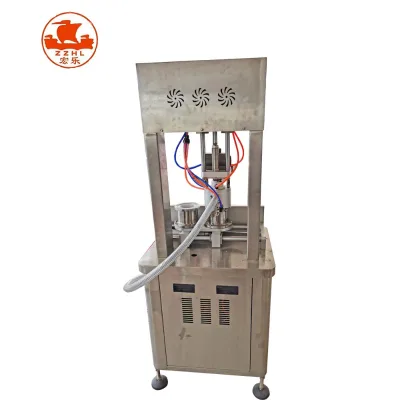
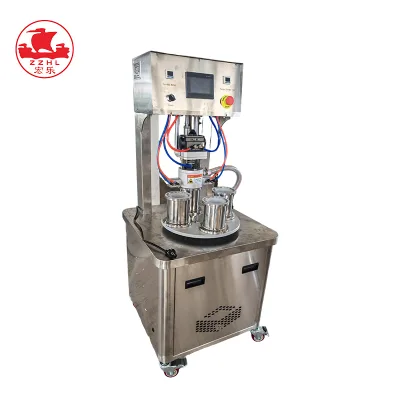
Vacuum Air Removal Capper Low Cost Semi Automatic Capper Vacuum Sealer for Glass Jars with Lids
$1500.00 - $1800.00
MOQ: 1 sets
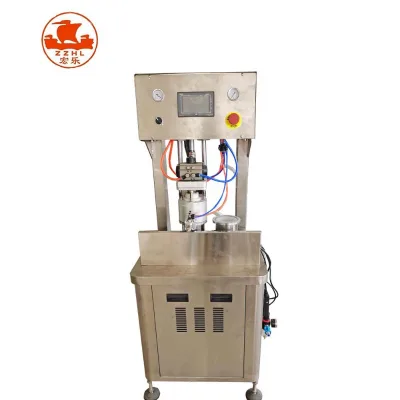
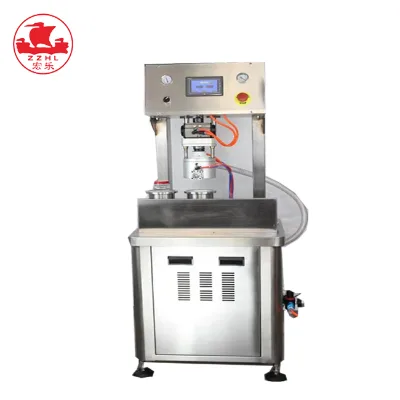
Hot Selling Double Station Bottle Cap Jar Vacuum Capping Machine
$1900.00 - $2100.00

Qingzhou Gofar Packaging Machinery Co., Ltd.
- Verified by BV
- Combined
- China Shandong
- Lead time60 days
- Avg. response≤ 4h
Main productsFilling Machine, Auto Liquid Filling Machine, Auto Water Filling Machine, Auto Oil Filling Machine, Auto Juice Production Line, Auto Aluminum Cap Sealing Machine, Auto Labeling Machine, Auto Water Treatment Equipment
Main marketsSouth America,Africa,Southeast Asia/ Mideast,Domestic,Europe,North America

Automatic Vacuum Screw Capping Machine with Jars Vacuum Capper Machine
$5800.00 - $6600.00
MOQ: 1 Sets


Factory Customizable Glass Jar Capping Machine Automatic Vacuum Capping Machine
$5300.00 - $6000.00
MOQ: 1 Sets

$5000.00 - $8000.00
MOQ: 1 set

Automatic Rotary Vacuum Filling Capping Machine for Vacuum Bottle Pepper Can
$5300.00 - $6000.00
MOQ: 1 Sets

High Productivity Vacuum Capping Machine for Liquid Filling Cans & Bottles
$4600.00 - $5200.00
MOQ: 1 Sets
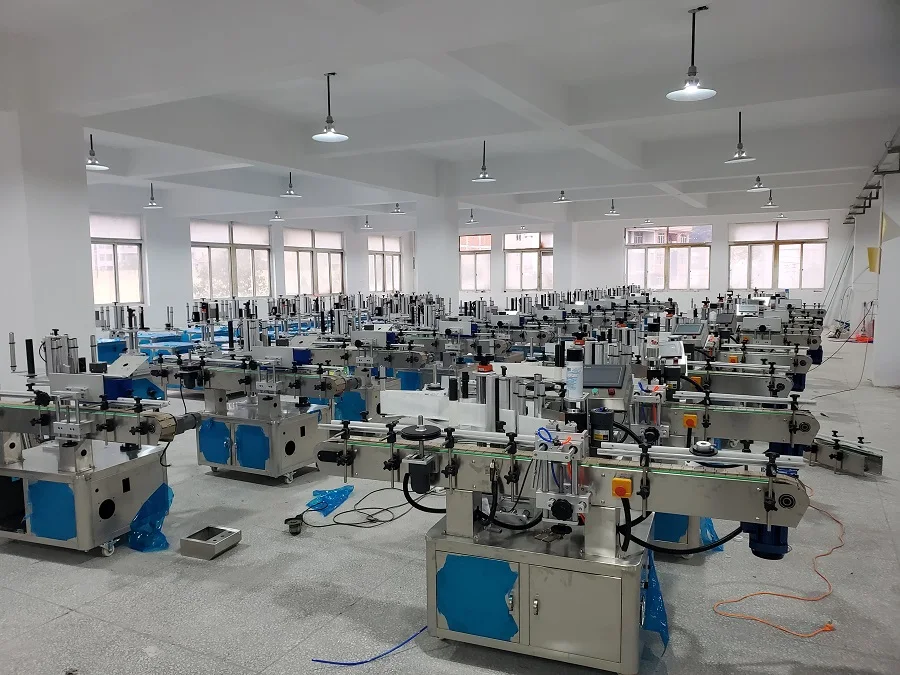
Jiaozuo Fonfar International Trade Co., Ltd.
- Trading Company
- Henan, China
- Lead time3 days
- Avg. response≤ 2h
Main productsPacking machine,Filling Machine,Capping Machine,Labeling Machine,Vacuum Packing Machine
Main marketsSoutheast Asia(23.00%), Eastern Asia(15.00%), South America(15.00%), Mid East(12.00%), Oceania(10.00%), Eastern Europe(6.00%), Western Europe(5.00%), North America(5.00%), Southern Europe(4.00%), Northern Europe(3.00%), Central America(2.00%)
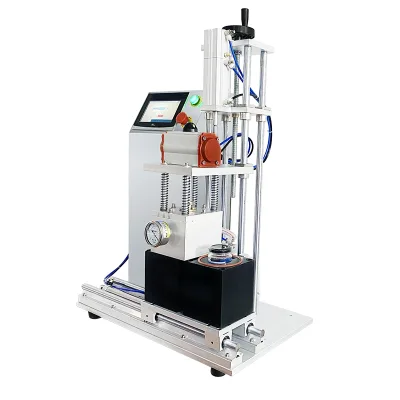
Semi-automatic Double-station Capping Round Jam Jar Glass Jar Capping Vacuum Capping Machine
$1650.00 - $1750.00
MOQ: 1 sets
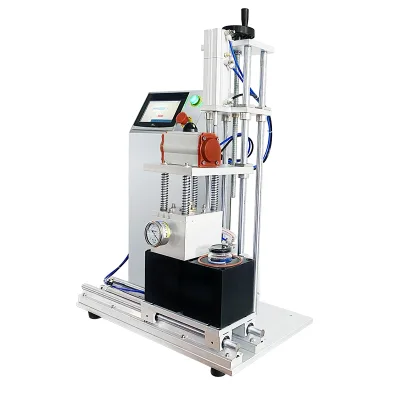
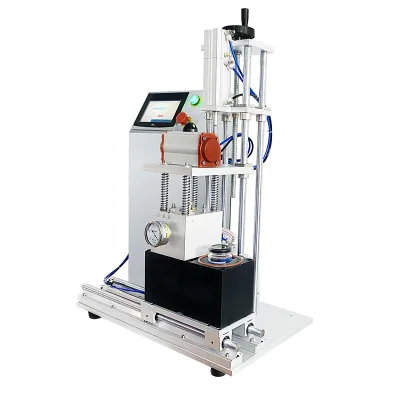
$1650.00 - $1750.00
MOQ: 1 sets
Jining Shunyin Machinery Co., Ltd.
- Verified by TüVRheinland
- Trading Company
- Lead time5 days
- Avg. response≤ 2h
Main productsWrapping Machine, Pallet Wrapping Machine, Shrink Wrapping Machine, Baling Machine, Case Erector
Main marketsEastern Europe(20%), North America(15%), South America(15%)
Shandong Former Machinery Co., Ltd.
- Verified by SGS Group
- Trading Company
- Lead time7 days
- Avg. response≤ 1h
Main productsWrapping machine, Baling machine, Strapping machine, Case erector, Recycling machine
Main marketsNorth America(37%), Domestic Market(25%), Western Europe(8%)
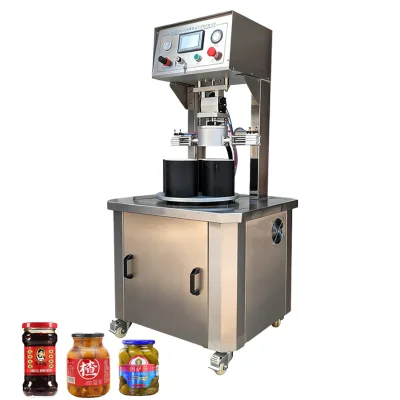
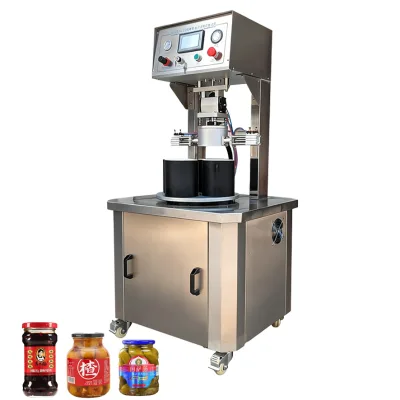
Vacuum Capping Machine for Glass Nut Cans with Quality Air Tank & Stable Vacuum Degree
$3381.3624
MOQ: 1 Minimum




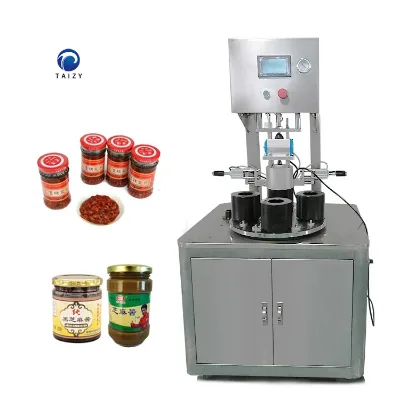
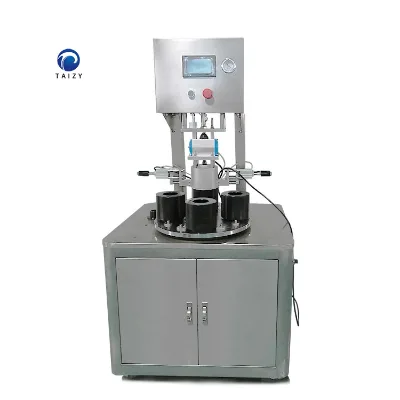


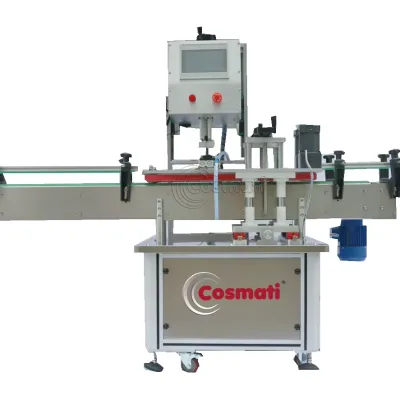
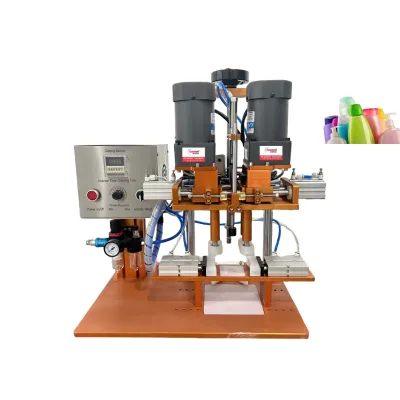
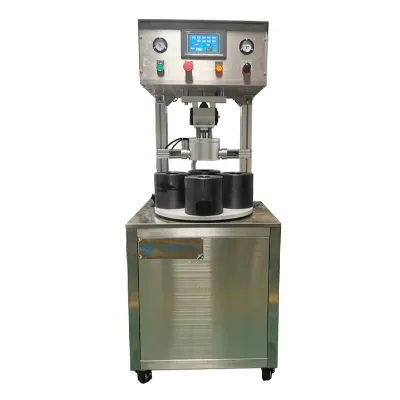
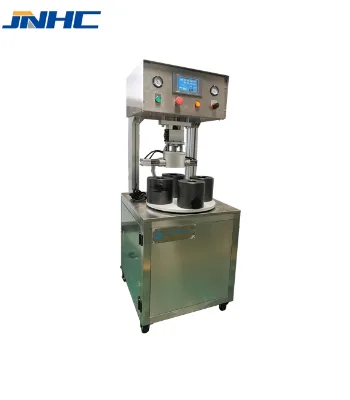


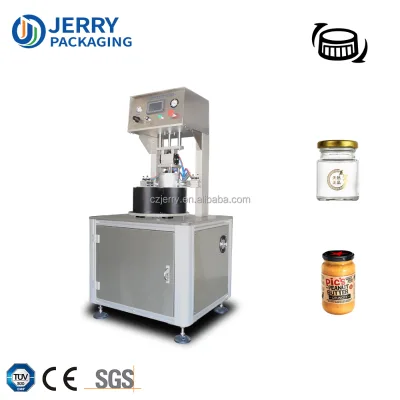


Comprehensive Sourcing Guide
Semi-Automatic Pneumatic Vacuum Capper Supplier Concentration and Factory Types
Suppliers of the semi-automatic pneumatic vacuum capper on this page cluster in two Chinese provinces: Guangdong and Shandong. Both locations appear as confirmed facts in the current results, so a buyer can treat these as genuine manufacturing regions for capping and packaging machinery rather than guesses. Within those provinces, the listed companies split between two company types: trading companies and manufacturer/factory operations. One Guangdong supplier, for example, is labeled as both trading company and manufacturer/factory, while a Shandong supplier is labeled purely as a trading company. This distinction matters because a factory listing may allow direct engineering dialogue about vacuum head configuration, while a trading company may aggregate complementary equipment such as filling, labeling and sealing machines from multiple workshops.
Buyers should not assume the entire supply base is limited to these two provinces. The current results cover thirty suppliers, but result sets change, and additional clusters may exist that are not shown here. When no location is displayed for a supplier, the practical approach is to ask directly for the manufacturing address, confirm whether the stated province is where production occurs or only where the sales office is registered, and request photos or a video walkthrough of the capping machine assembly floor. Main product lines also help identify genuine specialists: the confirmed product lists here include filling machines, capping machines, labeling machines, bottle washing machines and complete filling production lines, which signals a packaging-machinery focus rather than a generalist trader.
How to Verify Semi-Automatic Pneumatic Vacuum Capper Suppliers
Verification starts with the credentials that platforms display and ends with checks the buyer performs. In the current results, some suppliers carry third-party verification labels: one Guangdong supplier shows SGS verification, and a Shandong supplier shows TÜV Rheinland verification. At least one supplier lists an ISO 9001 system certification, while another explicitly shows no system certification (NIL). The buyer's takeaway is that verification status is uneven across the pool, so each supplier must be checked individually rather than assuming a common standard. Where a certification is displayed, ask for the certificate number and scope; where none is shown, treat the supplier as unverified until evidence is produced.
Beyond displayed labels, verification should cover operational signals that appear in the results. Response times are a concrete data point here: the observed suppliers list average response times of roughly 2.5 to 3 hours, which indicates how quickly questions about vacuum performance or pneumatic specifications may be answered. Verification should also confirm the actual role of the company — trading company versus manufacturer — because this affects warranty handling and spare-parts supply for a pneumatic vacuum capper. Request the business license, confirm the registered scope covers packaging machinery, and match the entity name to the verified profile. For the machine itself, ask for the production model name and model code shown in listings (such as WCP-series designations in the current results), then request test videos demonstrating vacuum level and cap compatibility before committing to any order.
What to Compare Across Semi-Automatic Pneumatic Vacuum Capper Suppliers
Build a comparison table using the dimensions the supplier results actually expose. Lead time is one: the current listings show quoted lead times of 23 days for a Guangdong supplier and 30 days for a Shandong supplier, a difference that matters if your line installation date is fixed. Response speed is another, with displayed averages near 2.5 and 3 hours; fast response usually predicts smoother technical communication during commissioning. MOQ appears on some listings at just one machine, which suits pilot lines, but do not assume every supplier publishes an MOQ — ask each one directly.
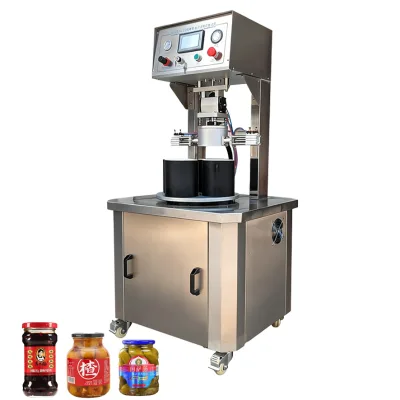
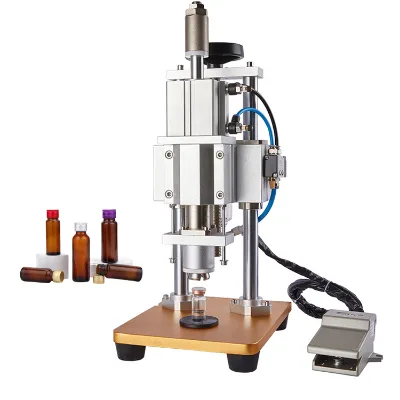
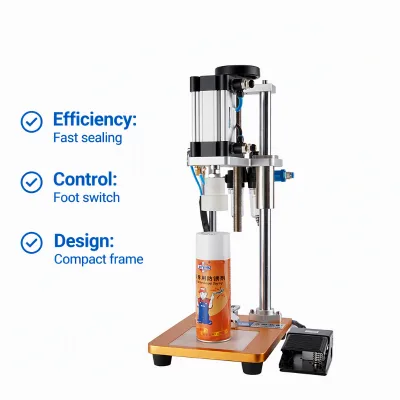
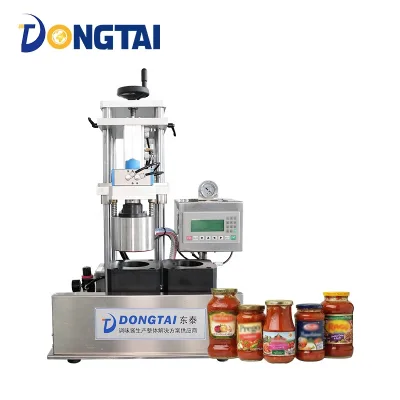
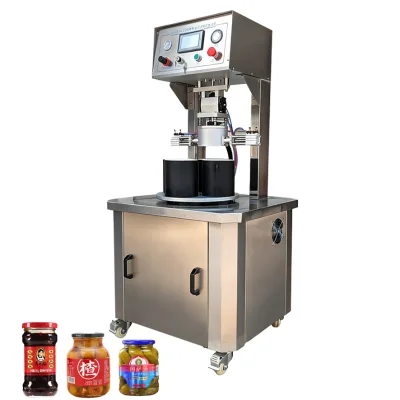
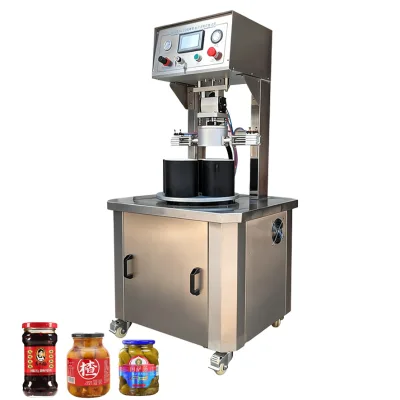
Machine-level specifications offer the richest comparison material. The current product data show a desktop-type semi-automatic pneumatic capper with a capping speed of 300–600 bottles per minute, suitable bottle heights of 50–150 mm, air consumption of 0.5 m³ at 0.8 MPa, and power below 100 W, priced between roughly $2,900 and $3,300 with customization available. Higher-capacity automatic entries in the same pool run from about $5,700 to over $11,000 with speeds of 10–40 bottles per minute and cap diameters of 22–120 mm. Compare vacuum filling principle, single-head versus multi-head valve configurations, PLC control, packing format (film protection plus export wooden case is listed), and whether OEM/ODM capability is stated. Also compare main product breadth: suppliers listing filling, capping, labeling and washing machines can supply an integrated line, which reduces integration risk.
Common Semi-Automatic Pneumatic Vacuum Capper Sourcing Risks
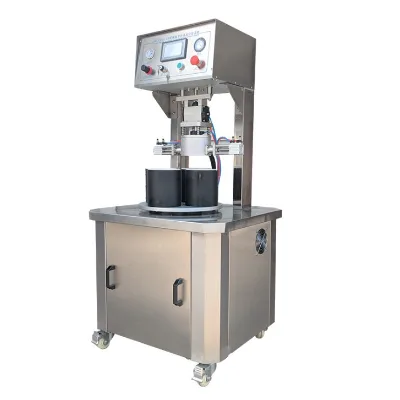
The first risk is conflating semi-automatic with automatic listings. The current results mix desktop semi-automatic pneumatic cappers with linear six-head automatic vacuum machines, and prices differ by a factor of several. A buyer searching for a semi-automatic capper may receive quotes for automatic equipment with different footprints, control systems and speeds, so every quotation should be checked against the automatic-grade attribute and the model code before comparison. A second risk is treating trading companies as factories. Where the company type is labeled trading company, the buyer may face a markup and a communication layer between themselves and the actual assembly floor, which complicates troubleshooting for pneumatic vacuum issues.
Third, specification drift is a recurring hazard: some listings state customization is available for cap diameter and head count, but customization usually extends lead time beyond the quoted 23–30 day figures shown for these suppliers. Confirm in writing how custom requirements affect the delivery date and price. Fourth, certification gaps are visible in this pool — one supplier shows no system certification — so quality assurance cannot be assumed from platform membership alone. Fifth, packing and shipping damage: pneumatic cappers shipped in wooden cases still require inspection on arrival, since air cylinders and vacuum lines can be damaged in transit. Finally, verification labels differ — SGS in one case, TÜV Rheinland in another — and neither is a substitute for a factory audit, video inspection or third-party pre-shipment inspection arranged by the buyer.
Semi-Automatic Pneumatic Vacuum Capper Regional Sourcing and Logistics
The confirmed sourcing regions here are Guangdong and Shandong, and each carries practical logistics implications. Guangdong is a major export province with dense packaging-machinery supply chains, which typically shortens the distance between component vendors and the capper assembler; the Guangdong supplier in these results quotes a 23-day lead time, the shorter of the two displayed figures. Shandong's listed supplier quotes 30 days, and as a trading company it may coordinate production from partner workshops, which can add internal coordination time. These numbers are single observations, not province-wide rules — always confirm the lead time for your specific configuration, especially if customized cap diameters or head counts are requested.
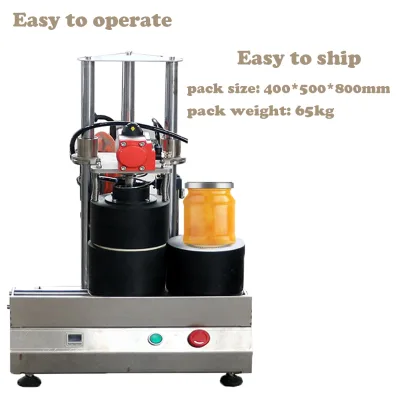
For logistics planning, treat the machine's size and packing format as the controlling variables. Listings here describe export wooden case packing with film protection, and one automatic linear model lists dimensions of 2600 × 1100 × 1950 mm, which places it in a full or partial container shipment rather than courier freight. A desktop semi-automatic unit is considerably smaller and may ship as LCL freight, but confirm gross weight and packed dimensions before quoting freight. Ask each supplier which port they normally ship from, whether they quote FOB or CIF, and who handles export documentation. Because both confirmed provinces are coastal, container access is unlikely to be a constraint, but inland addresses or consolidating multiple machines (capper plus filler and labeler from the same supplier's product range) can change the optimal shipping method.
Semi-Automatic Pneumatic Vacuum Capper Commercial Terms and Order Planning
Price ranges visible in the current results span roughly $2,900–$3,300 for the desktop semi-automatic pneumatic capper, about $5,700–$6,400 for pneumatic vacuum capping machines with more capacity, and roughly $11,300–$11,400 for an automatic vacuum capping model. Use these only as orientation points, since configuration, head count and customization shift the final quote. MOQ on the displayed semi-automatic listing is one machine, which lowers the barrier to a trial order; where no MOQ is shown, request it explicitly. Payment structure, warranty terms and escrow availability are dimensions some platforms display per supplier — check each profile, and never assume escrow protection exists just because a marketplace supports it generally.
Order planning should anchor to the displayed lead times of 23 and 30 days, then add buffers for customization, quality inspection and sea freight. A practical sequence: confirm the machine model and attributes in writing (vacuum principle, bottle height range, cap diameter, air supply requirement of 0.8 MPa where listed), agree on the packing format, arrange a pre-shipment video or third-party inspection, and only then schedule the production line installation. For orders combining a capper with a filling or labeling machine from the same supplier, negotiate a single lead time and consolidated packing to avoid split shipments. Finally, document spare-parts inclusion — seals, cap chucks and pneumatic fittings — in the contract, since wear parts for vacuum cappers are the most common post-delivery reorder.
quantitative check: each section drafted at ~230 words, six sections, ~1380 total.
FAQs
What is the price range for semi-automatic pneumatic vacuum cappers?
Prices for these machines typically range from $2,900 to $11,429 depending on configuration. Desktop semi-automatic models start around $2,900, while more complex linear or rotary systems can exceed $6,000. Buyers should verify specific pricing for their required bottle height and capping speed needs.
What is the minimum order quantity for these capping machines?
The minimum order quantity is generally one unit, allowing buyers to purchase single machines for testing or small-scale production. This low MOQ supports flexible sourcing strategies for startups or businesses expanding their packaging lines without committing to large inventory volumes upfront.
How long does delivery take for these machines?
Standard lead times for these machines are approximately 23 to 30 days. This timeframe accounts for manufacturing, quality checks, and export preparation. Buyers should confirm exact delivery schedules with suppliers, as production capacity and shipping logistics can influence the final arrival date.
Are these machines suitable for food and beverage industries?
Yes, these machines are suitable for food, beverage, medical, and chemical industries. They handle various packaging materials like plastic bottles and are designed for applications including honey, perfume, lotion, and beverages. The pneumatic vacuum capping ensures secure sealing for diverse product types.
What certifications do these suppliers typically hold?
Many suppliers hold ISO 9001 system certification, ensuring quality management standards. Some suppliers are also verified by SGS or TÜV Rheinland. Buyers should request current certification documents to verify compliance with international standards before finalizing procurement agreements for their packaging equipment.
What is the typical response time from suppliers?
Suppliers typically respond within 2.47 to 2.97 hours. This rapid response facilitates efficient communication regarding technical specifications, pricing, and customization options. Buyers can expect timely updates on order status and support inquiries, enhancing the overall sourcing experience for industrial machinery.