semi-automatic pre-made doypack packing machine Suppliers and Manufacturers
Source 29 verified suppliers for semi-automatic pre-made doypack packing machine solutions. Compare key dimensions including ISO 9001 and GMP certifications, lead times, and pricing ranges. Review detailed specifications and request quotes directly from manufacturers; review the available evidence before requesting comparable quotations from suitable candidates.
Updated
Suppliers List

Shanghai Universal Pharmaceutical Machinery Co., Ltd.
- Trading Company,Manufacturer/Factory
- China Shanghai
- Lead time23 days
- Avg. response≤ 3h
Main productsPharmaceutical Machinery, Tablet Press, Tablet Coating Machine, Capsule Filling Machine, Blister Packing Machine, Pharmaceutical Machine, Horizontal Packing Machine, Drying Equipment, Packing Machine, Cartoning Machine
Main marketsSouth America,Eastern Europe,Mid East,North America,Southeast Asia,Eastern Asia,Oceania,Western Europe,Africa

ANHUI IAPACK MACHINERY CO., LTD.
- Verified by SGS
- Combined
- China Anhui
- Lead time30 days
- Avg. response≤ 3h
Main productsPacking Machine
Main marketsSoutheast Asia/ Mideast,Europe,North America


Automatic Pre-Made Pouch, Zipper Bag, Doy Bag Packaging (Packing) Machine
$15000.00 - $35000.00
MOQ: 1 Sets


Ly Sinobiz Machinery Co., Ltd.
- Verified by TüVRheinland
- Trading Company
- Lead time15 days
- Avg. response≤ 4h
Main productsClean Room, Packing Machine, Liquid Filling Machine, Counting Machine, Cartoning Machine
Main marketsNorth America(40%), Western Europe(40%), Eastern Europe(5%)
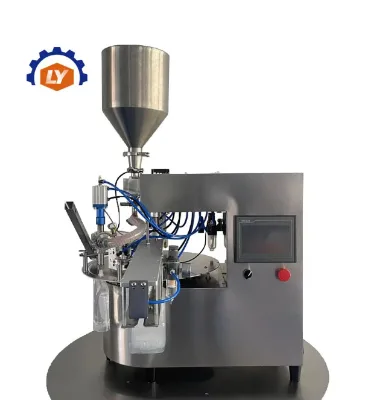
Rotary Doypack Bag Pre-made Pouch Filling and Sealing Semi- Automatic Secondary Packing Machine
$5625.3579 - $5679.1122
MOQ: 1 sets
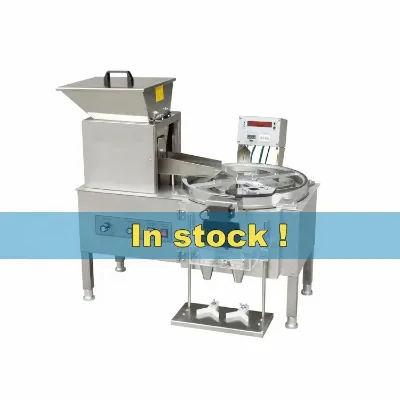

Hangzhou Merry Sino Technology Co., Ltd.
- Trading Company
- China Zhejiang
- Lead time30 days
- Avg. response≤ 5h
Main productsMachine, Packing Machine, Packing Machinery, Packaging Machine, Packaging Machinery, Filling Machine, Food Packing Machine, Sachet Packing Machine, Powder Packing Machine, Vacuum Packing Machine for Food
Main marketsSouth America,Southeast Asia/ Mideast,East Asia(Japan/ South Korea),Europe,Australia,North America

- Trading Company
- Shaanxi, China
- Lead time35 days
- Avg. response≤ 4h
Main productsPremade Pouch Filling Packing Machine,Multilane VFFS Packing Machine,Hardware Counting Packing Machine,Vertical Form Fill and Seal Packaging Machines,Liquid filling packing machine
Main marketsSoutheast Asia(20.00%), North America(20.00%), Eastern Asia(10.00%), Oceania(10.00%), South Asia(10.00%), Western Europe(10.00%), Southern Europe(5.00%), Northern Europe(5.00%), Eastern Europe(5.00%), South America(5.00%)
Foshan Land Packaging Machinery Co., Ltd.
- Manufacturer, Trading Company
- Lead time旺季: "1 - 1":31,"2 - 2":38,"3 - 3":45,"> 3":"To be negotiated", 淡季: "1 - 1":31,"2 - 2":38,"3 - 3":45,"> 3":"To be negotiated"
- Avg. response≤ 4h
Main productsPacking Line, Filling Line, Packing Machine, Filling Machine, Doypack Packing Machine
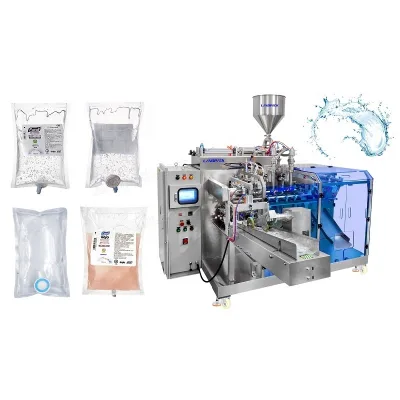
Ethyl Alcohol Pre Made Premade Sachets Pouch Doypack Filling Sealing Packing Machine
$10424.00 - $30000.00
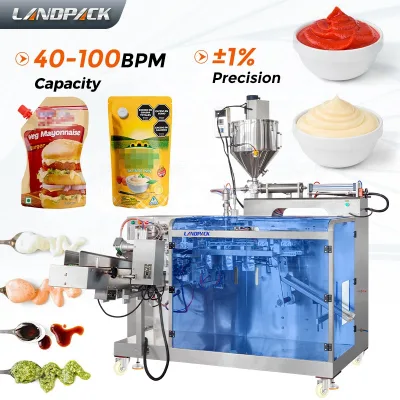
Automatic Honey Syrup Sauce Premade Spout Pouch Bag Doypack Filling Packing Machine
$10495.00 - $30000.00
MOQ: 1 pieces
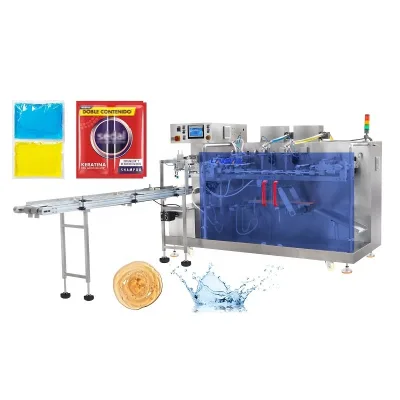
Full Automatic Sauce Shampoo AB Glue Pre Made Premade Pouch Bag Filling Packing Machine
$10442.00 - $30000.00
MOQ: 1 pieces
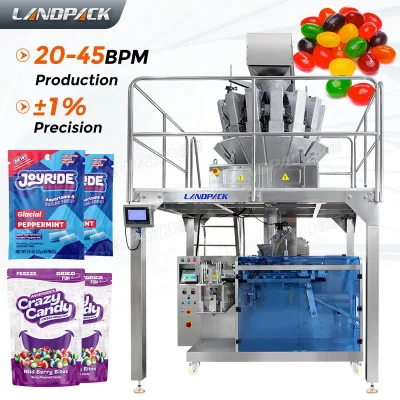
Gummy Small Pre Made Premade Standing Bag Pouch Filling and Sealing Packaging Machine
$10244.00 - $30000.00
MOQ: 1 pieces
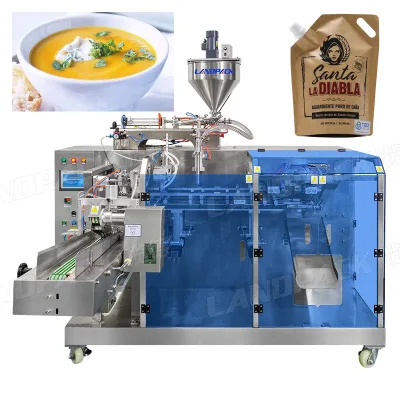
Fully Automatic Horizontal 5l Soup Premade Bag Pouch Given Packaging Packing Machine
$10567.4628 - $30802.9392
MOQ: 1 pieces

FOSHAN LAND PACKAGING MACHINERY CO., LTD.
- Verified by BV
- Combined
- China Guangdong
- Lead time15 days
- Avg. response≤ 8h
Main productsPacking Machine, Packaging Machine, Filling Machine, Packing System, Doypack Packing Machine, Sachet/ Stick Pack Machine, Flow Pack Machine, Tube Filling and Sealing Machine, Vertical Form Fill Seal Machine, Premade Pouch Packing Machine
Main marketsAfrica,Others(foreignTradeCapacity.exportBusinessCapacityMarketOther),Southeast Asia/ Mideast,Europe,North America


High Speed Multi-Function Automatic Doypack Packaging Packing Machine
$7500.00 - $12500.00
MOQ: 1 Sets


Block and Granular Doypack Packing Machine for Pre-Made Pouch Ld-8200/Ld-8250
$7500.00 - $12500.00
MOQ: 1 Sets


Shanghai Huacheng Packing Machinery Co., Ltd.
- Verified by TUVRHEINLAND
- Combined
- China Shanghai
- Lead time45 days
- Avg. response≤ 5h
Main productsAutomatic Pouch Packing Machine, Premade Pouch Packing Machine, Horizontal Form Fill Seal Machine, Spout Pouch Packing Machine, Zipper Pouch Packing Machine, Doypack Packing Machine, Filling and Capping Machine, High Speed Pouch Packing Machine, Flexible Pouch Packing Machine, Bottle Filling Line
Main marketsAfrica,Southeast Asia/ Mideast,Europe


Fully Automatic Ready Made Premade Ziplock Doypack Pouch Packing Machine
$20000.00 - $25000.00
MOQ: 1 Sets


Guangdong Zhongchuang Mechanical Technology Co., Ltd.
- Verified by Intertek
- Manufacturer, Trading Company
- Lead time10 days
- Avg. response≤ 2h
Main productsAuger Filing Premade Bag Packaging Machine, Collar Type Packing Machine, Pillow Type Packing Machine, Ready Made Bag Weighing Packing Machine, Vertical Type Packing Machine
Main marketsDomestic Market(60%), South America(7%), Mid East(7%)
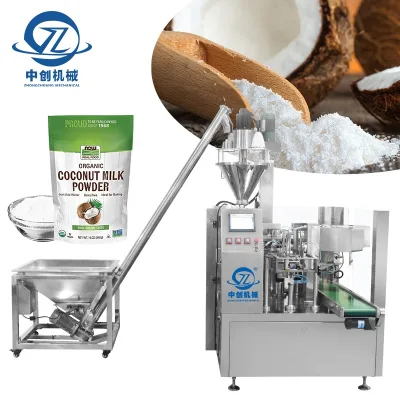
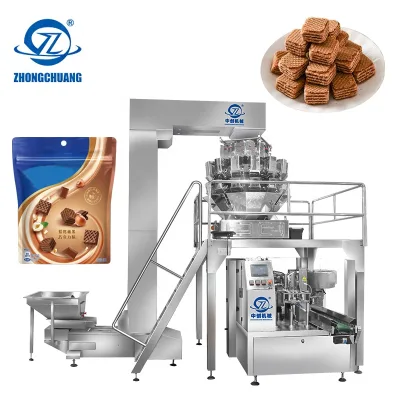
$13080.00 - $21000.00
MOQ: 1 sets
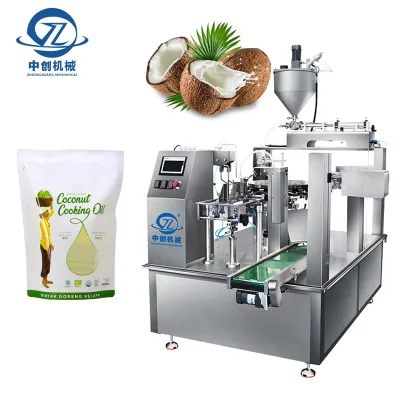
$13050.00 - $18040.00
MOQ: 1 sets
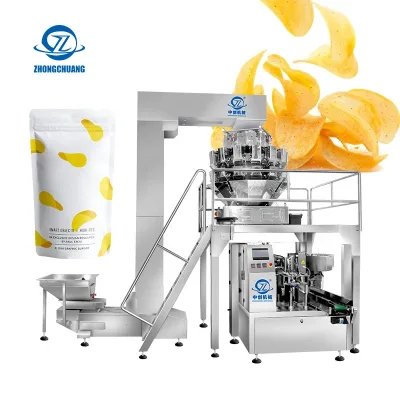
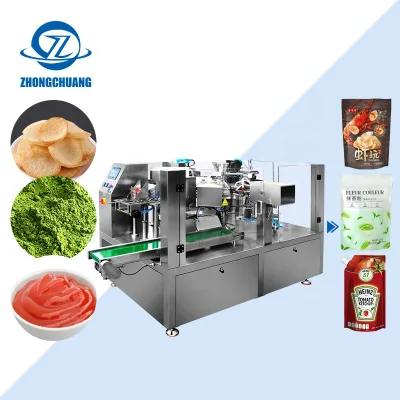
$14850.00 - $18040.00
MOQ: 1 sets
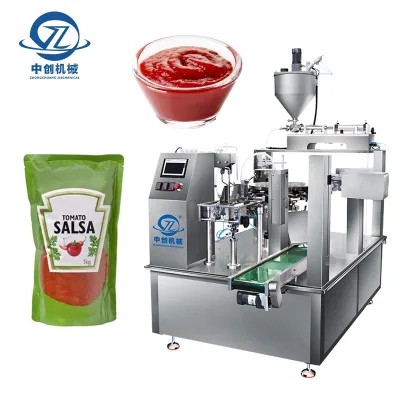
$11800.00 - $14350.00
MOQ: 1 sets
Luohe Quality Mechanical Equipment Co., Ltd.
- Verified by SGS Group
- Manufacturer, Trading Company
- Lead time10 days
- Avg. response≤ 2h
Main productsPackaging Machines
Main marketsNorth America(30%), Southeast Asia(20%), Eastern Europe(15%)
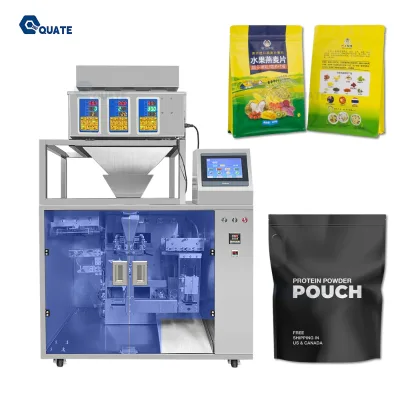
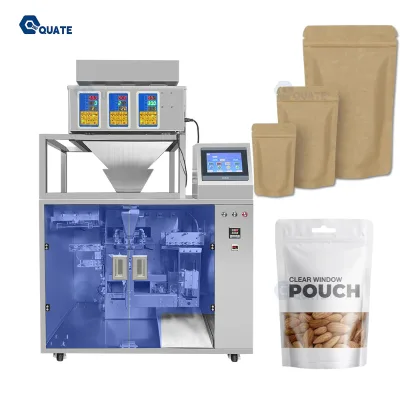
High Quality Automatic Doypack Packaging Machine Coffee Bean Packaging Packing Machine
$3000.00 - $4900.00
MOQ: 1 sets
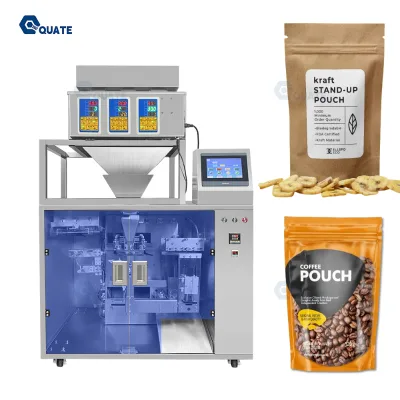
$4300.00 - $4900.00
MOQ: 1 sets
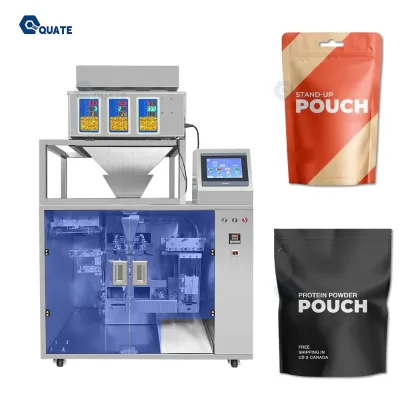
Foshan Zhengchang Machinery Equipment Co., Ltd.
- Verified by SGS Group
- Manufacturer, Trading Company
- Lead time30 days
- Avg. response≤ 3h
Main productsGranule Packing Machine, Liquid Packing Machine, Powder Packing Machine, Vertical Packing Machine, Filling and Capping Machine
Main marketsNorth America(15%), Domestic Market(15%), Southern Europe(10%)
Luohe Orange Mechanical Equipment Co., Ltd.
- Verified by SGS Group
- Manufacturer, Trading Company
- Lead time15 days
- Avg. response≤ 2h
Main productsFood processing production line, Baking equipment, Candy Production Line, Dairy Processing Machines, Packaging Machinery
Main marketsNorth America(23%), South Asia(13%), South America(12%)
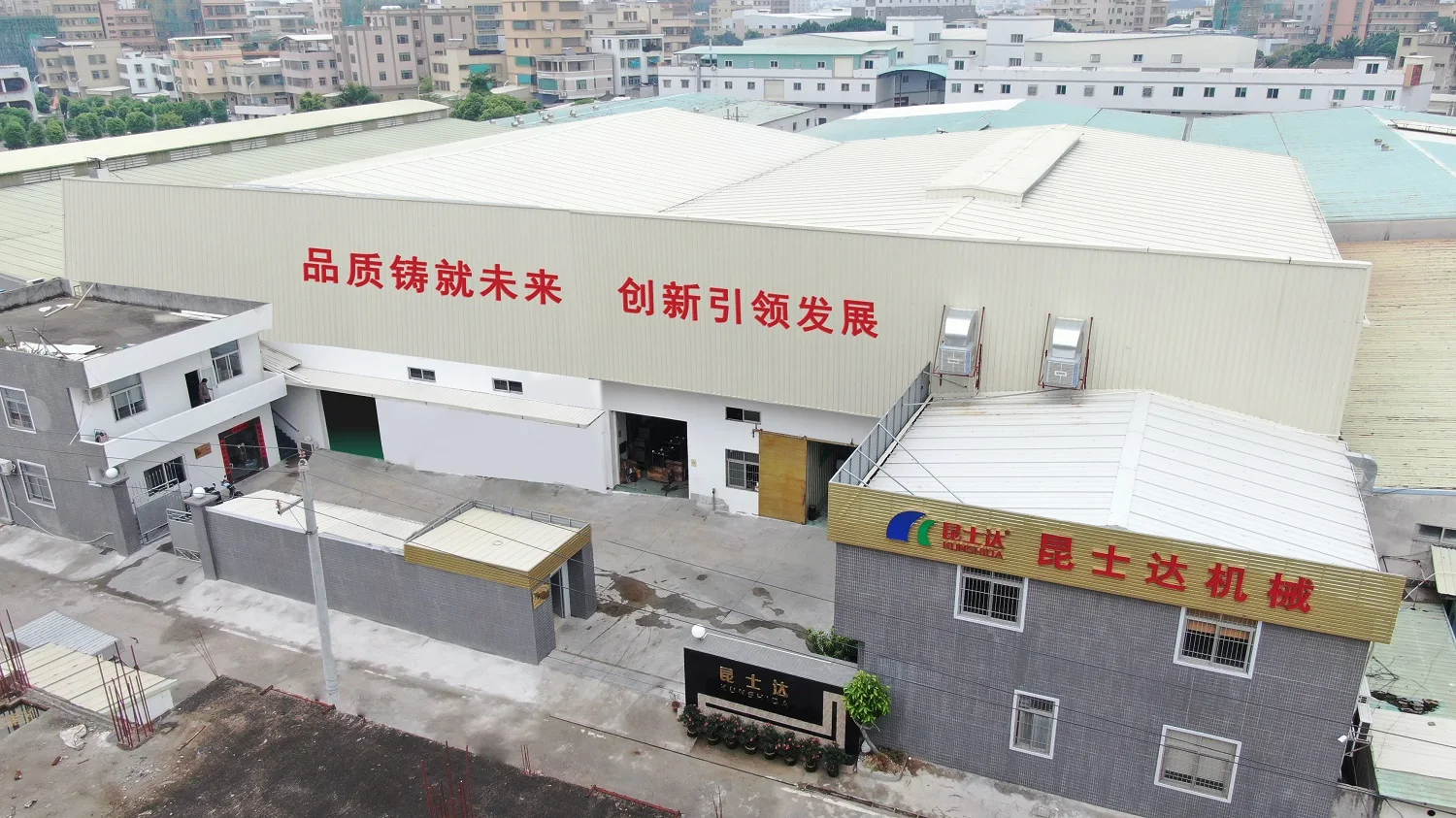
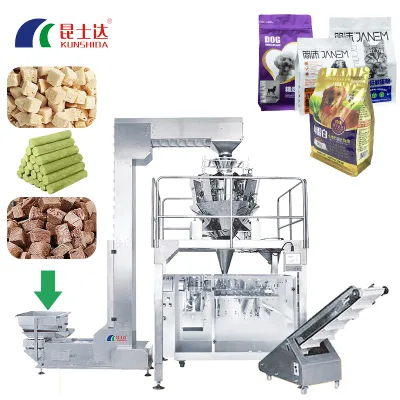
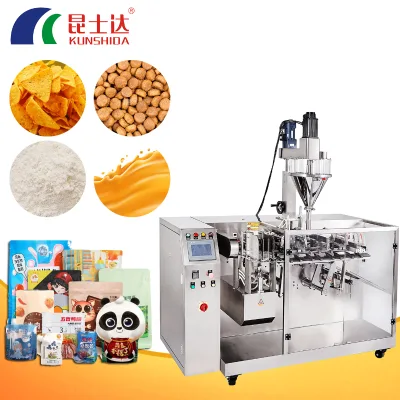
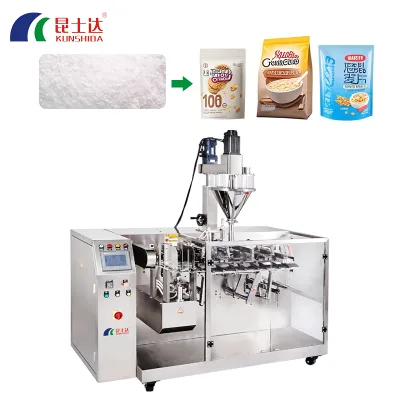
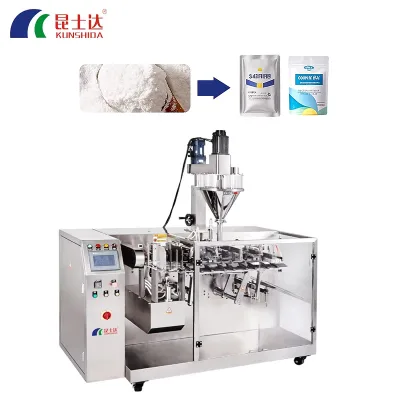
Shantou KunShiDa Machinery Co., Ltd.
- Manufacturer, Trading Company
- Guangdong, China
- Lead time15 days
- Avg. response≤ 6h
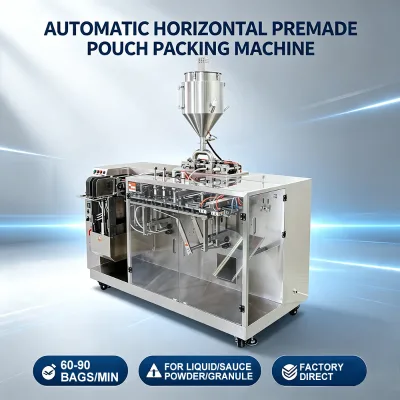
Main productsContinuous Packing Machine,Horizontal Premade Bag Packing Machine,Reciprocating Packing Machine,Vertical Packing Machine
Main marketsDomestic Market(70.00%), Southeast Asia(10.00%), North America(5.00%), South Asia(5.00%), South America(5.00%), Eastern Europe(5.00%)

Hunan Migrand Machinery Technology Co., Ltd.
- Verified by TUVRHEINLAND
- Manufacturer/Factory,Group Corporation
- China Hunan
- Lead time30 days
- Avg. response≤ 3h
Main productsTube Filling Sealing Machine, Blister Packaging Machine, Capsule Filling Machine, Blister Packing Machine, Tablet Press Machine, Automatic Packing Machine, Cartoning Machine, Wet Wipes Packing Machine, Plastic Ampoule Forming Filling Sealing Machine, Easysnap Packing Machine
Main marketsSouth America,Eastern Europe,Mid East,North America,Southeast Asia,Eastern Asia,Oceania,Western Europe,Africa

Multifunctional Automatic Doypack Pre-Made Stand up Sachet Given Packing Machine
$25000.00 - $35000.00
MOQ: 1 set

Jinan Guoqiang Machinery Co., Ltd.
- Verified by TüVRheinland
- Manufacturer, Trading Company
- Lead time20 days
- Avg. response≤ 2h
Main productsPackaging Machine
Main marketsNorth America(30%), Domestic Market(30%), Africa(20%)
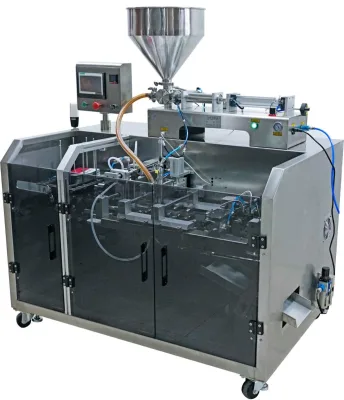
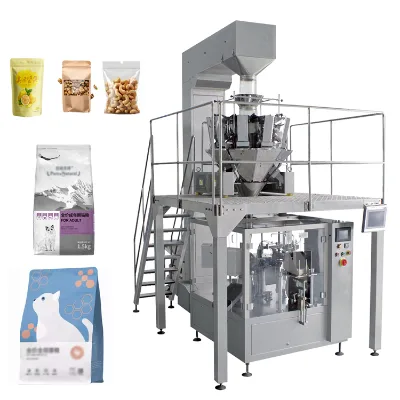
$10131.9323 - $32566.9252
MOQ: 1 Minimum

Foshan Hongyi Intelligent Machinery Technology Co., Ltd.
- Combined
- China Guangdong
- Lead time15 days
- Avg. response≤ 3h
Main productsPacking Machine, Auto Packaging Machine, Vertical Packaging Machine, Flow Wrap Machine, Horizontal Packing Machine, Vegetable Auto Packing Machine, Liquid Packaging Machine, High Speed Powder Packing Machine, Powder Filling & Packaging Machinery, Granule Packing Machine
Main marketsSouth America,Africa,Southeast Asia/ Mideast,East Asia(Japan/ South Korea),Domestic,Europe,Australia,North America
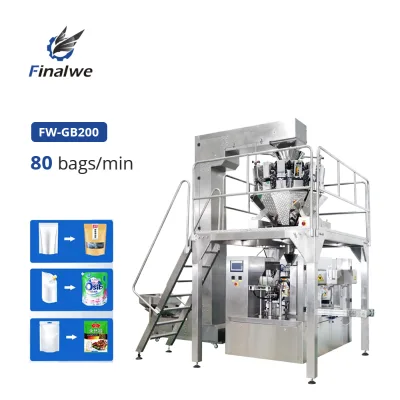
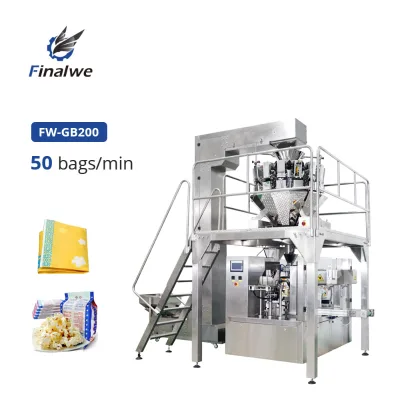
Shenyang Finalwe Machinery Co., Ltd.
- Verified by TüVRheinland
- Trading Company
- Lead time0 days
- Avg. response≤ 3h
Main productsBlister Packing Machine, Counting Machine, Doyack Packaging Machine, Multifunctional Packaging Machine, Cellophane Wrapping Machine
Main marketsMid East(35%), North America(25%), Southeast Asia(15%)

Luohe Tianheng Machinery Co., Ltd.
- Verified by TUVRHEINLAND
- Combined
- China Henan
- Lead time15 days
- Avg. response≤ 4h
Main productsPackaging Machinery, Grain Machinery, Flour Mill, Oil Press, Food Machinery.
Main marketsSoutheast Asia/ Mideast

Powder Doypack Bag Packing Machine Automatic Doypack Machine with Reasonable Price
$11000.00 - $13000.00
MOQ: 1 Pieces


Packing Machine for Sugar Pouch Doypack Packaging Machine with Reasonable Price
$3800.00 - $4000.00
MOQ: 1 Sets


Advanced Stainless Steel Automatic Doypack Packaging Machine for Grains
$2800.00 - $3000.00
MOQ: 1 Pieces

Shanghai Grepack Packing Machinery Co., Ltd
- Verified by TUVRHEINLAND
- Manufacturer/Factory
- China Shanghai
- Lead time45 days
- Avg. response≤ 4h
Main productsAutomatic Packing Machine, Automatic Filling Machine, Automatic Labeling Machine, Capping Machine, Automatic Packing Line, Carton Erector, Carton Packing Machine, Carton Sealing Machine, Palletizer, Checkweigher
Main marketsSouth America,Eastern Europe,Mid East,North America,Southeast Asia,Eastern Asia,Oceania,Western Europe,Africa

Automatic Doypack Machine Ready Made Retort Pouch Fully Automatic Packing Machine
$35000.00 - $50000.00
MOQ: 1 SET

Shanghai Grepack Packing Machinery Co., Ltd.
- Verified by SGS Group
- Manufacturer, Trading Company
- Lead time30 days
- Avg. response≤ 2h
Main productsFilling Machines, Multi-Function Packaging Machines, Labeling Machine, Capping Machine, Palletizer
Main marketsNorth America(15%), South America(15%), Southeast Asia(15%)
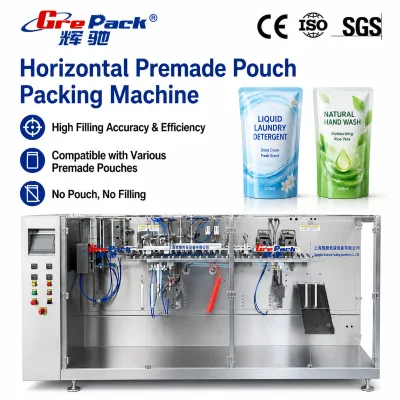
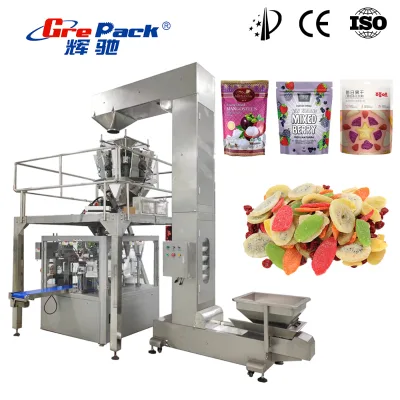
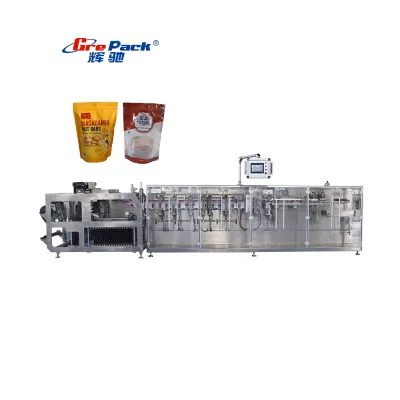
Irregular Bag Liquid Packing Machine Horizontal Pre Made Bag Packing Machine
$23000.00 - $27000.00
Wenzhou Likang Machinery Co., Ltd.
- Manufacturer, Trading Company
- Zhejiang, China
- Lead time7 days
- Avg. response≤ 8h
Main productsPackaging Machine,Shrink Wrapping Machine,Labeling Machine,Multihead Weigher,Multi-Function Packaging Machine
Main marketsEastern Europe(30.00%), Southeast Asia(30.00%), Mid East(20.00%), South America(20.00%)
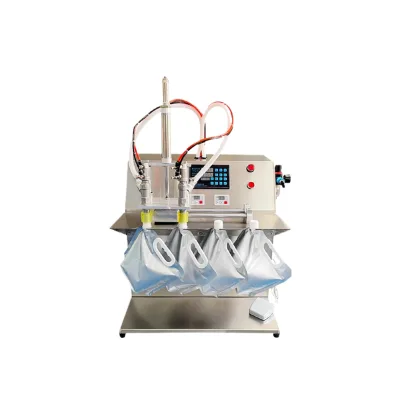
Pre-made Doypack Filling and Sealing Machine for Paste, Liquid & Food Products
$1570.3288
MOQ: 1 Minimum
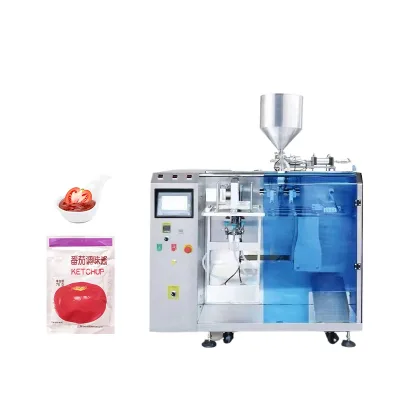
$4592.0992 - $6633.0321
MOQ: 1 sets
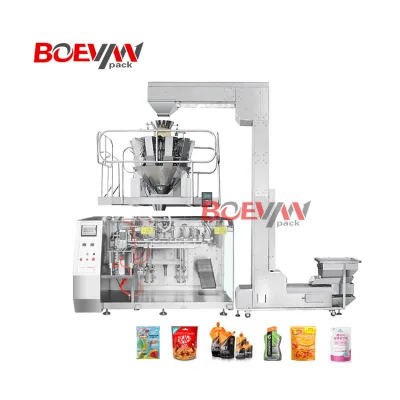
Shanghai Boevan Packaging Machinery Co., Ltd.
- Verified by TüVRheinland
- Manufacturer, Trading Company
- Lead time90 days
- Avg. response≤ 7h
Main productsHFFS Packing Machine, Doypack Packing Machine, Sachet Packing Machine, Multilane Stick Packing Machine, Premade Pouch Packing Machine
Main marketsDomestic Market(55%), North America(10%), South America(8%)

Foshan New Packing Machine Co., Ltd.
- Trading Company
- China Guangdong
- Lead time0 days
- Avg. response≤ 3h
Main productsPacking Machine, Vffs Machine, Vertical Form Fill Seal Machine, Automatic Packaging Machine, Liquid Filling Machine, Powder Packing Machine, Granule Packing Machine, Cartoning Machine, Case Packer, Sachet Packaging Machine
Dongguan Haixingda Machinery Co., Ltd.
- Trading Company
- Lead time旺季: "1 - 1":7,"> 1":"To be negotiated", 淡季: "1 - 1":7,"> 1":"To be negotiated"
- Avg. response≤ 2h
Main productsFilling Machine, Packing Machine, Plastic Welding Machine, Multi-Function Packaging Machines, Labeling Machine

Luohe Quality Mechanical Equipment Co., Ltd.
- Verified by SGS
- Manufacturer/Factory
- China Henan
- Lead time23 days
- Avg. response≤ 5h
Main productsJuice Extractor, Sausage Making Machine, Pita Bread Machine, Biscuit Making Machine
Main marketsSouth America,Eastern Europe,North America,Eastern Asia,Western Europe
Foshan Soonk Packaging Machine Co., Ltd.
- Verified by TüVRheinland
- Manufacturer, Trading Company
- Lead time20 days
- Avg. response≤ 5h
Main productsAutomatic Vertical Packing Machine, Horizontal Packing Machine, Doypack Packing Machine, Semi-automatic Packing Machine, Packing Machine Production Line
Main marketsDomestic Market(40%), Southeast Asia(28%), Africa(10%)
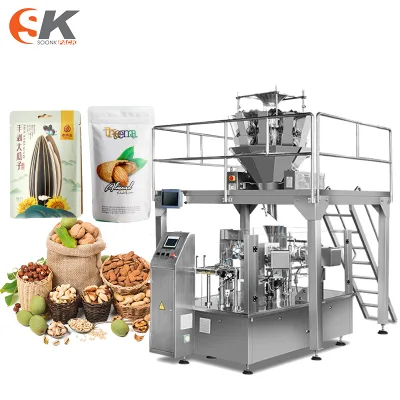
$26000.00 - $27700.00
MOQ: 1 sets

Ganar Technology Hebei Co., Ltd.
- Verified by TUVRHEINLAND
- Trading Company
- China Hebei
- Lead time30 days
- Avg. response≤ 1h
Main productsPackaging Machine, Cartoning Machine, Case Packer, Labelling Machine, Conveyor System, Cosmetic/Food/Pharmaceuticals Equipment, Vertical Lift, Processing Machine, Filling and Sealing Machine, Robot Palletizer
Main marketsSoutheast Asia/ Mideast,Europe

Fully Automatic Pre-Made Bag Packaging Machine Bagging Packing Machine
$15000.00 - $18000.00
MOQ: 1 Pieces

Hot Sale Automatic Pre-Made Bag Packing Machine for Integrated Bagging & Sealing
$8500.00
MOQ: 1 Pieces


Henan Xiwang Machinery Equipment Co., Ltd.
- Verified by SGS
- Trading Company
- China Henan
- Lead time23 days
- Avg. response≤ 4h
Main productsFood Machinery, Industrial Machinery, Commerical Equipment, Packaging Machinery, Agricultural Machinery, Snacks Machinery, Biscuit Machinery, Water/Beverage Production Line, Dairy Production Line, Packing Machine
Main marketsAfrica,Southeast Asia/ Mideast,Europe
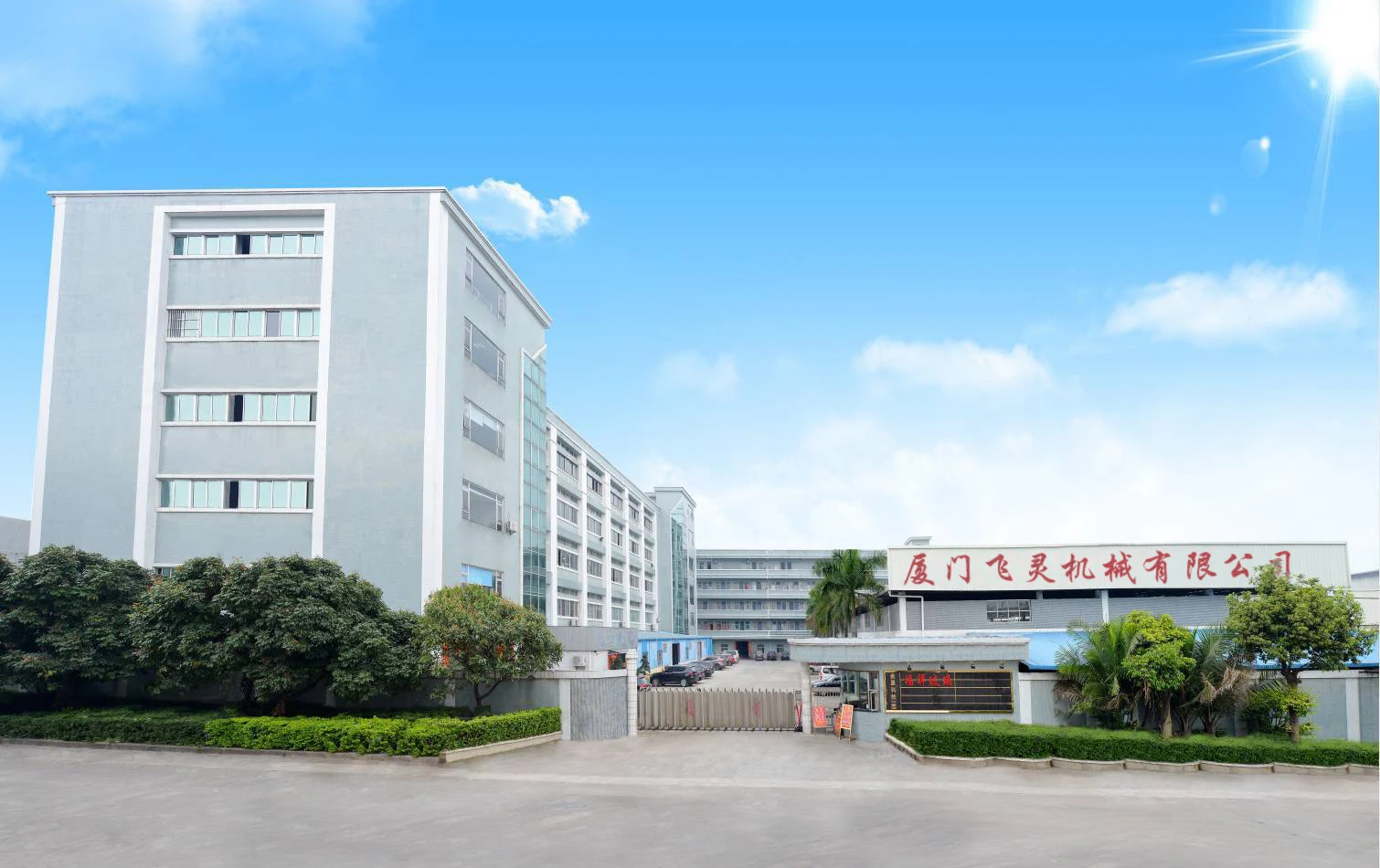
Xiamen Fillin Machine Co., Ltd.
- Manufacturer
- Fujian, China
- Lead time30 days
- Avg. response≤ 13h
Main productsFilling Machine,Packing Machine,Sealing Machine,Labeling Machine,Machine Parts
Main marketsNorth America(35.00%), Northern Europe(12.00%), Southern Europe(10.00%), Eastern Europe(10.00%), Western Europe(8.00%), Oceania(8.00%), Mid East(5.00%), South America(3.00%), Southeast Asia(2.00%), South Asia(2.00%), Eastern Asia(2.00%), Domestic Market(1.00%), Central America(1.00%), Africa(1.00%)


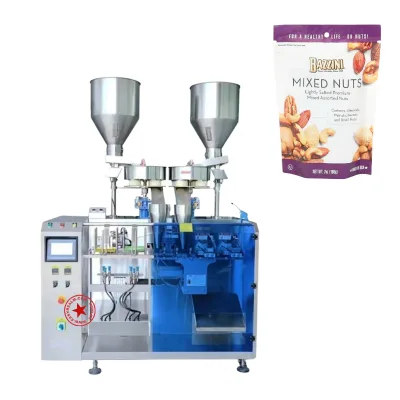
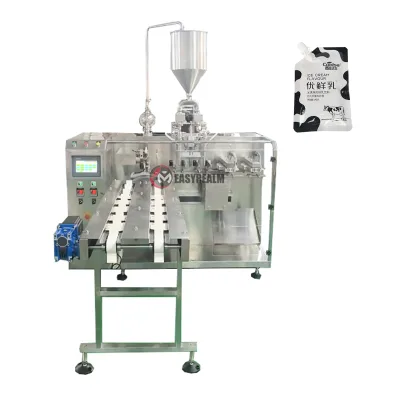
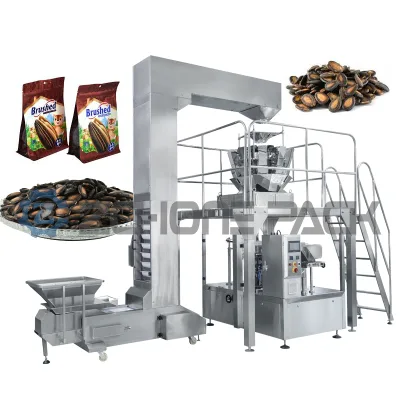






Comprehensive Sourcing Guide
Semi-Automatic Pre-Made Doypack Packing Machine Supplier Concentration and Factory Types
The current supplier landscape for semi-automatic pre-made doypack packing machines reveals a distinct concentration of manufacturing and trading entities located in China, specifically within the Shanghai region. This geographic clustering is significant for buyers seeking specialized industrial machinery, as it indicates a mature ecosystem where supply chain efficiencies and technical expertise are concentrated. The observed data confirms that suppliers in this area operate as either Trading Companies or Manufacturer/Factory entities, offering a dual-path approach to procurement. Buyers must recognize that while manufacturers provide direct control over production quality and customization, trading companies may offer broader product portfolios and streamlined logistics. The presence of both types in the same location suggests a competitive market where buyers can compare direct factory pricing against the convenience of consolidated sourcing services. Understanding this dynamic is crucial for determining whether the priority is technical directness or logistical ease.
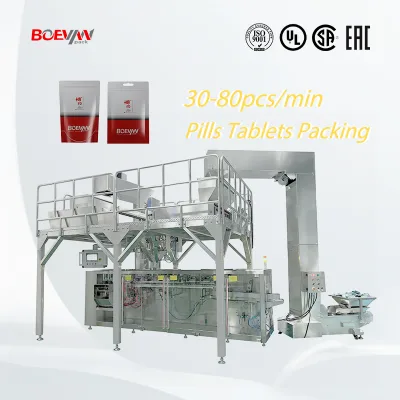
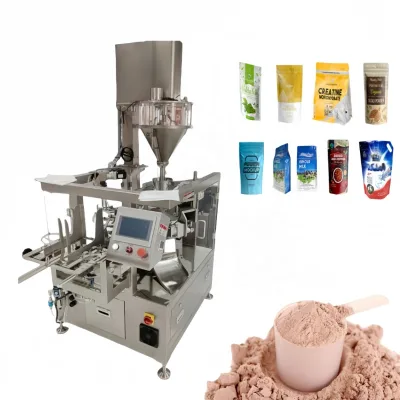
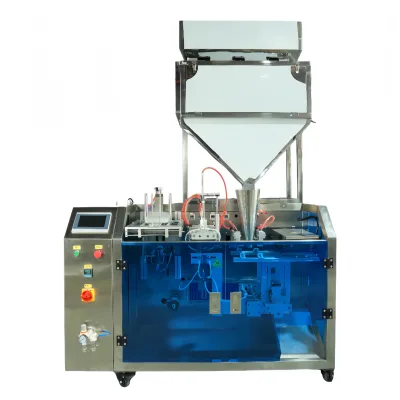
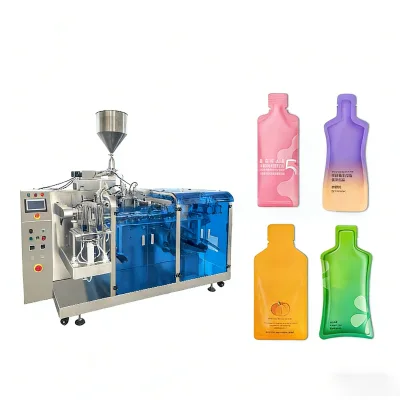
Furthermore, the types of machinery available from these suppliers extend beyond simple doypack fillers, often encompassing a wider range of pharmaceutical and general packaging equipment. Main products listed include tablet presses, capsule filling machines, and various horizontal packing units, indicating that many suppliers are versatile in their mechanical engineering capabilities. This versatility can be an advantage for buyers who require integrated packaging lines or future expansion into different packaging formats. The suppliers demonstrate capabilities in OEM services, allowing for significant customization of the semi-automatic pre-made doypack packing machine to meet specific operational needs. This includes adjustments to forming species, filling functions, and automatic grades. The ability to customize is a key differentiator, as off-the-shelf machines may not perfectly align with unique bag dimensions or product characteristics. Buyers should leverage this OEM capability to ensure the machine integrates seamlessly with their existing production workflows, rather than forcing their processes to adapt to rigid machine specifications.
How to Verify Semi-Automatic Pre-Made Doypack Packing Machine Suppliers
Verifying the legitimacy and capability of suppliers requires a rigorous examination of their system certifications and operational standards. The available data highlights that reputable suppliers in this sector often hold ISO 14001, ISO 9001, and GMP certifications. These credentials are not merely decorative; they serve as critical indicators of a supplier’s commitment to quality management, environmental responsibility, and compliance with good manufacturing practices. For buyers in regulated industries such as pharmaceuticals or food and beverage, GMP certification is particularly vital, as it ensures that the machinery meets stringent hygiene and safety standards. Buyers should request copies of these certificates and verify their validity through independent bodies. Additionally, the presence of ISO standards suggests a structured approach to production and service, which reduces the risk of inconsistent machine performance. This verification step is essential for mitigating the risk of purchasing from entities that lack the necessary infrastructure to support complex industrial equipment.
Beyond certifications, buyers must assess the supplier’s response time and technical support infrastructure to ensure long-term reliability. The observed response time of 2.36 hours indicates a high level of engagement, which is a positive signal for buyers who may require urgent technical assistance or rapid quotation turnaround. However, response time alone is insufficient; buyers should also inquire about the supplier’s after-sales service capabilities, including warranty terms and spare parts availability. The ability to provide timely support is crucial for minimizing downtime in production environments. Furthermore, buyers should verify the supplier’s establishment year and track record, although specific dates are not provided in the current data. Instead, buyers should look for indicators of longevity and stability, such as the breadth of their product catalog and the consistency of their output. Engaging in detailed technical discussions can also reveal the depth of the supplier’s engineering knowledge, helping buyers distinguish between genuine manufacturers and mere intermediaries.
What to Compare Across Semi-Automatic Pre-Made Doypack Packing Machine Suppliers
When evaluating multiple suppliers, buyers should prioritize a detailed comparison of technical specifications and performance metrics to ensure the selected machine meets their production demands. Key attributes to compare include the forming species, filling function, and automatic grade. The data shows options ranging from bag moulding to various filling and sealing configurations, with automatic grades that can be tailored to specific needs. Buyers must match these specifications to their product type, whether it is tea, hair care products, or cosmetics, as different materials require different handling mechanisms. Additionally, the working station count and speed, measured in bags per minute, are critical factors that directly impact production throughput. A machine with a higher speed and more working stations may offer greater efficiency but could also come with a higher price point and complexity. Buyers should calculate the return on investment based on their expected volume and labor costs to determine the optimal balance between speed and cost.
Price and minimum order quantity (MOQ) are also essential comparison points that influence the overall procurement strategy. The observed price ranges for similar automatic packing machines vary significantly, from as low as $1,200 to over $50,000, depending on the complexity and features of the equipment. Buyers should not simply choose the lowest price but should evaluate the value proposition, including build quality, material durability, and included features. The MOQ of 1 for many suppliers offers flexibility for small-scale operations or trial orders, allowing buyers to test the machine before committing to larger volumes. However, buyers should also consider the total cost of ownership, including shipping, installation, and maintenance. Comparing the lead time, which is observed at 23 days for some suppliers, can also help in planning production schedules. A longer lead time may require earlier ordering and potentially higher inventory holding costs, so buyers should align their procurement timeline with their production needs.
Common Semi-Automatic Pre-Made Doypack Packing Machine Sourcing Risks
One of the primary risks in sourcing semi-automatic pre-made doypack packing machines is the potential mismatch between machine specifications and actual production requirements. Buyers often rely on product keywords and general descriptions, which may not accurately reflect the machine’s capabilities for specific materials or bag types. For instance, a machine advertised for liquid filling may not perform optimally with viscous products, or a bag moulding machine may not accommodate unusual pouch dimensions. This risk is exacerbated by the lack of detailed technical documentation in initial supplier listings. Buyers must conduct thorough due diligence by requesting detailed technical datasheets and, if possible, video demonstrations of the machine processing their specific product. Failing to do so can result in significant delays and additional costs for modifications or replacements. It is crucial to validate that the machine’s filling scope, bag size limits, and sealing mechanisms are compatible with the buyer’s operational parameters.
Another significant risk is the variability in supplier reliability and after-sales support, which can impact long-term operational continuity. While some suppliers display certifications and fast response times, others may lack the infrastructure to provide consistent support. The risk of receiving a machine that requires extensive troubleshooting or lacks adequate spare parts is real, especially when dealing with trading companies that may not have direct control over manufacturing quality. Buyers should assess the supplier’s reputation and track record through customer reviews and industry references. Additionally, the risk of intellectual property infringement or substandard materials is present if the supplier does not adhere to recognized standards like ISO or GMP. Buyers should insist on contracts that specify material grades, warranty terms, and performance guarantees. By proactively addressing these risks through rigorous verification and clear contractual agreements, buyers can protect their investment and ensure a smooth integration of the new packaging equipment into their production lines.
Semi-Automatic Pre-Made Doypack Packing Machine Regional Sourcing and Logistics
Sourcing from the identified concentration in China, particularly Shanghai, offers logistical advantages due to the region’s advanced infrastructure and proximity to major shipping ports. This location facilitates efficient export processes, reducing transit times and costs for international buyers. However, buyers must carefully plan for the complexities of international shipping, including customs clearance, import duties, and local delivery arrangements. The observed lead time of 23 days for production must be added to the shipping duration to determine the total time to receipt. Buyers should work with suppliers who have experience in exporting to their specific country to ensure compliance with local regulations and standards. Additionally, the packaging of the machine, often in wooden cases as noted in the data, must be robust enough to withstand long-distance transport without damage. Proper packaging is essential to protect the precision components of the semi-automatic pre-made doypack packing machine during transit.
Logistics planning also involves considering the installation and commissioning of the machine at the buyer’s facility. Buyers should verify whether the supplier provides on-site installation services or remote technical support. The dimension and weight of the machine, such as 1645mm1450mm1450mm and 1200kg for some models, require adequate space and handling equipment at the destination. Buyers must ensure that their facility is prepared to receive and install the machine, including power supply requirements and floor load capacity. The driven type, whether electric, mechanical, or pneumatic, also impacts the infrastructure needed. Coordinating with local contractors for installation and training can help mitigate risks associated with improper setup. By integrating logistics planning into the early stages of supplier selection, buyers can avoid unexpected delays and ensure a seamless transition from procurement to production.
Semi-Automatic Pre-Made Doypack Packing Machine Commercial Terms and Order Planning
Commercial terms and order planning are critical components of a successful procurement process for semi-automatic pre-made doypack packing machines. Buyers should negotiate clear payment terms, such as using escrow services to protect their funds until the machine is delivered and verified. The observed price ranges provide a baseline for negotiation, but buyers should also consider volume discounts and bundled services, such as training or extended warranties. The MOQ of 1 allows for flexible ordering, but buyers should plan for future orders to benefit from economies of scale. Additionally, buyers should clarify the Incoterms, such as FOB or CIF, to determine who is responsible for shipping and insurance costs. Understanding these terms helps in calculating the total landed cost and avoiding hidden expenses. Clear communication of commercial terms ensures that both parties have a shared understanding of their obligations and reduces the risk of disputes.
Order planning should also include a timeline for machine delivery, installation, and production ramp-up. Buyers must align their procurement schedule with their production demands to avoid bottlenecks or excess inventory. The lead time of 23 days for production is a key factor in this planning, but buyers should also account for potential delays in shipping or customs. Establishing a buffer period can help mitigate the impact of unforeseen disruptions. Furthermore, buyers should plan for the training of their staff on the new machine to ensure efficient operation and maintenance. The supplier’s response time and technical support capabilities play a crucial role in this phase, as quick resolution of any issues can minimize downtime. By carefully managing commercial terms and order planning, buyers can optimize their investment and achieve a smooth integration of the semi-automatic pre-made doypack packing machine into their operations.
FAQs
What is the price range for pre-made bag packing machines?
Prices for automatic pre-made bag packing machines typically range from $1,200 to $50,000 depending on specifications. Models like the GD6-200A start near $1,200, while complex horizontal units can reach $50,000. Buyers should verify exact costs based on their required filling scope and speed requirements.
What certifications do these machines usually hold?
Manufacturers often provide ISO 9001, ISO 14001, and GMP certifications for their packaging equipment. These standards ensure quality management and good manufacturing practices. Buyers should request valid certificates to confirm compliance with international safety and operational standards before finalizing any procurement agreements.
What is the typical lead time for delivery?
The standard lead time for these machines is approximately 23 days. This duration allows for manufacturing, testing, and preparation for shipment. Buyers should confirm specific timelines with suppliers, as rush orders or custom modifications may extend the delivery schedule beyond the standard period.
What is the minimum order quantity for these machines?
The minimum order quantity is generally one unit. This allows buyers to purchase single machines for testing or small-scale production needs. Suppliers typically accept orders starting from one piece, making it accessible for businesses of various sizes to acquire automated packaging solutions.
What applications are these machines suitable for?
These machines handle diverse applications including tea, cosmetics, hair care products, and cleaning detergents. They support filling and sealing for liquids, grains, and granules. Buyers should match the machine's filling scope and driven type to their specific product material and packaging requirements.
Where are these machines manufactured?
These machines are primarily manufactured in China, specifically in Shanghai. Suppliers in this region offer a wide range of pharmaceutical and industrial packaging machinery. Buyers should verify the exact origin and logistics details to ensure efficient shipping and compliance with import regulations.