Automatic Food Mesh Belt Dryer Suppliers and Manufacturers
Find 23 verified suppliers offering automatic food mesh belt dryers with adjustable temperature ranges and capacities up to 7200kg. Compare response times, lead times, and certifications like ISO9001:2015 before requesting quotes; review the available evidence before requesting comparable quotations from suitable candidates.
Updated
Suppliers List

HENAN SHULIY MACHINERY CO., LTD.
- Verified by TUVRHEINLAND
- Trading Company
- China Henan
- Lead time30 days
- Avg. response≤ 6h
Main productsPacking Machinery, Food Processing Machinery, Agriculture Processing Machinery, Wood Processing Machinery, Charcoal Processing Machinery, Plastic Processing Machinery, Waste Recycling Machinery, Metal Processing Machinery, Paper Processing Machinery
Main marketsAfrica,Southeast Asia/ Mideast,Europe,North America


Belt Dryer Food Chemical Hot Air Dryer Continuous Automatic Temperature Control Dryer
$2000.00 - $10000.00
MOQ: 1 set

Industrial Vegetable Fruit Mesh Belt Drying Machine Dryer Food Continuous Dehydrator
$2000.00 - $10000.00
MOQ: 1 set

Henan Xiwang Machinery Equipment Co., Ltd.
- Verified by SGS
- Trading Company
- China Henan
- Lead time23 days
- Avg. response≤ 4h
Main productsFood Machinery, Industrial Machinery, Commerical Equipment, Packaging Machinery, Agricultural Machinery, Snacks Machinery, Biscuit Machinery, Water/Beverage Production Line, Dairy Production Line, Packing Machine
Main marketsAfrica,Southeast Asia/ Mideast,Europe

Jiangyin Migreat Machinery Co., Ltd.
- Verified by TUVRHEINLAND
- Trading Company,Manufacturer/Factory
- China Jiangsu
- Lead time23 days
- Avg. response≤ 1h
Main productsGrinding Machine, Mixer Machine, Drying Machine, Granulator, Packing Machine, Sifter, Conveyor, Fluid Bed Dryer, Air Classifier Mill, Spray Dryer
Main marketsSouth America,Eastern Europe,Mid East,North America,Southeast Asia,Eastern Asia,Oceania,Western Europe,Africa

Continuous Belt Dryer Food Feed Vegetables Mesh Belt Drying Machine
$3000.00 - $30000.00
MOQ: 1 Pieces

Mesh Belt Dryer Professional Food Drying Machine for Leaf Categories Powder
$3000.00 - $30000.00
MOQ: 1 Pieces

Automatic Fruit Vegetables Drying Machine Mesh Belt Dryer Dehydrator
$3000.00 - $30000.00
MOQ: 1 Pieces
Zhengzhou Great Machinery Equipment Co., Ltd.
- Trading Company
- Lead time旺季: "1 - 1":20,"> 1":"To be negotiated", 淡季: "1 - 1":20,"> 1":"To be negotiated"
- Avg. response≤ 1h
Main productsdrying machine,Food Processing Machinery,machinery equipment,Microwave Drying Equipment,packaging machine
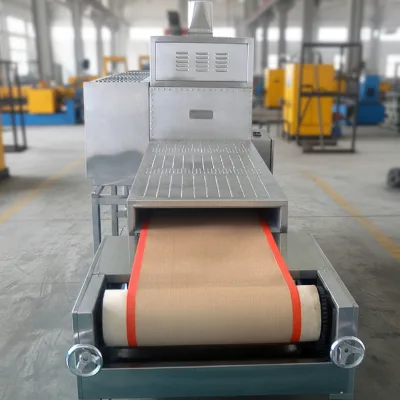
Electric Mesh Belt Dryer for Food Processing
$3600.00 - $4600.00
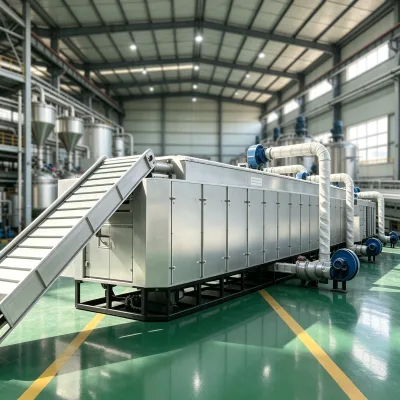
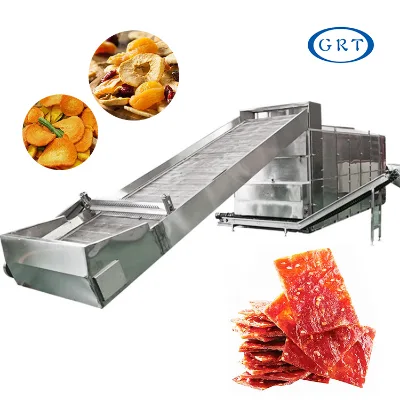
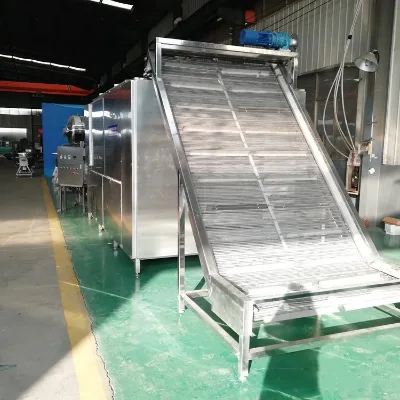
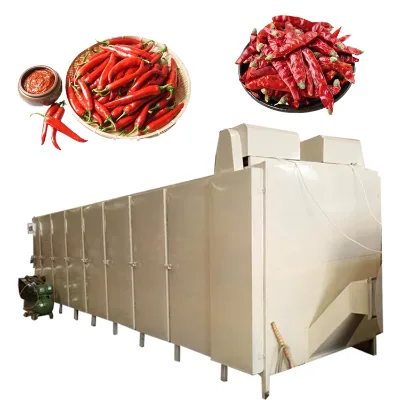
Mesh Belt Conveyor Dryer Multiple Layer Hot Air Continuous Drying Machine for Food
$5698.0546 - $6112.4585
MOQ: 1 sets
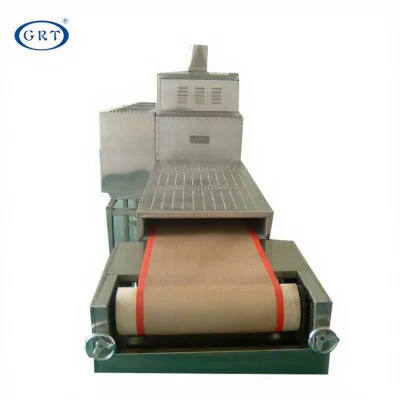
High Quality Microwave Conveyor Belt Dryer Industrial Conveyor Belt Type Microwave Oven
$3693.8215 - $4719.883
MOQ: 1 sets
Shandong Baoyang Drying Equipment Of Science And Technology Co., Ltd.
- Verified by Intertek
- Manufacturer, Trading Company
- Lead time45 days
Main productsRotary Dryer, Belt Dryer, Flash Dryer, Fruit and Vegetable Dryer, Rotary Calcining Kiln
Main marketsDomestic Market(80%), South Asia(10%), South America(5%)
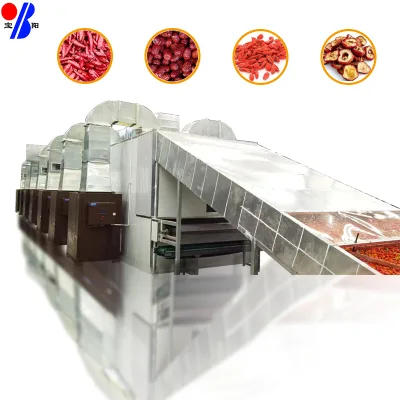
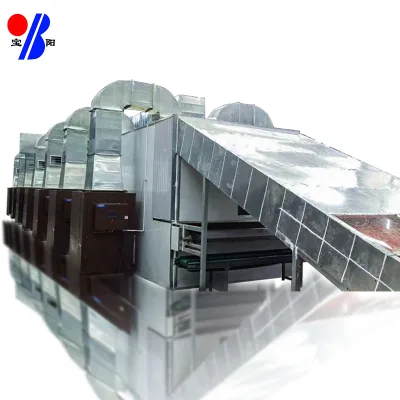
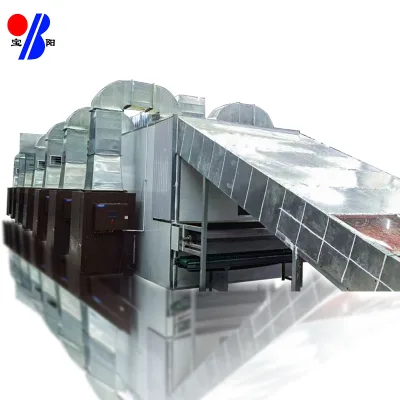
Hot Air Continuous Dehydration Belt Dryer Machine Chili Drying Machine Mesh Belt Drying Machine
$22000.00 - $24000.00
MOQ: 1
Henan Baixin Machinery Equipment Co., Ltd.
- Manufacturer, Trading Company
- Lead time旺季: "1 - 1":15,"> 1":"To be negotiated", 淡季: "1 - 1":15,"> 1":"To be negotiated"
- Avg. response≤ 2h
Main productsFood Processing Equipment, Drying Processing Line, Frying Processing Line, Vegetable & Fruit Processing Line, Extruder Food Production Line
$20000.00 - $28000.00
MOQ: 1 sets
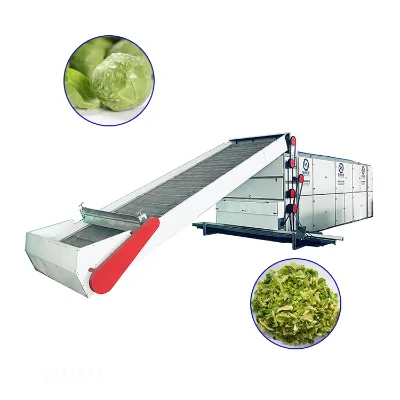
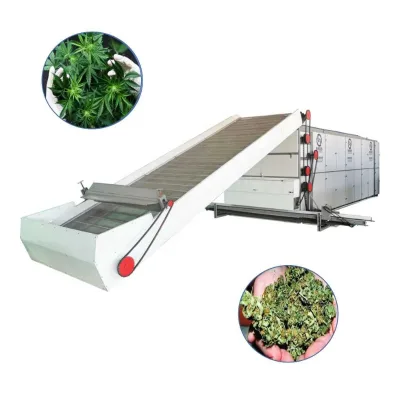
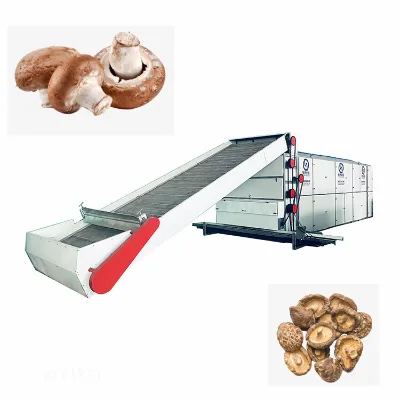
Hot Air Food Dehydrator Vegetable Mesh Belt Dryer Spinner Vegetable Fruit Tray Dryer Price
$35800.00 - $36800.00
MOQ: 1 sets

Zhengzhou Sinoder Indutech Machinery Co., Ltd.
- Verified by BV
- Trading Company
- China Henan
- Lead time60 days
- Avg. response≤ 17h
Main productsOil Press Machine, Oil Refining Machine, Oil Solvent Extraction Plant, Oil Extraction Machine, Fertilizer Machine, Egg Tray Machine, Pellet Mill, Animal Feed Plant, Load Cell, Sensor Meter
Main marketsAfrica,Southeast Asia/ Mideast
Henan Nanyang Environmental Protection Machinery Co., Ltd.
- Verified by SGS Group
- Manufacturer, Trading Company
- Lead time5 days
- Avg. response≤ 2h
Main productsRotary dryer, Mesh belt dryer, Box dryer, Shredder machine, Crusher
Main marketsDomestic Market(35%), Eastern Asia(20%), Africa(20%)
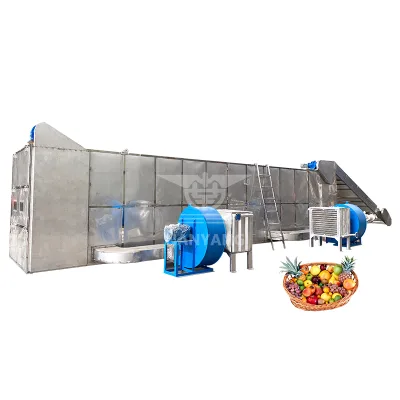
$26000.00 - $27500.00
MOQ: 1 sets
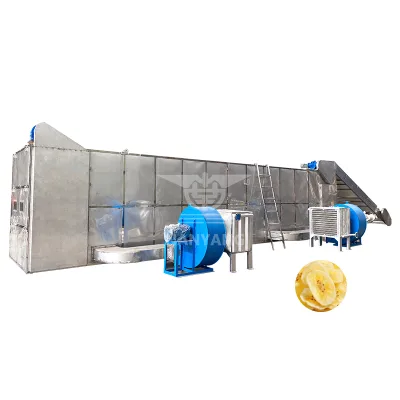
$26641.0373 - $28178.0202
MOQ: 1 sets
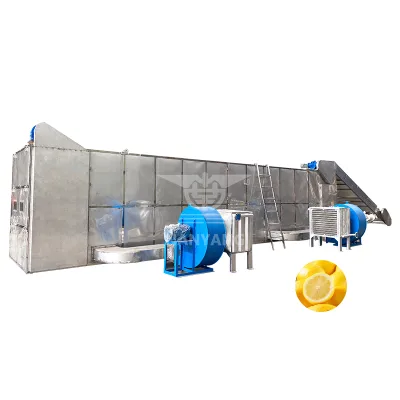
Conveyor Mesh Belt Dryer Food Dehydrator Drying Equipment Fruit Chips Mesh Belt Dryer Machine
$26677.5995 - $28216.6918
MOQ: 1 sets
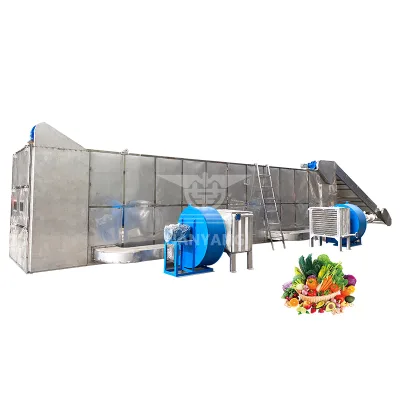
Multi-layer Mesh Belt Dryer Hemp Leaves Flower Mesh Belt Dryer Forage Mesh Belt Dryer Machine
$26000.00 - $27500.00
MOQ: 1 sets
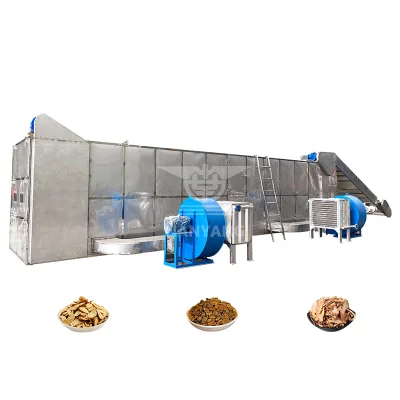
Continuous Hot Air Mesh Belt Dryer Alfalfa Dryer Machine Vegetable Herb Belt Dryer Drying Machine
$26000.00 - $27500.00
MOQ: 1 sets
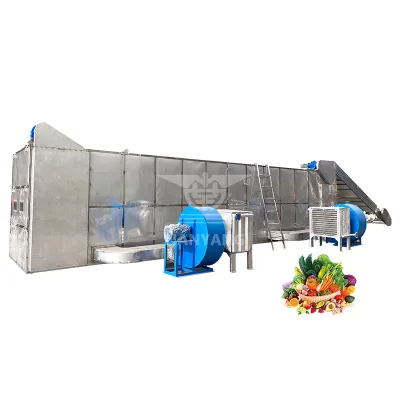
Garlic Conveyor Dehydrator Mesh Belt Dryer Rose Belt Dryer Cabbage Mesh Belt Dryer
$26677.5995 - $28216.6918
MOQ: 1 sets

Zhengzhou Great Machinery Equipment Co., Ltd.
- Verified by TUVRHEINLAND
- Trading Company
- China Henan
- Lead time30 days
- Avg. response≤ 1h
Main productsSpray Dryer, Microwave Dryer, Drying Oven, Drum Flaker, Flash Dryer, Essential Oil Extractor, Fluid Bed Dryer, Boiling Granulator Dryer, Smoke Oven, Bubble Washing Machine
Main marketsAustralia


High Capacity Mesh Belt Dryer Drying Machine for Food Chemical Industries
$10000.00 - $11000.00
MOQ: 1 Pieces

Automatic Fruit Vegetable Drying Multi Layer Mesh Belt Dryer Machine
$18000.00 - $62000.00
MOQ: 1 Pieces

Yangzhou Fengyihang Intelligent Equipment Co., Ltd.
- Manufacturer, Trading Company
- Jiangsu, China
- Lead time30 days
- Avg. response≤ 5h
Main productsMixing Machine,Grinding Machine,Drying Machine,Electrical Counter Machine,Blister Packing Machine
Main marketsSouth America(20.00%), Central America(10.00%), Southeast Asia(10.00%), South Asia(10.00%), North America(10.00%), Southern Europe(5.00%), Northern Europe(5.00%), Africa(5.00%), Western Europe(5.00%), Eastern Europe(5.00%), Mid East(5.00%), Oceania(5.00%), Eastern Asia(3.00%), Domestic Market(2.00%)
Zhengzhou Great Machinery Equipment Co., Ltd.
- Manufacturer, Trading Company
- Lead time旺季: "1 - 1":20,"> 1":"To be negotiated", 淡季: "1 - 1":20,"> 1":"To be negotiated"
- Avg. response≤ 1h
Main productsDrying Equipment, Food Processing Equipment, Agriculture Equipment
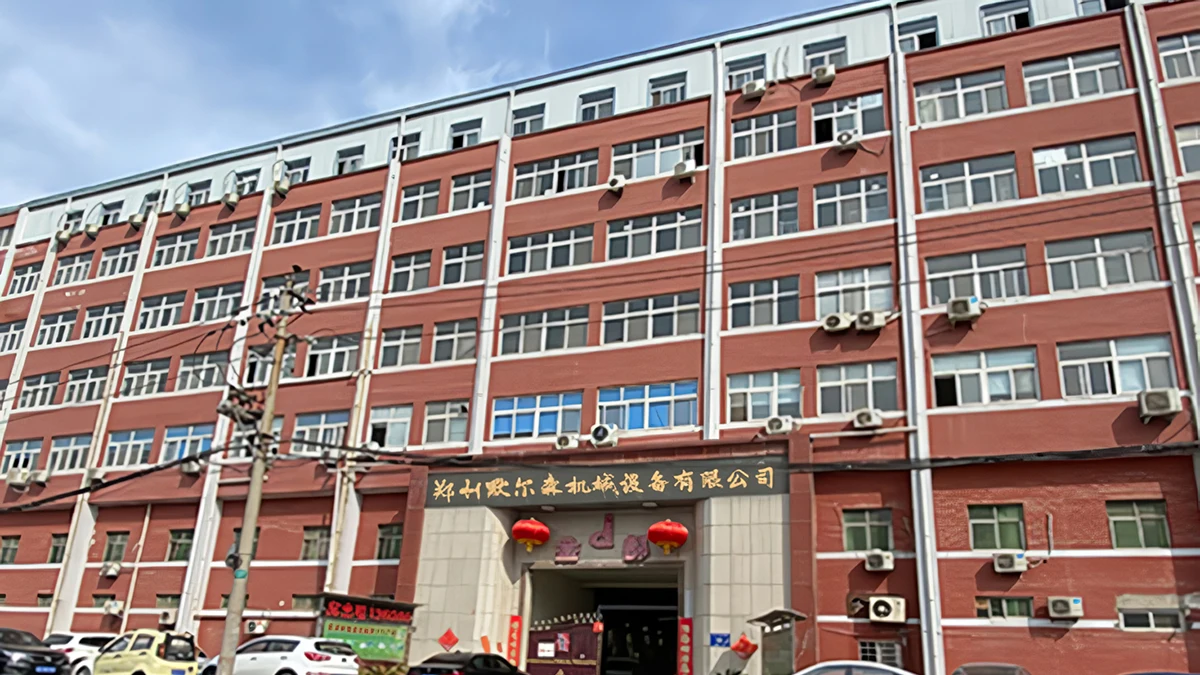
Zhengzhou Merson Machinery Co., Ltd.
- Trading Company
- Henan, China
- Lead time90 days
- Avg. response≤ 9h
Main productsnoodle machine,french fries making machine,packing machine,wafer stick machine,2.compressed biscuit machine
Main marketsMid East(15.00%), South America(10.00%), Africa(10.00%), Southeast Asia(10.00%), Western Europe(5.00%)
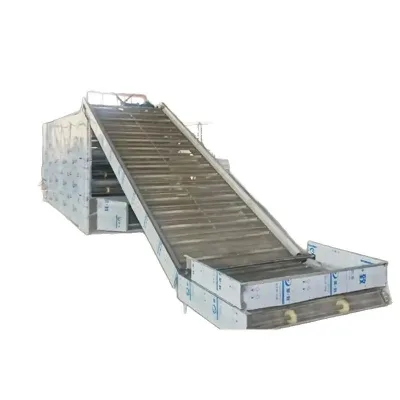
Multi-Layer Automatic Stainless Steel Conveyor Mesh Belt Dryer/ Onion Mesh Belt Dryer Machine
$13229.891 - $18318.3106
MOQ: 1 pieces
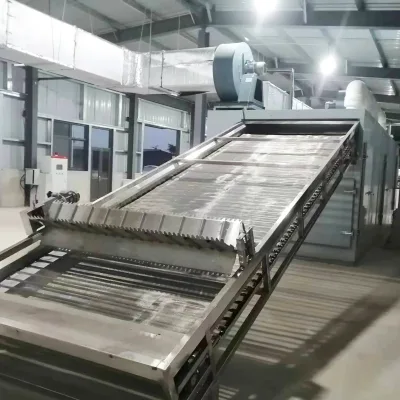
$13000.00 - $18000.00
MOQ: 1 pieces
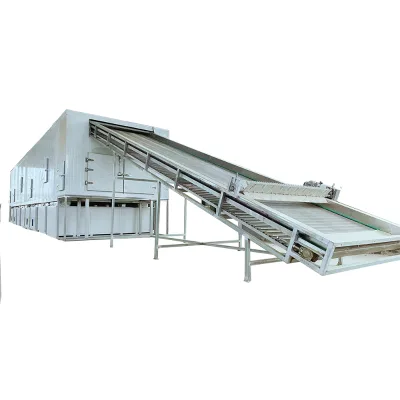
Stainless Steel Food Mesh Belt Dryer for Drying Corn and Chili Vacuum Drying Equipment
$13412.5077 - $18571.1645
MOQ: 1 pieces
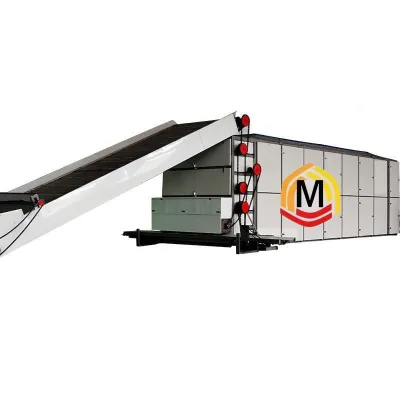
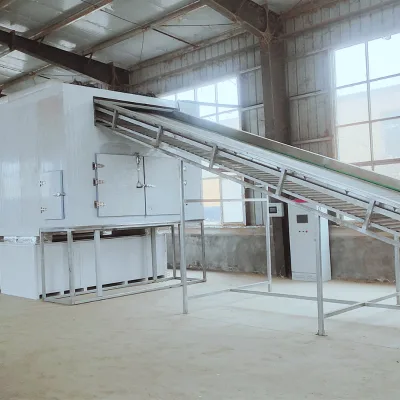
Hot Sale Industrial Hot Air Mesh Belt Dryer for Continuous Food & Vegetable Dryer Oven
$22000.00 - $26000.00
MOQ: 1 sets
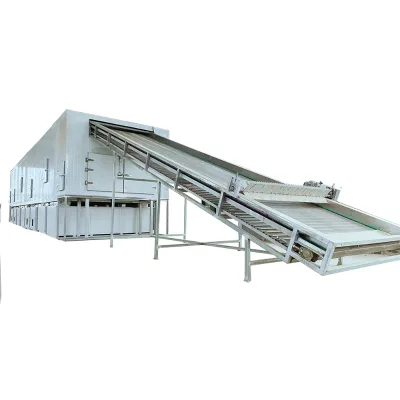
$13000.00 - $18000.00
MOQ: 1 pieces

Guangdong Diye Energy Equipment Co., Ltd.
- Manufacturer/Factory
- China Guangdong
- Lead time23 days
- Avg. response≤ 2h
Main productsHeat Pump Dryer, Drying Machine, Dryer Machine, Fruits Dryer, Fish Dryer, Sludge Dryer, Grain Dryer, Sludge Drying Machine, Mesh Belt Drying Machine, Seafood Drying Machine
Main marketsSouth America,Eastern Europe,Mid East,North America,Southeast Asia,Eastern Asia,Western Europe,Africa
JINAN HIMAX MACHINERY CO., LTD.
- Verified by TüVRheinland
- Trading Company
- Shandong, China
- Lead time35 days
- Avg. response≤ 2h
Main productsTwin And Single Screw Extruder, Microwave Dryer, TSP ISP And HMMA Machine, Pet Food And Fish Feed Production Line, Packing Machine
Main marketsSoutheast Asia(20%), Eastern Europe(15%), Mid East(15%)
Henan Kunteng Machinery Import And Export Co., Ltd.
- Verified by Intertek
- Manufacturer, Trading Company
- Henan, China
- Lead time15 days
- Avg. response≤ 5h
Main productsWood Charcoal Making Machine, Coal Briquette Machine, Shisha Briquette Press Machine, Hydraulic Shisha Briquette Press Machine, Coconut Charcoal Briquette Machine
Main marketsAfrica(30%), Eastern Europe(20%), Southeast Asia(20%)
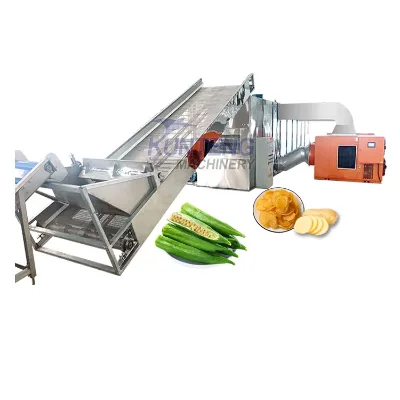
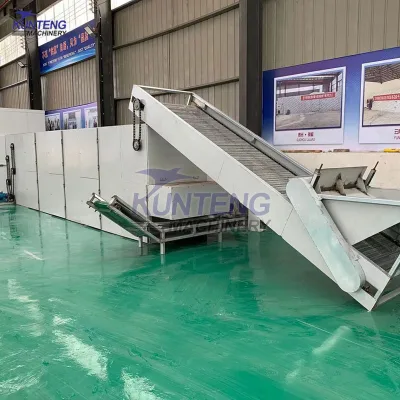
$24563.00 - $32056.00
MOQ: 1 sets

Jiangsu Tayacn Drying Technology Co., Ltd.
- Combined
- China Jiangsu
- Lead time30 days
- Avg. response≤ 13h
Main productsDrying Machine, Granulator, Dryer, Mixer, Drying Equipment, Dryer Machine, Spray Dryer, Fluid Bed Dryer, Vacuum Dryer
Main marketsSoutheast Asia/ Mideast,Domestic,Europe

Automatic Drying Industrial Conveyor Mesh Belt Dryer, Continuous Belt Dryer
$6000.00 - $20000.00
MOQ: 1 Pieces


Shandong Junxu Heavy Industry (Group) Co., Ltd
- Verified by SGS
- Manufacturer/Factory
- China Shandong
- Lead time23 days
- Avg. response≤ 2h
Main productsWood Gaix Equipment, Desulfurization and Biogas Equipment, High Frequency Vacuum Dryer, Wood Drying Kiln, Wood Drying Machine, Wood Drying Equipment, Drying Hot Air Stove, Food Dryer, Mesh Belt Dryer, Veneer Dryer
Main marketsSouth America,Eastern Europe,Mid East,North America,Southeast Asia,Eastern Asia,Oceania,Western Europe,Africa

Full Automatic Mesh Belt Dryer for Fast Food Residue Drying Process
$13000.00 - $16000.00
MOQ: 1 Pieces

Easy Operation Mesh Belt Dryer for Crumb Food Efficient Drying Work
$13000.00 - $16000.00
MOQ: 1 Pieces


High Reliability Mesh Belt Dryer for Crumb and Particle Food Stuff
$13000.00 - $16000.00
MOQ: 1 Pieces

Kruger Rango Industrial Co., Ltd.
- Verified by SGS Group
- Manufacturer, Trading Company
- Lead time10 days
- Avg. response≤ 1h
Main productsHot air circulation oven/Belt hot air dryer, Bubble cleaning machine, Smoker, Food grinding
Main marketsNorth America(70%), Eastern Asia(9%), Mid East(6%)
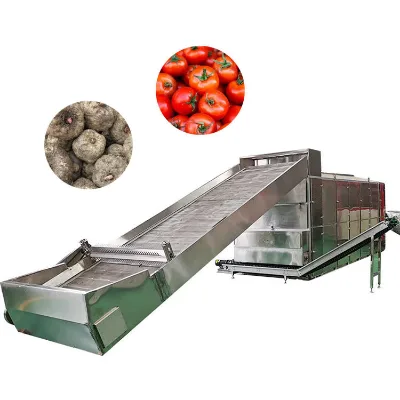
Hot Air Mesh Belt Dryer Continuous Mesh Drying Hot Air Hemp Conveyor Mesh Belt Dryer Machine
$10267.6464 - $15401.4696
MOQ: 1 sets

Henan Baixin Machinery Equipment Co., Ltd.
- Trading Company,Manufacturer/Factory
- China Henan
- Lead time15 days
- Avg. response≤ 4h
Main productsFrozen French Fries Production Line, Potato Chips Production Line, Fruit and Vegetable Production Processing Line, Banana Chips Production Line, Fruit and Vegetable Drying Production Line, Fruit and Vegetable Wahing Line, Frying Equipment, Drying Equipment, Food Processing Equipment, Puff Extruder Machine
Main marketsSouth America,Eastern Europe,Mid East,North America,Southeast Asia,Eastern Asia,Oceania,Western Europe,Africa

Fruit Mesh Belt Dryer / Vegetable Belt Dryer with Energy-Saving Feature
$27000.00 - $28999.00
MOQ: 1 Sets

High Capacity Mesh Belt Dryer Drying Machine for Food Chemical Industries
$24550.00 - $28999.00
MOQ: 1 Sets


Fruit Mesh Belt Dryer / Vegetable Belt Dryer with Energy-Saving Feature and Durable Quality
$27000.00 - $28999.00
MOQ: 1 Sets

Large Capacity Continuous Mesh Belt Dryer Machine Vegetable Fruit Dryer
$25900.00 - $29900.00
MOQ: 1 Sets

Jiangsu Xingxing Drying Equipment Co., Ltd.
- Verified by SGS
- Combined
- China Jiangsu
- Lead time23 days
- Avg. response≤ 2h
Main productsHot Air Circulating Oven, Square and Round Static Vacuum Dryer, Revolving Flash Vaporization Dryer, Three-Dimensional Motion Mixer, Double Cone Rotating Vacuum Dryer, Drying Oven, Fluidized Dryer, Two-Dimensional Moving Mixer, Drying Granulator, Vibration Screen
Main marketsEurope
- Verified by SGS Group
- Manufacturer, Trading Company
- Lead time20 days
- Avg. response≤ 2h
Main productsConcentrator & Extractor, Drying machine, Grinding machine, Mixing Machine, Granulation machine
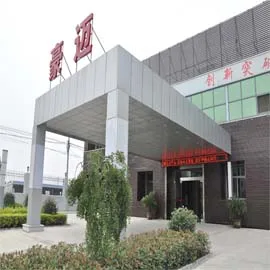
Changzhou Haomai Drying Engineering Co., Ltd.
- Manufacturer, Trading Company
- Jiangsu, China
- Lead time40 days
- Avg. response≤ 5h
Main productsDrying equipments,Granulation equipments,Mixing equipments,Spray dryer,Fluid bed dryer
Main marketsDomestic Market(50.00%), Western Europe(8.00%), Southern Europe(7.00%), North America(5.00%), South Asia(5.00%), Southeast Asia(5.00%), South America(5.00%), Eastern Asia(5.00%), Mid East(5.00%), Africa(5.00%)
Henan New Guoxin Machinery Manufacturing Co., Ltd.
- Verified by TüVRheinland
- Manufacturer, Trading Company
- Lead time30 days
- Avg. response≤ 4h
Main productsDrying Equipment, Microwave Dryer, Air Drying Room, Mesh Belt Dryer, Garbage Sorting Equipment
Main marketsDomestic Market(50%), Southeast Asia(20%), Africa(10%)
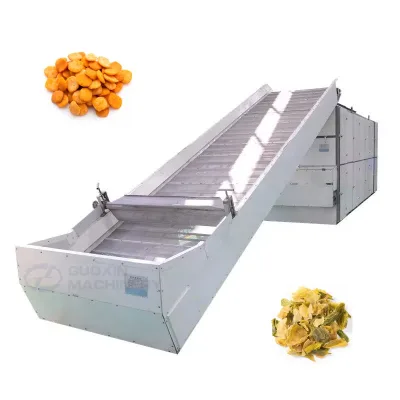
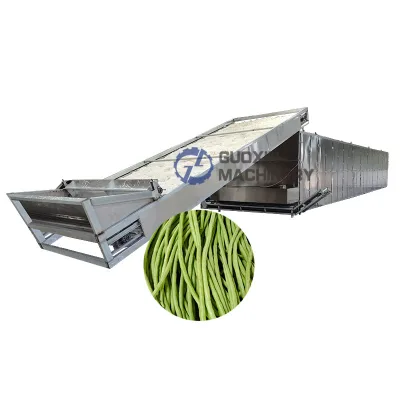
$22800.00 - $33850.00
MOQ: 1 Minimum
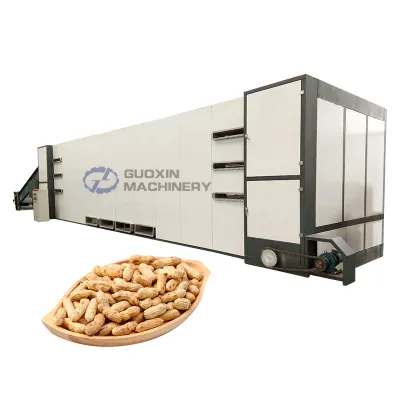
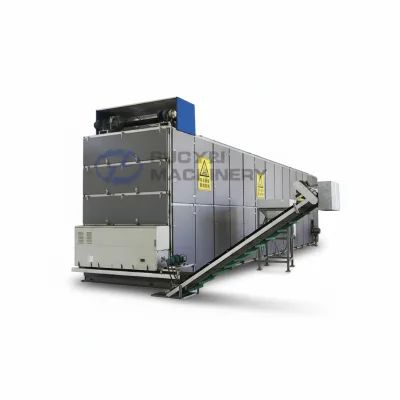
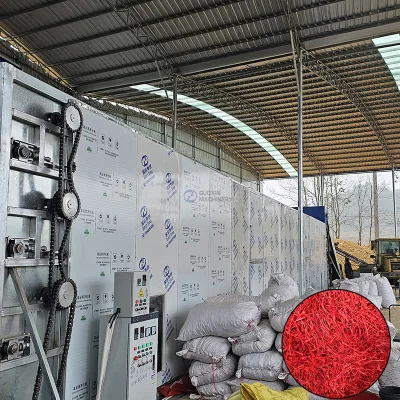
Industrial Automatic Mesh Belt Dryer for Saffron Cardamom Spices Dryer Machine
$19950.00 - $23600.00






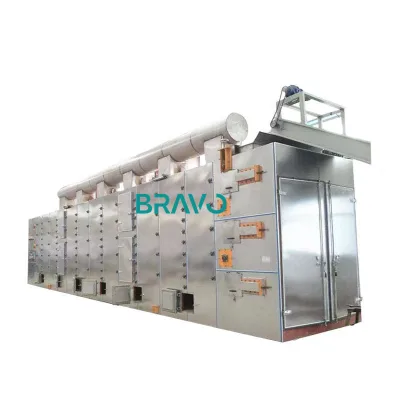
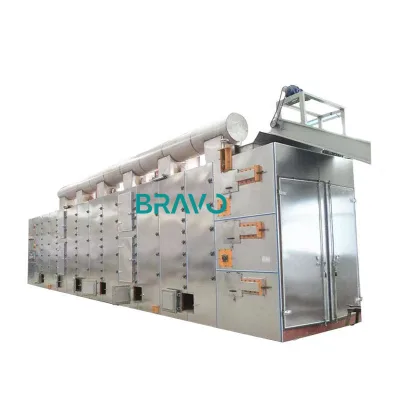
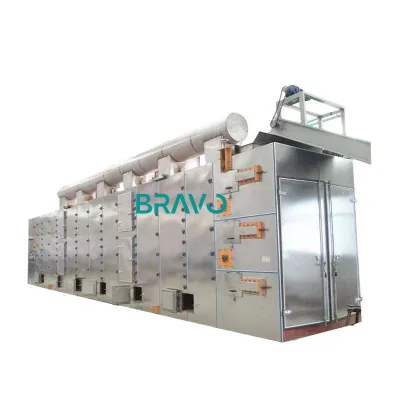
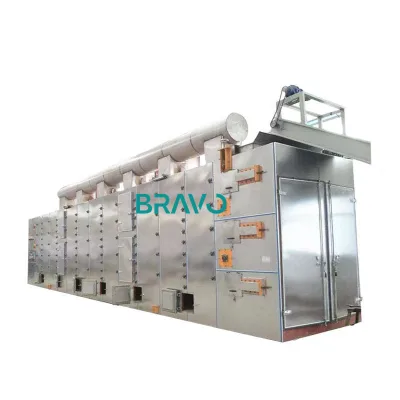
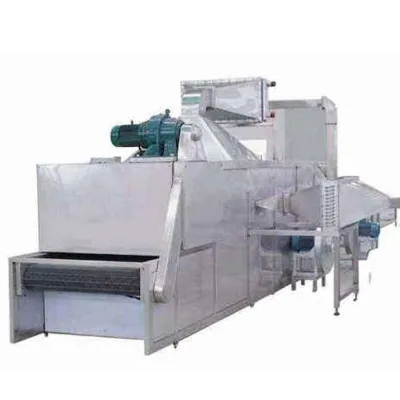
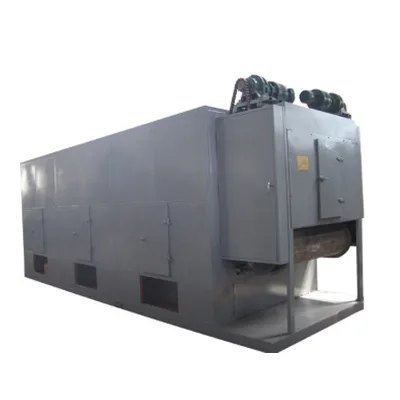
Comprehensive Sourcing Guide
Automatic Food Mesh Belt Dryer Supplier Concentration and Factory Types
The current supplier landscape for automatic food mesh belt dryers reveals a distinct concentration of manufacturing and trading entities within specific Chinese provinces. Evidence indicates that suppliers are located in regions such as Henan and Jiangsu, which serve as key industrial hubs for this machinery. These locations are not arbitrary; they represent established clusters where the supply chain for industrial drying equipment is mature. Buyers evaluating potential partners should recognize that proximity to these manufacturing bases often correlates with faster logistics and more direct access to production facilities. The presence of suppliers in these specific areas suggests a localized ecosystem of component suppliers and skilled labor, which can influence both the quality of the mesh belt dryer and the speed of delivery. Understanding this geographic distribution is the first step in narrowing down the field of potential vendors, as it allows buyers to prioritize suppliers who are physically closer to the core manufacturing infrastructure.
Beyond geography, the types of companies offering these dryers vary significantly, impacting the buyer’s relationship with the vendor. The data shows a mix of Trading Companies and Manufacturer/Factory entities, with some suppliers identifying as both. This distinction is critical for procurement strategy. A Trading Company may offer a broader range of auxiliary equipment, such as packing machinery or agricultural processing tools, providing a one-stop solution for facility setup. In contrast, a Manufacturer/Factory might offer deeper technical customization and direct oversight of the production process for the mesh belt dryer itself. Some suppliers also list extensive main products including food processing machinery and waste recycling equipment, indicating a diversified industrial focus. Buyers must assess whether they need a specialized partner focused solely on drying technology or a generalist industrial supplier capable of handling multiple aspects of their production line. This structural diversity requires careful evaluation to ensure the supplier’s business model aligns with the buyer’s specific operational needs and long-term support expectations.
How to Verify Automatic Food Mesh Belt Dryer Suppliers
Verifying the legitimacy and capability of Automatic Food Mesh Belt Dryer suppliers requires a multi-layered approach that goes beyond simple profile reviews. One of the most reliable indicators of supplier credibility is third-party verification status. Current data highlights that some suppliers hold verification from recognized entities such as TÜV Rheinland and SGS. These certifications provide an external layer of assurance regarding the supplier’s business operations and product quality standards. Buyers should prioritize suppliers who display these verification badges, as they indicate that an independent body has audited the company’s claims. Additionally, system certifications like ISO9001:2015, ISO 9001, and GMP are present in the supplier pool. These standards are particularly relevant for food processing machinery, as they demonstrate a commitment to quality management systems and hygiene protocols essential for food-safe equipment. The presence of these certifications suggests that the supplier has established processes for consistent manufacturing and quality control, which reduces the risk of receiving substandard machinery.
Response time and production capacity are also vital metrics for verification. The data shows a wide range in response times, from as low as 0.94 hours to over five hours. A faster response time often indicates a more active sales team and potentially quicker communication during the negotiation and post-sale support phases. Buyers should look for suppliers with response times under two hours to ensure efficient project management. Furthermore, the availability of OEM and ODM capabilities is a strong indicator of a supplier’s technical flexibility. Suppliers who explicitly state they offer Original Equipment Manufacturing and Original Design Manufacturing services are likely equipped to handle custom specifications for the mesh belt dryer, such as adjusting the belt width, temperature control systems, or drying medium configurations. This capability is crucial for buyers with unique processing requirements. By cross-referencing verification badges, response speeds, and customization options, buyers can build a robust profile of each supplier’s reliability and technical competence before initiating any formal discussions or orders.
What to Compare Across Automatic Food Mesh Belt Dryer Suppliers
When evaluating multiple suppliers for automatic food mesh belt dryers, buyers must systematically compare key operational and commercial dimensions to identify the best fit. One of the most significant differentiators is the lead time for production and delivery. The observed data indicates lead times ranging from approximately 20 to 30 days, with some suppliers noting seasonal variations or negotiable terms for larger orders. A shorter, more consistent lead time can be critical for buyers aiming to minimize downtime or meet tight production schedules. Buyers should also compare the Minimum Order Quantity (MOQ) requirements. While some suppliers may have an MOQ of just one unit, allowing for small-scale testing or pilot projects, others might have higher thresholds. Understanding these MOQs helps buyers align their procurement strategy with their budget and storage capabilities. Additionally, the price range for these dryers varies significantly, with some units starting around $2,000 and others reaching up to $40,000 or more. This price disparity often reflects differences in capacity, material quality, and automation levels, so buyers must compare specifications alongside pricing to ensure value for money.
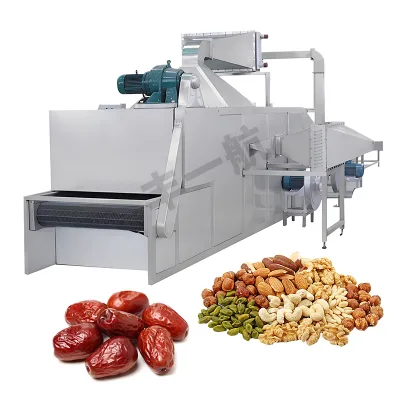
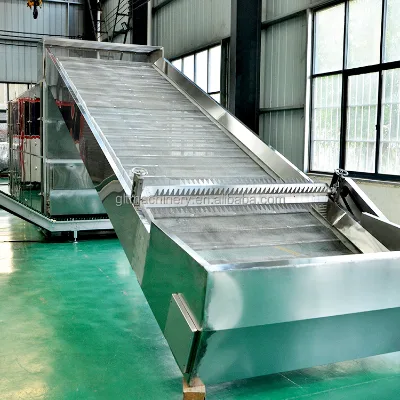
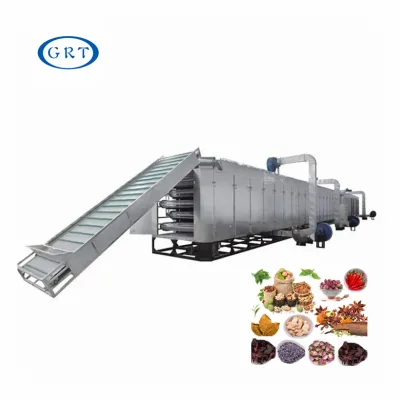
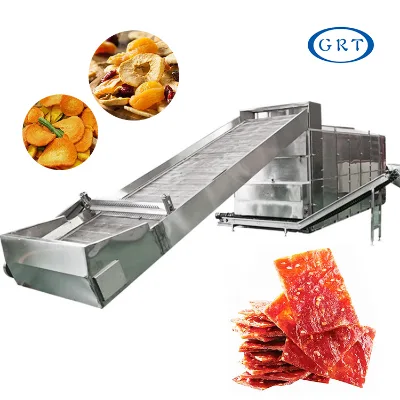
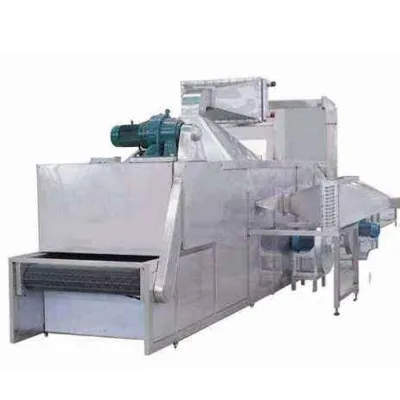
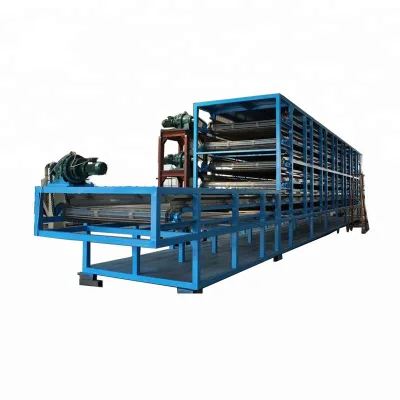
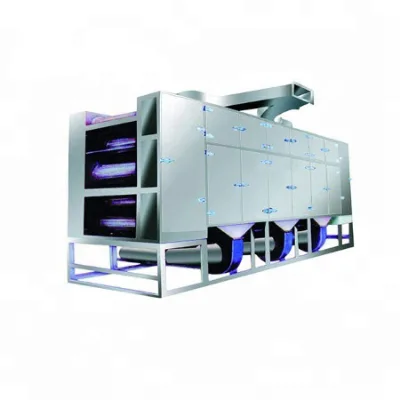
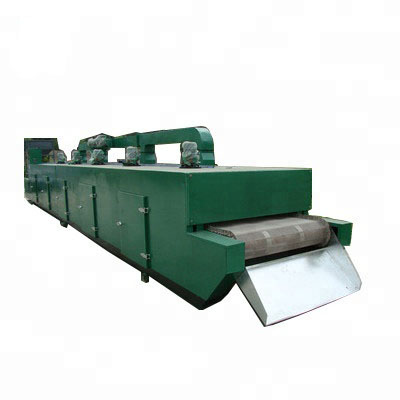
Another crucial aspect of comparison is the technical specification and customization options available. The data shows that mesh belt dryers can be customized in terms of heating sources, which may include electricity, steam, gas, or microwave technology. Buyers should compare the available drying capacities, which range from small-scale outputs to industrial volumes exceeding 2,000 kg per hour. The type of dryer, whether single-layer or multi-layer, and the movement way of the belt also vary. Suppliers offering adjustable temperature ranges and continuous automatic drying processes provide greater flexibility for different food products. Furthermore, the main products offered by each supplier can indicate their breadth of expertise. A supplier offering a wide array of food processing machinery might provide better integration support for a complete production line. Buyers should create a comparison matrix that includes lead time, MOQ, price, response time, and technical customization options to objectively assess which supplier offers the most advantageous combination of cost, speed, and technical capability for their specific needs.
Common Automatic Food Mesh Belt Dryer Sourcing Risks
Sourcing automatic food mesh belt dryers from international suppliers, particularly those in China, introduces several inherent risks that buyers must proactively manage. One significant risk is the variability in product quality and adherence to specifications. While suppliers may claim compliance with standards like ISO 9001 or GMP, the actual performance of the mesh belt dryer in a real-world food processing environment can differ. Buyers face the risk of receiving equipment that does not meet their specific drying requirements, such as inadequate temperature control or insufficient capacity. This mismatch can lead to production bottlenecks or product quality issues. Another risk is the potential for miscommunication regarding technical details. The data shows that suppliers offer various heating sources and drying mediums, from air to superheated steam. If the buyer’s facility lacks the necessary infrastructure for a specific heating source, such as steam boilers or high-capacity electrical grids, the purchased dryer may be unusable. This risk is exacerbated by language barriers and differences in technical terminology, which can lead to orders being placed for incorrect configurations.
Logistical and post-sale support risks are also prevalent in this category. The lead times observed, ranging from 20 to 30 days, can be extended by shipping delays, customs clearance issues, or seasonal production peaks. Buyers must account for these potential delays in their production planning to avoid stockouts. Furthermore, the warranty and after-sales service terms can vary widely. Some suppliers offer a one-year warranty, but the scope of coverage and the availability of spare parts or technical support in the buyer’s region may be limited. If a critical component, such as the mesh belt or the heating element, fails, the lack of local support can result in prolonged downtime. Additionally, the risk of financial loss exists if the supplier is not verified or if payment terms are not secured through escrow or other protective mechanisms. Buyers must be vigilant in verifying the supplier’s business license, financial stability, and reputation to mitigate the risk of fraud or non-delivery. Understanding these risks allows buyers to implement appropriate safeguards, such as third-party inspections, clear contractual terms, and comprehensive insurance coverage.
Automatic Food Mesh Belt Dryer Regional Sourcing and Logistics
The regional sourcing of automatic food mesh belt dryers from China, specifically from provinces like Henan and Jiangsu, offers distinct logistical advantages and challenges for international buyers. These regions are well-established industrial centers with robust infrastructure for manufacturing and exporting heavy machinery. The concentration of suppliers in these areas facilitates efficient consolidation of goods, as many component suppliers and assembly plants are located in close proximity. This clustering effect can reduce manufacturing costs and improve the availability of spare parts. However, buyers must carefully consider the logistics of transporting large, heavy equipment like mesh belt dryers, which can weigh several hundred kilograms. The data indicates that products are often packed in wooden cases or cartons, which are suitable for sea freight but require careful handling to prevent damage during transit. Buyers should work with suppliers who have experience in international shipping and can provide accurate dimensions and weights for freight quoting.
Shipping routes from Chinese ports to major global destinations are well-developed, but transit times can vary based on the destination port and current global shipping conditions. Buyers should factor in the lead time for production, which can be 20 to 30 days, plus the additional time for ocean freight, which can take several weeks depending on the route. It is also important to consider the customs clearance process in the buyer’s country, which may require specific documentation for food processing machinery, such as safety certifications or material compliance reports. Some suppliers may offer assistance with export documentation, but buyers should verify this service in advance. Additionally, the choice of shipping method, whether full container load or less than container load, will impact the overall cost and delivery schedule. Buyers should collaborate with their freight forwarders to optimize the shipping plan, ensuring that the mesh belt dryer arrives at their facility in good condition and on time. Understanding the logistical nuances of sourcing from these specific regions helps buyers plan their supply chain more effectively and avoid unexpected delays or costs.
Automatic Food Mesh Belt Dryer Commercial Terms and Order Planning
Effective order planning for automatic food mesh belt dryers requires a thorough understanding of commercial terms and financial structures. The price range for these machines is broad, starting from around $2,000 for smaller or basic models and extending to over $40,000 for high-capacity, fully automated systems. Buyers must align their budget with the specific technical requirements of their production line, ensuring that they do not overspend on unnecessary features or underspend on critical capabilities. Payment terms are another crucial aspect of commercial negotiation. Buyers should seek suppliers who offer secure payment methods, such as escrow services, to protect their funds until the goods are shipped and verified. It is also important to clarify the Incoterms, such as FOB or CIF, to determine who is responsible for shipping costs and insurance. This clarity helps in calculating the total landed cost of the equipment. Additionally, buyers should inquire about the warranty terms and the availability of after-sales support, including technical training and spare parts supply.
Order planning should also consider the scalability and future expansion of the buyer’s operations. If the buyer anticipates increased production volumes, they may need to invest in a dryer with higher capacity or modular design that allows for expansion. The data shows that some suppliers offer OEM and ODM services, which can be beneficial for buyers looking to brand the equipment or customize it for specific applications. Buyers should discuss these customization options early in the negotiation process to ensure that the supplier can meet their requirements within the agreed timeline and budget. Furthermore, buyers should plan for the installation and commissioning of the mesh belt dryer, which may require on-site technical support from the supplier. This support should be included in the commercial agreement to avoid additional costs and delays. By carefully planning the commercial terms and order logistics
FAQs
What is the price range for automatic food mesh belt dryers?
Prices for these machines typically range from $2,000 to $39,990 depending on specifications. Basic models start near $2,000, while specialized continuous dryers can reach higher price points. Buyers should verify exact costs based on capacity and heating source requirements.
What is the typical lead time for manufacturing these dryers?
Manufacturing lead times generally range from 15 to 30 days after payment confirmation. Some suppliers offer delivery within 15 days, while standard production cycles take up to 30 days. Peak seasons may require negotiation for extended timelines beyond standard commitments.
What certifications do these suppliers typically hold?
Suppliers often hold ISO9001:2015, ISO 9001, and GMP certifications. Many are verified by third-party agencies like TÜV Rheinland and SGS. These credentials indicate adherence to quality management standards and safety protocols for industrial food processing equipment manufacturing.
What is the minimum order quantity for these machines?
The minimum order quantity is typically one unit, allowing for single-machine purchases. This low MOQ supports small-scale operations or trial orders. Buyers can source individual units without needing to commit to large bulk quantities for initial equipment acquisition.
Where are these mesh belt dryers manufactured?
These machines are primarily manufactured in China, specifically in regions like Henan and Jiangsu provinces. The origin is consistently listed as China for various models. Buyers should confirm specific factory locations to assess logistics and shipping requirements for their region.
What heating sources are available for these dryers?
Available heating sources include electricity, steam, gas, and microwave technology. Some models utilize superheated steam or inactive gas as drying mediums. Buyers should select the source that aligns with their facility's infrastructure and energy efficiency goals for optimal operation.
What is the typical response time for supplier inquiries?
Supplier response times vary, with averages ranging from 0.94 to 5.26 hours. Faster responses are often associated with verified manufacturers. Buyers can expect quicker communication from suppliers with high verification ratings and established trading company structures for efficient order processing.