Distilled Water Filling Machine Suppliers and Manufacturers
Source 23 verified suppliers for Distilled Water Filling Machine equipment. Compare key dimensions including lead times, MOQs, certifications, and response rates. Review product specifications and request quotes directly from manufacturers in China; review the available evidence before requesting comparable quotations from suitable candidates.
Updated
Suppliers List

Zhangjiagang Links-Machine Co., Ltd.
- Verified by BV
- Trading Company,Manufacturer/Factory
- China Jiangsu
- Lead time90 days
- Avg. response≤ 4h
Main productsBottle Filling Machine, Water Filling Machine, Beverage Filling Packing Machine, Bottle Blow Molding Machine, Injection Molding Machine, Labeling Machine, Film Wrapping Machine, Water Treatment, PVC Labels, Soda Filling Machine
Main marketsSouth America,Eastern Europe,Mid East,North America,Southeast Asia,Africa

Zhangjiagang King Machine Tech Co., Ltd.
- Verified by BV
- Combined
- China Jiangsu
- Lead time45 days
- Avg. response≤ 4h
Main productsWater Filling Machine, Beverage Filling Machine, Carbonated Drink Filling Machine, 5gallon Bottle Filling Machine, Bottle Blowing Machine, Glass Bottle Filling Machine, Can Filling Machine, Wrapping Machine, Juice Filling Machine, Labeling Machine
Main marketsSoutheast Asia/ Mideast
Suzhou Luye Packaging Technology Co., Ltd.
- Verified by TüVRheinland
- Trading Company
- Lead time30 days
- Avg. response≤ 2h
Main productsBeverage Filling Machine, Labeling Machine, Water Treatment System, Bottle Blowing Machine, Multi-Function Packaging Machines
Main marketsEastern Europe(30%), Africa(30%), Mid East(30%)

Zhangjiagang Lexse Machinery Co., Ltd.
- Verified by SGS
- Trading Company
- China Jiangsu
- Lead time45 days
- Avg. response≤ 1h
Main productsWater Filling Line, Carbonated Drinking Line, Juice Filling Line, 3-10L Water Filling Line, 5gallon Filling Line, Can Filling Line, Beer Filling Line, Oil Filling Machine
Main marketsSouth America,Eastern Europe,North America,Southeast Asia,Eastern Asia,Oceania,Africa

Mineral Water Filling Machine Water Bottling Machine Distilled Bottling Plant
$10500.00 - $50000.00
MOQ: 1 set

Qingzhou Angel Environmental Protection Technology Co., Ltd.
- Manufacturer, Trading Company
- Shandong Province, China
- Lead time0 days
- Avg. response≤ 2h
Main productsbottle filling line,PET filling machine,Glass bottle filling machine,Reverse osmosis equipment,Large bucket water filling machine
Main marketsSoutheast Asia(22.00%), Mid East(20.00%), South America(15.00%), Domestic Market(12.00%)
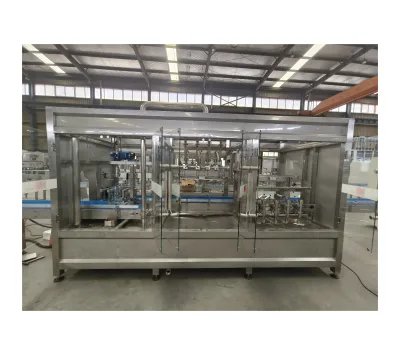
$12066.00 - $12366.00
MOQ: 1 sets
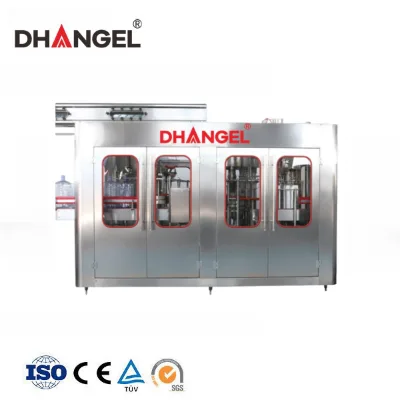
$18377.00 - $18677.00
MOQ: 1 sets
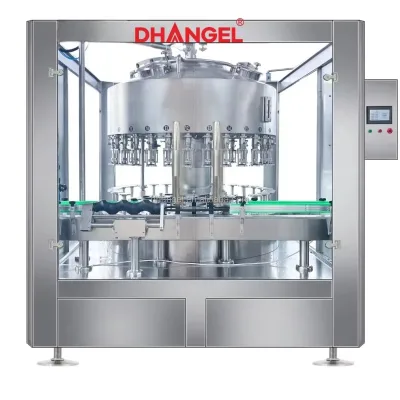
Professional PET Bottled Water Filling Machine Supplier: One - Stop Service to Meet Your Needs
$12766.00 - $12999.00
MOQ: 1 sets
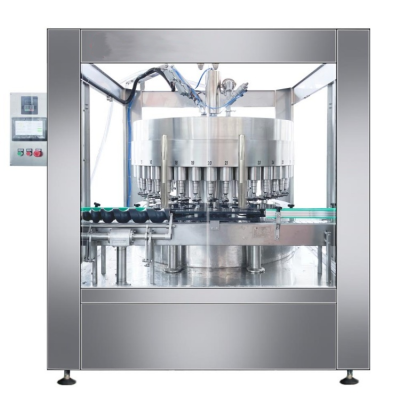
Cheap Price Asian - Style Filling Machine Manufacturer Electronic Quantitative Filling Machine
$16388.00 - $16588.00
MOQ: 1 sets
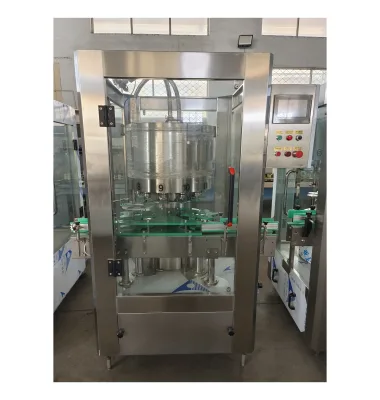
Factory Sale Various China Professional Manufacture No - Drip Upgraded Precision Filling Machine
$12766.00 - $12966.00
MOQ: 1 sets

Shandong Backace Machinery Co., Ltd.
- Verified by TUVRHEINLAND
- Combined
- China Shandong
- Lead time15 days
- Avg. response≤ 5h
Main productsFilling Machine, Filling Production Line, Bottle Washing Machine, Capping Machine, Labeling Machine, Sealing Machine, Filling Line, Juice Filling Machine, Red Wine Filling Machine, Liquid Filling Machine
Main marketsDomestic

Suzhou Luye Packaging Technology Co., Ltd.
- Verified by BV
- Trading Company
- China Jiangsu
- Lead time45 days
- Avg. response≤ 4h
Main productsFiling Machine, Water Filling Machine, Beverage Filling Machine, Shrink Packaging Machine, Labeling Machine, Fruit Juice Filling Machine, Bottle Water Filling Line, Drink Filling Machine, Cooking Oil Filling Line, Beer Filling Machine
Main marketsEurope


$13000.00 - $150000.00
MOQ: 1 Pieces


Mineral Water Filling Machine Price, Filling Machine for Drinking Water, Mineral Water Filling Plant
$13000.00 - $150000.00
MOQ: 1 Pieces

Zhangjiagang King Machine Co., Ltd.
- Verified by SGS
- Combined
- China Jiangsu
- Lead time30 days
- Avg. response≤ 12h
Main productsWater Filling Machine, Juice Filling Machine, CSD Drink Filling Machine, Water Treatment Plants, Label Sleeve Thermal Shrink Machine, PE Film Packing Machine, Wine Filling Machine, Bottle Washing Machine, Cap Sealing Machine, Juice Prepare Plants
Main marketsSouth America,Africa,Southeast Asia/ Mideast,East Asia(Japan/ South Korea),Europe,Australia,North America

Ace-Filling (Suzhou) Packaging Machinery Co., Ltd.
- Verified by SGS
- Combined
- China Jiangsu
- Lead time45 days
- Avg. response≤ 4h
Main productsCarbonated Soft Drink Filling Machine, Drinking Water Bottling Machine, Fruit Juice Tea Hot Filling Machine, 3-10L Big Bottle Water Drink Filling Machine, 5 Gallon Barrel Water Filling Machine, Glass Bottle Beverage Filling Machine, Juice Beer Carbonated Drink Can Filling Machine, Edible Oil Ketchup Filling Machine, Water Treatment System, Beverage Bottle Labeling Machine
Main marketsSouth America,Others(foreignTradeCapacity.exportBusinessCapacityMarketOther),North America

Zhangjiagang Longsn Machine Co., Ltd.
- Manufacturer
- China Jiangsu
- Lead time45 days
- Avg. response≤ 12h
Main productsWater Filling Machine, Cap Lining Machine, Blow Moulding Machine, Bottle Packing Machine, Bottle Labeling Machine, Bottle Neck Cutting Machine, Bottle Leak Tester, Water Production Line, Plastic Machines, Cap Assembly Machine
Main marketsSouth America,Africa,Southeast Asia/ Mideast,Domestic,Europe,Australia,North America

Automatic Distilled 20 Liter Water Filling Machine for 5 Gallon Bottling Line
$4000.00 - $20000.00
MOQ: 1 set


Zhangjiagang Klio Machinery Co., Ltd.
- Verified by SGS
- Combined
- China Jiangsu
- Lead time15 days
- Avg. response≤ 1h
Main marketsSoutheast Asia/ Mideast,Domestic

Zhang Jia Gang Stone Mechanical Equipment Co., Ltd.
- Manufacturer/Factory
- China Jiangsu
- Lead time45 days
- Avg. response≤ 18h
Main productsPlastic Machinery, Blow Moulding Machine, Plastic Molding Machine, Plastic Mould, Beverage Filling Machine, Package Machine, Filling Line, Extrusion Line, Plastic Auxliary Equipment
Main marketsSouth America,Eastern Europe,Mid East,Southeast Asia,Eastern Asia,Oceania,Western Europe,Africa
Henan Cyril Machinery Equipment Co., Ltd
- Trading Company
- He'nan, China
- Lead time10 days
- Avg. response≤ 4h
Main productsFilling Machine, Labeling Machine, Capping Machine, Packaging Machine, Coding Machine
Main marketsDomestic Market(40.00%), South America(15.00%), Mid East(10.00%), North America(5.00%), Western Europe(5.00%), Central America(5.00%), Southeast Asia(5.00%), South Asia(3.00%), Eastern Asia(2.00%), Oceania(2.00%), Southern Europe(2.00%), Northern Europe(2.00%), Africa(2.00%), Eastern Europe(2.00%)
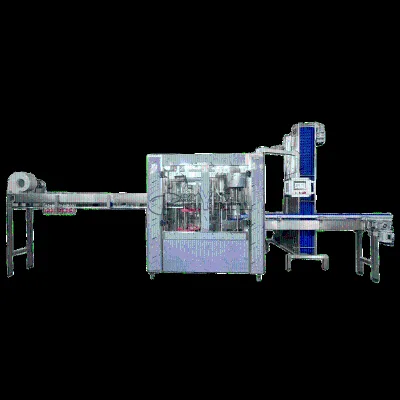
$11000.00 - $11500.00
MOQ: 1 sets
Dongguan Haixingda Machinery Co., Ltd.
- Trading Company
- Lead time旺季: "1 - 1":7,"> 1":"To be negotiated", 淡季: "1 - 1":7,"> 1":"To be negotiated"
- Avg. response≤ 2h
Main productsFilling Machine, Packing Machine, Plastic Welding Machine, Multi-Function Packaging Machines, Labeling Machine
Xianyang Chic Machinery Co., Ltd.
- Trading Company
- Shaanxi, China
- Lead time20 days
- Avg. response≤ 3h
Main productspackaging machine,air compressor,welding and sealing machine,packaging material,Garden machinery
Main marketsNorth America(30.00%), Africa(20.00%), South America(10.00%), Mid East(10.00%), Eastern Asia(8.00%), Central America(5.00%), Western Europe(5.00%), Southeast Asia(5.00%), Eastern Europe(5.00%), South Asia(2.00%)

Qingzhou Gofar Packaging Machinery Co., Ltd.
- Verified by BV
- Combined
- China Shandong
- Lead time60 days
- Avg. response≤ 4h
Main productsFilling Machine, Auto Liquid Filling Machine, Auto Water Filling Machine, Auto Oil Filling Machine, Auto Juice Production Line, Auto Aluminum Cap Sealing Machine, Auto Labeling Machine, Auto Water Treatment Equipment
Main marketsSouth America,Africa,Southeast Asia/ Mideast,Domestic,Europe,North America

- Verified by BV
- Trading Company
- China Hebei
- Lead time30 days
- Avg. response≤ 1h
Main productsElbow Machine, Induction Pipe Bending Machine, Tee Machine, Seamless Elbow, Pipe Expanding Machine, Hydraulic Press, GOST Elbow, Tee
Main marketsSouth America,Africa,Southeast Asia/ Mideast,East Asia(Japan/ South Korea),Europe,North America

Water Beer Filling Machine Liquid Water Production Machine Mineral Water Filling Machine
$8000.00 - $10900.00
MOQ: 1 Sets

Water Filling Machine Water Bottle Filling Line Water Filling Production Line Machine
$8000.00 - $10900.00
MOQ: 1 Sets

Zhangjiagang Sunswell Machinery Co., Ltd.
- Verified by TUVRHEINLAND
- Combined
- China Jiangsu
- Lead time60 days
- Avg. response≤ 5h
Main productsFilling Machine, Water Bottling Machine, Water Filling Machine, Beverage Bottling Machine, Carbonated Filling Machine, Juice Filling Machine, Water Bottling Line, Packaging Machine, Labeling Machine, Hot Filling Machine
Main marketsAfrica,Others(foreignTradeCapacity.exportBusinessCapacityMarketOther),Europe
Zhangjiagang Jiayuan Machinery Co., Ltd.
- Verified by TüVRheinland
- Manufacturer, Trading Company
- Lead time30 days
Main productsFilling Production Line, Packing Production Line
Main marketsAfrica(50%), Domestic Market(25%), South America(5%)

Ruian Onfocus Machinery Company Limited
- Verified by TUVRHEINLAND
- Combined
- China Zhejiang
- Lead time30 days
- Avg. response≤ 4h
Main productsAutomatic Packing Machine, Granule Packing Machine, Liquid Packing Machine, Power Packing Machine, Paste Packing Machine, Liquid Filling Machine, Automatic Packaging Machine, Liquid Packaging Machine, Vertical Packing Machine, Horizonal Packing Machine
Main marketsDomestic

Zhangjiagang Glory Machinery Co., Ltd.
- Combined
- China Jiangsu
- Lead time30 days
- Avg. response≤ 15h
Main productsFilling Machine, Beverage Machine, Labeling Packaging Machine, Blowing Molding Machine, Plastic Recycling Washing Line, Water Production Line, Water Treatment System, Drink Bottling Line, Beverage Filling Line, 5gallon Filling Production Line
Main marketsSouth America,Africa,Others(foreignTradeCapacity.exportBusinessCapacityMarketOther),Southeast Asia/ Mideast,Domestic,Europe,North America

Zhangjiagang City Tango Machinery Co., Ltd.
- Trading Company
- China Jiangsu
- Lead time60 days
- Avg. response≤ 5h
Main productsWater Bottle Filling Produdction Line, 3in1 Bottle Filling Machine, Bottlig Machine, Wrapping Machine, Labeling Machine, Carton Package Machine, Beverage Filling Machine, Juice Production Line, Carbonated Beverage Production Line, 5gallon Production Line
Main marketsSouth America,Eastern Europe,Mid East,North America,Southeast Asia,Eastern Asia,Oceania,Western Europe,Africa
Jining Gubek Machinery Co., Ltd.
- Trading Company
- Shandong, China
- Lead time10 days
- Avg. response≤ 2h
Main productsfilling machine,sealing machine,vacuum packaging machine,shrink packaging machine,labelling machine
Main marketsDomestic Market(19.00%), South Asia(15.00%), Oceania(12.00%), North America(10.00%), Northern Europe(9.00%), Southeast Asia(8.00%), Eastern Europe(8.00%), Eastern Asia(6.00%), Western Europe(5.00%), Southern Europe(4.00%), Central America(2.00%), Africa(1.00%), Mid East(1.00%)
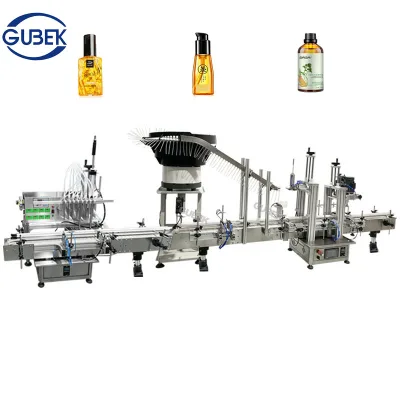
Full-automatic Bottle Water Rinsing Liquid Detergents Filling Capping Labeling Machine
$1971.1476 - $2178.6368
MOQ: 1 sets
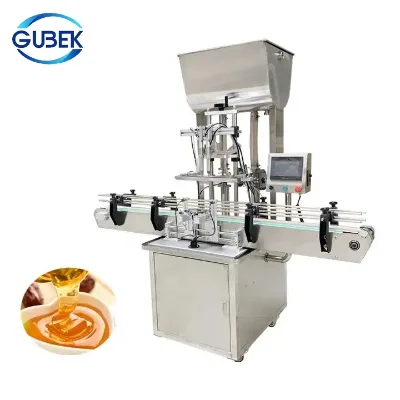
30ml 100ml Bottling Filling Machines for One Liter for Liquid Chemical
$2795.00 - $3125.00


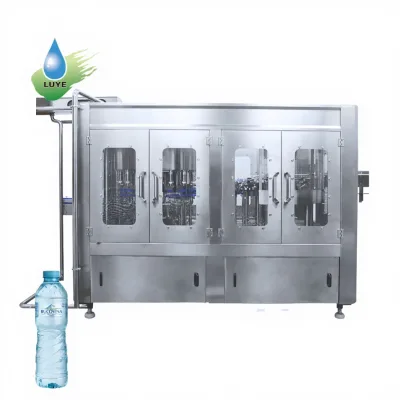


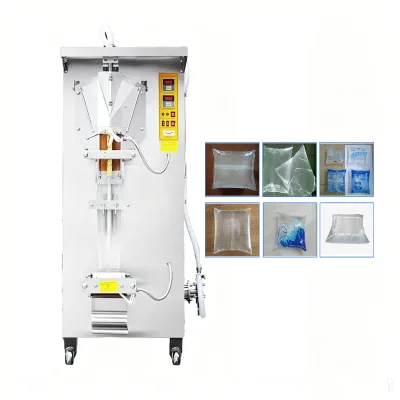
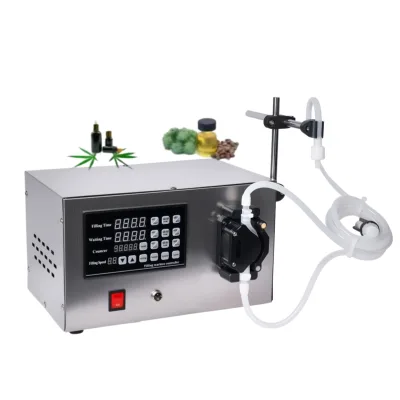
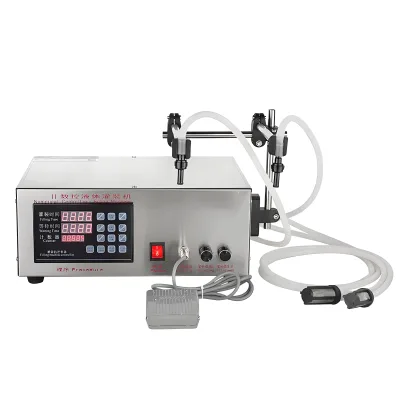




Comprehensive Sourcing Guide
Distilled Water Filling Machine Supplier Concentration and Factory Types
The available data indicates a significant concentration of manufacturing activity within China, specifically in the Jiangsu province. This region serves as a primary hub for the production of industrial machinery, including bottle filling and water treatment equipment. When evaluating potential partners, buyers should prioritize suppliers whose origin is explicitly listed as Jiangsu or Zhangjiagang City, as these locations are associated with established industrial clusters for packaging machinery. The presence of these specific geographic markers in supplier profiles suggests a mature supply chain ecosystem where specialized components and skilled labor are readily available.
Supplier profiles in this category often display a hybrid structure, identifying as either Trading Companies or Manufacturers and Factories. Some entities operate as Combined entities, offering both direct manufacturing capabilities and trading services. This distinction is critical for procurement strategy, as manufacturers typically control the production process and customization options, while trading companies may offer a broader range of products from multiple factories. Buyers must verify the specific company type listed in the supplier profile to understand the directness of the supply chain and the potential for value-added services like OEM or ODM customization.
How to Verify Distilled Water Filling Machine Suppliers
Verification of supplier credibility relies heavily on third-party validation and specific certification markers found in the product data. Several suppliers in the current results display BV verification status, which serves as a concrete indicator of business legitimacy. Additionally, system certifications such as ISO 9001 and ISO 20000 are frequently cited, providing evidence of quality management systems in place. Buyers should cross-reference these claims against the specific product attributes, where certifications like CE, ISO, and SGS are often listed alongside machine specifications to ensure compliance with international safety and quality standards.
Beyond static certifications, the responsiveness of the supplier is a dynamic metric that requires active verification. The data shows response times varying between 3.08 and 3.74, which serves as a proxy for communication efficiency. A supplier with a lower response time generally indicates a more active sales team capable of addressing technical queries promptly. Buyers should also examine the "After-Sale Service" attributes, specifically looking for claims regarding engineers available to service machinery overseas. This capability is a crucial verification point for long-term operational reliability, ensuring that technical support is accessible regardless of the buyer's geographic location.
What to Compare Across Distilled Water Filling Machine Suppliers
When comparing suppliers, the primary differentiators include lead times, minimum order quantities, and production capacity. The observed data reveals a wide range in lead times, with some suppliers indicating a 45-day delivery window while others specify up to 90 days or even 2 to 6 months. This variance significantly impacts project planning and inventory management. Buyers must align their production schedules with the specific lead time provided by the supplier, noting that complex customizations or larger capacity machines may extend these timelines. The Minimum Order Quantity (MOQ) is another critical factor, with some listings showing an MOQ of 1 unit, which facilitates smaller initial investments.
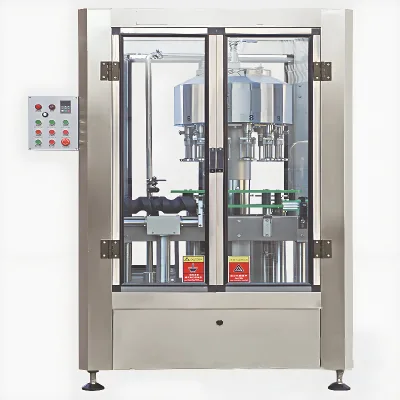
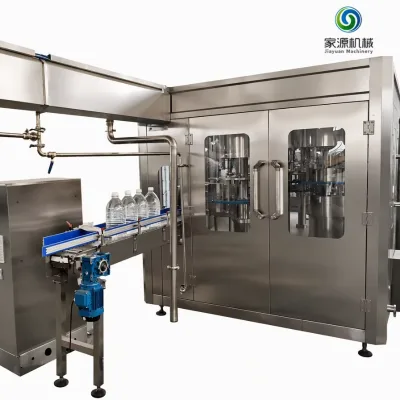
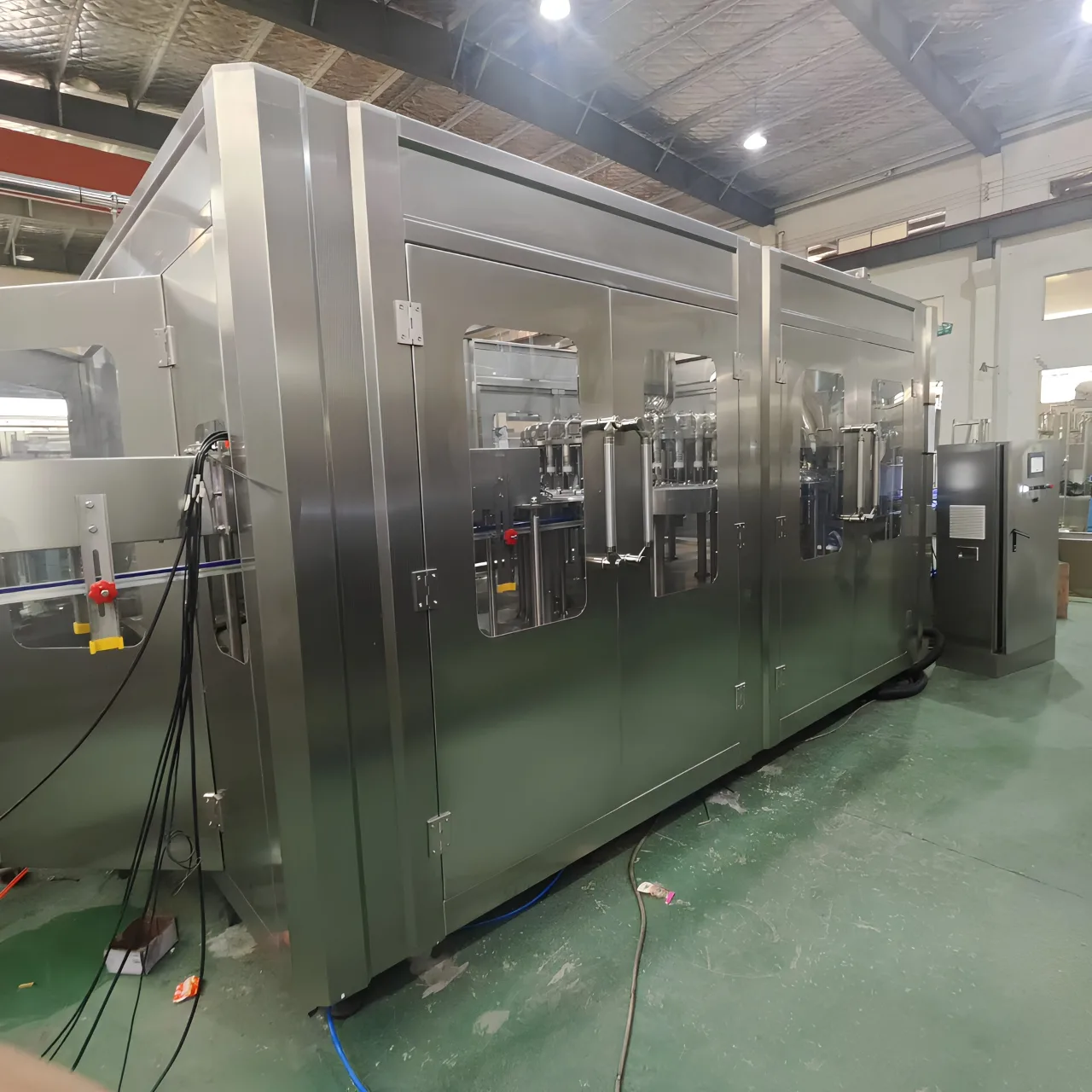
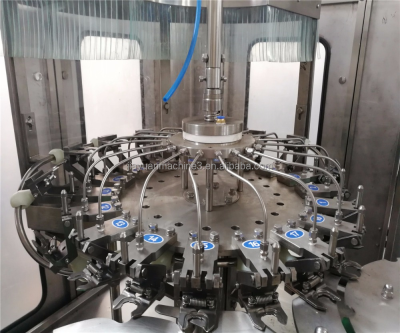
Production capacity and technical specifications offer further grounds for comparison. The available product evidence highlights capacities ranging from 2,000 bottles per hour to 36,000 bottles per hour, depending on the model and bottle size. Buyers should compare these figures against their own throughput requirements to avoid under- or over-specifying equipment. Additionally, the material composition, such as Stainless Steel 304 or 316, and the control system type, like PLC Mitsubishi, are essential technical variables. Comparing these attributes ensures that the selected machine meets hygiene standards and operational automation needs, preventing costly mismatches between supplier offerings and production goals.
Common Distilled Water Filling Machine Sourcing Risks
One significant risk involves the ambiguity of supplier types and the potential for misrepresentation regarding manufacturing capabilities. While some profiles list themselves as manufacturers, others are trading companies, and a few are combined entities. Without clear verification of the factory floor, buyers risk engaging with intermediaries who may not have direct control over quality or production schedules. This lack of transparency can lead to delays or inconsistencies in product quality. Buyers should rigorously check the "Company Type" field and request proof of manufacturing facilities if the profile does not explicitly confirm direct factory ownership.
Another risk pertains to the variability in after-sales support and service availability. While some product attributes explicitly state that engineers are available for overseas service, others may lack this specific detail. Relying on a supplier without confirmed technical support can result in prolonged downtime if the machine requires maintenance or repair. The absence of specific service guarantees in the product data necessitates a proactive verification step where buyers must confirm the scope of support. Additionally, the variation in lead times from 45 days to six months introduces a risk of supply chain disruption, requiring buyers to build substantial buffers into their operational timelines.
Distilled Water Filling Machine Regional Sourcing and Logistics
The geographic concentration of suppliers in Jiangsu, China, dictates specific logistics considerations for international buyers. Sourcing from this region often involves shipping from major ports in Zhangjiagang City or nearby coastal areas. The product evidence frequently mentions "Wooden Export Package" or "Wooden Cases" as the standard packing method, which is designed to protect heavy machinery during long-distance transit. Buyers should verify that the packaging meets international shipping standards to prevent damage during handling and transport. Understanding the specific origin city helps in estimating freight costs and transit times more accurately.
Logistics planning must also account for the substantial weight and dimensions of these industrial machines. The product attributes indicate that overall sizes are often customized, which can complicate container loading and freight calculations. Buyers should request detailed packing lists and dimensional data before finalizing orders to ensure compatibility with their chosen shipping method. Furthermore, the "Time of Delivery" attribute, which can range from 2 to 6 months, includes the production phase and should be distinguished from the actual shipping duration. Accurate logistics planning requires separating the manufacturing lead time from the transit time to avoid confusion in delivery expectations.
Distilled Water Filling Machine Commercial Terms and Order Planning
Commercial terms for distilled water filling machines vary significantly based on the supplier and the specific model selected. Price ranges observed in the data span from approximately $5,000 to $70,000, with some specific models listed between $19,800 and $21,500. These figures are highly dependent on the machine's capacity, automation level, and customization requirements. Buyers must treat these prices as indicative ranges rather than fixed quotes, as final costs often fluctuate based on the specific configuration and current market conditions. It is essential to request a detailed proforma invoice that breaks down the cost of the machine, packaging, and any additional accessories.
Order planning must integrate the diverse lead times and customization options available. The data shows that customization is generally available, allowing for tailored solutions, but this often extends the production timeline. Buyers should factor in the time required for design approval and engineering adjustments before production begins. Additionally, the availability of OEM and ODM services suggests that branding and specific technical modifications are possible, but these services require clear communication and defined timelines. Successful order planning hinges on aligning the supplier's production capacity with the buyer's urgency, ensuring that the final delivery date accommodates both manufacturing and shipping durations.
FAQs
What is the price range for distilled water filling machines?
Prices typically range from $5,000 to $70,000 depending on capacity and configuration. Basic models start around $9,800, while high-speed lines with advanced PLC controls can reach $21,500 or more. Buyers should verify specific pricing based on their required bottling speed and bottle type requirements.
What certifications do these machines usually have?
Most machines carry CE, ISO, and SGS certifications to ensure safety and quality standards. Suppliers often hold ISO 9001 and ISO 20000 system certifications. These documents verify compliance with international manufacturing norms, providing buyers with confidence in the equipment's reliability and operational safety for their production lines.
What is the typical lead time for delivery?
Lead times generally range from 45 to 90 days after order confirmation. Some suppliers offer faster turnaround times of approximately 45 days, while others may require up to 90 days for complex configurations. Buyers should confirm specific delivery schedules with suppliers to align with their production launch timelines effectively.
What is the minimum order quantity for these machines?
The minimum order quantity is typically one unit, allowing buyers to purchase single machines for pilot projects or small-scale operations. This low MOQ facilitates easier entry into the market without requiring large initial capital investments. Buyers can order individual units to test performance before scaling up their production capabilities.
Where are these machines manufactured?
These machines are primarily manufactured in Jiangsu, China, specifically in Zhangjiagang City. This region is known for its industrial machinery clusters, providing a robust supply chain for packaging equipment. Buyers sourcing from this location benefit from established manufacturing ecosystems and specialized technical support for their filling operations.
What capacities are available for these filling machines?
Capacities vary widely, ranging from 2,000 bottles per hour to 36,000 bottles per hour based on 500ml bottles. Specific models offer fixed speeds like 7,000 bottles per hour. Buyers should select capacity based on their daily production volume needs, ensuring the machine matches their operational efficiency goals and throughput requirements.