Food Grade Sus304 Vertical Mixer Suppliers and Manufacturers
Source 23 verified suppliers for Food Grade Sus304 Vertical Mixer units. Compare CE-certified manufacturers with 10-day lead times, 1-year warranties, and 2.2 kW power options. Contact suppliers directly to request quotes and verify customization capabilities; review the available evidence before requesting comparable quotations from suitable candidates.
Updated
Suppliers List
Shandong Feichuang Machinery Manufacturing Co., Ltd.
- Verified by Intertek
- Manufacturer, Trading Company
- Lead time10 days
- Avg. response≤ 1h
Main productsTractor, Lawn Mower, Mixer
Main marketsDomestic Market(67%), Northern Europe(7%), Africa(6%)
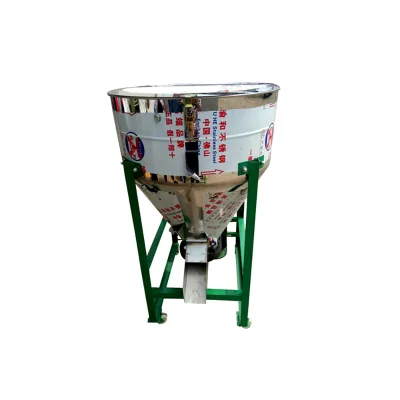
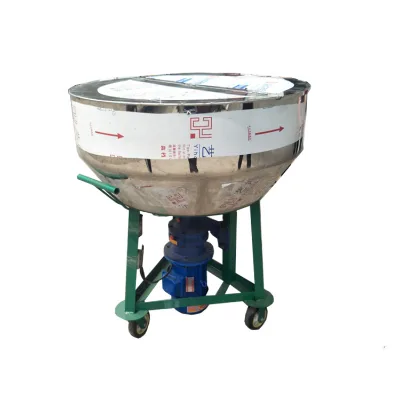
Small 50KG Vertical Mixer Plastic Mixer 150KG200KG300KG Vertical Mixing Machine
$158.40 - $161.54
MOQ: 1 sets
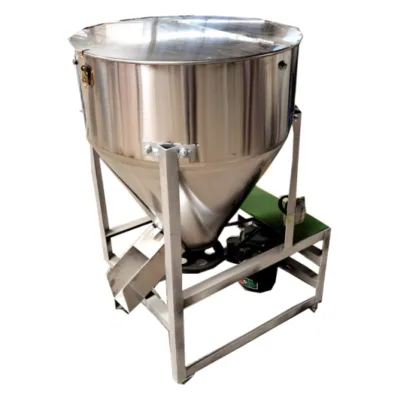
Stainless Steel Vertical Flat Mouth Mixer Vertical Spiral Powder Spice Mixer
$251.2786 - $255.9162
MOQ: 1 sets
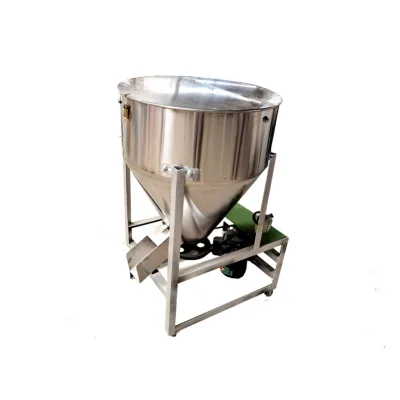
Animal Feed Mixer 50kg 100kg Vertical Stainless Steel Feed Mixer Price
$245.4293 - $260.3369
MOQ: 1 sets
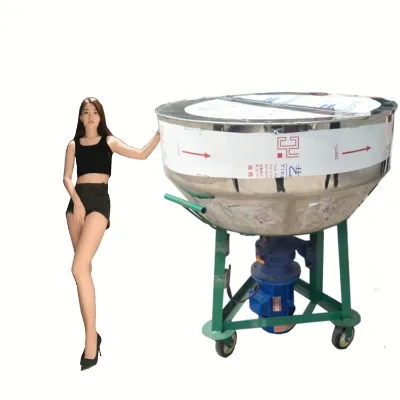

Henan Smile Technology Industrial Co., Ltd.
- Verified by SGS
- Trading Company,Manufacturer/Factory
- China Henan
- Lead time0 days
- Avg. response≤ 8h
Main productsBaking Oven, Industrial Mixer, Laboratory Equipment, Bakery Equipment, Bakery Processor, Kitchen Equipment, Refrigeration Series, Fast Food Equipment, Juicer Extractor Machine

- Verified by TUVRHEINLAND
- Combined
- China Liaoning
- Lead time15 days
- Avg. response≤ 4h
Main productsMixing Tank, Chemical Reactor, Screw Conveyor, Ribbon Mixer, Belt Conveyor, Blender, Mixer, Agitator, Grinder, Colloid Mill
Main marketsSoutheast Asia/ Mideast,Europe,North America

Guangdong Shunde SaiChi Technology Co ., Ltd
- Verified by BV
- Combined
- China Guangdong
- Lead time30 days
- Avg. response≤ 19h
Main productsAutomatic Loading Machine
Main marketsDomestic

Vertical Dough Vertical Stand Upright Spiral Dough Mixer Vertical Mixer
$3472.20 - $16666.70
MOQ: 1 Sets


Professional Vertical Flour Mixer Spiral Dough Mixer Vertical Food Mixer
$3472.20 - $16666.70
MOQ: 1 Sets


- Verified by SGS Group
- Manufacturer, Trading Company
- Lead time20 days
- Avg. response≤ 2h
Main productsConcentrator & Extractor, Drying machine, Grinding machine, Mixing Machine, Granulation machine
Luohe Xingdian Electromechanical Equipment Co., Ltd.
- Verified by SGS Group
- Trading Company
- Lead time7 days
- Avg. response≤ 1h
Main productsFood making machine, Powder milling machine, Farm machine, Water well drilling machine
Main marketsNorth America(35%), Africa(30%), Southeast Asia(14%)
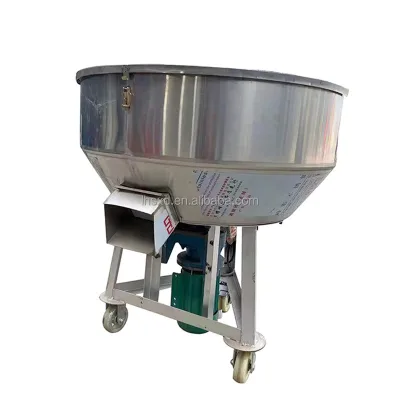
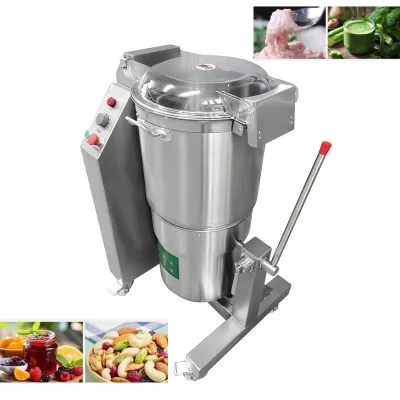
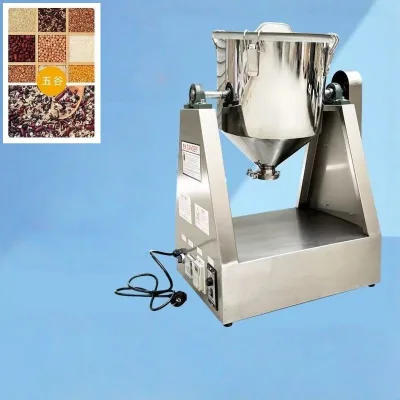
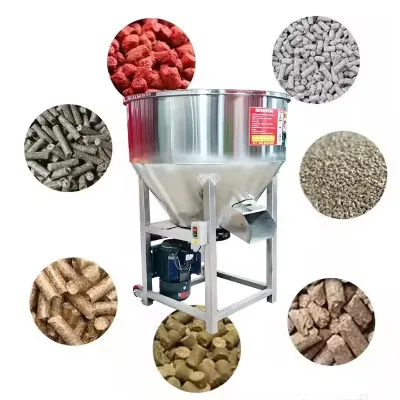
Stainless Steel 100KG Powder Mixer Vertical Stainless Steel Feed Mixer
$425.00 - $525.00
MOQ: 1 Minimum
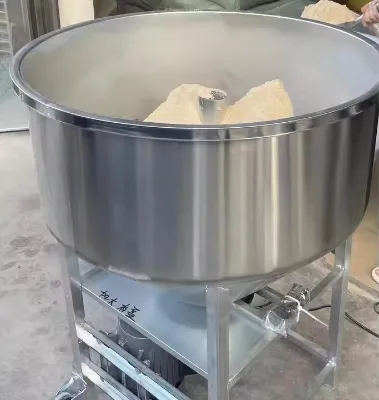
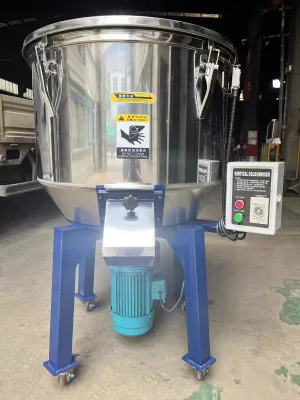
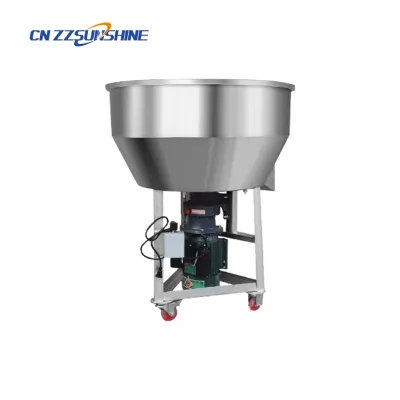
Zhengzhou Sunshine Machinery Equipment Co., Ltd.
- Trading Company
- Henan, China
- Lead time20 days
- Avg. response≤ 1h
Main productsSoap Making Machine,Stainless Steel Mixer,Filling Production Line,Packaging Machine
Main marketsAfrica(69.00%), Domestic Market(11.00%), Northern Europe(9.00%), Southeast Asia(6.00%), South America(5.00%)
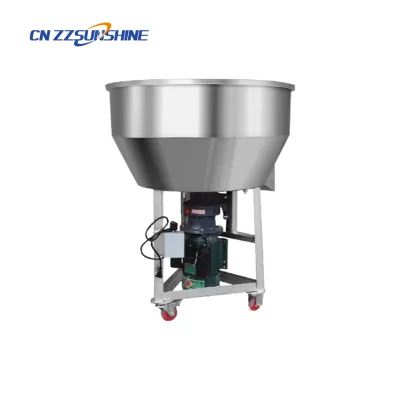
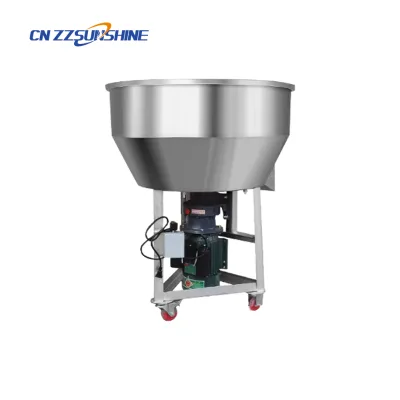
$706.9393 - $774.5136
MOQ: 1 sets
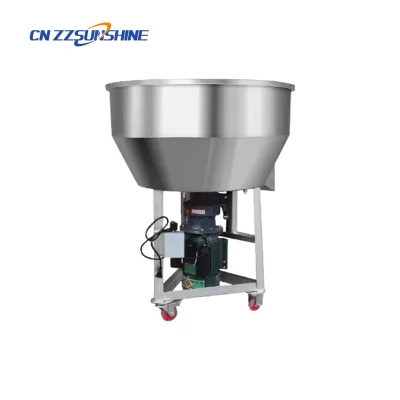
$693.9181 - $760.2478
MOQ: 1 sets
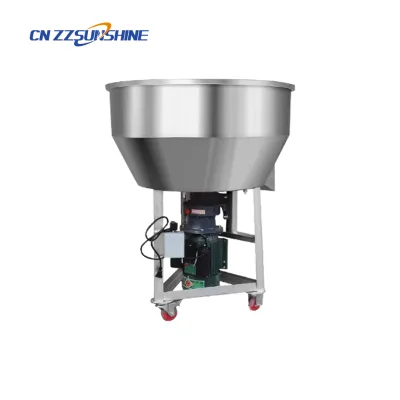
$702.0563 - $769.1639
MOQ: 1 sets
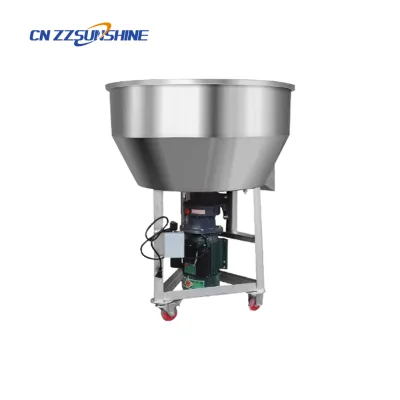
$696.7665 - $763.3684
MOQ: 1 sets
$702.0563 - $769.1639
MOQ: 1 sets
$702.0563 - $769.1639
MOQ: 1 sets
LIAOYANG CONOVAL TECHNOLOGY CO., LTD.
- Trading Company
- Liaoning, China
- Lead time30 days
- Avg. response≤ 3h
Main productsPackaging Machinery,Filling Machinery,Dryer Machinery,Centrifuge & Separator,Chemicals
Main marketsEastern Europe(16.00%), Western Europe(15.00%), North America(15.00%), South Asia(15.00%), Northern Europe(5.00%), Central America(5.00%), Southeast Asia(5.00%), Southern Europe(5.00%), South America(5.00%), Oceania(5.00%), Africa(5.00%), Eastern Asia(3.00%), Mid East(1.00%)
Henan Jinfuda Trading Co., Ltd.
- Trading Company
- Lead time旺季: "1 - 1":16,"> 1":"To be negotiated", 淡季: "1 - 1":16,"> 1":"To be negotiated"
- Avg. response≤ 3h
Main productsFruit Vegetables Processing Machines, Meat Processing Machines, Bakery Pastry Processing Machines, Snack Processing Machines, Packaging Machines
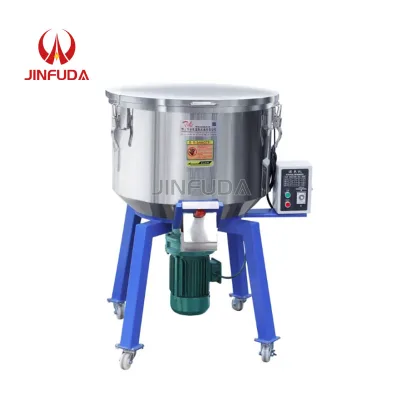
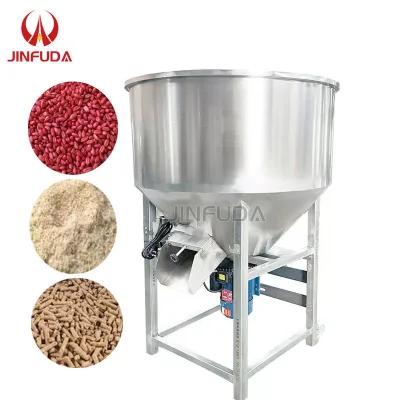
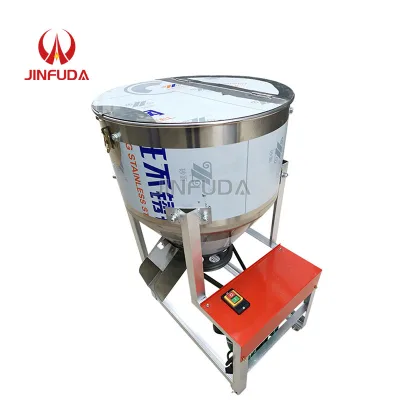
$289.00 - $309.00
MOQ: 1 sets
Henan kellen machinery equipment co., ltd.
- Verified by Intertek
- Manufacturer, Trading Company
- Lead time0 days
- Avg. response≤ 3h
Main productsRound Tube Polishing Machine, Small Desktop Polishing Machine, Vibrating Polishing Machine, Flat Polishing Machine, Deburring Machine
Main marketsNorth America(45%), South America(15%), Mid East(10%)
Shenzhen Shuxiao Machinery Equipment Co., Ltd.
- Manufacturer
- Guangdong, China
- Lead time0 days
- Avg. response≤ 2h
Main productsIndustrial machinery,commercial equipment and machinery,Food & Beverage Machinery
Main marketsEastern Europe(30.00%), North America(20.00%), South America(10.00%), Domestic Market(5.00%), Northern Europe(5.00%), Western Europe(5.00%), Eastern Asia(5.00%), Mid East(5.00%), Oceania(5.00%), Africa(5.00%), Southeast Asia(5.00%)
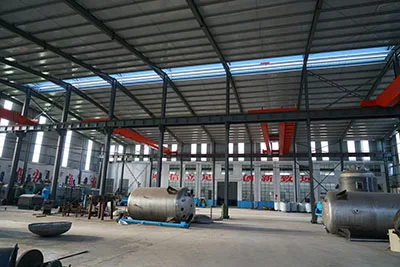
Laizhou New Hongda Chemical Machinery Co., Ltd.
- Manufacturer, Trading Company
- Shandong, China
- Lead time30 days
- Avg. response≤ 1h
Main productsReactor,Sigma Kneader,Ribbon Mixer,Conical Mixer,Three Roller Mill
Main marketsDomestic Market(51.00%), Africa(8.00%), South America(7.00%), Eastern Asia(6.00%), North America(6.00%), South Asia(5.00%), Southeast Asia(5.00%), Eastern Europe(4.00%), Mid East(4.00%), Southern Europe(2.00%), Western Europe(2.00%)

Ningbo Beilun Xinre Machinery Manufacturing Co., Ltd.
- Verified by SGS
- Combined
- China Zhejiang
- Lead time23 days
- Avg. response≤ 19h
Main productsPlastic Crusher, Industrial Chiller, Plastic Hopper Dryer, Vacuum Autoloader, Plastic Color Mixer, Granulator, Dehumidifying System, Mold Temperature Controller, Fitting for Injection Machine
Main marketsAfrica,Southeast Asia/ Mideast

HENAN ECO ENVIRONMENTAL PROTECTION EQUIPMENT CO.,LTD.
- Verified by SGS
- Trading Company
- China Henan
- Lead time15 days
- Avg. response≤ 2h
Main productsSubmersible Mixer, Hyperboloid Mixer, Submersible Recirculation Pump, Submersible Aerator, Submersible Jet Aerator, Disc Diffuser, Tube Diffuser, Sludge Dewatering, Solid-Liquid Separator, Vertical Agitator
Main marketsAfrica,Southeast Asia/ Mideast,East Asia(Japan/ South Korea)

Vertical Rapid Mixer with Stable Operation for Sewage Water Treatment Applications
$99.00 - $399.00
MOQ: 1 Sets

Industrial Vertical Agitator Stainless Steel Tank Mixer for Food & Beverage
$299.00 - $999.00
MOQ: 1 Sets

Vertical Mixer with Stainless Steel Shaft for Water and Wastewater Treatment
$99.00 - $399.00
MOQ: 1 Sets
Henan Liangyi Machinery Co., Ltd.
- Verified by SGS Group
- Manufacturer, Trading Company
- Lead time35 days
Main productsFood Machinery/Food Processing Line, Mixing Machine/Fryer/Oven/Packaging Machine/Cooling Machine
Main marketsDomestic Market(78%), Mid East(15%), Southeast Asia(3%)
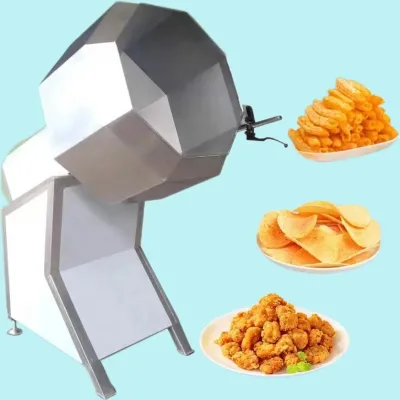
$740.2941 - $1002.4816
MOQ: 1 pieces
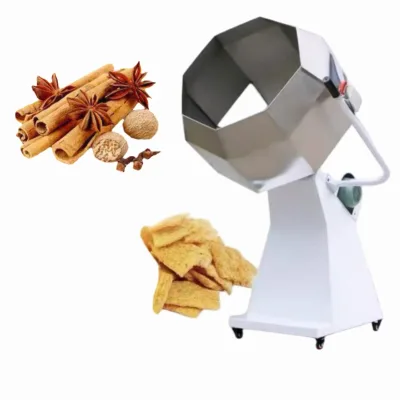
- Verified by CTI
- Trading Company
- China Guangdong
- Lead time30 days
- Avg. response≤ 10h
Main productsBiscuit Machine
Main marketsSoutheast Asia/ Mideast,Domestic,North America

WENZHOU LENO MACHINERY CO., LTD.
- Verified by BV
- Trading Company
- China Zhejiang
- Lead time30 days
- Avg. response≤ 12h
Main productsMixing Tank, Distillation Equipment, Pump, Filter, Filling Machine, Vacuum Evaporator, Mixing Equipment
Main marketsSouth America,Africa,Southeast Asia/ Mideast,Europe,North America

Luohe City Jinjitai Machinery Co., Ltd
- Verified by SGS
- Trading Company
- China Henan
- Lead time30 days
- Avg. response≤ 3h
Main productsRibbon Mixer, Powder Mixer, Dry Mortar Machines, Horizontal Mixer, Mixer Machine, Mixing Equipment, Industrial Mixer, Packing Machine
Main marketsSoutheast Asia/ Mideast,Domestic

Changzhou Kinyo Machinery Co., Ltd.
- Trading Company
- Jiangsu, China
- Lead time5 days
- Avg. response≤ 6h
Main productsMixing machine,Packing machine,Powder filling machine,Screw conveyor,Liquid filling machine
Main marketsNorth America(40.00%), Western Europe(20.00%), Eastern Europe(10.00%), Southeast Asia(6.00%), Central America(5.00%), South America(5.00%), Oceania(5.00%), Africa(5.00%), Southern Europe(2.00%), Northern Europe(2.00%)

Guangzhou Foodsense Catering Equipment Co., Ltd.
- Trading Company,Manufacturer/Factory
- China Guangdong
- Lead time23 days
- Avg. response≤ 6h
Main productsWestern Kitchen Equipment, Food Processing Machine, Bakery Equipment, Refrigeration Equipment, Bar Beverage Equipment, Stainless Steel Series
Main marketsSouth America,Eastern Europe,Mid East,North America,Southeast Asia,Eastern Asia,Oceania,Western Europe,Africa


High Efficiency Commercial Kitchen Equipment Stainless Steel Food Mixer
$303.00 - $349.00
MOQ: 1 Pieces

Qingdao Nowell Machinery Equipment Co., LTD
- Verified by SGS
- Trading Company
- China Shandong
- Lead time30 days
- Avg. response≤ 5h
Main productsUltrafine Pulverizer, Jet Mill, Hammer Mill, Ore Crusher, Vacuum Feeder, Packaging Machine, Low Temperature Vibration Mill, Powder Processing Equipment, Grinder, Air Classifier Mil
Main marketsSoutheast Asia/ Mideast,East Asia(Japan/ South Korea),Europe
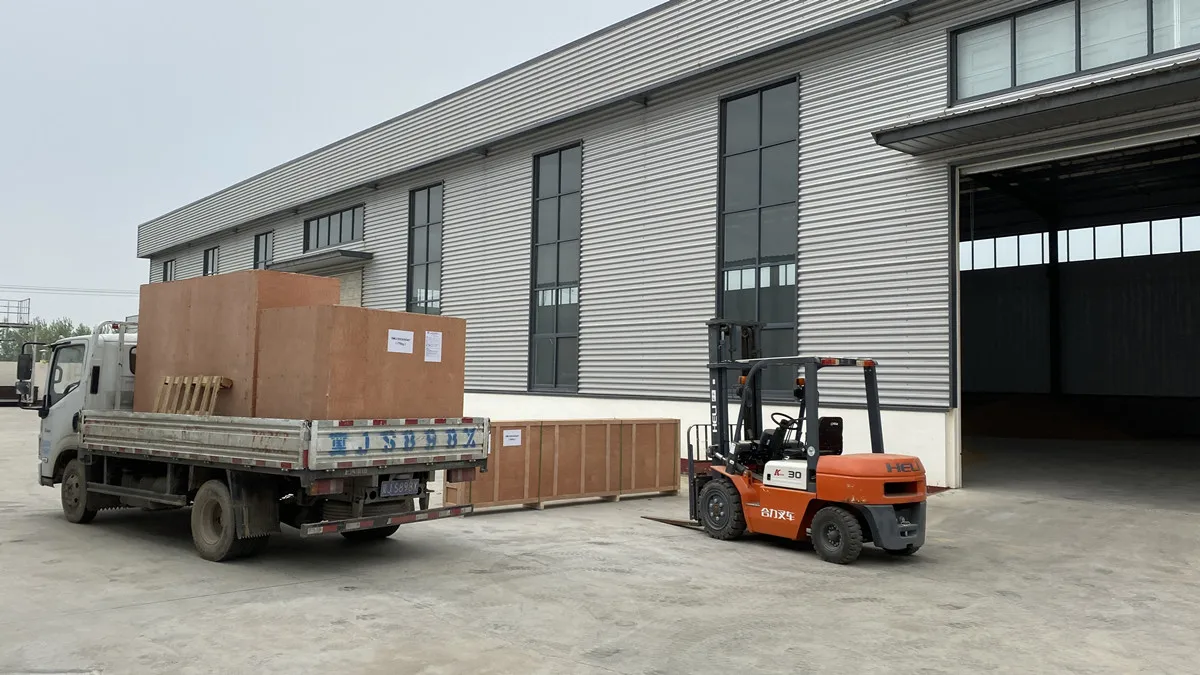
Cangzhou Pukka Machinery Co., Ltd.
- Trading Company
- Hebei, China
- Lead time7 days
- Avg. response≤ 4h
Main productsFood Machinery,Chocolate Machine,Testing Machine,Package Machine,Garlic Machine
Main marketsMid East(17.00%), North America(16.00%), Africa(13.00%), Domestic Market(10.00%), South Asia(8.00%), South America(8.00%), Southeast Asia(6.00%), Southern Europe(5.00%), Oceania(3.00%), Eastern Europe(3.00%), Northern Europe(3.00%), Central America(3.00%), Western Europe(3.00%), Eastern Asia(2.00%)
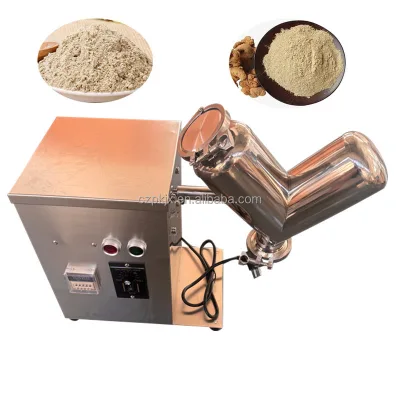
Convenient Portable V-Type Mixer for Small Scale Food and Chemical Mixing Stainless Steel
$385.00 - $455.00
MOQ: 1 sets
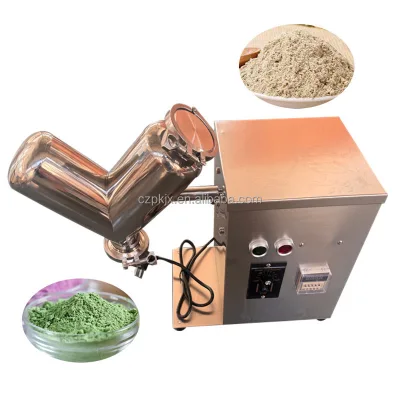
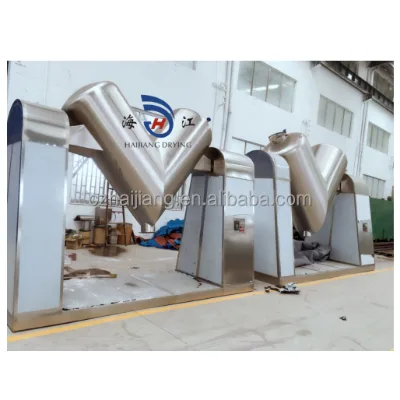
Changzhou Haijiang Drying Equipment Co., Ltd.
- Verified by TüVRheinland
- Manufacturer, Trading Company
- Lead time30 days
- Avg. response≤ 7h
Main productsDrying Equipment, Mixing Equipment, Crushing Equipment, Granulating Equipment, Coating Machine
Main marketsDomestic Market(40%), Southeast Asia(15%), North America(10%)


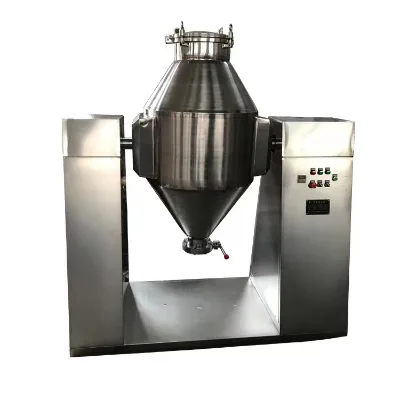




Comprehensive Sourcing Guide
Food Grade Sus304 Vertical Mixer Supplier Concentration and Factory Types
Suppliers listing food grade SUS304 vertical mixers on B2B platforms tend to cluster in a small number of manufacturing regions, and the profiles visible in current search results already hint at this pattern. One verified manufacturer with vertical seasoning and feed mixer listings reports its place of origin as Shandong, while another profile is registered in Henan. These two provinces are well-known bases for mixing equipment and agricultural processing machinery, so buyers searching for this category should expect a meaningful share of listings to originate from either Shandong or Henan. When a listing does not display a place of origin, treat that as a gap to close during inquiry rather than assuming the machine comes from either province.
Beyond geography, understand the two factory types you will encounter. Some suppliers are genuine manufacturers with product development capability, offering light customization and sample processing, which matters if you need barrel volume changes, motor upgrades, or private labeling on a vertical mixer line. Others are trading companies or hybrid manufacturer/factory profiles that consolidate products such as baking ovens, industrial mixers, and bakery equipment from multiple sources. Neither type is inherently better: manufacturers usually give better control over SUS304 material substitution and welding quality, while trading companies can simplify multi-item orders. Ask every candidate directly whether they produce the mixer in-house or resell it, because this single answer changes who controls your material and quality decisions.
How to Verify Food Grade Sus304 Vertical Mixer Suppliers
Verification for this category starts with the platform-level credentials shown on supplier profiles. Some listings carry third-party verification from recognized inspection bodies such as Intertek or SGS, and a verified badge means the company's legal registration and business scope were audited at some point, not that its machines passed any food-safety test. Check which body verified the profile and when, then confirm the company's business license independently through official corporate registries. For food-contact equipment specifically, ask the supplier to state in writing which parts of the vertical mixer are SUS304 contact material versus painted carbon steel or 201-grade stainless, because listings often describe only the machine body generically as stainless steel.
Product-level evidence also needs scrutiny. In current search results, several vertical mixer listings show machinery test reports marked "Not Available" and some show video outgoing-inspection as either provided or unavailable. Request a factory video call showing the welding seams, the discharge gate, and the nameplate, and ask whether a material certificate for the stainless steel coil or sheet can accompany shipment. Also confirm the warranty terms in the listing — some products carry a 1-year warranty while others state 12 months — and get the same warranty clause written into the sales contract. If a supplier refuses material certificates or limits you to photos only, weigh that refusal heavily, since food-contact claims in this category are difficult to validate remotely without documentation.
What to Compare Across Food Grade Sus304 Vertical Mixer Suppliers
Build a comparison sheet from the attributes that supplier profiles actually display, without assuming every listing carries the same fields. Useful dimensions include lead time, minimum order quantity, average response time, location, main product lines, and whether the profile is verified. Current results illustrate the spread you should expect: one mixer specialist reports a 10-day lead time and a 1-hour response window, while a broader bakery-equipment trading company shows a response time above 7 hours. A supplier whose main products are mixers and tractors will handle technical questions differently from one whose catalog spans ovens, juicers, and refrigeration, so match supplier breadth to your order complexity.
On the product side, compare the concrete specifications shown in listings rather than marketing language. Visible data points include power ratings around 2.2 kW with options up to 7.5 kW, spindle speeds of roughly 49 to 300 rpm, barrel volumes near 120 liters, machine dimensions of 900×560×1050 mm, unit weights around 60 kg, and output ranges from 60 to 500 kg/h. Model families such as JBJ-60 through JBJ-500 and FC-series units show capacity tiers that map to different batch sizes. Note which listings state supply ability (one reports 10 sets per day), which offer video outgoing-inspection, and which list ports of dispatch. Comparing these disclosed fields side by side reveals which suppliers document their products thoroughly and which leave gaps you must fill by inquiry.
Common Food Grade Sus304 Vertical Mixer Sourcing Risks
The most frequent risk in this category is material substitution. Listings commonly describe the mixer as "stainless steel" without specifying the grade, and a machine sold as food-grade SUS304 may have a 201-grade body, mixed-grade welds, or carbon steel internals that contaminate food powders and seasonings. Because several visible listings show no machinery test report and no video inspection record, buyers who rely on listing text alone carry all the risk. Mitigate this by requiring a written material grade declaration, requesting a factory inspection or third-party pre-shipment inspection, and specifying the SUS304 requirement for all product-contact surfaces in the contract rather than in chat messages.
Secondary risks concern specification and consistency drift. One visible model family spans six capacity variants from 50 kg to 500 kg, which means a quote for one model number can easily be fulfilled with a smaller or larger unit if model numbers are not pinned in the contract. Voltage is another trap: listings show both 220V and 380V configurations, and the wrong configuration arrives non-functional in your market. Sample orders carry their own risk when MOQs are low — one listing shows an MOQ of 1 while a similar unit requires 5 — because a single good sample does not guarantee batch consistency. Finally, low unit prices in this category often correlate with lighter construction and shorter warranties, so compare weight and warranty length, not just price, before committing.
Food Grade Sus304 Vertical Mixer Regional Sourcing and Logistics
Regional sourcing for this category currently points to two provinces with visible supplier activity: Shandong, where at least one verified manufacturer places its vertical mixer origin, and Henan, where another supplier profile is registered. Shandong's coastal position gives it practical advantages for this kind of equipment, and indeed one supplier's listings name a wide range of possible dispatch ports including Dalian, Yingkou, Tianjin, Lianyungang, Qingdao, Yantai, Shanghai, Ningbo, Xiamen, Guangzhou, Shenzhen, and Zhuhai. When you shortlist suppliers, ask each to confirm its nearest export port, because inland Henan suppliers may ship via a different route with different inland freight costs than coastal Shandong factories.
Logistics planning should account for the physical profile of these machines. At roughly 60 kg per unit and 900×560×1050 mm in dimension, a vertical mixer is manageable for LCL freight in single units but becomes efficient in partial or full container loads when ordering multiple capacity tiers. Note the packaging described in listings as "general packing, according to the actual situation" — this wording leaves room for minimal protection, so specify export-grade plywood crating in writing, especially for machines destined for food plants where denting the mixing barrel is unacceptable. Confirm which ports the supplier actually books from versus the full list it claims, and clarify whether quoted prices are FOB, EXW, or CIF, since the dispatch-port flexibility shown in some listings does not automatically extend to the incoterm you prefer.
Food Grade Sus304 Vertical Mixer Commercial Terms and Order Planning
Commercial terms for this category vary more than the listings suggest, so structure your order around the disclosed data. Price ranges visible for vertical mixers cluster in bands roughly between the high 150s and mid-260s in USD, with MOQs of 1 to 5 units depending on the listing, but treat these as starting points for negotiation rather than fixed quotes, since price moves with capacity tier, motor power, and customization level. A 10-day lead time is achievable for some suppliers in this category, yet others show zero or unspecified lead-time data, so get a written production-and-shipment schedule before paying a deposit. Standard payment structures for this product class — typically deposit with balance before shipment — should be protected where possible by escrow or platform trade assurance rather than direct transfer to an unverified account.
Order planning should also reflect the customization and inspection options that differentiate suppliers. Some profiles offer light customization and sample processing, which is worth using for barrel volume, discharge configuration, or branding changes before scaling to volume. Where a listing states video outgoing-inspection is provided, request the video before balance payment; where reports are marked unavailable, commission third-party inspection. Confirm warranty terms in the contract — listings show both 1-year and 12-month warranties — and plan a spare-parts purchase, such as belts and seals, alongside the first order to avoid downtime later.
FAQs
What is the price range for a food grade vertical mixer?
Prices for these mixers typically range from approximately $158 to $260 per unit. The final cost depends on the specific model capacity and power requirements. Buyers should check the listing for the exact price based on the selected configuration and quantity.
What is the minimum order quantity for these mixers?
The minimum order quantity varies by supplier, with some requiring as few as one unit while others set the threshold at five units. Buyers should verify the specific MOQ on the product page to ensure it aligns with their initial procurement needs.
How long does it take to manufacture and ship the mixer?
Lead times for production generally average around ten days. However, some suppliers may have different processing times. Buyers should confirm the exact delivery schedule with the supplier before placing an order to ensure it meets their project deadlines.
What certifications do these mixers have?
Many of these mixers carry CE certification, indicating compliance with European safety standards. Buyers should request the specific certification documents from the supplier to verify that the equipment meets the regulatory requirements for their target market or local jurisdiction.
What is the warranty period for the vertical mixer?
The standard warranty period for these mixers is typically one year or twelve months. This coverage usually applies to core components like the motor or engine. Buyers should review the specific warranty terms provided by the supplier for detailed coverage details.
What is the power consumption of the mixer?
The power consumption varies by model, with options including 2.2 kW, 3 kW, or 7.5 kW motors. Buyers should select the appropriate power rating based on their voltage supply, which is often 220V or 380V, to ensure proper operation.