IP67 Night Vision PoE Camera Suppliers and Manufacturers
Source IP67 Night Vision PoE Camera from 26 verified suppliers in China. Compare ISO9001 certifications, 15-45 day lead times, and MOQs ranging from 10 to 100 units. Review CE and RoHS standards to select the right partner for your security needs.
Updated
Suppliers List

Xuzhou Dragon Guard Industrial Co., Ltd.
- Verified by SGS
- Combined
- China Jiangsu
- Lead time15 days
- Avg. response≤ 7h
Main productssecurity products and solutions
Main marketsAfrica,Southeast Asia/ Mideast,Domestic,Europe,North America

Anhui Orange Smart Iot Co., Ltd.
- Verified by SGS
- Trading Company,Manufacturer/Factory
- China Anhui
- Lead time45 days
- Avg. response≤ 2h
Main productsSecurity Camera, IP Camera, CCTV Camera, CCTV, Camera, 4G Solar Camera, Mini CCTV Camera, Surveillance Camera, Solar Camera, Thermal Camera
Main marketsSouth America,Eastern Europe,Mid East,North America,Southeast Asia,Eastern Asia,Oceania,Western Europe,Africa


2MP Infrared Night Vision Gun-Type Poe-Powered Security Surveillance Camera
$22.23 - $23.62
MOQ: 100 Pieces


2MP Outdoor Wired Poe Powered Security Cameras Infrared Night Vision Gun CCTV Camera
$18.88 - $19.98
MOQ: 100 Pieces
- Verified by SGS Group
- Manufacturer, Trading Company
- Lead time7 days
- Avg. response≤ 2h
Main productsCCTV Camera, NVR, DVR
Main marketsSoutheast Asia(25%), North America(15%), Eastern Europe(10%)
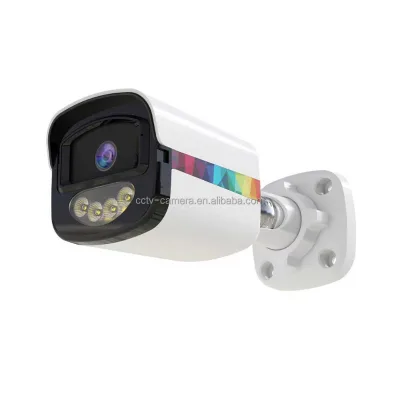
$14.1417 - $20.2888
MOQ: 2 pieces
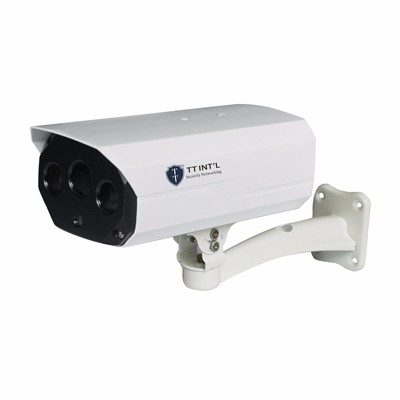
H.265 5 MP IP Camera 4K P2P Bullet Surveillance Camera
$17.2145 - $27.4621

Shenzhen Huachuang Micro Vision Technology Co., Ltd
- Verified by SGS
- Combined
- China Guangdong
- Lead time15 days
- Avg. response≤ 4h
Main productsUSB Camera Module, USB Camera, Industrial Camera, Cvba Camera, Ahd Camera, Wfi Camera, CCTV Camera, IP Camera, Mini USB Camera
Main marketsDomestic,North America

2MP Infrared Night Vision Poe Camera Mini Bullet CCTV IP Security Camera
$45.09 - $49.99
MOQ: 1 Pieces


Shandong Sheenrun Optics & Electronics Co., Ltd.
- Verified by BV
- Combined
- China Shandong
- Lead time23 days
- Avg. response≤ 6h
Main productsCCTV Camera, Long Range Camera, Laser Night Vision Camera, Thermal Imaging Camera, Thermal Camera, Laser Camera, Night Vision Camera, Long Range Thermal Camera, PTZ, IR Camera
Main marketsSouth America,Southeast Asia/ Mideast,Domestic,Europe,North America
Shenzhen Jiyuanke Electronics Co., Ltd.
- Manufacturer, Distributor/Wholesaler
- Guangdong, China
- Lead time15 days
- Avg. response≤ 12h
Main products4G and WiFi Camera,4G and WiFi Dual Lens PTZ,PT indoor Camera,Bullet IP Camera,AHD and IP Camera
Main marketsDomestic Market(44.00%), South Asia(21.00%), Southeast Asia(18.00%), Africa(15.00%), Eastern Asia(2.00%)

Jinan Hope Wish Photoelectronic Technology Co., Ltd.
- Verified by BV
- Trading Company,Manufacturer/Factory
- China Shandong
- Lead time30 days
- Avg. response≤ 7h
Main productsThermal Camera, Long Range Night Vision Camera, Laser Camera, IR Camera, Handheld Thermal Camera, Surveillance Camera, Monocular Night Vision Camera, Binocular Night Vision Camera, Visible Light Camera
Main marketsSouth America,Eastern Europe,Mid East,North America,Southeast Asia,Eastern Asia,Oceania,Western Europe,Africa
Shenzhen Chinalu Electronics Co., Limited
- Manufacturer, Trading Company
- Gongdong, China
- Lead time15 days
- Avg. response≤ 3h
Main productsSolar battery Camera,Network camera,4G camera,NVR,CCTV camera
Main marketsMid East(18.00%), North America(13.00%), Africa(10.00%), Eastern Asia(10.00%), Western Europe(10.00%), Southeast Asia(9.00%), Eastern Europe(8.00%), South America(7.00%), South Asia(5.00%), Northern Europe(5.00%), Southern Europe(4.00%), Domestic Market(1.00%)

Shenzhen Wardmay Technology Co., Limited
- Verified by TUVRHEINLAND
- Manufacturer/Factory
- China Guangdong
- Lead time15 days
- Avg. response≤ 7h
Main productsIP Camera, CCTV Camera, Security Camera, Solar 4G Camera, WiFi Camera, Explosion Proof Camera, Hard Drive, Security System Kit, DVR/NVR, Rear View Camera
Main marketsSouth America,Eastern Europe,Mid East,North America,Southeast Asia,Eastern Asia,Oceania,Western Europe,Africa
Shenzhen Besview Security Limited
- Verified by Intertek
- Trading Company
- Lead time15 days
- Avg. response≤ 2h
Main productsNetwork Camera, Analog Camera, Network Video Recorder, Digital Video Recorder, Surveillance Systems
Main marketsNorth America(40%), Western Europe(20%), Eastern Asia(10%)
Jinan Hikwifi Camera Technology Co., Ltd.
- Verified by TüVRheinland
- Manufacturer, Trading Company
- Lead time10 days
- Avg. response≤ 2h
Main productsExplosion-proof Camera, Solar Camera, PTZ Wifi Camera, IP Network Camera, AI Intelligent Monitoring System
Main marketsNorth America(25%), South America(25%), Eastern Europe(10%)
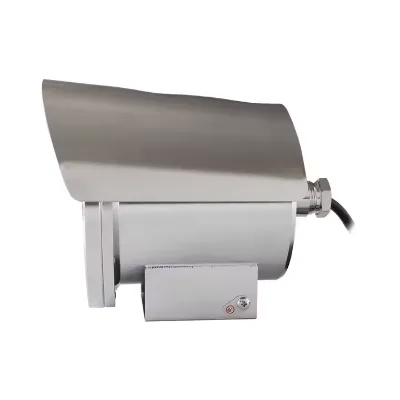
$1429.90 - $1649.90
MOQ: 100 boxes
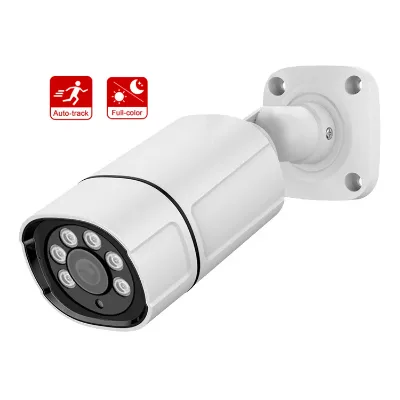
$24.6586 - $26.723
MOQ: 2 Minimum
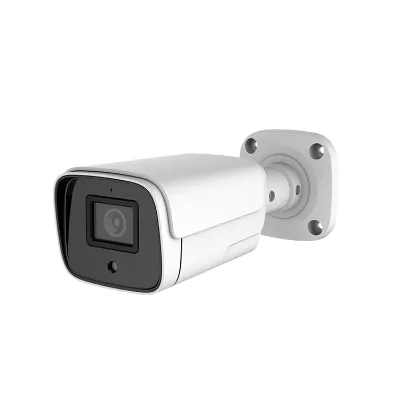
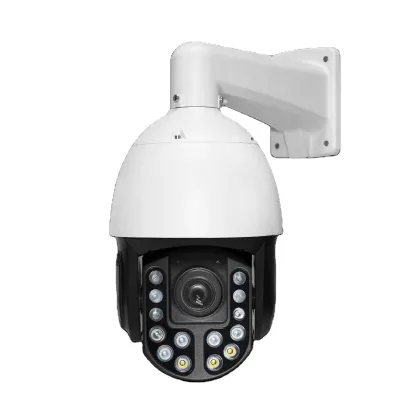
Shenzhen Hfwvision Technology Co., Ltd.
- Verified by SGS Group
- Manufacturer, Trading Company
- Lead time15 days
- Avg. response≤ 1h
Main productsIP Camera, Wifi & 4G Camera, POE Camera System, AHD Camera, Network Video Recorder
Main marketsSoutheast Asia(30%), North America(20%), Northern Europe(15%)
Shenzhen Hiseeu Technolgy Co., Ltd.
- Trading Company
- Guangdong, China
- Lead time30 days
- Avg. response≤ 5h
Main productsCCTV Camera
Main marketsNorth America(70.00%), Eastern Europe(21.00%), Western Europe(3.00%), Eastern Asia(2.00%), Oceania(1.00%), Africa(1.00%), Mid East(1.00%), Southeast Asia(1.00%)
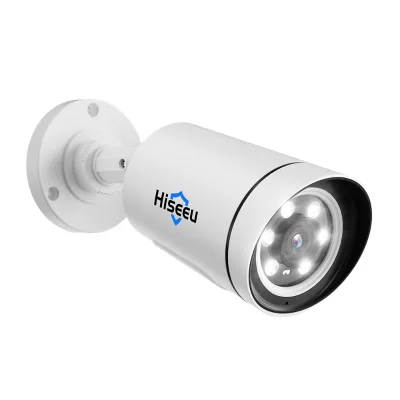
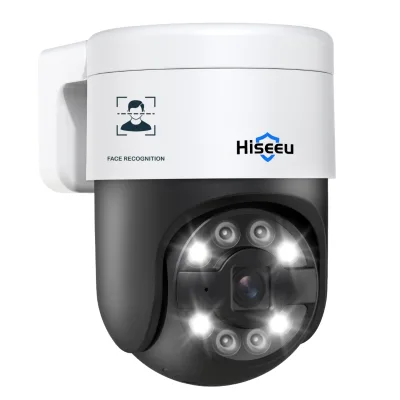
High Performance 5MP POE Camera with Full Color Night Vision Face Detection Motion Detection
$23.6009 - $25.6519
MOQ: 4 pieces
$20.4099 - $24.4925
MOQ: 2 pieces

Shenzhen Bosesh Technology Co., Ltd.
- Manufacturer, Trading Company
- Guangdong, China
- Lead time5 days
- Avg. response≤ 3h
Main productsNetwork Camera,Security camera,IP camera,CCTV camera,tuya camera
Main marketsNorth America(32.00%), Western Europe(30.00%), Eastern Europe(18.00%), Oceania(9.00%), South Asia(4.00%), Africa(1.00%), Southern Europe(1.00%), Northern Europe(1.00%), South America(1.00%), Eastern Asia(1.00%), Mid East(1.00%), Southeast Asia(1.00%)
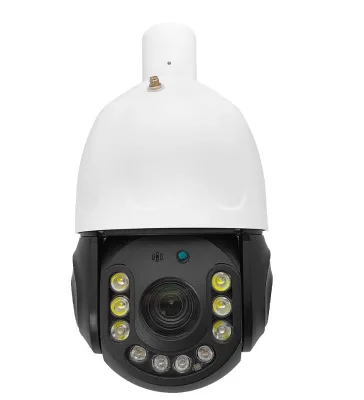
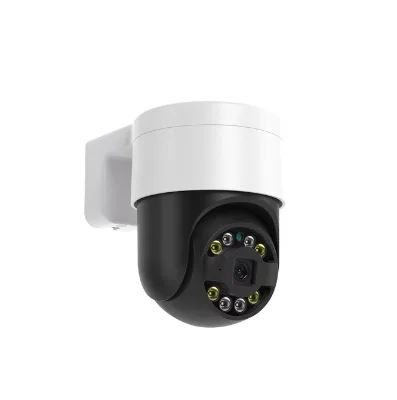
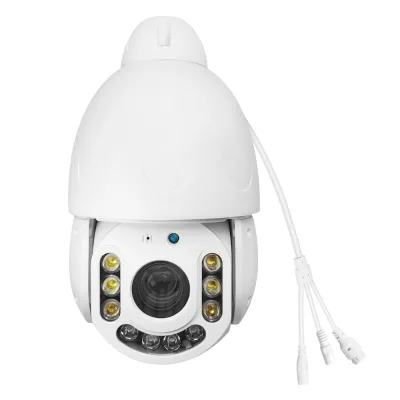
Outdoor 5MP High Definition POE Camera ,all Day Color Video CCTV IP Camera with Two Way Audio
$79.80 - $102.70
MOQ: 8 Minimum
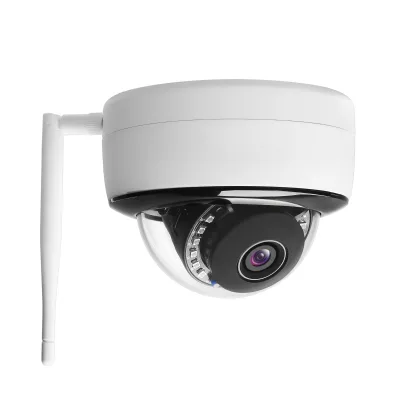
Shenzhen Enster Electronics Co., Ltd.
- Verified by SGS Group
- Manufacturer, Trading Company
- Lead time5 days
- Avg. response≤ 3h
Main productsSolar Camera, POE IP Camera, Wireless IP Camera, 4G IP Camera, Digital Video Recorder
Main marketsNorth America(15%), Eastern Europe(15%), Western Europe(15%)
Shenzhen Huachuang Microvision Technology Co., Ltd.
- Verified by Intertek
- Manufacturer, Trading Company
- Lead time5 days
- Avg. response≤ 3h
Main productsCamera Module,USB Camera,Analog Camera,IP Camera,FPV camera
Main marketsEastern Europe(50%), North America(20%), Eastern Asia(10%)

Shanghai Future Vision Technology Co., Ltd.
- Verified by SGS
- Trading Company
- China Shanghai
- Lead time15 days
- Avg. response≤ 2h
Main productsCCTV Camera
Main marketsSouth America,Africa,Europe
Chengdu Feeling Good International Trading Co,.Ltd
- Trading Company
- Sichuan, China
- Lead time20 days
- Avg. response≤ 2h
Main productsip camera,network video recorder,Thermal & Laser Cameras,HD Analog Cameras,5-in-1 XVRs
Main marketsNorth America(51.00%), Africa(18.00%), Western Europe(10.00%), Southeast Asia(9.00%), Eastern Europe(8.00%), Domestic Market(4.00%)
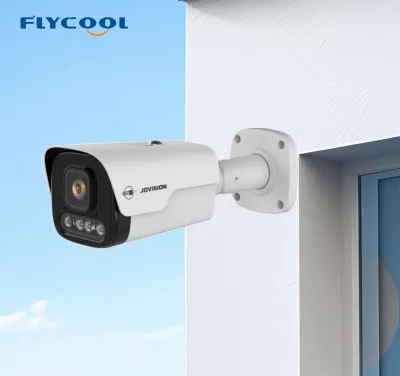
N819-LPR 8MP 4K IP67 License Plate Recognition Camera 80m IR Night Vision H.265+ PoE
$210.1835 - $216.3665
MOQ: 2 packs
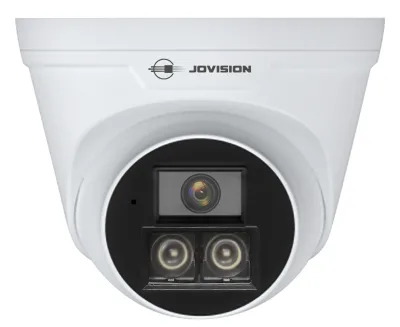
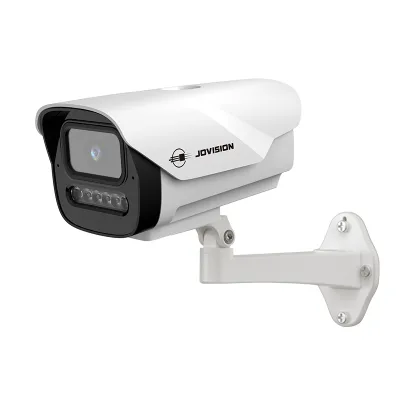
N417-OCR Outdoor 4MP IP67 OCR Camera with 40M IR Distance and Smart Dual Illumination
$108.00 - $114.00
MOQ: 1 packs
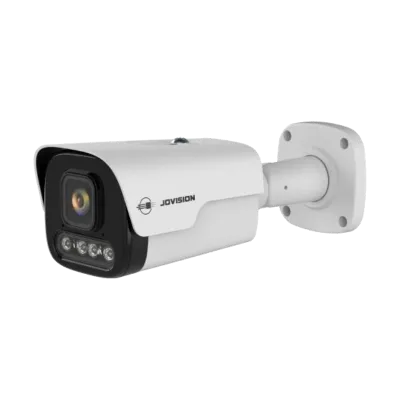
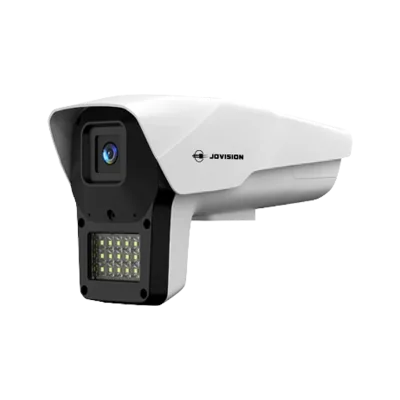
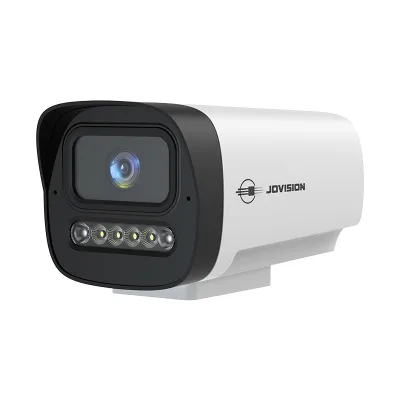
N617-UDL 6MP Bullet Security Camera with IR LEDs and White Light Night Monitoring cctv camera
$43.88 - $47.88
MOQ: 2 packs

Zhangzhou Weiweite Trading Co., Ltd.
- Verified by SGS
- Trading Company
- China Fujian
- Lead time30 days
- Avg. response≤ 4h
Main productsCCTV Camera, Solar Camera, Camera Kit, Security Camera, Baby Camera, Outdoor Camera, Baby Monitor, Electric Camera, Camera, IP Camera
Main marketsDomestic
Shenzhen Mars Work Industrial Co., Ltd.
- Verified by TüVRheinland
- Trading Company
- Lead time15 days
- Avg. response≤ 3h
Main productsNetwork Camera, Analog Camera, Wifi Camera, 4G Camera, 4G Solar Camera
Main marketsNorth America(30%), Western Europe(15%), Eastern Europe(10%)

Shenzhen FSAN Intelligent Technology Co., Ltd.
- Combined
- China Guangdong
- Lead time15 days
- Avg. response≤ 13h
Main productsThermal Camera, Ipc Camera, CCTV Camera, NVR, DVR, PTZ, Facial Capture Recognition Camera, Door Bell Camera
Main marketsEast Asia(Japan/ South Korea),Europe,North America
Shenzhen Jiaxinjie Wisdom Iot Co., Ltd.
- Verified by TüVRheinland
- Manufacturer, Trading Company
- Lead time15 days
- Avg. response≤ 4h
Main productsHD IP Camera, Network Video Recorder, Low Power Camera, Network HD Camera, Analog HD Camera
Main marketsAfrica(25%), North America(20%), Southeast Asia(20%)
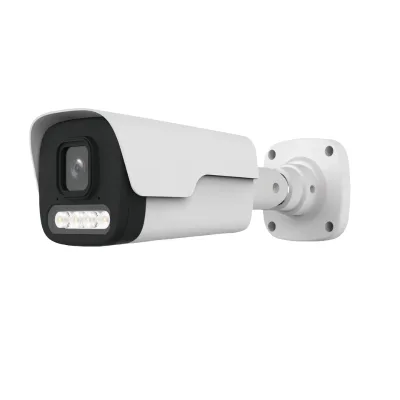
$120.3921 - $131.9083
MOQ: 1 pieces
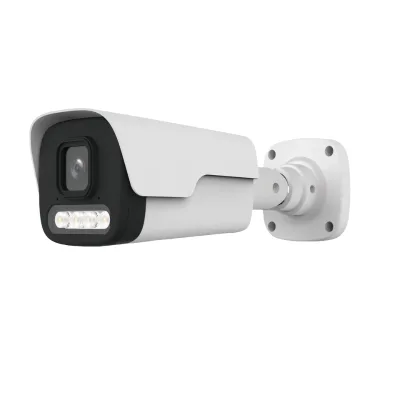
$62.2486 - $73.4745
MOQ: 2 pieces
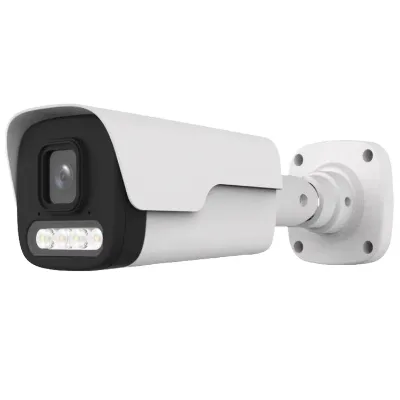
$120.3921 - $134.0027
MOQ: 1 pieces
Shenzhen LS Vision Technology Co., Ltd.
- Verified by TüVRheinland
- Manufacturer, Trading Company
- Lead time7 days
- Avg. response≤ 5h
Main productsCCTV Camera System, POE NVR Kit, Solar Camera With Rechargeable, Network Camera, 4G Hunting Camera
Main marketsMid East(30%), South America(10%), Southeast Asia(10%)

Shenzhen Leekgo Technology Co., Ltd.
- Manufacturer, Trading Company
- Guangdong, China
- Lead time5 days
- Avg. response≤ 2h
Main productsCustom CCTV WIFI IP camera module,AI camera module,Face Recognition AI Camera,USB Biometric Fingerprint Scanner Reader,Biometric Time Attendance and Access Control
Main marketsEastern Europe(20.00%), South America(15.00%), Central America(10.00%), Africa(10.00%), North America(10.00%), Mid East(10.00%), Southeast Asia(8.00%), Southern Europe(5.00%), Western Europe(5.00%), South Asia(3.00%), Oceania(2.00%), Domestic Market(2.00%)
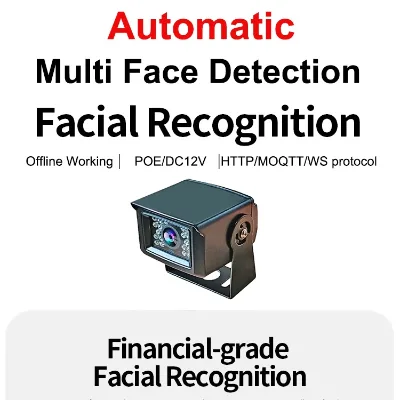
$96.9453 - $107.1495
MOQ: 2 pieces
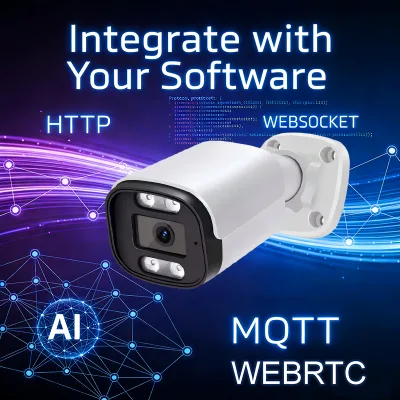
$43.6892 - $46.2055
MOQ: 2 pieces
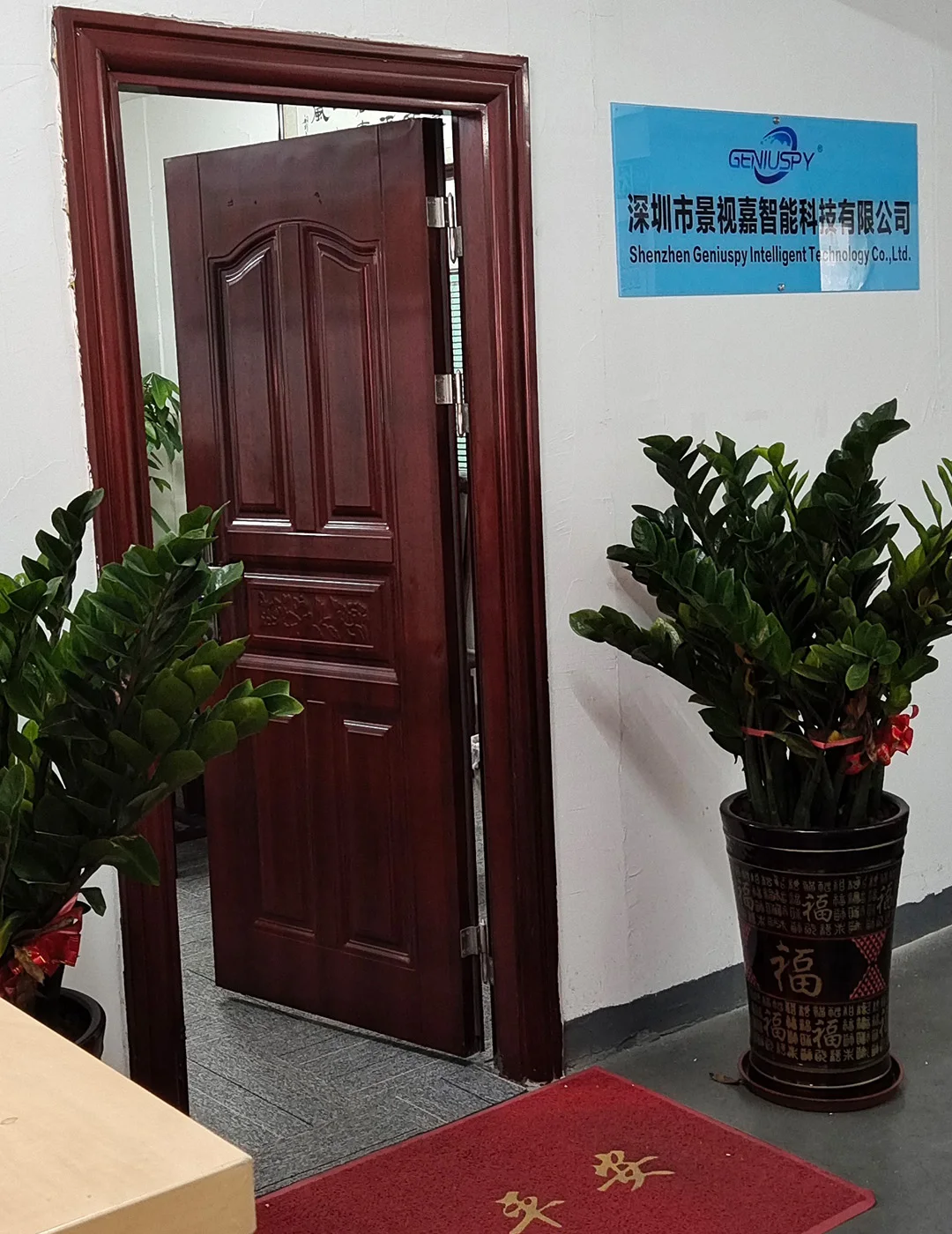
Shenzhen Geniuspy Intelligent Technology Co., Ltd.
- Manufacturer
- Guangdong, China
- Lead time3 days
- Avg. response≤ 5h
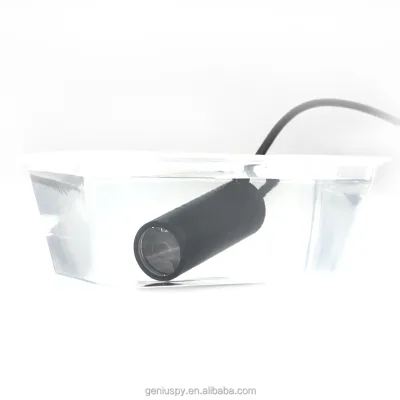
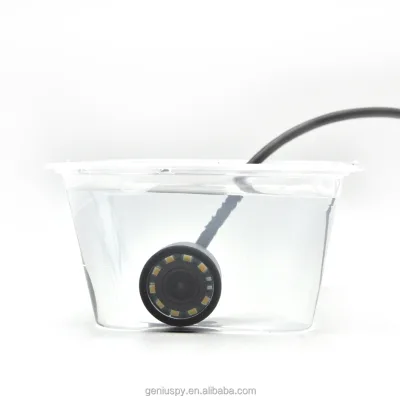
Main productsMini IP Camera,Mini Camera,USB Camera,Wifi Camera,Mini USB Camera
Main marketsEastern Europe(15.70%), North America(12.50%), Southern Europe(10.00%), Western Europe(10.00%), Northern Europe(10.00%), South America(7.50%), Central America(7.00%), South Asia(6.00%), Eastern Asia(6.00%), Southeast Asia(5.00%), Africa(3.00%), Oceania(3.00%), Domestic Market(2.30%), Mid East(2.00%)
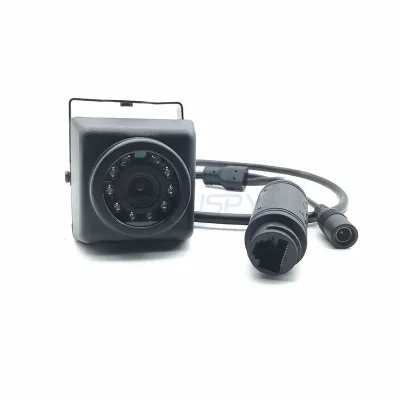
$49.2857 - $55.4462
MOQ: 1 pieces
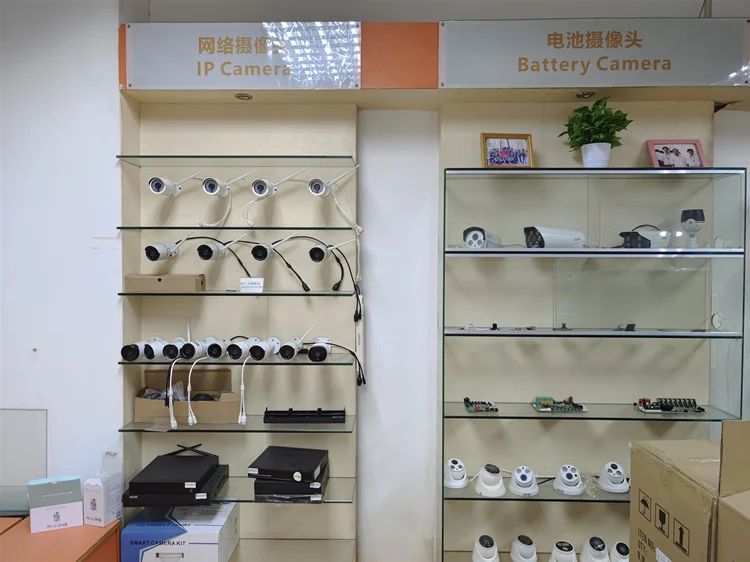
Shenzhen Jianan Technology Co., Ltd.
- Manufacturer
- Guangdong, China
- Lead time5 days
- Avg. response≤ 1h
Main productsIP Cameras,IP Camera Systems,CCTV Systems,Solar Cameras,NVR
Main marketsNorth America(26.00%), Africa(20.00%), Western Europe(15.00%), Oceania(10.00%), Eastern Europe(10.00%), South America(5.00%), Central America(5.00%), Southern Europe(5.00%), Southeast Asia(2.00%), Eastern Asia(1.00%), Northern Europe(1.00%)




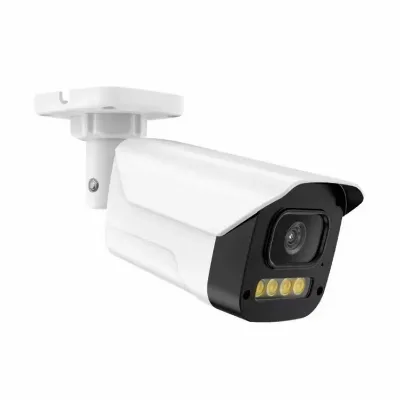


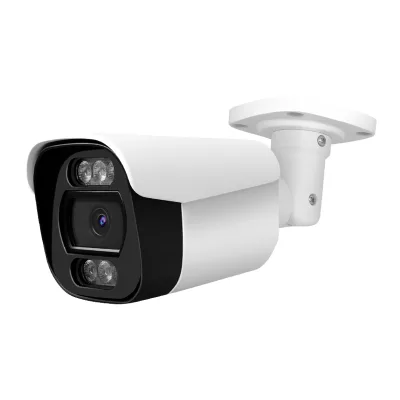
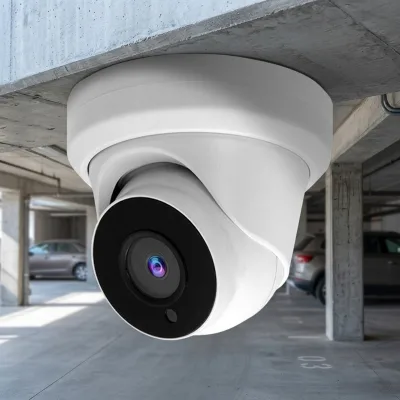
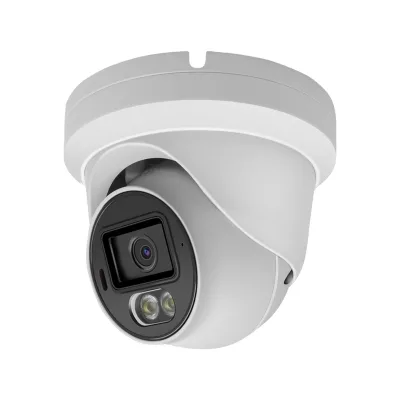
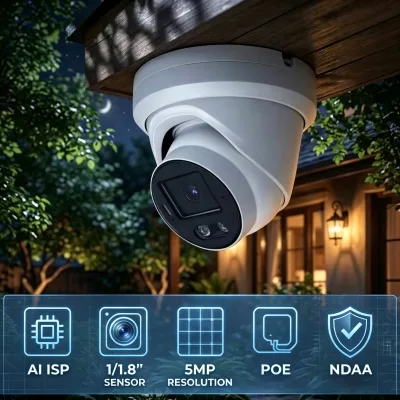
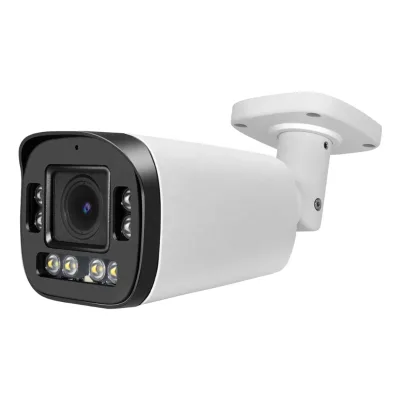
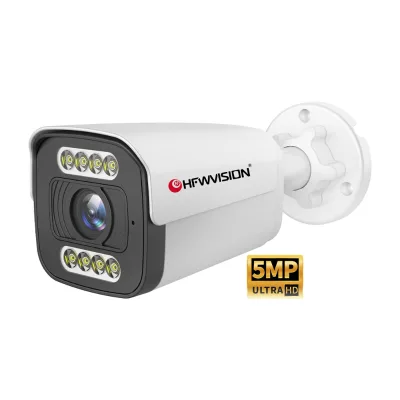
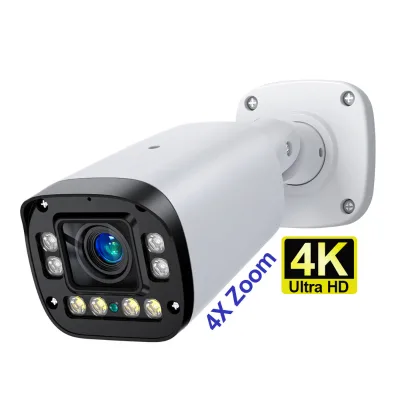
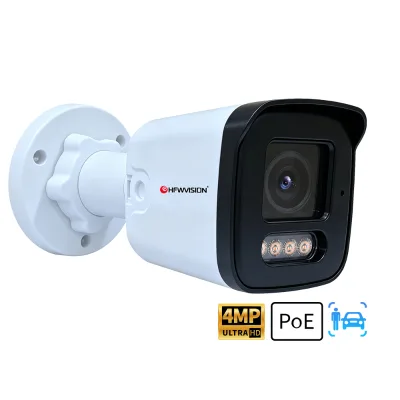
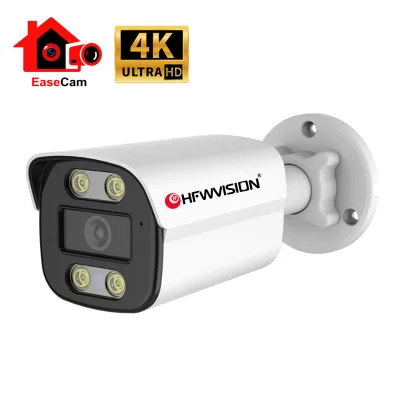
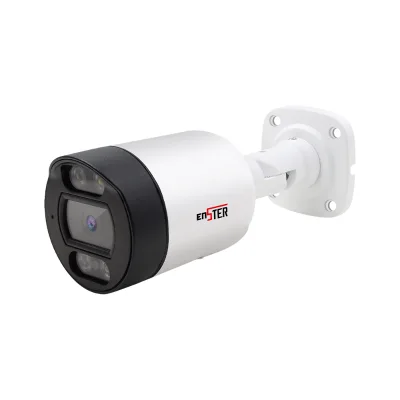


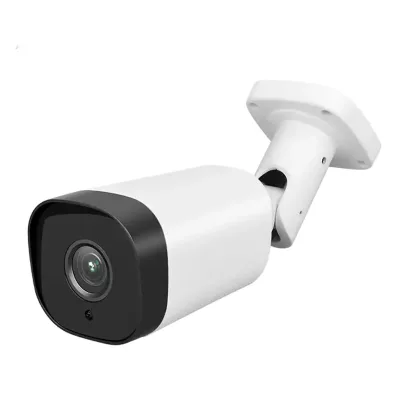
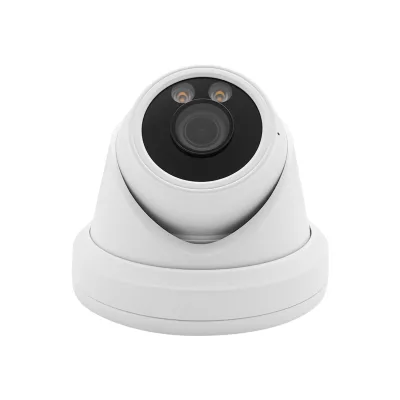
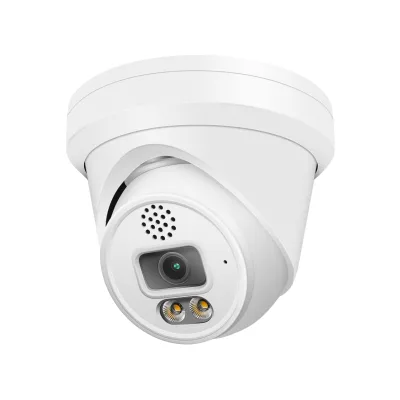


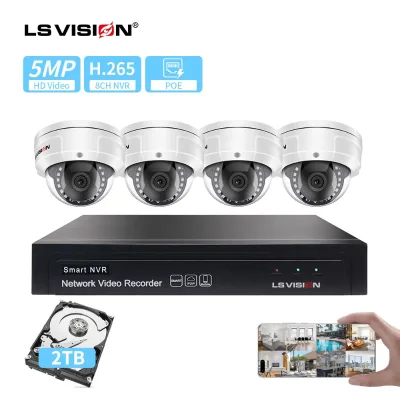
Comprehensive Sourcing Guide
IP67 Night Vision PoE Camera Supplier Concentration and Factory Types
Supplier results for this category point to two active Chinese provinces, Jiangsu and Anhui, which should anchor a buyer's first screening pass. One Jiangsu-based entry describes itself as a combined manufacturer and trading company focused on security products and solutions, holds an ISO9001:2015 system certificate, carries SGS verification, supports ODM and OEM work, and lists PoE camera kits with models such as an 8-channel dome set and bullet-style 8MP NVR units. An Anhui-based entry combines trading company and manufacturer/factory roles and lists a broad main-product range covering security cameras, IP cameras, CCTV cameras, 4G solar cameras, mini CCTV cameras, surveillance cameras, solar cameras and thermal cameras.
These two profiles illustrate the two dominant supplier types you will encounter: hybrid manufacturer-traders who consolidate products from their own or partner lines, and pure trading arms attached to factories. The distinction matters because a manufacturer role typically gives you more control over housing tooling, sensor selection and firmware, while a trading structure may widen catalog choice across bullet, dome and mini formats. When your own search returns suppliers without a listed location or company type, treat those fields as gaps to close directly rather than assumptions, and cross-check claimed factory status through a live audit or video walkthrough of the production floor before committing to sampling.
How to Verify IP67 Night Vision PoE Camera Suppliers
Verification should start with the credentials a supplier actually displays, then move to independent confirmation. In current results, one Jiangsu supplier shows an ISO9001:2015 system certification and third-party verification by SGS, while its product listings carry CE and RoHS product-level marks. An Anhui entry lists a broader certification set including BSCI, IFS, ISO 9001, ISO 14000, ISO 20000 and GMP. None of these display entries substitutes for an IP67 rating specifically; note that one detailed listing shows an IP66 waterproof rating, which is a lower ingress class than the keyword you are targeting. Ask every shortlisted supplier for the actual IP67 test report for the exact housing model, since a rating claimed in conversation is not evidence.
Beyond certificates, verify functional claims against the attribute sheets. Current listings support some useful checks: CMOS sensors, Onvif network compatibility, H.265 compression, NVR storage, an Xmeye PRO app, Android and iOS support, infrared and full-color night vision modes, and effective distances stated at 30 meters or greater. Confirm that the night vision technology (IR, warm light, dual light) matches your deployment scenario. Request certification body numbers so you can validate CE and other marks in official databases, and confirm whether customization options shown as "available" extend to firmware, branding and packaging or only cosmetic changes. A supplier whose documentation is internally consistent across system certificates, product attributes and origin declarations is far more likely to survive a real production run.
What to Compare Across IP67 Night Vision PoE Camera Suppliers
Build your comparison sheet from the dimensions suppliers actually expose, because not every listing shows every attribute. Useful fields in current results include lead time (one Jiangsu supplier lists 15 days, while an Anhui supplier lists 45 days), response time (roughly 6.67 hours for one entry versus about 1.09 hours for another), MOQ (10 units on a Jiangsu camera kit, 50 units on an 8MP PoE NVR bullet model, 100 units on an Anhui 4MP full-color unit), location, company type, RD capacity such as ODM, OEM or own brand, and main product breadth. Together these reveal very different sourcing profiles: the Jiangsu entry favors lower MOQs and faster turnaround on bundled kits, while the Anhui entry trades longer lead time and higher MOQ for a wider camera portfolio.
Price is the second comparison axis, but compare it per resolution tier rather than as a single figure. Current listings span roughly 13.71 to 16.87 USD on 2MP and 4MP bullet units, 109 to 151 USD on a high-definition PoE kit, 160.49 to 173.25 USD on an 8MP PTZ NVR model, and 187 to 264 USD on an 8-channel smart PoE set. A supplier quoting far below the range for a comparable resolution should trigger questions about sensor grade and housing material. Weigh lead time against your launch calendar, and weight response speed heavily if you expect iterative OEM changes, since slow replies multiply across every revision.
Common IP67 Night Vision PoE Camera Sourcing Risks
The most frequent risk in this category is ingress-rating mismatch. Because some detailed listings in this segment show IP66 rather than IP67, a supplier's brochure claim of full weatherproofing may not survive immersion or jet-spray conditions. Require the housing's independent IP test report keyed to the exact model number, and watch for suppliers who certify one housing variant and ship another. A second risk is specification drift between the sample and mass production: night vision type, sensor size (1/3 inch and 1/4 inch appear in current listings), and autofocus lens behavior can all change silently when a factory substitutes components during a shortage.
Trade and compliance risks follow. Product certifications shown in this category are CE and RoHS at the listing level, with one entry citing CE, CCC and ISO9001 in a combined attribute string; none of that tells you the goods clear your destination market's radio, safety or cybersecurity requirements, so verify applicable market rules independently. Attribute-string errors, such as a 2MP-titled product listing 8MP pixel attributes, also appear in current data, which means you must reconcile titles against attribute tables line by line. Finally, packaging and logistics details create hidden costs: current listings show cartons packed at 2 or 4 sets with dimensions like 59×40×43 cm, and origin declared as China with one product origin noted as Shenzhen. Confirm carton configuration and dimensional weight before quoting freight, and lock model numbers, firmware versions and spare-part availability in writing.
IP67 Night Vision PoE Camera Regional Sourcing and Logistics
Within this category's evidence, Jiangsu and Anhui are the two provinces represented, and they imply different logistics postures. A Jiangsu supplier offering a 15-day lead time suggests shorter replenishment cycles, which suits buyers running rolling orders of camera kits; Anhui's 45-day lead time, paired with a 100-unit MOQ on entry models, points toward planned batch buying rather than just-in-time restocking. Plan your order calendar around these deltas: if you need pilot quantities quickly, the lower-MOQ, shorter-lead profile is easier to absorb, whereas large seasonal deployments should be scheduled against the longer production window with buffer for pre-shipment inspection.
Logistics planning should account for the physical characteristics evident in the data. PoE camera kits are packed in multi-set cartons with stated dimensions, so calculate volumetric weight for air freight and container fill for sea freight before comparing supplier prices, since a cheaper unit price in an inefficient carton can cost more landed. Because origin declarations are China-wide with provincial differences, clarify Incoterms, export documentation responsibility and whether the supplier ships directly or routes through a forwarding hub. Ask each candidate how it handles consolidated orders that mix resolutions—2MP, 4MP and 8MP models with different carton sizes—as mixed-SKU consolidation affects both packing density and customs paperwork. Keep buffer stock proportional to the longer lead-time profile in your shortlist so a single supplier's production delay does not stall an installation project.
IP67 Night Vision PoE Camera Commercial Terms and Order Planning
Commercial terms should be structured around the MOQ and price tiers visible in this category. Current evidence shows a steep MOQ gradient: 10 units on a Jiangsu 8-channel kit, 50 on an 8MP PoE NVR camera, and 100 on an Anhui 4MP full-color unit, with per-unit pricing bands from the mid-teens USD up to 264 USD depending on resolution and configuration. Use tiered quotes: request pricing at MOQ, at two or three multiples above it, and at your target annual volume, and confirm whether quoted ranges are firm or indicative. Clarify what each price includes—power adapters, mounting hardware, NVR inclusion and printed manuals materially change unit economics on camera kits.
Order planning should convert displayed capabilities into enforceable terms. Where customization is marked "available," define in the purchase contract exactly which elements are customized (housing color, app branding, packaging), the approval workflow, and tooling ownership. Where ODM and OEM capacity is claimed, secure a written IP and mold-ownership clause. Set payment milestones tied to verifiable checkpoints—pre-production sample approval, inline inspection, and a pre-shipment inspection against an agreed AQL—rather than paying large deposits up front, and prefer mechanisms that hold funds until inspection clears where available. Finally, lock lead-time commitments with a late-delivery remedy, anchor the 15-day versus 45-day spread you observed into dated schedules, and define acceptance criteria covering IP67 ingress performance, night-vision range and firmware behavior so disputes have an objective standard.
FAQs
What is the price range for IP67 night vision PoE cameras?
Prices for these cameras typically range from $13.71 to $264.00 depending on resolution and features. Higher-end models with 8MP resolution and advanced night vision capabilities command premium pricing, while basic 2MP or 4MP units offer more affordable entry points for standard surveillance needs.
What is the minimum order quantity for these security cameras?
Minimum order quantities vary significantly by supplier and product model. Some manufacturers require a minimum of 10 units for specific smart camera models, while others may set the threshold at 50 or even 100 units for standard bullet or dome cameras. Buyers should verify the specific MOQ for their chosen model.
How long does it take to manufacture and ship these cameras?
Lead times for production generally range from 15 to 45 days depending on the supplier's location and capacity. Suppliers in Jiangsu often report faster turnaround times around 15 days, whereas those in Anhui may require up to 45 days. Buyers should confirm exact timelines with the supplier before placing orders.
What certifications do these PoE cameras typically hold?
Most suppliers provide cameras with CE and RoHS certifications to ensure compliance with international safety and environmental standards. Some manufacturers also hold ISO9001:2015 system certifications, indicating robust quality management processes. Buyers should request specific certification documents to verify compliance for their target markets.
Do these cameras support remote monitoring and mobile apps?
Yes, many models support remote monitoring via dedicated mobile applications such as Xmeye PRO. These apps are compatible with both Android and iOS devices, allowing users to view live feeds and receive motion detection alerts. Buyers should ensure their preferred app is supported by the specific camera model they select.
What is the typical response time for supplier inquiries?
Supplier response times vary, with some manufacturers responding within approximately 1.09 hours and others taking around 6.67 hours. Faster response times often indicate more active sales teams or automated support systems. Buyers seeking quick clarifications should prioritize suppliers with documented rapid response metrics.
Are OEM and ODM services available for these cameras?
Many suppliers offer both OEM and ODM services, allowing buyers to customize branding and specifications. Some manufacturers also support own-brand development for specific product lines. Buyers interested in private labeling should discuss customization options, including packaging and software integration, directly with the supplier to ensure feasibility.